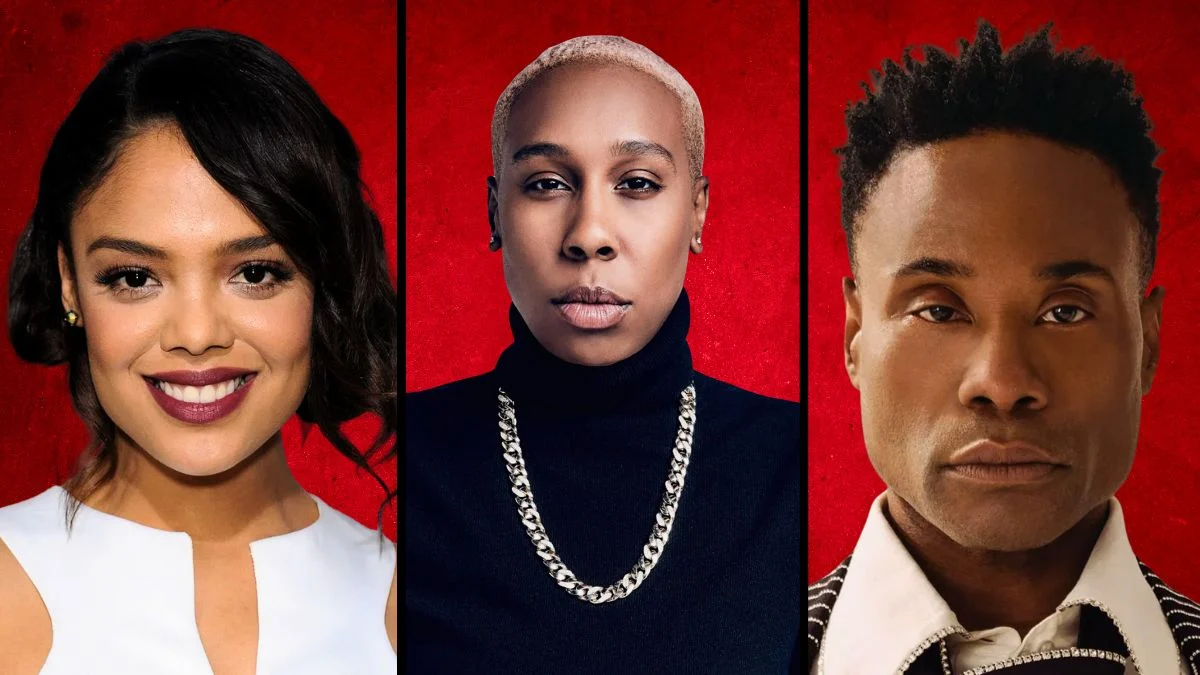
As a movie fan, I’ve noticed a frustrating pattern: for years, Hollywood’s portrayals of Black queer characters have almost always focused on hardship and pain. Thankfully, a lot of actors are starting to call this out. They’re saying they want to see stories where Black LGBTQ+ people aren’t just defined by their struggles, but get to experience joy, fall in love, and achieve success like anyone else. It seems like studios are often hesitant to fund projects that don’t involve tragedy for these characters, and these actors are really pushing for more complex and celebratory roles – and I’m totally with them!
Jeremy Pope
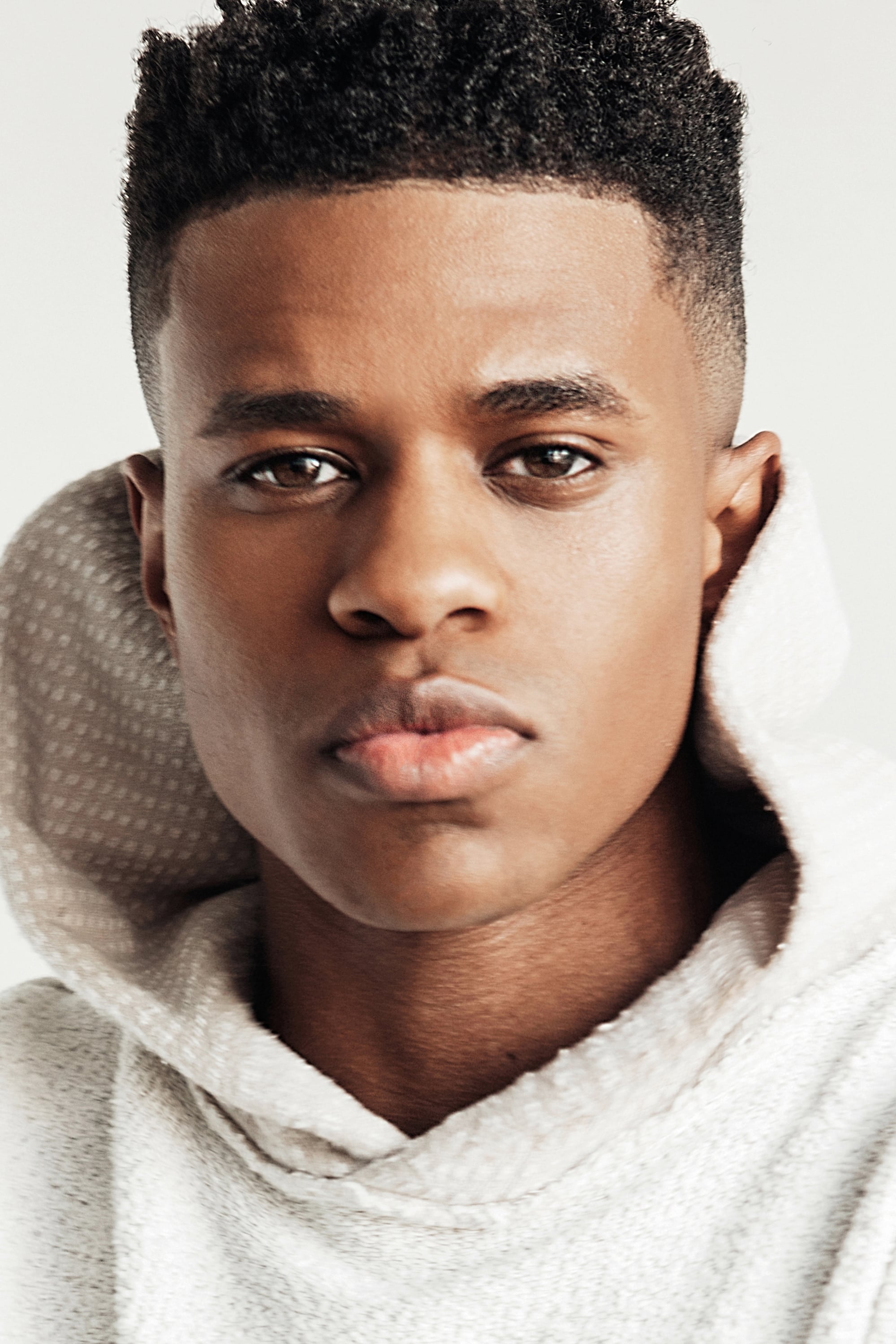
I was so impressed with Jeremy Pope in ‘The Inspection,’ but I really appreciate how open he is about how difficult it was to play such a heavy role. He’s right – we need to see more Black queer characters just living their lives, finding joy and love, not constantly facing danger. It’s important to show the struggles of the past, absolutely, but it shouldn’t be the only story we tell. I’m excited to see him advocating for roles that let Black actors explore the full range of human experience, including just… happiness and everyday life. It’s about showing our complexity.
Gabrielle Union
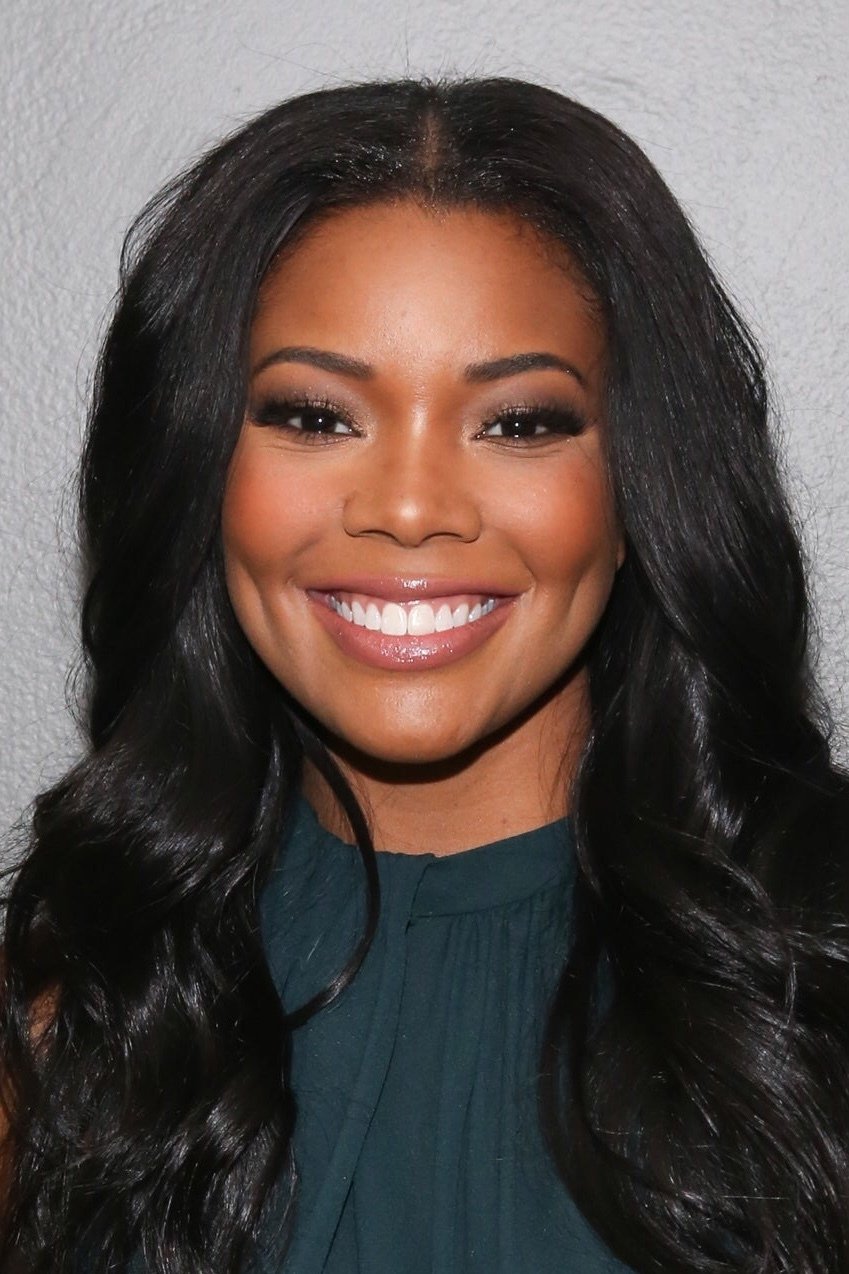
As a film lover, I’ve always admired Gabrielle Union’s dedication to seeing more diverse stories told, not just on screen, but who’s telling them too. With ‘The Inspection,’ she really pushed to get a tough, important story made, but she’s also talked a lot about how we need to see balance – stories that aren’t just about struggle, but also about joy. It’s frustrating to hear her explain how many studio execs seem to think stories centered around Black queer happiness won’t make money or that they only appeal to a small audience. She’s always been a huge supporter of projects that show all kinds of families and, importantly, give those communities happy endings – and I think that’s so vital.
Billy Porter
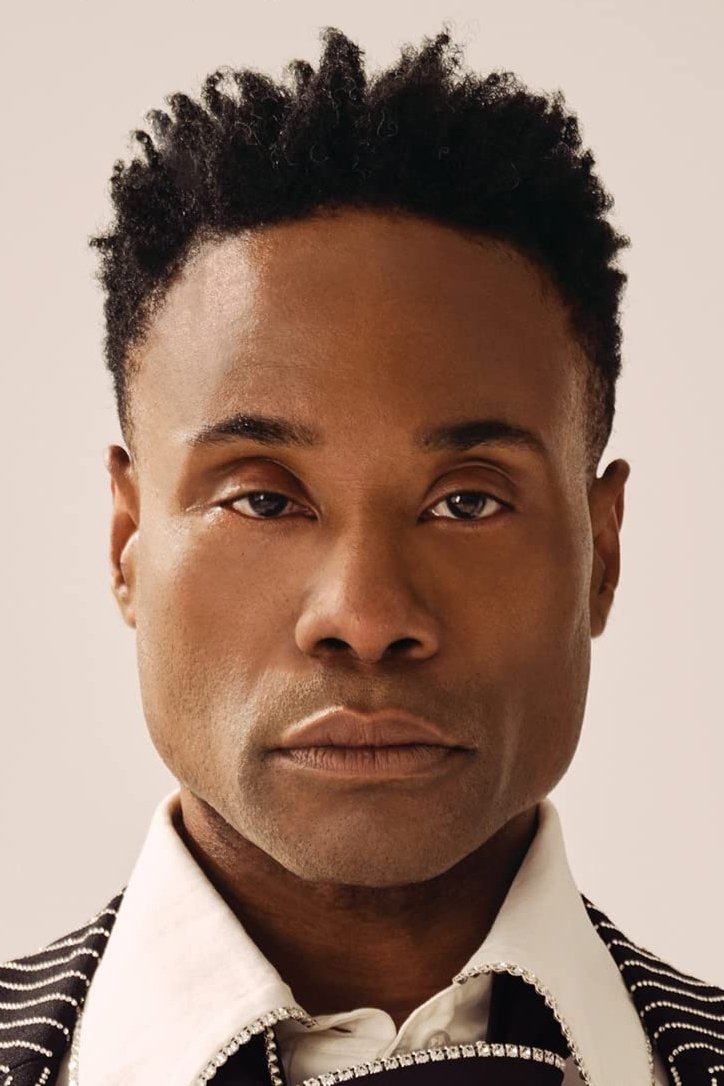
Billy Porter’s groundbreaking role in ‘Pose’ has changed the landscape of television, but he’s still concerned about the limited opportunities for Black LGBTQ+ actors in Hollywood. He’s noted that the industry often prefers to portray LGBTQ+ characters as either victims or supporting characters. Porter intentionally chooses roles, like in ‘Cinderella’, that allow him to portray strength and leadership. He believes that showcasing Black queer joy is a powerful statement that deserves more attention in mainstream media.
Lena Waithe
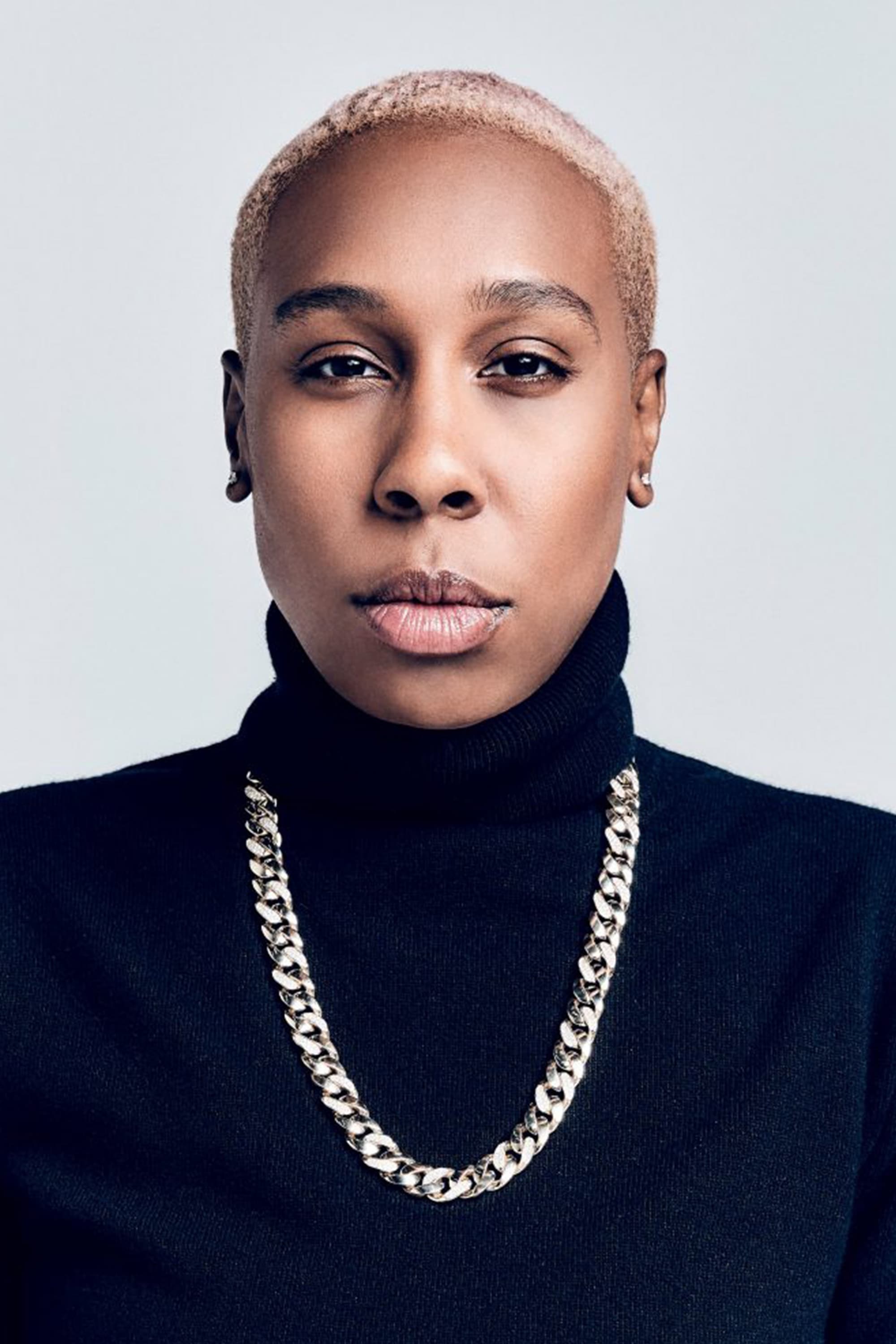
Lena Waithe gained recognition for her work on ‘Master of None’ and has since focused on creating positive and relatable stories featuring Black LGBTQ+ characters. She developed the series ‘Twenties’ to portray a lesbian lead experiencing the ups and downs of life and work, moving away from typical, tragic storylines. Waithe has noted that it can be difficult to convince studios that Black queer people can be the stars of mainstream romantic comedies. Through her production company, she champions stories that highlight both the everyday moments and the achievements of these communities.
Colman Domingo
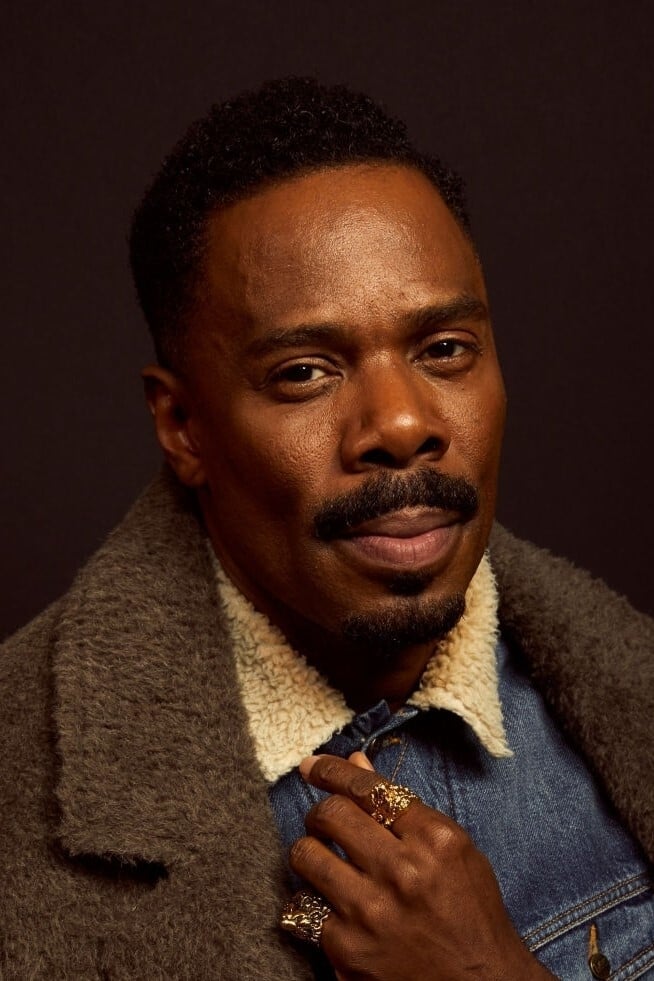
Colman Domingo is experiencing a career high, thanks to powerful performances in projects like ‘Rustin’ and ‘Euphoria’ which demonstrate his versatility as an actor. He’s passionate about playing complex Black gay characters – leaders, lovers, and fully developed people – and feels Hollywood often underestimates how much audiences want to see LGBTQ+ characters succeed. Domingo actively seeks roles that emphasize strength and overcoming challenges, rather than simply focusing on hardship.
Michaela Jaé Rodriguez
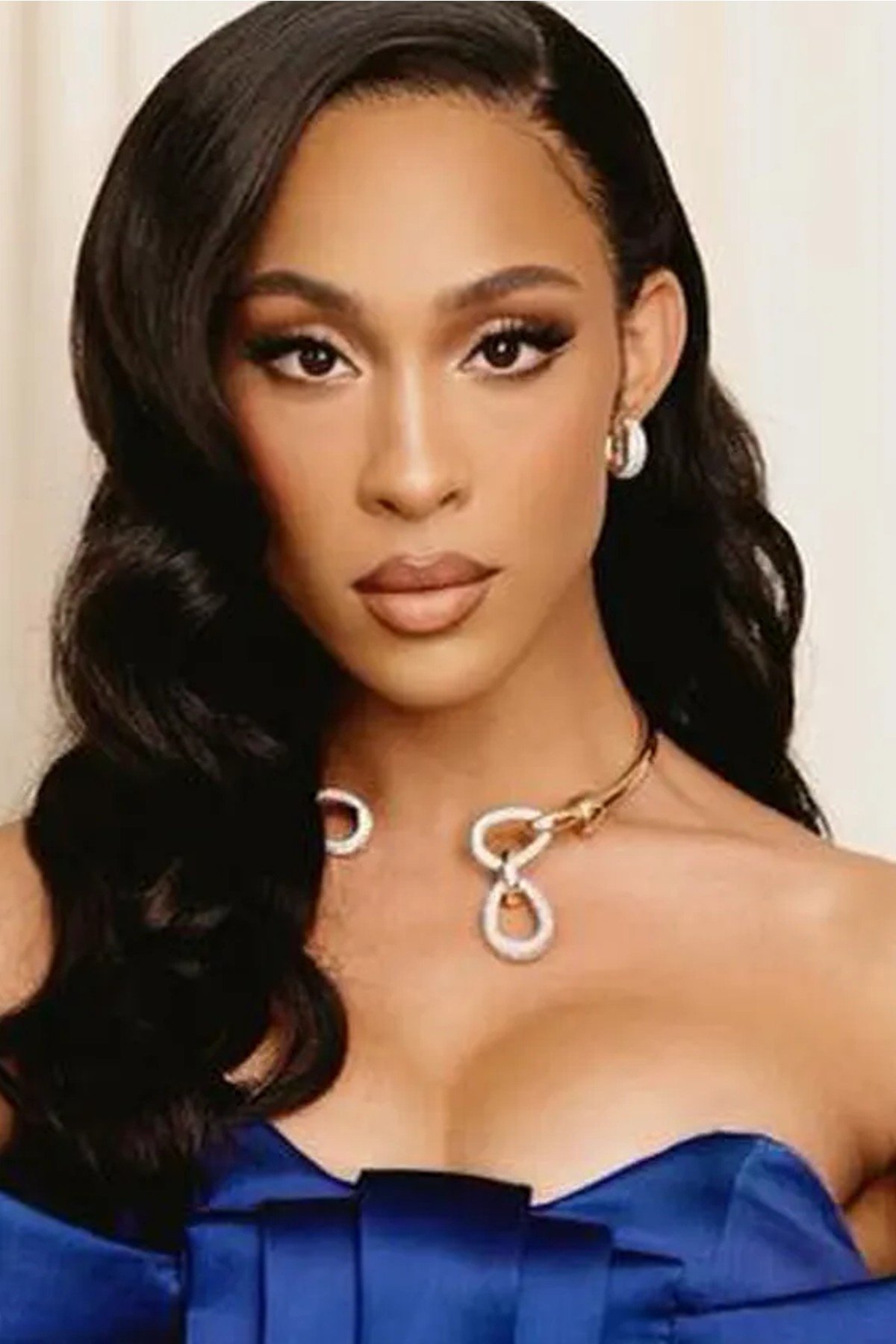
Michaela Jaé Rodriguez, who gained recognition for her role in ‘Pose’, is now focused on taking roles that aren’t defined by the struggles of being transgender. She’s thrilled about projects like ‘Loot’, where her character’s identity isn’t the main focus. Rodriguez believes Hollywood is hesitant to cast trans women in roles that simply show them living happy, successful lives. She’s pushing for more representation of trans women excelling in all areas of life – in their careers and in love.
Janelle Monáe
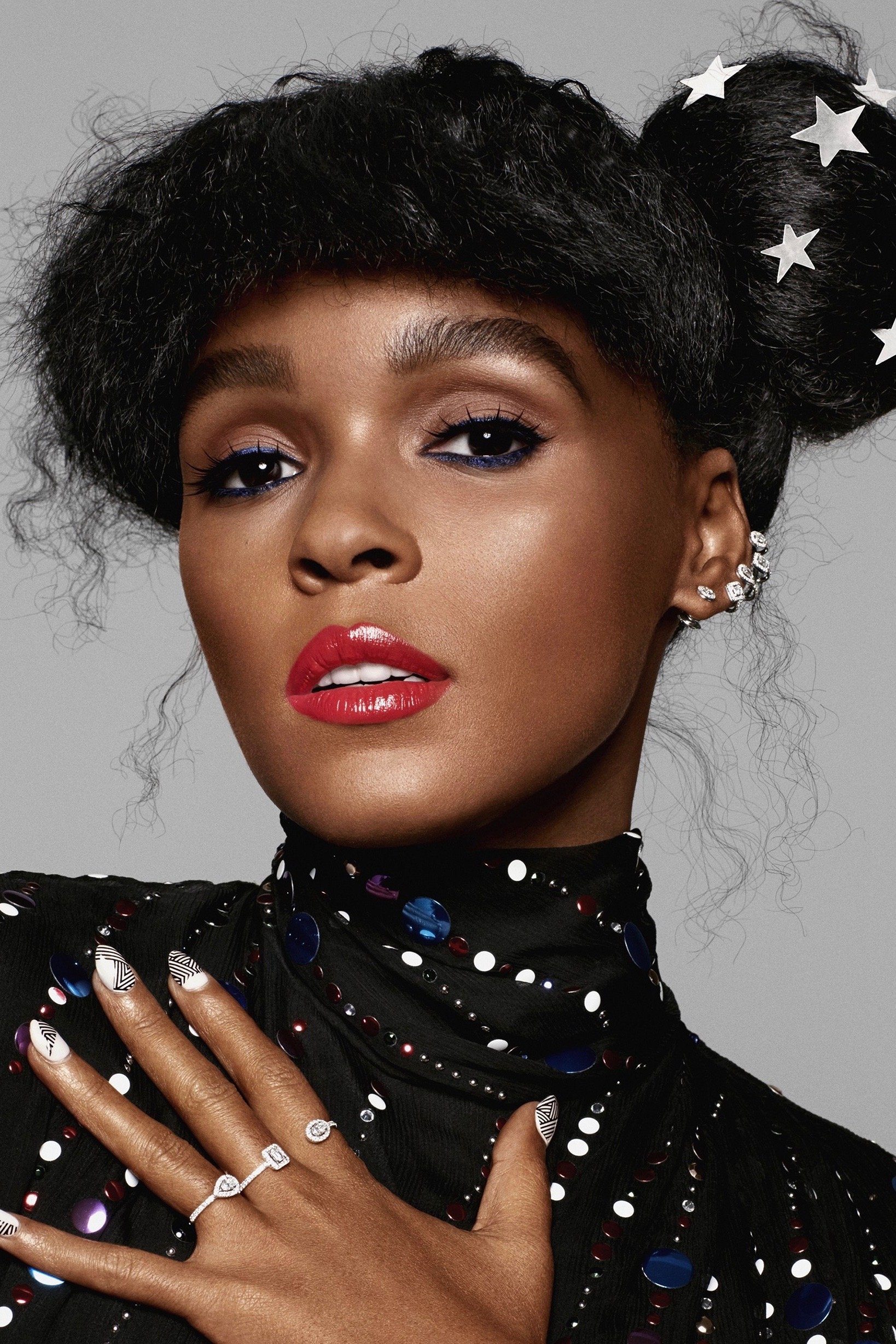
Janelle Monáe is known for openly embracing her identity and challenging stereotypes, including through her roles in films like ‘Glass Onion.’ She often talks about finding joy as a powerful act, especially as a Black, queer, non-binary person. Monáe points out that the entertainment industry often ignores or marginalizes queer identities unless they’re tied to sadness or tragedy. Her work consistently focuses on freedom, imagining the future, and celebrating those who are different.
Tessa Thompson
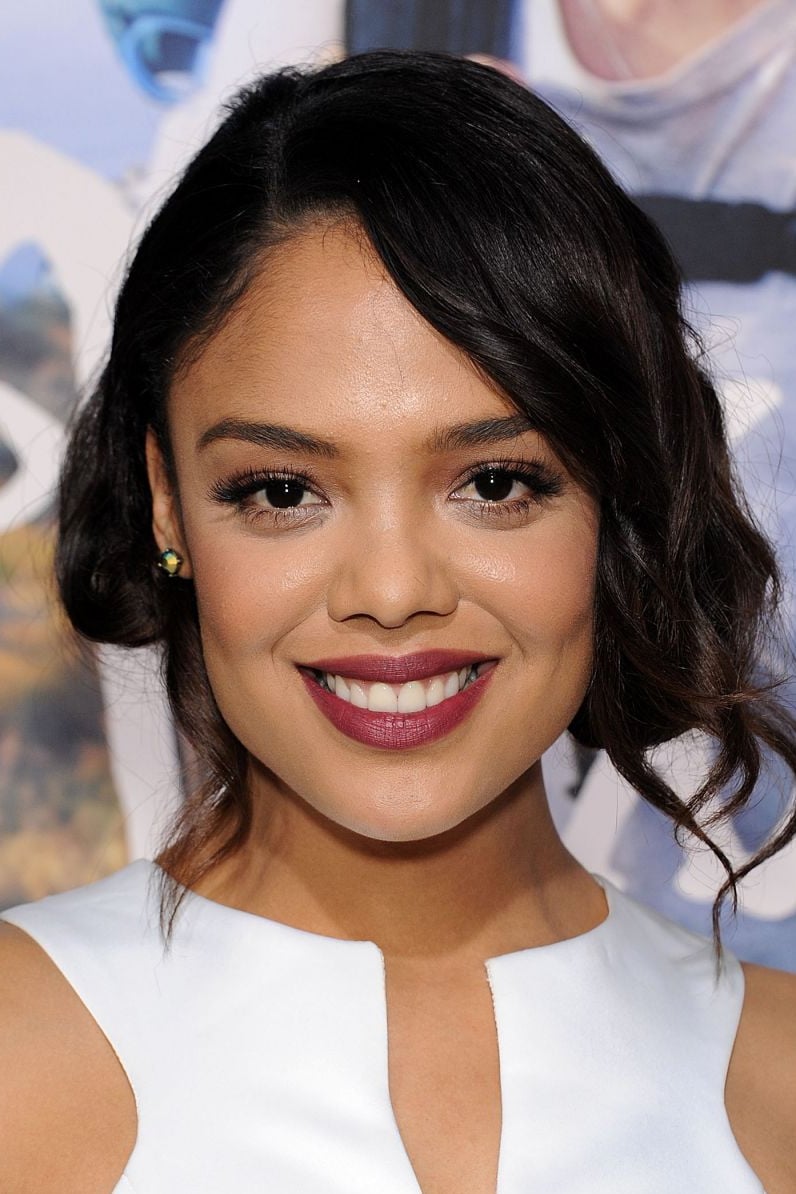
As a film fan, I really admire Tessa Thompson’s work, not just as an actress, but as an advocate. She’s been actively pushing for her characters to be openly bisexual, especially in huge franchises like the MCU. It’s frustrating, but she’s pointed out that studios often worry about losing international audiences if they show explicit queer relationships. She fought to include those moments in ‘Thor: Love and Thunder,’ and I think it’s so important. For me, seeing Black queer characters portrayed as powerful heroes – as kings, even – is crucial for shifting how society views them. It’s about representation and changing hearts and minds, and she’s really leading the charge.
Ncuti Gatwa
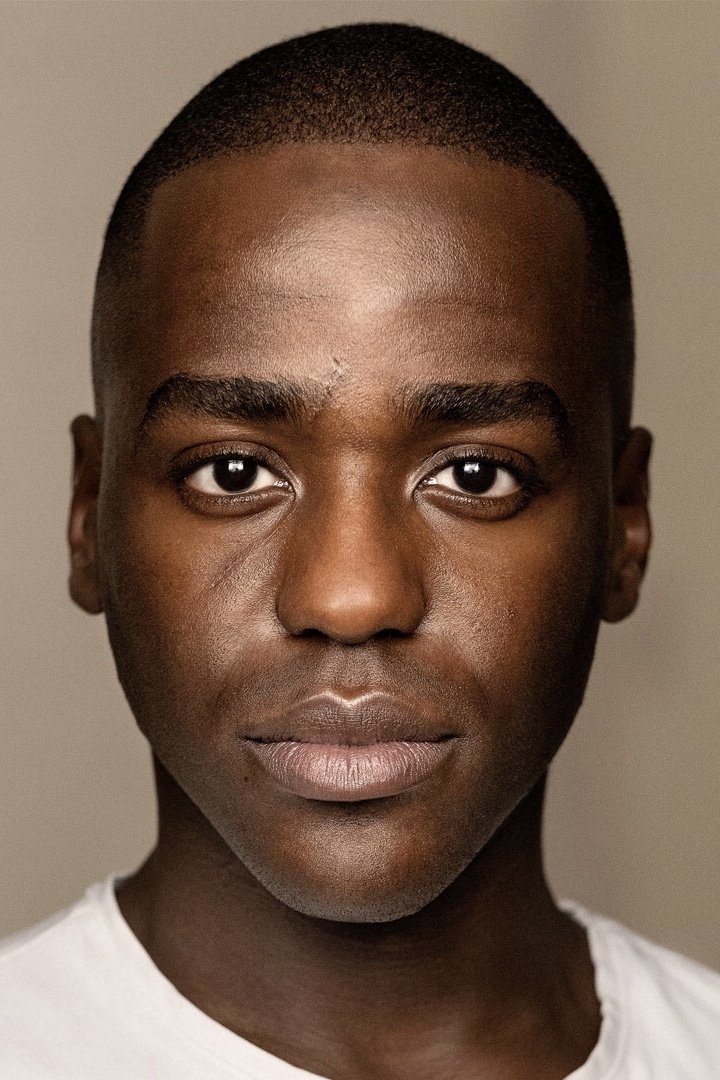
I was so thrilled to watch Ncuti Gatwa rise to fame with ‘Sex Education’! He played a Black gay teenager with such depth, joy, and authenticity – it was truly refreshing. What struck me was how he’s spoken about the lack of complex roles usually available to Black actors, especially here in the UK and in Hollywood. He’s absolutely right – we need to move beyond those tired, stereotypical ‘sad gay best friend’ characters. I love that he’s advocating for stories where Black queer characters get to be the heroes and experience their own happiness, fully and completely.
Amandla Stenberg
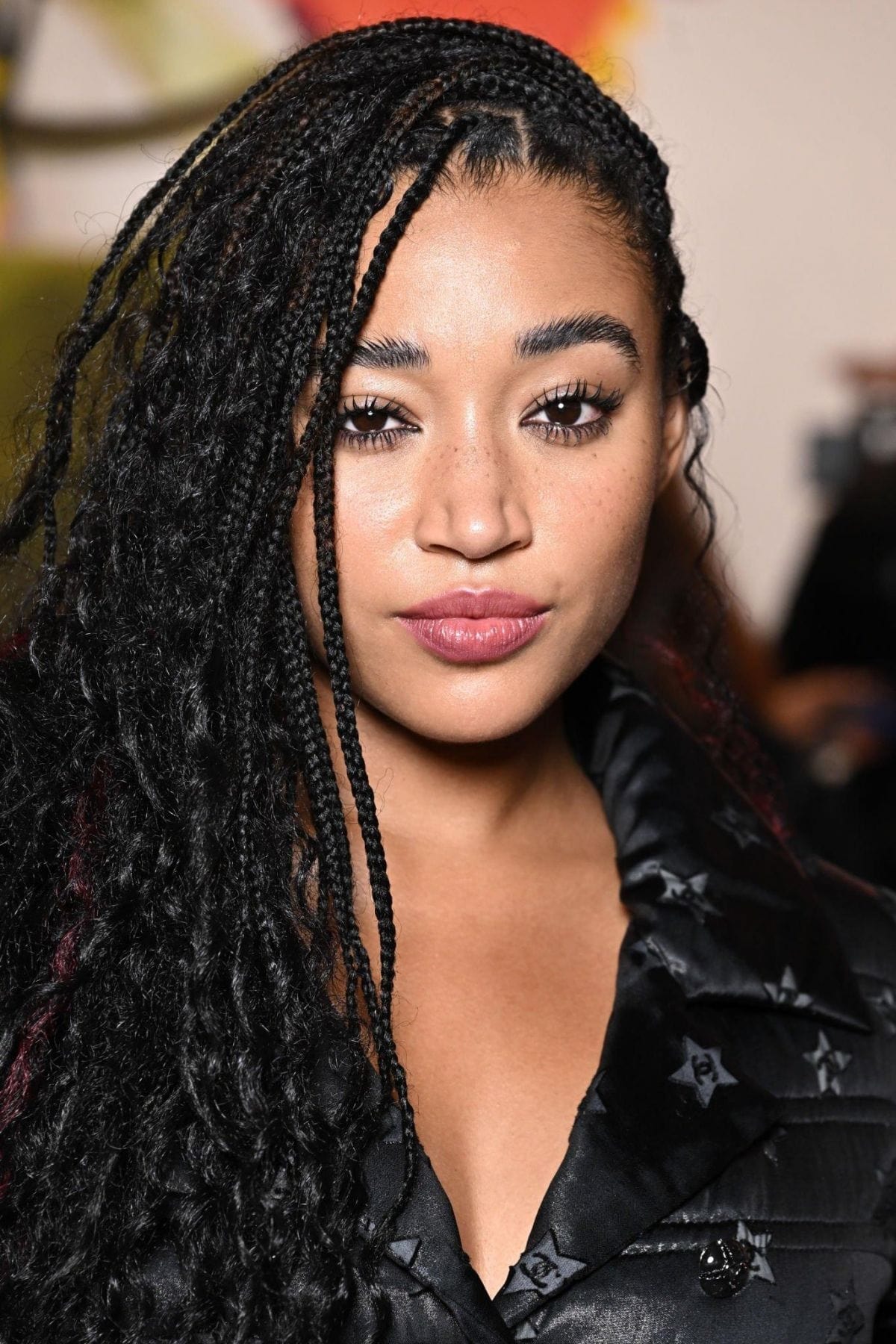
I’ve always been so impressed by Amandla Stenberg. She’s spoken so powerfully about how much Black films often focus on pain and struggle – what she calls ‘trauma porn’ – and I love that she’s actively choosing projects that are lighter, more hopeful, and even fantastical. It feels like she really wants to see Black queer young people simply enjoying life on screen, and I totally get that. She’s pushing for a more vibrant and truthful representation of her generation, and it’s incredibly inspiring to watch.
Brian Tyree Henry
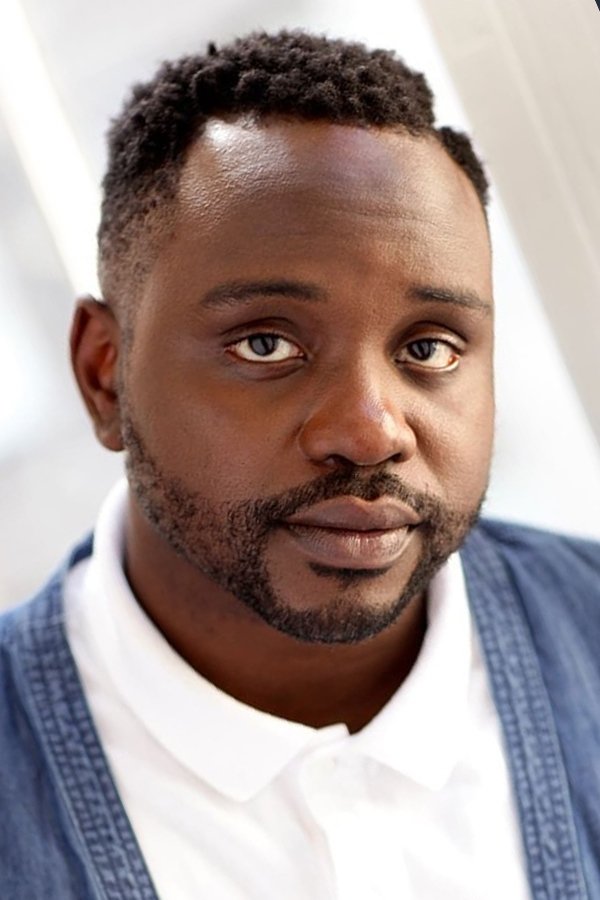
Brian Tyree Henry made history in ‘Eternals’ as the first openly gay superhero in the Marvel Cinematic Universe, portraying a character with a husband and a loving family. He emphasized how important it was to see a Black gay man depicted with a story centered on love and family, rather than hardship. Henry has pointed out that the entertainment industry often fails to picture Black men in gentle, domestic situations, and he’s calling for more representation of positive Black queer relationships in mainstream films.
Niecy Nash-Betts
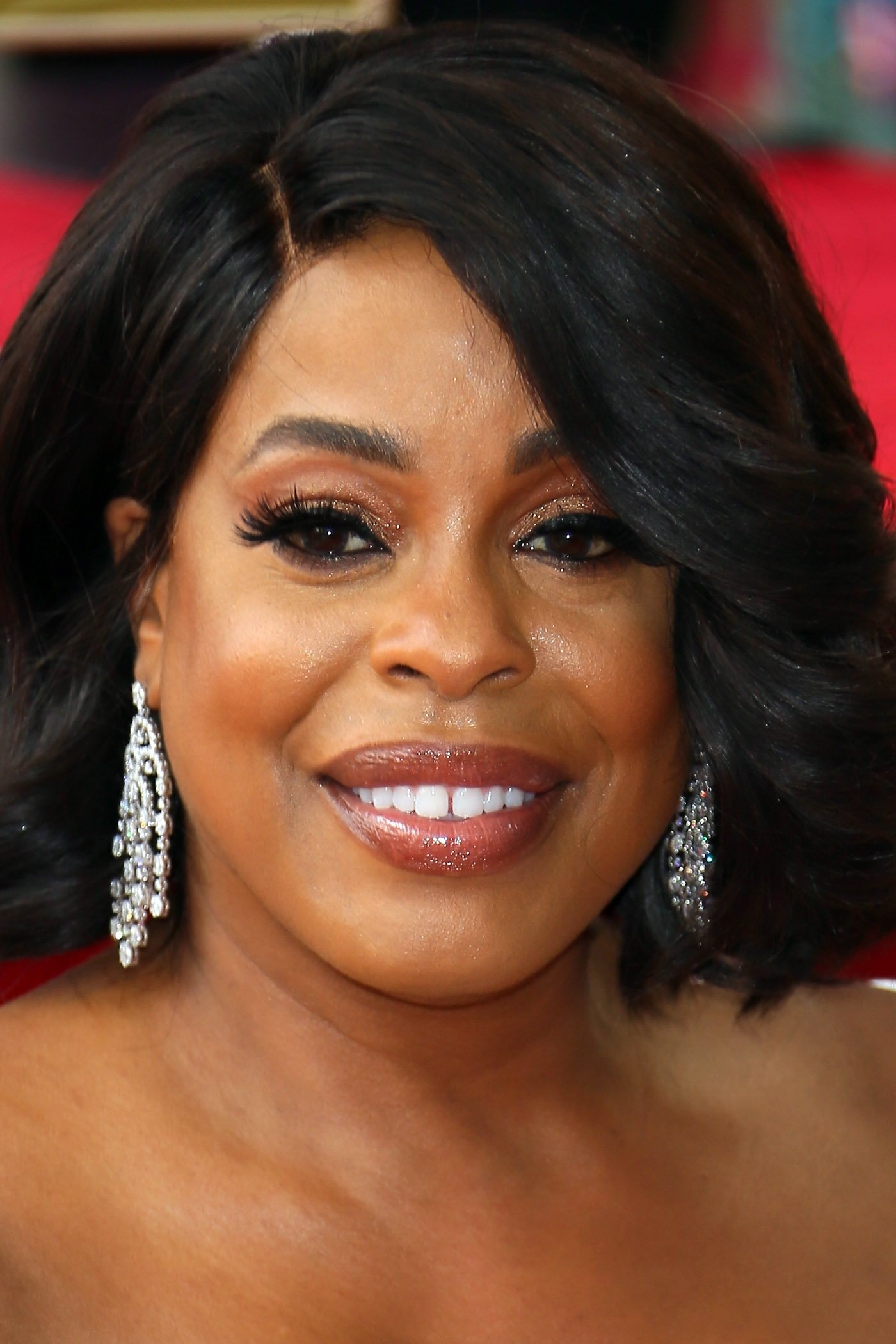
Niecy Nash-Betts shocked many when she married Jessica Betts, and has since become a symbol of joyful queer life for people in their later years. She’s encouraging the entertainment industry to share more love stories about older Black women finding happiness with partners of all genders. Nash-Betts feels Hollywood often focuses too much on young people discovering their identities and overlooks the beauty and viability of long-term queer relationships. She uses her platform to show that happy, lasting love is possible and can resonate with audiences.
Keke Palmer

Keke Palmer is using her own network, KeyTV, to create the stories she wants, without needing approval from traditional Hollywood studios. She’s talked about how her generation doesn’t fit neatly into industry categories, and believes the entertainment industry is often hesitant to embrace the open and authentic way young Black people express themselves. Palmer champions content that’s as diverse and unrestrained as the artists who make it.
Raven-Symoné
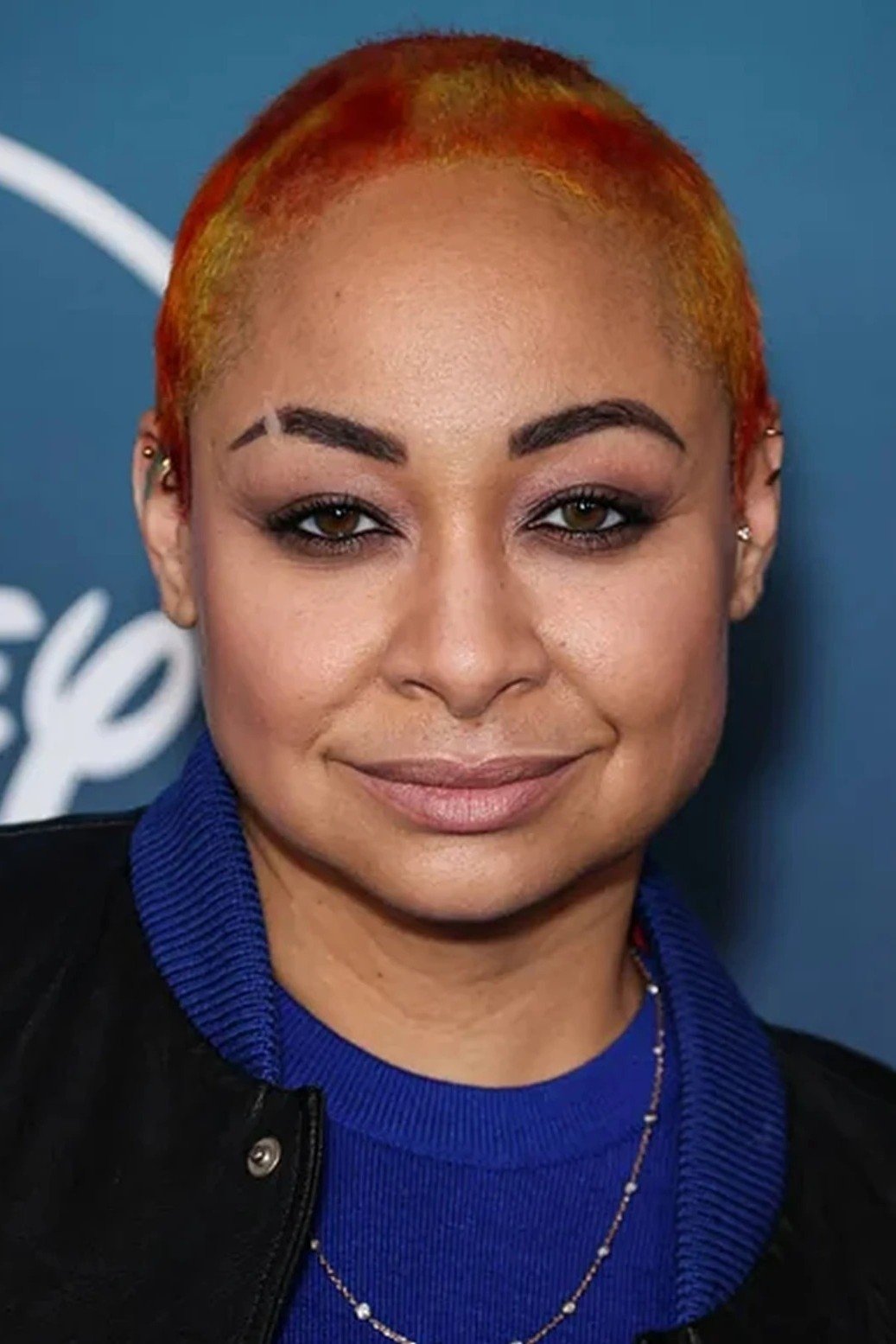
Raven-Symoné, a veteran in the entertainment industry, has voiced concerns about the tendency to make LGBTQ+ characters solely about their identity. She believes it’s important to see queer characters simply living everyday lives, like those in typical sitcoms. Raven feels true progress in Hollywood will come when a Black queer character’s sexuality isn’t a central focus, but rather a normal part of who they are – as unremarkable as any other personal detail. She sees portraying this kind of ‘normalcy’ as a powerful form of representation.
Tituss Burgess
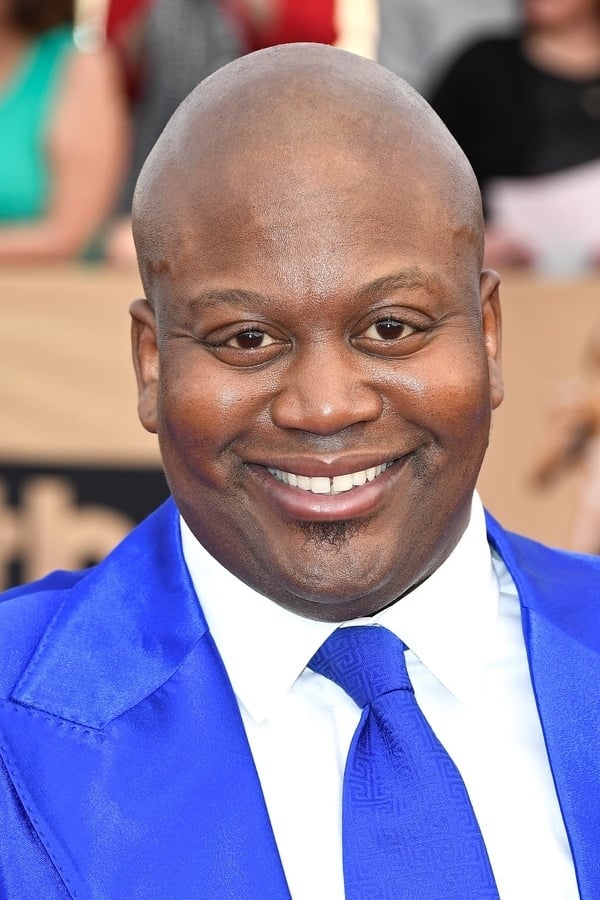
Tituss Burgess gained popularity on ‘Unbreakable Kimmy Schmidt,’ but he’s discussed how hard it’s been to find starring roles since then. He’s pointed out that the entertainment industry often wants to cast him as the funny best friend, rather than a leading man in love stories. Burgess hopes to see more romantic comedies that feature Black queer men as the main characters, getting the love they deserve and living happily ever after. He feels Hollywood’s reluctance to embrace this change limits audiences’ ability to see the diversity of Black experiences.
Let us know in the comments which actor you’d love to see leading a big romantic comedy!
Read More
- 20 Movies Where the Black Villain Was Secretly the Most Popular Character
- Transformers Under the Microscope: What Graph Neural Networks Reveal
- Celebs Who Narrowly Escaped The 9/11 Attacks
- Trading on Thin Air: AI Agents Conquer Crypto Volatility
- Silver Rate Forecast
- Gold Rate Forecast
- Invincible Season 4 Gender Swaps Tech Jacket As Fans Question Major Comic Change
- 22 Films Where the White Protagonist Is Canonically the Sidekick to a Black Lead
- Every Notable ‘Star Trek: The Original Series’ Actor Who Died
- Trading Smarter: AI-Powered Execution Schedules
2025-12-18 03:46