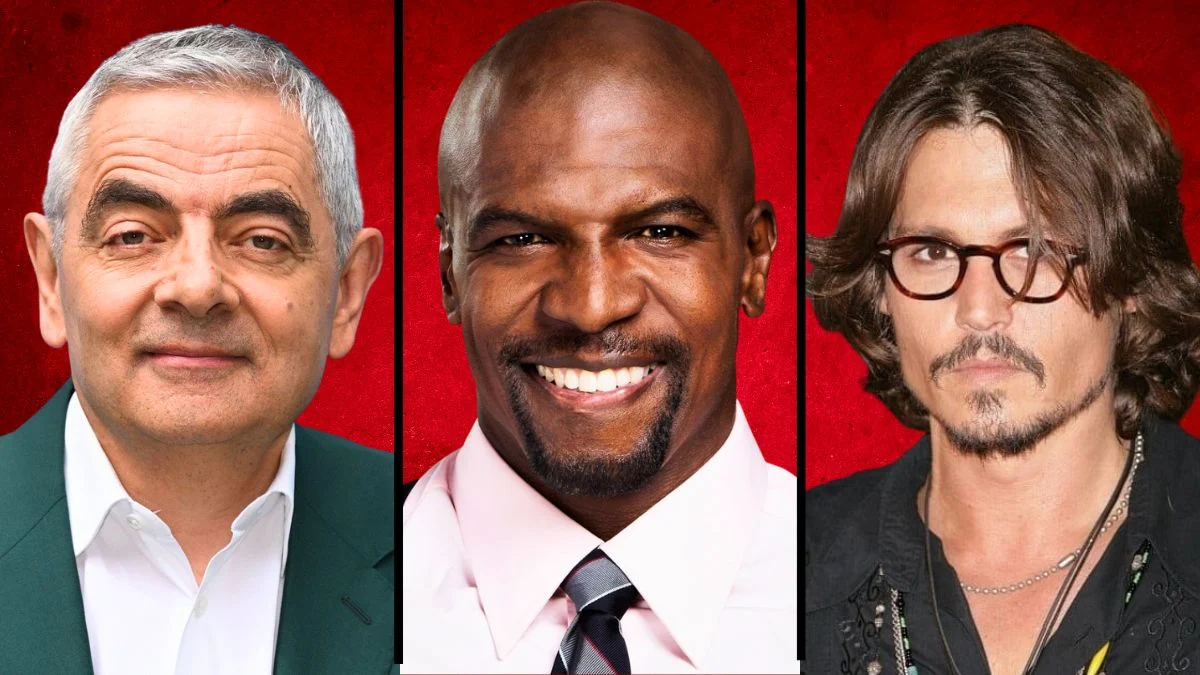
Social media and a demand for public accountability have greatly changed the entertainment world. Increasingly, male actors are speaking out against what’s known as “cancel culture.” They contend that quick judgments can ruin careers without a fair chance for explanation or recovery. Some also feel that a fear of causing offense is limiting artistic expression and harming comedy. Here are some performers who have publicly criticized this environment or resisted pressure to conform.
Ricky Gervais
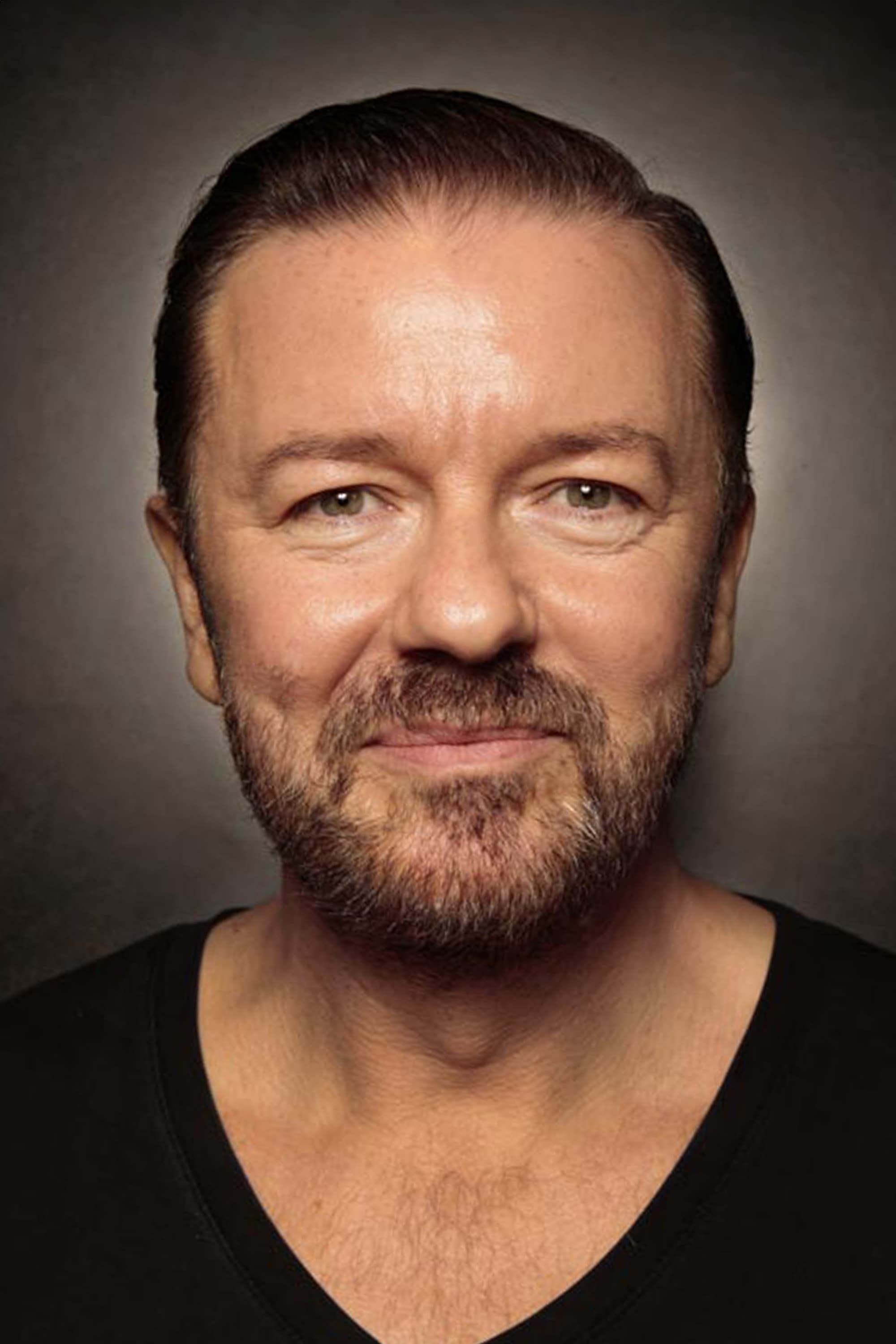
Ricky Gervais often speaks out against “cancel culture” in his comedy and interviews. He believes that trying to avoid causing offense stifles creativity and freedom of speech. Gervais, known for creating ‘The Office,’ argues that what people find offensive is personal, and artists shouldn’t be restricted because of it. He’s made it clear he won’t change his jokes to please those who complain online. He believes people are allowed to be offended, but they don’t have the right to stop others from expressing themselves.
Jerry Seinfeld
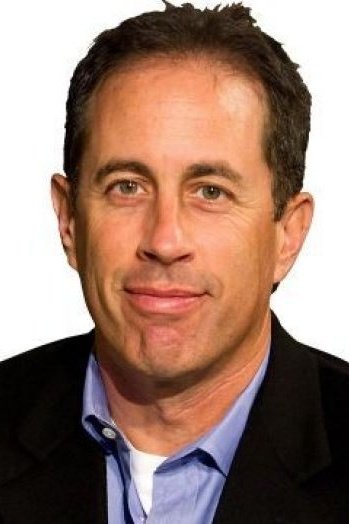
Jerry Seinfeld recently shared his disappointment with modern television comedy. He feels that an overemphasis on political correctness is stifling creativity and making it difficult to write truly funny sitcoms. According to Seinfeld, comedy writers are now too concerned about potentially offending small groups, which he believes creates a humorless and overly cautious environment. He misses a time when comedians could take risks and push boundaries without facing immediate criticism.
Dave Chappelle
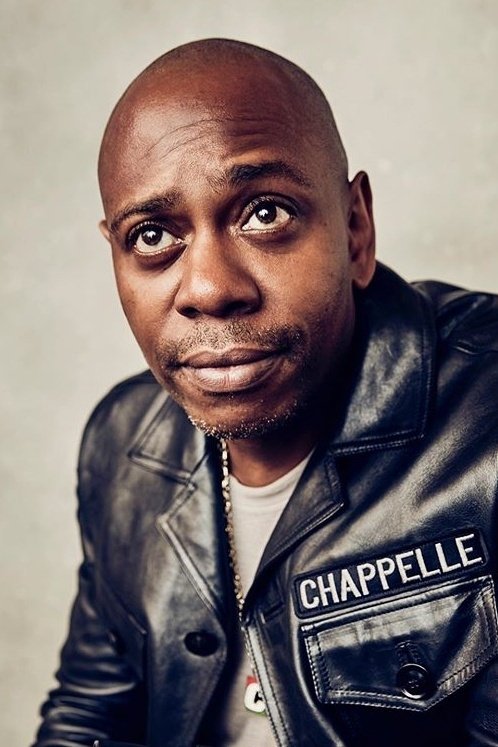
As a big fan, I really admire how Dave Chappelle stands up for comedians’ right to be funny, even when it’s controversial. He got a ton of heat for his special ‘The Closer,’ but he wouldn’t back down or apologize, and I respect that. He believes comedians should be able to express themselves freely, without worrying about being ‘politically correct.’ He’s still out there performing, and he’s not afraid to tackle tough topics and challenge this whole ‘cancel culture’ thing. It just shows how much comedy has changed, and it’s interesting to see where he stands in all of it.
John Cleese
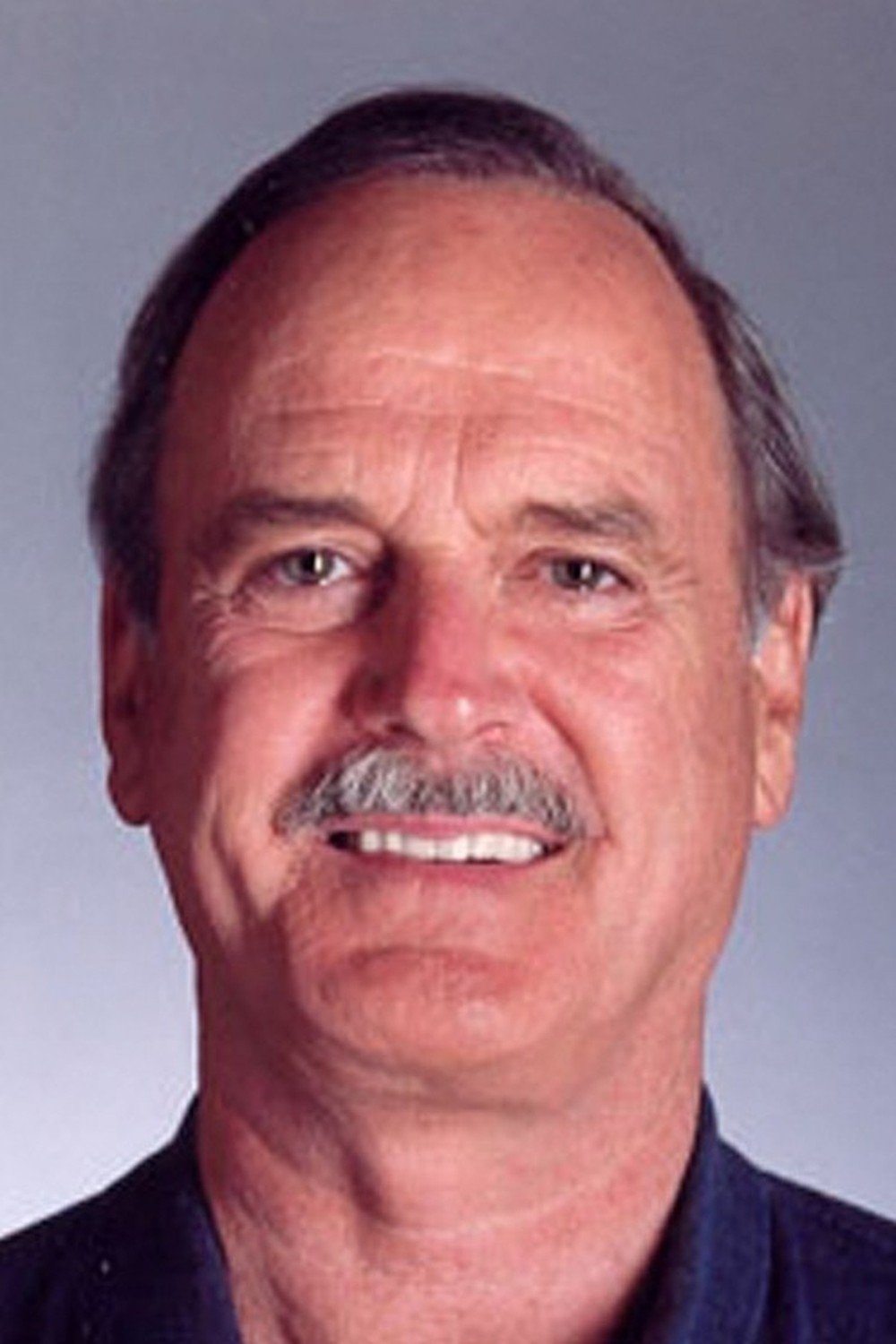
John Cleese is a well-known critic of what he calls “woke culture,” believing it stifles creativity. The actor, famous for ‘Monty Python and the Holy Grail,’ says the worry of facing backlash prevents people from taking risks, which is essential for comedy. He’s actively defended the importance of free speech, even speaking on the topic at universities, and refuses to change his older work to meet current expectations.
Rowan Atkinson
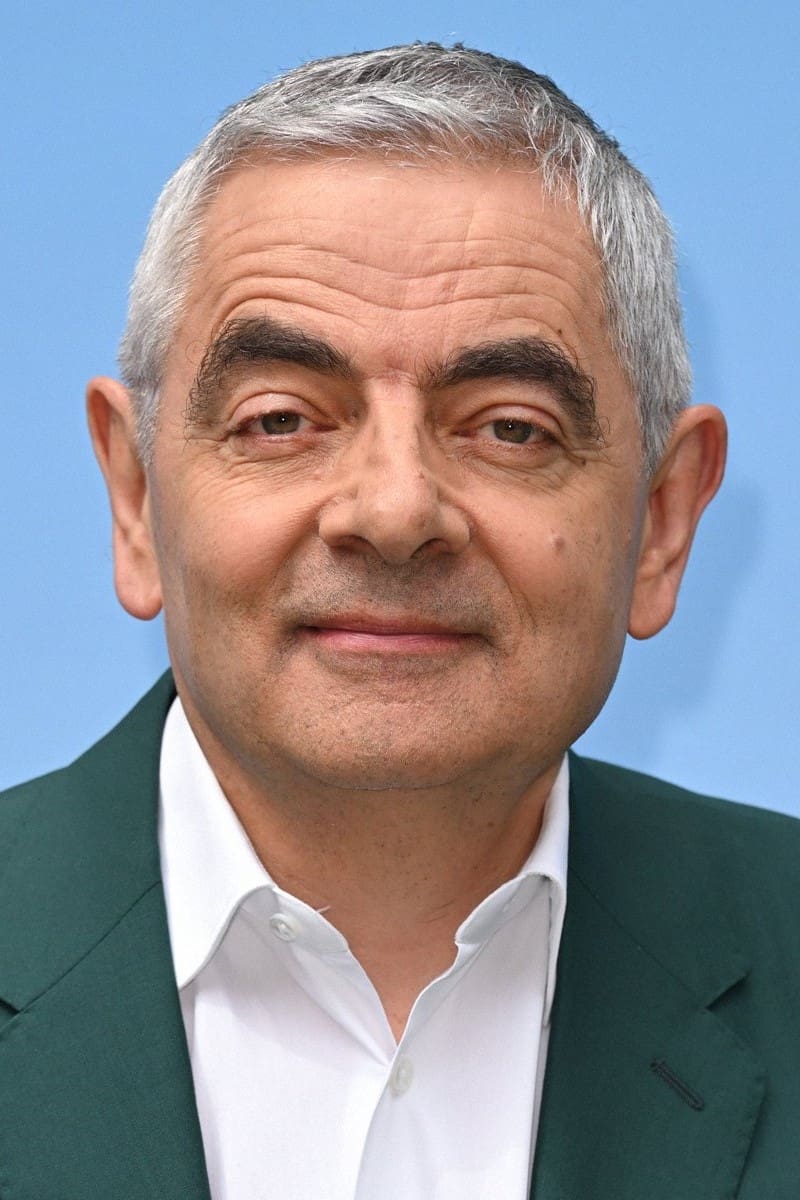
Rowan Atkinson, best known as Mr. Bean, has long been a champion of free speech, even if that means allowing jokes that some find offensive. He argues that comedy’s main job is to push boundaries and challenge people, and that without that, it loses its value. He sees “cancel culture” as a kind of online harassment, where people quickly try to punish others for saying something unpopular. Atkinson believes that limiting what artists can say harms basic freedoms, and he encourages people to accept different viewpoints instead of trying to silence them.
Johnny Depp
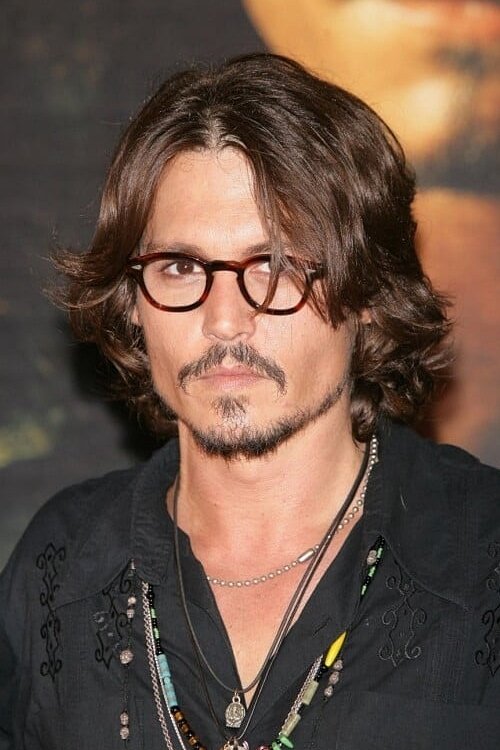
At the San Sebastian Film Festival, Johnny Depp spoke out about “cancel culture,” calling it a quick and often unfair rush to judgment. He believes anyone can be targeted simply by accusation, and encouraged people to support those facing unfair treatment instead of joining the crowd. Depp sees the current environment as complicated and in need of careful consideration, not immediate reactions.
Bryan Cranston
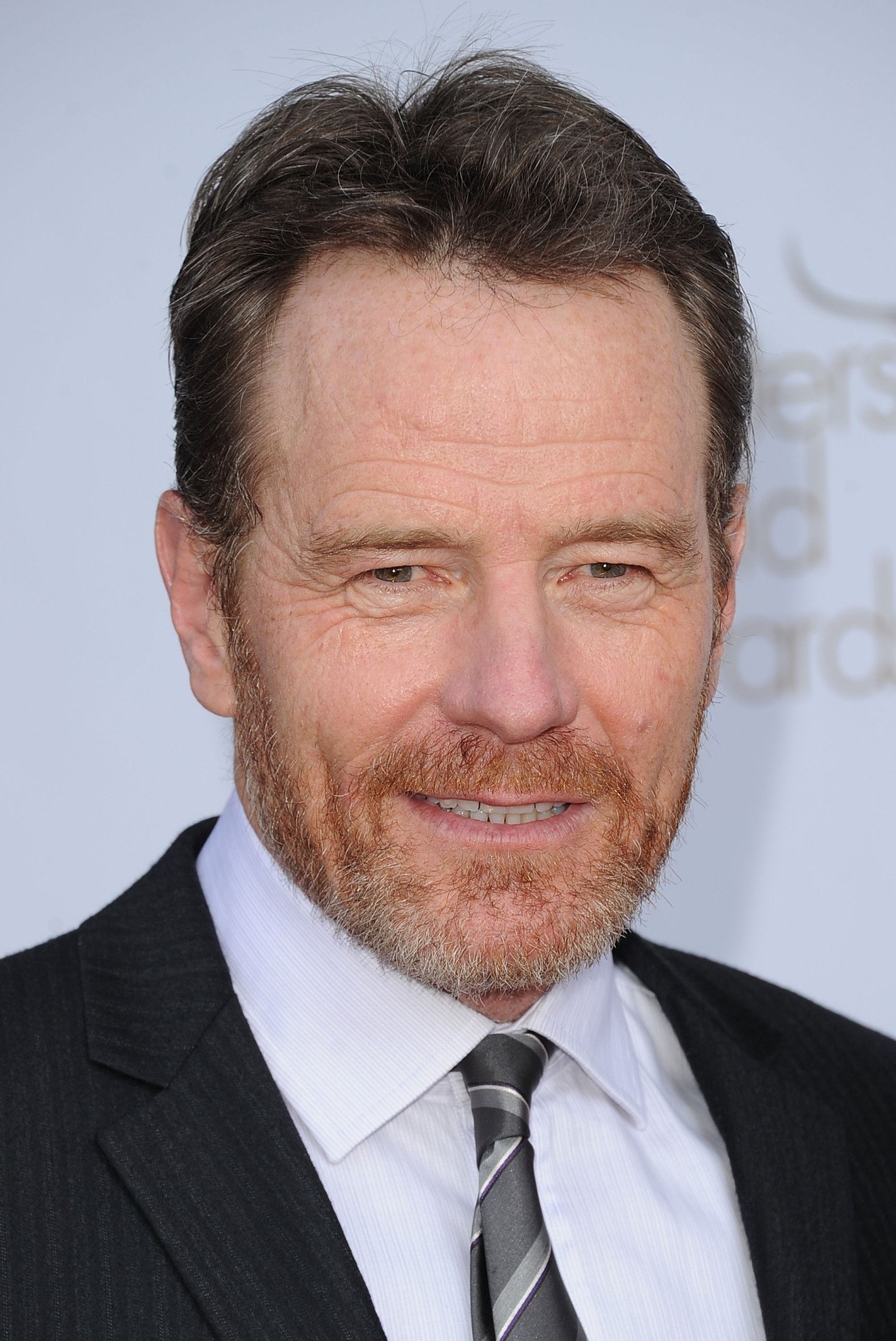
Bryan Cranston has observed that modern society is quick to condemn people and slow to forgive. He feels ‘cancel culture’ doesn’t allow for mistakes or the chance to make amends, ultimately making the world less understanding. Cranston argues that instead of permanently shunning people, we should focus on teaching and offering second chances, prioritizing growth over punishment.
Kevin Hart
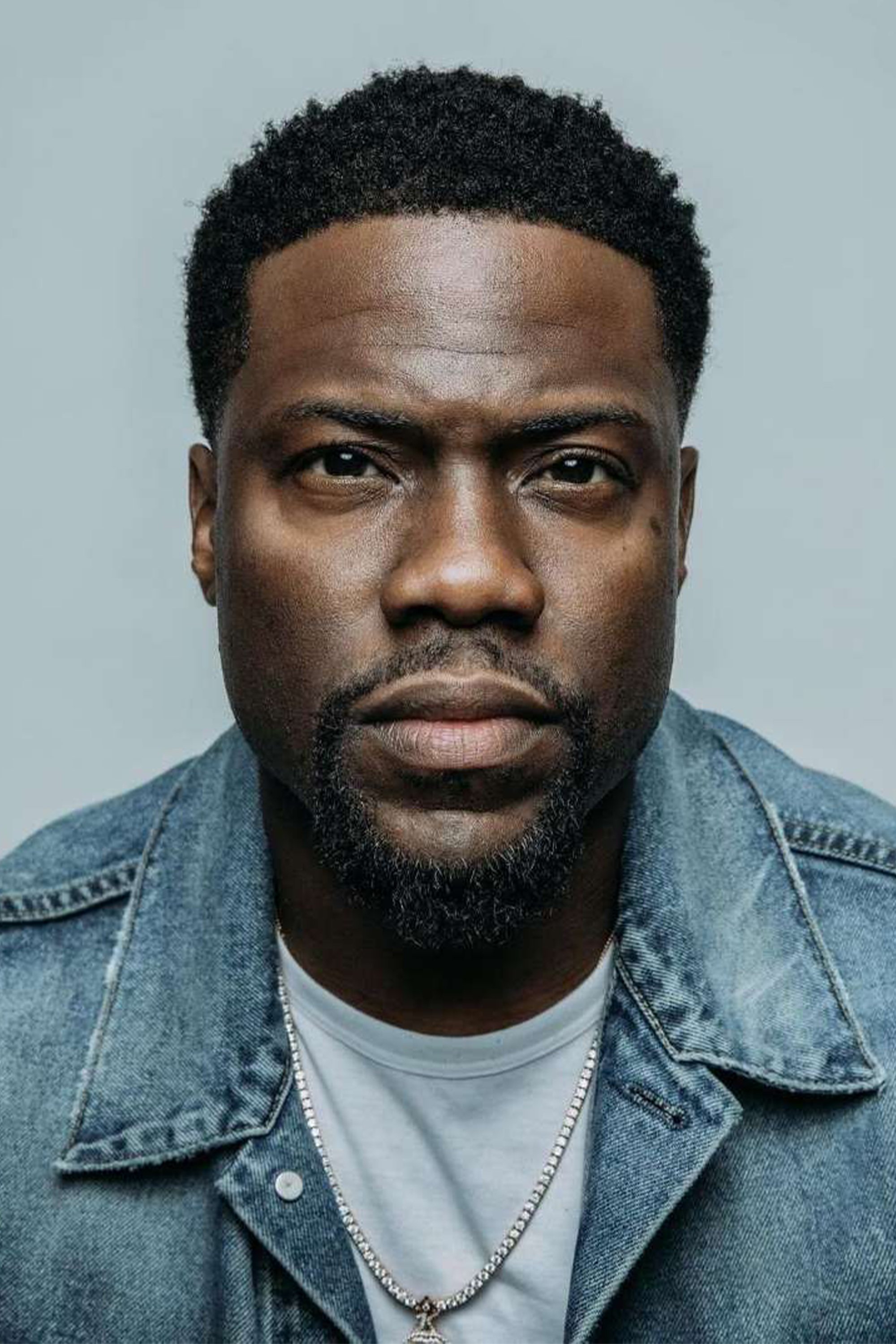
Kevin Hart decided not to host the Oscars after he refused to apologize again for past tweets. He had already explained the situation years ago and didn’t want to give attention to people who were stirring up trouble online. Hart felt he didn’t need to keep apologizing for something from the past, especially since people learn and grow. He wants his present accomplishments and happiness to stand on their own, not be overshadowed by things he said a long time ago.
Chris Rock
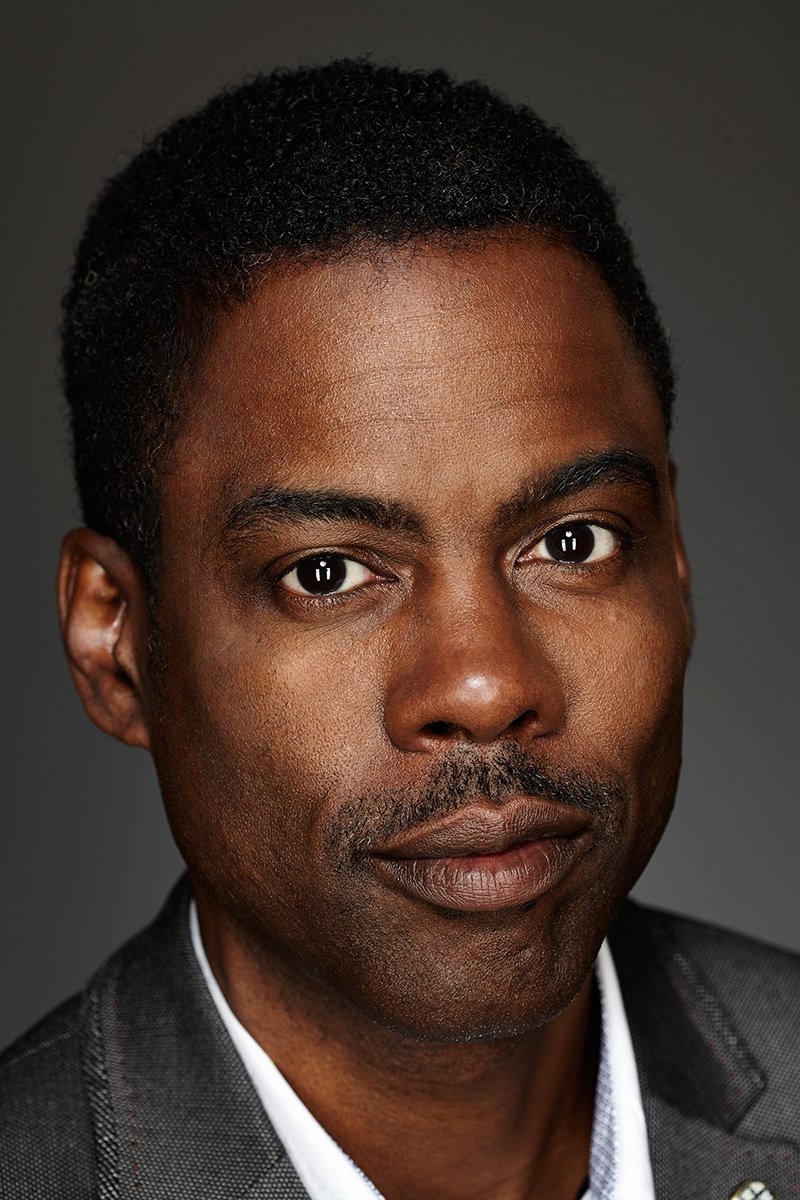
Chris Rock has been talking about “cancel culture” in his comedy shows. He’s said that the worry about causing offense is making TV and movies less interesting. He thinks we’re missing out on good art because creators are too afraid of getting criticized. Rock also believes that online outrage often focuses on the wrong things. He feels comedians are important because they can talk about difficult or controversial topics that others won’t.
Bill Burr
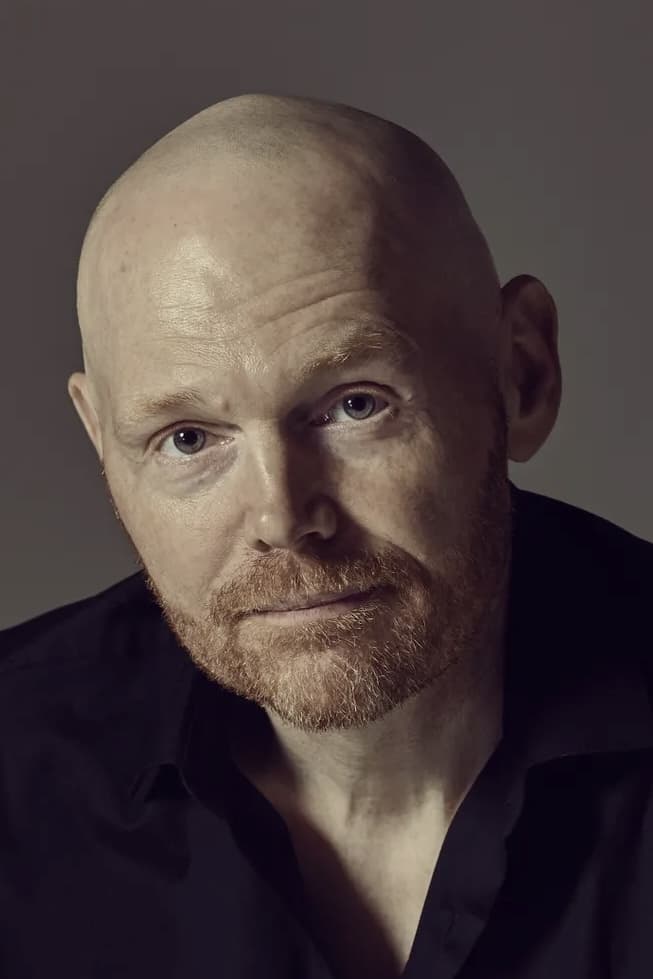
Bill Burr often speaks out against “cancel culture” in his comedy and on his podcast. He argues that people are too quick to condemn others for small mistakes or jokes, creating a harsh and unforgiving environment. Burr points out that everyone makes errors and isn’t perfect. He also stands firm in his comedic style, refusing to apologize for being direct, and believes the purpose of a joke is more important than how people react to it.
Clint Eastwood
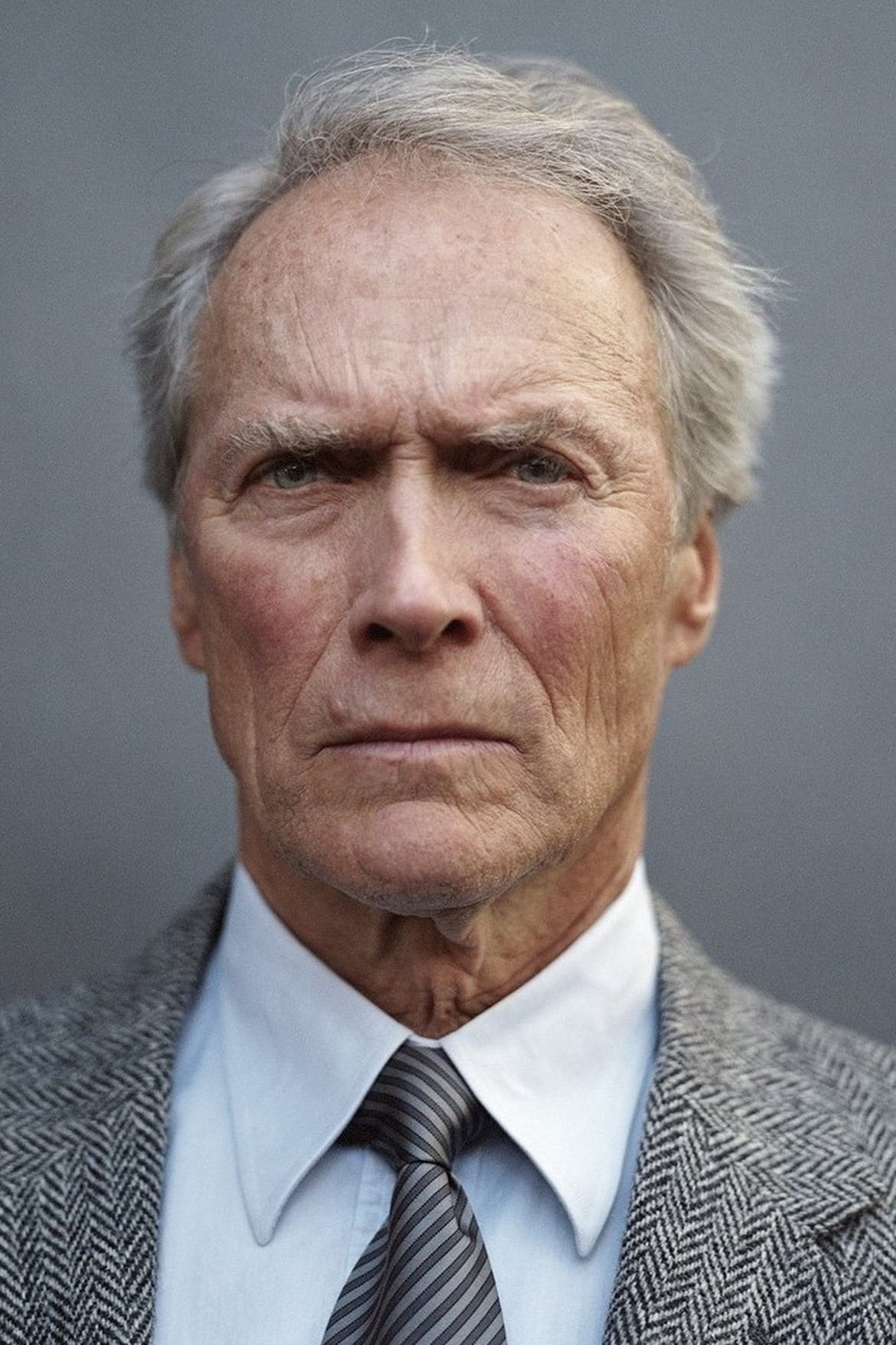
Clint Eastwood has often complained about what he sees as a trend towards excessive sensitivity in modern society, which he refers to as the “pussy generation.” He feels people are too focused on political correctness and worry too much about not offending others. Despite this trend, Eastwood continues to create films that represent his personal beliefs, and he views the current climate of outrage as a fleeting and negative moment in time.
Liam Neeson
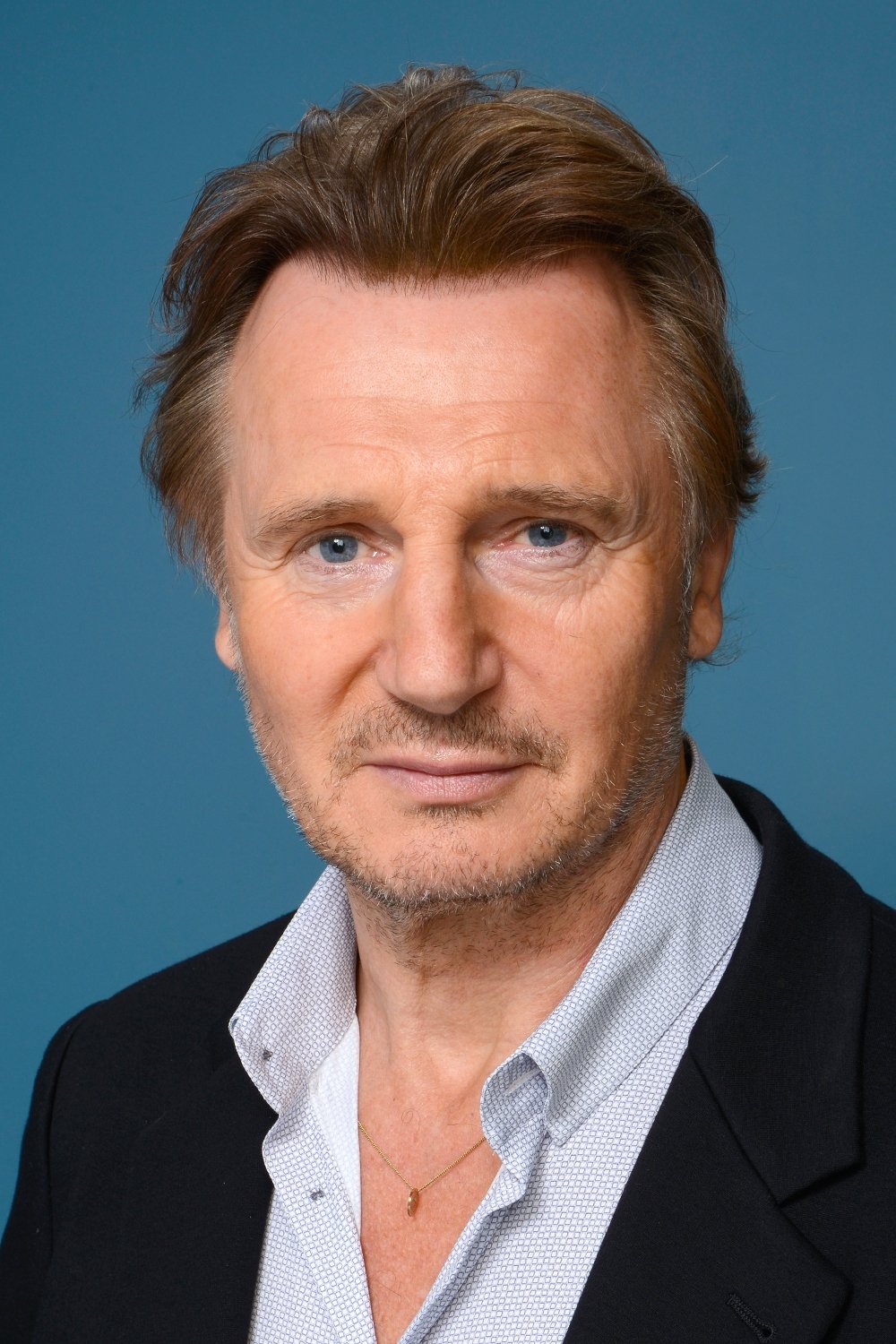
Liam Neeson has criticized the current climate in the entertainment industry, feeling that accusations often lead to instant judgment without proper investigation. Having dealt with his own public controversy by being upfront and honest, Neeson believes online discussions often lack important context and understanding. He argues the industry needs to be more cautious before rushing to condemn individuals.
Marlon Wayans
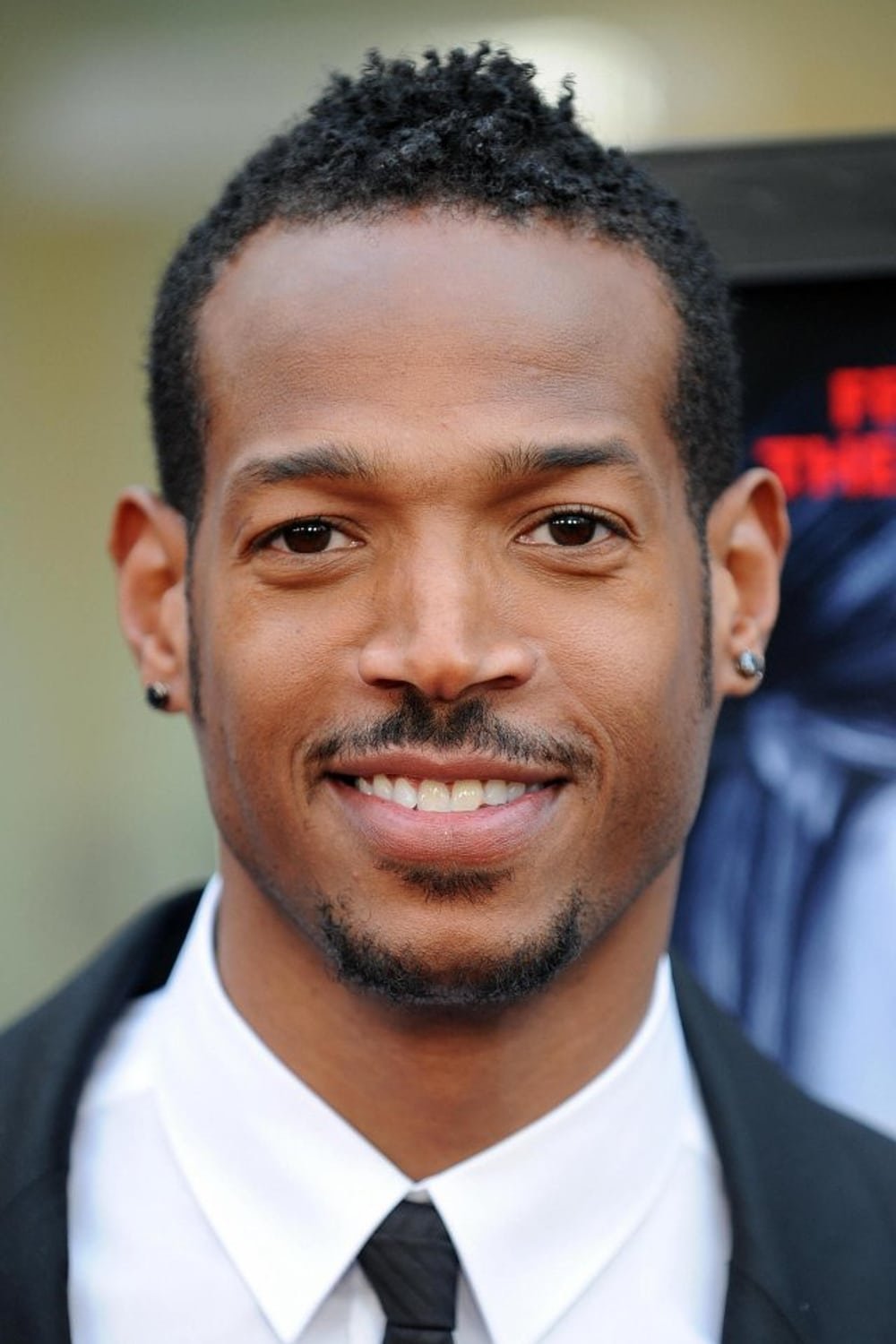
Marlon Wayans says he won’t change his comedy to fit modern standards. The actor, known for ‘White Chicks,’ thinks older movies should be enjoyed as they are. He believes it’s important for people to be able to laugh at themselves, instead of getting overly sensitive. Wayans’ priority is making audiences happy, not following strict political correctness, and he intends to keep creating funny, unapologetic comedies no matter what.
Terry Crews
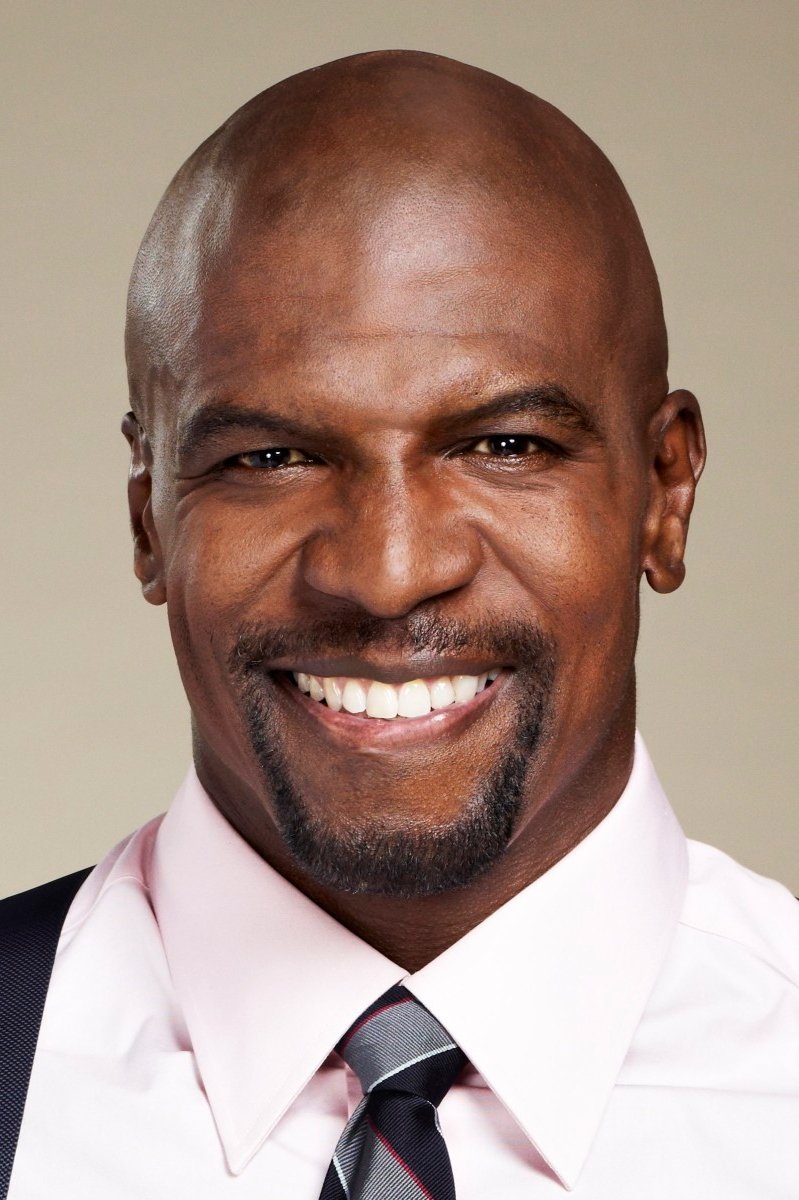
Terry Crews received criticism for sharing his own opinions on social issues, but he remained firm in his beliefs. He explained that he needed to be honest about his personal experiences and thoughts, even if they differed from what others were saying. The actor, known for ‘Brooklyn Nine-Nine,’ stresses the value of independent thought and warns against simply following the crowd. Crews actively responds to his critics online, sharing his reasoning, and believes that being able to question mainstream ideas is essential to true freedom.
Matthew McConaughey
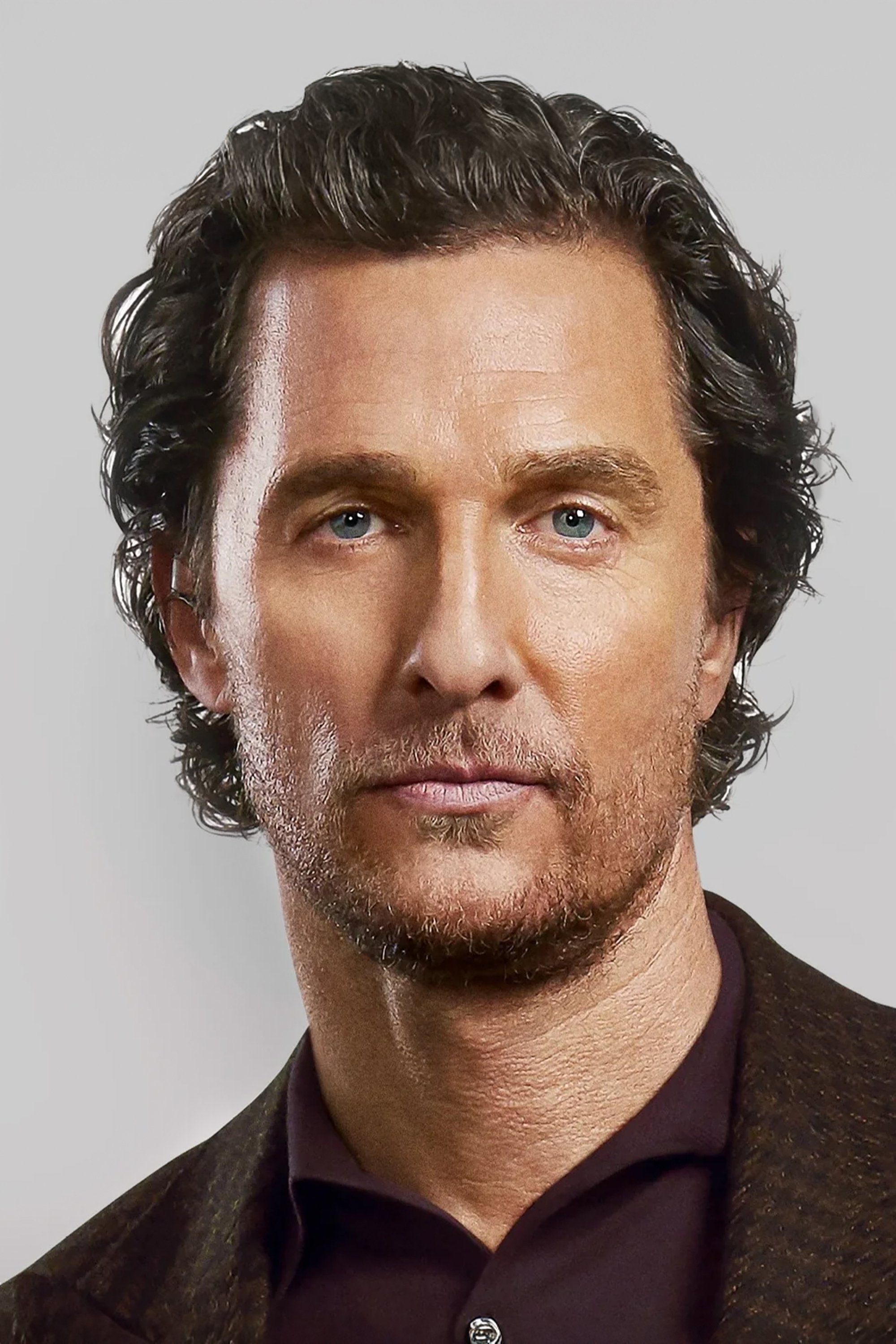
Matthew McConaughey has spoken out against what he calls the “illiberal left,” saying they often dismiss people who have different opinions. He believes it’s arrogant to assume one side is always morally right and encourages finding common ground instead of extreme viewpoints. McConaughey feels that “cancel culture” actually worsens division and that open conversations are key to resolving disagreements, rather than silencing opposing voices.
Gary Oldman
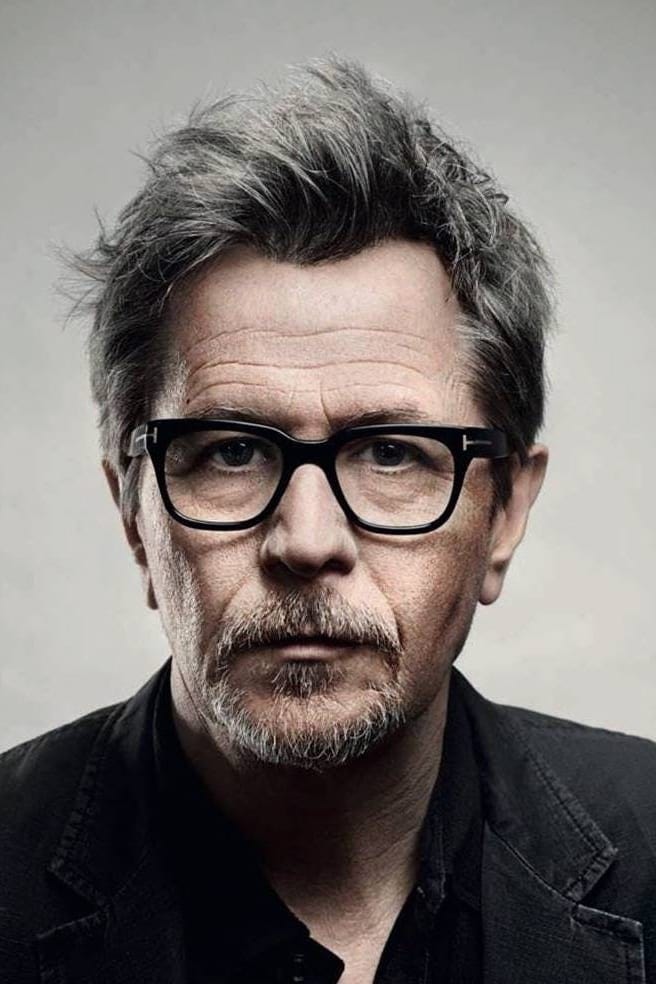
Gary Oldman has often spoken out to defend actors who face criticism for things they’ve said, believing that people often have different standards in private than they do publicly. He feels the entertainment industry can be harsh and quick to judge, and that jokes or satire are sometimes unfairly targeted. Ultimately, Oldman prioritizes artistic freedom and staying true to one’s vision over simply avoiding offense.
Rob Schneider
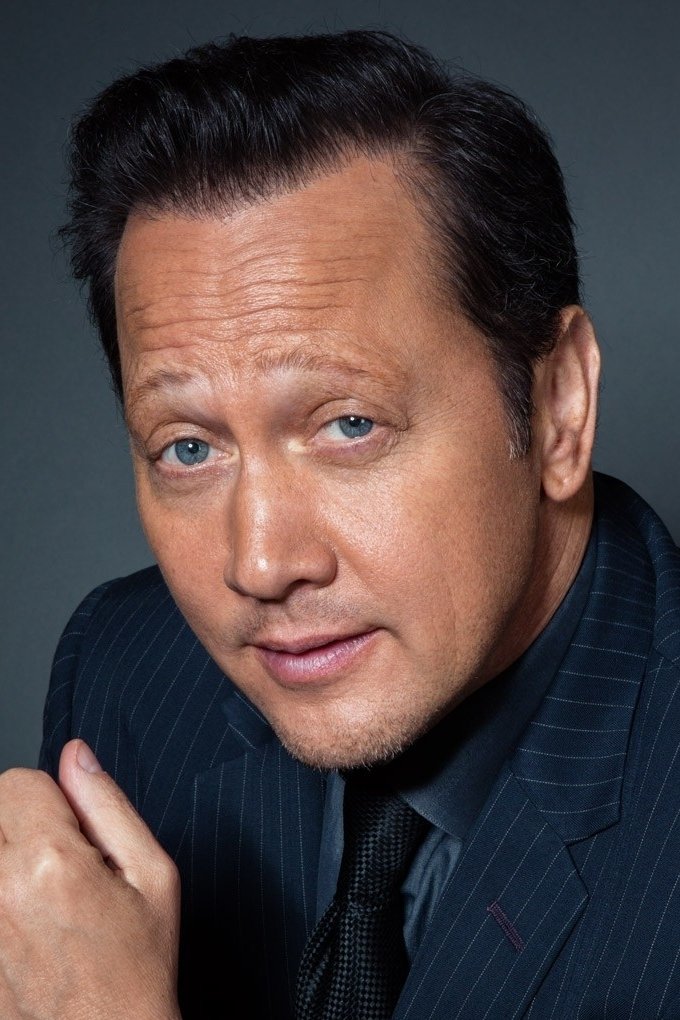
Rob Schneider often speaks out about what he sees as a troubling trend in Hollywood. He feels that late-night comedy shows have stopped being funny and are now mostly about pushing a particular viewpoint. Schneider, known for his role in ‘Deuce Bigalow: Male Gigolo,’ also believes that people are afraid to speak freely because of ‘cancel culture,’ and he actively supports performers who have faced backlash for their views. He argues that true comedy needs the freedom to challenge norms and be a little bit edgy.
Tim Allen
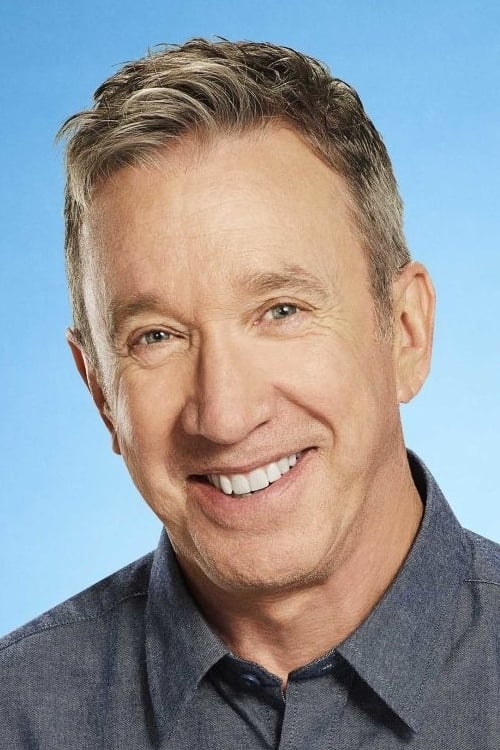
Tim Allen has frequently discussed how challenging it is to be a conservative in Hollywood. He’s likened the pressure to agree with the prevailing political views to the atmosphere in 1930s Germany. Allen, known for his role in ‘Last Man Standing,’ concentrates on making shows that resonate with everyday Americans. He feels comedy should be able to joke about anyone and everyone without risking someone’s job. He believes the entertainment industry has become too biased and unwilling to accept different viewpoints.
Russell Brand
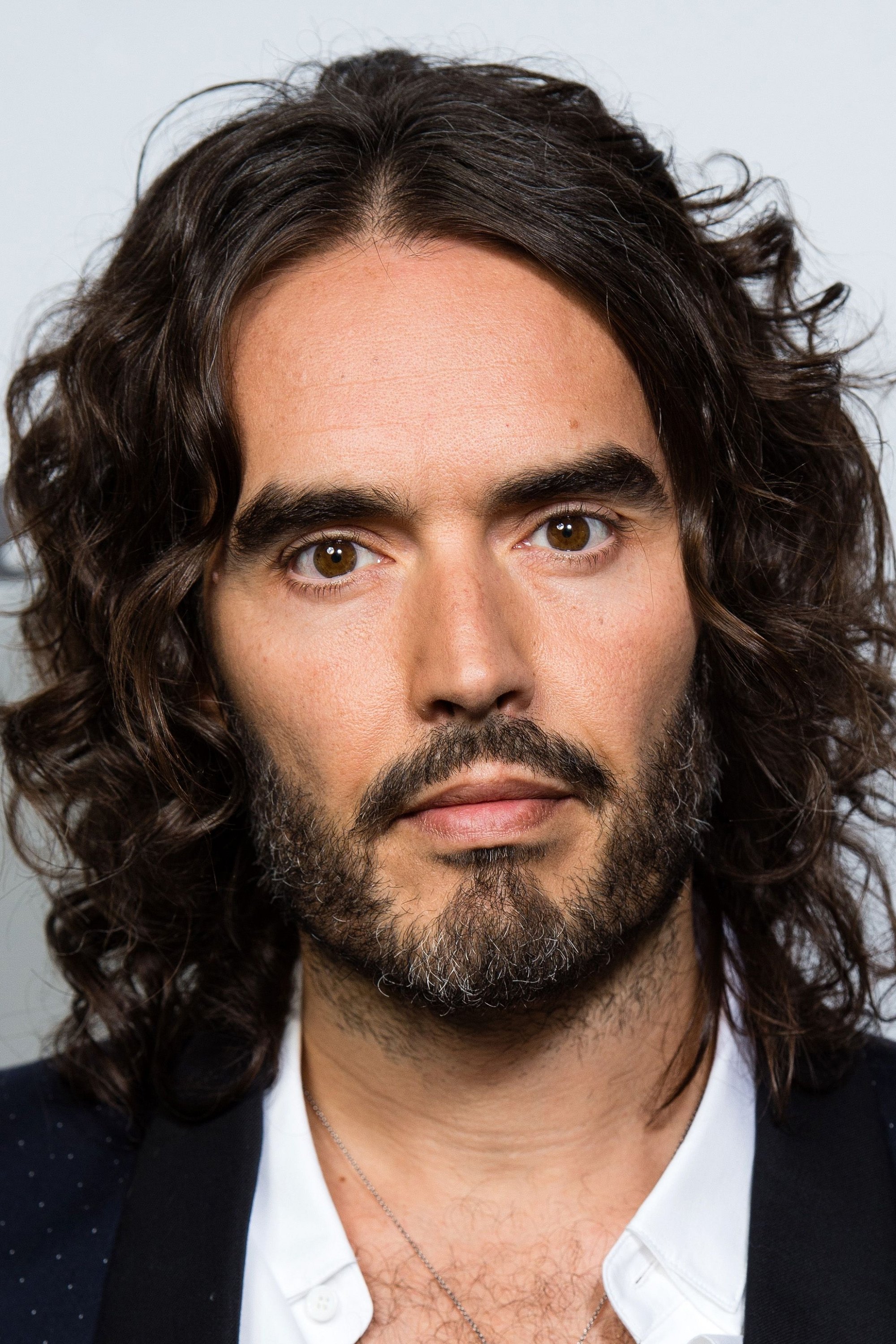
Russell Brand has transformed into an online commentator known for challenging conventional thinking. He often talks about the risks of censorship and how ‘cancel culture’ operates as a power play. Brand, known for his acting role in ‘Forgetting Sarah Marshall,’ believes powerful groups use cancellation to suppress opposing viewpoints. He promotes a more spiritual and open-minded way to handle disagreements, arguing that today’s culture hinders real progress and mutual understanding.
Richard Dreyfuss
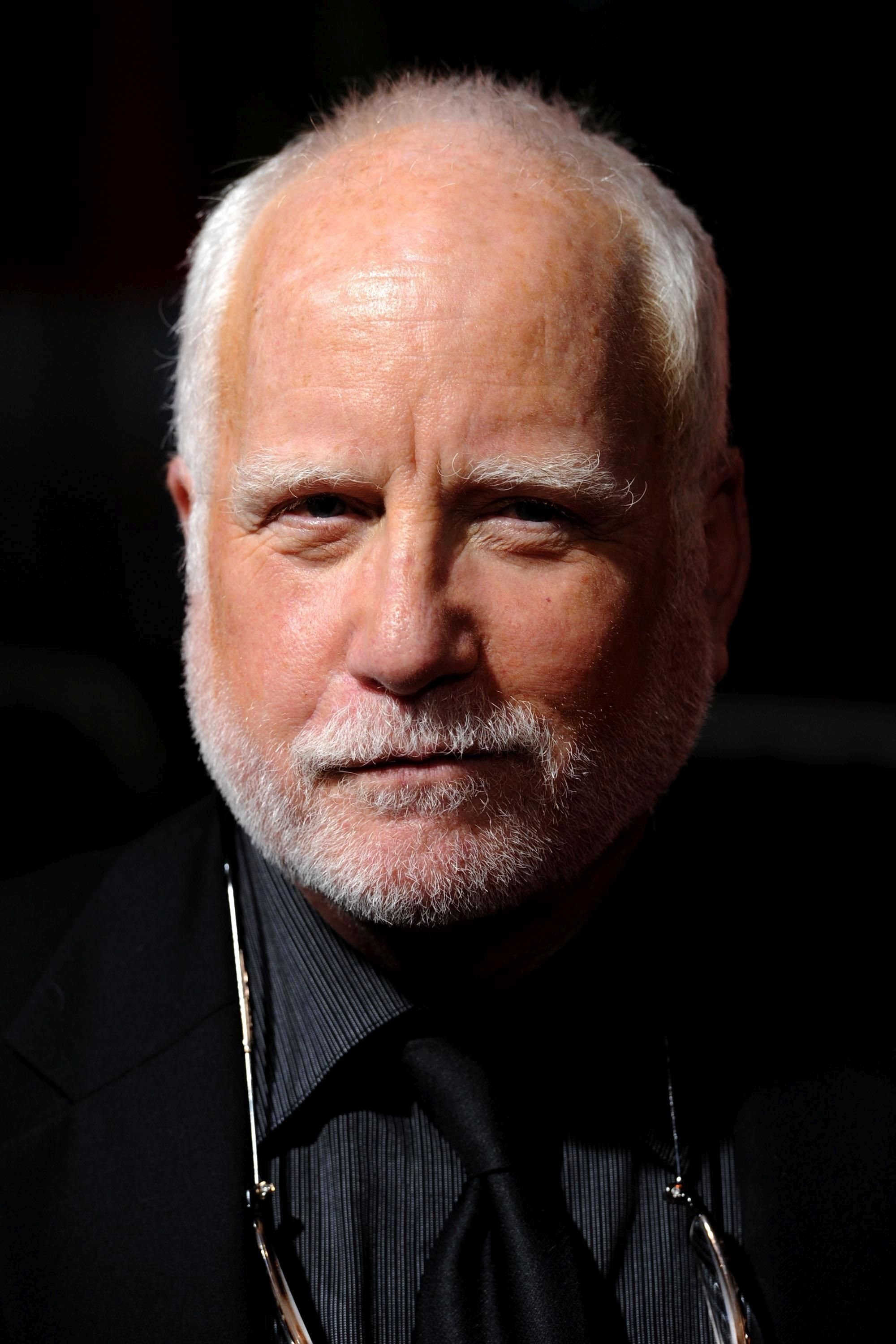
Richard Dreyfuss has spoken out against the Academy Awards’ new diversity guidelines. He believes that artistic work should develop naturally and shouldn’t be limited by rules about morality or quotas. Dreyfuss, known for his role in ‘Jaws,’ argues that actors should be free to play any character, no matter their background. He feels these new standards are condescending and hinder artistic expression, and strongly supports complete creative freedom for artists.
Sean Penn
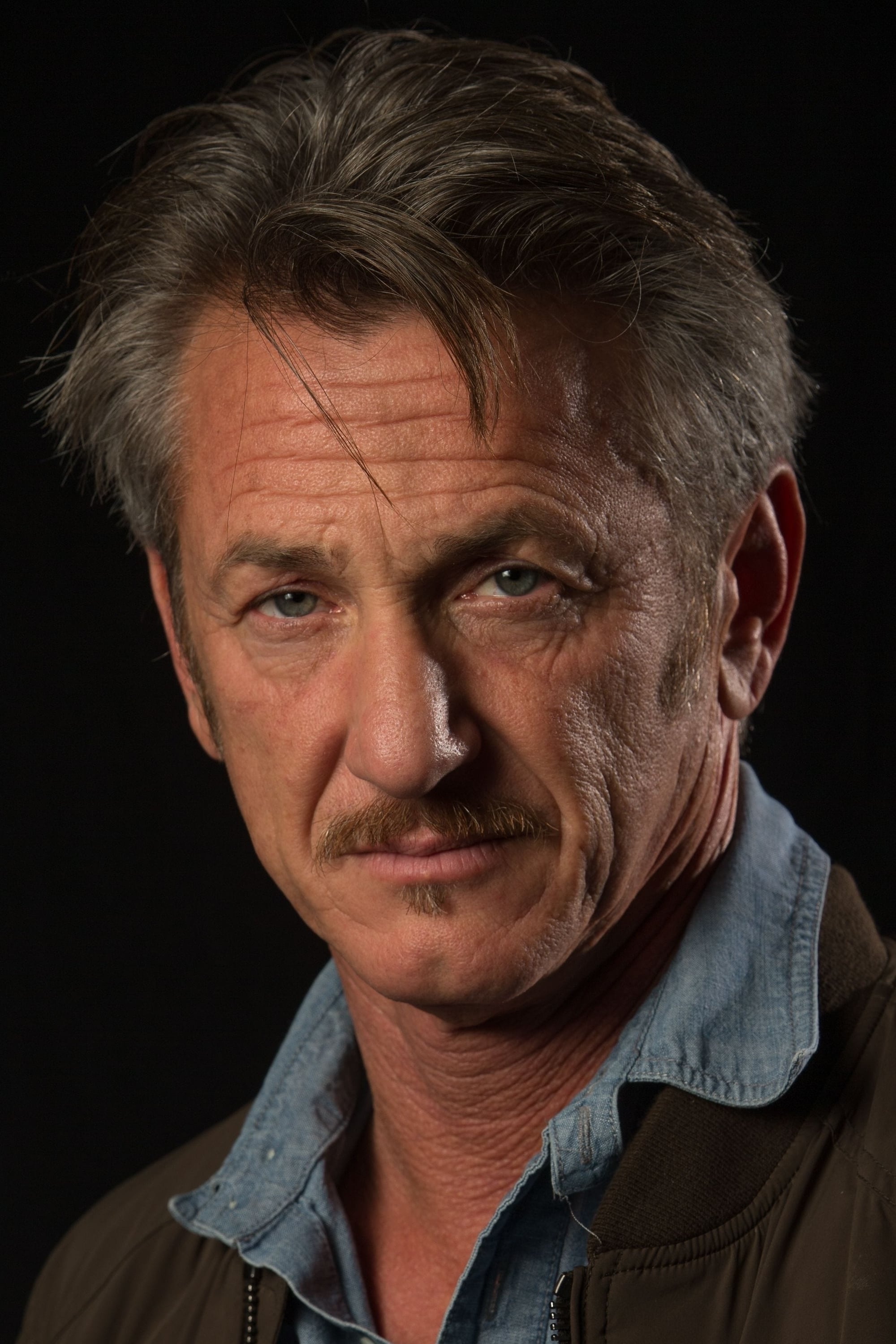
Sean Penn has expressed concern that American men are becoming less traditionally masculine, and he believes modern culture is to blame. He argues that a focus on political correctness has led to a lack of courage in society. The actor, known for his role in ‘Mystic River,’ thinks men are sacrificing their inherent qualities to conform to current expectations. Penn rejects the idea that strength in men is harmful, and he’s known for openly sharing his opinions, even when they are controversial.
Dennis Quaid
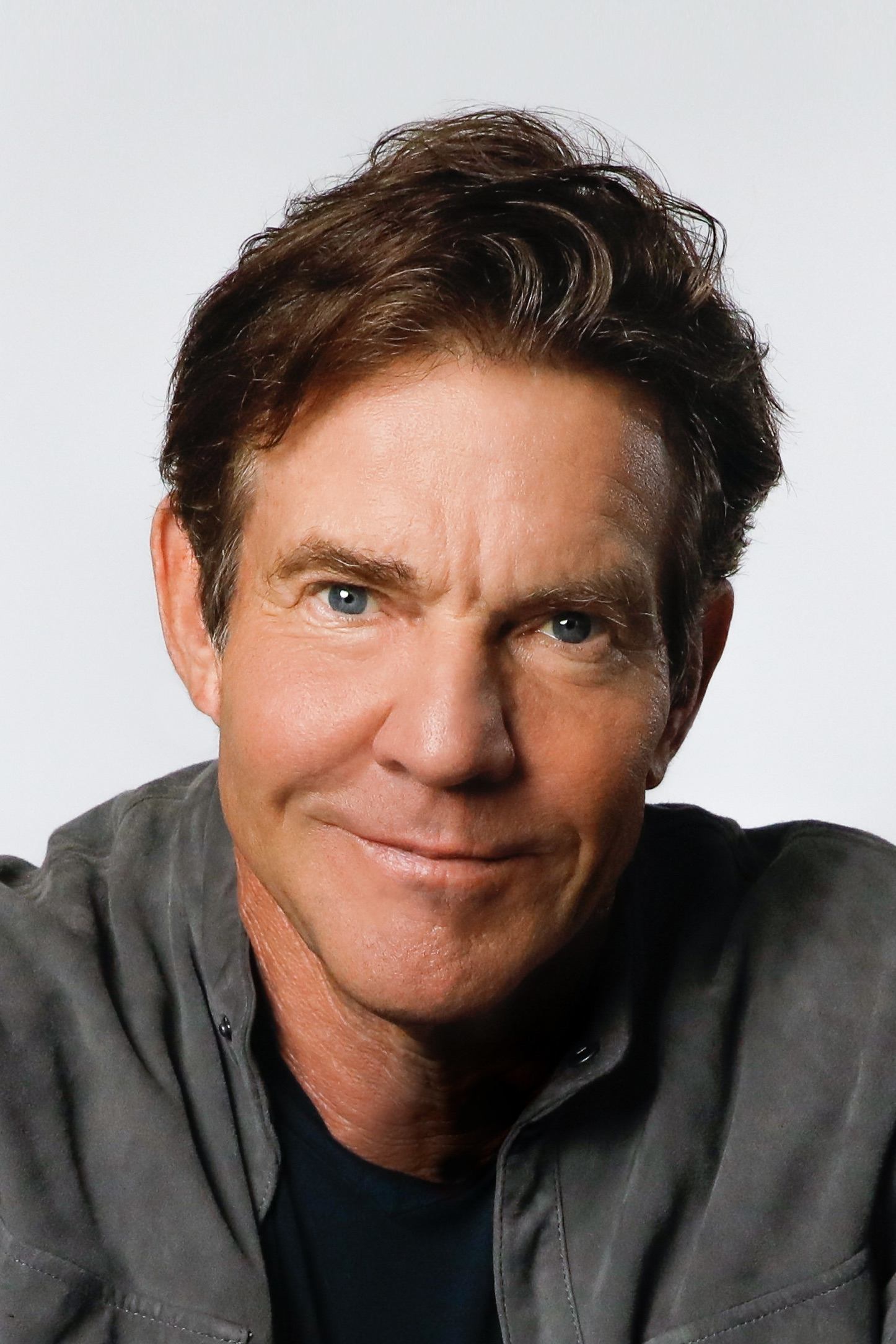
Dennis Quaid has been vocal about the need to protect free speech and warns against the risks of censorship. He feels some opinions are being deliberately suppressed in the media and believes Americans deserve to hear all perspectives. Quaid argues that ‘cancel culture’ fosters fear and prevents the truth from coming out. He actively chooses projects that reflect his commitment to freedom and love of country.
Kelsey Grammer
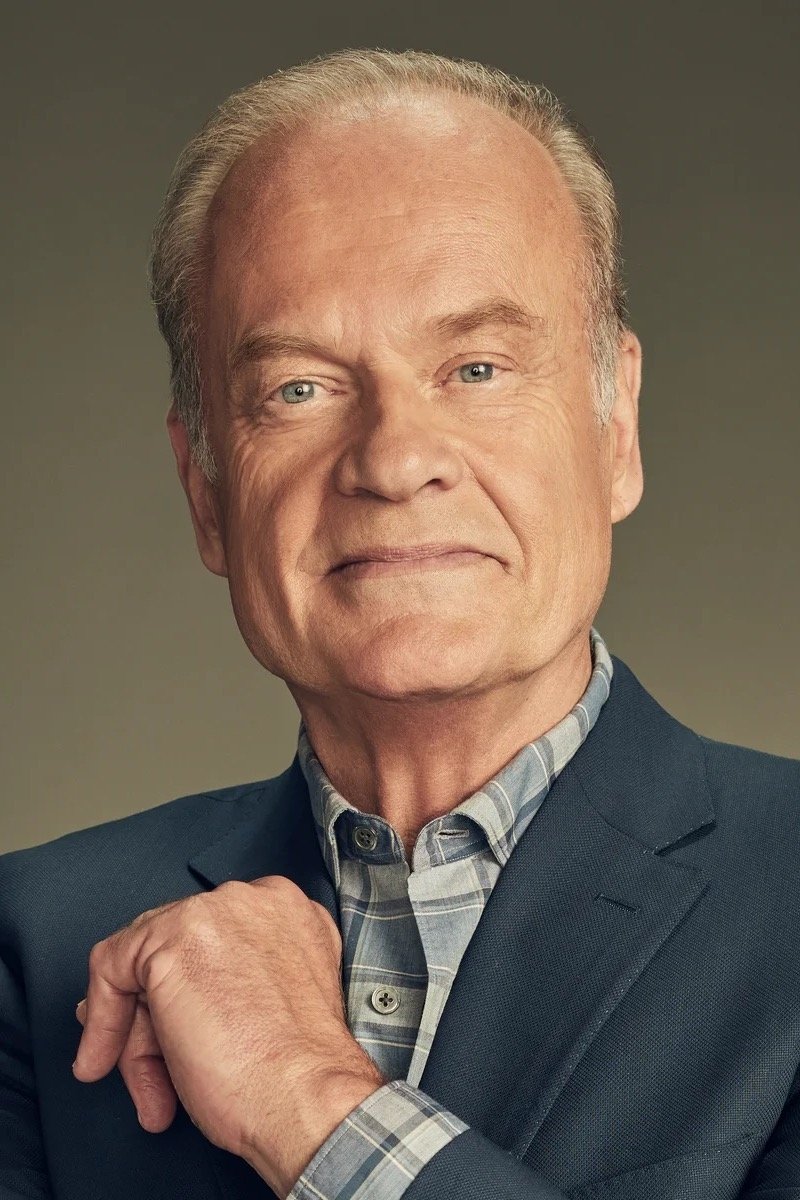
As a lifelong movie and TV fan, I’ve always admired Kelsey Grammer. He’s been pretty upfront about being a conservative in an industry that often leans the other way, but he’s always just focused on the work. He doesn’t get bogged down in all the political drama you hear about in Hollywood. Honestly, he seems to think – and rightly so, I think – that because he’s good at what he does, people respect that more than what his political beliefs are. He’s said it’s about mutual respect, not necessarily agreeing on everything. And it’s clearly working for him! He keeps landing roles because he’s a talented actor, not because of what he’s tweeting about.
Jon Voight
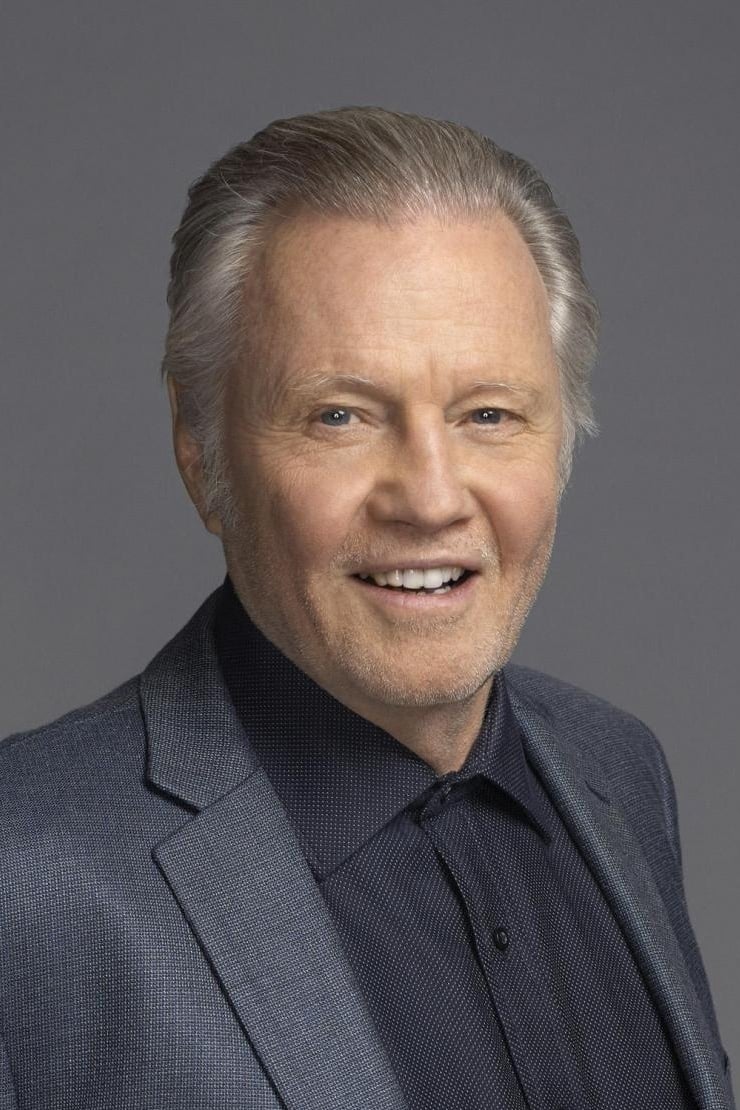
Jon Voight is a well-known conservative voice in Hollywood and often shares his political views online. He actively questions ideas presented by the media and entertainment world, believing the United States faces threats from extreme ideologies. Despite facing criticism for his opinions, Voight continues to speak out, feeling it’s his patriotic duty to do so.
James Woods
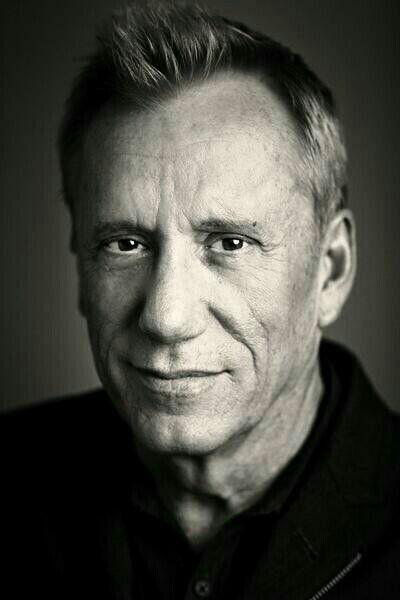
James Woods has faced career setbacks because he openly criticizes liberal viewpoints. He uses platforms like social media to point out what he considers inconsistencies in ‘cancel culture.’ The actor, known for ‘Casino,’ has chosen to speak his mind even if it means losing opportunities in Hollywood. He firmly believes that conservatives are unfairly targeted and excluded from the industry, and he proudly accepts the consequences of his outspokenness.
Kevin Sorbo
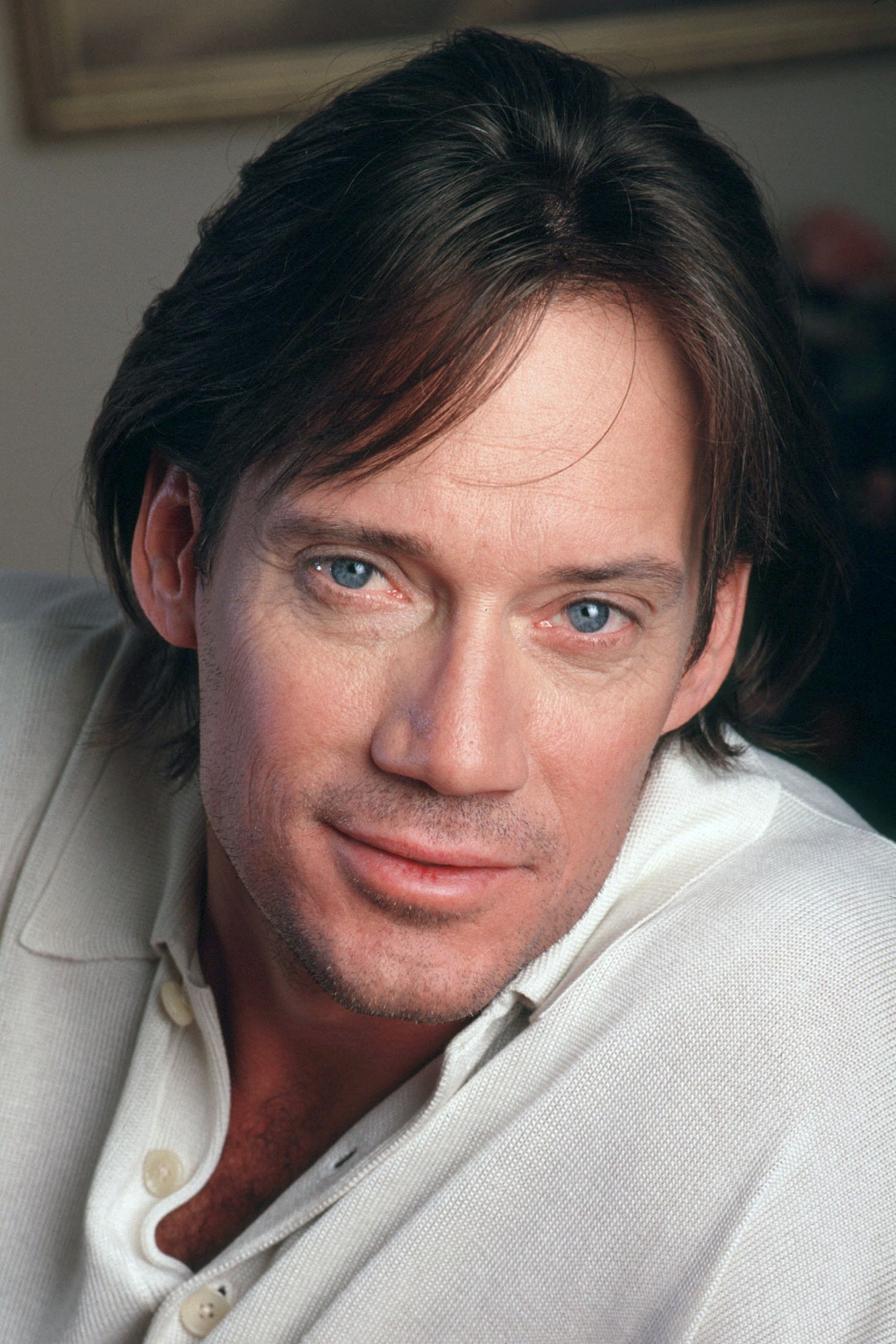
Kevin Sorbo, known for his role in ‘Hercules: The Legendary Journeys,’ believes he was shut out of Hollywood because of his religious and political beliefs. He’s since focused on making independent films with a faith-based message. Sorbo points out what he sees as a hypocrisy in the entertainment industry – promoting acceptance while seemingly rejecting those with different viewpoints. A vocal opponent of cancel culture and progressive ideologies, he urges people to build their own media outlets independent of the established system.
Dean Cain
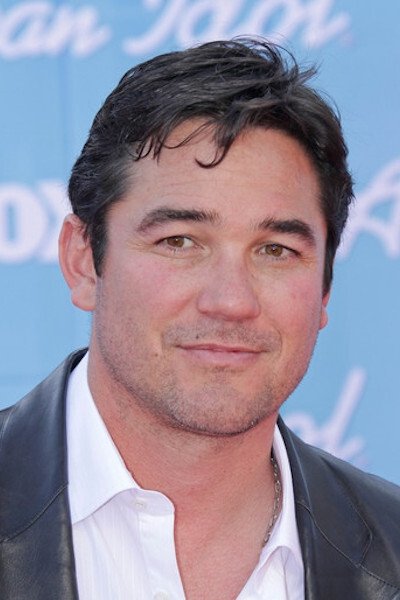
Dean Cain, known for his role in ‘Lois & Clark: The New Adventures of Superman,’ often shares his opinions on current cultural trends on television news shows. He generally supports traditional values and challenges more progressive ideas. Cain is a vocal critic of what he sees as ‘cancel culture,’ believing it’s used to silence people who hold different beliefs. He maintains that it’s important to stand by what you believe in, even if it means sacrificing career opportunities, and continues to work in the entertainment industry despite expressing these views.
Zachary Levi
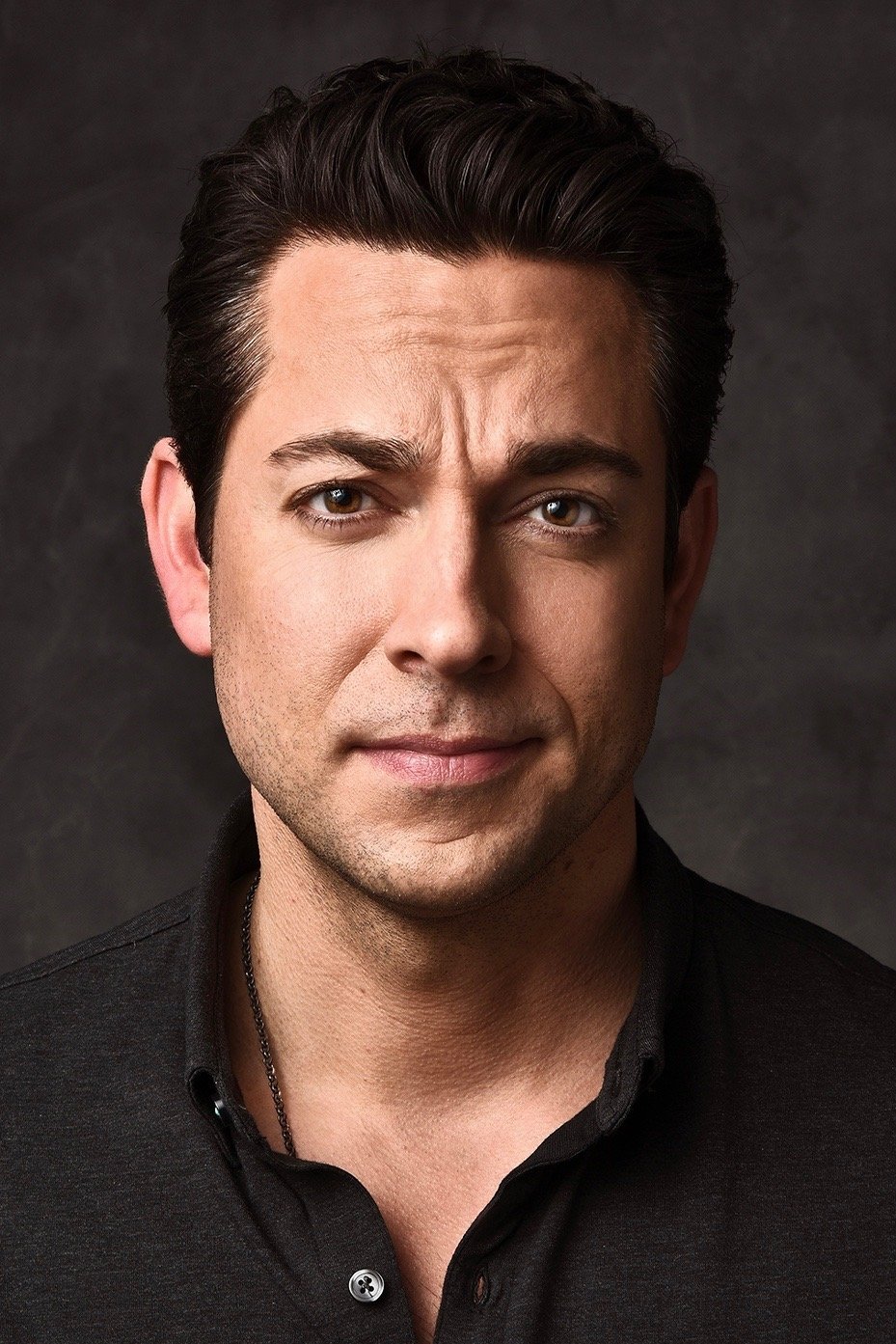
Zachary Levi recently discussed the widespread fear in Hollywood surrounding expressing political opinions. He publicly supported candidates who aren’t typically favored and called out the industry’s tendency to stay silent on important issues. The ‘Shazam!’ actor explained that many people working in Hollywood are afraid to share their honest beliefs. He believes it takes courage to overcome this fear, and he personally chose to stay true to his values and faith instead of worrying about how it might affect his career.
Woody Harrelson
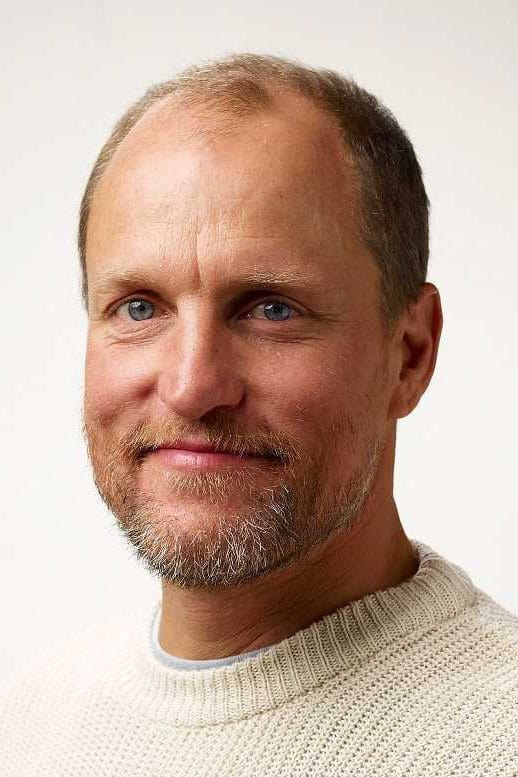
Woody Harrelson recently received some backlash for speaking out against pharmaceutical companies and government rules. During his appearance on ‘Saturday Night Live,’ he challenged the reasoning behind lockdowns and the influence of large corporations. Harrelson, known for his role in ‘Zombieland,’ identifies as an anarchist and generally doesn’t trust those in power. He’s determined to speak his mind, even if it goes against what’s expected, and prioritizes his own freedom over being liked or approved of by the media.
Mel Gibson
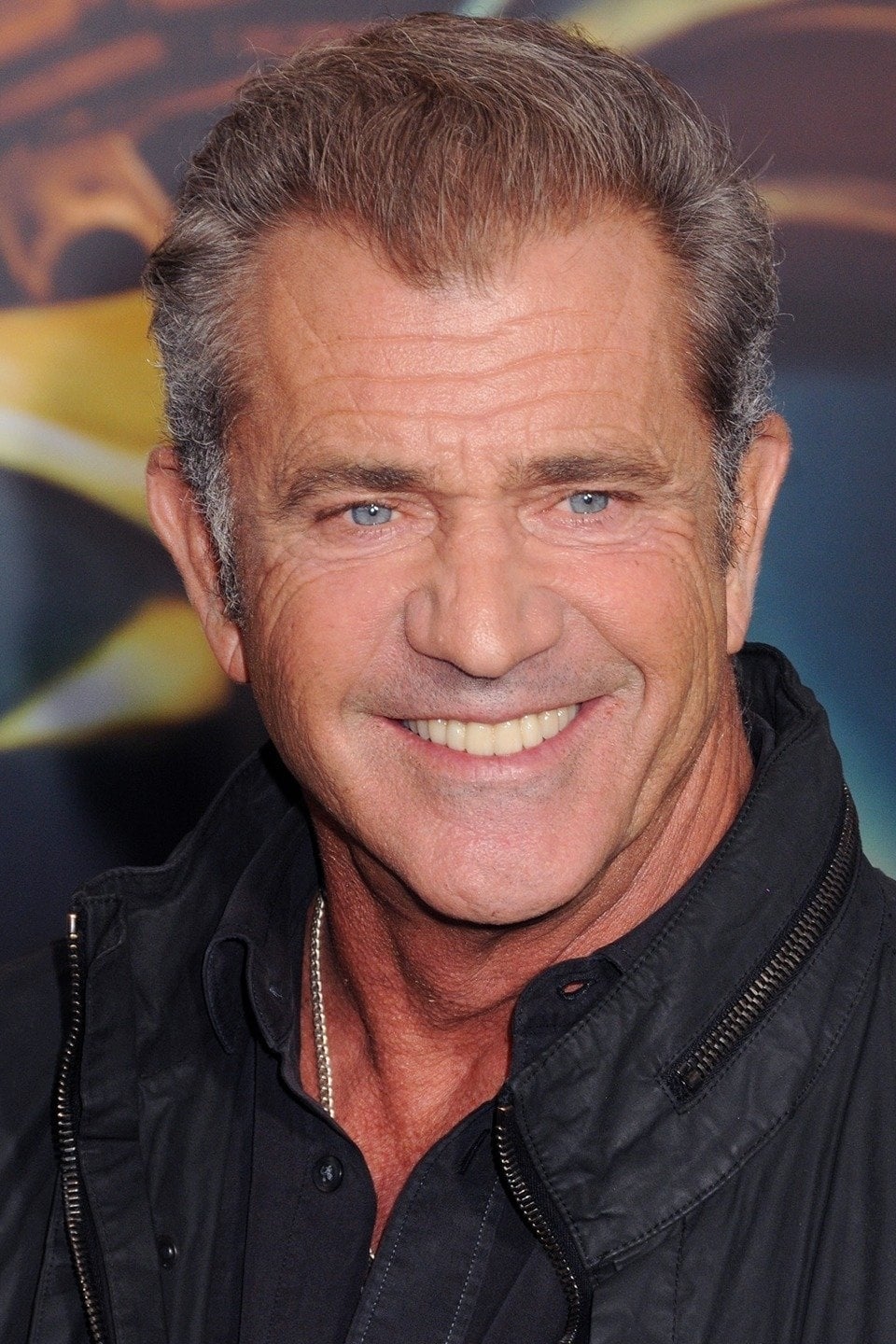
Mel Gibson faced a major career setback due to public controversy, but he successfully worked his way back. He continued directing, even earning Academy Award nominations again, by concentrating on his work and personal well-being instead of responding to criticism online. His story demonstrates that strong talent can overcome public backlash. Gibson remains a controversial figure, but he continues to be a working actor and director in Hollywood.
Vince Vaughn
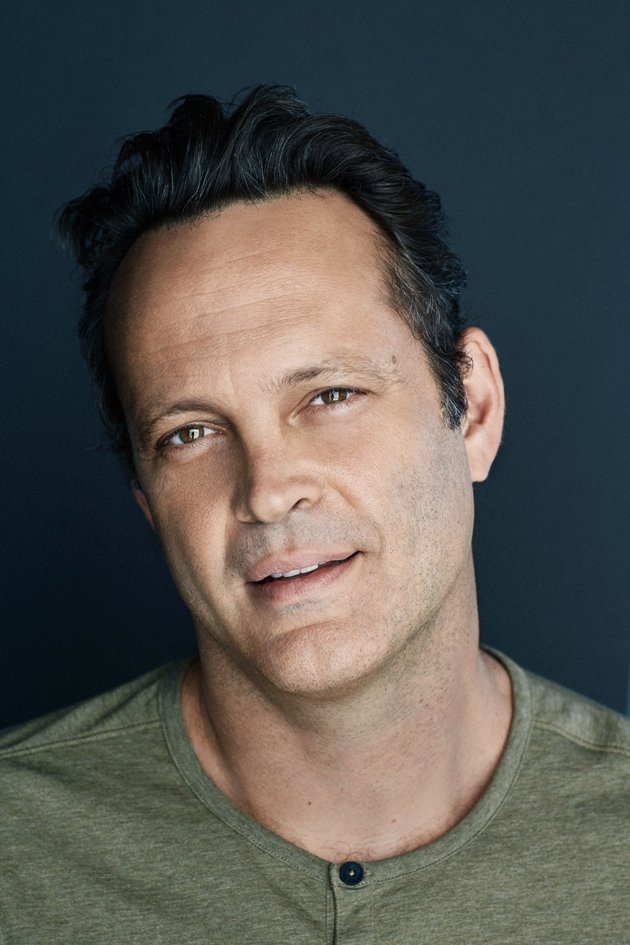
I’ve always admired Vince Vaughn, not just for his comedy, but for his principles. He’s a bit of a free thinker, a libertarian who mostly stays out of the Hollywood political scene. He got a lot of heat for briefly shaking hands with Donald Trump, but he wouldn’t back down or apologize, and honestly, I respect that. He just believes people should be able to be polite to each other even if they disagree politically – it sounds simple, but it’s so true! He thinks this whole demand for everyone to think exactly alike is just absurd. He really just wants to focus on his work and doesn’t pay attention to the negativity online, which I think is a really admirable quality.
Kurt Russell
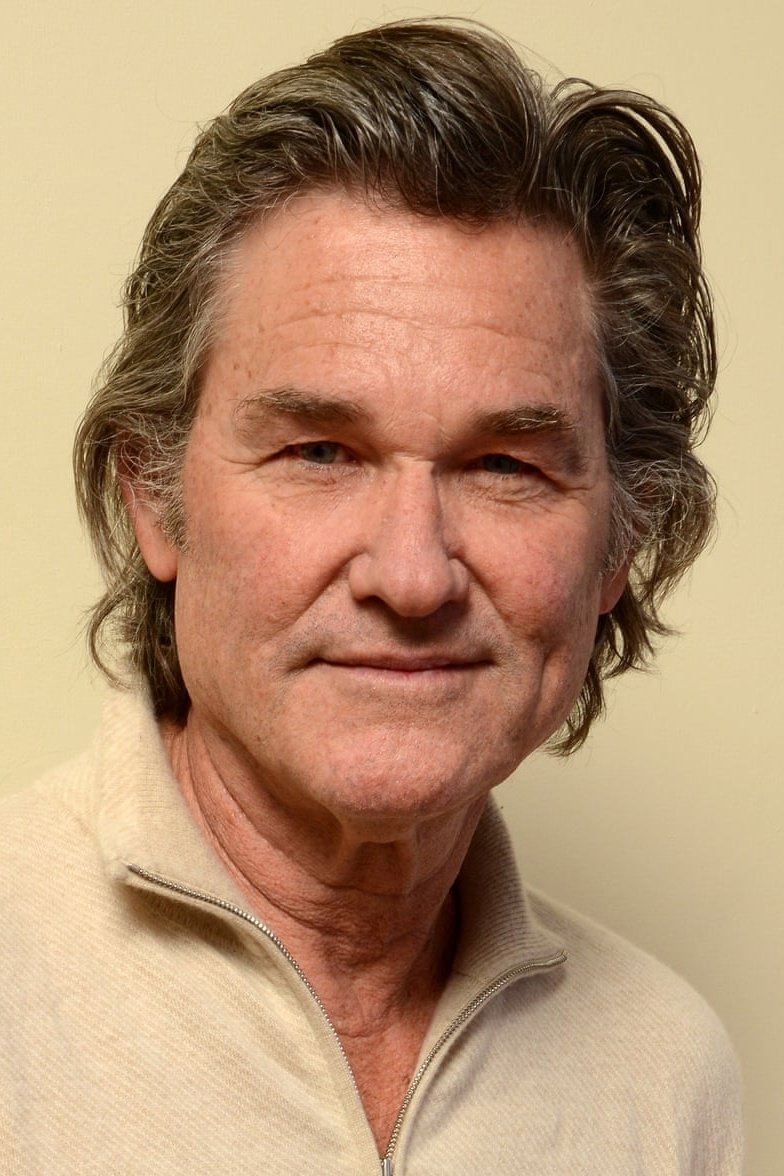
Kurt Russell thinks actors should focus on entertaining, not politics. He believes taking strong political positions can divide audiences and ultimately harm their work. He feels pressure in today’s world for actors to become political figures, but he’d rather be a versatile performer who can play any role. Russell doesn’t believe celebrities should use their platform to preach to people.
Michael Caine
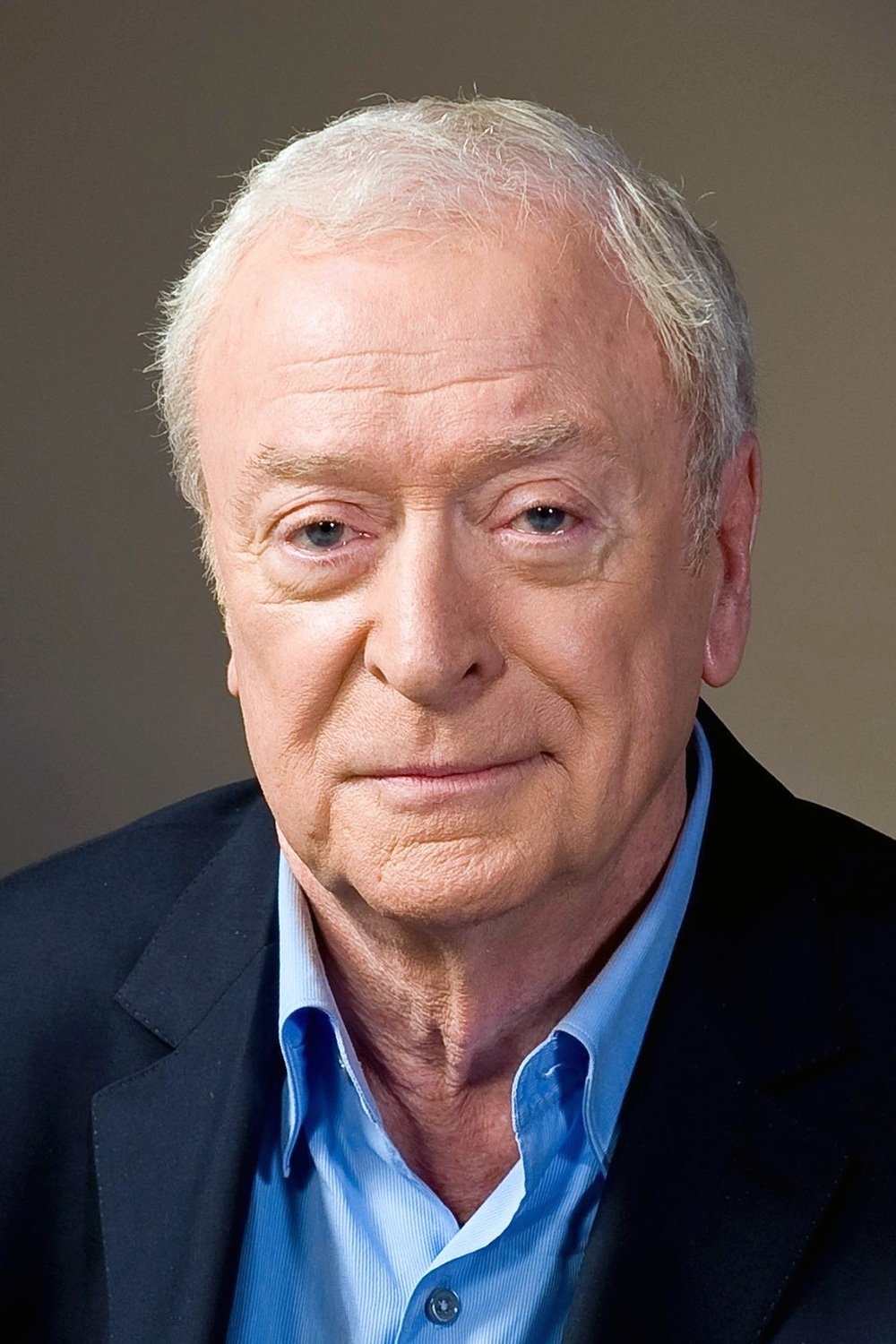
Michael Caine feels frustrated by how much emphasis there is on political correctness today. He says he’s afraid of causing offense if he shares his honest opinions. The actor, known for his role in ‘The Dark Knight,’ thinks this creates a stifling and inauthentic atmosphere. He misses a time when people could speak openly and have honest debates. While he continues to act, Caine remains critical of what he sees as excessive sensitivity in modern society.
Anthony Hopkins
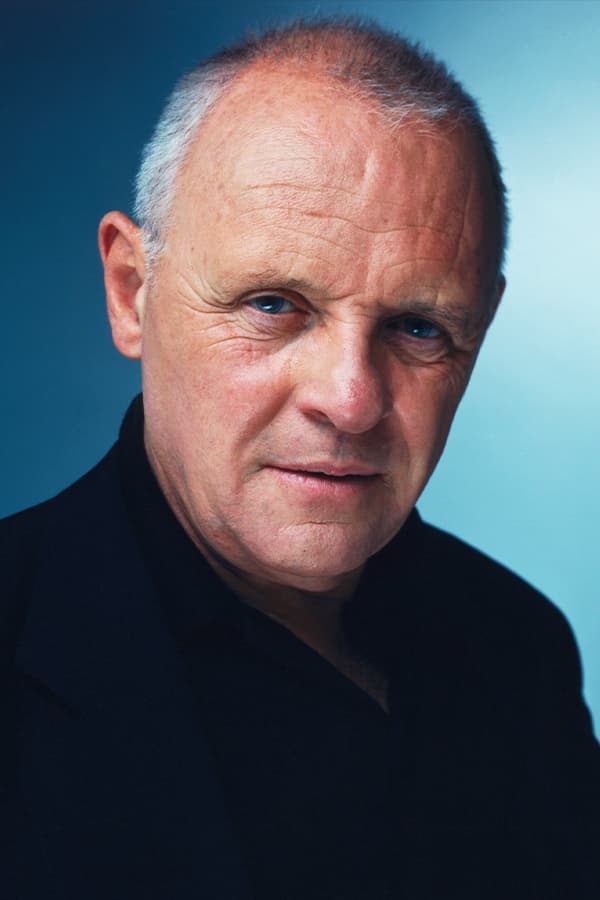
Anthony Hopkins deliberately stays out of public debates about politics or morality. He explains that as an actor, he doesn’t feel qualified to tell others how to live their lives. Hopkins also thinks the internet often fosters a harsh and critical atmosphere, and he doesn’t want to contribute to online anger or ‘cancel culture.’ Instead, he prefers to focus on his work and finding personal tranquility.
Jamie Foxx
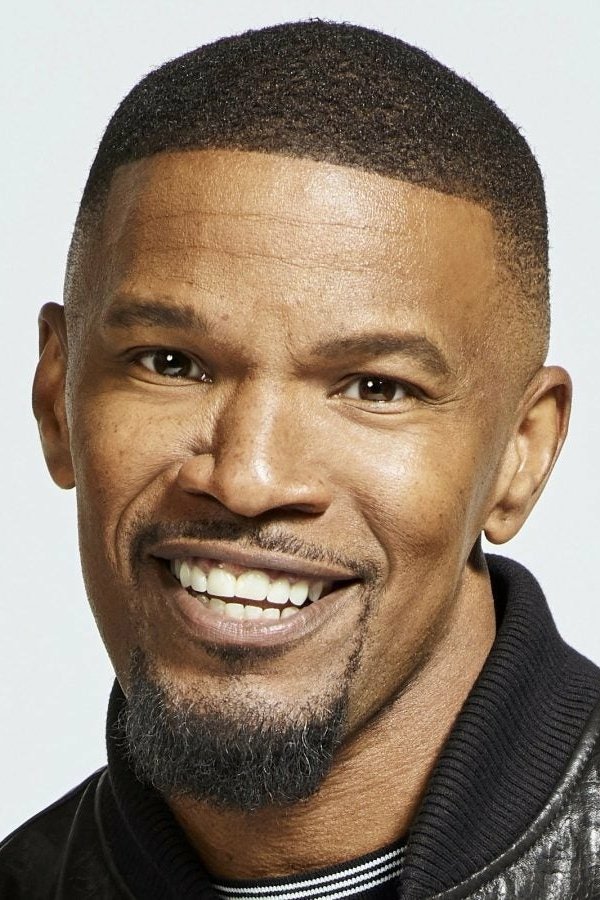
Jamie Foxx publicly supported Dave Chappelle during the backlash to his comedy specials, stating that comedians need creative freedom. Foxx, known for his role in ‘Ray,’ feels artists should have each other’s backs when facing criticism. He warned that punishing comedians for their jokes could create a risky situation for all creative people. Foxx also emphasized the importance of comedy’s honest and unfiltered voice in society.
Adam Carolla
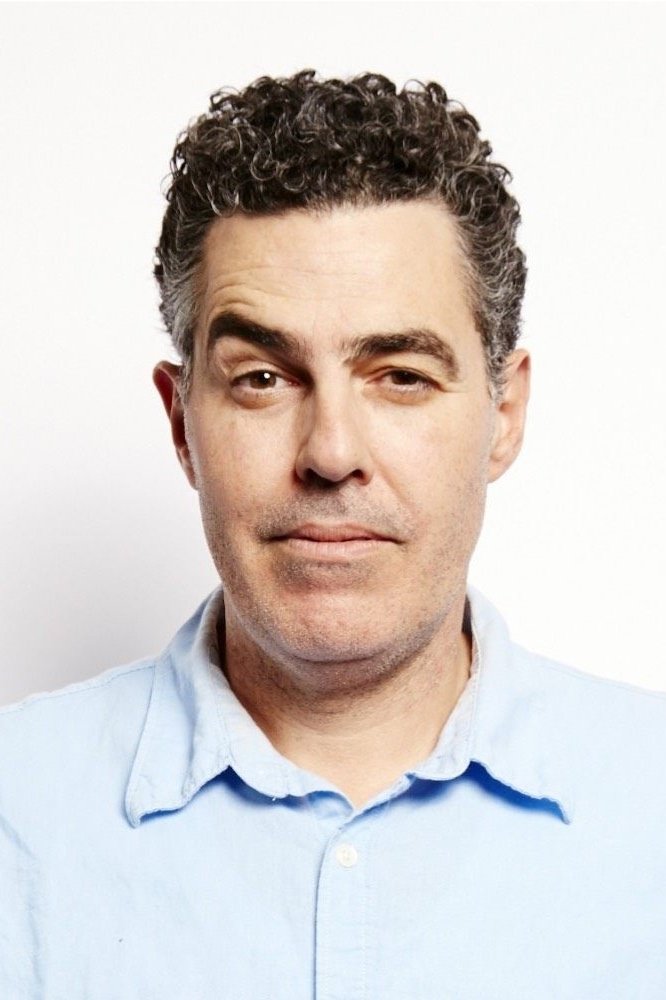
Adam Carolla has made a name for himself by speaking out against censorship and what he sees as excessive social control. He believes “cancel culture” stems from people having too much free time, and that society has become overly sensitive and less able to take a joke. Carolla stands by his comedic material and urges others to do the same. To maintain his creative freedom, he intentionally works independently, avoiding ties to any network that could fire him.
Jim Breuer
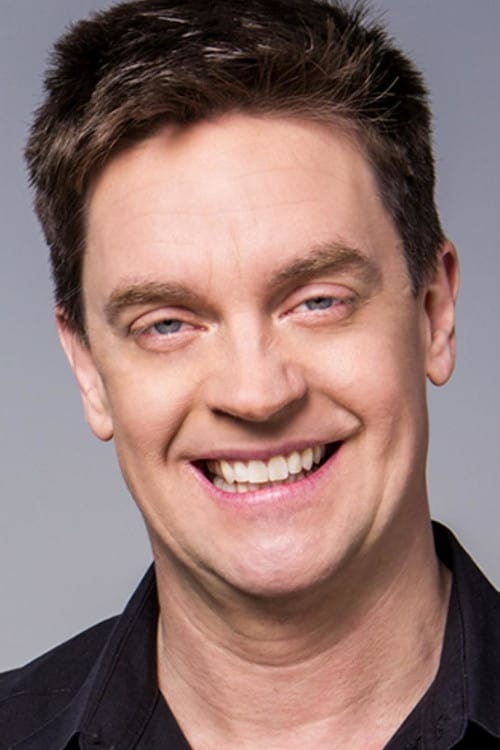
Jim Breuer’s comedy often challenges what’s presented in mainstream media. Because of his outspoken views, particularly regarding mandates, some venues canceled his shows, but he remained firm in his beliefs. The actor, known for ‘Half Baked,’ feels he’s guided by a higher purpose, not the demands of the entertainment world. He thinks fear is being used to manipulate people, and he prioritizes connecting with his dedicated fans over seeking approval from critics.
Louis C.K.
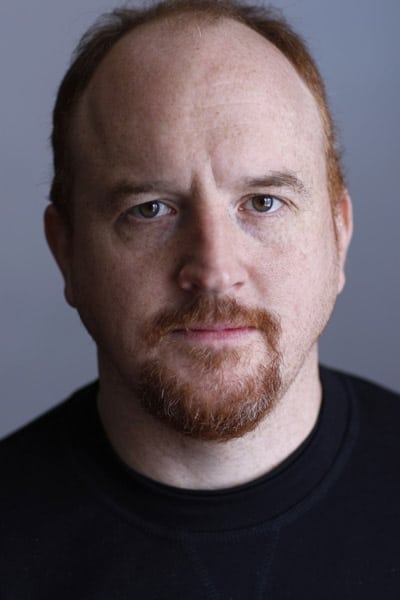
Louis C.K. has made a comeback to stand-up comedy and even won Grammys, despite a major scandal that initially ended his career. He openly discusses the controversy in his performances, but insists on continuing to work and share his humor. His return shows there’s still an audience for comedy that pushes boundaries, and he’s succeeding without relying on traditional industry approval.
Sylvester Stallone
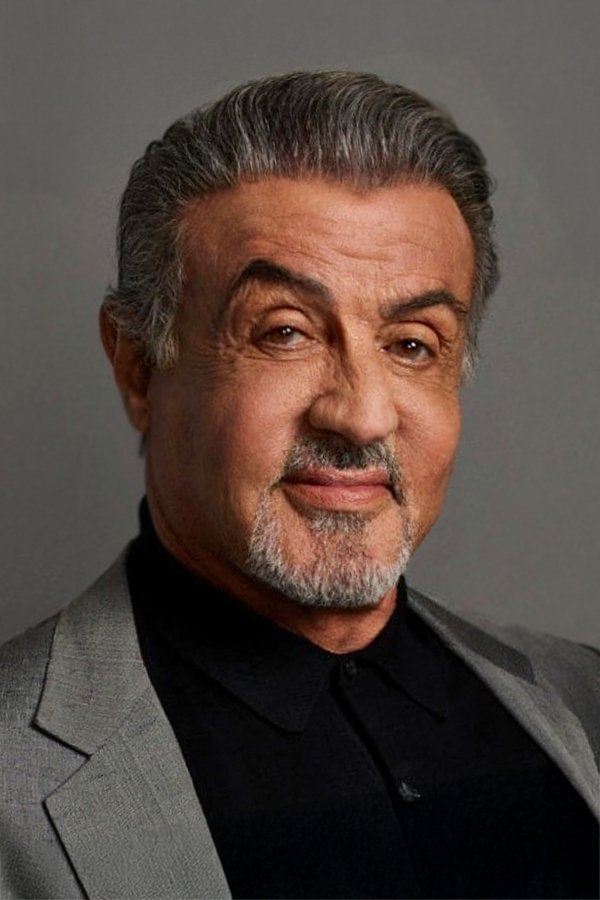
Sylvester Stallone generally avoids getting involved in politically charged debates, preferring to focus on classic themes like hard work and personal strength. His membership at Mar-a-Lago suggests he doesn’t feel pressured to align with the political views common in Hollywood. Known for roles like Rocky, he emphasizes determination and self-reliance, and isn’t one to offer public apologies or explanations on social media. He projects an image of someone who values taking action over being politically correct.
Mark Wahlberg
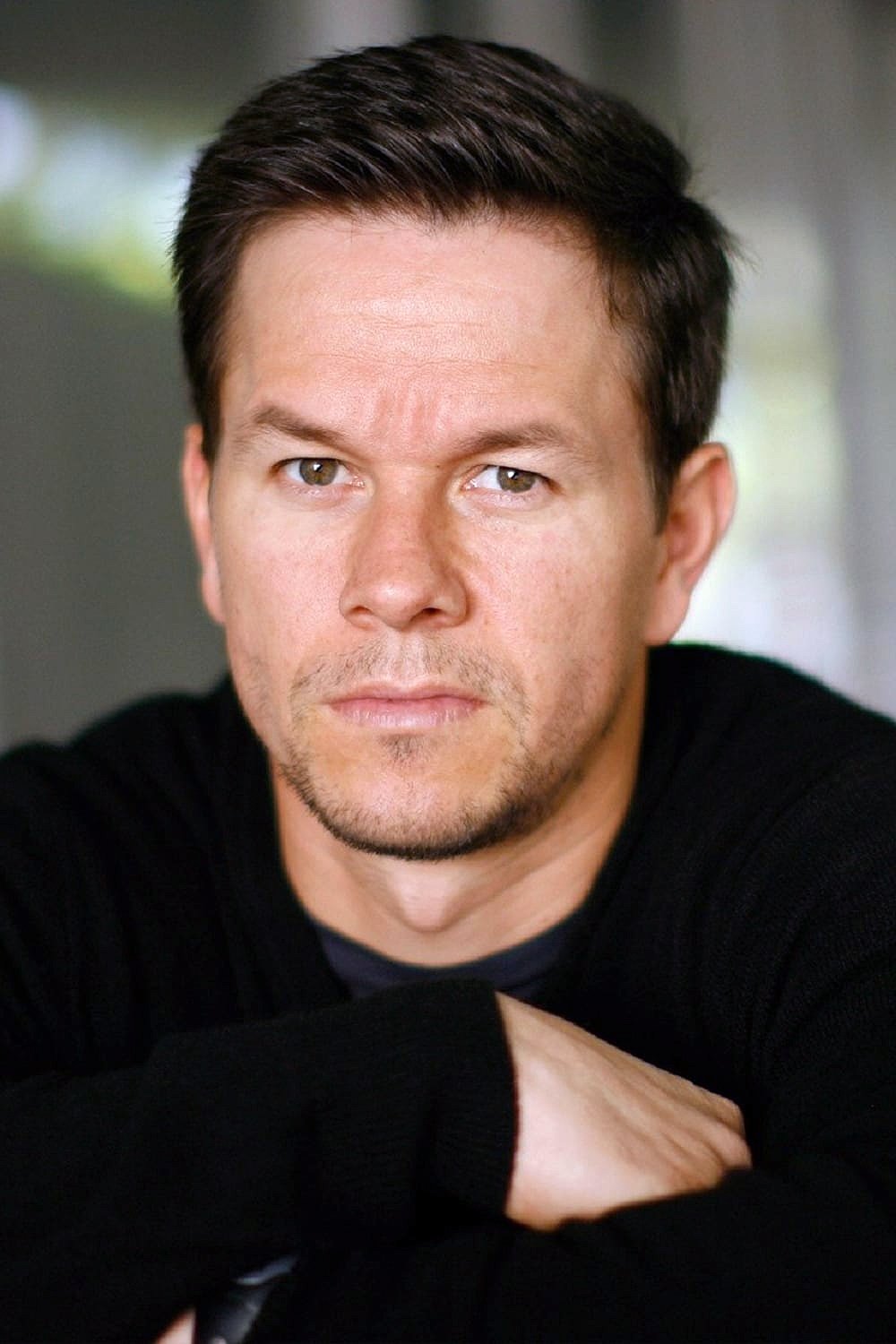
Mark Wahlberg is known for prioritizing his Catholic faith and family life over following Hollywood trends. He feels celebrities shouldn’t preach to everyday people about politics, believing many in the entertainment industry are out of touch with real life. Wahlberg focuses on living by his own values and maintaining discipline, rather than conforming to industry pressures, and advocates for humility instead of acting like one is morally better than others.
Stephen Fry
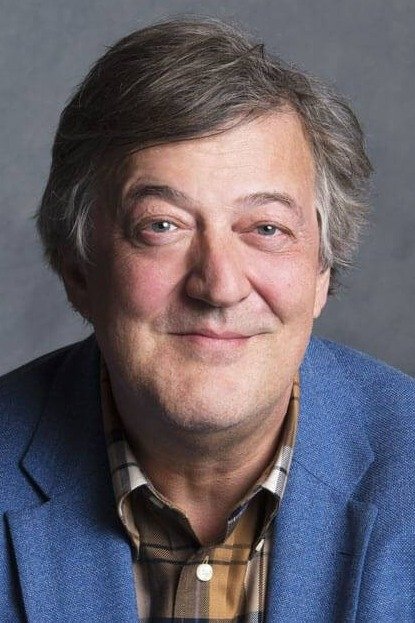
Stephen Fry has expressed worry that today’s progressive movement is becoming too restrictive and intolerant. While he supports the aims of progressives, he thinks their tendency to publicly shame people is actually harmful. Fry believes this “cancel culture” creates an atmosphere of fear and bitterness. He argues that real progress happens through open discussion and debate, not by shutting down opposing viewpoints, and suggests we should revisit the traditional liberal emphasis on free speech.
Jeremy Piven
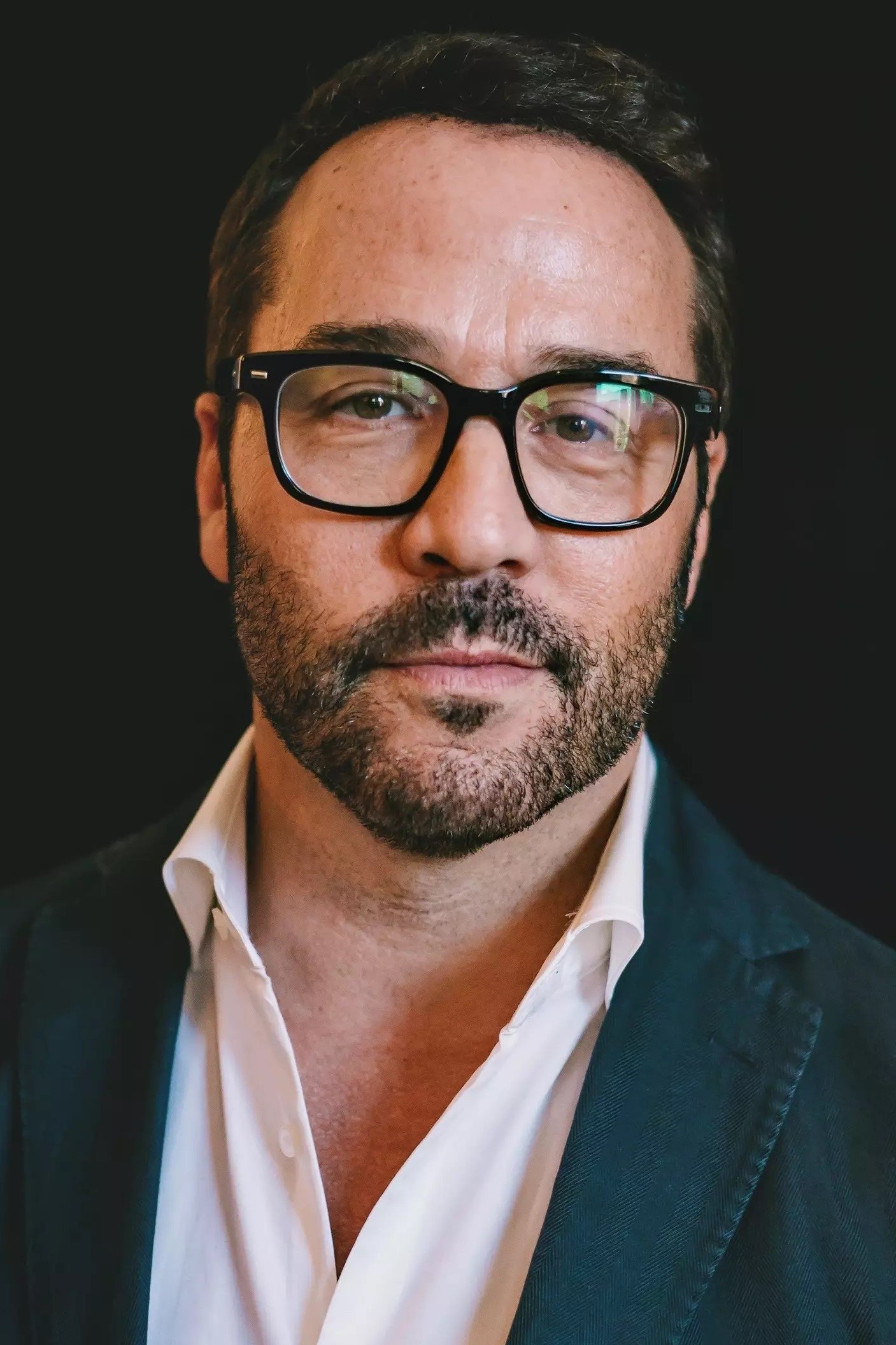
Jeremy Piven feels the entertainment industry is too quick to judge people. He believes the media often jumps to conclusions and spreads stories without checking the facts first. Piven, known for his role in ‘Entourage,’ says he was unfairly targeted during a recent wave of public criticism. He now uses his stand-up comedy to talk openly about these experiences, suggesting people are more interested in seeing someone fall from grace than in hearing the truth.
T.J. Miller
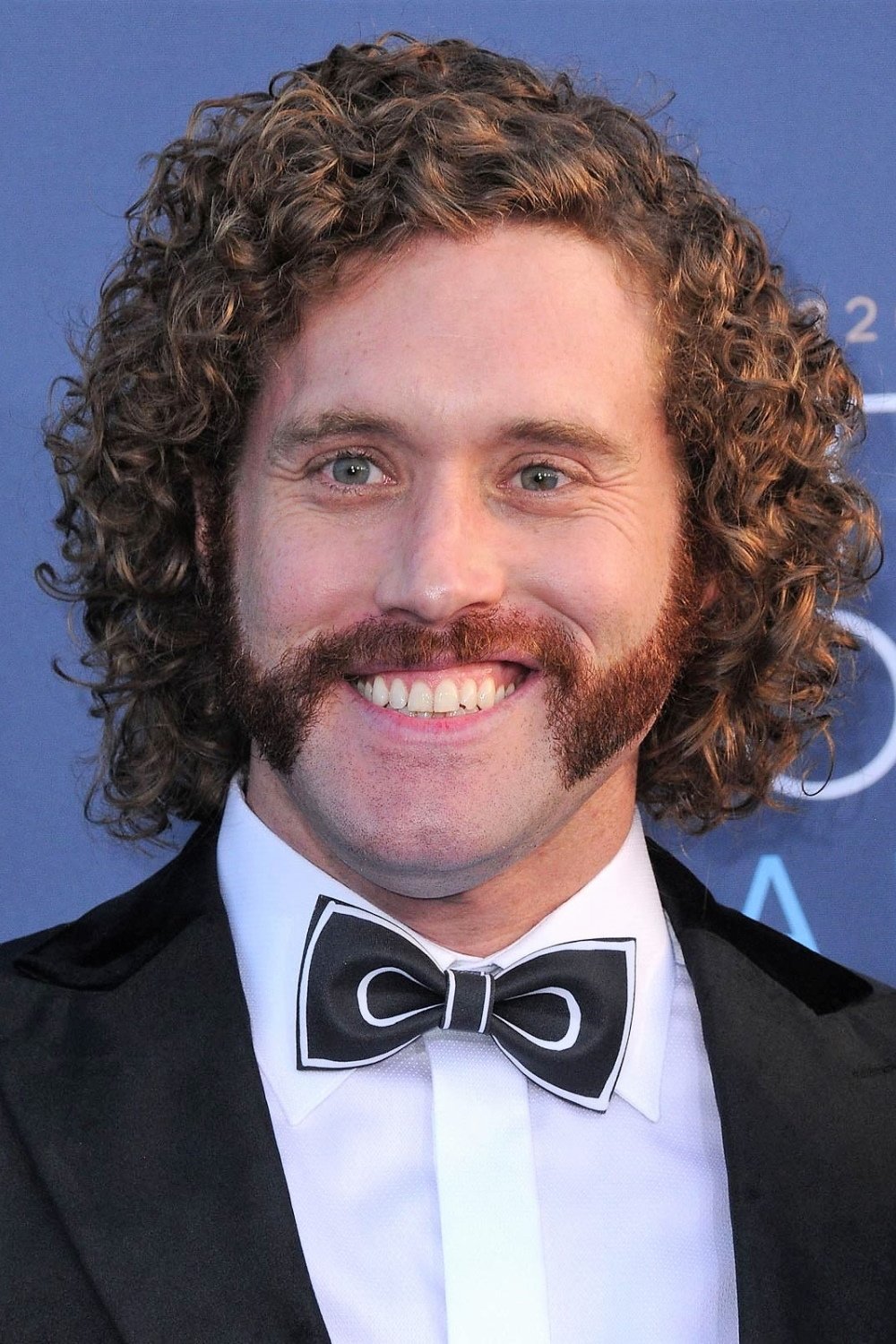
T.J. Miller has been openly critical of the superficiality he sees in Hollywood. After departing from ‘Silicon Valley,’ he discussed the negative aspects of the industry. Unlike many, he’s choosing not to issue public apologies to try and revive his career. Miller values authenticity and a willingness to be unpredictable, even if it means embracing a bit of chaos, over maintaining a carefully crafted public persona. He continues to connect with audiences who enjoy his unique and spontaneous style.
Tyrese Gibson
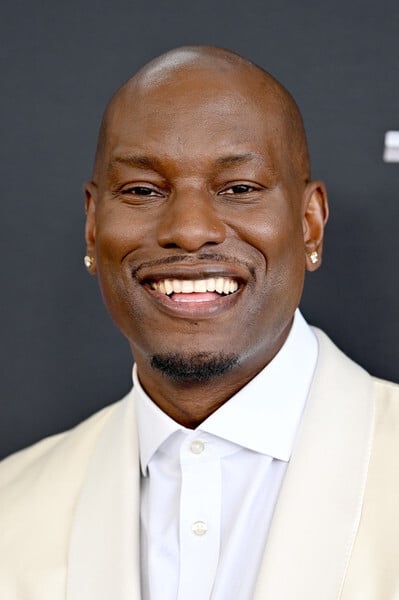
Tyrese Gibson often shares his honest, and sometimes controversial, opinions on Instagram. He’s been vocal about what he believes is the exploitation of the Black community and resists being labeled or controlled by the media or other people in the entertainment industry. Gibson insists he’s only accountable to his own beliefs and his faith, and he’s prepared to accept criticism for speaking his mind.
Mickey Rourke
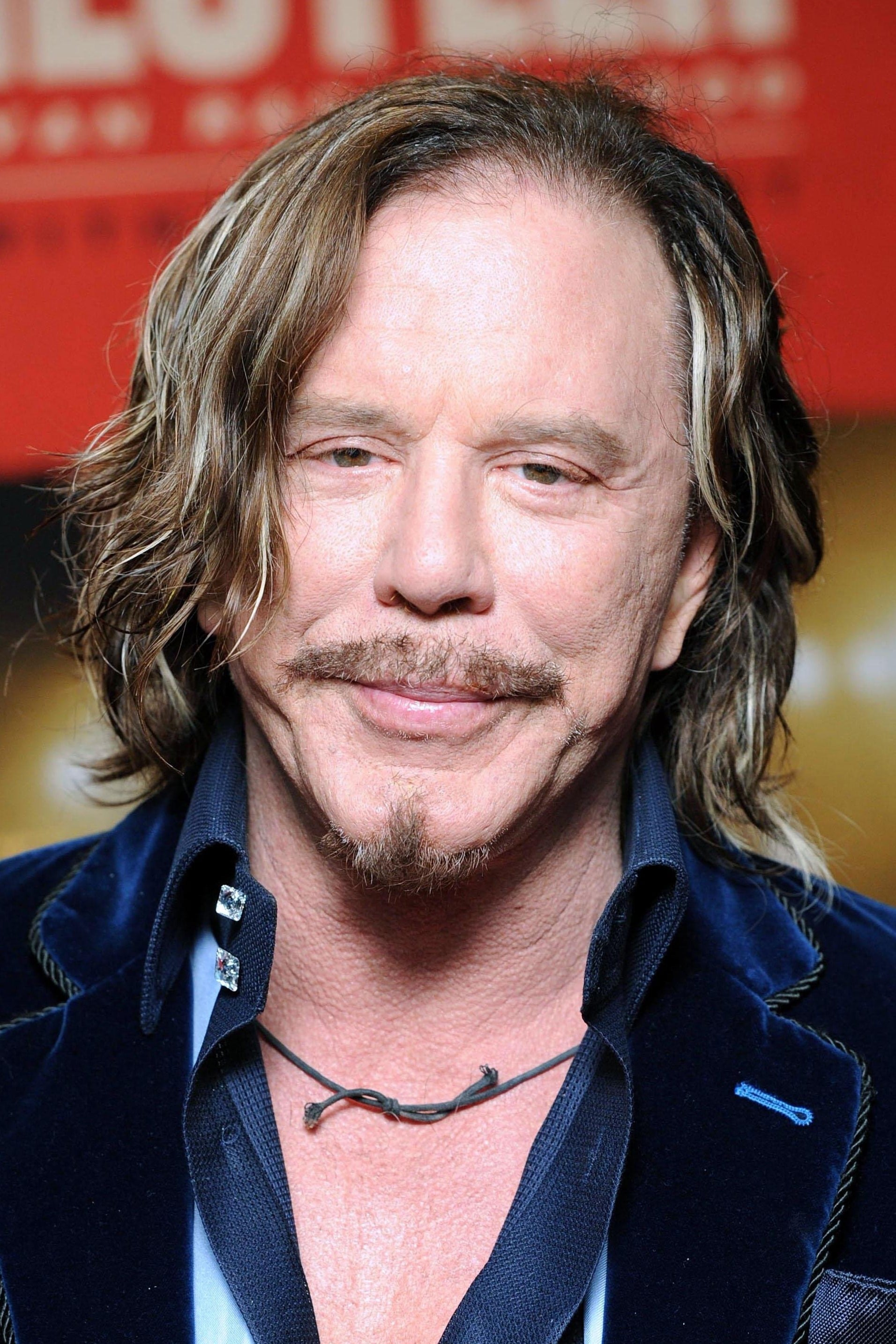
Mickey Rourke has spoken out in support of figures like Johnny Depp, and he’s critical of how quickly the entertainment industry jumps to conclusions. Having often clashed with Hollywood studios and executives himself, Rourke feels the industry is led by people out of touch with reality and genuine relationships. He prioritizes inner strength and loyalty above what the public thinks, and continues to be a nonconformist who doesn’t follow the usual Hollywood playbook.
Share your thoughts on these actors and their stances in the comments.
Read More
- Top 20 Dinosaur Movies, Ranked
- 20 Movies Where the Black Villain Was Secretly the Most Popular Character
- 25 “Woke” Films That Used Black Trauma to Humanize White Leads
- Silver Rate Forecast
- Gold Rate Forecast
- Spotting the Loops in Autonomous Systems
- From Bids to Best Policies: Smarter Auto-Bidding with Generative AI
- Celebs Who Narrowly Escaped The 9/11 Attacks
- 22 Films Where the White Protagonist Is Canonically the Sidekick to a Black Lead
- Can AI Lie with a Picture? Detecting Deception in Multimodal Models
2026-01-22 11:52