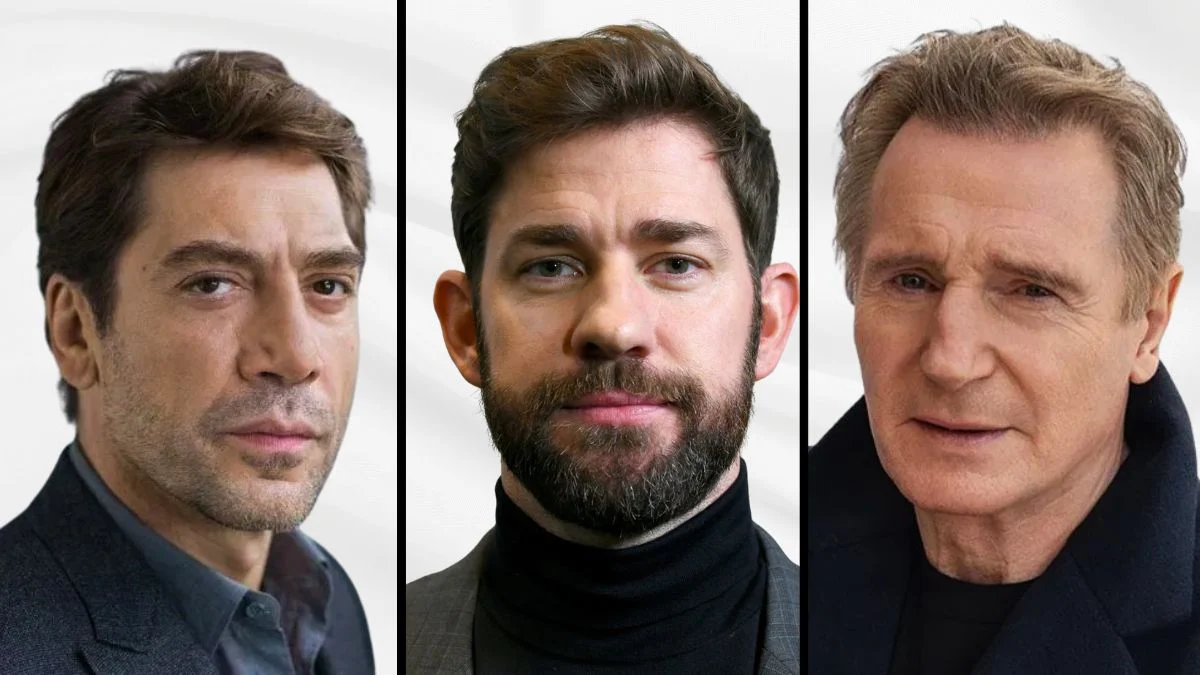
It’s common for actors and screenwriters to disagree on a film’s script, leading to creative clashes. Many famous Hollywood actors have questioned or changed the lines they were given, often because they felt it was important for their character, historical truth, or simply their own artistic vision. Some actors stick closely to the script, but others insist on changes – even refusing to perform until their dialogue is rewritten. This list showcases male actors who successfully negotiated for those rewrites.
Marlon Brando
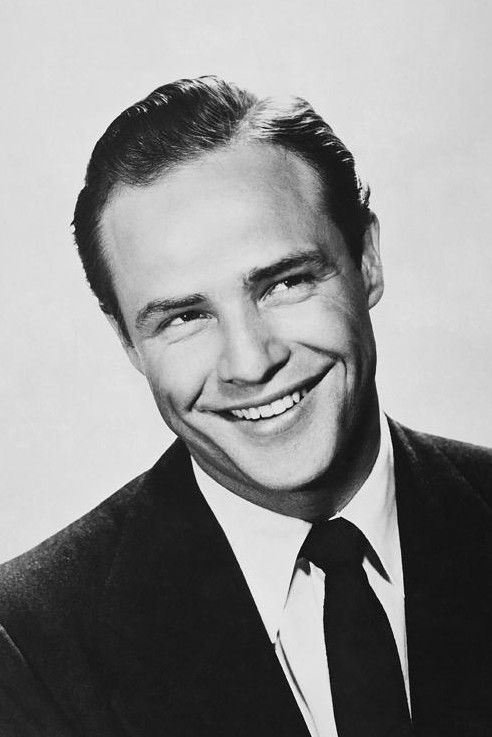
Later in his career, Marlon Brando became known for not learning his lines. While filming ‘The Godfather,’ he preferred to read lines from hidden cue cards instead of memorizing them. During ‘Apocalypse Now,’ he showed up much heavier than expected and hadn’t even read the book the movie was based on. He spent a lot of time discussing his character with the director and ended up making up most of his lines on the spot. He was famous for requesting changes to the script, which frequently held up production.
Edward Norton
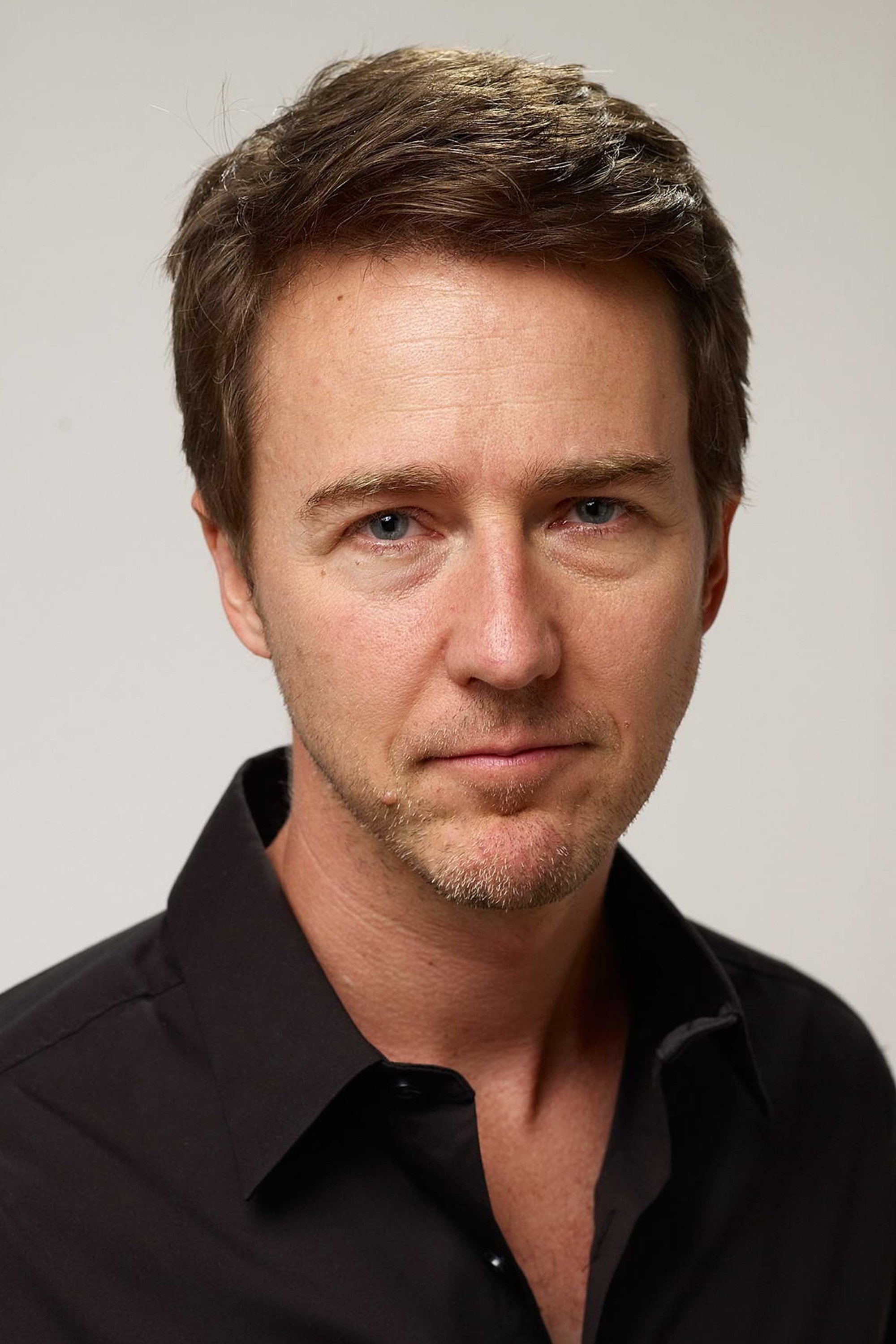
Edward Norton is known for being heavily involved in the writing process of his movies. He famously rewrote much of ‘American History X’ and even refused to help promote it when he disagreed with the final version. He also pushed for substantial changes to the dialogue in ‘The Incredible Hulk,’ wanting to emphasize his character’s inner turmoil. When his ideas aren’t accepted, it often causes tension on set. This dedication to his artistic vision has frequently led to disagreements with directors and studio bosses throughout his career.
Russell Crowe
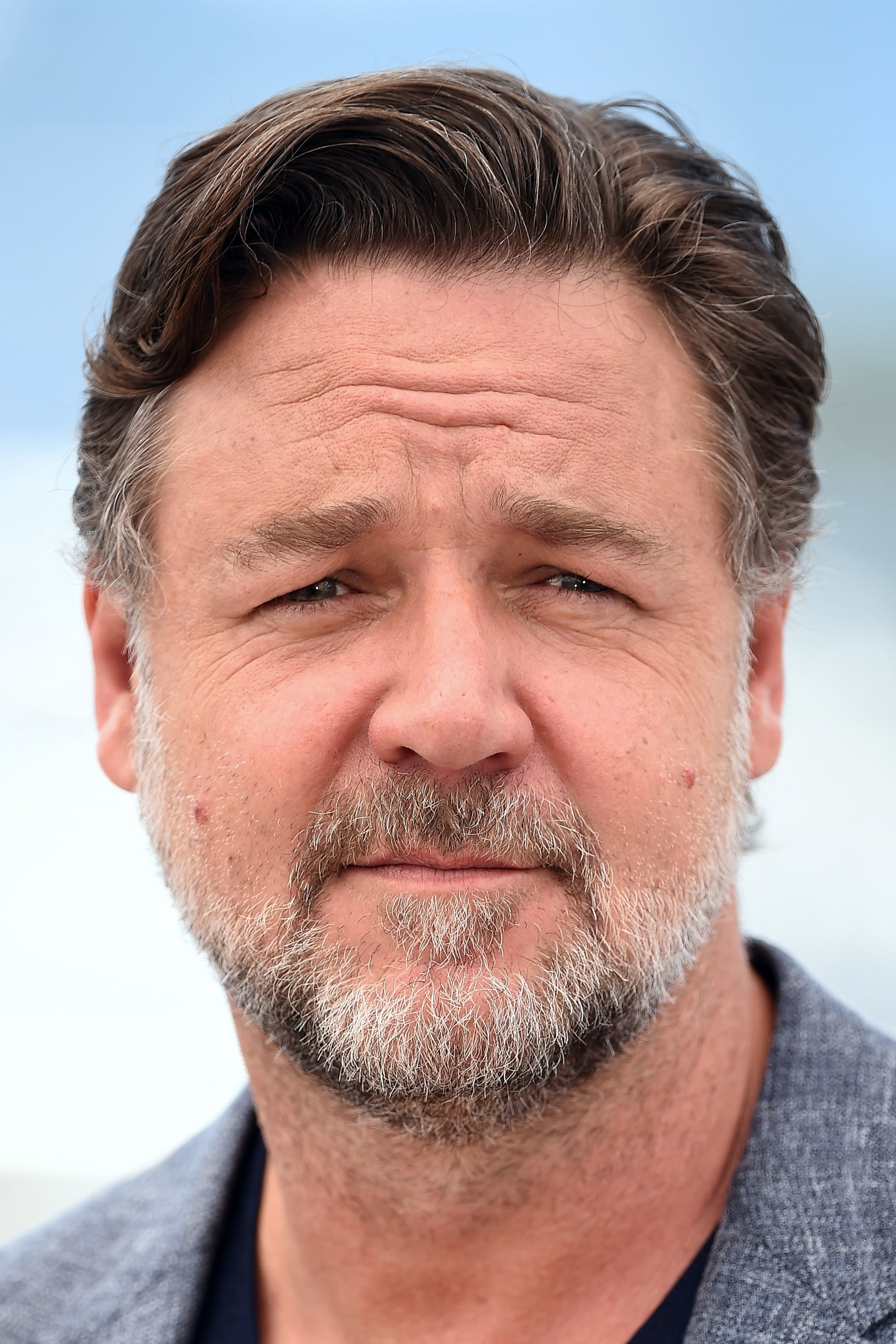
Russell Crowe famously had disagreements with the filmmakers during the production of ‘Gladiator’, particularly about the dialogue. He initially refused to say a line about seeking revenge in this life or the next, telling the producer he thought it was poorly written but confident he could deliver it effectively. He continued to request changes to the script throughout filming, and his dedication to his character frequently led to lines being rewritten on the spot.
Wesley Snipes
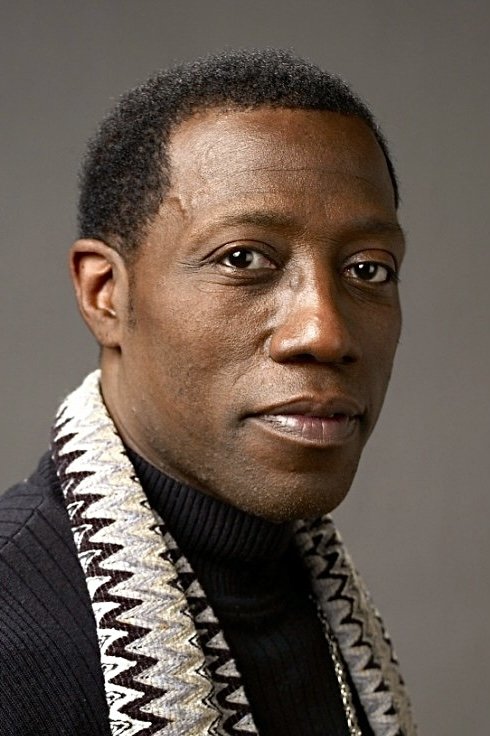
Wesley Snipes made filming ‘Blade: Trinity’ incredibly challenging. He often wouldn’t speak his lines and only communicated with the director by writing notes. There was even a scene where he refused to open his eyes, forcing filmmakers to rely on special effects. Snipes disliked the script, believing it didn’t do justice to his character, and requested numerous cuts and changes to his scenes. This caused a lot of tension on set for everyone involved.
Harrison Ford
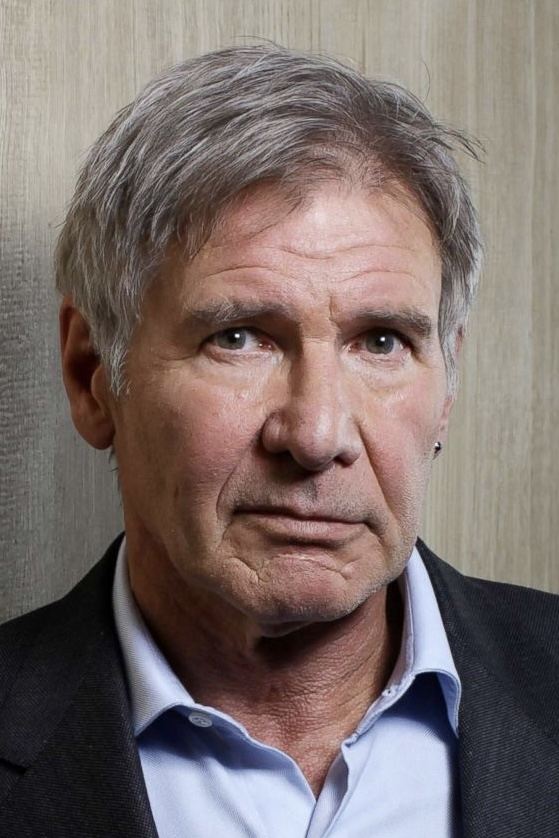
Harrison Ford didn’t like the original lines George Lucas wrote for ‘Star Wars: A New Hope’. He jokingly told Lucas he could write the dialogue, but it was too awkward to actually say. Ford wanted Han Solo’s lines to sound more realistic and fit his character’s tough, skeptical personality. He frequently changed or shortened his lines to make them feel more natural, and his suggestions were key to creating the memorable, authentic character that Han Solo became.
Samuel L. Jackson
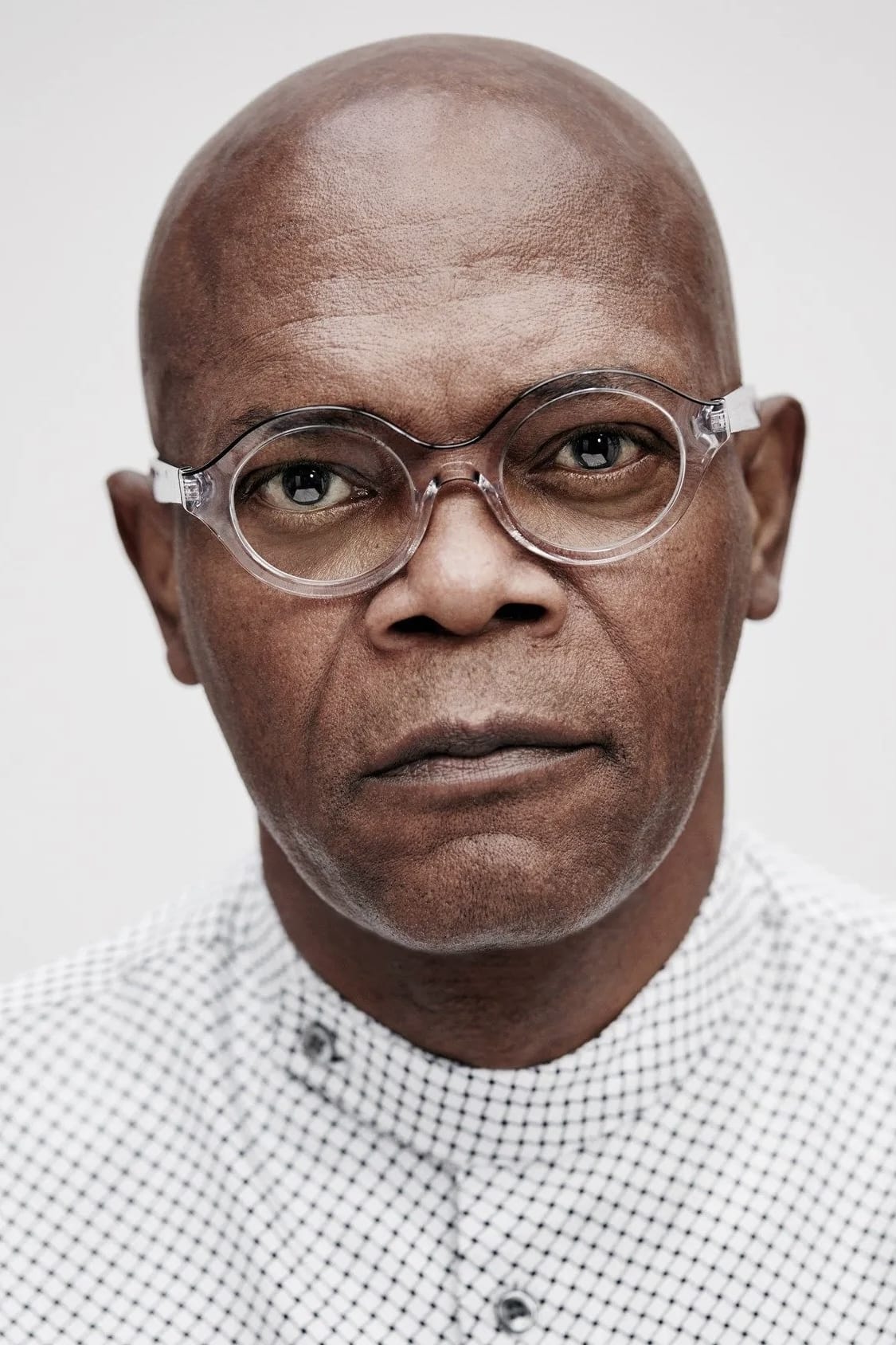
Samuel L. Jackson famously saved the title ‘Snakes on a Plane’ from being changed. When the studio considered a more common title, he threatened to leave the movie unless they kept the original, explaining it was the main reason he signed on. He even asked for lines to be added to the script to please his fans. Ultimately, the studio agreed to all his requests to keep him involved, and his insistence on the original title helped the film become a cult classic.
Robert Downey Jr.
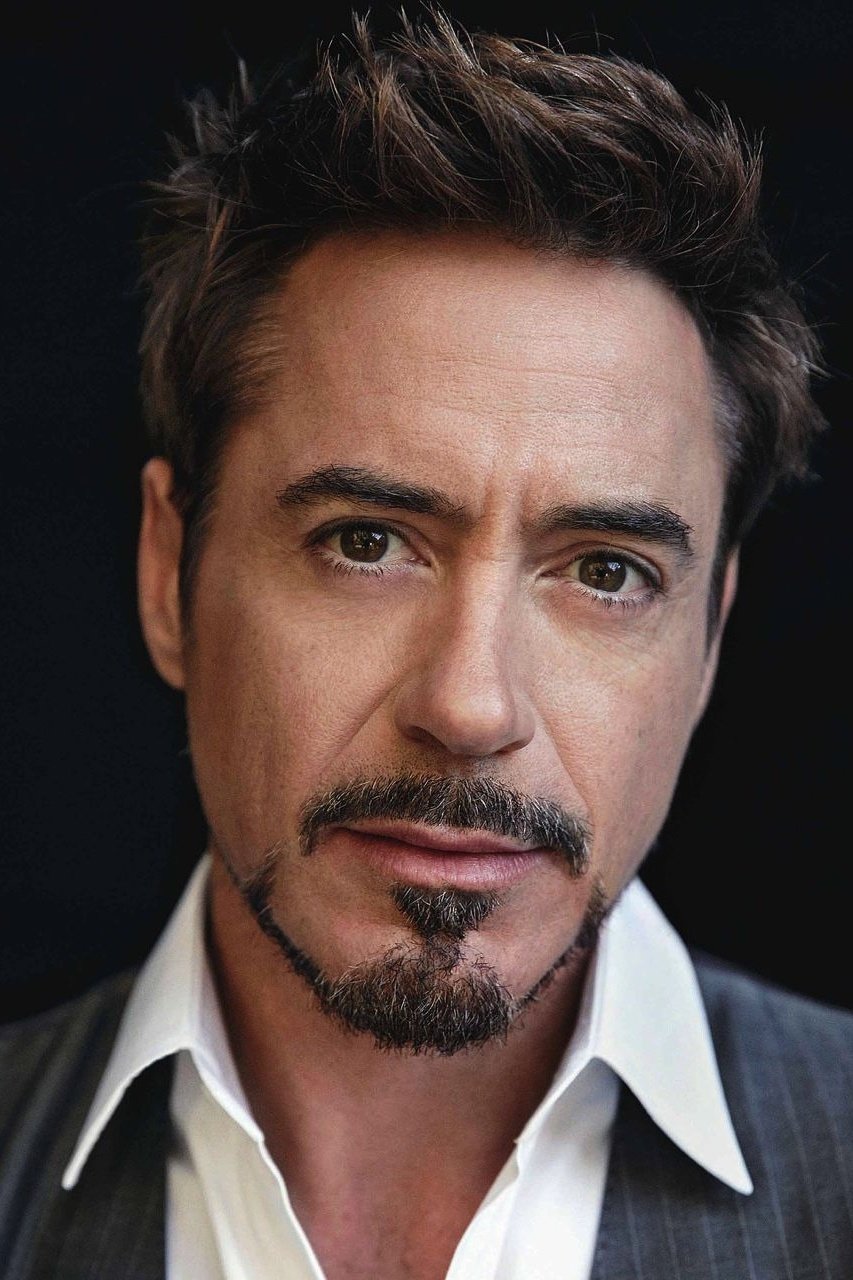
Robert Downey Jr. found the original dialogue for ‘Iron Man’ to be unnatural and overly formal. He decided to work with the director to create more realistic and conversational scenes. This collaboration shaped the character of Tony Stark, giving him the quick wit and engaging personality he’s known for. Downey Jr. continues to actively contribute to and revise his dialogue in all of his Marvel movies, and his talent for on-the-spot rewriting has become a signature part of his acting style.
Mickey Rourke
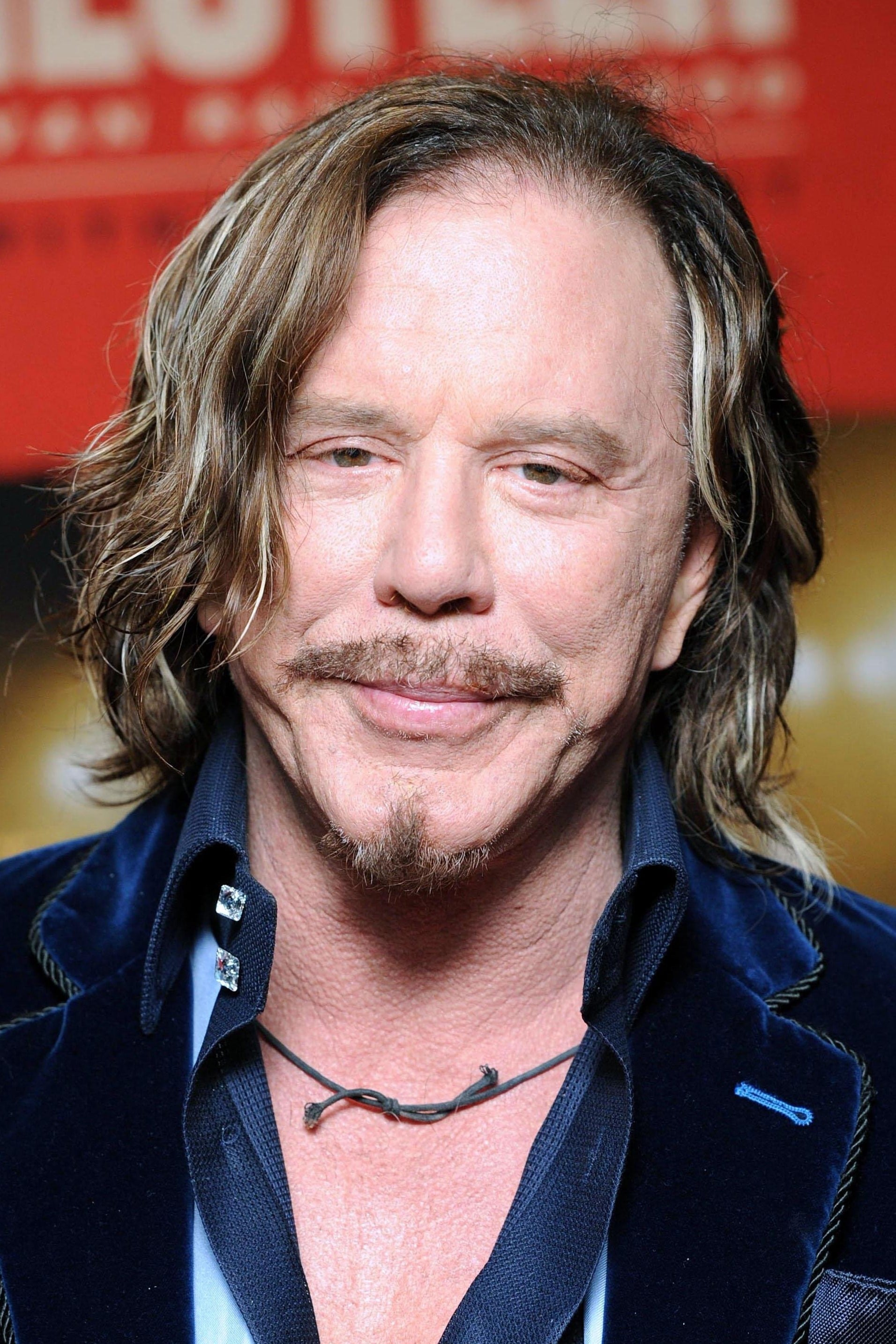
Mickey Rourke had a strong vision for his character in ‘Iron Man 2.’ He wanted the villain to have a pet bird and mostly speak Russian, so he rewrote much of his dialogue. He did a lot of research into Russian prison life to make sure his lines sounded authentic and created a much more unusual character than originally planned.
Henry Cavill
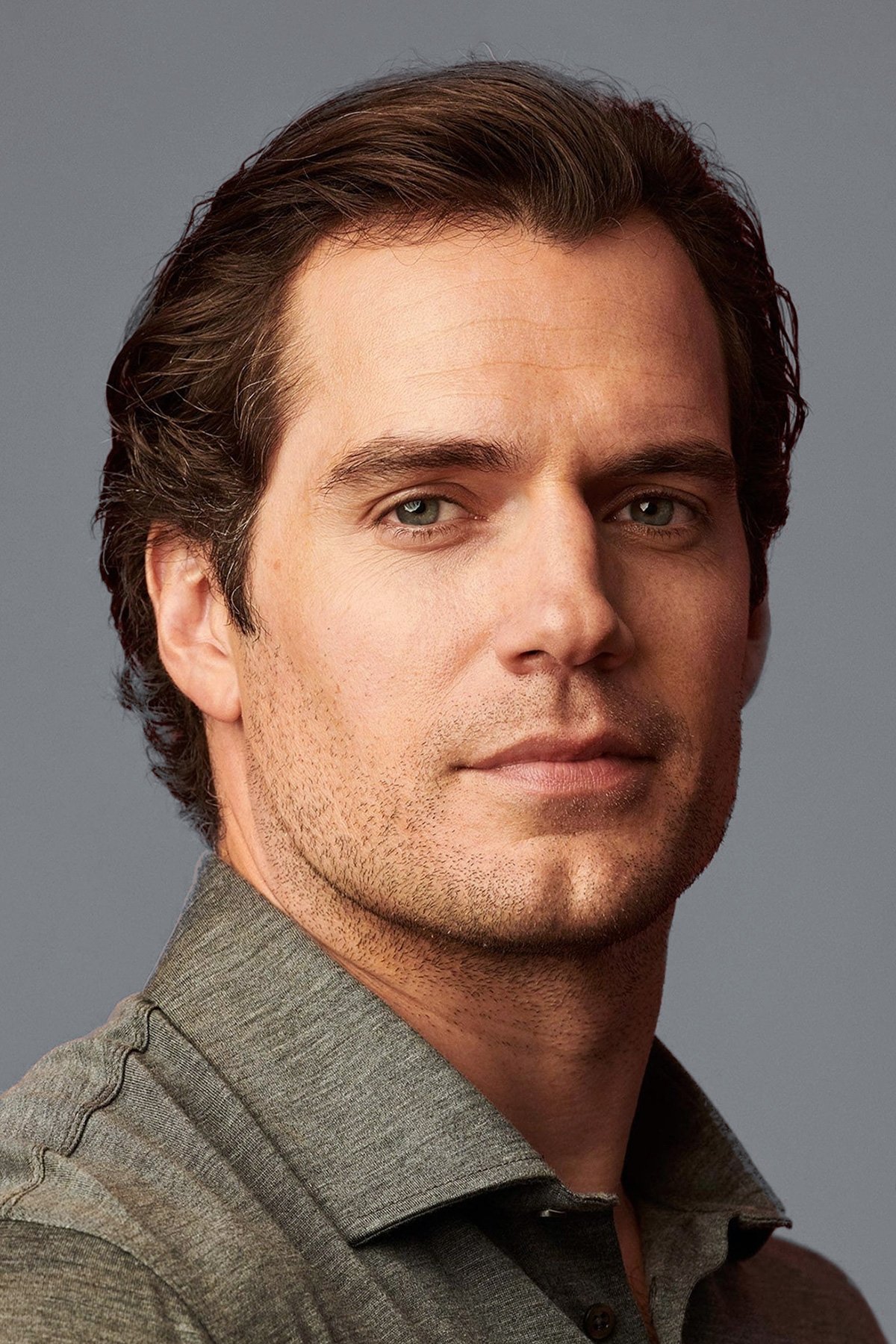
Henry Cavill, being a devoted fan of the original ‘Witcher’ books, consistently advocated for dialogue that stayed true to the source material. He wouldn’t deliver lines he believed didn’t fit Geralt of Rivia’s established personality, and frequently brought passages from the novels to the set to support his requests for changes. This dedication to the books led to notable revisions in the show’s scripts, as Cavill felt strongly about portraying the character as the author envisioned.
Crispin Glover
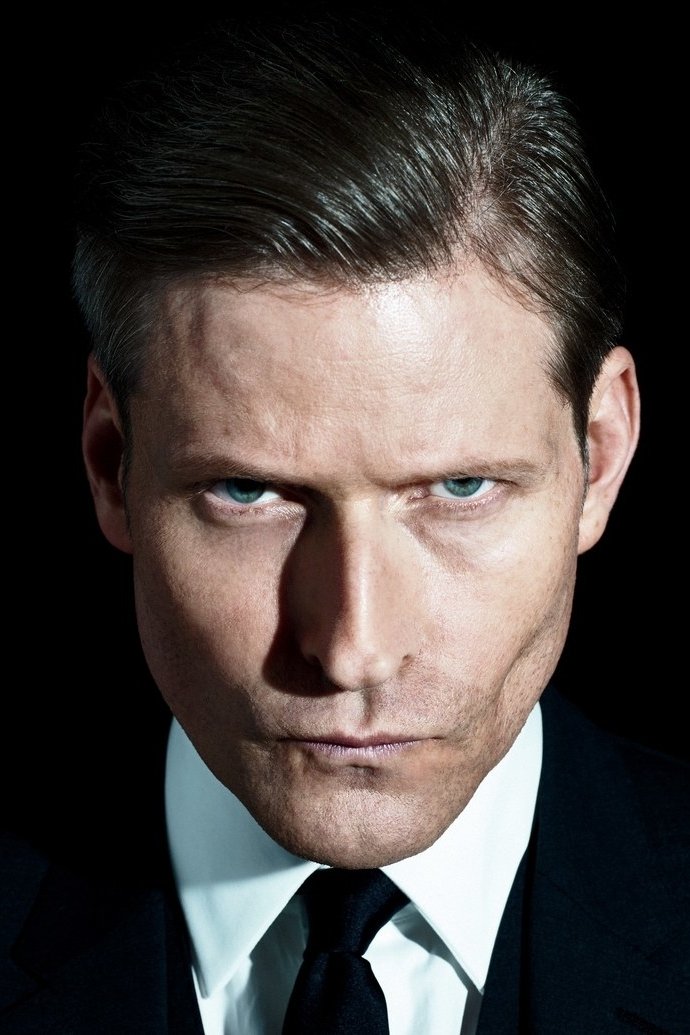
Crispin Glover made a unique choice when filming ‘Willard’: he decided to play his character with very little dialogue. He purposely skipped many of his lines, believing silence would make the character more mysterious and disturbing. The director ultimately agreed, and most of the spoken lines were removed from the final cut. This decision greatly shaped the unsettling and memorable feel of Glover’s performance.
Daniel Day-Lewis
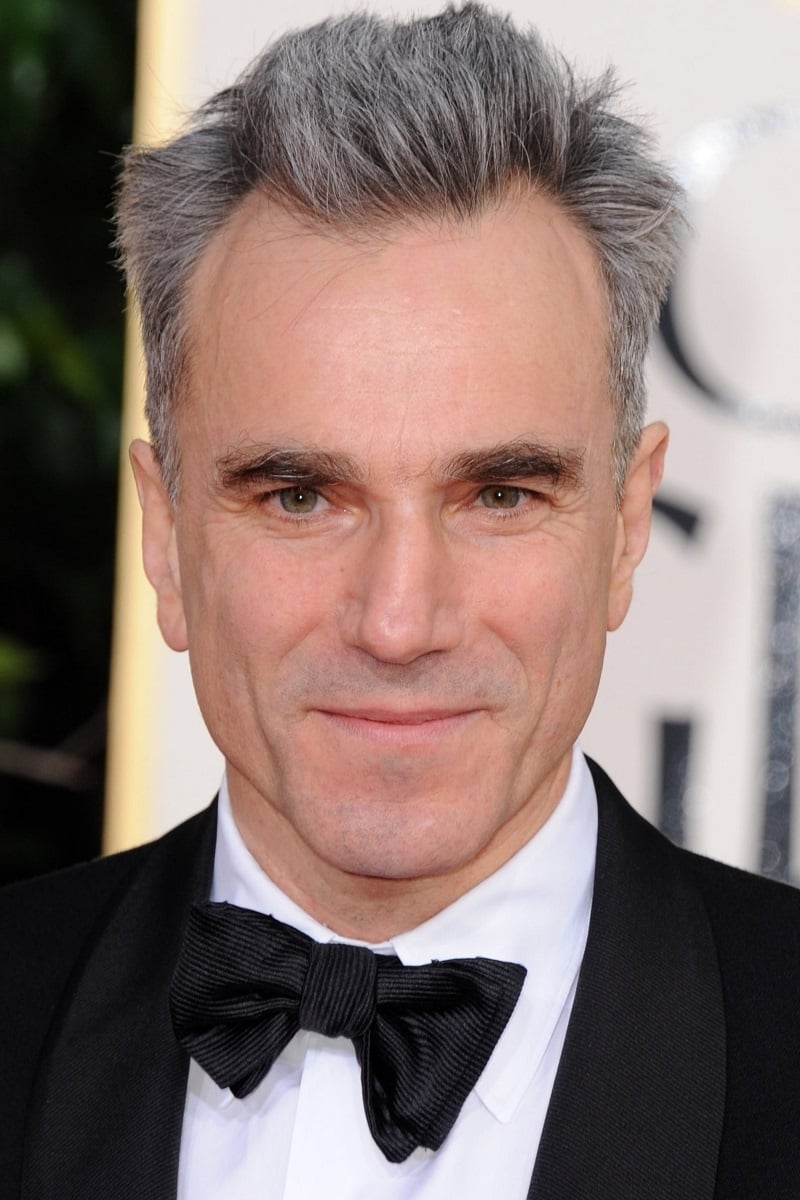
Daniel Day-Lewis is famous for fully immersing himself in his roles and paying close attention to the scripts he works with. When preparing for ‘Lincoln,’ he insisted on historically accurate language, meticulously studying Abraham Lincoln’s speeches and word choices. He wouldn’t film any scene until the dialogue felt completely true to the time period. He dedicates years to researching each character, striving for authenticity in every line, and often requires scripts to be rewritten based on his findings.
Tom Cruise
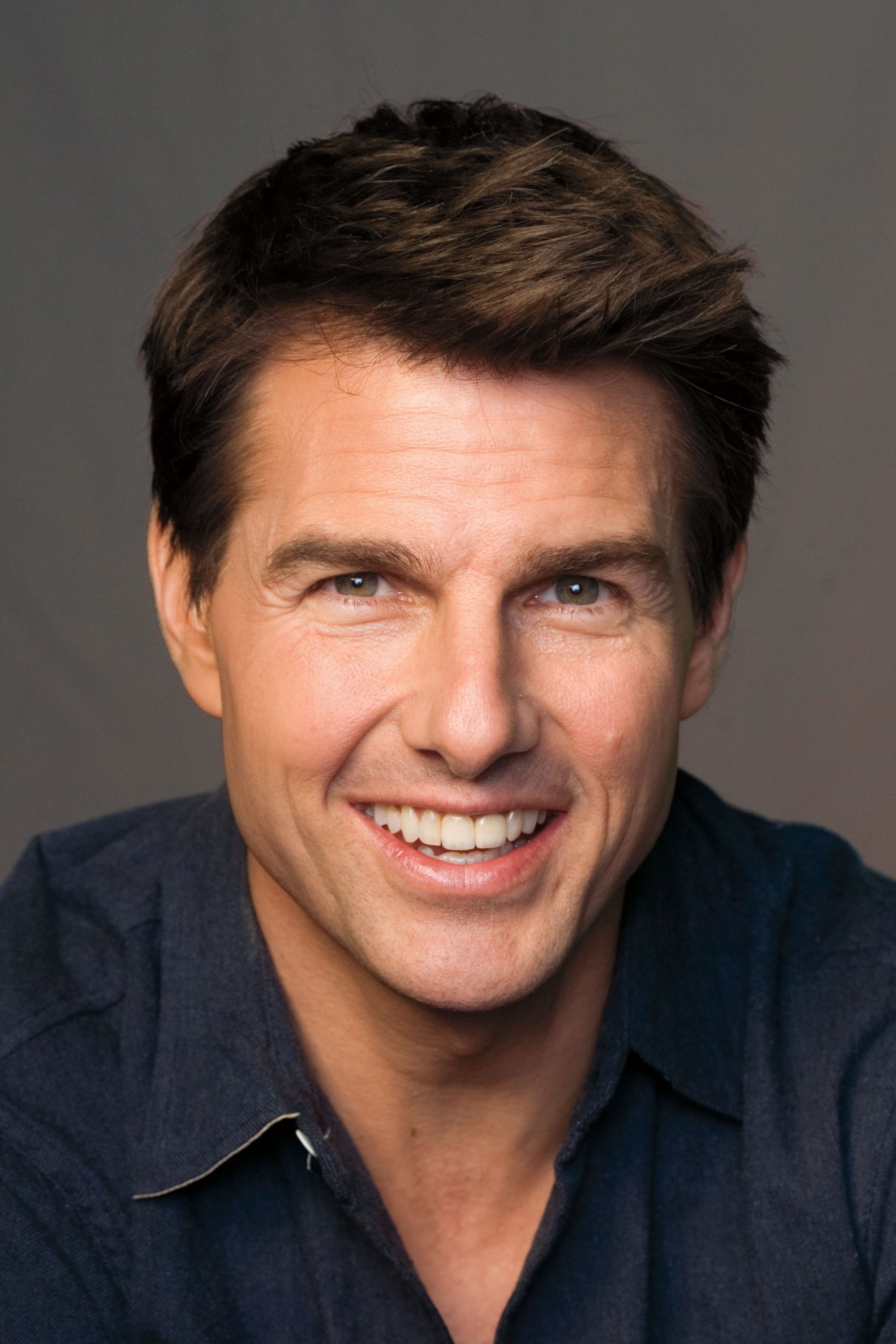
Tom Cruise reportedly had a lot of creative control over the 2017 film ‘The Mummy.’ He requested changes to the script and his character to better fit his typical leading-man persona, even bringing in his own writers to reshape the story. These alterations increased his character’s prominence and shifted the film’s focus away from the monster. Ultimately, Cruise’s influence completely changed the direction of the movie.
Gene Hackman
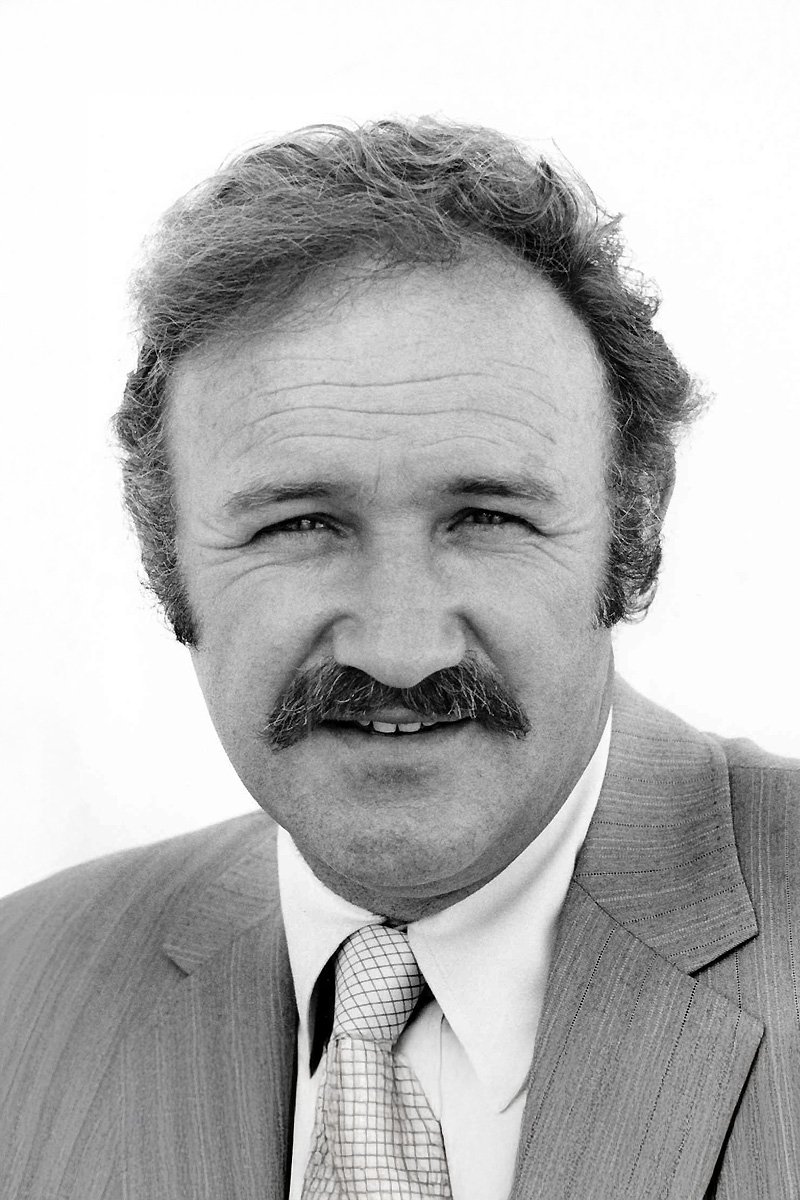
Gene Hackman was famous for being honest about what he thought of movie scripts. He disagreed with the directors of ‘Superman IV: The Quest for Peace’ because he didn’t think the dialogue was very good. He wouldn’t film some scenes until the writing was improved to his liking. Hackman believed the script didn’t treat the characters with enough seriousness and wanted his lines to be more impactful. Because he stood his ground, the writers had to quickly revise the script several times.
Brad Pitt
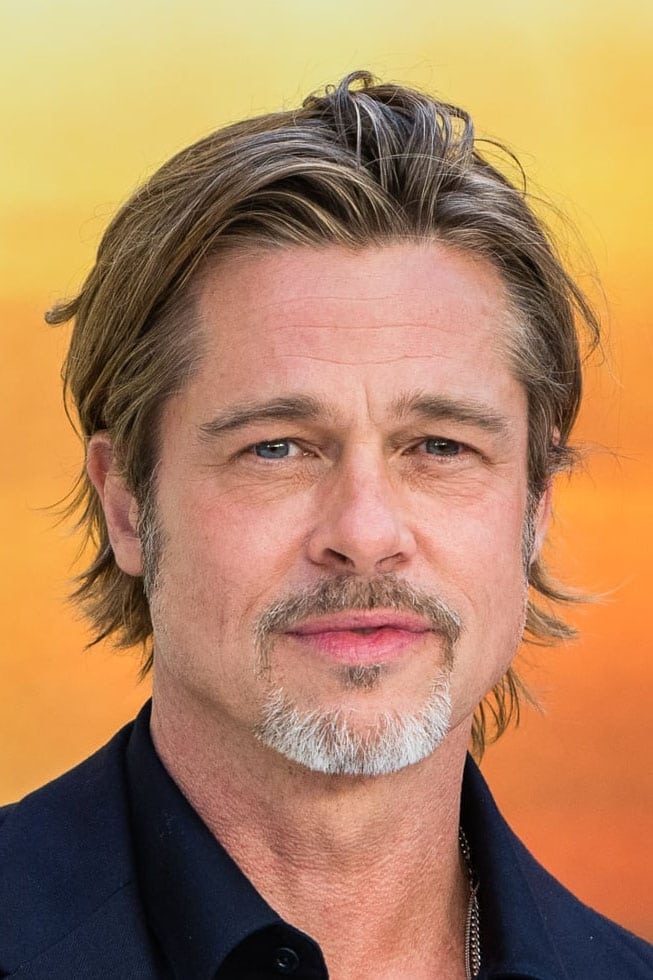
Brad Pitt was so committed to the dark and realistic tone of the film ‘Seven’ that he threatened to leave if the studio altered the ending. He wouldn’t deliver any lines that would suggest a happier outcome for his character, believing it would compromise the film’s artistic vision. Ultimately, the studio agreed to keep the original, bleak ending, and Pitt’s insistence is often credited with helping to make ‘Seven’ a cinematic masterpiece.
Joaquin Phoenix
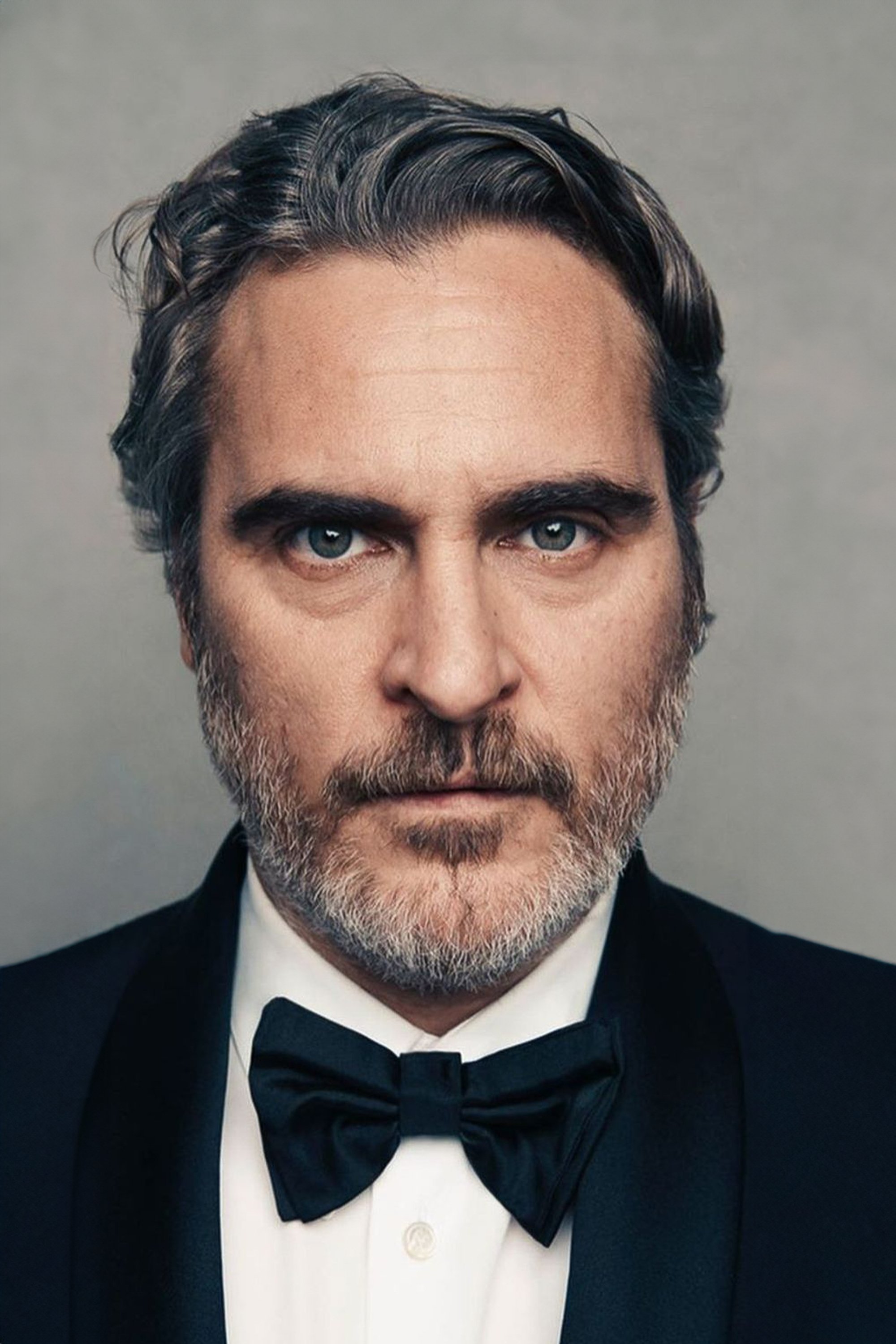
While filming ‘Joker,’ Joaquin Phoenix often stopped shooting if he didn’t think the dialogue sounded true to his character. He worked with the director to completely rework scenes on the spot. Phoenix was determined to make the character’s breakdown feel real, not artificial, so he frequently abandoned the scripted lines and instead improvised, aiming for more genuine emotion. This willingness to be unpredictable resulted in a very powerful and authentic performance.
Val Kilmer
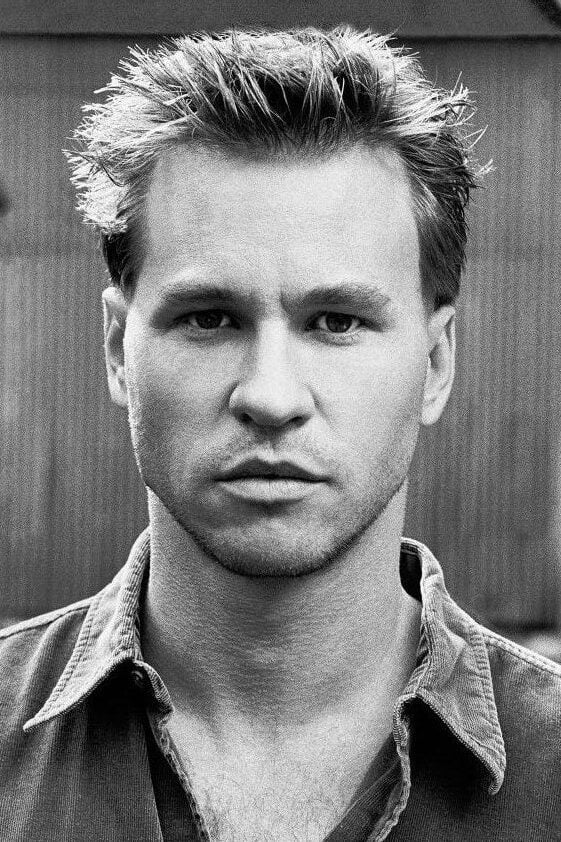
I’ve heard so much about the making of ‘The Island of Dr. Moreau,’ and it sounds like a real nightmare! Apparently, Val Kilmer and the director, along with the other actors, just couldn’t get along. He really didn’t like the script they’d given him and insisted on changing his character a lot. From what I understand, he was often late and would spend ages debating the lines. It caused total chaos on set, and people are still talking about it in Hollywood! He did eventually get most of the changes he wanted, but it really took a toll on the whole production.
Benicio Del Toro
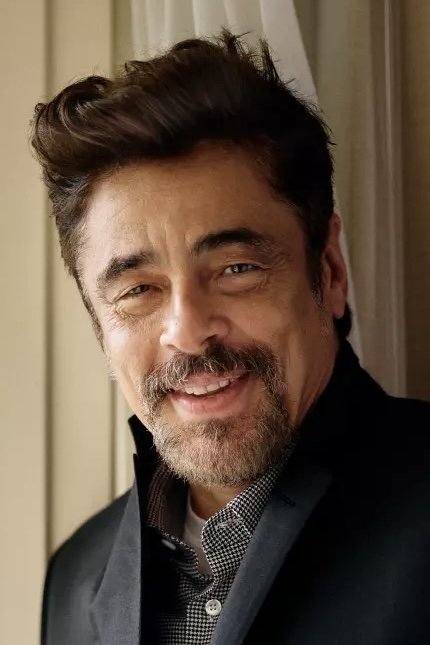
Benicio Del Toro deliberately made his character in ‘The Usual Suspects’ difficult to understand. He decided to ignore the script’s instructions for clear dialogue, believing a unique accent and mumbled delivery would make the character more striking. This often left his fellow actors confused during filming. Ultimately, this bold choice worked, and his performance became a much-talked-about part of the movie.
Ryan Reynolds
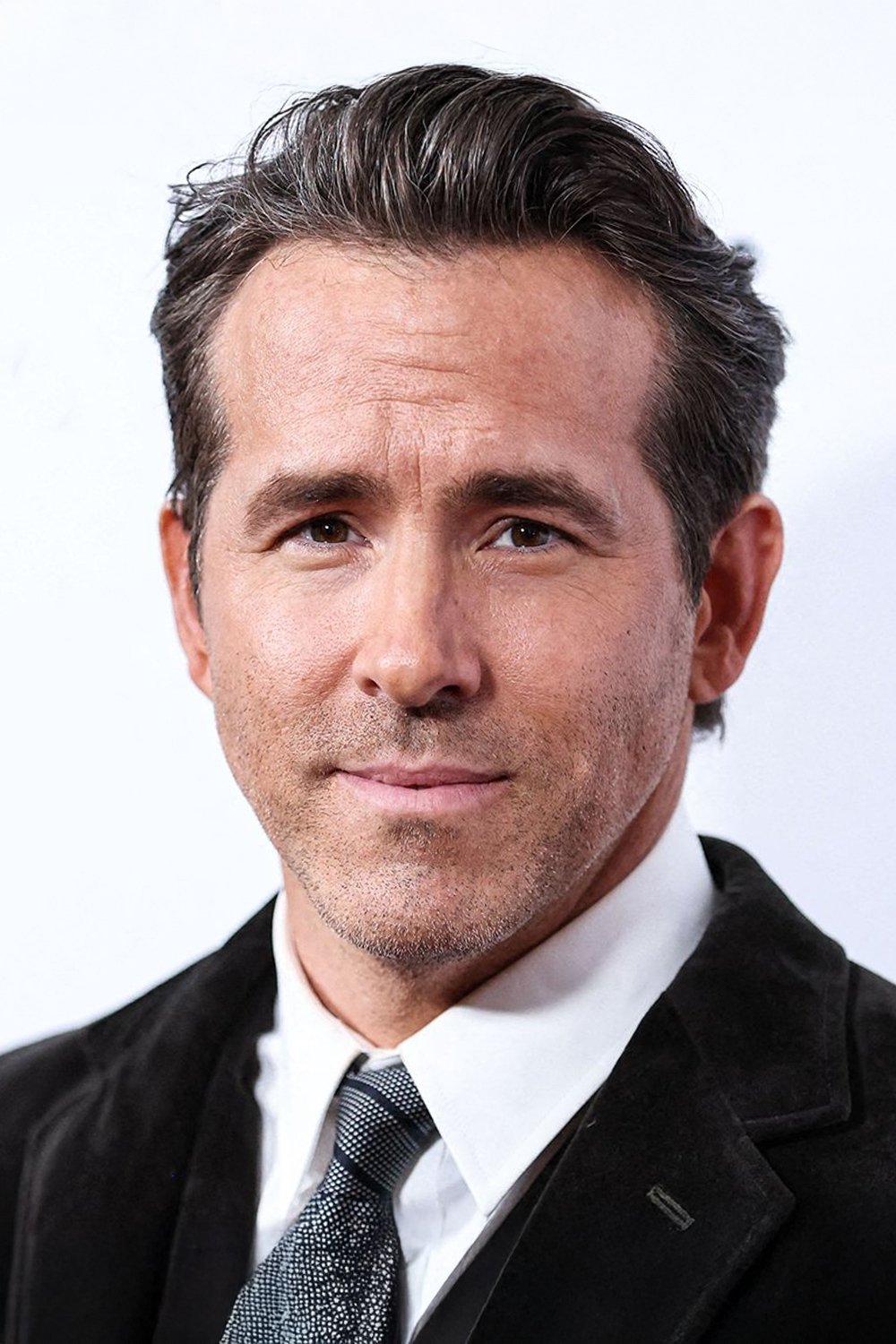
Ryan Reynolds was deeply committed to getting Deadpool’s dialogue just right for the movie, staying true to the comic book version. He rejected the studio’s first script because it didn’t have the character’s trademark wit. Reynolds and the writers spent years perfecting the lines, adding the self-aware humor and jokes that fans loved. He even kept suggesting changes on set to make scenes even funnier. His dedication was a key reason the movie—and the whole series—became so popular.
Sylvester Stallone
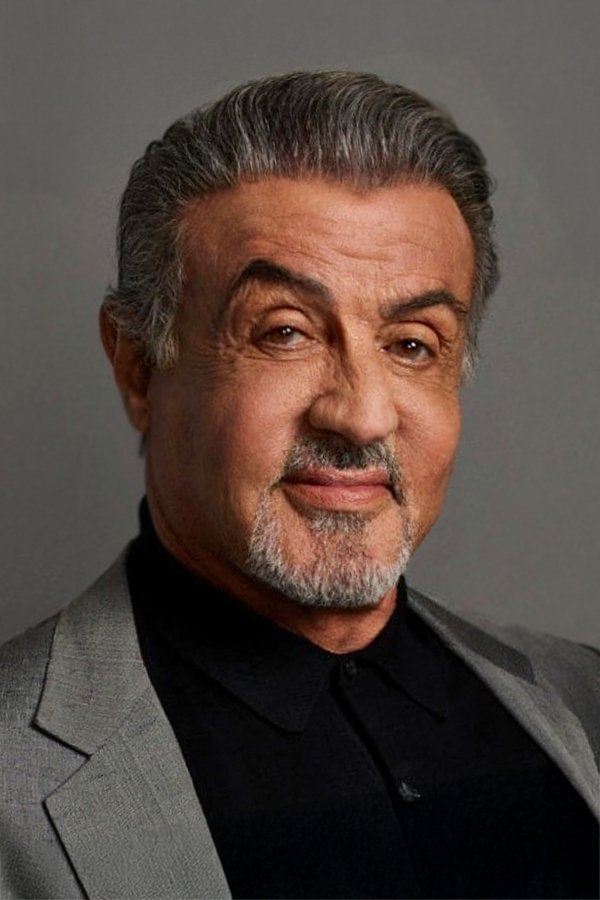
As a film buff, I’ve always been amazed by the story of ‘Rocky.’ Apparently, Sylvester Stallone was incredibly insistent on starring in it himself – he wouldn’t sell the script otherwise! The studio initially wanted to refine the dialogue, make it sound a bit smoother, but he fought for it to stay real and true to the gritty, working-class world of Philadelphia. He really poured himself into rewriting it, making sure the character’s voice felt authentic. It was that dedication, that refusal to compromise, that turned what could have been a small, independent film into the massive global hit we all know and love.
John Krasinski
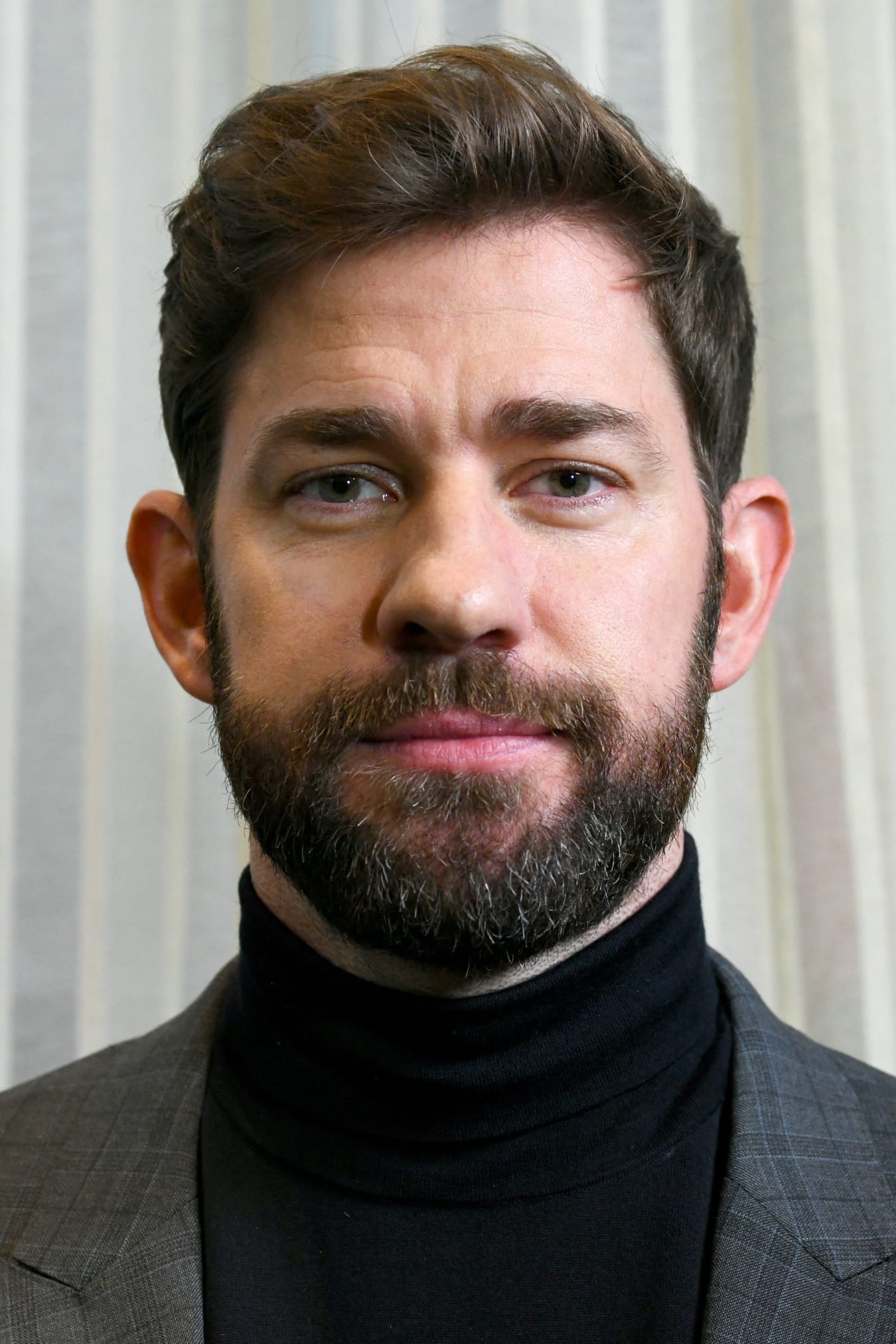
John Krasinski successfully argued against a storyline where his character on ‘The Office’ would have been unfaithful. He believed fans loved the stability of the relationship and wouldn’t accept the plot, and he convinced the show’s producers to agree. Ultimately, the writers dropped the idea, which helped maintain the show’s most beloved romantic pairing.
Alec Baldwin
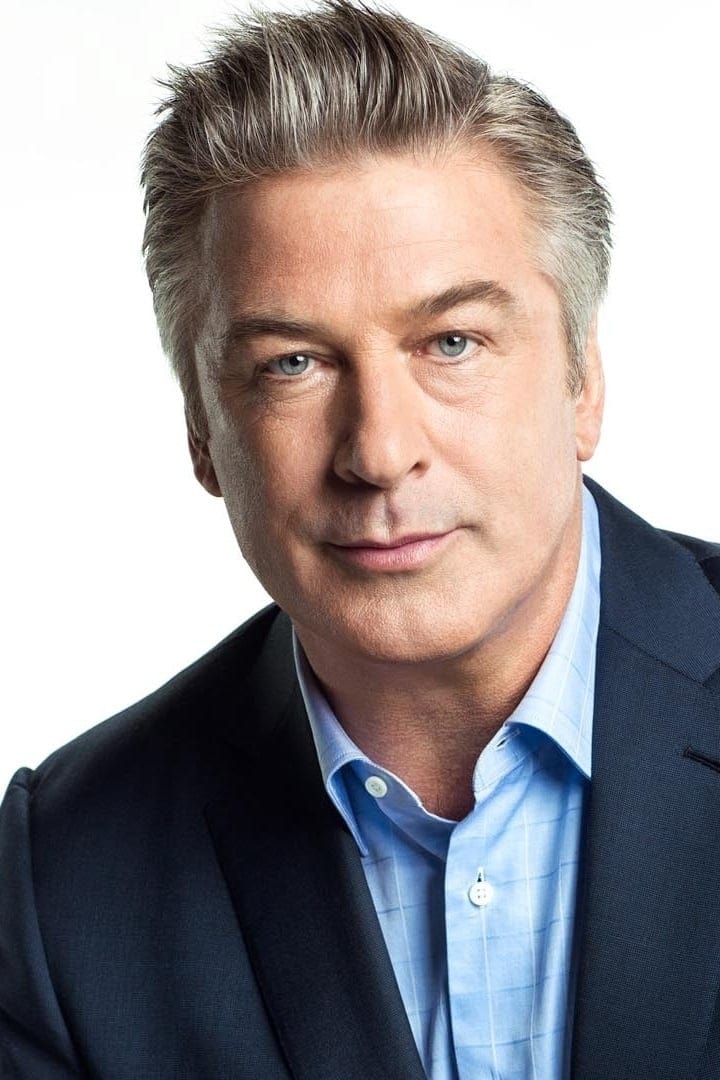
During the filming of ‘The Marrying Man,’ Alec Baldwin gained a reputation for being challenging to work with. He frequently requested changes to the script and wouldn’t proceed with filming until the studio made those changes. He often questioned the director and writers about his character’s lines, leading to a lengthy and costly production filled with constant revisions. His on-set behavior attracted significant media attention at the time.
Jason Isaacs
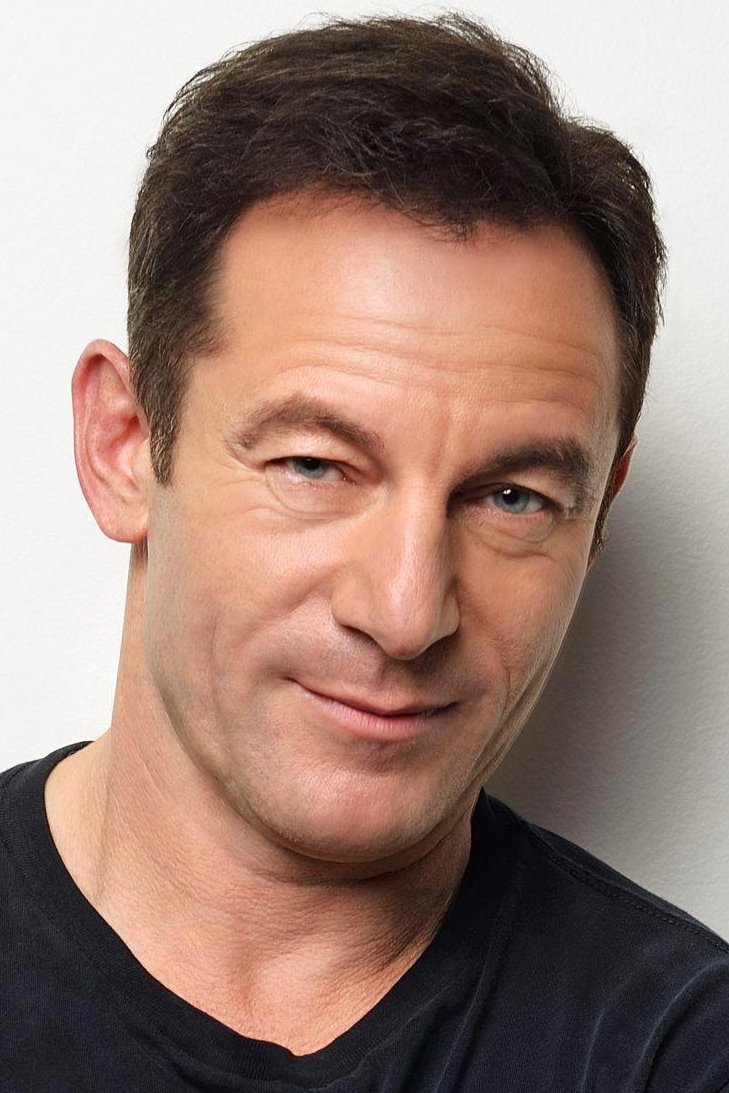
When Jason Isaacs was cast as Lucius Malfoy in the ‘Harry Potter’ films, he quickly developed a vision for the character. He asked for long hair and more dignified lines than were originally written, and he even suggested the idea of a cane concealing his wand to make Lucius seem more threatening. Isaacs didn’t want to portray a typical villain, aiming instead for a more refined character. The filmmakers accepted his ideas, and these contributions ultimately became defining features of the role.
Ben Affleck
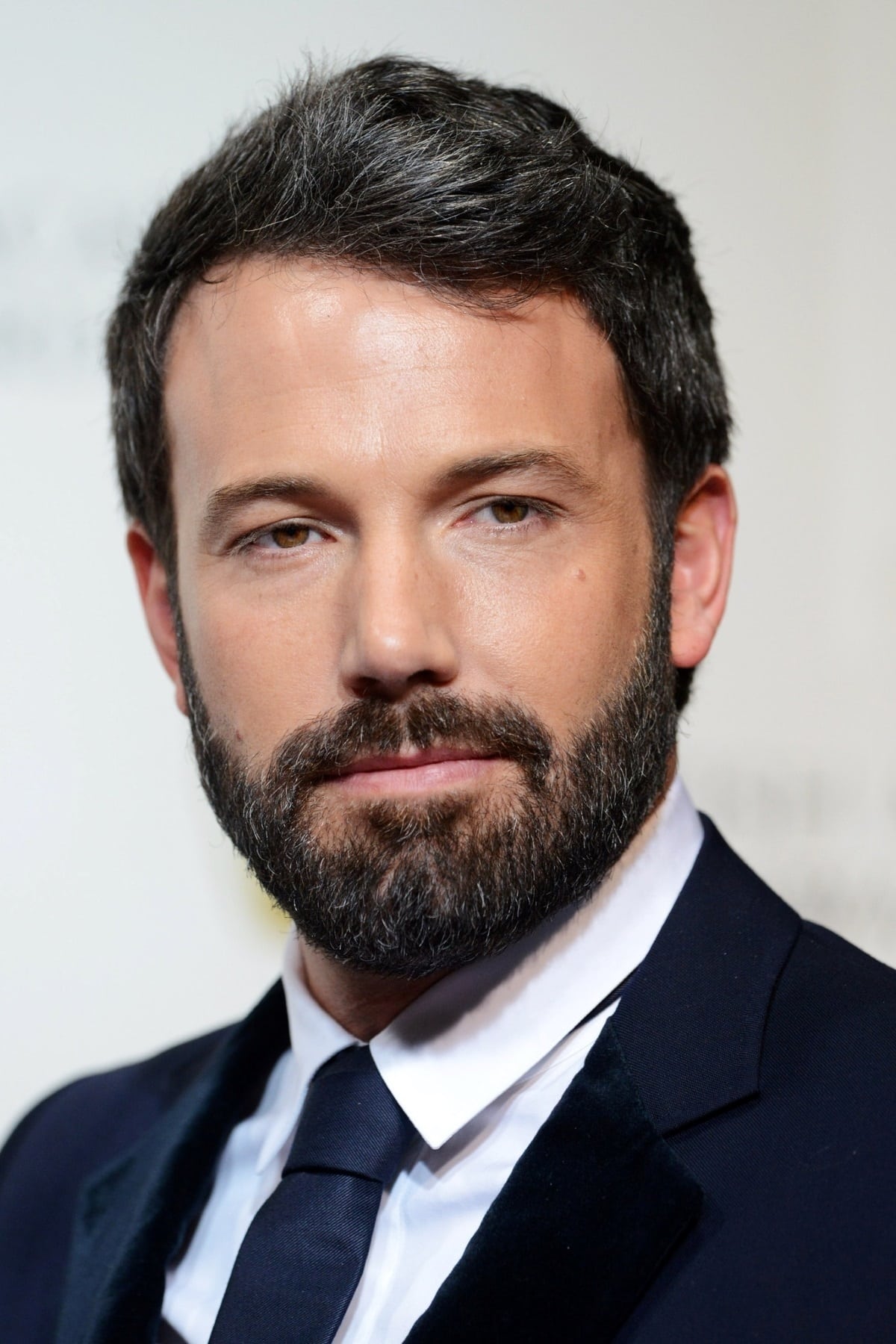
During the filming of ‘Gone Girl,’ Ben Affleck strongly objected to wearing a New York Yankees baseball cap in an important scene. As a passionate Boston Red Sox fan, he felt it would compromise his principles and the character he was portraying. He discussed the issue with the director for several days, and ultimately the production team agreed to a compromise. They switched the hat to a New York Mets cap, allowing filming to continue. This incident became a popular story highlighting Affleck’s loyalty to his favorite team.
Liam Neeson
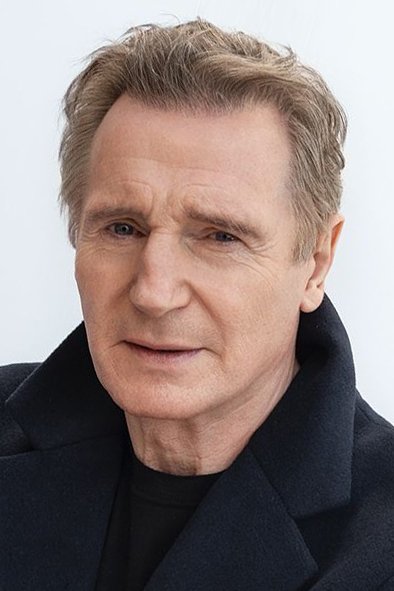
I was so impressed with Liam Neeson’s dedication to ‘The Grey.’ He really wanted his character to be more than just a typical action hero. He fought for lines that made you think about life and death, rejecting anything too simple. He and the director worked hard to rewrite scenes, adding so much depth and making it feel like a truly powerful survival story, not just a standard thriller. His contributions really made the emotional impact of the film soar.
Mads Mikkelsen
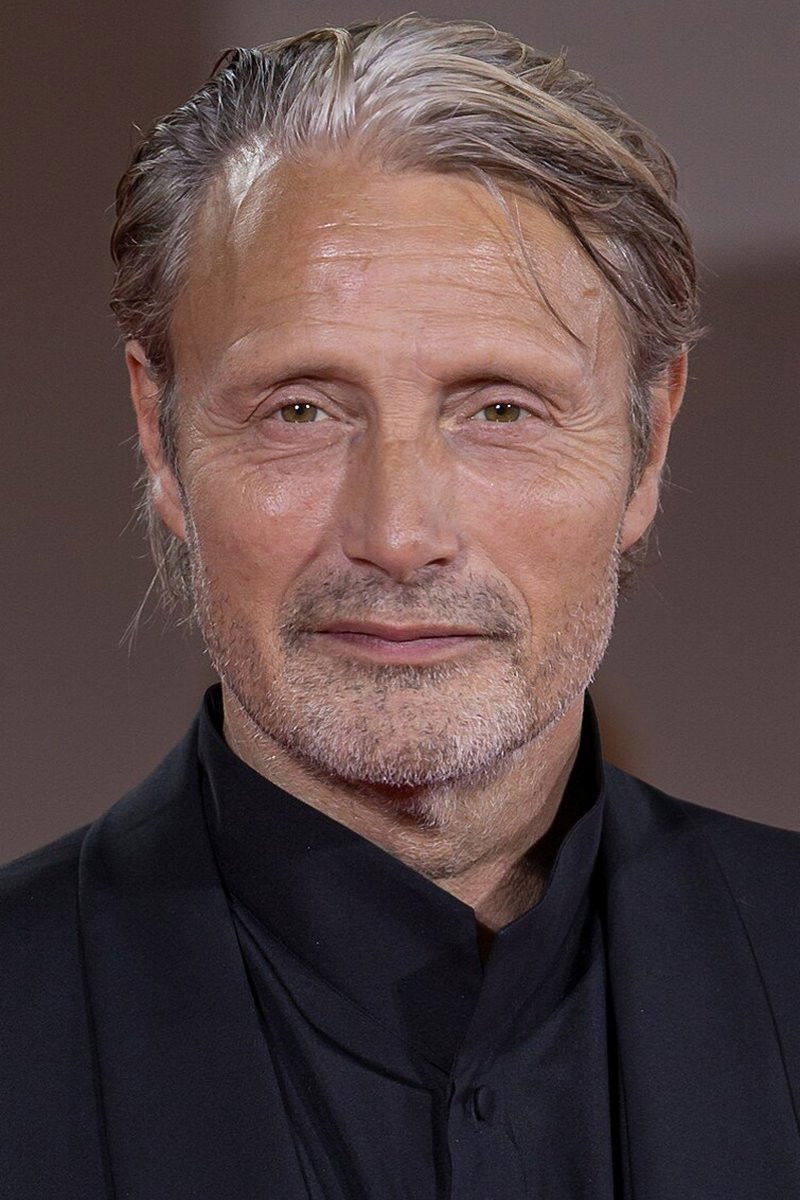
During the torture scene in ‘Casino Royale’, both Mads Mikkelsen and Daniel Craig argued for minimal dialogue. They believed that the scene’s impact would be stronger if conveyed through physical acting and emotional intensity, rather than spoken words. Mikkelsen specifically wanted his character to appear calm and unrevealing, avoiding explanations. They convinced the director to remove several pages of lines, and the resulting scene is now widely considered a highlight of the newer James Bond films.
Chow Yun-fat

After Chow Yun-fat began working in Hollywood, he frequently pushed back against scripts that used predictable and outdated stereotypes. He actively revised his lines, especially in films like ‘The Replacement Killers,’ to give his characters more depth and respect. He wouldn’t deliver lines that felt untrue to the character or misrepresented his culture. This commitment to quality writing was key to his success as a well-regarded international actor, and he was careful to control how he appeared on screen.
Gong Yoo
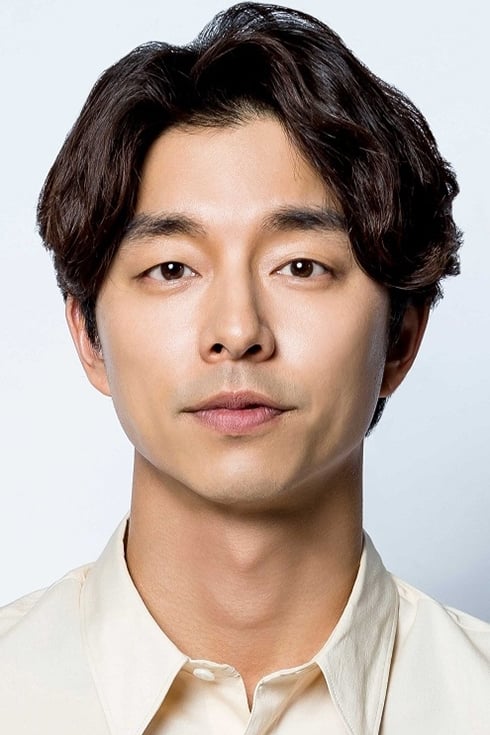
Gong Yoo is a highly respected actor in Korean cinema because he carefully chooses projects with strong scripts. He often works with directors to refine his characters, pushing for more emotional complexity. He’s known for being meticulous about dialogue, sometimes delaying filming until it feels authentic. Directors value his dedication and input, and this commitment to quality has contributed to his widespread success across Asia.
Javier Bardem
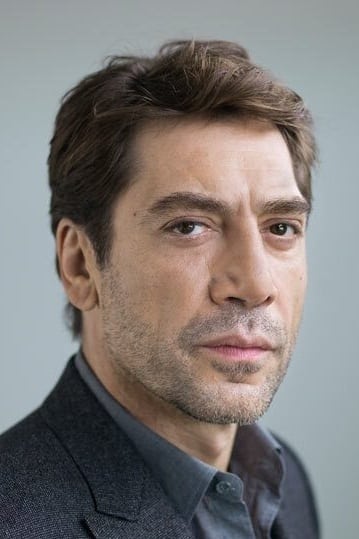
Javier Bardem aimed to make his character in ‘No Country for Old Men’ truly unsettling by being as silent and mysterious as possible. He actually asked the filmmakers to remove some of his lines, believing that a more reserved character would be far more frightening. The directors agreed with this approach and ended up cutting several scenes. Ultimately, his performance earned him an Academy Award.
Viggo Mortensen
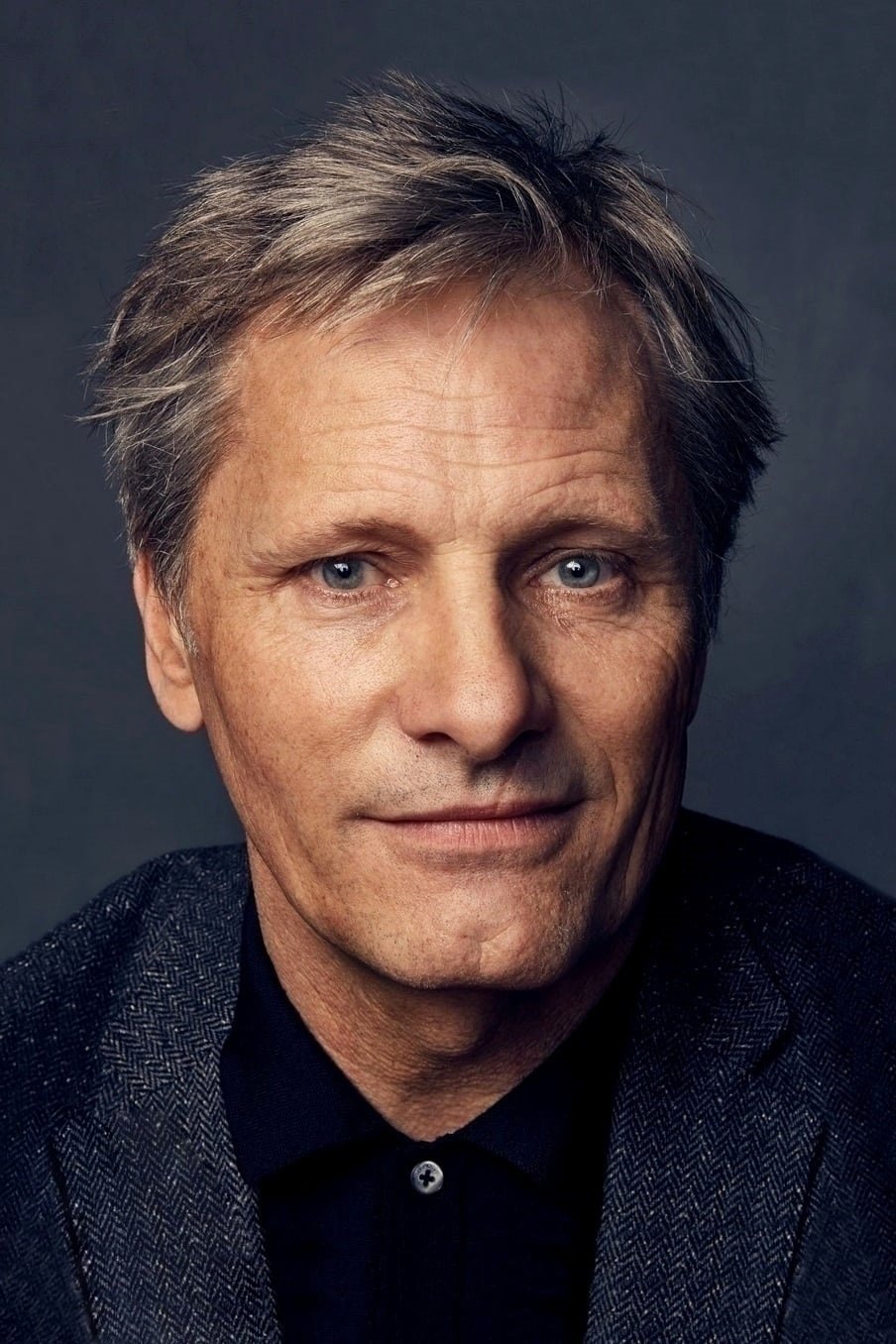
While filming ‘The Lord of the Rings’, Viggo Mortensen became deeply familiar with J.R.R. Tolkien’s writings. He was committed to staying true to the original story, often correcting lines that didn’t match the books and pushing to include more of the Elvish language. He frequently had a copy of Tolkien’s work on set to ensure the script remained faithful to the source material, and even helped improve some of the battle dialogue. This dedication and passion earned him the admiration of everyone involved in the production.
Christian Bale
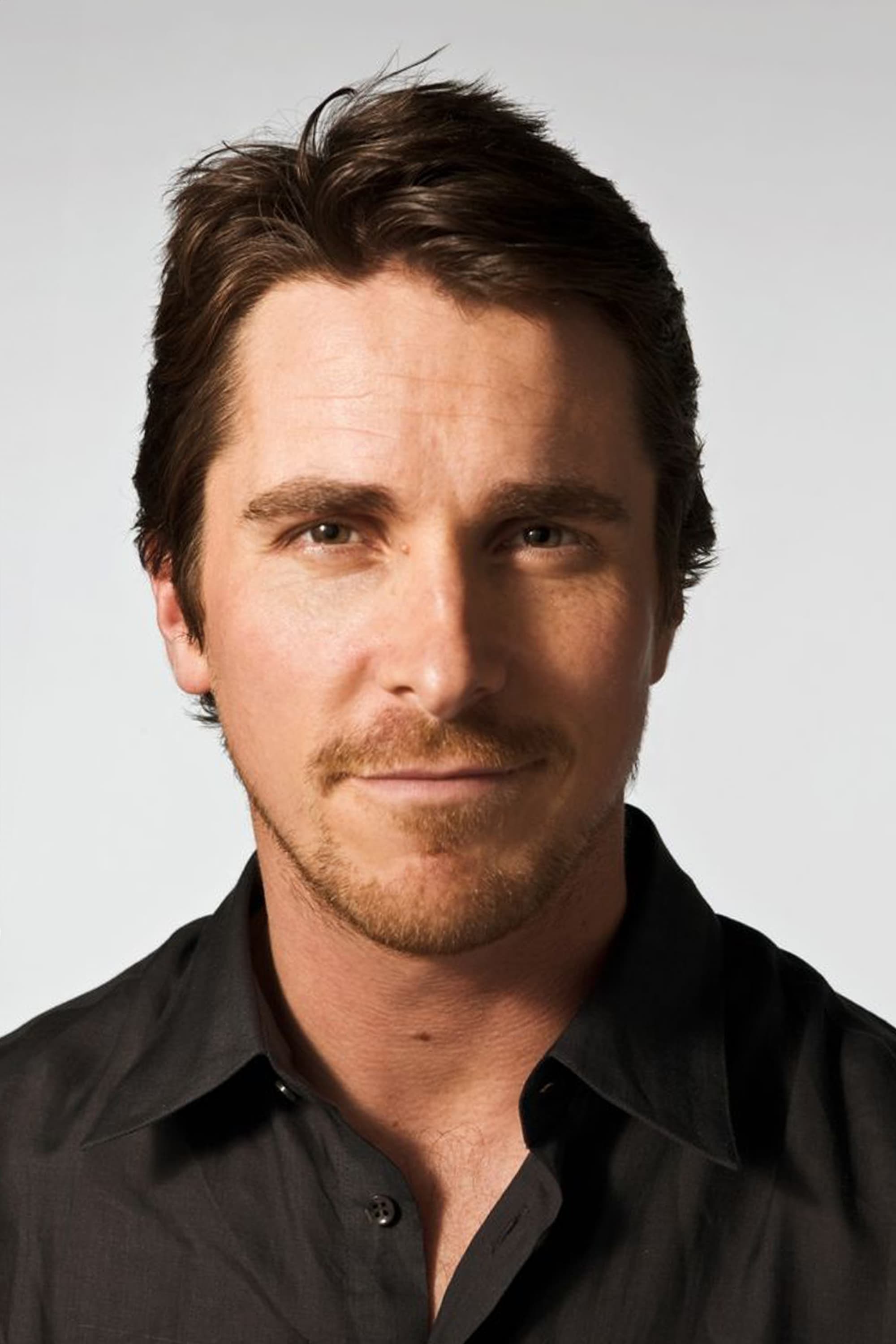
During the filming of ‘Terminator Salvation,’ Christian Bale strongly believed the script lacked emotional depth. He wouldn’t shoot certain scenes until the writers revised them to give his character a more compelling personal journey. Bale thought the initial script prioritized action over exploring the human side of the story. While his passionate approach led to some well-known disagreements on set, it ultimately helped create a more realistic and relatable script. He’s known for pushing writers to deliver their best work.
Dustin Hoffman
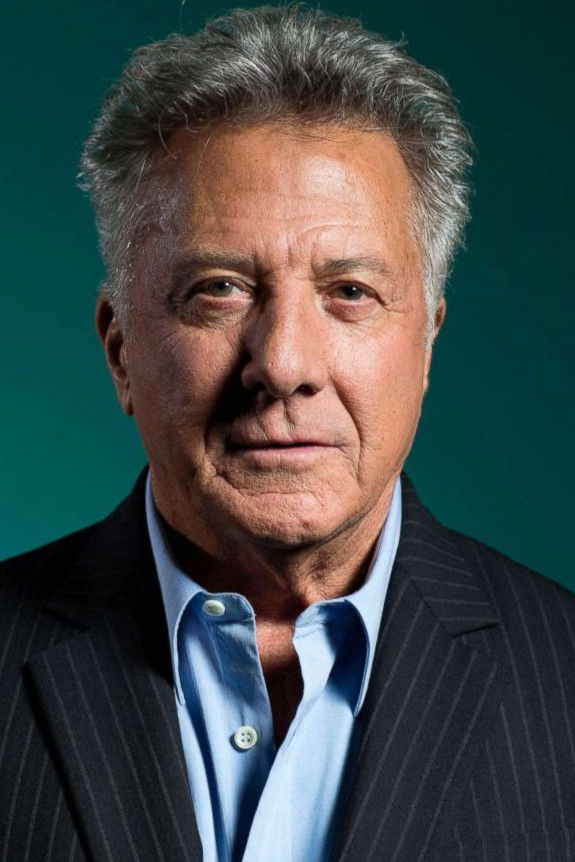
While filming ‘Tootsie,’ Dustin Hoffman was determined to portray his character with respect and authenticity. He pushed back against lines he believed were demeaning or relied on tired stereotypes of women, wanting the character to be seen as a real person, not just a joke. This led to frequent discussions with the director about how the dialogue should be delivered. Ultimately, Hoffman’s insistence on a more thoughtful approach helped create a more complex and ultimately more successful film.
Bill Murray
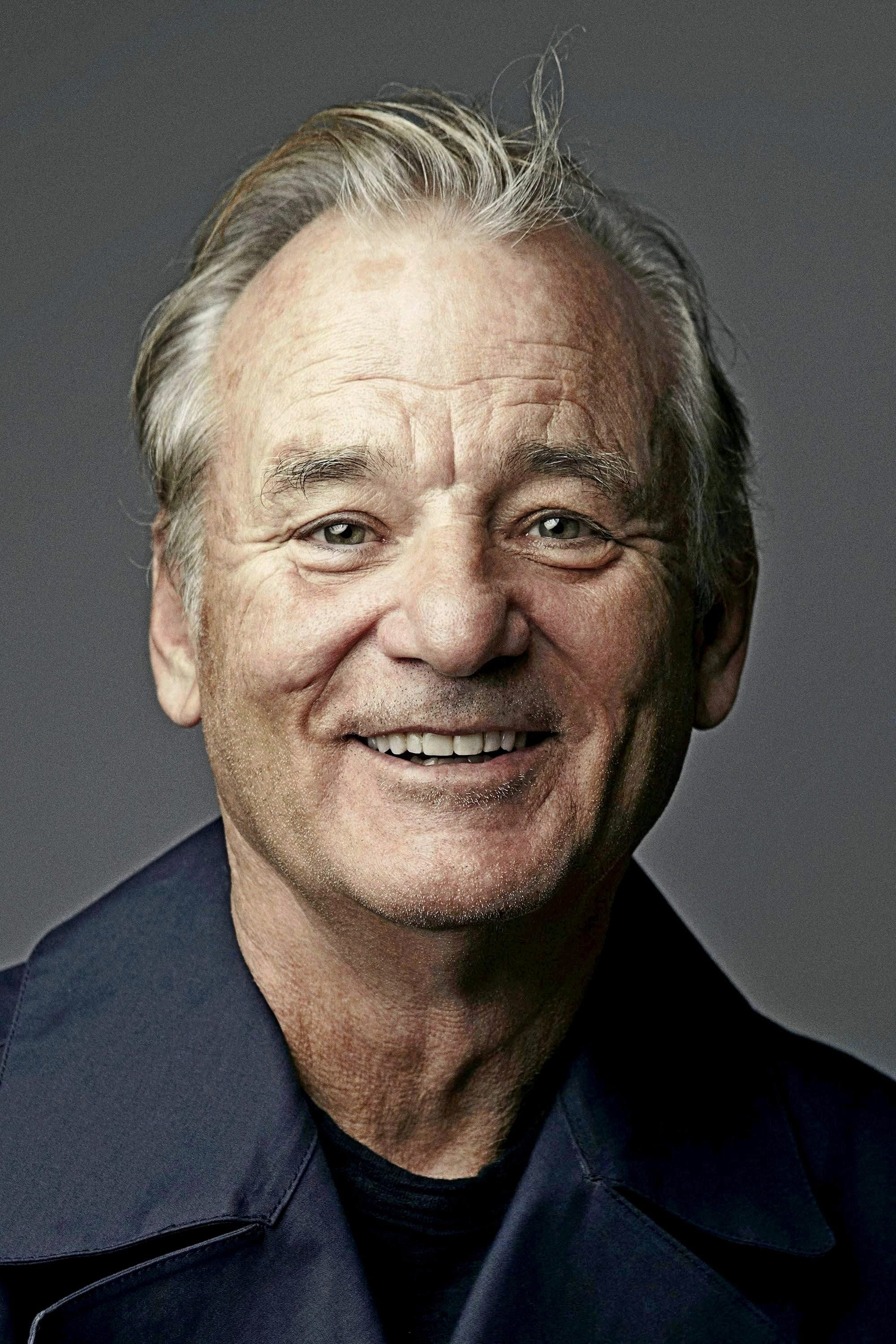
Bill Murray was known for being critical of the script during filming of ‘Charlie’s Angels’. He reportedly told his fellow actors that the dialogue was poor and often wouldn’t deliver his own lines. Instead, he frequently disregarded the script and made up his own lines, leaving the other actors to respond to his unexpected choices. This caused issues during filming, and he wasn’t asked back for the sequel. Murray generally prefers to improvise, which often clashes with how traditional screenwriters work.
Mike Myers
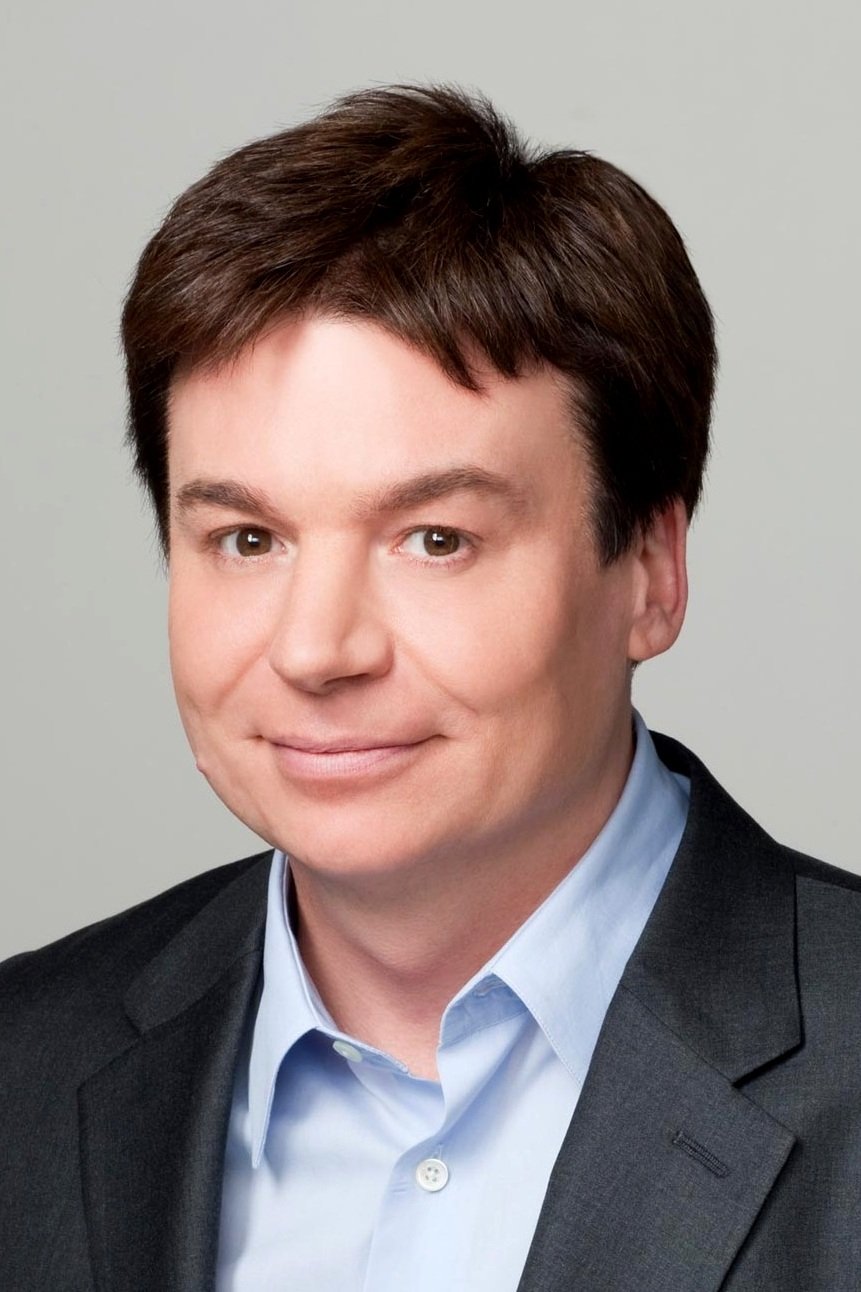
After the movie ‘Shrek’ was almost complete, Mike Myers demanded they re-record his lines with a Scottish accent. He wasn’t happy with his original performance and pushed for a complete overhaul of the character’s voice. Myers believed the accent would make Shrek funnier and more relatable. While this late change cost the studio millions and required a lot of extra animation work, it’s largely considered the reason the character became so popular.
Peter Sellers
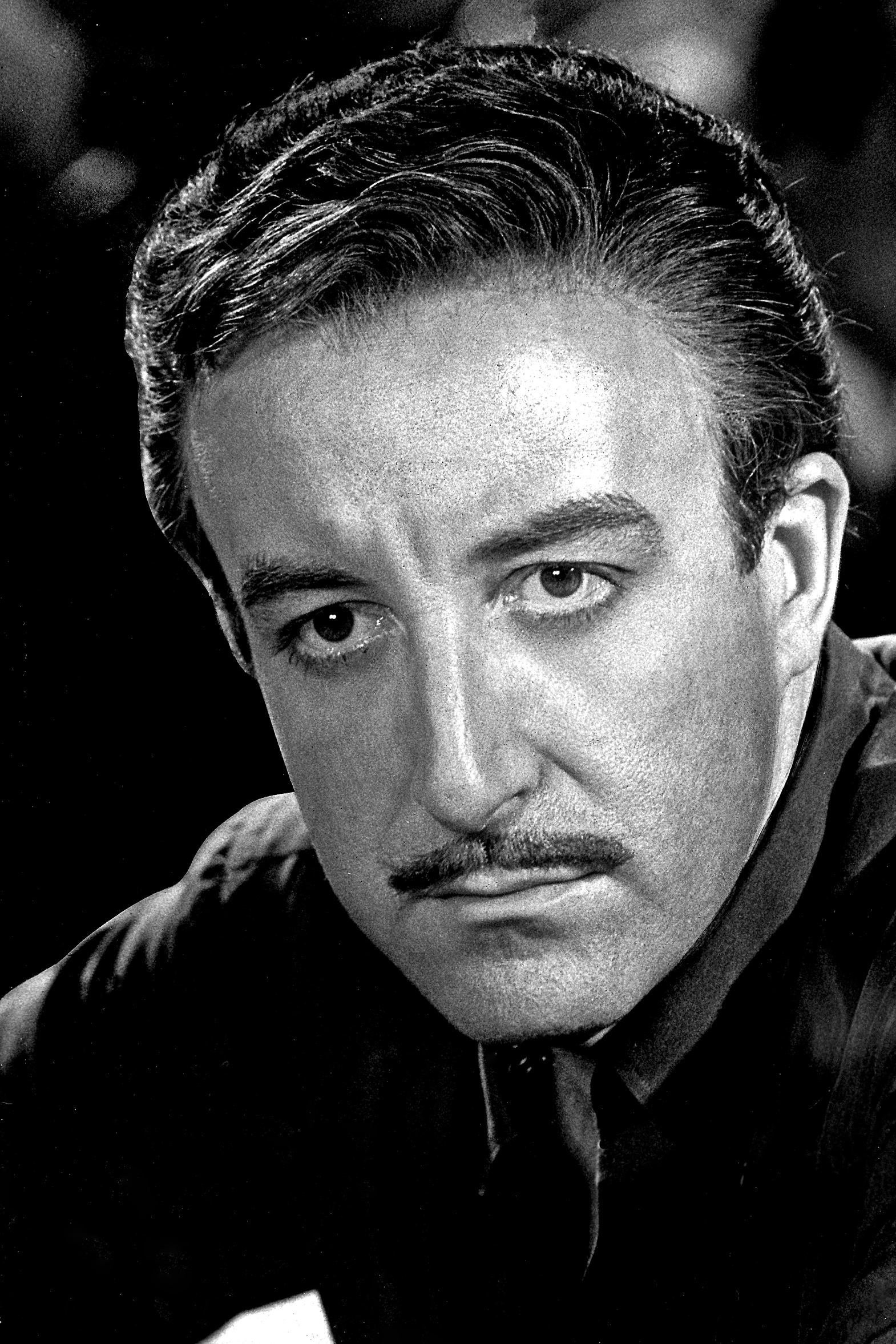
Peter Sellers was famous for rarely sticking to the script when making ‘The Pink Panther’ movies. He’d often refuse to say his lines as written, preferring to make things up with his fellow actors to create funnier scenes. He believed that the funniest moments happened when people reacted naturally, not when they delivered pre-written jokes. Eventually, his directors realized it was best to simply keep the cameras running and let him experiment. This unique method resulted in some of the most memorable comedy scenes ever filmed.
Sacha Baron Cohen
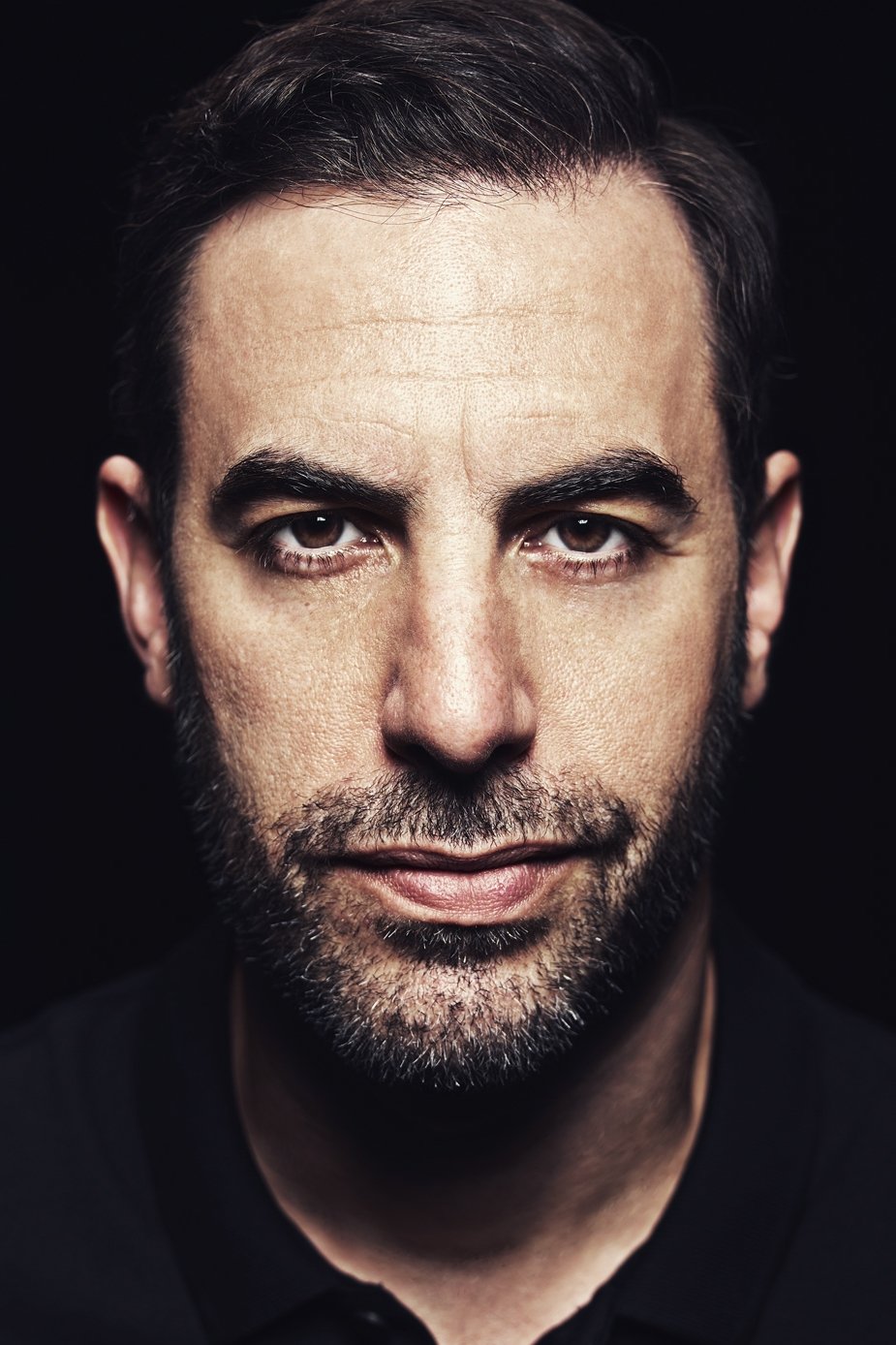
Sacha Baron Cohen is known for deeply immersing himself in his characters, often for months, and avoids anything that feels scripted or artificial. For his movie ‘Borat,’ he intentionally didn’t use traditional lines to capture authentic reactions from people. This meant he frequently had to think on his feet and improvise, all while staying in character, even in risky situations. He insists on complete creative control over both the script and the scenes he films, which demands a lot of trust from the entire production team.
David Spade

David Spade was known on the set of ‘8 Simple Rules’ for being selective about the lines he delivered, often refusing to say anything he didn’t find funny or that didn’t suit his comedic style. He frequently collaborated with the writers, wanting to rewrite his dialogue to make it sharper and faster-paced, and sometimes asked for overly sentimental scenes to be cut. This input was valuable in helping the show adjust after a key actor’s passing. He continues to be very careful about maintaining his unique comedic voice.
Mark Hamill
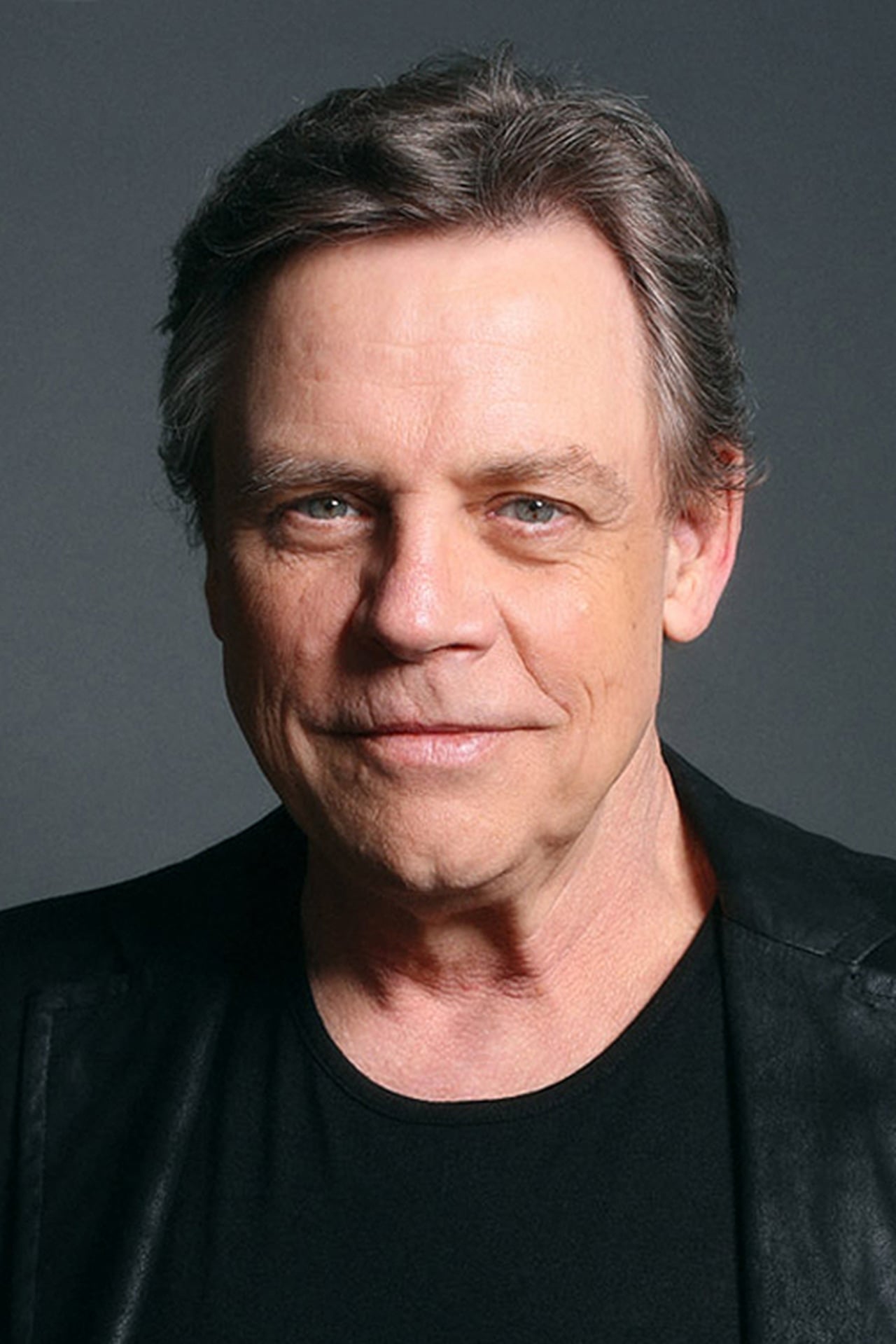
Mark Hamill strongly disagreed with how his character was portrayed in ‘Star Wars: The Last Jedi’. He shared his concerns with the director and even resisted performing certain scenes until the script was changed, believing the lines didn’t fit the heroic character he’d played for years. Although he ultimately played the role, he openly expressed his wish for a different script. His candidness about the filmmaking process ignited a huge discussion among fans.
Sean Connery
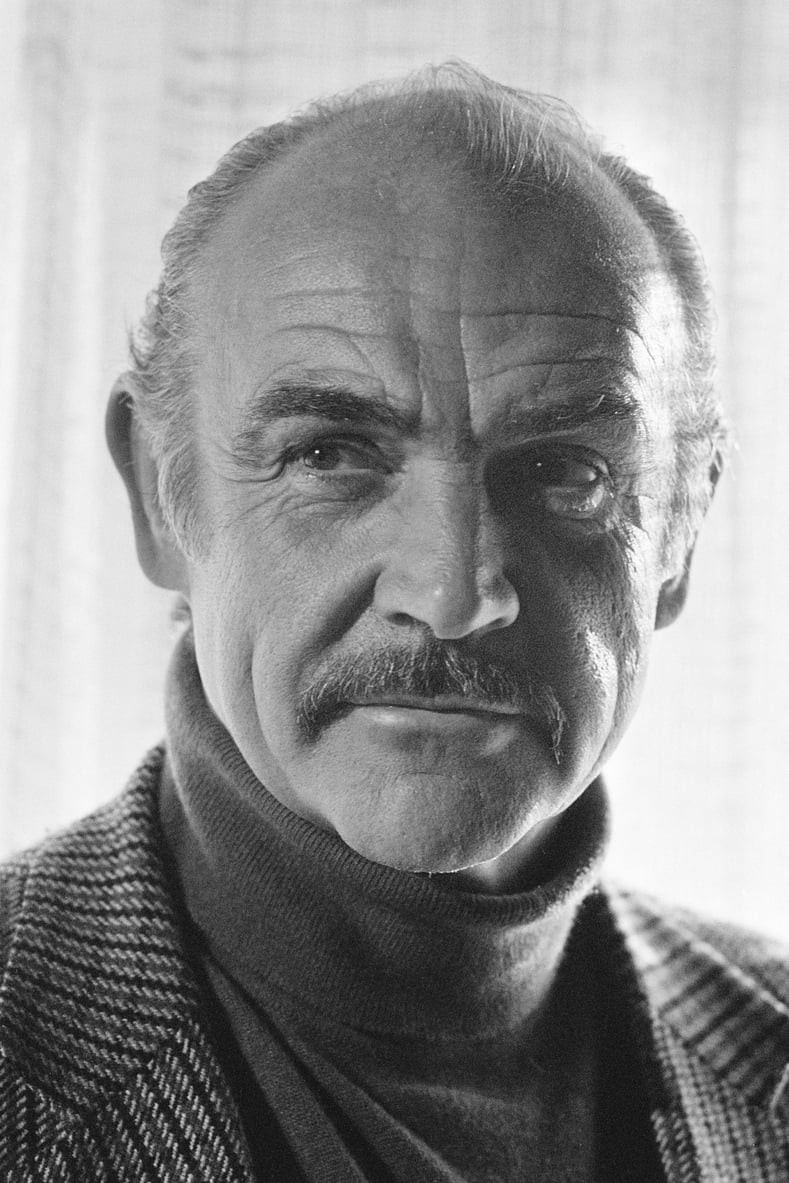
Let me tell you, covering movies for as long as I have, you hear stories, but the one surrounding Sean Connery and ‘The League of Extraordinary Gentlemen’ is particularly striking. Apparently, he absolutely hated the script. He wasn’t just offering suggestions; he essentially took control of the creative process, refusing to deliver his lines until they were completely rewritten to his liking. There were constant clashes with the director – he just didn’t buy the story’s tone or logic. It was such a miserable experience for him, in fact, that it pushed him to retire from acting soon after the film came out. It wasn’t a surprise to many, though; Connery was notoriously picky about the scripts he’d agree to work with – he always demanded quality.
Jeremy Irons
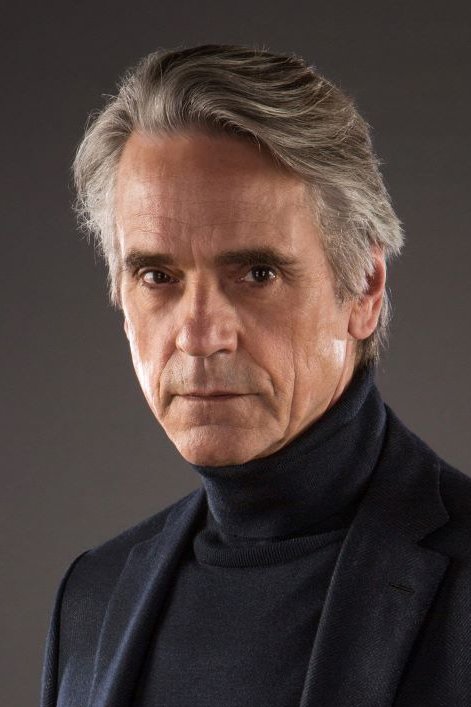
As a huge film fan, I’ve always admired Jeremy Irons, and I recently read about how he really shaped his character in ‘Die Hard with a Vengeance’. He wasn’t thrilled with the original villain dialogue – it felt too stereotypical. So, he worked with the director to make his character more complex and refined. He actually refused to deliver lines that felt like standard ‘bad guy’ clichés, insisting on dialogue that was smarter and more thoughtful. And honestly, it paid off! Everyone loved the elegance and wit he brought to the role, and that was all down to him rewriting the lines himself. It seems he always tries to find the nuance and depth in characters, even when they could easily be one-dimensional.
Will Smith
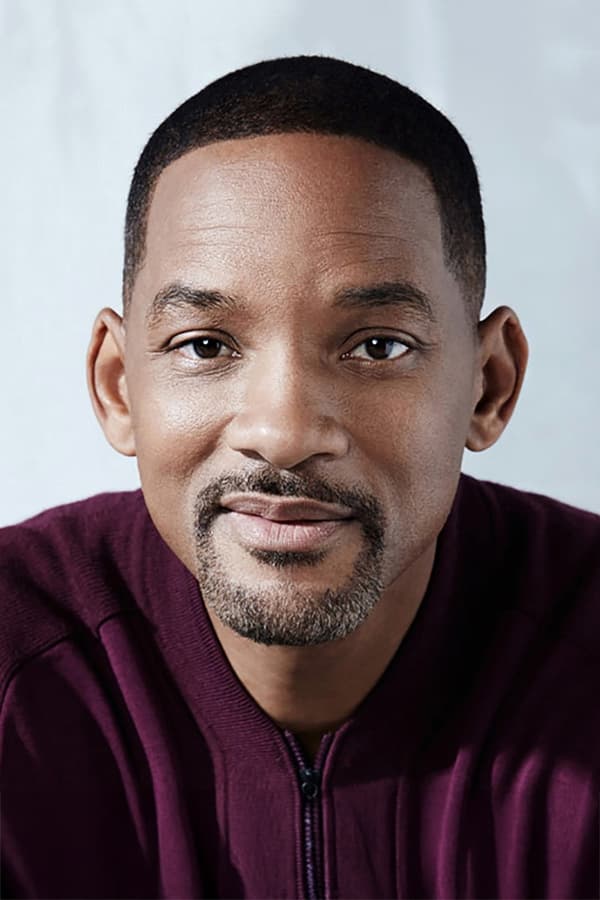
Making ‘Men in Black 3’ was challenging because the script underwent constant changes to please the main actors, especially Will Smith. He wouldn’t film certain important scenes unless the dialogue felt right for his character. Smith believed the story lacked emotional depth and collaborated with the writers to add a time travel element. The production actually stopped for a few weeks to allow for these significant revisions. Ultimately, his input greatly shaped the final version of the movie.
Robert De Niro
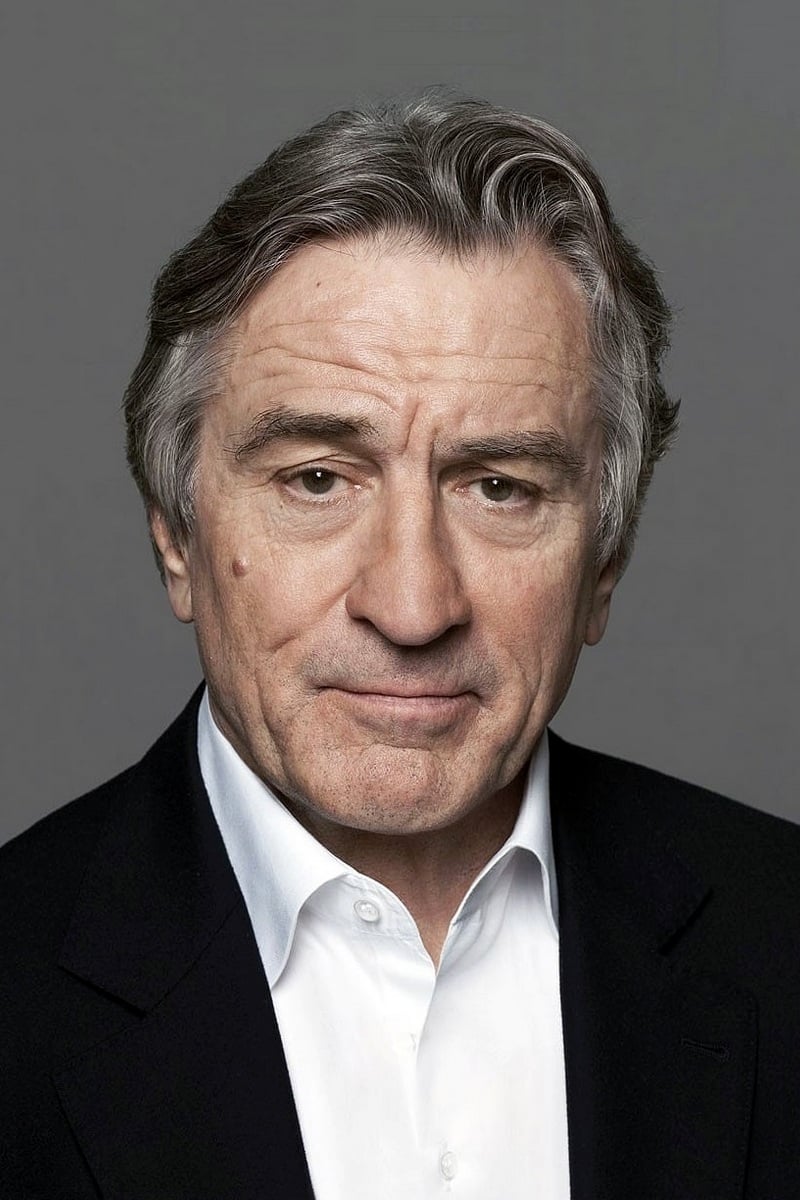
Robert De Niro is famous for thoroughly preparing for roles and carefully examining every line of dialogue. He won’t deliver lines he doesn’t think his character would realistically say, and often requests rewrites during rehearsals to make the language sound more authentic. Because he’s so detail-oriented, writers frequently need to revise their work several times to meet his standards. He feels that a character’s words should always reflect their past experiences and personality.
Hugh Jackman
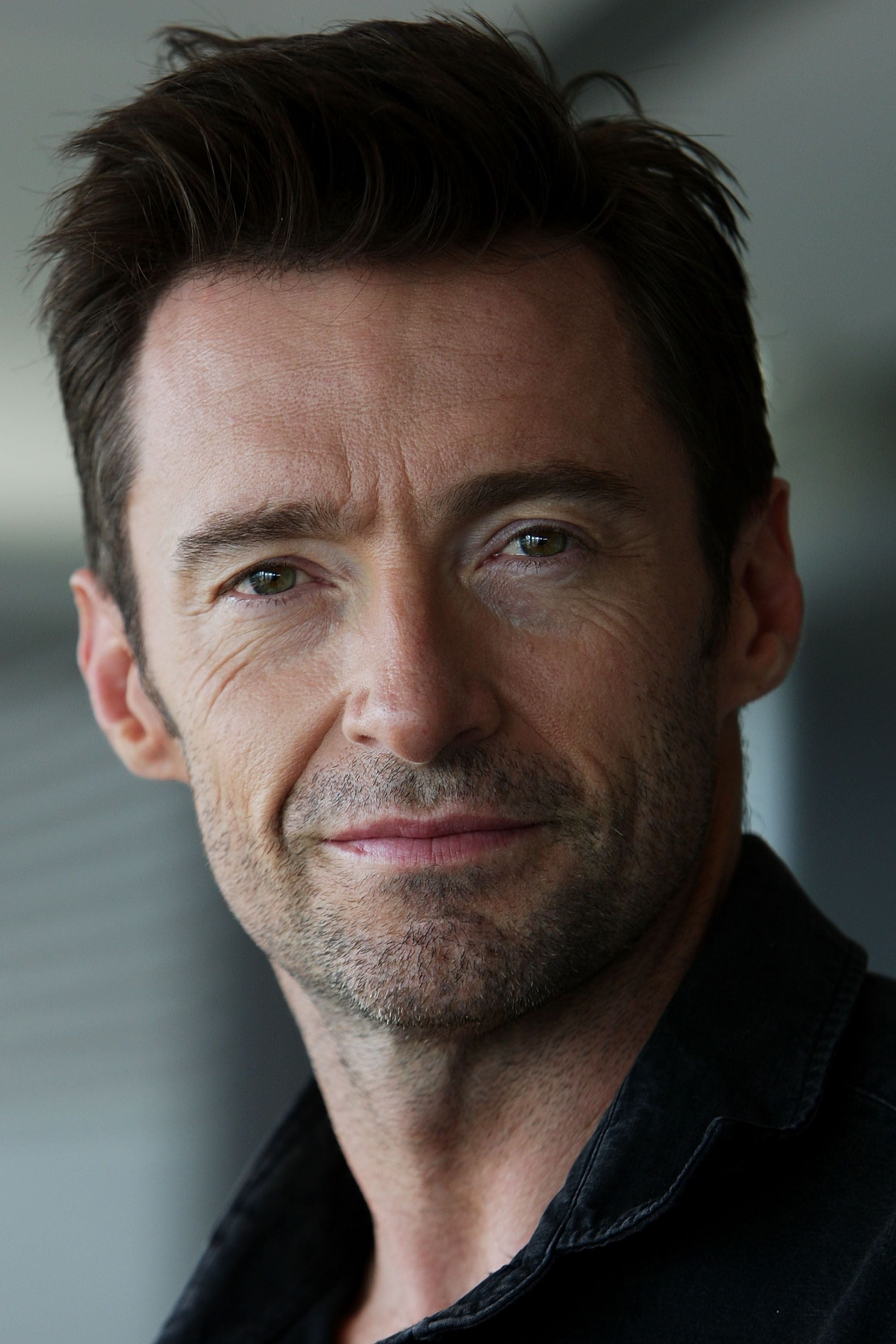
Hugh Jackman envisioned a darker, more realistic feel for ‘Logan’ than typical superhero films. He insisted on dialogue that felt authentic and mature, rejecting anything too cliché. Working closely with the director, he wanted the character’s story to feel meaningful and emotionally impactful. He even accepted a lower salary to allow the film to be released with a more mature R rating. This commitment to the script ultimately helped make ‘Logan’ one of the most highly praised films in the superhero genre.
Oscar Isaac
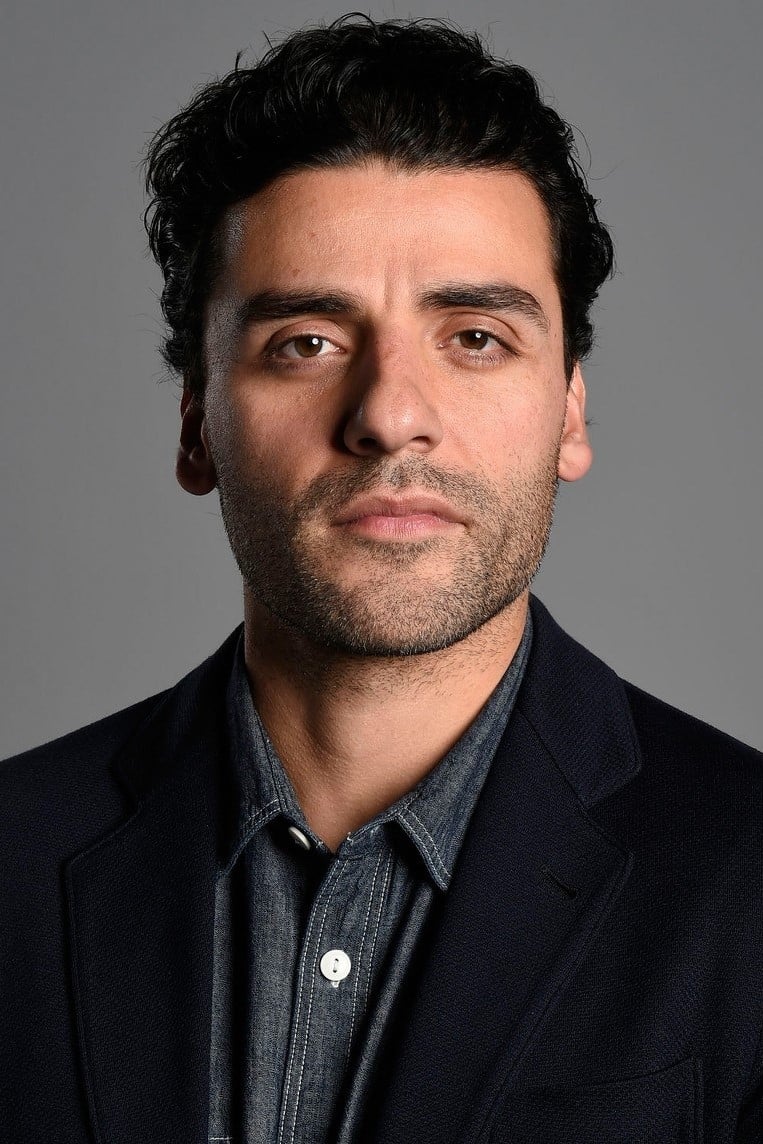
Originally, Poe Dameron was intended to be a minor character who died early in ‘Star Wars: The Force Awakens.’ However, Oscar Isaac, the actor playing Poe, insisted his character survive and have a more substantial role. He wanted to play a hero with a lasting presence in the Star Wars universe. The director agreed, rewriting the script to make Poe a central character, which ultimately reshaped the direction of the entire sequel trilogy.
Bruce Willis
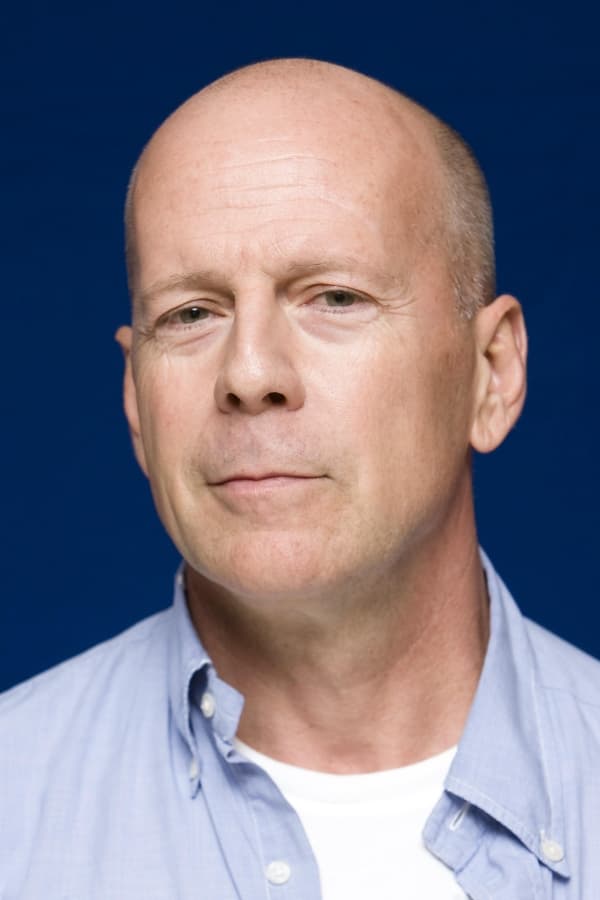
During the filming of ‘Cop Out,’ Bruce Willis apparently skipped many of his lines. This caused a significant conflict with the director, who later described Willis as very challenging to work with. He frequently disregarded the script and seemed unenthusiastic about scenes he didn’t enjoy. This lack of cooperation with the written material resulted in a highly visible and strained disagreement, a pattern other directors have also observed throughout his career.
Tom Hardy
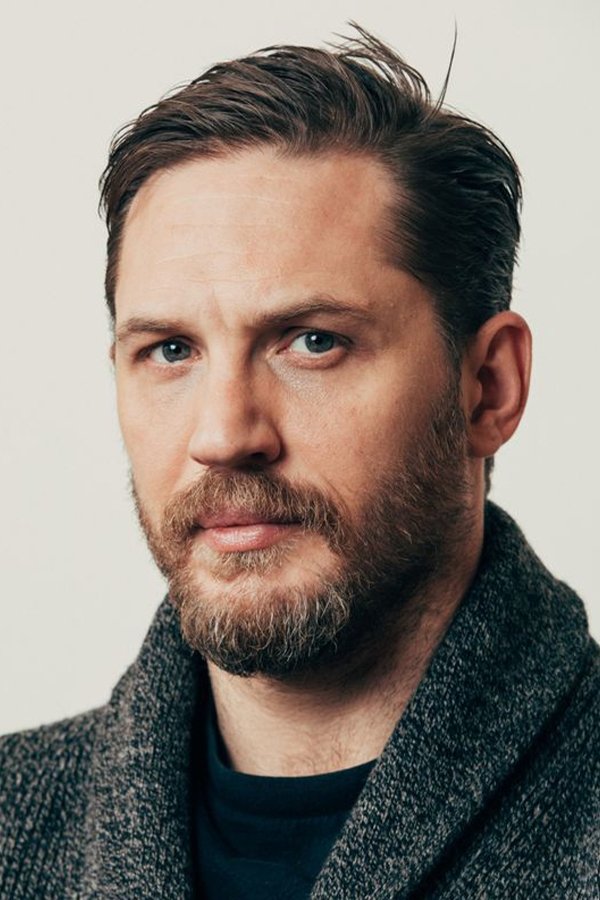
Being a fan, I heard some interesting things about how Tom Hardy approached filming ‘Mad Max: Fury Road’. Apparently, he really struggled with the fact that there wasn’t a typical script. He wouldn’t deliver some lines unless the director took the time to fully explain why they fit into the bigger picture of the scene. He wasn’t afraid to voice his concerns about how different the whole process was. It’s cool to hear that after seeing the finished movie, he actually apologized to the director – he realized the director’s vision was spot on, even if it was a bit unusual. I guess his need to understand things sometimes meant they had to rewrite scenes right there on set!
Let us know in the comments which actor you think had the most justifiable reason for not saying their lines.
Read More
- Gold Rate Forecast
- Games That Faced Bans in Countries Over Political Themes
- Silver Rate Forecast
- 22 Films Where the White Protagonist Is Canonically the Sidekick to a Black Lead
- Unveiling the Schwab U.S. Dividend Equity ETF: A Portent of Financial Growth
- How to Do Sculptor Without a Future in KCD2 – Get 3 Sculptor’s Things
- Celebs Who Narrowly Escaped The 9/11 Attacks
- 14 Movies Where the Black Character Refuses to Save the White Protagonist
- 20 Movies Where the Black Villain Was Secretly the Most Popular Character
- The Best Directors of 2025
2026-03-22 20:39