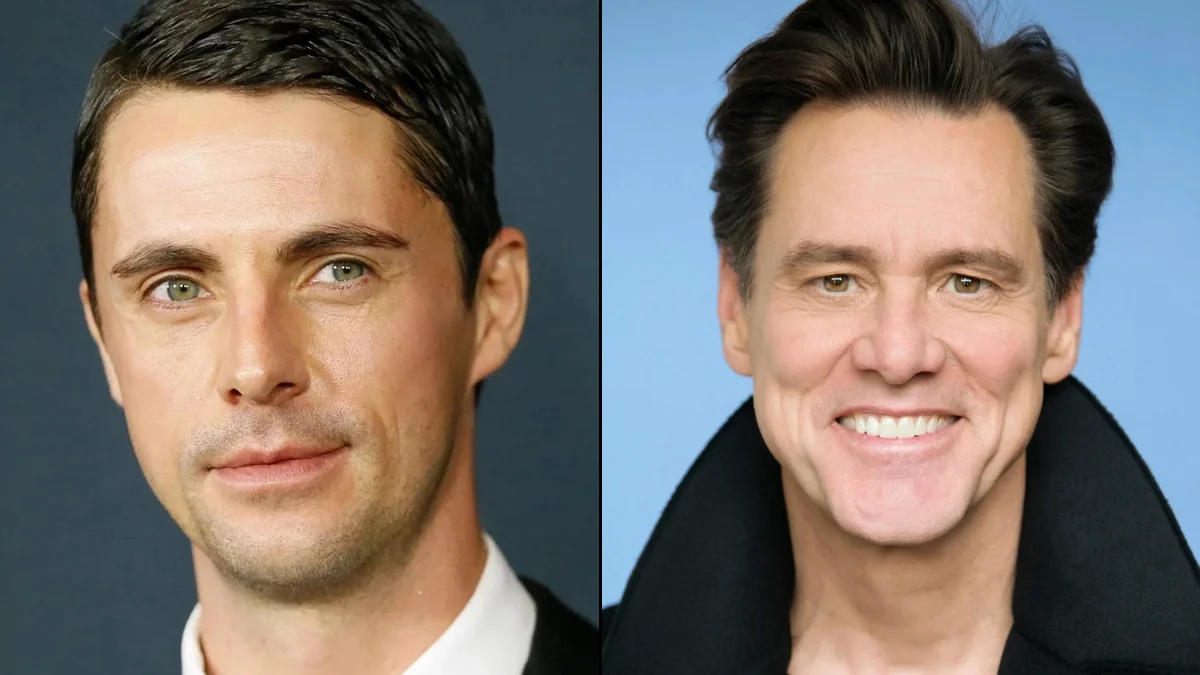
In Hollywood, actors usually have contracts requiring them to heavily promote their movies. But sometimes, disagreements with the director, problems during filming, or changes in an actor’s beliefs can lead them to want to disassociate from a project. Some actors express their disappointment subtly, while others are very direct, publicly criticizing the film or skipping publicity events. This often happens when the finished movie is very different from what they originally expected, or if they believe it’s a bad film. This article looks at famous male actors who famously distanced themselves from their own movies during promotion.
Jim Carrey

Just months before ‘Kick-Ass 2’ came out, Jim Carrey publicly said he could no longer support the film. This decision followed the devastating school shooting at Sandy Hook Elementary, which led him to reconsider the movie’s intense violence. Carrey explained he wasn’t unhappy with his performance, but his feelings about the film’s content had changed. As a result, he skipped all interviews and promotional events for the movie, leaving the rest of the cast and crew to promote it on their own.
Edward Norton
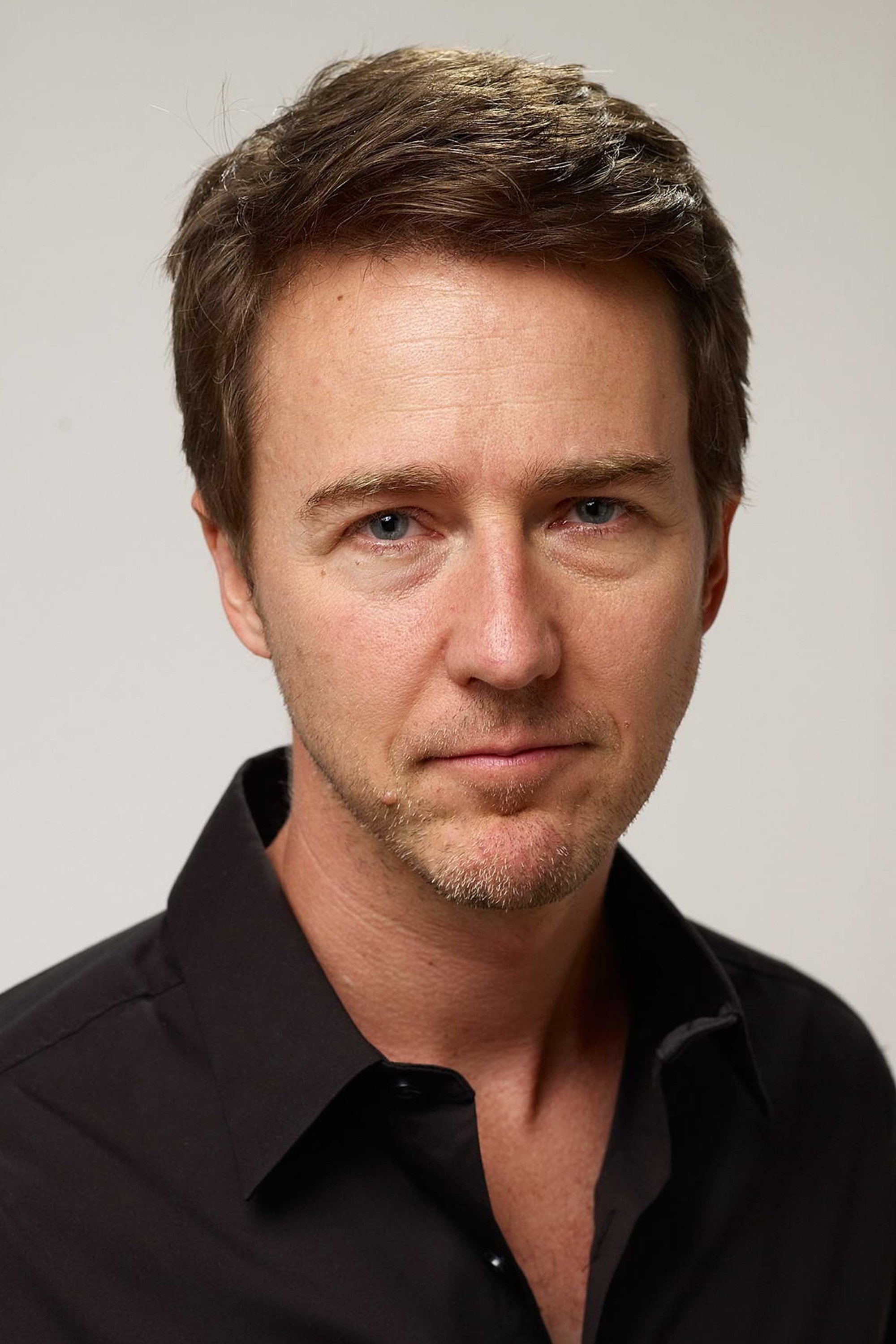
As a big movie fan, I always found the story behind ‘The Incredible Hulk’ fascinating. Apparently, Edward Norton and Marvel Studios really clashed during production. He didn’t just act in the film, he actually helped rewrite the script, but he was pretty disappointed with how the final cut turned out – he felt it focused too much on action and not enough on building the character. He was so unhappy with the changes that he skipped most of the promotional events! Marvel responded by saying they needed someone more of a team player, and that’s how Mark Ruffalo ended up taking over the role. Norton mostly stayed quiet about the whole thing when the movie came out, which really seemed to show how dissatisfied he was with the finished product.
Daniel Craig
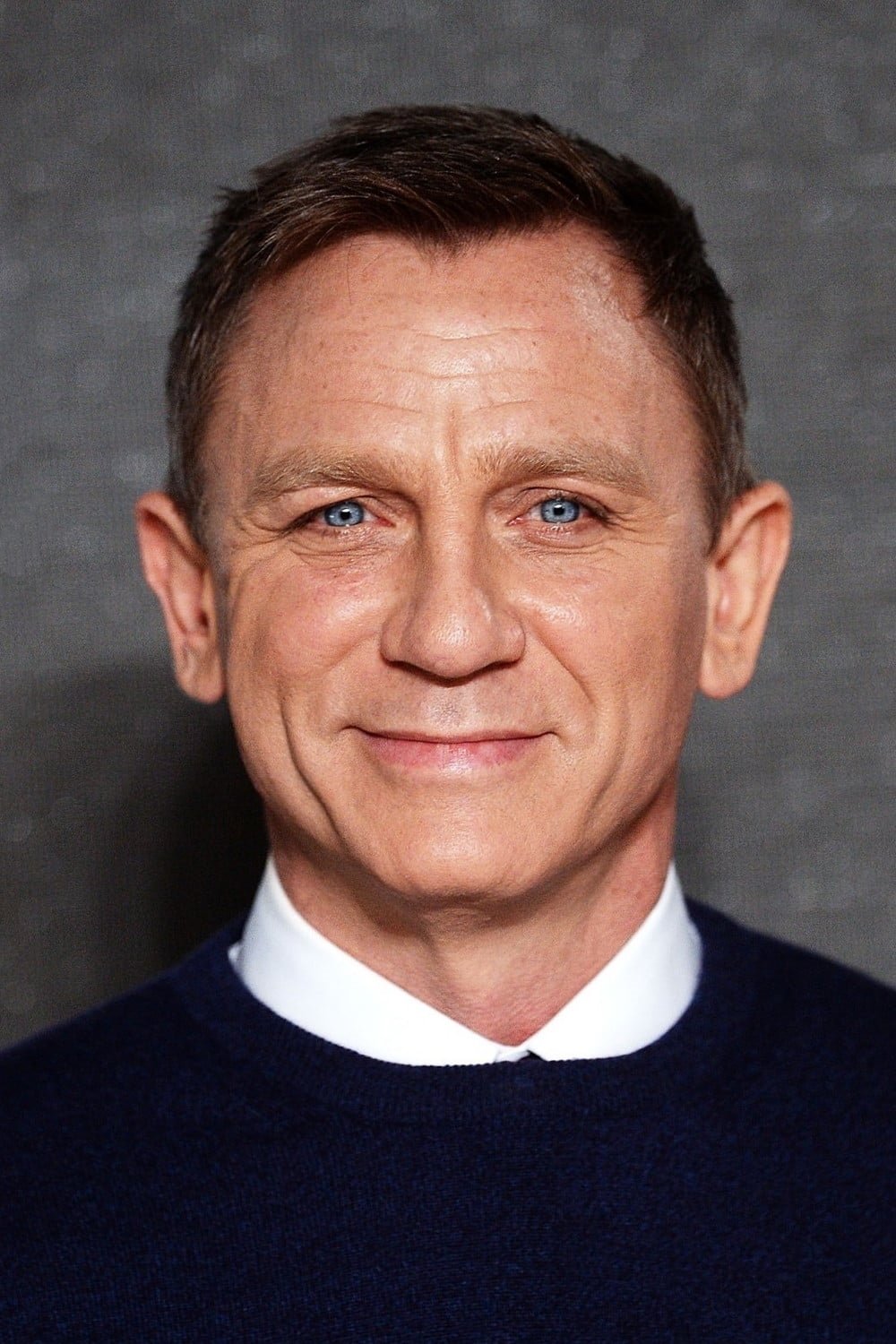
Both Daniel Craig and the director, Jim Sheridan, refused to publicize the thriller ‘Dream House’ because the studio heavily interfered with the filmmaking process. Morgan Creek, the production company, took over the editing from the director, frustrating Craig and Sheridan. Consequently, Craig didn’t participate in press events or interviews to promote the film. The movie flopped with both critics and audiences, mainly because the final version felt disjointed and lacked support from its star and director. Craig’s refusal to speak about the film was widely seen as a signal that he didn’t believe in it.
Paul Newman
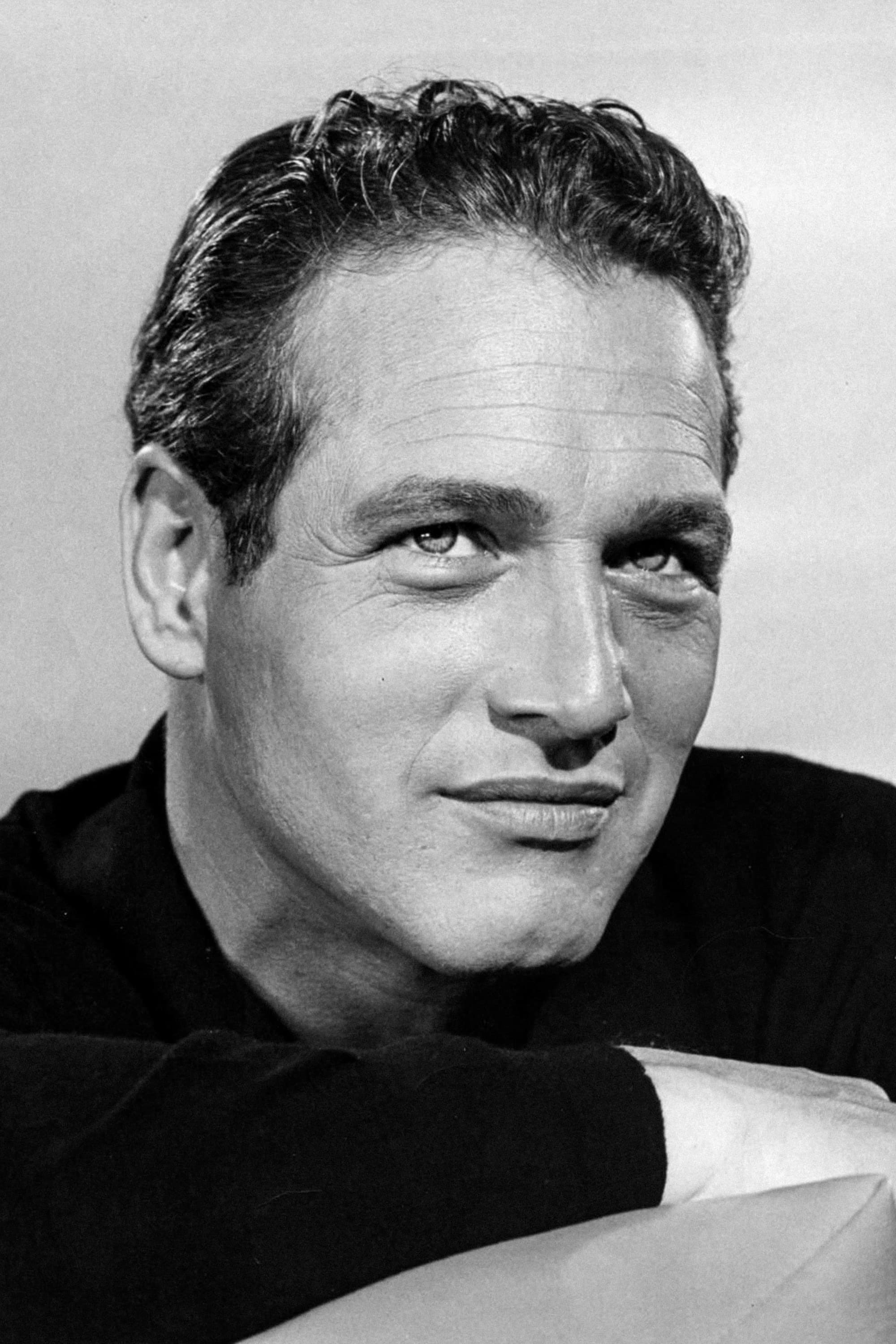
Paul Newman was deeply ashamed of his first film, ‘The Silver Chalice.’ He was so embarrassed that he actually paid for a full-page ad in a trade magazine to warn people not to watch it when it aired on TV later. He often called it the worst movie of the 1950s and cringed at his own performance. This unusual attempt to discourage viewers was his way of separating himself from the film’s failure and protecting his rising career. Despite this rough start, he went on to become a legendary actor, but he continued to criticize ‘The Silver Chalice’ throughout his life.
Sean Connery
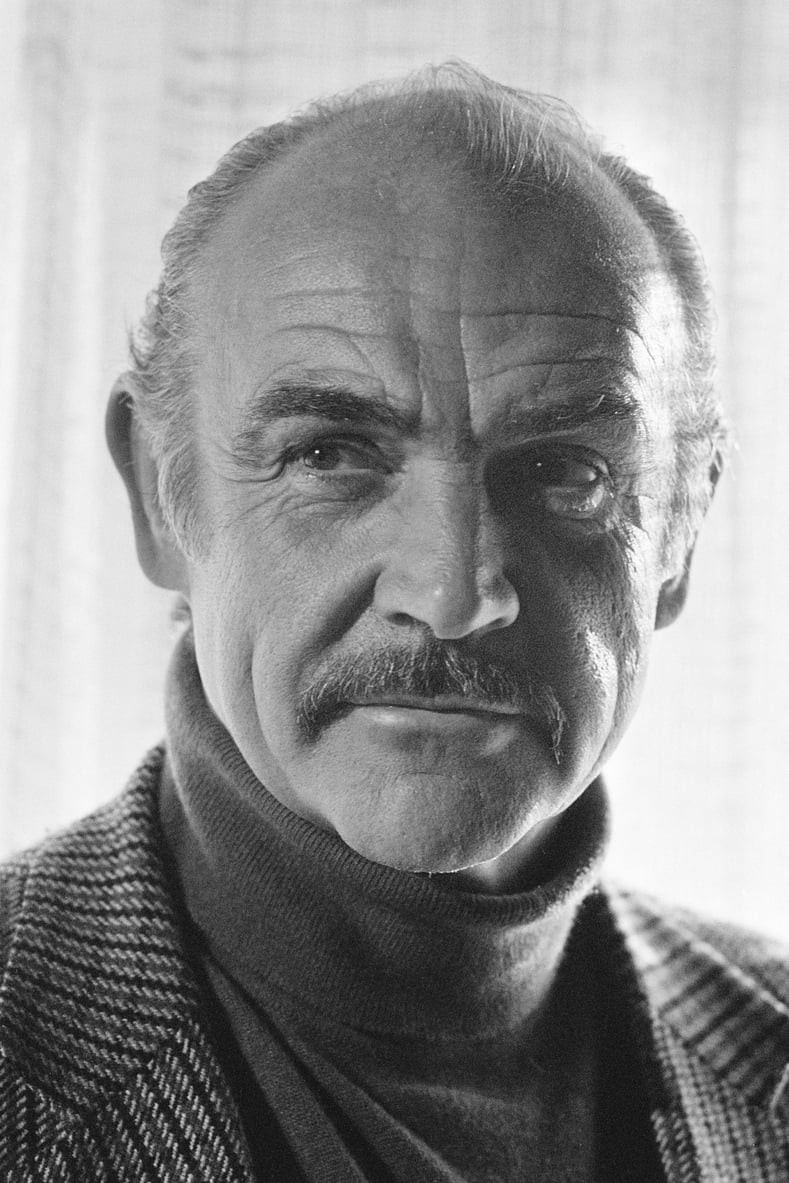
Sean Connery’s time filming ‘The League of Extraordinary Gentlemen’ was deeply upsetting, ultimately leading him to retire from acting. He repeatedly disagreed with the director, Stephen Norrington, about the film’s vision and was frustrated by constant delays. Connery openly expressed his displeasure during filming and refused to help promote the movie afterward, even telling interviewers he was tired of Hollywood’s direction. This difficult experience marked the end of his impressive acting career.
John Cusack
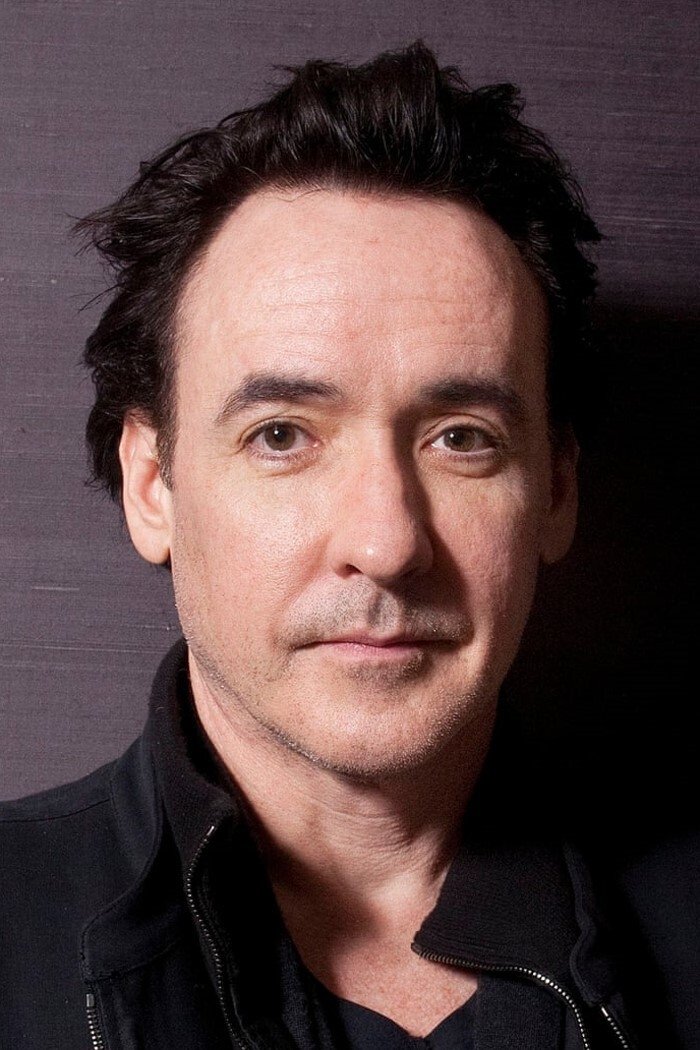
I’ve always been fascinated by the story of John Cusack and ‘Better Off Dead.’ It’s incredible to me how much he disliked that movie! Apparently, he actually walked out of the first screening and told the director it was awful – a truly strong reaction. For years, he refused to even talk about it, and wouldn’t participate in any promotion. It’s funny now, because the film has become a real cult favorite, but he stayed distant from it for a long time. I’ve read that his initial disappointment really shook up the director and even impacted their career, which is a pretty powerful testament to how strongly Cusack felt.
Alec Baldwin
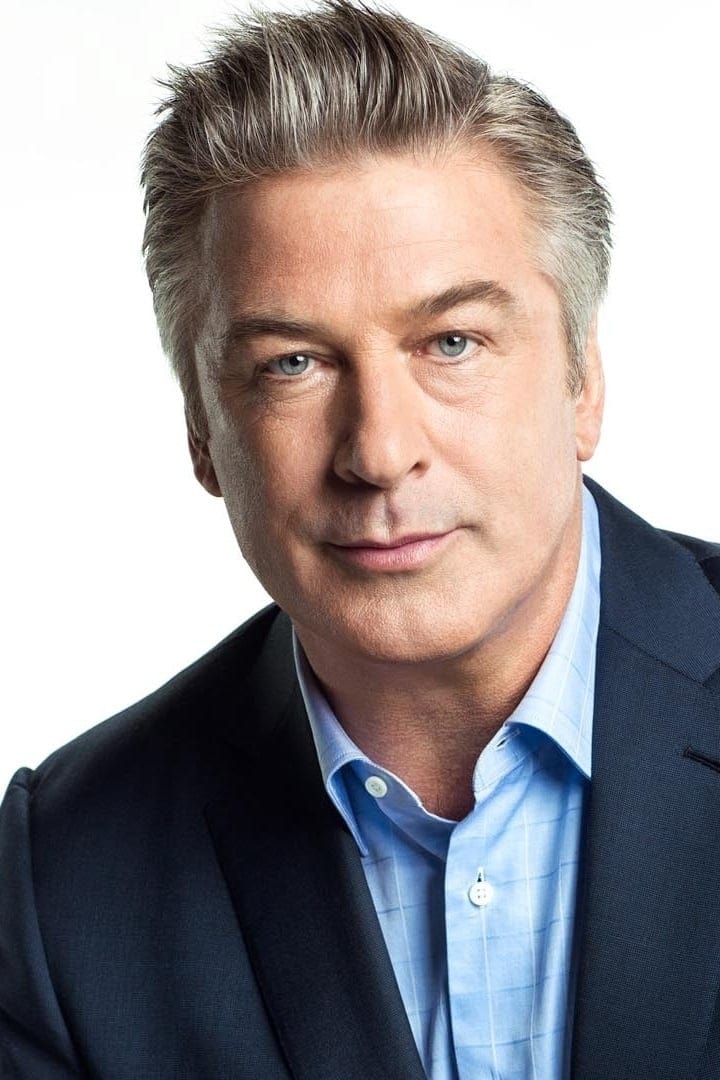
Alec Baldwin had a difficult time making ‘The Marrying Man,’ marked by clashes with the studio and a generally disorganized set. He later wrote a critical article detailing the behind-the-scenes turmoil. Baldwin considered the film a creative disappointment and didn’t try to promote it when it came out. His outspoken dissatisfaction with the business side of filmmaking during this project became a significant moment early in his career, and it remains a film he rarely speaks about positively.
Marlon Brando
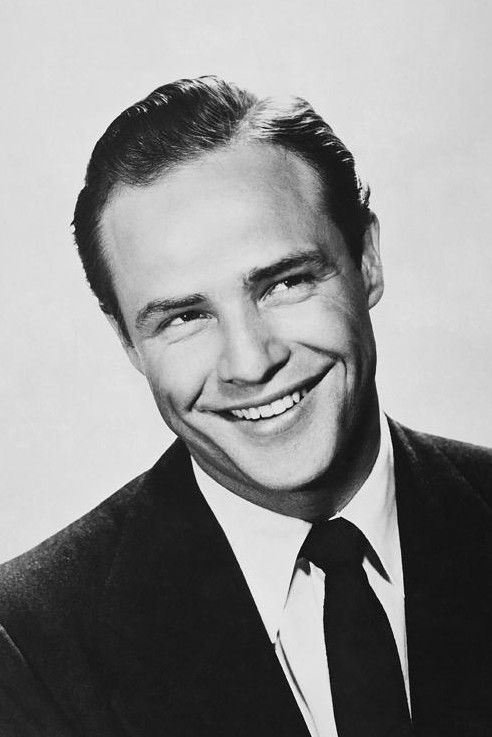
Marlon Brando’s unpredictable actions during the making of ‘The Island of Dr. Moreau’ severely damaged the film’s chances of success. He wouldn’t memorize his lines and constantly demanded strange costumes and props not written into the script. He also refused to help promote the movie after it was finished, skipping interviews and publicity events. Critics heavily criticized his performance, and the film became notorious for its chaotic production. Brando’s uncooperative behavior plagued the entire process, from the initial filming to the movie’s low-key release.
Mickey Rourke
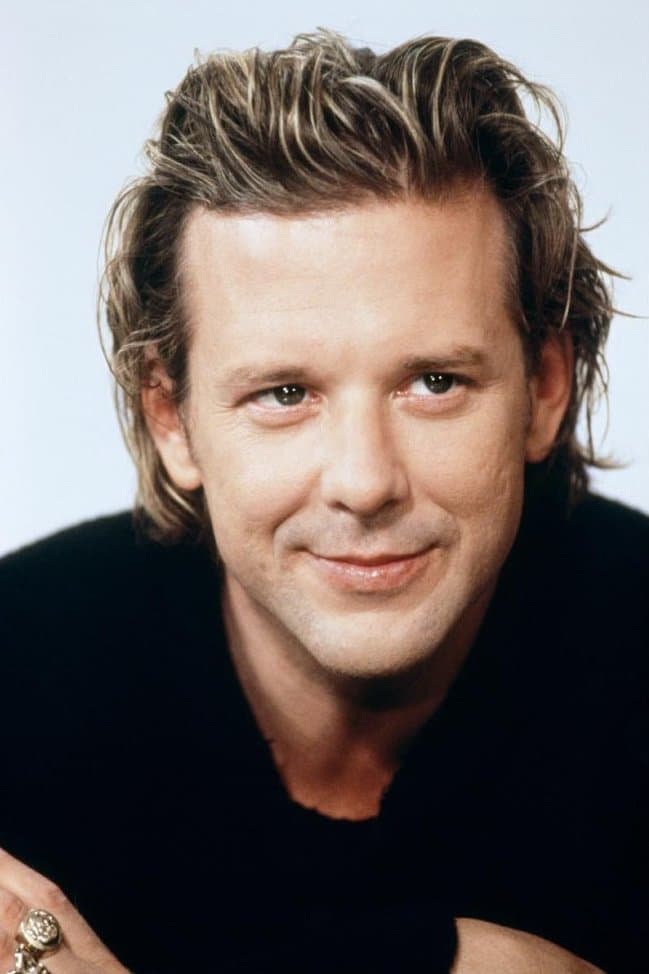
Shortly after ‘Passion Play’ came out, Mickey Rourke didn’t hold back about how much he disliked it. He openly called the movie “terrible” and acknowledged it wasn’t well-made, even suggesting its limited release was due to its poor quality. This honesty was typical for Rourke, who was known for being blunt about his work. His public criticism effectively ended any hope the film had of gaining an audience or positive reviews.
Christopher Eccleston
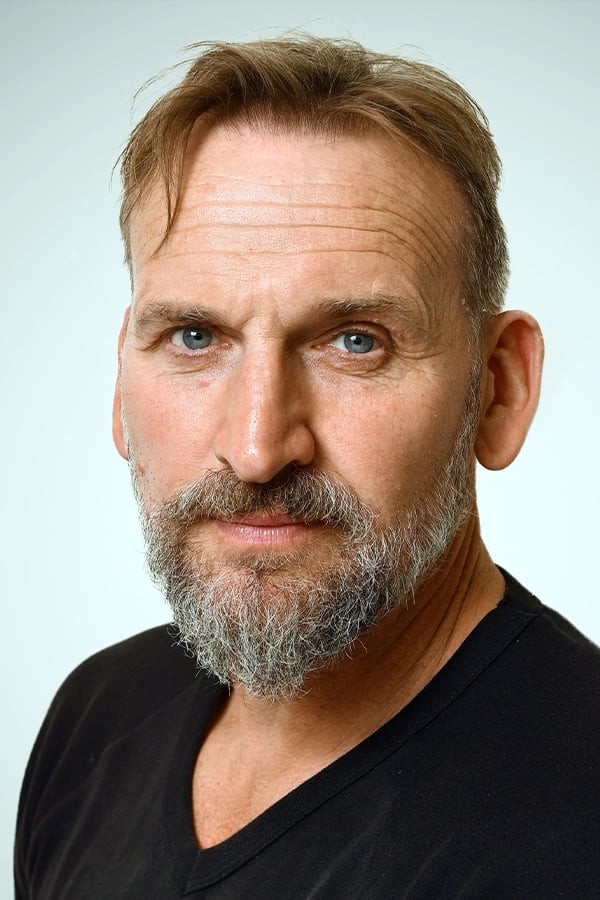
Christopher Eccleston has openly discussed how much he disliked making ‘G.I. Joe: The Rise of Cobra,’ saying it almost made him stop acting altogether. He admitted he only took the role of Destro for the money, but quickly regretted it because the film lacked artistic merit. Unlike many actors, he didn’t participate in promoting the movie, and has often pointed to it as an example of why accepting roles just for a paycheck can be a mistake. Even years after its release, Eccleston has consistently spoken negatively about the film.
Brad Pitt
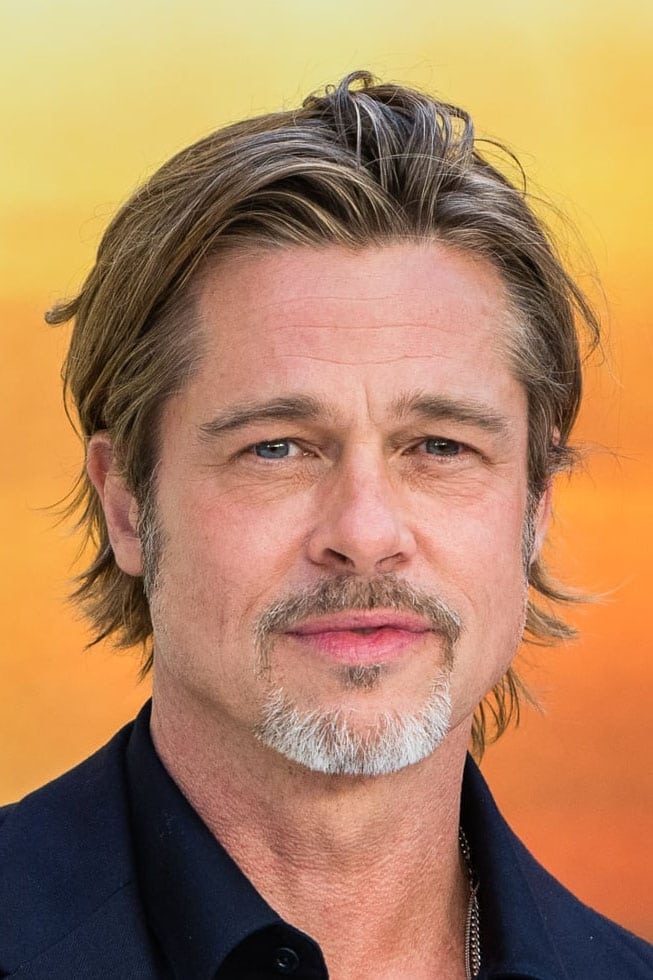
During the filming of ‘The Devil’s Own’, Brad Pitt gave an interview to Newsweek where he openly criticized the movie as a “disaster.” He explained that the script wasn’t completed for much of the shooting, and he considered the whole process careless. Even though he had to finish the film due to his contract, his public statements ended up discouraging people from seeing it. There was clear conflict between Pitt and the studio, which was obvious during the film’s promotion. He would later say he wished the producers and director had handled the project differently.
Matthew Goode
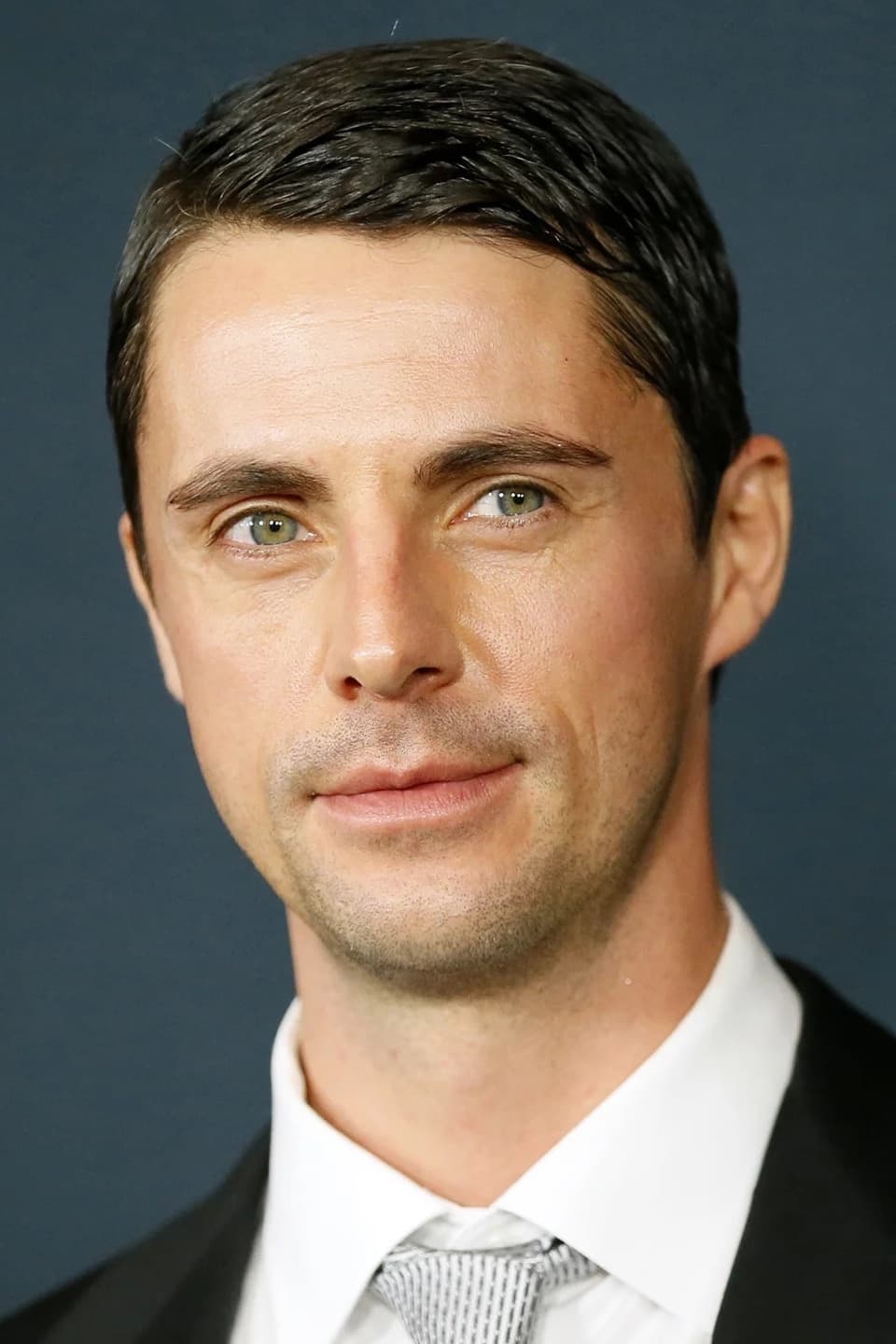
During interviews for the movie ‘Leap Year’, Matthew Goode was unusually honest about how he really felt about it. He confessed he only took the role because it was filmed near his home and that he thought the script wasn’t very good. He even predicted the movie would be among the year’s worst, which made things uncomfortable for his co-stars during press events. While blunt, Goode’s honesty was seen as a welcome change from the usual positive spin actors give to their films.
Bill Murray
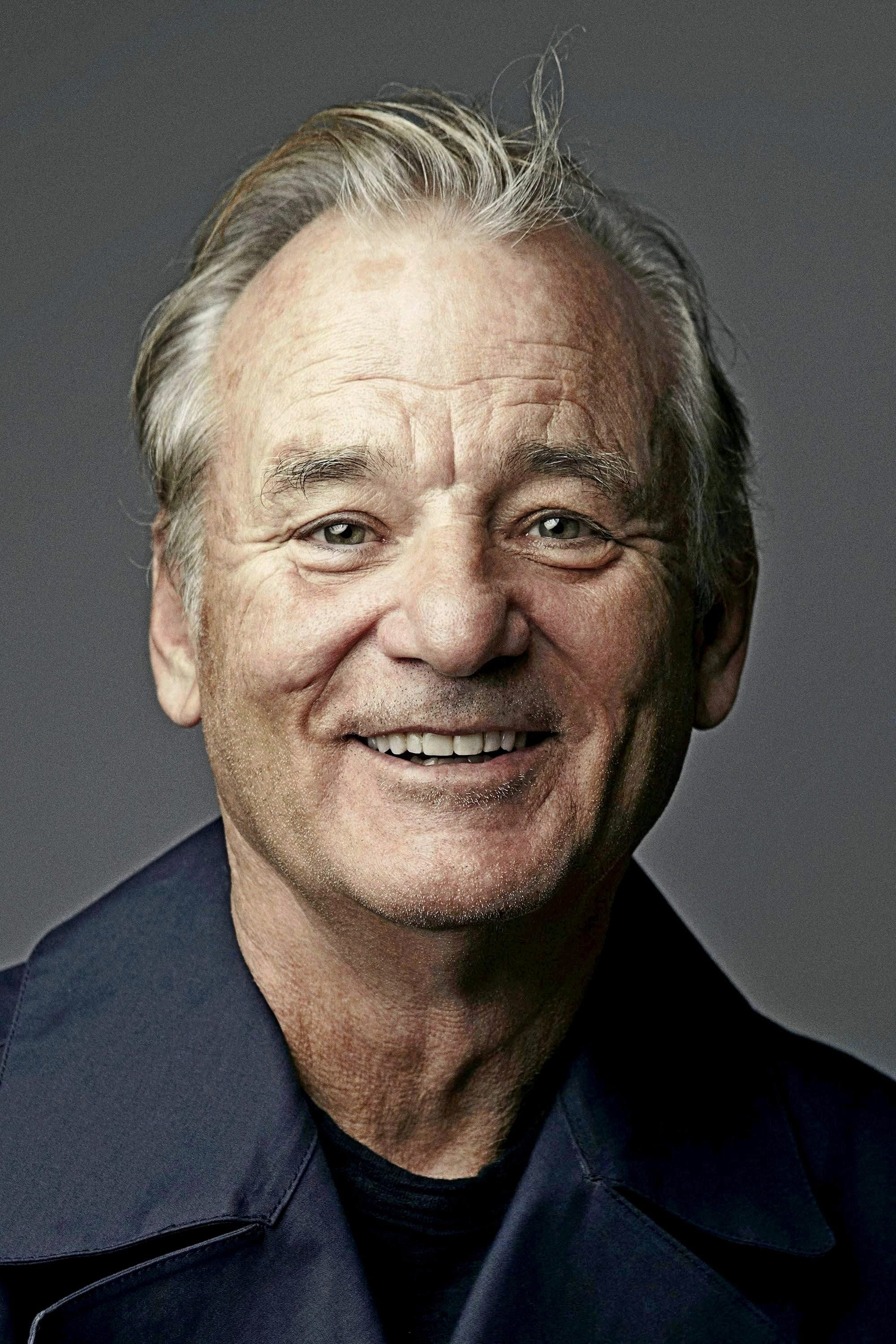
Bill Murray famously agreed to star in ‘Garfield: The Movie’ thinking the script was written by Joel Coen, one half of the celebrated Coen Brothers. He actually misread the name – it was Joel Cohen. Once he discovered the error while working on the film, he lost all interest. He barely helped promote the movie when it came out and has jokingly referenced his dislike of it in other films, like ‘Zombieland’. His honesty about hating ‘Garfield’ has become a well-known story in Hollywood.
Josh Brolin
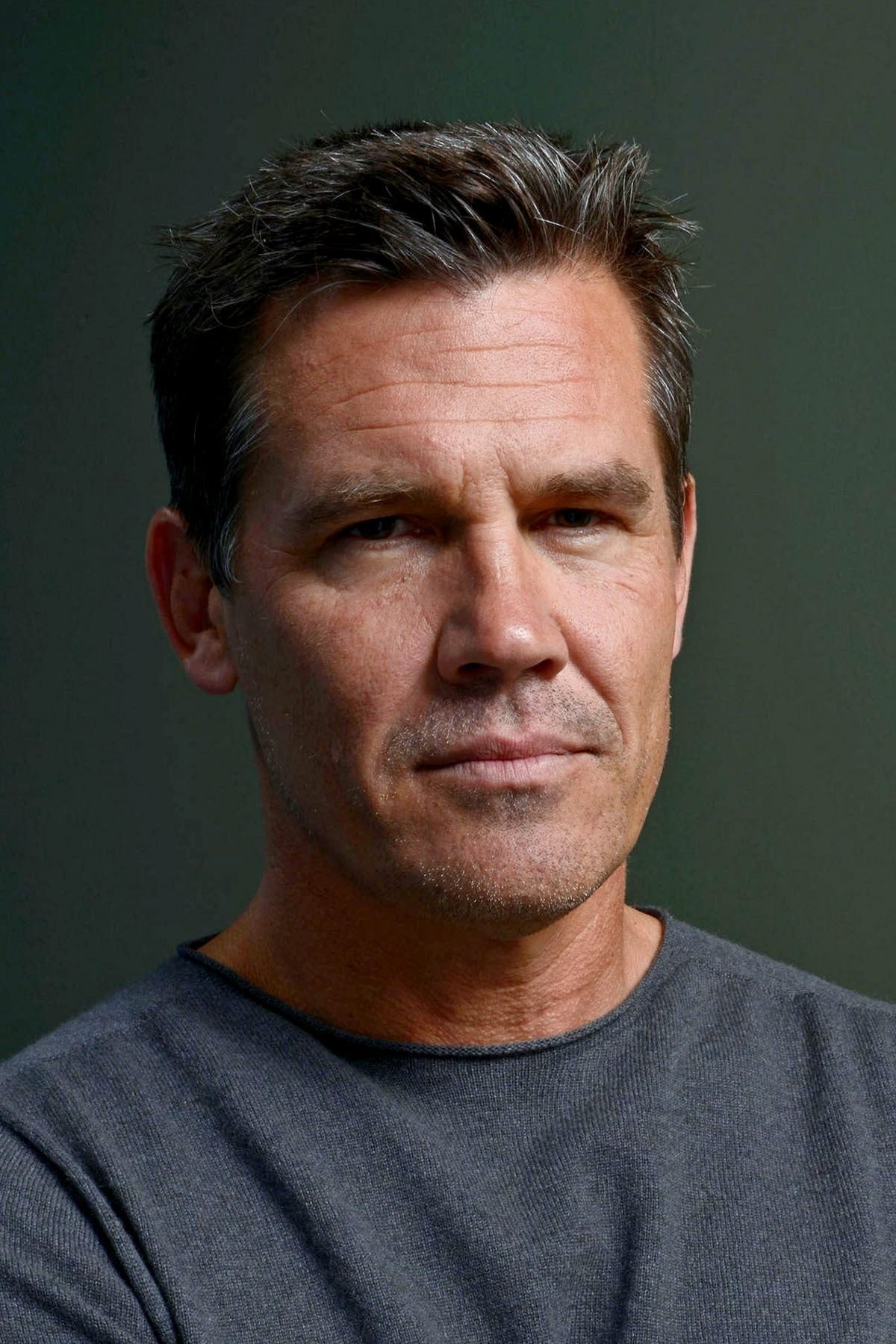
Josh Brolin has always been upfront about how badly ‘Jonah Hex’ performed, both with audiences and critics. He’s described the film as a disaster and a creatively frustrating experience. He explained that studio meddling and last-minute changes ruined the original script’s promise. Even when the movie came out, he didn’t offer much positive feedback and seemed reluctant to promote it. His candidness about the film’s failures cemented its reputation as a major box office disappointment.
Shia LaBeouf
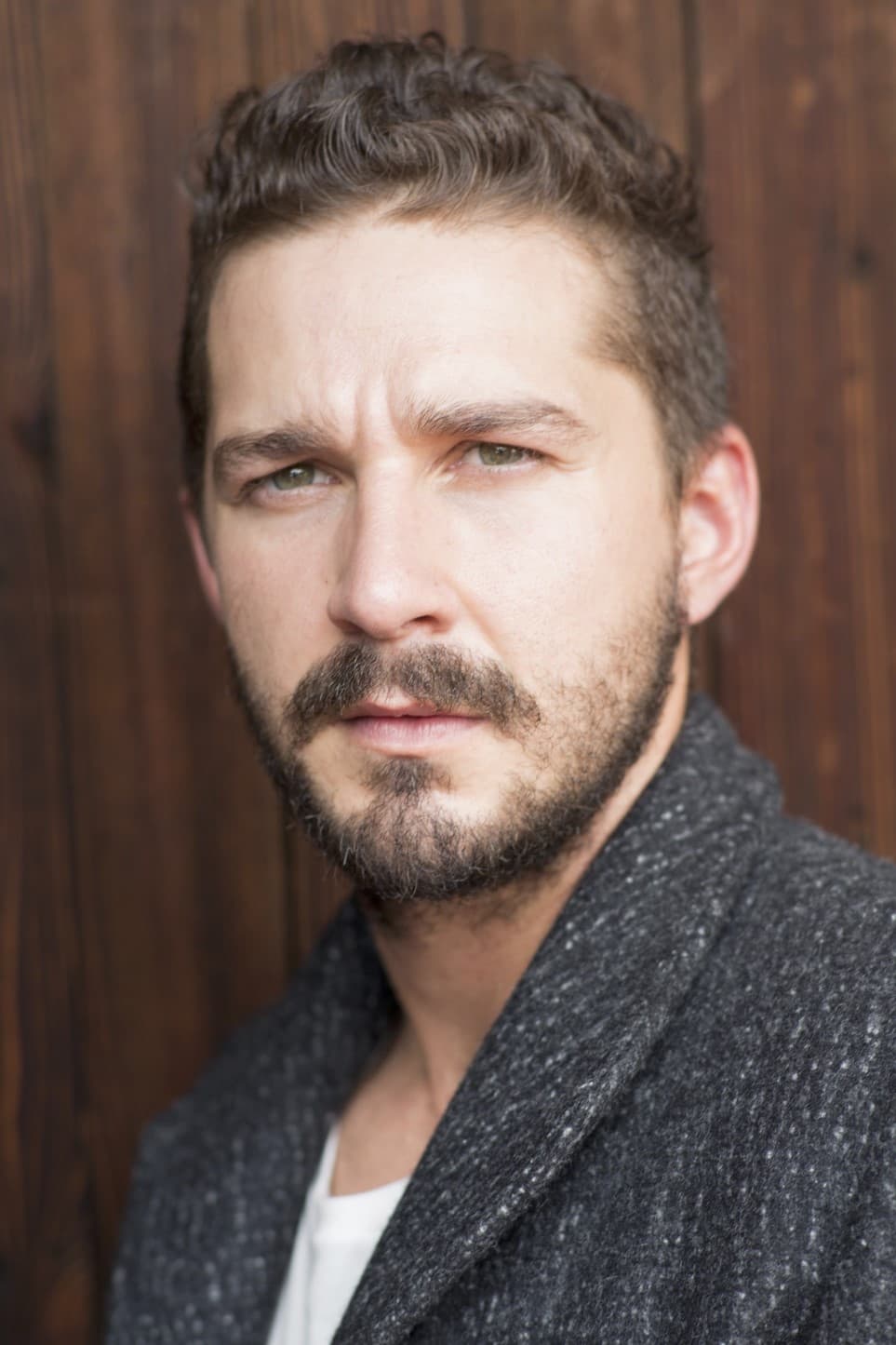
Shia LaBeouf created a buzz at the Cannes Film Festival by openly criticizing ‘Indiana Jones and the Kingdom of the Crystal Skull.’ He admitted he felt he hadn’t lived up to expectations for fans of the classic adventure series. His frankness about the film’s weaknesses upset his co-stars and the director, and was considered a break from usual professional behavior. This led to a strained relationship with Steven Spielberg and ultimately signaled LaBeouf’s move away from big-budget action films.
Channing Tatum
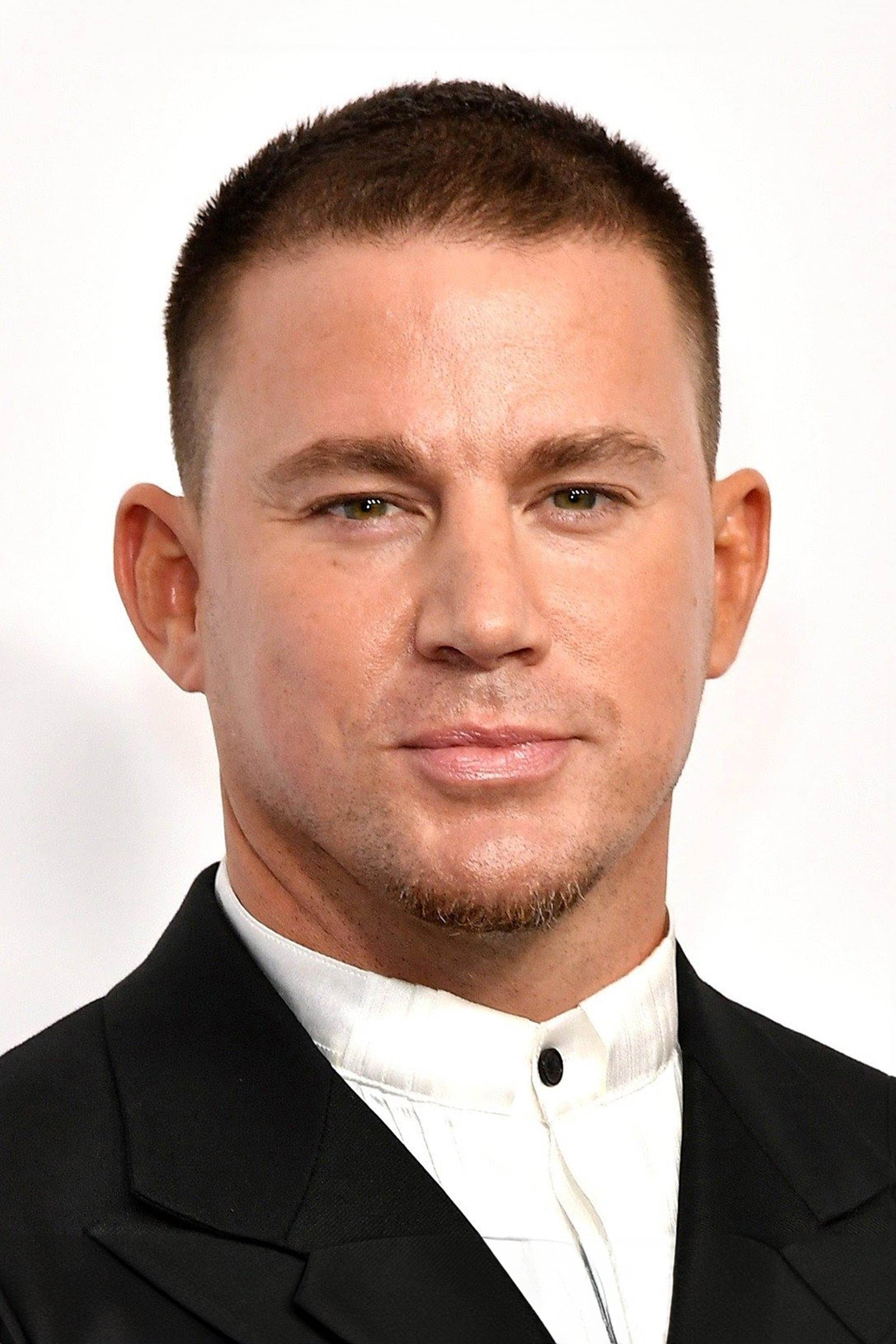
Early in his career, Channing Tatum signed a contract that required him to appear in multiple films, including ‘G.I. Joe: The Rise of Cobra.’ He’s openly said he disliked the script and didn’t want to be part of the movie, but he was legally obligated to fulfill his contract. He admitted to putting in minimal effort, and even asked for his character to be killed off early in the sequel to avoid future involvement. Once he became a major star, his dislike of the franchise became well-known.
Mark Wahlberg
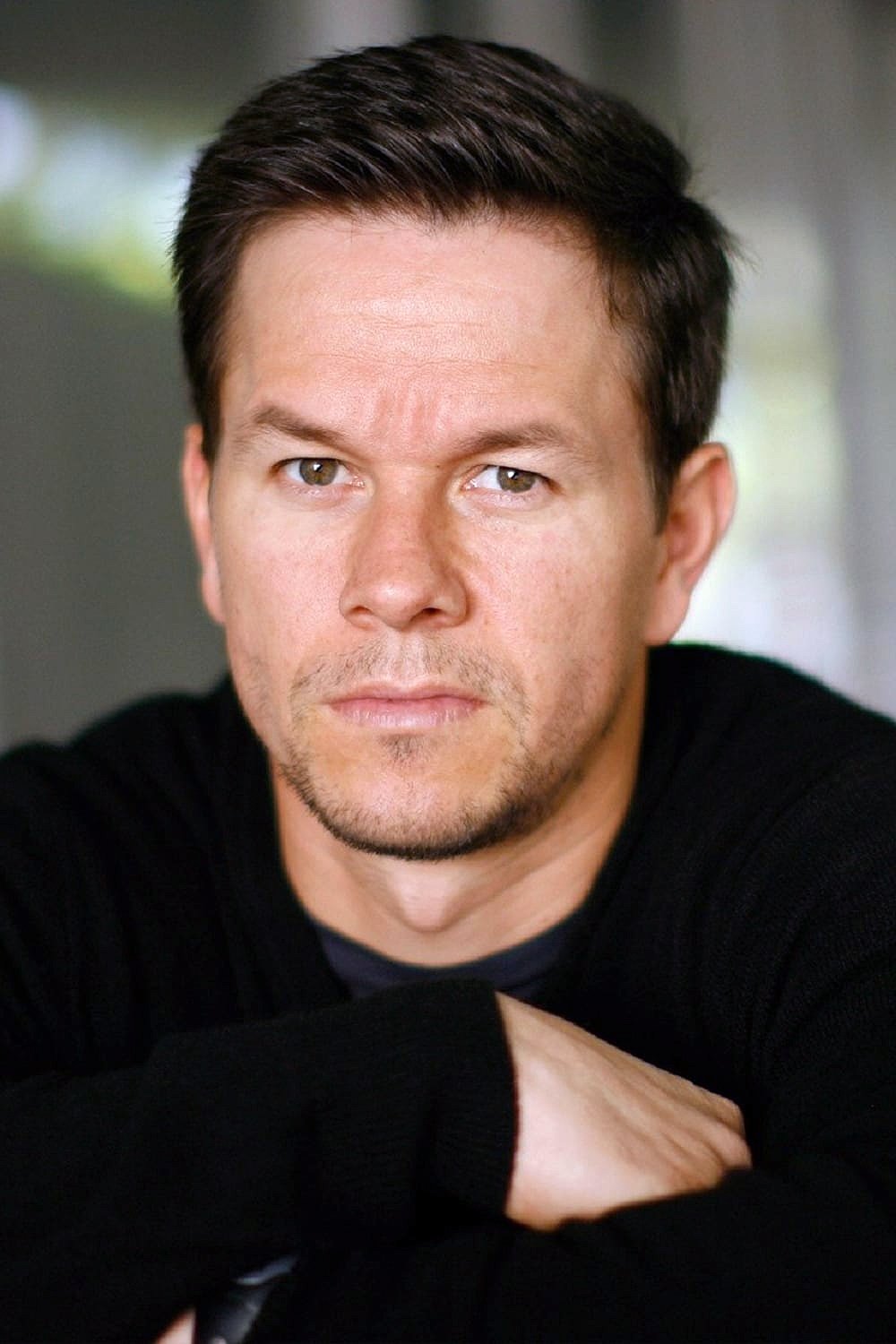
Mark Wahlberg is well-known for jokingly criticizing the thriller ‘The Happening’ while promoting his film ‘The Fighter’. He admitted the movie wasn’t good and even poked fun at having to play a science teacher in it. This was a surprising move for a famous actor, who usually speaks positively about their previous work. His open mockery of the film effectively ended any chance of it being seen as a serious cinematic effort. Wahlberg’s candid dismissal of ‘The Happening’ has become one of his most memorable and honest comments.
We’re curious to know which actor you believe had the most legitimate reason to criticize their own movie online.
Read More
- Gold Rate Forecast
- Games That Faced Bans in Countries Over Political Themes
- Silver Rate Forecast
- 22 Films Where the White Protagonist Is Canonically the Sidekick to a Black Lead
- Unveiling the Schwab U.S. Dividend Equity ETF: A Portent of Financial Growth
- How to Do Sculptor Without a Future in KCD2 – Get 3 Sculptor’s Things
- Celebs Who Narrowly Escaped The 9/11 Attacks
- 14 Movies Where the Black Character Refuses to Save the White Protagonist
- 20 Movies Where the Black Villain Was Secretly the Most Popular Character
- The Best Directors of 2025
2026-03-23 03:59