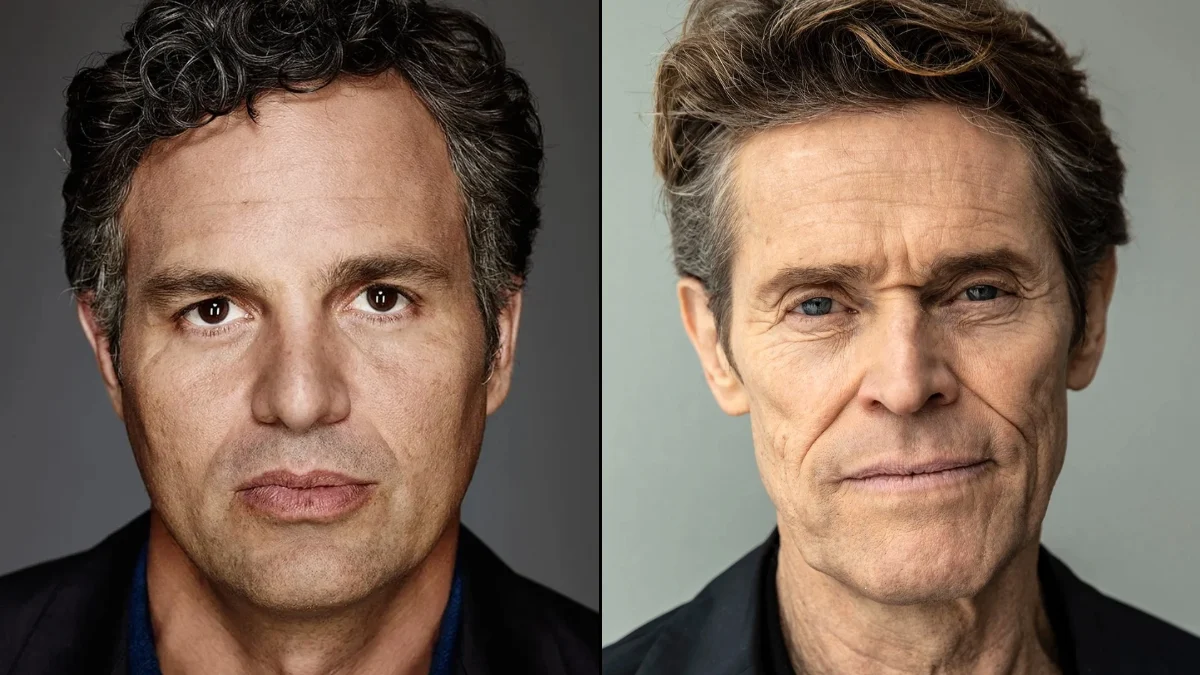
The “white savior” storyline—where a white character saves people of color—is being criticized more and more in Hollywood. Many popular actors are now choosing to avoid these types of roles to ensure stories about marginalized communities are told truthfully and with the communities in control. They’re doing this by picking roles that challenge the trope, or by producing their own projects that highlight diverse perspectives, ultimately changing how the industry tells stories. This change shows a growing dedication to fair representation and moving away from the traditional idea of who a hero can be.
Viggo Mortensen
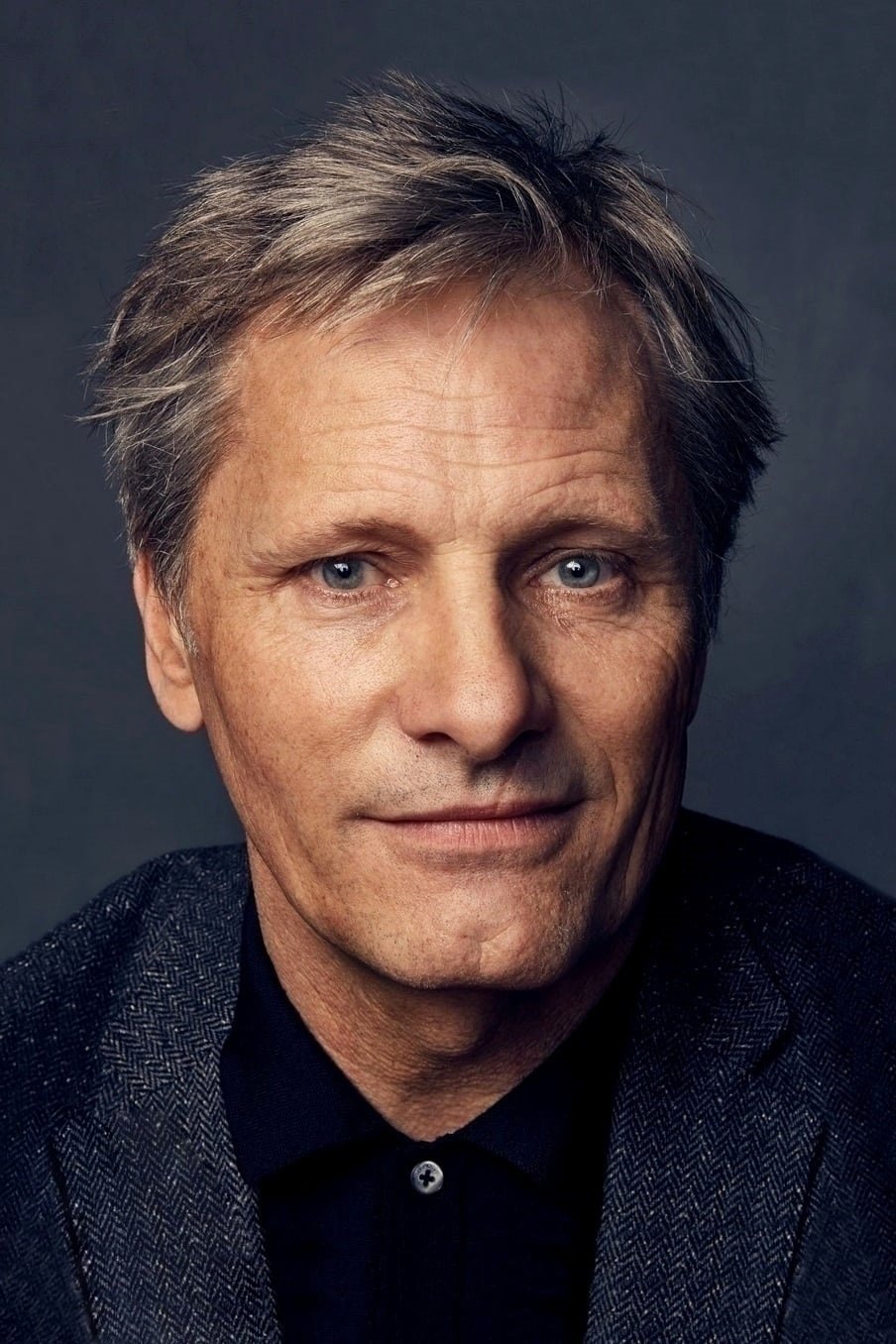
Viggo Mortensen is known for picking roles that go against typical Western stories and deeply involve him in different cultures. In films like ‘Jauja,’ he shows the pointless nature of colonization instead of portraying a heroic rescue. Though his role in ‘Green Book’ was debated, he explained it as a focused look at one character, not a statement about larger societal problems. Mortensen’s dedication to supporting indigenous communities often leads him to choose projects that prioritize getting the history right, even if it means avoiding common movie clichés. He’s consistently one of the most thoughtful actors in Hollywood when it comes to the political meaning behind his roles.
Mark Ruffalo
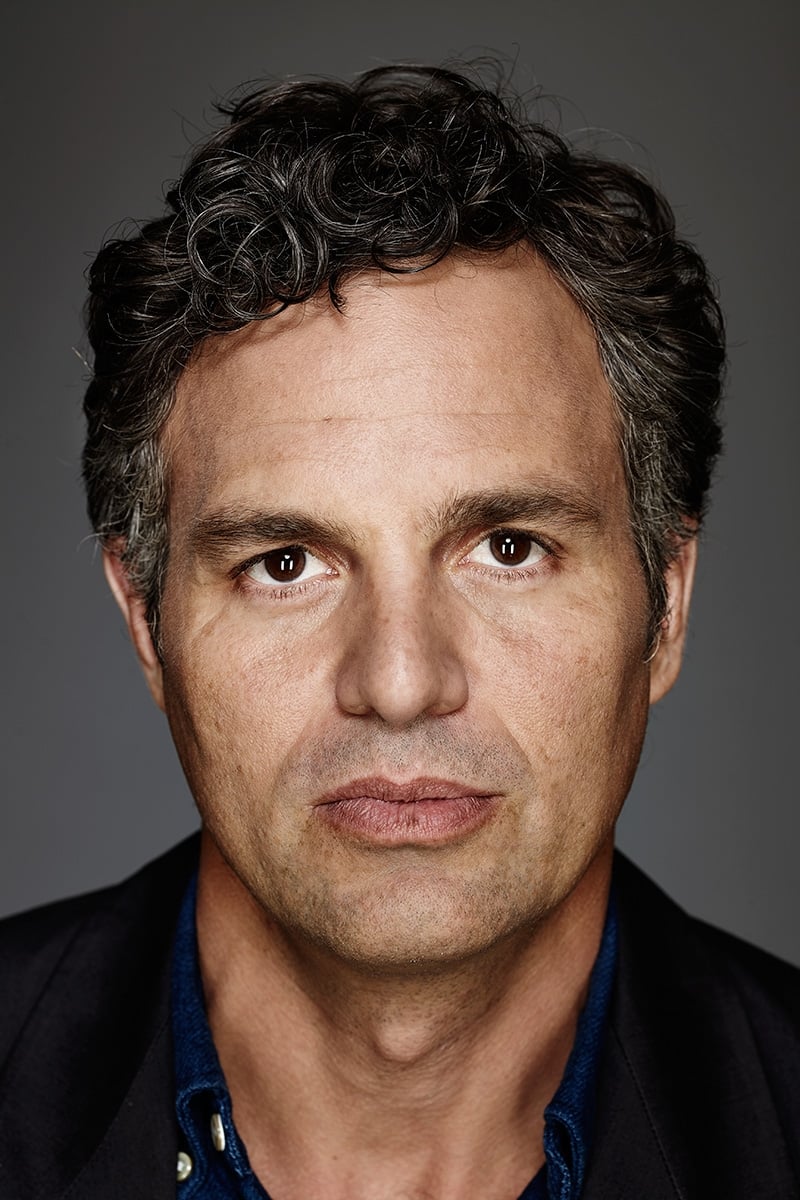
Mark Ruffalo isn’t just an actor; he’s a dedicated activist, and this strongly influences the roles he chooses. He often plays characters who work as part of a team or expose wrongdoing, rather than portraying lone heroes. For example, in ‘Dark Waters,’ he focused on the larger fight against corporate power instead of a single person’s victory. Ruffalo also consistently champions the representation of indigenous communities and carefully avoids roles that might overshadow their stories. Throughout his career, he’s prioritized films that explore the need for broad, systemic change over stories that rely on a single individual to solve everything.
Brad Pitt
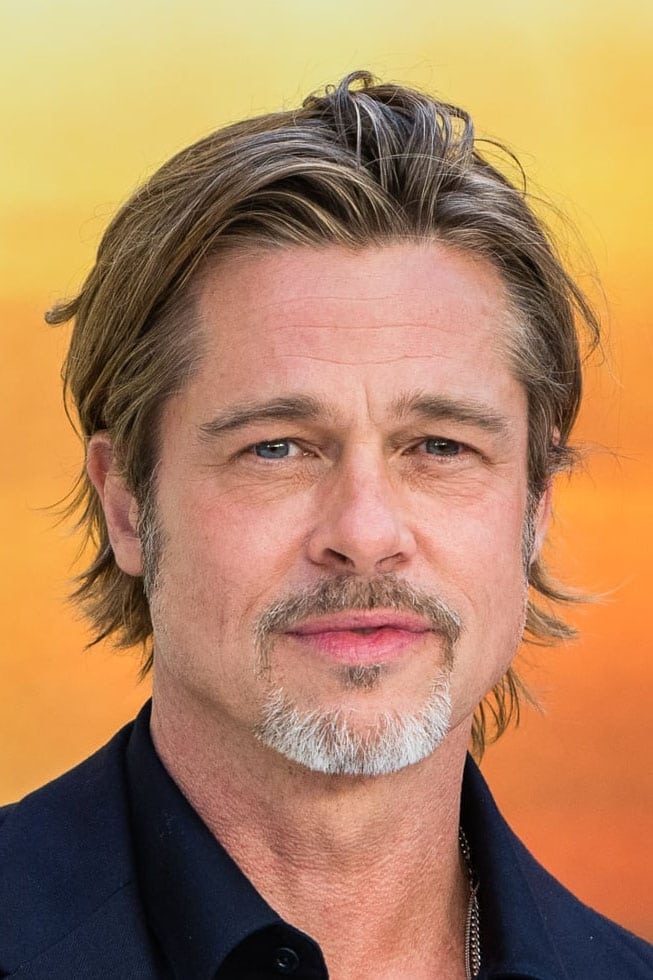
Brad Pitt’s production company, Plan B Entertainment, focuses on telling stories from a variety of viewpoints, and he often intentionally takes a less prominent role in these projects. For example, in films like ’12 Years a Slave,’ he played a smaller part, allowing the main character’s story to take center stage. He’s also used his position as a producer on films like ‘Moonlight’ and ‘Selma’ to support projects with diverse leads, specifically those not featuring white actors. Lately, Pitt has been choosing roles as complex, supporting characters or as part of an ensemble cast, a clear departure from the leading-man roles he was known for earlier in his career.
George Clooney
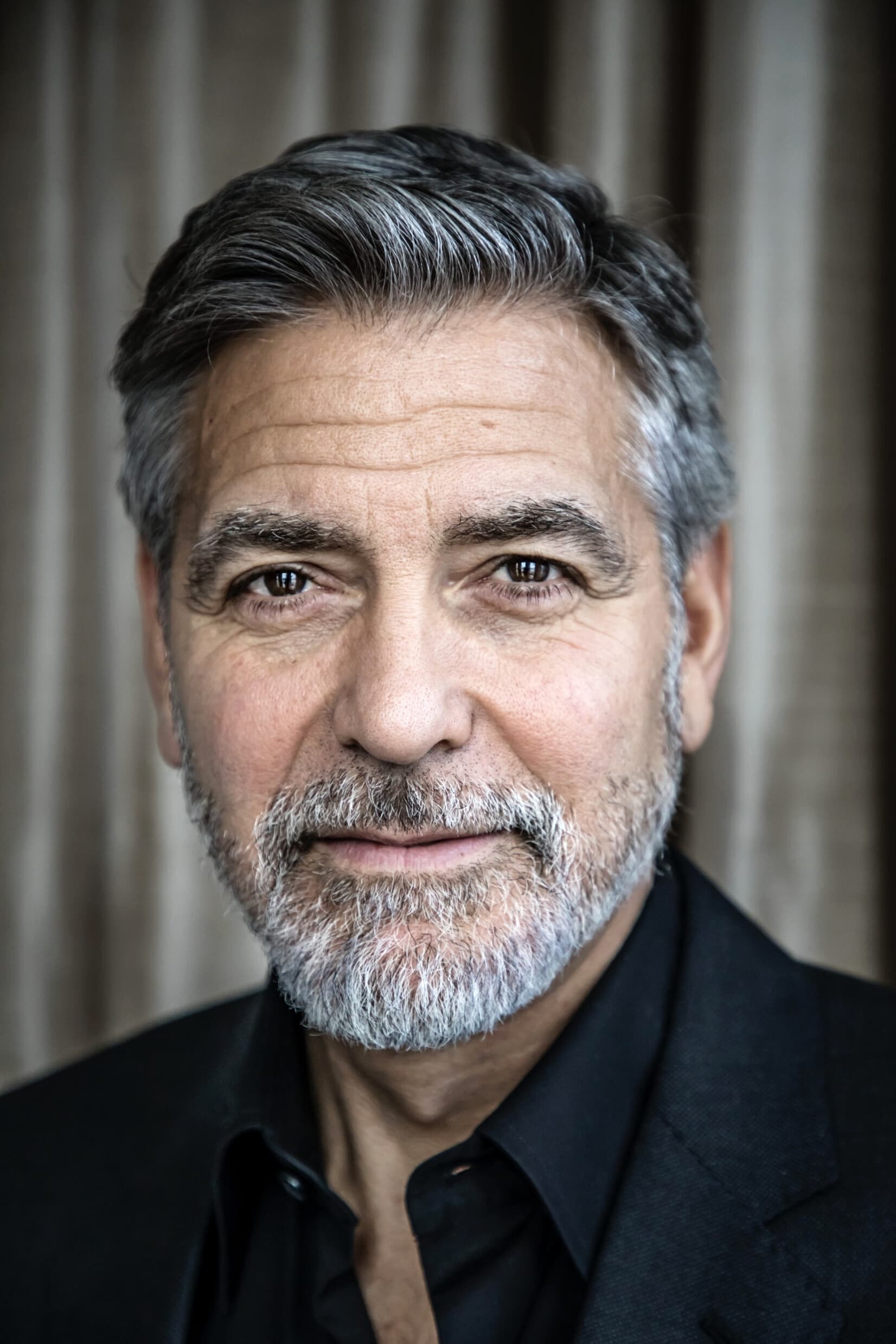
George Clooney consistently uses his work in film to explore the complicated world of international politics. Movies like ‘Syriana’ and ‘Michael Clayton’ highlight widespread corruption and show how difficult it is for one person to make a real difference. Clooney prefers stories that challenge the usual Western viewpoint, suggesting the West is often part of the problem, not the answer. He intentionally avoids playing heroes who ‘save’ other cultures, instead focusing on stories about flawed systems and institutions. This preference extends to his directing, where he often tackles historical events marked by difficult choices and moral gray areas.
Edward Norton
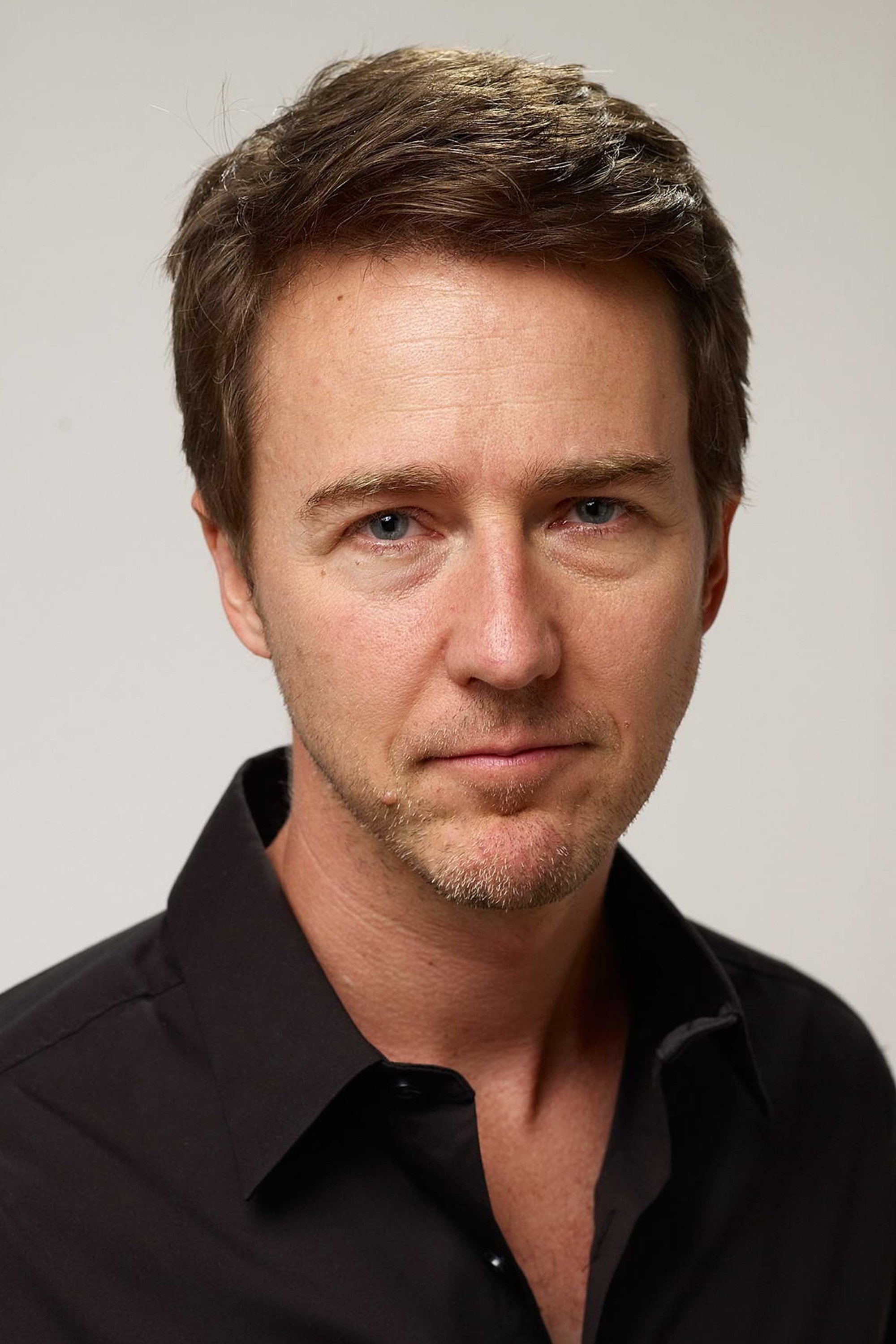
Edward Norton is known for being very careful when selecting roles and often secretly revises scripts to make his characters more complex. He avoids predictable storylines, especially those involving the “white savior” trope, and instead chooses characters who are flawed, intelligent, or both – like those he played in ‘American History X’ and ‘Motherless Brooklyn’. He focuses on what’s happening inside his characters, their inner conflicts, rather than relying on typical heroic action. This dedication to thoughtful and unconventional storytelling has defined his career.
Robert Pattinson

After becoming famous with the ‘Twilight’ films, Robert Pattinson has largely focused on independent movies. He’s intentionally avoided typical leading roles, instead choosing complex and often flawed characters. Films like ‘The Lighthouse’ and ‘Good Time’ showcase his preference for playing desperate, self-involved men, rather than traditional heroes. This career path allows him to sidestep the “savior” stereotype, embracing roles as anti-heroes or outcasts. Pattinson clearly favors artistic, director-led projects that challenge conventional ideas about masculinity.
Daniel Radcliffe

Daniel Radcliffe has intentionally used his popularity from ‘Harry Potter’ to champion unusual and independent films. He’s spoken about wanting to work on projects that are different and avoid the typical “hero’s journey” storyline he’s familiar with. Movies like ‘Swiss Army Man’ and ‘Guns Akimbo’ demonstrate his willingness to take on quirky and unconventional roles. Radcliffe often plays characters who are outsiders or part of a larger, more unusual story, and he’s a strong advocate for Hollywood creating more original characters.
Ethan Hawke
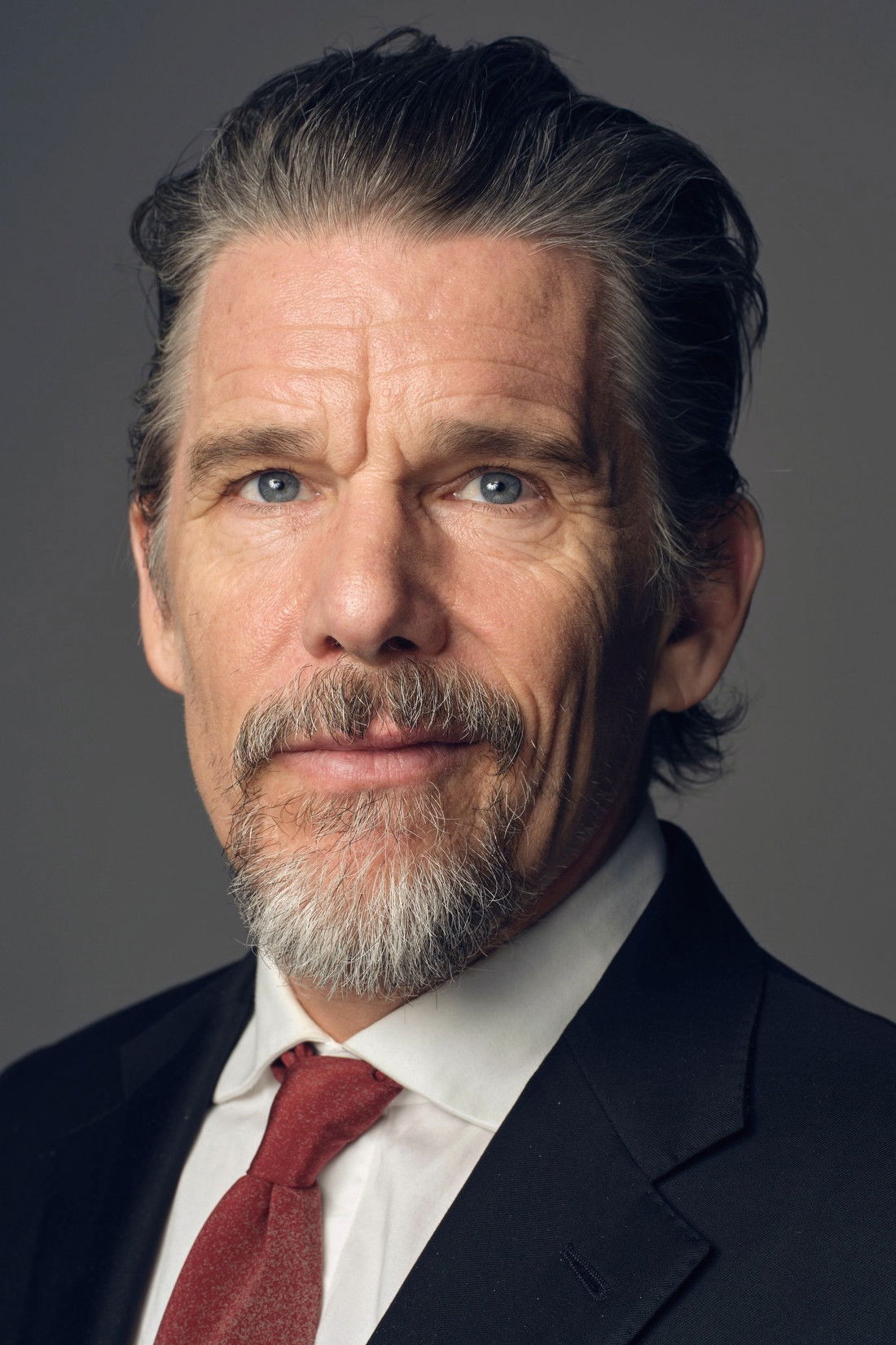
Ethan Hawke has consistently challenged the traditional American movie hero, often choosing roles that show characters’ weaknesses and struggles. He frequently works with directors who focus on realistic conversations and developing characters, rather than relying on lots of action. In films like ‘First Reformed,’ he portrays flawed individuals grappling with difficult issues, like hopelessness and environmental concerns, instead of idealized saviors. Hawke has explained that he’s drawn to stories about overcoming hardship and the beauty in imperfection, rather than predictable tales of success. Throughout his career, he’s demonstrated a commitment to honest storytelling over repeating familiar movie formulas.
Joaquin Phoenix
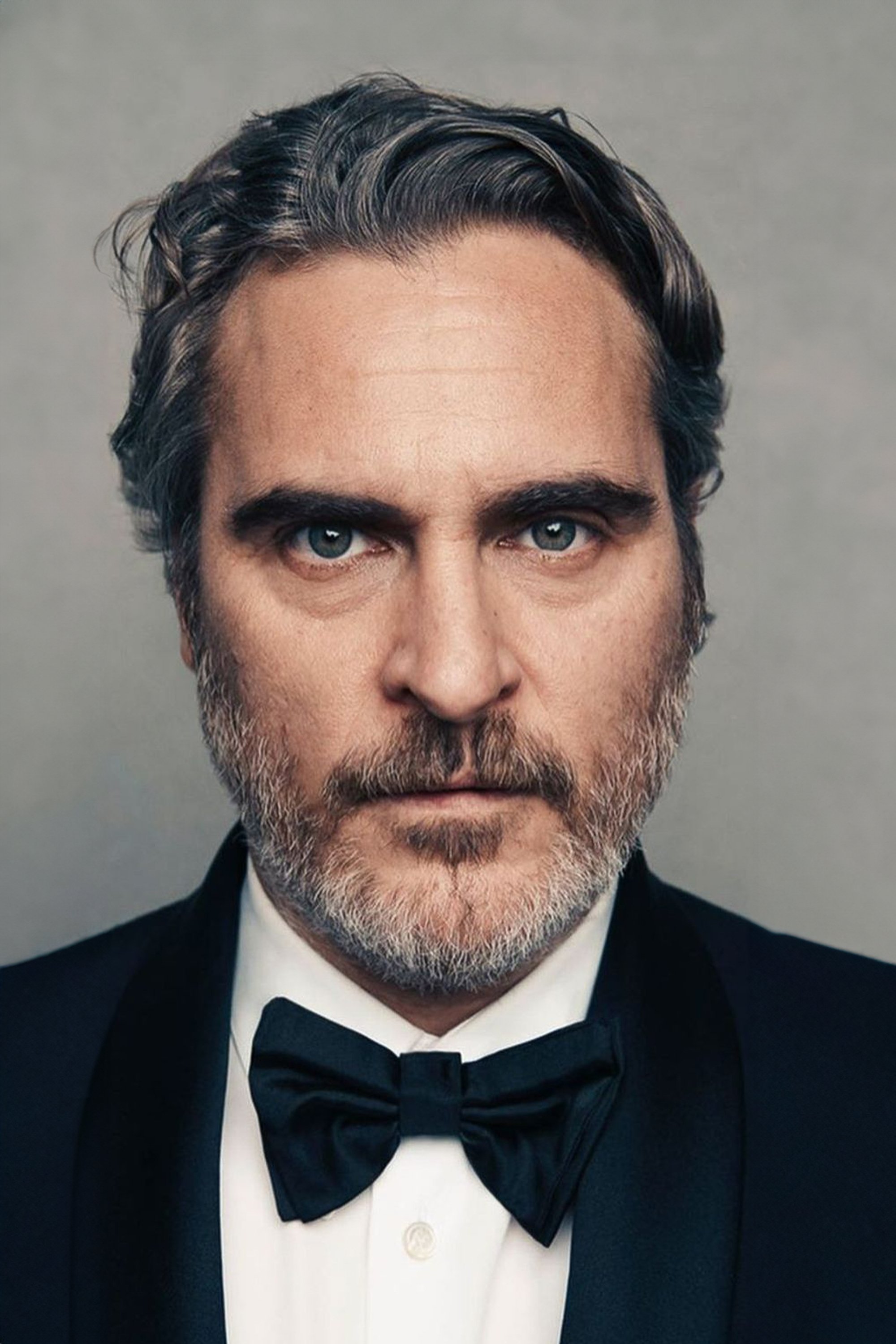
Joaquin Phoenix consistently portrays characters who are isolated, troubled, and often struggling with their own inner demons. His performances, seen in films like ‘The Master’ and ‘Joker’, tend to focus on people living on the margins of society and experiencing psychological distress. He avoids playing heroic or traditionally ‘good’ characters, preferring roles that allow him to explore the flaws and complexities of humanity. Phoenix fully embodies his characters’ imperfections, which means he consistently chooses roles that are far from the ‘savior’ stereotype, prioritizing realistic portrayals of the human experience over simple, feel-good stories.
Cillian Murphy
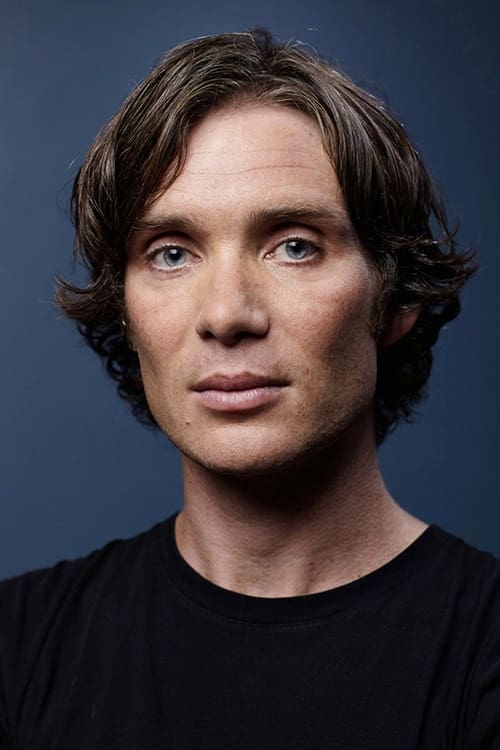
Cillian Murphy is known for portraying complex, often flawed characters in a wide range of films, from smaller independent projects to large-scale blockbusters. He’s a frequent collaborator with director Christopher Nolan, often playing characters who are part of a bigger story or even villains. In ‘Peaky Blinders,’ he plays a criminal motivated by past trauma and personal goals, not by a desire to do good. Murphy generally avoids playing straightforward heroes, preferring roles that allow him to delve into the more challenging or intellectual sides of his characters. Unlike many leading actors, he rarely appears in stories where he’s the traditional ‘savior.’
Adam Driver
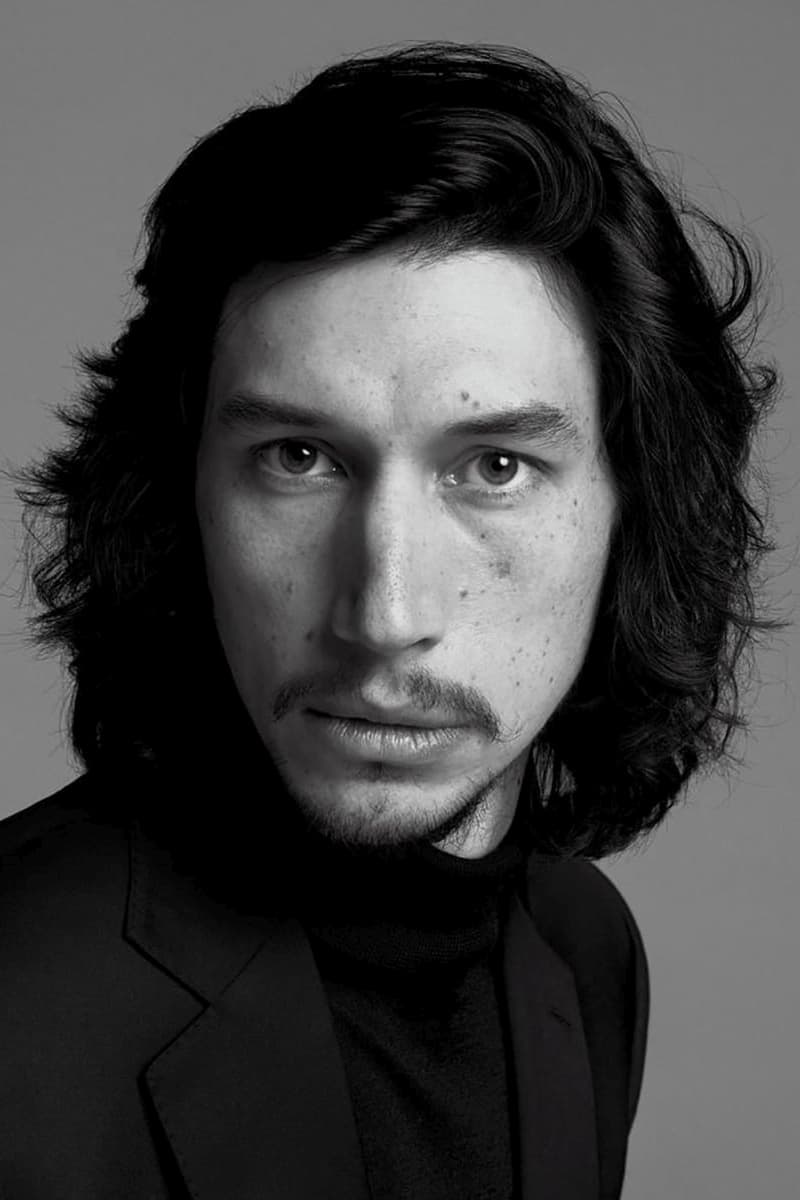
Adam Driver often collaborates with directors like Martin Scorsese and Spike Lee, who challenge traditional stories centered on white protagonists. In films like ‘Silence’, his character struggles with the shortcomings of his mission, rather than being portrayed as a hero. Similarly, in ‘BlacKkKlansman’, he supports the Black lead character and aids the investigation, rather than being the central figure. These choices demonstrate Driver’s awareness of how stories are told and his preference for roles that move away from narratives focused on individual greatness.
Andrew Garfield
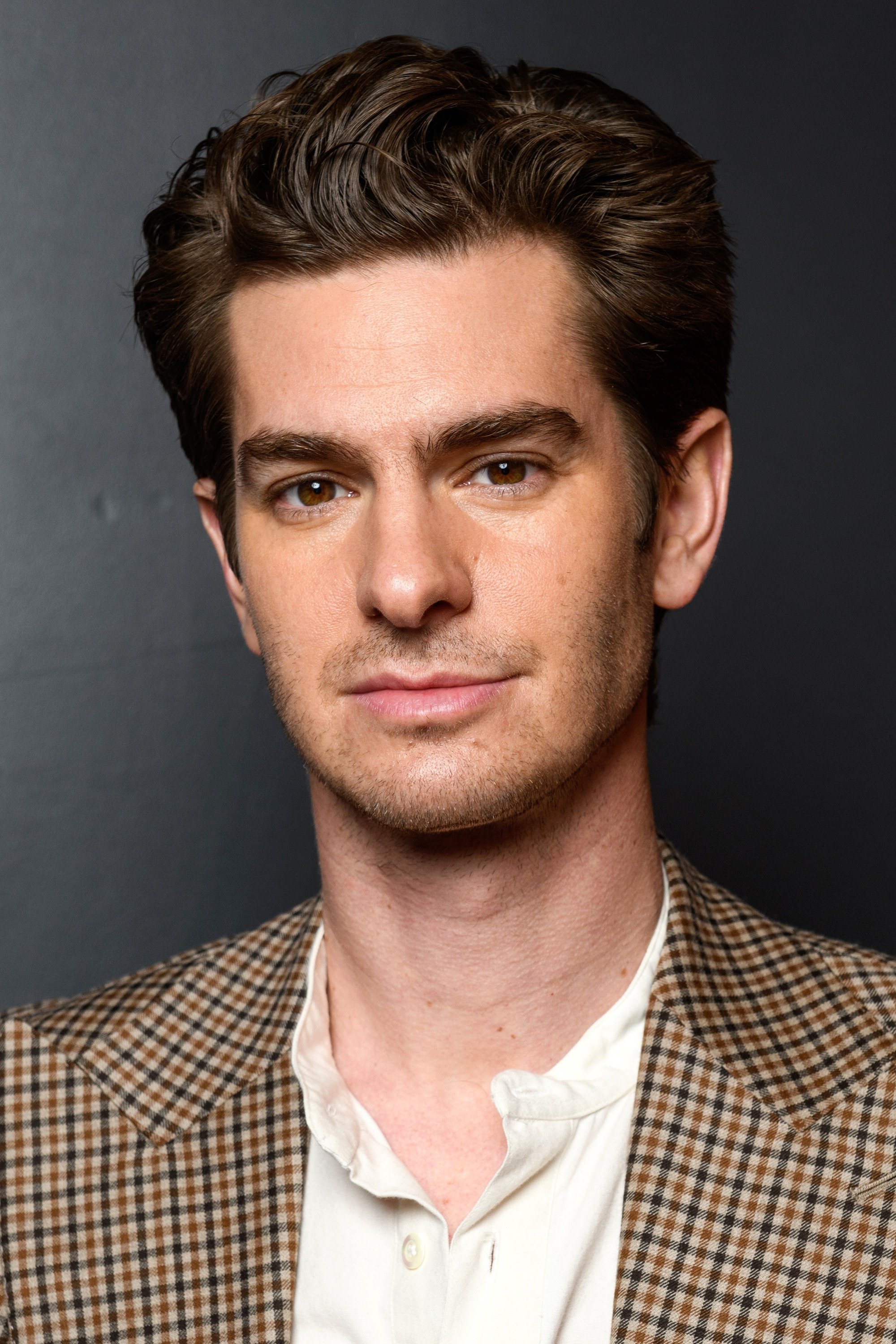
Andrew Garfield believes actors have a duty to pick projects with purpose and social impact. He’s drawn to stories like ‘Silence,’ which delved into complex questions of faith and the problems with colonialism, and actively avoids roles that feel predictable or prioritize his character’s journey over others. In films like ‘Hacksaw Ridge,’ he focuses on internal struggles and moral conviction, rather than typical war-hero narratives. Garfield consistently looks for roles that push boundaries and offer fresh perspectives for both himself and viewers.
Willem Dafoe
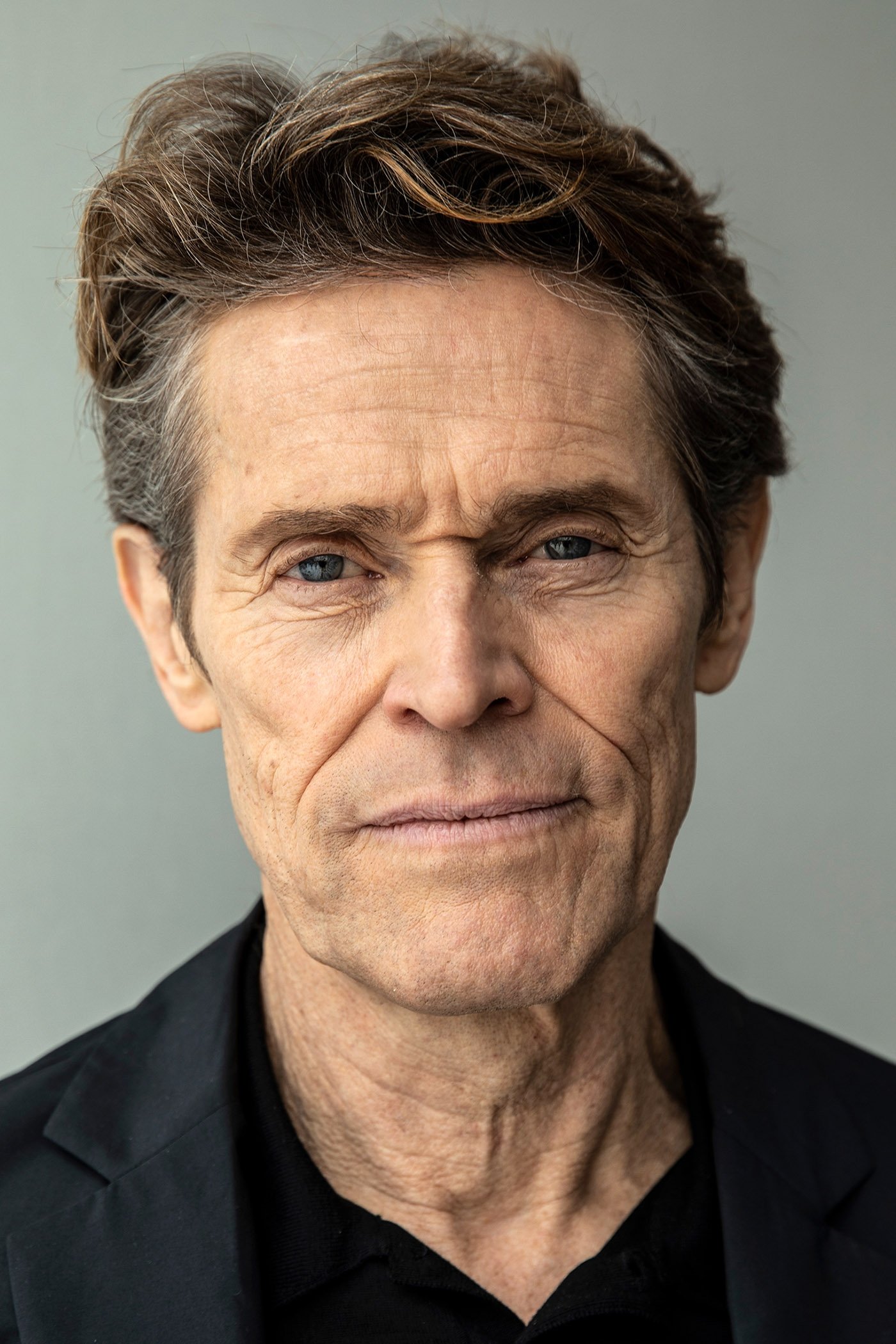
Willem Dafoe is known for his incredibly diverse film career, often favoring collaborations with international directors over major Hollywood studios. He’s drawn to complex characters – often strange, villainous, or intensely spiritual, as seen in films like ‘The Last Temptation of Christ’. Dafoe consciously avoids playing the typical hero, instead choosing roles in films that focus on mood and deeper themes rather than simple action. His frequent work with directors like Lars von Trier and Robert Eggers demonstrates his passion for dark, unusual, and experimental filmmaking. He consistently champions films that prioritize artistic vision over easy entertainment.
Mads Mikkelsen
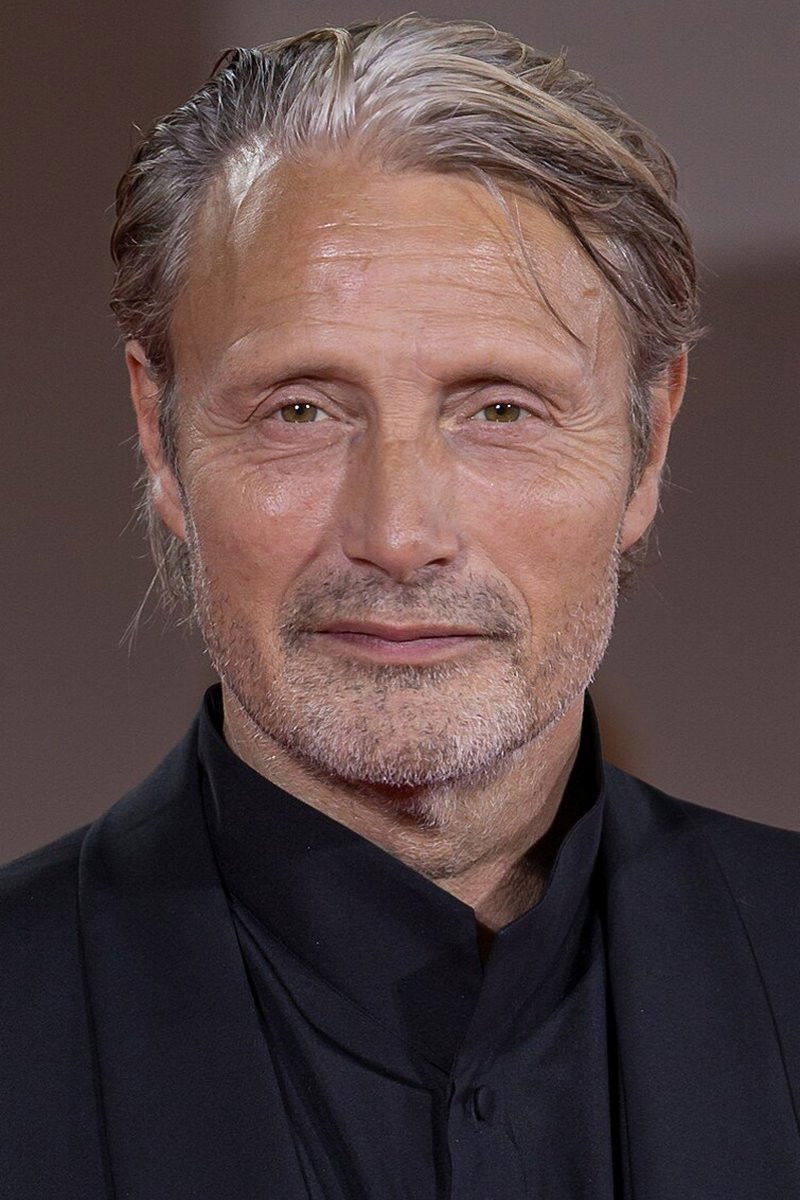
Mads Mikkelsen successfully moves between independent European films and big-budget Hollywood productions without compromising his artistic vision. In Danish films like ‘The Hunt’ and ‘Another Round,’ he often plays characters who are facing difficult situations or struggling with everyday life. In Hollywood, he frequently takes on villainous roles, which allows him to sidestep the typical “hero” stereotype. Mikkelsen prefers complex characters with conflicting motivations and avoids roles that offer simple moral resolutions. Throughout his career, he’s consistently chosen nuanced and unconventional parts over the traditional hero archetype.
Jake Gyllenhaal
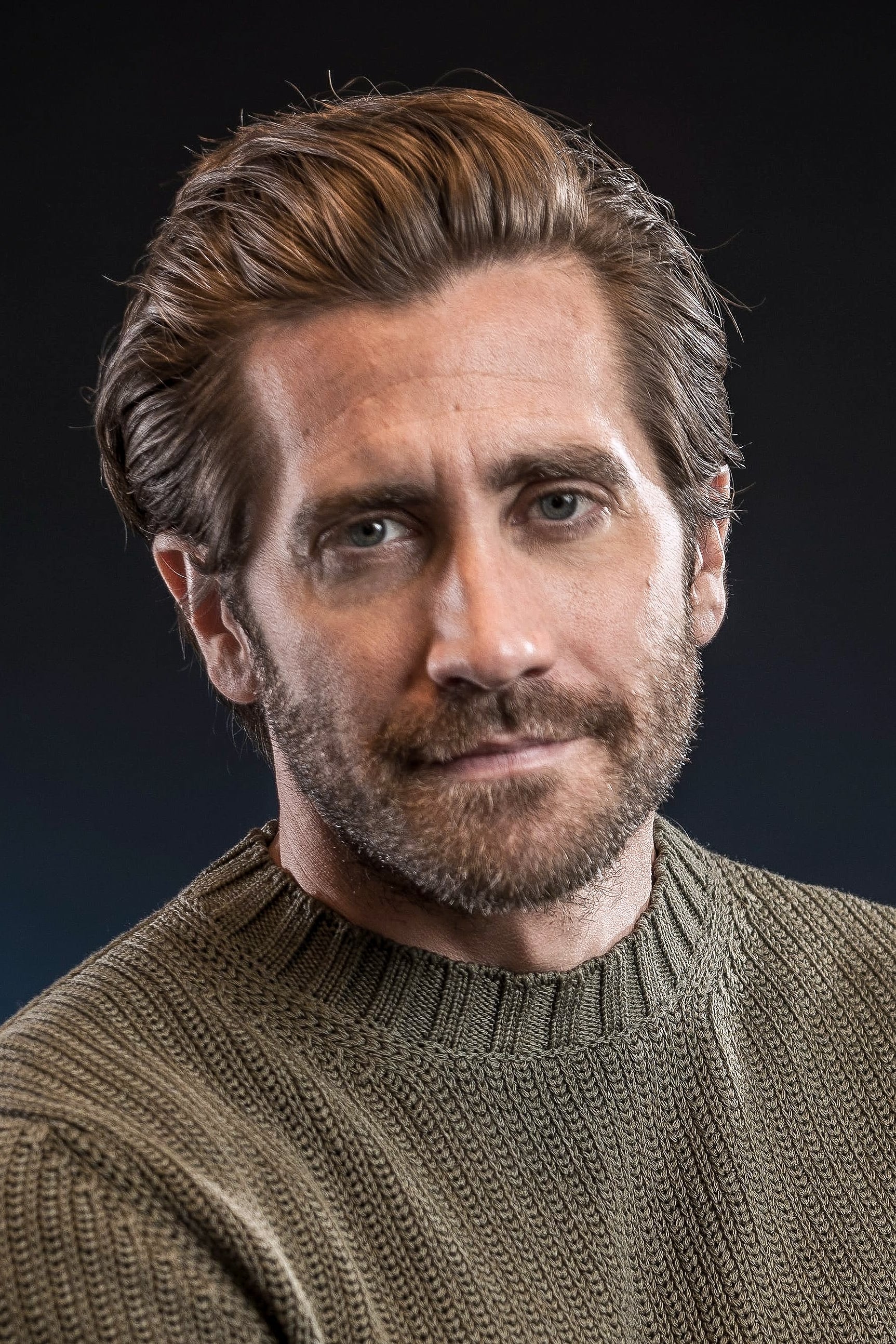
Jake Gyllenhaal is known for taking on challenging roles that go against typical leading-man expectations. He often plays characters who are driven, troubled, or even unstable. For example, in ‘Nightcrawler,’ he plays a videographer who profits from other people’s misfortune, and in ‘Zodiac,’ his character is consumed by an obsession that doesn’t lead to a clear resolution. Gyllenhaal deliberately chooses roles that explore the darker aspects of human nature, allowing him to avoid being typecast as a traditional hero and instead focus on complex, psychologically rich characters.
Jesse Eisenberg
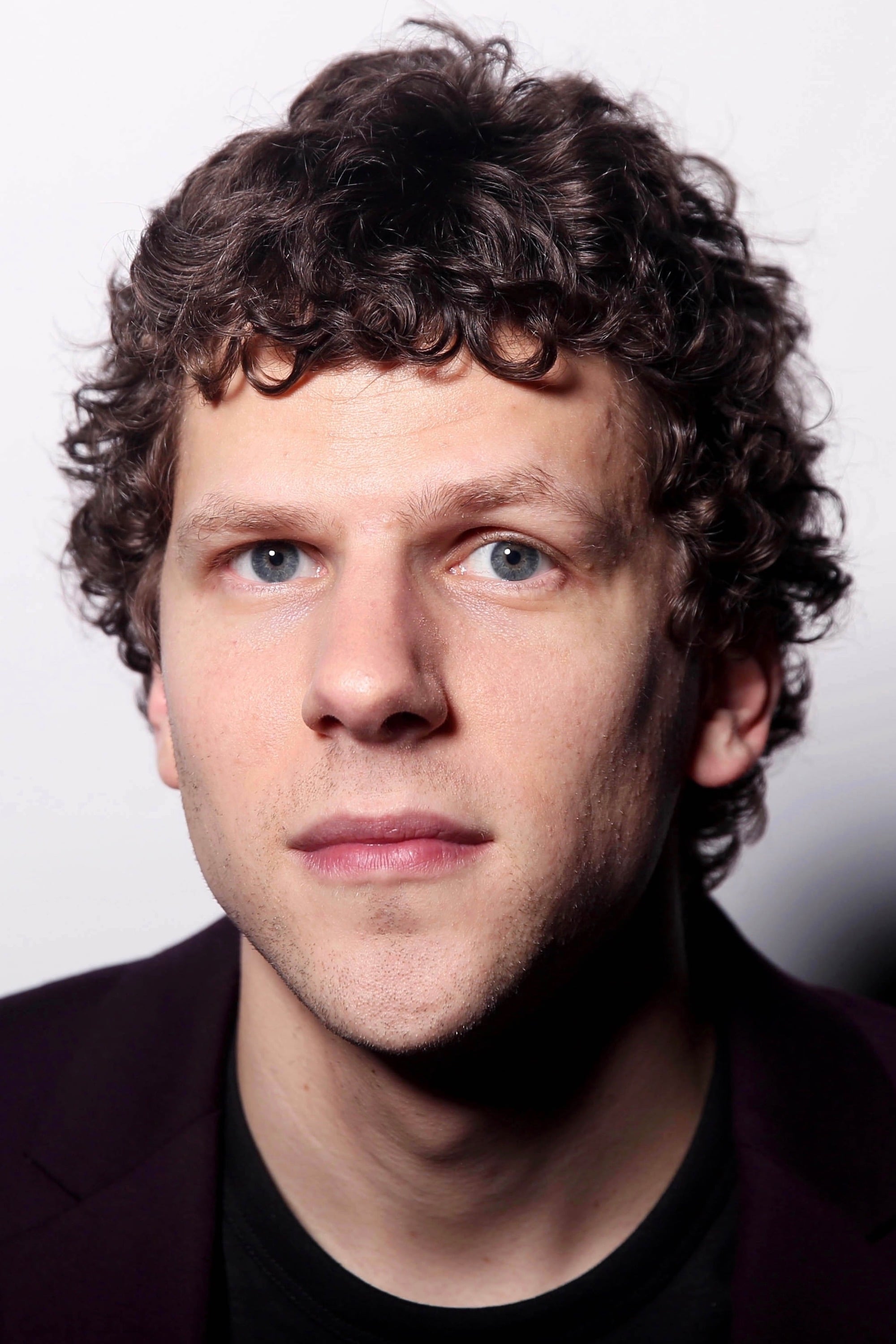
Jesse Eisenberg is known for playing smart but awkward or flawed characters. His roles, like those in ‘The Social Network’ and ‘The Art of Self-Defense,’ often explore the negative sides of what it means to be a man today. He doesn’t play traditional heroes; instead, he portrays characters who are often their own worst enemies or who have no interest in being heroic. Eisenberg’s work is usually insightful and questions common character types. He consistently chooses roles that delve into the intricacies of personal identity and motivations, rather than focusing on selfless acts.
Timothée Chalamet
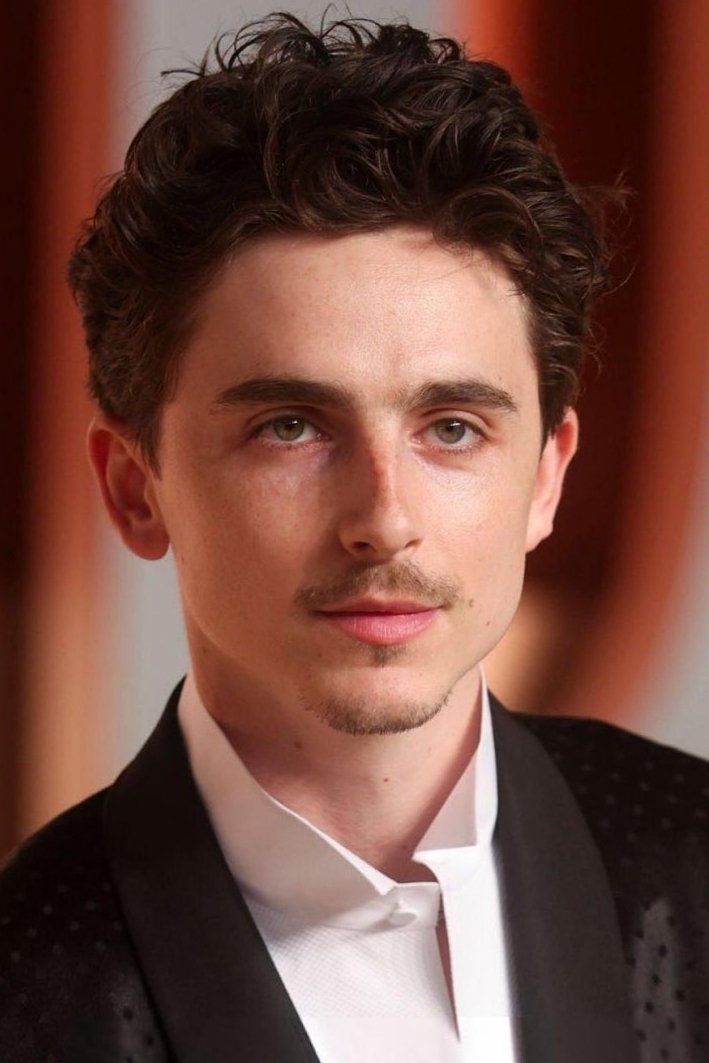
Timothée Chalamet has quickly become a leading actor by consistently choosing roles that explore complex emotions and the challenges of growing up. Films like ‘Call Me by Your Name’ and ‘Beautiful Boy’ focus on his characters’ personal journeys and relationships, rather than traditional action or heroic feats. He’s deliberately avoided typical blockbuster roles often given to young male leads. Even in a large-scale film like ‘Dune’, the story actively questions the idea of a single “savior” figure. This pattern shows Chalamet is part of a new wave of actors who thoughtfully consider the messages their roles send.
Colin Farrell
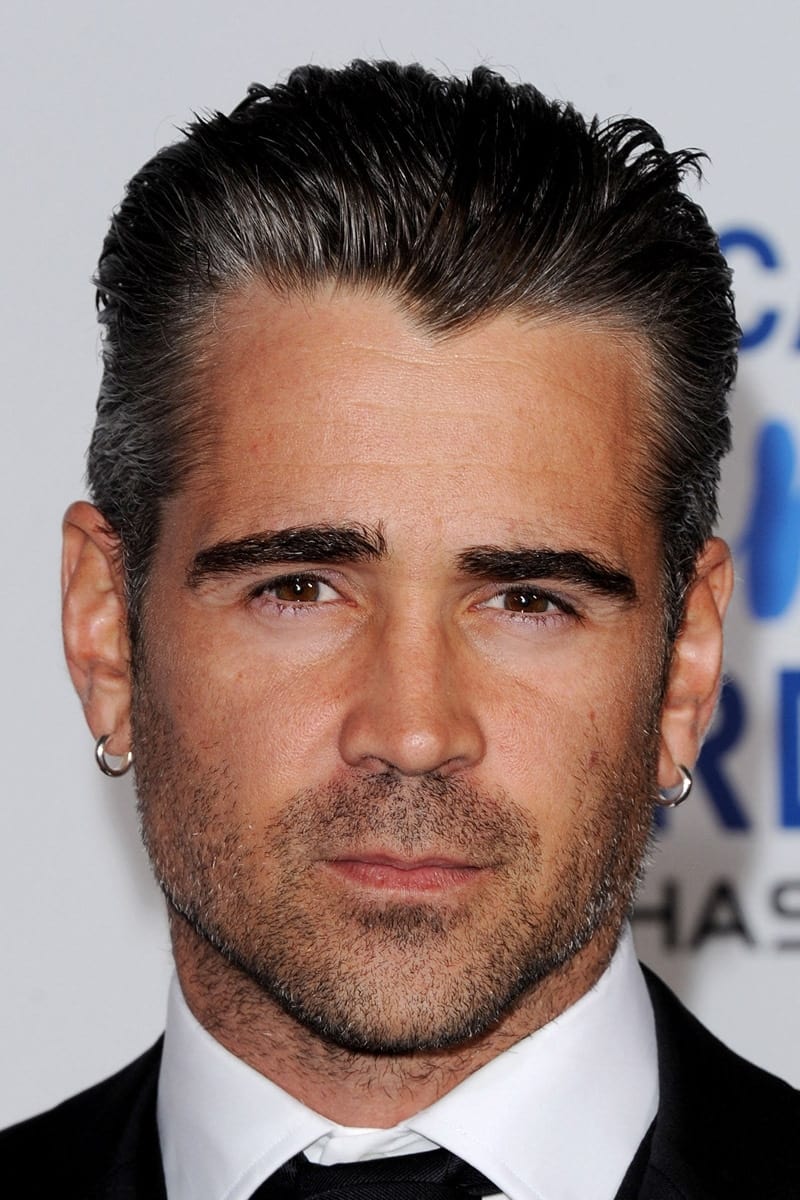
Colin Farrell has successfully transitioned from a typical Hollywood leading man to a character actor known for his work in independent films. He’s become a frequent collaborator with director Yorgos Lanthimos, appearing in films like ‘The Lobster’ and ‘The Killing of a Sacred Deer,’ which challenge conventional social expectations. Farrell often portrays flawed, bewildered, or eccentric characters, intentionally avoiding the role of the hero. His recent performance in ‘The Banshees of Inisherin’ explores the unraveling of a friendship within a close-knit community. This represents a conscious departure from the action-oriented roles he was known for earlier in his career.
Benedict Cumberbatch
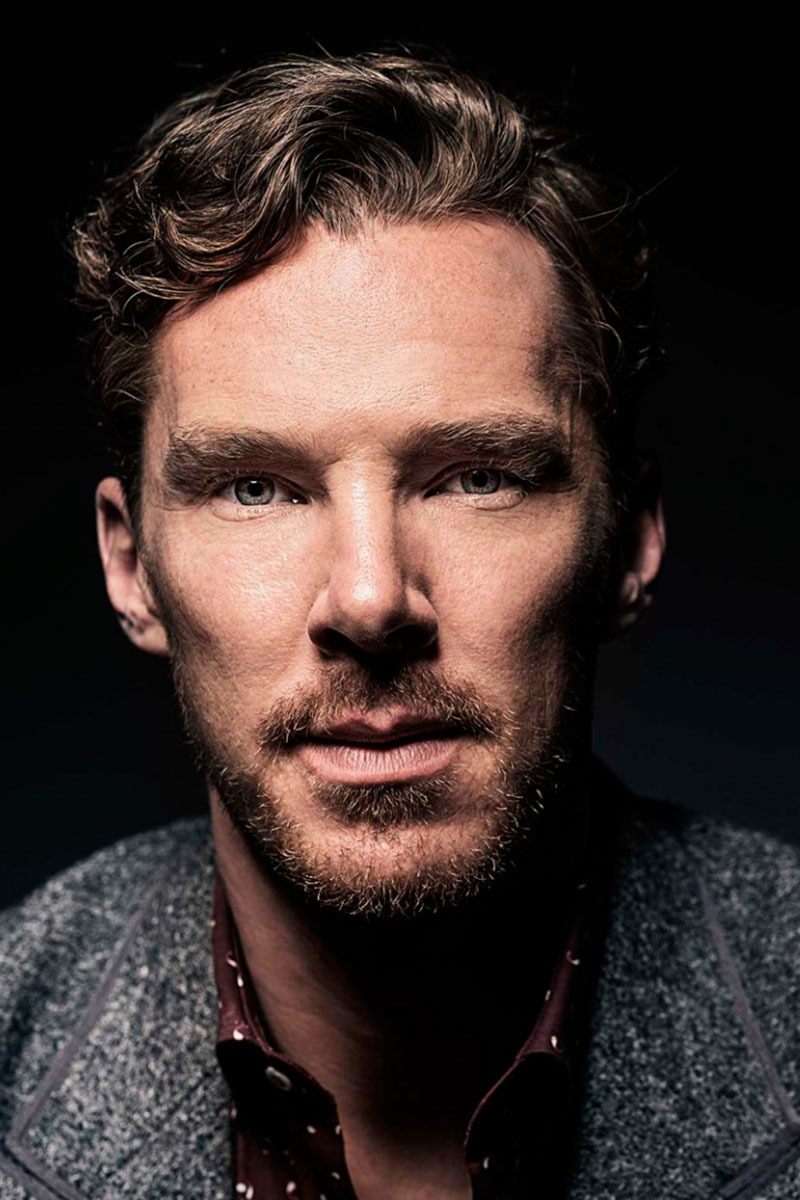
Benedict Cumberbatch is known for playing brilliant but emotionally reserved characters, like those in ‘Sherlock’ and ‘The Imitation Game’. In ‘The Power of the Dog’, he took on the role of a harsh and secretive rancher, challenging traditional Western stereotypes. He actively seeks out projects that promote equal representation for all genders and races both on and off screen. Cumberbatch deliberately chooses roles that avoid the ‘white savior’ narrative – often by portraying characters whose intelligence is a weakness or by sharing the spotlight with a diverse ensemble. His production company, SunnyMarch, further emphasizes socially conscious storytelling and diverse viewpoints.
Tom Hardy
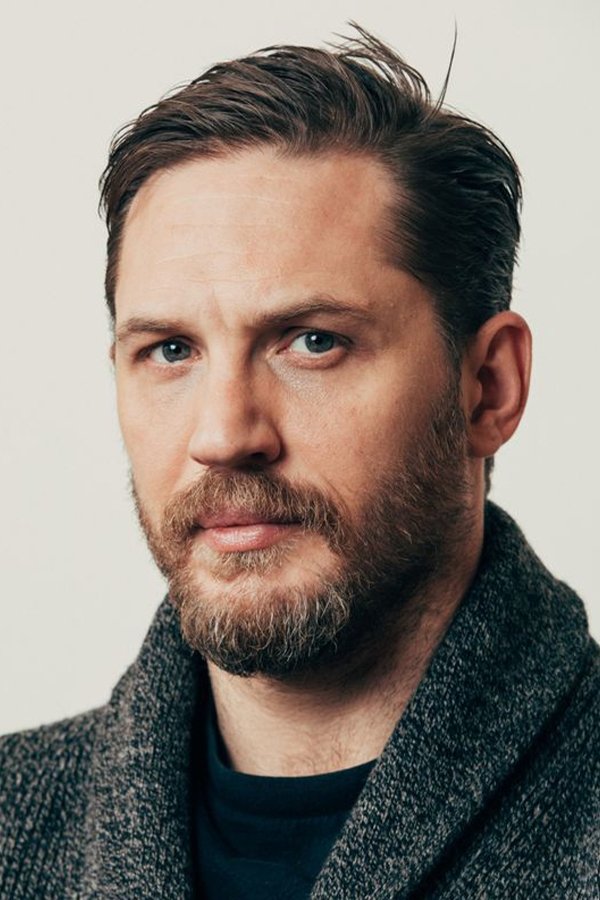
Tom Hardy is famous for dramatically changing his appearance for roles and for often playing troubled or villainous characters. In ‘Mad Max: Fury Road,’ he intentionally played a supporting role, challenging the typical trope of a male hero saving the day. Hardy consistently chooses characters driven by personal survival and inner struggles, rather than selfless motives. He’s built a career portraying outsiders and criminals – like in ‘Bronson’ and ‘Legend’ – and generally avoids playing straightforward, heroic roles, preferring more raw and realistic characters.
Share which actor you believe has the most impact on modern storytelling in the comments.
Read More
- Gold Rate Forecast
- Games That Faced Bans in Countries Over Political Themes
- Silver Rate Forecast
- 22 Films Where the White Protagonist Is Canonically the Sidekick to a Black Lead
- Unveiling the Schwab U.S. Dividend Equity ETF: A Portent of Financial Growth
- How to Do Sculptor Without a Future in KCD2 – Get 3 Sculptor’s Things
- Celebs Who Narrowly Escaped The 9/11 Attacks
- 14 Movies Where the Black Character Refuses to Save the White Protagonist
- 20 Movies Where the Black Villain Was Secretly the Most Popular Character
- The Best Directors of 2025
2026-03-23 05:53