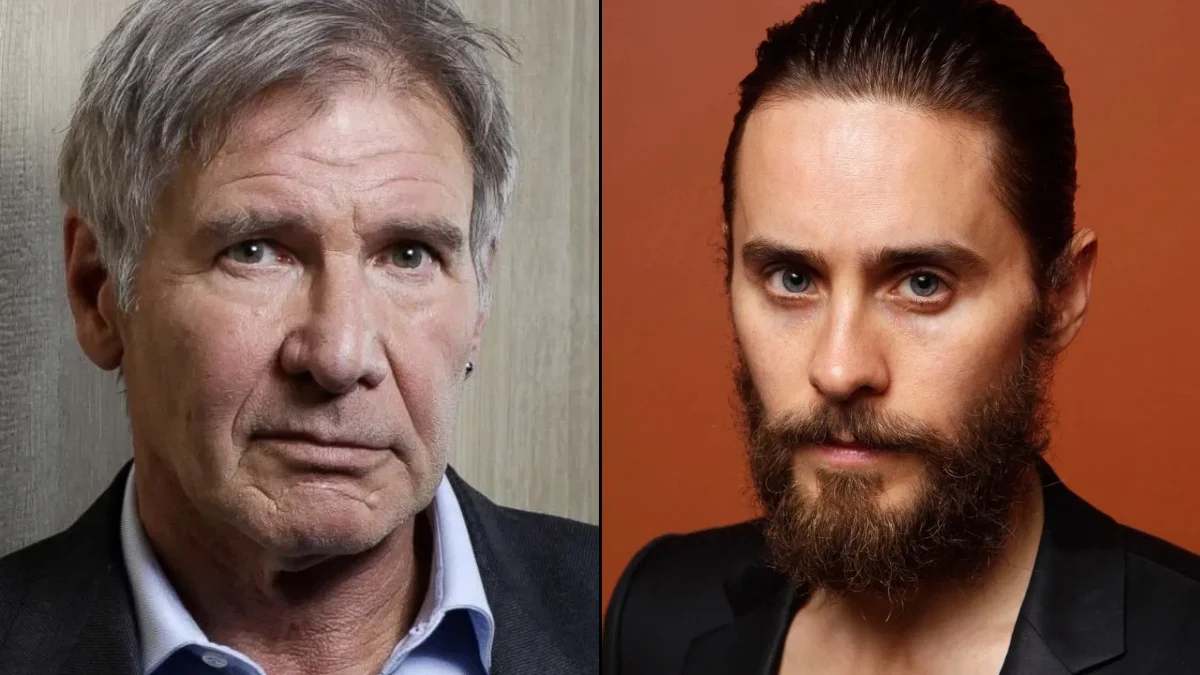
As a movie fan, it’s always bummed me out to hear about the tension between what filmmakers want to create and what studios think will make money. It seems like directors and actors often have a real artistic vision, but the studios are constantly running things through focus groups and market research to guarantee a big profit. A lot of really famous actors – from classic stars to today’s big names – have spoken out about how this ‘filmmaking by committee’ approach can really hurt a movie. They’ve said scripts get watered down, the story takes a backseat to selling toys, and even characters get changed just to appeal to certain demographics. It’s frustrating to hear them say their creative work gets compromised just to ‘play it safe’.
Harrison Ford
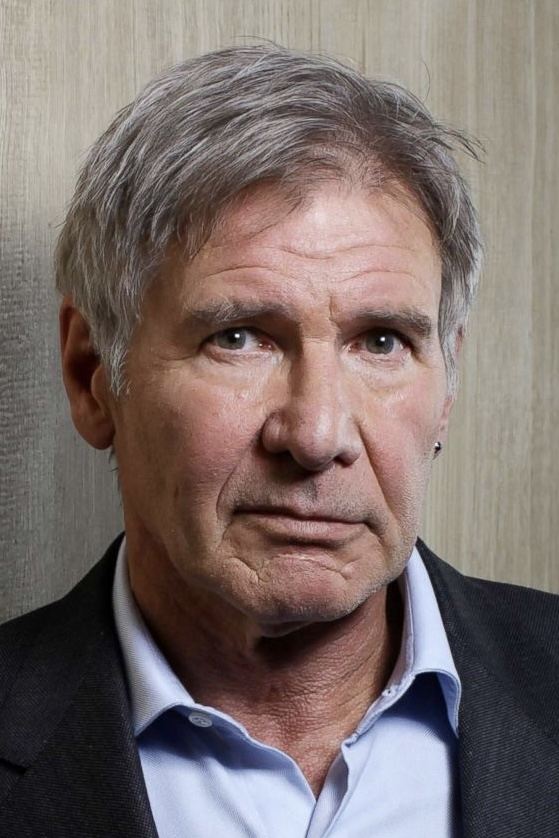
Harrison Ford explained in interviews that the studio made him record extra dialogue and added a cheerful ending to ‘Blade Runner’ because early viewers didn’t understand the initial version. He felt these changes were condescending and ruined the film’s dark, moody style. Ford believed the studio prioritized what would appeal to a wider audience over the director’s original intent, and this experience made him wary of studio interference in his future projects. He often spoke about this conflict between creative vision and commercial pressures later in his career.
Edward Norton
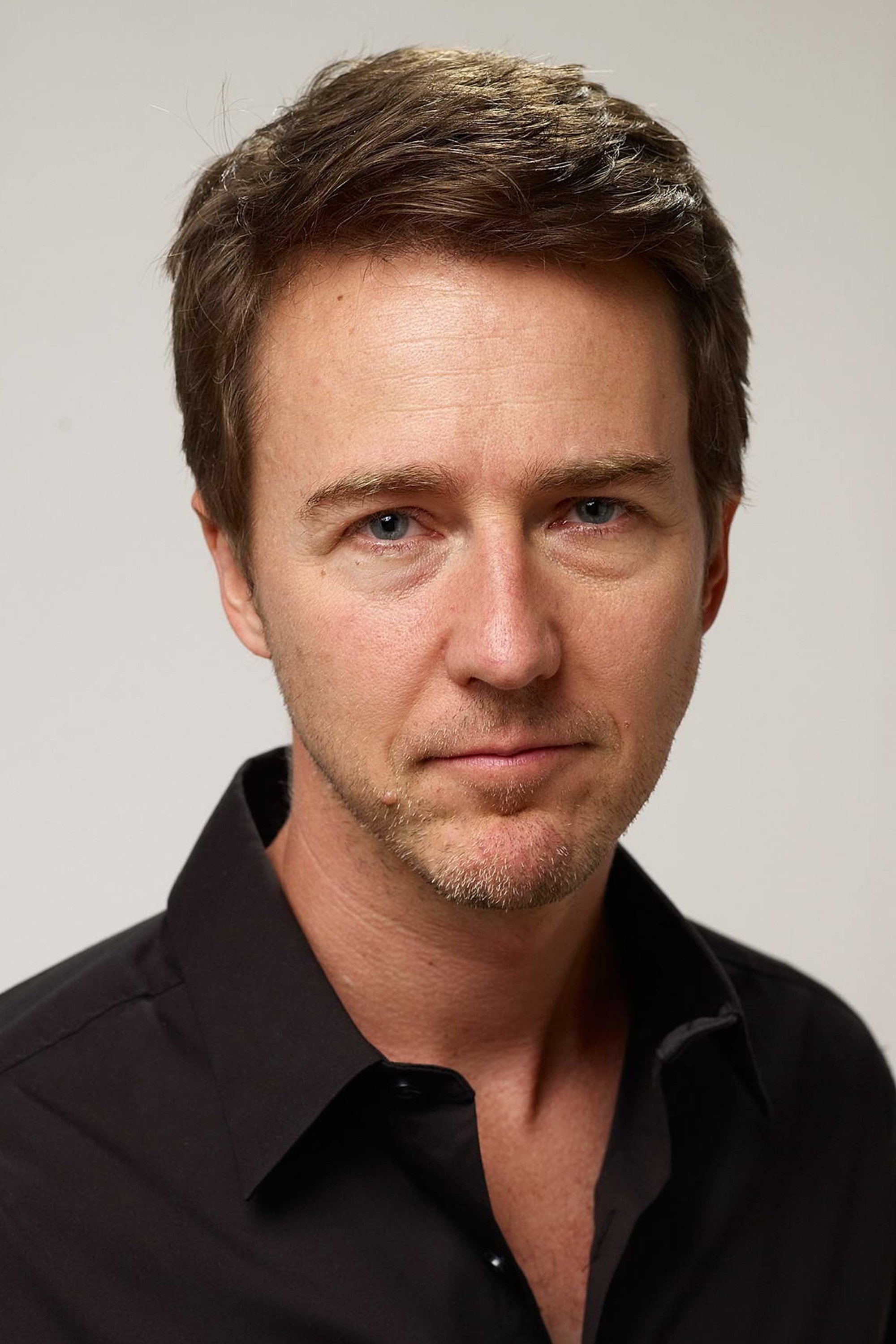
Edward Norton and Marvel Studios disagreed during the editing of ‘The Incredible Hulk.’ Norton wanted a longer movie focused on Bruce Banner’s inner turmoil, but the studio preferred a faster-paced, action-packed version to attract a wider audience. This disagreement became public and ultimately led to him being replaced in future Marvel films. Since then, Norton has often discussed the need to defend a director’s creative choices and protect the original script from unwanted changes by studio executives.
John Boyega

After the ‘Star Wars’ sequel trilogy ended, John Boyega openly discussed Disney’s approach to diversity in the films. He felt the studio focused more on marketing than on developing meaningful stories for its characters of color, often giving them less important roles to appeal to a wider audience. Boyega explained that this approach weakens the story and can be damaging to the actors involved. His statements led to a wider discussion within the entertainment industry about how studios handle diversity in large franchises, and showed his dedication to honest storytelling, even when it clashed with studio priorities.
Jared Leto
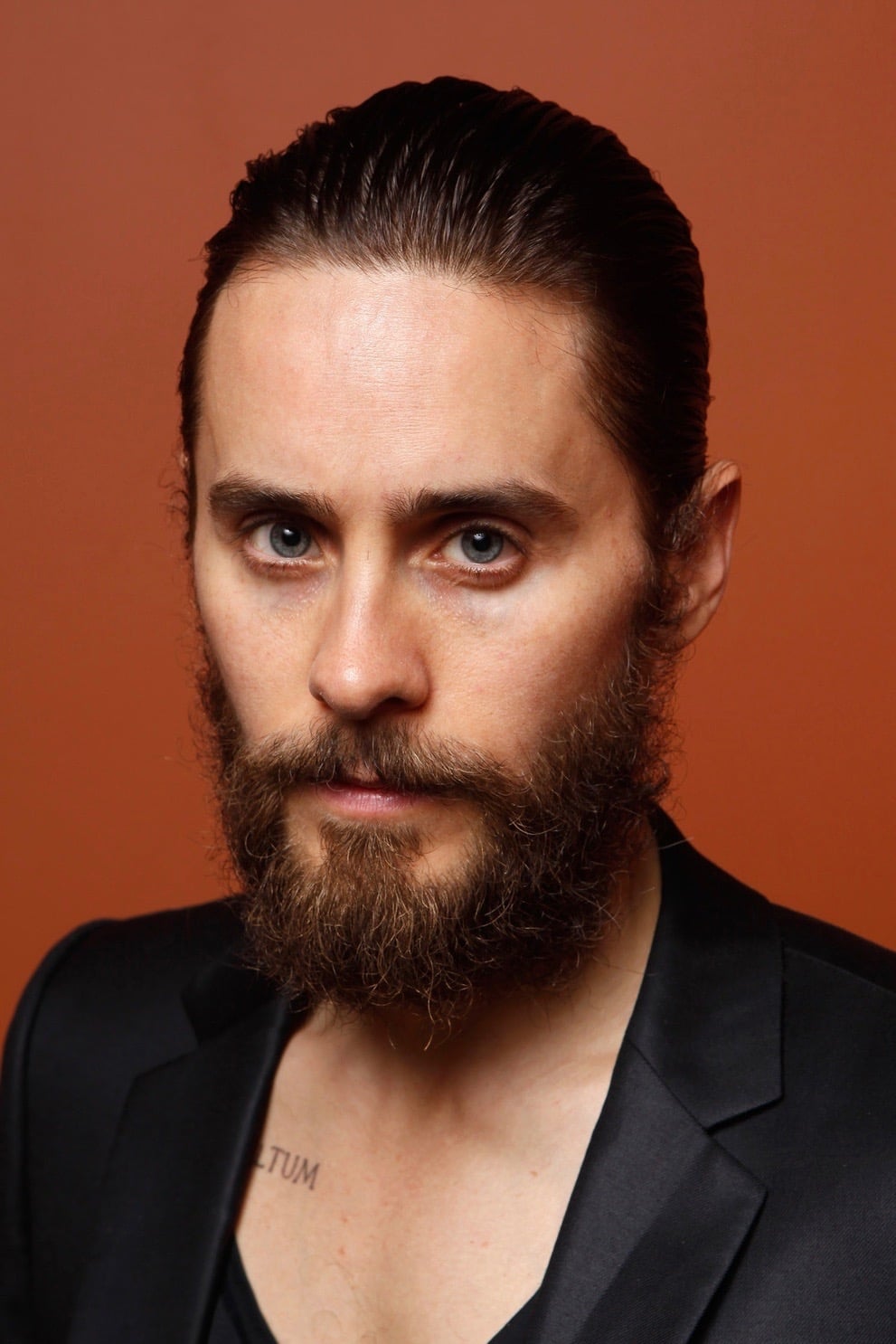
Following the release of ‘Suicide Squad’, Jared Leto was surprised and upset by how much of his performance ended up on the cutting room floor. The studio had decided to make the film more upbeat and fast-moving after receiving negative reactions to other movies and from test audiences. Leto believed this meant the darker, more unusual parts of his Joker character were removed to make the film more mainstream. He later said there was enough unused footage of his character to create a separate movie. He’s still disappointed that the more nuanced and complex elements of his performance were cut in favor of a quicker, simpler edit.
Viggo Mortensen
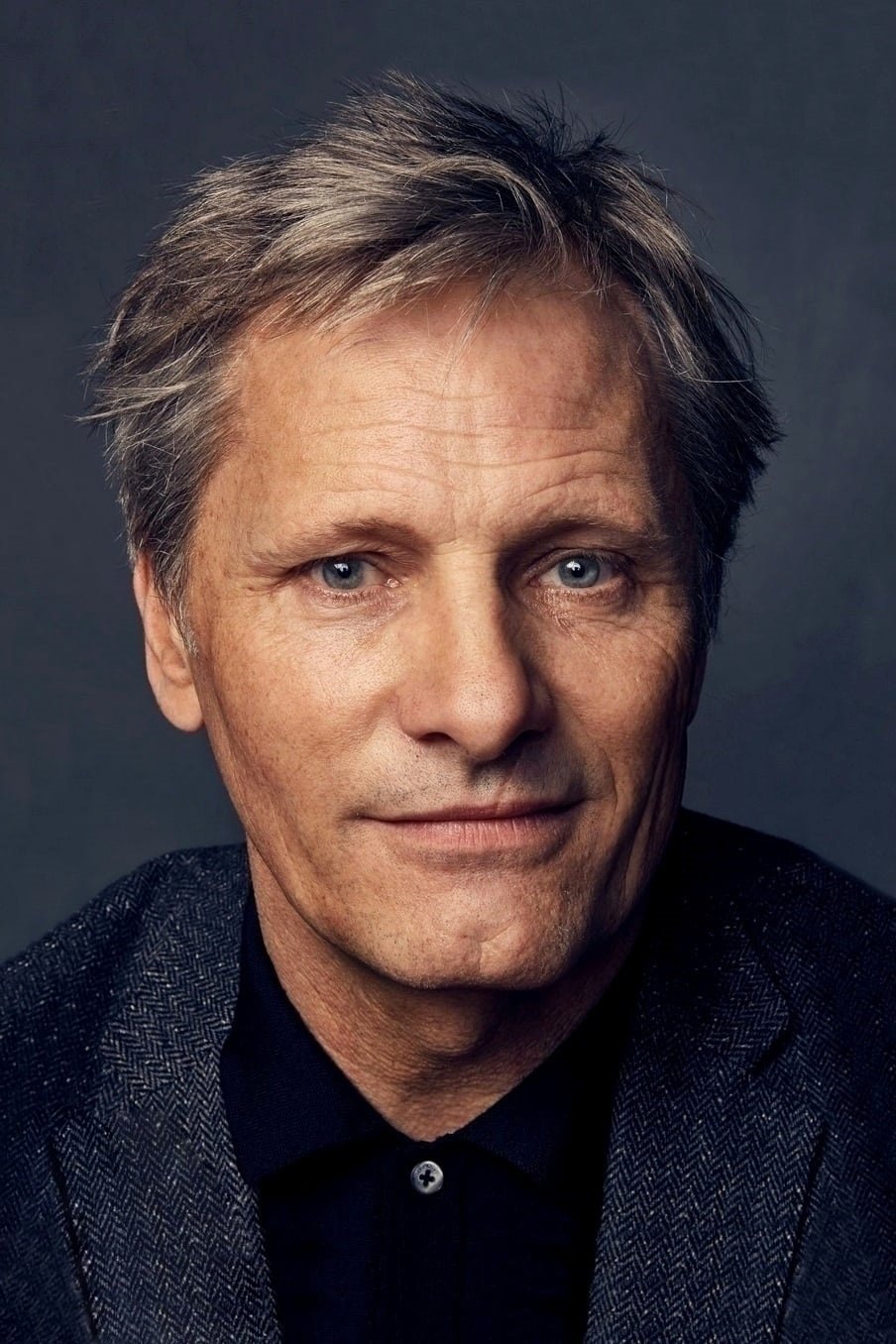
The actor believes the ‘Lord of the Rings’ films changed over time, shifting from stories centered on characters to large-scale, visually-driven spectacles. He explained that as the films became more popular, the studio prioritized special effects and epic battles, believing audiences wanted more grandeur. He feels the intimate and realistic qualities of the first film, ‘The Fellowship of the Ring,’ were lost as the budget increased. He generally prefers smaller, creatively-driven films to those made based on market trends, and hopes to see filmmakers again trust audiences to appreciate stories that take their time and require thought.
Ryan Reynolds
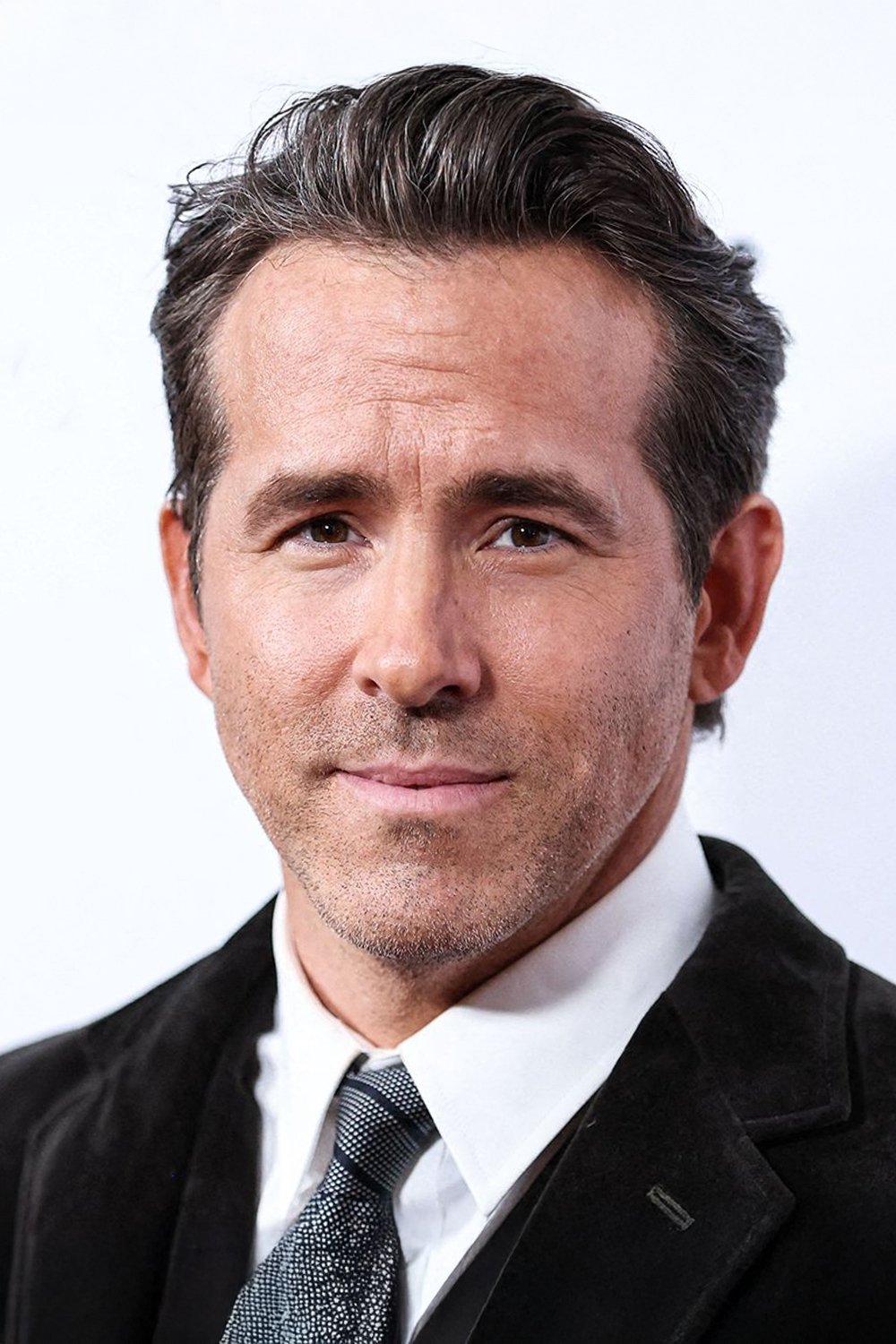
Before ‘Deadpool’ became a hit, Ryan Reynolds worked for over ten years to get the movie made his way, without studio meddling. He often explained that studios were afraid of an R-rating and wanted to make the character more family-friendly. It wasn’t until leaked test footage showed strong public interest that the studio agreed to let the film stay true to its original, edgier concept. Since then, Reynolds has spoken out against the cautious strategies often used by big movie studios. The film’s success proved he was right to fight for his original vision.
Brad Pitt
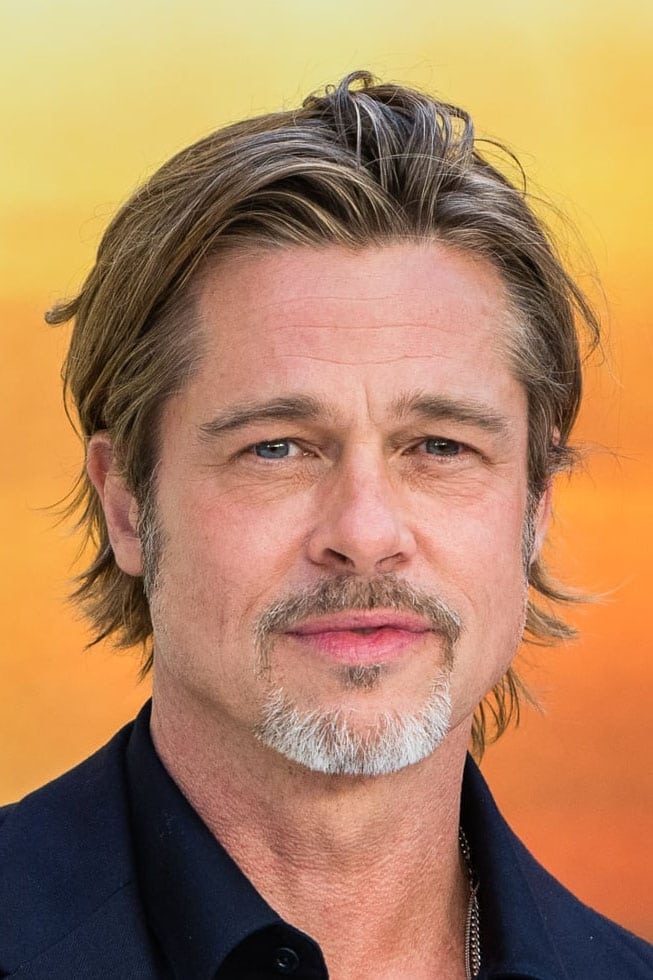
While promoting ‘Troy’, Brad Pitt shared his disappointment with how the movie evolved into a typical Hollywood blockbuster. He believed the filmmakers focused too much on big visuals and famous actors, losing the depth of the original story. Pitt explained that the studio seemed to want the film to appeal to everyone, which ultimately made the story less engaging. This experience led him to focus on producing and starring in more unique and independent films through his Plan B production company. He believes trying to please every audience member often results in a film that doesn’t truly satisfy anyone.
George Clooney
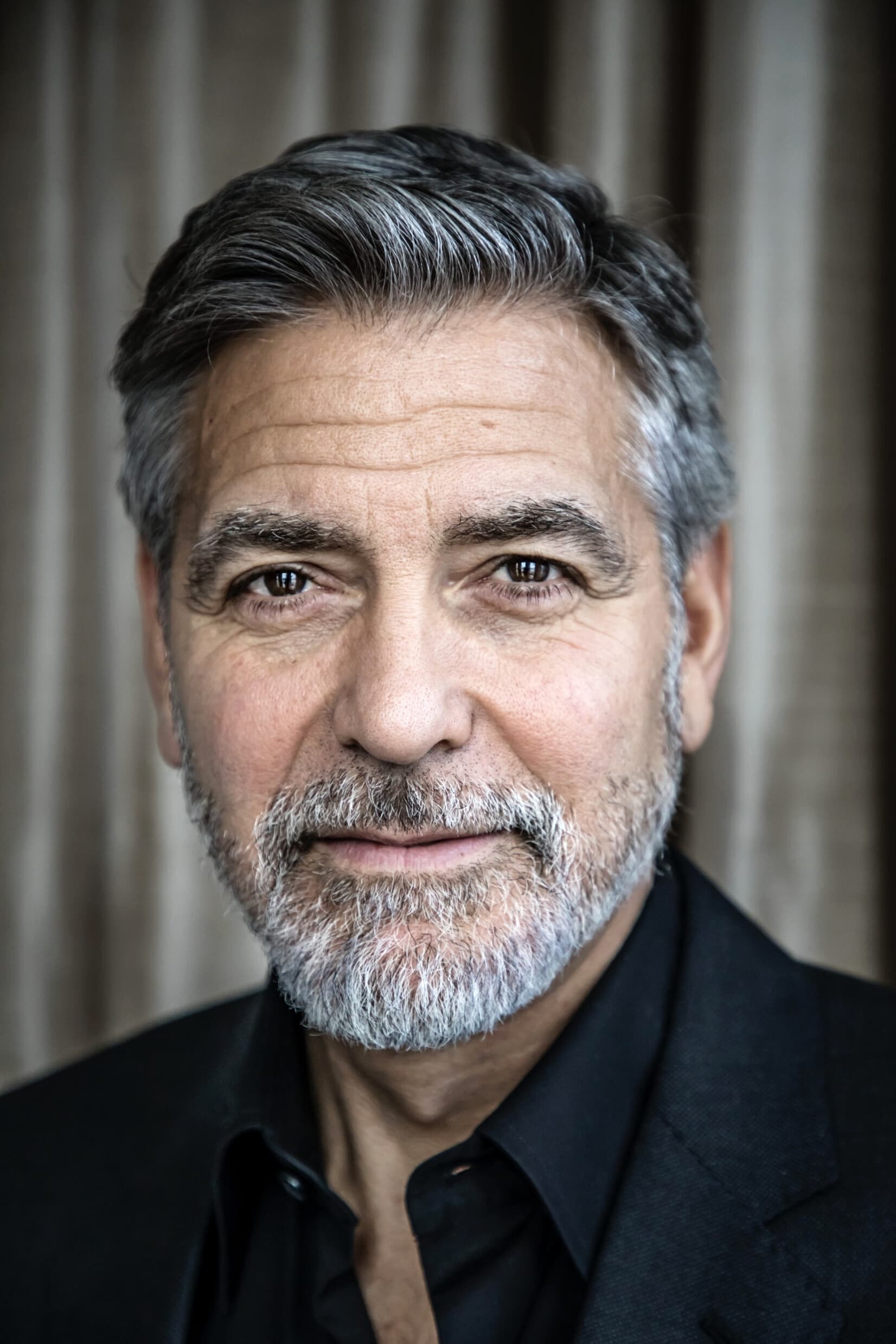
George Clooney often jokes about how ‘Batman & Robin’ seemed more interested in selling toys than telling a good story, describing it as a two-hour advertisement for action figures. He’s also been critical of ‘Solaris,’ saying studio executives prioritized pace and tone over the film’s artistic vision. Clooney champions films that are creatively daring, preferring them to projects developed by committees. This experience of prioritizing profits over strong characters led him to focus on more independent and thought-provoking films in the future.
Simon Pegg
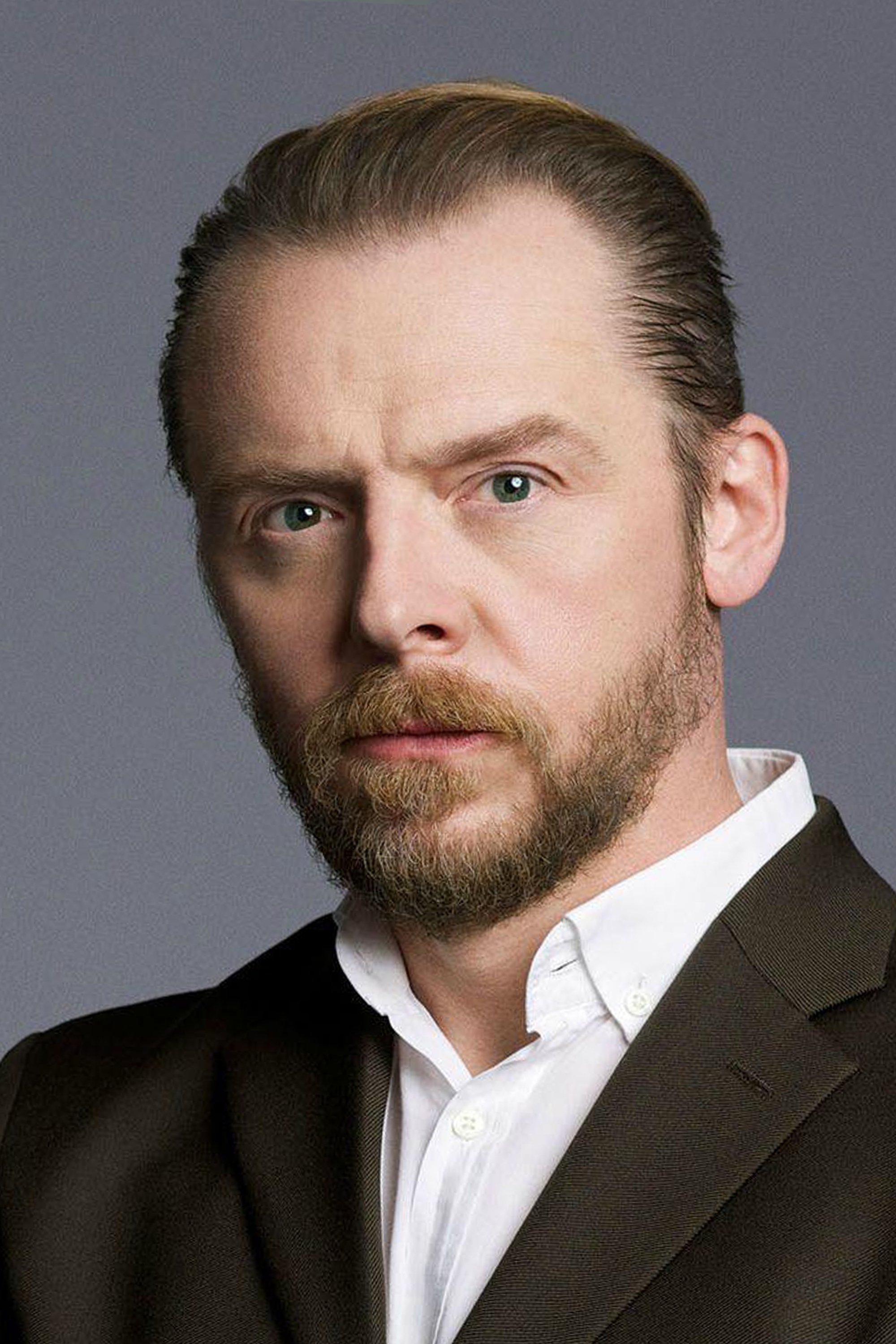
Simon Pegg has expressed his disappointment with how films like ‘Star Trek Beyond’ were advertised, noting they were presented mainly as action-packed blockbusters. He feels the studio aimed for fans of the ‘Fast & Furious’ series instead of staying true to what makes ‘Star Trek’ special. Pegg believes marketing based solely on focus group feedback can misrepresent a film, potentially turning off longtime fans and failing to attract new ones with something genuinely different. He argues for more authentic marketing that highlights a film’s unique qualities and respects its genre.
Joaquin Phoenix
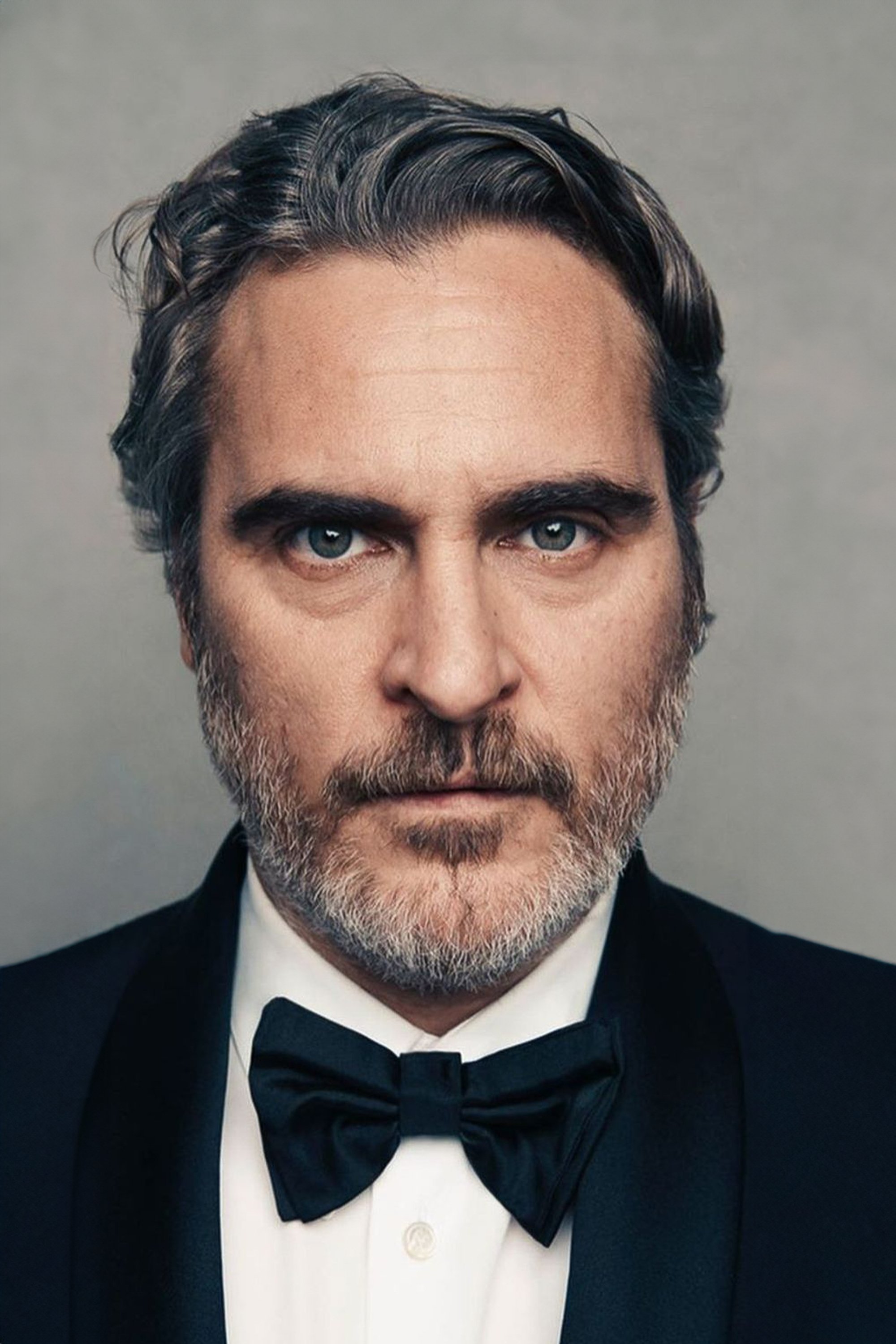
Joaquin Phoenix is known for carefully choosing his roles and has often spoken out against how movies are made for profit. He dislikes how studios often simplify characters to appeal to wider audiences, and he’s turned down big franchise opportunities when he felt his creative control would be limited. He only agreed to do ‘Joker’ if he could maintain its dark and realistic tone, avoiding typical superhero movie clichés. Throughout his career, he’s consistently avoided studio-led test screenings, prioritizing his artistic vision.
Christian Bale
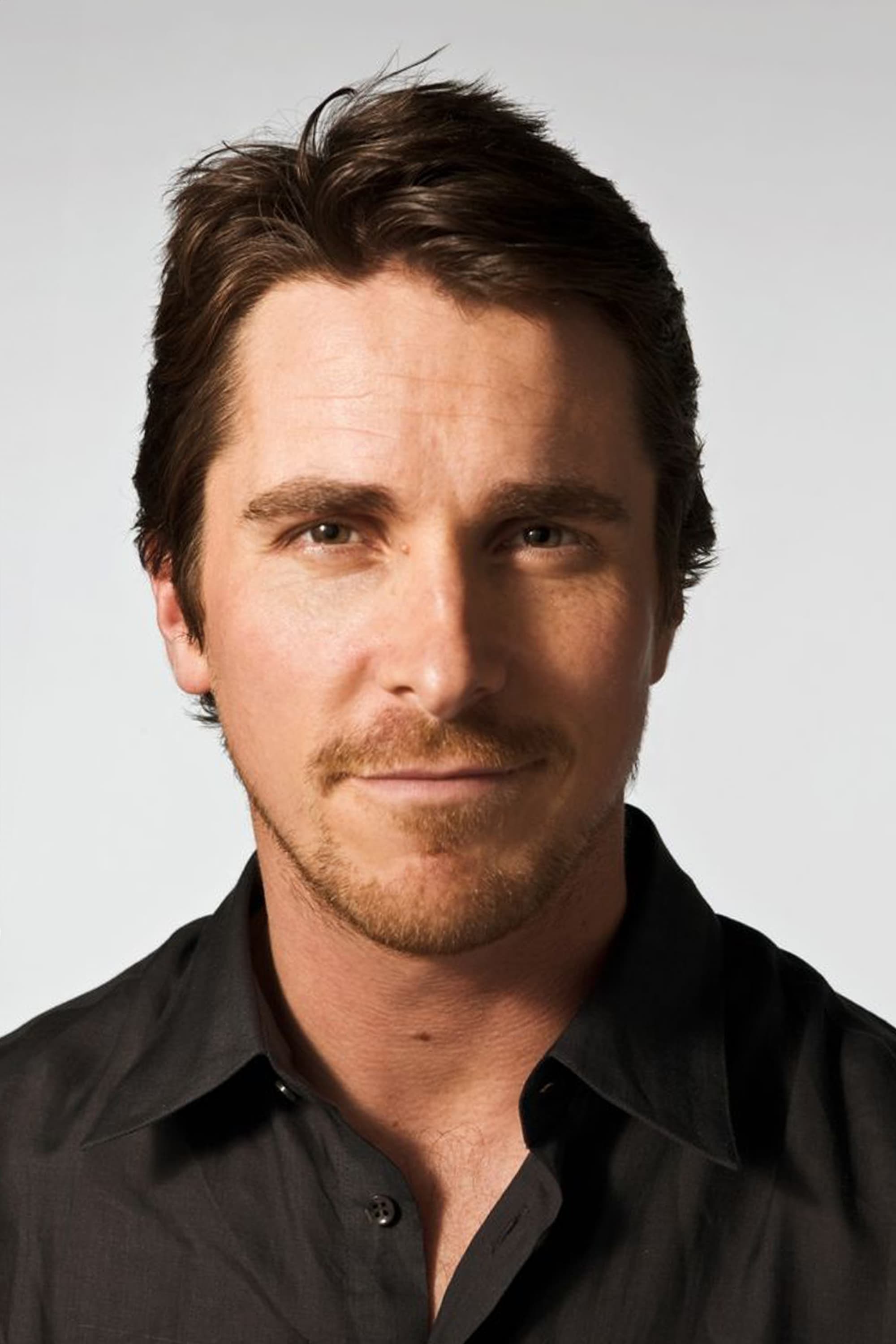
Christian Bale wasn’t happy with how ‘Terminator Salvation’ turned out, feeling the finished film didn’t live up to the initial vision. He explained that the story was changed to achieve a PG-13 rating and attract a broader audience, which he believed compromised the dark and intense tone of the series. Bale consistently prefers working with directors who have a clear, independent vision, rather than those heavily influenced by studio demands. He’s known for being critical of movies that focus more on continuing a franchise than on creating a quality artistic work, and this has sometimes caused conflict on large, mainstream productions that prioritize popular appeal over substance.
Robert Pattinson

After his experience with the ‘Twilight’ films, Pattinson has been very vocal about his dissatisfaction with how the movies were aimed at teenagers. He often playfully criticized the studio’s attempts to make his character more traditionally handsome and less unconventional. Since then, he’s used his career freedom to choose roles that intentionally go against typical studio expectations. Pattinson has repeatedly said he prefers films that are unusual and surprising over those designed to appeal to everyone. This shows a clear shift in his career towards independent, creatively challenging projects.
Dustin Hoffman
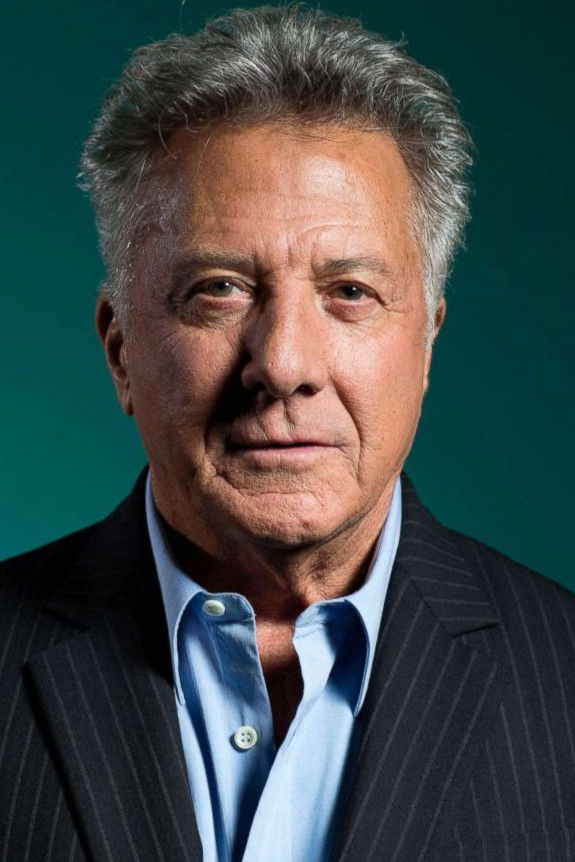
Dustin Hoffman has expressed sadness about the state of modern filmmaking, believing that movies are now more about pleasing corporations and data than artistic vision. He argues that Hollywood’s heavy reliance on test audiences and market research is killing creativity. He feels films like his classic, ‘The Graduate,’ wouldn’t get made today because they don’t easily fit into a predictable financial formula. Hoffman champions a return to storytelling that focuses on genuine human experiences, rather than simply trying to appeal to focus groups. He’s concerned that thoughtful, character-driven stories are being replaced by quick, easily marketable content.
Gary Oldman

The actor was upset with how the studio re-edited his film, ‘Tiptoes,’ changing it drastically from the serious drama the filmmakers intended. The studio wanted to appeal to a wider audience with a lighthearted romantic comedy, which he felt compromised the film’s artistic integrity. He’s long been critical of studio executives who prioritize commercial appeal over artistic vision, and this experience strengthened his preference for working with directors who have full creative control. He believes excessive studio involvement can stifle the creativity of everyone involved in a film.
Matt Damon
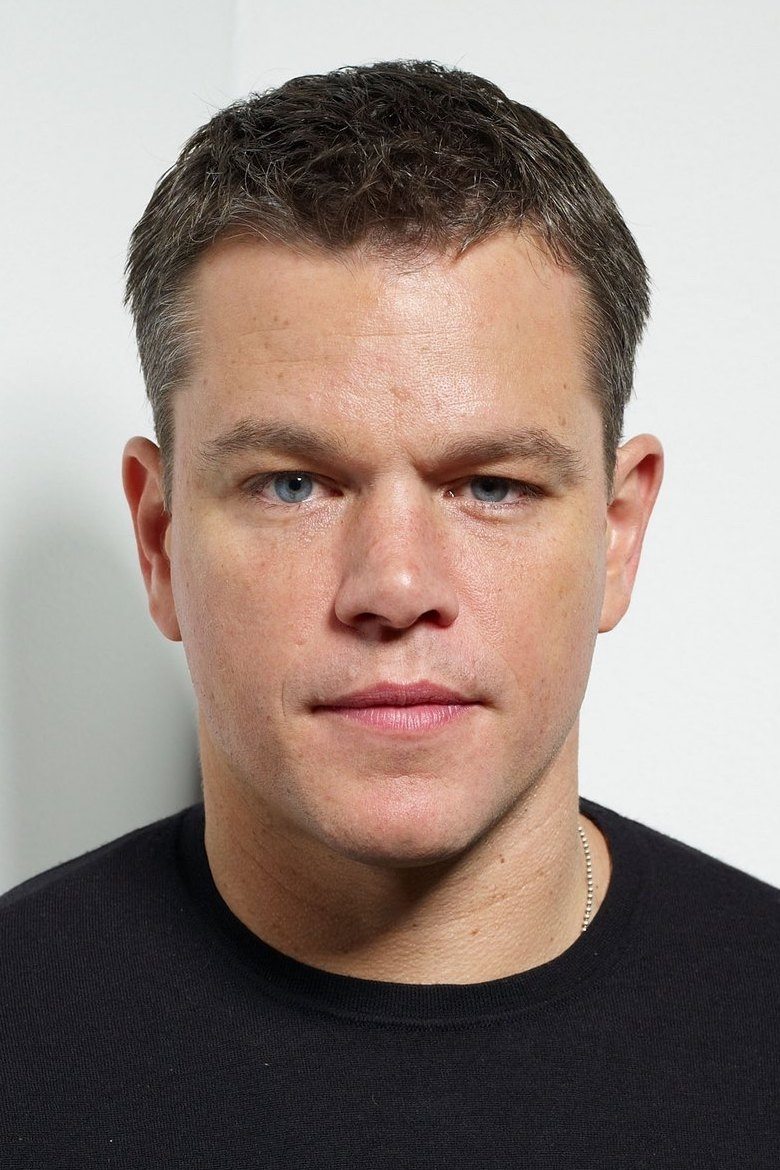
Damon recently discussed the decline of mid-budget films, explaining that studios now primarily prioritize a movie’s potential for international success and what test audiences think. He believes this leads to more predictable and less innovative scripts, as studios avoid anything complex that might not appeal to everyone worldwide. Damon recalled how ‘The Bourne Identity’ was initially considered risky because it didn’t fit the standard action movie mold, and he continues to disapprove of the formulaic approach to making franchises today. He feels this environment makes it harder for truly original and challenging stories to reach a wide audience.
Share which actor you think made the most valid point about studio interference in the comments.
Read More
- Gold Rate Forecast
- Games That Faced Bans in Countries Over Political Themes
- Silver Rate Forecast
- 22 Films Where the White Protagonist Is Canonically the Sidekick to a Black Lead
- Unveiling the Schwab U.S. Dividend Equity ETF: A Portent of Financial Growth
- How to Do Sculptor Without a Future in KCD2 – Get 3 Sculptor’s Things
- Celebs Who Narrowly Escaped The 9/11 Attacks
- 14 Movies Where the Black Character Refuses to Save the White Protagonist
- 20 Movies Where the Black Villain Was Secretly the Most Popular Character
- The Best Directors of 2025
2026-03-23 07:53