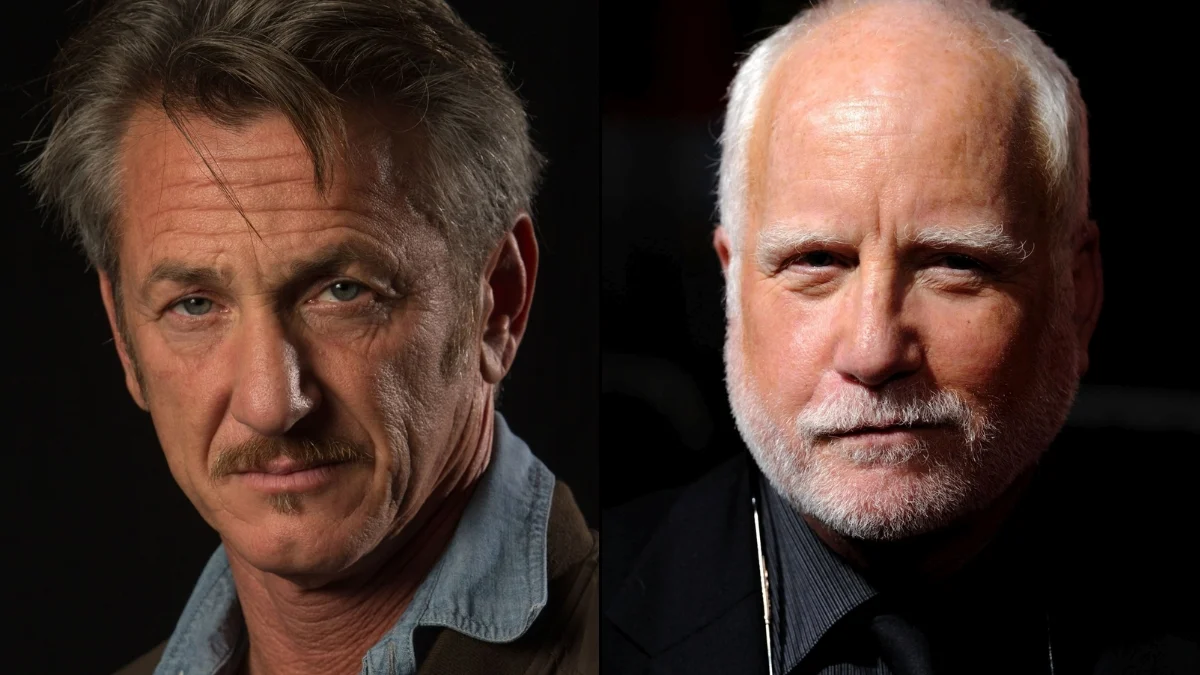
Hollywood has changed a lot lately, with award shows and social media now often used to promote political and social causes. While many celebrities support this trend, a growing number of prominent male actors have spoken out against it, suggesting it feels insincere or contradictory. They believe the industry’s emphasis on being politically correct and appearing virtuous can take away from good storytelling and turn off audiences. Both established and newer actors have expressed concern about feeling pressured to support certain beliefs in the entertainment industry.
Brian Cox
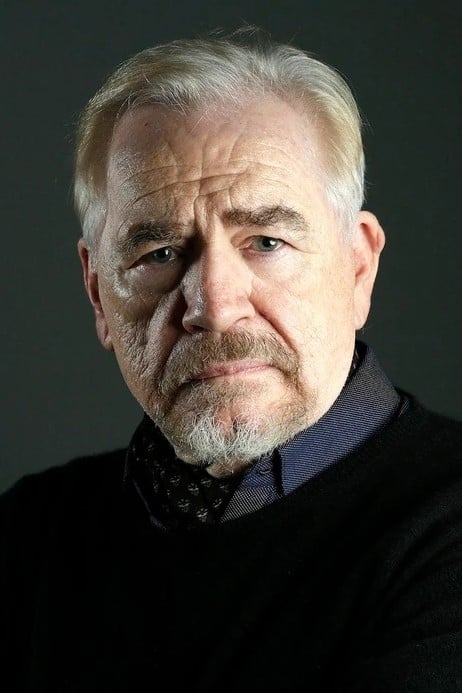
Brian Cox has often expressed his annoyance with current “woke” culture, describing it as a way of publicly shaming people. The actor, known for his role in ‘Succession,’ believes the movement often takes things too seriously and doesn’t recognize the nuances of human actions. He’s particularly critical of how celebrities are often pressured to make insincere apologies to appease online outrage. Cox argues this creates a fearful atmosphere in the entertainment world and discourages creativity.
Ricky Gervais
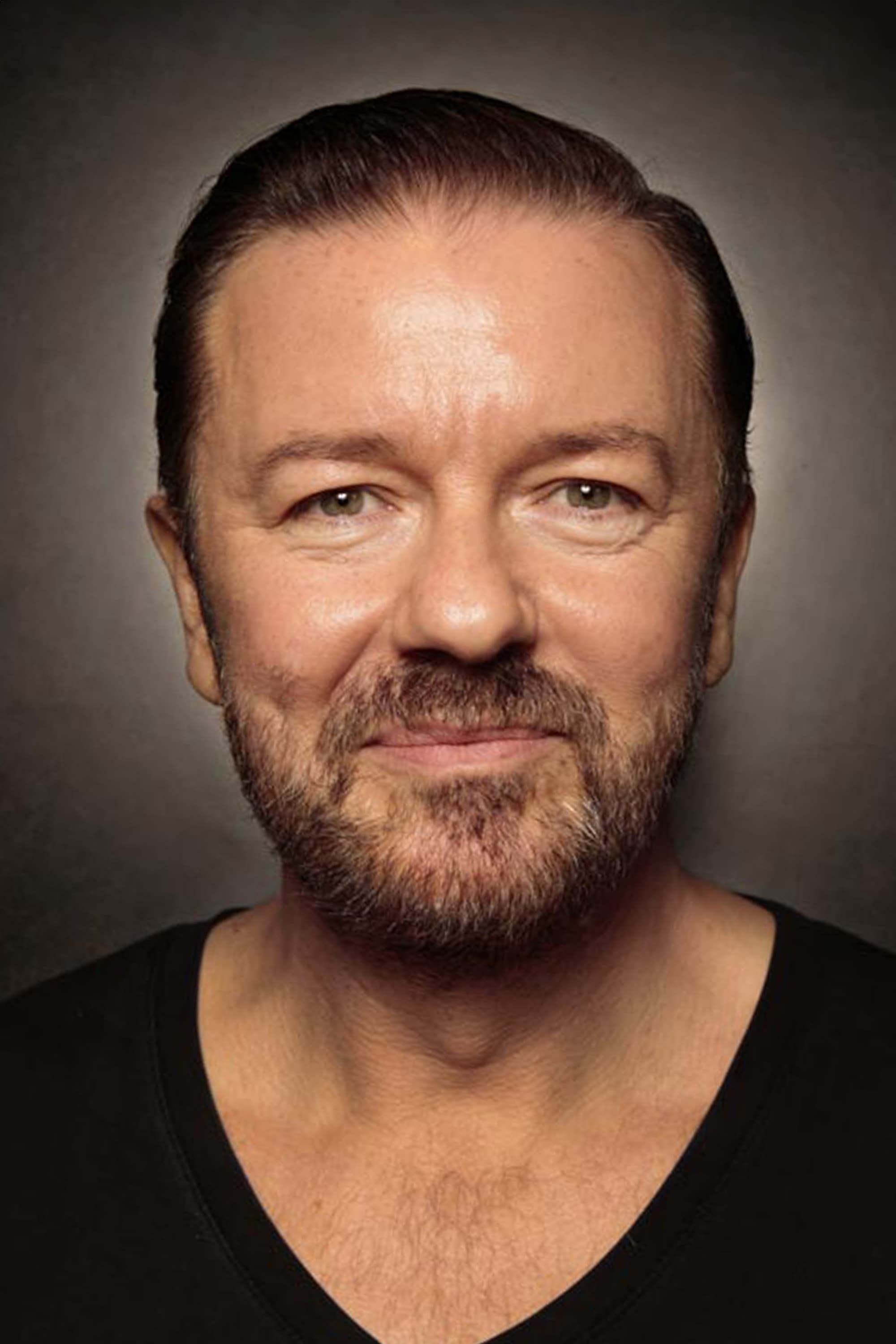
Ricky Gervais is well-known for criticizing what he sees as the insincerity of celebrity activism. While hosting the Golden Globes in 2020, he urged award winners to avoid using their acceptance speeches to preach politics, implying they’re out of touch with everyday life. He frequently mocks what he calls “virtue signaling” – the act of publicly displaying moral values – especially on social media, suggesting it allows wealthy individuals to appear righteous without actually making personal sacrifices. This theme of disconnect between the privileged lifestyles of Hollywood stars and the causes they support is also present in his show, ‘After Life’.
Idris Elba
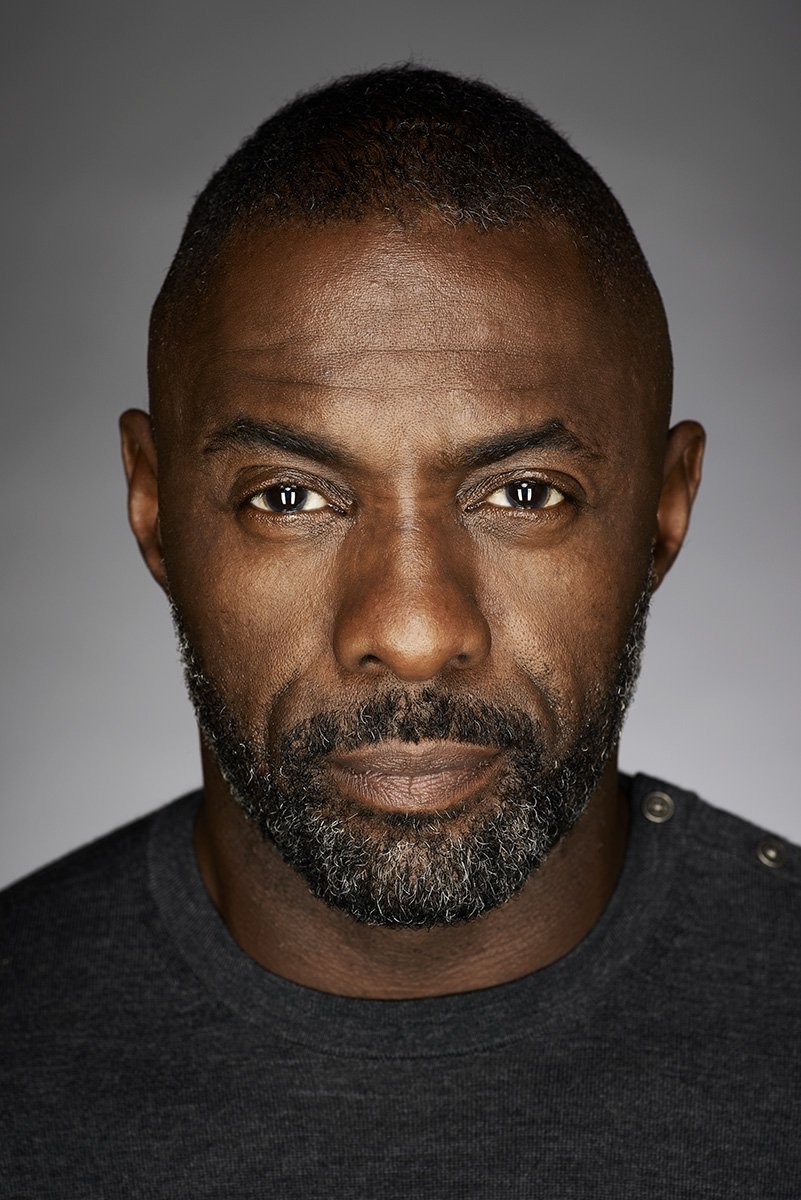
I was really interested to hear Idris Elba talk about how he’s stopped calling himself a ‘Black actor.’ He explained that he feels like that label puts him in a box and actually hinders creativity. It seems like he thinks Hollywood often focuses on race just for show, and it doesn’t really help with achieving true equality. He believes the industry should focus on who an actor is – their skills and the characters they play – instead of just their skin color. He feels that simply showing diverse representation, instead of constantly talking about it with labels, is the real way to make progress.
Richard Dreyfuss
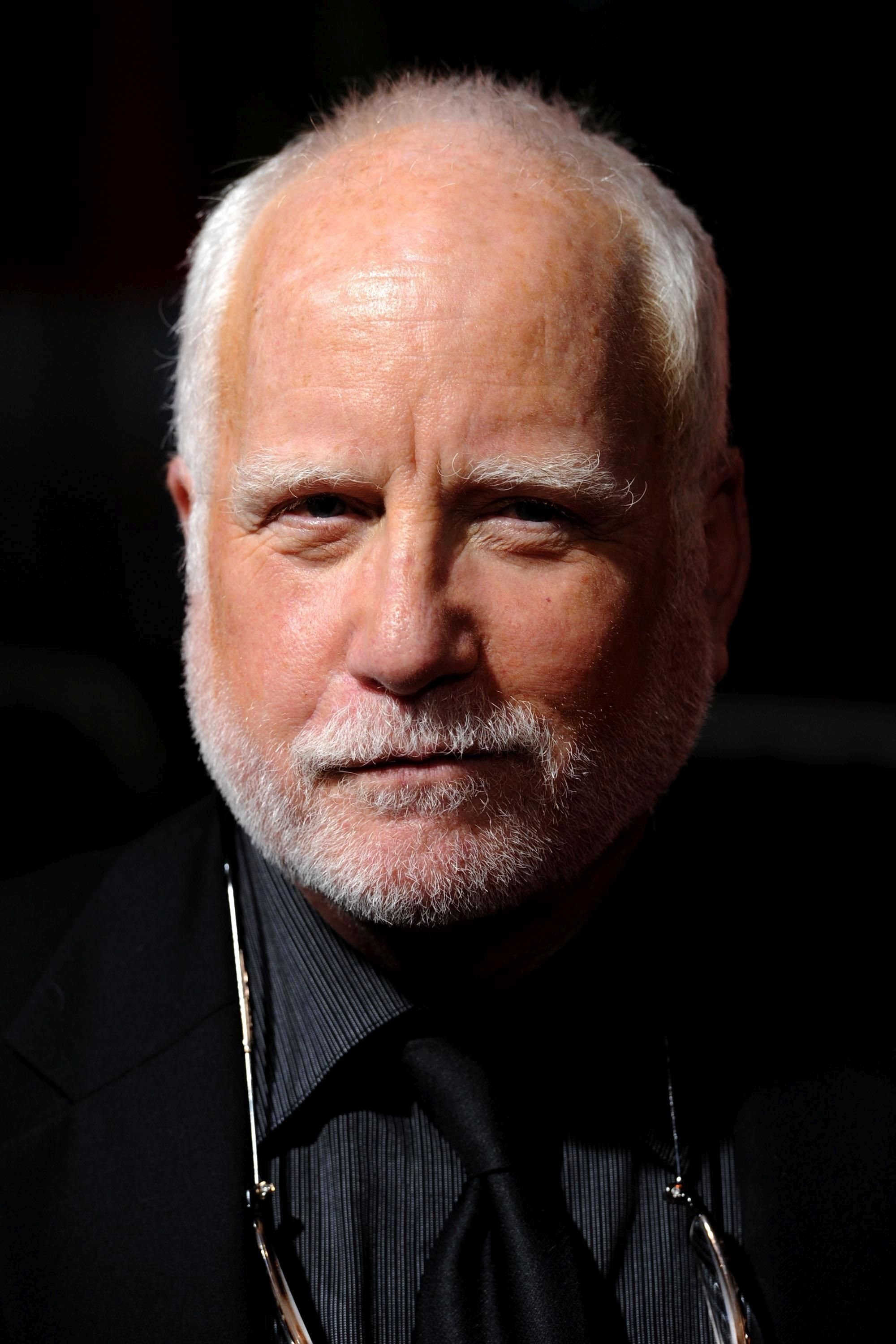
Richard Dreyfuss has strongly criticized the Academy’s new rules for diversity and inclusion. The actor, known for ‘Jaws,’ said the requirements make him feel sick, believing art shouldn’t be forced to meet specific moral standards. He argues these rules are superficial and disrespectful to both filmmakers and viewers, prioritizing how something looks rather than its artistic quality. Dreyfuss feels the heart of acting lies in authentically portraying different characters, and that actors shouldn’t be told who to play by the Academy.
Morgan Freeman
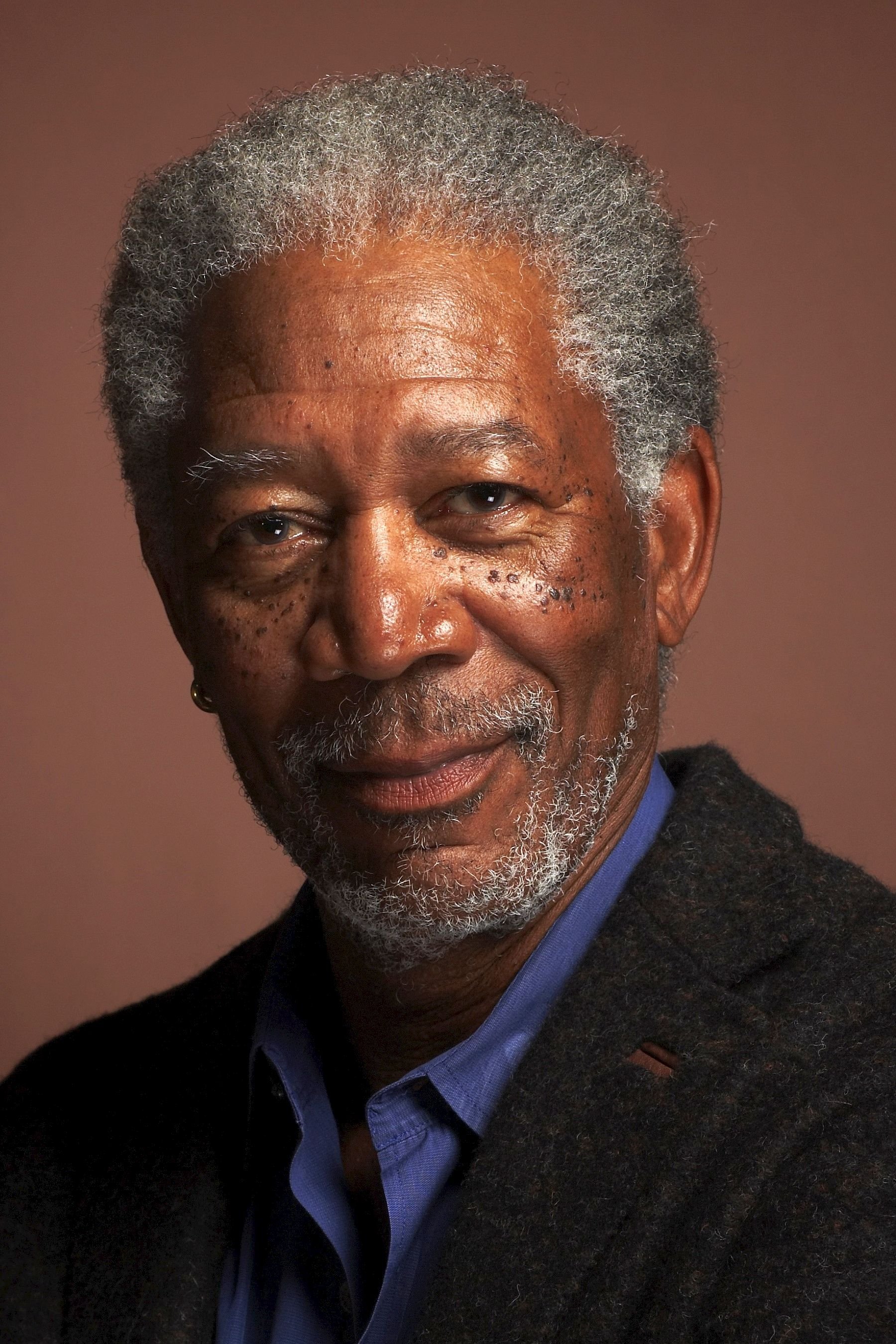
I’ve always been struck by Morgan Freeman’s perspective on race and Hollywood. He doesn’t seem to believe focusing so much on racial identity actually helps. He’s said things like Black History Month feels limiting, like it boxes our history into just one time of year. He thinks constantly talking about racism, especially in a way that highlights differences, actually keeps it going. From what I understand, he feels a lot of what Hollywood does now to appear inclusive is just surface-level and doesn’t really get at what truly matters – treating everyone as individuals and valuing what they bring to the table.
Rowan Atkinson
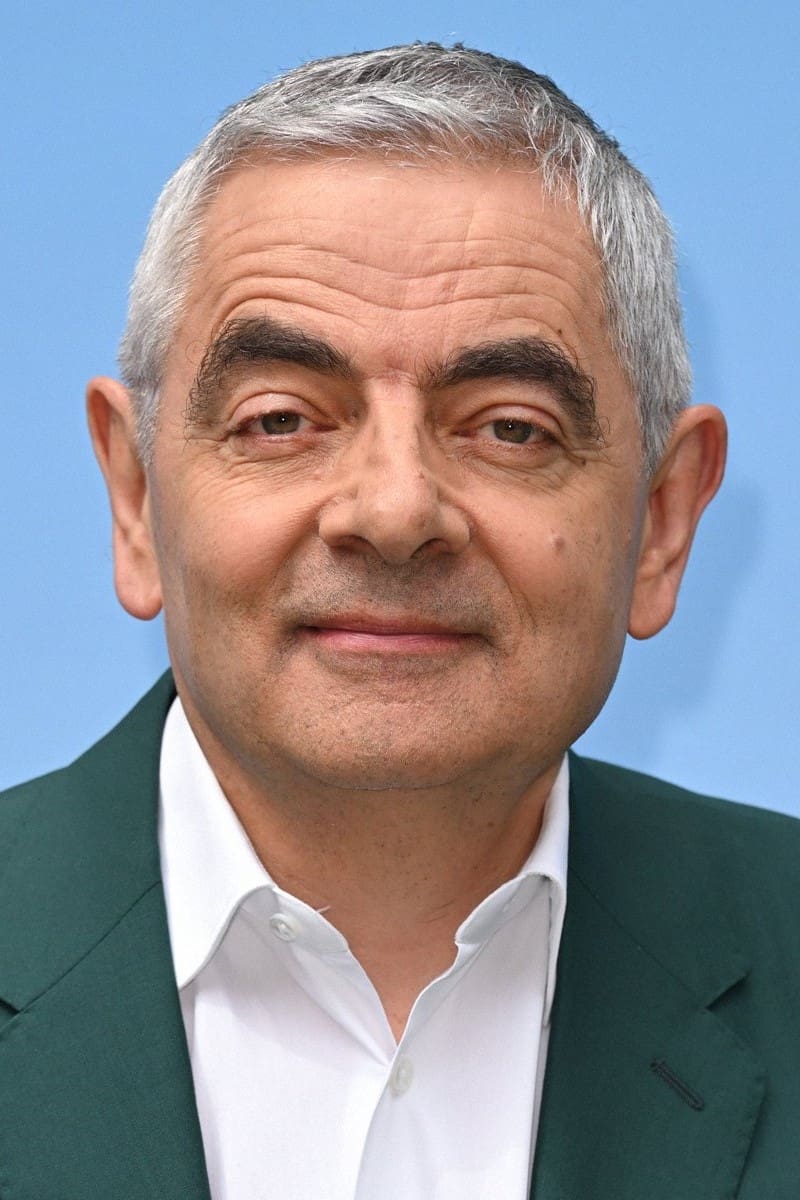
Rowan Atkinson, famous for playing Mr. Bean, has spoken out against “cancel culture,” comparing it to a modern-day version of angry mobs from the past. He believes that the current focus on policing what people say, especially in Hollywood, is a threat to free speech and the ability to be funny, as comedy often relies on being provocative. Atkinson argues that people are too quick to get offended instead of considering context or meaning, and he’s a strong supporter of protecting artistic freedom from censorship driven by good intentions.
John Cleese

John Cleese has often spoken out against what he calls “woke” activism, especially its effect on classic comedy. The co-founder of ‘Monty Python’ believes that removing older shows from streaming services simply to avoid offending modern audiences is misguided. He thinks this is done more to seem virtuous than to thoughtfully consider the historical or satirical intent behind the material. Cleese is even making a documentary series to examine how political correctness influences art and current conversations.
Anthony Hopkins
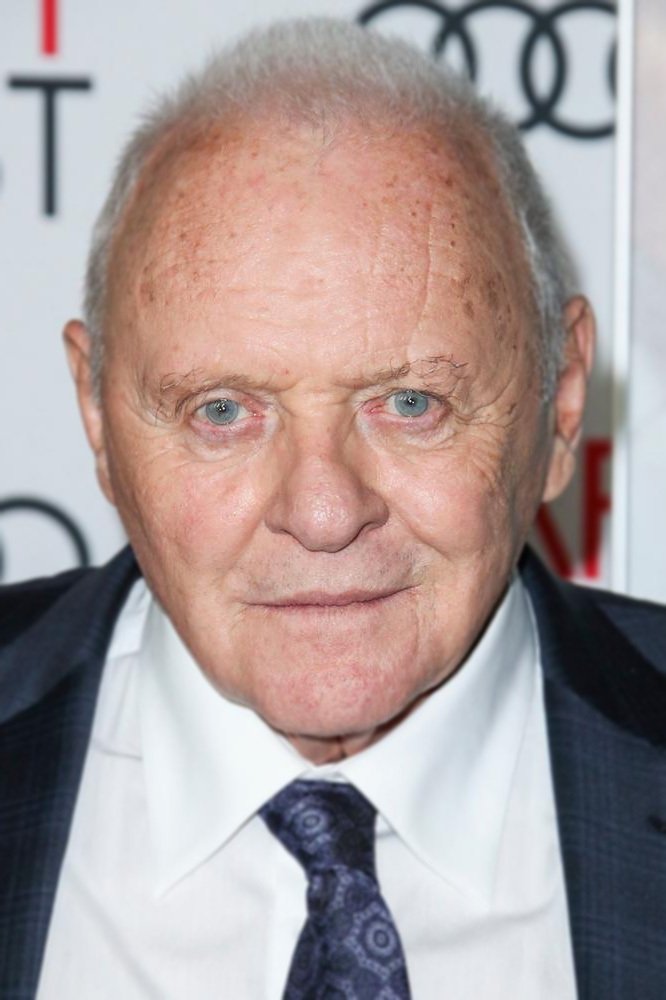
Anthony Hopkins has repeatedly said he thinks actors aren’t well-suited to give political opinions. He dislikes the practice of celebrities using awards shows to make political statements, believing it turns off regular viewers. Hopkins prefers to focus on entertaining and avoids speaking out on social issues, feeling it’s not his place to preach. He believes that those in Hollywood sometimes lose touch with how people outside the industry actually live and think.
Matthew McConaughey
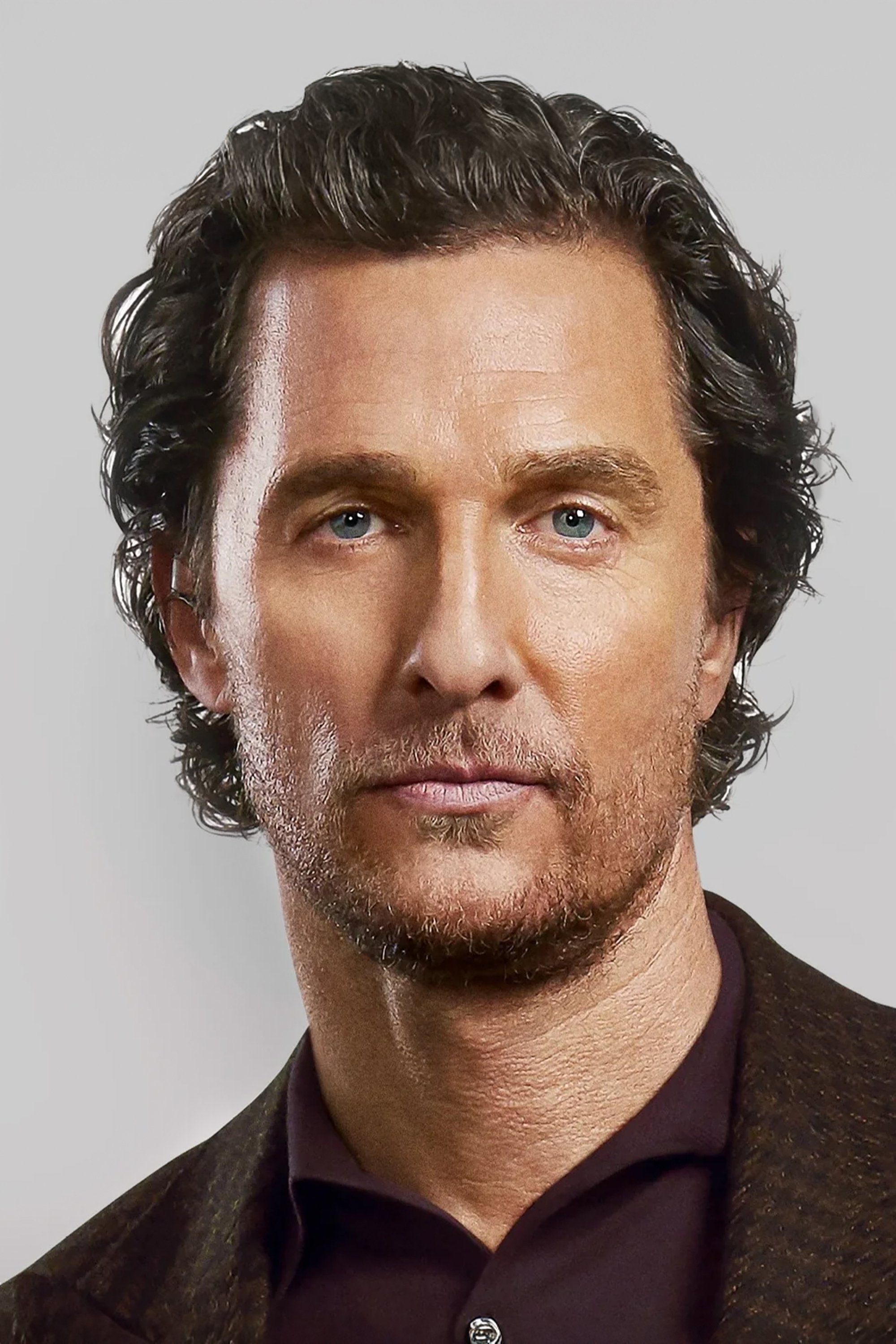
Matthew McConaughey has spoken out about what he sees as a problem with the left in Hollywood – what he calls a tendency to be judgmental and show off their beliefs rather than truly working for change. He’s observed that some people in the industry dismiss those with different viewpoints, creating a feeling of superiority. The actor, known for films like ‘Interstellar,’ has suggested a return to more moderate, practical thinking, arguing that genuine progress comes from real action, not just online posturing and public shaming.
Sean Penn
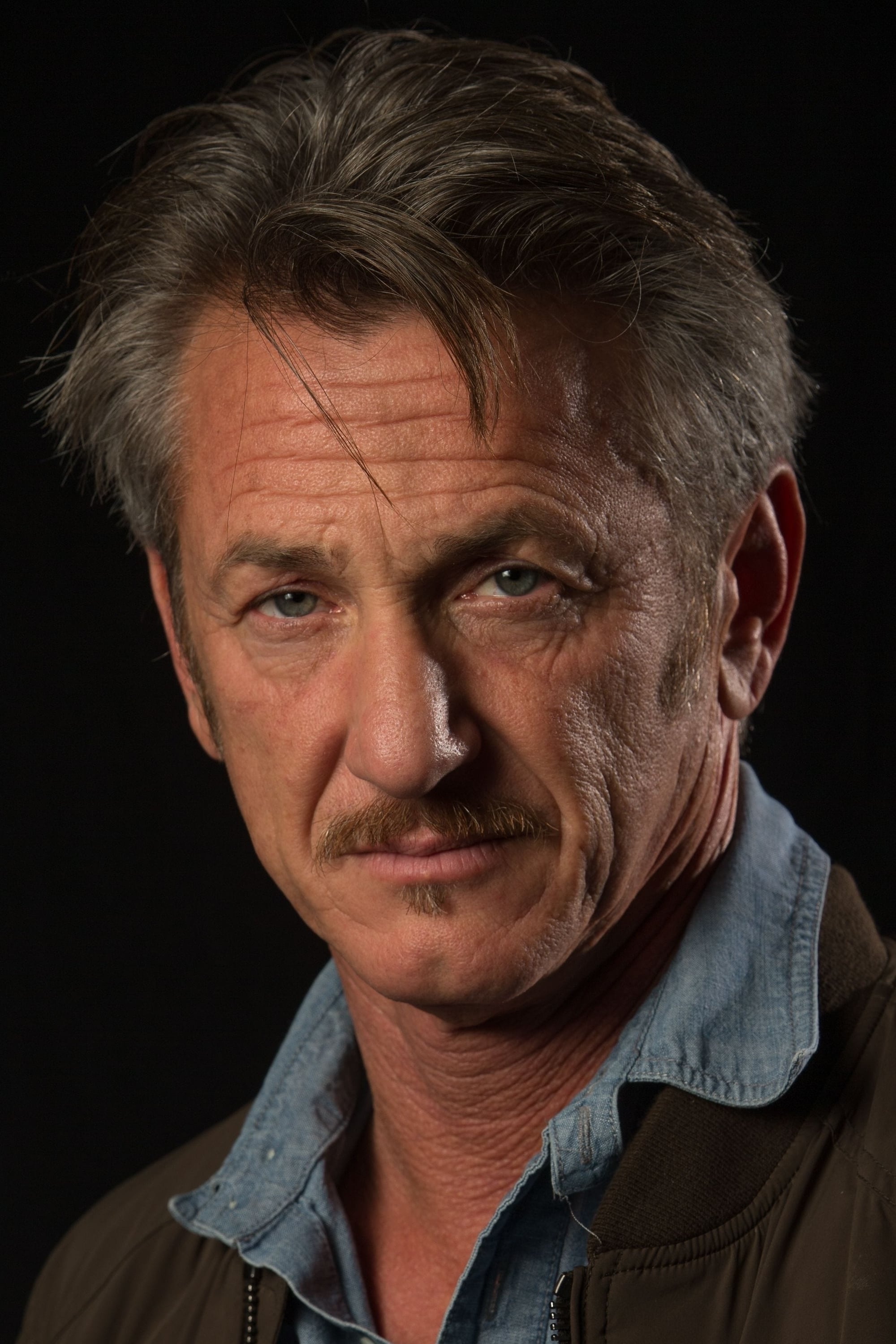
Sean Penn believes the current focus on being “woke” is actually a kind of moral weakness. He argues that in Hollywood, people often quickly criticize others to protect their own careers. Penn worries this creates a climate where complex stories are avoided and actors feel pressured to conform to a certain viewpoint to keep working. He feels this emphasis on being “correct” harms the raw honesty and depth that make art truly great.
Laurence Fox
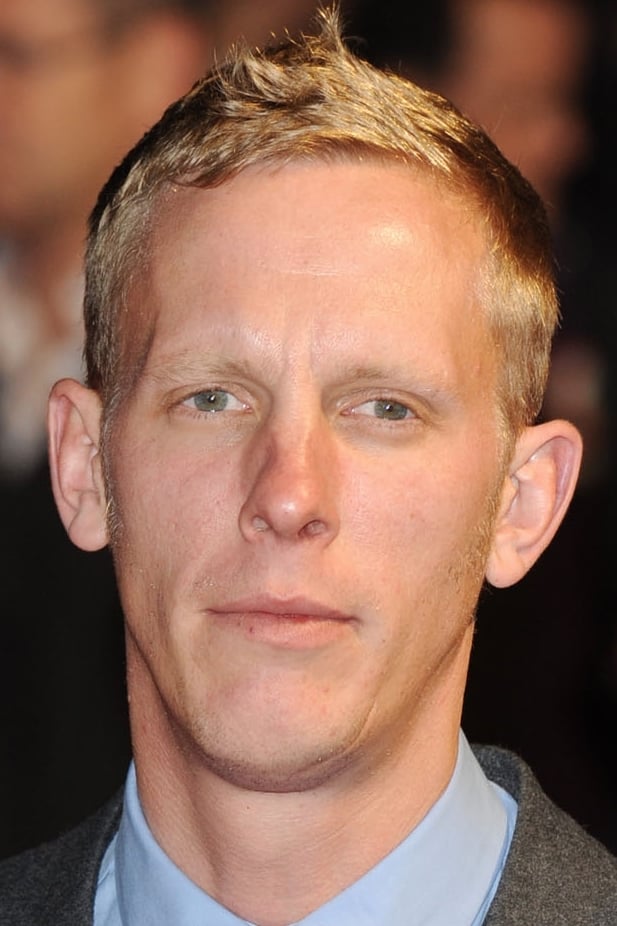
Laurence Fox gained attention for criticizing what he sees as superficial activism in Hollywood. After questioning the idea of ‘performative identity politics’ on a TV debate, the actor – known for his role in ‘Lewis’ – argued that the entertainment industry often prioritizes appearing progressive over genuine change, and this can stifle different viewpoints. He’s openly expressed his dislike of scripts he considers overly focused on current social issues and the pressure on actors to align with progressive ideas, even if they disagree. Ultimately, Fox believes art should be separate from political messaging.
Robert Davi
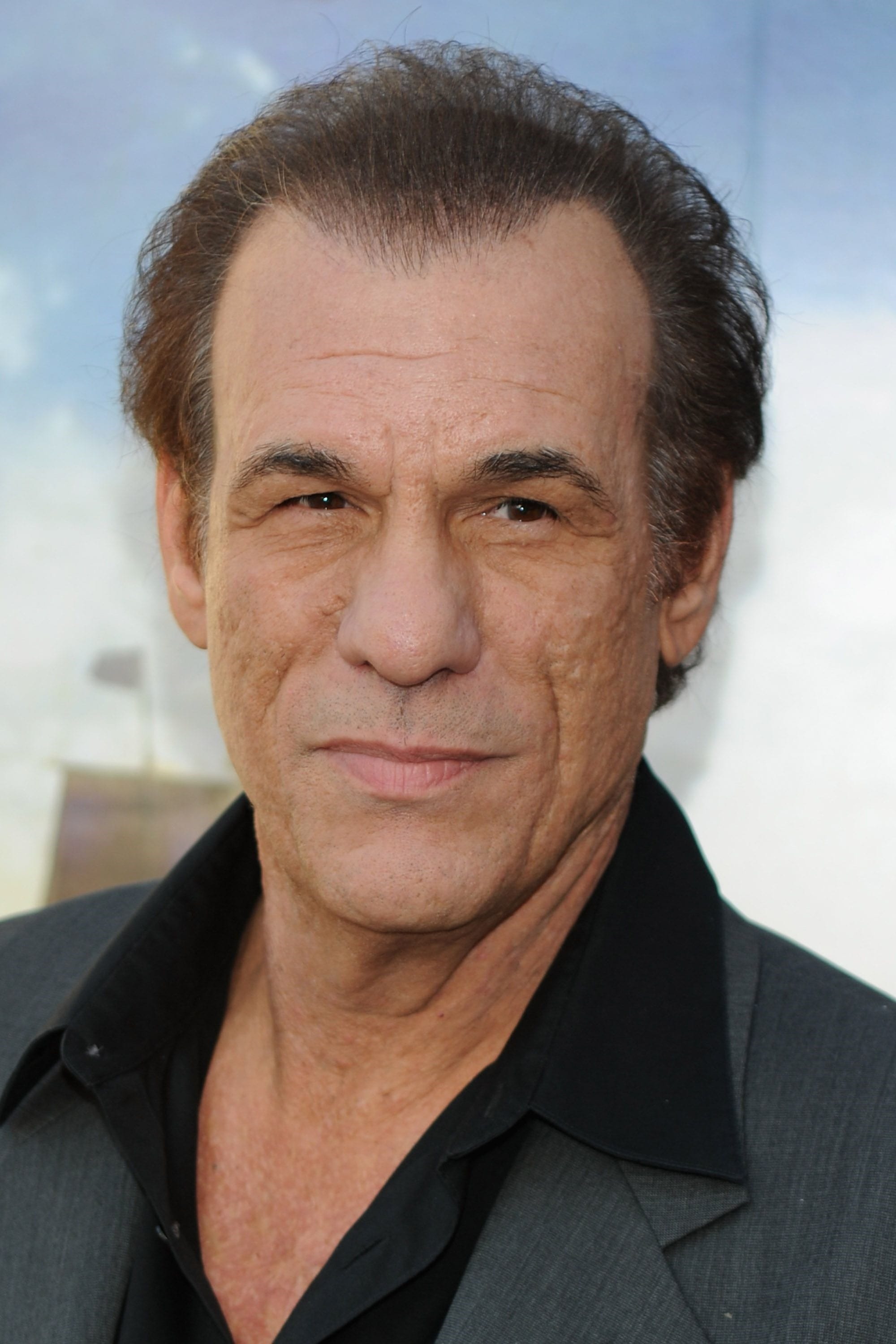
Robert Davi often speaks out about what he sees as a problem with politics in Hollywood, accusing the industry of being hypocritical. The actor, best known for ‘Die Hard,’ suggests that much of the activism seen at events like award shows is just for show, meant to satisfy studio bosses. He feels Hollywood has become too uniform in its thinking, shutting out those who don’t conform to a specific progressive viewpoint. Davi regularly uses his voice to push for a system where talent and skill are prioritized, and a wider range of perspectives are represented in movies and TV.
Gary Oldman

As a film lover, I was really struck by what Gary Oldman said recently. He basically pointed out the hypocrisy he sees in Hollywood and the whole Oscars scene. It seems like the industry often cares more about appearing virtuous than actually being virtuous, and people can get away with things depending on how it looks. He feels this constant need to perform wokeness creates a really stifling environment where it’s hard to be honest or take chances creatively. What really resonated with me was his frustration with how activism sometimes feels like just another career move, instead of being about genuine change. It’s a brave thing to say, and it feels pretty spot-on to me.
Bill Maher
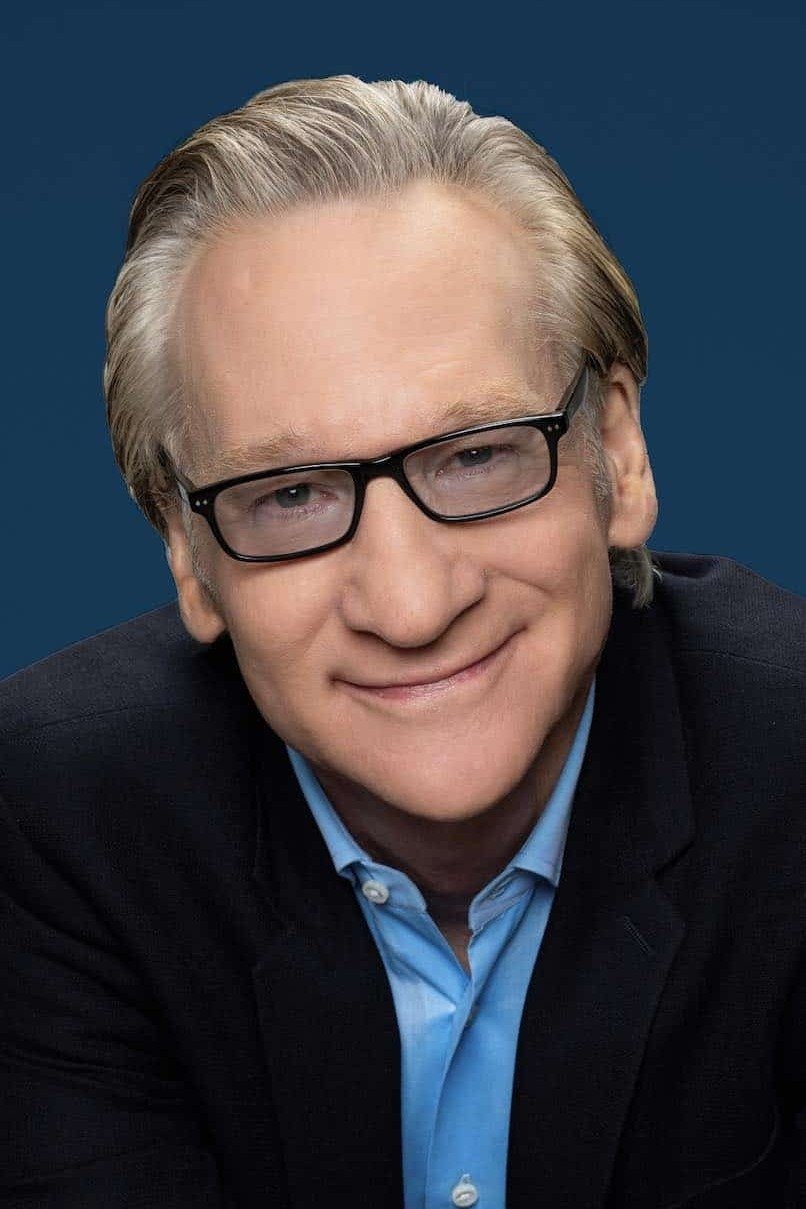
Bill Maher, the host of ‘Real Time with Bill Maher’, often criticizes what he sees as superficial activism in Hollywood. He believes that so-called “woke” culture prioritizes looking good on social media over achieving real change through laws or meaningful action. Maher argues that the entertainment industry gets bogged down in minor issues like word choices and online displays of support, diverting attention from more important economic problems. He often ridicules celebrities who he feels are simply trying to appear virtuous without truly understanding the issues they address.
Rob Lowe
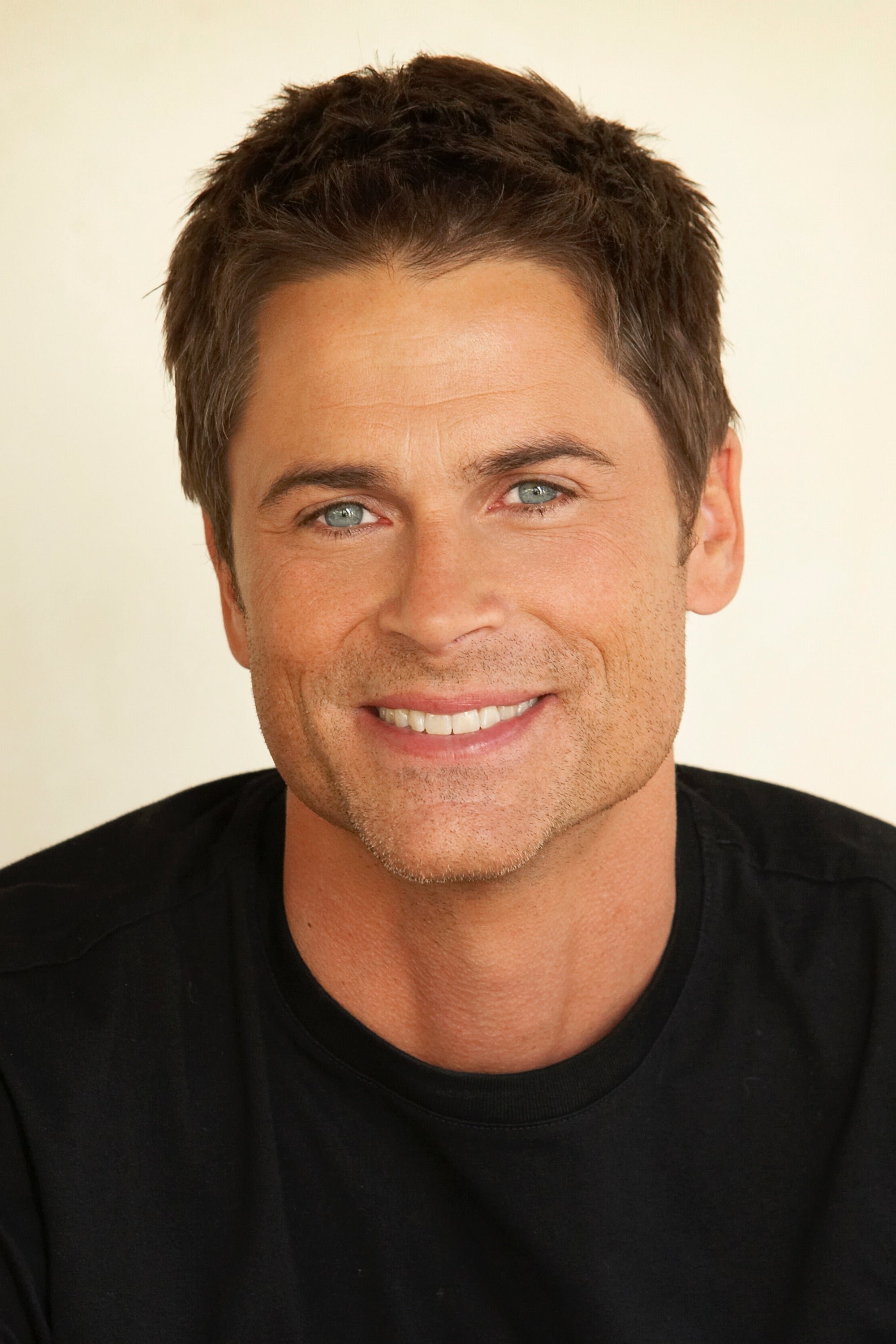
As a longtime observer of Hollywood, I’ve always been a little wary of celebrity activism, and Rob Lowe really hits the nail on the head when he talks about the inherent narcissism at play. He points out, and I’ve seen it countless times, that many stars feel compelled to be seen leading every cause, almost as a way to stay relevant. It often feels less about genuinely caring for the issue and more about maintaining their image. Lowe makes a really good point – maybe true impact comes from quietly supporting causes, rather than making it a public spectacle. He’s suggesting a more private, authentic approach to doing good, and honestly, I think he’s onto something.
Mads Mikkelsen
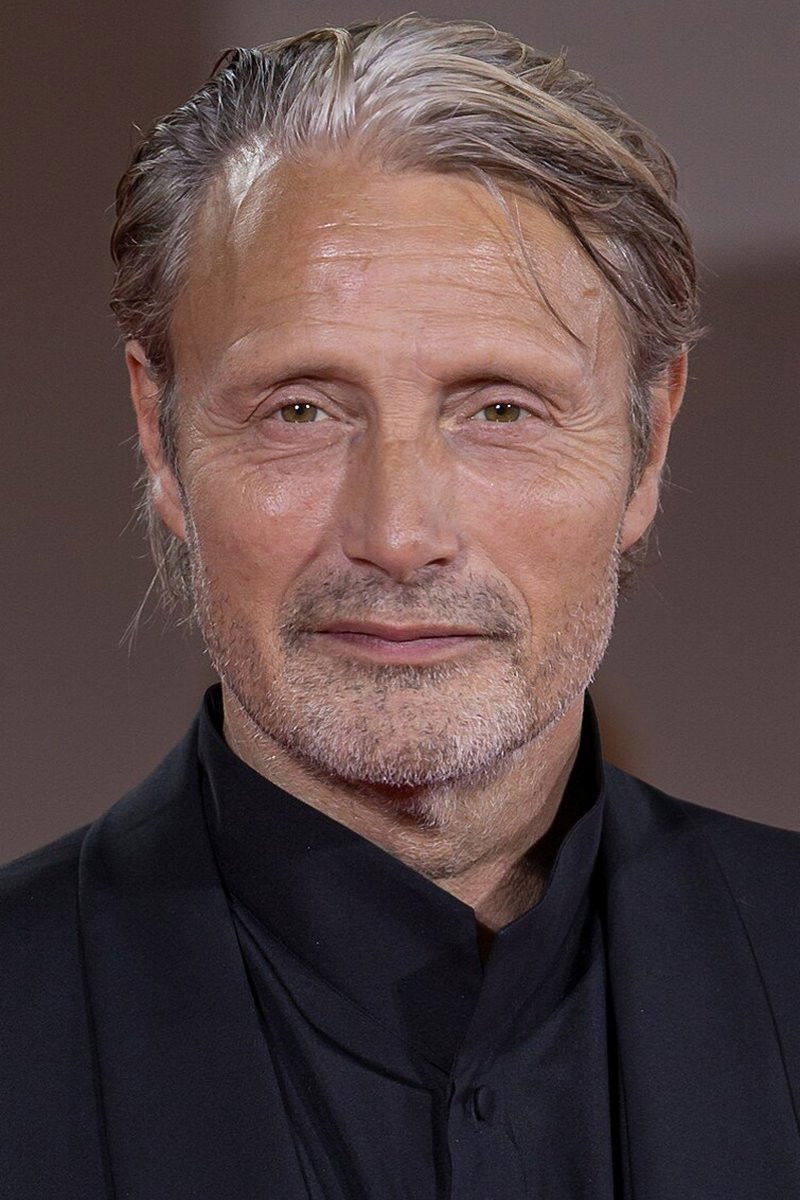
Mads Mikkelsen recently expressed concerns about the increasing pressure in the film industry to meet certain diversity and inclusion goals. The actor, known for his role in ‘Another Round,’ suggested that prioritizing these requirements over artistic vision can harm a film’s creative process. He believes casting decisions should reflect the world of the story itself, not be driven by a desire to appear politically correct. Mikkelsen’s remarks reflect a wider worry among actors that Hollywood is becoming too focused on standardized activism.
James Woods
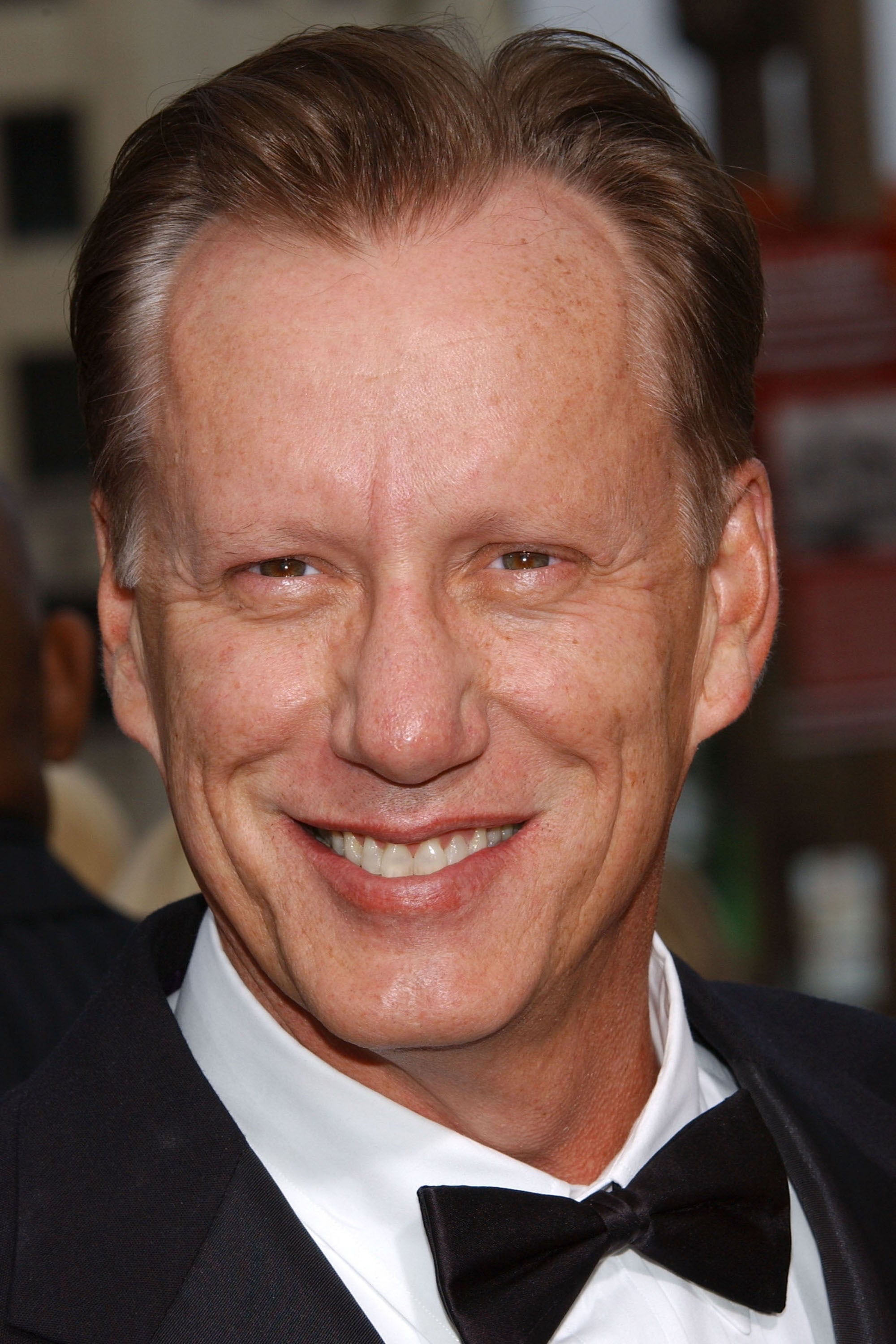
James Woods has consistently spoken out against what he sees as the hypocrisy and bias within Hollywood. The actor, known for his role in ‘Casino,’ often uses social media to highlight what he believes are inconsistencies in celebrity activism and the industry’s focus on “wokeness.” He contends that pressure to think and act a certain way is actually limiting different perspectives in entertainment. Woods often suggests that this kind of activism is used to shut out people who don’t agree with the prevailing views.
We’d love to hear your opinion: do you believe when celebrities in Hollywood speak out on issues, they’re truly making a difference, or is it just for show? Share your thoughts in the comments below.
Read More
- Gold Rate Forecast
- Games That Faced Bans in Countries Over Political Themes
- Silver Rate Forecast
- 22 Films Where the White Protagonist Is Canonically the Sidekick to a Black Lead
- Unveiling the Schwab U.S. Dividend Equity ETF: A Portent of Financial Growth
- How to Do Sculptor Without a Future in KCD2 – Get 3 Sculptor’s Things
- Celebs Who Narrowly Escaped The 9/11 Attacks
- 14 Movies Where the Black Character Refuses to Save the White Protagonist
- 20 Movies Where the Black Villain Was Secretly the Most Popular Character
- The Best Directors of 2025
2026-03-23 07:32