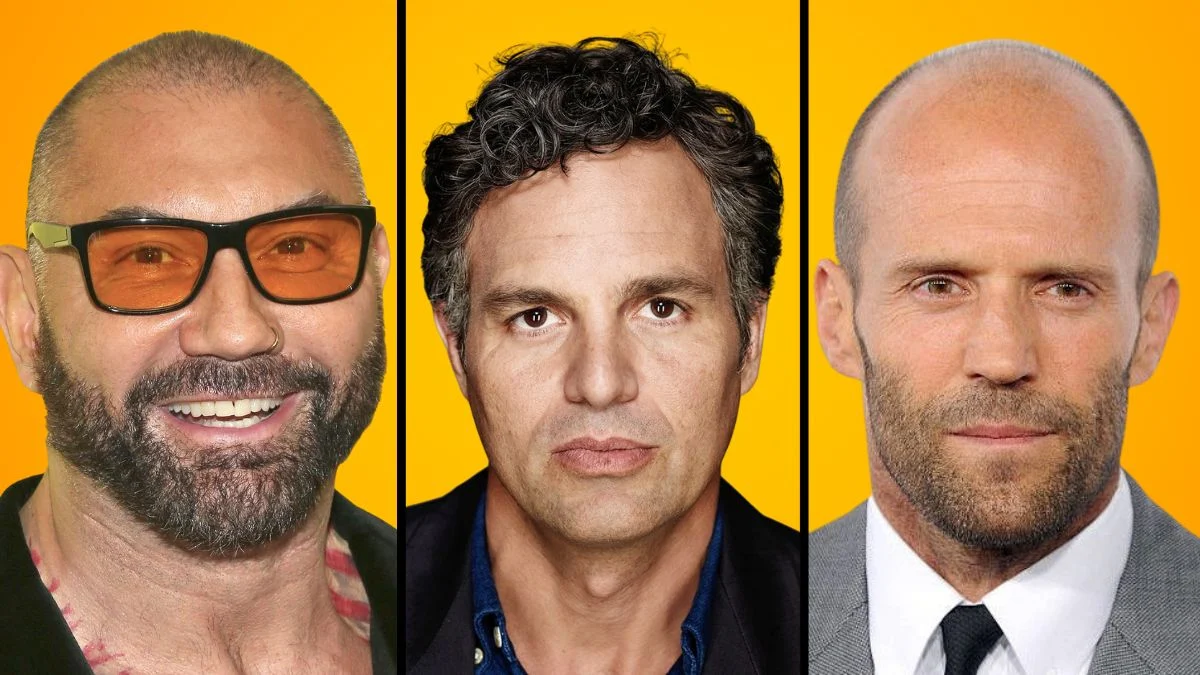
Modern visual effects let filmmakers build incredible worlds and exciting action scenes that audiences worldwide love. However, filming these digital scenes can be difficult for actors, often leaving them feeling alone and frustrated. Several leading men have expressed their dissatisfaction with acting in empty spaces, sometimes while wearing special suits or focusing on simple objects like tennis balls. The actors mentioned below have publicly shared their concerns about the increasing use of green screens and computer-generated imagery in movies.
Ian McKellen
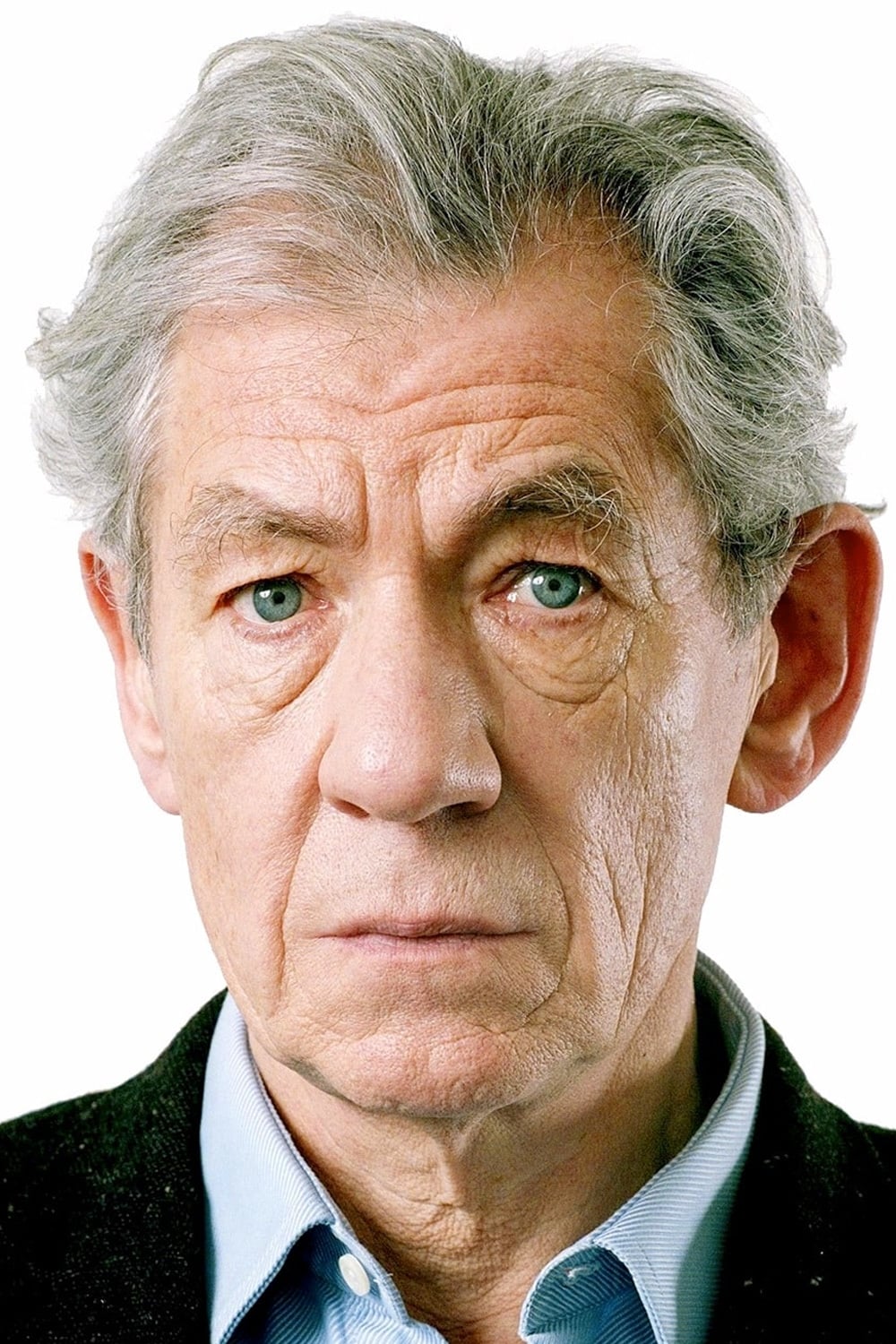
While filming ‘The Hobbit: An Unexpected Journey’, the acclaimed actor went through a difficult time. He often had to act by himself, in front of green screens, to create the illusion of Gandalf being much taller than the dwarves. This loneliness became incredibly intense, and he unexpectedly became emotional during filming, even questioning whether he wanted to continue acting. The crew overheard his private doubts because his microphone was still recording when he sadly remarked that this wasn’t the reason he’d chosen the profession.
Christian Bale
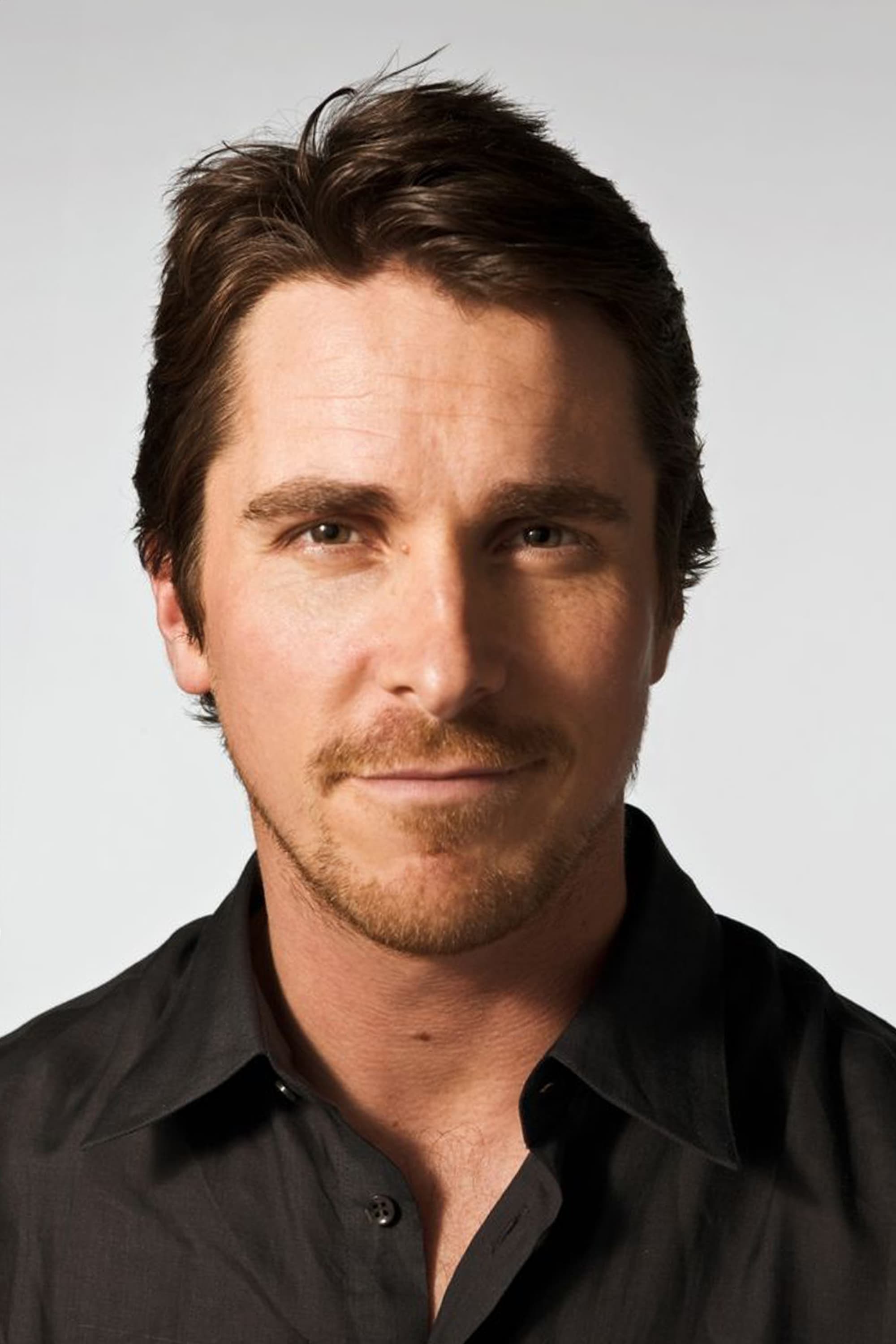
As a big fan, I was surprised to hear that filming ‘Thor: Love and Thunder’ wasn’t a great experience for this actor. He said it was incredibly repetitive, and honestly, it sounded pretty draining. He explained that acting in front of a blue screen day after day felt really monotonous – he couldn’t even tell the days apart! The crew did their best to make things different, but he felt like everything just looked the same. He’s known for really diving into his roles, and he said all the visual effects work made this movie feel less engaging and more…mindless, compared to the projects he usually loves.
Idris Elba
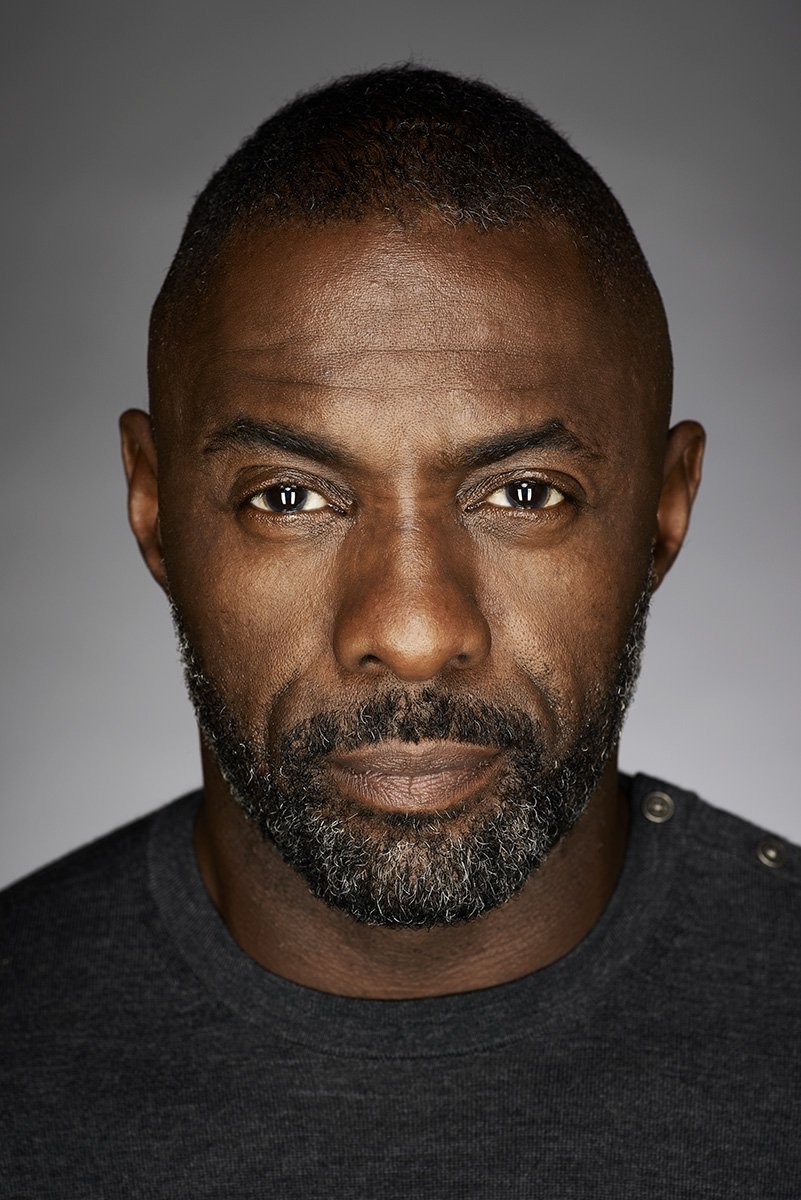
After playing Nelson Mandela, filming ‘Thor: The Dark World’ was a really difficult experience for the actor. He felt like going from a meaningful, dramatic role to acting in front of a green screen while suspended by wires was agonizing. The artificial environment made him seriously doubt his career path, and he was very frustrated with the repetitive and technical demands of making a Marvel movie.
Ewan McGregor
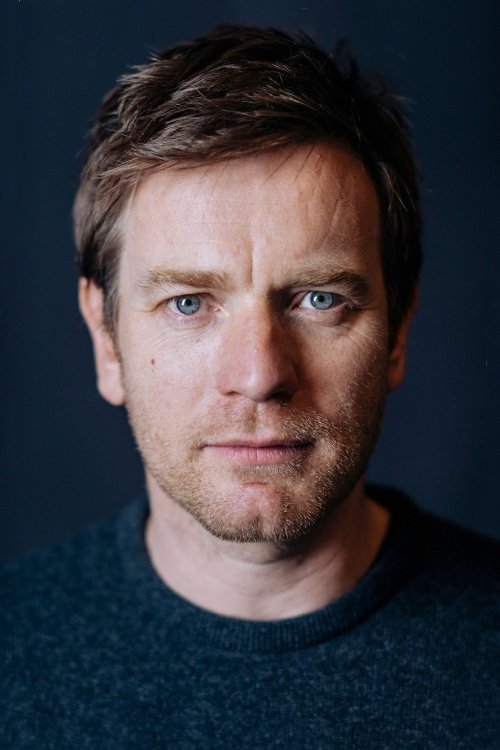
The actor struggled with the extensive use of green screens while filming the ‘Star Wars’ prequels. He explained that ‘Attack of the Clones’ and ‘Revenge of the Sith’ were especially tough, as nearly all of the backgrounds were created digitally. He found it difficult to give a realistic performance when he had nothing physical to react to, and relying so heavily on his imagination was incredibly draining.
Liam Neeson
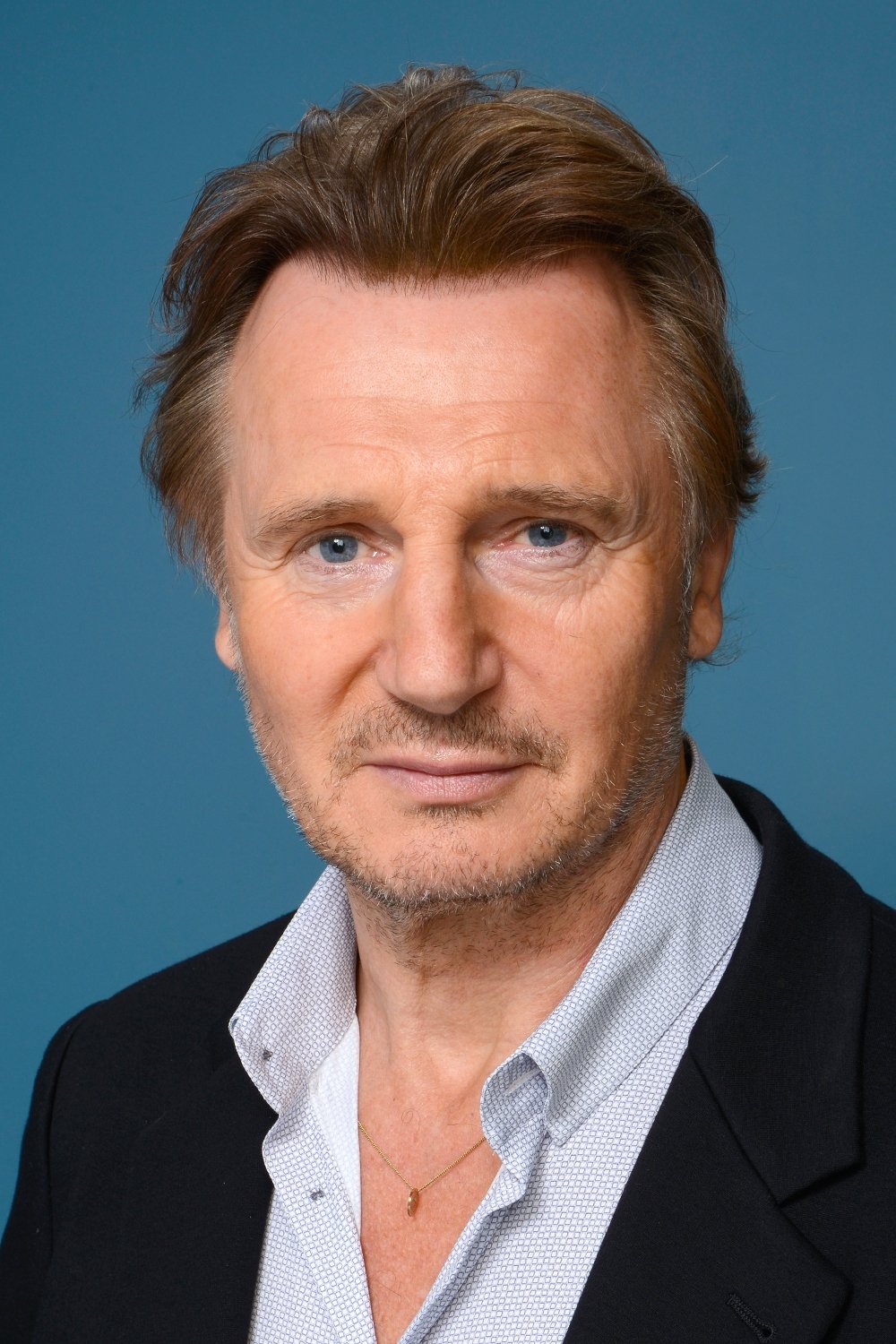
Liam Neeson felt more like a tool than an actor while playing Qui-Gon Jinn in ‘The Phantom Menace.’ He disliked how much the film depended on special effects and CGI, believing it removed the emotional core from the performances. He decided he wouldn’t do another movie so focused on digital effects because he found the experience unfulfilling, and the technical requirements made it difficult to connect with the other actors.
Michael Shannon
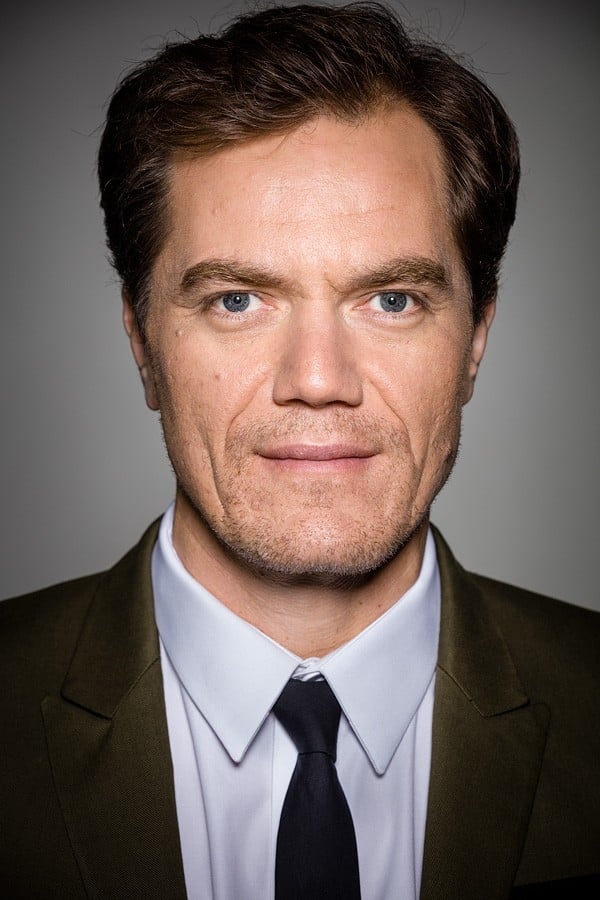
Michael Shannon, who famously played General Zod in ‘Man of Steel,’ has been critical of making big-budget superhero films. He felt acting in ‘Man of Steel’ was more like playing with toys than engaging in meaningful work. When he returned for ‘The Flash,’ he was frustrated by the complicated multiverse storyline and the way the movie was filmed. He explained that he prefers projects with more focus on developing complex characters, something he felt was missing from these large-scale productions.
Anthony Hopkins
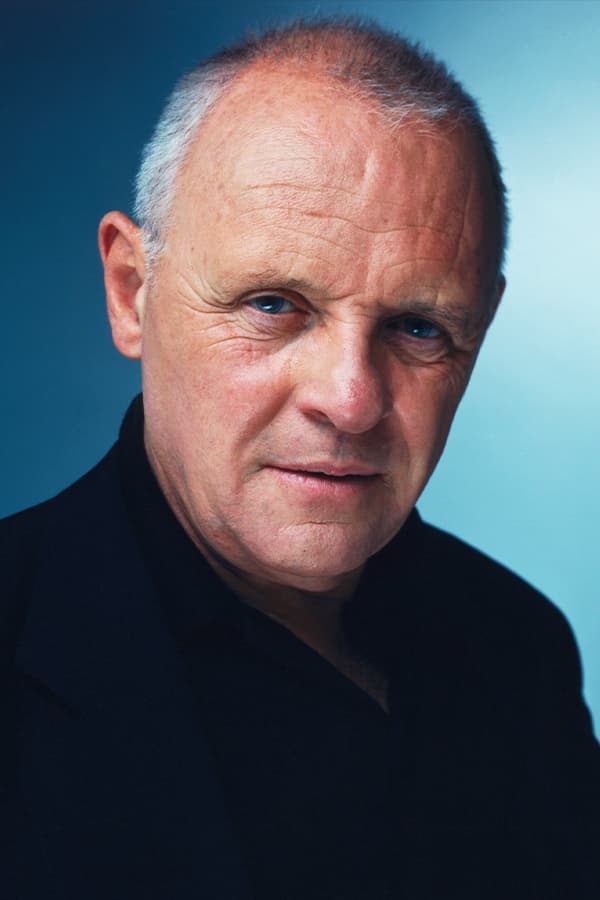
During filming for the ‘Thor’ films, the experienced actor felt frustrated with the extensive use of green screens. He jokingly wrote “N.A.R.” – short for No Acting Required – in his script, because he believed wearing the costume and pretending to be in a digital world didn’t require much acting skill. Though he remained professional, he admitted the work wasn’t creatively fulfilling.
Mark Ruffalo
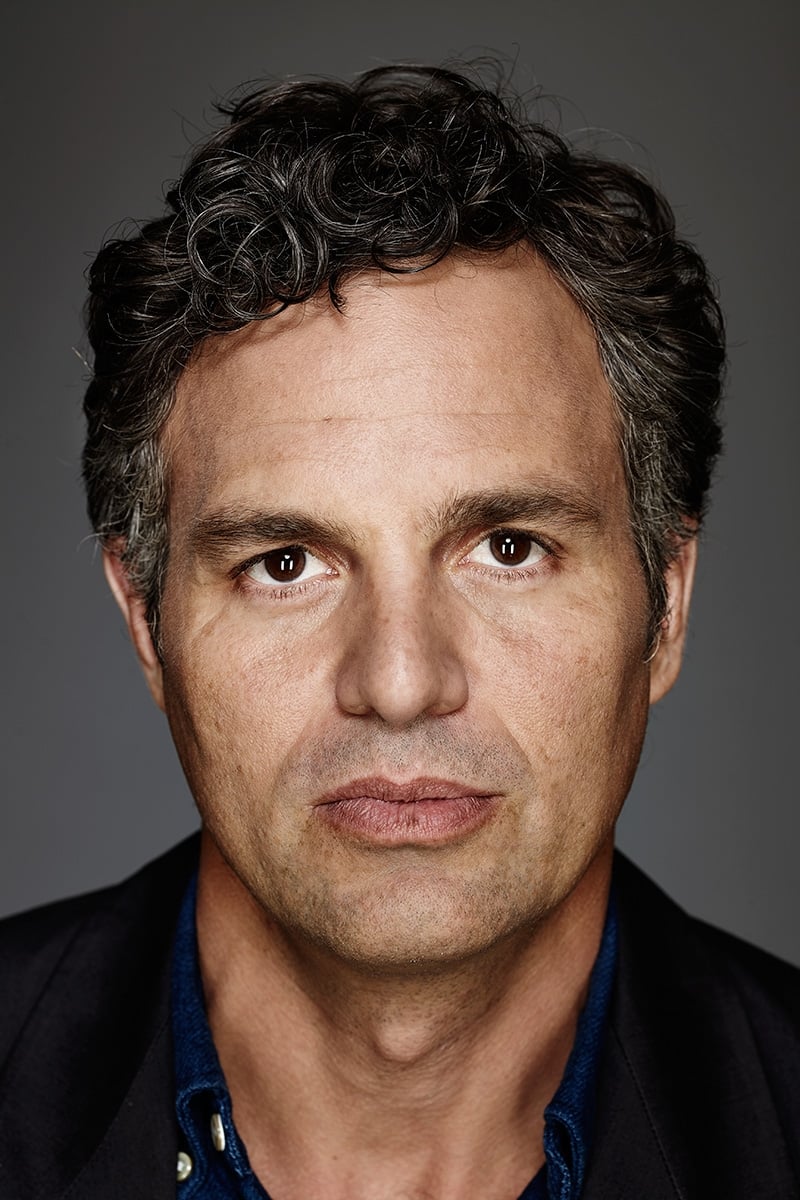
The actor who played the Hulk found wearing the motion capture suit embarrassing, even calling it a blow to his masculinity. He felt self-conscious because his fellow actors had impressive costumes, while he was stuck in a tight, dotted suit. He explained that it was hard to feel powerful or scary when he looked so silly on set, and the technology made it difficult to connect with the character.
Hugo Weaving
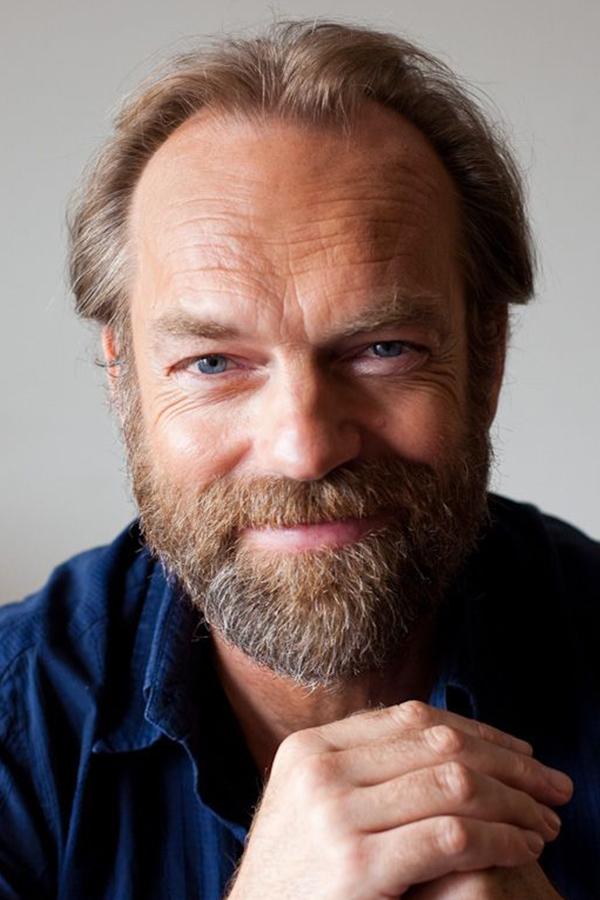
I was really surprised to learn that Hugo Weaving didn’t enjoy playing Megatron in ‘Transformers’ or Red Skull in ‘Captain America’! He said doing the voice for Megatron felt totally empty, and he apparently never even met Michael Bay. As for Red Skull, he found all the makeup and working in front of a green screen really boring, and he has no plans to play the character again. He much prefers acting where he can actually interact with other actors face-to-face, which I totally get – it sounds like a much more fulfilling experience!
Ray Winstone
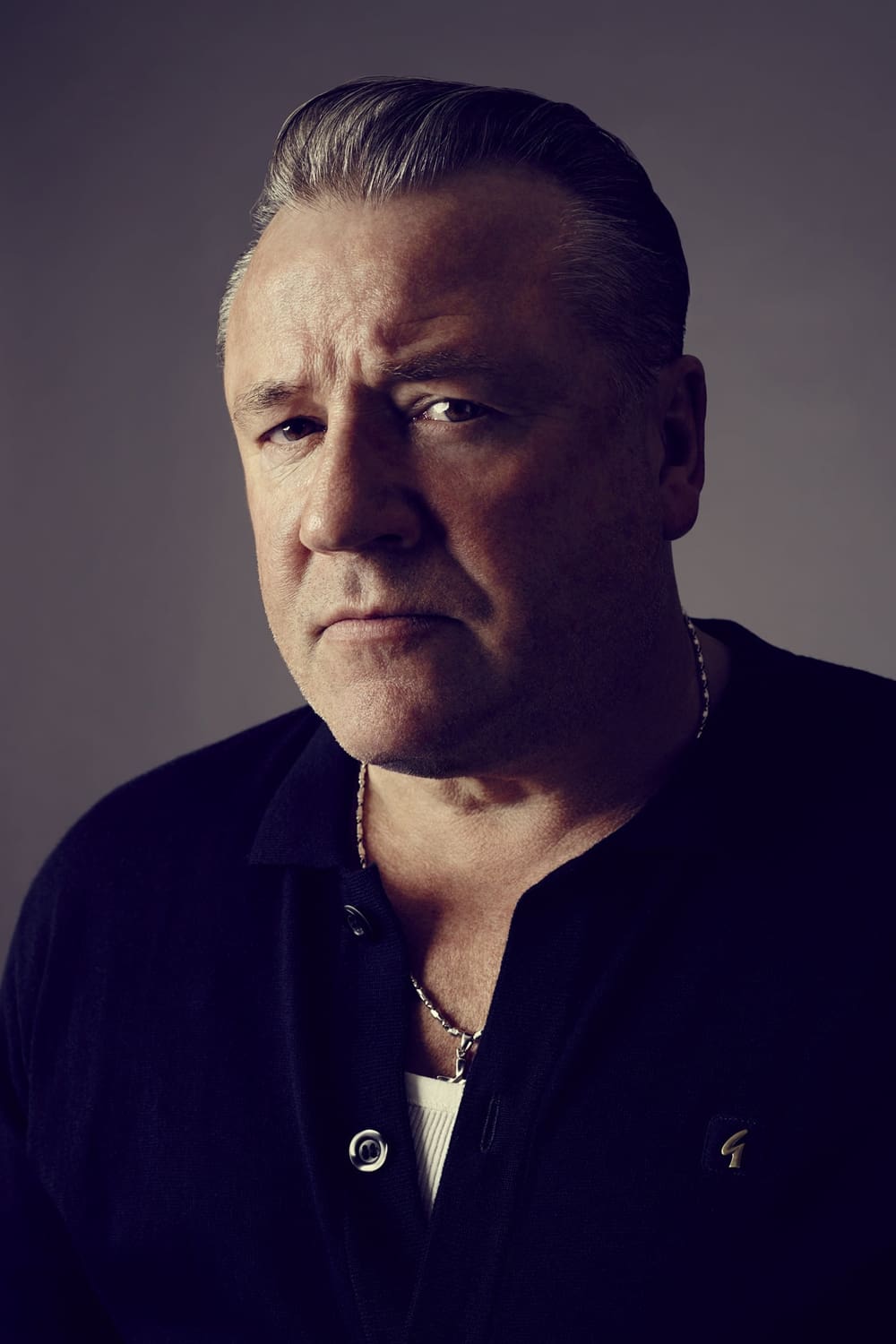
I remember hearing about the actor’s experience making ‘Beowulf,’ and honestly, it sounded awful. He really didn’t enjoy being filmed with all that motion capture stuff – he said having dots all over his face and working in that special space just killed the joy of acting for him. He felt like it turned acting from a creative art into something purely technical. He’s been pretty clear ever since that he much prefers the way movies used to be made, with traditional filmmaking techniques, and I can totally understand why!
Harrison Ford
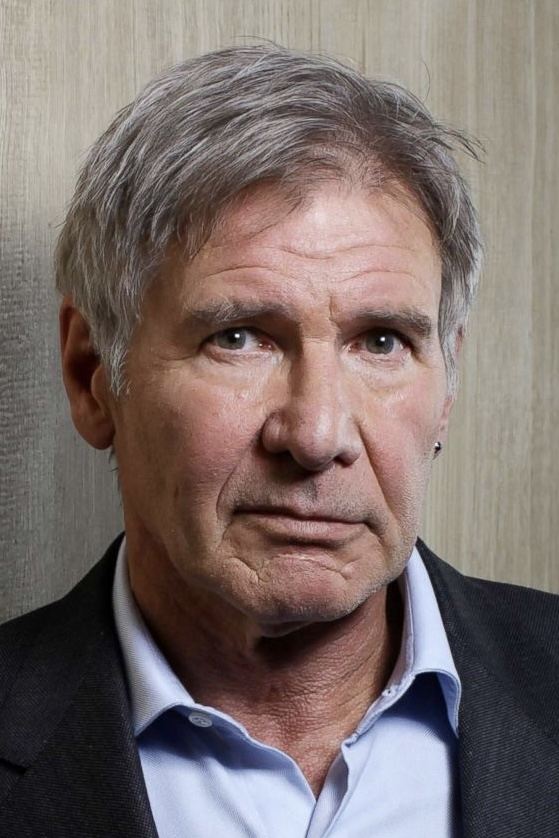
Filming ‘The Call of the Wild’ involved the actor performing scenes with a stuntman wearing a grey suit, who served as a stand-in for the CGI dog. He described it as a bizarre and awkward experience to act alongside a person pretending to be an animal, especially having to ignore the man in the suit. Though he remained professional throughout, he admitted it wasn’t how he usually likes to work on a film.
Mickey Rourke
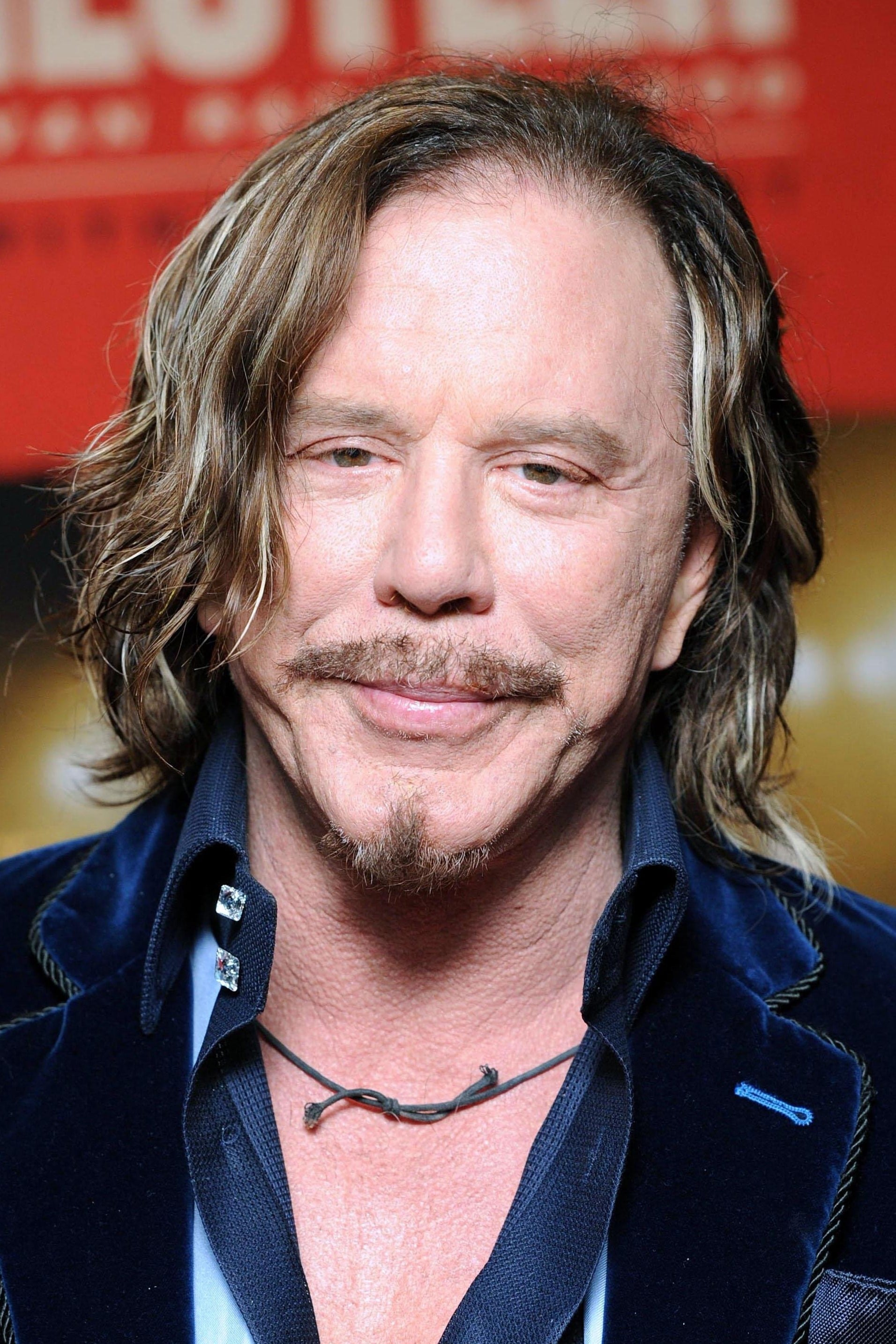
The actor, known for playing the villain Whiplash in ‘Iron Man 2’, wasn’t a fan of making the movie. He felt the studio heavily edited his performance and that the focus on technology hindered his ability to be spontaneous. He considered the whole process unfulfilling and criticized the lack of artistic control. As a result, he decided to focus on films that prioritize acting over special effects.
Viggo Mortensen
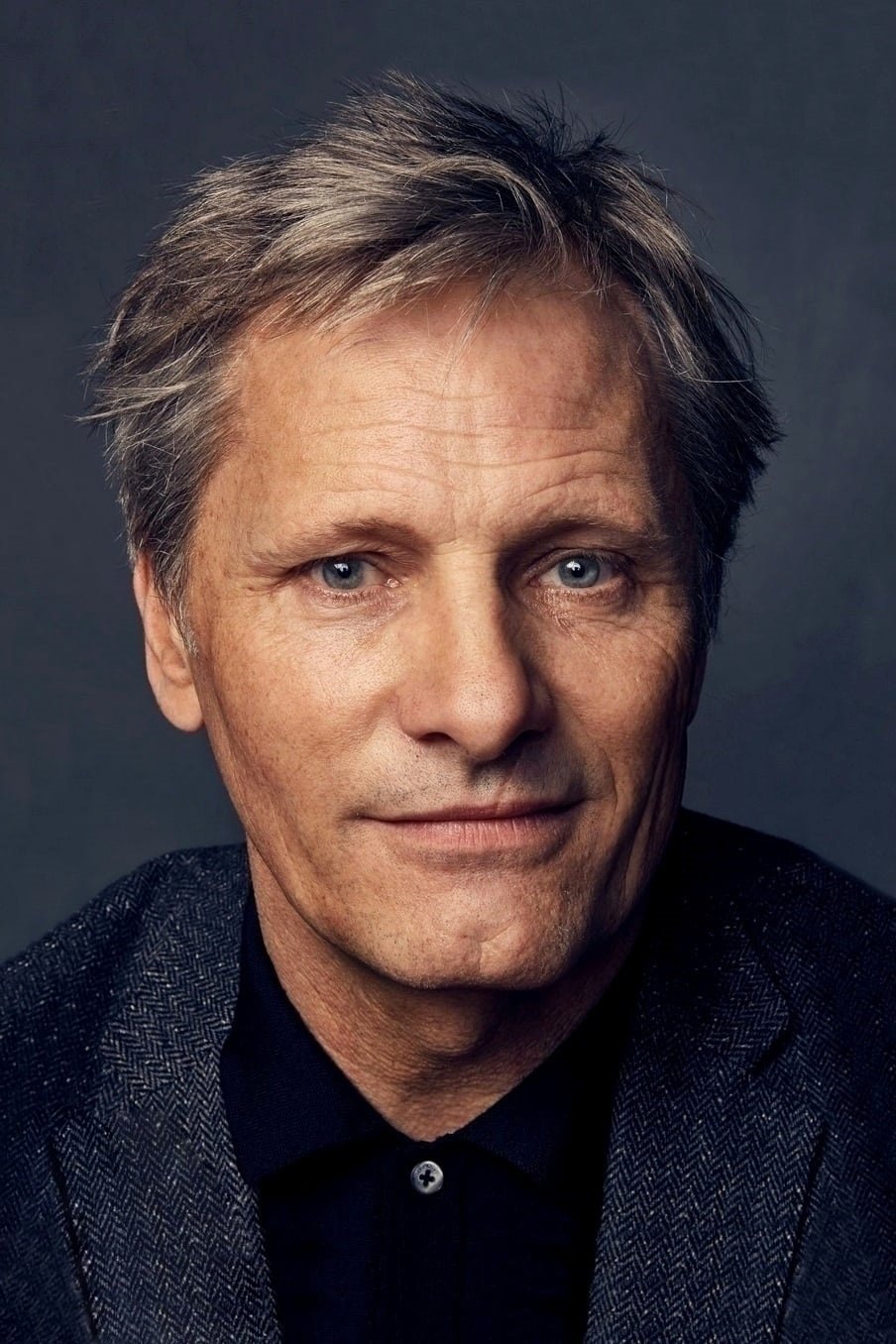
He chose not to return for ‘The Hobbit’ films, in part because he believed the production used too much computer-generated imagery. He felt director Peter Jackson had moved away from the practical effects that gave ‘The Lord of the Rings: The Fellowship of the Ring’ a realistic feel. He thought the overuse of digital effects made the fantasy world feel less authentic and gritty, and he generally prefers working on projects that emphasize real locations and tangible interactions.
Bob Hoskins
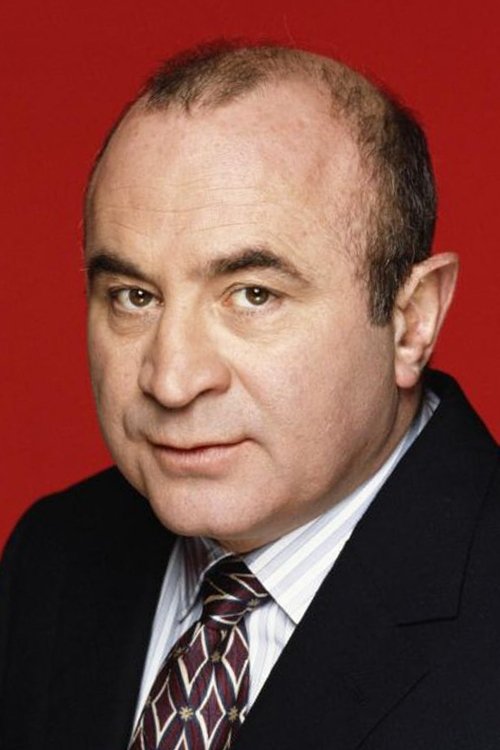
The star of ‘Who Framed Roger Rabbit’ struggled with mental health problems after filming. To convincingly act alongside the cartoon characters, he trained himself to essentially ‘see’ them even when they weren’t there. While this technique worked well for the movie, he continued to experience these hallucinations after filming ended, causing him a lot of distress. His doctor recommended a long break from acting to help him recover.
Terence Stamp
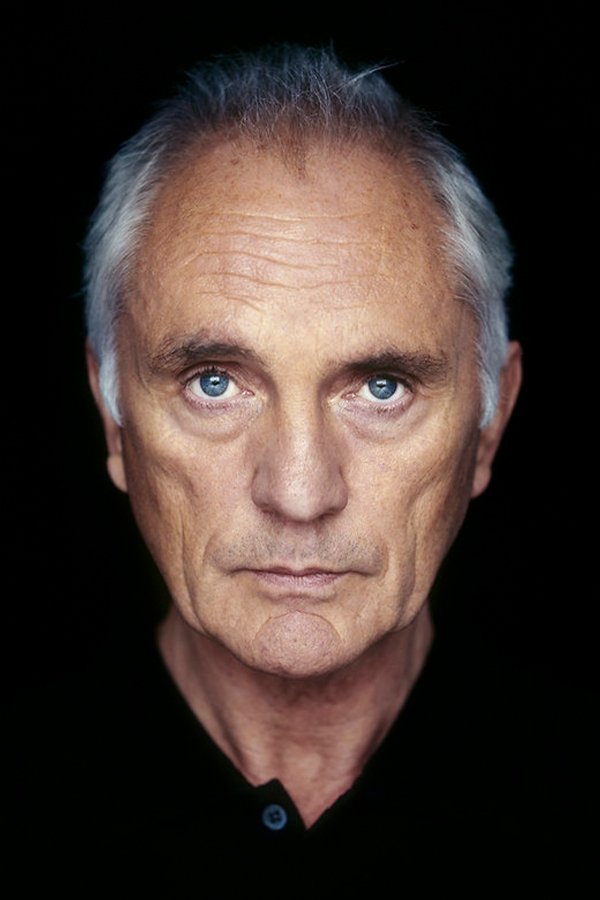
The highly respected actor who played Chancellor Valorum in ‘Star Wars: Episode I – The Phantom Menace’ found the experience disappointing. While he’d been thrilled to collaborate with George Lucas, he felt Lucas was more focused on the technical aspects of filmmaking than on the actors themselves. He described acting without real interaction as unfulfilling and believed the movie lacked energy as a result. He later regretted taking the part because the set felt cold and impersonal.
Ryan Reynolds
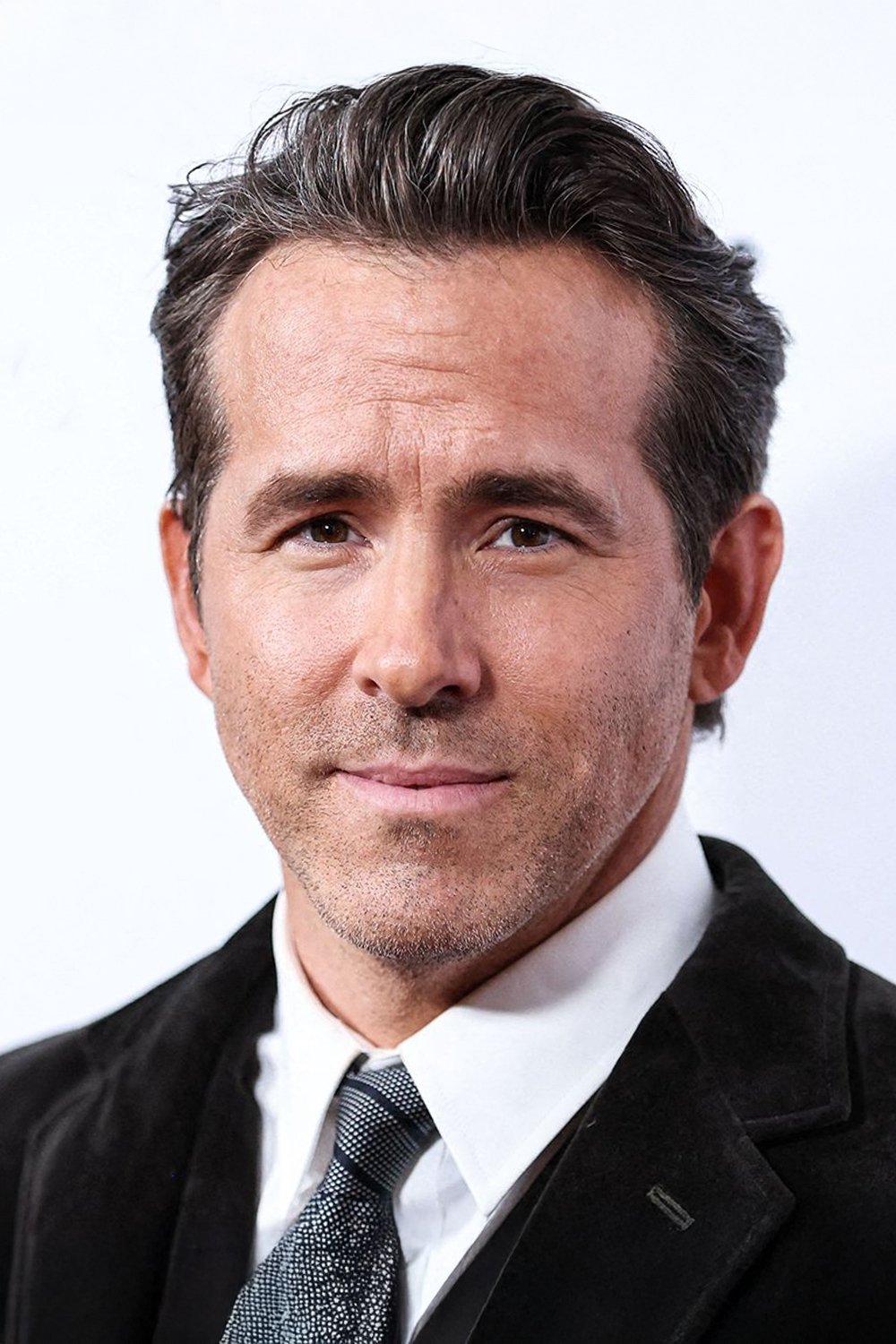
The actor has repeatedly joked about how much he disliked making the movie ‘Green Lantern.’ He spent the entire shoot wearing a motion capture suit, which meant everything he saw on screen was added later. He felt silly while filming because of this, and found the suit uncomfortable. He believes not having a real costume to work with negatively impacted his performance, and he’s used his role as Deadpool to playfully poke fun at the experience.
Jeremy Irons
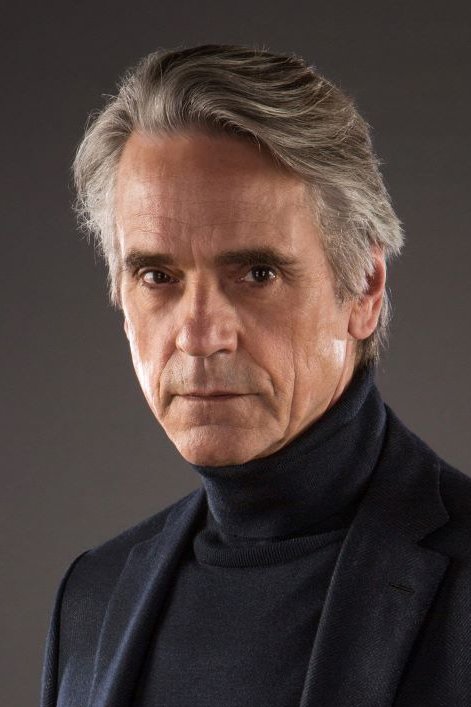
Though he appeared as Alfred in both ‘Batman v Superman: Dawn of Justice’ and ‘Justice League,’ the actor wasn’t a fan of the films. He found them overly loud and confusing, and felt the script didn’t make much sense. He also thought the movies relied too much on computer-generated effects, which made them visually messy and emotionally flat. He was honest about taking the job mainly for the money, not because he believed in the project creatively.
Josh Brolin
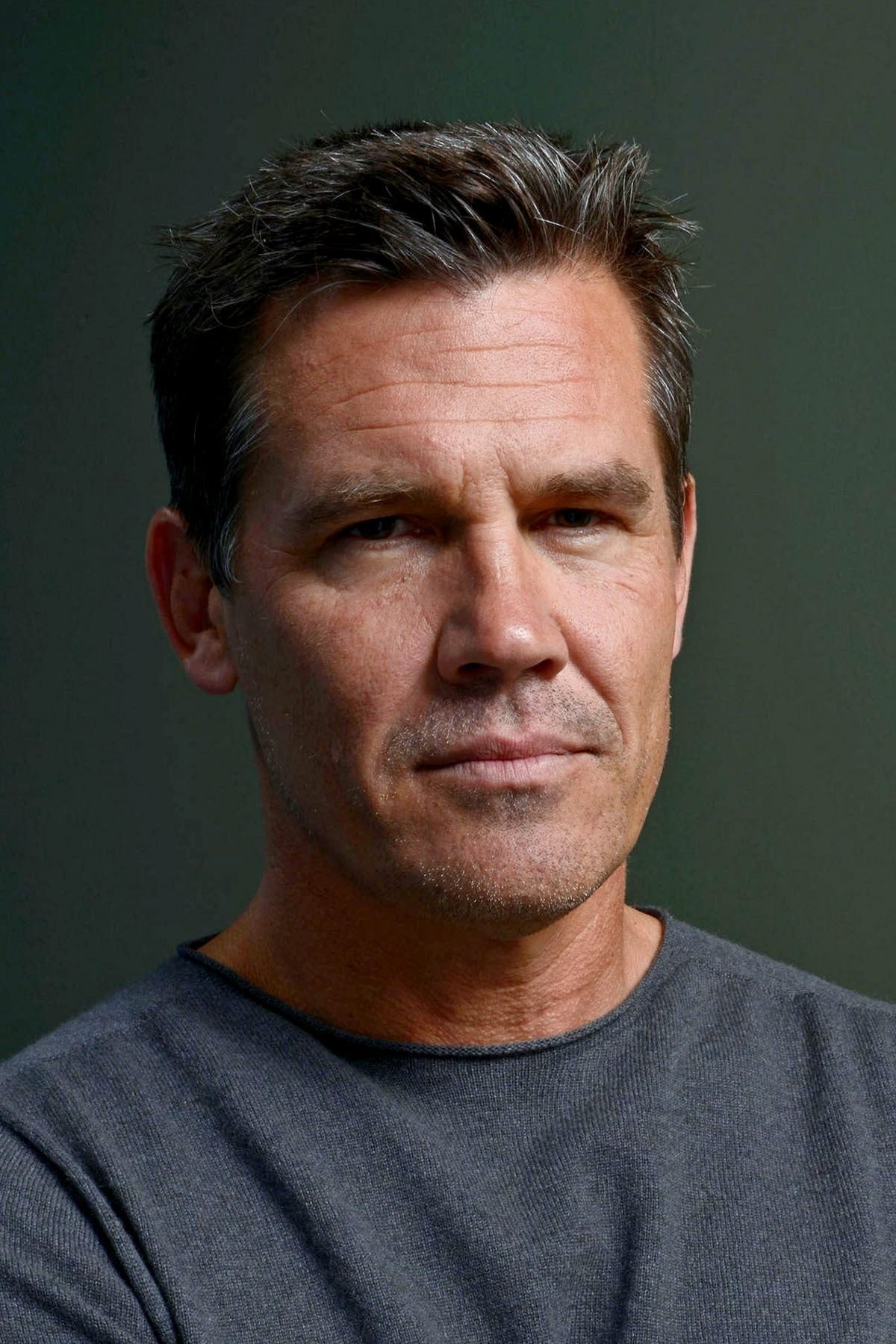
Josh Brolin eventually loved playing Thanos in ‘Avengers: Infinity War,’ but it was challenging at first. Wearing the motion capture suit and a cardboard head felt awkward and made him feel more like an object than an actor – he compared it to being covered in Velcro. He was convinced to fully commit to the role after seeing Benedict Cumberbatch’s dedication to his own digitally created character.
Benedict Cumberbatch
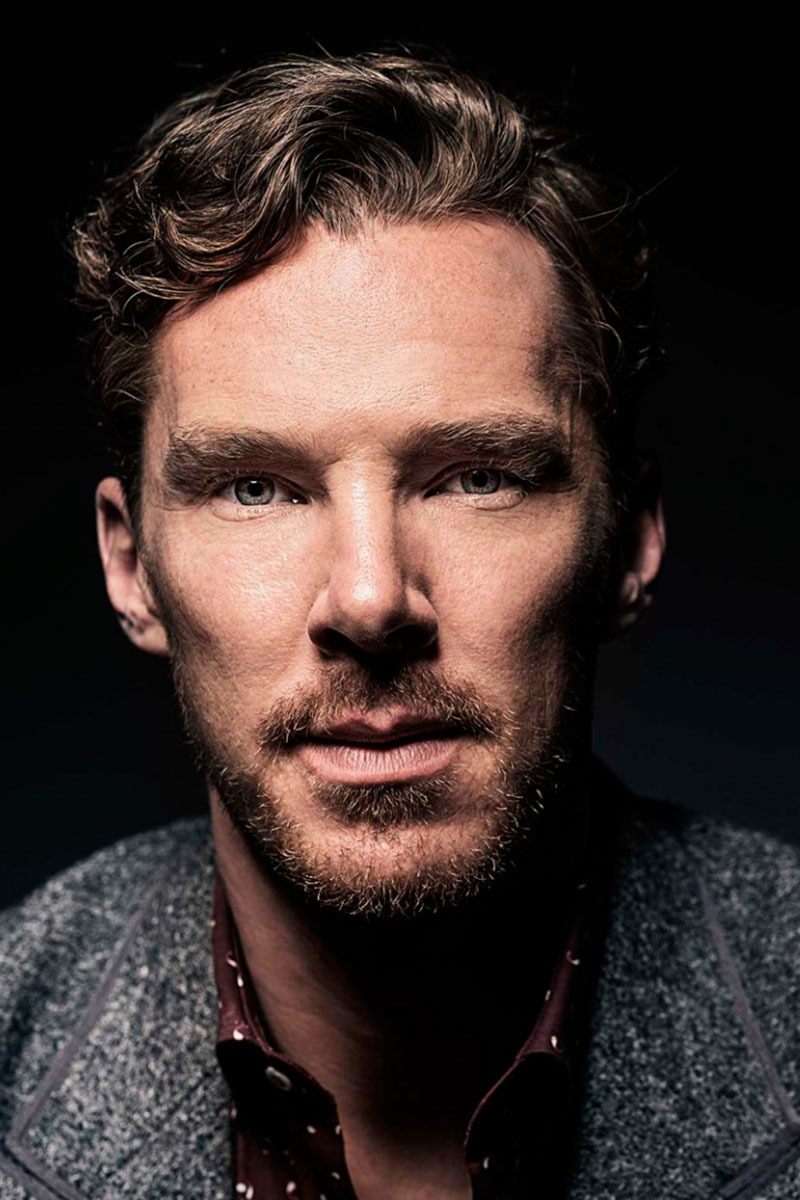
The actor played Smaug the dragon in ‘The Hobbit: The Desolation of Smaug’ by performing the motion capture, but found the process quite strange. He had to pretend to be a massive dragon while crawling around on the floor in a grey suit, with no props to help him. He said it felt very silly to be throwing himself around like that. Even though it was uncomfortable, he still gave a fantastic vocal performance as the dragon.
Christopher Plummer
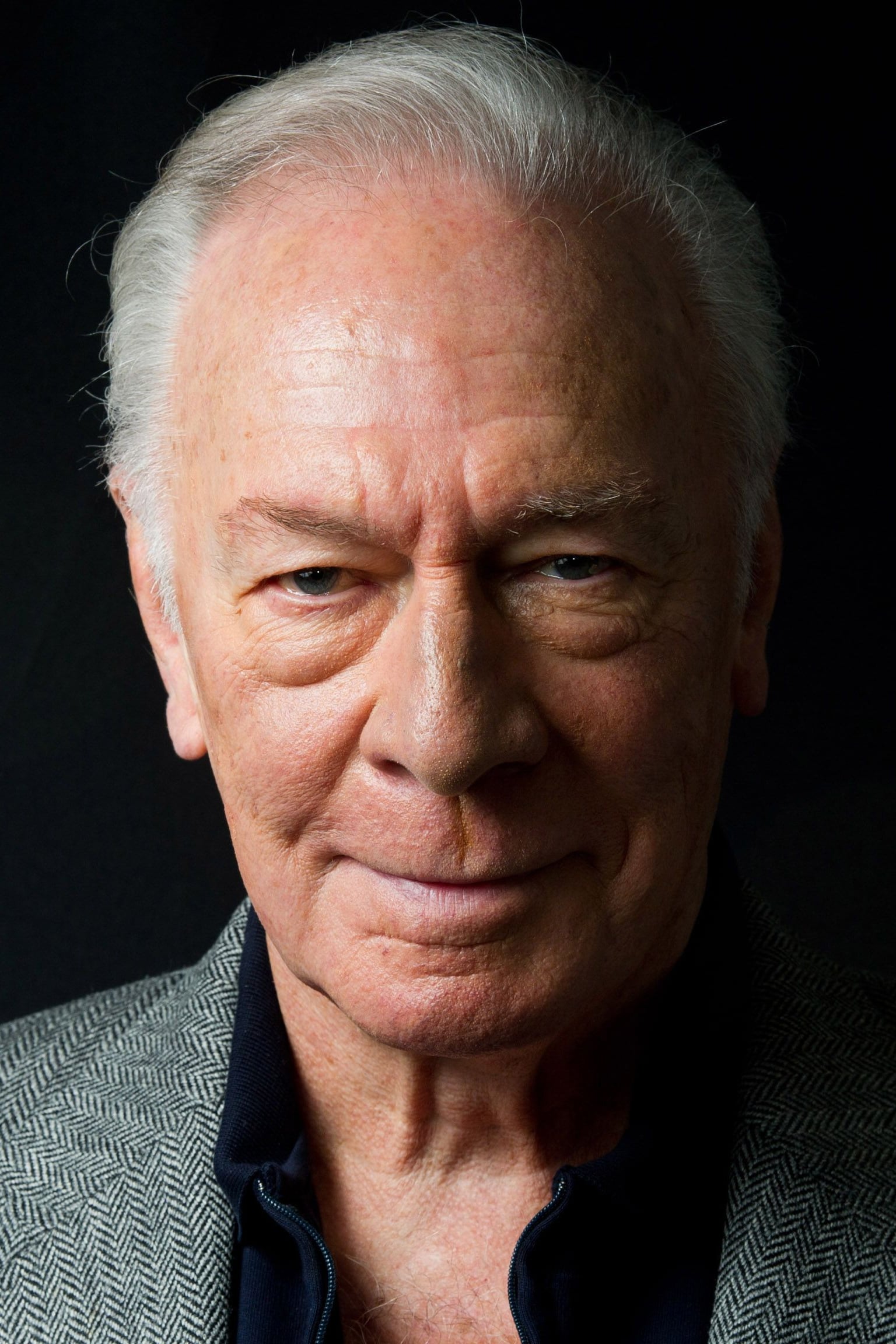
The actor, who sadly passed away, took over the role Heath Ledger was playing in ‘The Imaginarium of Doctor Parnassus.’ He often found working with lots of digital effects challenging. He much preferred performing on real sets or in actual locations, and disliked acting in front of blue or green screens. He believed this technology demanded a different skillset than traditional acting and sometimes took away from the emotional core of the story.
Stellan Skarsgård
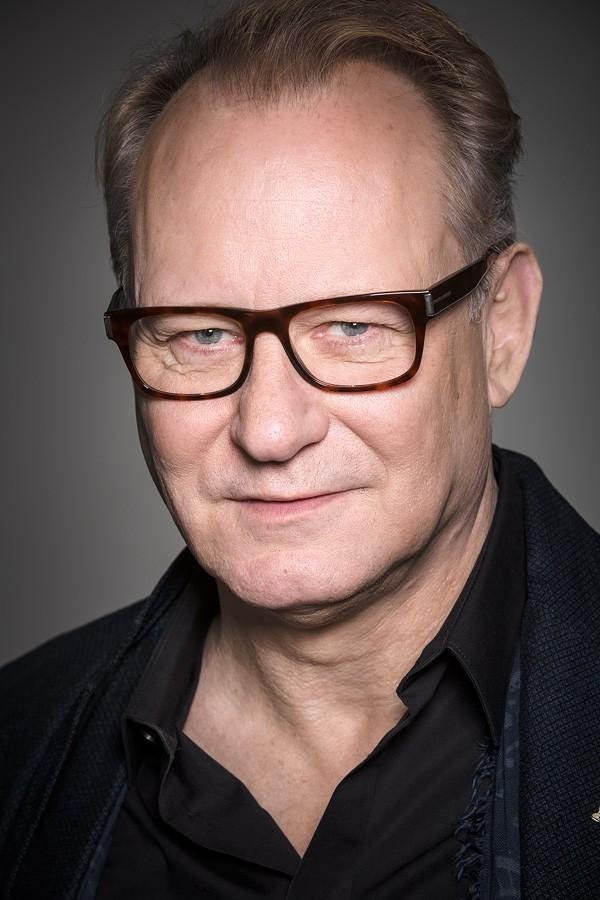
I always loved his performance as Bootstrap Bill in the ‘Pirates of the Caribbean’ films, but I was surprised to learn he really disliked the whole makeup and digital effects process! Apparently, he’d spend ages getting made up, and then they’d add even more effects using CGI. He much preferred the old-fashioned prosthetics because he said they felt real and gave him something tangible to react to. He’s a big fan of practical effects in general, and I know he really appreciated how they did things on films like ‘Dune’.
John Boyega

After appearing in the newer ‘Star Wars’ films, the actor began to speak out against the trend of massive, effects-driven blockbusters. He was unhappy with how his character was developed and found the huge scale of the production overwhelming. He mentioned that acting in front of a green screen was draining and that he preferred the more personal feel of smaller, independent films. Now, he’s choosing roles in projects that prioritize strong character development over big spectacle.
Oscar Isaac
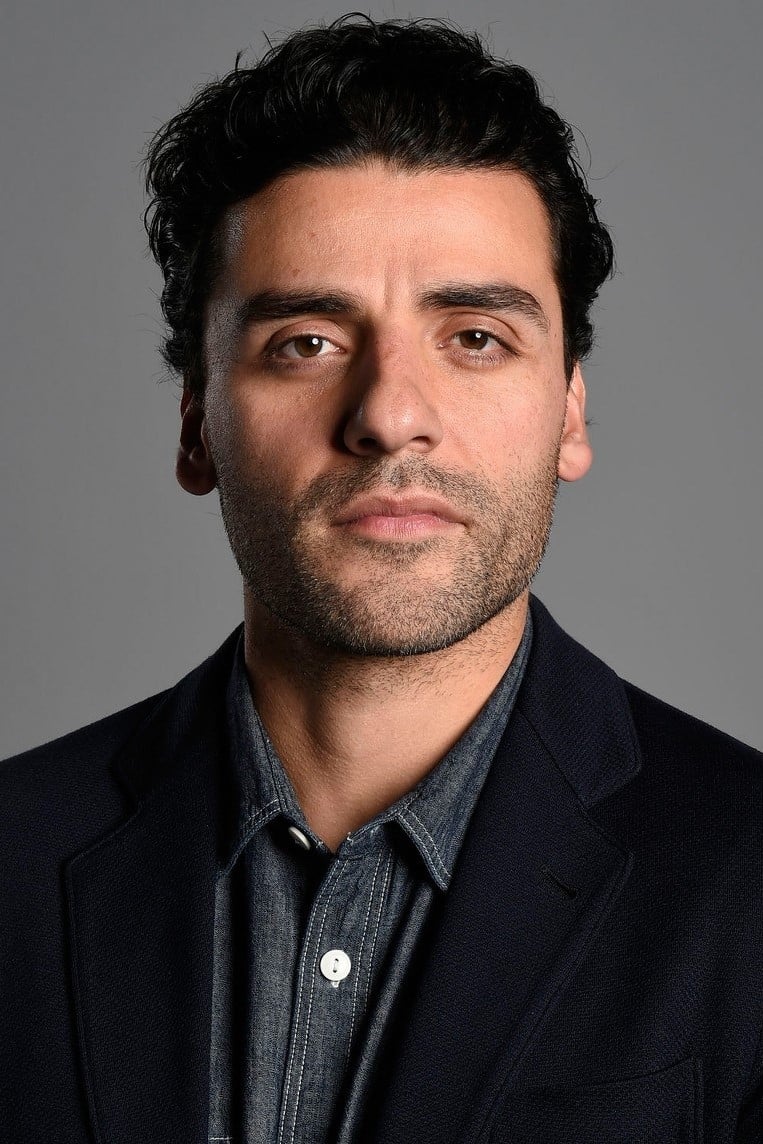
The actor found filming ‘X-Men: Apocalypse’ incredibly difficult. The extensive prosthetics and reliance on green screen made it hard to move and uncomfortable, as the suit trapped heat and limited his interactions with other actors. He often had to perform scenes on a platform or while suspended with wires, and described the whole process as painful, leading him to decide against taking on similarly demanding roles in the future.
Kit Harington

The actor, known for his role in ‘Game of Thrones,’ spent years pretending to ride a dragon, which was actually a mechanical buck. He found it challenging and uncomfortable to act scared while sitting on the green foam machine, and admitted it wasn’t quite the acting experience he’d imagined in school. As the seasons went on, the physical demands of the rig actually caused him pain.
Jason Statham
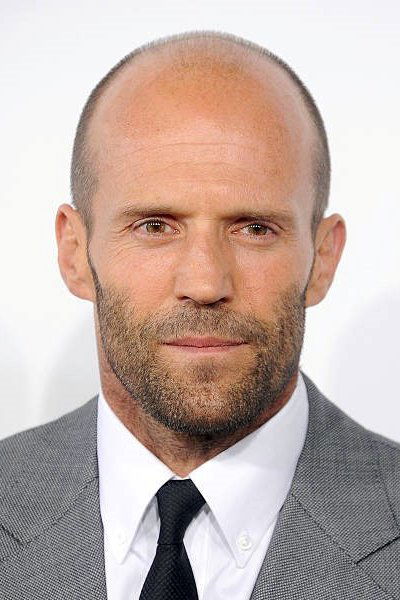
This action movie star often complains that today’s superhero films depend too much on stunt doubles and computer-generated effects. He argues that these effects make action feel fake and that CGI allows anyone to appear heroic, regardless of skill. He’s proud of performing his own stunts and prefers the style of action filmmaking from earlier eras. He believes audiences are being misled by action scenes that are entirely computer-created.
Brian Cox
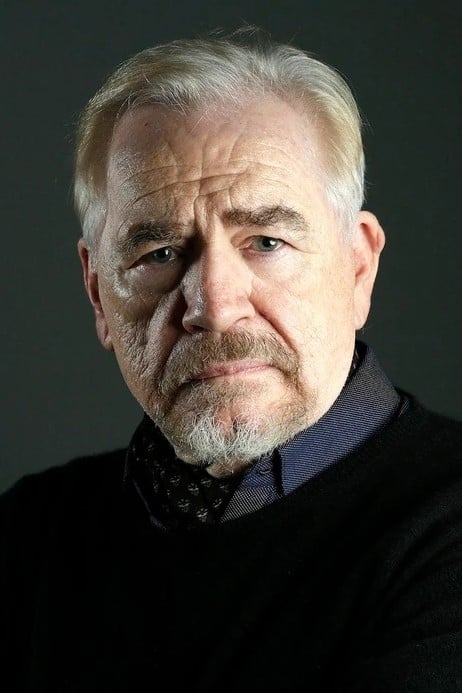
The actor, known for his work on ‘Succession’, appeared in ‘X2: X-Men United’ early in his career but has since said he doesn’t enjoy superhero movies. He’s been critical of the current movie industry, arguing that it prioritizes visual effects over strong stories and well-developed characters. He believes the heavy use of CGI has lowered the quality of films and made it harder for actors to deliver compelling performances, and he now prefers roles that focus on conversation and genuine connection between characters.
Ben Affleck
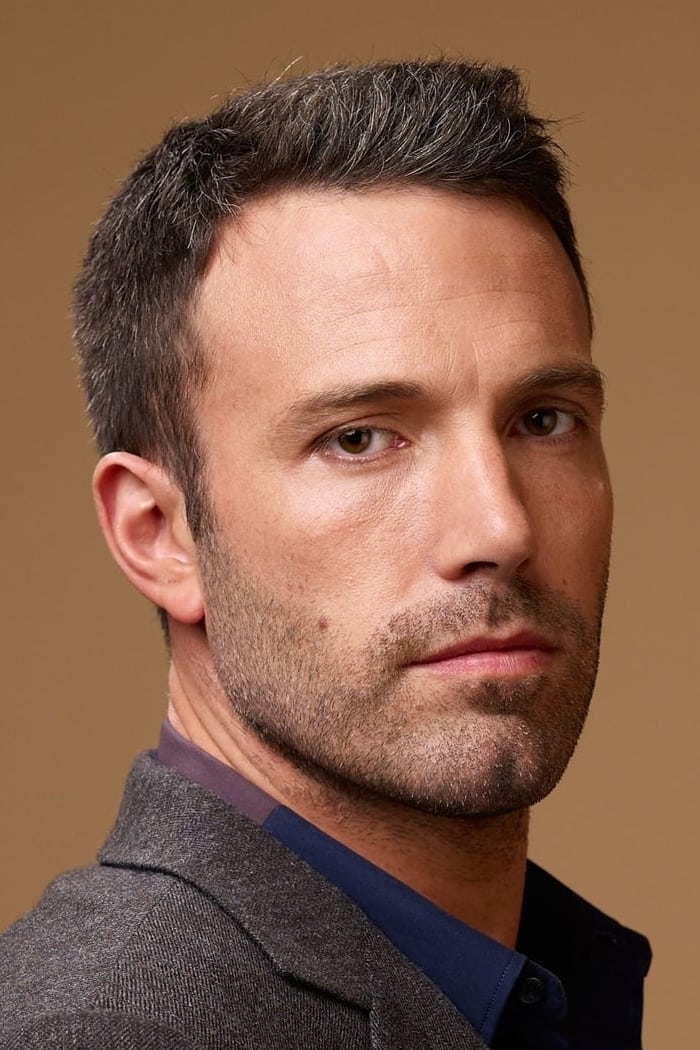
The actor had a very difficult time during the additional filming for ‘Justice League’. He said the problems on set, and having to wear the motion capture suit, were a particularly low point in his career. These issues, combined with personal struggles, led him to stop playing Batman. He explained that the experience made him lose his enthusiasm for large-scale action movies.
Rory McCann
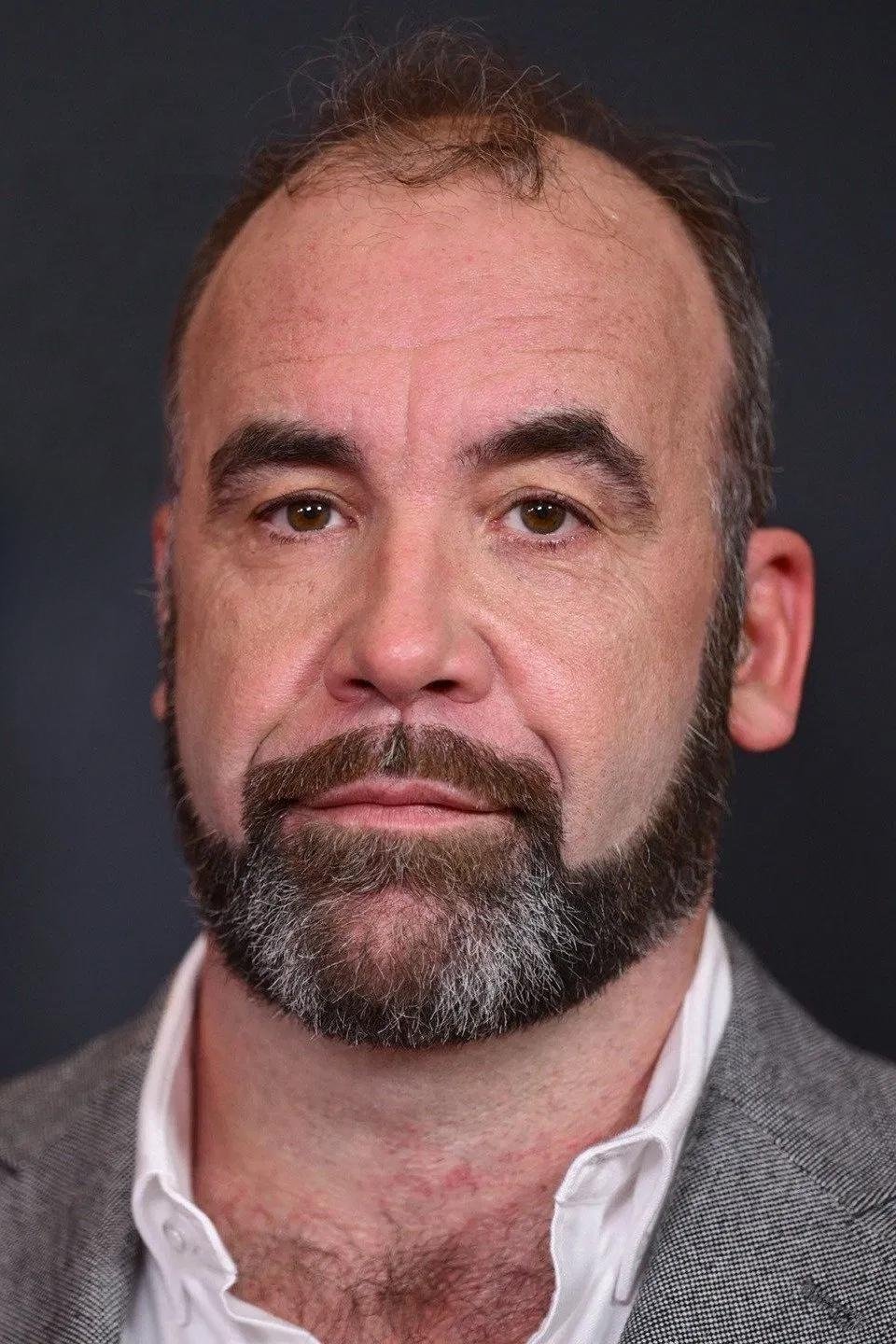
Rory McCann, who played The Hound in ‘Game of Thrones,’ wasn’t a fan of the show’s green screen work. He much preferred filming on location, especially in challenging weather, to being in the studio. He found it difficult to deliver a convincing performance when acting opposite something as simple as a tennis ball, and felt much more engaged when he could work with real sets and effects.
Cillian Murphy
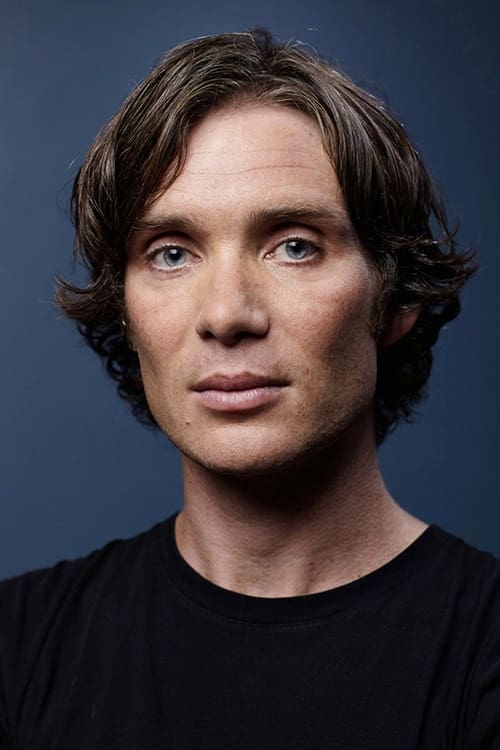
Cillian Murphy, known for his role in ‘Oppenheimer’, generally avoids acting in projects that rely heavily on motion capture or green screen technology. He’s explained that he needs a physical environment and tangible elements to work with, finding it difficult to convincingly act when imagining things that aren’t actually there. This is a key reason he often works with director Christopher Nolan, who favors practical effects over computer-generated imagery. Because of this preference, Murphy hasn’t appeared in most big-budget superhero films.
Willem Dafoe
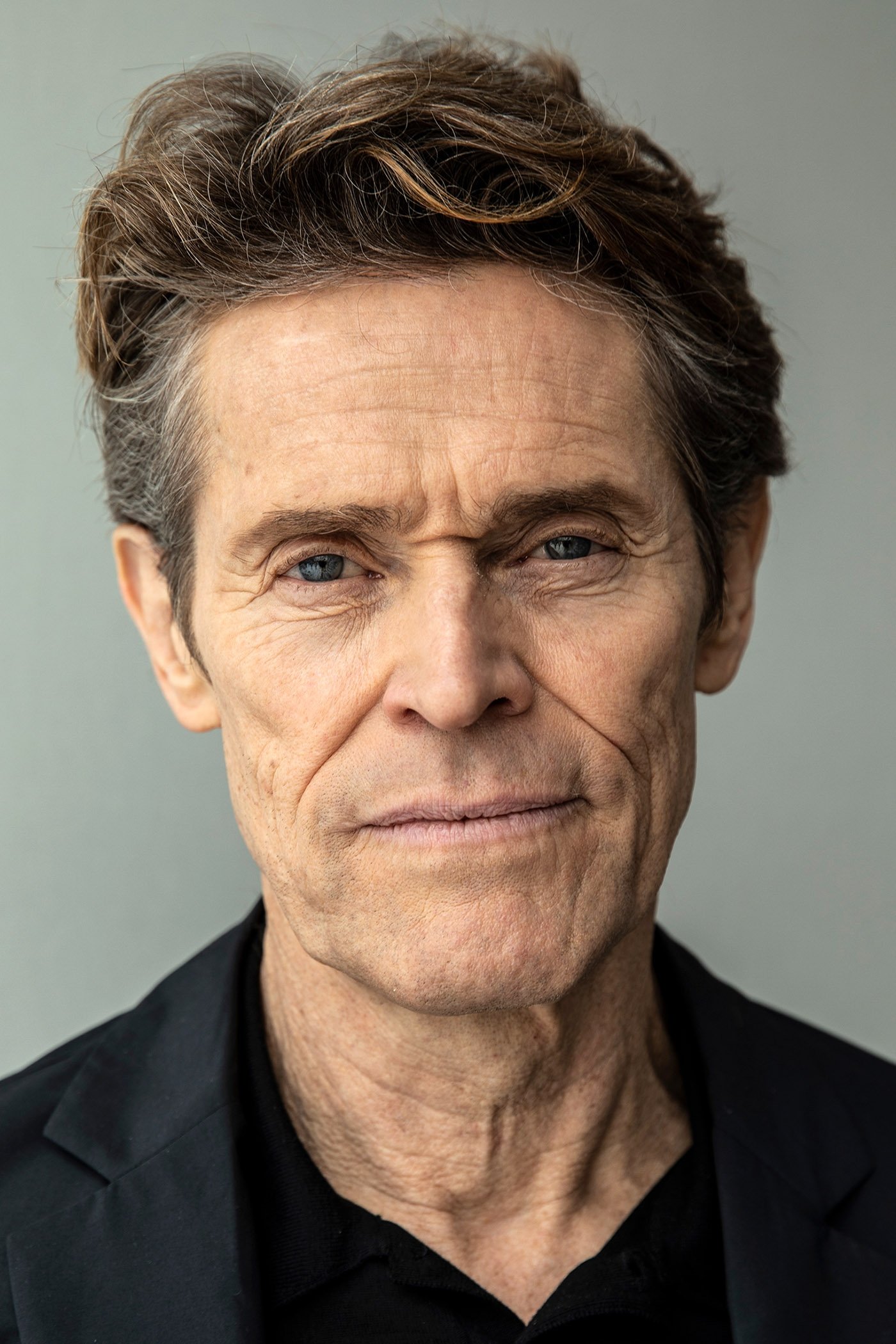
When Willem Dafoe played the Green Goblin in ‘Spider-Man’, he insisted on wearing a real mask instead of having his face created with computer-generated imagery. He agreed to return for ‘Spider-Man: No Way Home’ only if he could perform his own stunts, rather than being a digital character. He feels that the physical aspects of a costume are crucial to his performance, and he typically avoids roles that involve only voice work or motion capture.
Hugh Grant
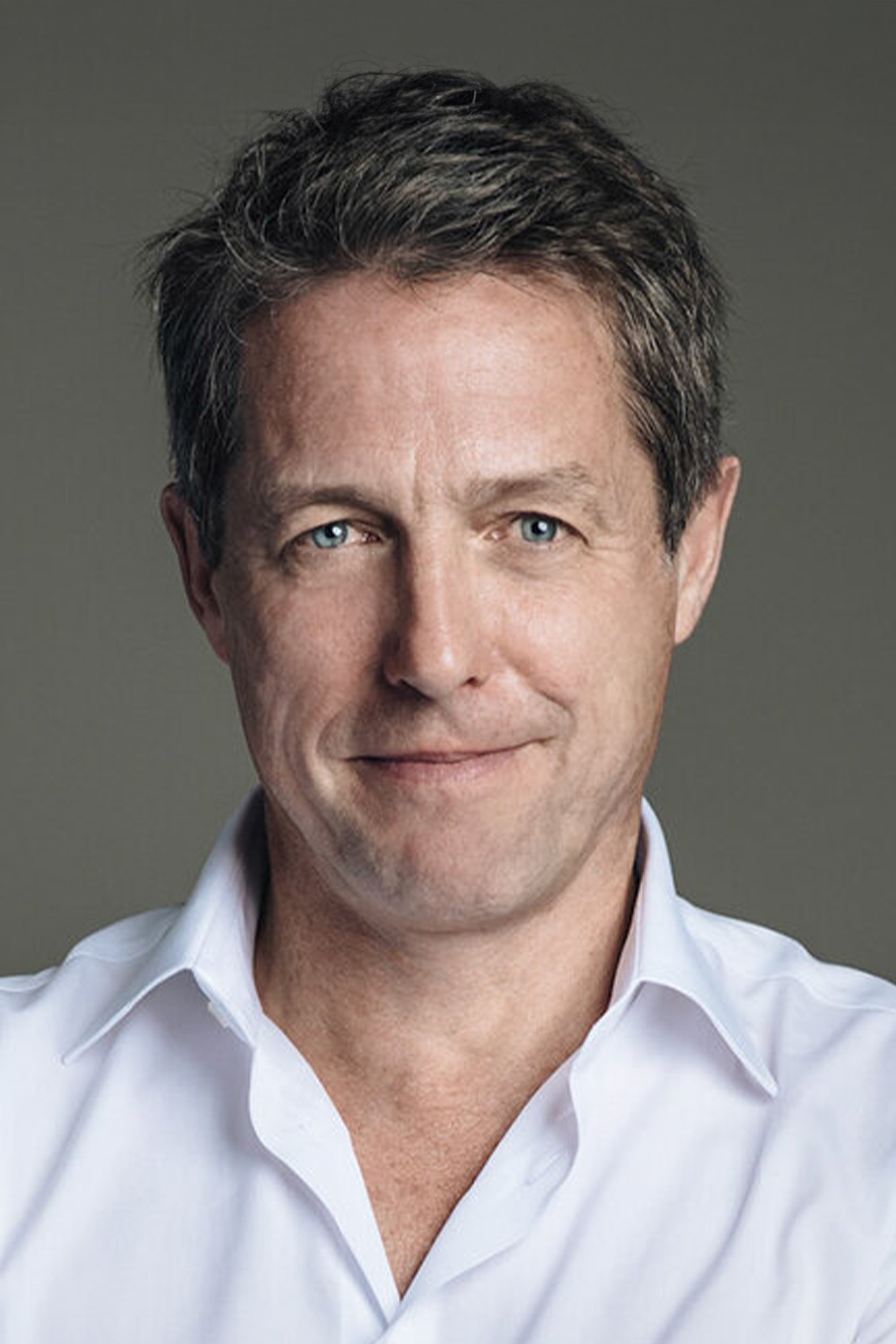
The actor, who played an Oompa Loompa in ‘Wonka’, really disliked the motion capture work. He said the head-mounted camera setup felt like a painful crown of thorns and was generally uncomfortable. He struggled with how to perform – whether to use his whole body or just his facial expressions – and found the directions unclear. He admitted the whole thing was unpleasant, but he took the job to provide for his family.
Dave Bautista
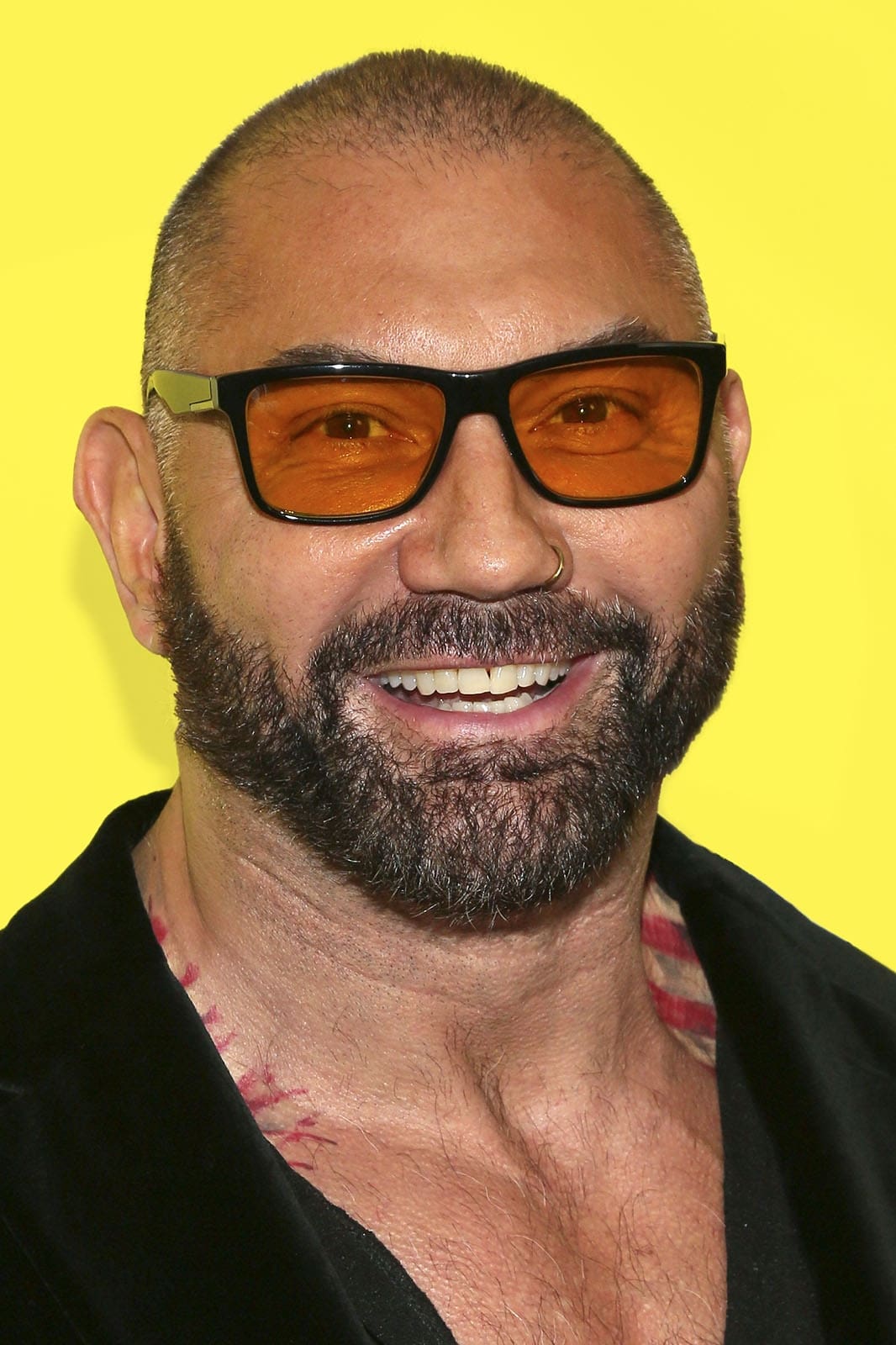
I’ve been following Dave Bautista’s career for a while now, and it’s interesting to hear him talk about his experience as Drax. He’s admitted the constant shirtless scenes and makeup aren’t always fun, but what really seems to bother him are those scenes where he’s acting opposite…nothing. He says it’s incredibly challenging to deliver a truly emotional performance when you’re reacting to a visual effect that isn’t actually there. Honestly, I can see his point! He’s clearly eager to move towards roles that allow him to really act and connect with the material without all the CGI distractions, and I, for one, am excited to see what he does next.
James McAvoy
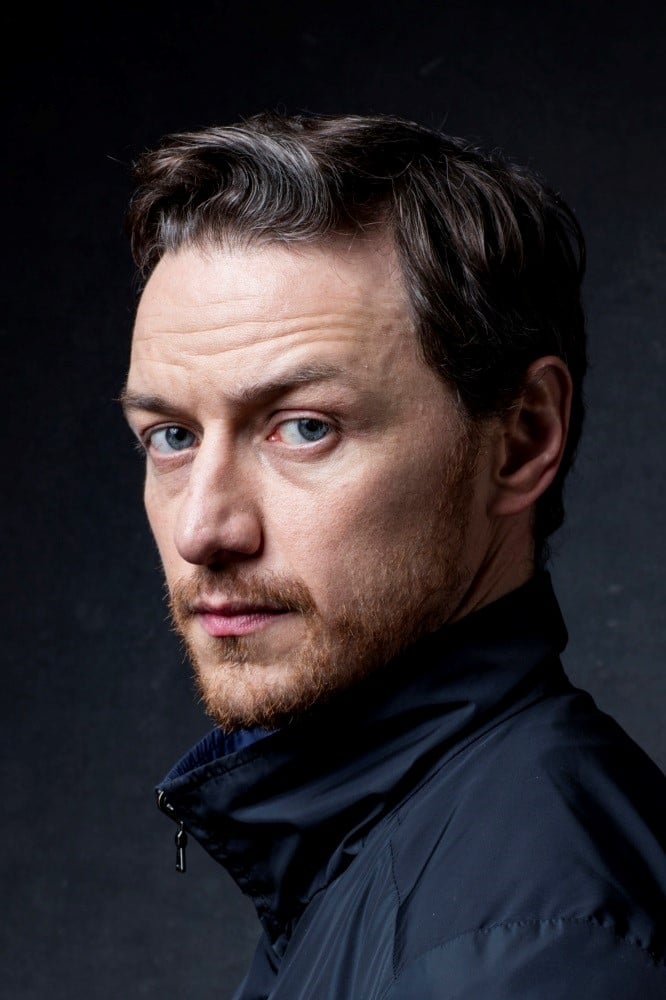
The actor who played Professor X found it difficult to perform during scenes with visual effects. He explained that pretending to fight enemies you can’t see is exhausting, and the green screen work sometimes felt unrealistic and took him out of the moment. He much prefers scenes that focus on character interactions and quieter moments.
Robert Downey Jr.
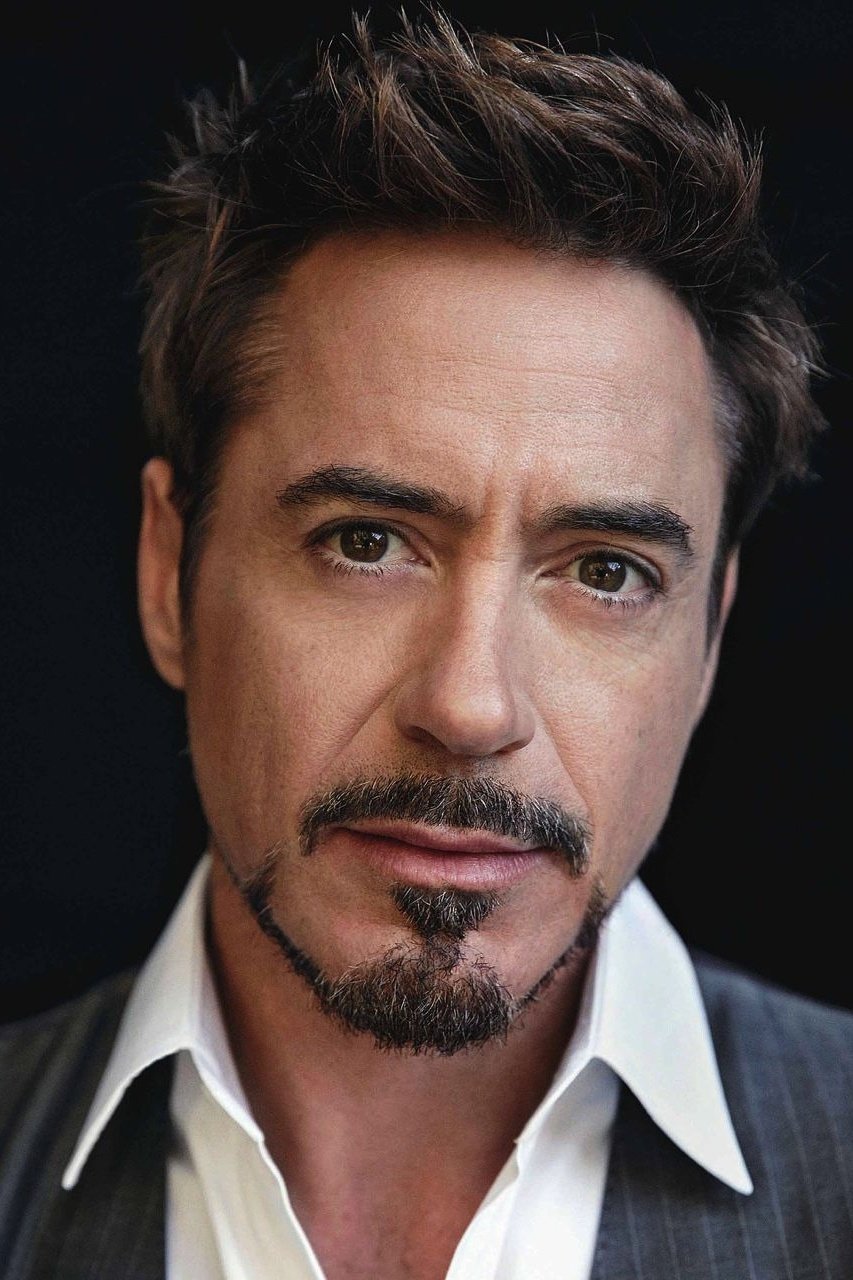
Despite starting the Marvel Cinematic Universe as Iron Man, the actor eventually found the suit physically exhausting and technically challenging. As the films progressed, he stopped wearing the complete armor, choosing a simpler motion capture chest piece instead. He openly admitted that filming the complex heads-up display scenes was frustrating, and he was happy to pursue other roles once his contract with Marvel was finished.
Chris Evans
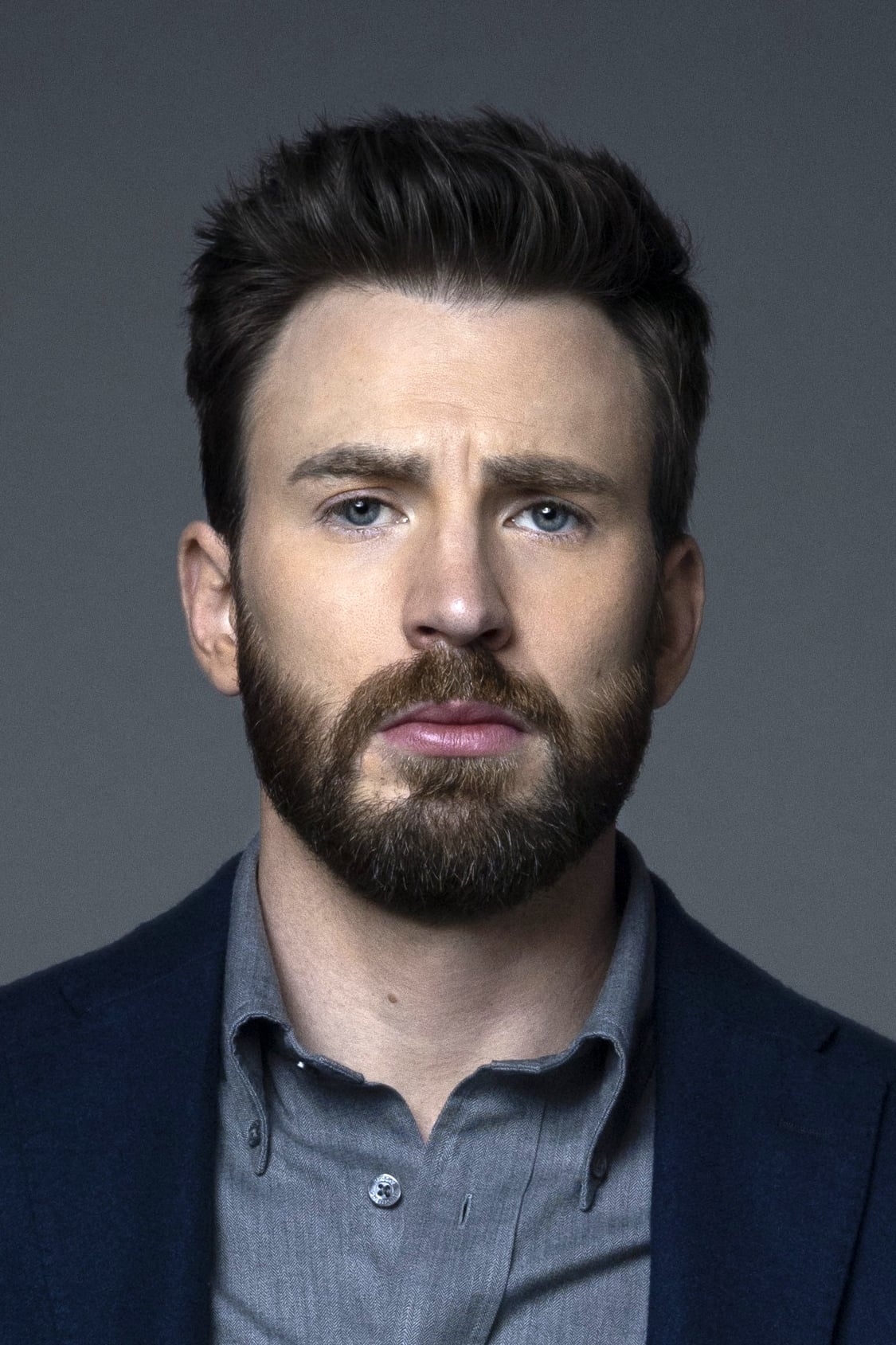
Chris Evans, known for playing Captain America, has discussed the challenges of acting in front of a green screen. He explained that Marvel films are often shot in empty warehouses, which he finds uninspiring. He struggles to fully connect with his character in such an artificial environment and misses the energy of filming on location with natural light.
Chris Hemsworth
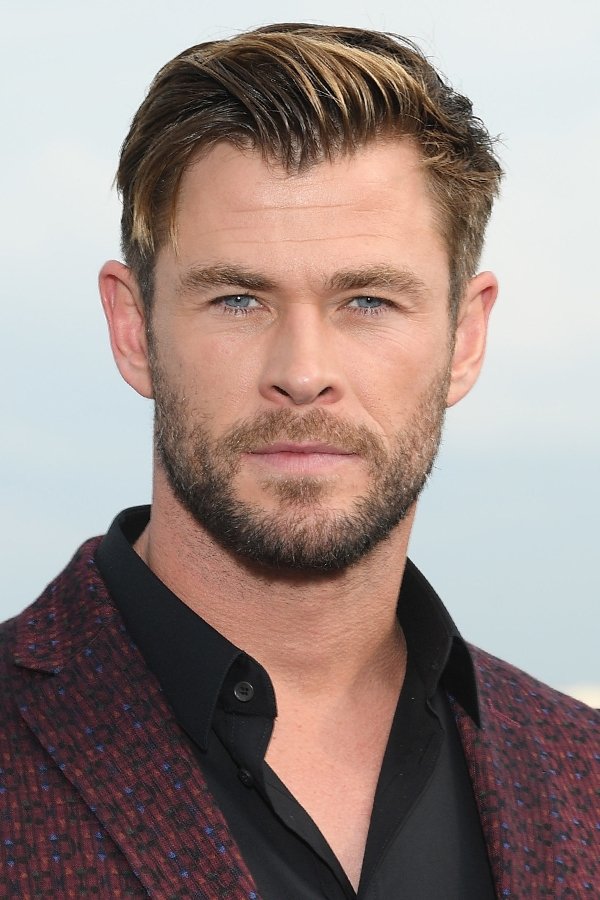
Chris Hemsworth, known for playing Thor, has said he sometimes found filming Marvel movies monotonous. He explained that spending long hours acting against green screens and repeating action sequences could be exhausting, and he even wondered if he was truly acting in those heavily effects-driven scenes. He’s now interested in working on smaller, more script-focused projects.
Daniel Radcliffe
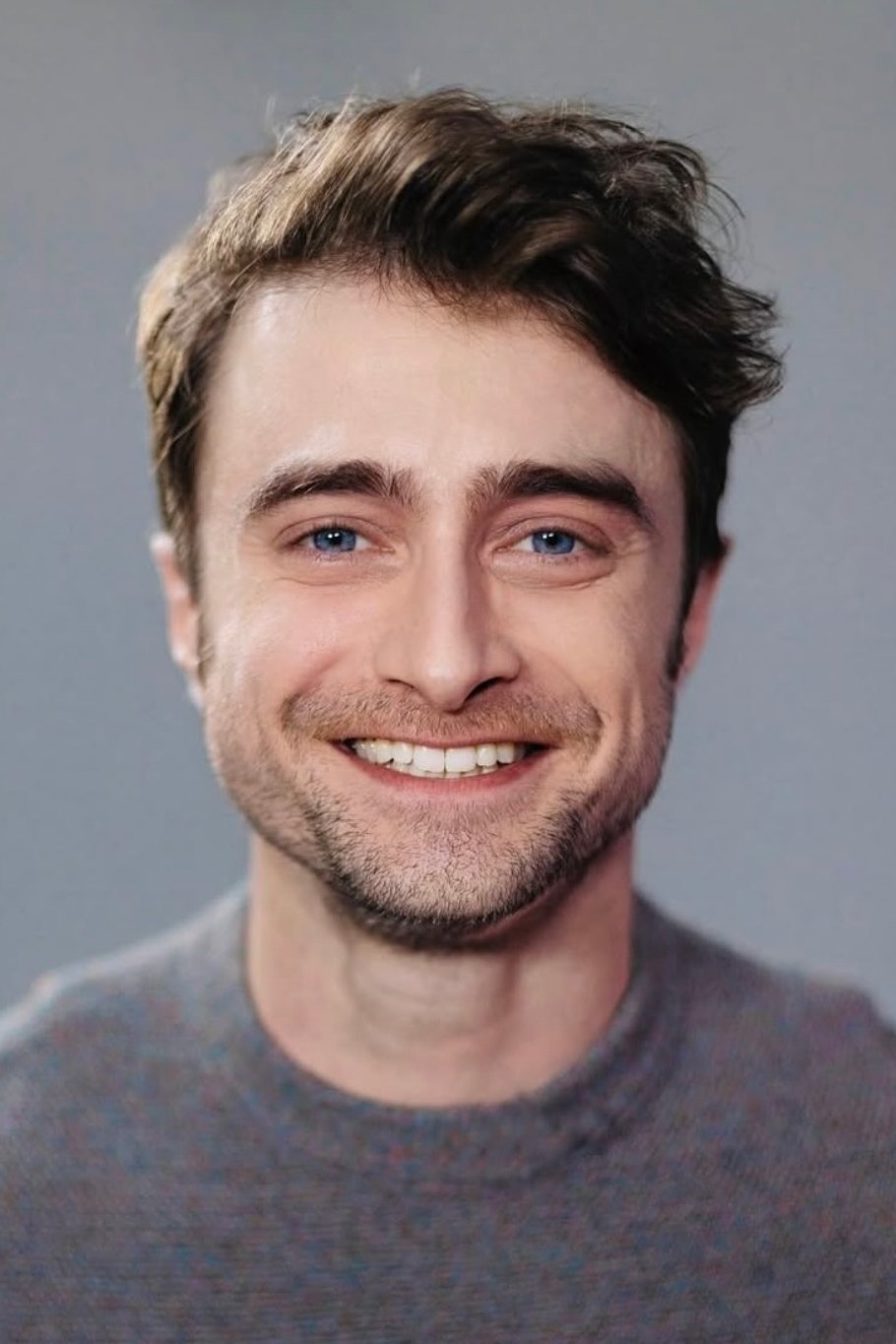
Growing up on the set of ‘Harry Potter,’ the actor lost his enthusiasm for filming underwater or with green screens. The initial excitement of movie magic faded after repeatedly acting opposite simple props like tennis balls. He felt the need for technical perfection limited his creativity, so now he prefers unusual, independent films where he can try new things.
Rupert Grint
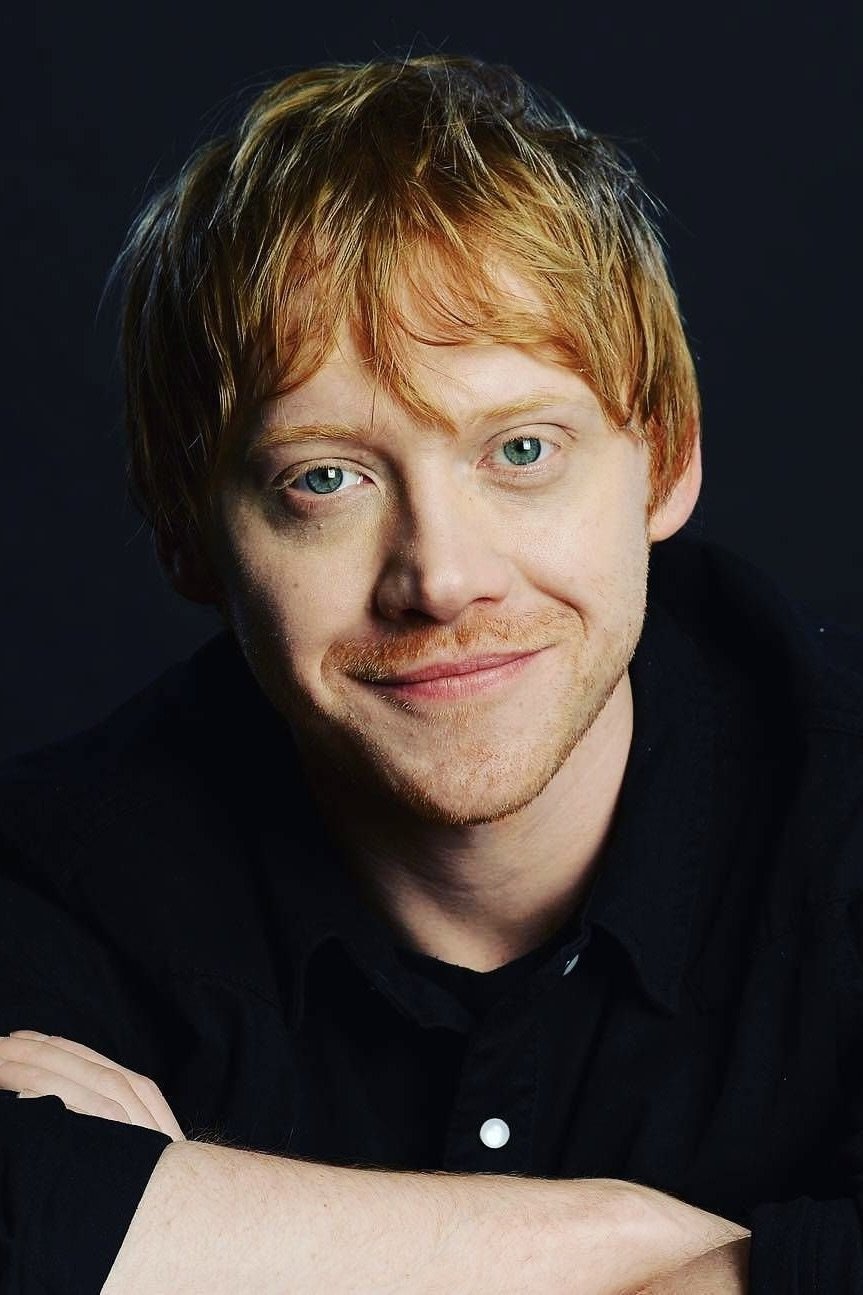
The actor, similar to his co-star, found making the later ‘Harry Potter’ movies physically and mentally draining because of all the special effects work. He said filming the final battle scenes was both repetitive and tiring. It was also difficult to feel connected to the scenes when they weren’t filmed on actual sets. Since the series finished, he’s mostly focused on television and independent films.
Andrew Garfield
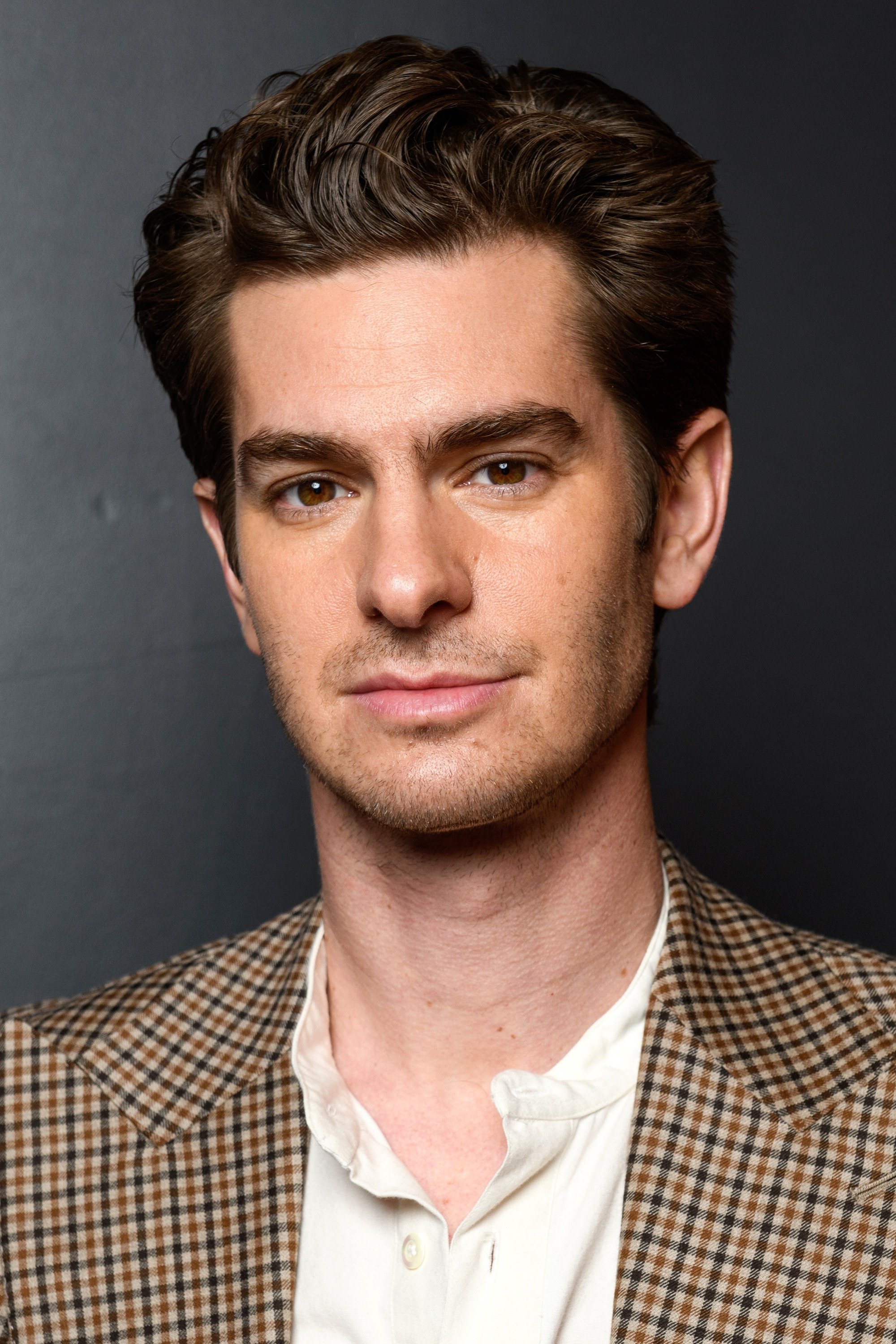
Andrew Garfield, who played Spider-Man, was disappointed with some aspects of ‘The Amazing Spider-Man’ films. He found the focus on technology and corporate decisions disheartening, and he disliked acting against green screens, feeling it created a disconnect in the action sequences. He felt the character got overshadowed by the special effects and studio demands. He particularly enjoyed returning for ‘Spider-Man: No Way Home’ because it prioritized the relationships and interactions between the actors.
Tom Holland
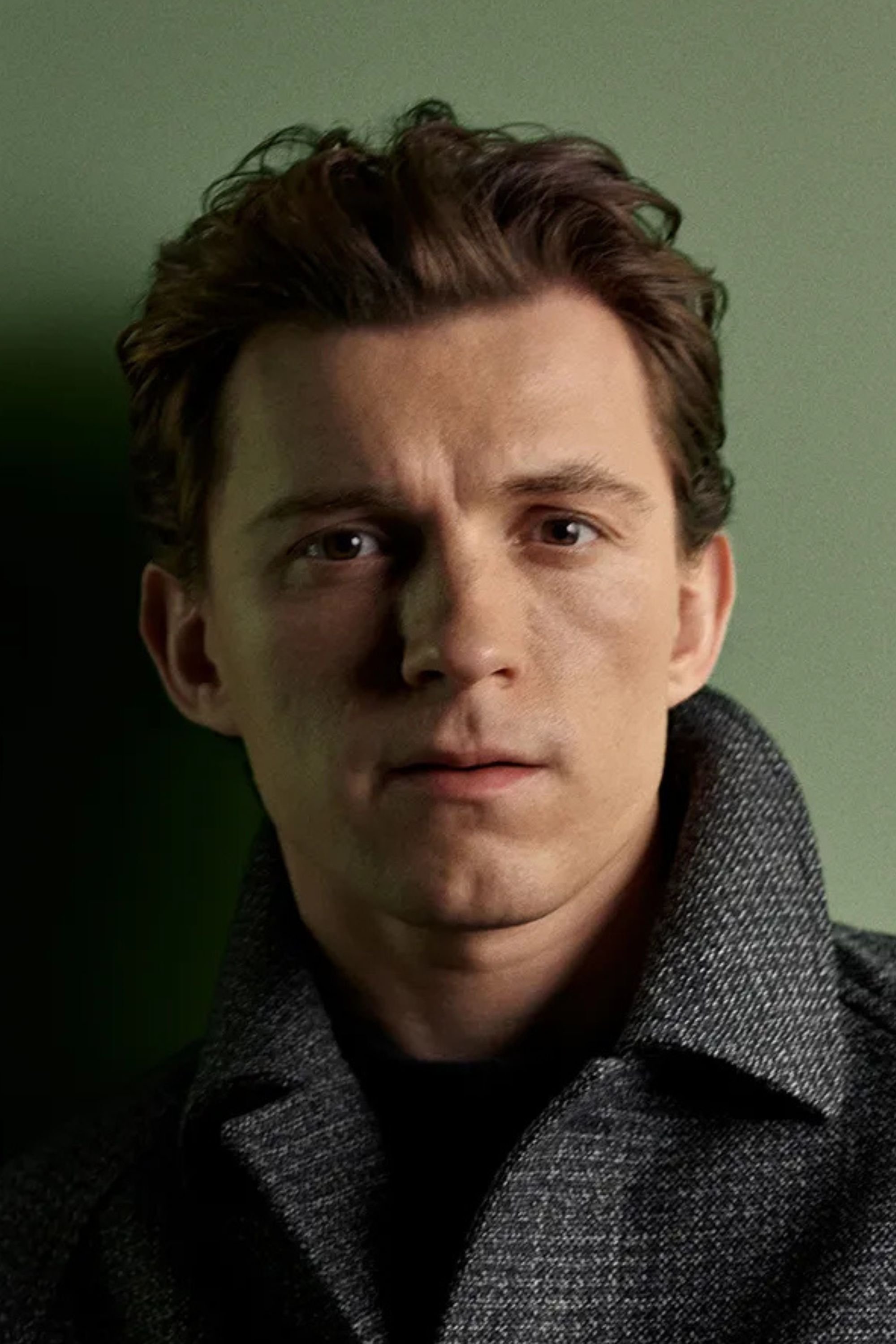
You know, I’ve been hearing about Tom Holland’s experience with the Iron Spider suit, and it sounds…rough. Apparently, the motion capture suit itself – this tight, grey thing he has to wear – is pretty embarrassing for him. He’s said it makes him feel totally uncool! And the acting part is hard too, having to react to tennis balls standing in for giant villains. He much prefers filming the scenes set in the high school because those feel more real and grounded, you know? It’s cool to hear him talk about the challenges, honestly, it gives you a new appreciation for what goes into making these movies.
Jake Gyllenhaal

I was so fascinated to learn that making ‘Spider-Man: Far From Home’ was a real challenge for the actor! He’s usually known for really intense, dramatic performances, so switching to a superhero movie was a big change. He actually found it tough getting into character on those huge green screen sets, acting like he was interacting with things that weren’t even there. It gave him a lot of anxiety at first, because it was such a different style of acting than he was used to. Thankfully, he eventually figured it out, but he said it definitely took some getting used to!
Sean Connery
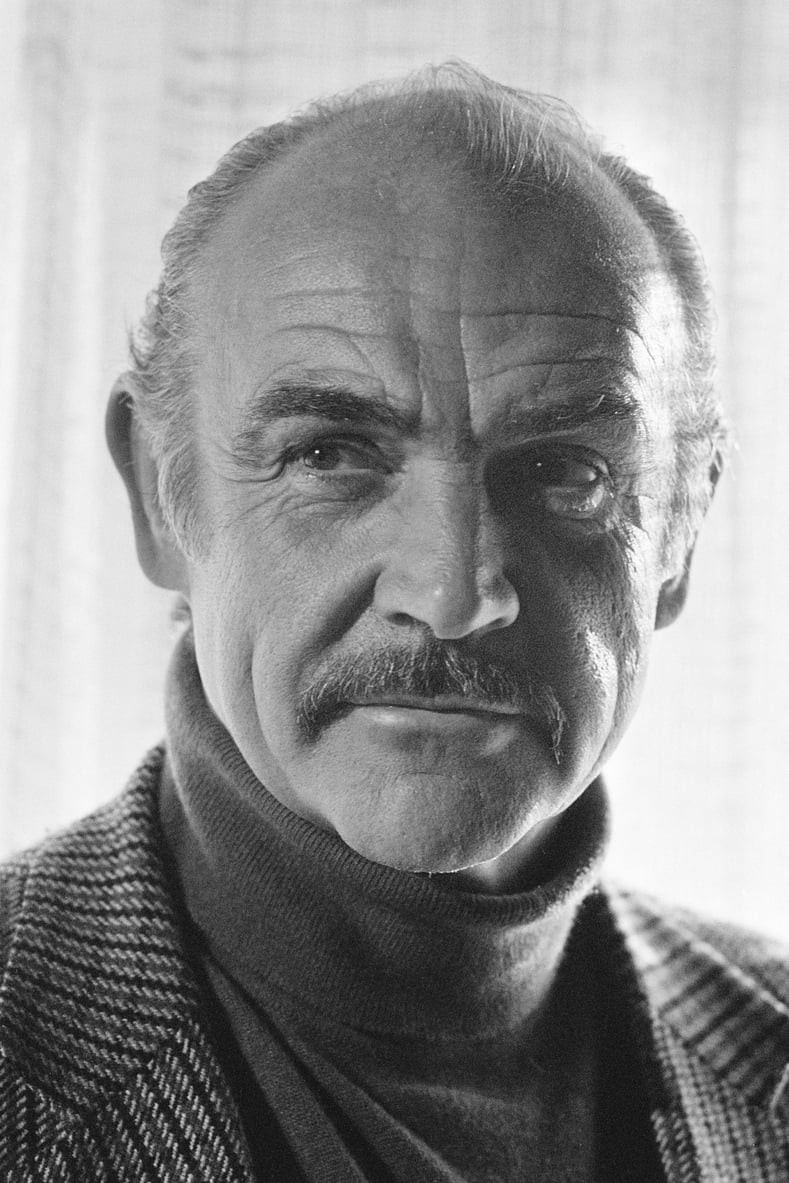
The actor, a celebrated figure in film, decided to retire from acting after a difficult time making ‘The League of Extraordinary Gentlemen’. He disliked the disorganized production and the constant use of incomplete visual effects. He believed the director struggled with the technical challenges, sacrificing the quality of the film. The stressful experience of filming with so much green screen ultimately led him to leave Hollywood permanently.
Matt Damon
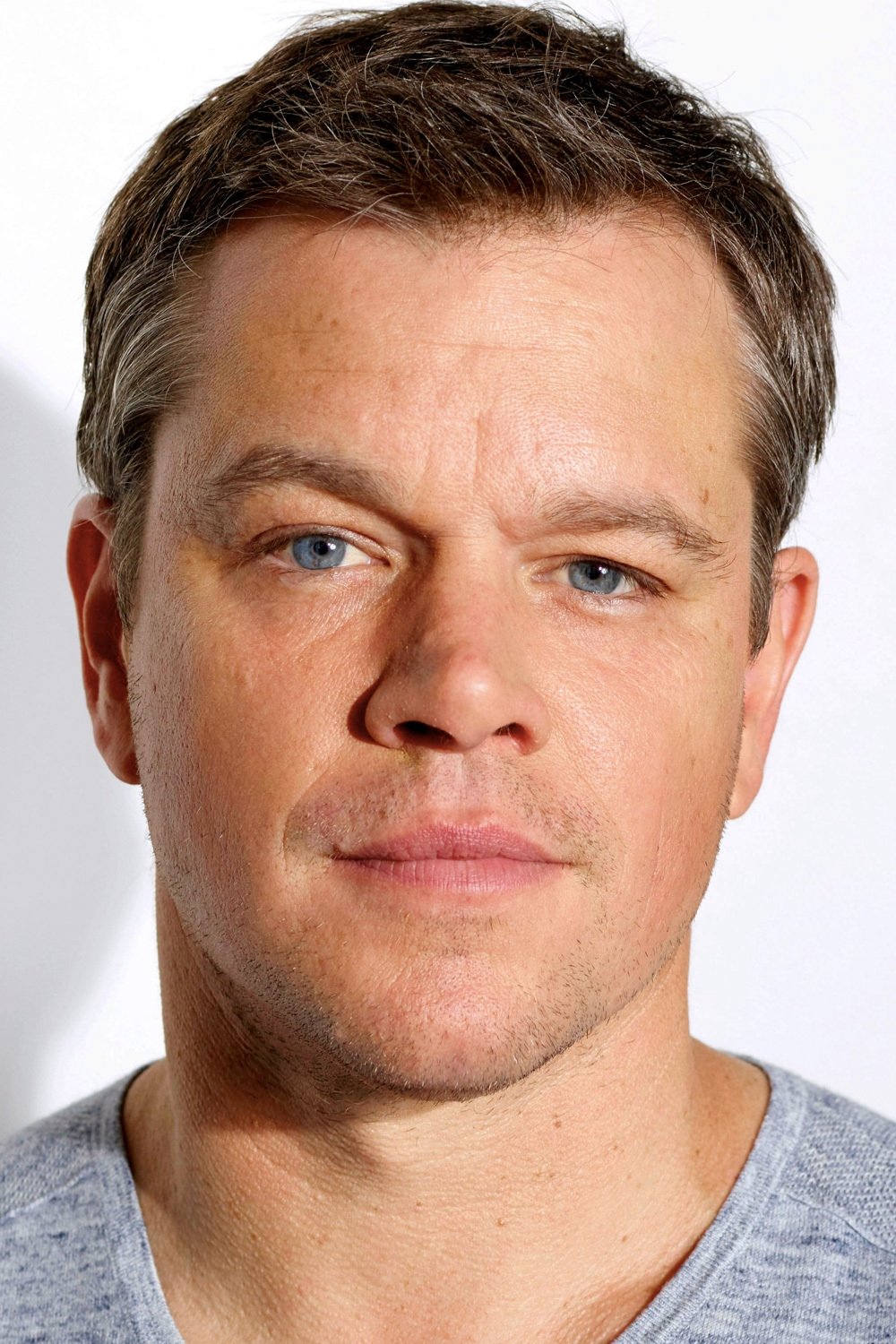
While making ‘The Great Wall,’ he quickly understood the film wasn’t going to succeed because of how it was being made. He felt the overuse of computer-generated monsters and the unoriginal story weren’t effective. He described filming scenes mostly against green screens as discouraging, and now uses that experience to help him avoid taking on flawed projects.
Winston Duke
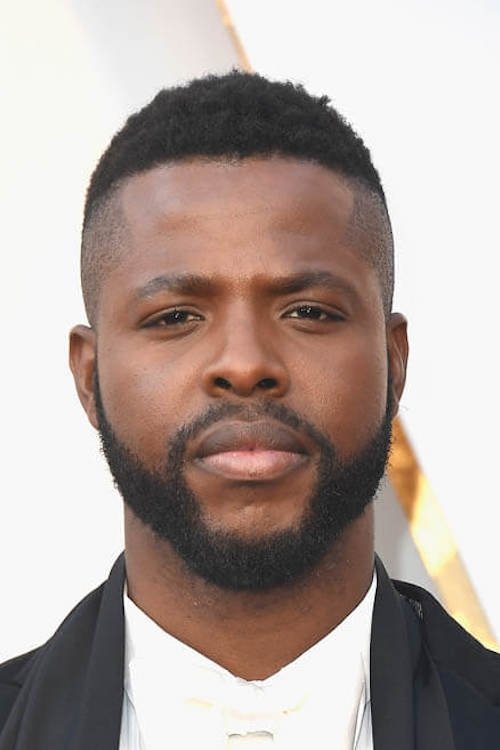
You know, as much as I love the final product of movies like ‘Black Panther,’ I really empathize with Chadwick Boseman’s experience with all that green screen work. He said it felt totally disorienting – imagine being in a blue or green room with nothing around you! It meant he had to create the entire setting in his mind, which sounds incredibly draining. Honestly, I can see why he preferred actual sets where he could really feel like he was in the world of the movie and interact with things physically. It just seems like a much more natural way to work.
Richard E. Grant
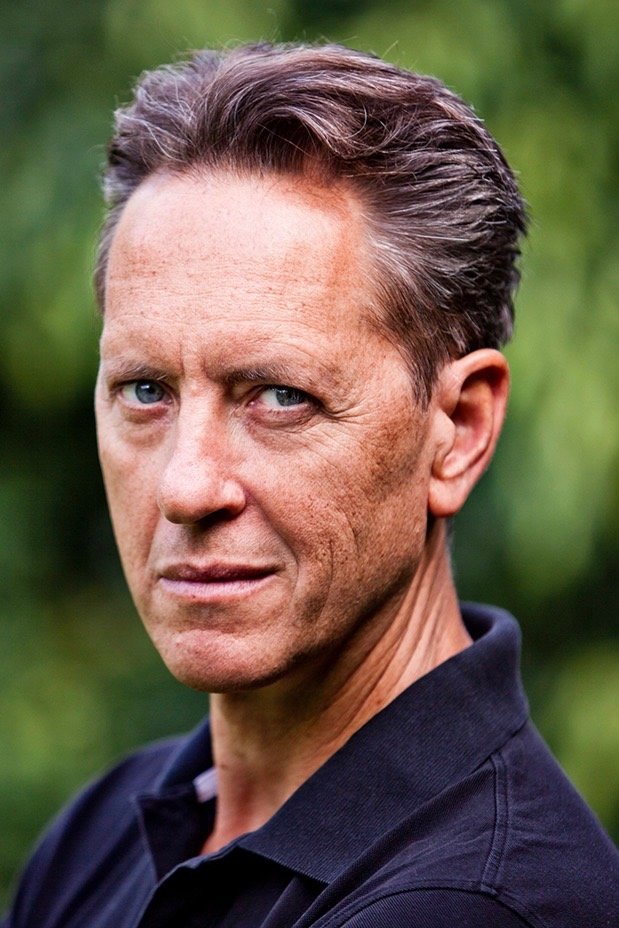
The veteran actor thoroughly enjoyed, yet was also confused by, his time on ‘Loki’. He playfully described acting opposite a simple wire, which was meant to represent a frightening creature. While he found the whole experience amusing, it wasn’t how he usually approached a role, and he embraced the humor in the lack of traditional set pieces.
Peter Dinklage
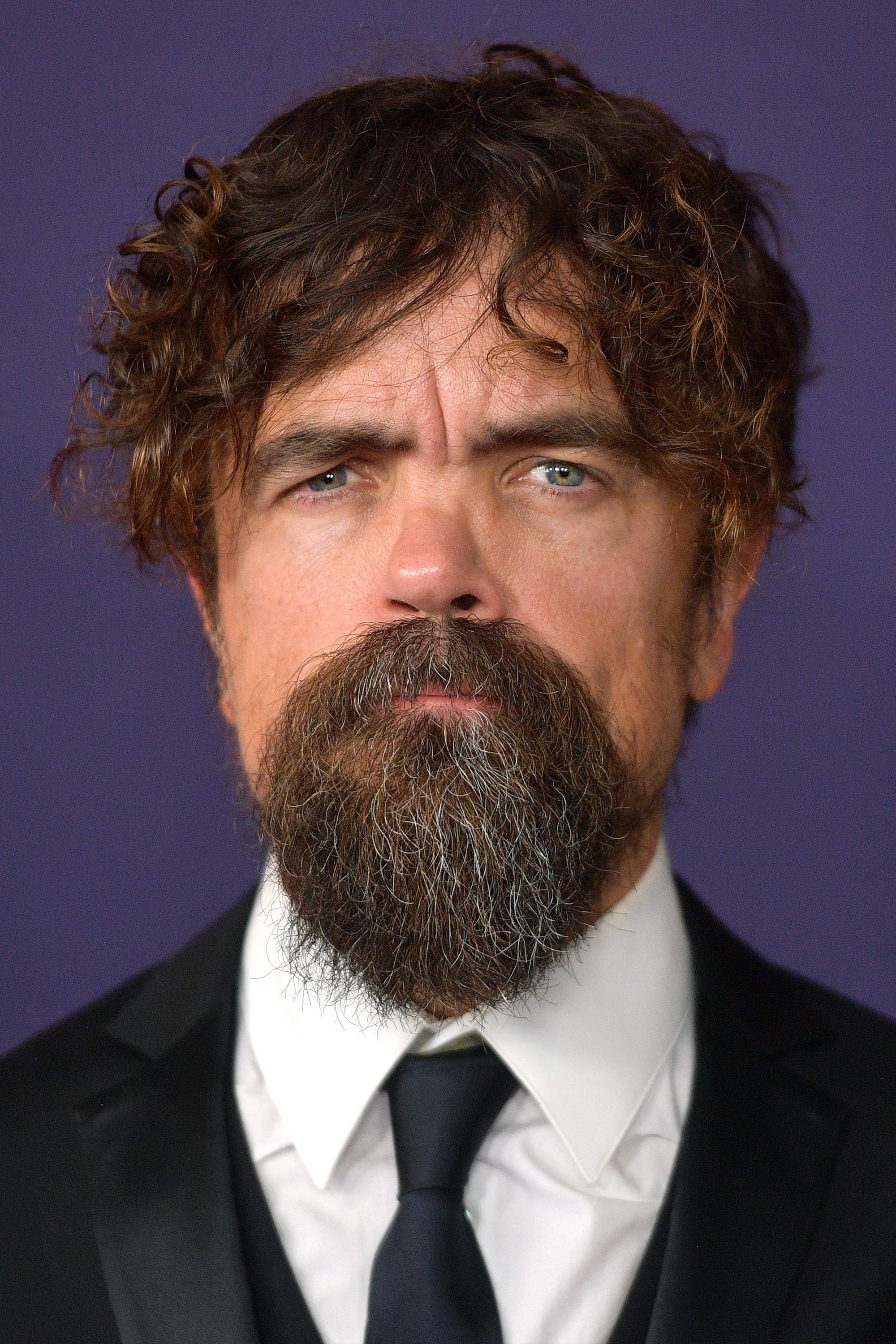
Although ‘Game of Thrones’ built many real sets, the actor often had to pretend to interact with computer-generated dragons. He found it odd to act fearful and respectful towards a simple green ball on a stick, which stood in for the dragons. Maintaining the illusion when there was nothing actually there required a lot of concentration. He was grateful that many of his scenes involved conversations with other actors.
Guy Pearce
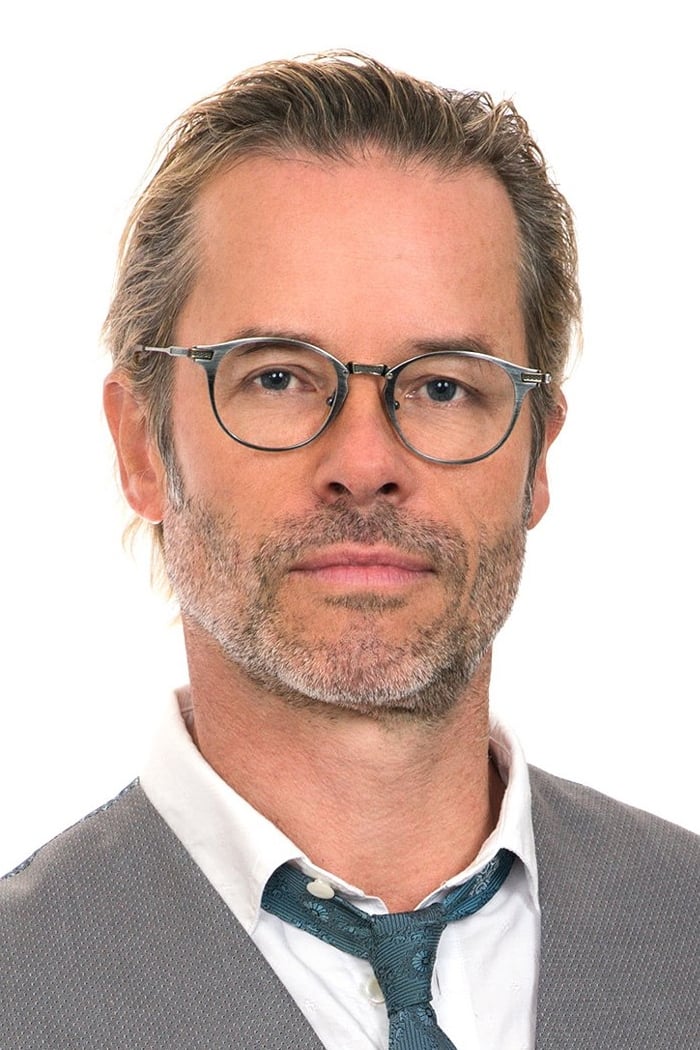
I always thought that actor was great as the villain in ‘Iron Man 3’, but he’s said the whole Marvel experience was a bit odd for him. He comes from more independent films, and he felt like all the green screen stuff was really technical and lacked the warmth he was used to. It sounds like the massive scale of everything made it hard for him to really connect with the character on a personal level. Honestly, he’s always seemed like a guy who prefers those smaller, more intense thrillers where the story feels real and relatable.
Michael Fassbender
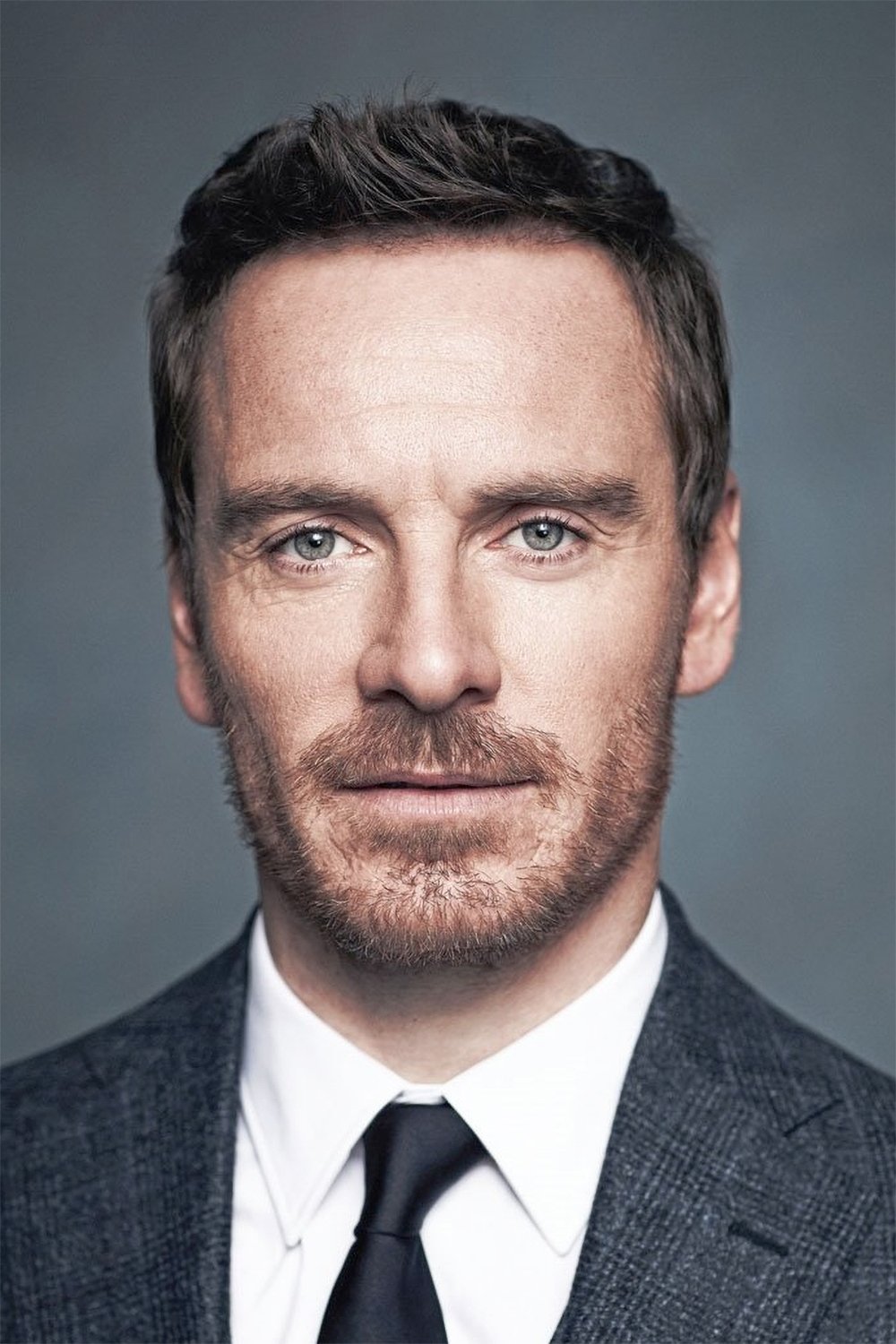
While playing Magneto in the ‘X-Men’ prequel films, the actor often found himself hanging from wires in front of a green screen. He famously joked about how awkward he looked in behind-the-scenes clips, wildly moving his arms as if manipulating metal. He confessed that performing these actions without the visual effects felt silly, and although he tried to appear dignified, he acknowledged the whole process was quite absurd.
Eddie Redmayne
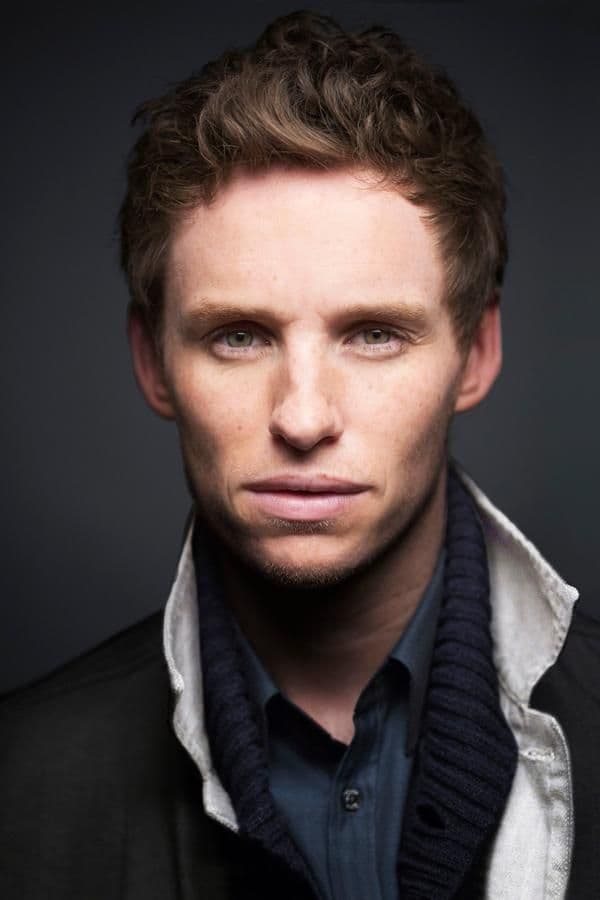
The actor appeared in the unsuccessful science fiction film ‘Jupiter Ascending’ and found working with green screen technology challenging. His role as a villain required him to respond to imaginary spaceships and creatures. He later explained that he intentionally exaggerated his performance because he was often unsure of what was happening around him on set. He felt the lack of a real environment made it difficult to perform effectively.
Tell us about a special effects moment you love, or share your thoughts on the challenges these actors faced, in the comments below.
Read More
- 20 Movies Where the Black Villain Was Secretly the Most Popular Character
- Celebs Who Narrowly Escaped The 9/11 Attacks
- Top 20 Dinosaur Movies, Ranked
- 25 “Woke” Films That Used Black Trauma to Humanize White Leads
- Transformers Under the Microscope: What Graph Neural Networks Reveal
- The 10 Most Underrated Jim Carrey Movies, Ranked (From Least to Most Underrated)
- 22 Films Where the White Protagonist Is Canonically the Sidekick to a Black Lead
- Trading on Thin Air: AI Agents Conquer Crypto Volatility
- The Best Directors of 2025
- Gold Rate Forecast
2026-01-30 15:21