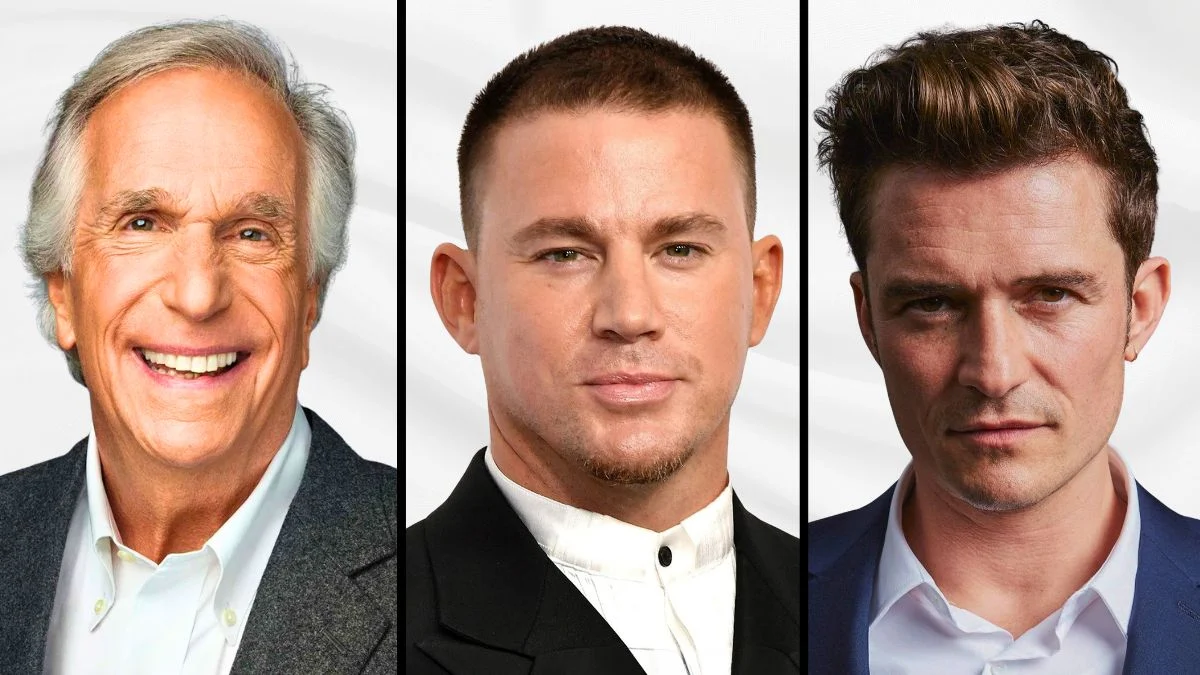
Many famous Hollywood actors have overcome learning difficulties to achieve success. Dyslexia, in particular, can be a real challenge for actors who need to quickly learn complicated scripts and lengthy speeches. For years, some well-known stars kept these struggles hidden and found clever ways to memorize their lines. They often used techniques like listening to recordings of the script, proving that actors don’t always need to be strong readers to succeed. These stories show how creative people can adjust and flourish, even in a high-pressure job.
Tom Cruise
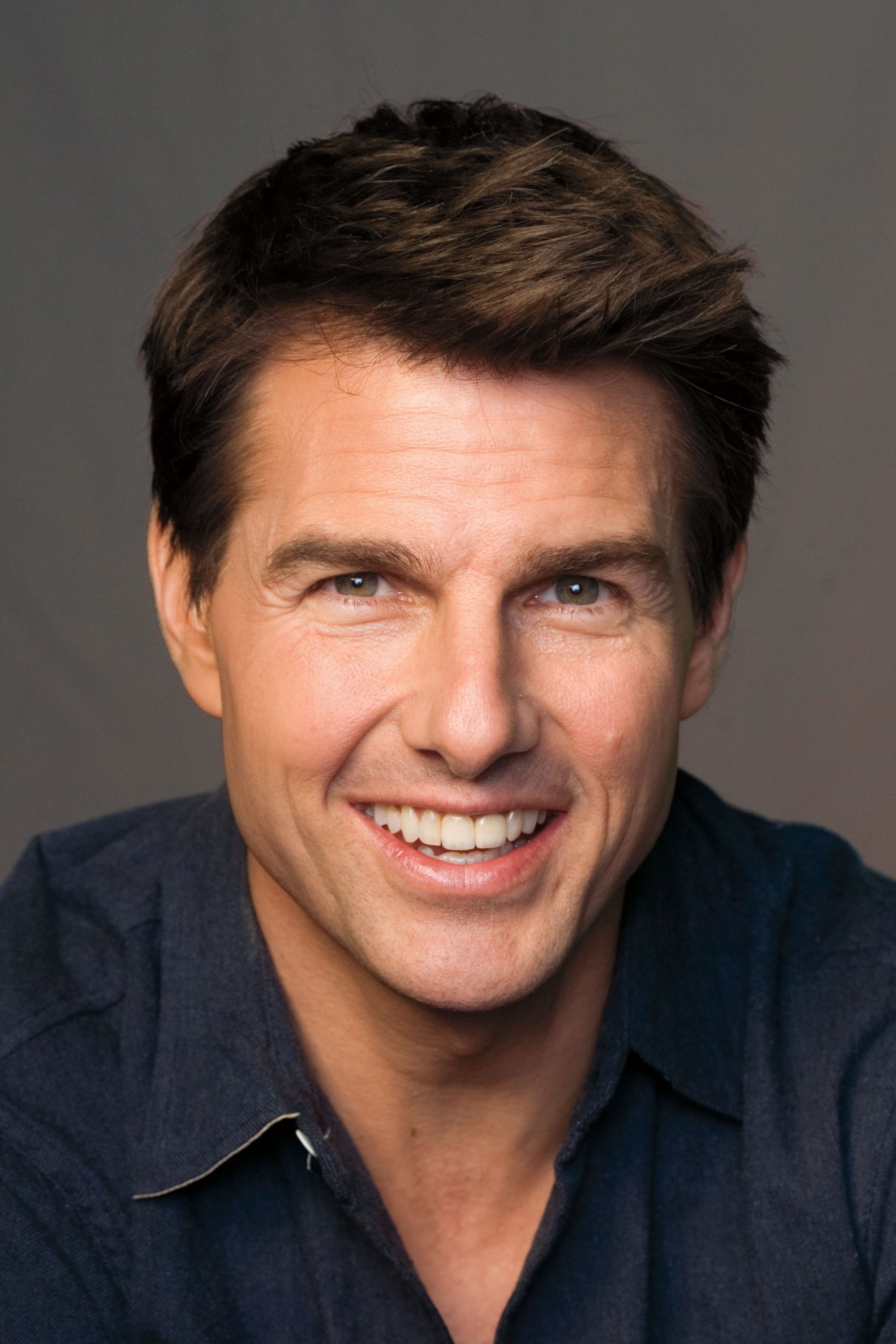
Tom Cruise had trouble reading as a child and considered himself functionally illiterate when he was younger. He kept this learning difficulty hidden during the filming of his early movies, like ‘Top Gun’ and ‘Rain Man,’ and found ways to work around it. He learned his lines by listening to recordings and having people read the script to him many times. This hard work helped him deliver complex dialogue and become a hugely successful actor. Later in life, he shared that certain learning methods were key to improving his reading skills.
Henry Winkler
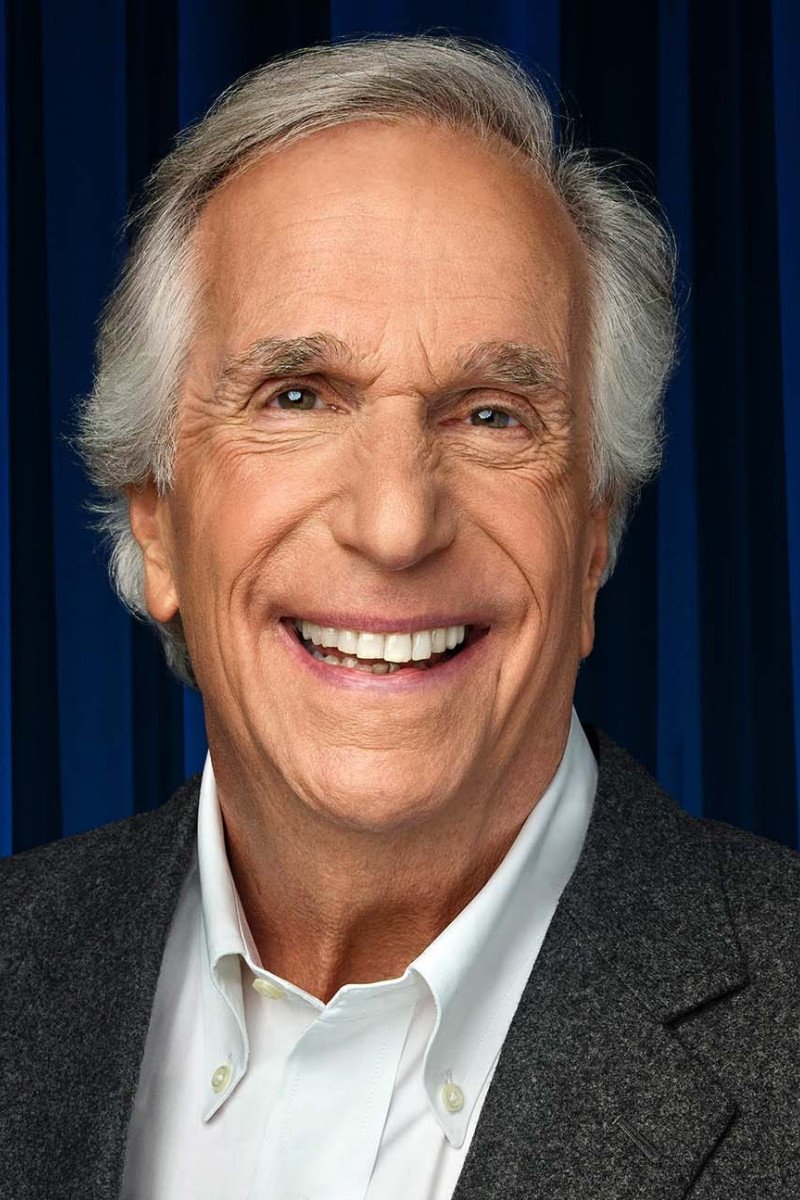
Henry Winkler became famous playing the Fonz on ‘Happy Days,’ but he secretly struggled with reading. He often made up lines during auditions or asked for scripts to be read to him. It wasn’t until he was thirty-one and already a star that he was officially diagnosed with severe dyslexia. To play his famous role, Winkler relied on his strong listening skills to memorize everything. Now, he’s a well-known author of children’s books that feature characters who face learning challenges.
Orlando Bloom
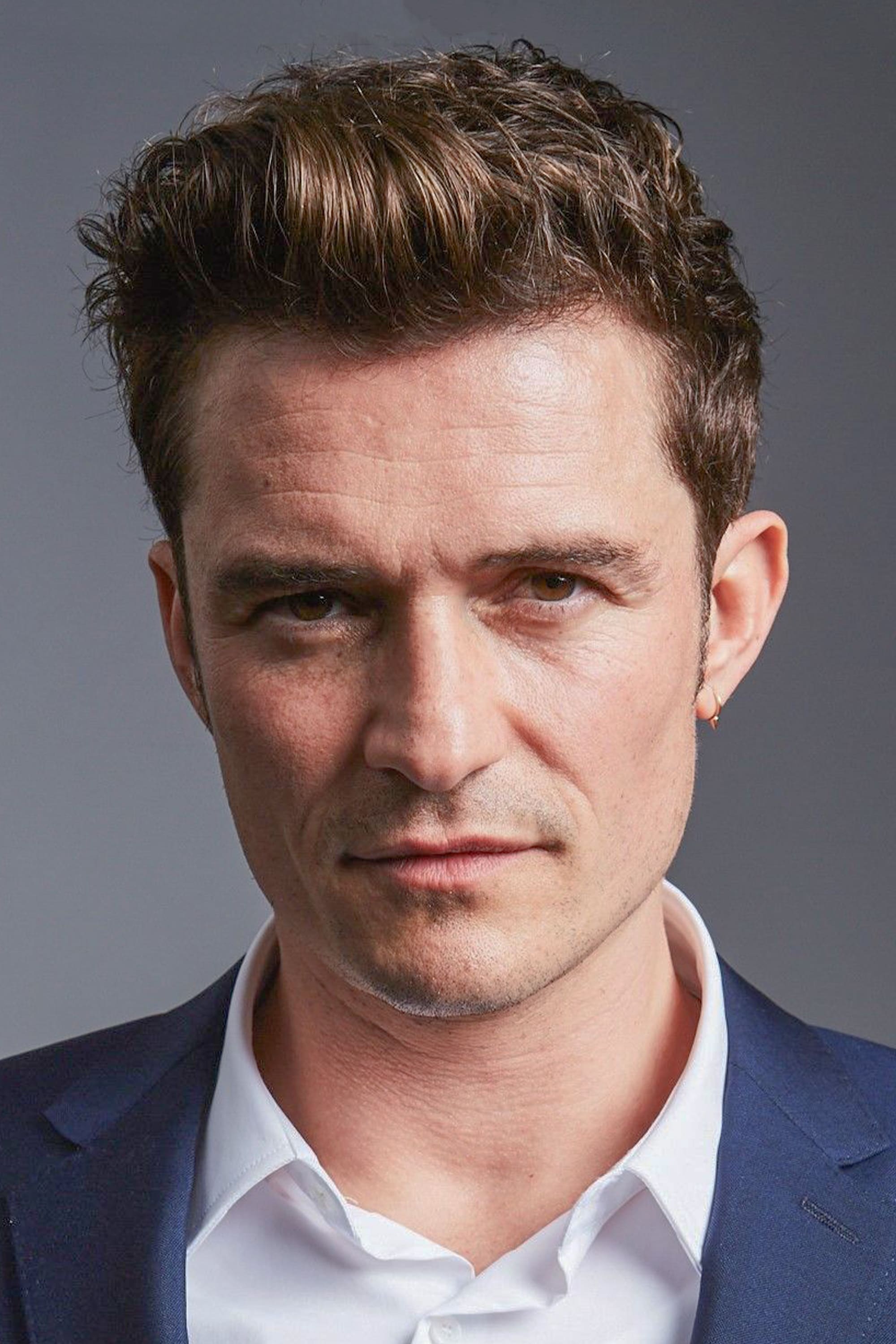
Orlando Bloom learned he had dyslexia when he was young, and he struggled with typical schoolwork. He found that acting was a great way to express himself creatively. When working on big films like ‘The Lord of the Rings,’ he memorized lines by listening to them. His mother helped him improve his reading by encouraging him to read aloud, connecting what he saw on the page with how it sounded. Bloom has often said that his dyslexia motivated him to work even harder than other actors.
Keanu Reeves
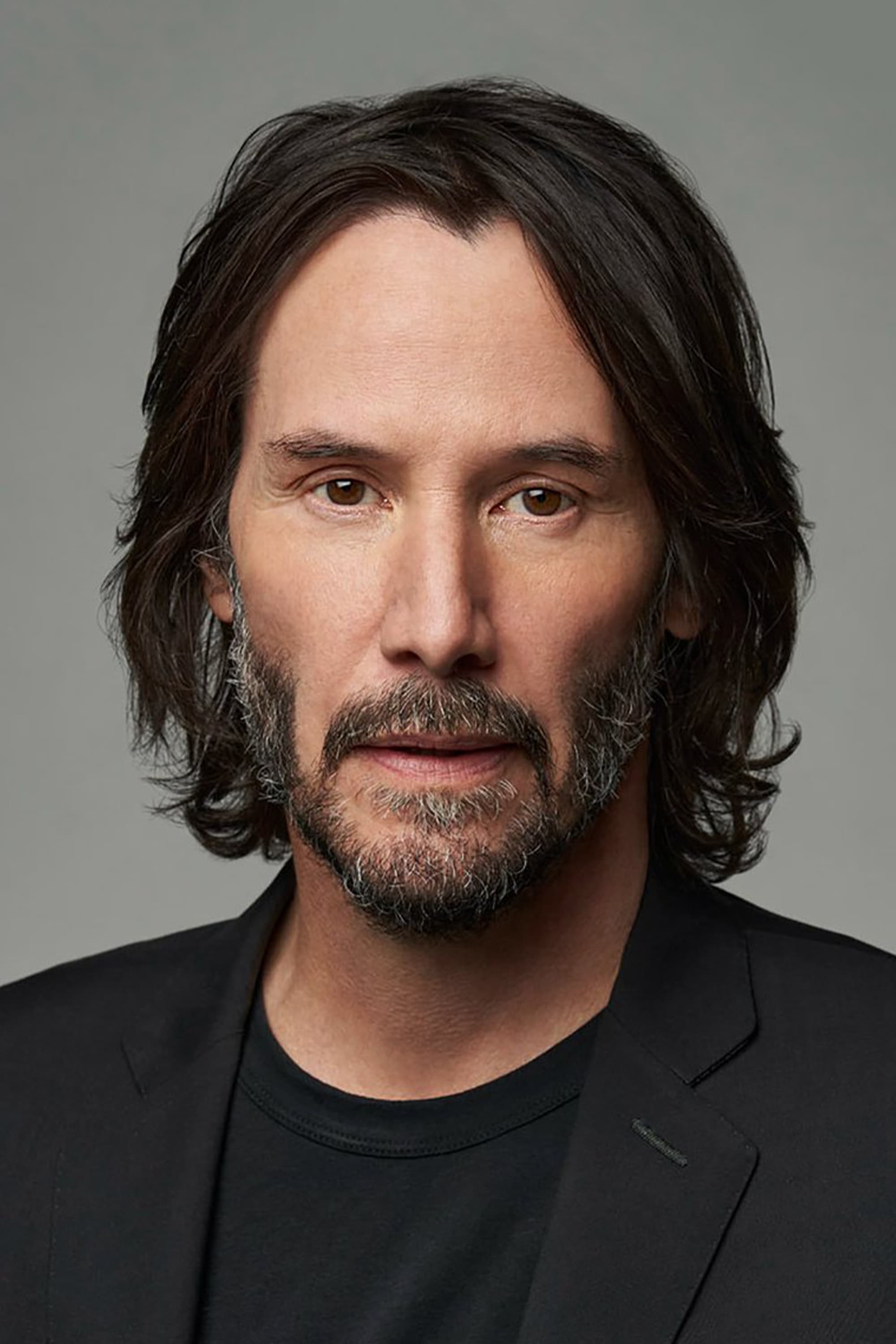
Keanu Reeves struggled with dyslexia in school and ultimately decided to leave before finishing his education. He learned best by listening rather than reading. When preparing for roles in films like ‘The Matrix’ and ‘John Wick,’ he’d concentrate on the sound and flow of the lines to perfect his performance. This focus on how things sounded helped him create his distinctive and memorable acting style. He continues to support people with different learning styles and sees his dyslexia as an important part of who he is.
Anthony Hopkins
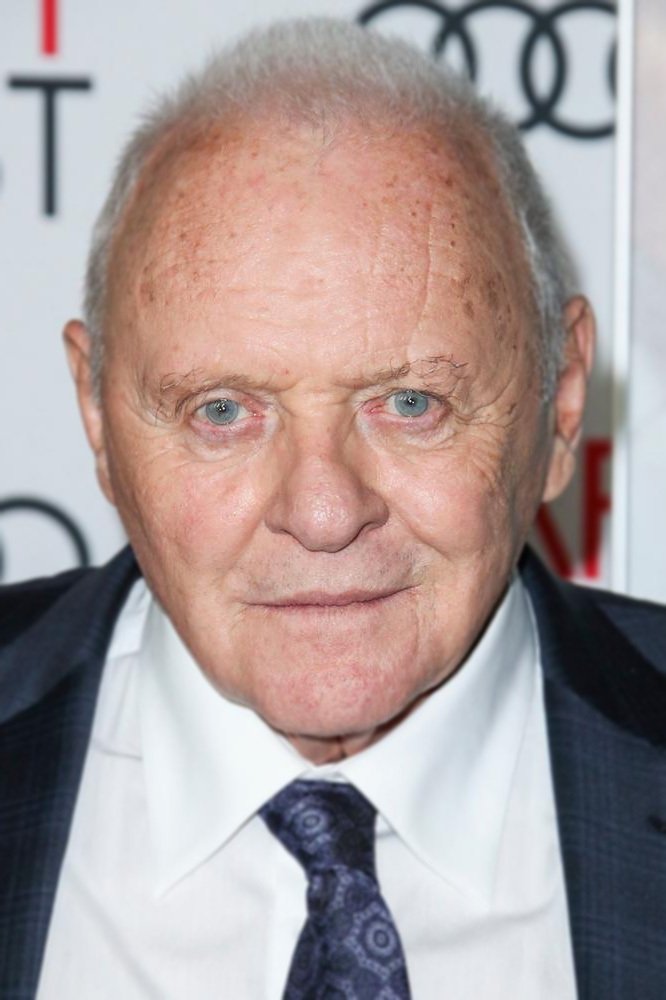
Anthony Hopkins struggled in school due to dyslexia, which made traditional learning very difficult. He found ways to express himself through music and acting instead. When preparing for demanding roles, like Hannibal Lecter in ‘The Silence of the Lambs,’ he would repeatedly practice his lines until he knew them perfectly, and he relied on his strong sense of hearing to fully understand his characters. His successful career demonstrates that struggling with academics doesn’t prevent someone from achieving artistic excellence.
Patrick Dempsey
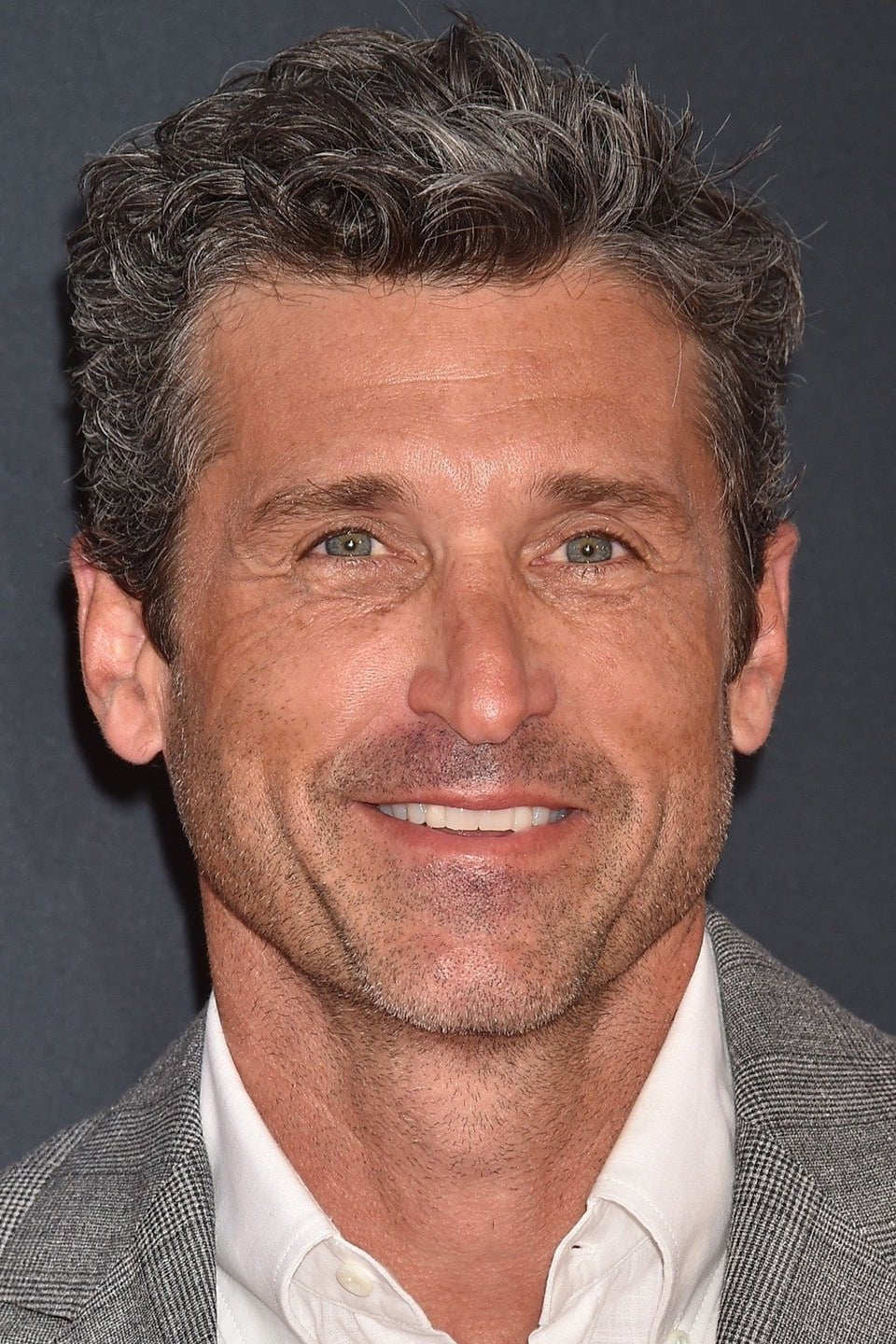
Patrick Dempsey didn’t find out he had dyslexia until he was twelve, after years of difficulty in school. Early in his acting career, he couldn’t read scripts and had to learn his lines by listening. This required a lot of dedication and he worked with coaches who would read the dialogue aloud to him. Even during his time on ‘Grey’s Anatomy,’ he continued this practice to manage the show’s complex medical terms. He feels that having dyslexia actually helped him succeed in Hollywood by giving him a unique outlook.
Channing Tatum
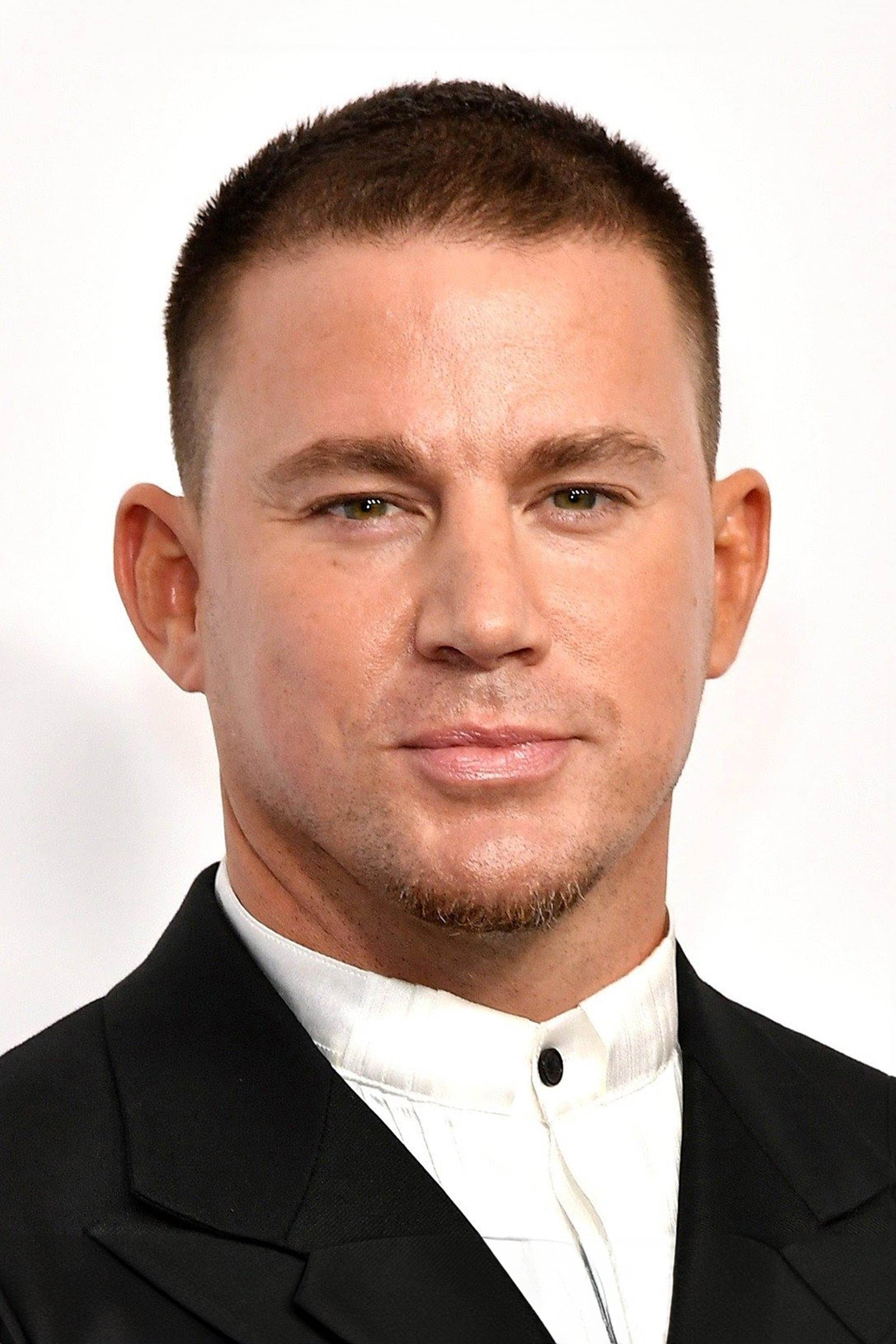
Channing Tatum struggled with dyslexia and ADHD as a child, which made him feel like he wasn’t very smart. He found it incredibly difficult to learn lines by simply reading them – he rarely remembered anything. Instead, he discovered he learned best by listening to others say the lines, or by having them read to him with different inflections. This approach helped him succeed in a variety of roles, including the comedic films ‘Magic Mike’ and ’21 Jump Street’. He’s always been honest about the significant effort he puts into preparing for each project.
Billy Bob Thornton
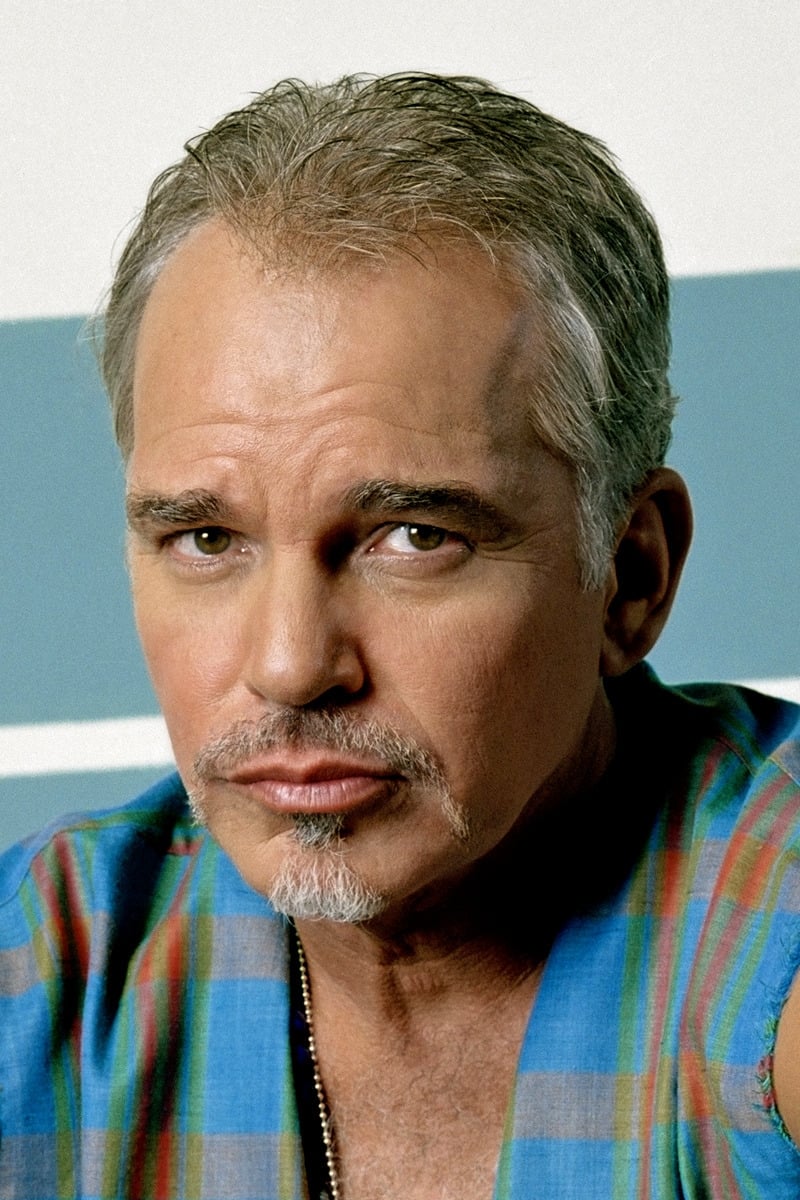
As a film buff, I’ve always been fascinated by Billy Bob Thornton. He’s talked openly about how dyslexia made reading scripts incredibly difficult for him. Instead of relying on his eyes, he really honed his ear and used his innate sense of storytelling. It’s amazing to think that for a role like Karl Childers in ‘Sling Blade,’ he basically listened his way into creating that character’s unique way of speaking. He still finds reading a challenge, but he says listening actually helps him connect with the material on a deeper level. It just goes to show what incredible adaptability can achieve – he’s a successful actor and screenwriter, which is really inspiring!
Danny Glover
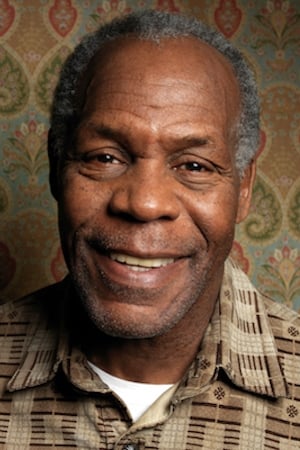
Danny Glover wasn’t diagnosed with dyslexia until he was an adult, well into his acting career. As a student, he struggled with reading and felt left behind in class. He overcame this by becoming a great listener and memorizing lines by hearing them repeatedly. This skill proved invaluable when filming ‘Lethal Weapon,’ allowing him to confidently deliver intense dialogue. Now, Glover uses his public voice to champion literacy initiatives and support children with dyslexia.
Mark Ruffalo
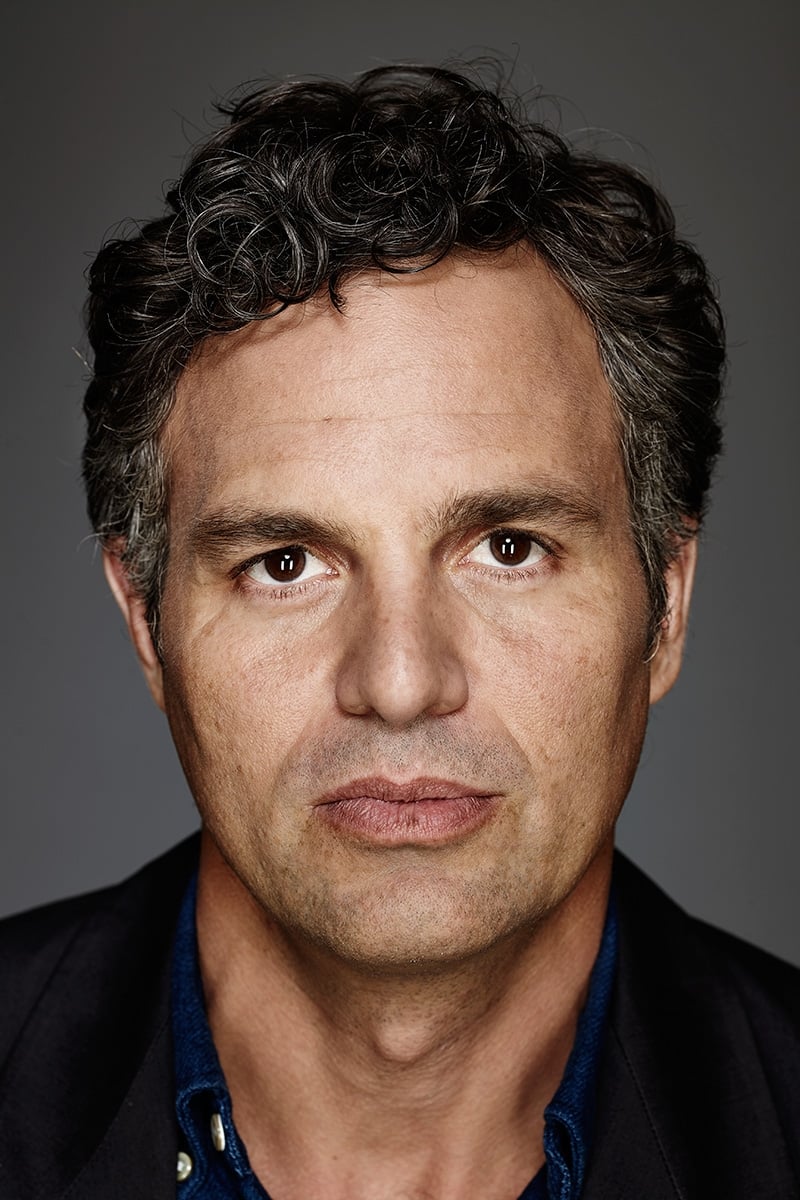
Mark Ruffalo had trouble with school for a long time before discovering he had dyslexia. Reading scripts was tiring for him, and he often felt unprepared during rehearsals with other actors. To overcome this, he would listen to recordings of his lines repeatedly to get a feel for the pacing. This focus on sound actually helped him give believable performances in films like ‘The Avengers’ and ‘Spotlight’, even though he was privately struggling. He now wants to encourage young people to understand that everyone’s brain learns differently.
Abhishek Bachchan
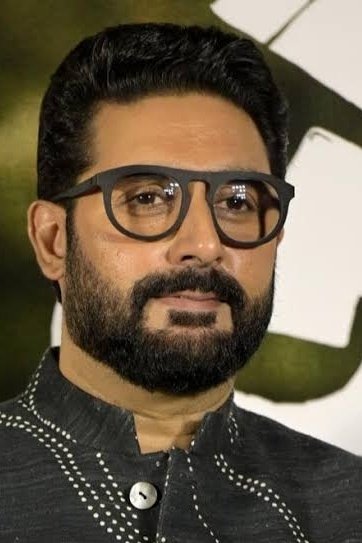
Abhishek Bachchan is a well-known Indian actor who has openly discussed his challenges with dyslexia growing up. He went to a specialized school to help him manage this learning difficulty while also following his dream of becoming an actor. Early in his career, he found it helpful to listen to his lines repeatedly to learn his dialogue, a technique that helped him succeed in films like ‘Dhoom’ and ‘Guru’. He continues to be a source of inspiration for many in India by sharing his story of overcoming learning difficulties.
Hrithik Roshan
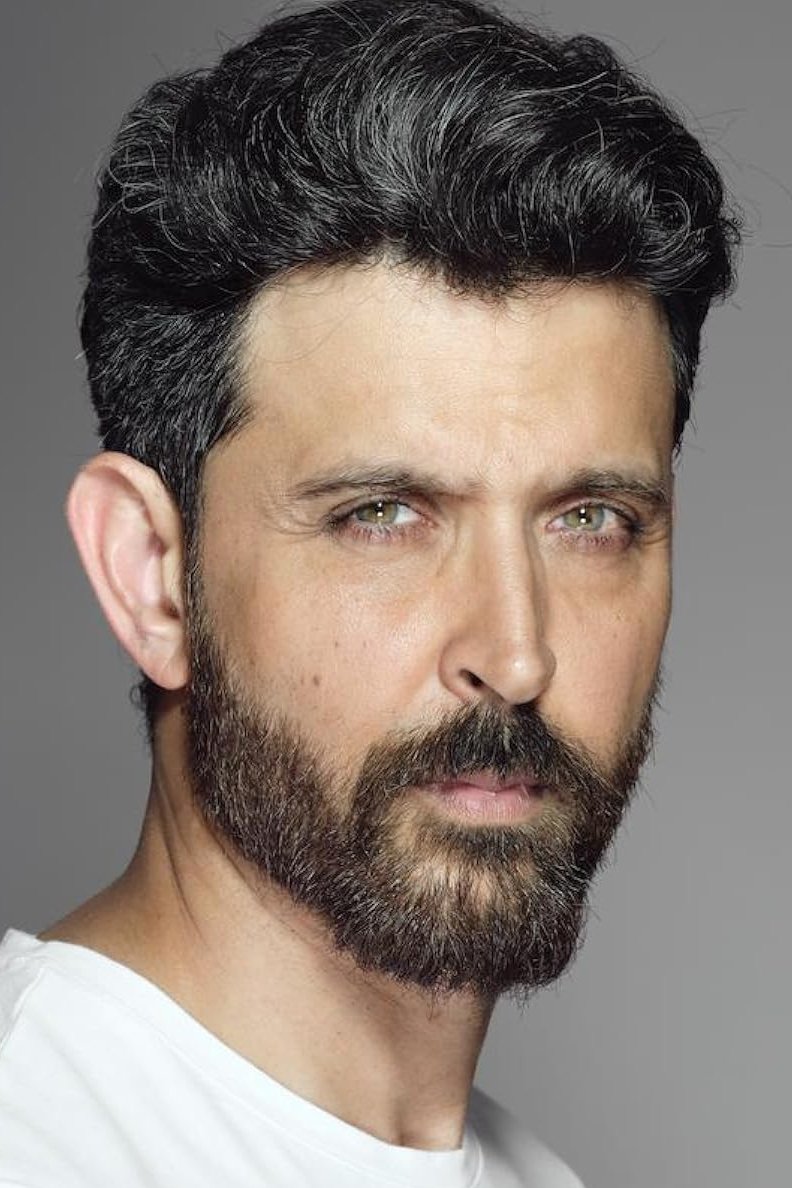
Hrithik Roshan overcame a difficult childhood, including a significant stutter and dyslexia. He worked hard with speech therapy and focused on listening to improve his communication. He even practiced his lines extensively for movies, ensuring a flawless delivery. This dedication shines through in films like ‘Krrish,’ where he demonstrates remarkable physical and vocal skill. Today, he’s recognized as one of India’s most gifted and successful actors.
Jim Carrey

Jim Carrey struggled with dyslexia and ADHD as a child, making school tough for him. Instead of relying on traditional learning methods, he thrived by listening and carefully observing people, which he used to playfully imitate them. This skill for memorizing through sound proved crucial as he moved from stand-up comedy to major movie roles. Films like ‘The Mask’ and ‘The Truman Show’ were built on his detailed preparation through listening. Now, he uses his platform to advocate for others with similar learning differences.
Sylvester Stallone
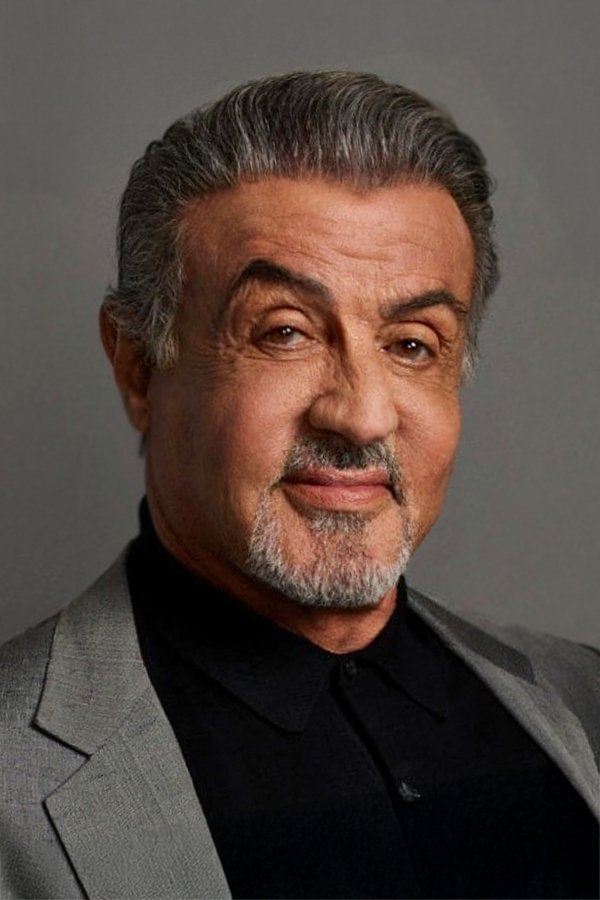
I’ve always been fascinated by Sylvester Stallone’s story. He didn’t have an easy time in school, and really found his confidence through working out and acting – it was his way of proving what he could do. He actually struggled with reading scripts, so he started writing his own, just so he could have complete control over the words. When it came to ‘Rocky,’ he didn’t just memorize lines; he spent hours listening to the dialogue, really feeling the rhythm of each sentence. That’s how he crafted such unforgettable characters. To me, he’s always been an inspiration, a true symbol of overcoming challenges, both in learning and physically.
Vince Vaughn
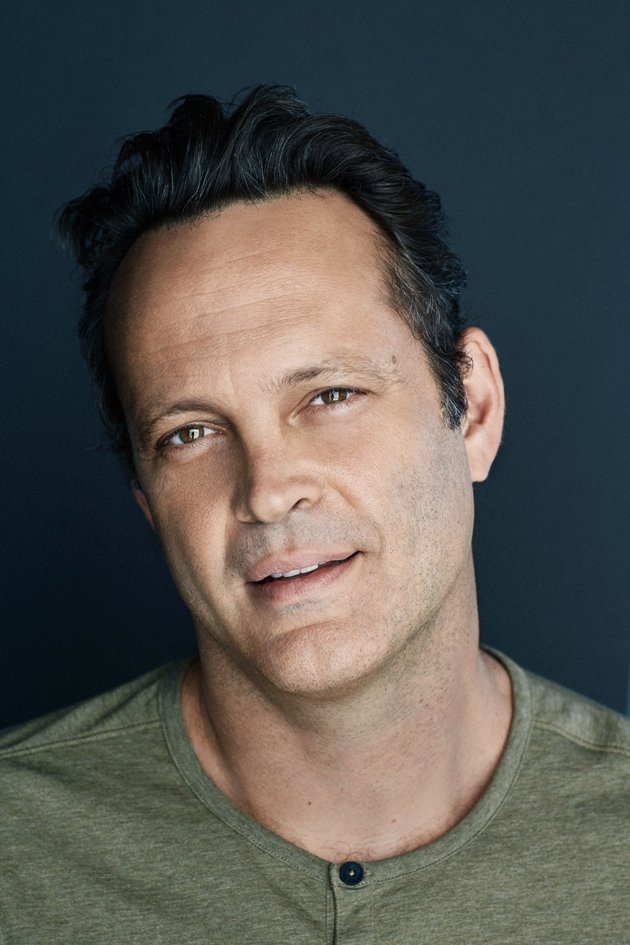
Vince Vaughn learned he had dyslexia as a child and felt traditional schooling didn’t suit his learning style. He realized he was naturally good at quick, spontaneous conversation and used this skill to cover up his difficulties with reading. When preparing for films like ‘Wedding Crashers,’ he often had someone read his lines aloud so he could memorize them more easily. This helped him deliver his signature comedic timing without struggling with the script itself. Ultimately, he sees his dyslexia as something that actually encouraged him to pursue a career in entertainment.
Brian Blessed
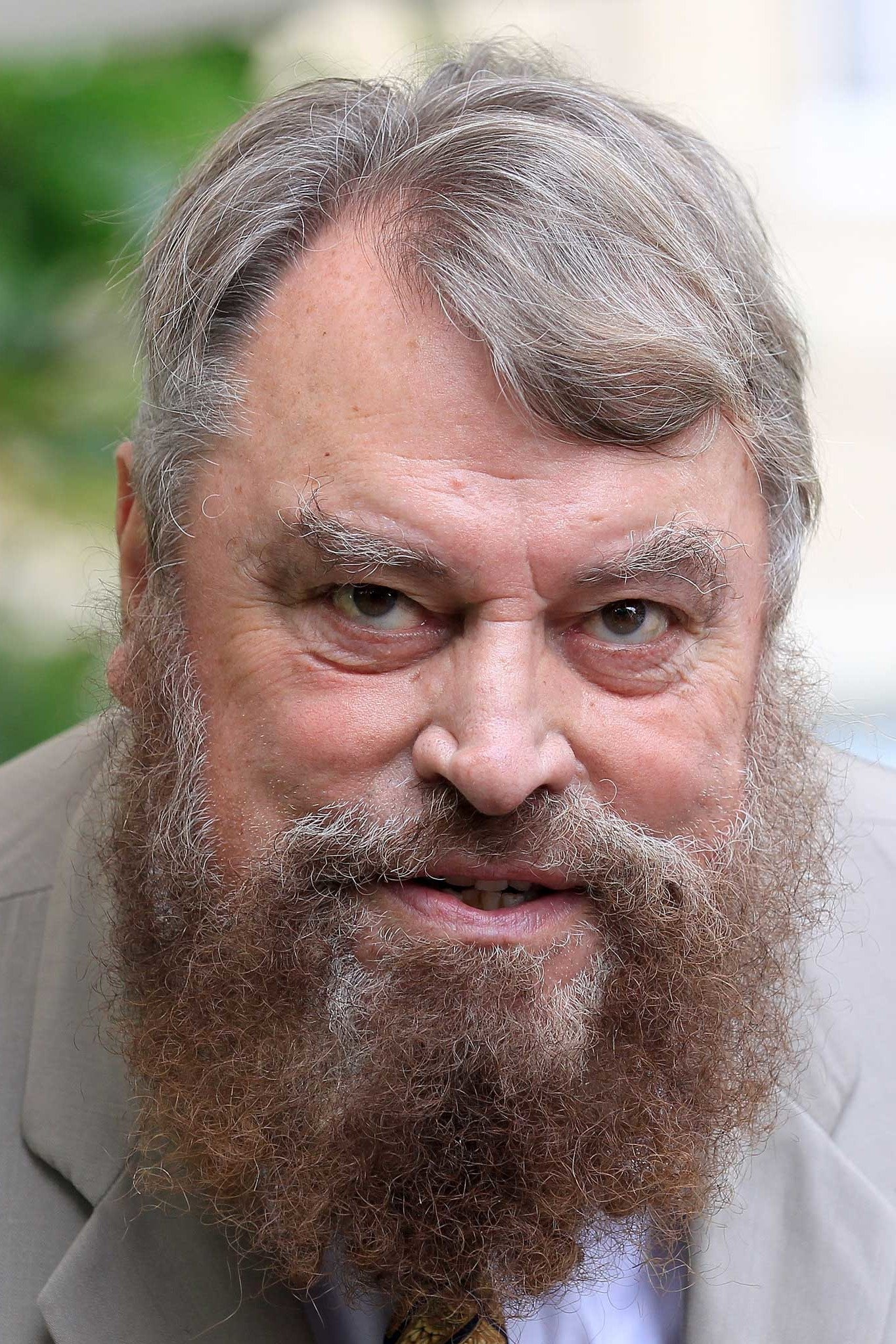
Brian Blessed, famous for his booming voice and energetic personality, quietly battled dyslexia throughout his life. He discovered that listening to challenging Shakespearean lines helped him learn them – focusing on how the words sounded and felt allowed him to memorize large amounts of text. This method proved invaluable in roles like ‘Flash Gordon’ and in countless stage performances worldwide. Despite his reading challenges, he’s never let anything diminish his passion for adventure or the arts.
Joe Pantoliano
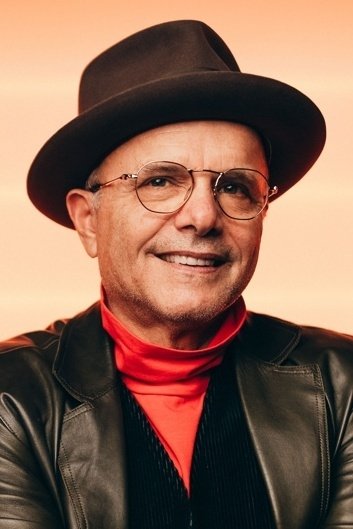
Joe Pantoliano, a successful actor, only learned he had dyslexia and depression later in his career. Early on, he kept his reading difficulties a secret by memorizing lines with help from others. His strong ability to learn by listening actually helped him excel in roles requiring accuracy, like those in ‘The Matrix’ and ‘The Sopranos’. Now, he’s a passionate advocate for mental health and works to reduce the shame around learning disabilities, believing that understanding your own brain is key to achieving success.
Daniel Radcliffe
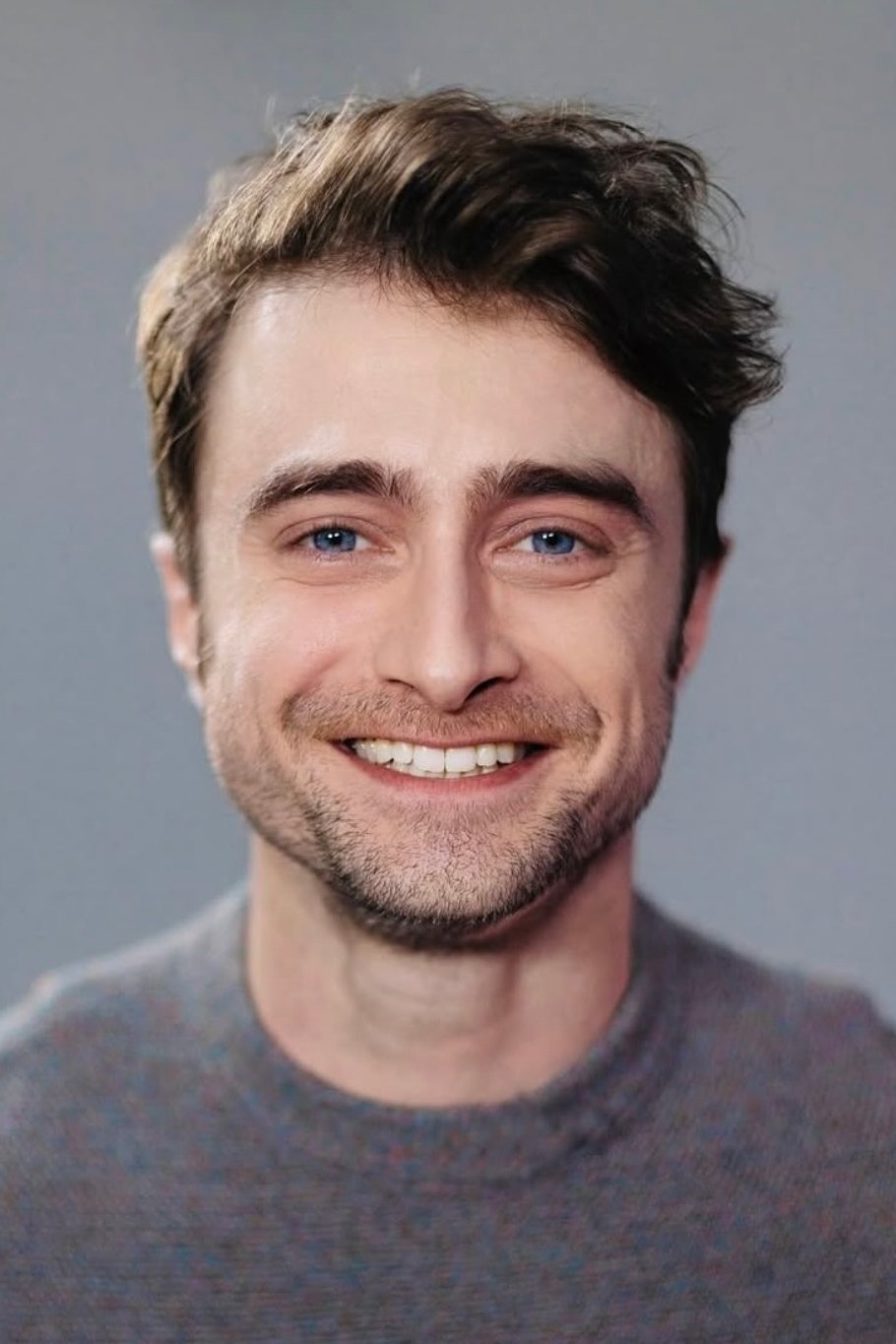
Daniel Radcliffe has publicly discussed his difficulties with dyspraxia and dyslexia, which made everyday tasks and reading challenging. During the ‘Harry Potter’ films, he received a lot of help with learning the extensive dialogue. He discovered that listening to his lines and then repeating them was the most helpful way for him to memorize them. This approach not only helped him learn his lines, but also allowed him to develop as an actor while gaining fame worldwide. He continues to choose demanding roles in both theater and film that require a great deal of preparation.
Tom Holland
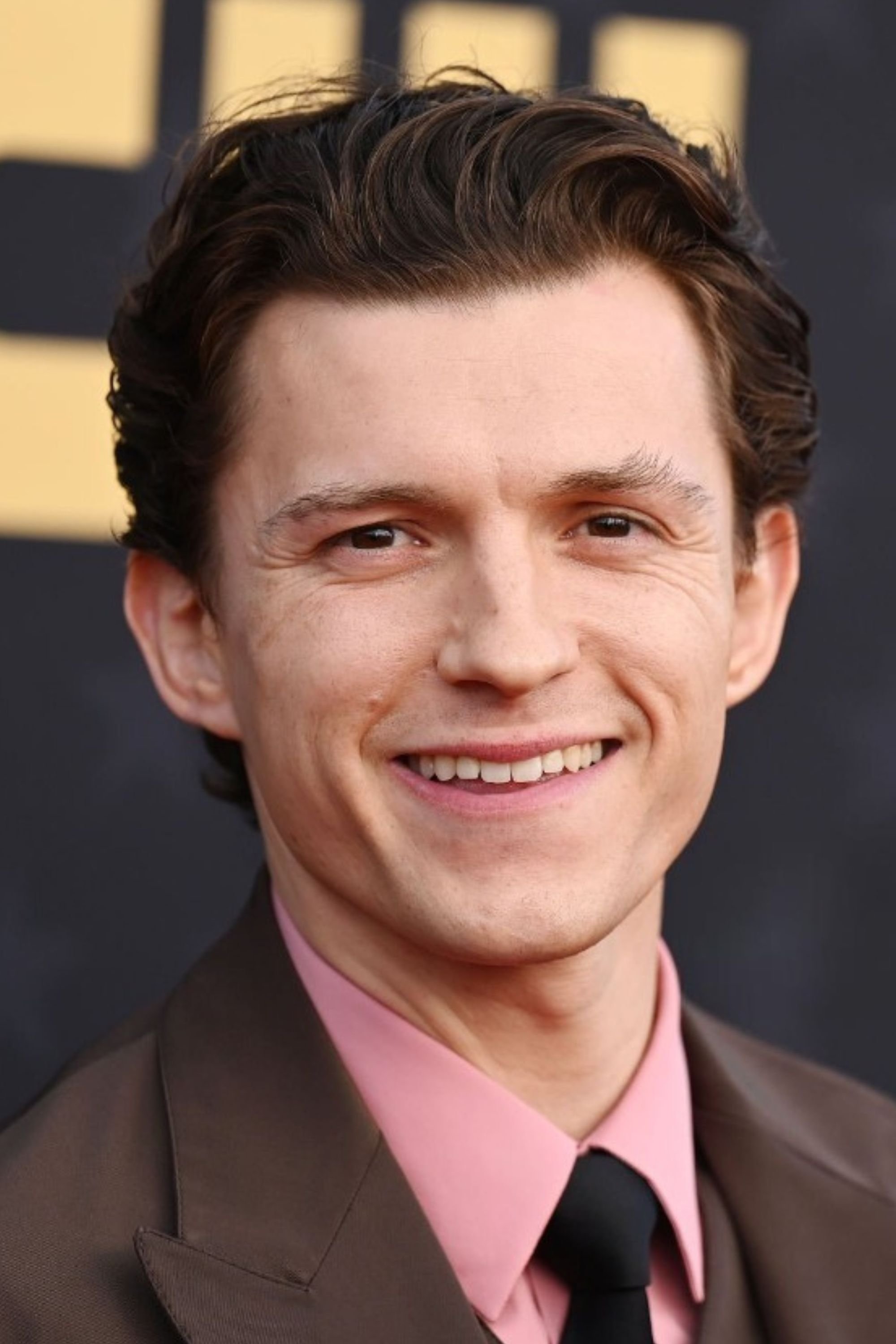
Tom Holland struggled with dyslexia as a child, so his parents enrolled him in a school that could provide extra support. He discovered that acting – especially memorizing lines and the physical aspects of performance – came more naturally to him than reading. This skill proved valuable when he became Spider-Man in the Marvel Cinematic Universe, allowing him to quickly learn the character’s quick, clever dialogue. He frequently emphasizes the importance of dedication and proving that a diagnosis doesn’t limit potential. His success story shows how finding a learning approach that plays to your strengths can make all the difference.
Daveed Diggs
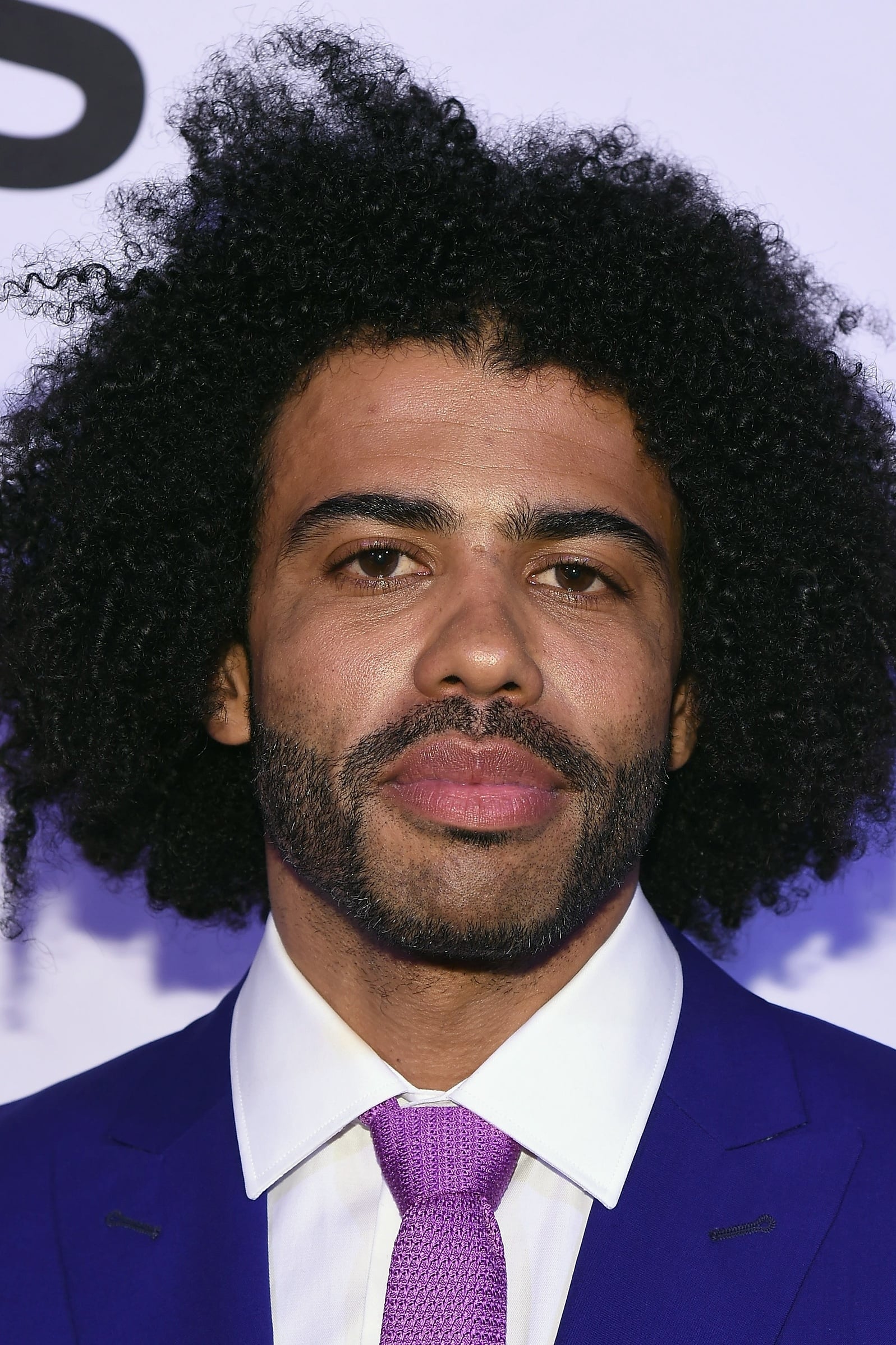
Daveed Diggs, a talented actor and rapper, has talked about how dyslexia influenced his connection with language. He discovered that the rhythm of rap actually made it easier for him to understand words and sounds compared to traditional reading. When he played both Marquis de Lafayette and Thomas Jefferson in ‘Hamilton,’ he depended on his ability to remember things by ear. The show’s rapid-fire delivery was ideal for his learning style, which focuses on sound and speed. Now, he’s a leading advocate for innovative thinking and improvements to education.
Seth Rogen

Seth Rogen has talked about how dyslexia and ADHD made school difficult for him. He found that stand-up comedy played to his strengths – like speaking and good timing – instead of requiring a lot of writing. He uses a similar approach in his acting work, relying on listening and reacting to help him learn lines and deliver better performances. This has helped him become successful in films like ‘Superbad’ and ‘Pineapple Express,’ where he enjoys working with others. He also continues to openly share his experiences with neurodiversity in a way that many people can connect with.
Chris Rock
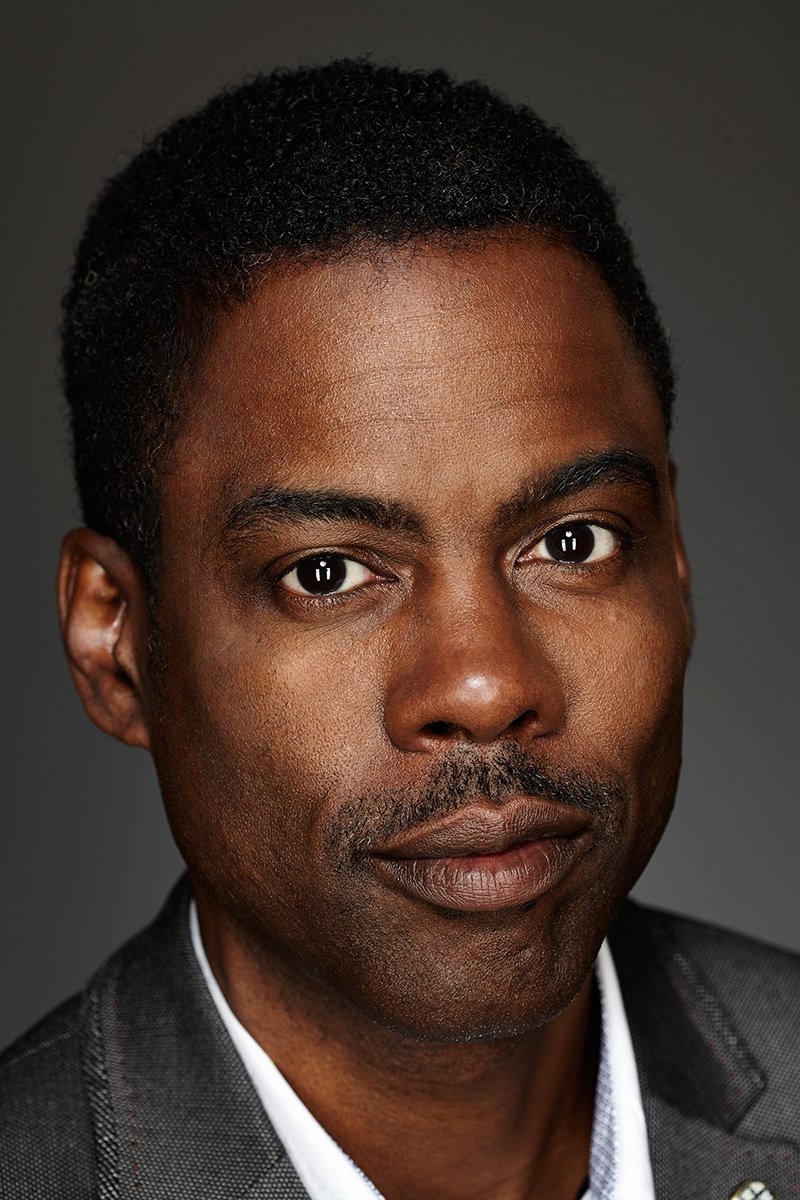
Chris Rock learned as an adult that he has a learning disorder similar to dyslexia. As a child, he had trouble with traditional schooling but thrived when information was presented through listening and visual demonstrations. This learning style is a key part of his comedic process – he hones his stand-up routines through constant practice and careful listening. He uses the same focused listening approach when acting, helping him to perfectly capture a character’s voice and personality. Receiving this diagnosis was a relief for Rock, as it finally explained challenges he’d faced for years.
Dax Shepard
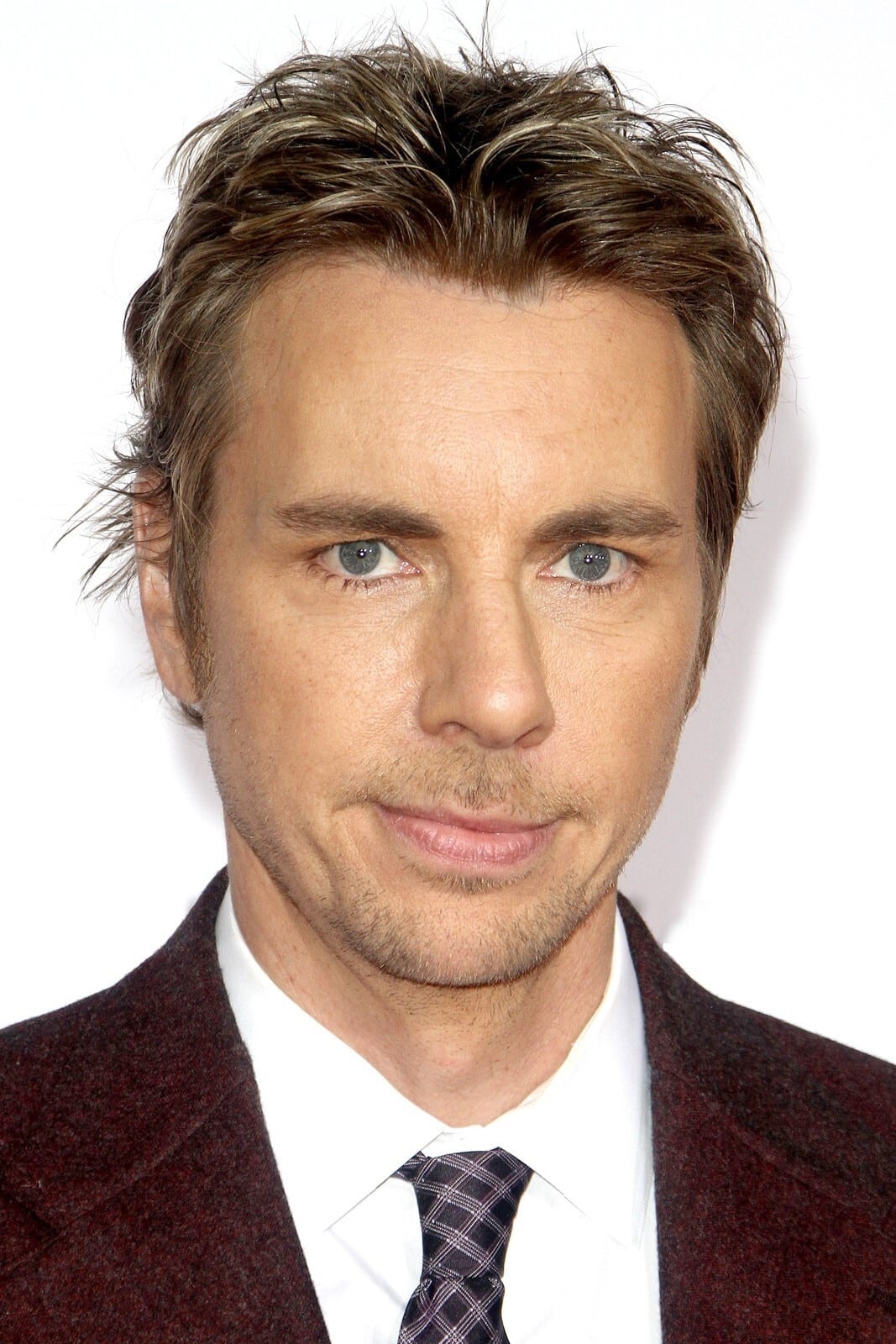
Dax Shepard has openly discussed his dyslexia and how it impacted his confidence growing up. He struggled with reading scripts, which made him feel like he was falling behind other actors. To overcome this, he started listening to his lines and relying on his excellent memory to deliver his performances. This approach proved successful on shows like ‘Parenthood’ and in his movies, where he’s known for his sharp sense of humor. He frequently encourages others to be upfront about their challenges and to find innovative ways to cope.
Shia LaBeouf
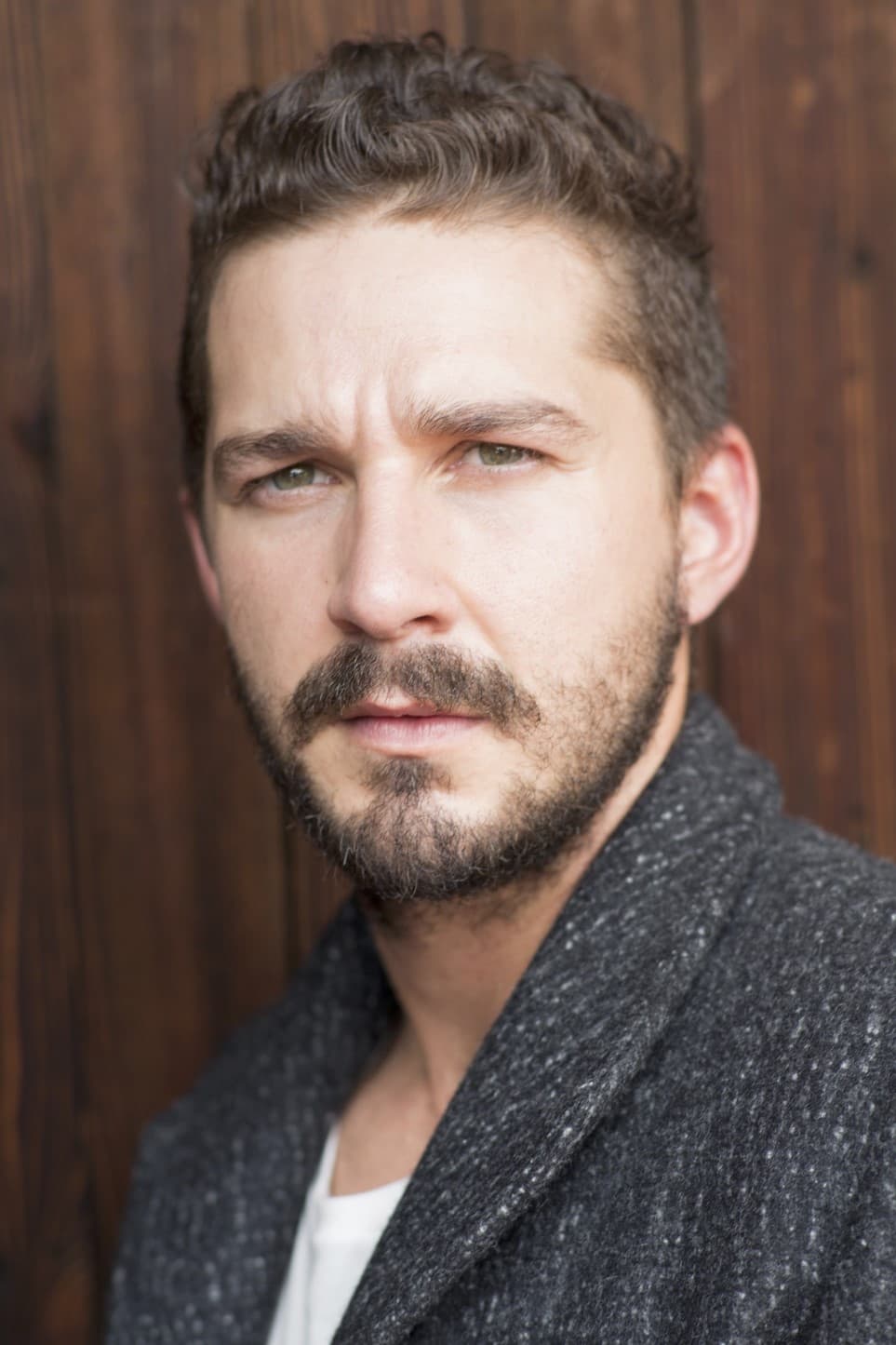
Shia LaBeouf has faced challenges with learning disabilities like dyslexia throughout his career, ever since he was a child actor. He often found it hard to read traditional scripts and preferred to listen to scenes being performed. While filming movies like ‘Transformers’ and ‘Honey Boy’, he relied on his ability to hear and understand emotions in dialogue. This deep connection to the sound and feeling of words often fuels his passionate and intense acting. He’s openly discussed how these difficulties have shaped his creative approach.
Woody Harrelson
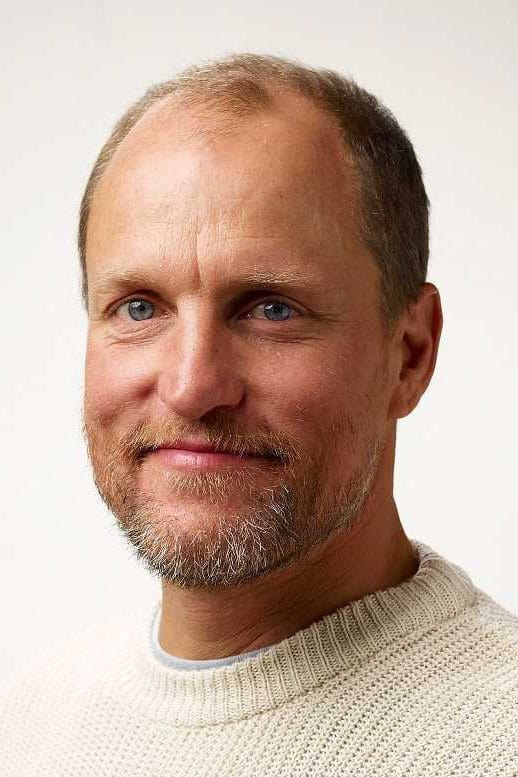
Woody Harrelson overcame academic challenges related to dyslexia by focusing on his strengths as a performer. He discovered he could easily learn lines by listening to their rhythm, a technique he used throughout his career, from ‘Cheers’ to ‘The Hunger Games’. This method helped him avoid the difficulties of reading and truly embody his characters. Today, he’s known as one of the most talented and well-respected actors working in Hollywood.
Dustin Hoffman
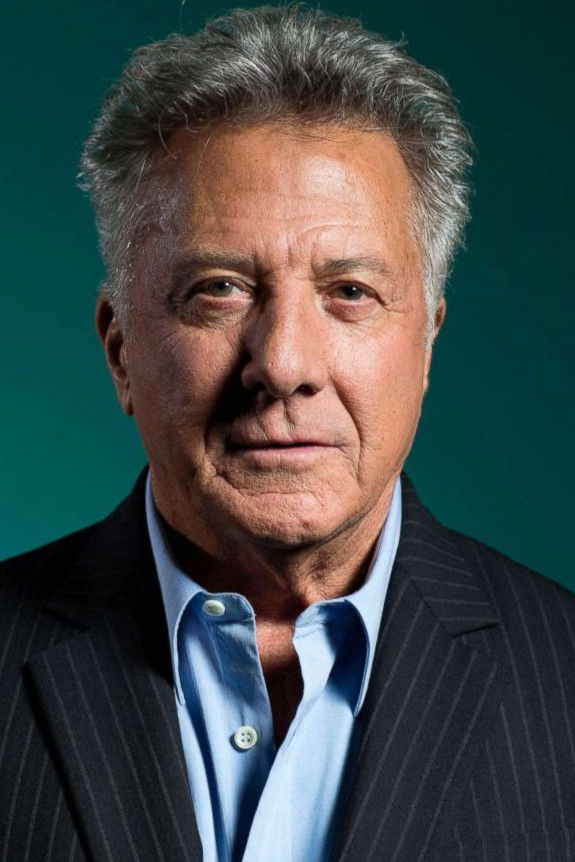
Dustin Hoffman is a celebrated actor who has successfully managed dyslexia throughout his career. Because reading takes him more effort, he typically spent extra time preparing for roles, often relying on others to read lines with him and help him fully understand the script. This careful approach to learning his parts contributed to his memorable performances in films like ‘The Graduate’ and ‘Rain Man,’ and proves that hard work can help anyone overcome learning challenges.
Robert Redford
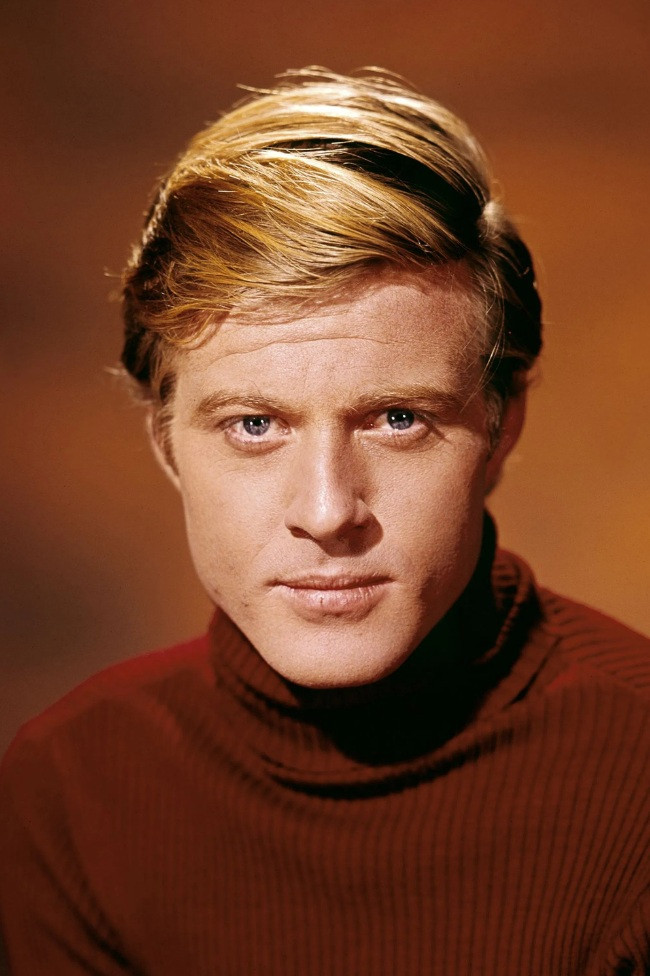
Robert Redford faced challenges with dyslexia at a young age, when schools didn’t understand or offer much help for learning differences. He found reading and writing difficult and learned best by seeing and hearing things. Starting out in Hollywood, he relied on his strong listening skills to learn his lines and grasp how scenes should play out. This ability contributed to his success in iconic films like ‘Butch Cassidy and the Sundance Kid’ and ‘The Sting,’ where he captivated audiences. Later in his career, he became a passionate advocate for independent filmmaking and artistic freedom.
Mark Wahlberg
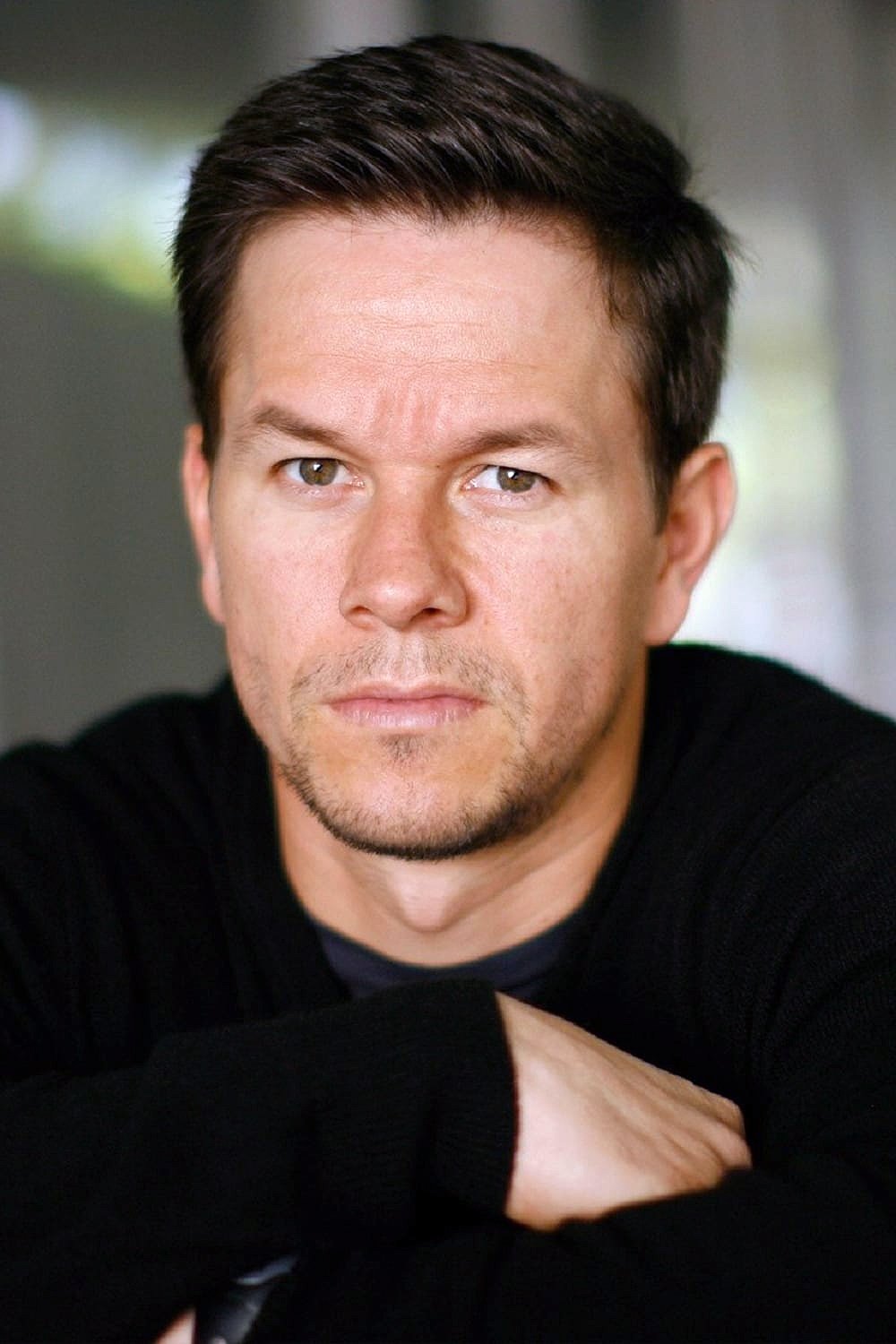
Mark Wahlberg overcame a difficult youth, including learning challenges that made it hard to stay in school. He discovered he learned best by listening, which proved invaluable when he moved from music to acting. His ability to quickly pick up accents was crucial for roles in films like ‘The Departed’ and ‘The Fighter’. Wahlberg credits these early struggles with instilling a strong work ethic, and he’s now one of the world’s top-earning actors and producers.
Will Smith
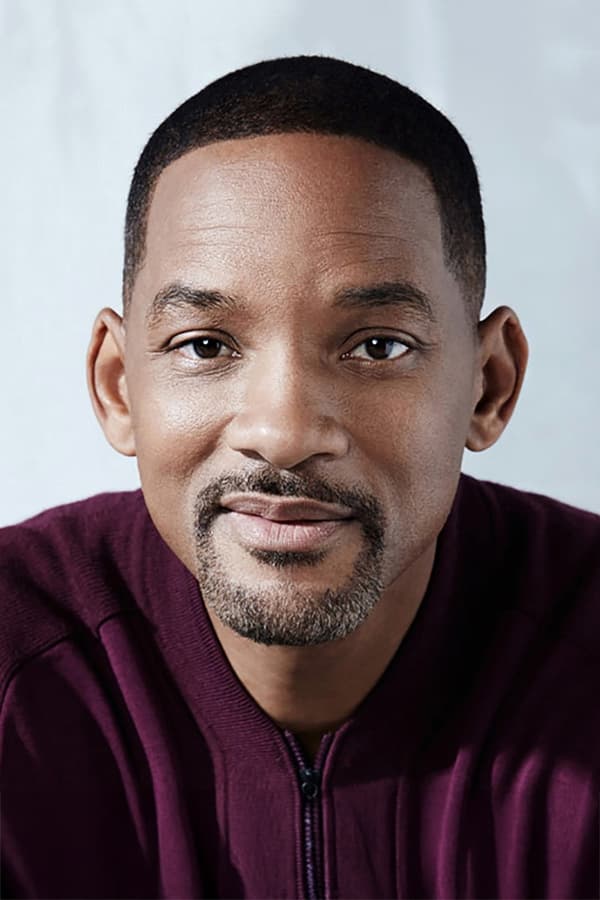
Will Smith has openly discussed his difficulties with reading, explaining that he had trouble concentrating. He discovered he could thrive by focusing on sounds and rhythms, which helped him succeed early on in music and as the charismatic lead in ‘The Fresh Prince of Bel Air.’ He successfully memorized lines for films like ‘Men in Black’ and ‘King Richard’ by listening to them. Smith now inspires others to discover how they learn best.
Billy Ray Cyrus
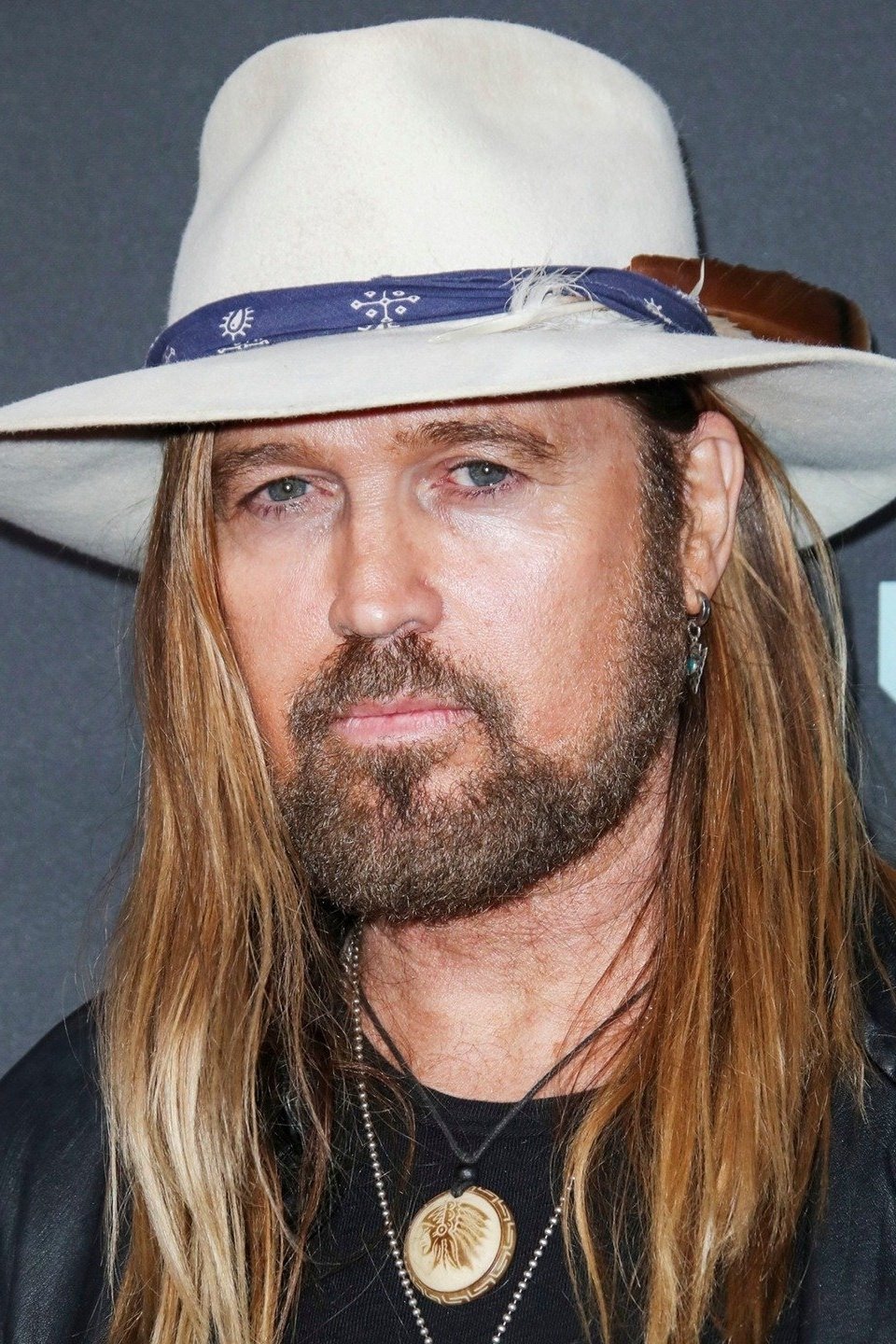
Billy Ray Cyrus has openly discussed how dyslexia made school difficult for him and impacted his self-esteem. He found success in music and acting because he could learn by listening – memorizing lyrics and lines through sound. During his time on shows like ‘Doc’ and ‘Hannah Montana,’ he relied on this strength to quickly learn his dialogue and prepare for filming. This helped him work around his reading challenges and build a successful career in entertainment. He frequently shares his experiences to inspire children facing similar learning difficulties.
Brendan Fraser
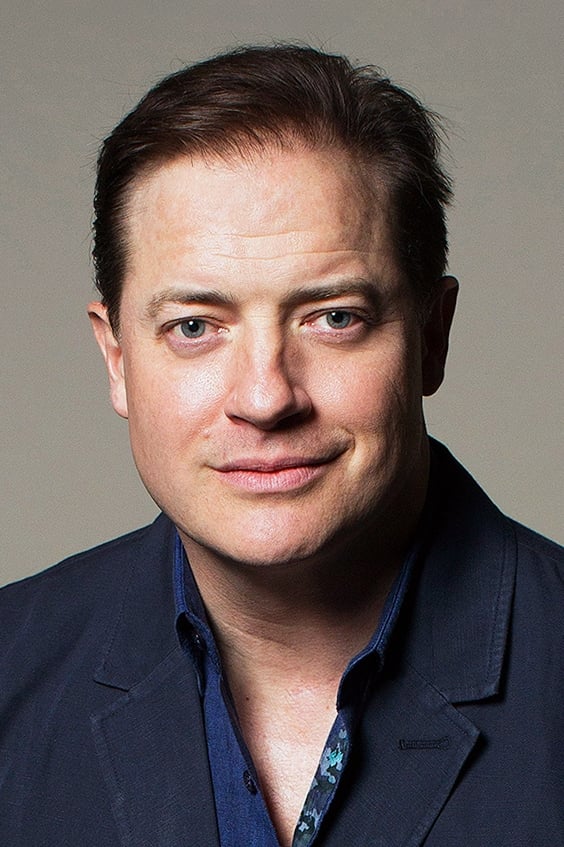
Brendan Fraser overcame both physical and learning challenges, including dyslexia, throughout his career. He discovered that listening to scripts helped him understand the emotional core of each scene, which contributed to his memorable roles in films like ‘The Mummy’ and his Oscar-winning performance in ‘The Whale,’ showcasing his incredible sensitivity. Fraser has always been honest about the dedication and effort he puts into his work to make it appear natural and effortless. His recent career resurgence has been widely praised by both fans and colleagues.
Ben Miller
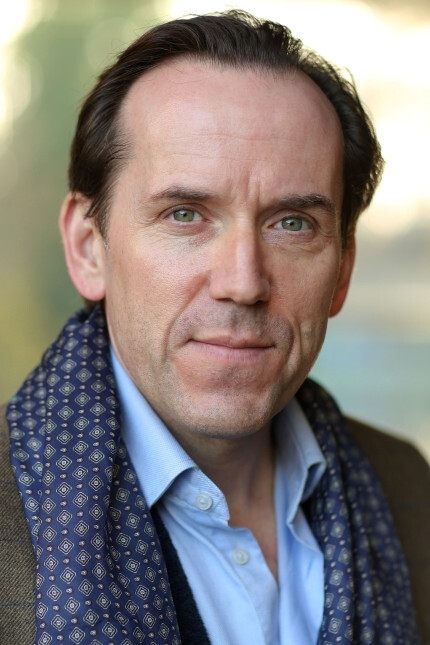
Ben Miller, a British actor and comedian, discovered he had dyslexia after struggling with school for many years. Because he’s passionate about both science and acting, he developed unique methods for understanding complicated ideas. To memorize lines for shows like ‘Death in Paradise,’ he relied on listening to recordings and repeating them. This helped him succeed despite his difficulties with reading. Now, he writes children’s books to help others understand what it’s like to be neurodivergent.
Oliver Reed
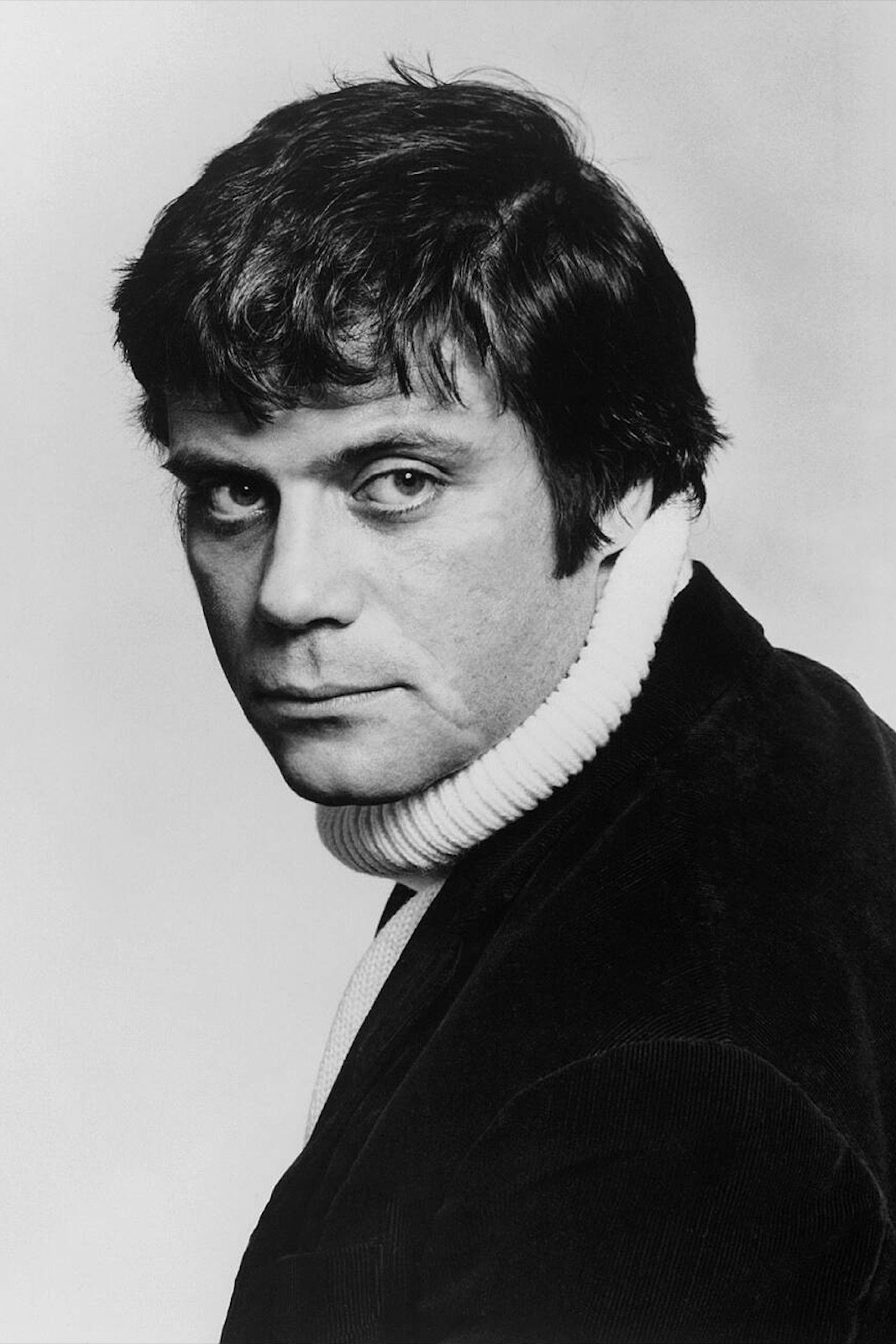
Oliver Reed was a famous British actor who secretly struggled with dyslexia, a learning difficulty that wasn’t well-known at the time. Because he had trouble reading, he relied on others to read his scripts to him. He became known for his strong performances in films like ‘Oliver!’ and ‘Gladiator,’ which he achieved by memorizing lines through listening and using his natural charisma. While he was famous for being outgoing and lively, Reed privately dealt with the challenges of being unable to read easily. Despite this lifelong difficulty, he remains a beloved figure in film history.
Stephen Fry

Stephen Fry is famous for his impressive vocabulary and intelligence, but he’s also talked openly about having dyslexia. Although he loves language, he’s found reading and writing challenging. As an actor, he overcame this by developing a strong memory for sounds, allowing him to learn lines simply by listening to them. This skill was particularly helpful in roles like ‘Blackadder’ and narrating audiobooks. Today, he continues to advocate for better education and mental health support.
Jay Leno
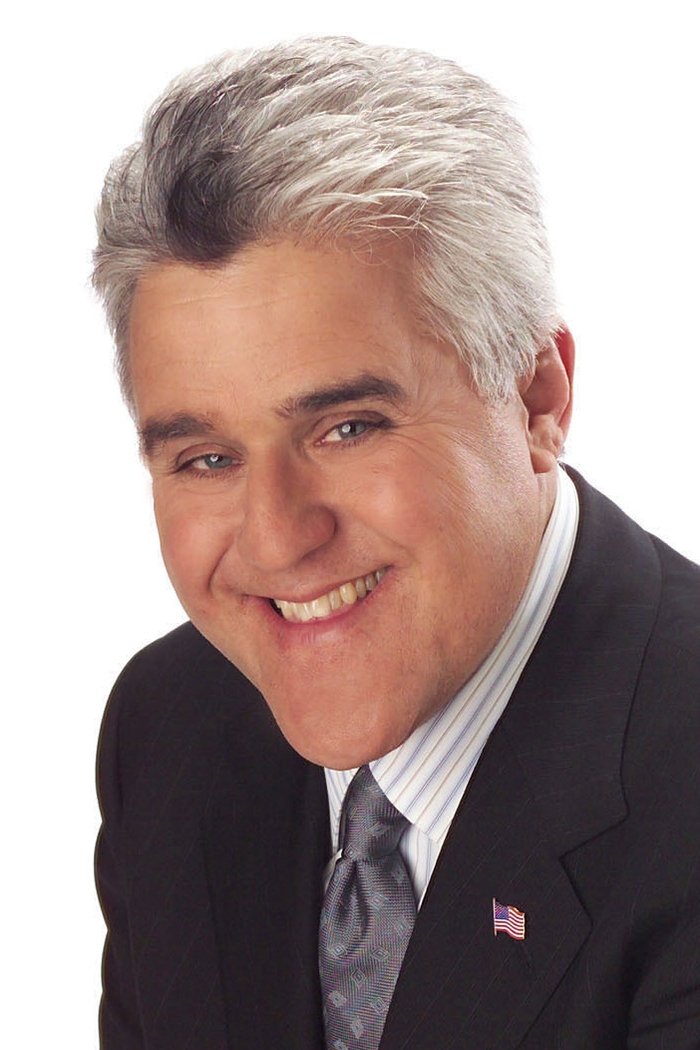
Growing up, Jay Leno struggled in school because he had dyslexia, making standard tests difficult. He discovered his talent for comedy, where he could connect with people using his quick wit and observations. Throughout his years hosting ‘The Tonight Show,’ he didn’t rely on scripts or teleprompters, instead focusing on listening and responding to guests. This skill proved crucial to his success as a talk show host. Leno frequently shares with students how his learning differences ultimately helped him find a fulfilling and unique career.
Bob Hoskins
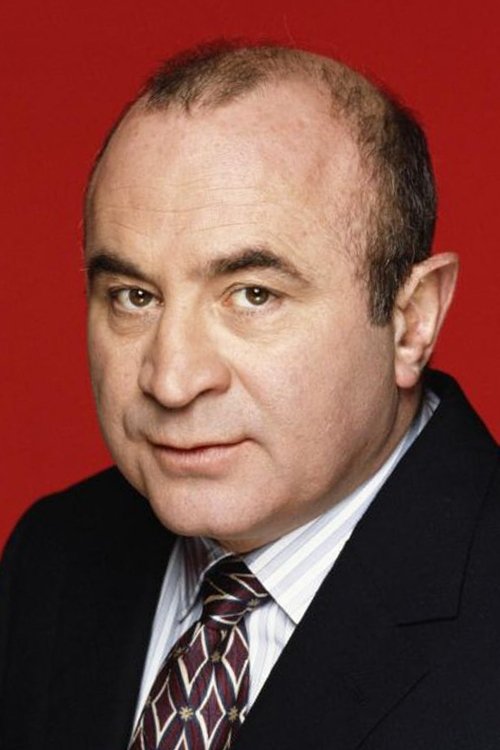
Bob Hoskins was a remarkably talented and adaptable actor who overcame dyslexia to achieve lasting success in film. He left school at a young age and discovered that acting allowed him to use his natural abilities without the difficulty of reading. He’d learn his lines by listening to them over and over, which helped him create incredibly realistic and moving performances in films like ‘Who Framed Roger Rabbit’ and ‘The Long Good Friday’. Despite his challenges with reading and writing, he became one of the most admired actors of his time.
Steve McQueen
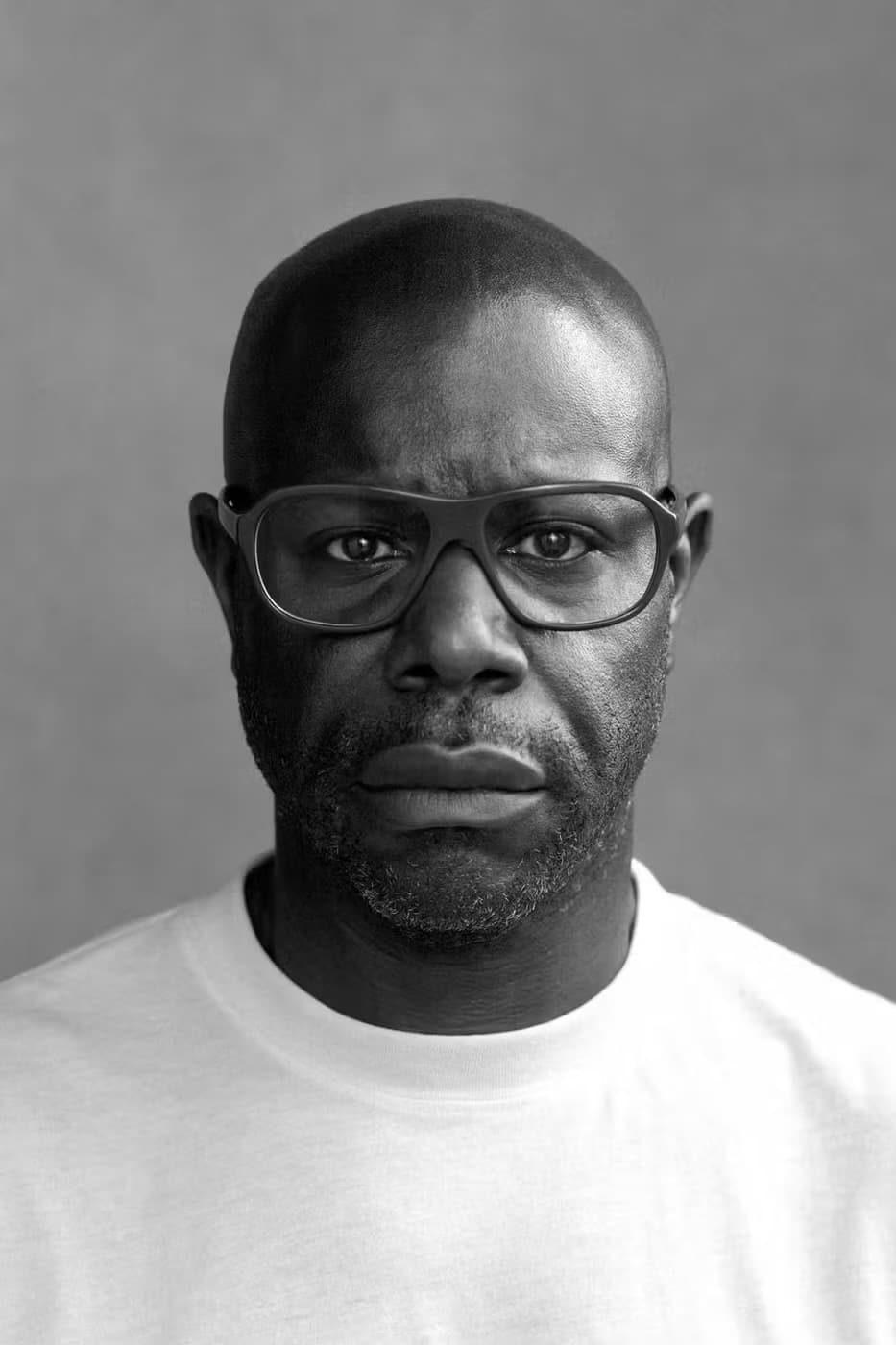
Steve McQueen, known as the epitome of cool in Hollywood, faced hidden challenges throughout his life, including dyslexia and a troubled upbringing. He struggled with traditional schooling but thrived when learning through doing and listening. This learning style carried over to his acting; he preferred to have lines read to him so he could concentrate on physical performance. This approach was key to creating memorable characters in films like ‘Bullitt’ and ‘The Great Escape’, where his powerful presence spoke louder than words. He remains a legendary actor who achieved success by staying true to himself.
Joaquin Phoenix
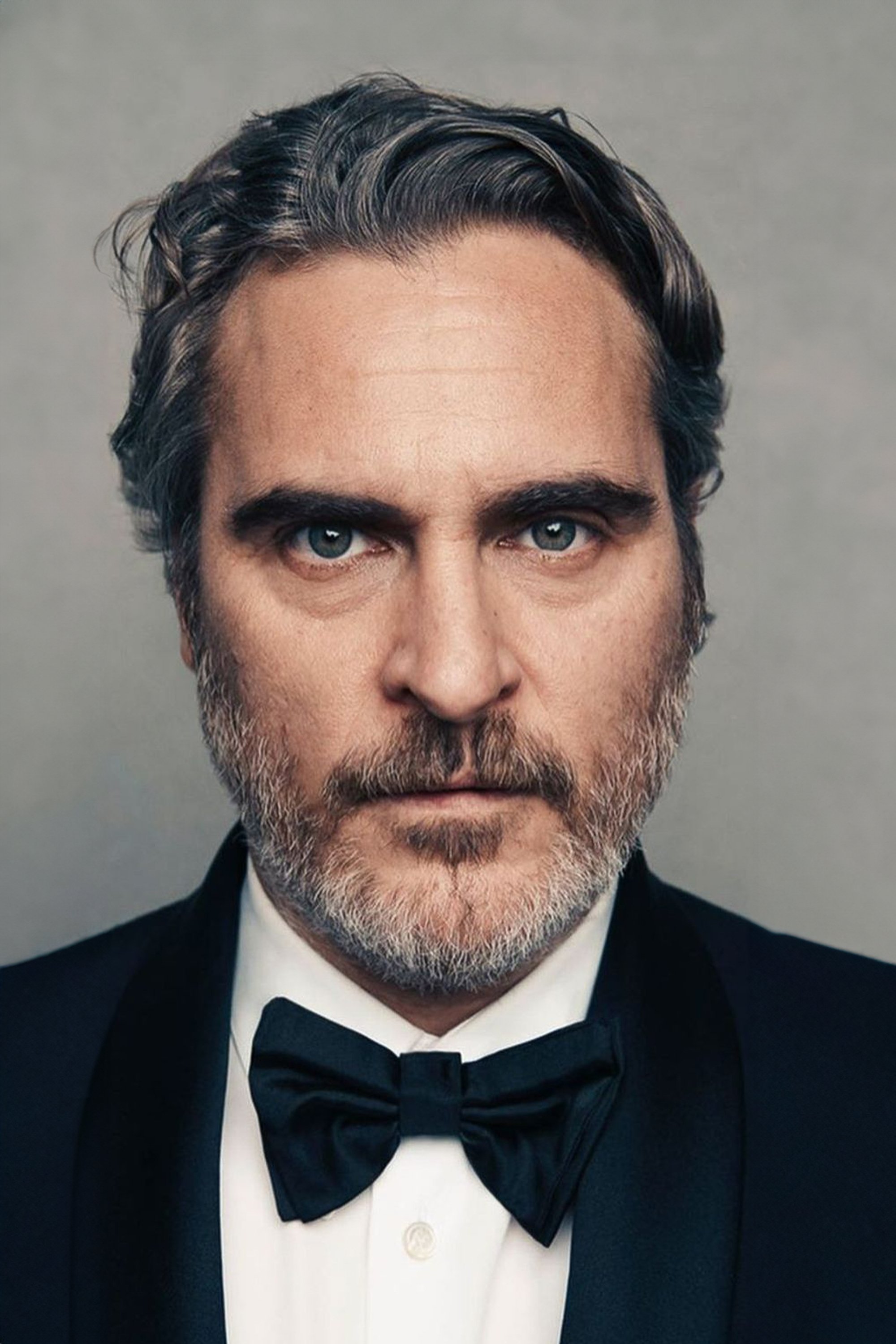
Joaquin Phoenix has talked about how growing up in an unusual way and having dyslexia shaped his acting. He sometimes finds it hard to connect with a character just by reading the script. Instead, he focuses on how words sound and feel when he’s rehearsing and talking with the director. This helps him really feel the part, which contributed to his powerful performance in ‘Joker’ and other successful films. Despite challenges with reading, he’s known for being incredibly dedicated and fully immersing himself in complex characters.
James Cromwell
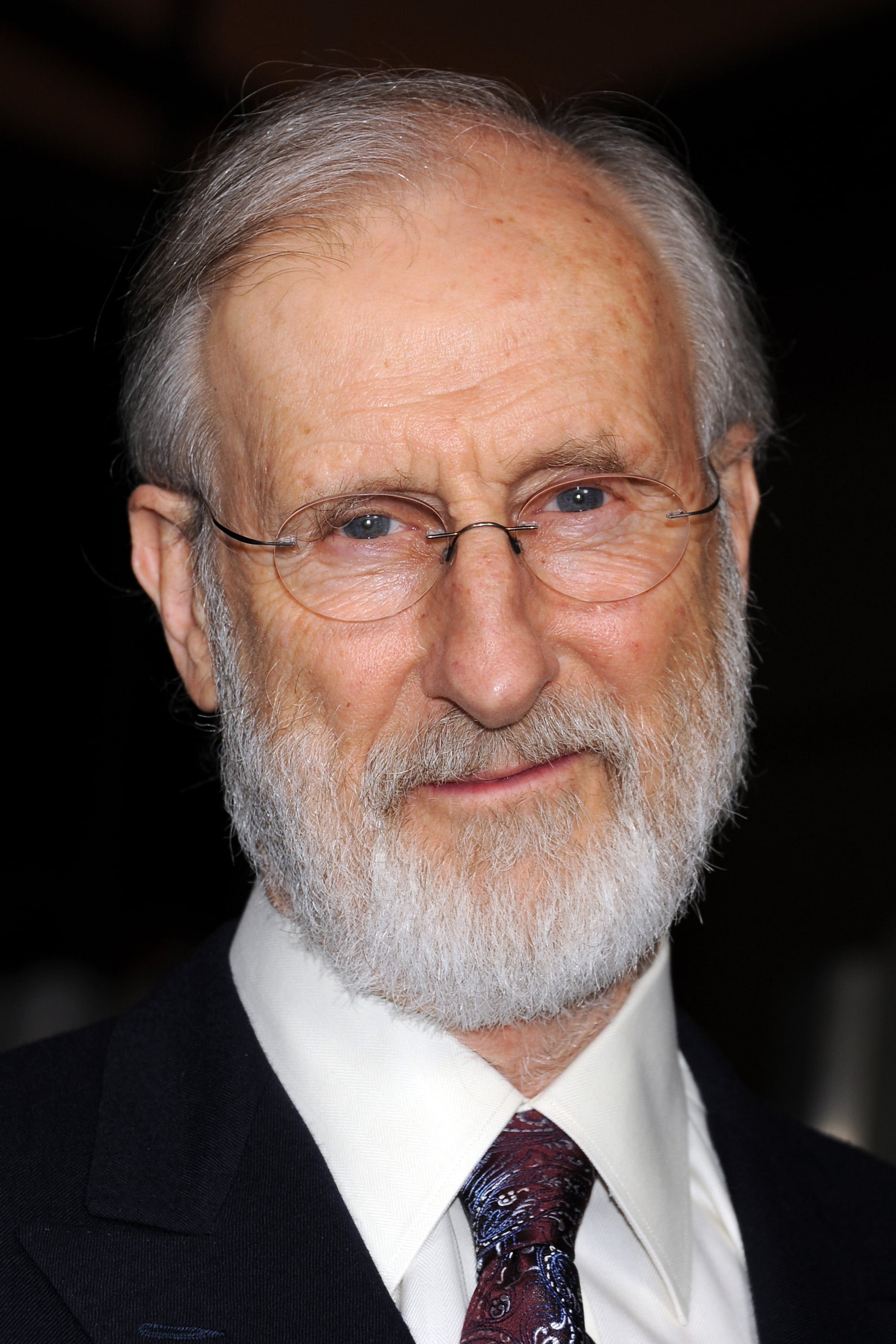
James Cromwell is a well-known actor who has managed dyslexia throughout his career. He struggled with reading scripts in the usual way, finding it slowed him down and made it hard to truly understand his characters. Instead, he would listen to the lines and use his excellent hearing to learn them. This method proved crucial for his memorable roles in films like ‘Babe’ and ‘L.A. Confidential’, allowing him to deliver accurate and compelling performances. Beyond acting, Cromwell is a passionate advocate for animal rights and remains a consistently working actor.
River Phoenix

River Phoenix was a promising young actor who struggled with dyslexia, making traditional schooling and reading difficult. He connected with the world more naturally through music and acting, and when learning lines for roles, he focused on their rhythm rather than reading the words. This helped him create incredibly genuine and moving performances in films like ‘Stand by Me’ and ‘My Own Private Idaho’. He had a unique gift for understanding and expressing the world through sound and feeling.
Harry Belafonte

Harry Belafonte had trouble reading his entire life due to severe dyslexia that wasn’t identified when he was young. Because of this, he learned to memorize scripts and song lyrics by listening and repeating them. This unique approach helped him become a celebrated actor and musician in the mid-1900s. For example, in films like ‘Carmen Jones,’ he used his strong listening skills to give memorable performances. He frequently discussed how his reading difficulties fueled his drive to succeed.
Aamir Khan
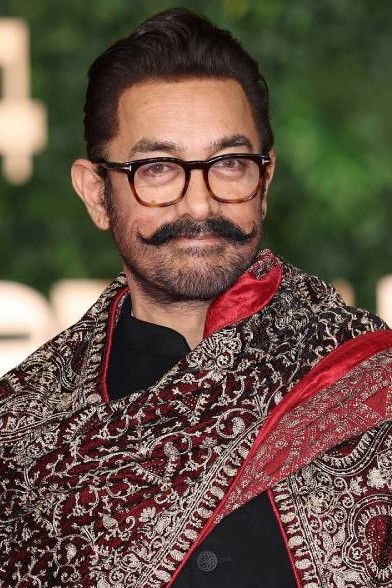
Aamir Khan, a highly acclaimed Indian actor, has openly discussed his challenges with learning. He often worked closely with directors and fellow actors, carefully listening to lines to fully grasp each scene. This personal understanding of learning difficulties was powerfully portrayed in his film ‘Taare Zameen Par,’ which focused on a child with dyslexia. By focusing on how he hears things, Aamir Khan has consistently delivered exceptional work in his acting and filmmaking, and he continues to champion improvements to education in India.
Chace Crawford
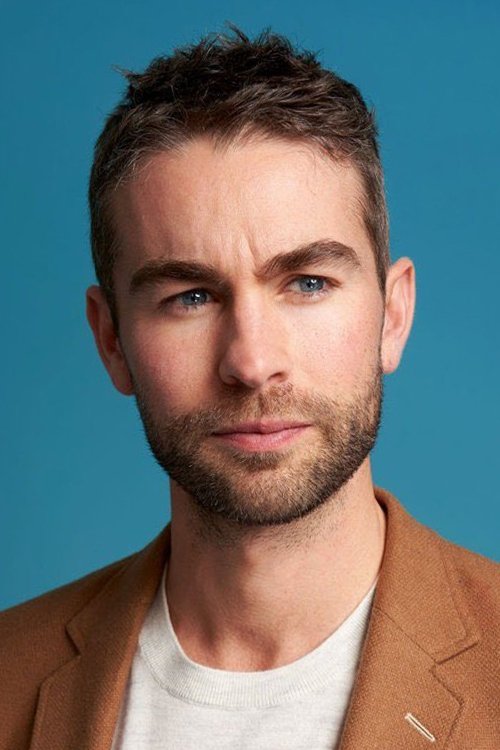
Chace Crawford learned he had dyslexia when he was young, meaning he had to put in extra effort at school compared to other kids. He found it particularly challenging to learn lines for auditions, so he developed a method of listening to recordings and working with a coach to memorize them. This approach not only helped him get his first big role in ‘Gossip Girl,’ but also allowed him to build a successful career in television and film. Crawford now feels that dealing with dyslexia has actually made him a more attentive and focused actor.
James Marsden
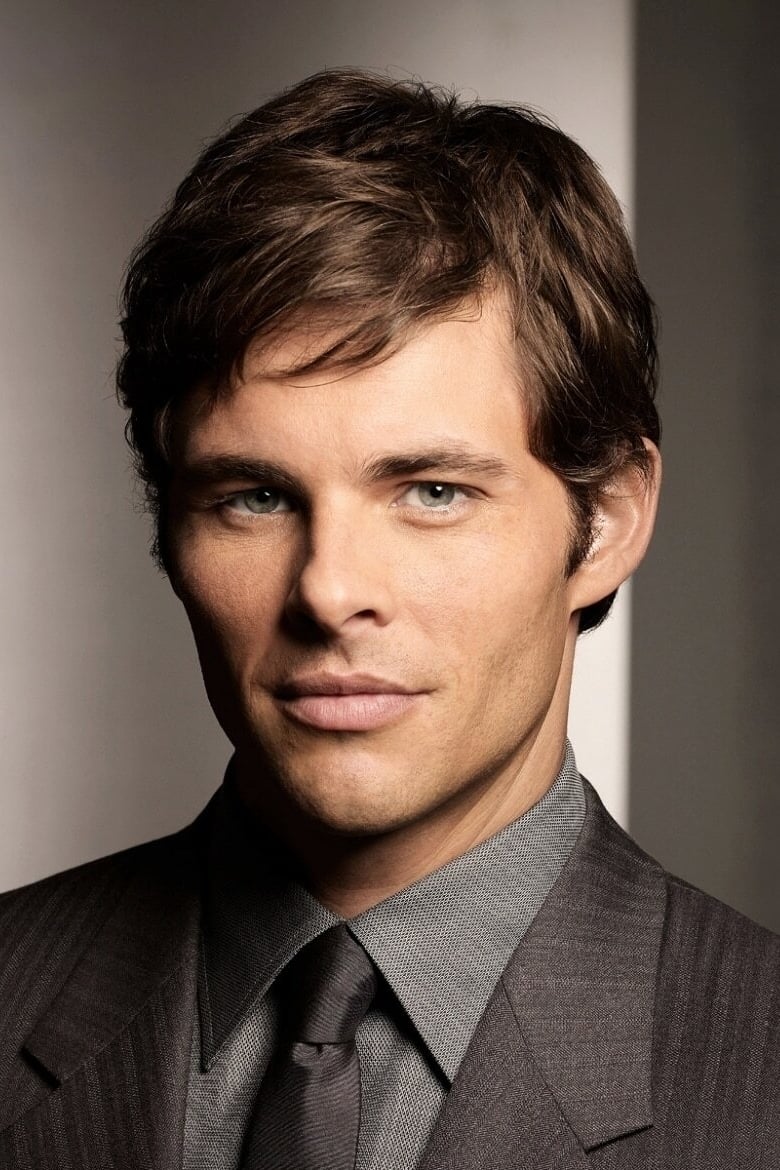
James Marsden, a successful actor known for roles in films like ‘X-Men’ and ‘Enchanted’, has overcome the challenges of dyslexia. He discovered that he learns best by listening, rather than reading. By focusing on hearing his lines and the rhythm of dialogue, he confidently prepared for roles, even those with complex songs or fast-paced action. Marsden’s career demonstrates that learning differences don’t limit someone’s ability to succeed creatively.
Share your own favorite stories of actors who overcame learning hurdles in the comments.
Read More
- Games That Faced Bans in Countries Over Political Themes
- Gold Rate Forecast
- Silver Rate Forecast
- Unveiling the Schwab U.S. Dividend Equity ETF: A Portent of Financial Growth
- 22 Films Where the White Protagonist Is Canonically the Sidekick to a Black Lead
- Superman Flops Financially: $350M Budget, Still No Profit (Scoop Confirmed)
- 20 Movies Where the Black Villain Was Secretly the Most Popular Character
- Celebs Who Narrowly Escaped The 9/11 Attacks
- 14 Movies Where the Black Character Refuses to Save the White Protagonist
- The Best Directors of 2025
2026-03-22 09:20