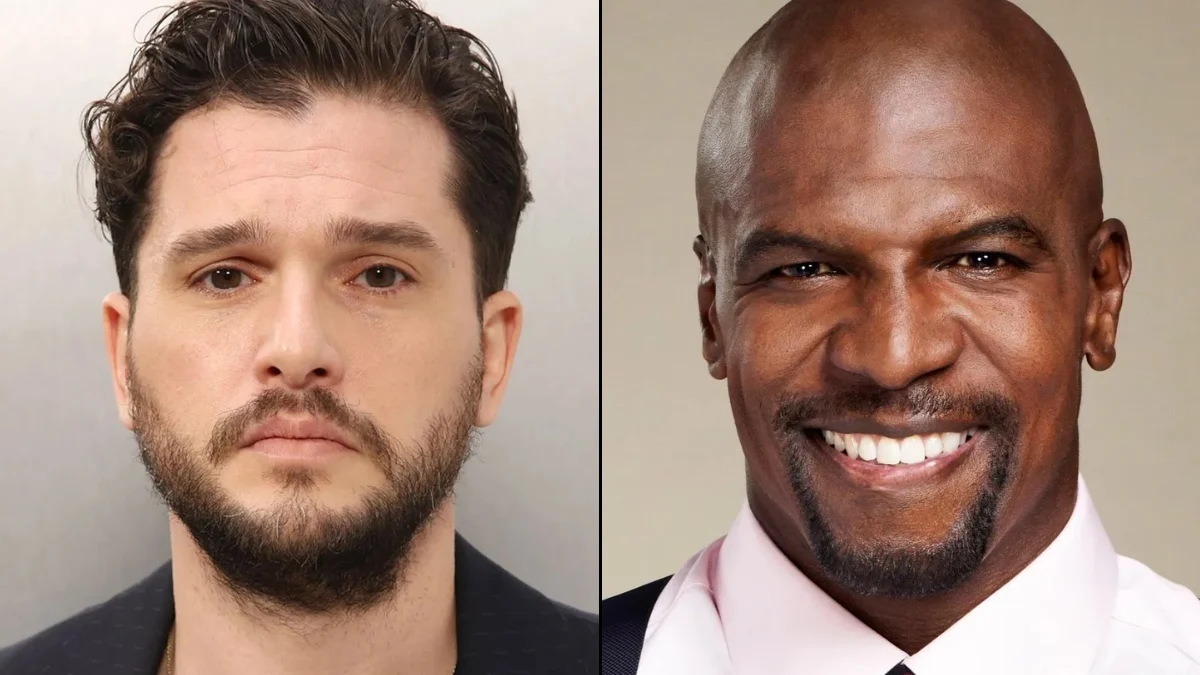
For years, Hollywood has been seen as a glamorous world of dreams, but recently, people working within the industry have begun to reveal its troubling side. Concerns are growing about issues like unrealistic beauty expectations, racial inequality, the cover-up of abuse, and the harmful treatment of young performers. More male actors are now speaking up about these problems, hoping to create a more supportive and fair environment. This is a change from the past, when people in the entertainment industry often stayed silent about such issues.
Terry Crews
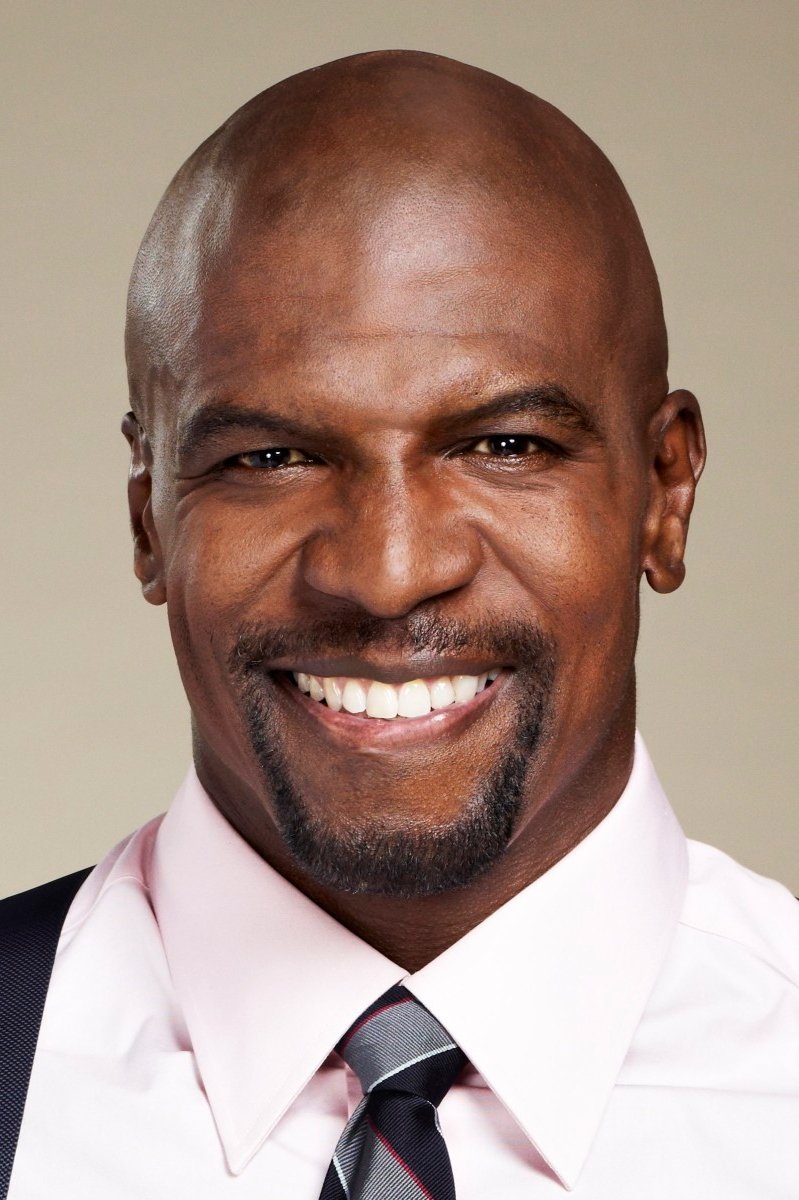
Terry Crews became a prominent figure in the Me Too movement after publicly revealing he was sexually assaulted by a powerful Hollywood executive. He spoke out against the industry’s tendency to stay silent about such incidents and the imbalance of power that allows abuse to happen. Crews also pointed out how harmful ideas about what it means to be a man often stop male victims from coming forward. He’s consistently argued that the entertainment industry needs major changes to ensure everyone is safe from predatory behavior and continues to push for greater responsibility and openness from agencies and studios.
Brendan Fraser
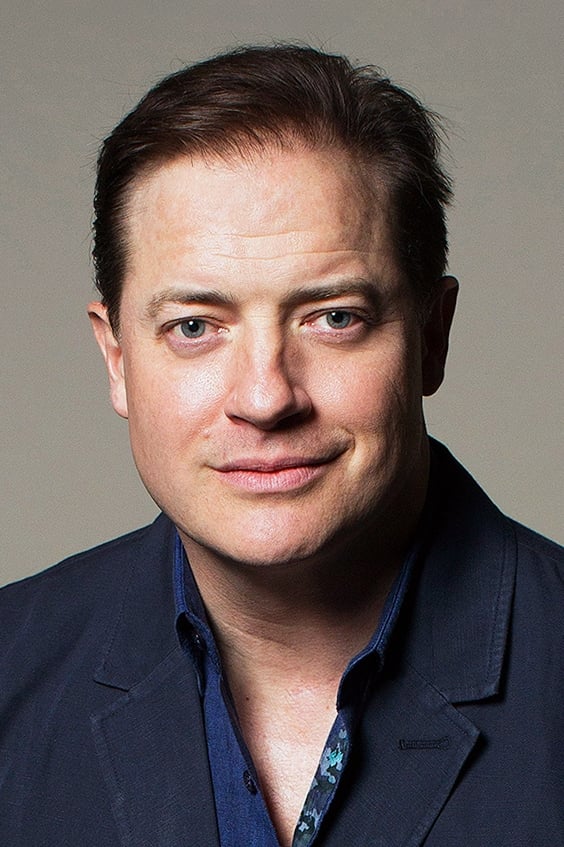
Brendan Fraser shared his story of being sexually assaulted and the negative impact it had on his career after he reported it. He stated that a powerful member of the Hollywood Foreign Press Association assaulted him, leading to fewer job opportunities. Fraser’s experience highlighted how challenging it can be to speak out against influential people in the entertainment industry and the damaging consequences that can follow. He described the emotional distress and feeling of abandonment he experienced, but his recent success is being celebrated as a triumph over the system that attempted to silence him.
Corey Feldman
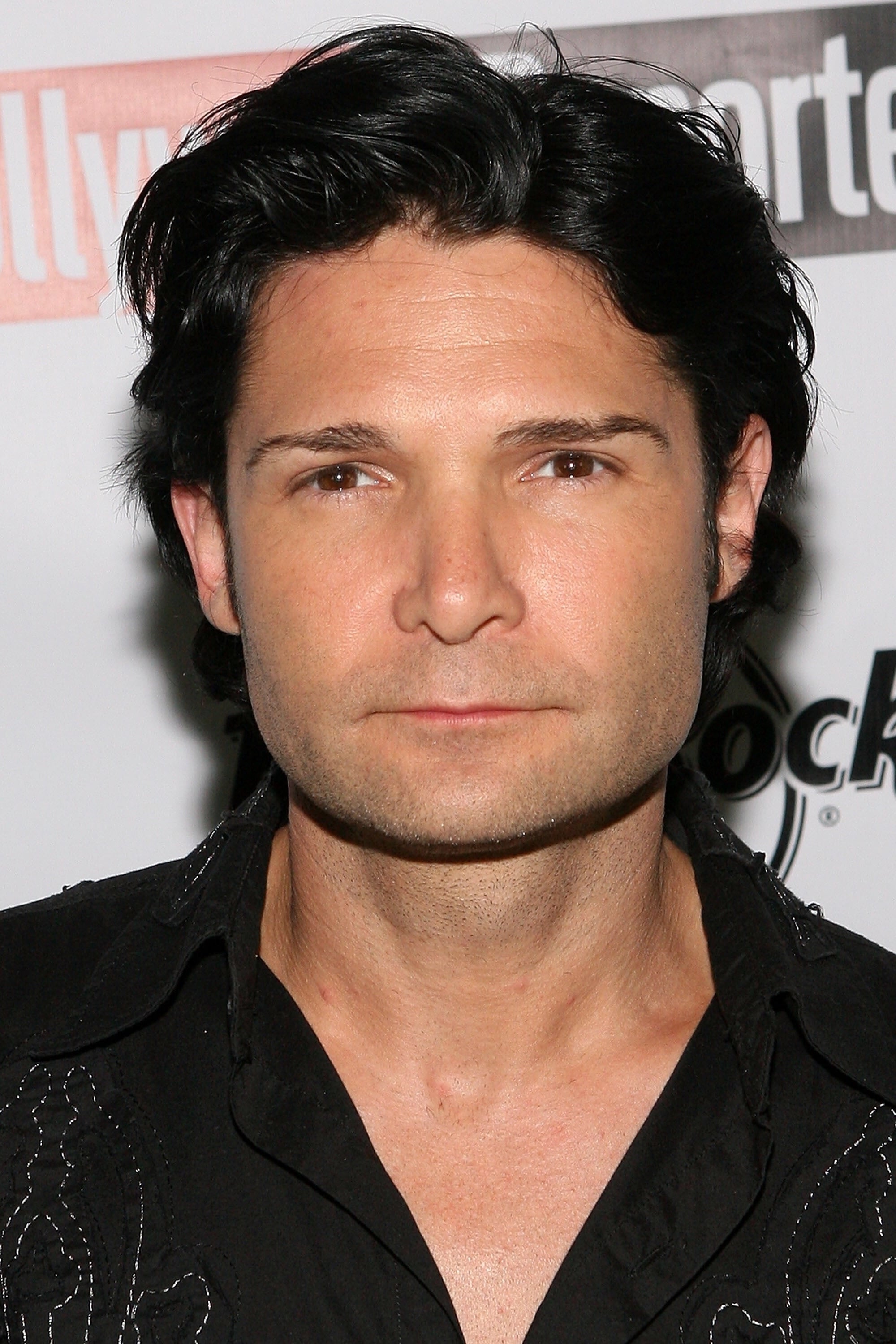
For decades, Corey Feldman has been publicly discussing the widespread abuse he says he saw as a child actor in the 1980s. He’s accused Hollywood of shielding powerful abusers and not protecting young performers. Feldman believes the industry was structured to allow exploitation and cover it up. Despite facing resistance from within the industry, he continues to push for laws that would better protect children working on film and television sets, believing the current system is deeply flawed when it comes to protecting minors.
Elijah Wood
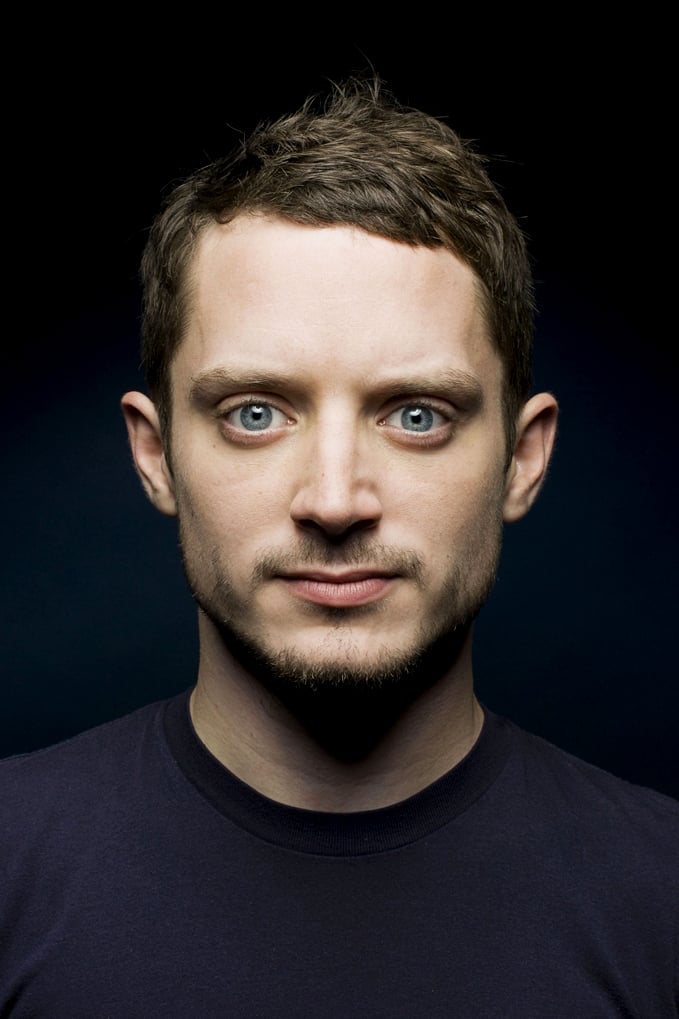
Elijah Wood has confirmed long-standing problems with the abuse of child actors in Hollywood. He explained that the industry has a history of allowing “predators” to operate, often with the help of people in power. Wood described the atmosphere as “toxic” because these crimes were frequently planned and covered up. He stressed that this wasn’t just a matter of a few bad actors, but a widespread issue within the system. His statements have sparked renewed calls for greater protection and supervision of young performers.
John Boyega
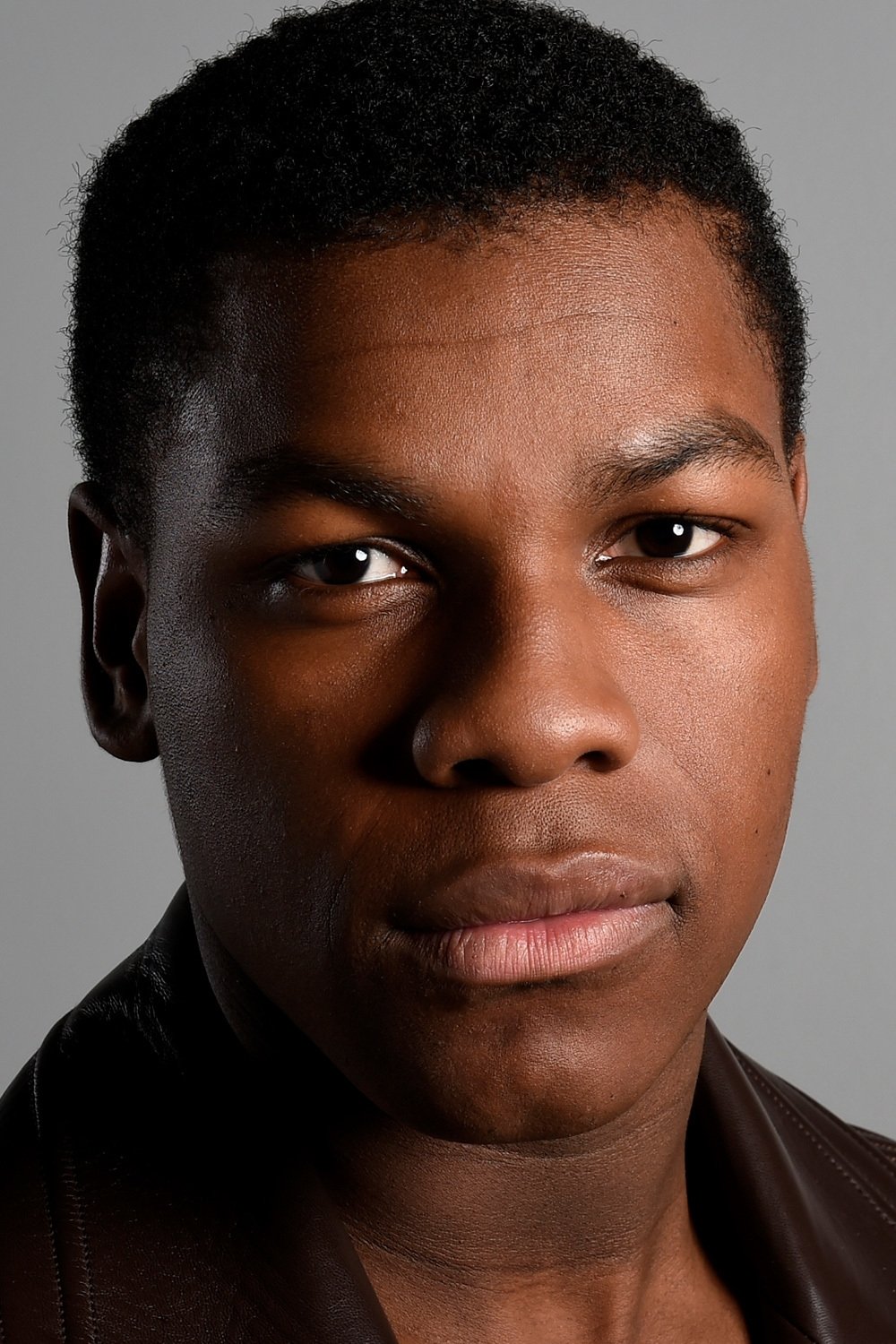
John Boyega has publicly criticized major film franchises, especially ‘Star Wars’, for how they treat actors of color. He argues that the industry often uses diversity as a superficial marketing tactic – a practice he calls “tokenism” – and doesn’t give non-white characters substantial roles or storylines. Boyega was also upset by the negative reactions he received from some fans and felt unsupported by the studio when he faced this backlash. His comments have led to wider discussions about racism and the importance of genuine representation in big-budget films.
Zac Efron
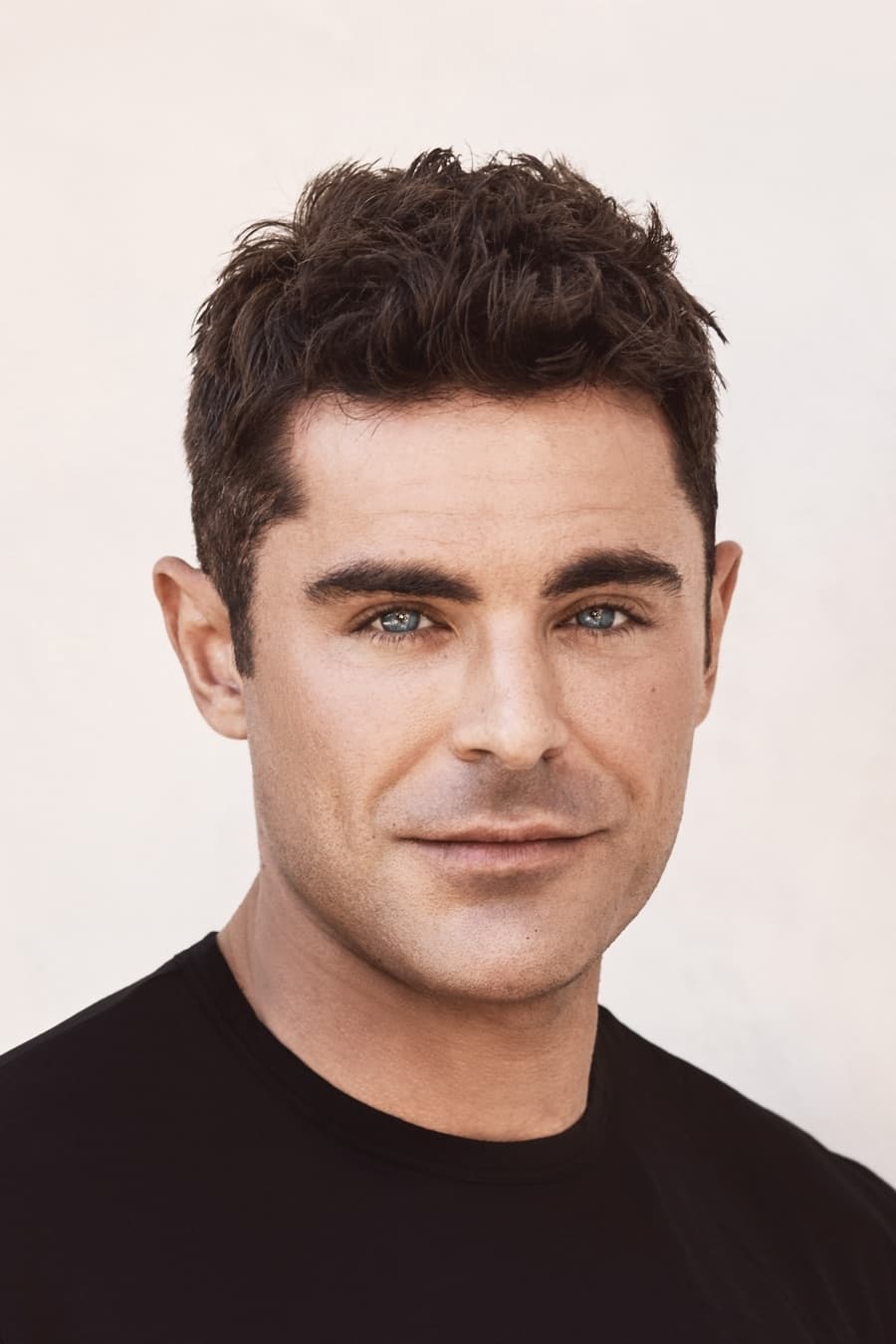
Zac Efron has spoken out about the negative impact of the intense physical standards he was held to while filming ‘Baywatch’ in 2017. He explained that the rigorous training and diet caused him to struggle with insomnia, depression, and ultimately, exhaustion that took a long time to overcome. Efron emphasized the potential dangers of the entertainment industry’s focus on physical perfection, and how it can harm an actor’s well-being. He says he doesn’t want to get back into that shape again, given the damage it caused. By sharing his experience, he’s helped to shed light on the body image pressures faced by male actors.
Penn Badgley
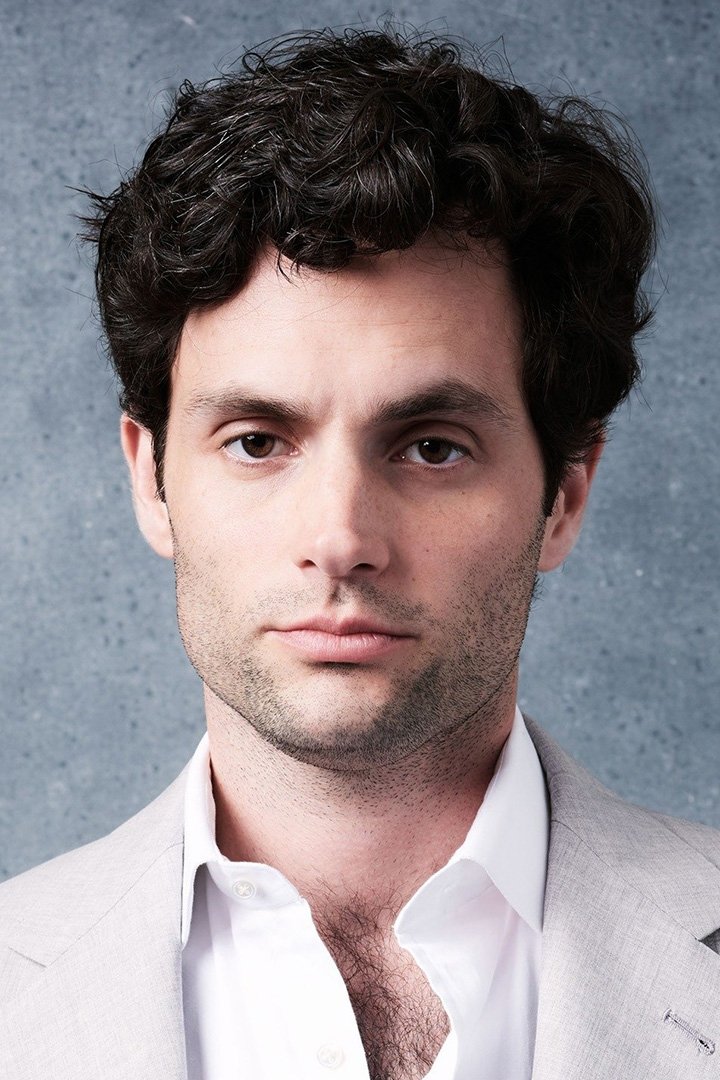
Penn Badgley has often spoken out against the way actors are treated as objects and how the entertainment industry sometimes glamorizes unhealthy behaviors. He’s particularly uncomfortable with fans who are attracted to his character in the show ‘You,’ believing it highlights a bigger problem in our culture. Badgley points out that Hollywood often values attractiveness more than developing fully realized, complex characters. He’s also described how exhausting fame can be and how it can change who you are. Ultimately, his concerns center on the need for creators to avoid making abusive behavior seem appealing.
Kit Harington
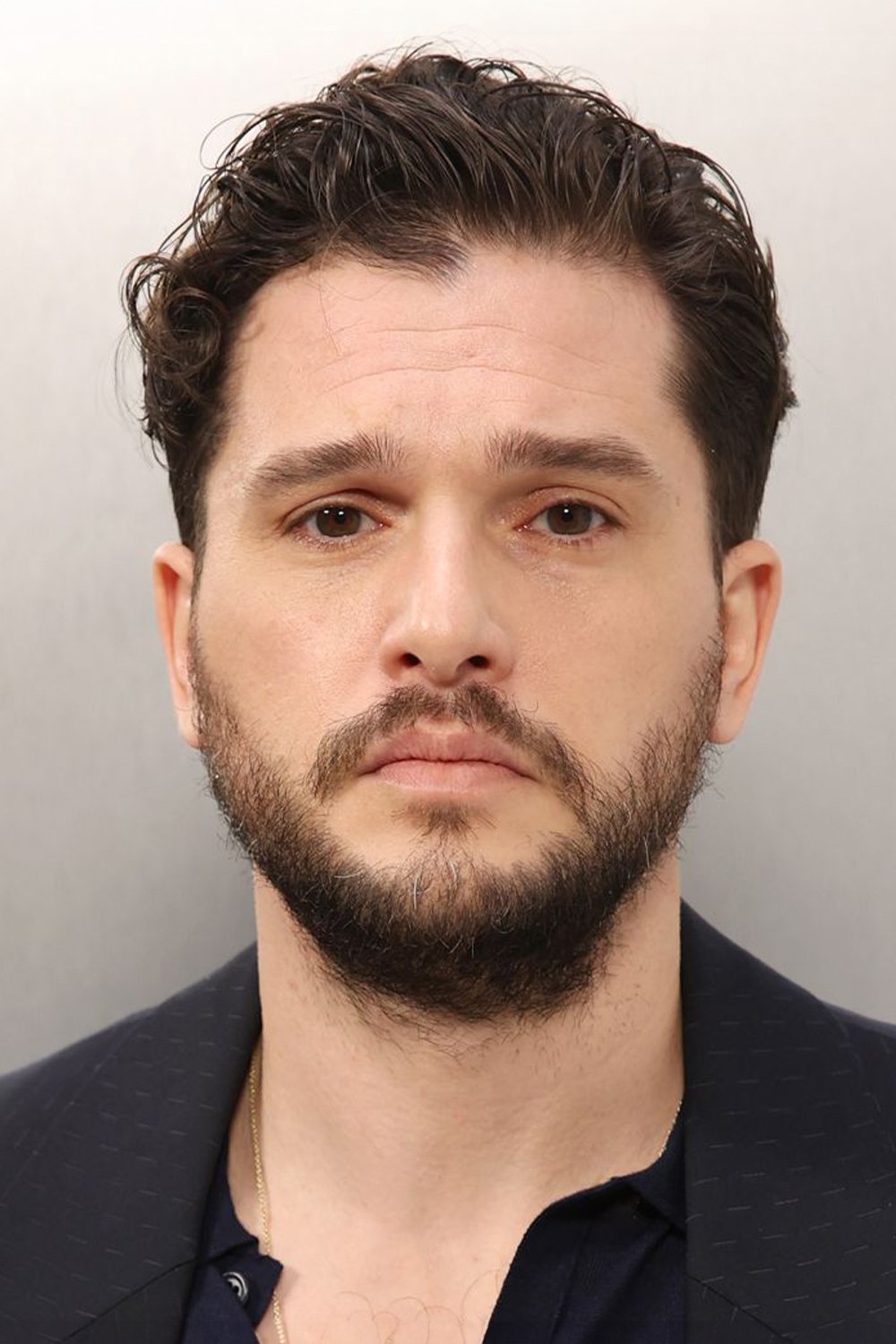
Kit Harington recently criticized the way male actors are often sexualized in Hollywood, calling it a double standard. He pointed out that men experience similar objectification to women, but are often pressured to stay quiet about it. Harington explained that being reduced to a physical appearance – being called a “hunk,” for example – can make actors feel their talent is being overlooked. He believes the industry and media need to change how they talk about performers’ bodies, as objectification affects people of all genders in Hollywood.
Richard Madden
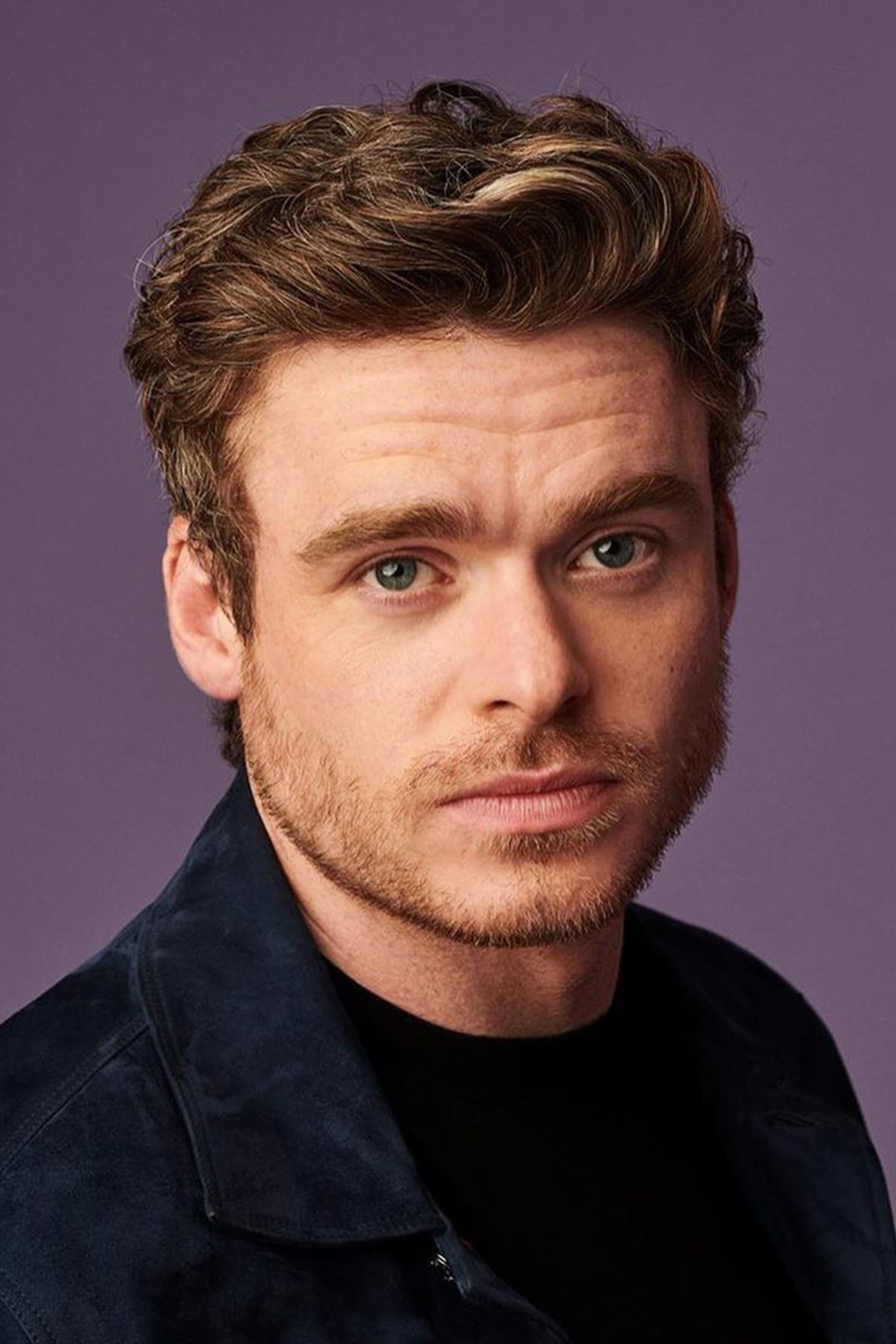
Richard Madden has spoken out about the extreme pressure on male actors to be very thin for roles, calling it a harmful trend in the industry. He’s personally been asked to lose weight for parts on several occasions. Madden explained that while this pressure isn’t always visible to the public, it significantly impacts actors’ mental health. He believes the unrealistic body standards shown in movies and on TV affect both performers and viewers, and he’s calling for more realistic portrayals of bodies in film and television.
Kumail Nanjiani
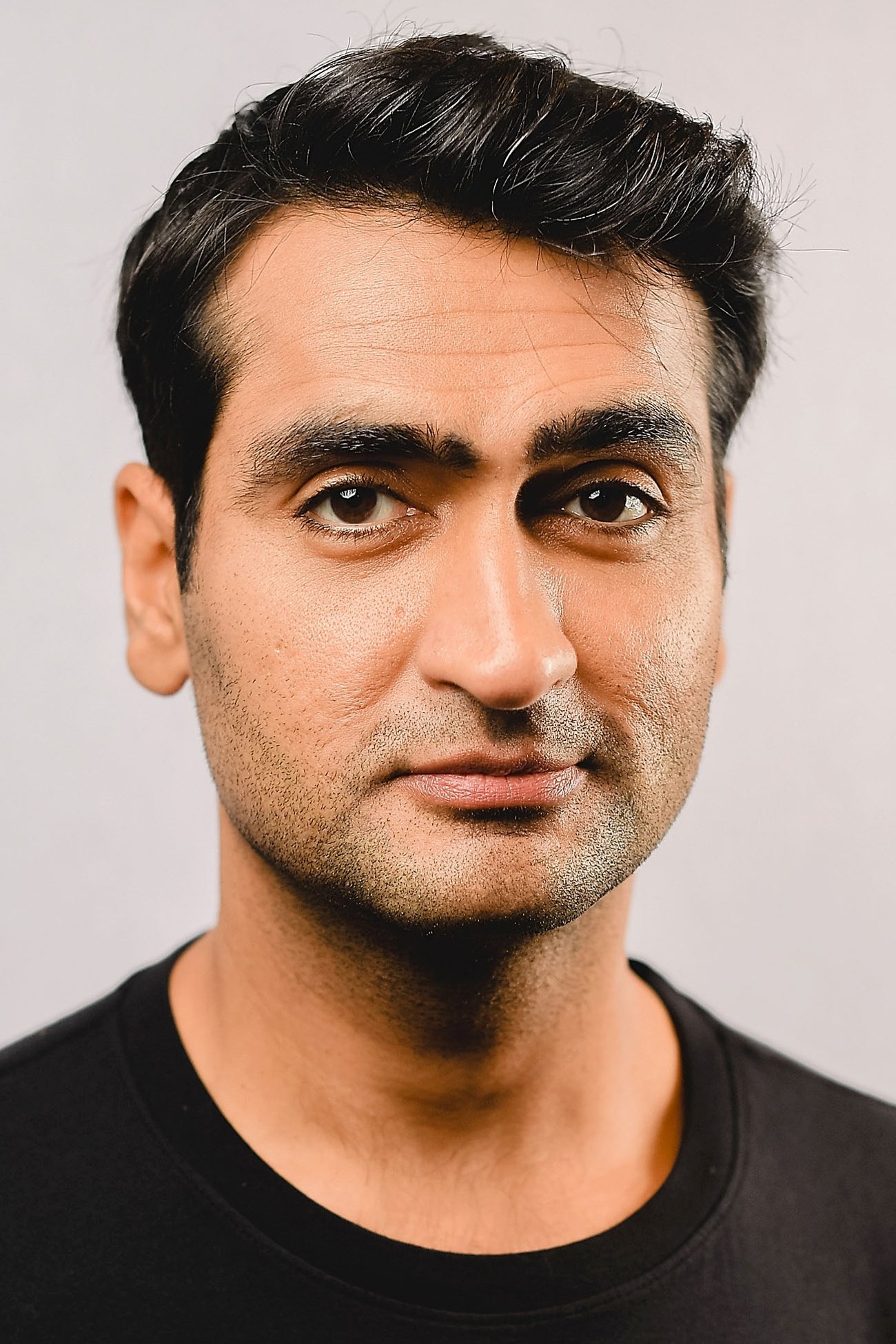
Kumail Nanjiani discussed the mental challenges he faced while dramatically changing his body for the movie ‘Eternals’ (2021). He explained that the pressure to achieve a superhero physique led to feelings of body dysmorphia. Nanjiani also criticized the harmful idea that extreme physical transformations are something to celebrate without considering the impact on mental health. He found the constant focus on his body to be stressful and unhealthy, and pointed out that actors from diverse backgrounds often feel pressured to fit into conventional leading-man roles.
Justin Baldoni
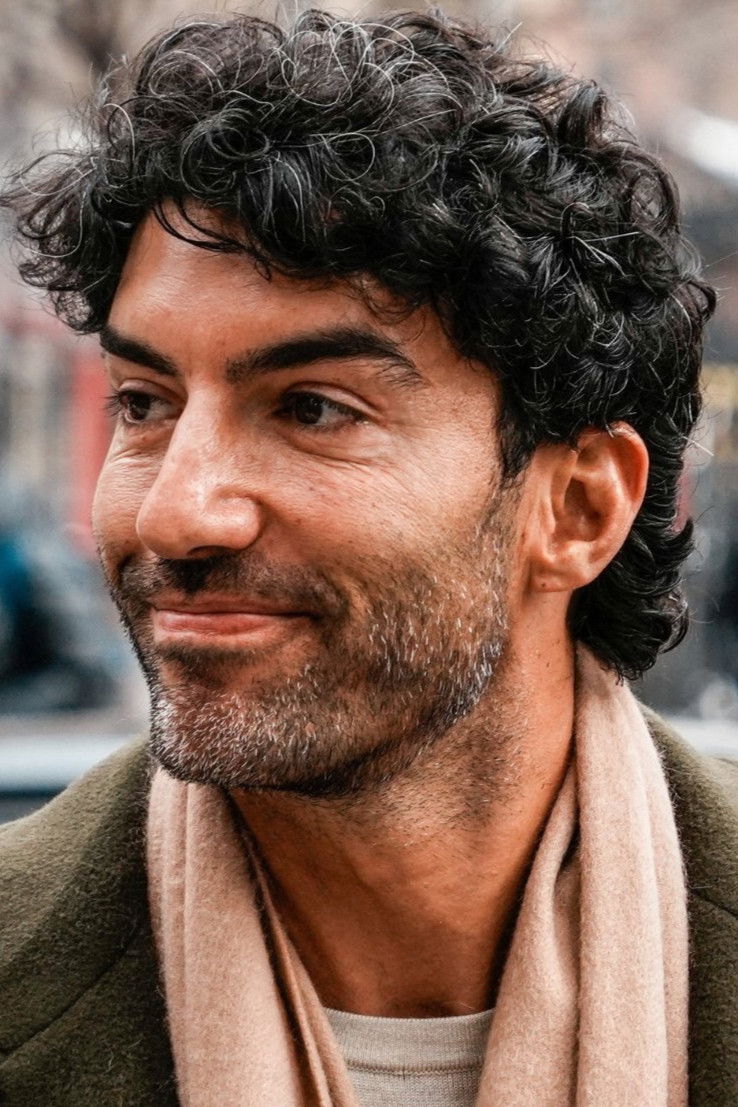
Justin Baldoni is working to address harmful ideas about what it means to be a man, and how the entertainment industry reinforces them. He’s spoken out about how Hollywood often shows men as strong and silent, without expressing feelings. Baldoni believes this isn’t healthy for men and creates a culture where they feel they can’t show vulnerability. He wants to see more realistic and emotionally open male characters in movies and TV, and is working to change how society defines masculinity, both in entertainment and in general.
Simu Liu
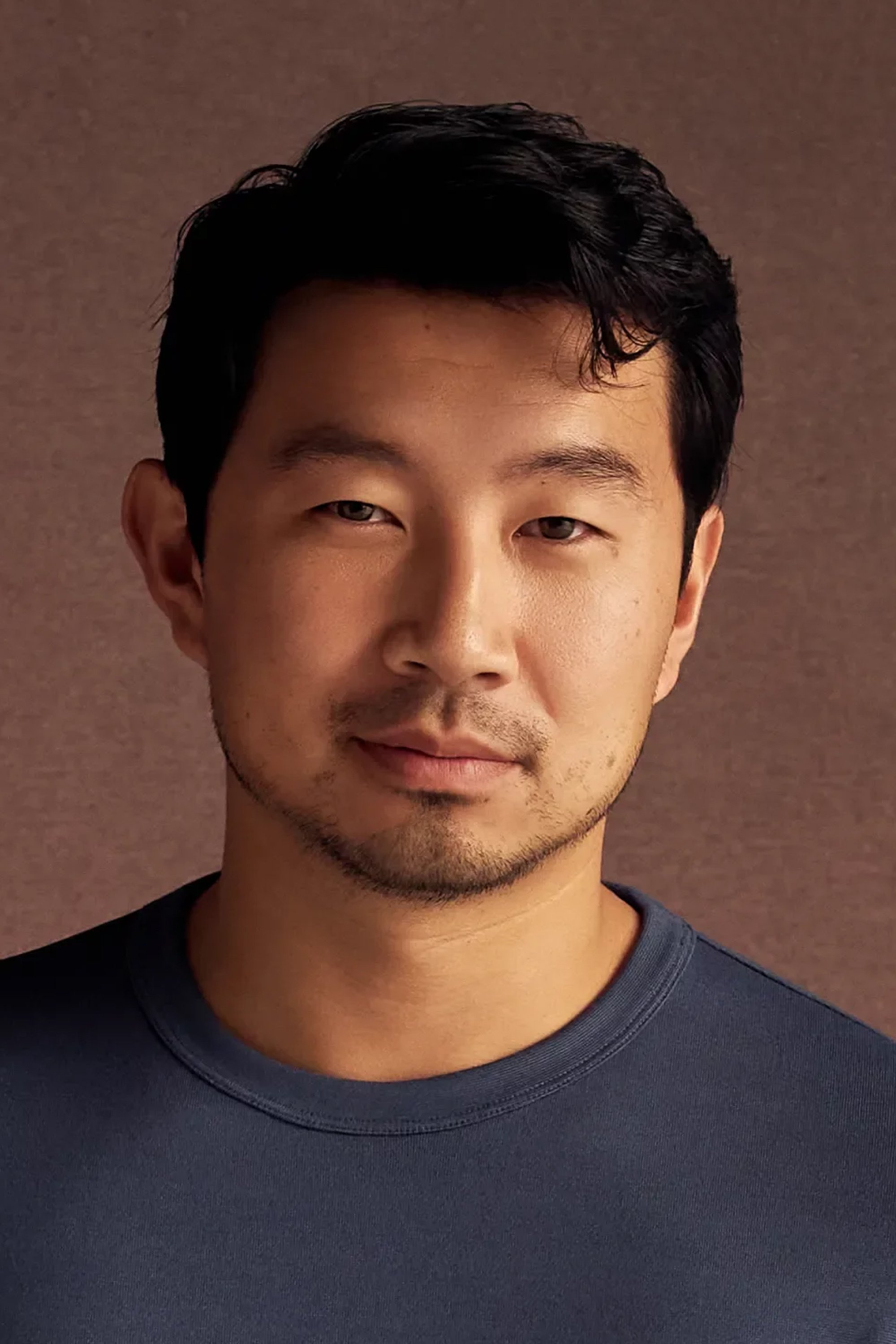
Simu Liu has consistently spoken out against harmful stereotypes and the way Hollywood has historically portrayed Asian people. He’s criticized the industry for not offering real representation and for often casting Asian actors in predictable, supporting roles. Liu believes these stereotypical depictions are damaging to the self-worth of Asian communities and is using his voice to push for more diverse storytelling. He wants to see studios hire a wider range of creators so they can tell authentic stories and break down the barriers that have historically limited opportunities for actors of color.
Dev Patel
Dev Patel has talked about how early in his career, he was often offered stereotypical roles because of his South Asian background. He felt the industry had a limited idea of what a leading actor should look like. He’s spoken out about how frustrating it was to be seen only as a supporting character or someone who plays a tech role. Since then, he’s chosen projects that break those molds and allow him to portray more complex characters. His experiences highlight the larger struggle against long-standing racial biases in the entertainment industry.
Riz Ahmed
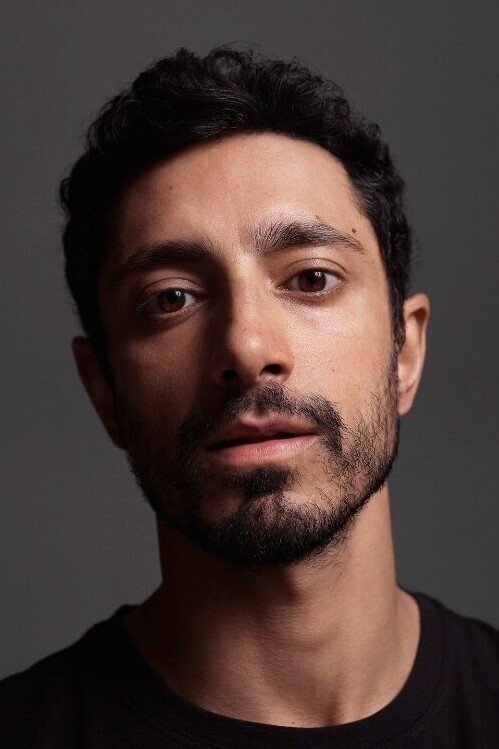
Riz Ahmed has spoken out against the limited and often negative way Muslims are shown in Western films and TV. He believes these portrayals fuel prejudice and make it easier to see Muslims as less than human. Ahmed wants to see more complex characters that move beyond the common stereotypes of being either a terrorist or a victim. He feels a lack of diversity among those writing these stories is a key reason for these harmful depictions, and his “Blueprint for Muslim Inclusion” offers guidance for creating more accurate and respectful representation.
Seth Rogen
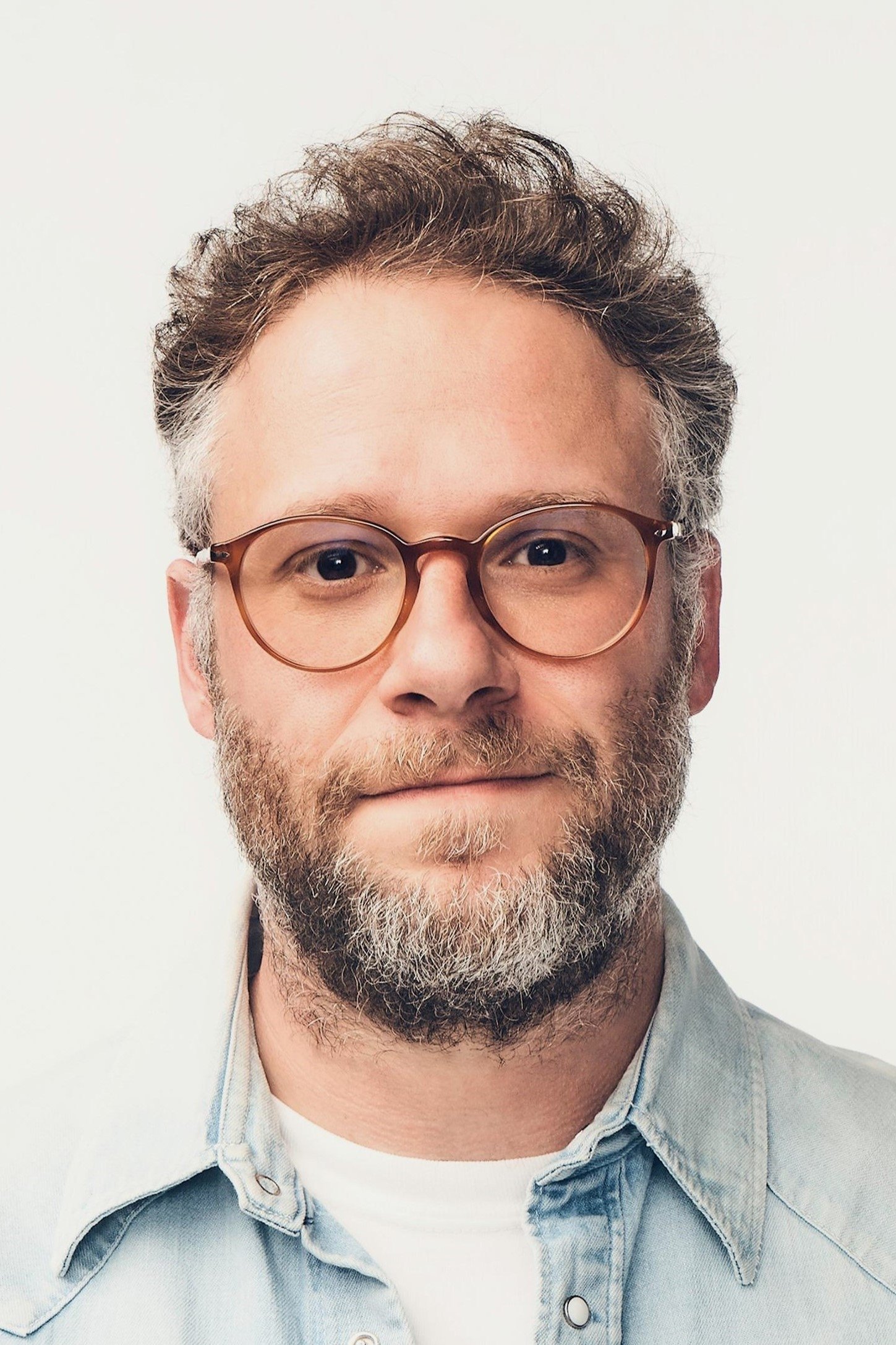
Seth Rogen has spoken out about the previously widespread “boys club” atmosphere in Hollywood and the silence that allowed people like Harvey Weinstein to continue abusive behavior for so long. He admits he regrets working with some individuals and recognizes that the industry often turned a blind eye to well-known issues of abuse. Rogen has criticized Hollywood’s focus on profits over the well-being of its workers and has been working to create more open and responsible workplaces on his own projects. His statements are part of a larger trend of established actors acknowledging their part in these systemic problems.
Wil Wheaton
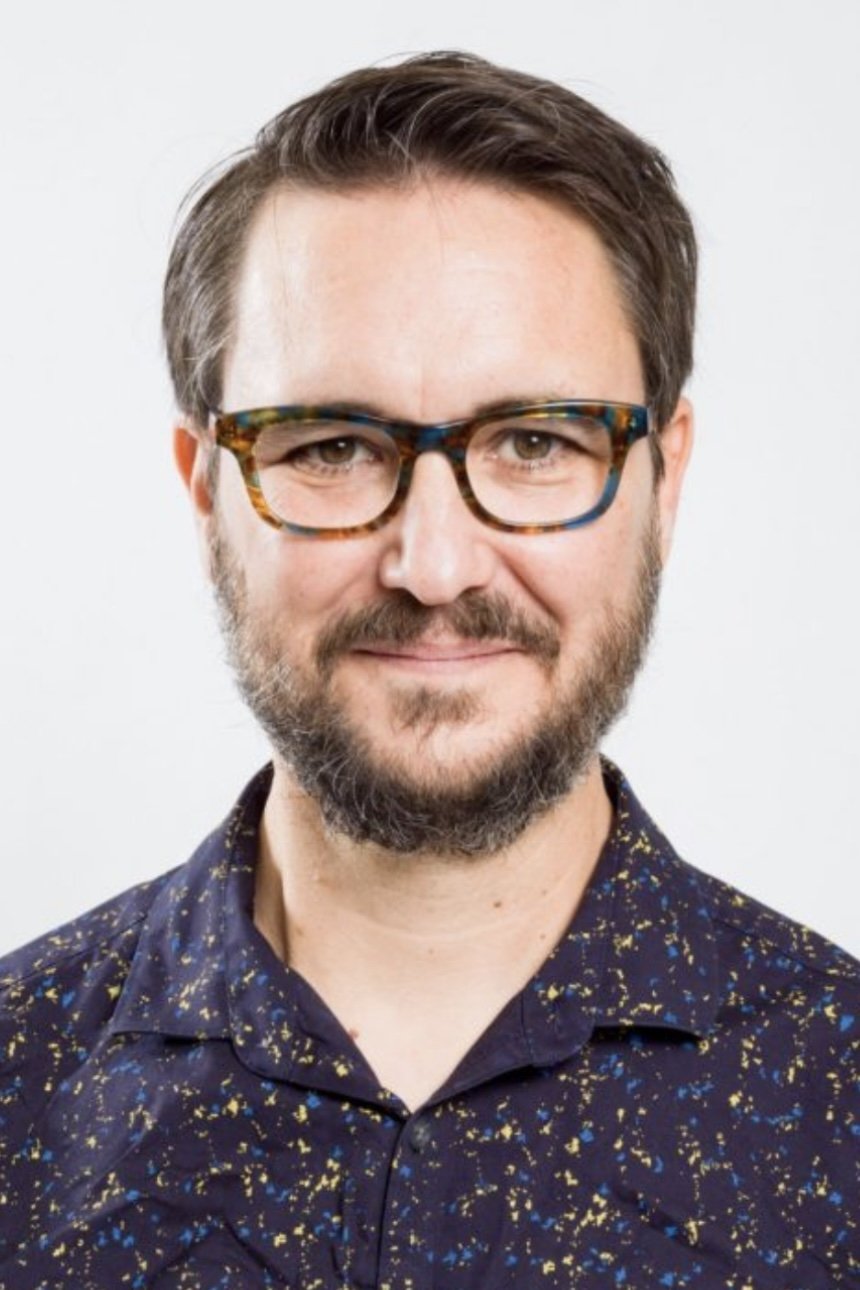
Wil Wheaton has openly discussed the difficult experiences he had as a child actor in films like ‘Stand by Me.’ He feels the industry often treated young performers like possessions instead of children, and he’s described the pressure from parents and agents to keep working, even when it harmed his emotional health. Wheaton now pushes for better mental health resources and legal protections for young actors, and by sharing his own story, he’s brought attention to the lasting impact of working in Hollywood at a young age.
Macaulay Culkin
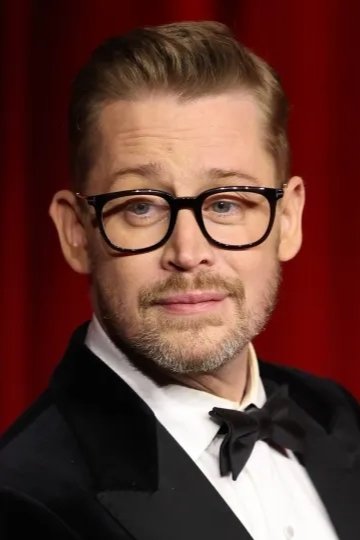
Macaulay Culkin has often talked about how damaging his early fame was, and how he felt used by the entertainment industry. He explained that his childhood was controlled for financial gain, which created problems with his family and the press. Culkin has been critical of the constant attention from the paparazzi and the difficulties child actors face. He took a long break from acting to find himself and escape the pressures of the industry. His experiences highlight the dangers of becoming famous at a young age.
Jacob Elordi
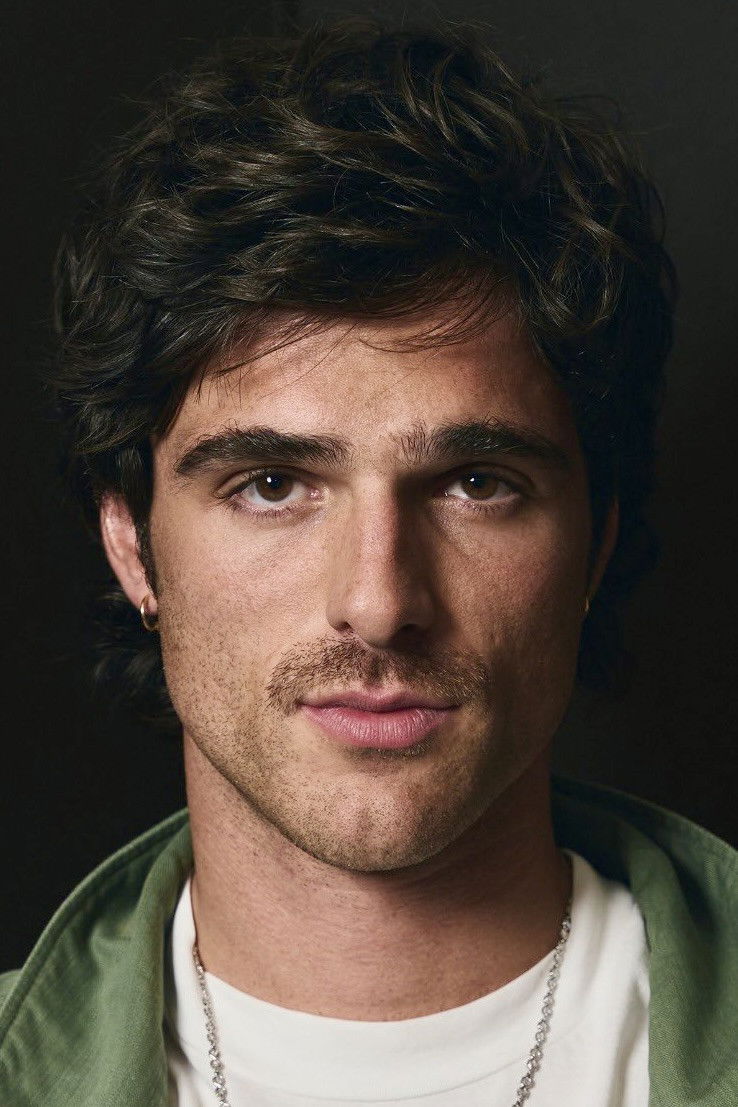
I’ve been reading about Jacob Elordi, and it’s really interesting to hear him talk about his experiences after ‘The Kissing Booth.’ He’s clearly frustrated with being seen as just a ‘teen heartthrob’ and being objectified for his looks. Apparently, some of the work he did after that film – certain commercials, specifically – were really tough on him, even ‘miserable,’ because there wasn’t any real artistic challenge. He feels like people focused way more on his appearance – you know, things like his ‘abs’ – than on his actual acting. That’s why he’s been actively looking for roles that are more demanding and realistic, trying to move away from that whole ‘celebrity’ image. He basically thinks the industry often cares more about selling things than about good art, and it’s sad to hear that’s been his experience.
Will Poulter
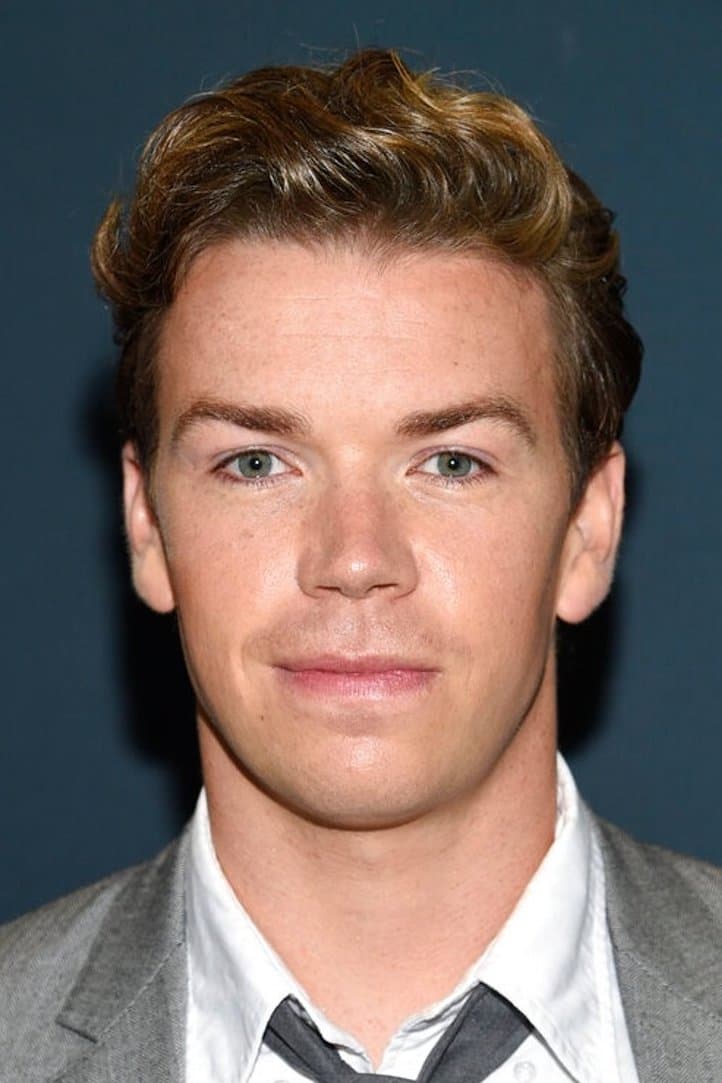
Will Poulter has spoken about the negative effects of social media and the entertainment industry’s focus on looks, particularly after receiving harsh comments about his own appearance. He believes Hollywood’s unrealistic beauty standards are harmful to everyone. Poulter is calling for a more understanding and humane industry that values actors as people. He’s also criticized the artificiality of celebrity life and the constant pressure to look perfect. Ultimately, he wants to encourage better mental health and genuine self-expression in a world that often feels superficial.
Andrew Garfield
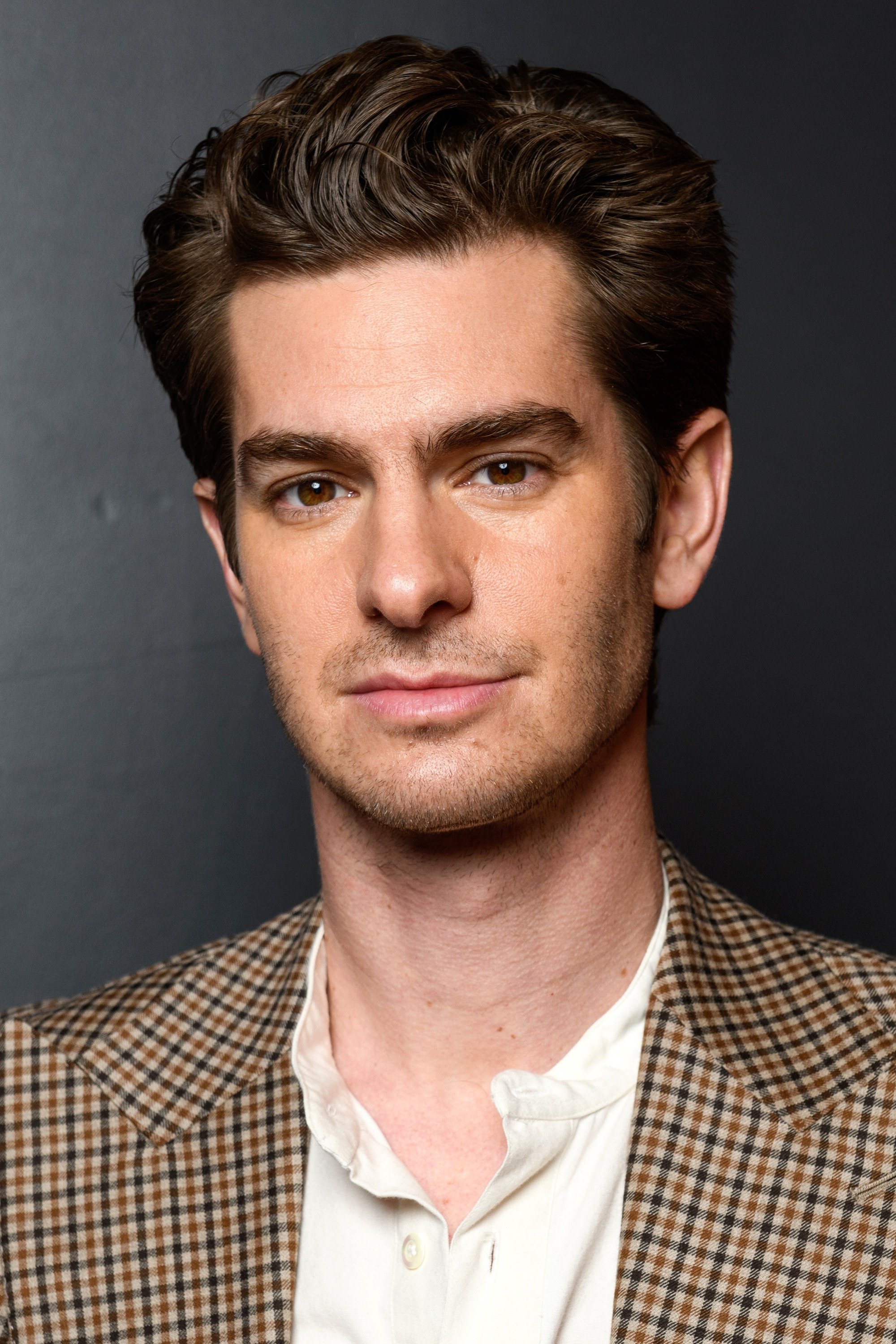
Andrew Garfield has spoken out against what he sees as the overly commercial and creatively stifling side of Hollywood, especially within the superhero movie world. He explained that making ‘The Amazing Spider-Man’ felt pressured by the need to please investors, which he believes hindered artistic expression. Garfield feels the industry’s emphasis on building brands is damaging to genuine acting and storytelling. Because of this, he now focuses on independent films where he has more creative control and can explore deeper, more meaningful stories. His comments point to the ongoing struggle between making art and making money in the film industry.
Robert Pattinson
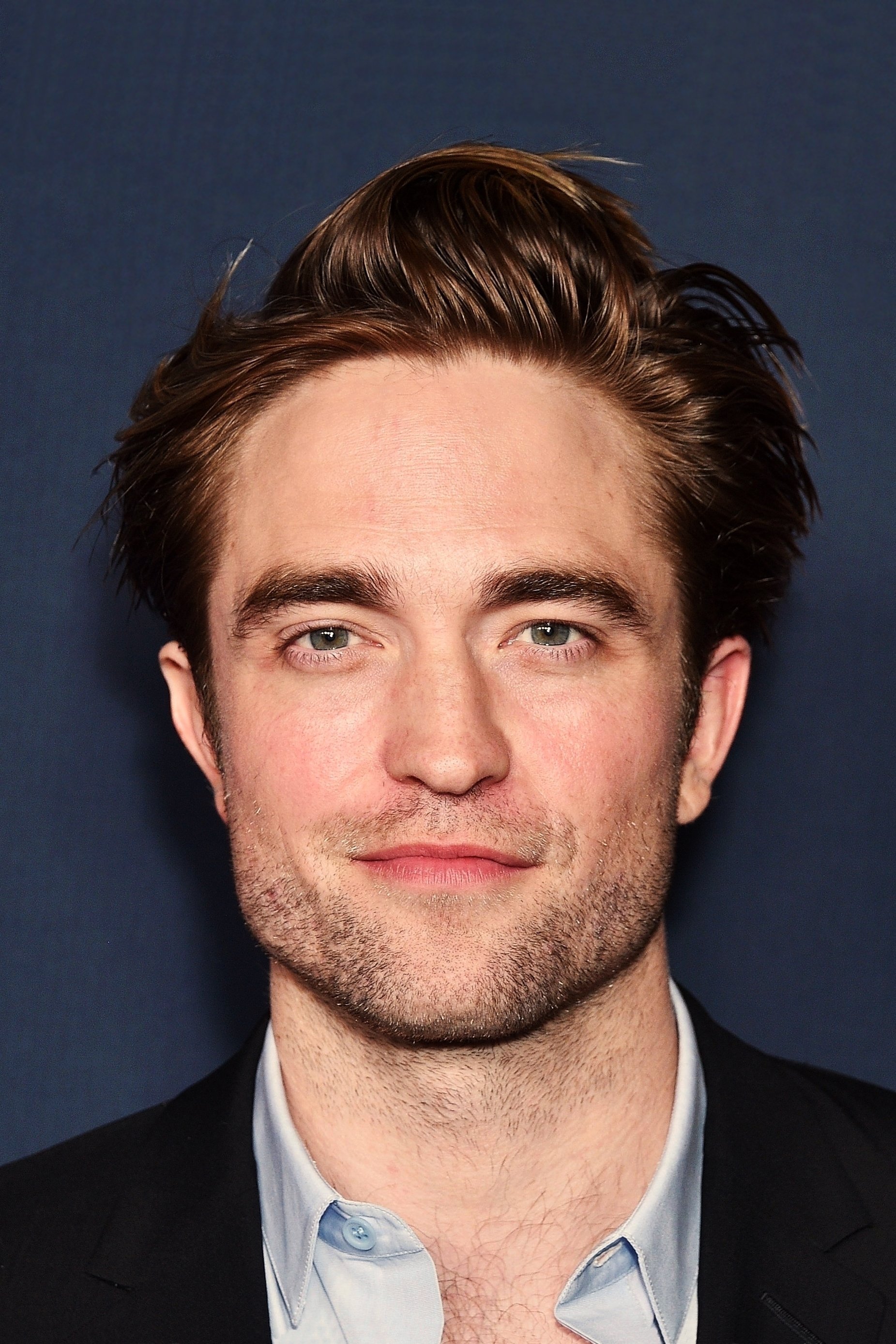
Robert Pattinson has consistently spoken out against the downsides of fame, particularly the intrusive paparazzi and the harmful culture surrounding young actors. He’s described the peak of his popularity during the ‘Twilight’ years as both suffocating and frightening. Pattinson often points out how ridiculous celebrity obsession is and how it can warp an actor’s perception of what’s real. He frequently uses humor to hide his dislike of the shallow side of Hollywood. His work since ‘Twilight’ shows he’s intentionally moved away from being a typical mainstream star.
Rainn Wilson
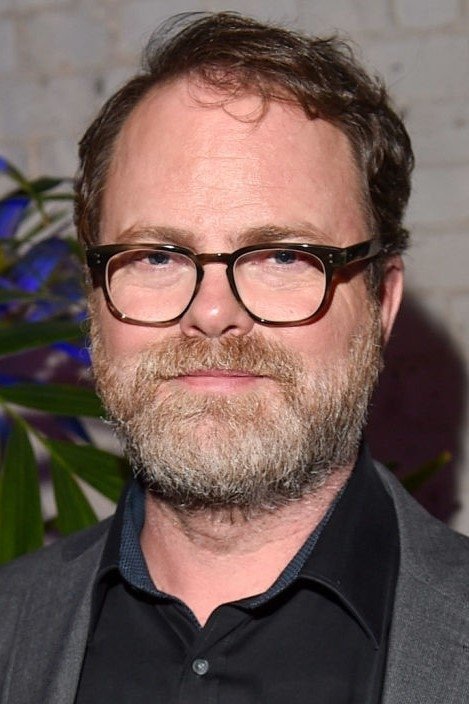
Rainn Wilson has spoken out against what he sees as a lack of spirituality in Hollywood, and the tendency to portray religious characters negatively – either as bad guys or as jokes. He feels the entertainment industry doesn’t reflect the spiritual beliefs of most people and wants to see more realistic and respectful depictions of faith on screen. Wilson believes Hollywood can be dismissive and critical of those with religious or spiritual views, and he’s pushing for more diverse perspectives in the stories being told.
Ethan Hawke
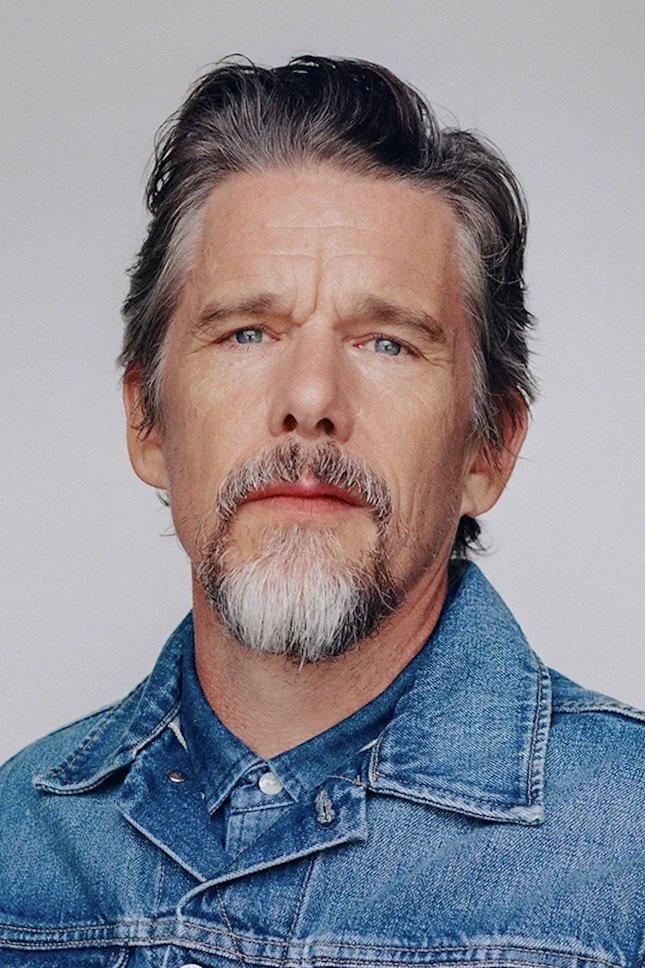
Ethan Hawke has often criticized how the film industry has become focused on profit and lost its artistic values. He believes the obsession with how much money movies make on their opening weekend and building big franchises is harmful to filmmaking. Hawke argues that Hollywood tends to avoid taking creative risks, preferring to produce movies that are considered safe bets and will appeal to a wide audience. He strongly supports independent films and the traditional moviegoing experience. Ultimately, Hawke feels the industry is becoming more like a factory churning out content than a place where art is created.
Joaquin Phoenix
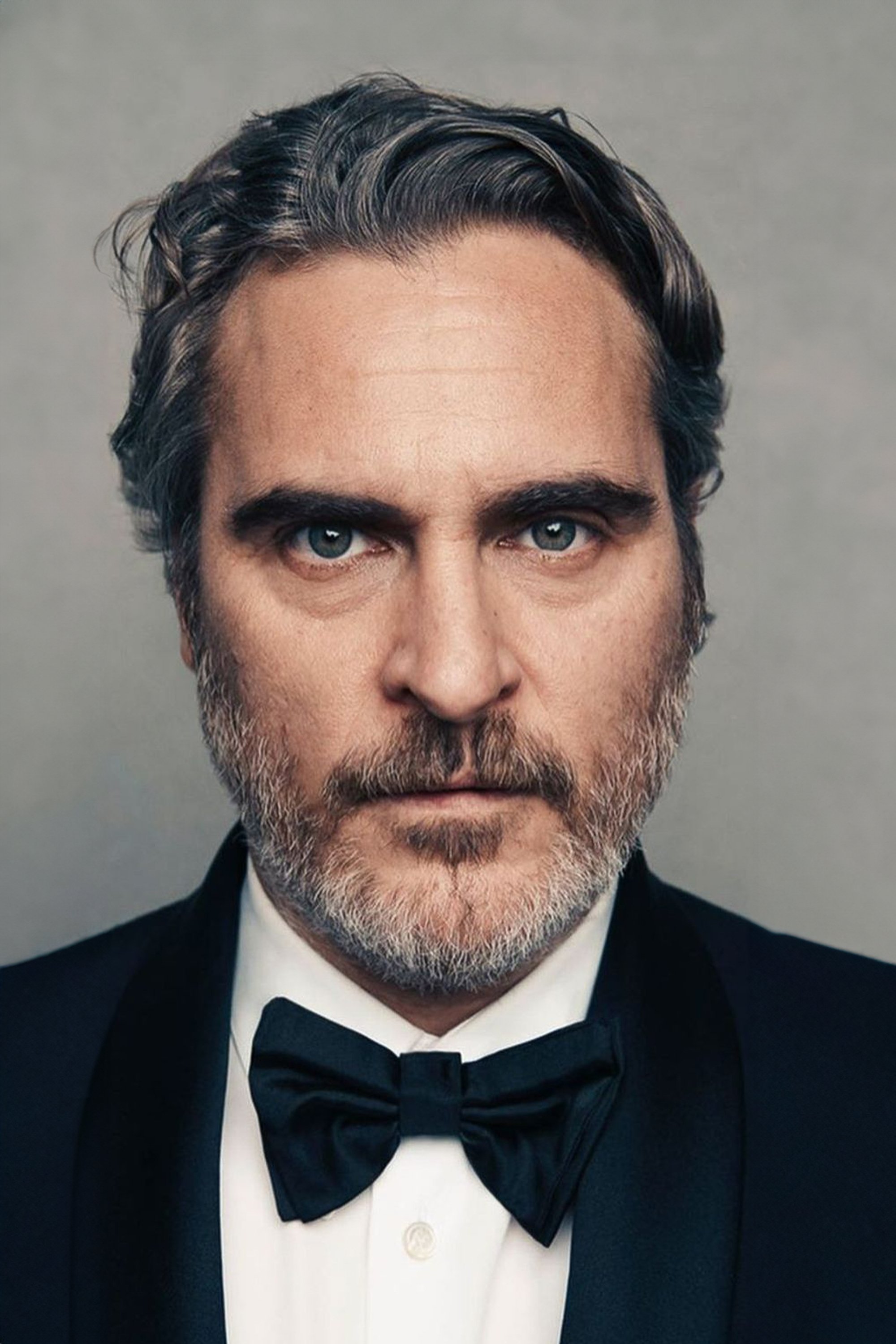
I’ve always admired Joaquin Phoenix, not just for his incredible acting, but for how honestly he talks about Hollywood. He’s been really outspoken about how much he dislikes the whole awards season thing – he even called the Oscars ‘bullshit,’ which, honestly, felt pretty refreshing! He thinks it’s silly to compare artists and ‘rank’ their work, and I totally get that. He believes all that focus on winning awards creates a really unhealthy ego-driven environment and takes away from the actual craft of acting. It’s awesome that he uses his platform, even when accepting awards, to bring up important issues like racism and our responsibility to the environment. He just doesn’t seem to play the Hollywood game, and I really respect that about him.
Edward Norton
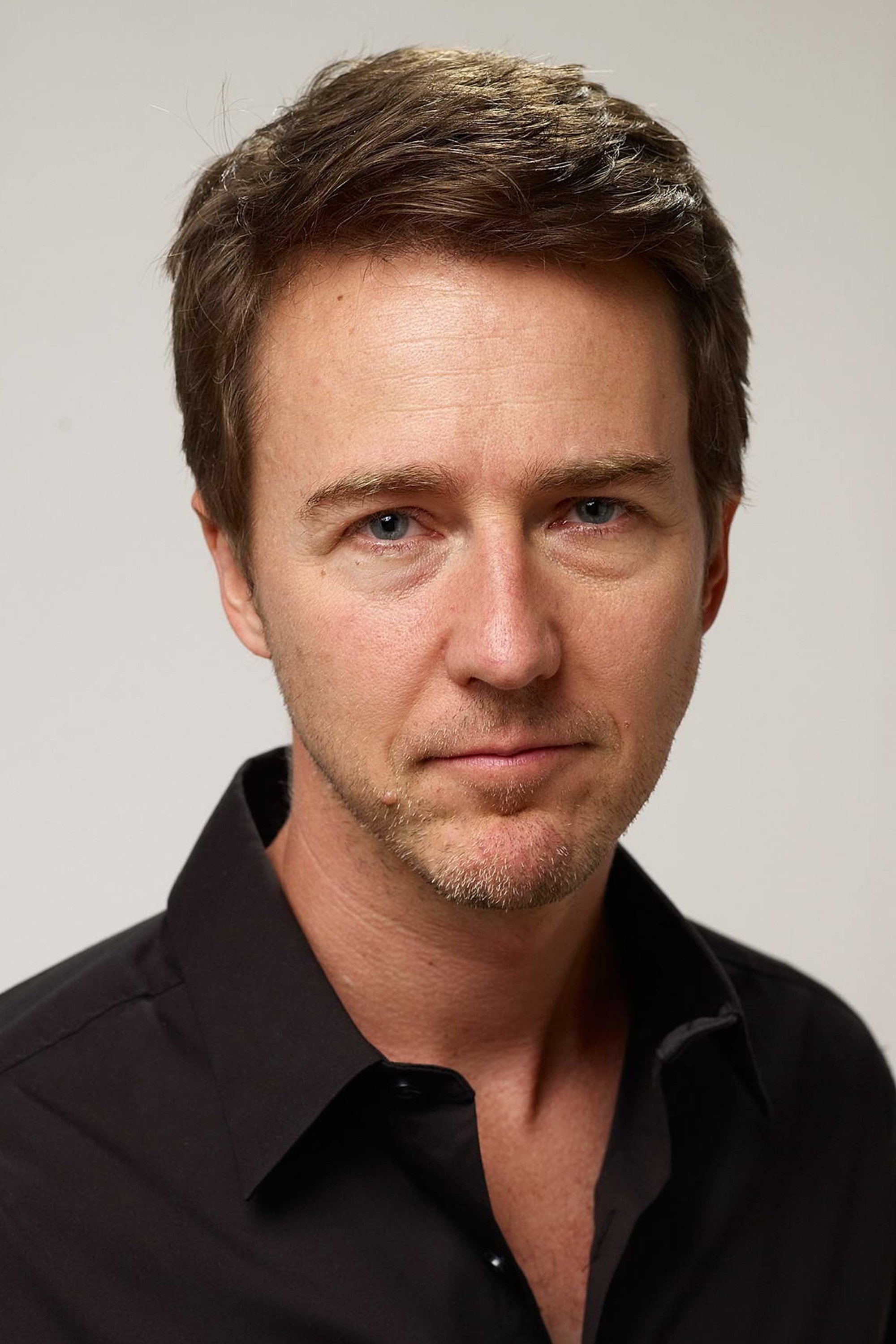
Edward Norton is well-known for his criticism of how major film studios operate and how their involvement can harm a film’s artistic vision. He’s publicly discussed disagreements with studios about having the final say in editing his movies, believing strongly that directors should lead the creative process. Norton feels the industry prioritizes promotion over meaningful content, which he sees as damaging to the work of both actors and filmmakers. To avoid the negativity he perceives in Hollywood, he often takes extended breaks from acting. He acknowledges being labeled as challenging to work with, but attributes this to his commitment to maintaining artistic standards.
Mark Ruffalo
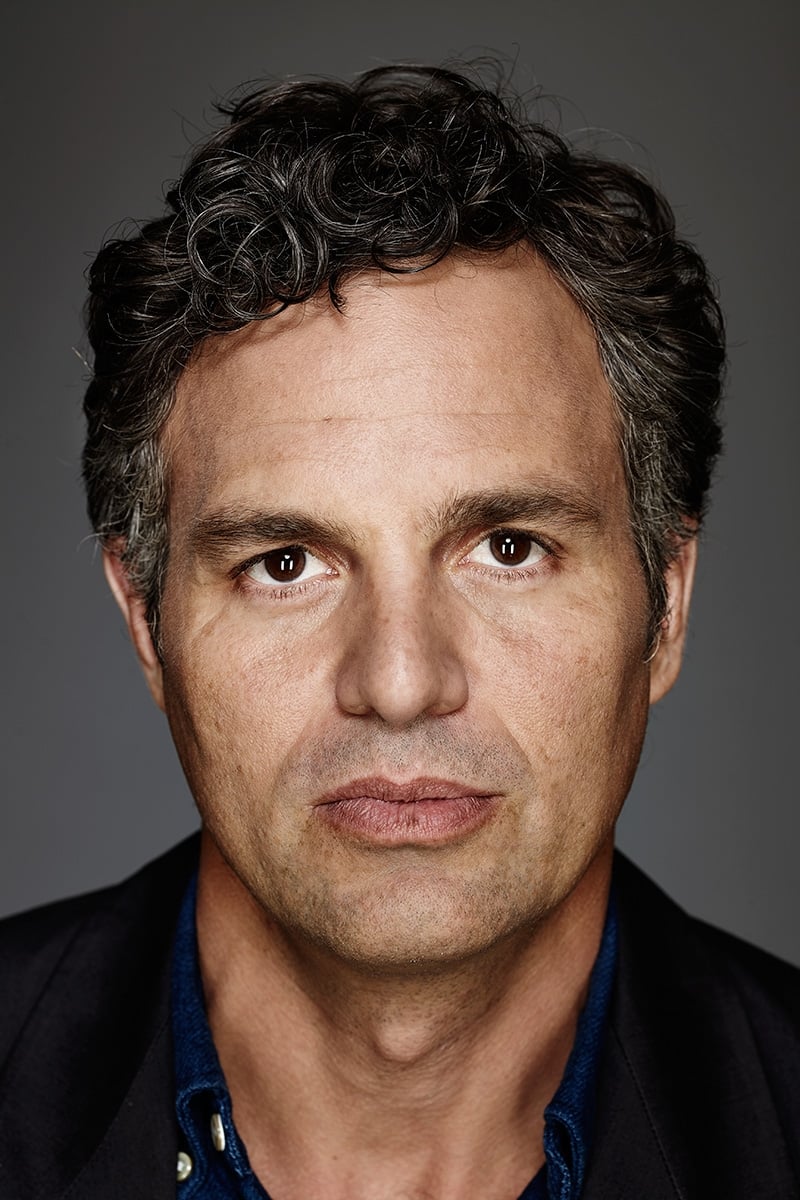
As a movie lover, it really bothers me to see Hollywood often stay silent on important issues. I admire Mark Ruffalo for calling them out! He’s right – the industry has so much power, and they should be using it for good, pushing for things like sustainability and social justice. It feels like they often prioritize profits over what’s right, and that makes them part of the problem. He’s also spot-on about the need for more diversity behind the camera – change is happening too slowly. Ultimately, I believe, like Ruffalo does, that those making the movies have a responsibility to do more than just entertain us; they should be using their platform to make a positive impact on the world.
Chris Evans
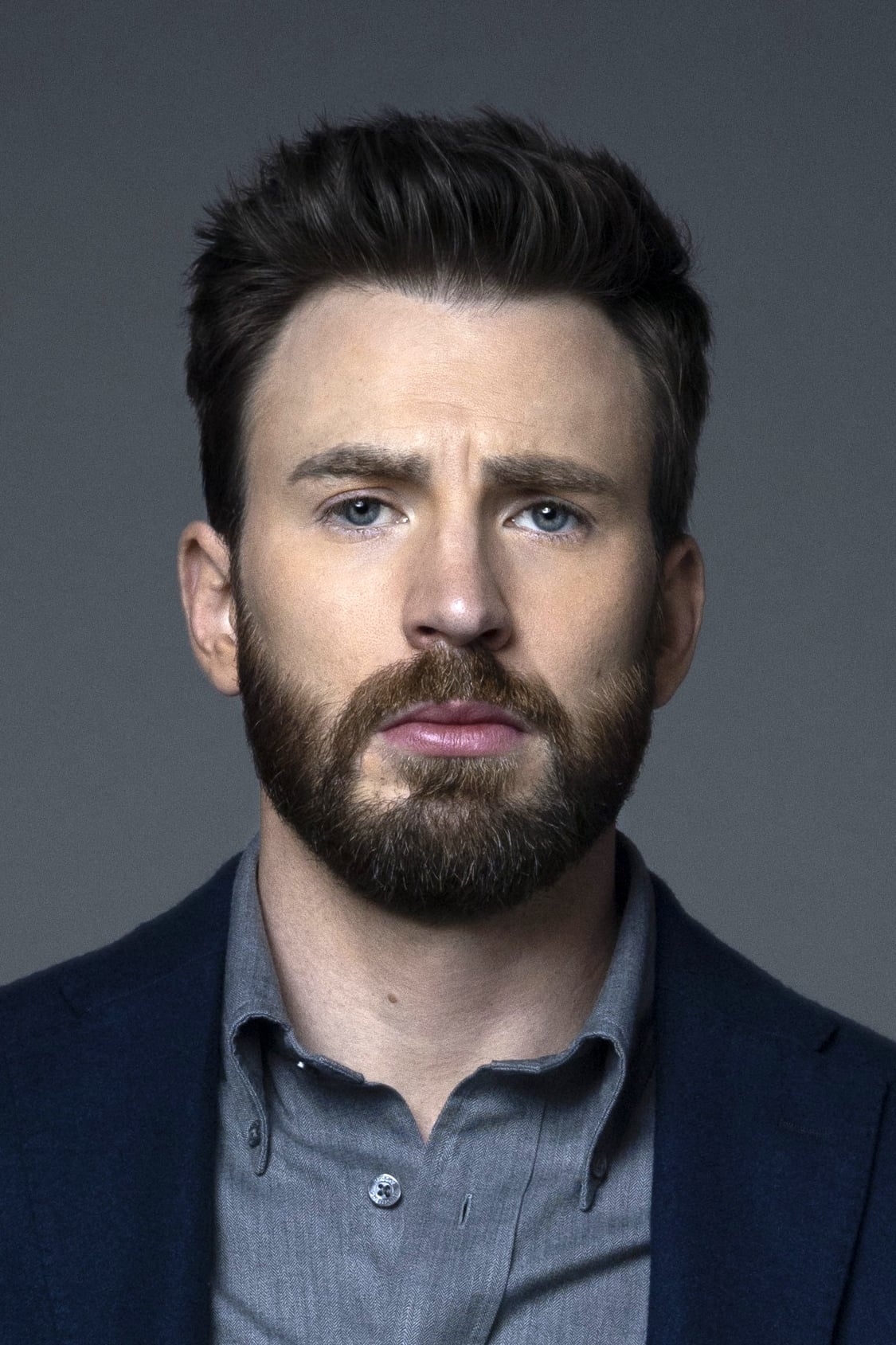
Chris Evans has talked about how stressful it is to become famous in Hollywood and how it can make you lose touch with who you are. He’s described the unhealthy pressure of being in the public eye, especially as a leading actor in the Marvel films, and the constant attention that comes with it. Evans has openly shared his feelings of self-doubt and how artificial the movie industry can feel. He’s now looking to focus more on directing and theater work to find more meaningful projects, feeling that blockbuster fame can be empty. His honesty has started important conversations about the mental well-being of actors who are constantly in the spotlight.
Tom Holland
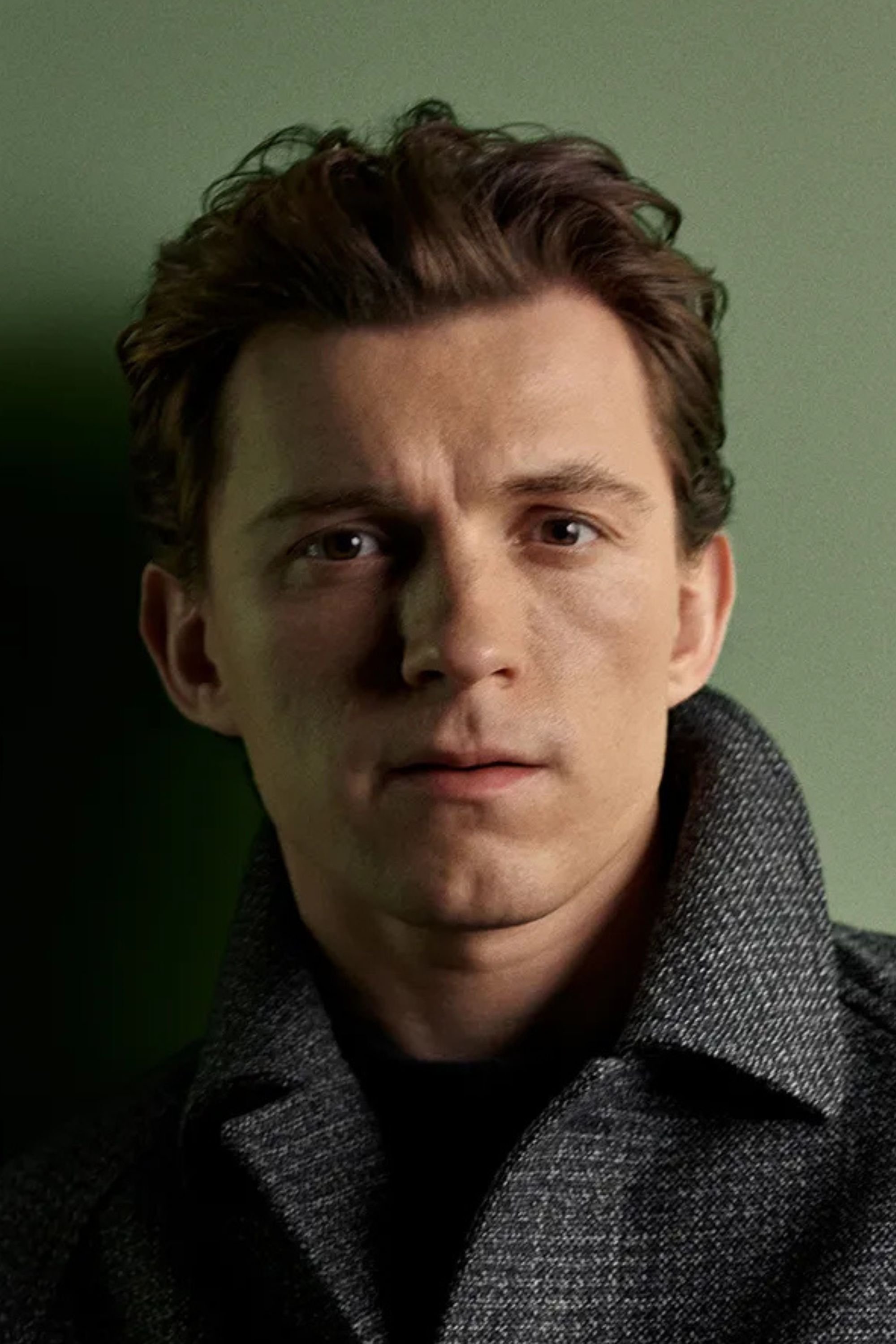
Tom Holland has discussed how being in the entertainment industry affects mental health, especially for young actors who face a lot of pressure. He recently stepped away from acting and social media because of the negativity he found online. Holland has also criticized the aggressive tactics of paparazzi and the lack of privacy for public figures. He says the industry can be draining and it’s easy to get lost in the pursuit of fame. His experiences show how difficult it is to grow up with so much public attention.
David Harbour
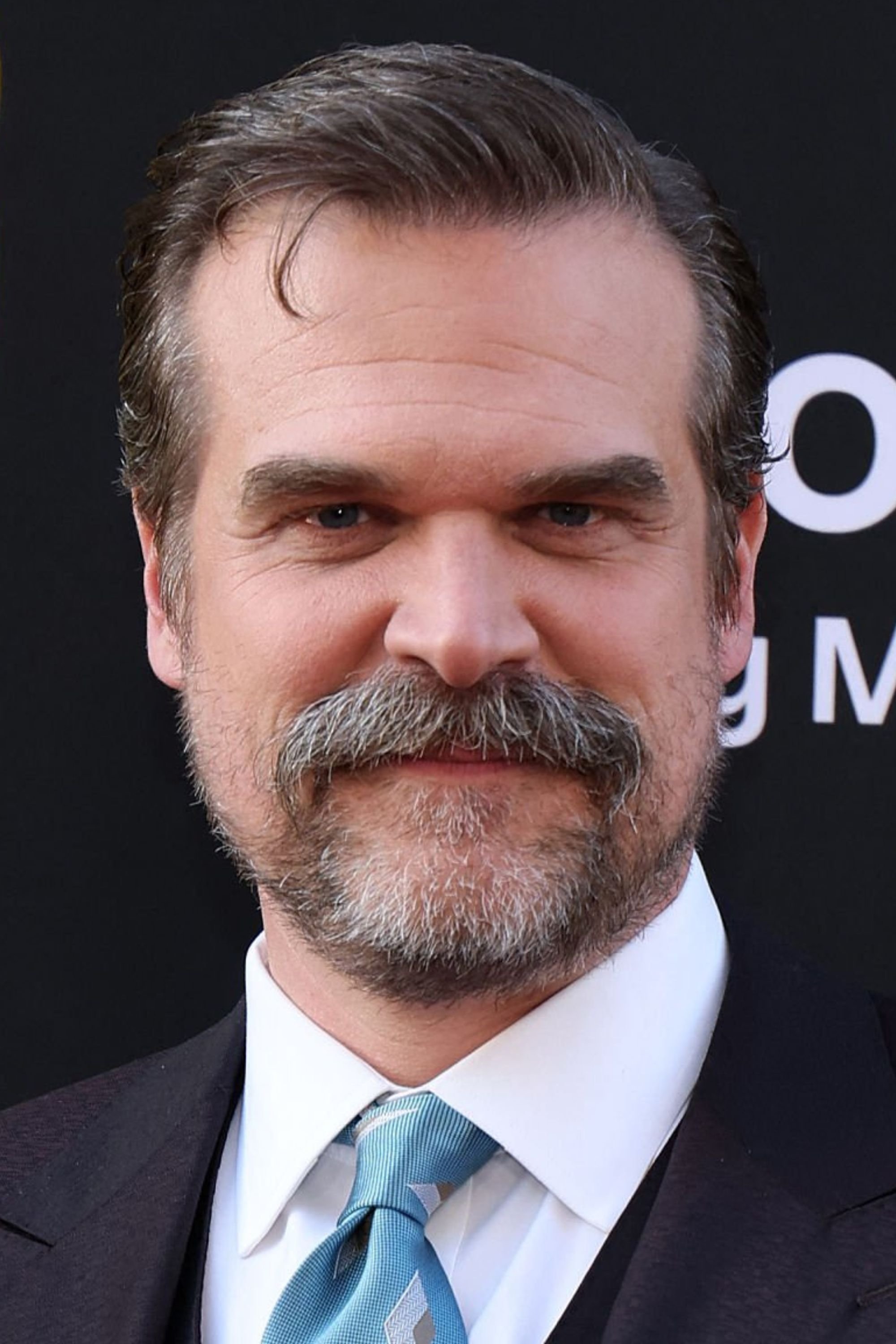
David Harbour has criticized the harmful and unrealistic expectations around how men are supposed to look and behave, particularly in the entertainment industry. He feels the focus on having “abs” and a muscular physique is often dull and can be damaging to actors’ health. Harbour has shared that he faced rejection early in his career because he didn’t conform to the typical “leading man” image. He’s now pushing for a more genuine portrayal of men, one that embraces different body types and allows for emotional openness. He argues that the industry should prioritize real talent over superficial appearances.
Henry Cavill
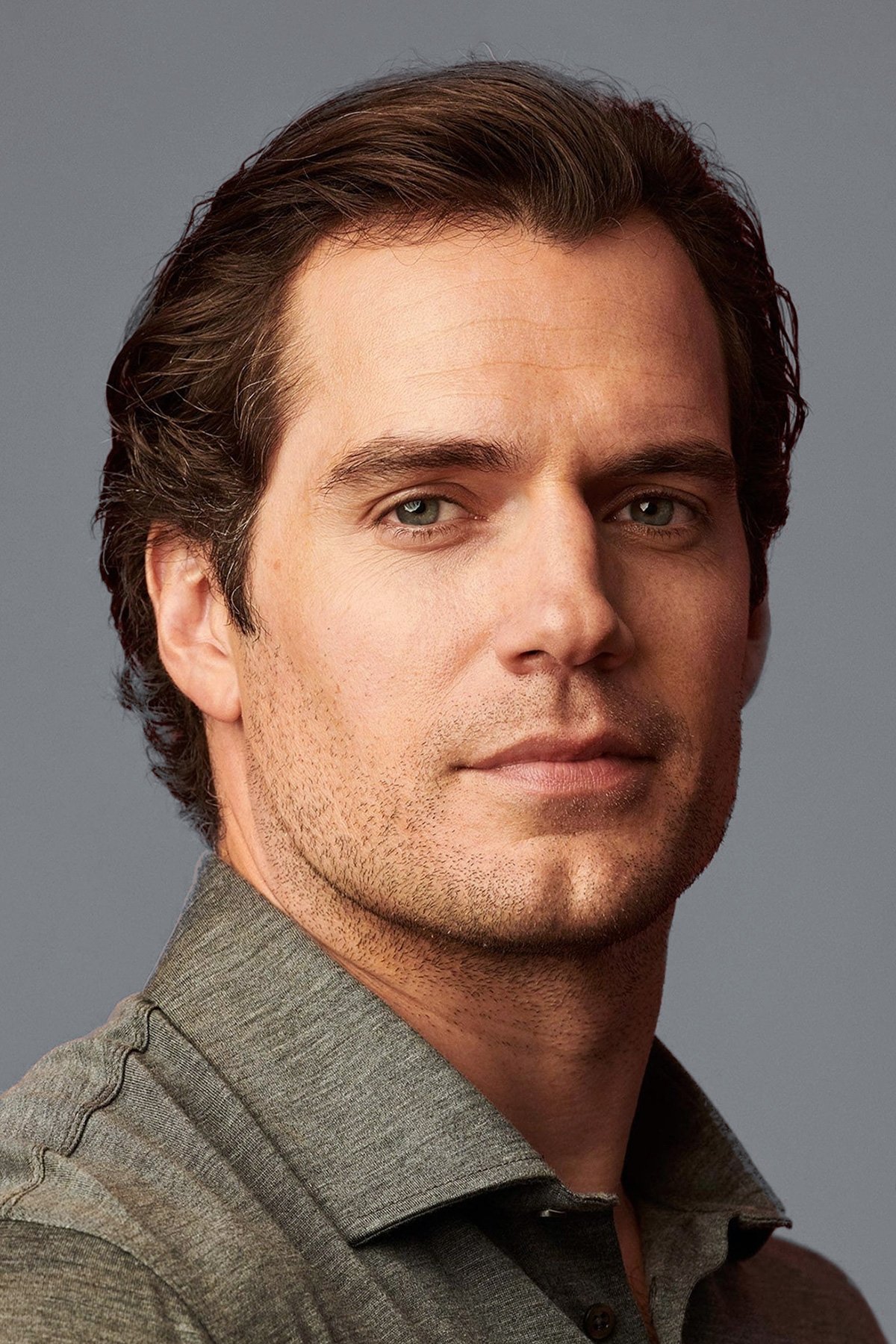
Henry Cavill recently discussed the negative and often harmful behavior he’s seen online, and how it impacts the entertainment industry. He’s expressed concern about the media’s focus on actors’ personal lives, asking for more privacy and respect. Cavill explained that the constant demand for public appearances and engagement can be exhausting and feel forced. He also touched on the challenges of dating as a famous actor. Ultimately, he believes celebrities deserve to be treated with more humanity.
Channing Tatum
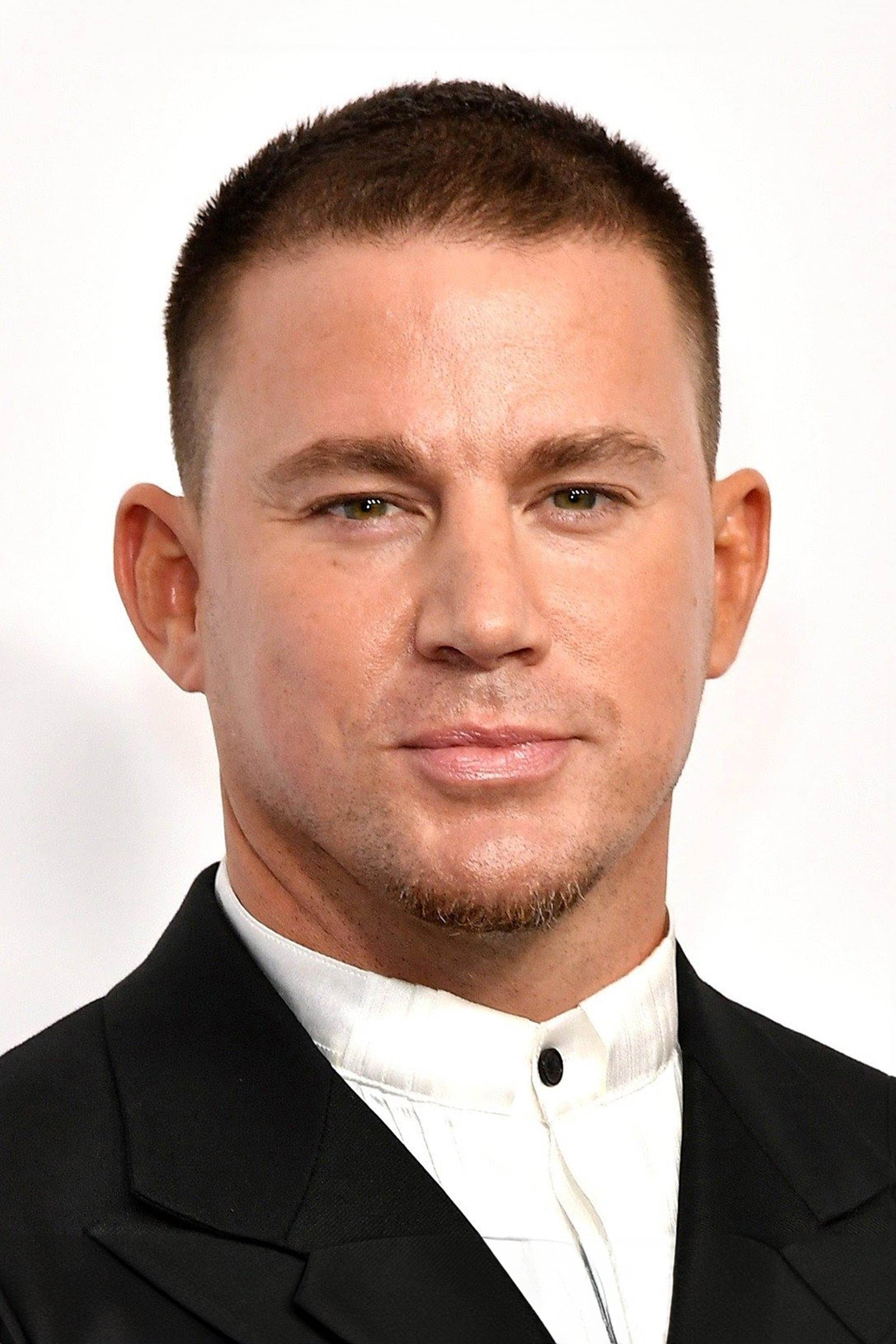
Channing Tatum recently discussed feeling overly scrutinized about his appearance early in his career, especially during his work on the ‘Magic Mike’ films. He described the pressure to have a flawless body as unhealthy and impossible to maintain long-term. Tatum explained that the entertainment industry sometimes treats actors like objects instead of creative contributors. He’s now taking charge of his career by producing and directing his own projects, hoping to foster a more collaborative and positive atmosphere on set.
Josh Hutcherson
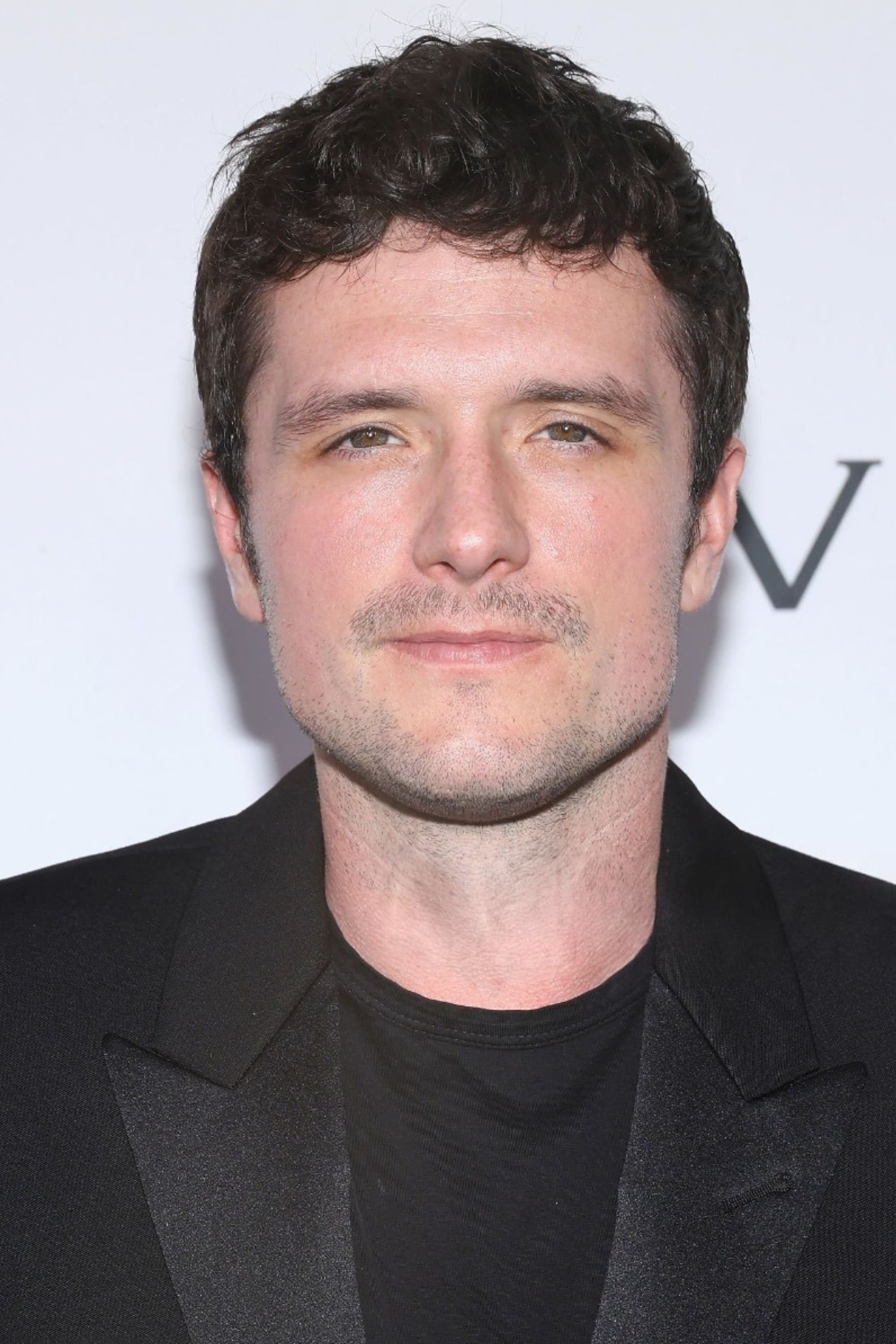
Josh Hutcherson has spoken openly about the downsides of Hollywood fame, calling it isolating and fake. He feels the industry creates a bubble that separates actors from everyday life and is critical of the focus on celebrity gossip, which he believes takes away from good storytelling. Hutcherson has deliberately tried to live a normal life outside of Los Angeles to avoid the superficial aspects of the entertainment world. As someone who started acting as a child, he’s managed to successfully continue his career while staying grounded.
Ben Affleck
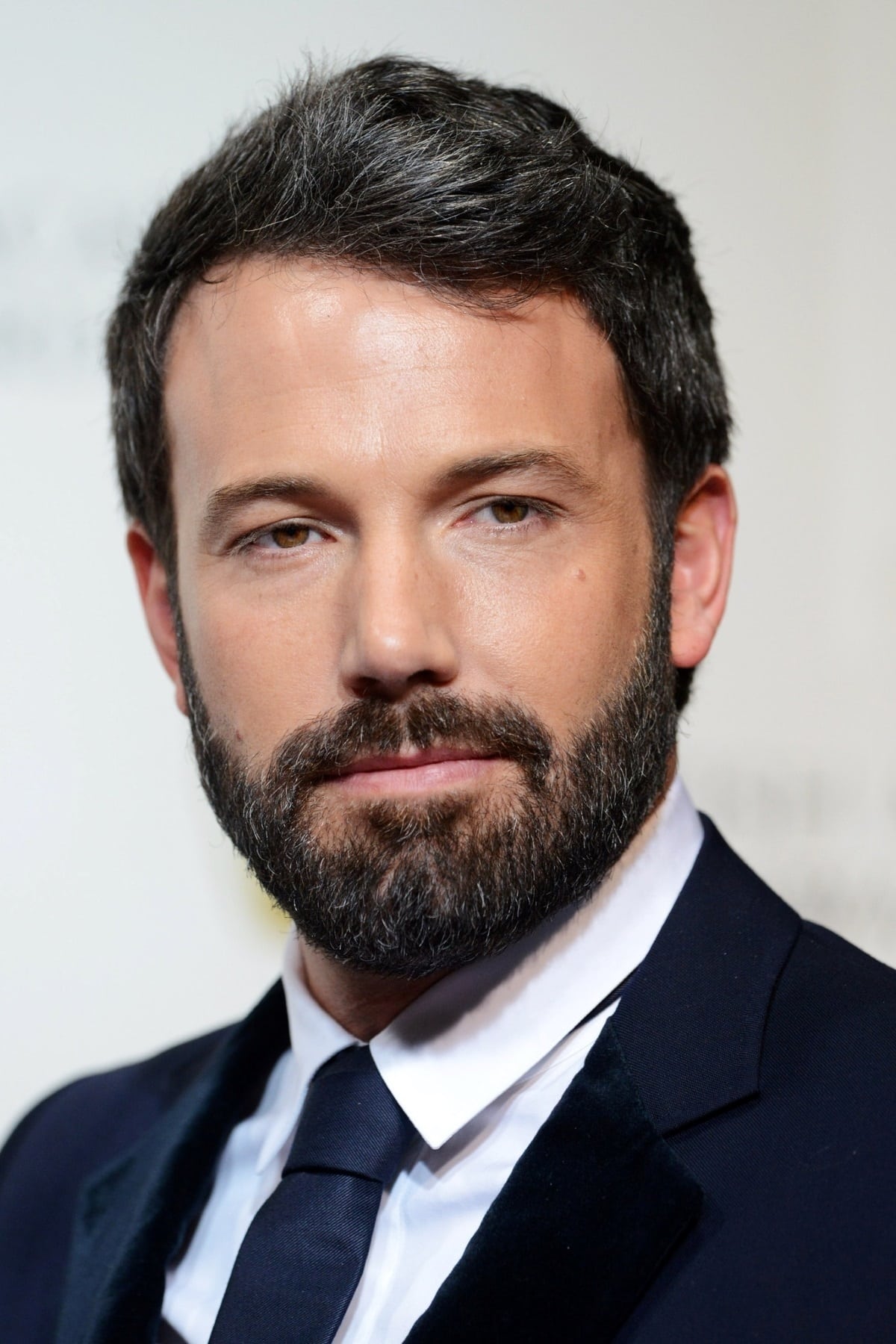
Ben Affleck has openly discussed how the intense scrutiny of the tabloids and relentless paparazzi negatively affected his mental health and relationships. He’s criticized the media for aggressively pursuing and exploiting the personal difficulties of celebrities. Affleck has described the immense pressure to appear perfect in public while privately battling addiction and grief. He’s also spoken out about Hollywood’s tendency to underestimate and dismiss older actors. Because of his own experiences, he’s become a strong voice for mental health awareness and the right to privacy for those in the entertainment industry.
Christian Bale
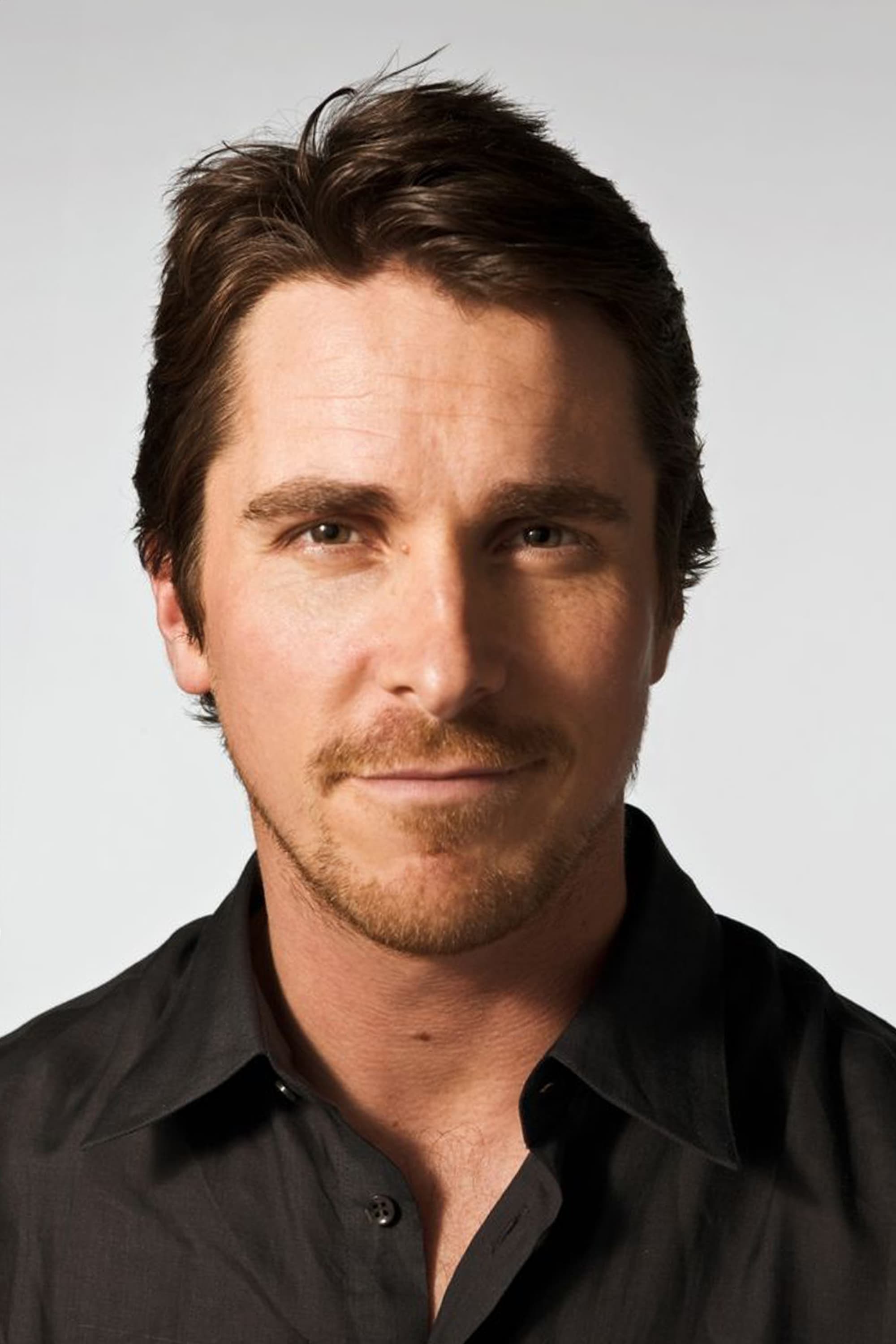
Christian Bale often speaks out against what he sees as the shallow side of Hollywood and the absurdity of being famous. He’s particularly critical of the unhealthy focus on actors’ bodies and how it overshadows their work. Bale intentionally keeps his personal life private to avoid the negative aspects of fame. He’s also expressed his annoyance with the promotional side of the industry, finding it dull and a distraction. Throughout his career, he’s consistently prioritized artistic work over seeking celebrity status.
Daniel Radcliffe
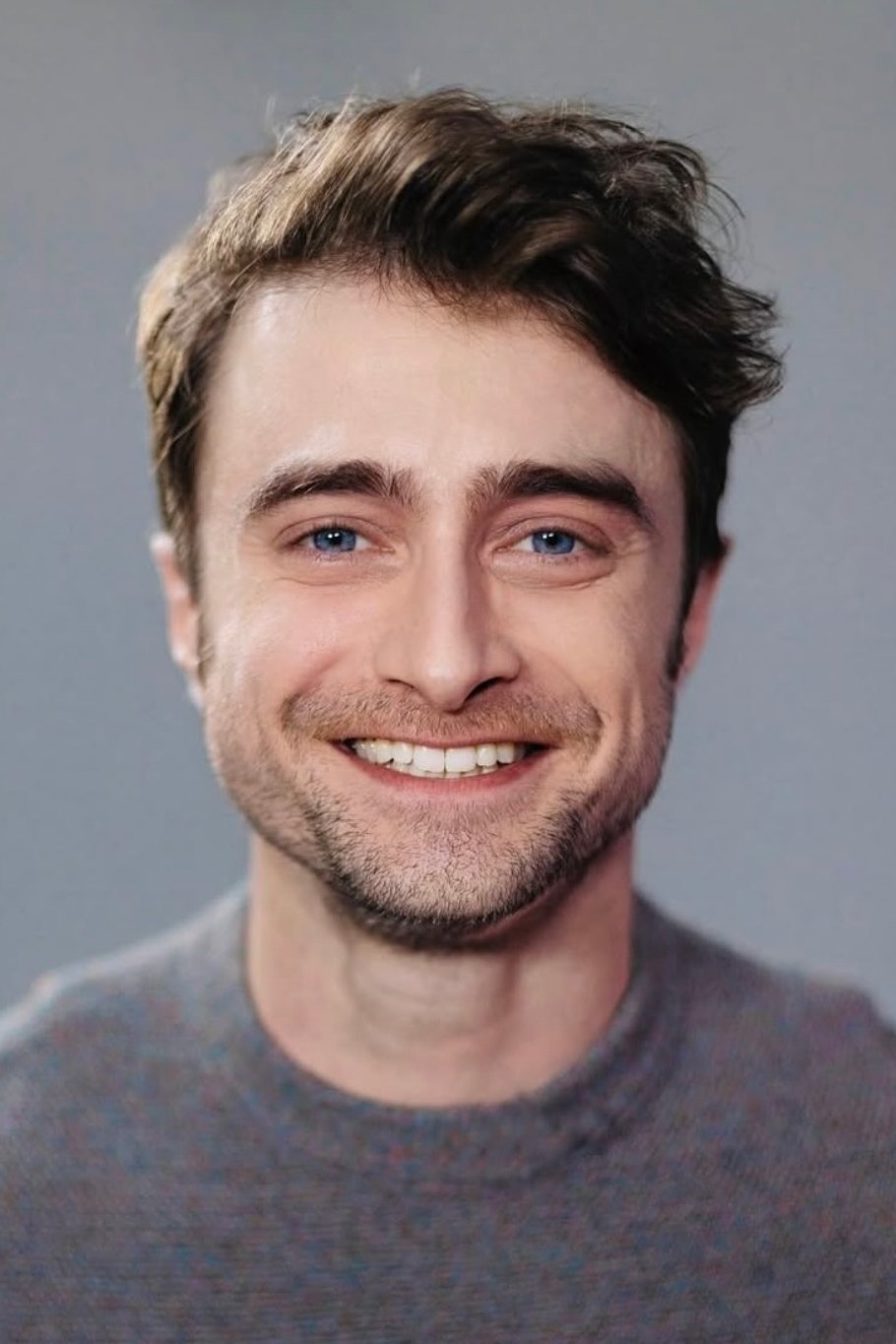
Daniel Radcliffe has spoken out about ongoing issues with racism and a lack of diversity in Hollywood. He notes that despite talk of improvement, casting decisions often don’t reflect real progress. Radcliffe has also discussed the harmful pressures faced by young actors and the way some people take advantage of their vulnerabilities. He’s using his position to amplify marginalized voices and actively seeks roles that push boundaries. He believes the industry needs real, lasting change, not just superficial efforts.
Jesse Eisenberg
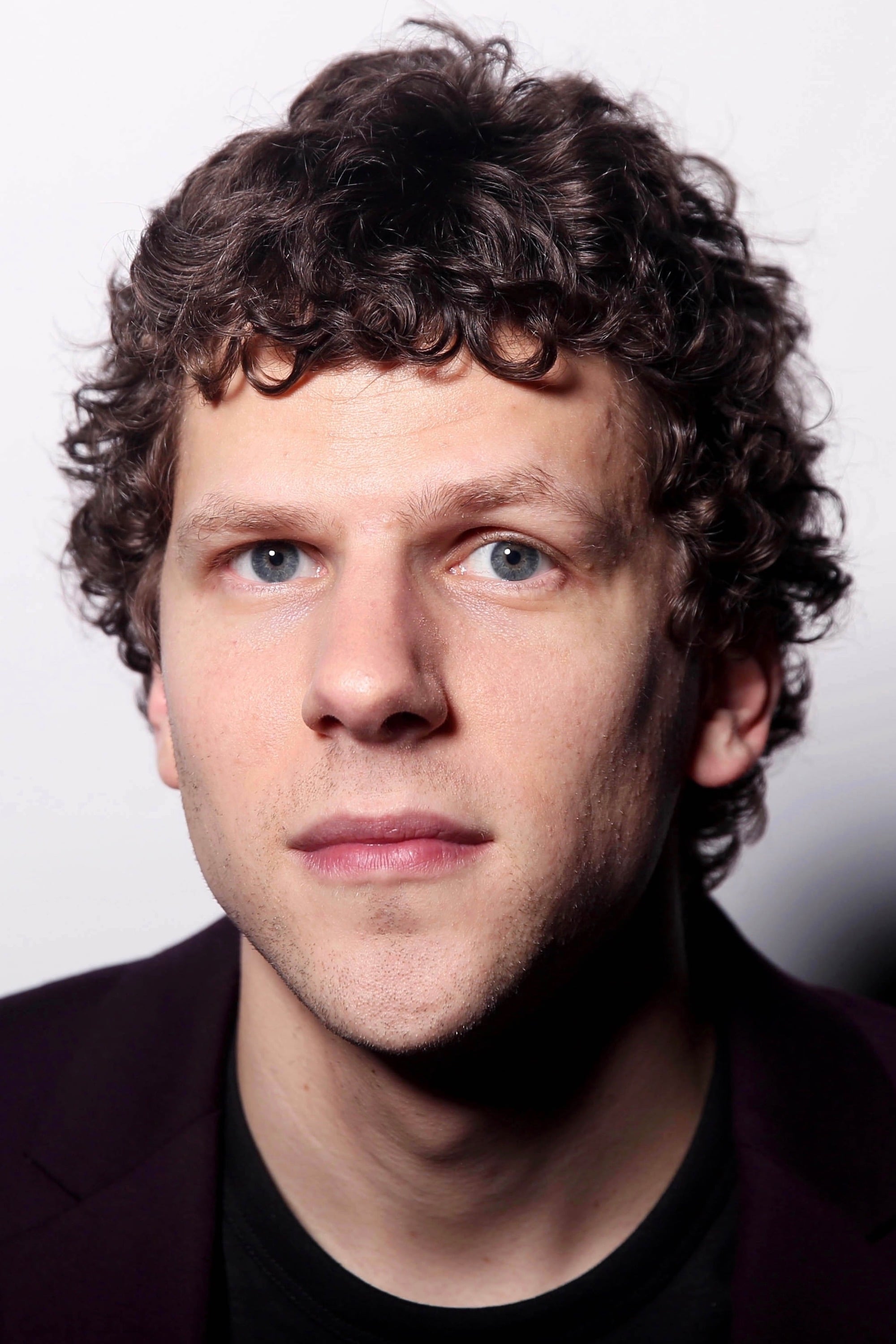
Jesse Eisenberg has spoken openly about how stressful and shallow he finds the constant promotional work and industry parties that come with being in movies. He feels Hollywood is often filled with inflated egos and a harmful atmosphere, and can be a difficult place for actors who don’t fit the typical “leading man” image. He prefers the more creative outlets of theater and writing as a way to avoid the pressures of commercial filmmaking, and ultimately wants a more thoughtful and less celebrity-obsessed industry.
Joseph Gordon-Levitt
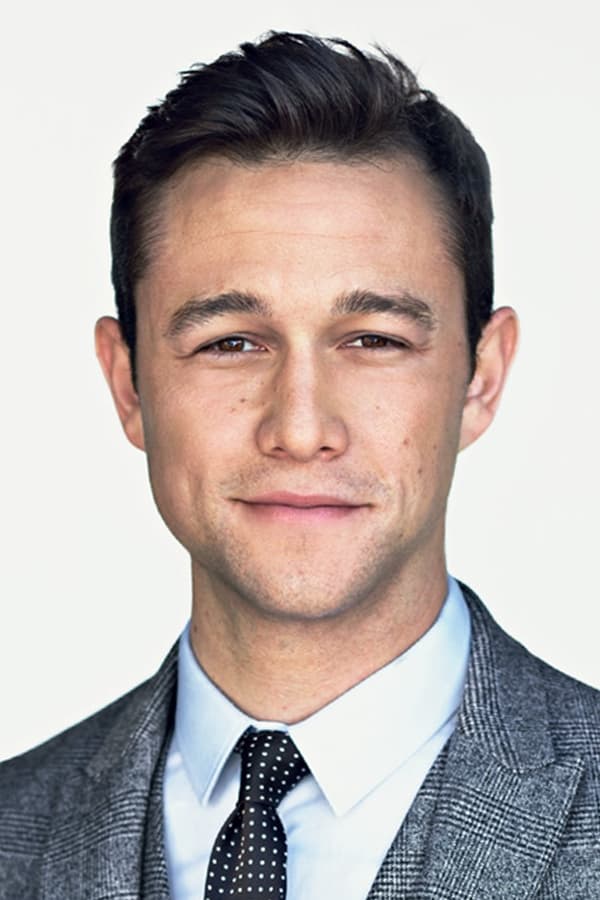
Joseph Gordon-Levitt has spoken out against the negative aspects of celebrity culture, arguing it treats people like objects for financial gain. He believes the industry’s obsession with fame is harmful to both the creative work of actors and their well-being. Gordon-Levitt has expressed feeling uneasy with being viewed as a ‘sex symbol’ and prefers to be recognized as an artist. To foster a more open and inclusive creative environment, he created ‘HitRecord,’ a platform that encourages collaboration outside of the typical Hollywood structure. His goal is to make art more accessible and less exclusive.
Idris Elba
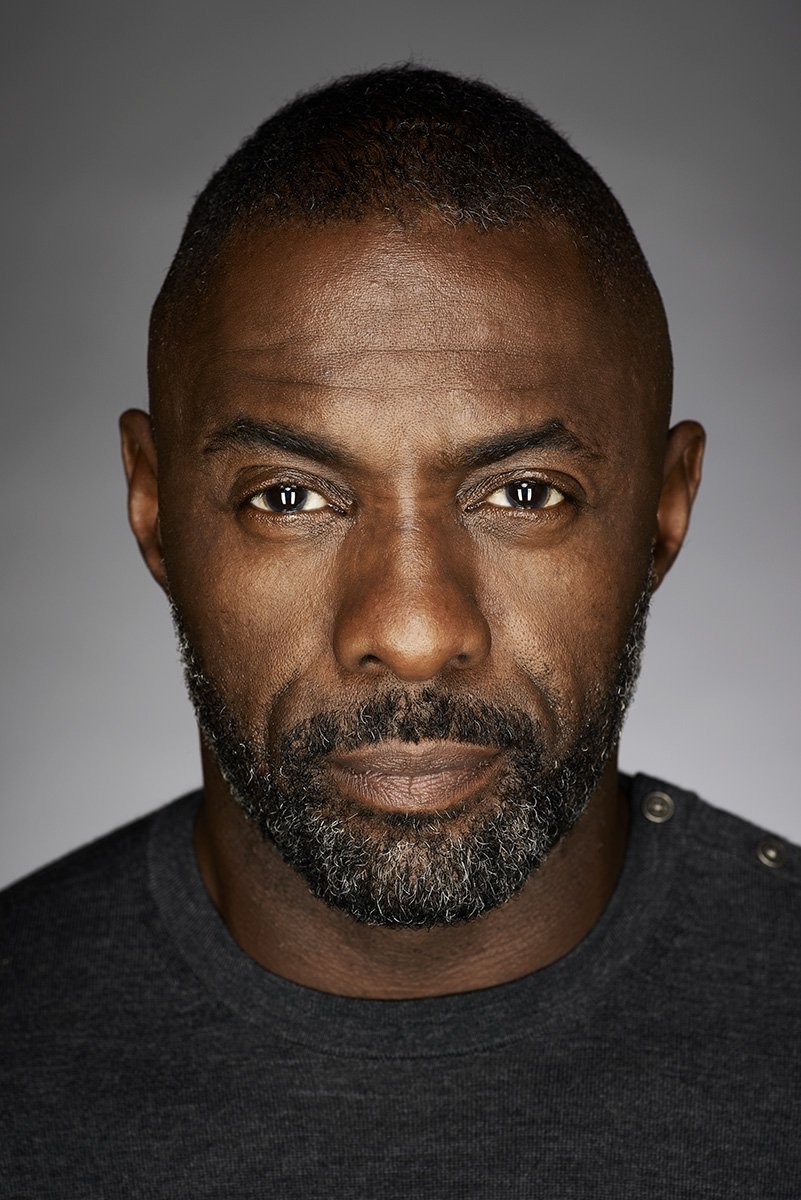
Idris Elba has discussed the challenges of being typecast and the limited roles often available to Black actors. He’s critical of the industry’s tendency to focus on an actor’s race instead of their talent. Elba has pointed out the lack of chances for actors of color to play roles that aren’t specifically tied to their ethnicity. He’s also expressed frustration with the constant speculation about him playing James Bond, which highlights Hollywood’s reliance on predictable casting choices. Ultimately, Elba advocates for a casting process that focuses on skill and ignores race.
Jason Momoa
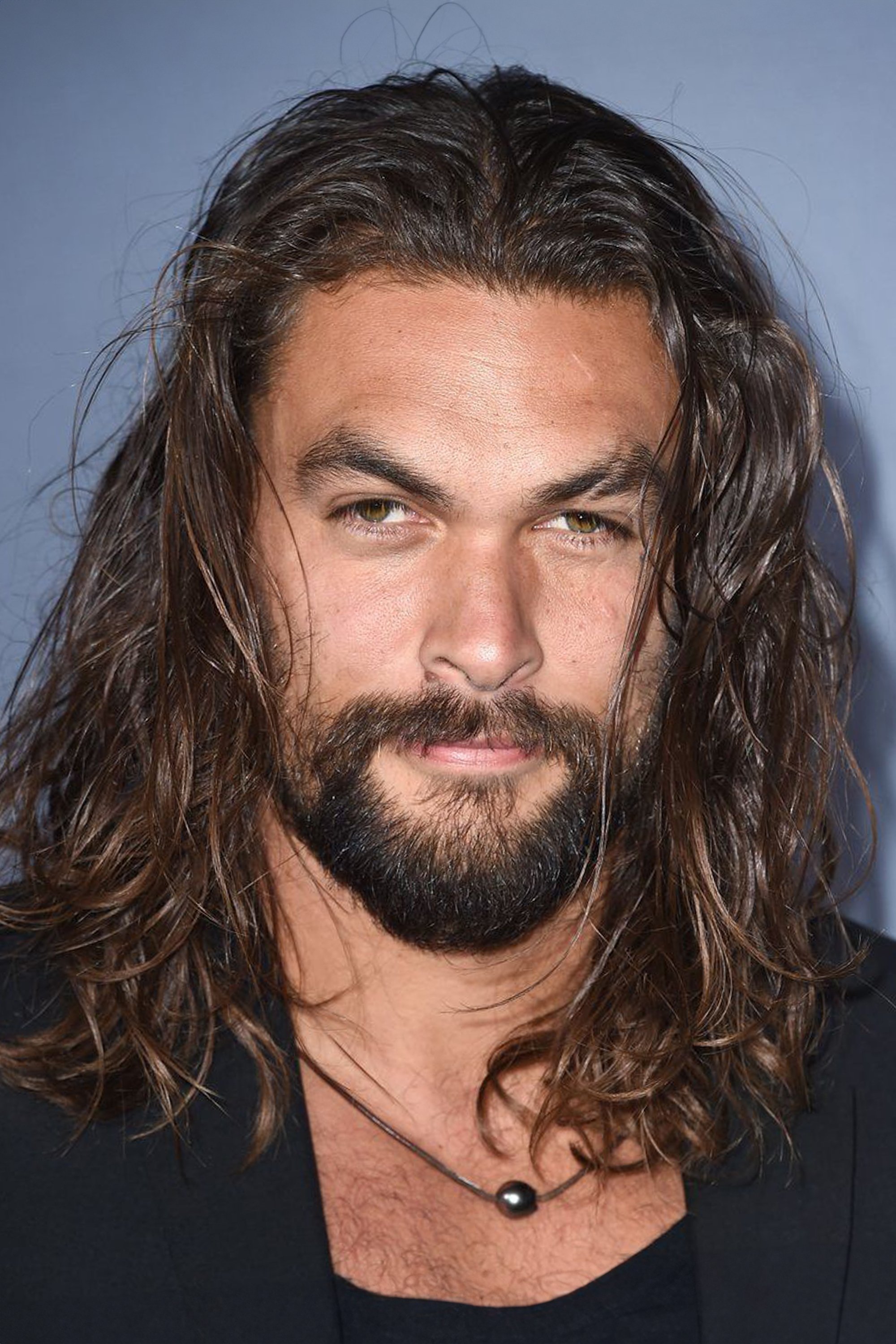
Jason Momoa has spoken out about the damaging effects of the intense physical expectations placed on actors, particularly when preparing for superhero roles. He revealed he’s been pushed to unhealthy extremes – including starvation and dehydration – to achieve a certain look. Momoa argues these practices are dangerous and don’t reflect a healthy body image, and he’s urging the film industry to accept more realistic physiques and prioritize actor well-being. Many people agree with him, feeling that the physical demands of action movies have become unreasonably extreme.
Matt Damon
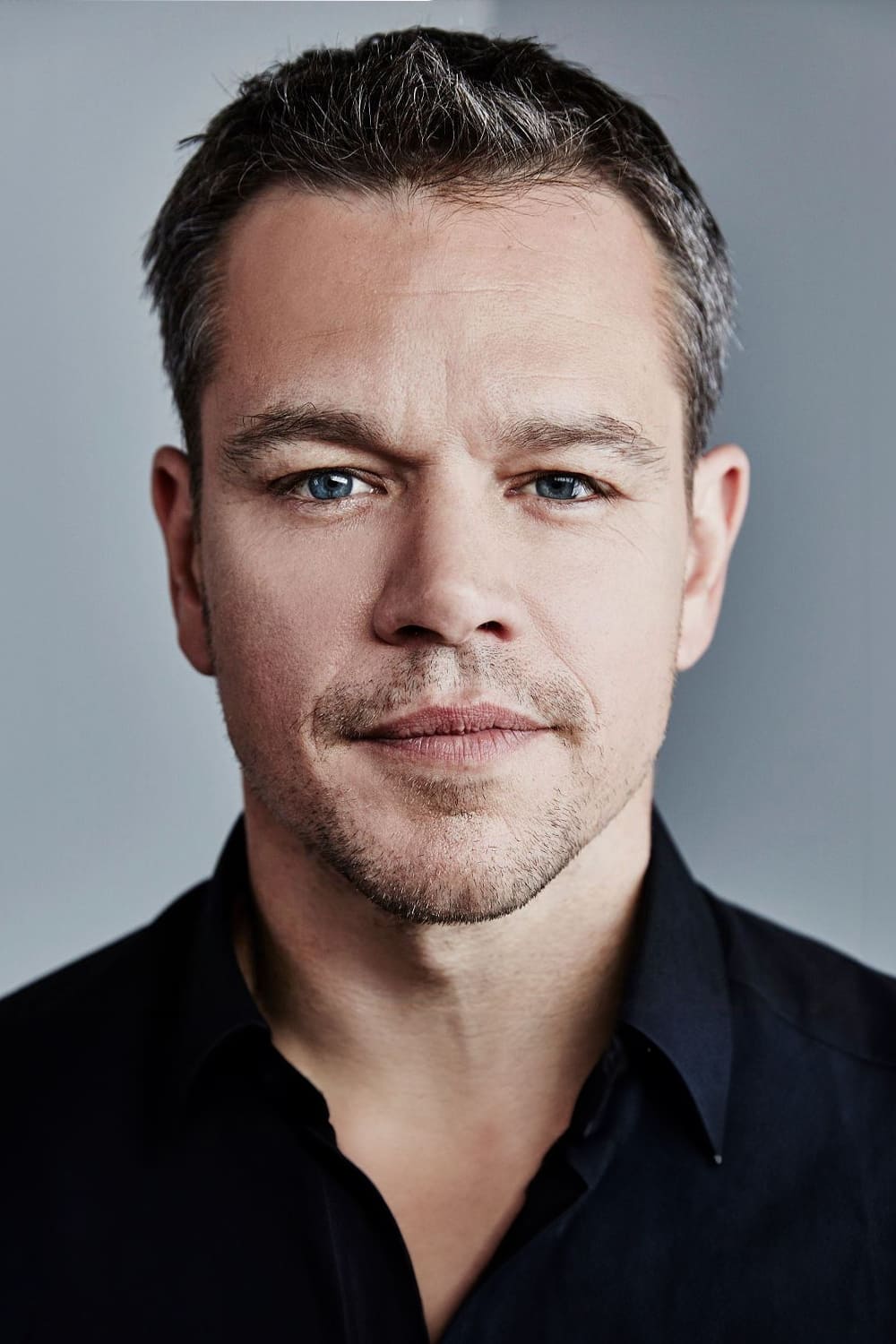
Matt Damon has admitted that Hollywood had a deeply flawed culture for years, allowing harmful behavior to continue unchecked. He pointed to a widespread failure to protect people and a tendency for those in power to stay silent about wrongdoing. Damon believes the industry needs a major overhaul in how it deals with imbalances of power and harassment. Despite some backlash to his statements, he continues to call for responsibility and openness. He sees the current changes as difficult but essential for the future of the industry.
Share your thoughts on these actors’ critiques of the industry in the comments.
Read More
- 20 Movies Where the Black Villain Was Secretly the Most Popular Character
- Celebs Who Narrowly Escaped The 9/11 Attacks
- Transformers Under the Microscope: What Graph Neural Networks Reveal
- Top 20 Dinosaur Movies, Ranked
- Silver Rate Forecast
- Trading on Thin Air: AI Agents Conquer Crypto Volatility
- Gold Rate Forecast
- Every Notable ‘Star Trek: The Original Series’ Actor Who Died
- 22 Films Where the White Protagonist Is Canonically the Sidekick to a Black Lead
- Games That Faced Bans in Countries Over Political Themes
2026-02-20 03:27