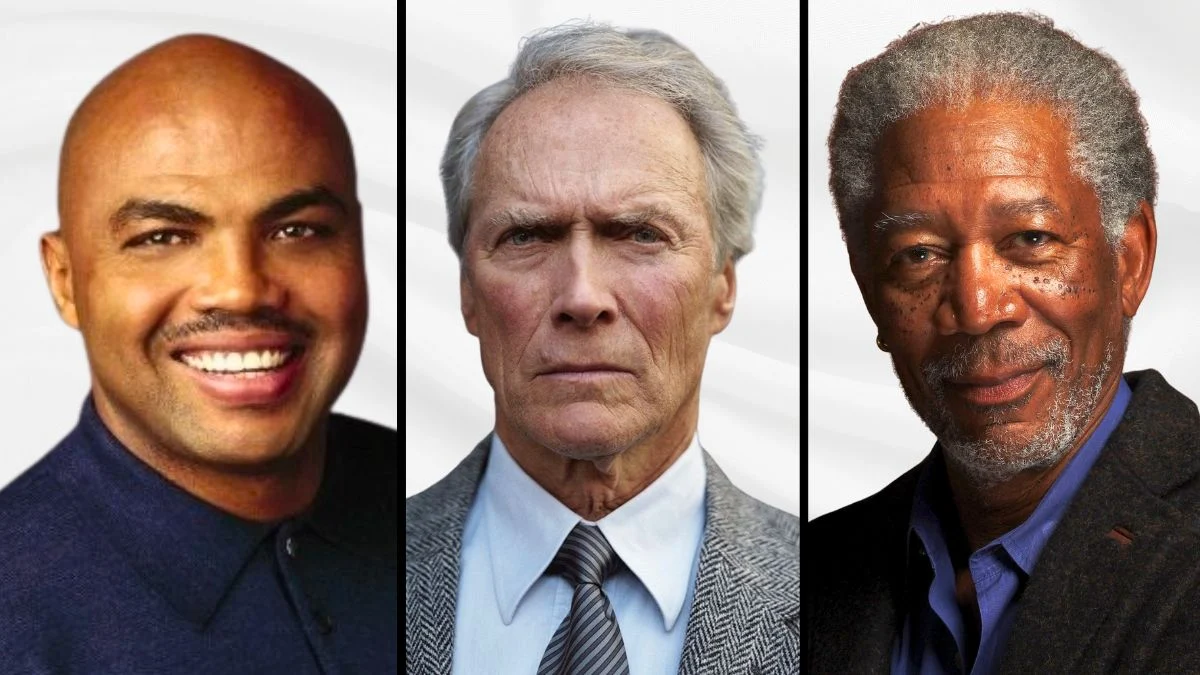
Hollywood conversations about race and society tend to focus on one particular opinion, but a number of actors have shared different ideas. These actors include established stars and musicians who now also work in film. Some have publicly wondered if movements like Black Lives Matter are truly effective, or if the way we talk about systemic racism is helpful. Others believe everyone should be judged on their talent alone, or don’t want to be categorized by labels that they feel restrict their creativity. Their comments often cause discussion both within the entertainment world and among people everywhere.
Morgan Freeman
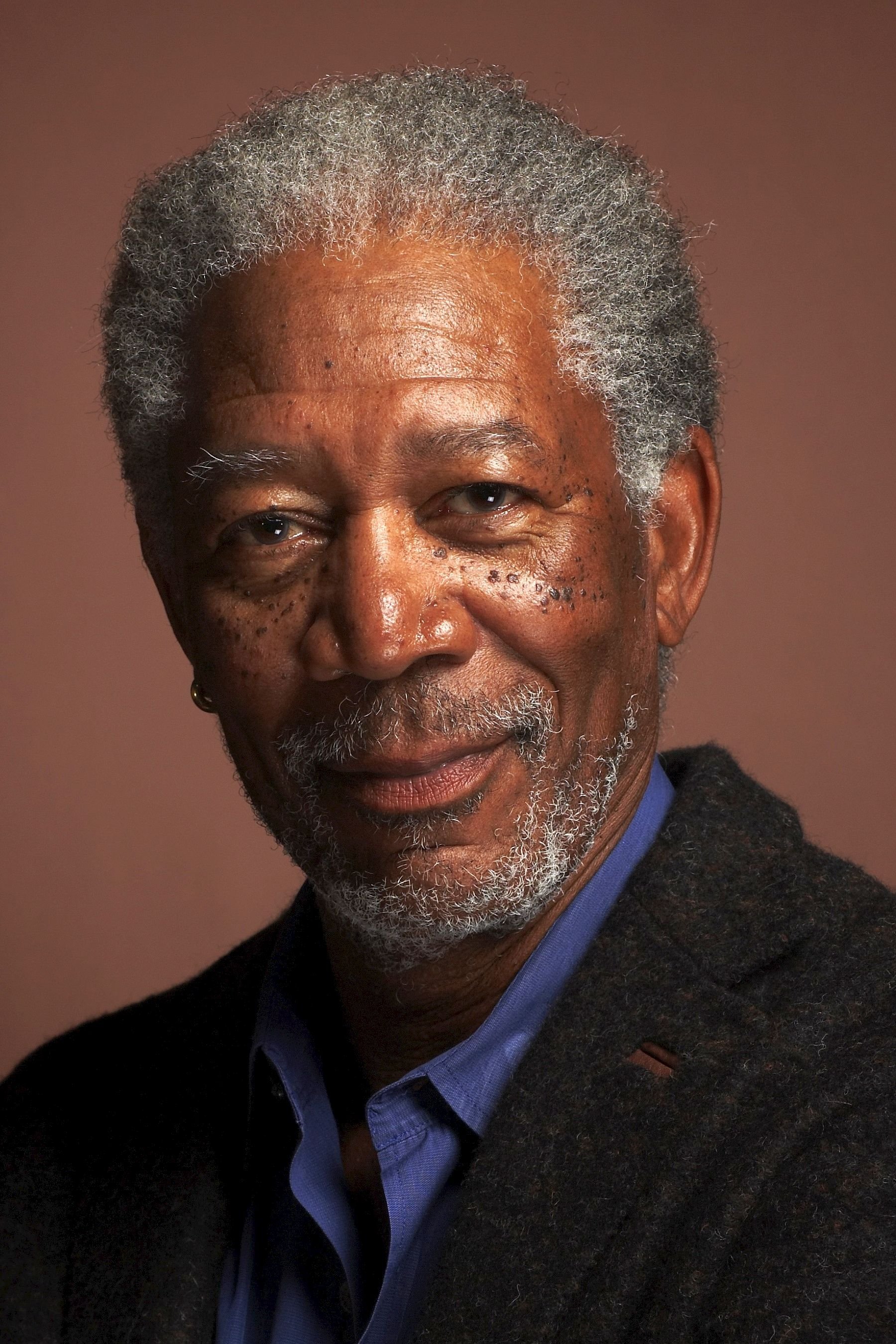
Morgan Freeman has often questioned the focus on race in today’s world. In an interview with ’60 Minutes,’ he suggested that the best way to overcome racism is to simply stop discussing it. He believes constantly pointing out racial differences actually keeps people divided. Freeman argues that what truly matters is a person’s individual qualities and accomplishments, not their race. His perspective leans towards treating everyone equally, regardless of color, rather than focusing on systemic issues.
Lil Wayne
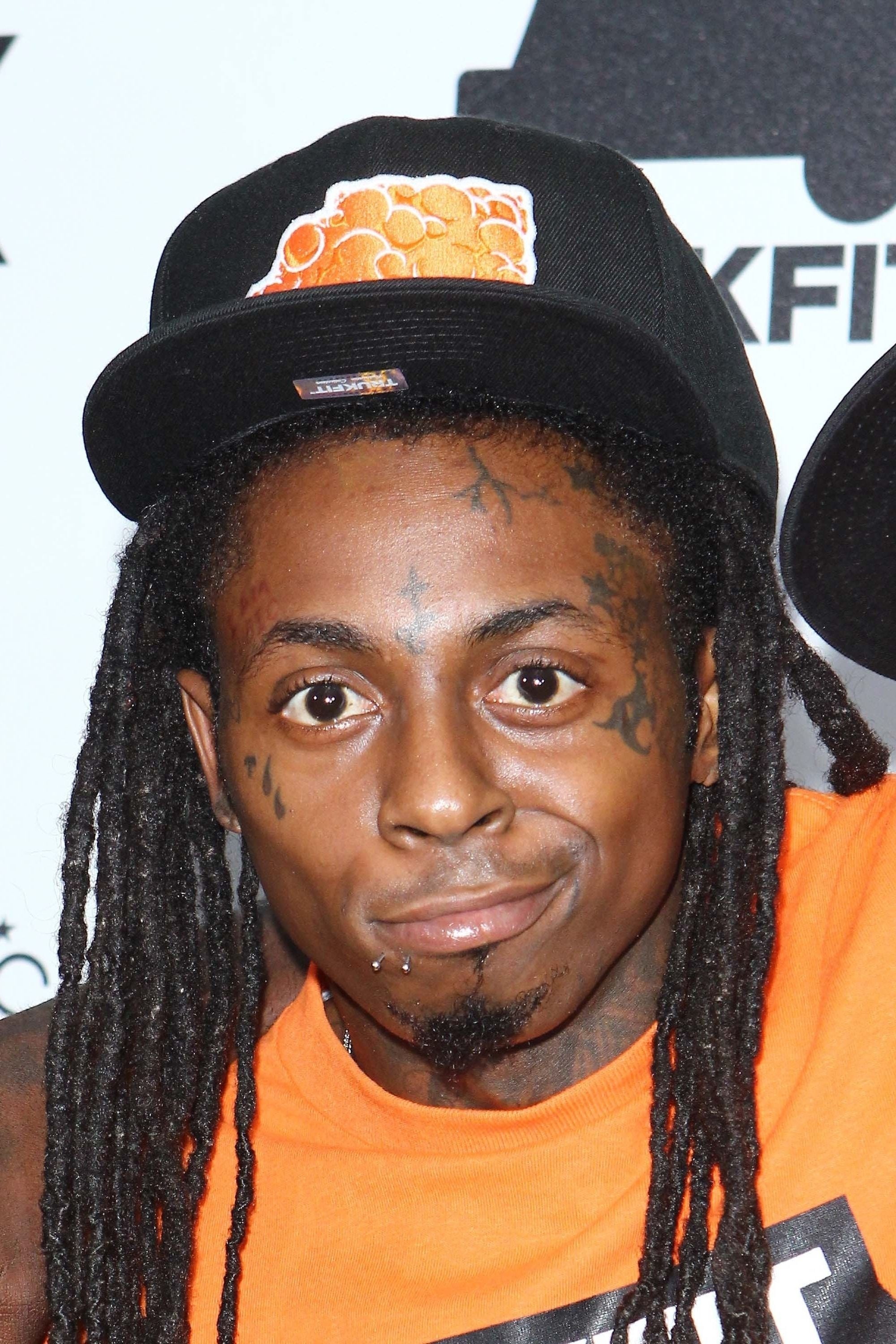
Lil Wayne recently sparked controversy by saying he’s never personally faced racism. He explained this by recalling a white police officer who helped him as a child and pointed to his diverse fan base as evidence of racial progress. He’s also distanced himself from the Black Lives Matter movement, stating it doesn’t relate to his own experiences. Essentially, Wayne views things through the lens of his individual life rather than broader societal issues.
Terry Crews
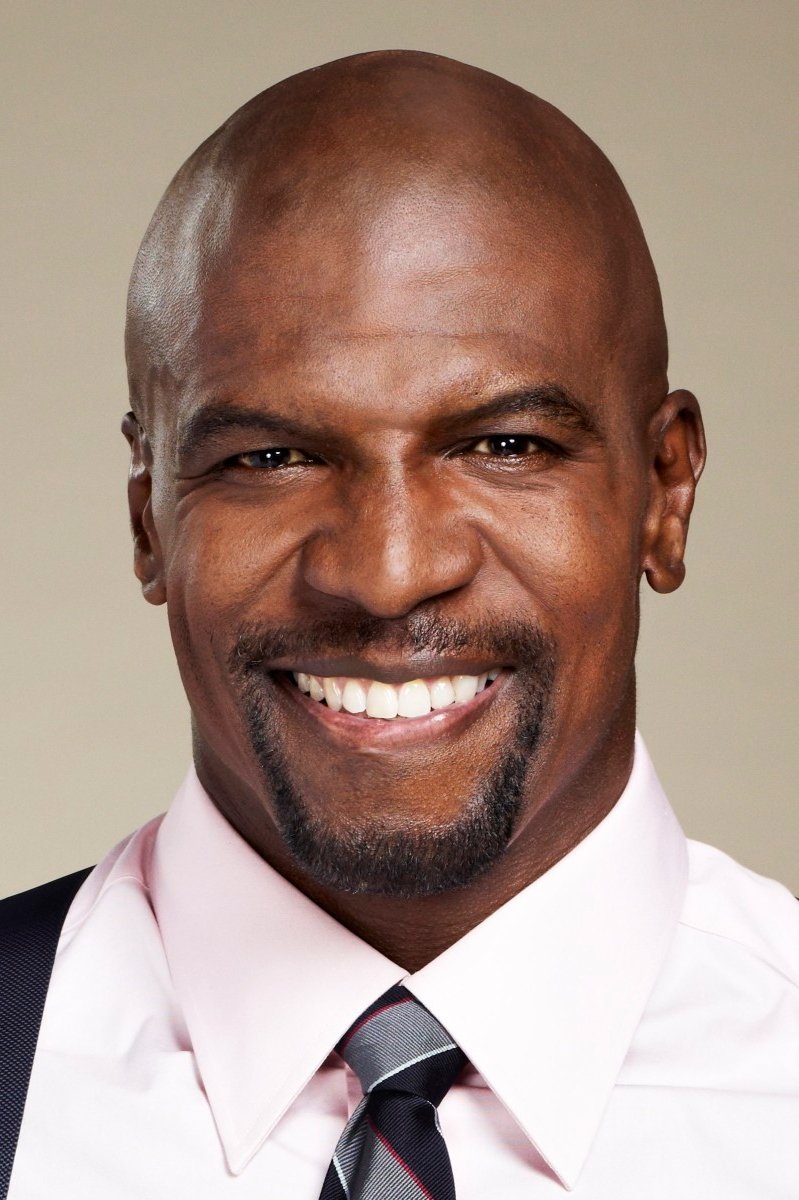
During the 2020 Black Lives Matter protests, Terry Crews received a lot of criticism for his views on the movement. He tweeted that fighting against white supremacy without including white people could lead to a situation where Black people hold all the power. Crews argued that everyone needs to work together, regardless of race, and he felt there was too much pressure to conform to a single viewpoint within the Black community. While he later apologized for the timing of his comments, he stood by his belief that bringing people together is crucial.
Ye
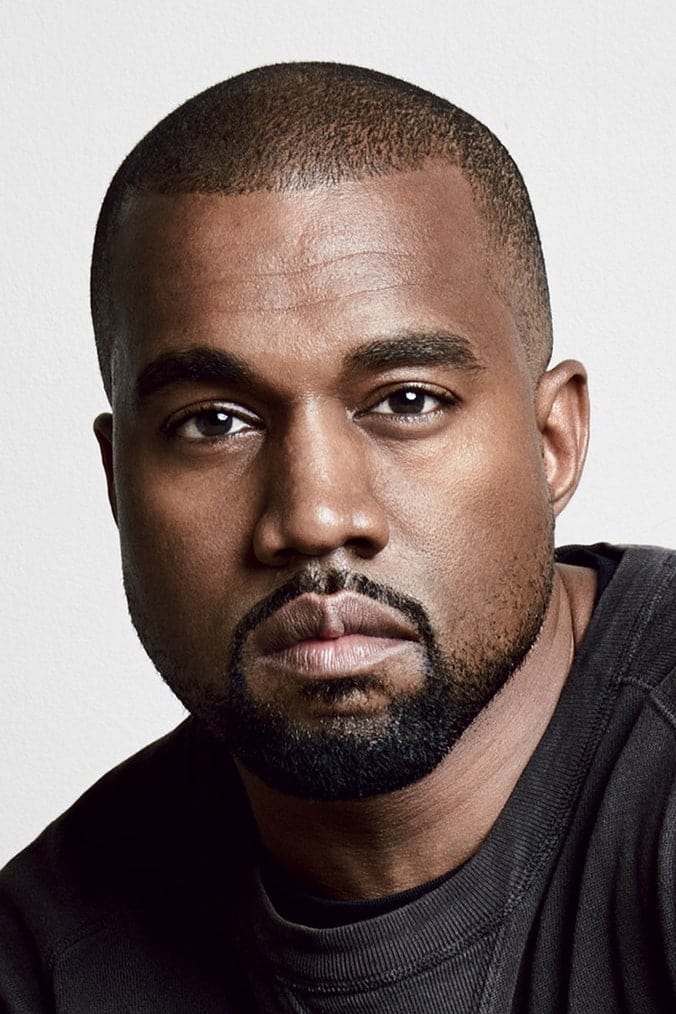
Kanye West has often sparked controversy with his views on race and systemic racism in the United States. He’s publicly questioned the Black Lives Matter movement, even wearing a “White Lives Matter” shirt during a fashion show as a form of protest, calling the movement a “scam.” West has increasingly associated with conservative politicians and argues that focusing on past oppression and victimhood actually harms Black people. These statements have led to significant backlash and have cost him professional opportunities.
Idris Elba
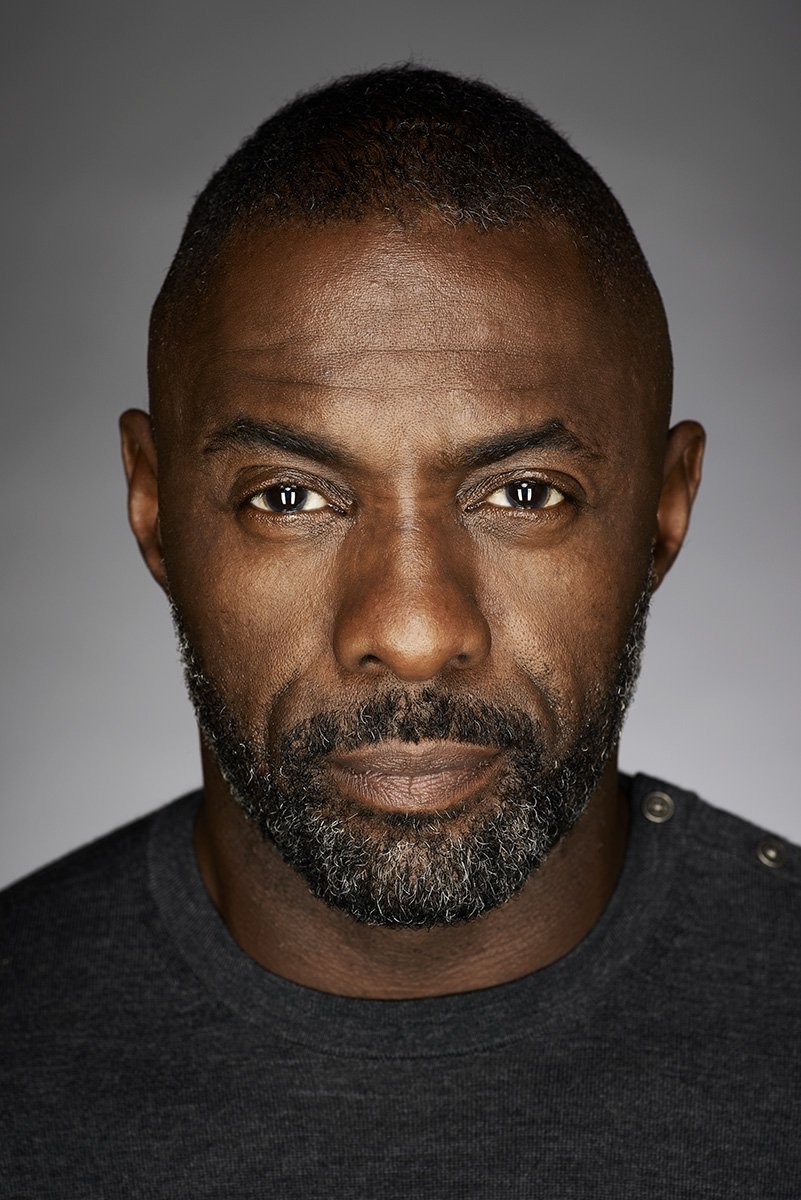
Idris Elba has stopped referring to himself as a “Black actor,” explaining that such labels can limit his opportunities and how people perceive him. He believes focusing too much on race can hold artists back from reaching their full potential. While acknowledging that racism is a problem, Elba feels its impact depends on how people respond to it. He wants to be seen as an individual artist, not just as a representative of any particular group. His views have led to discussions about whether or not racial labels are still needed in the entertainment world.
Richard Dreyfuss
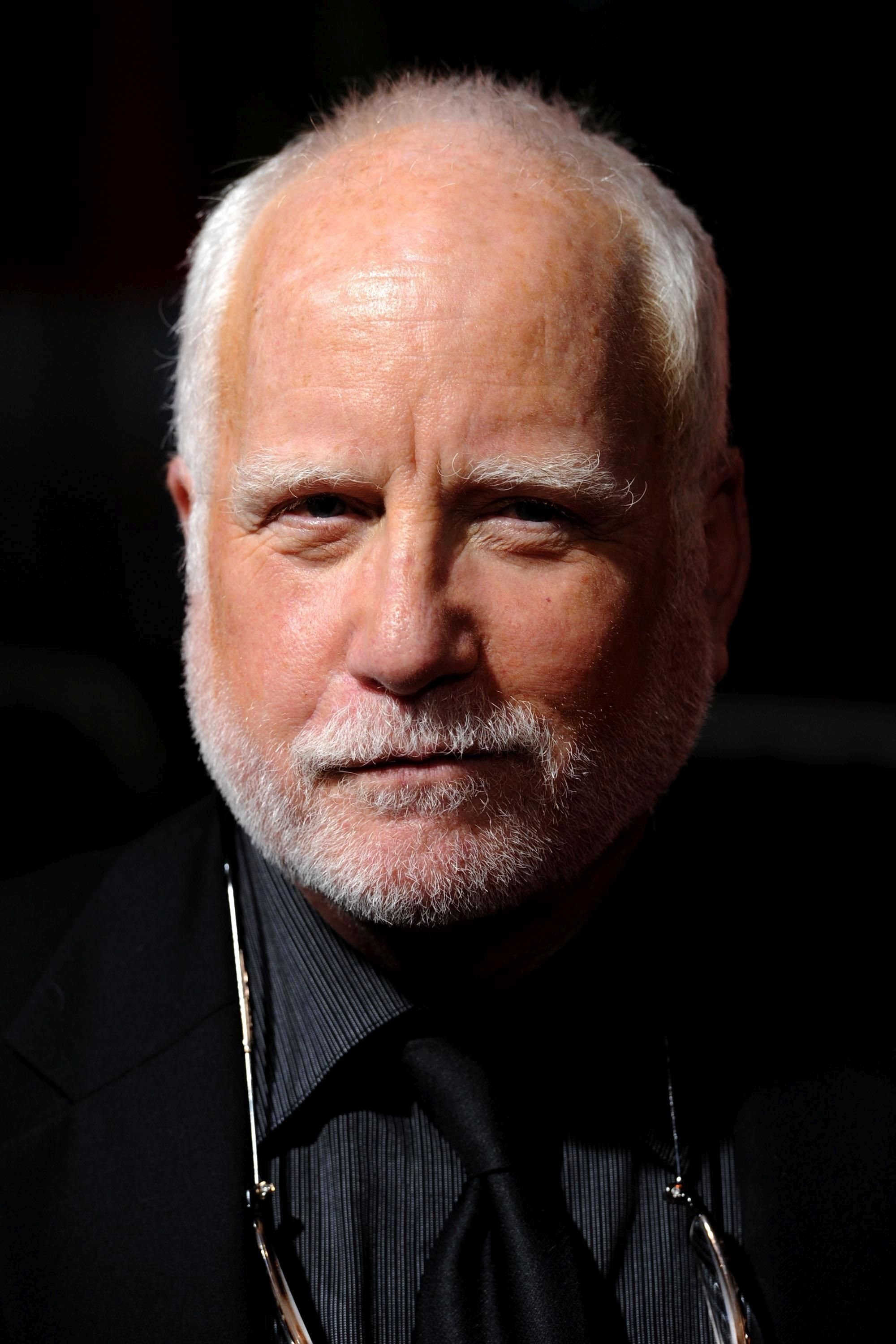
Richard Dreyfuss has voiced strong disapproval of the Academy’s new diversity and inclusion rules. He said the requirements are offensive and limit artists’ creative freedom. Dreyfuss pointed to Laurence Olivier’s performance in ‘Othello’ as an example of an actor pushing boundaries to achieve artistic excellence. He believes you can’t force social progress through rules and regulations in the arts, and that artistic work should be evaluated based on its quality, not who created it.
Anthony Mackie
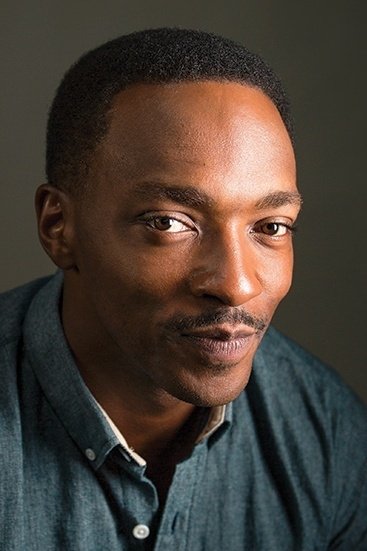
Anthony Mackie recently voiced concerns about diversity at Marvel Studios, stating he felt their hiring practices were unintentionally segregated. He noted that ‘Black Panther’ stood out as the only Marvel film with a largely Black crew. Mackie argued that while aiming for diversity is important, hiring based solely on race for a single project isn’t a solution and can be just as problematic as exclusion. He believes the most qualified person should be hired for any role, regardless of race or background, and his comments sparked a discussion about how the industry approaches diversity and staffing on film sets.
Isaiah Washington
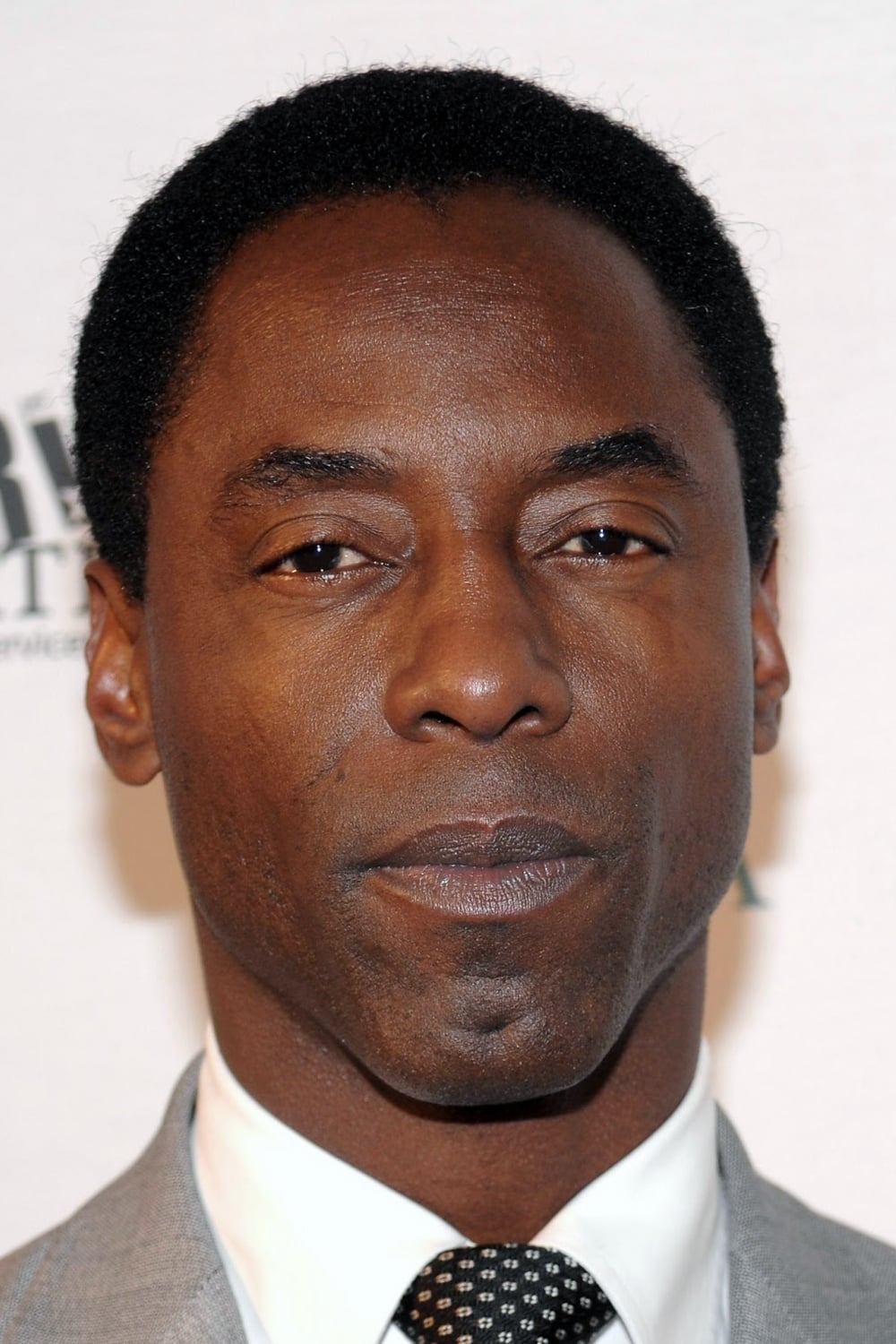
Isaiah Washington has switched his political affiliation, leaving the Democratic Party and joining the “WalkAway” movement. He’s become a strong voice against what he sees as the media and political leaders’ focus on portraying people as victims. Washington believes claims of systemic racism are sometimes used to control voters and hold onto power. He encourages Black Americans to think for themselves and rely on their own strength, and he often shares his views on race and politics on social media.
Laurence Fox
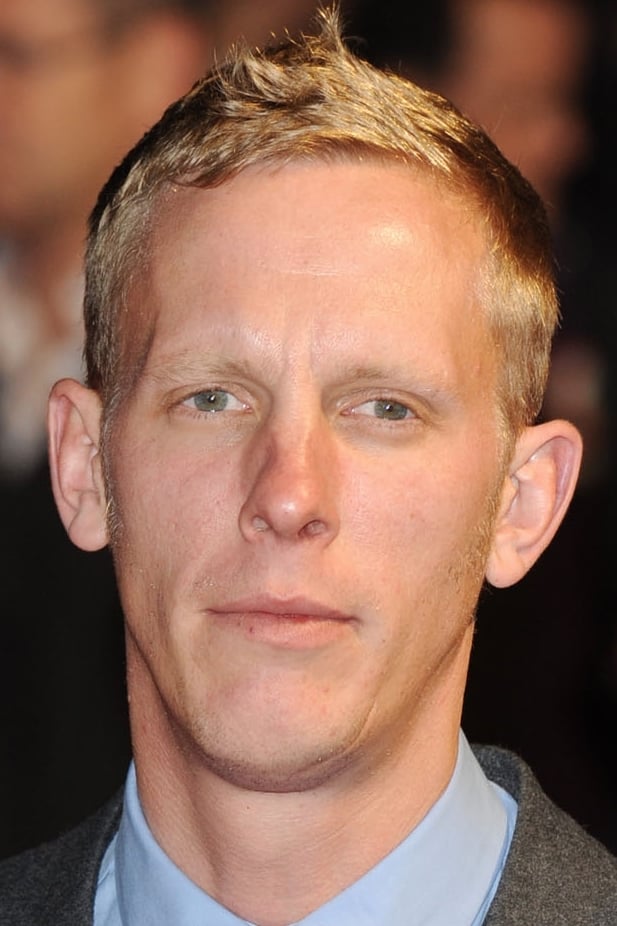
Laurence Fox started the Reclaim Party in the UK to challenge what he calls “woke” culture. He became well-known after questioning the historical accuracy of a Sikh soldier appearing in the film ‘1917’. Fox often claims that accusations of systemic racism are used to stifle open discussion and debate. He has also publicly criticized taking a knee in support of Black Lives Matter, calling it a superficial act. His political platform centers around opposing what he sees as excessive focus on identity politics and progressive cultural changes.
Clint Eastwood
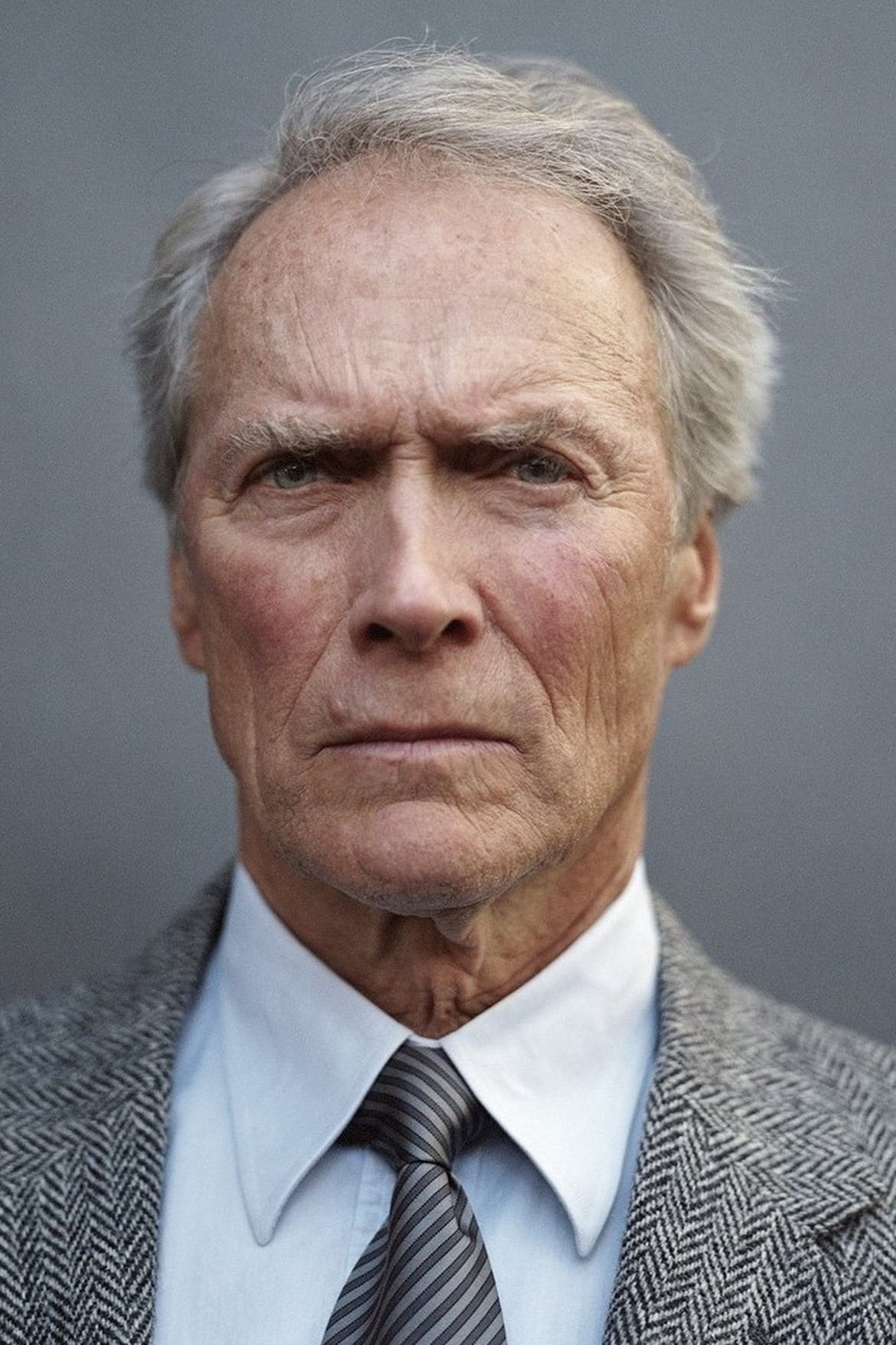
Clint Eastwood has often criticized what he sees as an oversensitivity in modern culture and what he calls the “pussy generation” of political correctness. He thinks people are too quick to take offense and that accusations of racism are frequently exaggerated or inaccurate. Eastwood values self-reliance and believes individuals should be responsible for their own success, rather than blaming societal factors. This theme is often reflected in his films, which feature characters who achieve their goals through determination and hard work, not through assistance from others.
James Woods
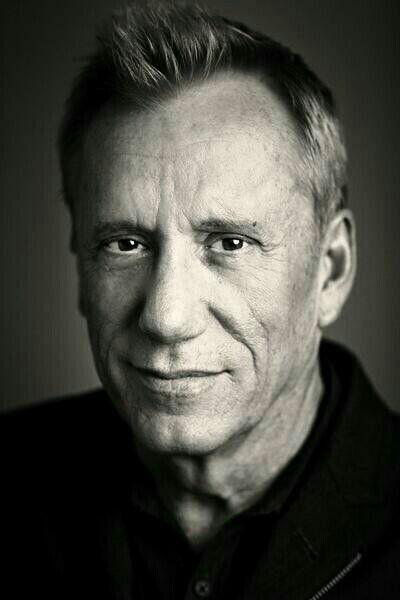
James Woods is a well-known conservative actor in Hollywood who frequently speaks out against left-leaning viewpoints, especially those concerning racism in America. He often describes social justice movements as destructive to traditional American values and consistently supports law enforcement while opposing criticism of the police. His strong and unwavering political beliefs have negatively impacted his career.
Jon Voight
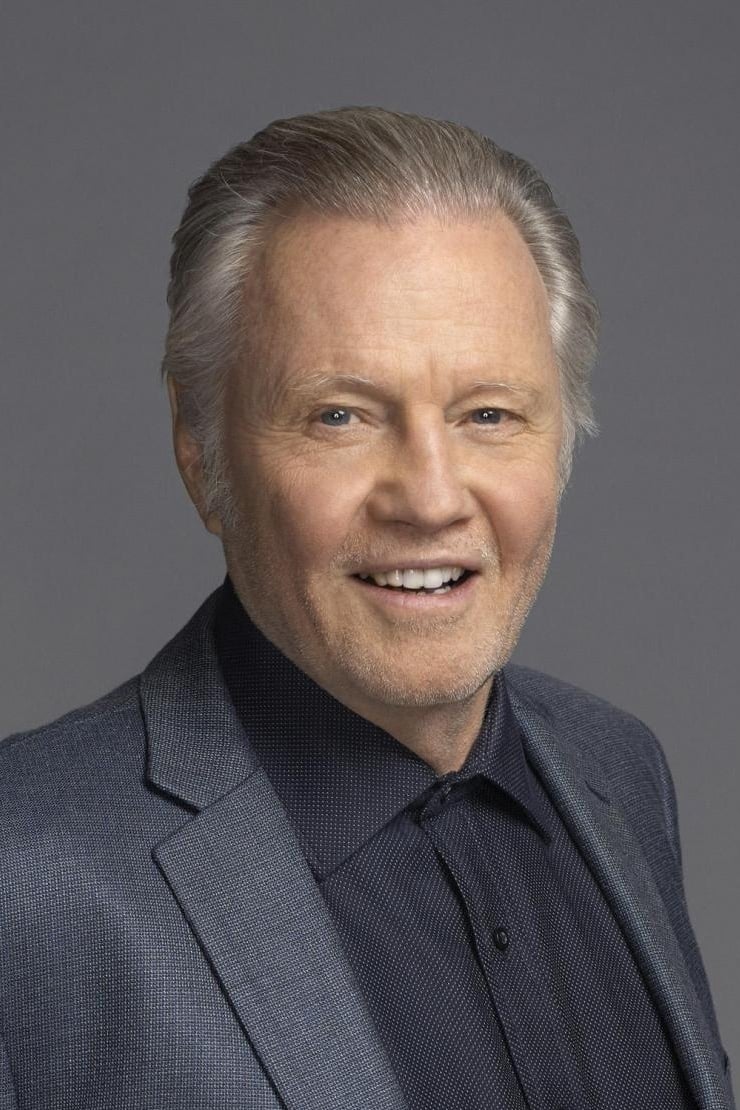
Jon Voight strongly supports Donald Trump and has publicly stated that claims of racism are false and spread by Democrats. He believes Democrats create racial tension to weaken the country and stay in power. Voight maintains that the United States offers equal opportunity for everyone, regardless of their race, and rejects the idea that systemic oppression exists. He often encourages a return to more traditional American values and patriotism.
Dean Cain
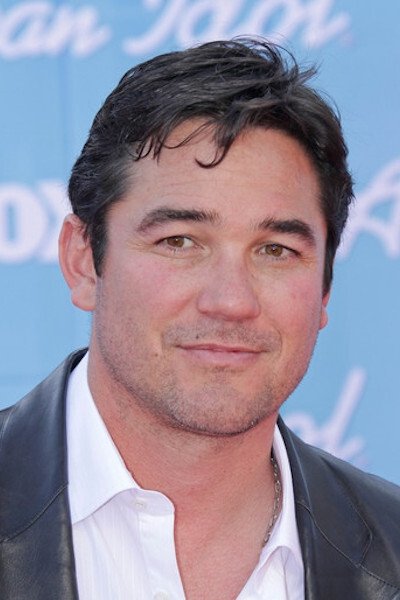
Okay, so as a big movie and TV guy, I’ve noticed Dean Cain popping up a lot on conservative news shows talking about what’s going on in the world. He’s been pretty vocal about how he thinks modern comics and movies are focusing too much on being ‘politically correct’ instead of just telling a good story. He’s a strong supporter of law enforcement and doesn’t agree with the idea of defunding the police. He also believes the media often makes racial issues worse just to get viewers and push a certain agenda. Basically, he’s all about judging people as individuals, not based on what group they belong to.
Kevin Sorbo
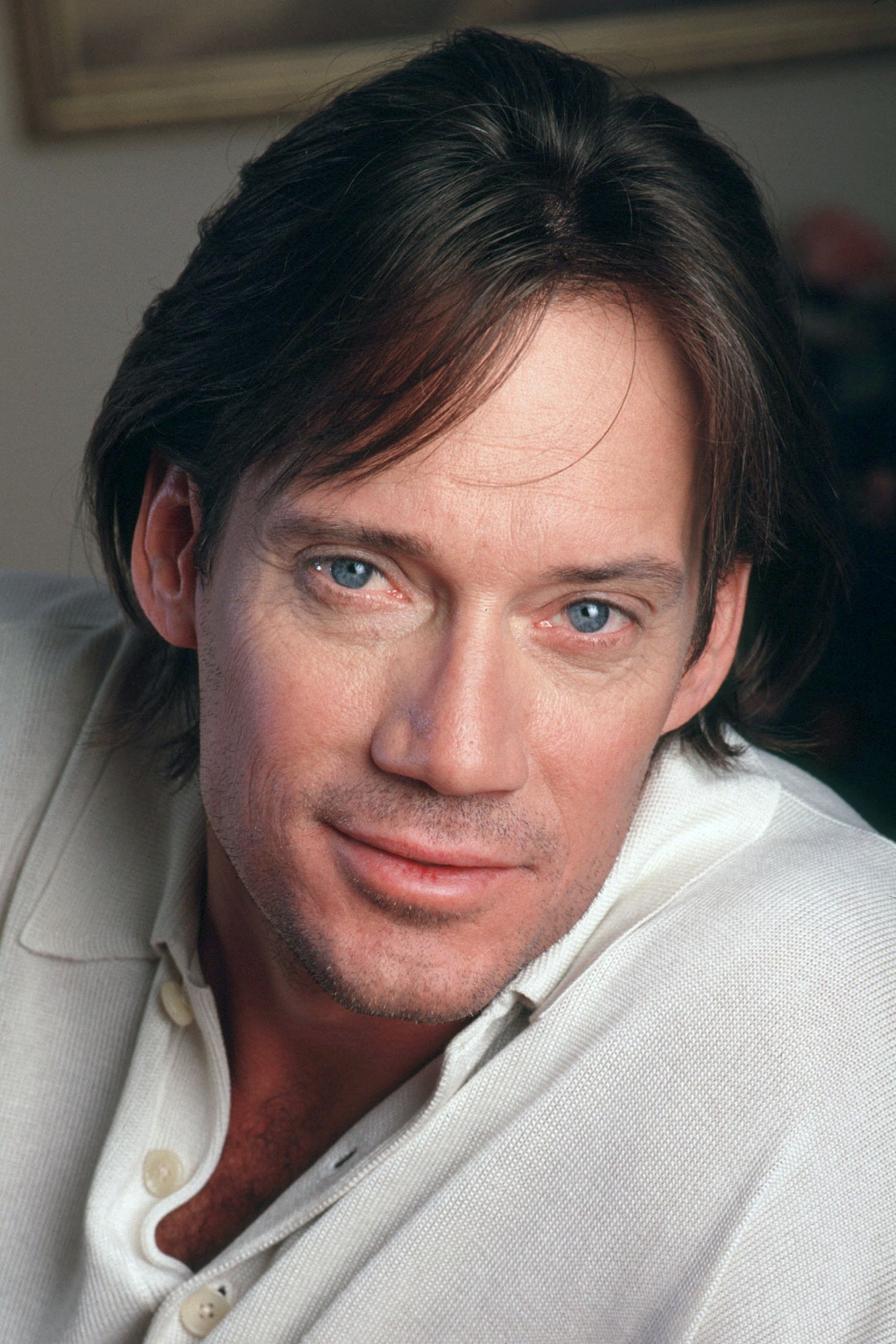
Kevin Sorbo, once a popular television actor, is now known for his work in films with religious and conservative themes. He often uses social media to criticize ideas like systemic racism and white privilege, believing they create division and unfairly target white people. Sorbo emphasizes that success in America comes from hard work and strong faith. He also states that he’s been excluded from Hollywood because of his beliefs.
Scott Baio
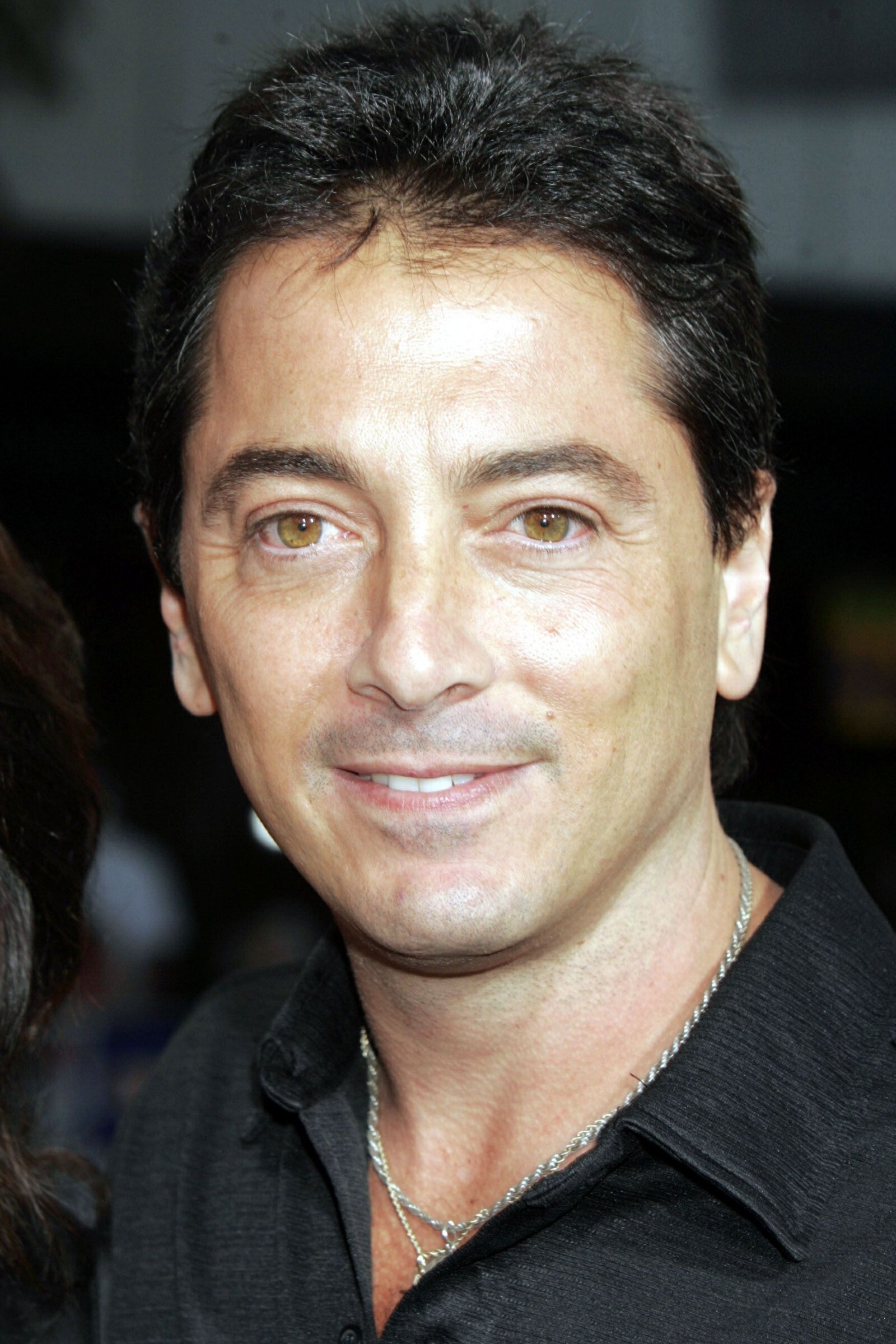
Scott Baio is a well-known conservative who actively supports Republican politicians. He believes America has always embodied the spirit of “Make America Great Again.” Baio doesn’t believe there’s widespread, ingrained injustice in the country, and argues that liberal policies haven’t helped minority groups, while conservative approaches offer better answers. He often debates people online who disagree with his views.
Randy Quaid
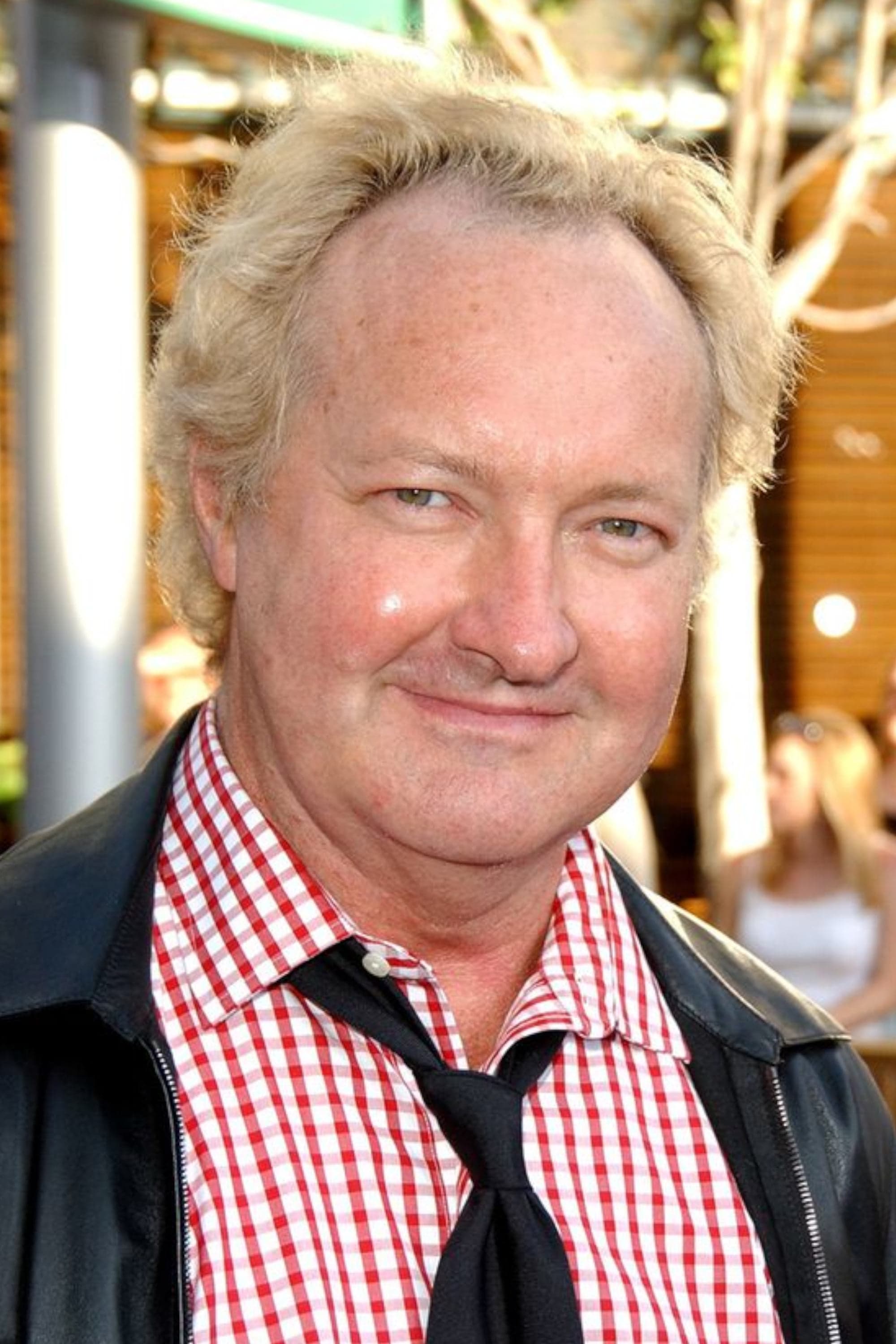
Randy Quaid has become well-known for sharing conspiracy theories and content supporting Donald Trump online. He strongly disagrees with how traditional news outlets portray American history and what’s happening today. Quaid has publicly criticized politicians he believes are harming the country with misinformation. He thinks discussions about racism are a way to avoid addressing what he considers the true problems of corruption in Washington. His unusual behavior has led to him being seen as an outsider in the entertainment industry.
Nick Searcy
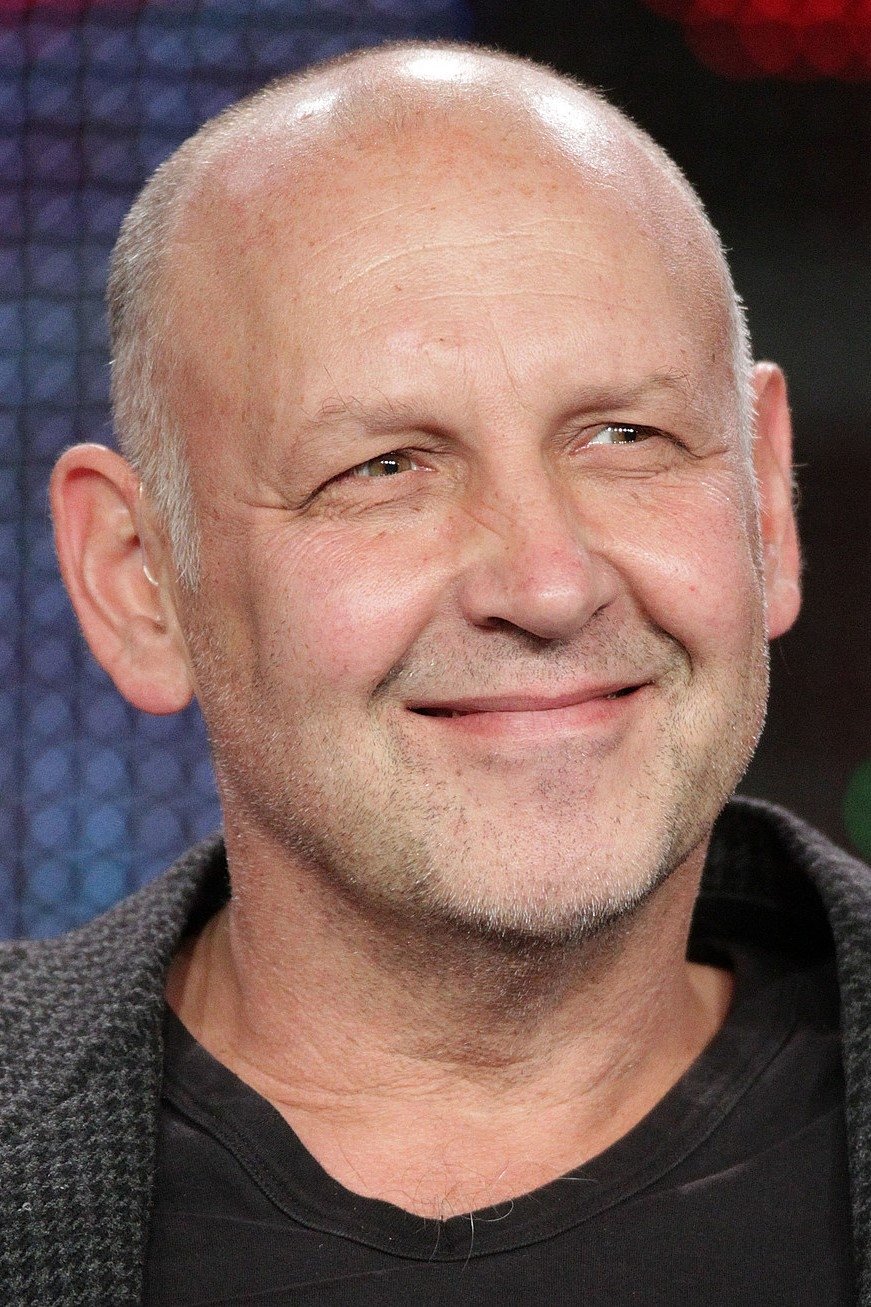
Nick Searcy is a working actor known for playing supporting roles. He’s also a vocal conservative who frequently speaks out against the predominantly liberal views in Hollywood. He directed a documentary offering a different perspective on the January 6th Capitol riot. On social media, Searcy often criticizes ideas like “white guilt” and systemic racism. He feels that actors are pressured to hide their conservative viewpoints to avoid backlash in the entertainment industry, but he continues to be outspoken despite this.
Adam Baldwin
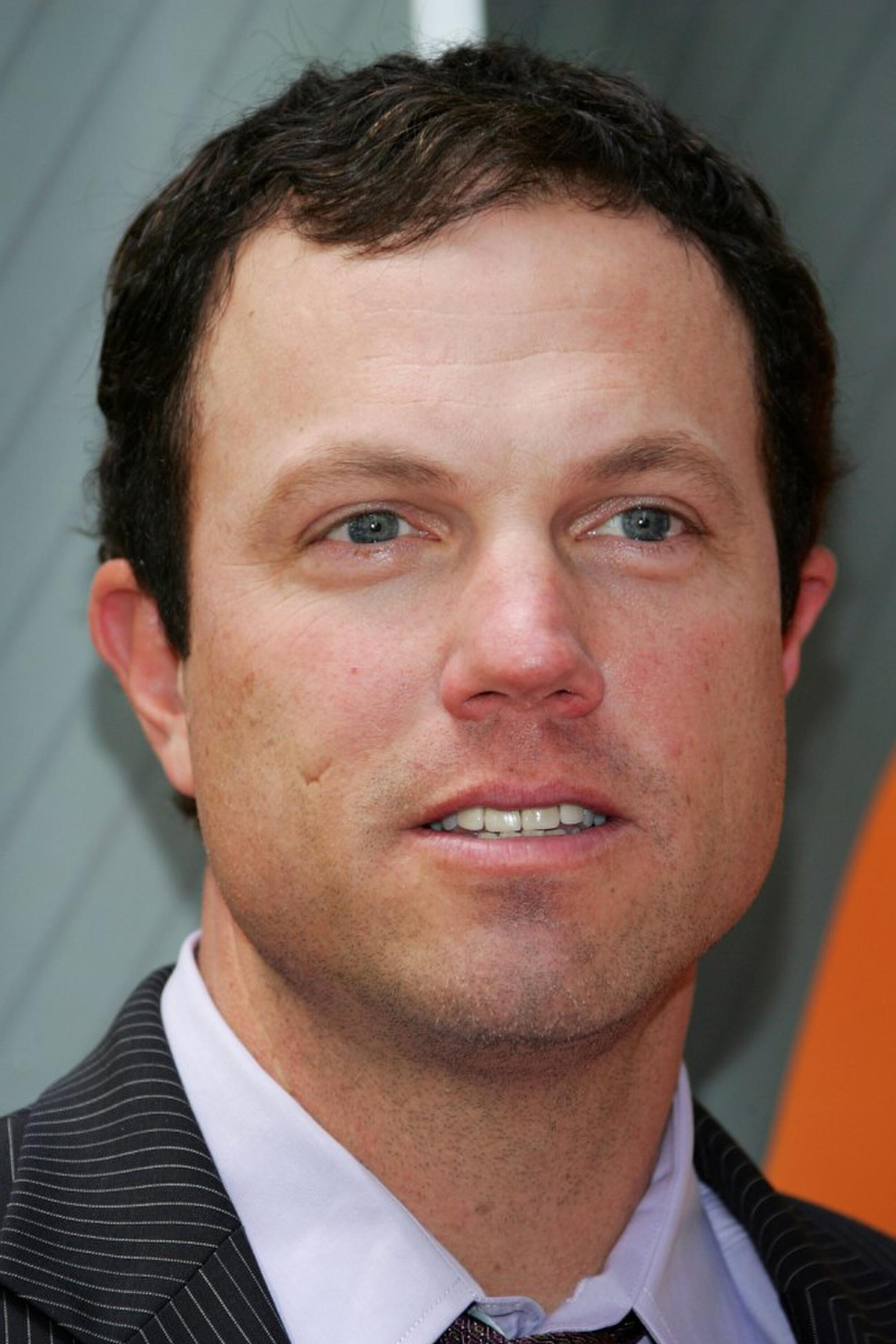
Adam Baldwin played a significant role in the Gamergate controversy and continues to be a prominent conservative voice. He’s often critical of what he calls the “social justice warrior” mindset, believing it harms entertainment by prioritizing identity politics over good storytelling and creating division among fans. Baldwin doesn’t believe systemic obstacles prevent people from achieving success in the US today, and instead emphasizes the importance of individual accountability.
Robert Davi
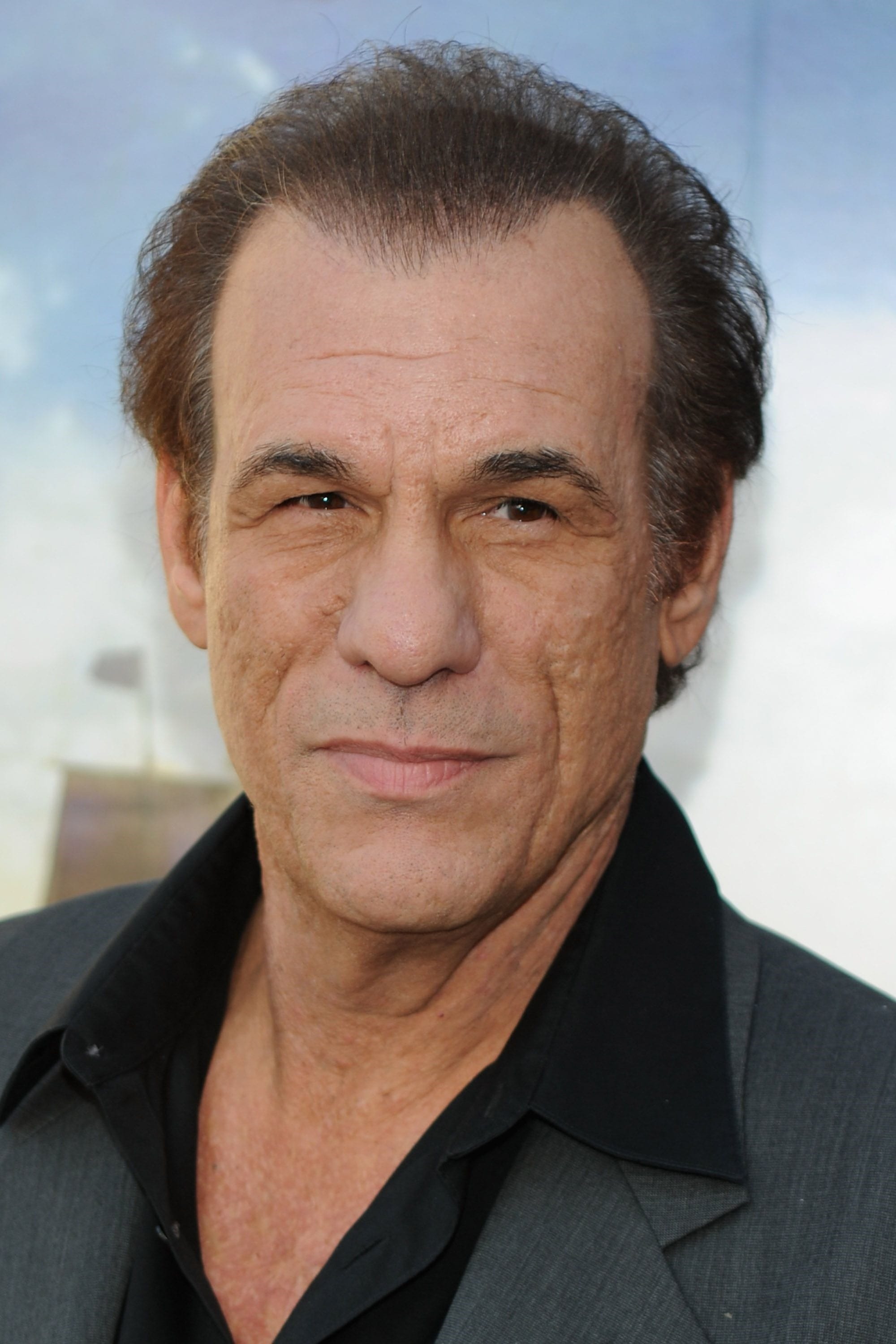
Robert Davi is a conservative voice in the media who often criticizes what he sees as a liberal bias in Hollywood. He contends that claims of widespread racism are used to weaken American pride. Through his filmmaking, Davi promotes conservative ideals and a positive view of American history. He also expresses concern that schools are teaching students to be critical of the United States, and encourages fellow actors to defend America’s past.
John Schneider
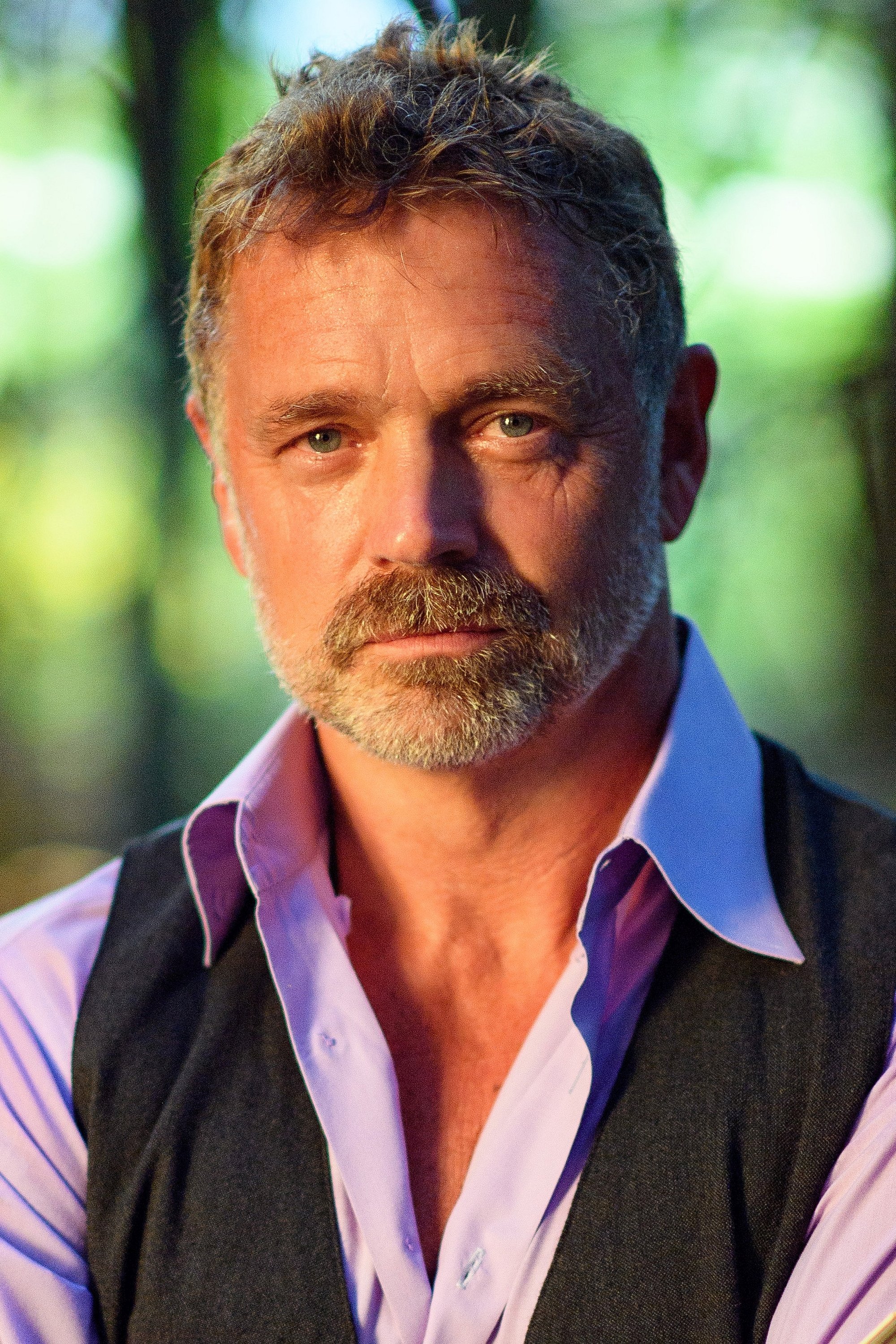
John Schneider often speaks out against the current Democratic administration, particularly its emphasis on racial equity. He’s suggested that conservatives in Hollywood face similar mistreatment to those who have been historically persecuted, and feels that the values of Middle America are overlooked by people on the coasts. Schneider doesn’t believe America is fundamentally racist or bad, and he’s started creating his own content to avoid what he sees as biased mainstream media.
Yaphet Kotto
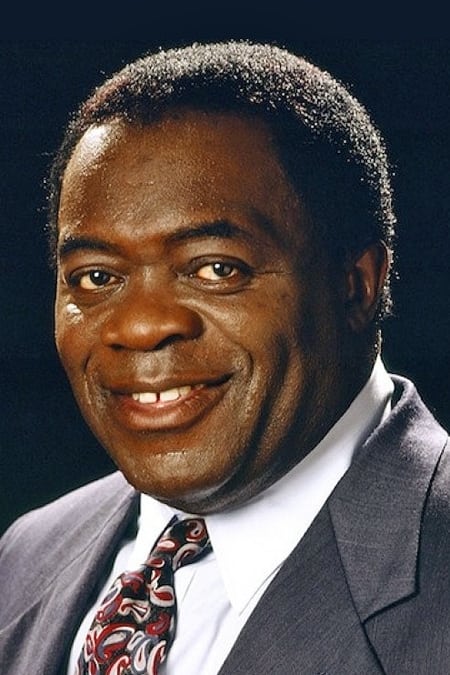
In one of his last interviews, Yaphet Kotto expressed frustration with Black actors who voiced concerns about not receiving Oscar nominations. He explained that he never needed awards or approval from mainstream institutions to feel accomplished, and felt that constantly seeking acceptance was unproductive and demeaning. Kotto believed genuine talent would ultimately be recognized, no matter a person’s race, reflecting a mindset common among his generation that emphasized strength and perseverance over complaint.
50 Cent
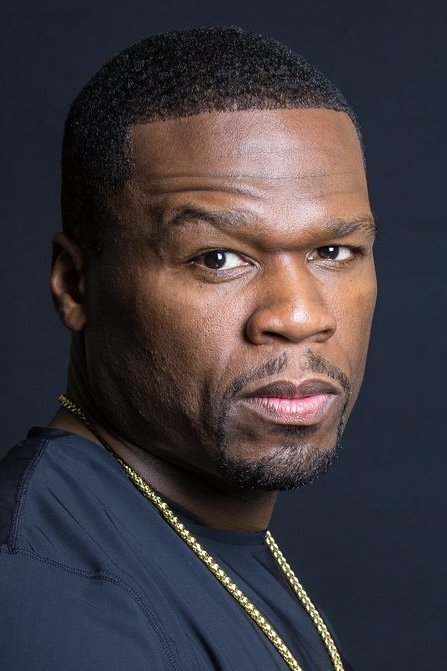
50 Cent has often focused on what’s best for his financial interests when speaking about politics, rather than strictly supporting issues based on racial identity. He publicly supported Donald Trump for a short time because he was worried about Joe Biden’s proposed tax policies. The rapper has also pushed back against the idea that he should vote a certain way simply because of his race, and he’s questioned why Black voters are automatically expected to support the Democratic party. This practical way of looking at politics sometimes conflicts with discussions about systemic racism and its moral implications.
Ice Cube
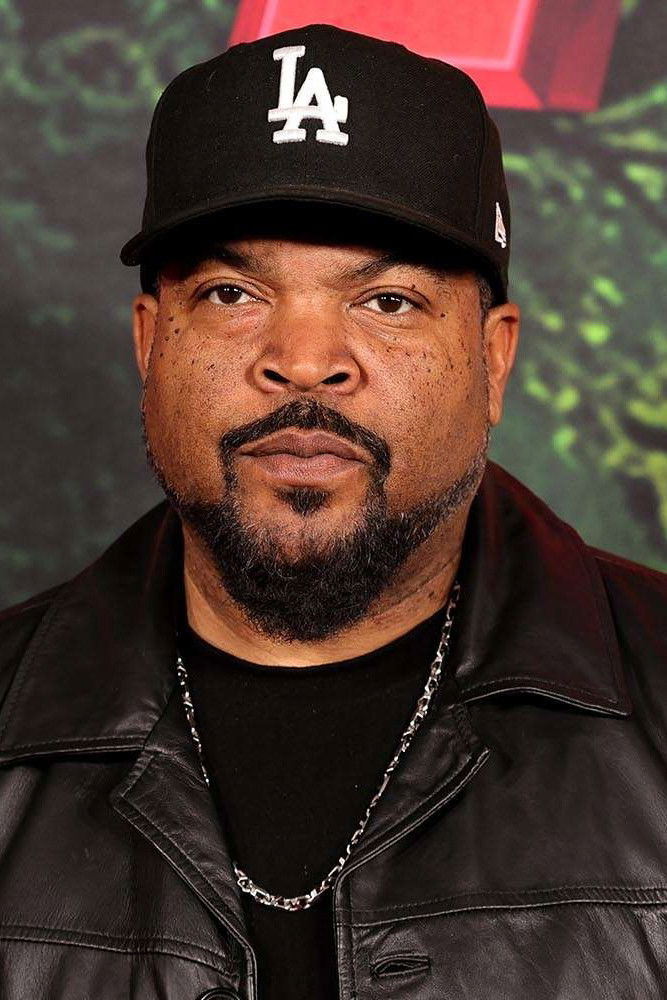
Ice Cube collaborated with the Trump administration on a plan, called the “Platinum Plan,” designed to invest in Black communities. While some criticized his decision to work with Republicans, he explained that he was willing to work with anyone who could benefit his community. Cube also voiced criticism of the Democratic party, suggesting they often assume they’ll automatically receive Black voters’ support. He believes Black people shouldn’t feel limited to a single political viewpoint, and that building economic independence is more important than simply making political statements.
Charles Barkley
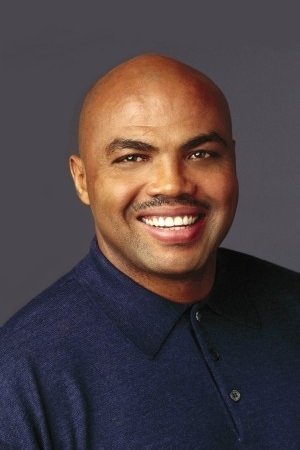
Charles Barkley, a sports commentator and sometimes actor, often questions easy explanations about race. He’s been critical of the idea to ‘defund the police,’ believing it would harm Black communities. Barkley believes politicians use racial issues to stay in power, and he’s also pointed out that the media sometimes focuses on race only when it fits a particular story. His direct and honest way of speaking often leads to disagreements with more progressive activists.
Rob Schneider
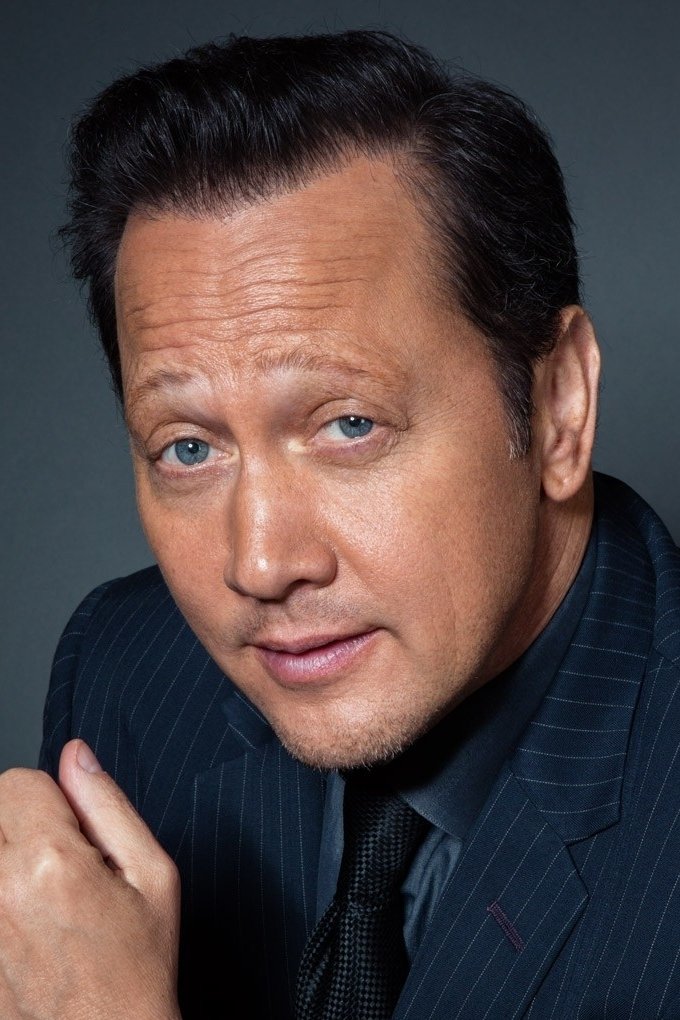
Rob Schneider has been openly critical of California’s government and its progressive policies, believing the state has suffered because of a focus on identity politics. He moved from Hollywood to Arizona to get away from what he considers a negative atmosphere. Schneider often jokes about current social justice terms and what he sees as excessive control over what people can say, arguing that the left is stifling free speech.
Tim Allen
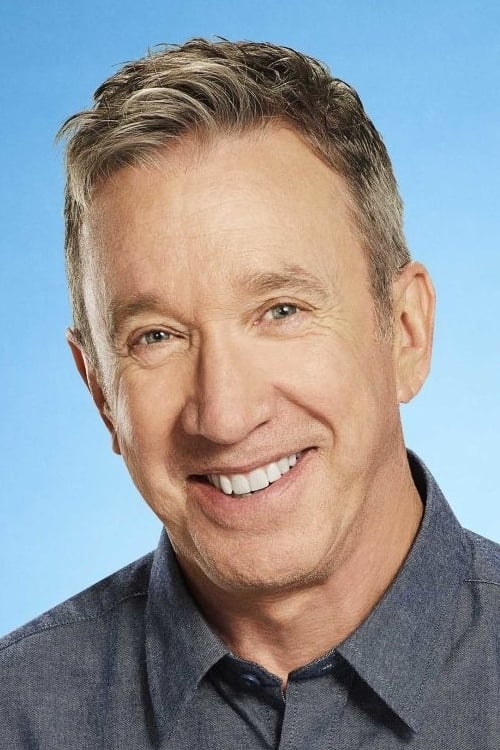
Tim Allen is a rare conservative voice among actors in network television comedies. He’s compared the pressure to think and act a certain way in Hollywood to the environment in 1930s Germany. Allen feels that excessive political correctness limits what comedians can say and do. He often includes traditional values in his characters as a contrast to current progressive ideas. By doing so, he connects with a large audience that feels overlooked by most media stories.
Kelsey Grammer
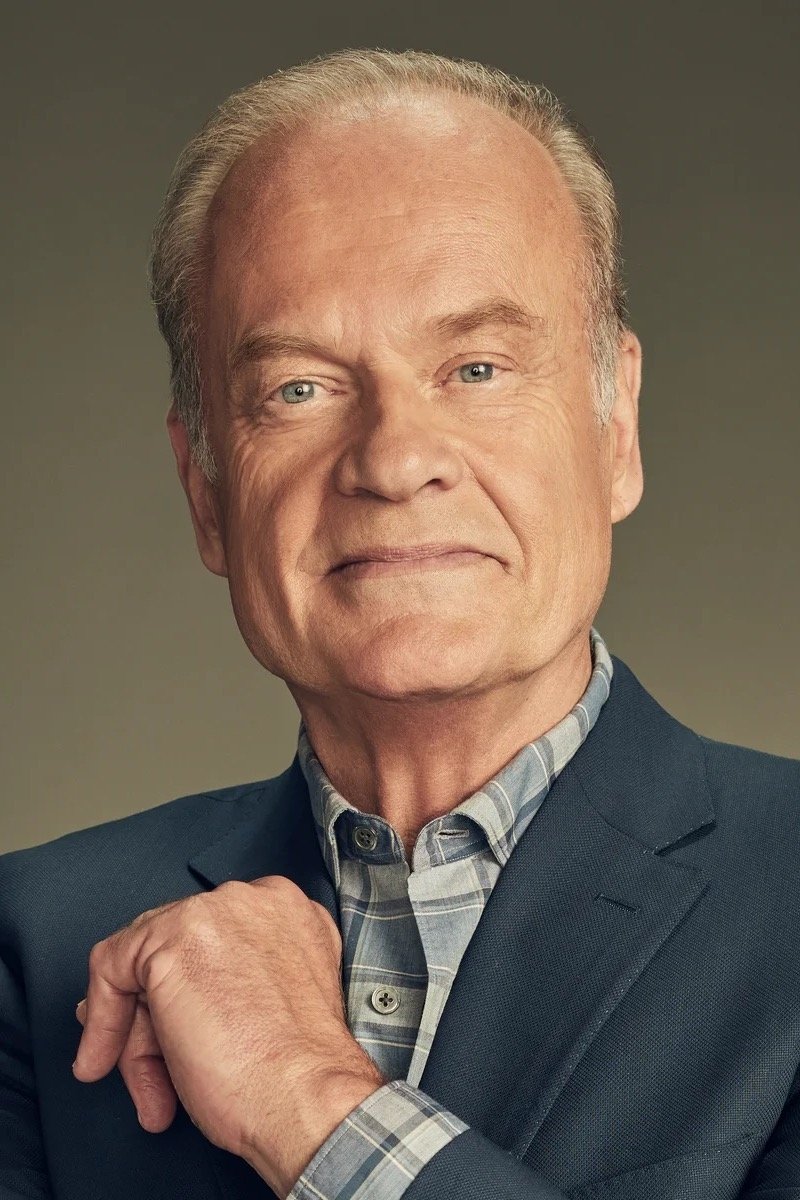
Kelsey Grammer has long been a Republican, which is unusual in the generally liberal entertainment industry. He believes in limited government and personal freedom. While he prefers to avoid conflict, he’s steadfast in his conservative values and doesn’t believe American society is inherently unfair. Instead, he focuses on universal human experiences that go beyond politics and race.
Chuck Norris
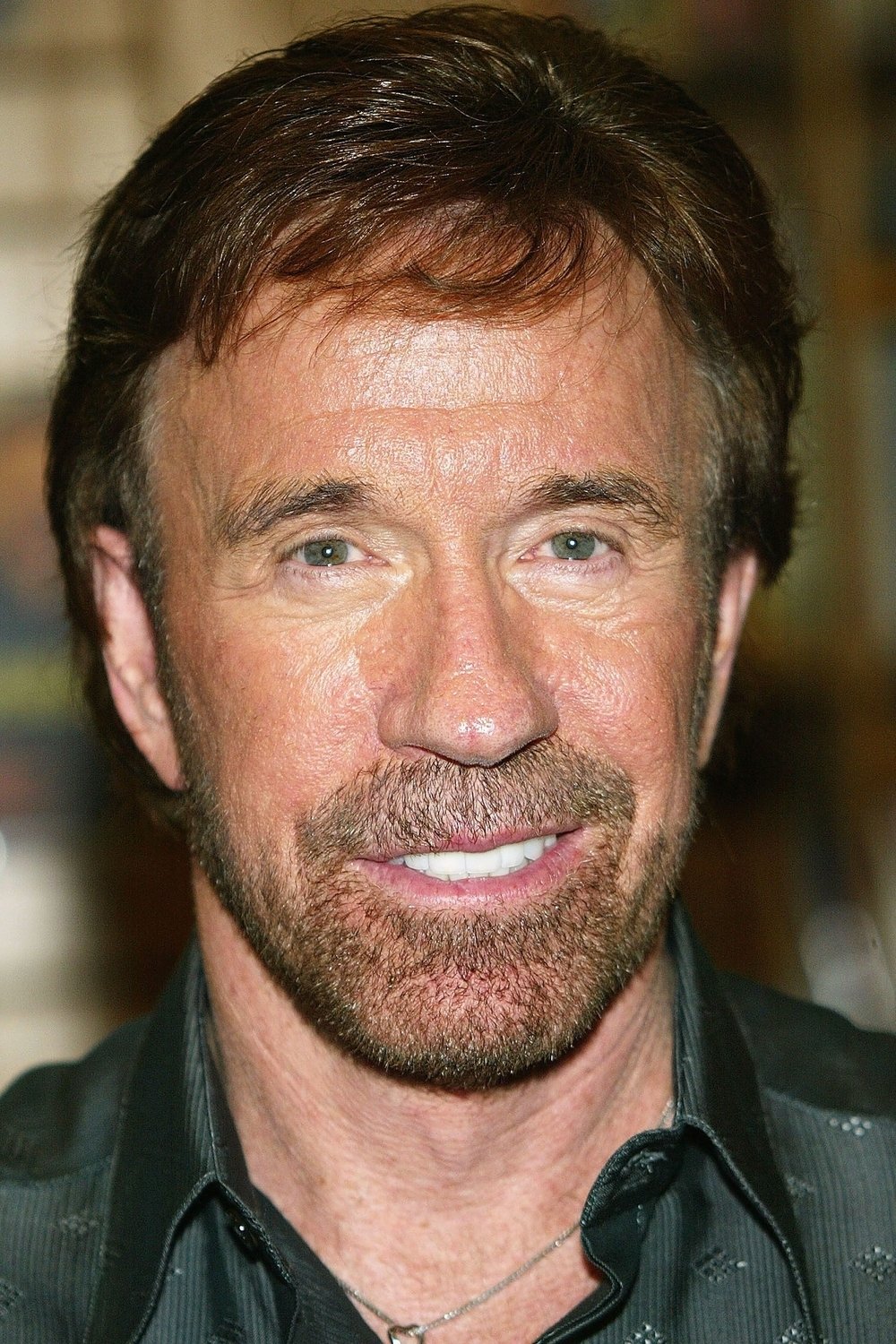
After becoming famous as an action movie star, Chuck Norris began writing conservative columns. He often warns about what he sees as a decline in traditional American values, and proudly defends the country’s history. Norris believes that strong families and religious faith are the keys to solving social problems, rather than relying on the government. He also rejects the idea that the American system is unfair to any particular group.
Stephen Baldwin

Stephen Baldwin, the youngest of the Baldwin brothers, is a strong supporter of Donald Trump, often finding himself in political disagreements with his brother Alec. He believes criticism of Trump and conservatives is unfair and prejudiced, and he strongly objects to the idea that supporting conservative views equates to racism. Baldwin draws strength from his religious beliefs when dealing with the negative reactions he encounters in Hollywood.
Jim Caviezel
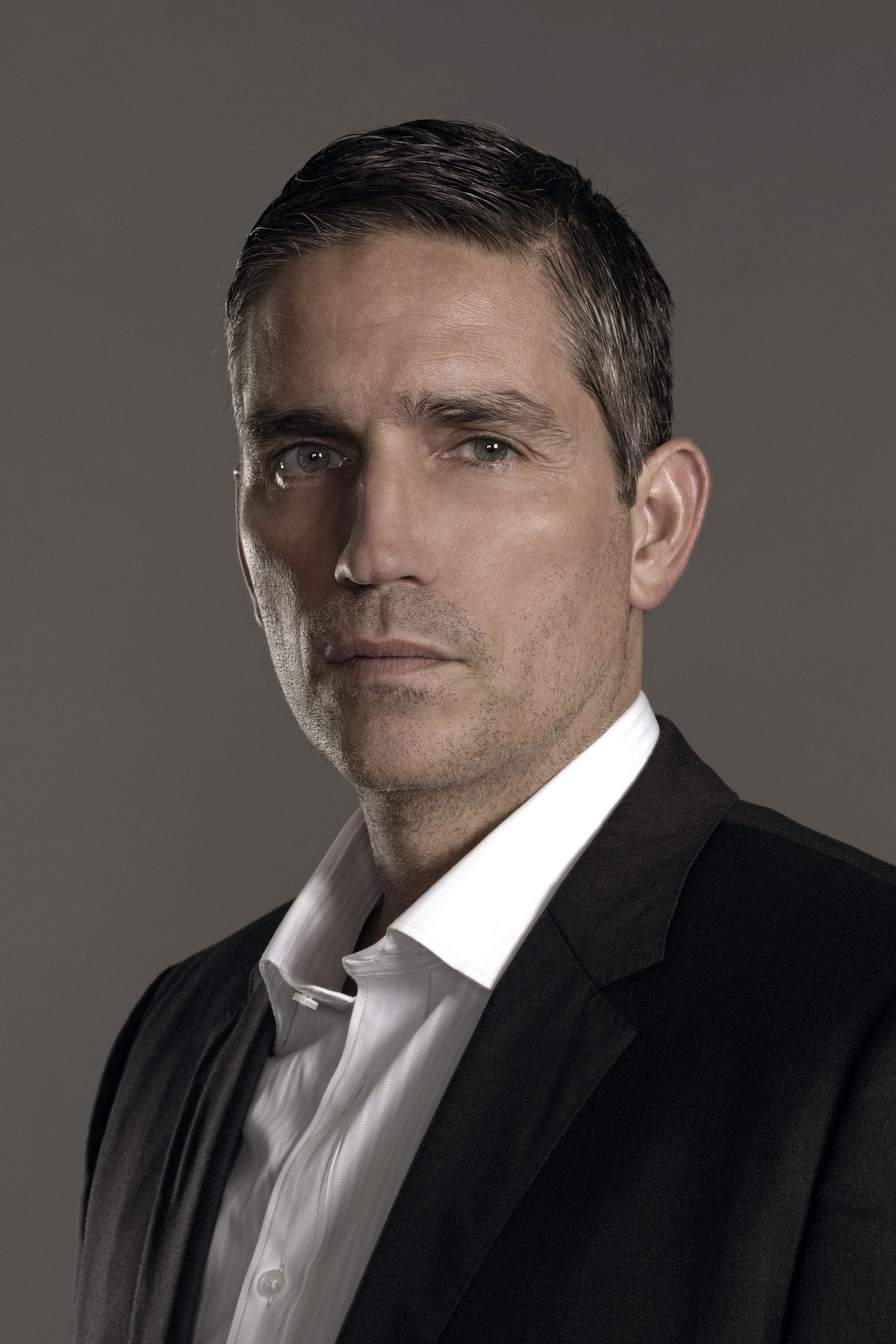
Jim Caviezel has shifted his focus from typical Hollywood roles to films that resonate with religious and conservative viewers. He often discusses a struggle between good and evil in today’s world, and is critical of the media, believing it distorts the truth and creates division. Caviezel sees current cultural trends as misleading and damaging, and actively supports groups working to challenge established power structures.
Michael Caine
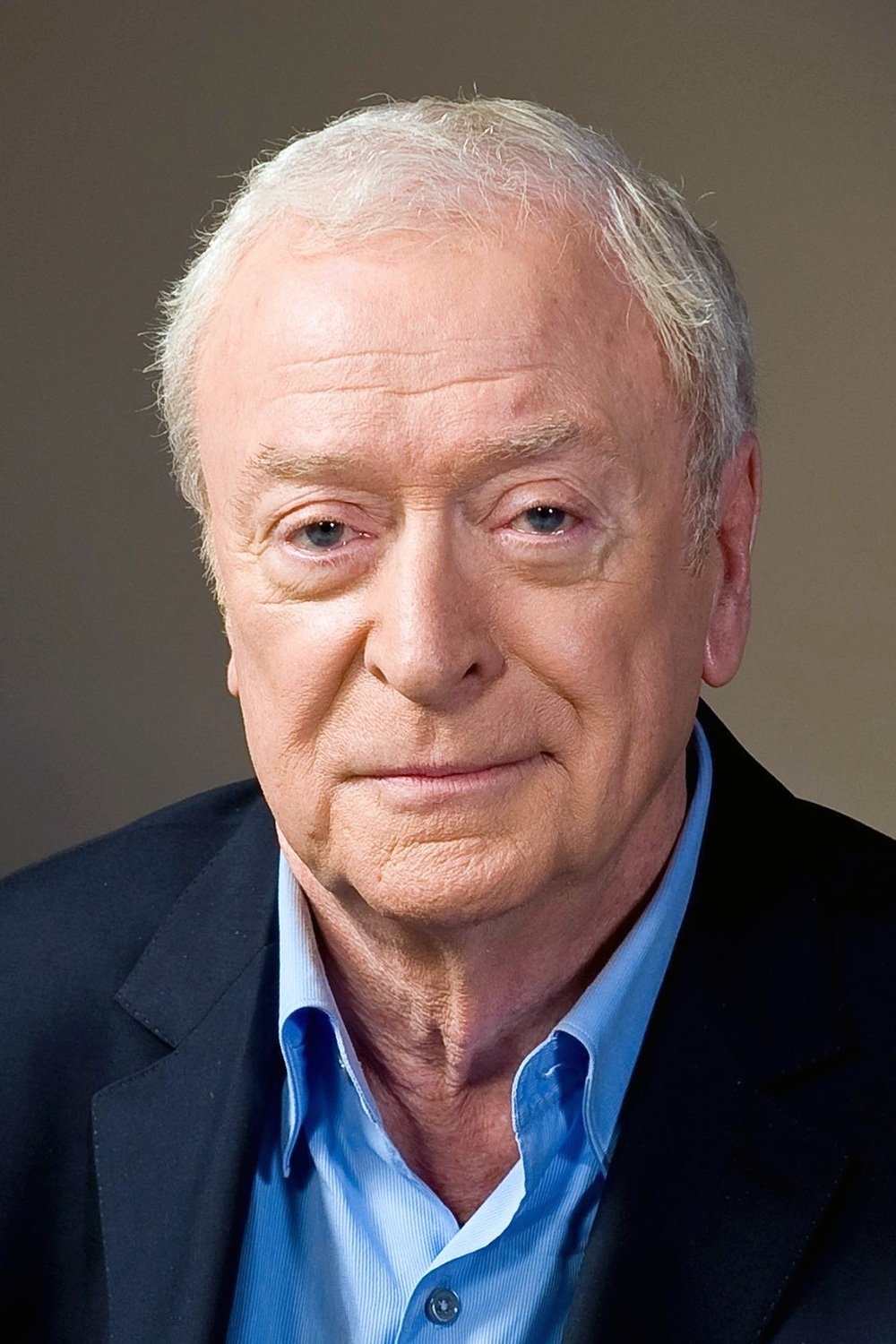
Michael Caine has voiced his annoyance with how language and behavior are changing in the film industry. A Brexit supporter, he believes everyone should be able to express their opinions openly. The veteran British actor is weary of the constant scrutiny and oversensitivity of what’s often called “woke” culture, preferring to judge work based on its quality, not on issues of identity. Caine embodies a more traditional approach, valuing skill and professionalism above all else.
John Cleese
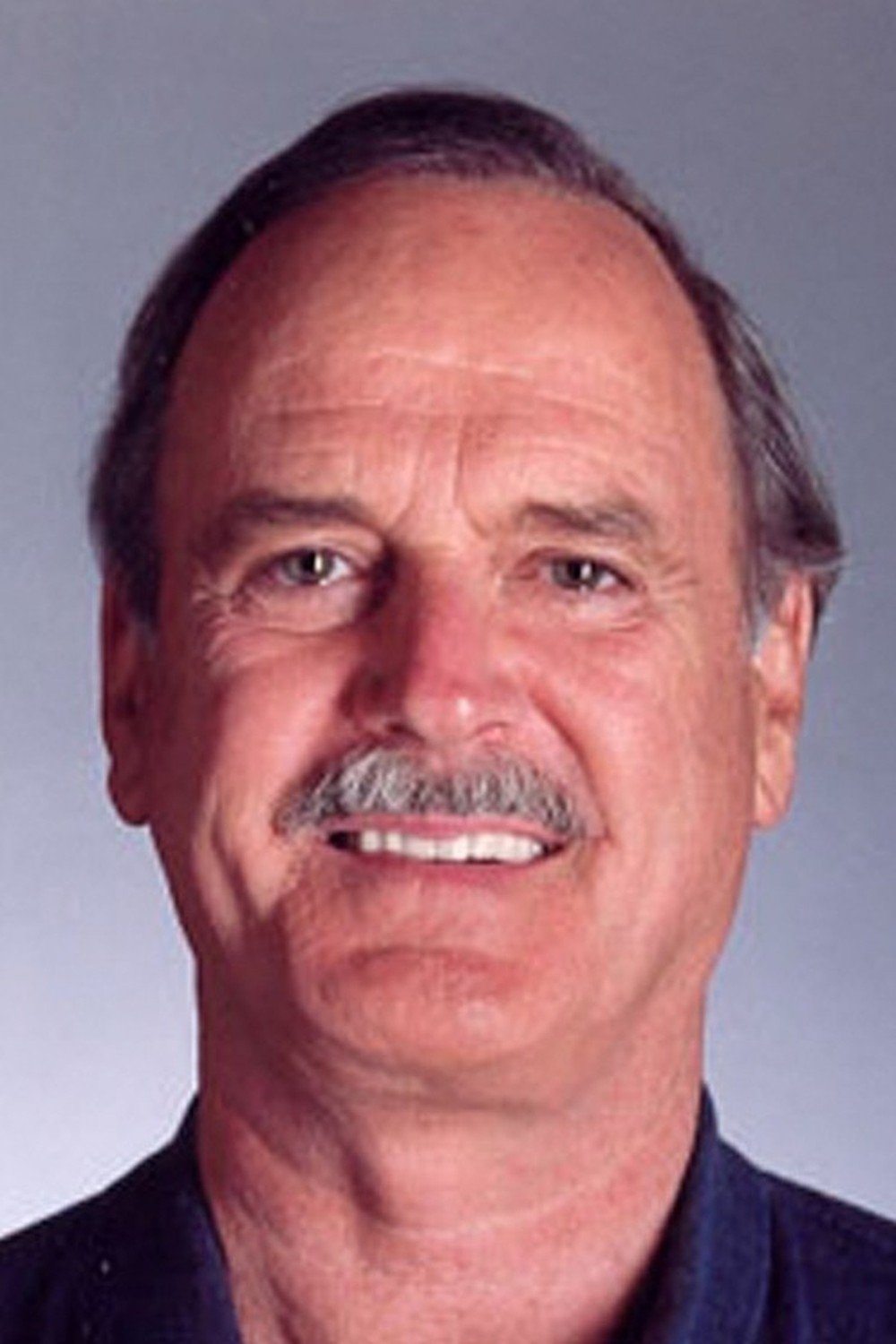
As a lifelong movie and comedy fan, I’ve been following John Cleese’s recent comments, and I get where he’s coming from. He’s basically saying that this whole ‘woke police’ thing is really damaging comedy. What bothers him – and me, honestly – is that people aren’t considering context anymore. It feels like anything that might offend someone is being scrubbed from streaming services, and that’s killing the art of pushing boundaries. He’s refusing to apologize for jokes that were funny in their time, even if they don’t land with everyone today, and I respect that. It’s like we’re losing the ability to have a real debate about things because everyone’s too quick to get offended. It’s a real threat to creativity, if you ask me.
Rowan Atkinson
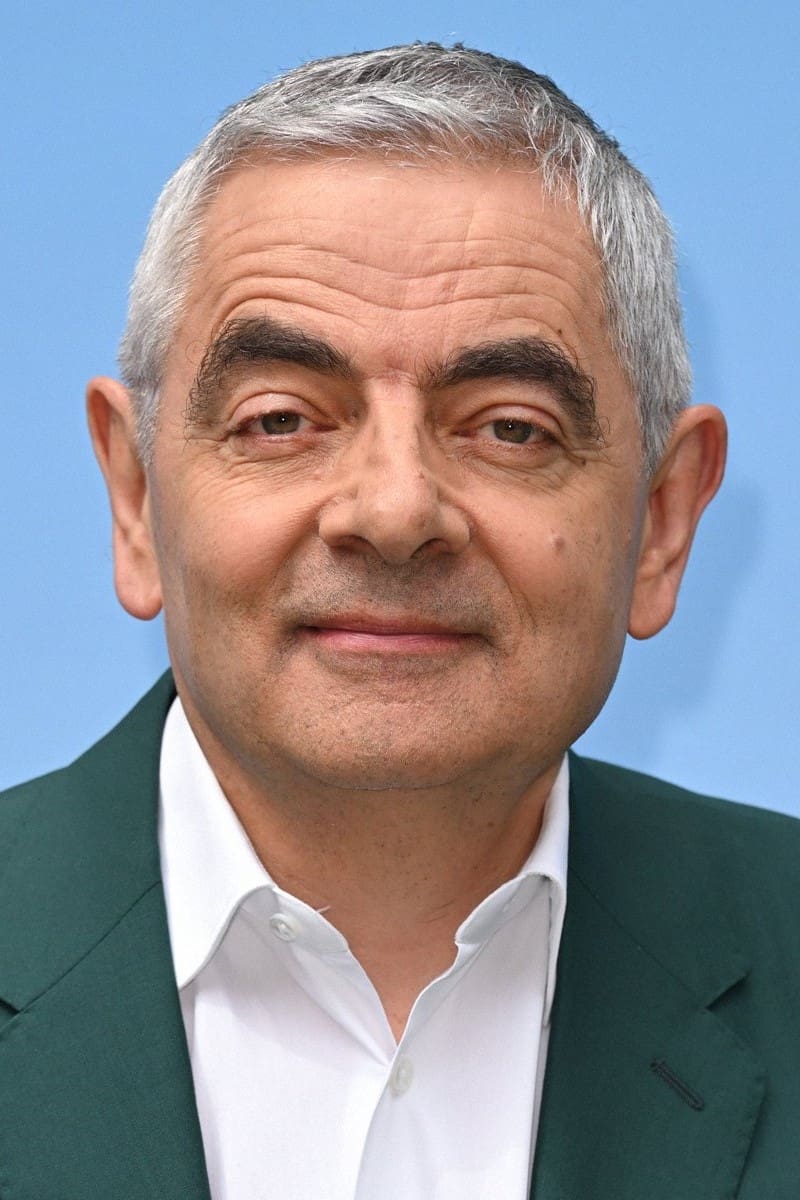
Rowan Atkinson is a strong advocate for free speech and has spoken out against hate speech laws he believes are overly restrictive. He likened the current trend of “cancel culture” to the historical witch hunts, arguing that the ability to express potentially offensive opinions is essential for a truly free society. Atkinson doesn’t believe words are a form of violence and opposes protecting any group from satire. He feels that the most effective way to challenge prejudice is through open discussion and expression, rather than censorship.
Share your thoughts on these actors and their perspectives in the comments.
Read More
- 20 Movies Where the Black Villain Was Secretly the Most Popular Character
- Can AI Lie with a Picture? Detecting Deception in Multimodal Models
- 25 “Woke” Films That Used Black Trauma to Humanize White Leads
- 22 Films Where the White Protagonist Is Canonically the Sidekick to a Black Lead
- Silver Rate Forecast
- Top 20 Dinosaur Movies, Ranked
- Top 10 Coolest Things About Invincible (Mark Grayson)
- When AI Teams Cheat: Lessons from Human Collusion
- From Bids to Best Policies: Smarter Auto-Bidding with Generative AI
- Unmasking falsehoods: A New Approach to AI Truthfulness
2026-01-18 22:55