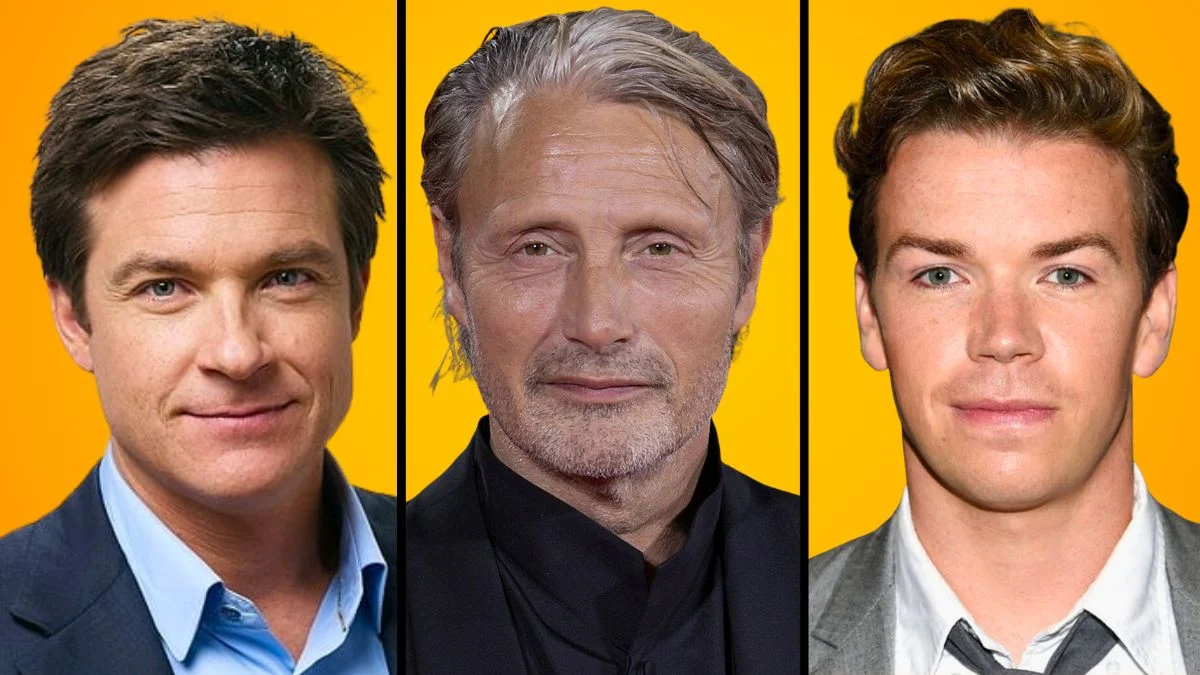
Method acting is a famously debated topic in Hollywood. Some actors deeply believe in fully immersing themselves in a role, while others see it as unnecessary or even problematic. Though it’s led to many iconic performances, a lot of highly respected actors prefer to use technique, imagination, and traditional training instead of constantly ‘living as’ their characters. Several prominent male actors have openly questioned, criticized, or simply expressed disinterest in the intense emotional and mental effort required by method acting. They believe acting is a form of pretending that shouldn’t interfere with their personal well-being or create discomfort for those they work with.
Mads Mikkelsen
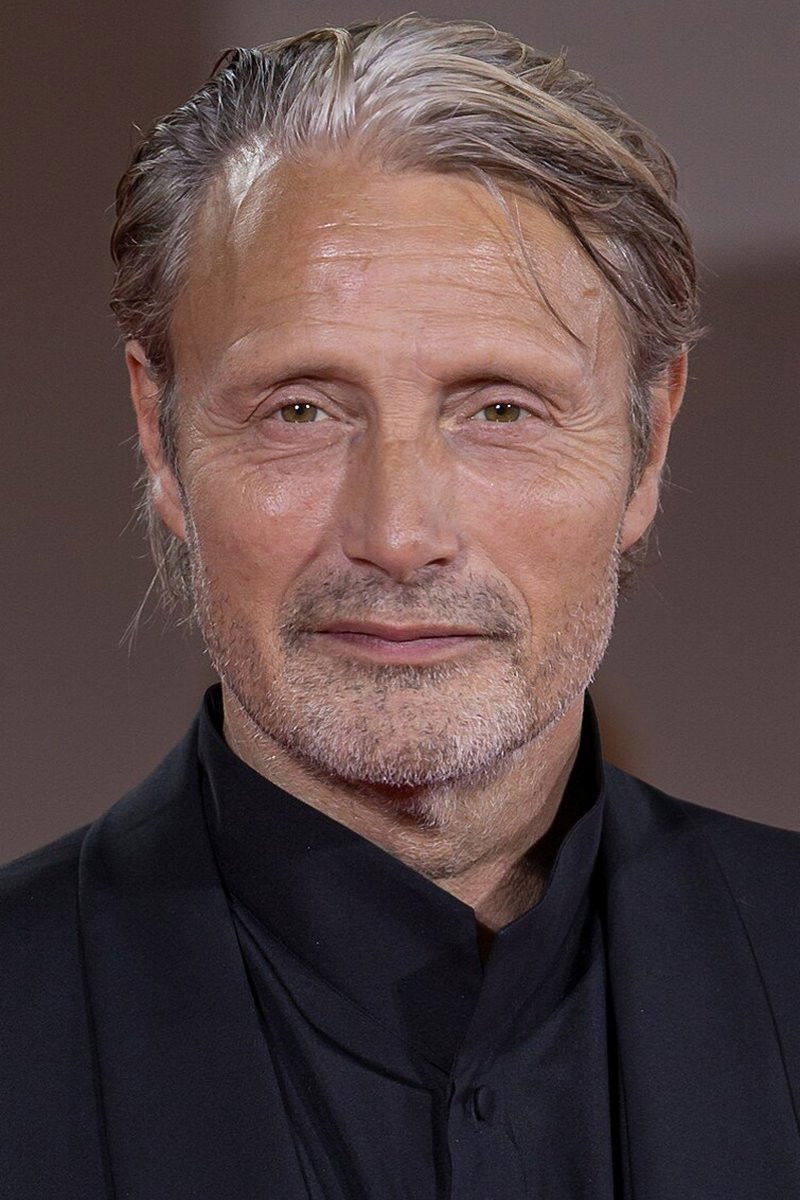
Mads Mikkelsen has recently spoken out against method acting, calling it showy and wondering how actors can realistically portray dangerous roles like serial killers while staying fully immersed in character. He emphasizes the importance of preparation, but believes actors should only become their character when filming begins and then fully relax afterward. Mikkelsen argues that constantly staying in character can make it harder to work well with the rest of the film crew.
Anthony Hopkins
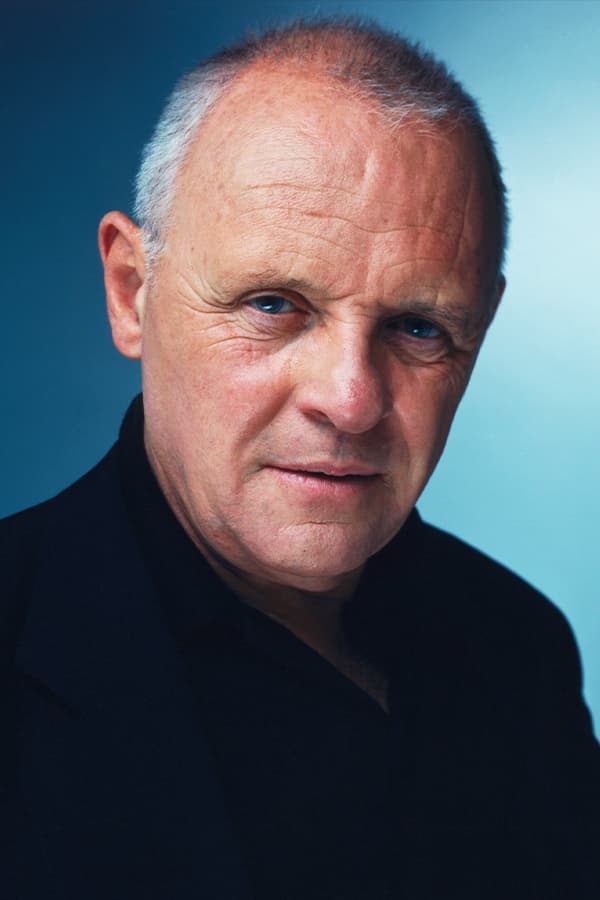
This acclaimed actor sees acting as a skill-based job, not an emotional one. Hopkins is well-known for saying he repeats his lines endlessly until he knows them perfectly. He believes an actor’s job is simply to deliver the dialogue and then move on, without getting deeply involved in the character’s feelings. Hopkins has explained that he doesn’t feel he needs to personally suffer to give a believable performance. Instead, he focuses on accuracy and how he uses his voice, rather than trying to fully become the character.
Laurence Olivier
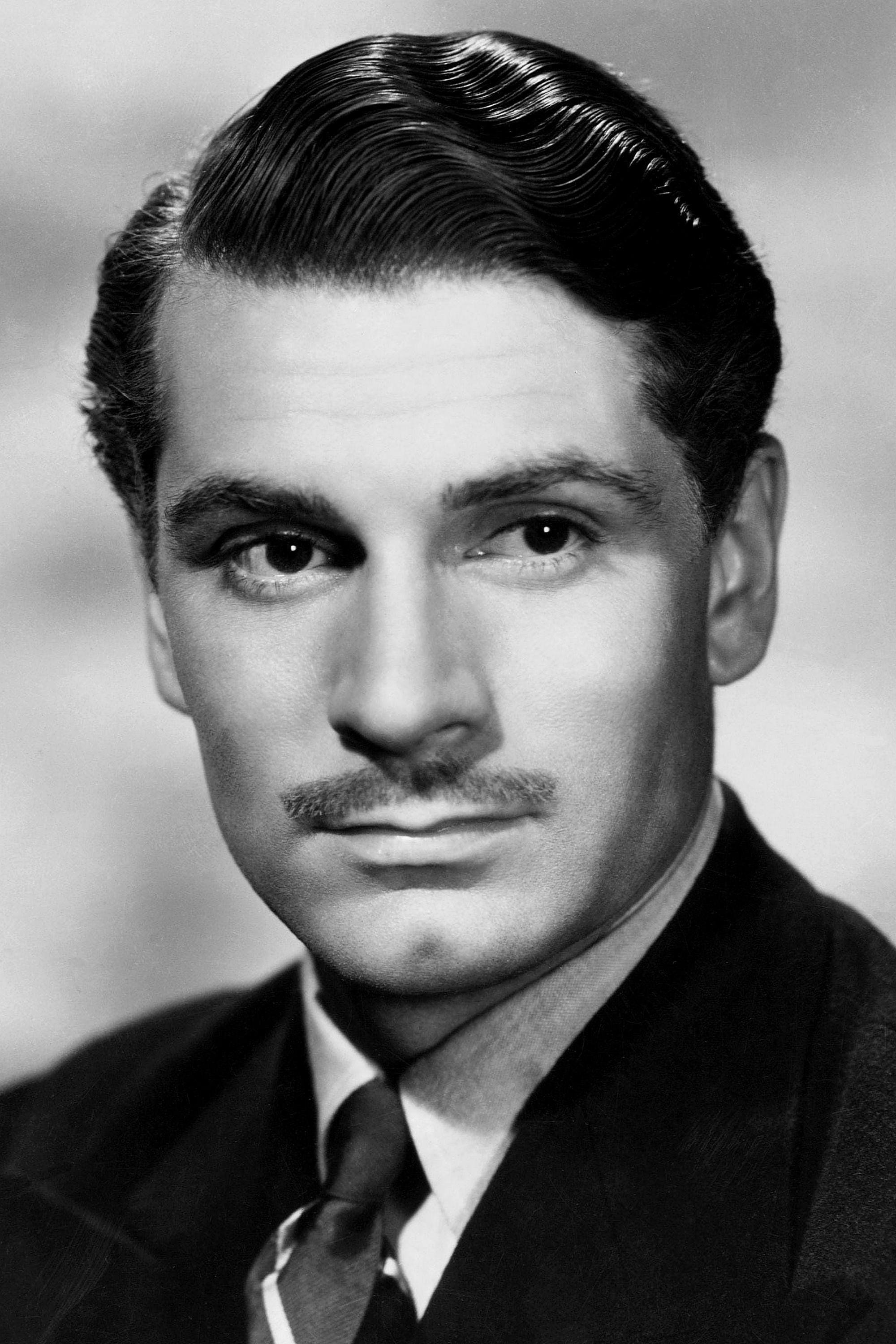
A well-known story illustrates Laurence Olivier’s disapproval of method acting. While filming ‘Marathon Man,’ he questioned Dustin Hoffman about why he endured such physical hardship instead of simply acting. Olivier, a classically trained British actor, believed acting was about using your imagination, not necessarily living through the experiences of the character. He felt that relying on personal pain or exhaustion actually restricted an actor’s abilities, arguing that performers should be able to convincingly portray emotions without genuinely feeling them.
Brian Cox
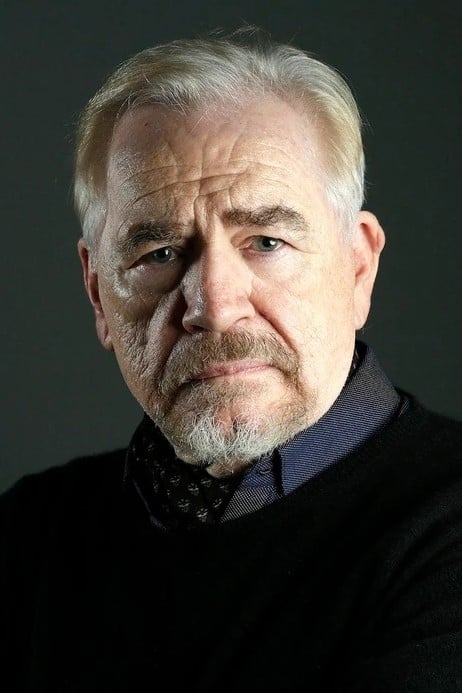
Brian Cox, a well-known Scottish actor, has frequently criticized the method acting technique. He worries about actors becoming too immersed in their roles and feels it’s a practice particularly popular in America. He specifically mentioned being concerned with the extensive preparation his ‘Succession’ co-star, Jeremy Strong, undertook. Cox believes actors need to maintain a distance from the characters they play to avoid burnout, and that truly skilled acting comes from technique and careful observation, not completely becoming the character.
Robert Pattinson
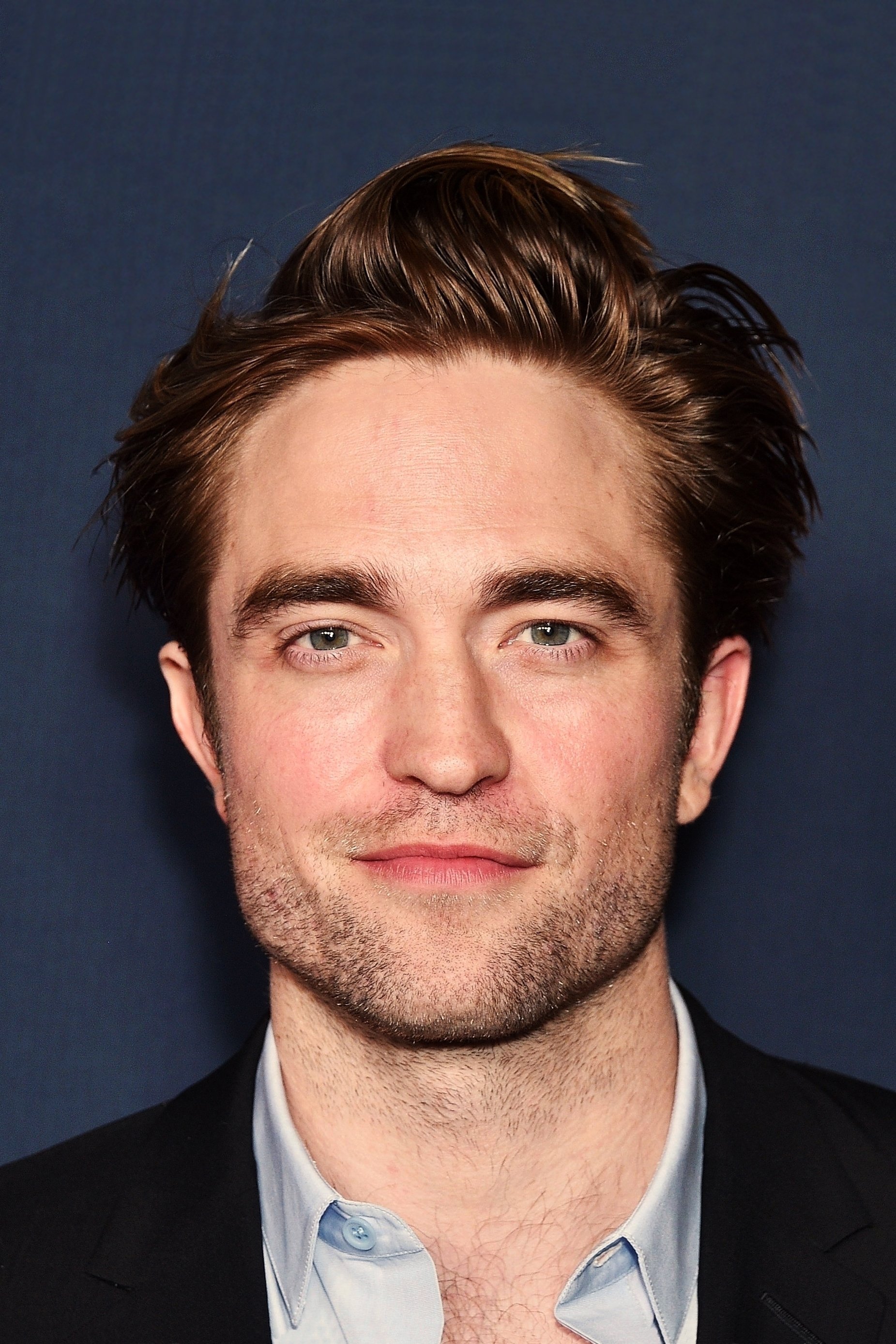
Robert Pattinson jokingly pointed out that actors only seem to fully commit to ‘method acting’ – staying in character even off-camera – when playing unpleasant or villainous roles. He observed that no one insists on remaining a charming character when they’re not filming. Pattinson himself prefers to approach each scene with a fresh mindset, finding it unnecessary and unhelpful to stay in character between takes.
Samuel L. Jackson
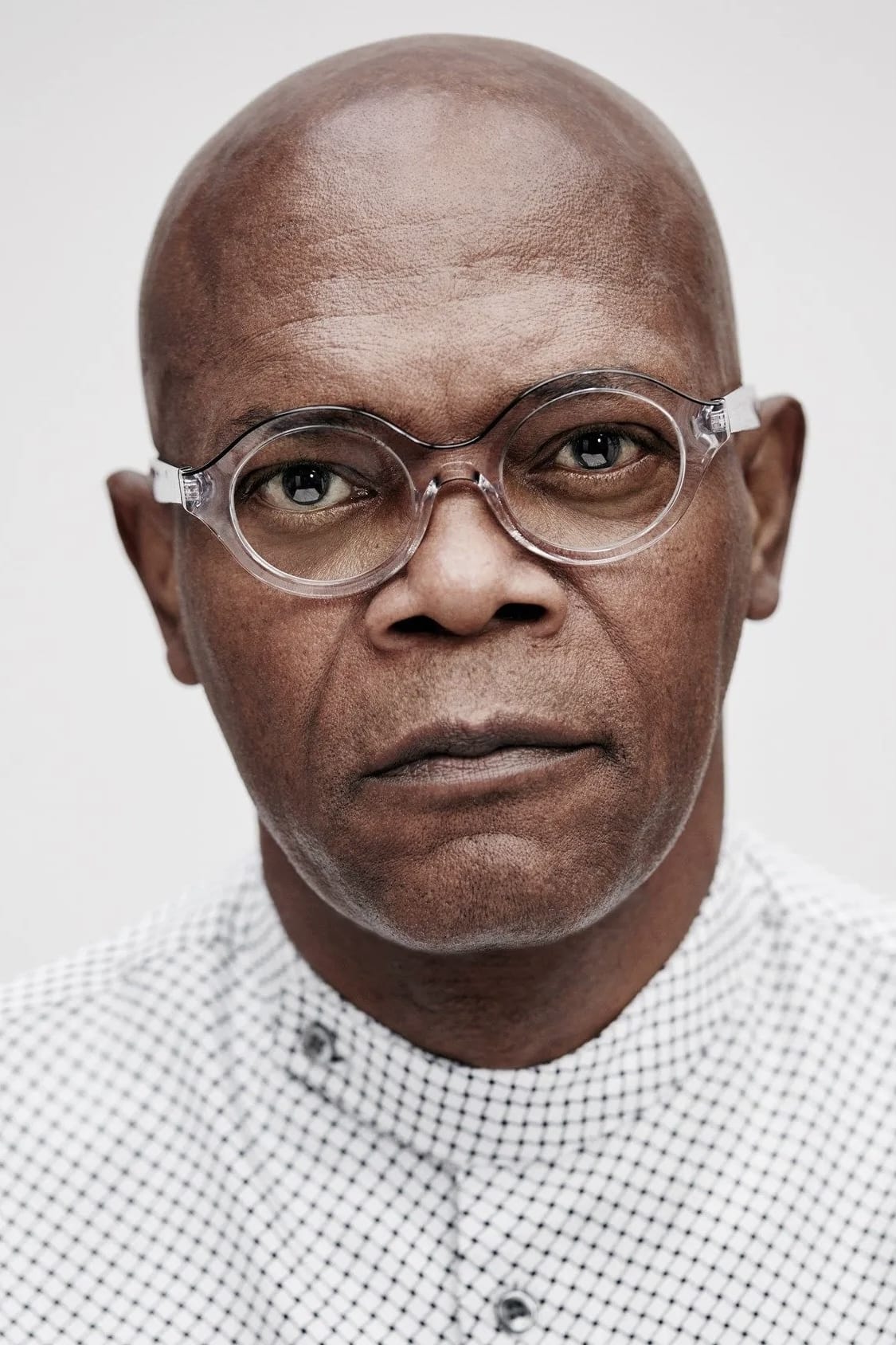
Samuel L. Jackson approaches acting as a playful and enjoyable craft, not a stressful or overly serious one. He intentionally leaves his roles behind when he’s done filming for the day. Jackson loves the collaborative atmosphere on set and prioritizes having fun with the crew. He feels that some actors use ‘method acting’ as a reason to be challenging to work with. Throughout his incredibly successful career, Jackson has consistently delivered compelling performances by bringing his natural charisma and intensity to every scene as soon as the cameras start rolling.
Martin Freeman
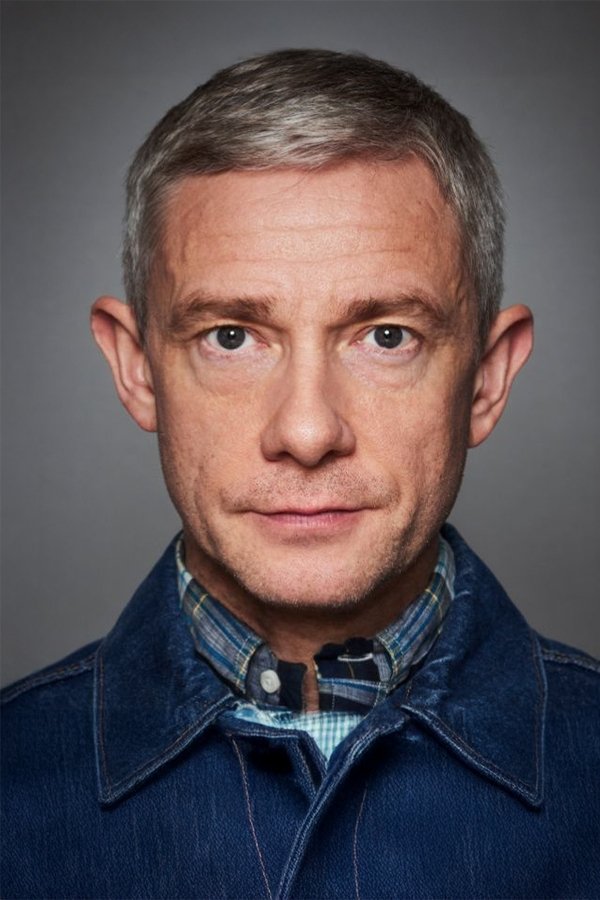
Morgan Freeman considers overly intense acting techniques to be unrealistic and a sign of inexperience. He believes an actor’s main skill is convincingly pretending to be someone else, not actually becoming that person. He’s spoken out against the idea that great acting requires being difficult or withdrawn, and argues that a professional actor can quickly adopt and shed a character to make filming run smoothly. For Freeman, acting is a collaborative job, not an opportunity for personal expression.
Will Poulter
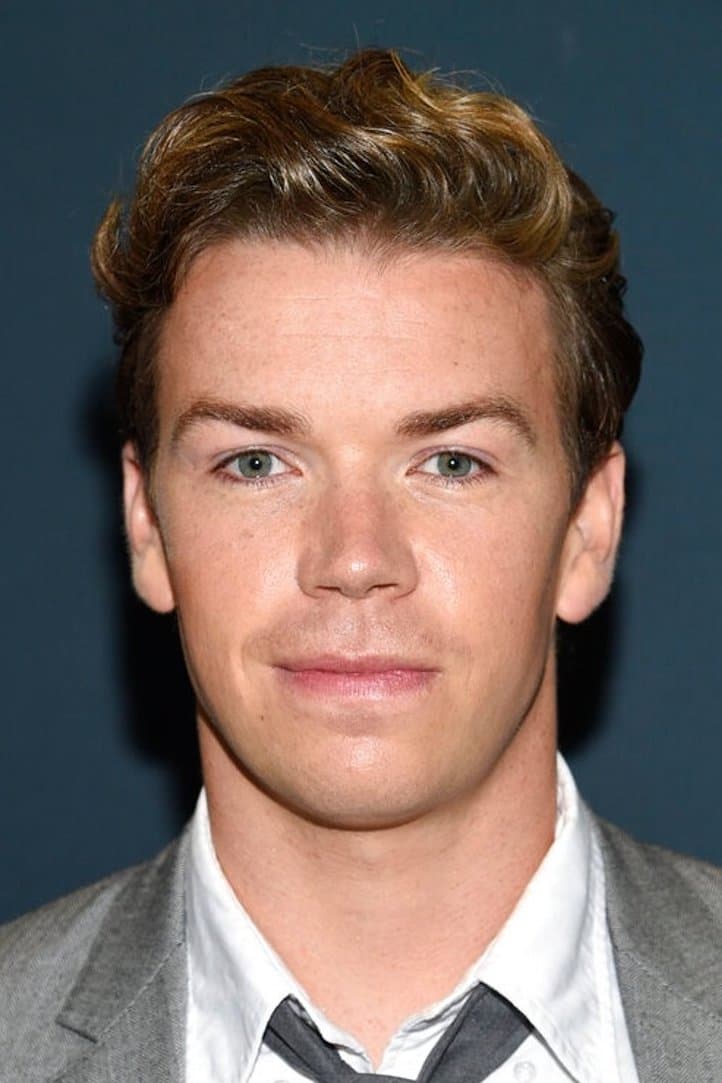
Poulter has spoken out about the potential for ‘method acting’ to be misused as an excuse for unprofessional or harmful behavior on set. He believes that no acting technique should ever put the safety or well-being of anyone involved at risk. According to Poulter, thorough preparation isn’t a justification for rudeness or creating a negative atmosphere. He stresses that acting is a team effort built on respect, and that powerful performances don’t require actors to lose themselves in their roles to the point of causing distress.
David Harbour
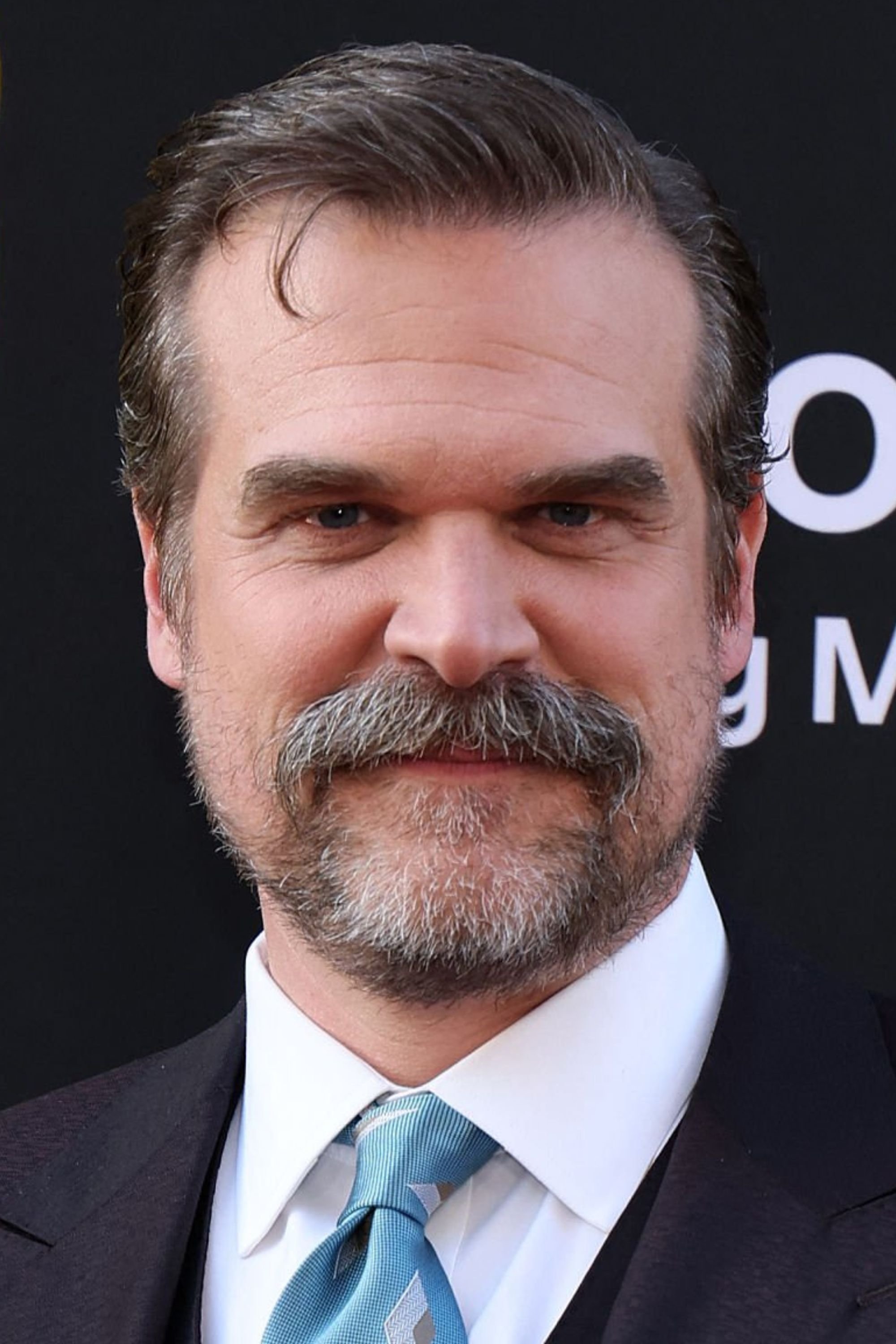
David Harbour used to experiment with method acting when he was younger, but he now considers it risky and foolish. He shared a story about almost harming a cat while preparing for a role, but thankfully stopped himself. Harbour now understands that a strong imagination is more valuable than trying to live like the character. He believes the best acting makes the audience feel the emotions, not require the actor to actually experience them. These days, he focuses on honing his technique and carefully studying the script.
Sebastian Stan
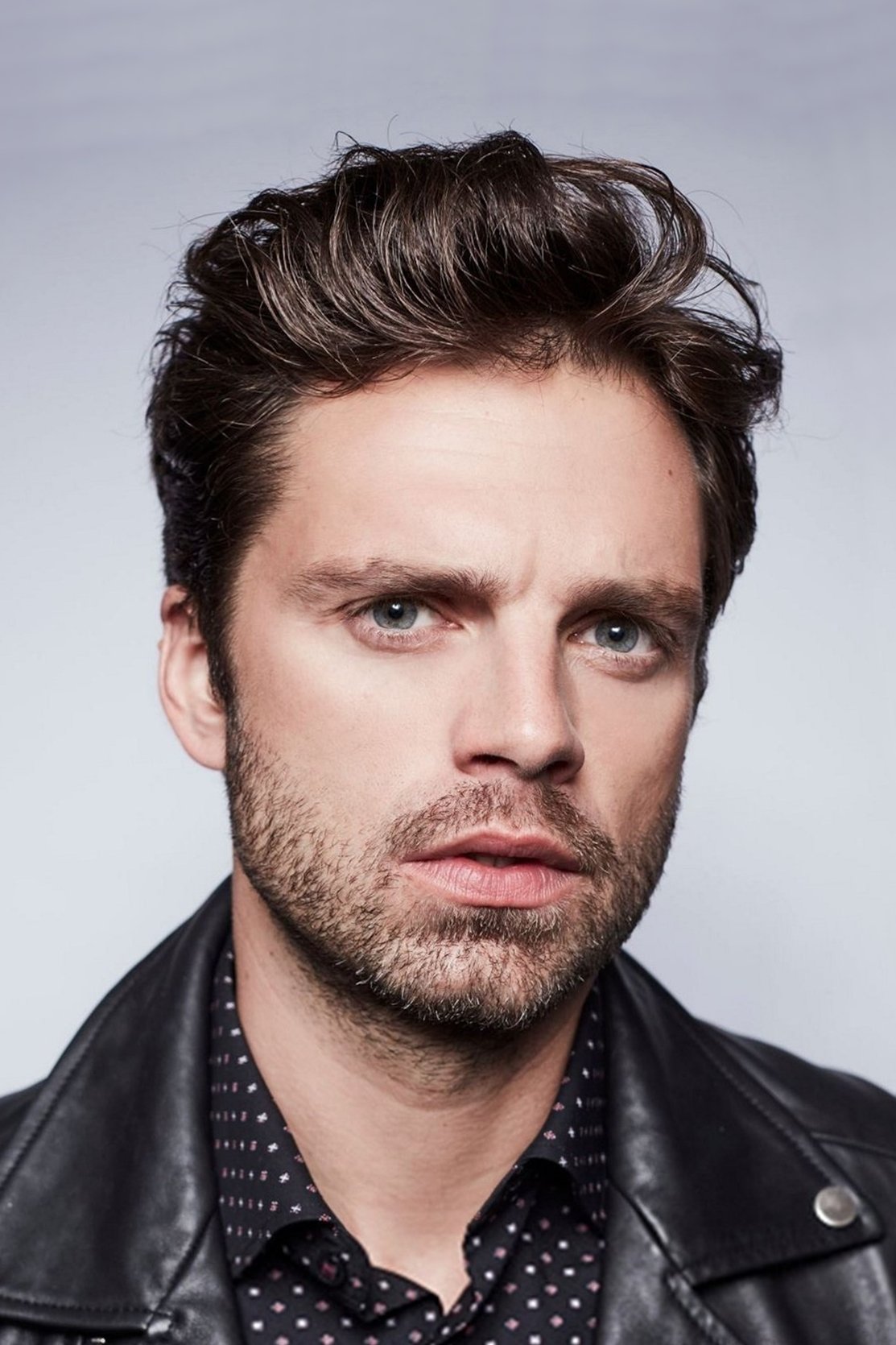
Stan doesn’t believe actors need to create turmoil to deliver authentic performances. He prefers to keep a professional boundary between himself and his characters to protect his well-being. While he values thorough preparation, he thinks it shouldn’t disrupt the practical side of making a film. Stan feels that strong trust between actors is more helpful than each actor getting completely lost in their role. He finds it works better to focus on the script and collaborate with his fellow performers.
Liam Neeson
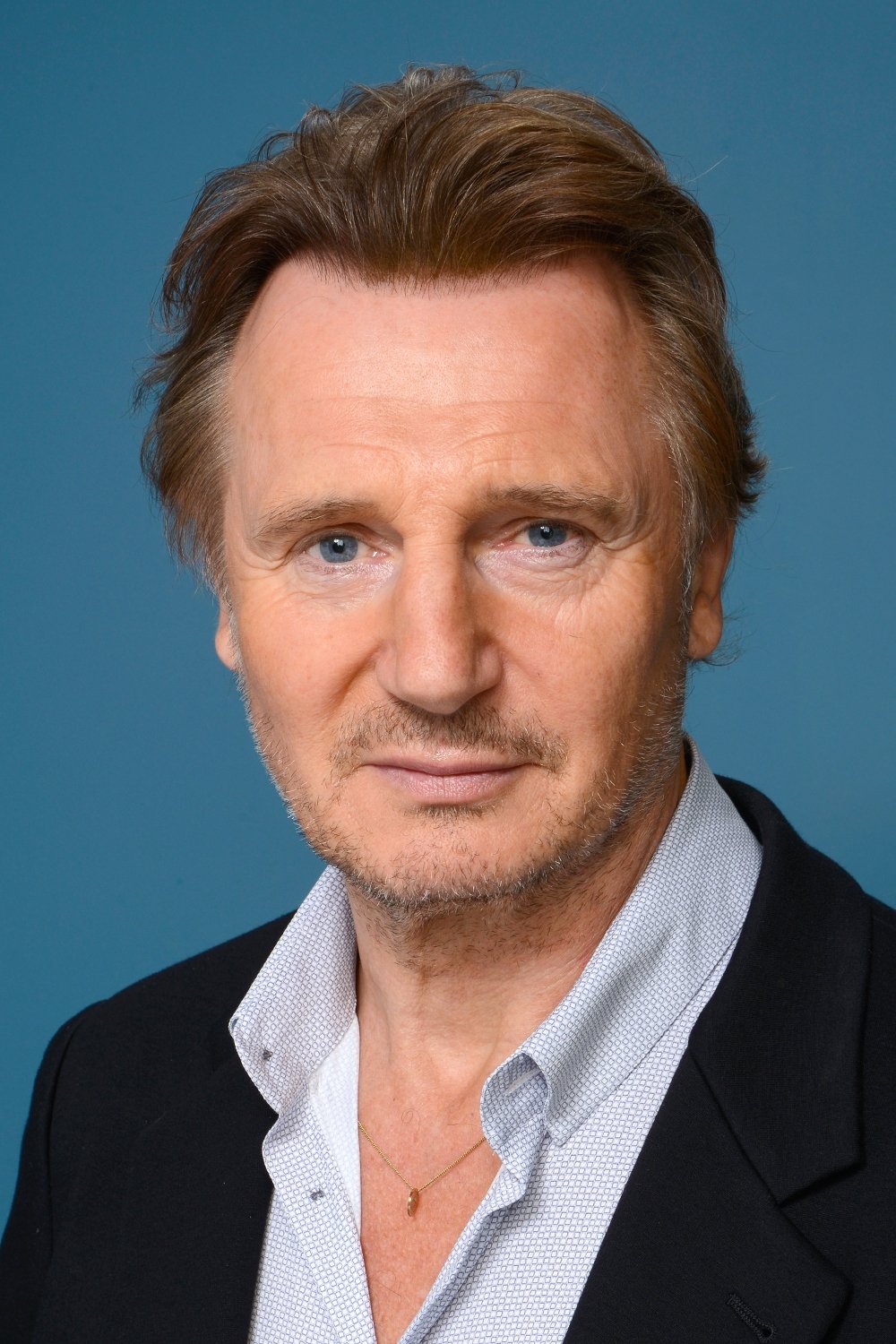
Liam Neeson sees acting as a skill, much like woodworking. He doesn’t feel he needs to become a character to understand why they do things. He prefers to separate himself from the role as soon as filming stops, going back to his own life. While he thinks remembering past emotions can be helpful, Neeson believes imagination is more important. He focuses on what’s written in the script and the specifics of each scene.
Hugh Grant
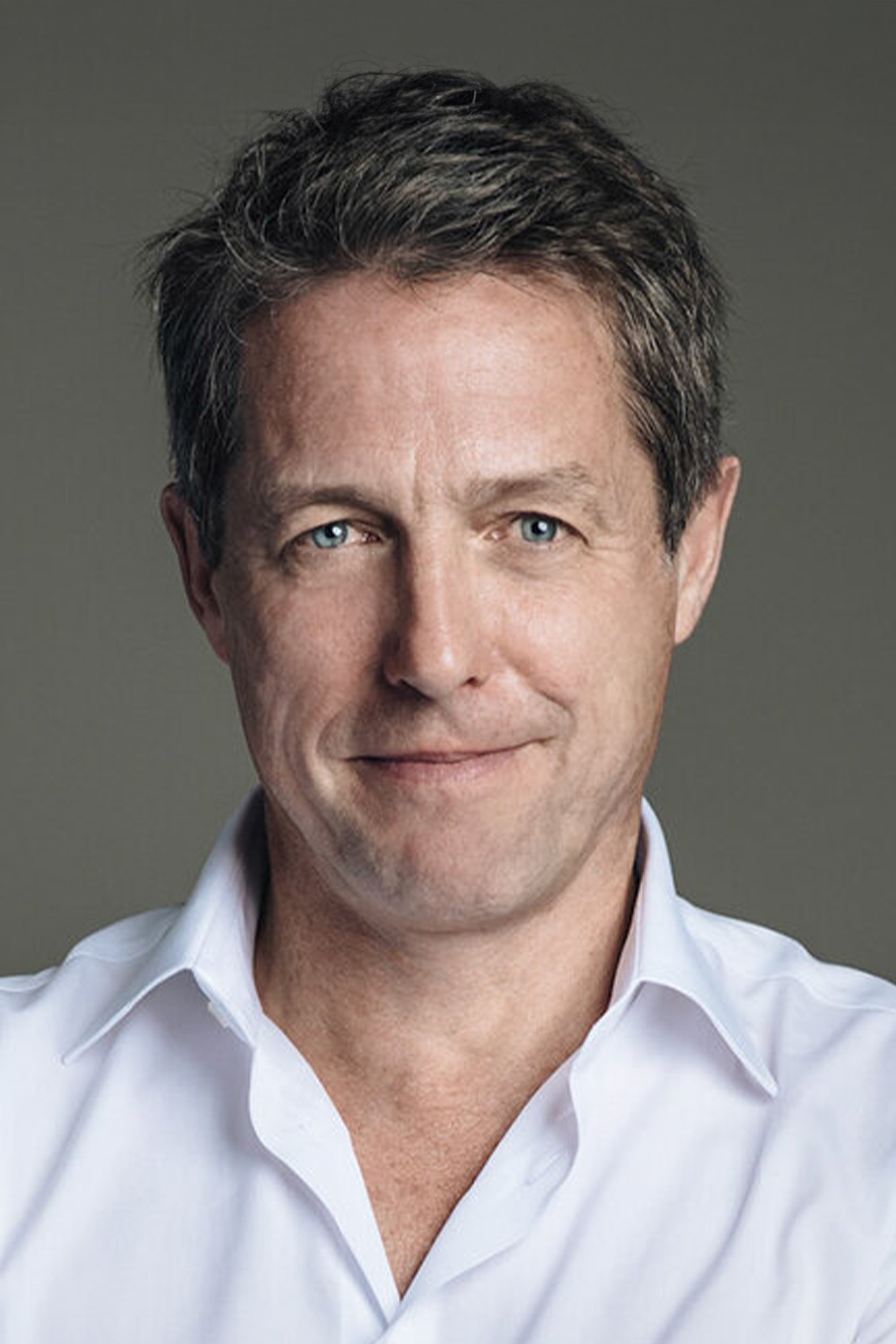
Hugh Grant is known for his precise technique and doesn’t take acting too seriously. He focuses on delivering lines accurately – hitting his marks and getting the timing and tone just right. He’s famously made light of not being a dramatically versatile actor, and doesn’t believe in needing to deeply inhabit a role. Grant thinks that charisma and skill are often more valuable than intense emotional preparation, and sees acting as a well-paid profession that demands discipline, not necessarily total immersion.
John Malkovich
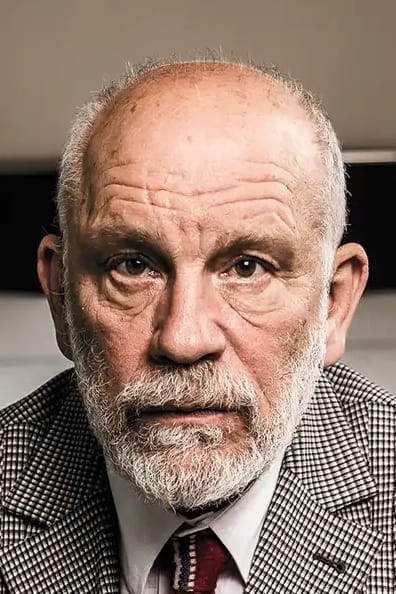
Malkovich is well-known for saying he doesn’t use method acting and isn’t quite sure what it even is. He creates compelling characters through his distinctive voice and stage presence. He believes a script gives an actor everything they need, and he likes to remain himself when not performing. For Malkovich, a character is something created for the role, not a person he tries to become.
Mark Strong
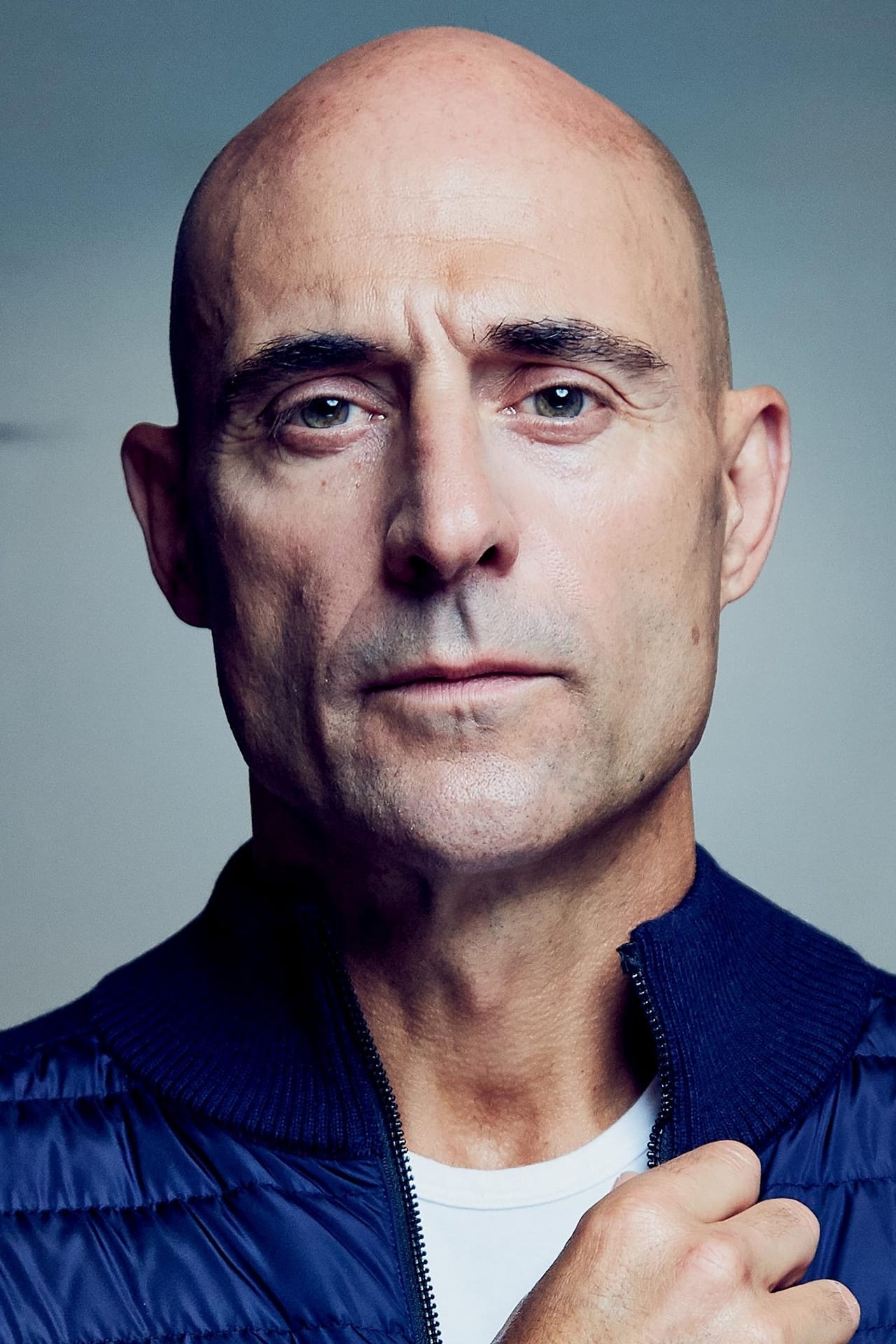
Jeremy Strong believes a skilled actor can easily switch into and out of character. He thinks it’s draining for both him and the crew if an actor stays ‘in character’ constantly between filming scenes. Strong prefers to be relaxed and joke around with the crew when the cameras aren’t rolling, believing this helps him conserve energy for his performance. He feels that constantly staying in character can make it difficult to connect with people on set.
Cillian Murphy
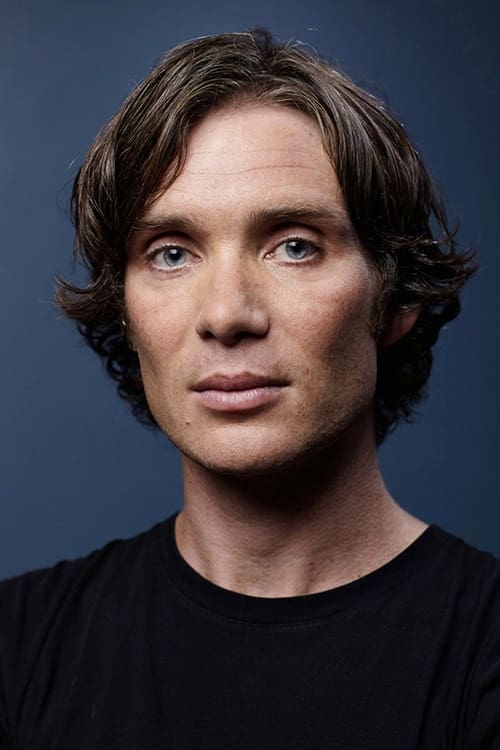
While Eddie Murphy is known for his powerful acting, he doesn’t like being called a ‘method actor.’ He’s said that staying in character all the time can be difficult for those around him. Murphy prefers to save his energy for when the cameras are actually rolling, believing thorough preparation is important, but fully becoming the character isn’t. He feels it’s the audience’s job to connect with the character, not his job to live like them.
Ralph Fiennes
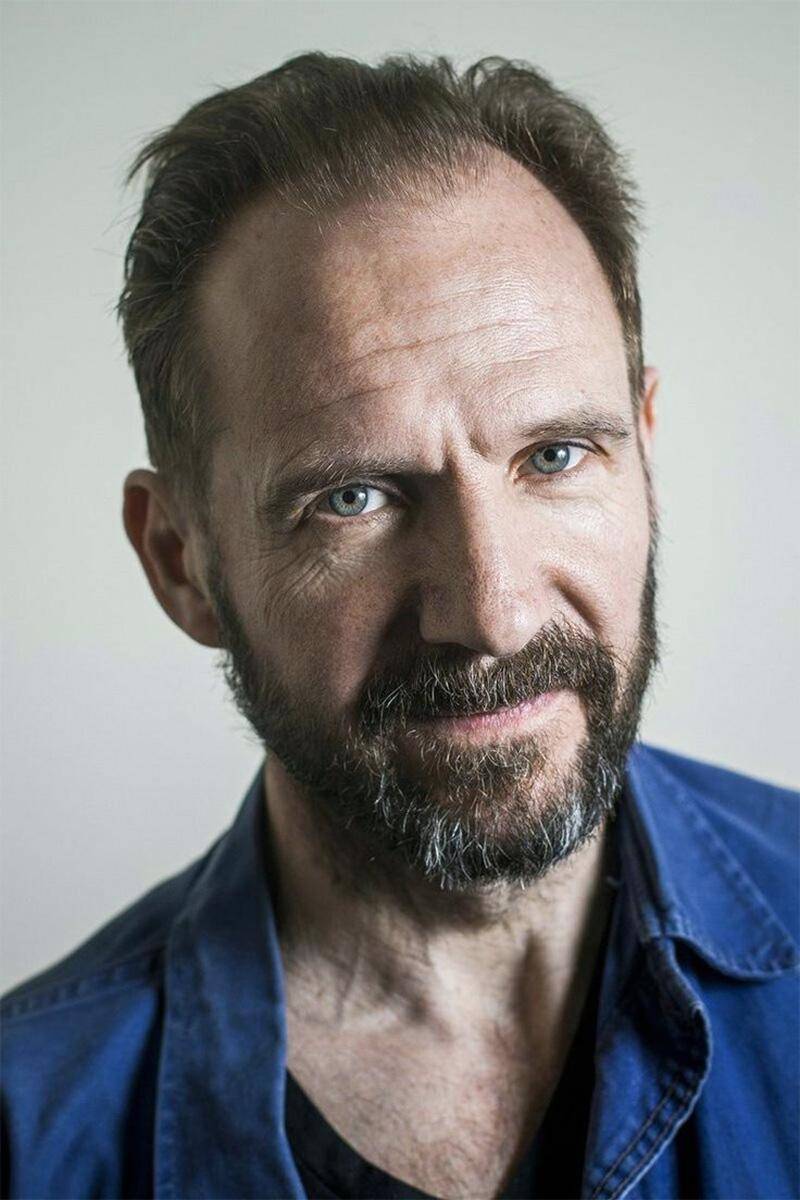
Ralph Fiennes is a highly trained actor who deliberately separates himself from the characters he plays. He doesn’t aim to become the character, but to portray them skillfully. Fiennes builds his performances using his intelligence and creativity, and believes that completely immersing oneself in a role isn’t needed to tell a story honestly. He favors a controlled and precise acting method that gives him both flexibility and command over his performance.
Ian McKellen
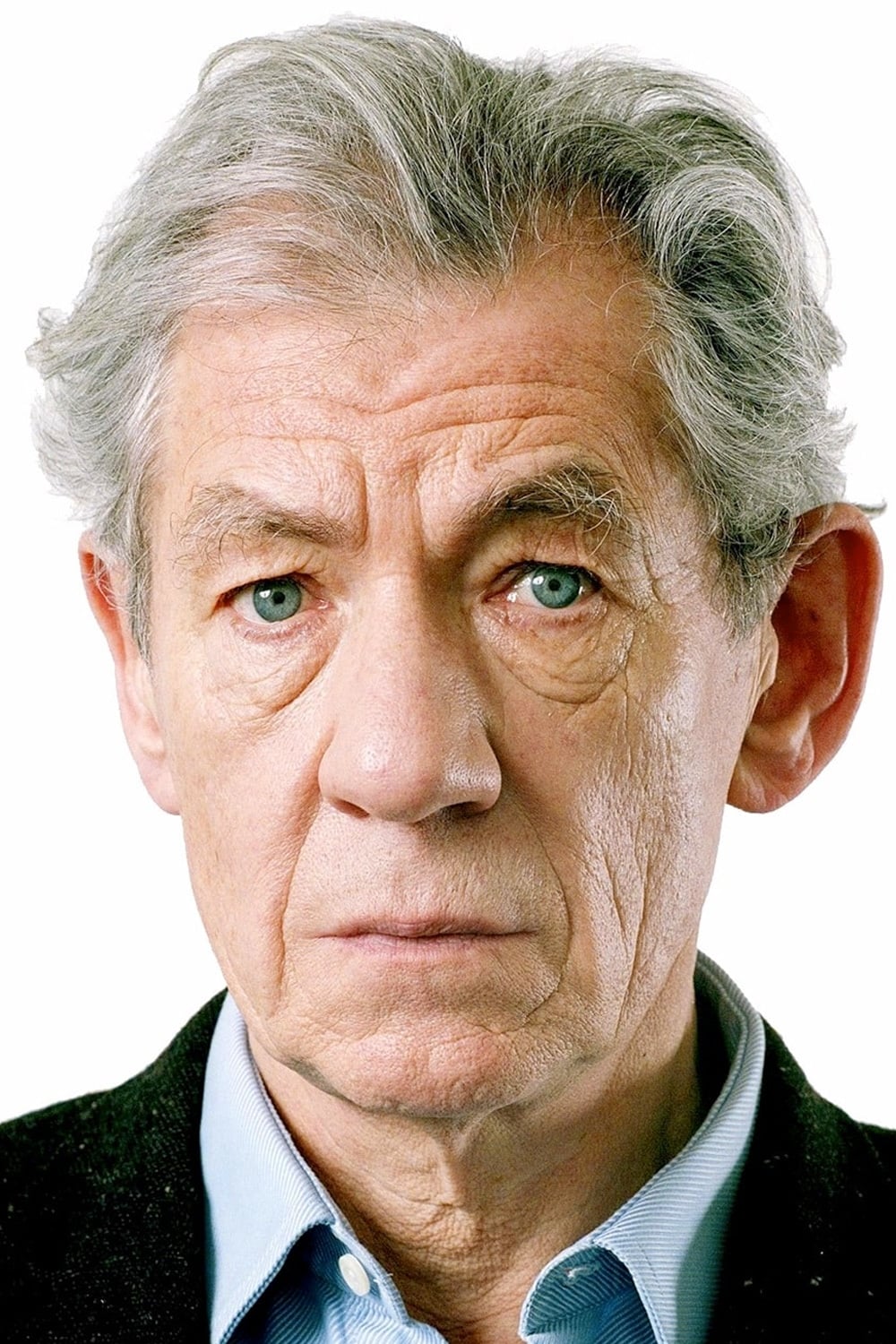
Sir Ian McKellen once jokingly described his acting method on the show ‘Extras’ as just pretending to be the character. But this actually reveals his core belief: imagination is more important than fully becoming the role. The renowned actor focuses on understanding the script and using his voice to connect with the audience. He emphasizes that actors should remain in control of their performance and see the theatre as a platform for sharing a story, not for working through personal issues.
Spencer Tracy
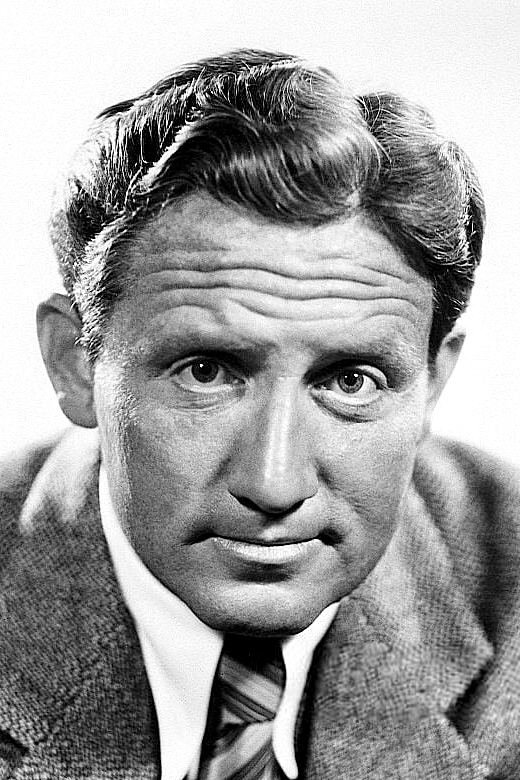
I’ve always admired Spencer Tracy. He was a pioneer, really, in making acting seem natural and real, but without getting overly technical. His advice to us aspiring actors was brilliantly simple: know your lines and don’t trip! He truly believed that listening – really connecting with the other actors – was the most important thing. He wasn’t a fan of all the complicated acting theories that came about later. He thought the best performances came from being honest and keeping things straightforward, and I couldn’t agree more. It’s about truth, and he found it in simplicity.
James Cagney
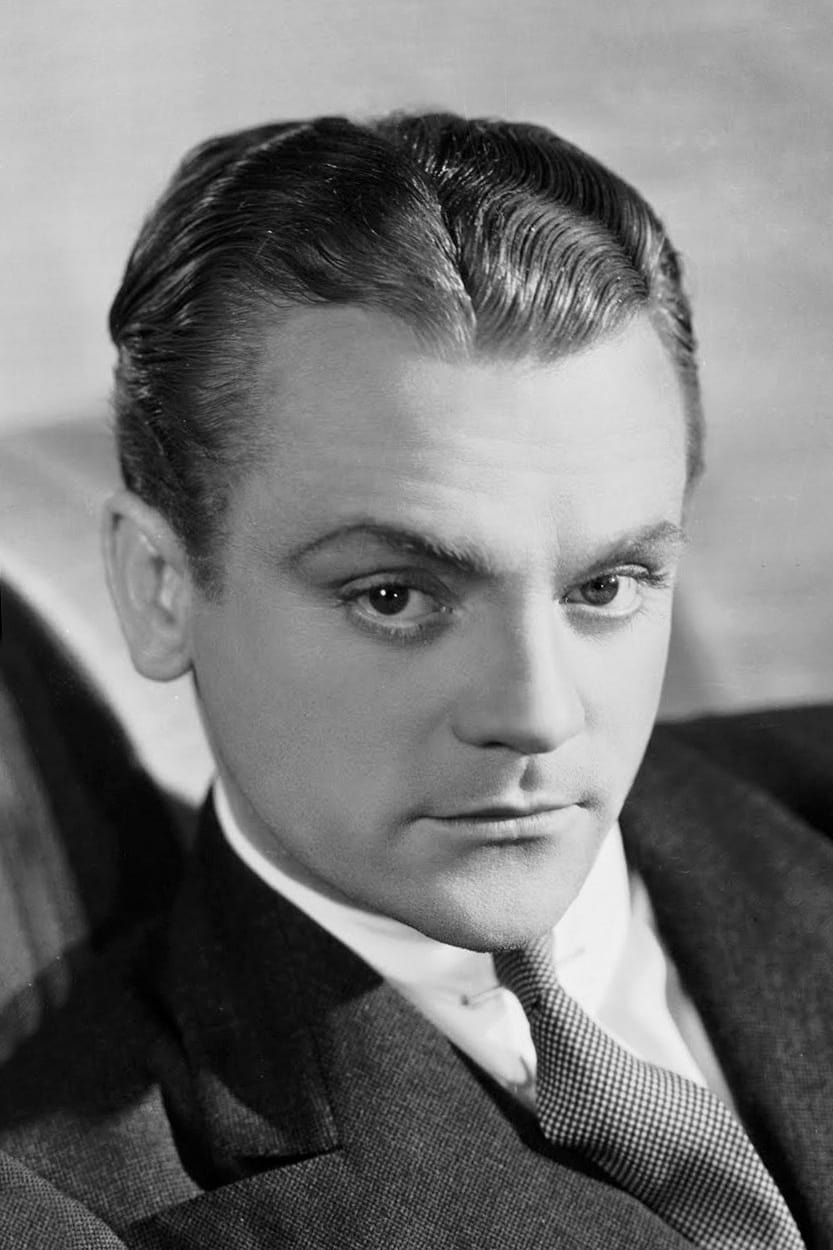
James Cagney approached acting with natural intuition and a strong sense of timing. He famously told aspiring actors to stand firm, make eye contact, and be honest in their portrayal. With roots in vaudeville, Cagney saw acting as a type of performance. He didn’t believe in drawing on personal pain to create a character; instead, he relied on his physical energy and distinctive way of speaking.
Michael Douglas
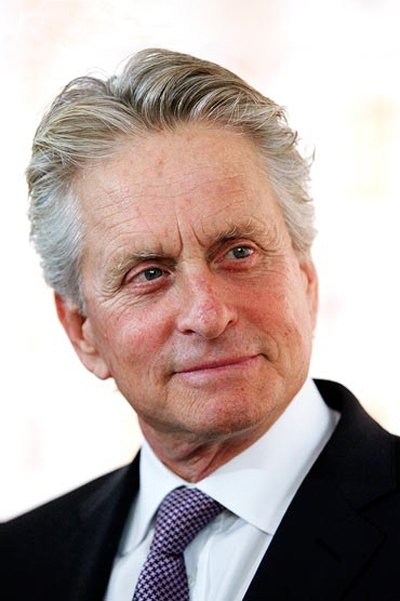
Douglas brings a practical, business-like approach to acting, prioritizing efficiency and professionalism on set. He sees himself as a reliable component of a larger filmmaking team. He’s known for leaving his work at work, and focuses on the script and the director’s guidance when creating a performance. Douglas isn’t a fan of ‘method acting,’ as he thinks it can get in the way of simply making a good movie.
Colin Farrell
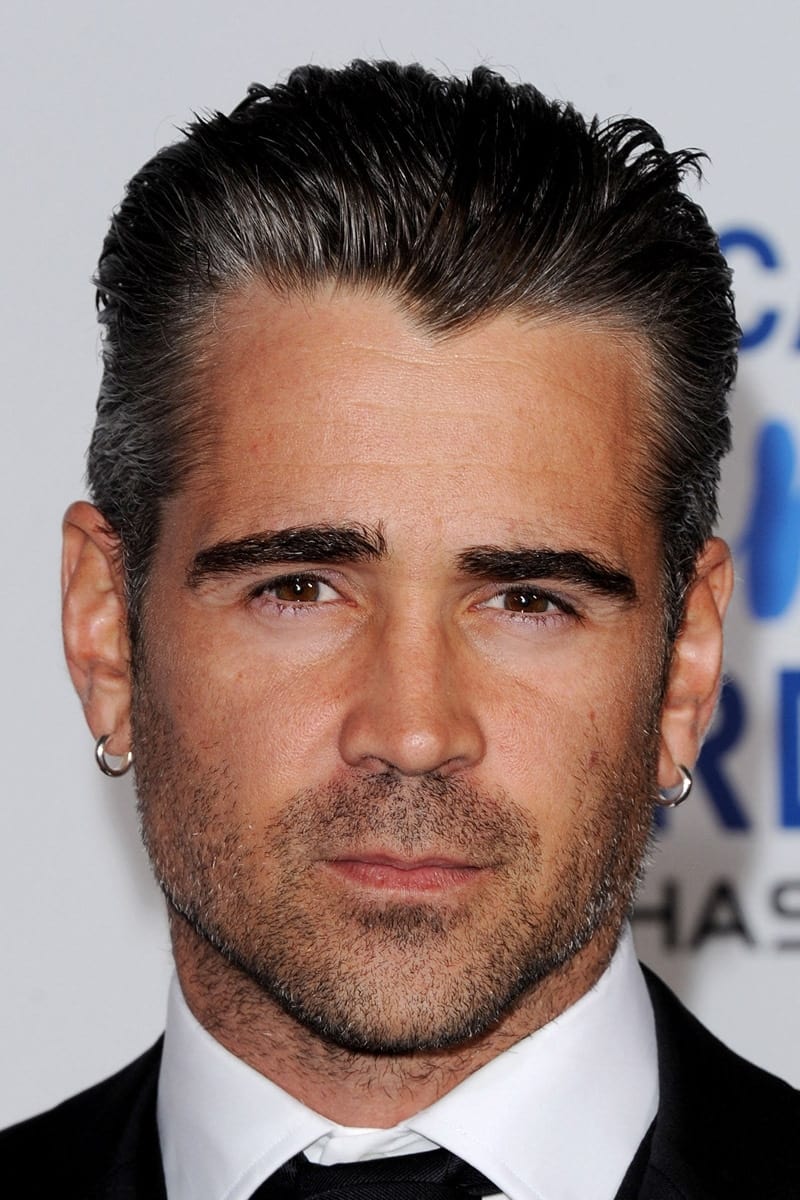
Colin Farrell tried staying completely immersed in his role for the movie ‘Tigerland,’ but it was deeply unpleasant. He soon discovered he couldn’t maintain that intense focus without feeling overwhelmed. Now, he prefers to ease into and out of a character as the scene requires. Farrell feels that protecting his mental well-being actually makes him a better actor, and he now relies on his own intuition more than strict method acting techniques.
Jake Gyllenhaal

Jake Gyllenhaal fully committed to his role in ‘Nightcrawler,’ but later decided that such an intense approach wasn’t sustainable. He discovered that overthinking could actually hurt his performances. Now, he prioritizes enjoying the acting process and bringing a sense of playfulness to his work. Gyllenhaal feels that letting his imagination run free gives him more creative freedom than striving for strict realism, and he aims to balance having fun on set with maintaining a commitment to quality.
Ben Kingsley
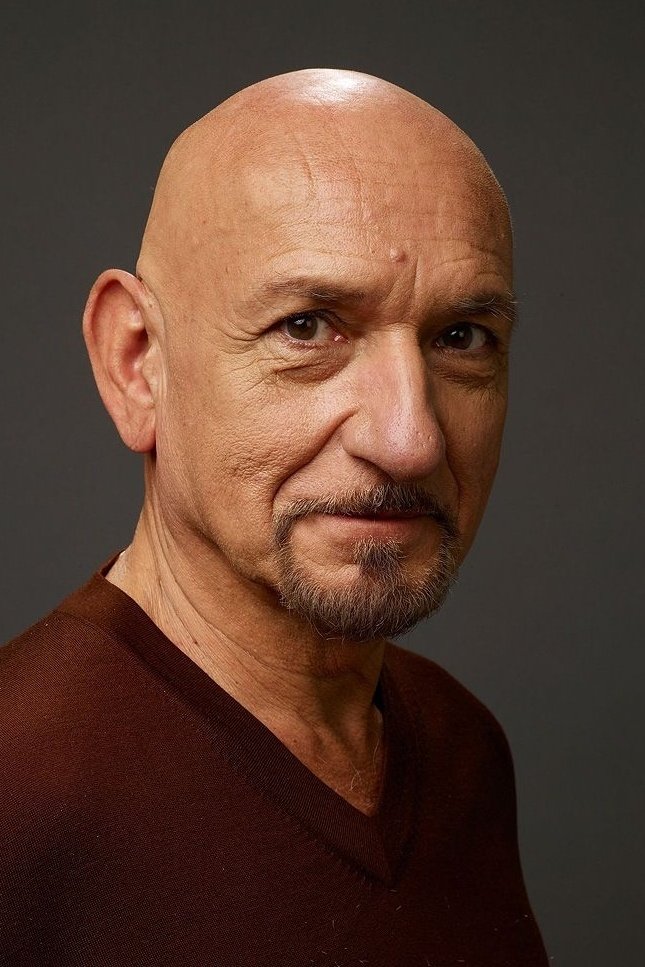
Ben Kingsley is a skilled actor known for physically transforming himself for roles, like shaving his head and losing weight for ‘Gandhi.’ However, he focuses on mastering the technical aspects of a character rather than fully becoming them. Kingsley believes the character lives within the script and is brought to life through costumes and appearances. He prefers to remain professional on set and doesn’t ask the crew to call him by his character’s name, trusting that these external elements will help him connect with the character’s inner life.
Gary Oldman
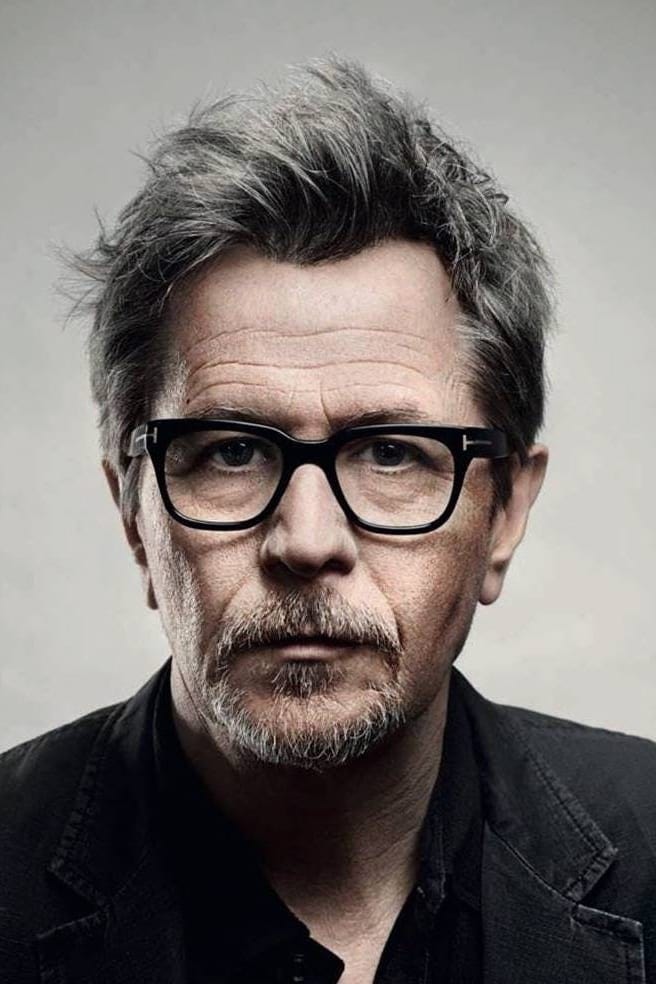
Gary Oldman is famous for completely transforming himself to play different characters, but he doesn’t like being called a ‘method actor.’ He explains acting as a straightforward process of finding the right approach, rather than an emotionally draining experience. Oldman doesn’t believe in suffering for his art or staying in character off-screen. Instead, he focuses on things like voice work and physical habits to create believable roles, always remembering that he is acting.
Willem Dafoe
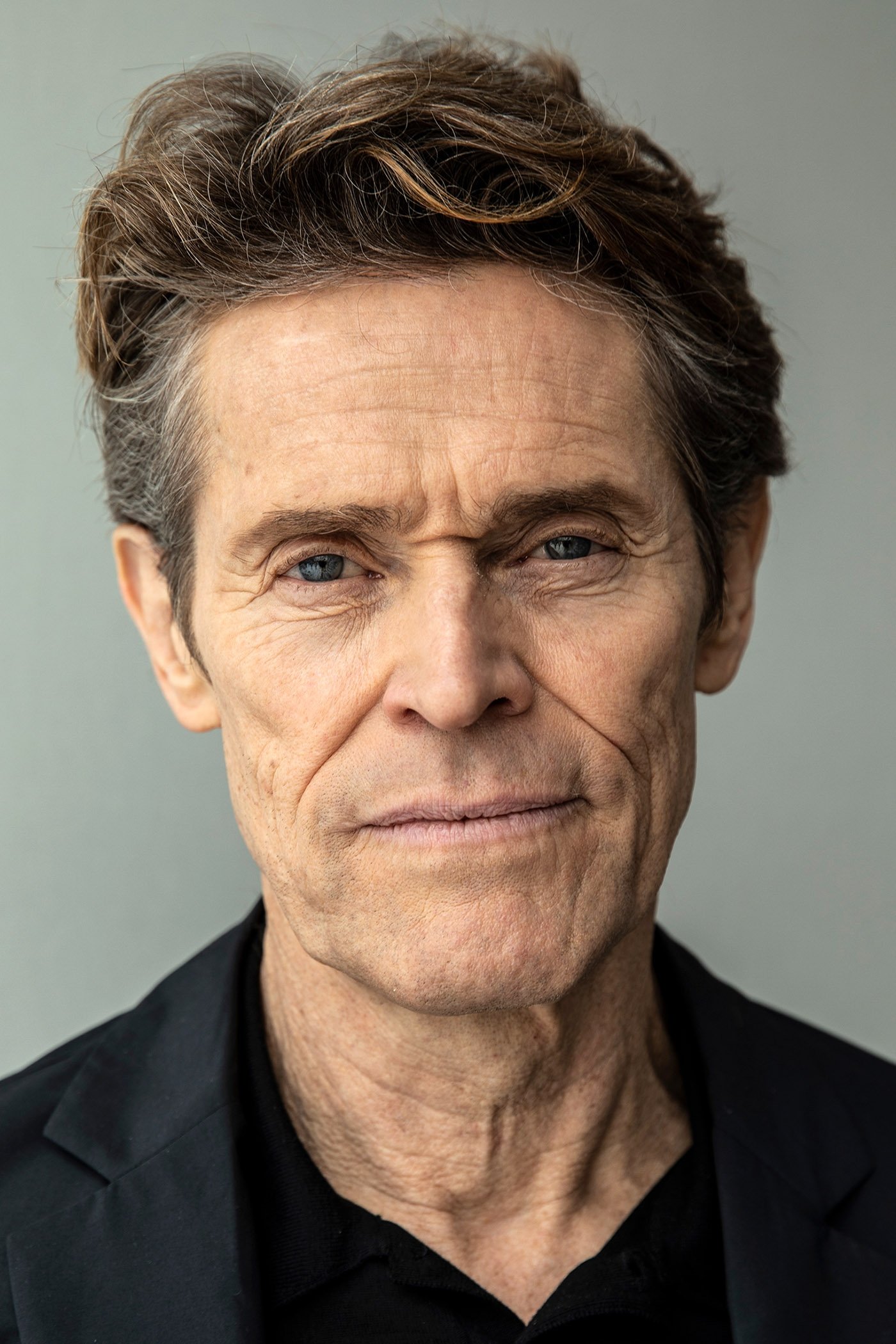
Willem Dafoe trained in experimental theater and doesn’t rely on overly emotional acting techniques. He believes what a character does in a scene should drive their feelings. Dafoe prefers to concentrate on the practical actions his character performs, rather than trying to feel what the character feels. He sees acting as a physically demanding skill that requires adaptability, and he doesn’t think actors should try to become the person they’re playing, as that can actually restrict their performance.
Harrison Ford
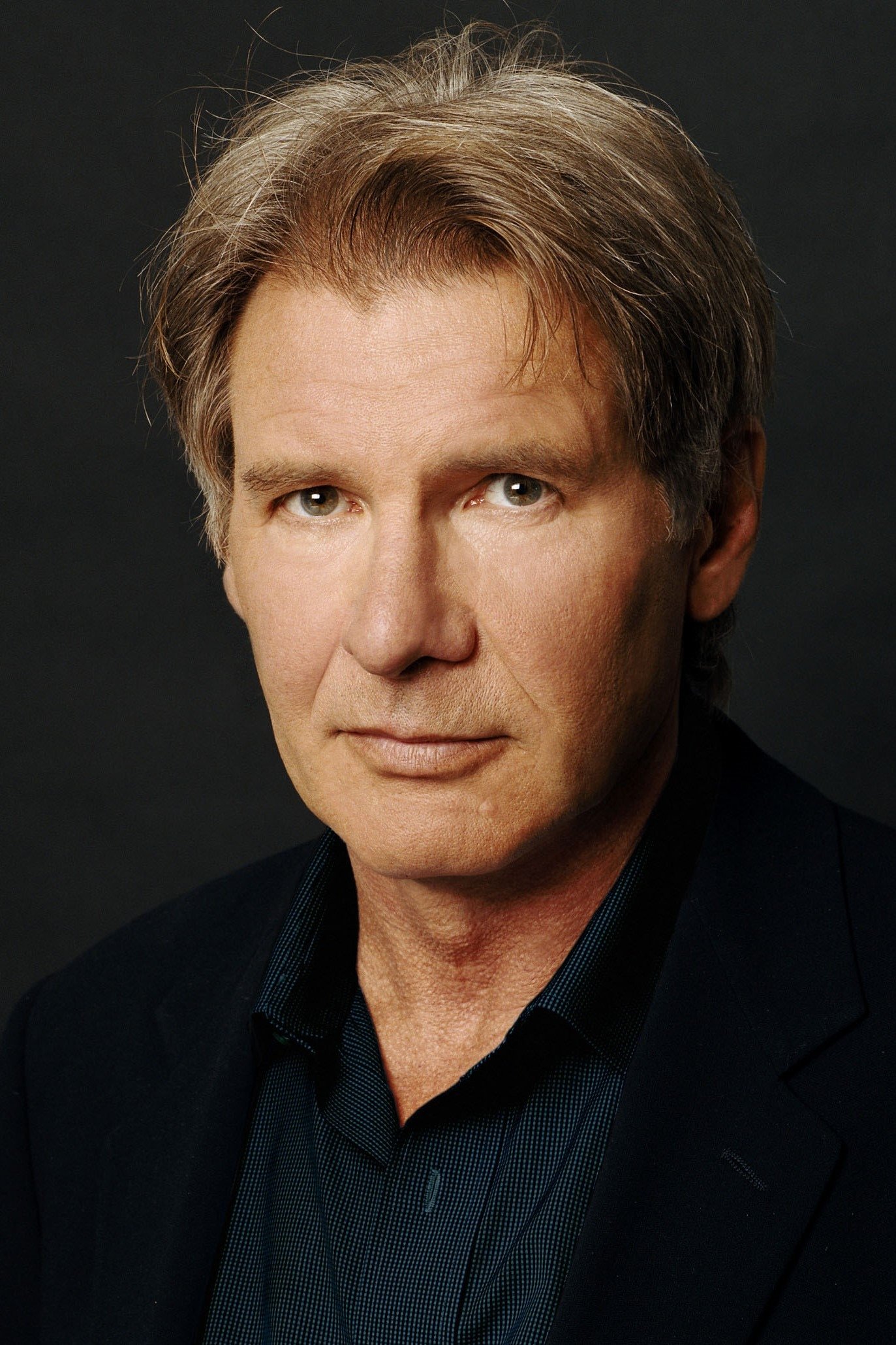
Harrison Ford views acting as a profession he excels at, focusing on the practical side rather than delving into its deeper meanings. He relies on his inherent charm and understanding of how a camera works. Ford sees his role as supporting the story and the director’s vision, and he’s known for wanting to shorten lines if he can communicate the same message through facial expressions.
Morgan Freeman
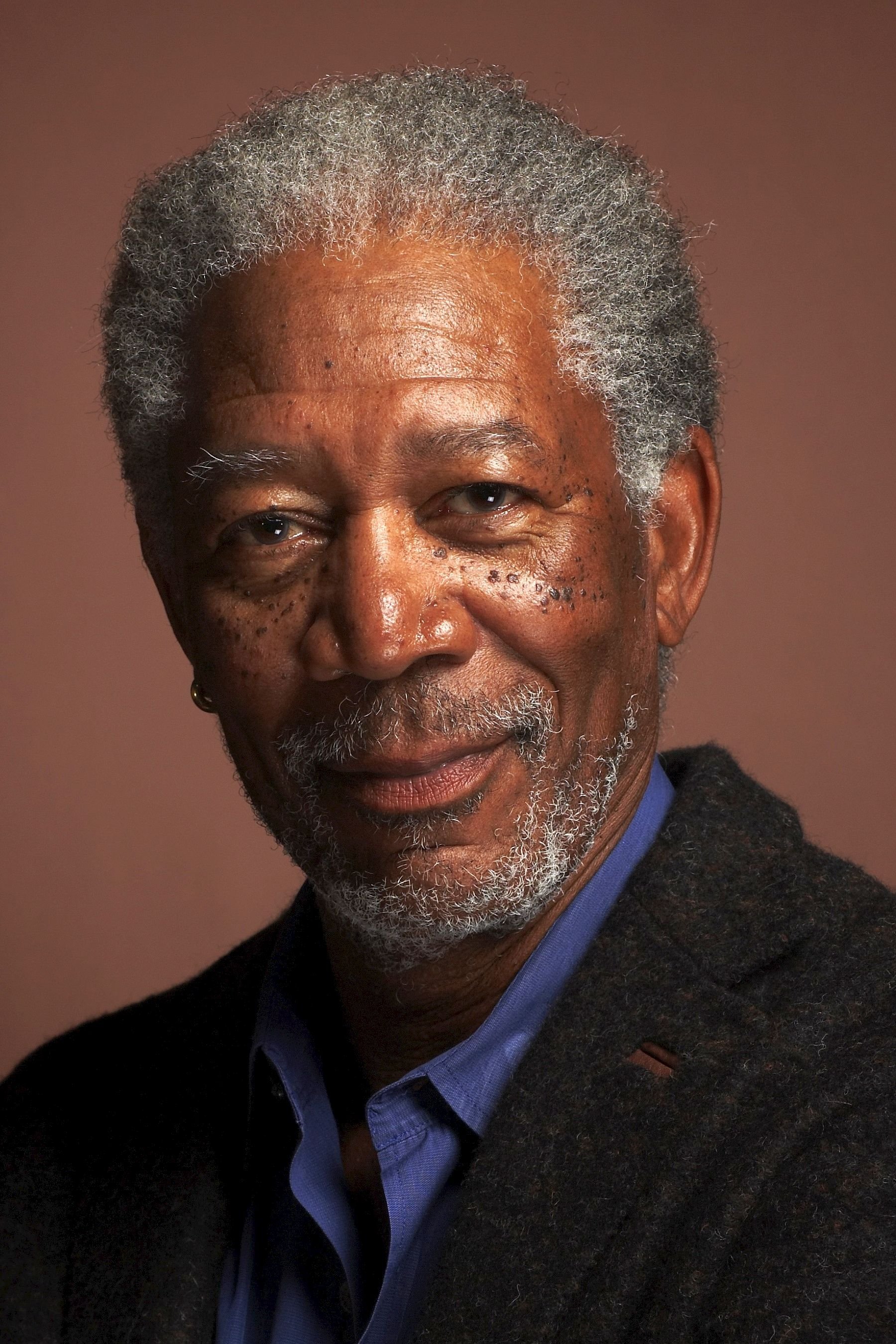
Morgan Freeman is celebrated for his calm, commanding presence and ability to convey deep feelings effortlessly. He famously doesn’t feel the need to do extensive research or fully immerse himself in a role to understand a character. Instead, he trusts the script and his own instincts, believing that everything he needs is already written there. He likes to keep his acting process straightforward and focused.
Michael Caine
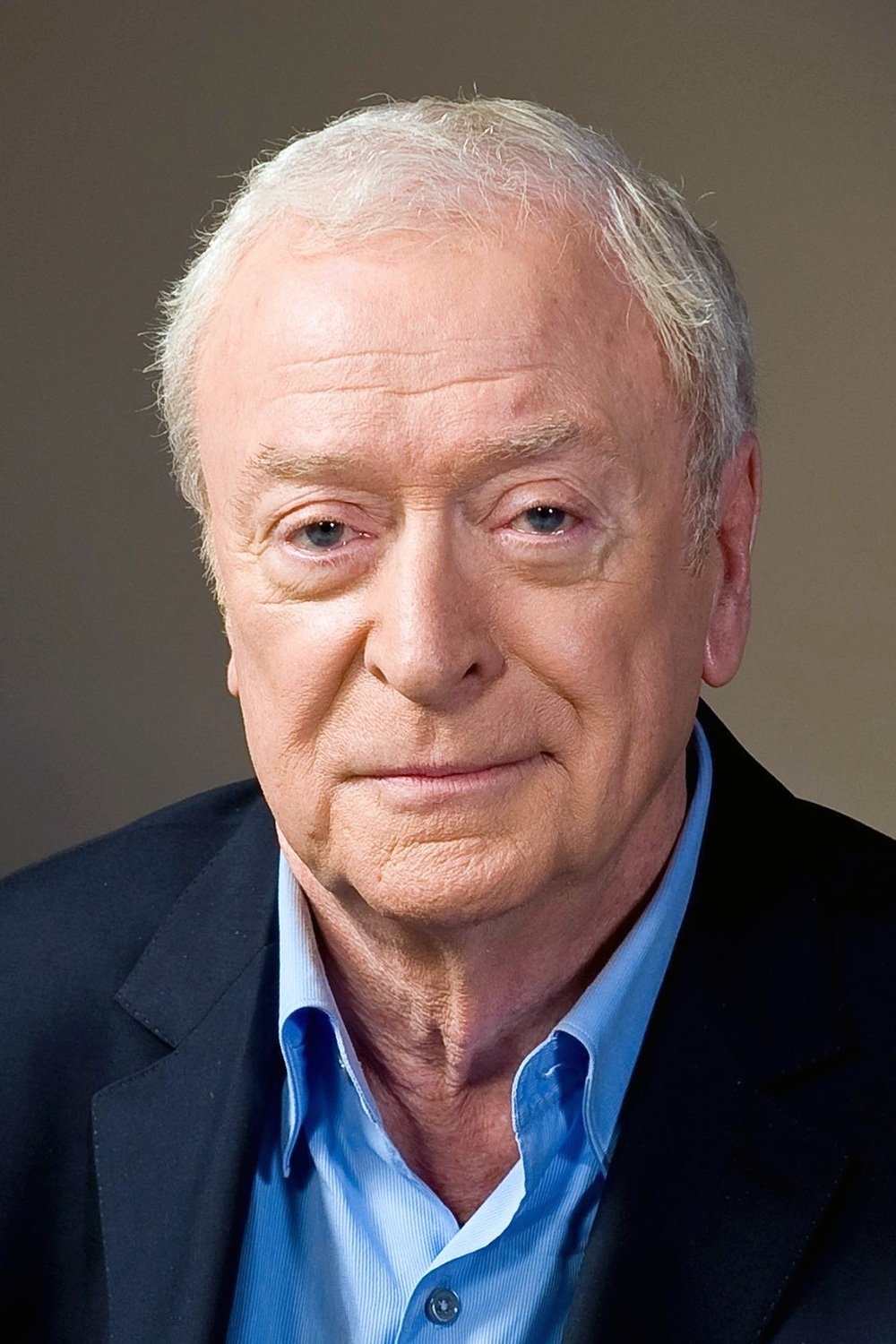
As a huge fan, I’ve always admired Michael Caine’s approach to acting. He’s truly a craftsman, and he’s shared so much of his technique in his books. What really strikes me is how much he focuses on the fundamentals – things like mastering your voice and even controlling your blinks! He believes, and I agree, that the real work happens in rehearsals, so when you’re on camera, it looks natural and effortless. He thinks that if you’ve really done the technical preparation, you don’t need to rely on complicated ‘method’ acting. Plus, he’s known for being incredibly professional and easy to work with – a real class act.
Christopher Plummer
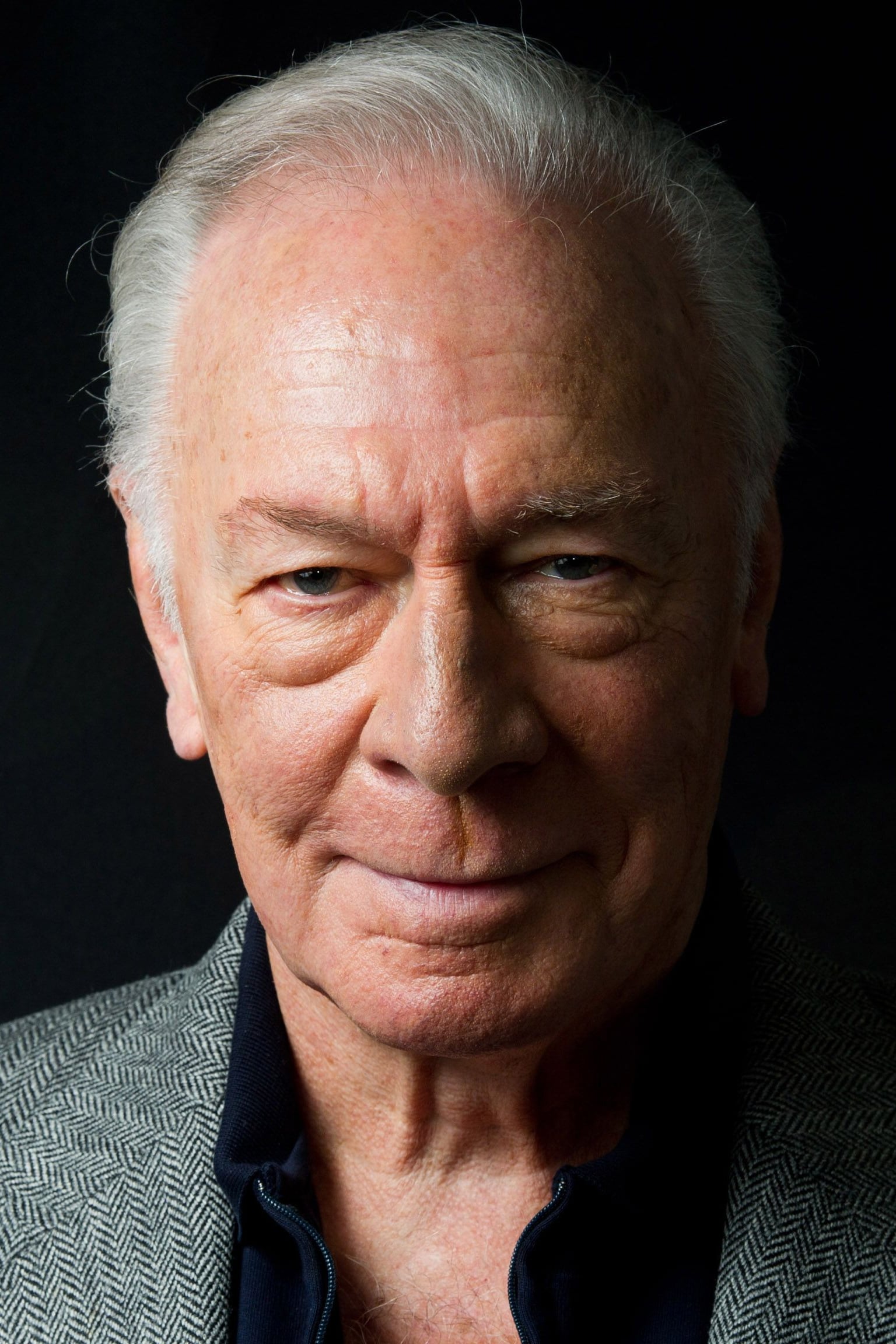
As a movie fan, I always admired Christopher Plummer’s approach to acting. He was old-school, really focused on the words and making sure you could hear them – he wasn’t a fan of mumbling or actors getting lost in their own heads and forgetting to be clear. He always said the voice was an actor’s most important tool. What I really appreciated was his belief in technique; he felt it allowed actors to deliver a consistent performance night after night. Honestly, he found a lot of ‘method’ acting a bit self-indulgent and tiresome, and I kind of get that – he just wanted to tell the story!
Patrick Stewart
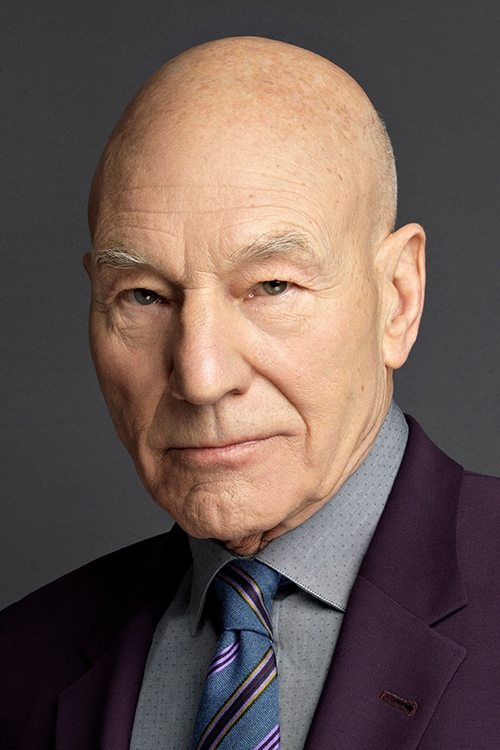
Patrick Stewart developed his acting skills with the Royal Shakespeare Company, focusing on strong and accurate vocal delivery. He believes the script itself provides everything an actor needs to create a character, and he avoids intense emotional preparation or remaining in character when not performing. Stewart sees acting as a clear act of communication, not a state of altered consciousness, and brings a sense of historical understanding and professional discipline to each role.
Jeff Bridges
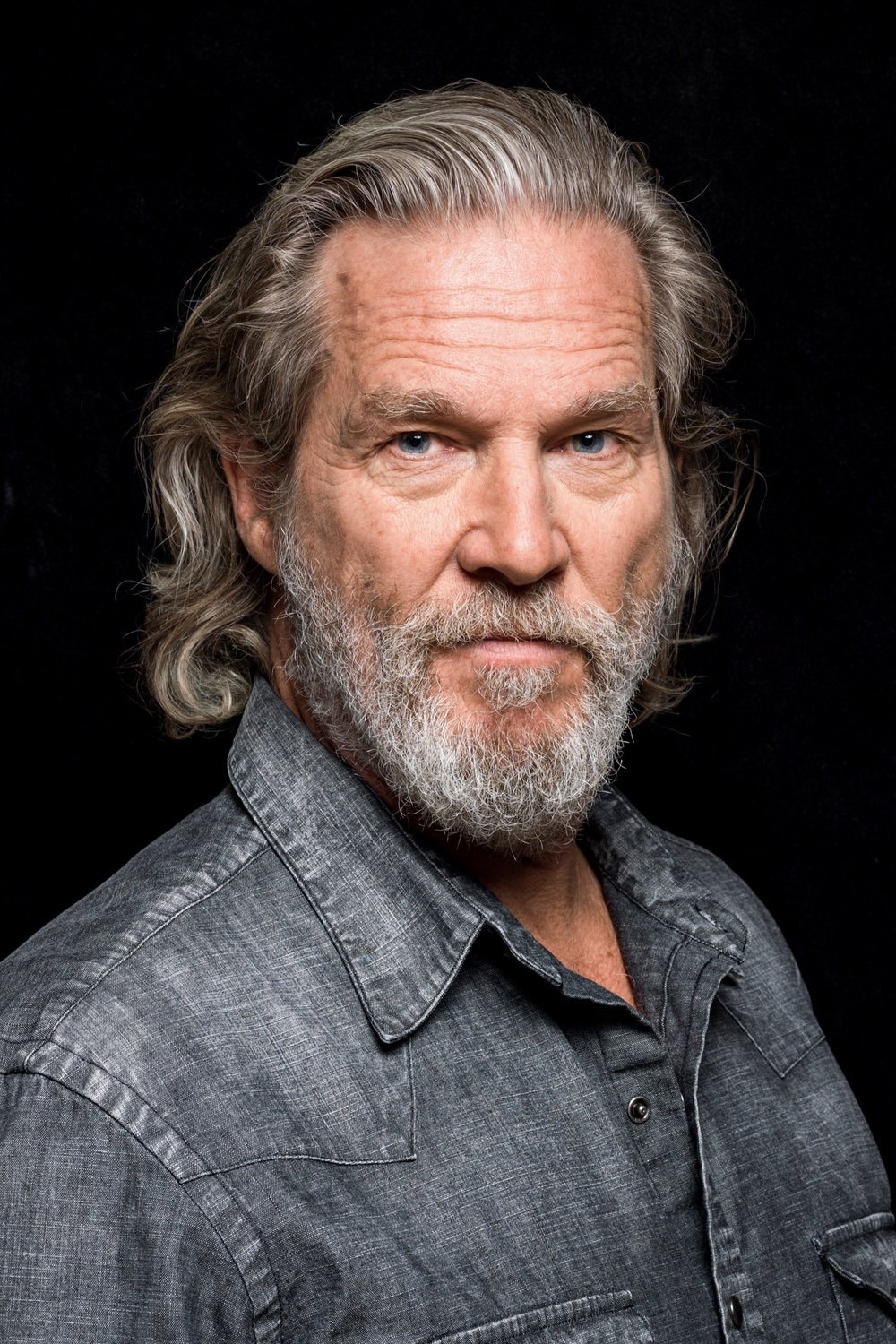
Jeff Bridges is a master of natural acting, but he approaches his craft in a surprisingly simple way. He doesn’t do ‘method’ acting, instead describing it as just…playing pretend, like when you were a kid! What really struck me is that he prioritizes a light, relaxed vibe on set. He firmly believes that tension actually kills creativity, and he trusts his gut and connection with his fellow actors to deliver authentic performances. It’s a refreshing approach, and clearly works for him!
Paul Giamatti
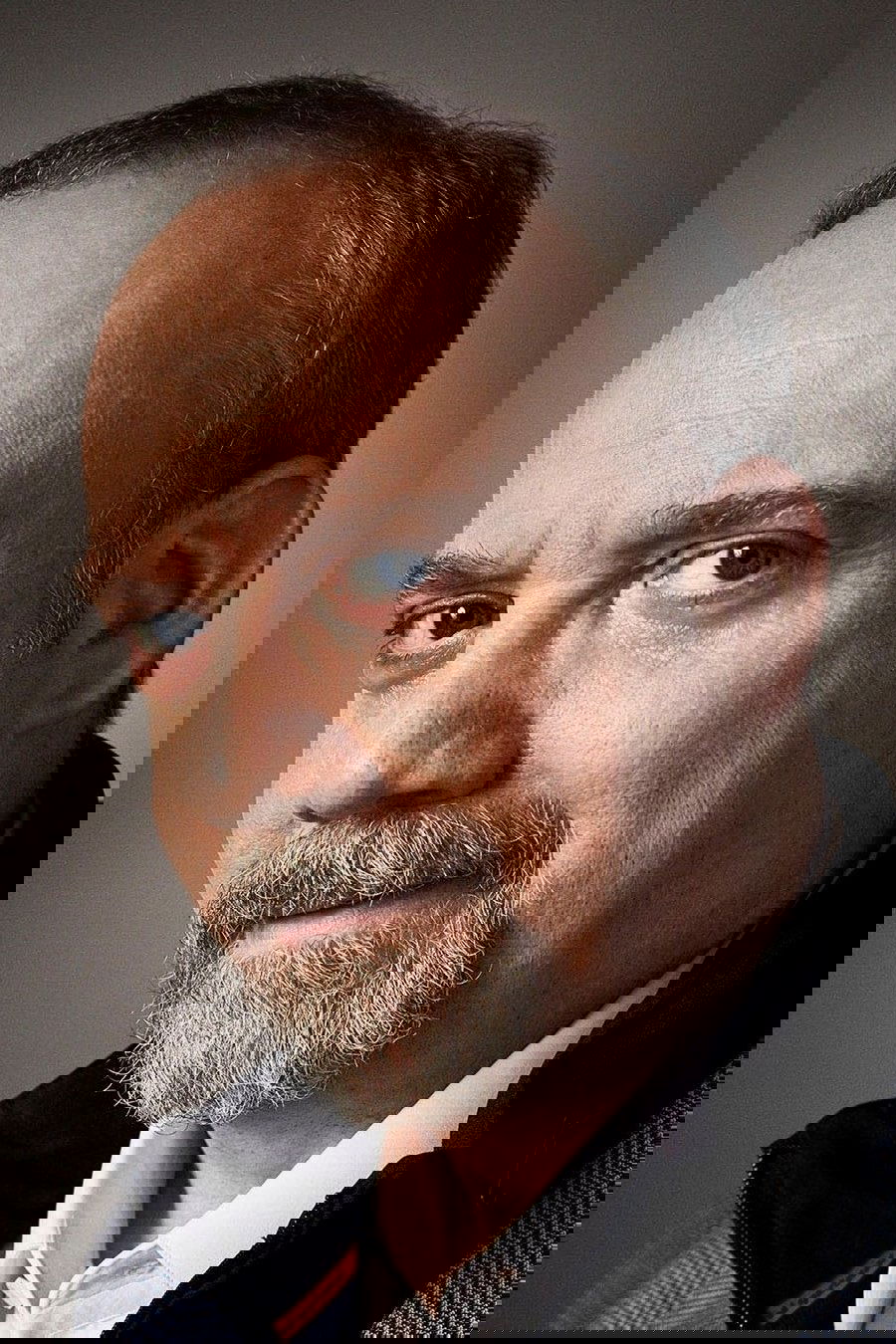
Paul Giamatti is a well-regarded actor known for his character work, and he readily admits he’s not entirely sure what ‘method acting’ truly entails. He tackles roles with thoughtfulness and a playful attitude, often finding that simply wearing the costume and speaking the lines is enough to connect with a character. Giamatti generally avoids deep psychological analysis of the people he portrays, preferring to focus on what’s happening right there in the scene.
Viggo Mortensen
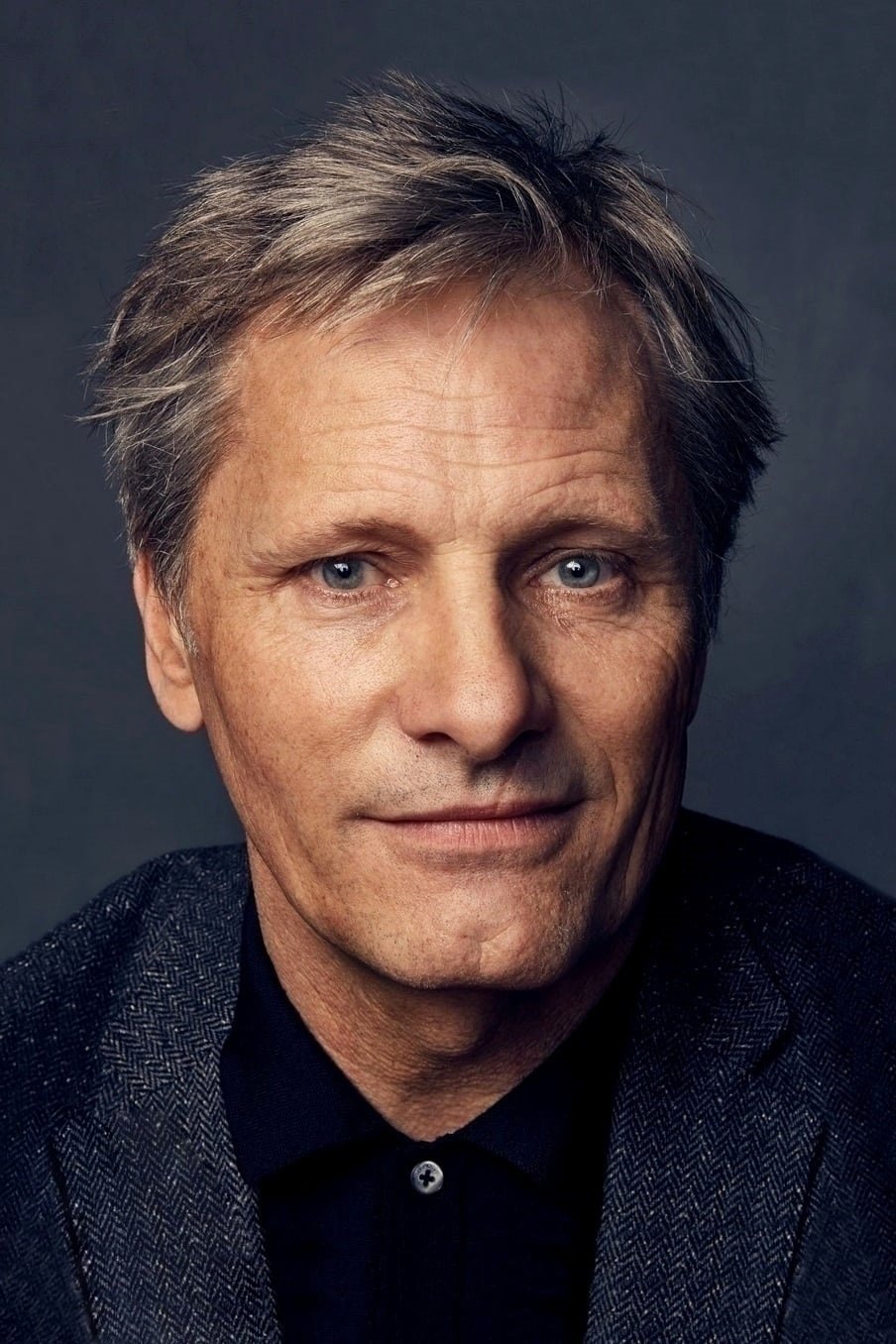
Viggo Mortensen is famous for thoroughly preparing for his roles, but he doesn’t practice what’s known as ‘method acting.’ He does a lot of research and learns any skills needed for a character, but he always remains himself on set and treats everyone with respect. He prioritizes being a supportive coworker and helping the film crew. Mortensen believes staying mindful of how a movie is made actually makes him a better actor and collaborator. He uses his preparation to inspire his performance, rather than trying to become the character.
Richard Burton

Richard Burton was known for his incredibly unique voice and brought a stage actor’s training to his film work. He believed acting was about clearly projecting your voice and taking command of the performance space. Unlike many American actors of the time who favored a more subtle, internalized style, Burton thought the words themselves were the most important part of any role. He used his intelligence and careful analysis to approach characters, rather than trying to deeply become them emotionally.
Peter O’Toole
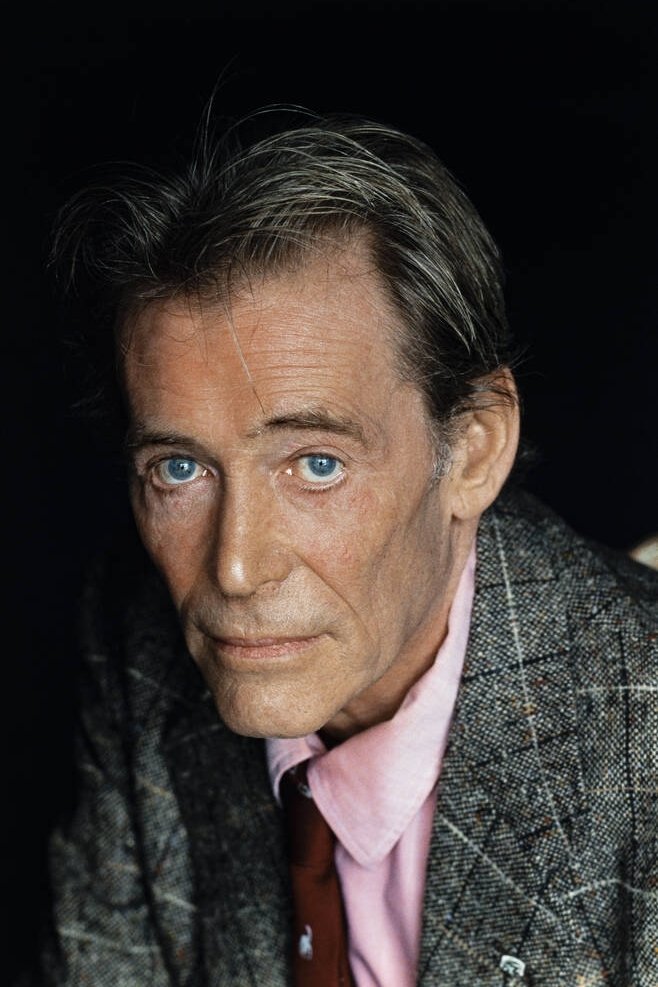
Peter O’Toole was known for his adventurous personal life, but his acting was carefully crafted and based on classic stage techniques. He disliked method acting, finding it pretentious and overly dramatic. O’Toole believed in the power of performance to create something truly special and transport audiences. He trusted his own natural charisma and skill in understanding a script, and didn’t feel he needed to suffer emotionally to portray sadness or tragedy.
Alec Guinness
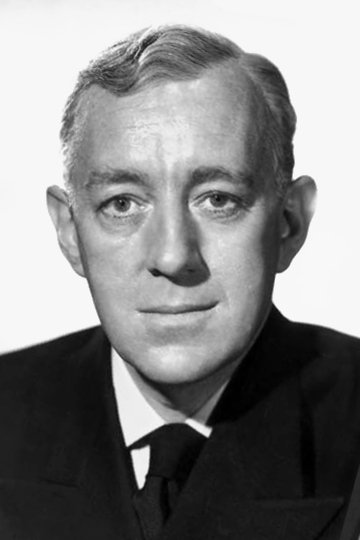
Alec Guinness was a remarkably versatile actor who could convincingly become any character without relying on traditional acting methods. He developed his roles by starting with external details – like a particular way of walking or an object the character would use – believing that these physical choices would naturally lead to genuine emotion. On set, Guinness was known for being polite and reserved. He was somewhat puzzled by the American emphasis on exploring an actor’s inner feelings to reach a truthful performance.
Humphrey Bogart
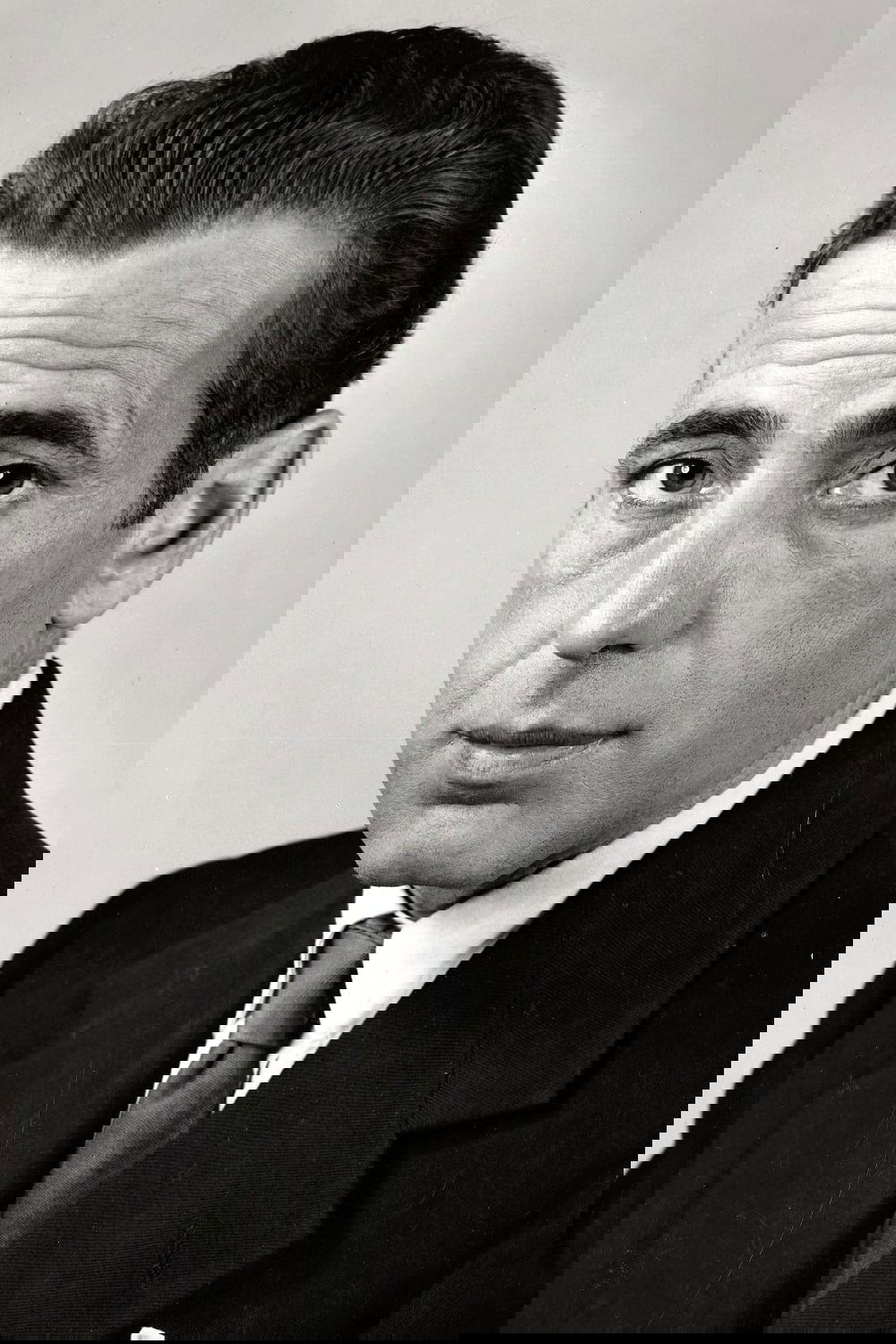
Humphrey Bogart became famous for playing cool, collected characters, but he was a dedicated and diligent actor. He didn’t embrace the methods taught by the Actor’s Studio, which became popular later in his career. Bogart believed in the basics: being punctual and memorizing his lines. He saw his role as a professional – to give the director what they needed, using his natural charisma and distinctive style rather than trying to radically change himself for a part.
Robert Redford
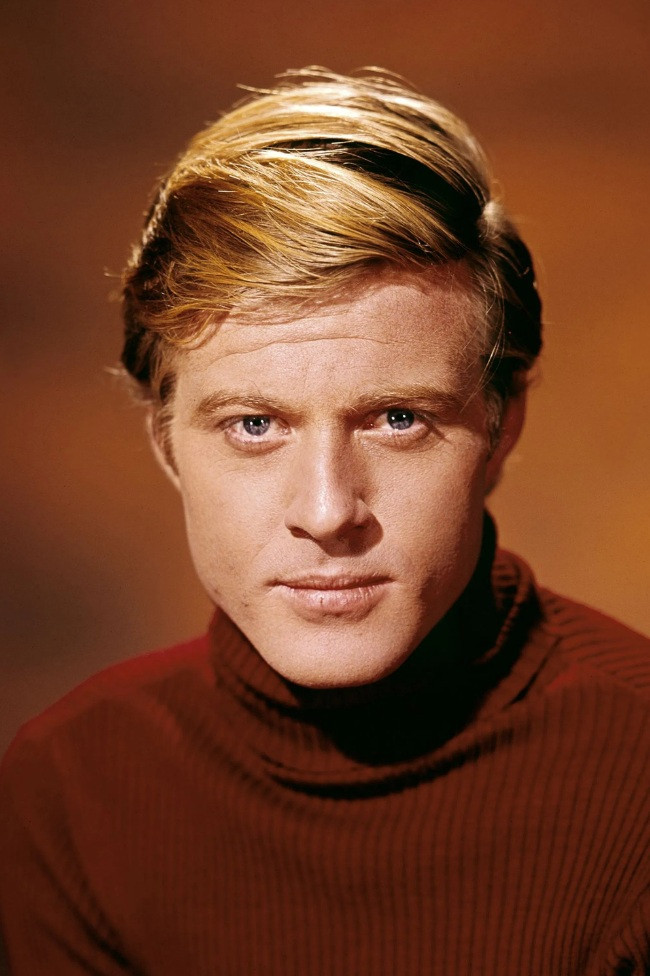
Robert Redford is a technically skilled actor with a deep understanding of how movies are made. He’s known for a restrained acting style, believing that subtle performances are more effective on camera. Instead of dramatic displays of emotion, he focuses on nuance and really listening to other actors. He’s wary of overly emotional or ‘method’ acting, preferring a natural and seemingly spontaneous approach that looks effortless.
Gene Hackman
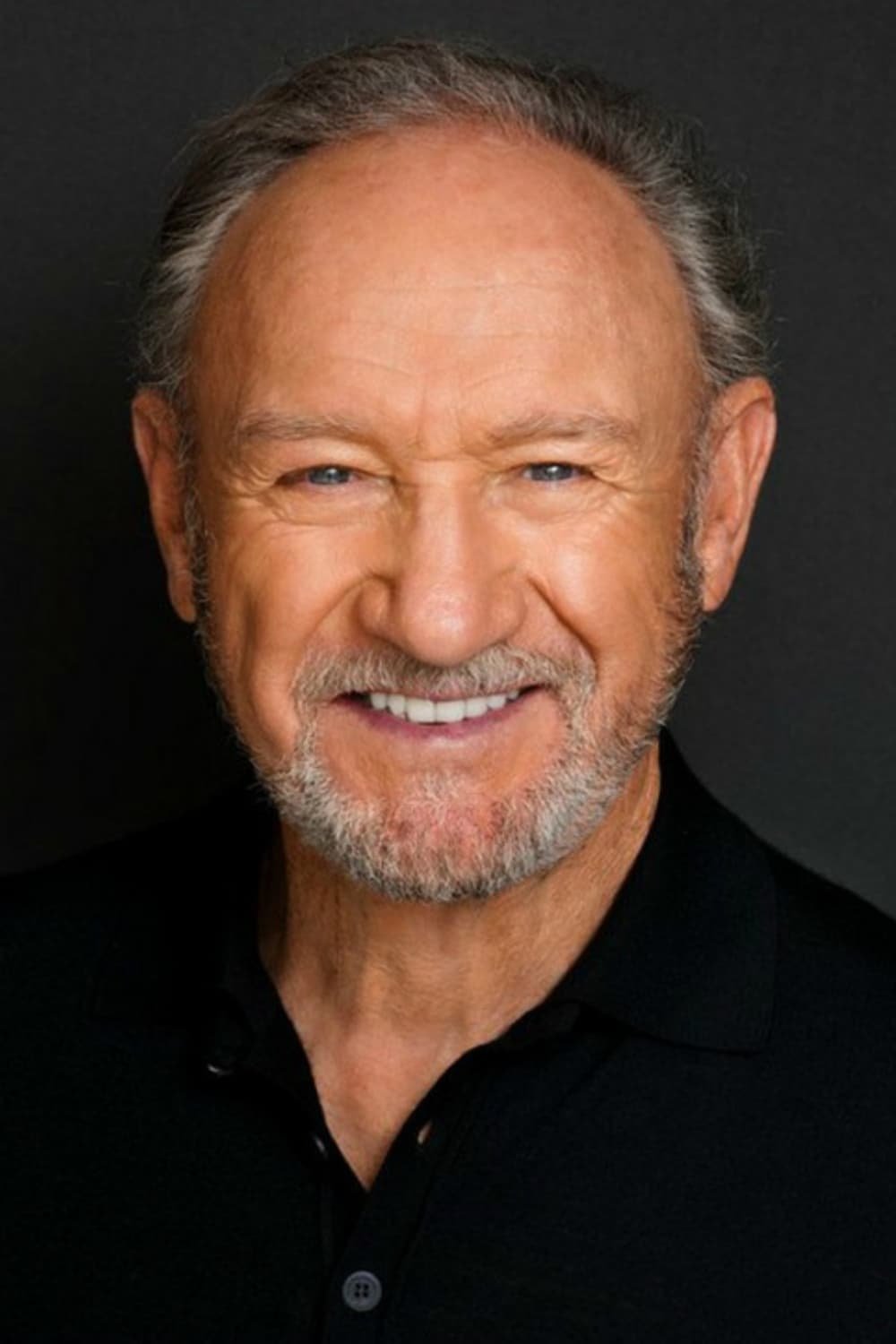
Gene Hackman was a naturally gifted actor who could tap into strong emotions right away, but he didn’t stay immersed in a role after filming. He treated acting like a job and preferred to work efficiently. Hackman depended on his innate talent and his ability to connect with other actors. He didn’t overthink his characters or create detailed histories for them; he simply responded truthfully to each scene as it unfolded.
Jason Bateman
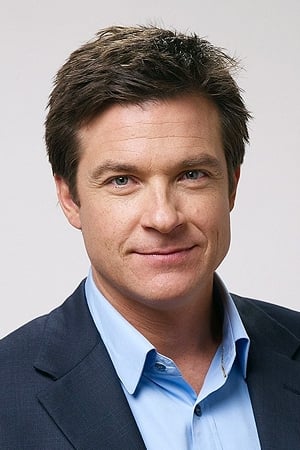
Jason Bateman’s comedy is all about timing and precision, not emotional depth. He approaches acting like solving a puzzle, carefully placing his lines within the scene’s flow. He often likes to direct and act at the same time, needing to oversee every aspect of the production. Unlike some actors who try to fully become their character, Bateman believes that for comedy, a technical focus on delivery is more effective.
John Krasinski
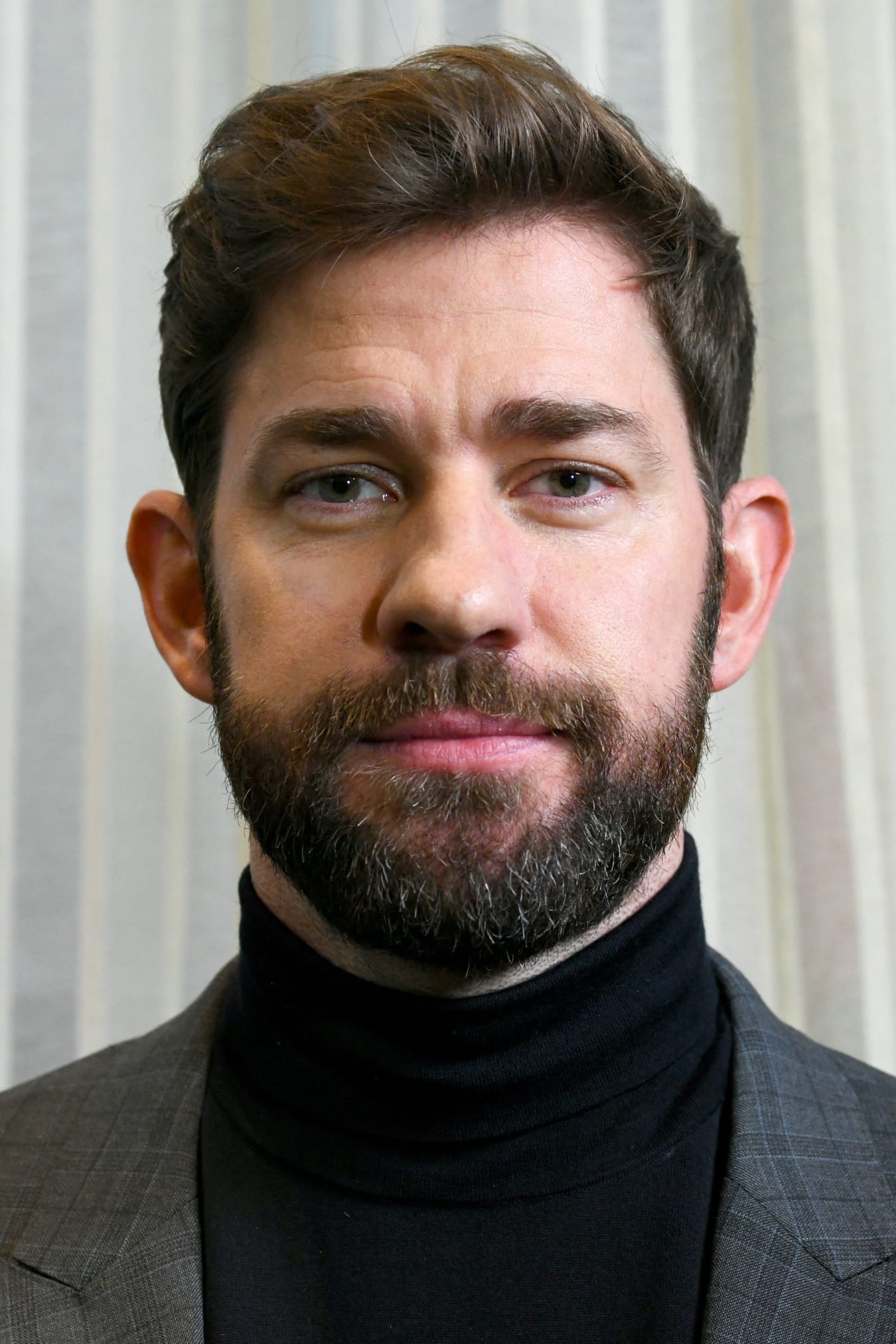
John Krasinski brings a unique perspective to acting, thinking like a writer and director as well. He doesn’t believe actors need to personally feel their character’s emotions to deliver a convincing performance. For Krasinski, how the audience reacts is what truly matters. He likes to create a relaxed and creative atmosphere on set, and he often uses his natural charisma and comedic timing to bring scenes to life.
Ryan Reynolds
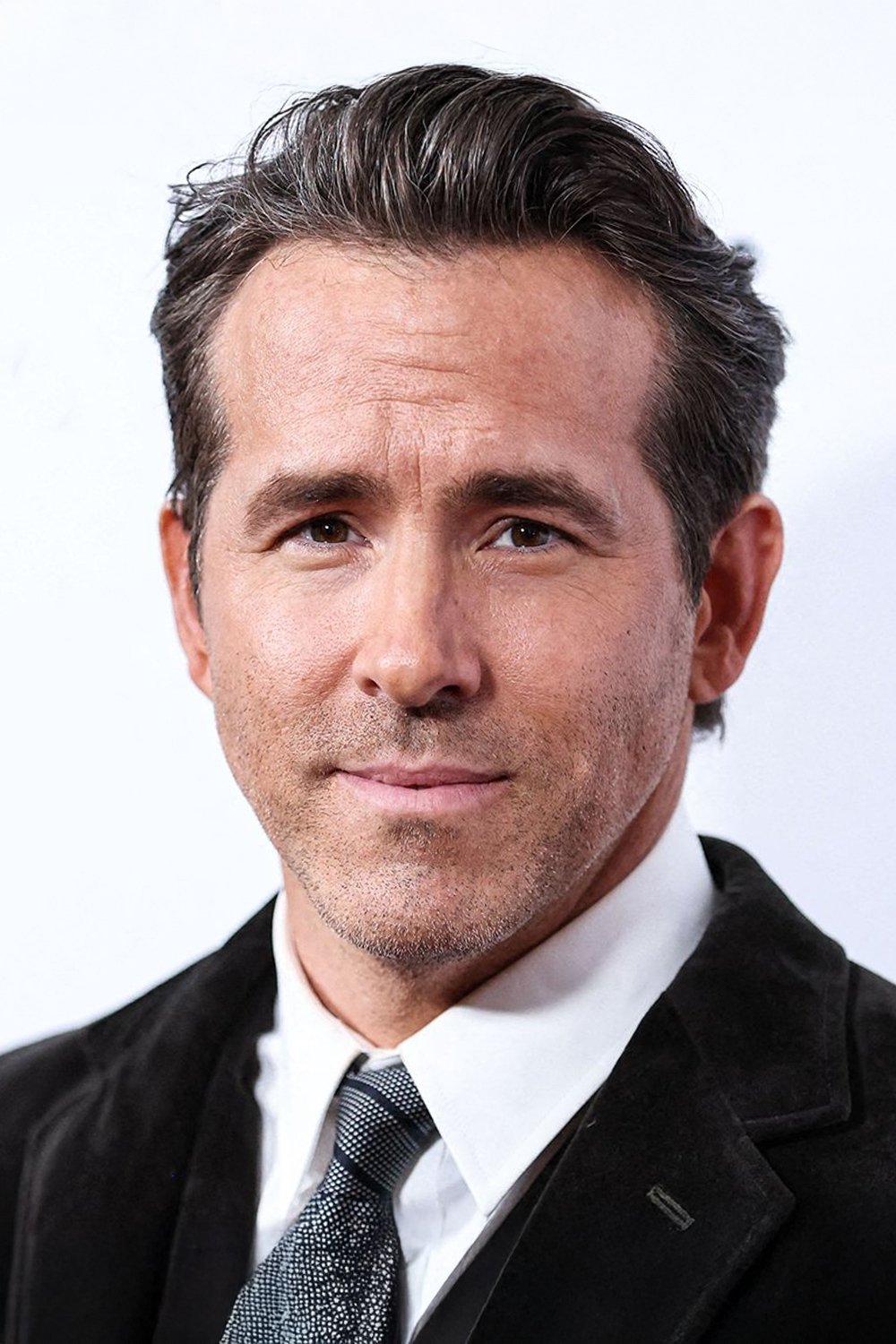
Ryan Reynolds has become incredibly successful thanks to his sharp humor and unique comedic style. He’s known for not being like the characters he plays and often playfully acknowledges the audience during his performances. Reynolds sees acting as a source of enjoyment for both himself and those watching. He prefers to create through improvisation and writing, rather than drawing on personal emotional experiences, and carefully keeps his personal life separate from his career.
Matt Damon
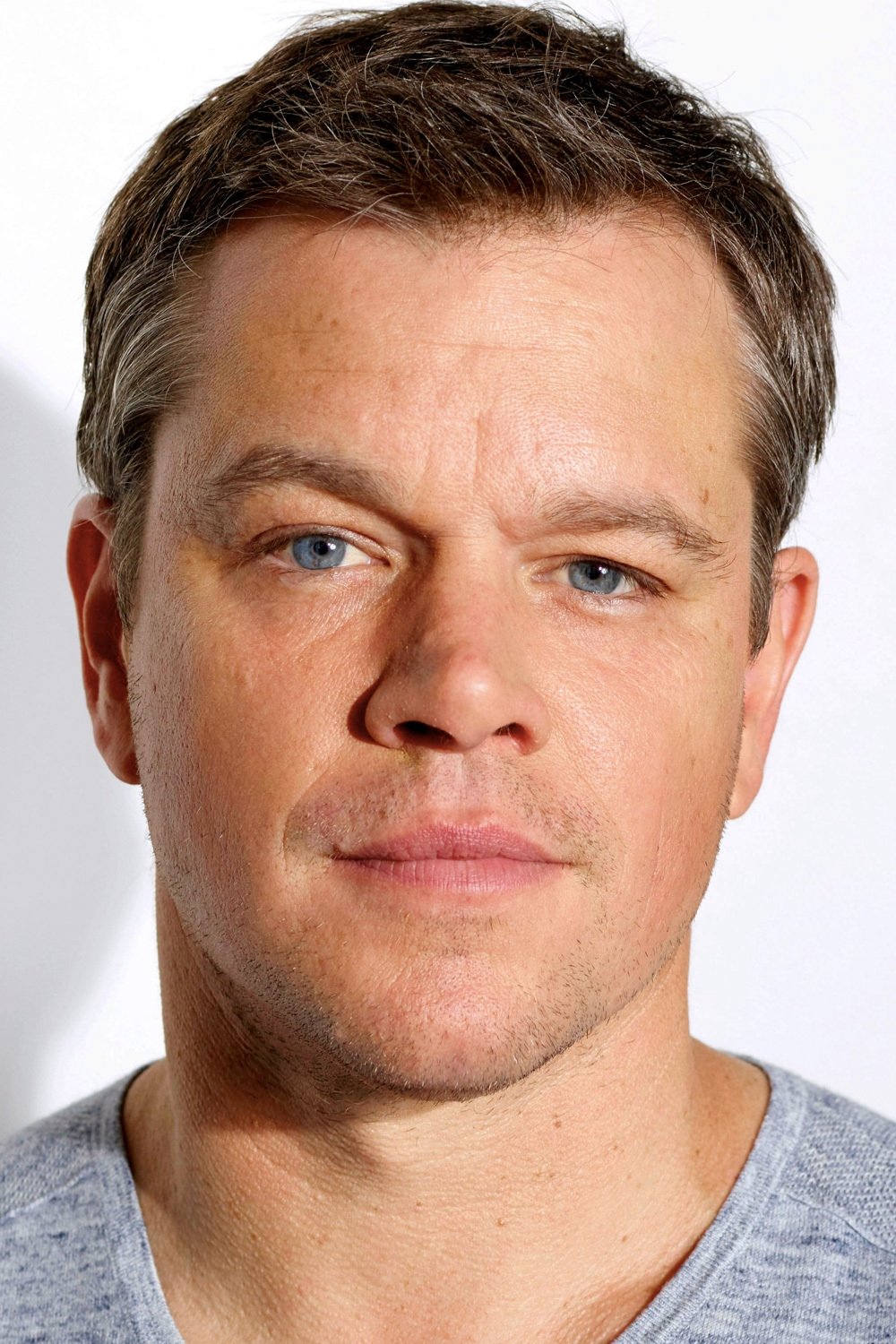
Damon is a smart and focused actor who pays close attention to the script and what’s needed for each shot. He doesn’t immerse himself in his character’s life outside of work, preferring to fully embody the role only when the director says ‘action.’ For Damon, being prepared means understanding the story, not becoming the character. He’s known as someone who’s both pleasant and down-to-earth on set.
George Clooney
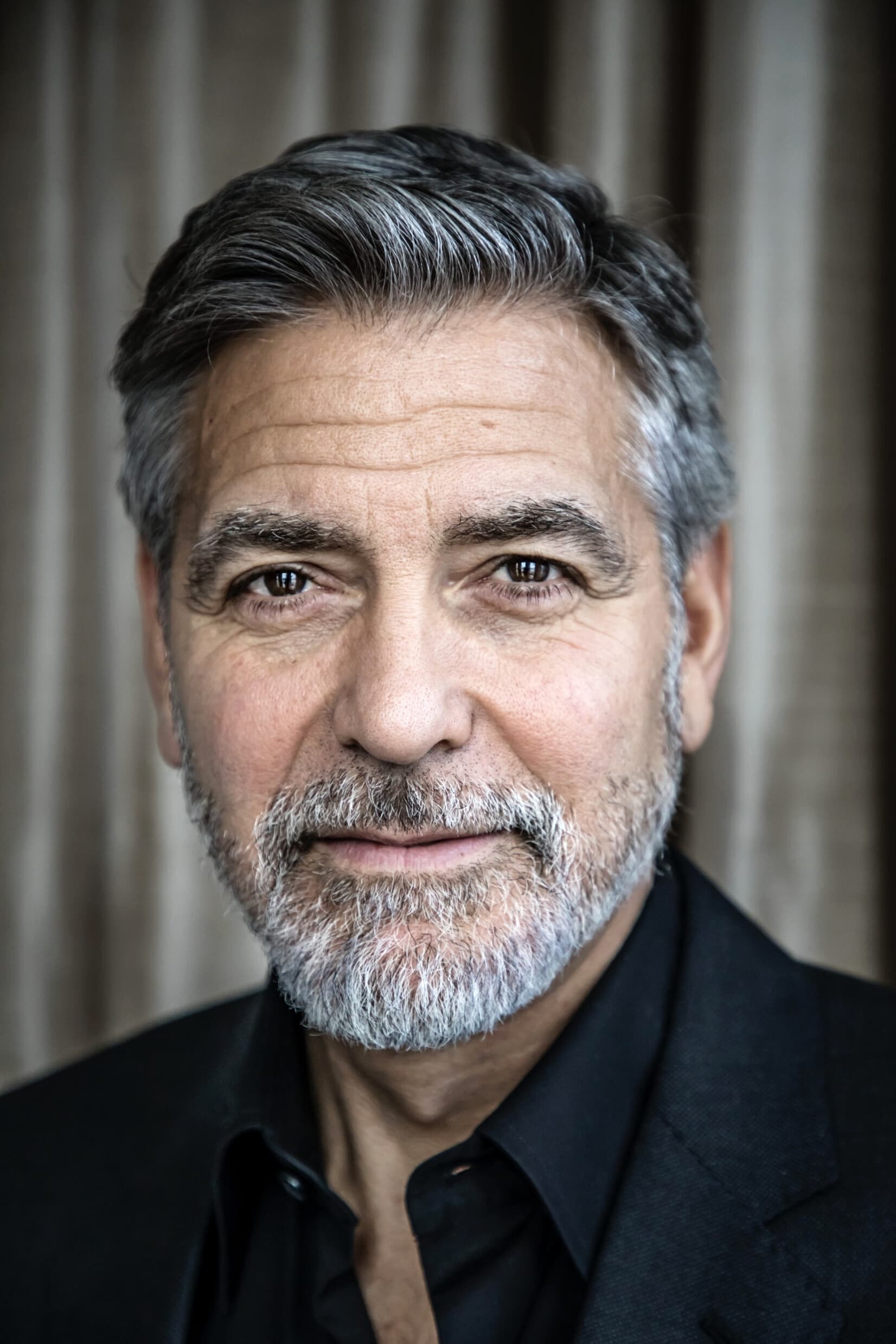
George Clooney relies on his inherent charm in every performance, choosing not to completely transform himself into a role. He acknowledges that audiences always recognize him as a movie star. Instead of intense method acting, he concentrates on the overall feel of the film and building good relationships with his fellow actors. Clooney sees acting as a job that requires dedication, but also believes in maintaining a lighthearted and professional environment on set.
Michael Fassbender
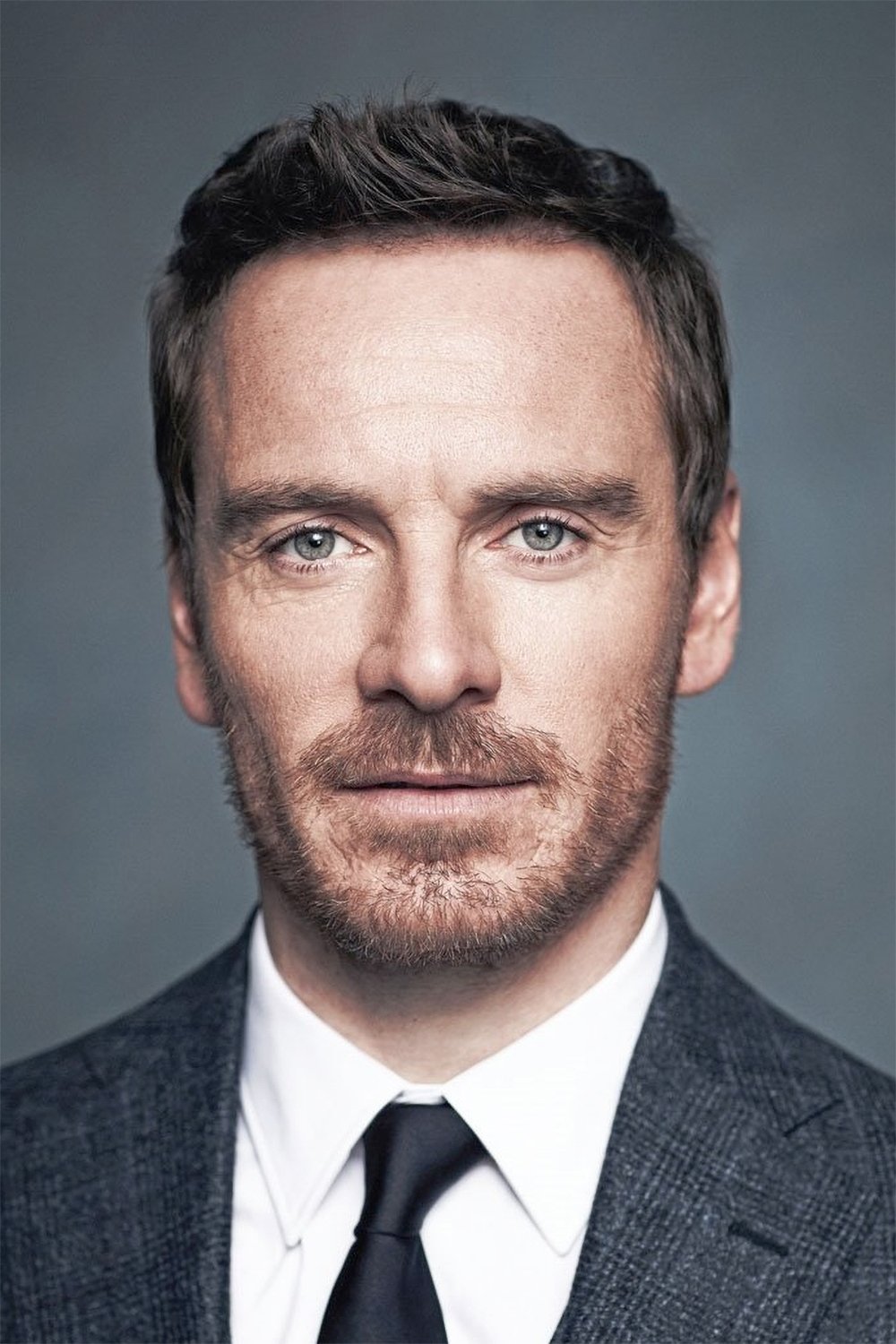
Michael Fassbender tackles challenging roles with a very focused, almost methodical approach. He’s known for memorizing scripts completely, like he did for ‘Steve Jobs,’ so he can deliver lines at any pace. He believes that practicing and finding the right rhythm are crucial for a good performance. Unlike some actors, Fassbender doesn’t stay immersed in character off-camera; he prefers to relax, interact with the film crew, and step out of the role between scenes.
Tell us which of these acting philosophies you agree with most by leaving a comment.
Read More
- 20 Movies Where the Black Villain Was Secretly the Most Popular Character
- Celebs Who Narrowly Escaped The 9/11 Attacks
- Transformers Under the Microscope: What Graph Neural Networks Reveal
- Top 20 Dinosaur Movies, Ranked
- Trading on Thin Air: AI Agents Conquer Crypto Volatility
- Silver Rate Forecast
- Gold Rate Forecast
- 22 Films Where the White Protagonist Is Canonically the Sidekick to a Black Lead
- Every Notable ‘Star Trek: The Original Series’ Actor Who Died
- Games That Faced Bans in Countries Over Political Themes
2026-01-24 22:27