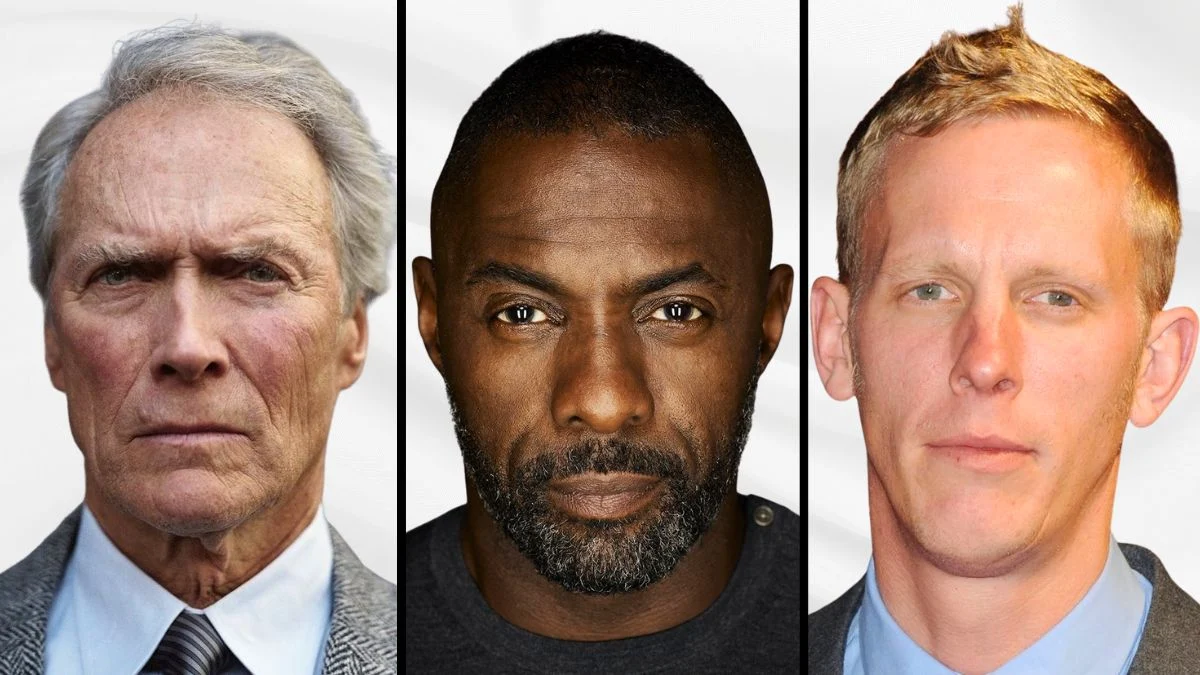
Discussions about Diversity, Equity, and Inclusion (DEI) in Hollywood have caused a split in the entertainment industry. Although many studios and actors support DEI efforts as important steps forward, an increasing number of actors are expressing concerns or disagreeing with how these initiatives are being put in place. They often believe that artistic quality and talent should be the main focus, rather than meeting quotas or considering identity. The following is a list of male actors who have publicly criticized certain inclusion programs or the changes happening in how casting and stories are approached.
Richard Dreyfuss
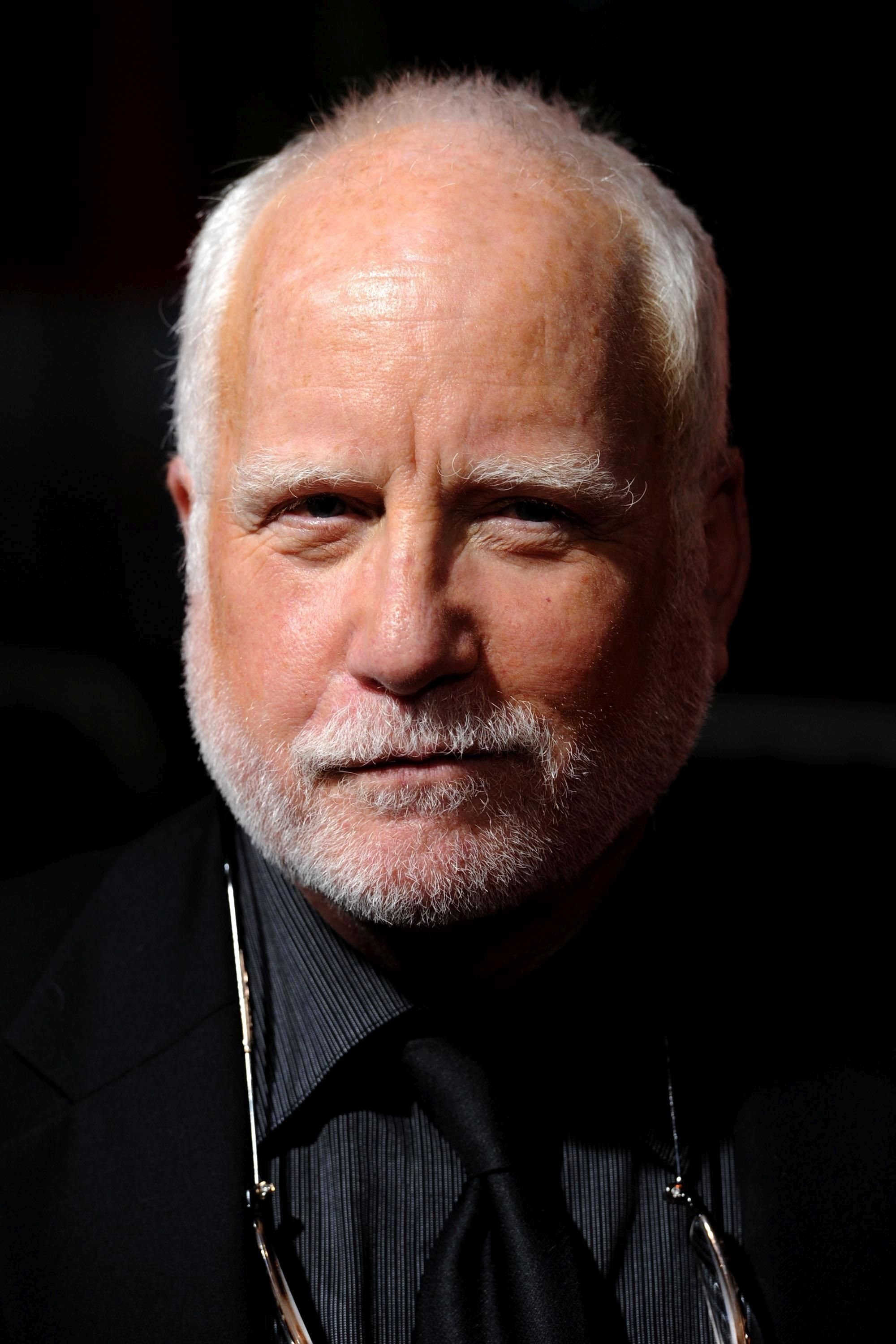
The Academy Award-winning actor recently sparked controversy with strong criticism of the Academy’s new rules for Best Picture nominees. Dreyfuss said the requirements felt offensive to him, believing art shouldn’t be controlled by rules about what’s right or wrong. He argued against forcing diversity in films, stating that no group should be treated as if they need special consideration. He firmly believes that artists need complete creative freedom and shouldn’t be restricted by rules about race or gender.
Morgan Freeman
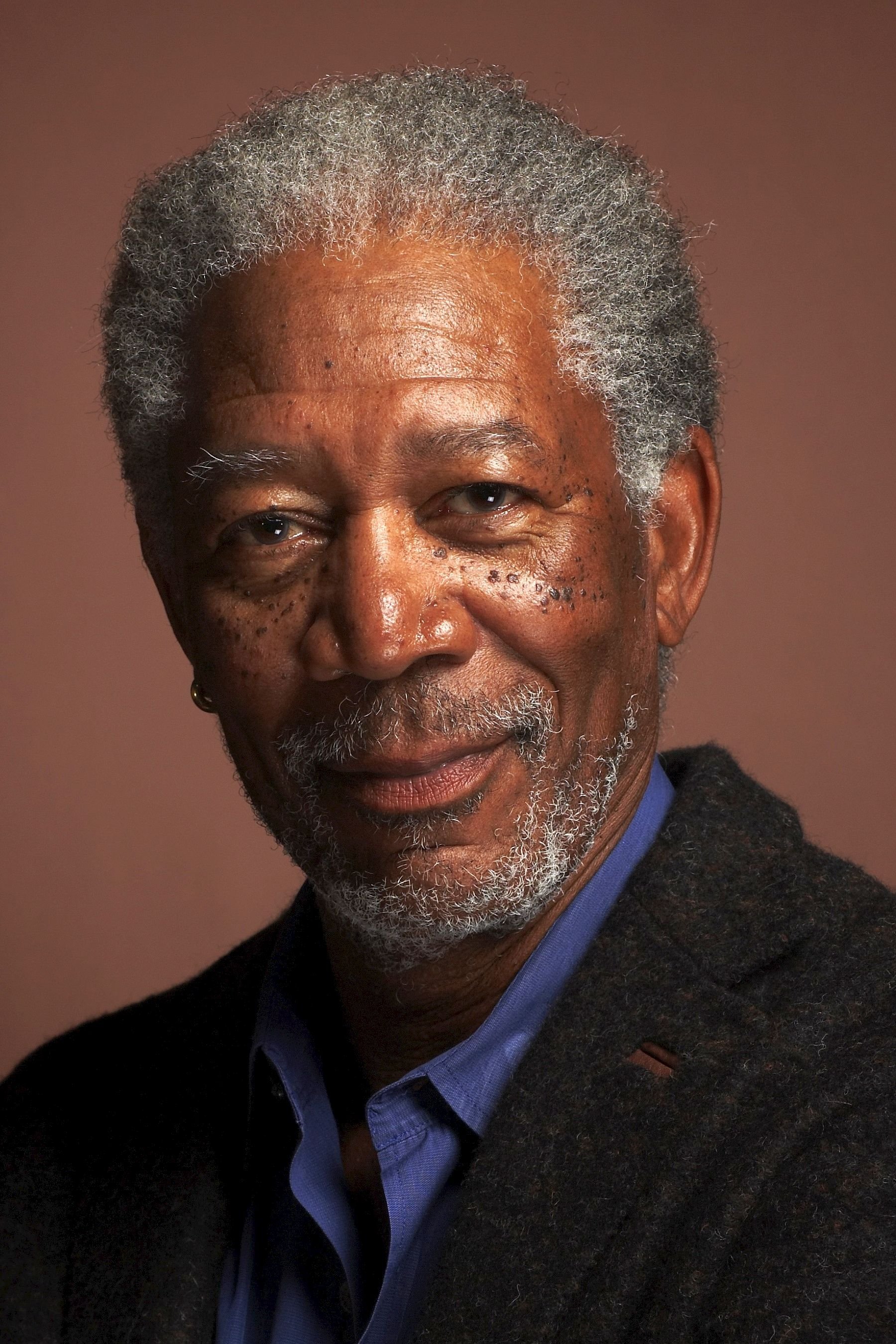
Morgan Freeman has often said he doesn’t like drawing attention to race or dedicating specific months to Black history. He once explained that he believes the best way to overcome racism is to stop constantly discussing it. He prefers to be seen as an individual, simply as a man, rather than being defined by his race, and hopes others will do the same. He feels prioritizing individual identity is more effective than focusing on group labels, a perspective that differs from many current diversity and inclusion approaches.
John Cleese
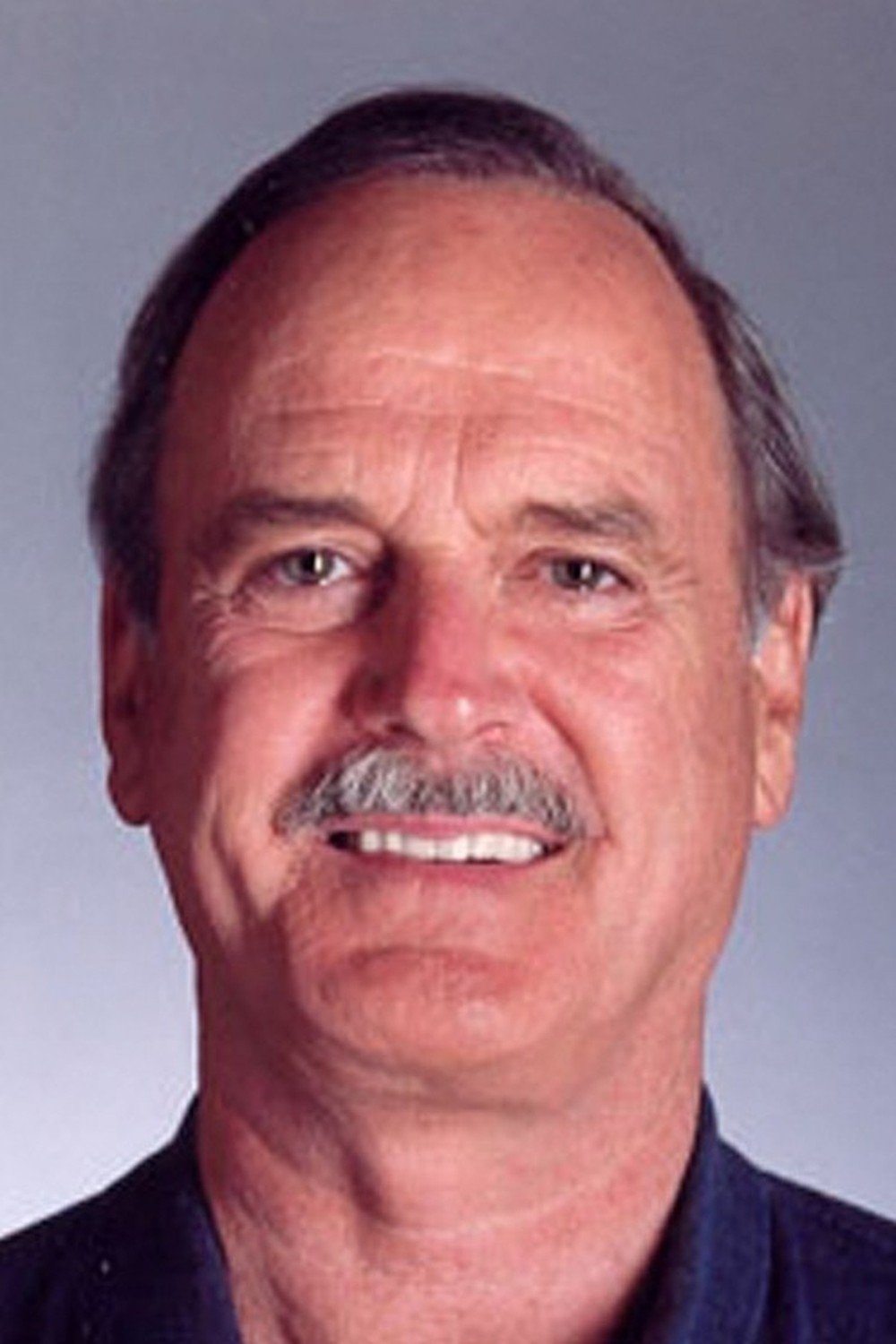
John Cleese, known for his work with Monty Python, has become a strong voice criticizing what he sees as an overly sensitive and restrictive environment for comedy. He argues that the worry about offending people is harming the ability of comedians to be spontaneous and create truly funny material. Cleese also disagrees with changing older shows to align with current social standards, believing that forcing artists to be politically correct stifles creativity.
Anthony Mackie
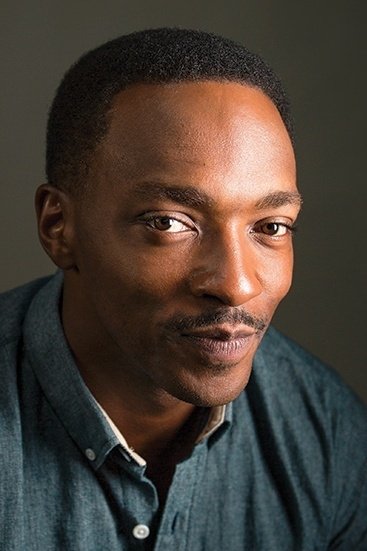
Anthony Mackie, while working on Marvel movies, spoke out about a problem he noticed with how film crews were organized. He observed that ‘Black Panther’ had a largely Black crew, unlike his other films, and believed hiring should be based on skill and qualifications, not race. He suggested that some studios appear to prioritize diversity for show, rather than genuinely creating inclusive work environments.
Idris Elba
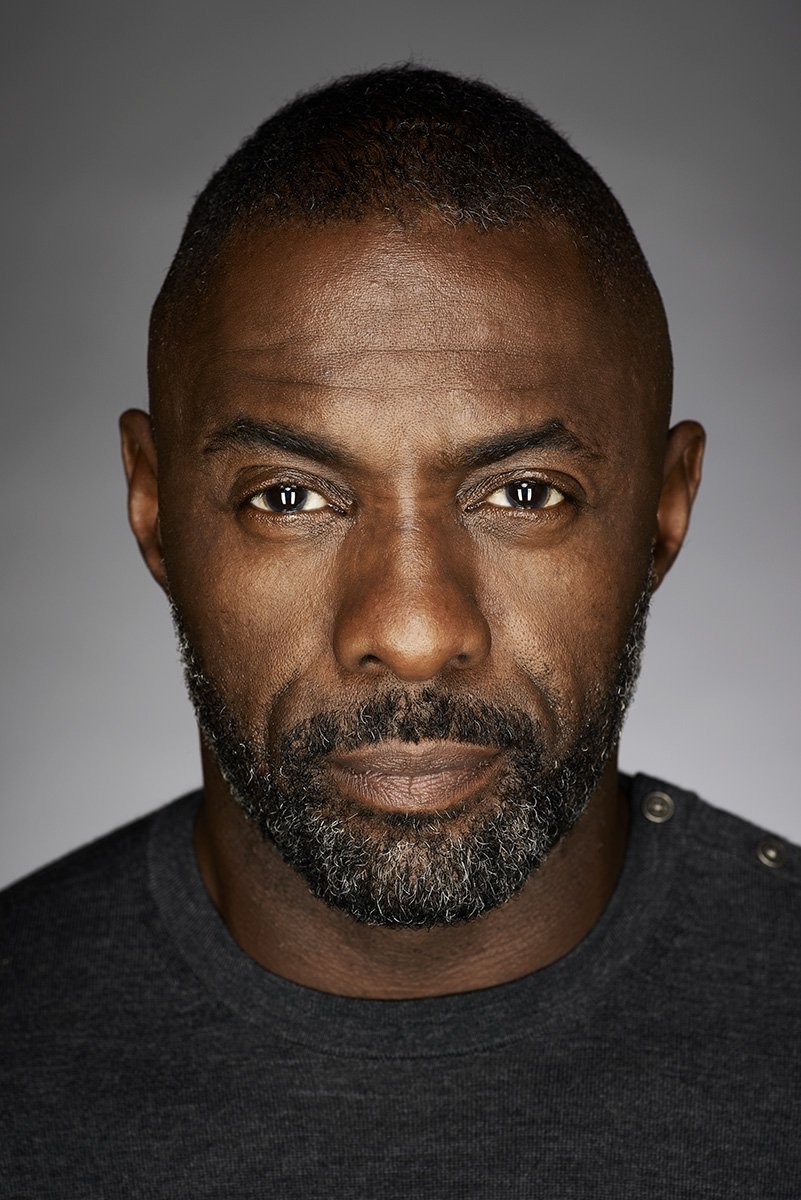
I was really interested to hear this British actor talk about why he’s stopped referring to himself as a ‘Black actor.’ He explained that he felt like the label was actually holding him back, and that people were focusing more on his race than on his actual talent and how hard he works. He makes a great point – constantly focusing on skin color can actually slow down progress and make it harder to just see someone as an artist. He basically wants to be judged on his skills, and I totally get that. It’s about a level playing field where everyone’s abilities are what matter most.
Rowan Atkinson
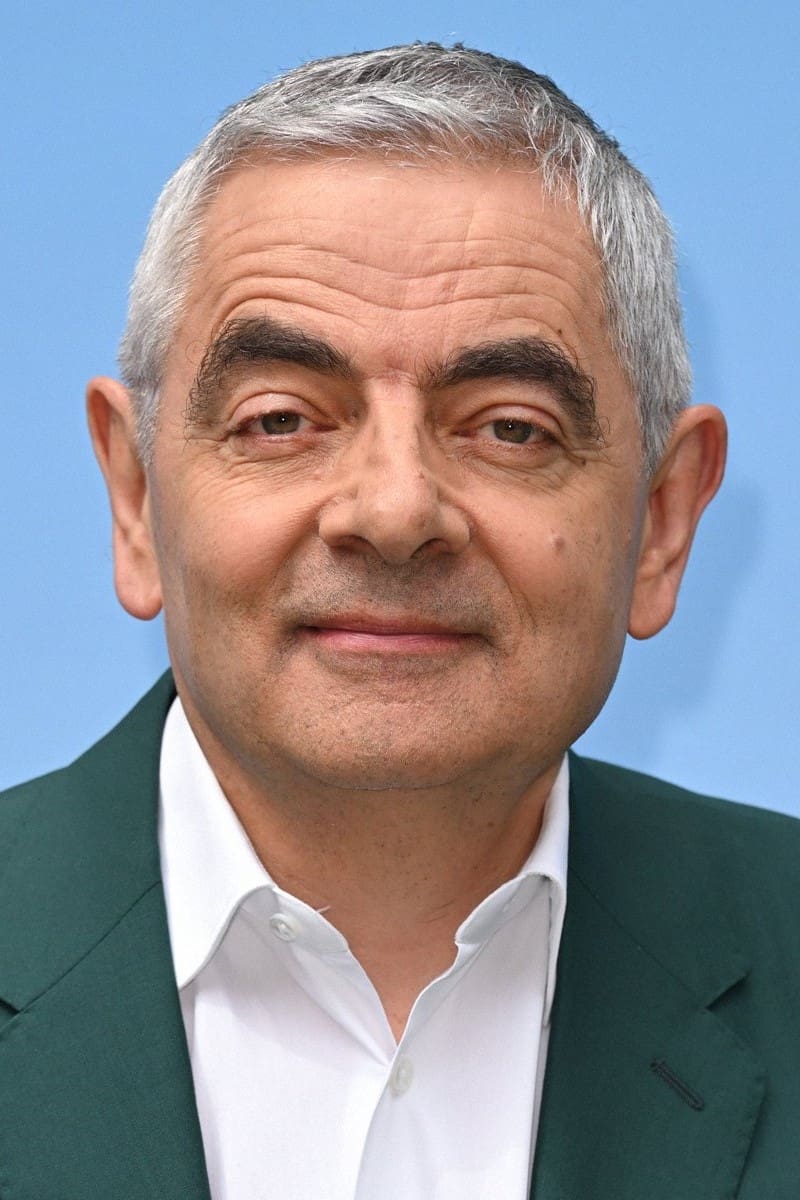
Rowan Atkinson, best known for playing Mr. Bean, strongly supports free speech and has actively opposed laws that limit what people can say. He believes comedians should be able to tackle any topic, even if it’s controversial, and that trying to avoid causing offense stifles creativity and makes it harder for society to accept different opinions. He sees the current trend of ‘cancel culture’ and overly careful language as a danger to the arts and open debate.
Terry Gilliam
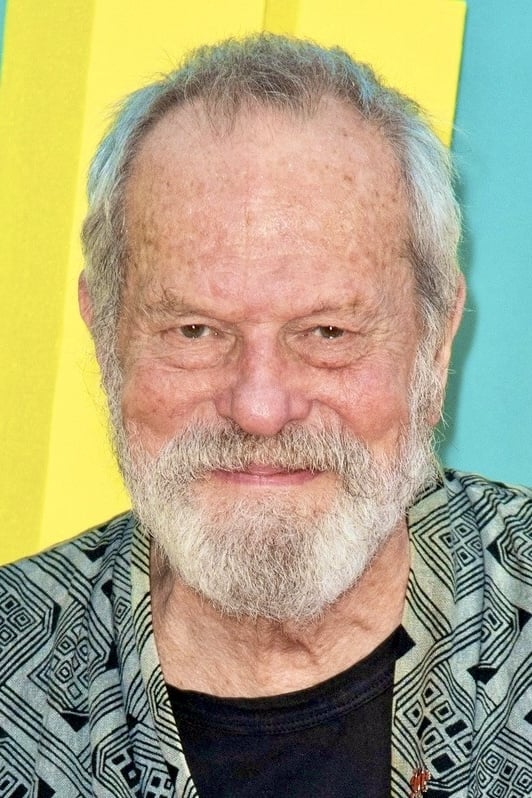
Director Terry Gilliam, known for his work with Monty Python, has playfully criticized today’s focus on identity politics by jokingly claiming to be a Black lesbian. He’s frustrated by the pressure to constantly focus on who is a victim and to meet certain representation goals. Gilliam also criticized the #MeToo movement, feeling it sometimes acts like a mob and doesn’t always allow for fair legal process. He believes artists should be free to create without being dictated to by current social trends.
Laurence Fox
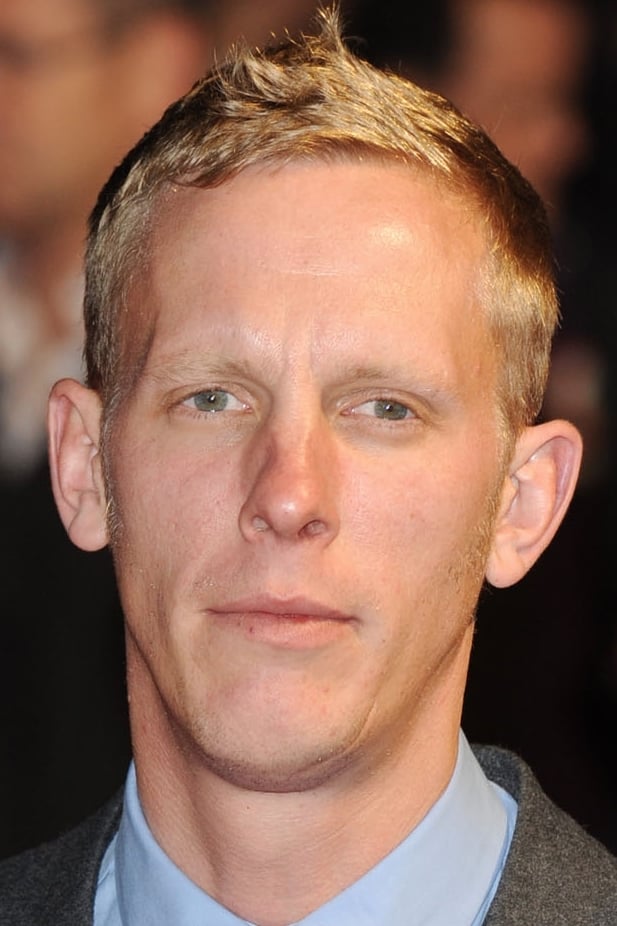
Since starting the Reclaim Party, Fox has focused on opposing what he refers to as “woke ideology” in Hollywood. He believes his career was negatively impacted after he publicly challenged the idea that systemic racism is widespread on a well-known talk show. Fox contends that the entertainment industry now values political agreement more than talent. He often criticizes the practice of changing the historical accuracy of characters to promote diversity.
Kevin Sorbo
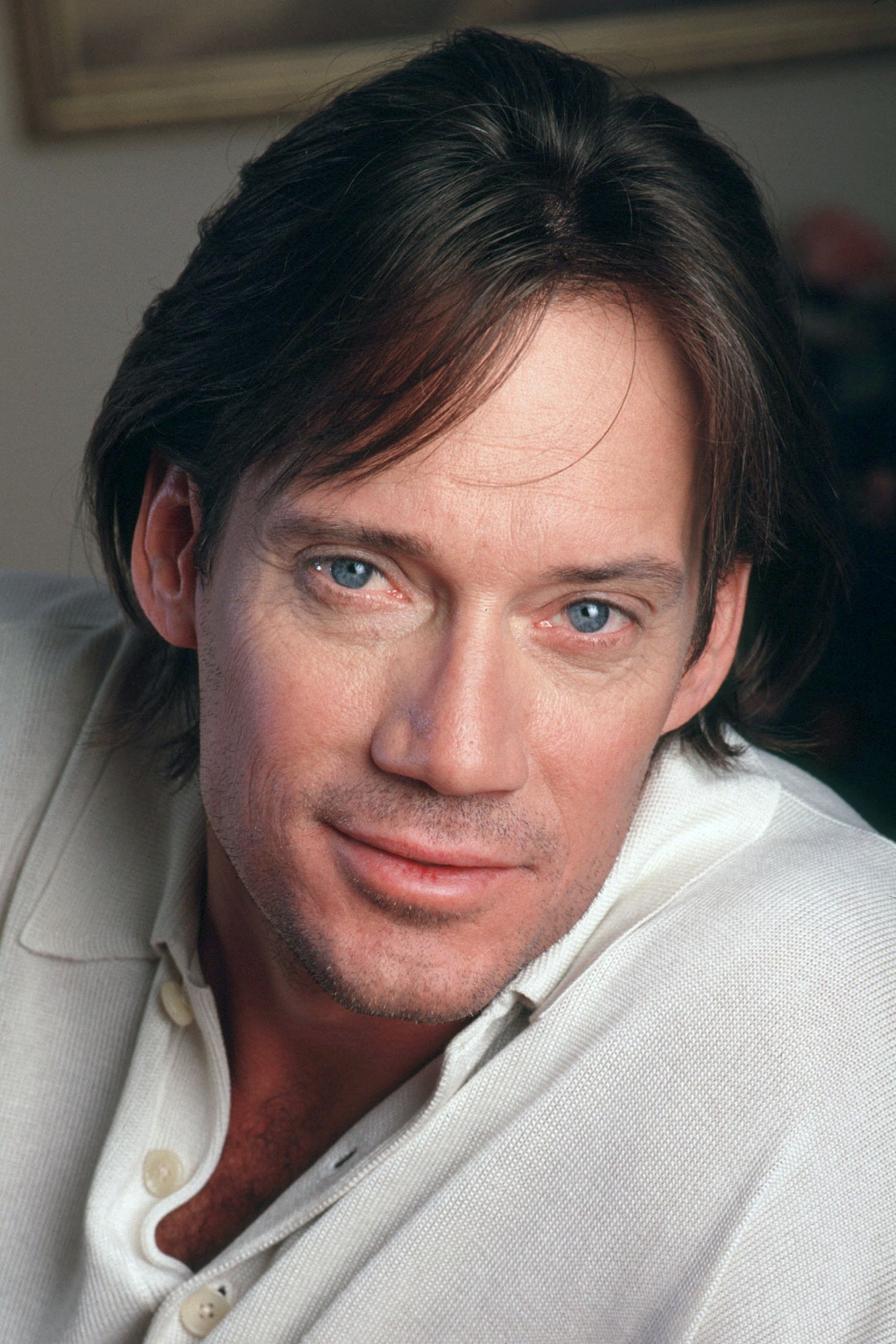
Kevin Sorbo, best known for his role in ‘Hercules: The Legendary Journeys’, believes his conservative Christian beliefs have resulted in him being excluded from major Hollywood productions. He often speaks out against the entertainment industry, claiming it promotes certain social viewpoints through its shows and movies. Sorbo also feels that modern media often portrays masculinity negatively. As a result, he now concentrates on making independent films that reflect his personal values.
James Woods
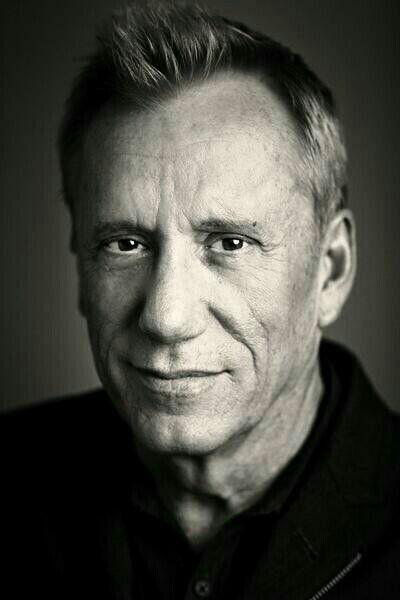
Okay, let me tell you about James Woods. He’s a really strong conservative voice in Hollywood, and he doesn’t shy away from criticizing what he sees as the industry’s liberal leanings. He’s very vocal about his concerns that Hollywood is becoming too focused on identity politics and is shutting down anyone who doesn’t fall in line with progressive thinking. He often points out what he considers hypocrisy among the Hollywood elite when it comes to actually practicing what they preach about inclusion. It’s a pretty consistent theme in his public statements – he feels like a real outsider in a town that demands conformity.
Jon Voight
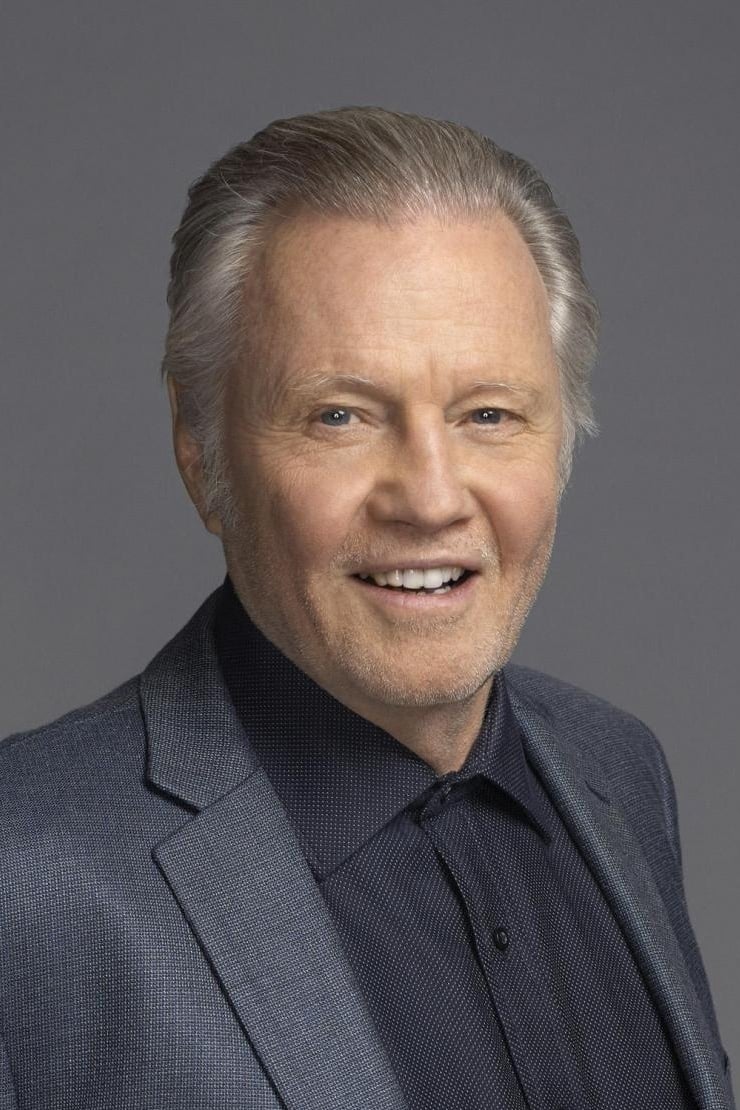
Jon Voight, a well-known actor, is a dedicated conservative who believes the country is threatened by progressive ideologies. He feels Hollywood has become too focused on pushing political messages instead of simply telling good stories. Voight has publicly expressed his concerns about what he sees as a decline in traditional American values and criticizes the industry for unfairly targeting people with different political views.
Dean Cain
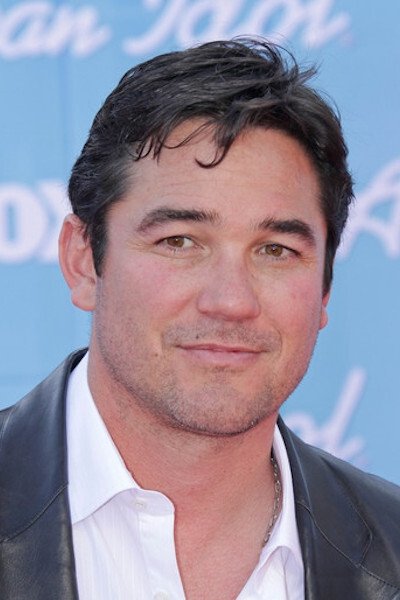
Dean Cain, known for his role in ‘Lois & Clark: The New Adventures of Superman,’ often speaks out about how modern comic book movies and shows are made. He’s disappointed with recent changes to Superman, feeling they prioritize current political viewpoints over the character’s heroic qualities. Cain believes entertainment should bring people together, not push social or political agendas.
Rob Schneider
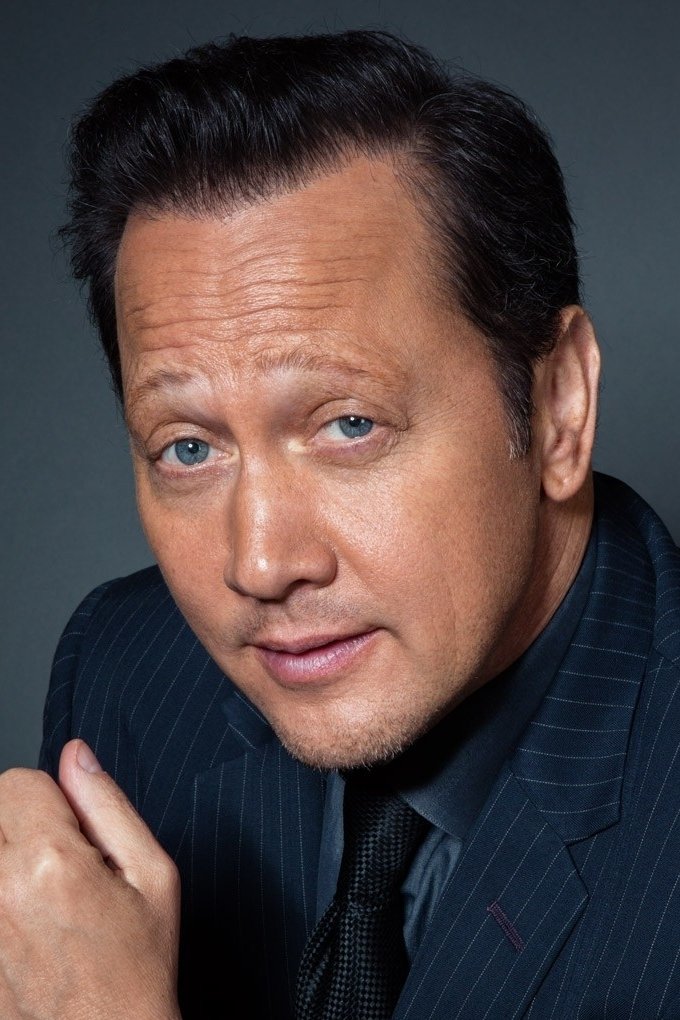
Schneider has spoken out strongly against the pressure to conform politically within the entertainment industry. He believes late-night talk shows have become more about pushing a specific viewpoint than making people laugh. The actor argues that Hollywood lacks true diversity because it doesn’t embrace different opinions, and he supports the right to free speech and questioning popular ideas without facing backlash.
Tim Allen
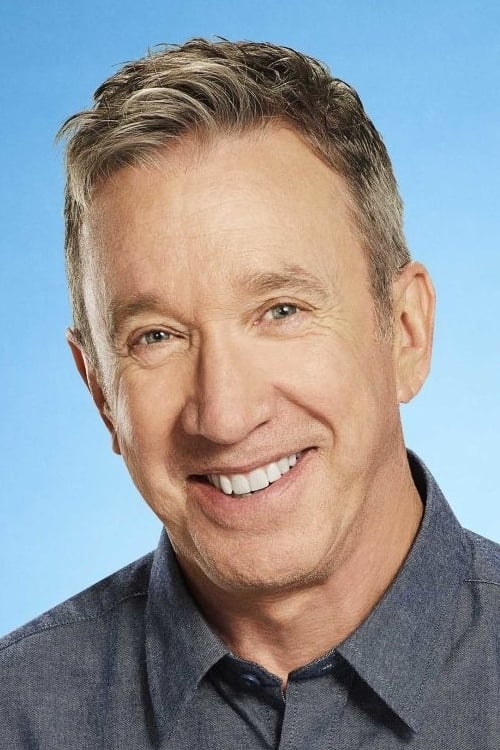
Tim Allen, known for his role in ‘Home Improvement’, has compared the current climate in Hollywood to that of 1930s Germany, highlighting the intense pressure to think and act alike. He says comedians now have to be extremely careful about what they joke about, fearing they’ll be canceled if they touch on sensitive subjects. Allen believes comedy should be about making people laugh, not about proving how morally good you are. He also feels his TV shows often offer a common-sense viewpoint that’s missing from most mainstream entertainment.
Clint Eastwood
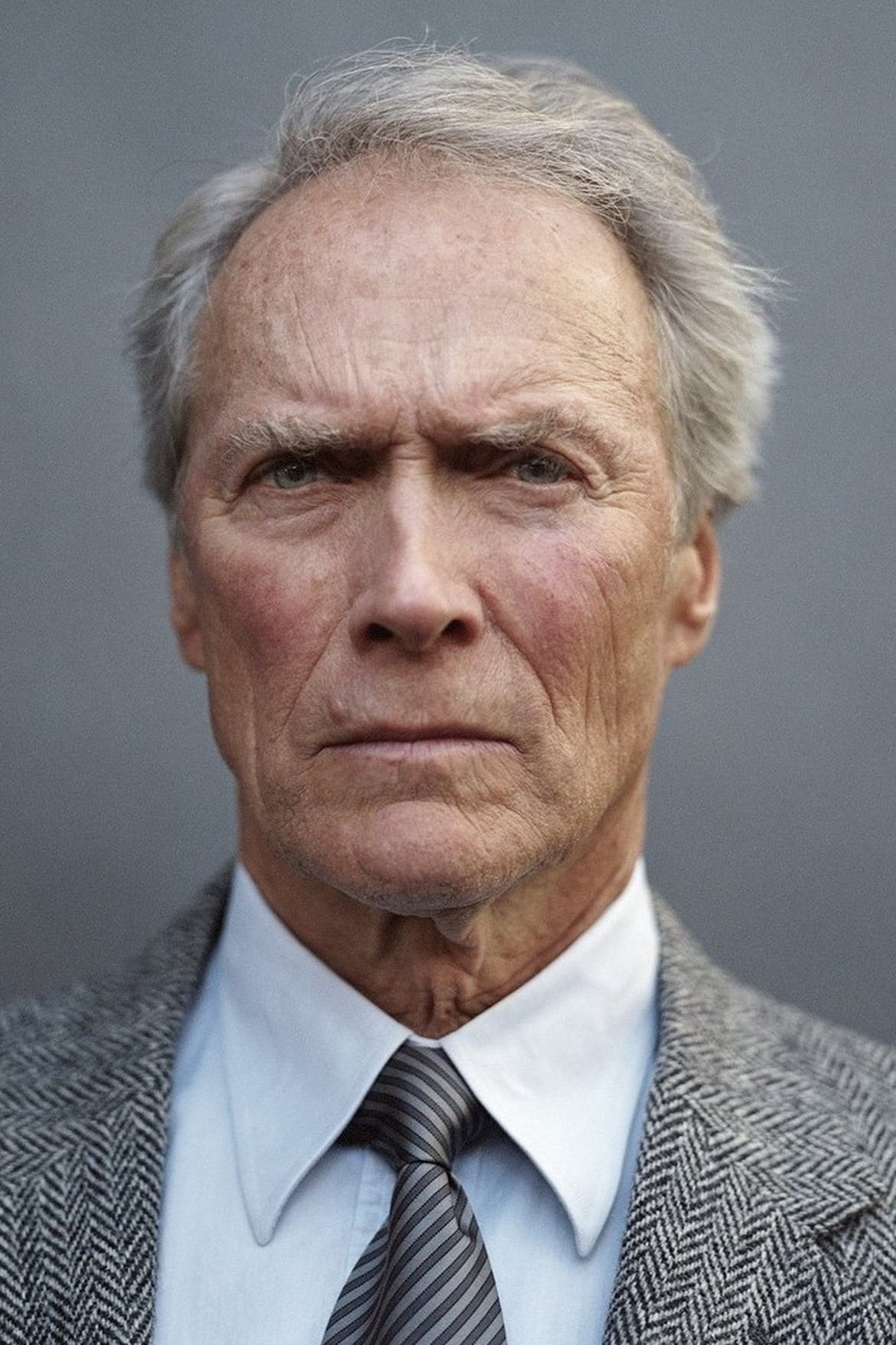
Eastwood has often complained that people today are too easily offended and overly concerned with political correctness. He prefers to tell stories with complicated characters, even if they aren’t ‘sanitized’ for modern audiences. He believes society has become less able to deal with difficult truths and straightforward language. His movies frequently avoid the strict moral standards that some critics demand.
Mel Gibson
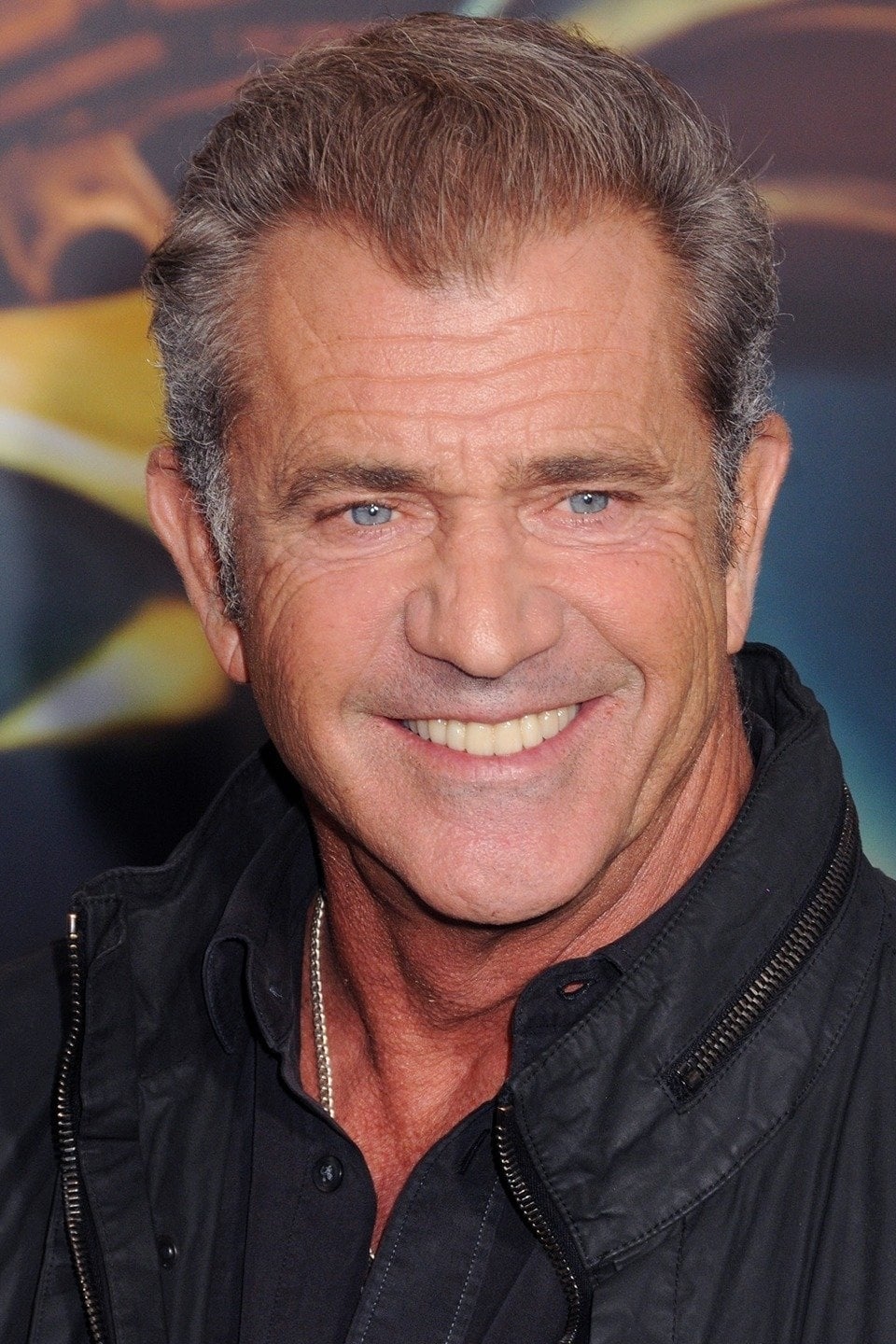
Mel Gibson doesn’t like how focused the movie industry has become on political correctness. He prefers to make films based on his own passions – history and religion – even if they aren’t what’s currently popular. He feels the industry often pretends to be more moral than it is, and that’s why he often works independently, allowing him to maintain full creative control over his films.
Vince Vaughn
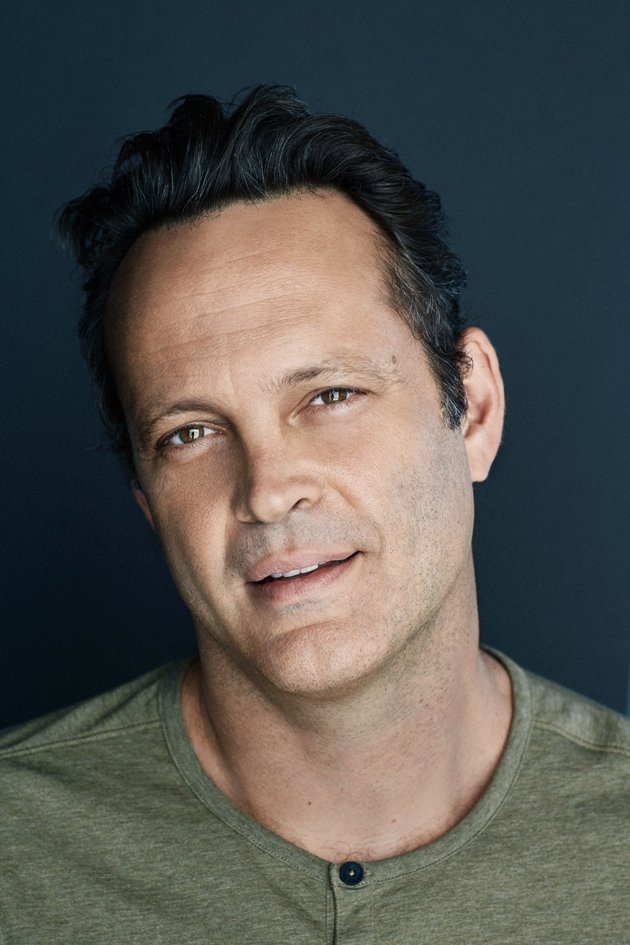
Vaughn is an unusual voice in Hollywood, holding libertarian beliefs. He argues against policies like affirmative action and any requirements that dictate outcomes, believing people should succeed through their own effort and talent, not through government or company interference. He strongly supports individuals taking responsibility for their own lives and doesn’t believe in judging or treating people as part of a group. This perspective leads him to favor a casting and production system based on free-market principles.
Kelsey Grammer
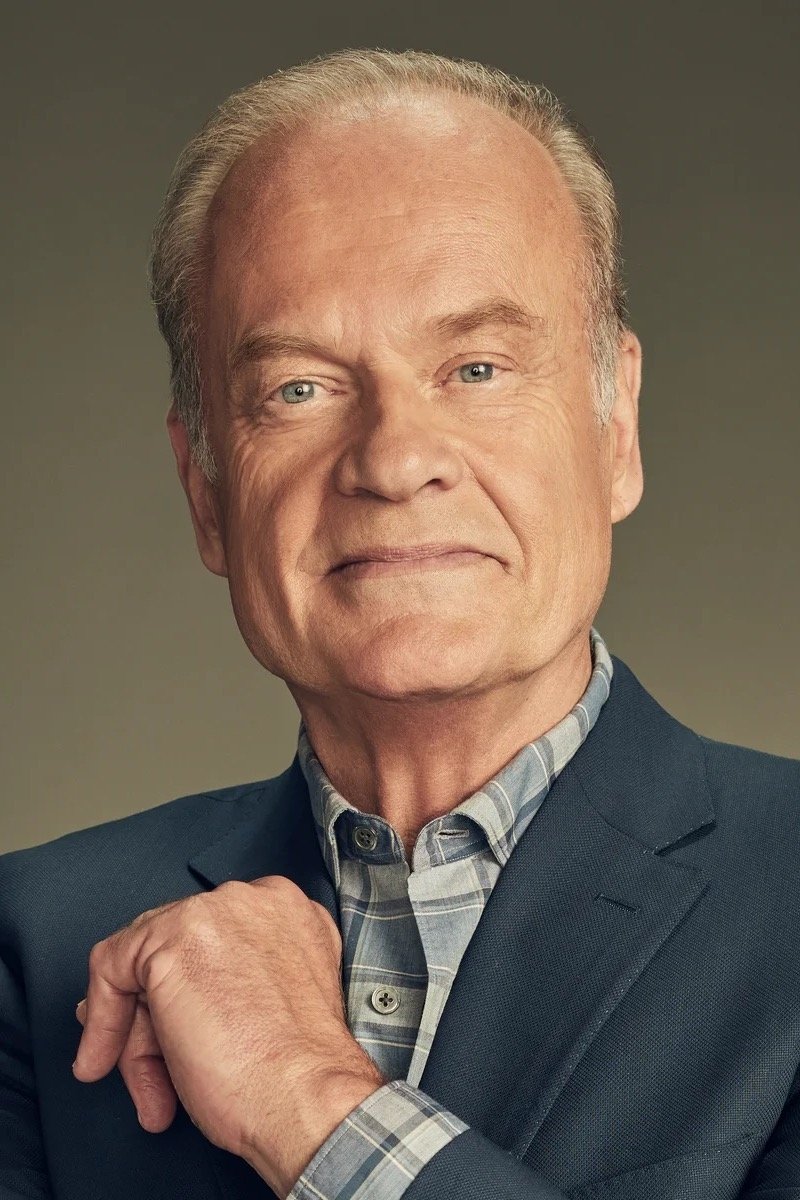
Kelsey Grammer, the actor best known for ‘Frasier,’ holds conservative views in an entertainment industry that generally leans liberal. He’s acknowledged these views have sometimes created conflict, but he stands by them. Grammer prefers to explore broad, relatable themes in his work instead of focusing on specific political or identity groups, believing entertainment should help bridge divides rather than deepen them.
Gary Oldman
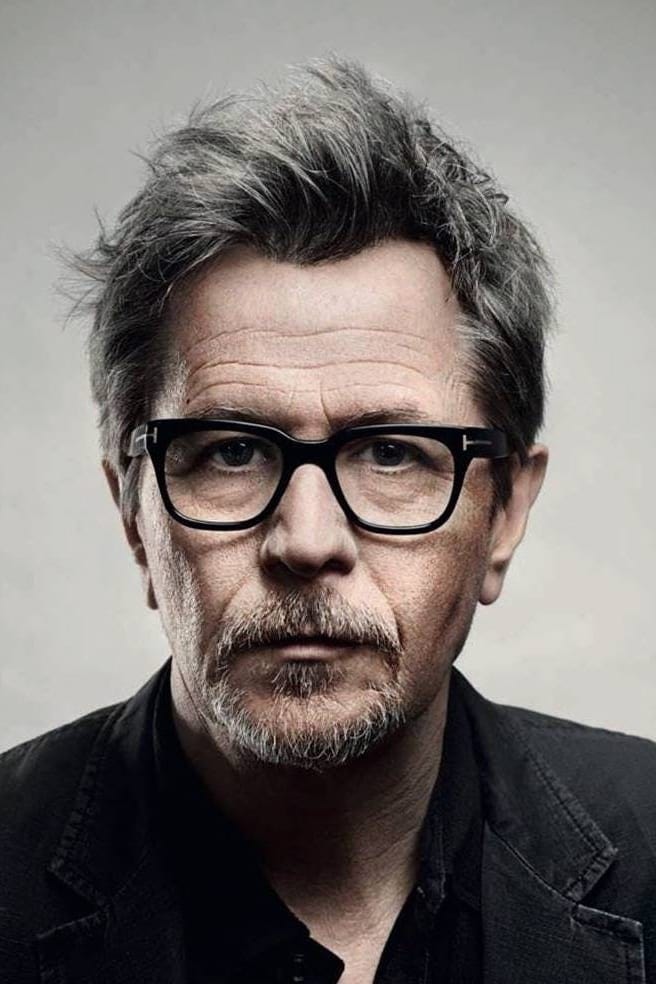
Oldman sparked debate with an interview where he supported actors who faced backlash for making offensive remarks. He pointed out the inconsistency of being critical of public figures for private comments while still enjoying provocative comedy. He felt that an overemphasis on political correctness was stifling creativity and making it risky for performers to express themselves openly, fearing it could ruin their careers.
Russell Brand
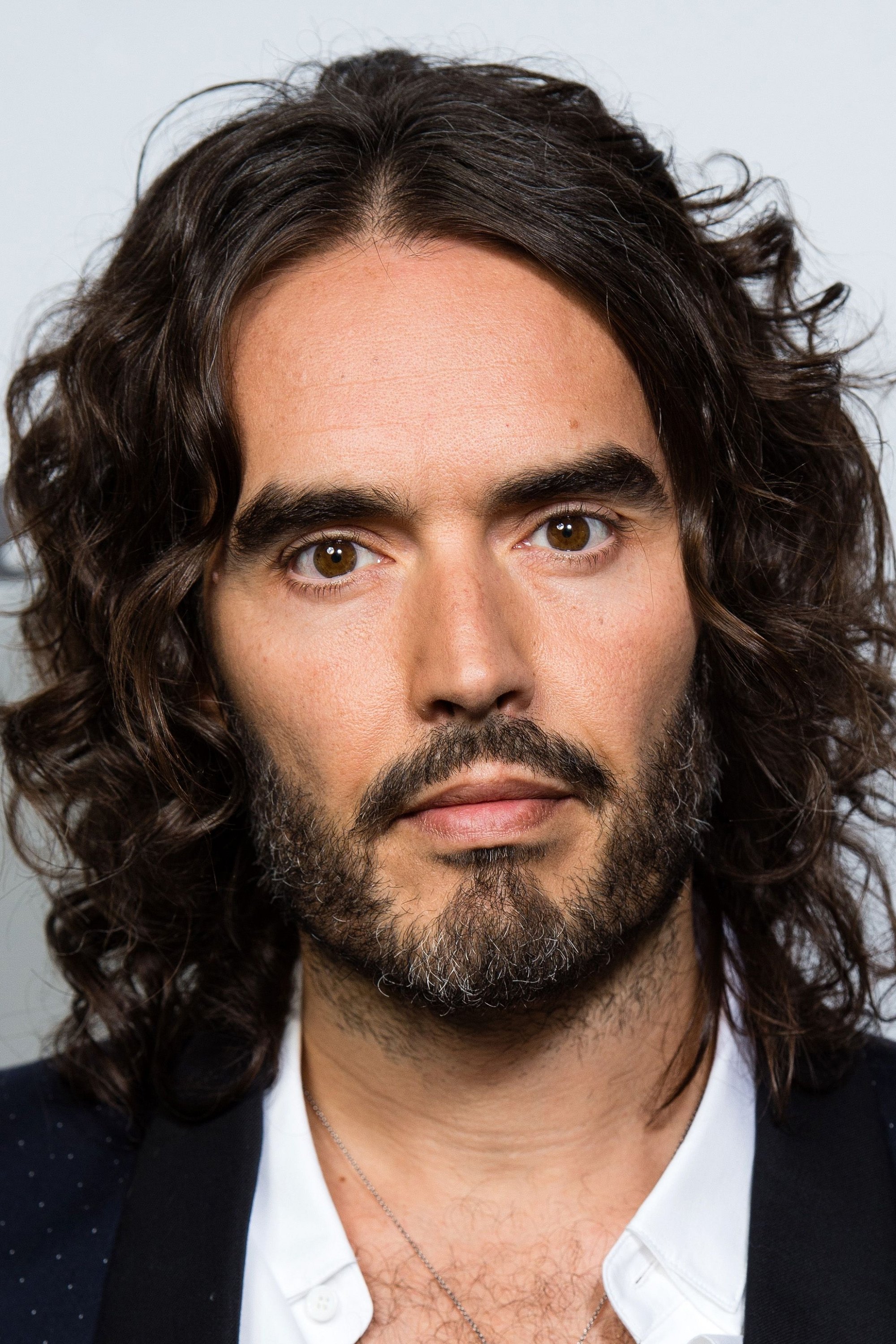
Russell Brand has moved away from traditional comedy and now focuses on challenging what he sees as biased reporting and censorship by major media outlets. He believes powerful institutions create divisions using social issues to divert attention from economic problems. Brand often criticizes the pressure to conform and the suppression of differing opinions, advocating instead for open discussion and questioning official narratives.
Dave Chappelle
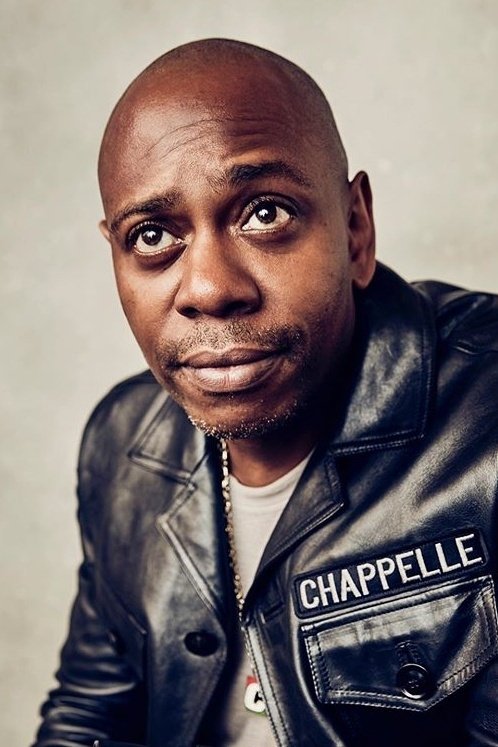
Dave Chappelle has received significant criticism for his comedy specials, which address sensitive topics related to transgender issues and the phenomenon of ‘cancel culture.’ He contends that a small, highly critical group is stifling artistic expression. Chappelle is unwilling to change his jokes to satisfy demands for adherence to evolving social norms, maintaining that an artist’s intention is more important than how an audience might personally react.
Ricky Gervais
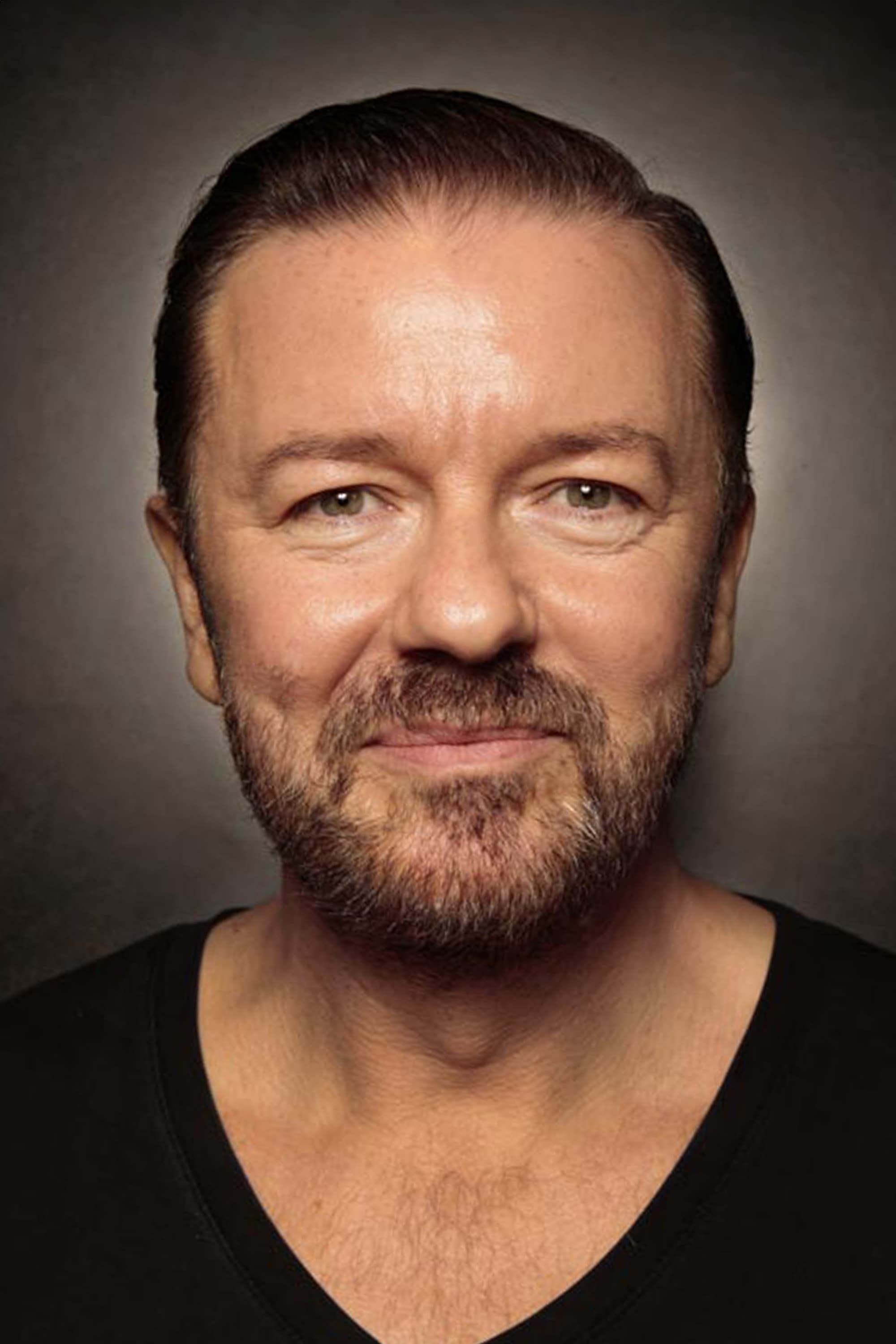
Ricky Gervais is well-known for his Golden Globes appearances where he playfully mocked and criticized the often self-righteous behavior of celebrities. He points out the irony of actors preaching about ethics while benefiting from companies with questionable practices. Gervais firmly believes that all subjects are fair game for humor and consistently challenges the notion that comedy needs to be politically correct or cater to everyone’s sensitivities.
Bill Burr
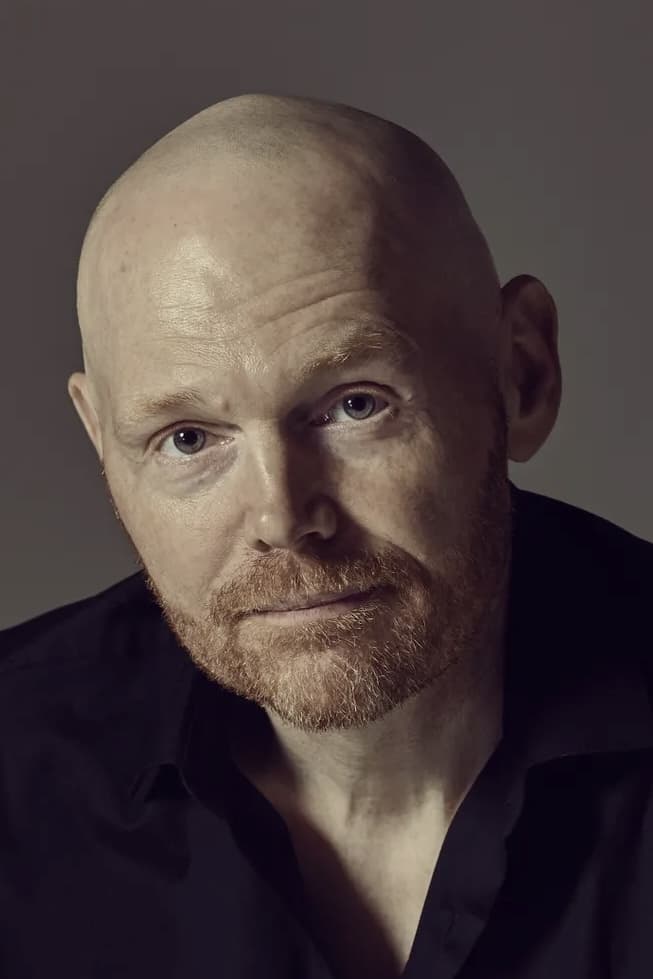
Burr often jokes about how some people seem to perform their guilt over racial issues and how easily social movements get taken over by others’ agendas. He thinks today’s culture encourages people to actively search for things to be upset about. He also criticizes the quickness to condemn people and ruin their careers for things they’ve done in the past, and he believes focusing too much on perfectly correct language misses the point of what people are trying to say.
Brian Cox
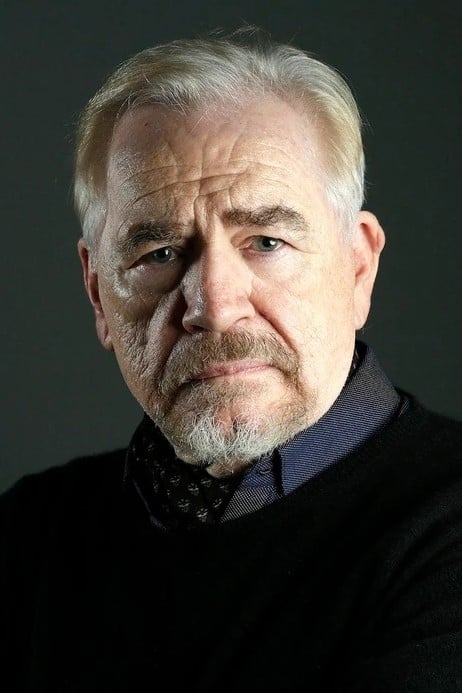
Brian Cox, known for his role in ‘Succession,’ has strongly criticized what he calls “woke culture,” comparing it to the harmful practices of McCarthyism. He believes attempts to change history and remove anything considered offensive are risky. Cox also feels social media encourages quick judgment and public shaming, ignoring important context. His comments reflect a disagreement between generations about how to deal with past wrongs.
Sean Penn
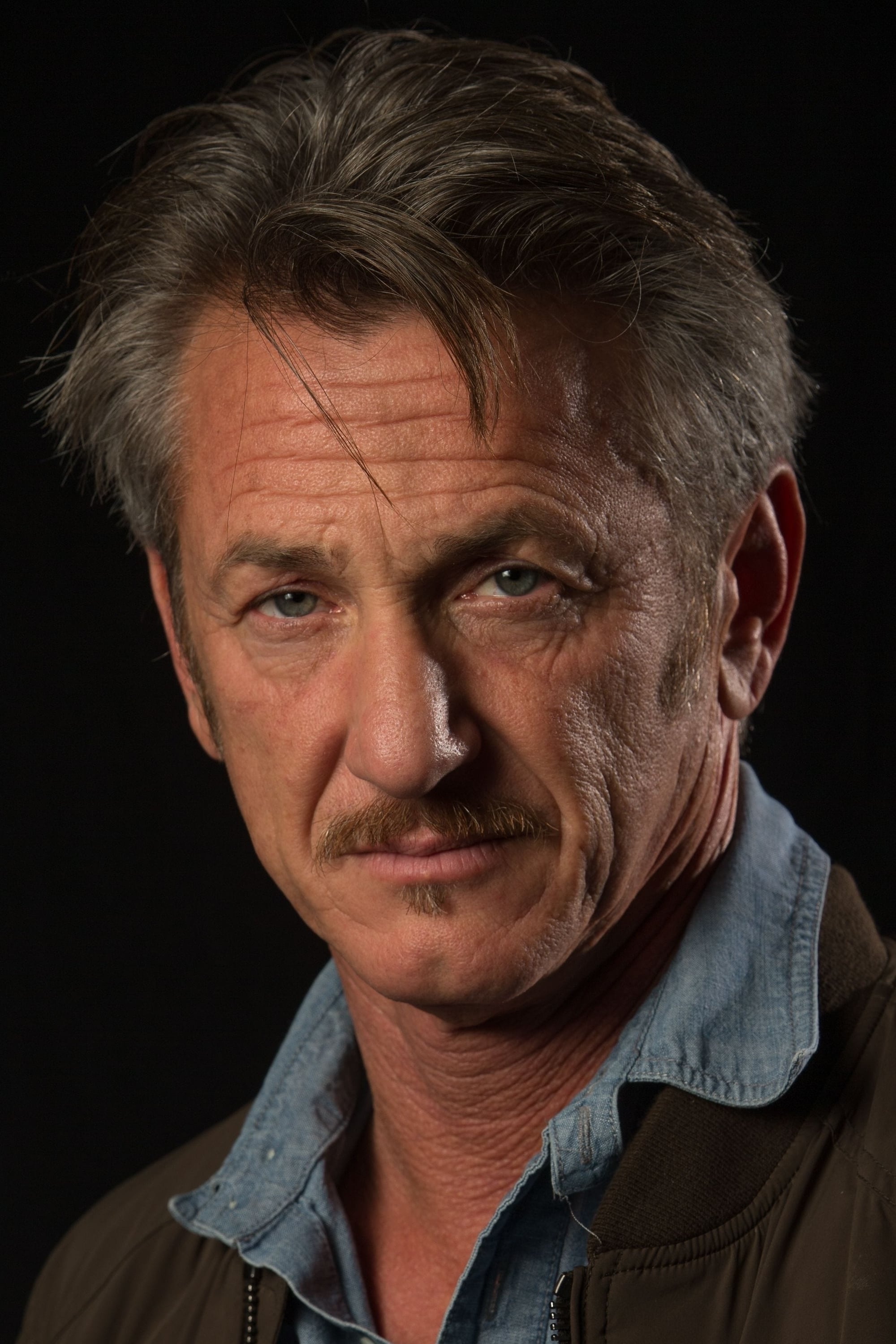
Penn has expressed concern that American men are losing touch with traditional masculine traits. He feels that the emphasis on inclusivity has made culture overly sensitive, which he dislikes. He believes current social trends unfairly criticize men and that biological differences and traditional gender roles still deserve representation in stories.
Mads Mikkelsen
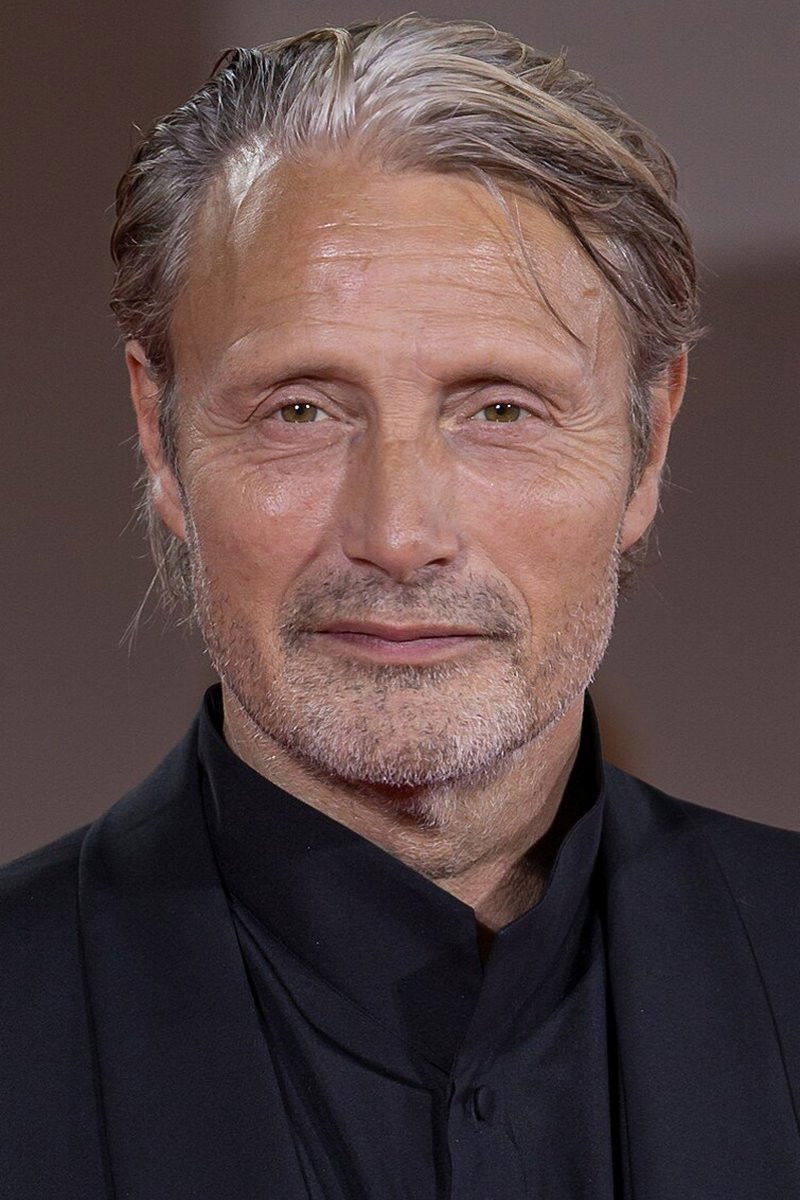
During a recent interview about his film ‘The Promised Land’, Mads Mikkelsen addressed concerns about a lack of diversity. He argued that it doesn’t make sense to expect a film set in 1750s Denmark to reflect today’s diversity standards, expressing surprise that the film was criticized for being historically accurate. His comments touched on the challenge of balancing historical authenticity with modern expectations for representation.
Ralph Fiennes
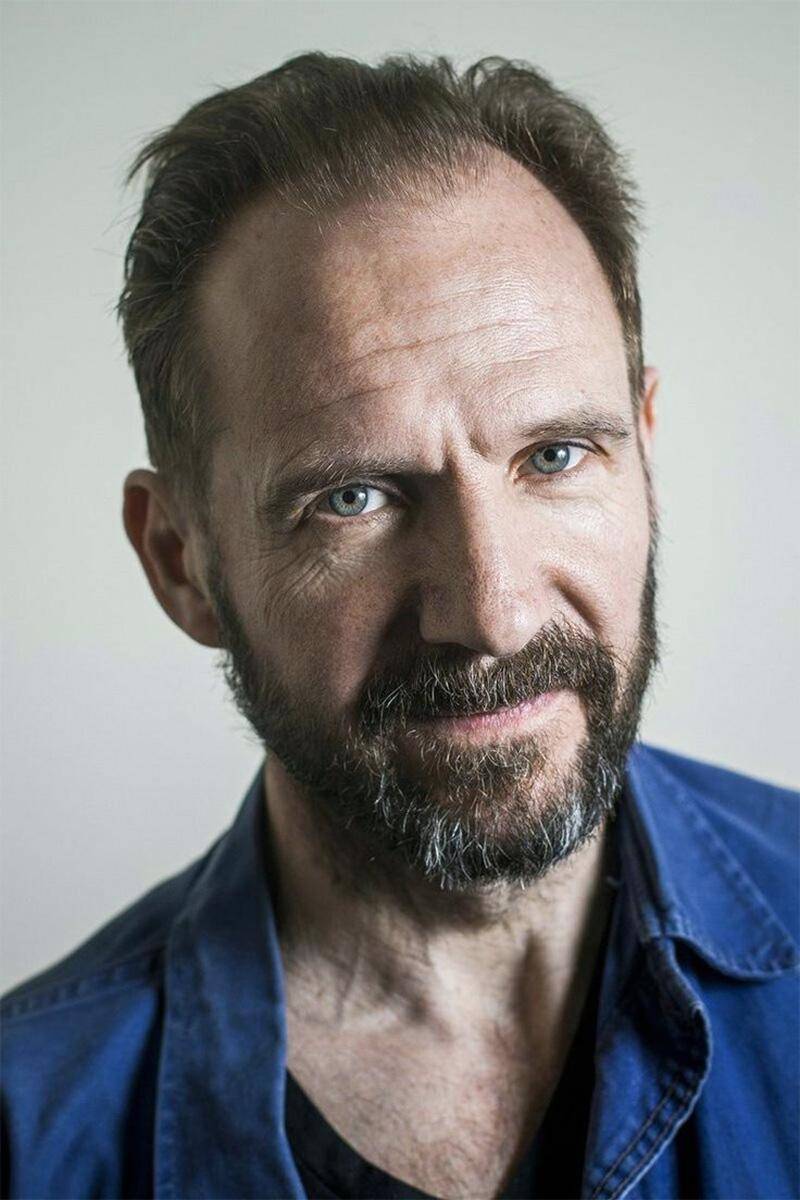
Ralph Fiennes believes theater should challenge audiences, even shock them, instead of shielding them from difficult content. He’s also criticized the practice of altering classic works and adding trigger warnings. Furthermore, Fiennes has publicly defended J.K. Rowling against criticism of her opinions, expressing concern over what he sees as an unreasonable and troubling reaction to differing viewpoints.
Isaiah Washington
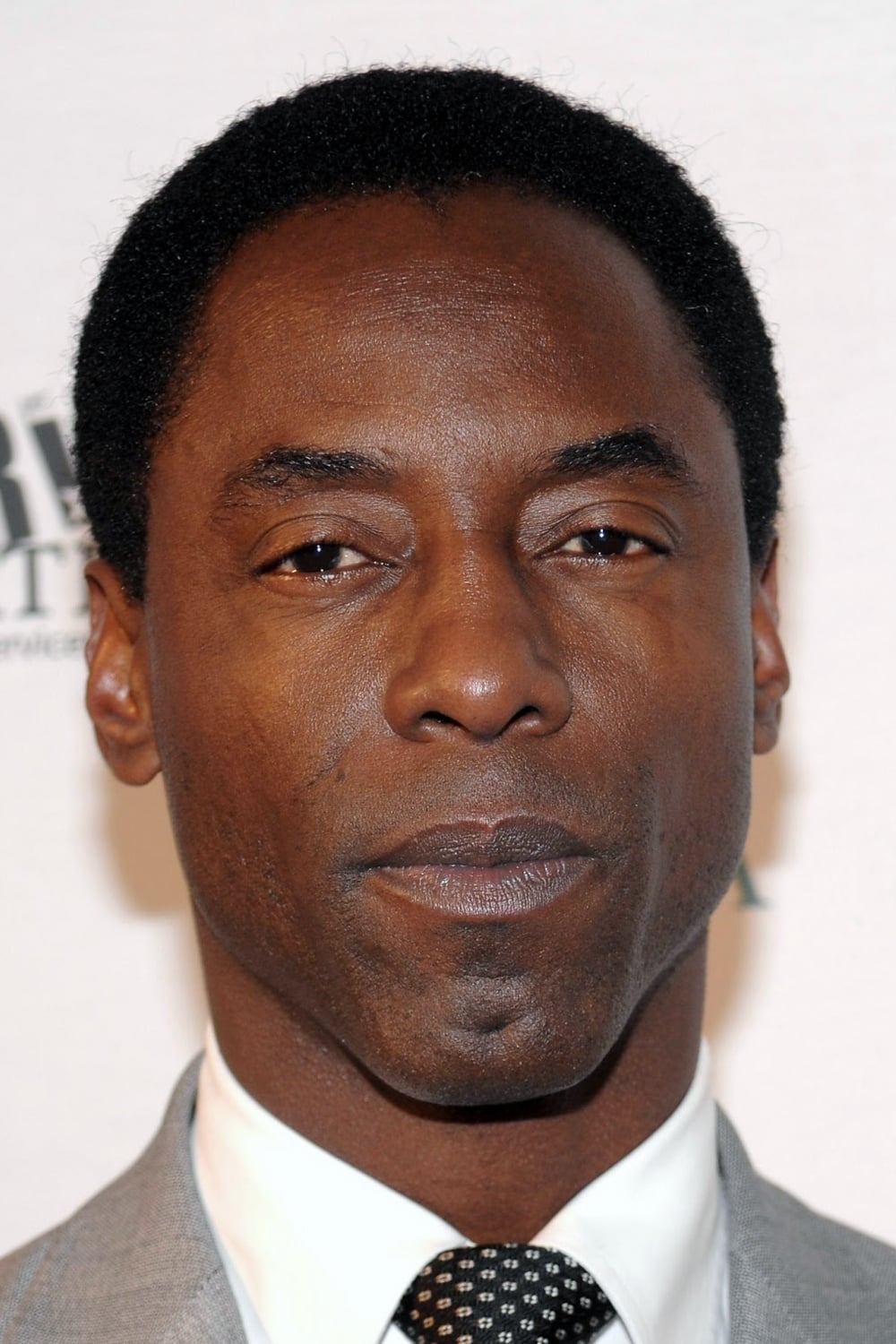
Following his departure from ‘Grey’s Anatomy’, Isaiah Washington publicly criticized the inner workings of Hollywood. He later switched his political affiliation, leaving the Democratic party, and spoke out against the industry’s tendency to use identity politics to influence Black actors. Washington believes this system takes advantage of talented minorities while requiring them to conform politically. He now champions creating content independently, outside of traditional Hollywood structures.
Robert Davi
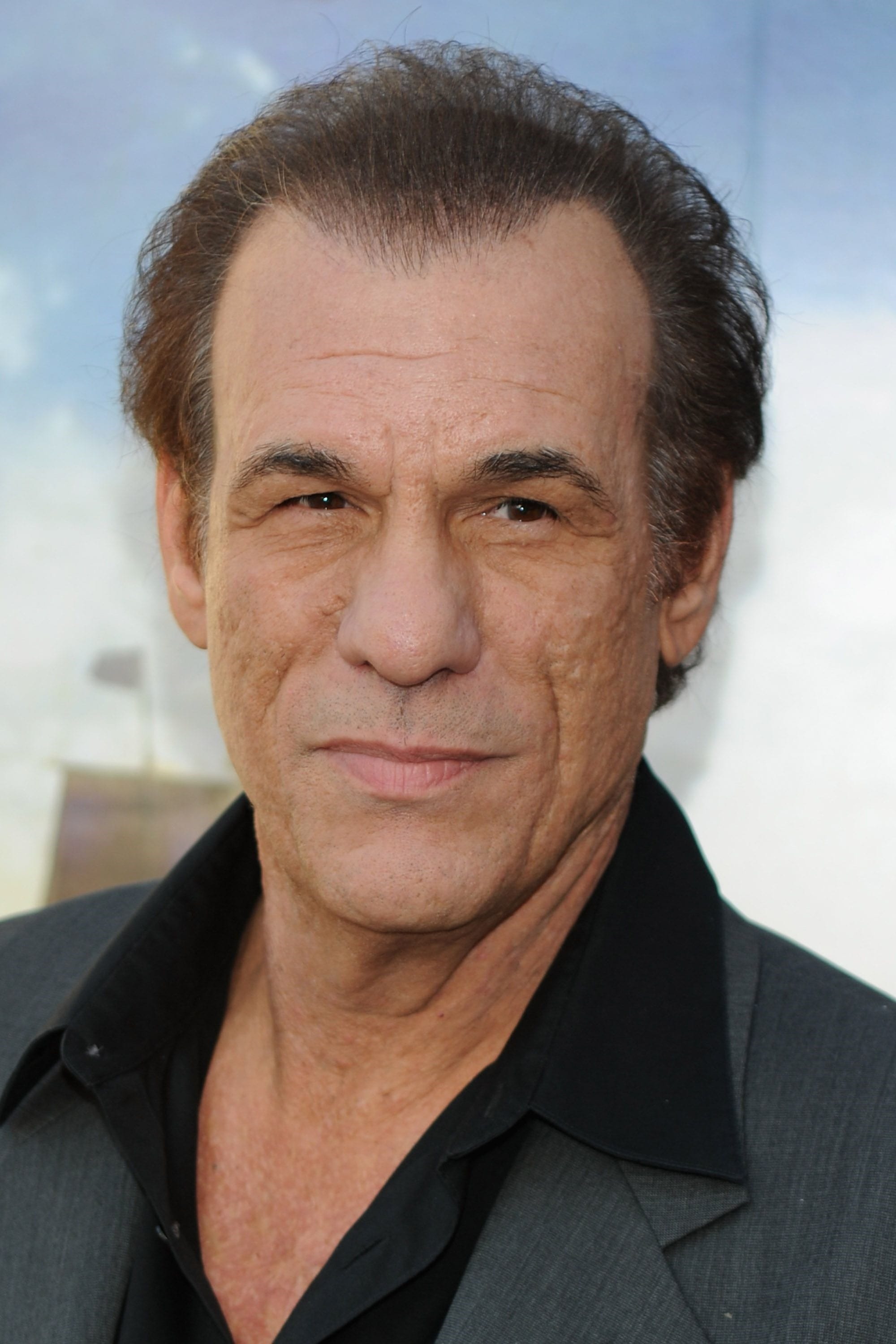
Davi is a committed conservative who feels Hollywood often leaves out people who don’t share liberal viewpoints. He’s made films that question common ideas about today’s political topics. The actor believes the entertainment industry discourages expressions of patriotism and traditional beliefs, and he often talks about this bias on conservative news outlets.
Adam Baldwin
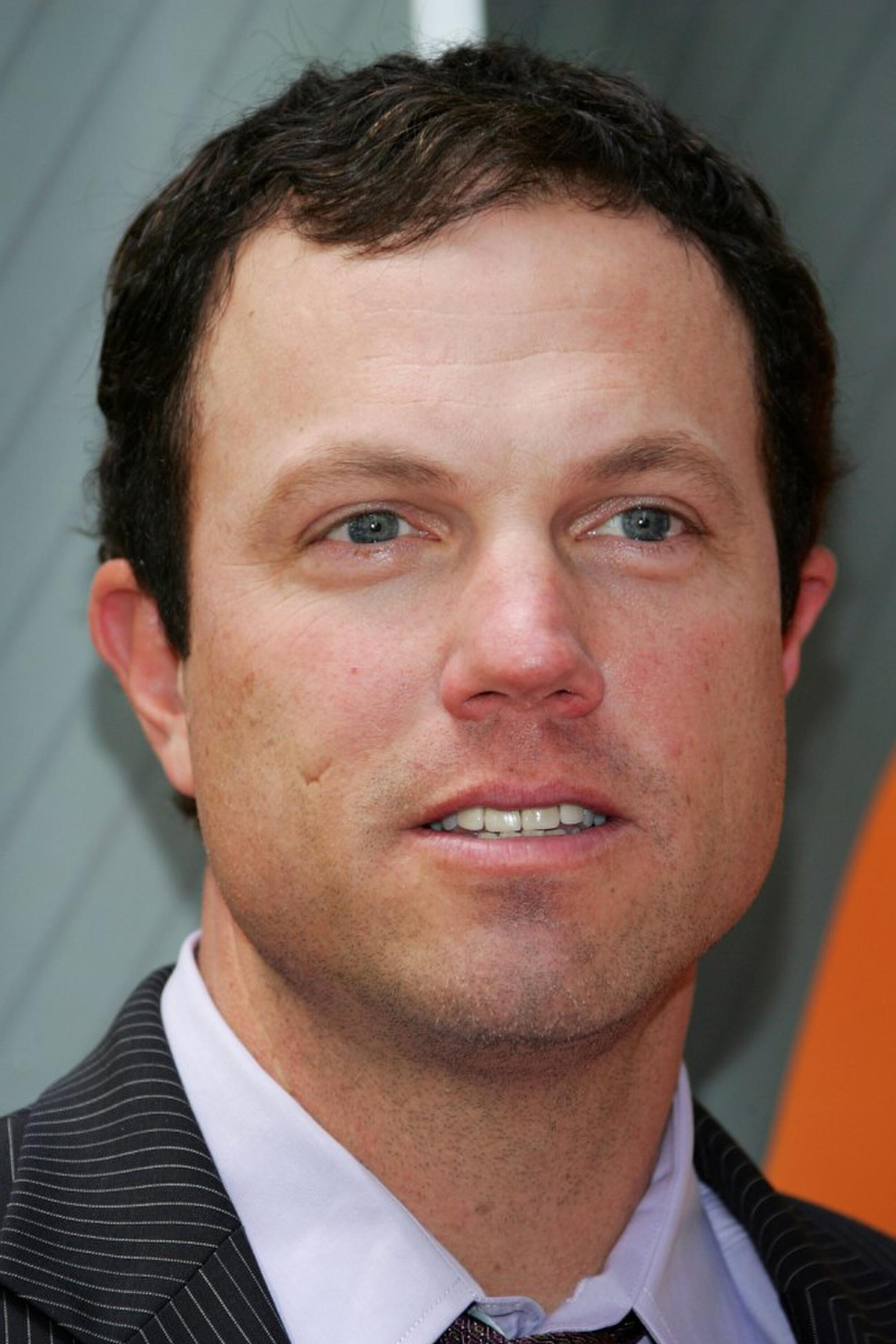
Dana Baldwin became well-known during the Gamergate controversy and has consistently criticized what he sees as excessive political correctness in entertainment. He believes that focusing too much on diversity can sometimes lead to weaker stories and less developed characters. Baldwin feels that creators should focus on pleasing their existing fans rather than trying to satisfy current social critics, and that talent and quality should always be more important than meeting diversity requirements.
Scott Baio
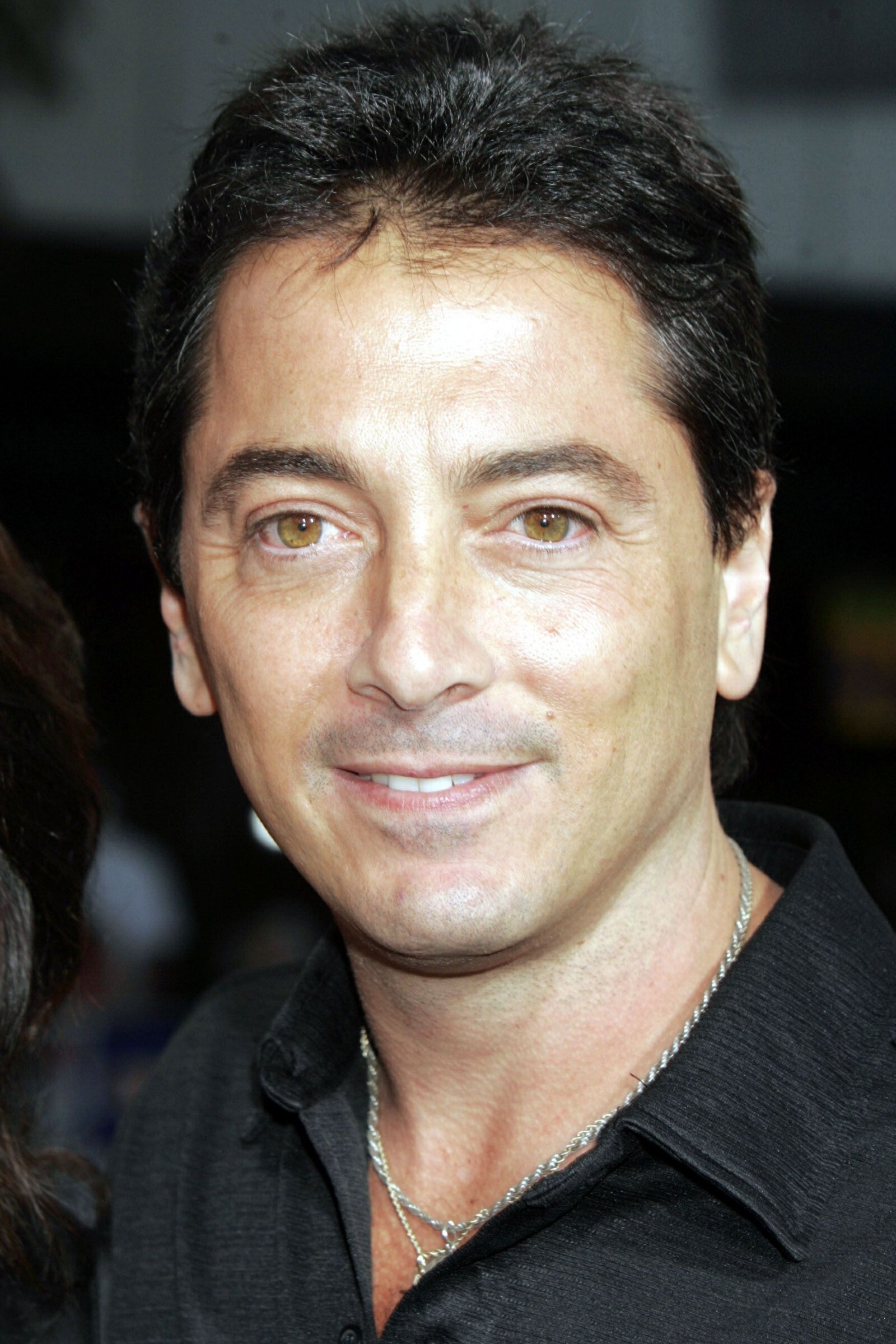
Scott Baio is a strong supporter of Donald Trump and often speaks out against what he sees as the overwhelmingly liberal views in Hollywood. He claims his political beliefs have led to lost opportunities and strained relationships in the entertainment industry, believing it actively pushes an agenda he considers un-American. He uses his public voice to challenge the changes being promoted by major film and television studios.
Stephen Baldwin

The youngest of the Baldwin brothers is openly Christian and politically conservative. He’s spoken out about what he sees as a decline in morals within Hollywood, feeling the industry often makes fun of religion and traditional family life. He also points out that while the entertainment industry strives to be inclusive, it often overlooks or excludes people of faith. Because of this, he actively seeks out and works on projects that reflect his religious beliefs.
Jim Caviezel
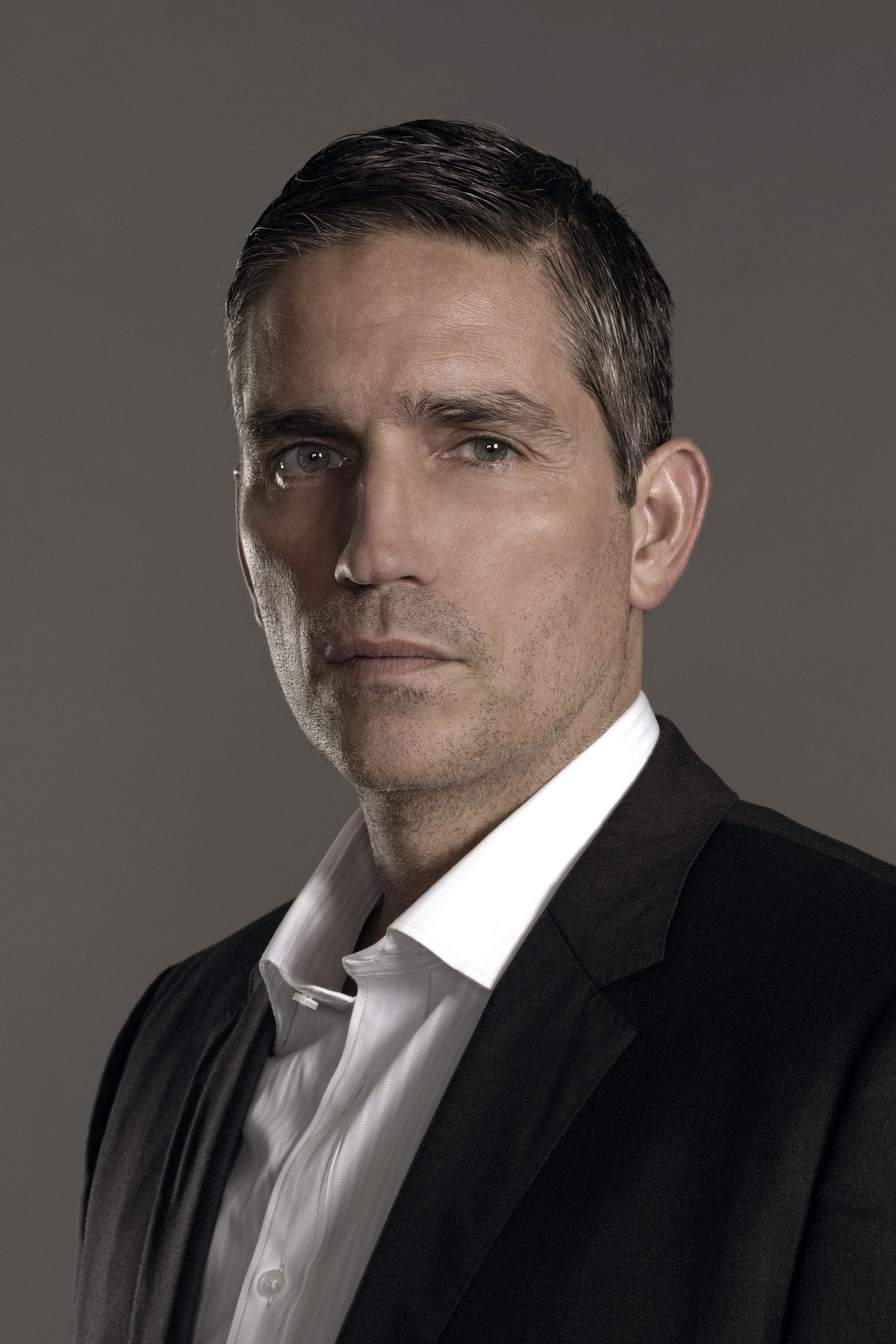
Jim Caviezel, known for his roles in ‘The Passion of the Christ’ and ‘Sound of Freedom,’ often criticizes powerful groups and mainstream media. He suggests the entertainment industry actively covers up difficult realities. Caviezel feels movies should encourage strong moral principles instead of simply following current political trends, and his films often appeal to viewers who feel disconnected from typical Hollywood productions.
Randy Quaid
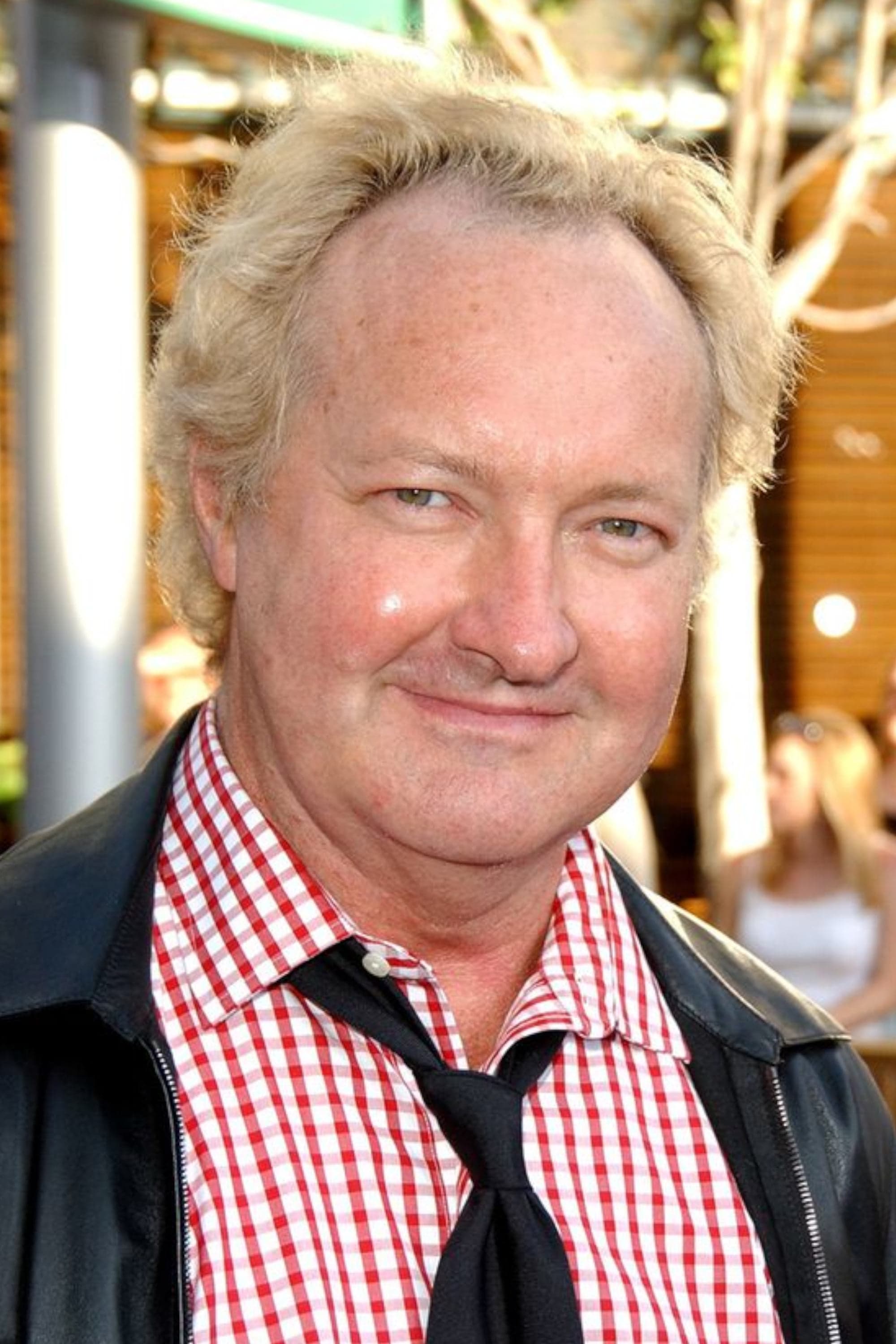
Quaid doesn’t trust Hollywood at all, believing there’s a deliberate effort to control actors. Although his opinions are often unusual, he strongly dislikes the way studios operate and the rules they impose. He feels the industry crushes people who don’t fit in, and his opposition comes from a deep need to be completely independent.
Chuck Norris
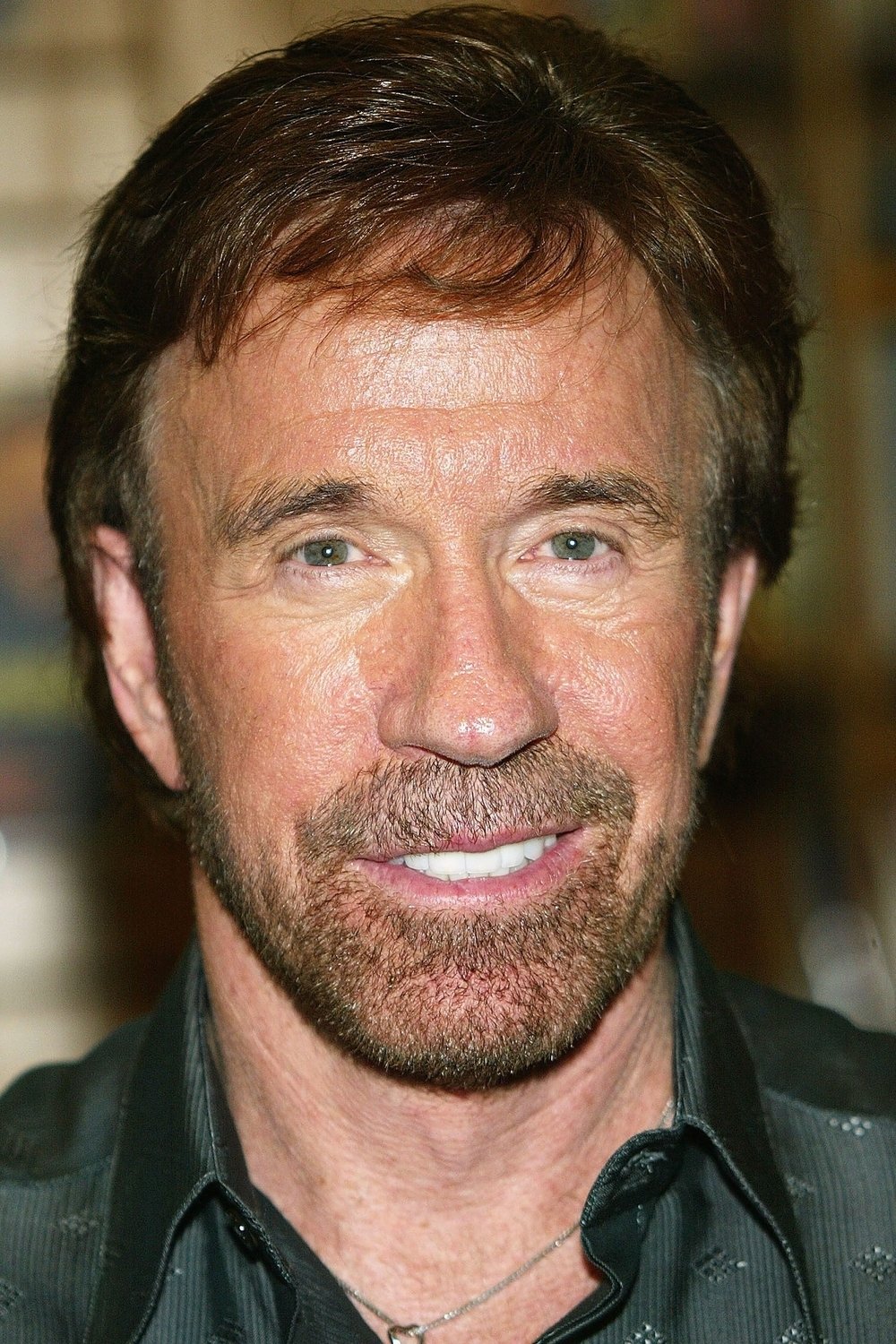
Okay, so I just finished listening to what Norris had to say, and it’s pretty clear where he stands. He’s deeply concerned about the direction of American culture, feeling like we’re losing sight of traditional values. He believes the media is actively pushing a progressive viewpoint, and he’s worried about the impact that has on kids and society as a whole. He’s a firm believer in traditional morals and isn’t a fan of the ‘anything goes’ approach you often see in stories today. Basically, he thinks we need to get back to basics and focus on the principles that built this country, rather than prioritizing modern diversity programs. It’s a pretty strong, conservative stance, and he doesn’t shy away from saying so.
Steven Seagal
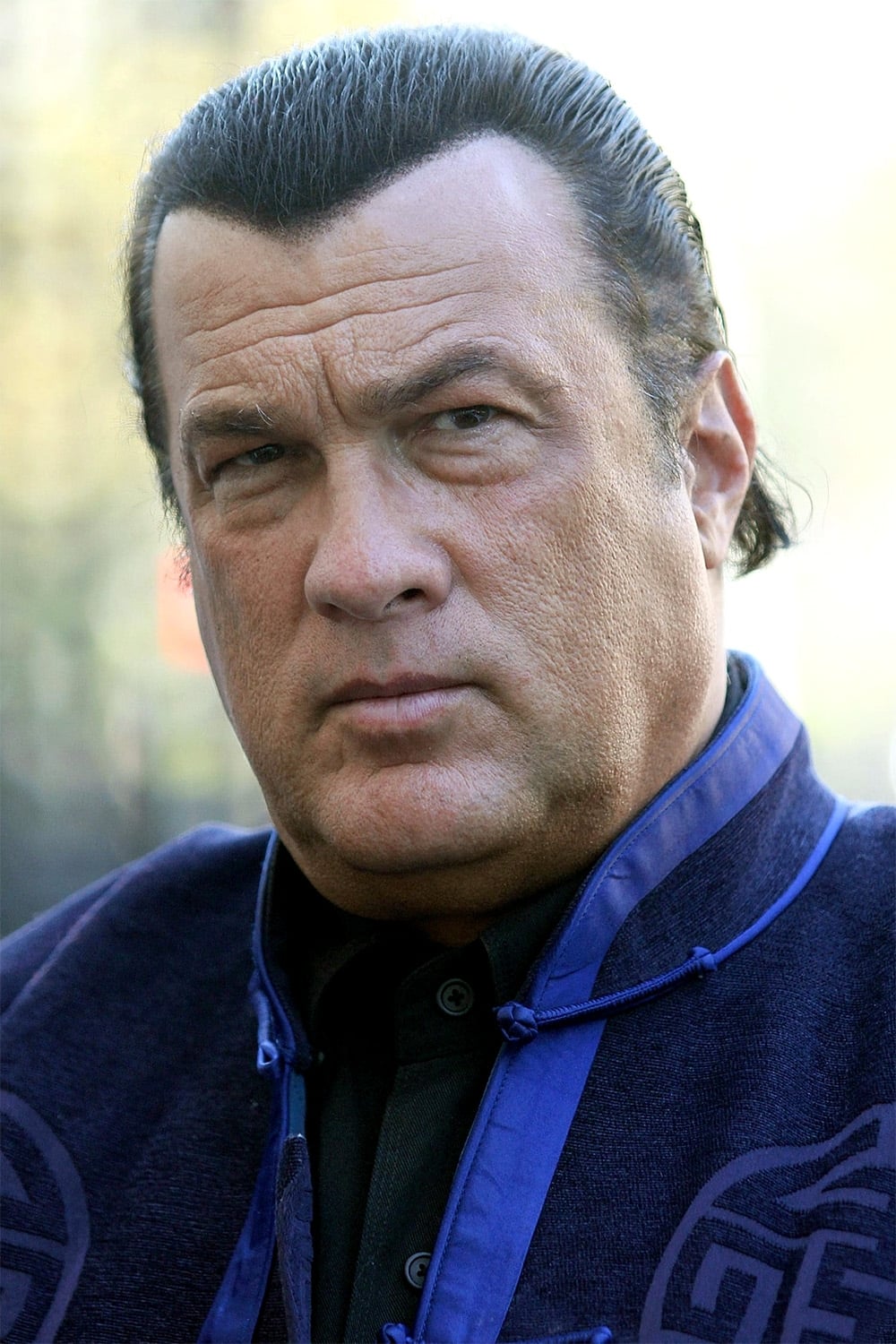
Steven Seagal often speaks out against the U.S. government and the media, believing that Hollywood frequently uses propaganda to influence people’s opinions. He supports leaders who disagree with Western ideals and rejects the mainstream culture promoted by the American entertainment industry.
Dennis Miller
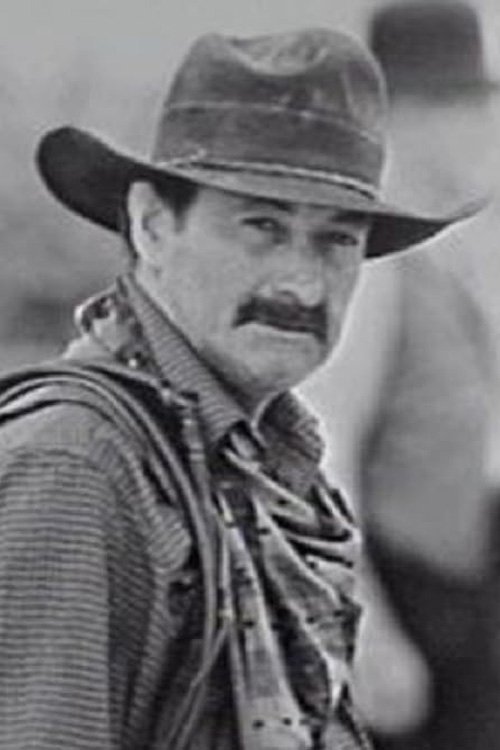
After leaving ‘Saturday Night Live,’ Miller became a conservative voice known for poking fun at what he sees as the overly sensitive attitudes of the left. He contends that the desire to avoid causing offense is ruining comedy, making it bland and ineffective. Miller thinks society has become too easily upset and disconnected from the real world, and his jokes often challenge the efforts to control what people say and do.
Zachary Levi
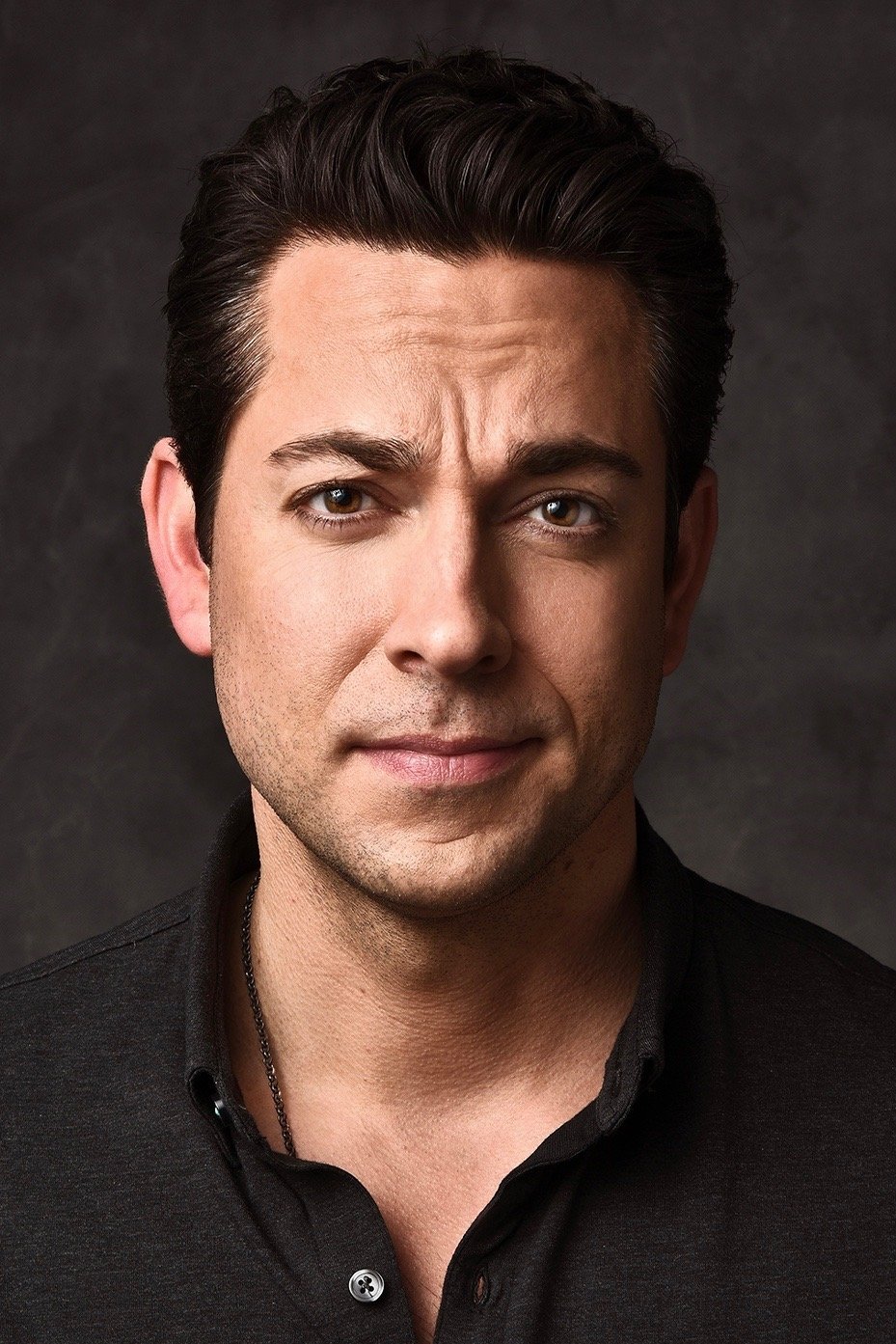
Levi has publicly supported Donald Trump and spoken out against the quality of movies and TV shows lately. He feels Hollywood prioritizes pushing specific messages over creating good entertainment and keeping audiences happy. He believes this approach is causing viewers to lose faith in the industry, and he’d like to see content evaluated based on its artistic merit, not its political views.
Stephen Fry
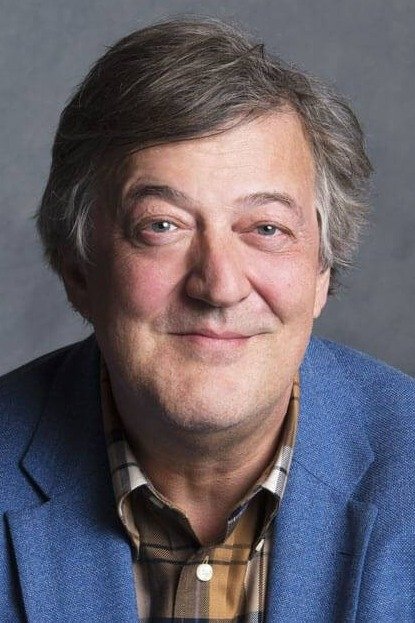
Though generally considered progressive, Fry has voiced concerns about the judgmental and preachy side of the ‘woke’ movement. He suggests that today’s efforts at inclusivity can feel similar to an overly strict moral code. Fry believes that constantly correcting people’s language and thoughts actually hinders real progress and could push away those the movement aims to influence.
Jeremy Clarkson
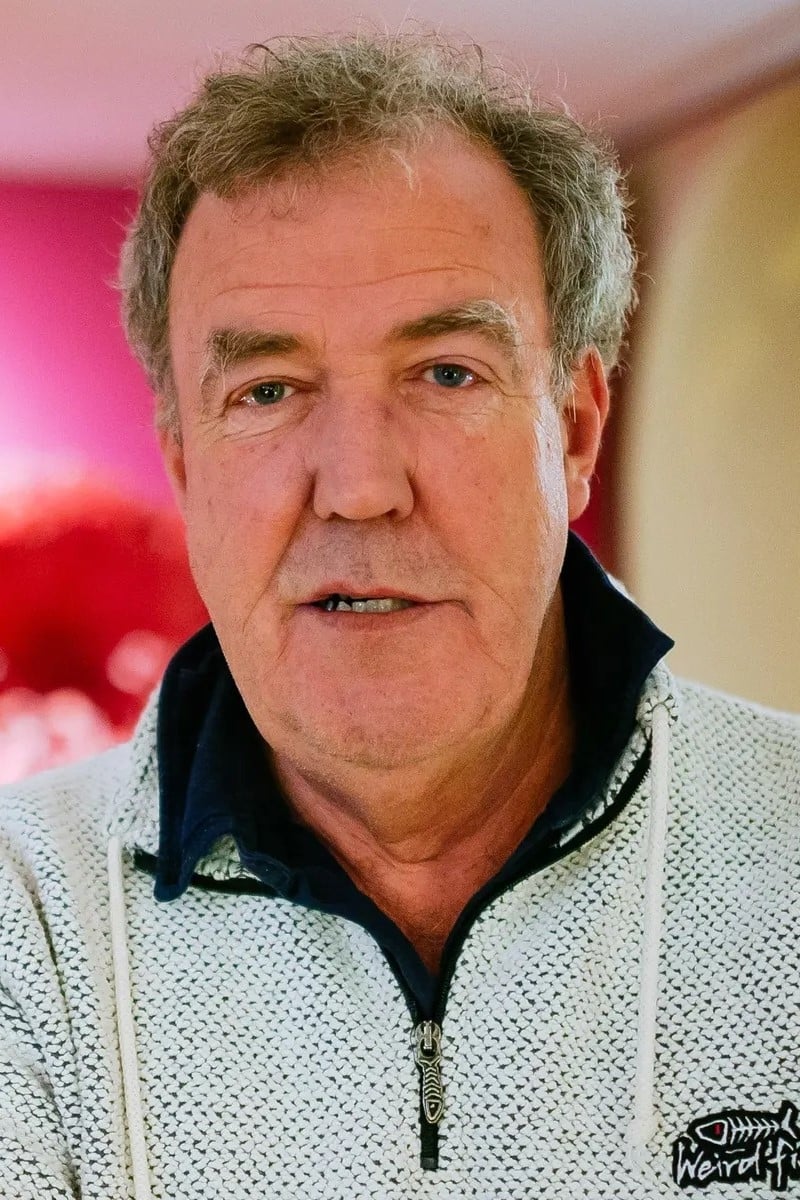
Jeremy Clarkson, host of ‘The Grand Tour,’ often makes fun of the efforts television networks make to appear ‘woke.’ He thinks they prioritize checking off diversity requirements over creating genuinely entertaining content. Clarkson believes viewers are annoyed by presenters who preach to them, and his own popularity comes from going against the overly cautious standards of modern media.
Sylvester Stallone
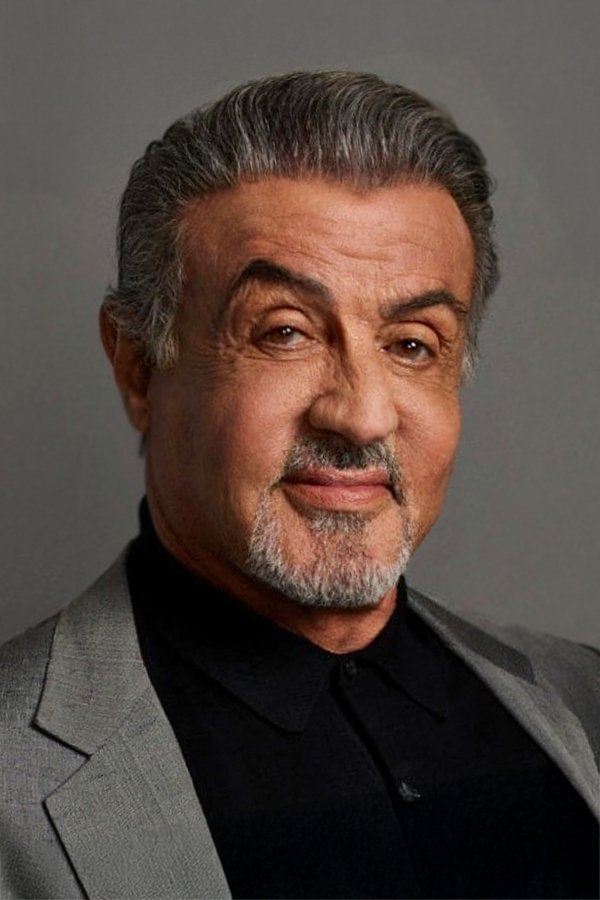
Sylvester Stallone generally stays out of heated political debates, but his views lean conservative. He’s a member at Mar-a-Lago and consistently highlights personal determination in his movies, rather than blaming outside factors. Stallone believes success comes from hard work and a positive attitude, not from focusing on complaints. His films typically show characters triumphing through their own efforts, without needing approval from others.
Sam Elliott
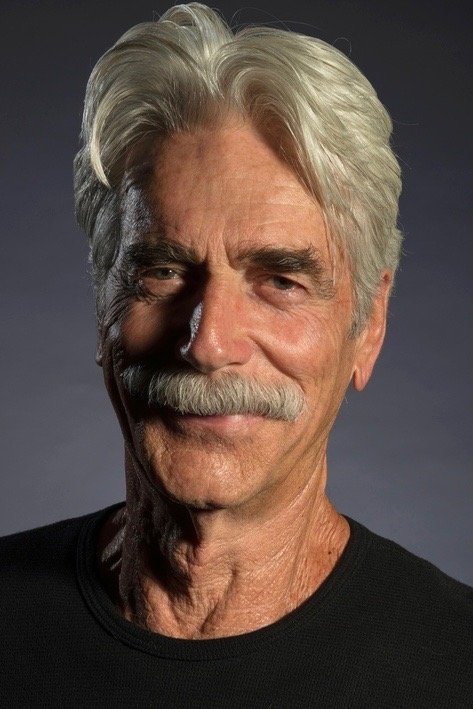
Elliott faced criticism for his comments about ‘The Power of the Dog,’ specifically his disapproval of how it challenged traditional Western tropes. He felt the film sacrificed historical accuracy to fit a contemporary story, and he voiced his annoyance with how classic Western characters were being reimagined. His views highlighted a broader resistance to the trend of updating or revising classic themes in modern movies.
Dennis Quaid
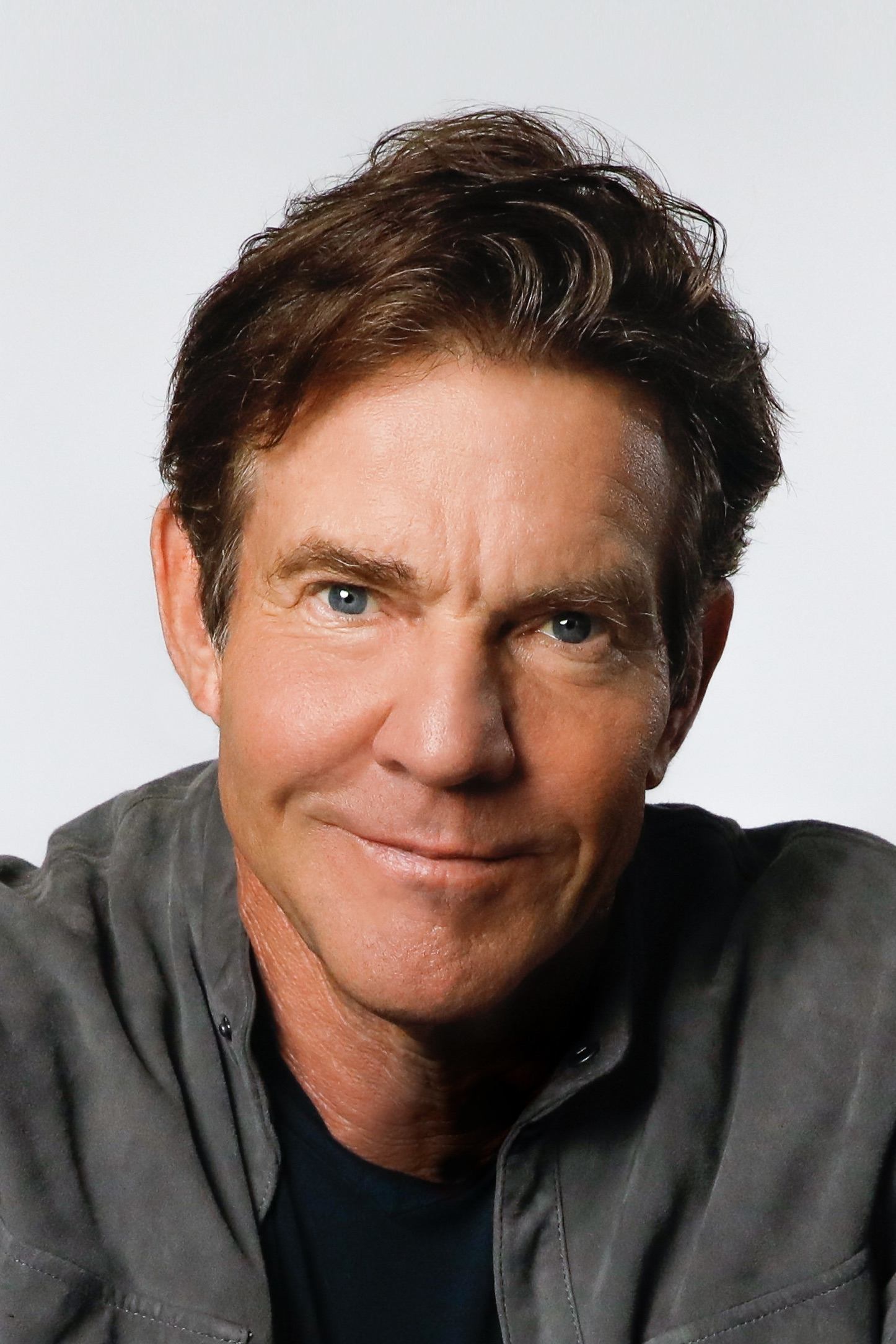
Quaid has expressed concern about the deep divisions within the country and believes ‘cancel culture’ is a significant issue. He argues that people should be able to have disagreements without ruining each other’s careers. He also values understanding history and doesn’t think we should try to erase it. Quaid actively seeks out projects that bring people together instead of focusing on what sets them apart.
Kevin Costner
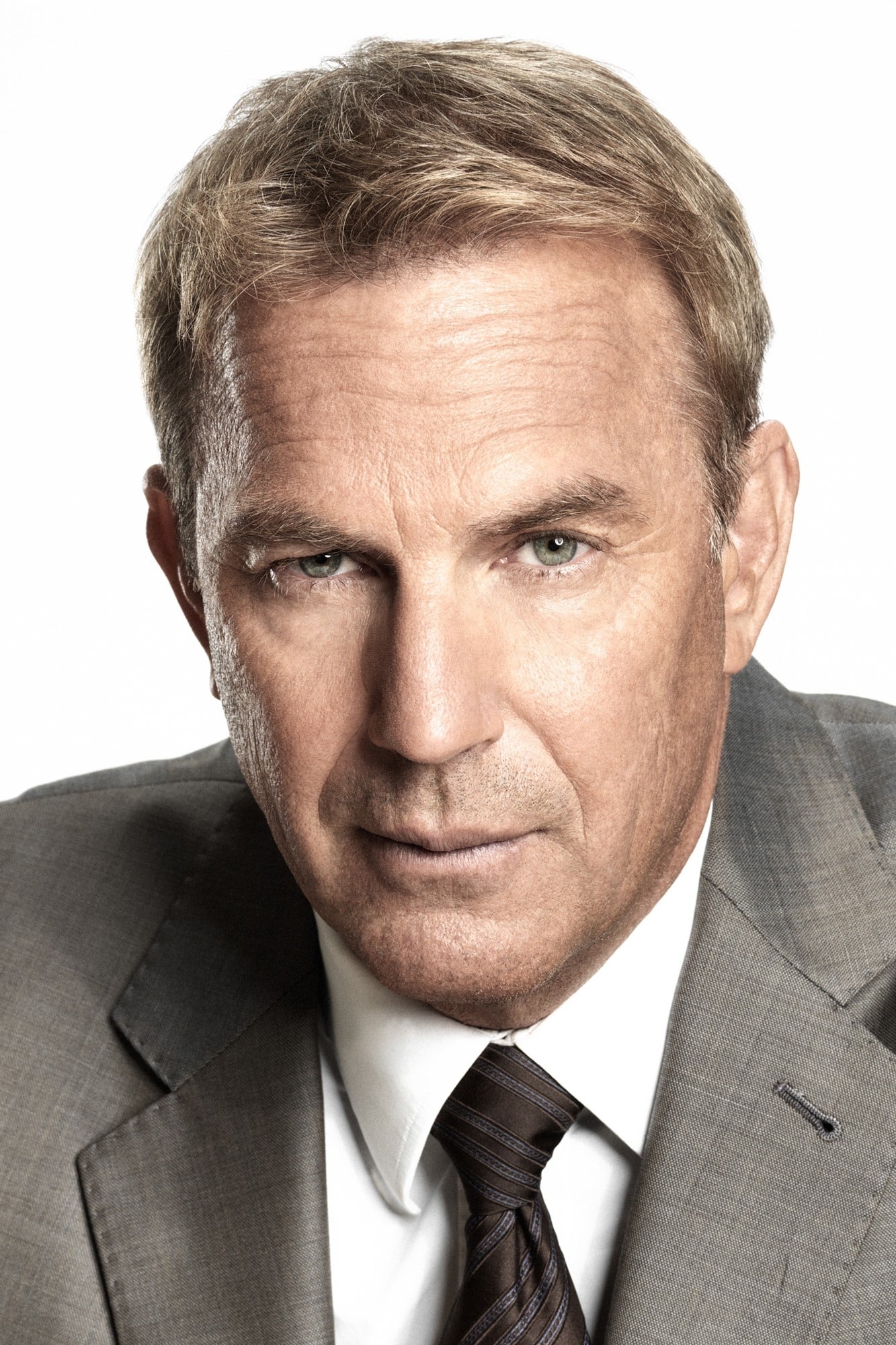
Kevin Costner responded to criticism that his show, ‘Yellowstone,’ simply caters to conservative audiences, explaining he doesn’t like being pigeonholed. He feels people are too quick to judge art based on what political message it seems to promote. Costner prioritizes telling genuine stories, rather than trying to fit a particular political agenda. He believes strong narratives should rise above today’s divisive political landscape.
Please share your thoughts on these actors and their stances in the comments.
Read More
- Gold Rate Forecast
- 22 Films Where the White Protagonist Is Canonically the Sidekick to a Black Lead
- Games That Faced Bans in Countries Over Political Themes
- Silver Rate Forecast
- Unveiling the Schwab U.S. Dividend Equity ETF: A Portent of Financial Growth
- Celebs Who Narrowly Escaped The 9/11 Attacks
- Brent Oil Forecast
- How to Do Sculptor Without a Future in KCD2 – Get 3 Sculptor’s Things
- Superman Flops Financially: $350M Budget, Still No Profit (Scoop Confirmed)
- 14 Movies Where the Black Character Refuses to Save the White Protagonist
2026-01-19 07:50