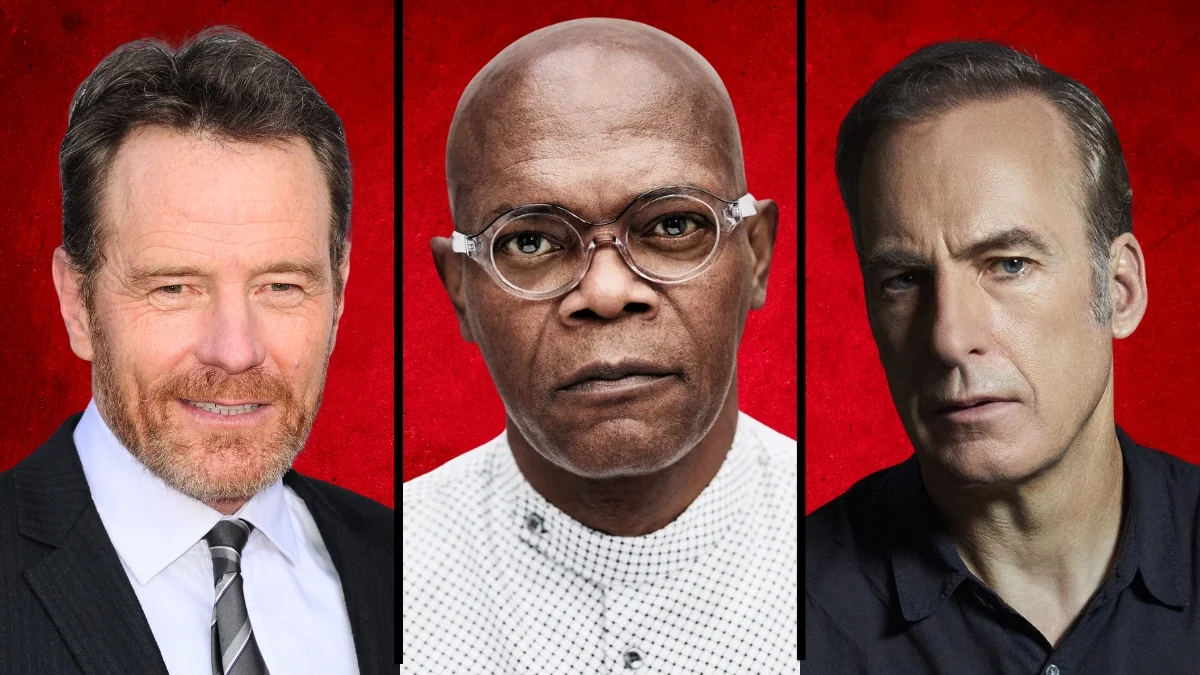
Artificial intelligence is quickly changing the entertainment world, and many actors are worried about its impact. The 2023 SAG-AFTRA strike focused heavily on AI, as performers aimed to safeguard their images and careers. Actors fear that AI could create unauthorized digital copies of themselves and diminish the importance of human creativity in filmmaking. Both established and contemporary stars agree that human artistry is essential. The following is a list of male actors who have spoken out against the use of AI in movies and television.
Robert Downey Jr.
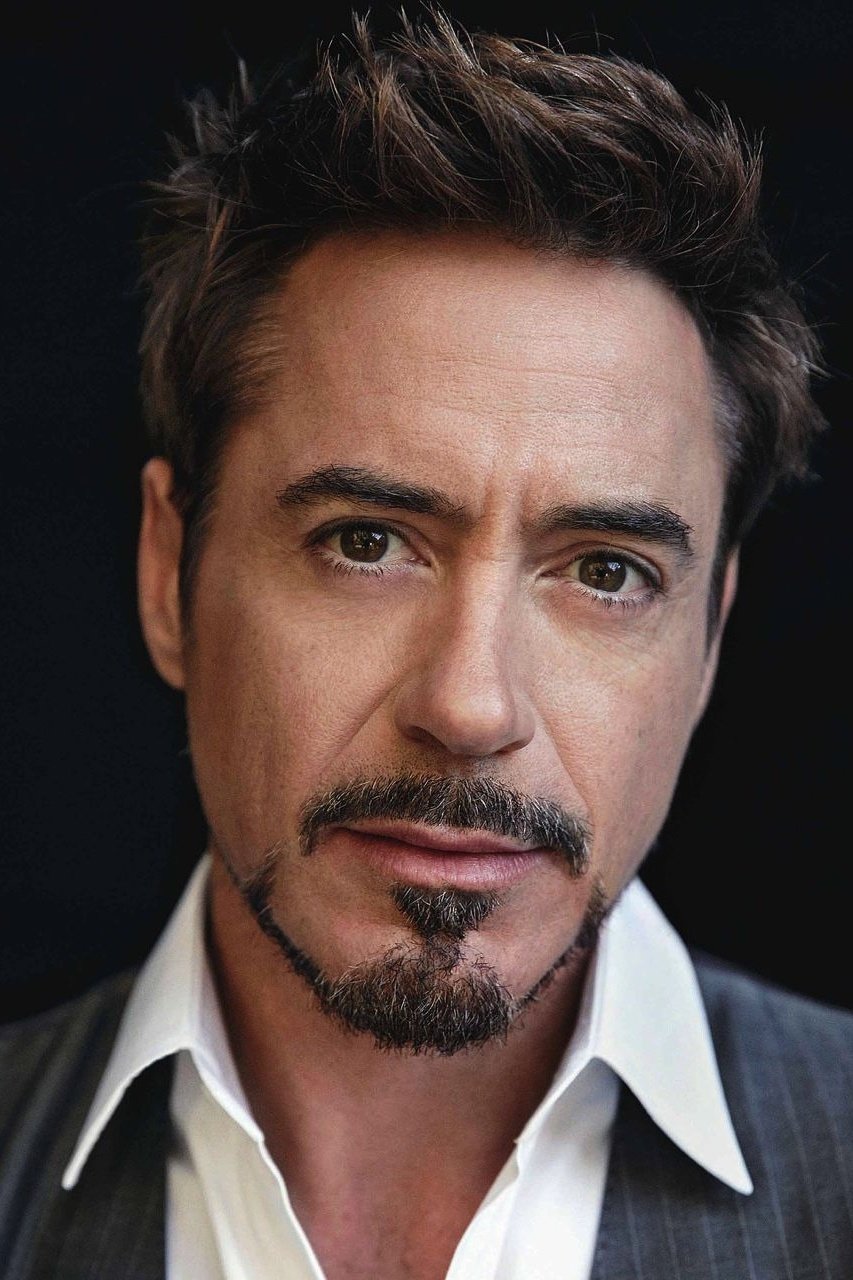
Robert Downey Jr. is firmly opposing the use of AI to replicate his image and performances, and has stated he will take legal action against any studio that tries to do so. This stance follows his memorable roles as Iron Man and in ‘Oppenheimer’, for which he won an Academy Award. He argues that an actor’s unique talent and personality can’t be duplicated by artificial intelligence, and his actions are setting an important precedent for protecting actors’ rights in a world increasingly shaped by digital technology.
Tom Hanks
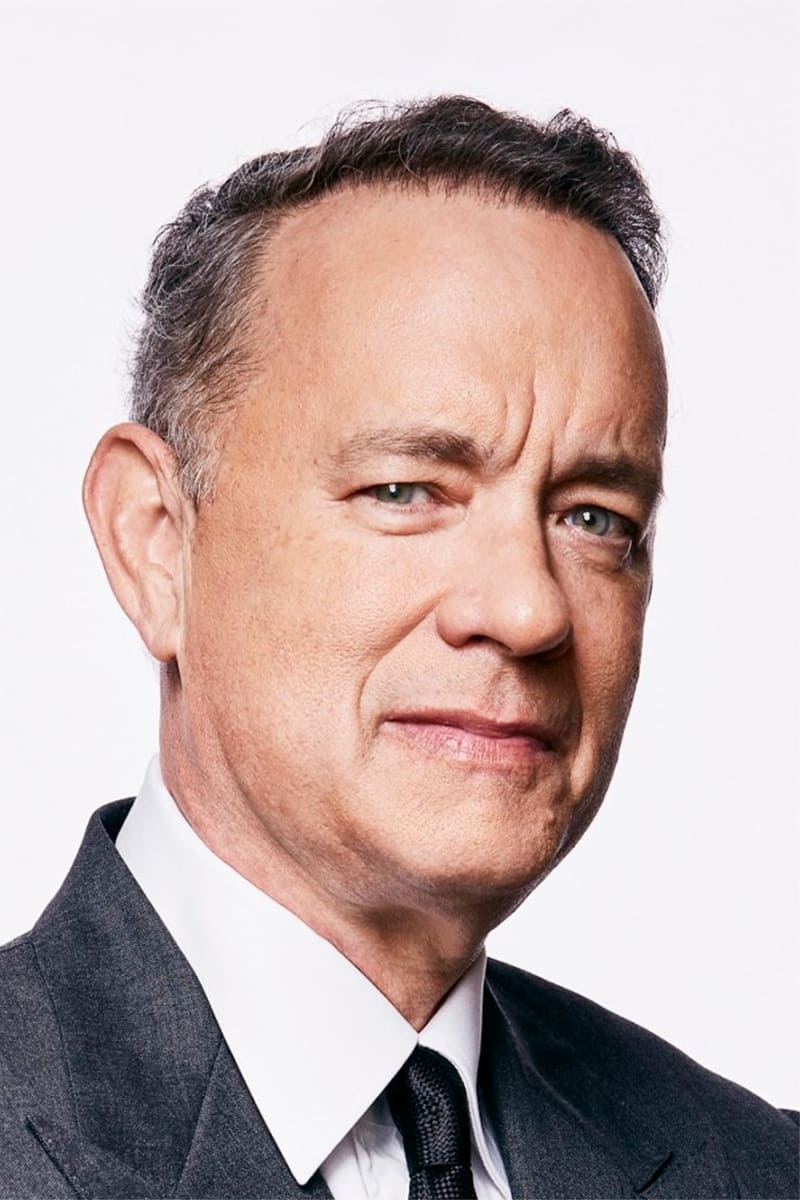
Tom Hanks recently warned his fans about a fake dental plan ad that used an AI-created version of his face without his approval. The popular actor, known for films like ‘Forrest Gump’ and ‘Saving Private Ryan’, has spoken out about the legal and ethical problems caused by deepfake technology. In a podcast, he shared his worry that actors could appear in movies even after their death. Hanks stressed the importance of strong copyright laws to stop people from improperly using a performer’s likeness, and he continues to be a leading advocate for rules governing the use of AI in the entertainment industry.
Bryan Cranston
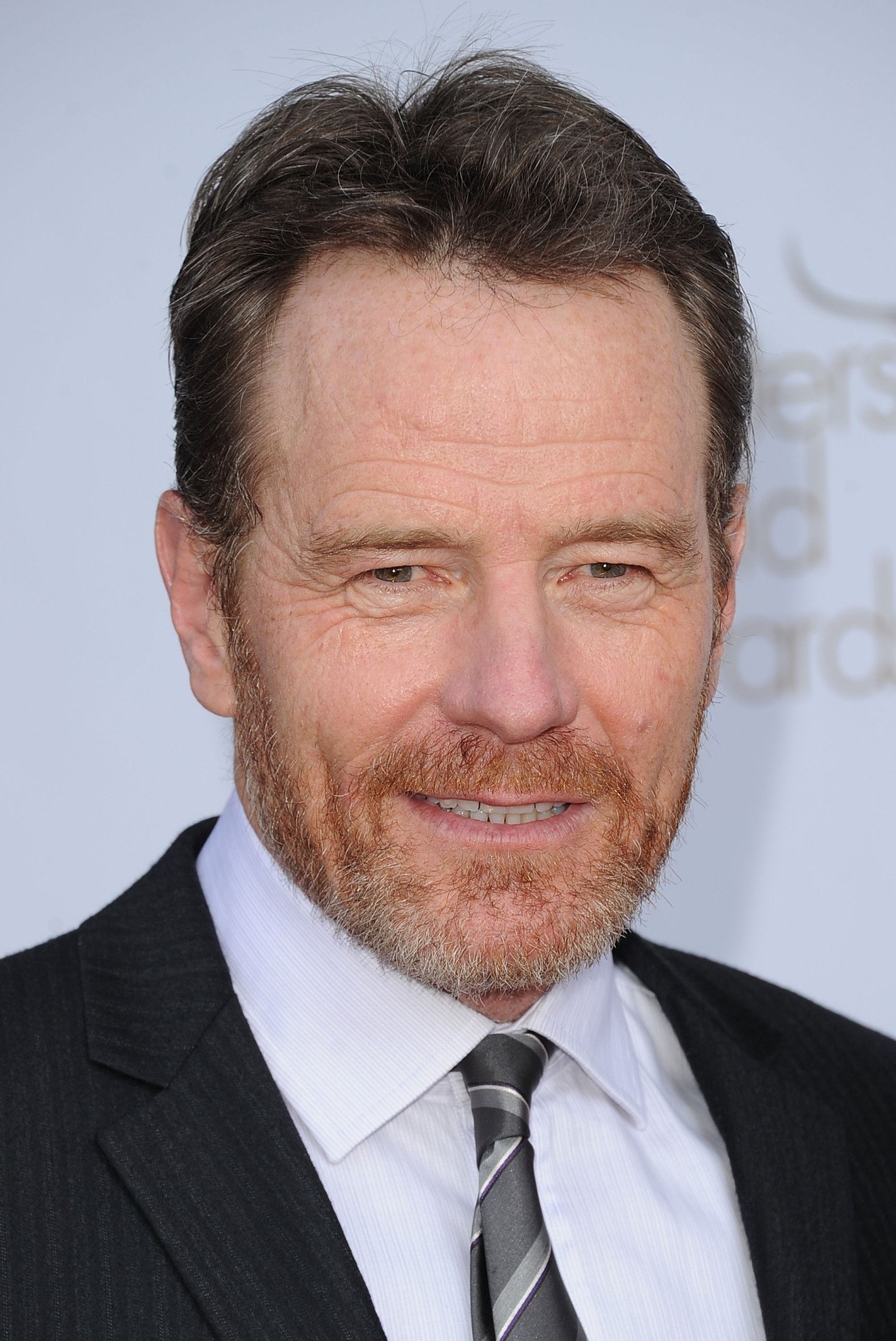
As a lifelong movie fan, I was really struck by Bryan Cranston’s speech at the SAG-AFTRA rally. He basically told the studio heads that actors aren’t going to be replaced by robots, and I couldn’t agree more! He made a great point – acting is all about being human, about genuine emotion and experience, and that’s something AI just can’t replicate. Seeing him out on the picket lines fighting for fair contracts that protect our jobs – and our dignity – is inspiring. He’s really championing the idea that art needs a human heart, and that’s something worth fighting for.
Sean Penn
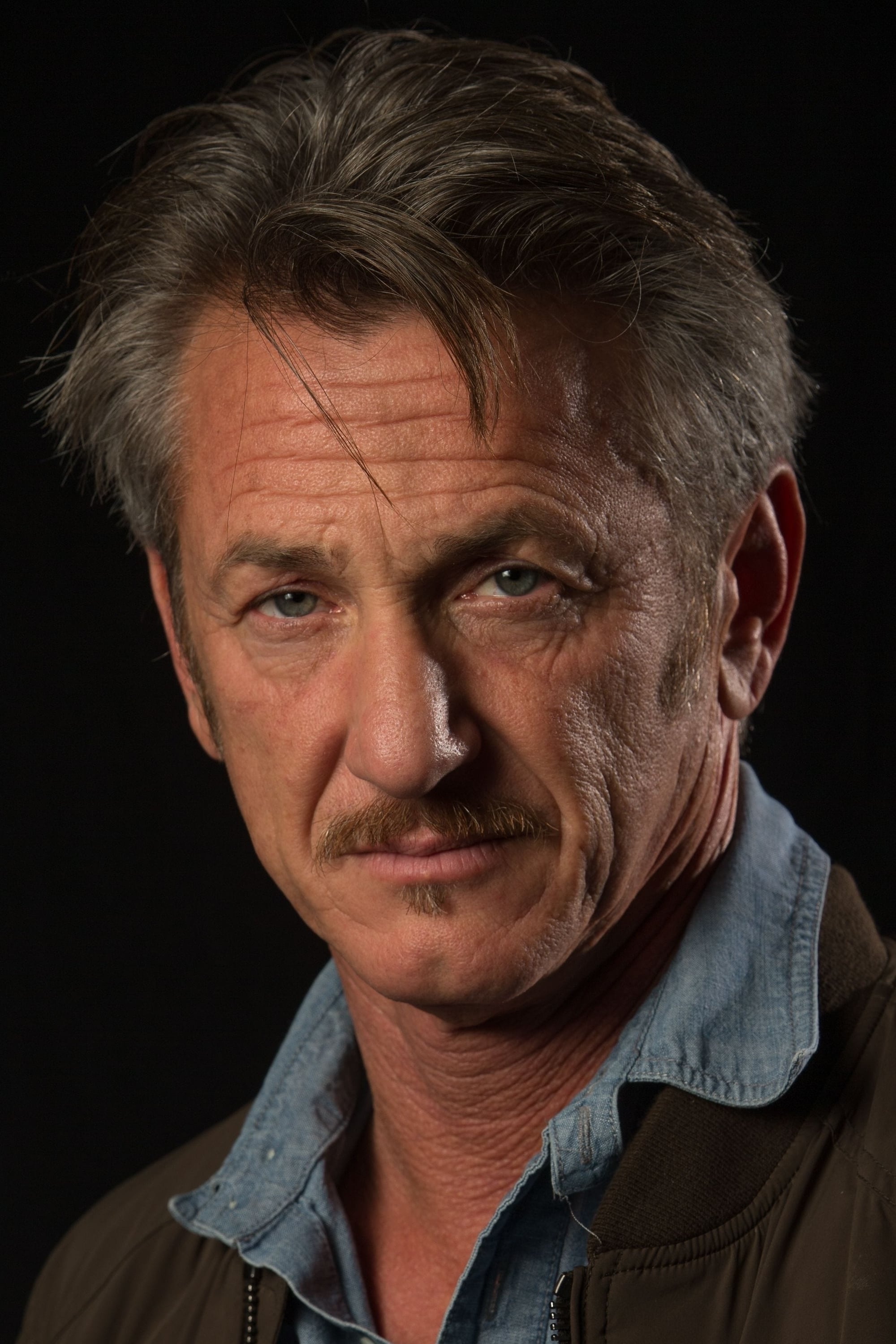
Sean Penn has suggested a trade with studios regarding the use of actors’ digital likenesses in AI. He proposes that if studios want to use his image, he should have the same right to use theirs for his own projects. Penn, known for his role in ‘Milk,’ believes the industry’s growing interest in AI is a creatively empty move. He’s particularly concerned about studios scanning actors – both leads and background performers – without proper consideration. Penn remains strongly opposed to the increasing reliance on technology in filmmaking.
Nicolas Cage
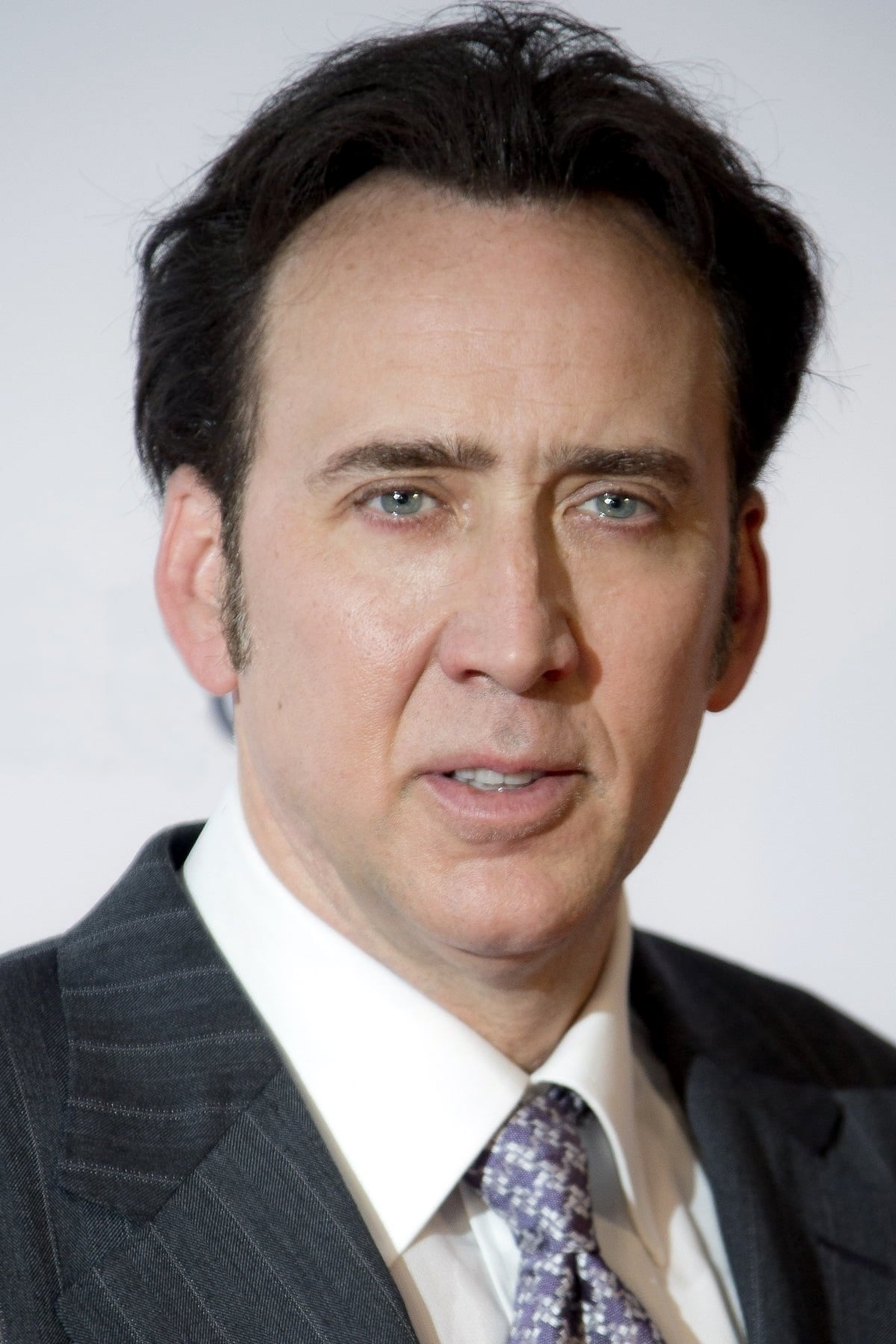
Nicolas Cage has voiced strong concerns about the increasing use of artificial intelligence in filmmaking, calling it a potentially damaging trend that removes the genuine human element from acting. He was particularly disturbed by a digitally altered version of himself in ‘The Flash,’ feeling it didn’t accurately represent his work. Cage argues that AI performance capture eliminates the spontaneous, instinctive decisions that make acting authentic. He’s advising young actors to safeguard their “digital replicas” – essentially, the AI versions of themselves – to retain control over their performances and protect the integrity of their craft. He sees this technology as a serious threat to the very essence of acting.
Joseph Gordon-Levitt
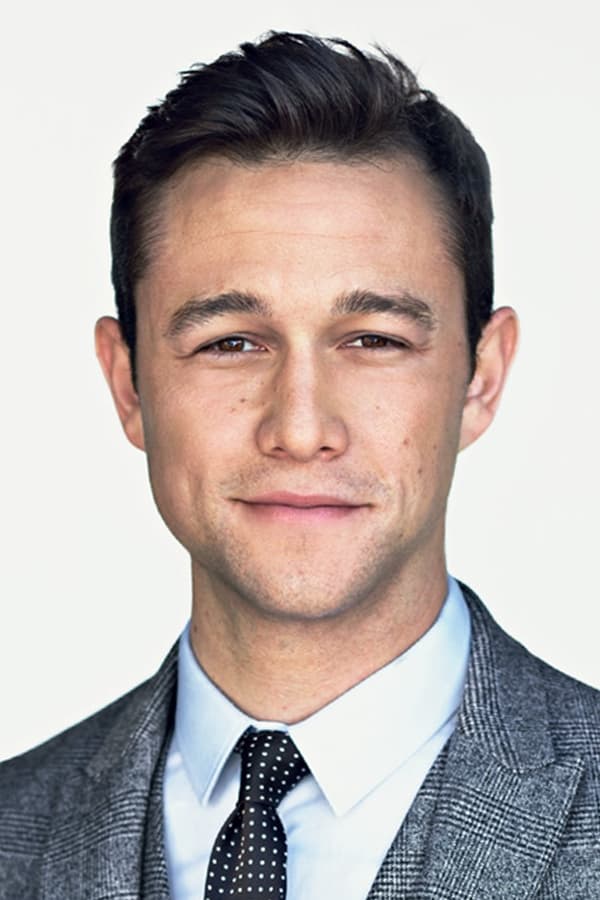
Joseph Gordon-Levitt has been vocal about how AI could affect people working in creative fields, especially financially. He believes actors should receive ongoing payments (residuals) if AI uses their past work to create something new. The actor, known for films like ‘Inception,’ worries AI could be used unfairly without proper worker protections. He’s joined discussions within the entertainment industry about how AI-powered tools might lower the value of work done by writers and performers, emphasizing the need to balance technological advancements with fair compensation.
John Cusack
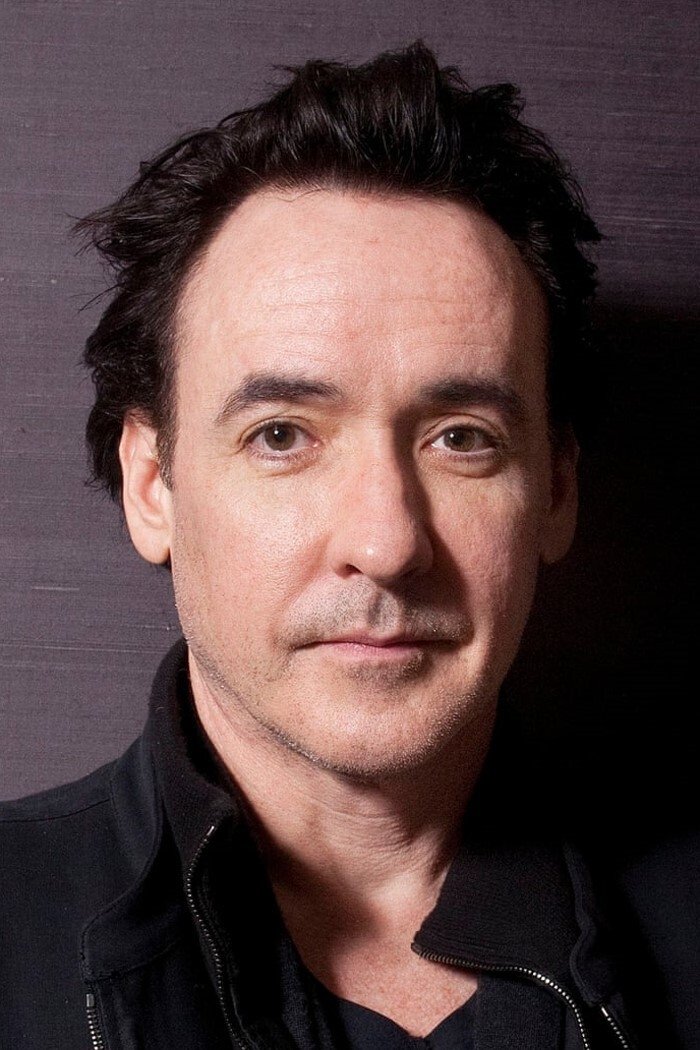
John Cusack has publicly spoken out against the rush to use AI in Hollywood. He argues that studios are primarily using this technology to cut costs and replace actors and other creative professionals. Cusack, known for his role in ‘Say Anything,’ is concerned that AI could permanently harm the rights of artists, especially if studios gain ownership of digital copies of performers that could be used forever. His concerns stem from a larger criticism of the film industry’s focus on profits.
Adam Driver
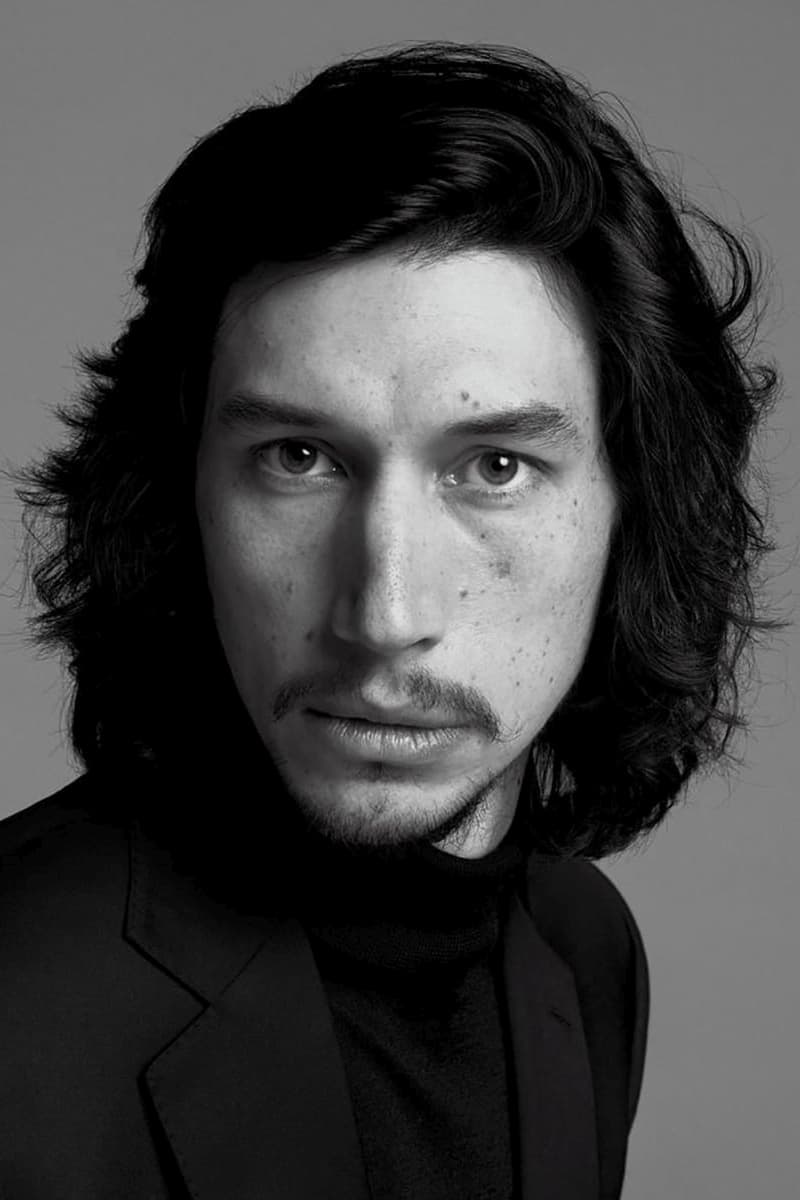
While promoting his film ‘Ferrari’ at film festivals, Adam Driver spoke out against big studios’ increasing use of AI and cost-cutting strategies. He highlighted and supported smaller, independent films that agreed to protect actors’ rights regarding AI. Driver believes that the subtle details actors bring to their roles are essential for connecting with audiences – something AI can’t replicate. He continues to champion efforts to ensure the film industry remains focused on human creativity and performance, making him a leading voice in protecting the work of actors.
Mark Ruffalo
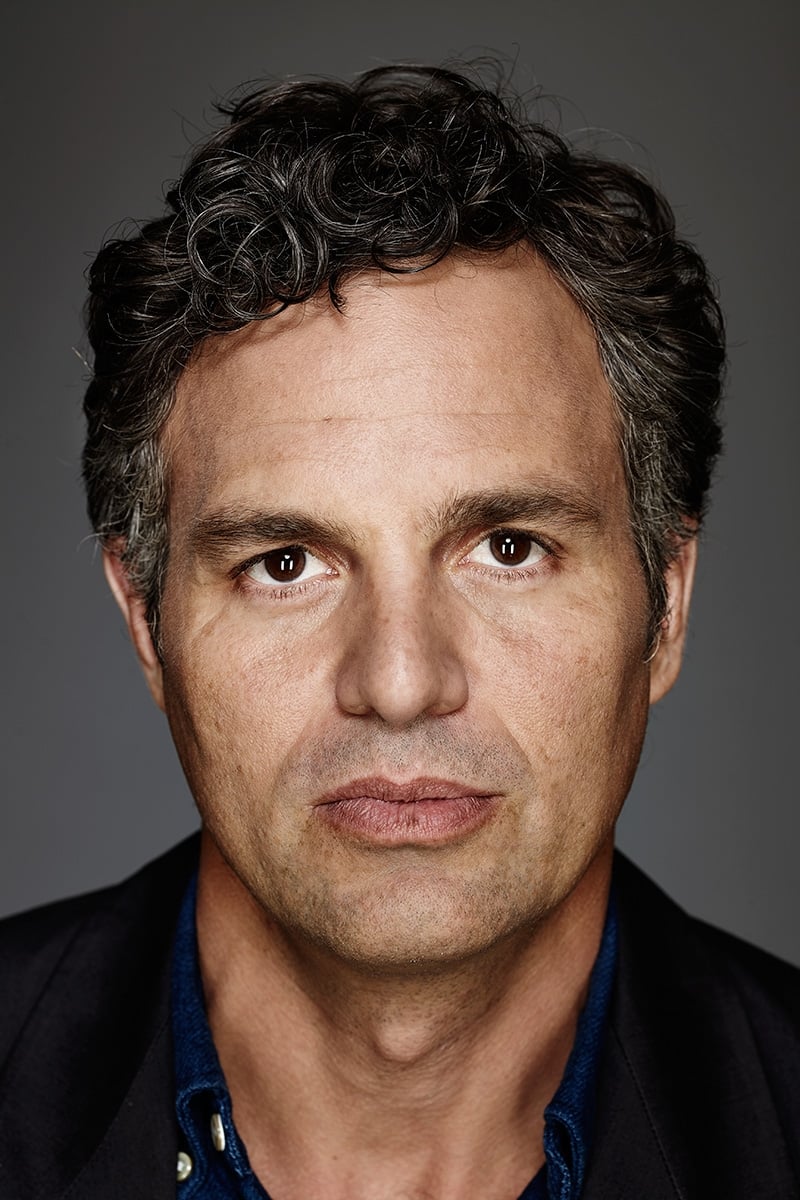
Mark Ruffalo has often spoken out on social media about the need for rules around generative AI. He worries that without these rules, the technology could severely harm working actors. During the recent strike, he urged fellow actors to focus on independent films that value human work over using AI. Ruffalo sees the issue as a larger fight for workers’ rights in today’s world and continues to call for openness about how AI is used when making movies and TV shows.
Alec Baldwin
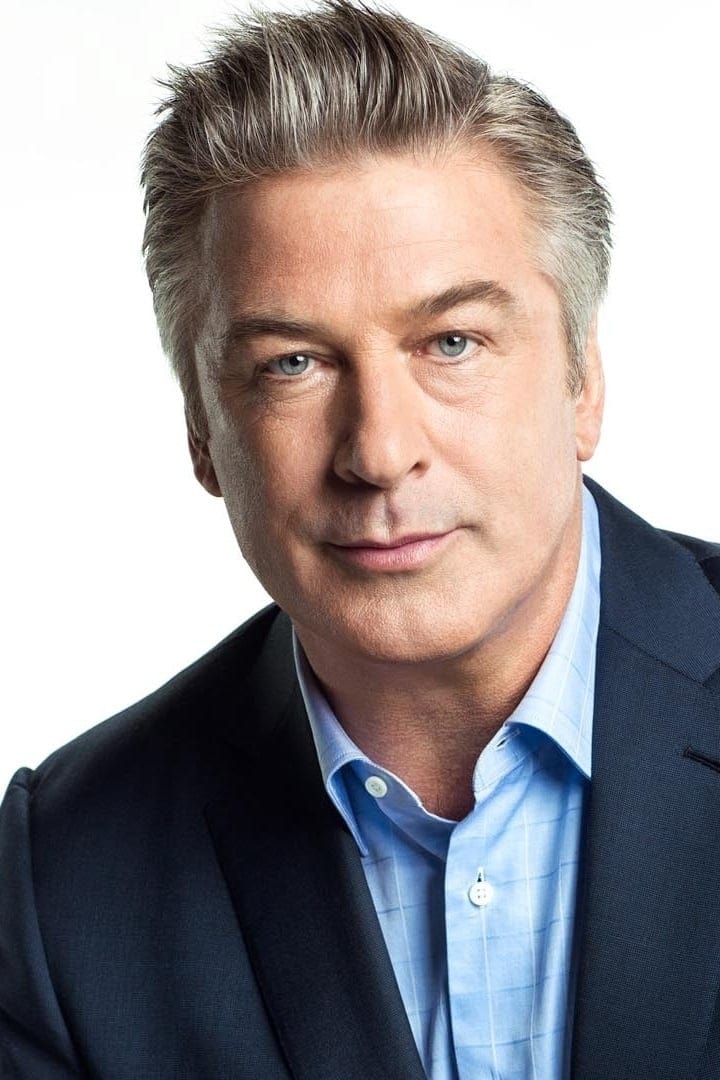
Alec Baldwin has spoken out about how artificial intelligence could threaten actors’ jobs. He explained that AI’s ability to copy voices and expressions might eliminate the need for many professional performers. The ’30 Rock’ star has been involved in conversations about maintaining artistic quality when digital technology alters performances. He supports the actors’ union in its push to require performers’ permission before their likenesses are used with AI. Baldwin is primarily worried about protecting the future and history of acting.
Ben Affleck
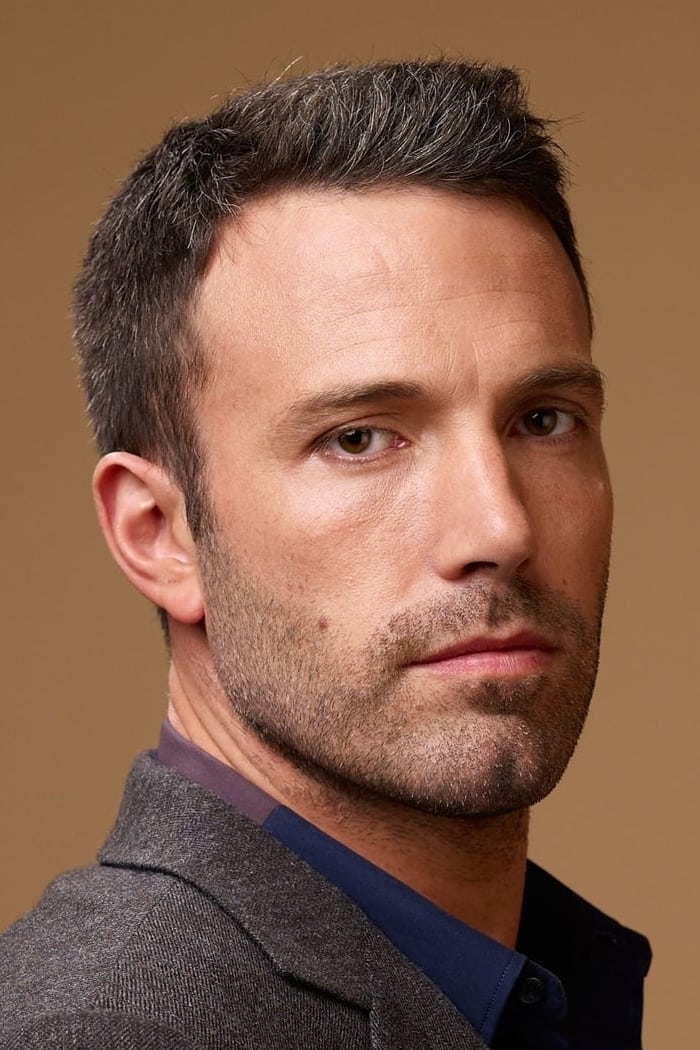
Ben Affleck has been speaking about the drawbacks of artificial intelligence, explaining that while AI can imitate, it lacks the genuine creativity and emotional depth he describes as a “soul.” He’s observed that AI-generated performances can often feel artificial and unsettling – a phenomenon known as the “uncanny valley.” As a director and actor, including on the film ‘Air,’ Affleck emphasizes that filmmaking is a deeply collaborative art form that relies on human connection, something AI can’t provide. He supports efforts to establish contracts that protect writers and actors from being replaced by AI, believing that truly great movies will always originate from human imagination.
Samuel L. Jackson
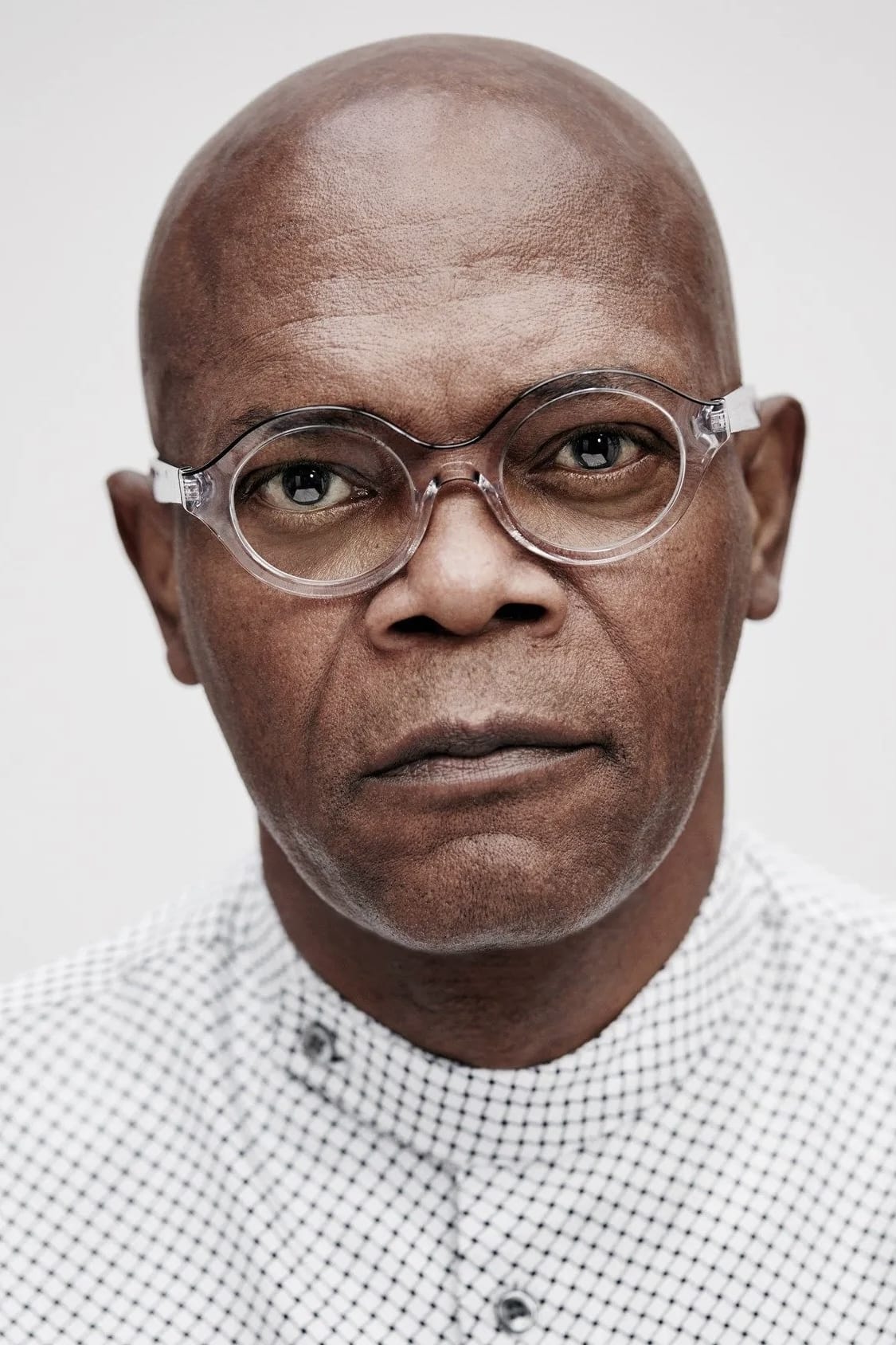
Samuel L. Jackson is worried about contracts that would let studios use an actor’s image forever. He’s been removing those clauses from his own contracts for years to maintain control over how he’s portrayed. Jackson cautions that without careful review, actors could end up appearing in projects they never approved. He believes every use of a digital version of an actor should require fresh, specific permission. His stance has encouraged younger actors to pay closer attention to the details of their contracts.
Keanu Reeves
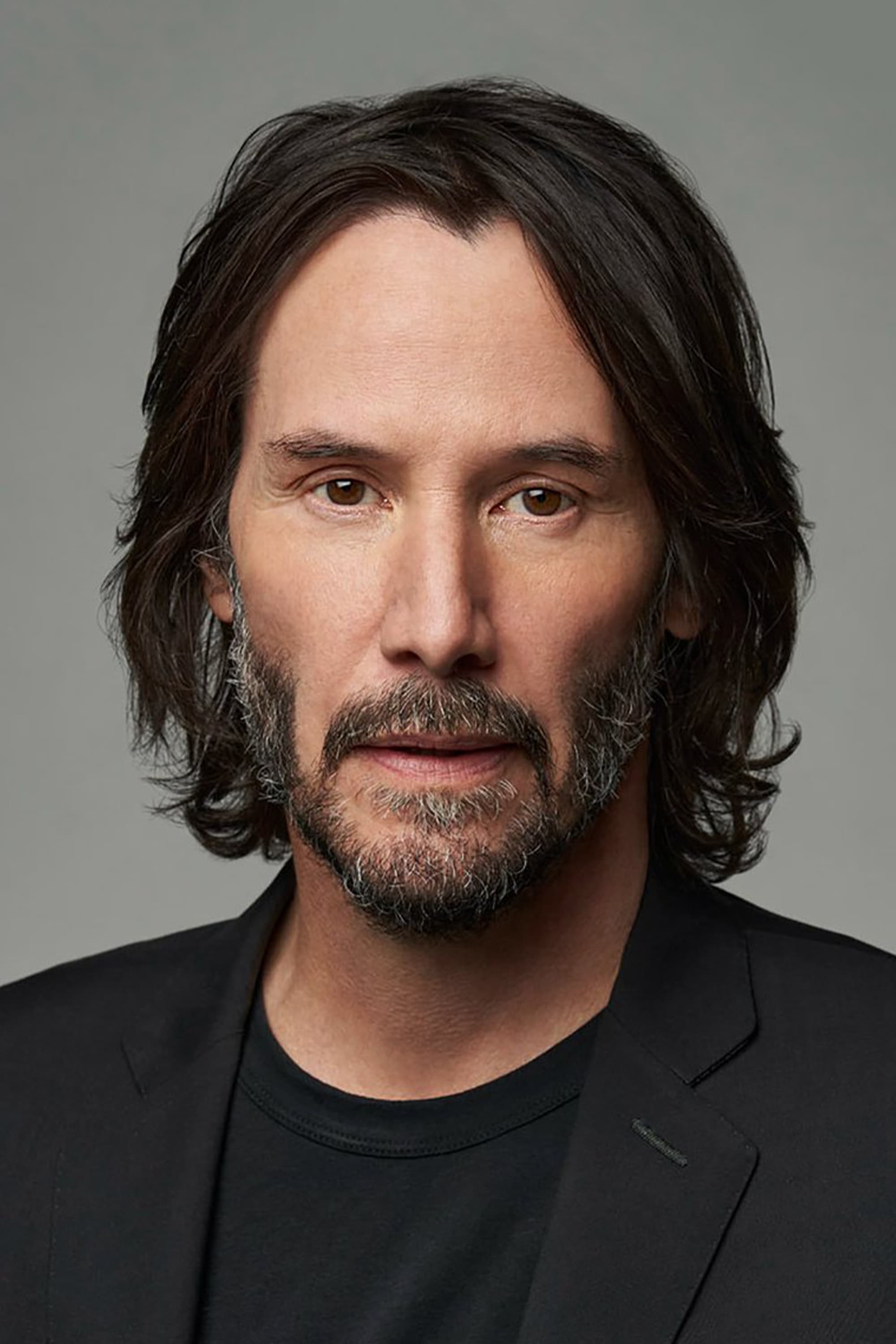
Keanu Reeves always includes a clause in his contracts preventing anyone from digitally altering his performances without his permission. This stems from a past experience where an editor added a fake tear to his face, changing the emotion he intended to portray. Reeves finds the growing use of deepfakes and artificial intelligence concerning, as it takes away an actor’s control over their work. He worries that losing control over performances could harm the future of filmmaking and strongly believes in preserving the genuine feeling captured during filming.
James Woods
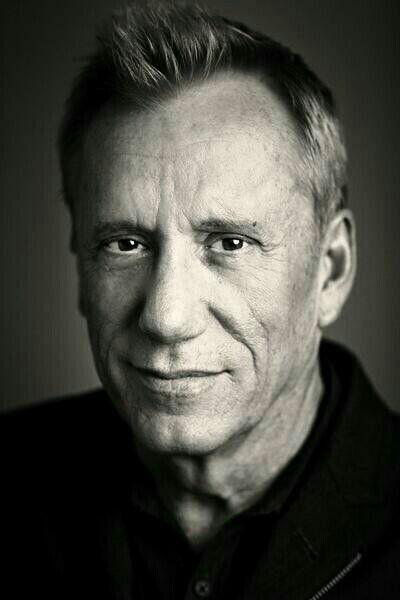
James Woods is strongly against the use of artificial intelligence to copy an actor’s face and voice. He argues that studios can make money off an actor’s image and brand without properly paying them or involving them in the creative process. Woods believes an actor’s unique personality and presence is their most important asset and needs protection. He sees AI as a form of plagiarism that could harm actors’ ability to earn a living and is urging the government to create laws to prevent the misuse of people’s likenesses.
Seth Rogen
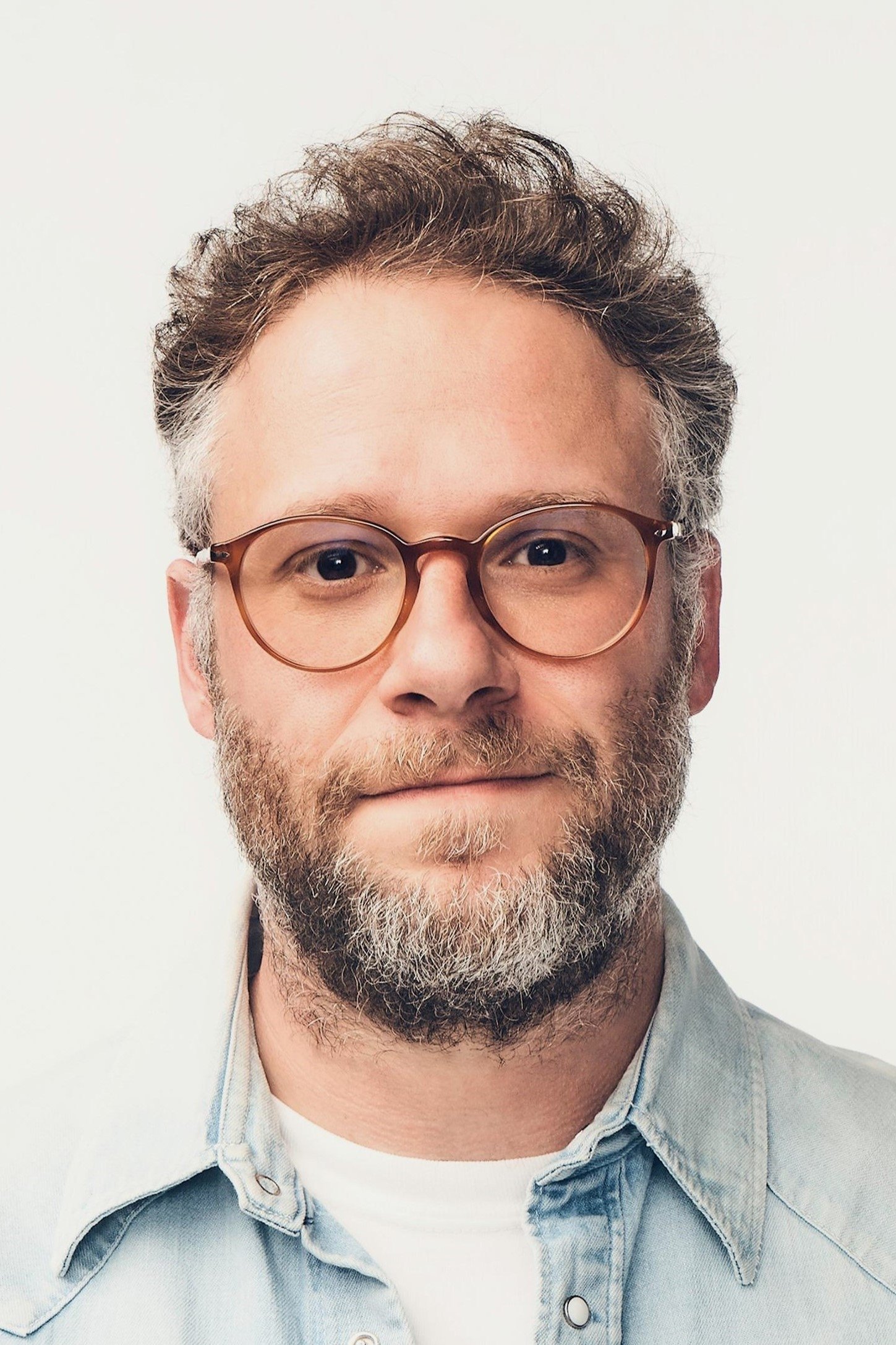
Seth Rogen doubts AI can truly be funny. He thinks good comedy relies on natural timing and spontaneity – things algorithms just can’t replicate. He’s playfully suggested AI might only create bland, unoriginal content. Rogen also supports the writers’ strike, wanting to protect jobs from being replaced by technology. He believes that the unpredictable, imperfect nature of human creativity is what makes films compelling.
Pedro Pascal
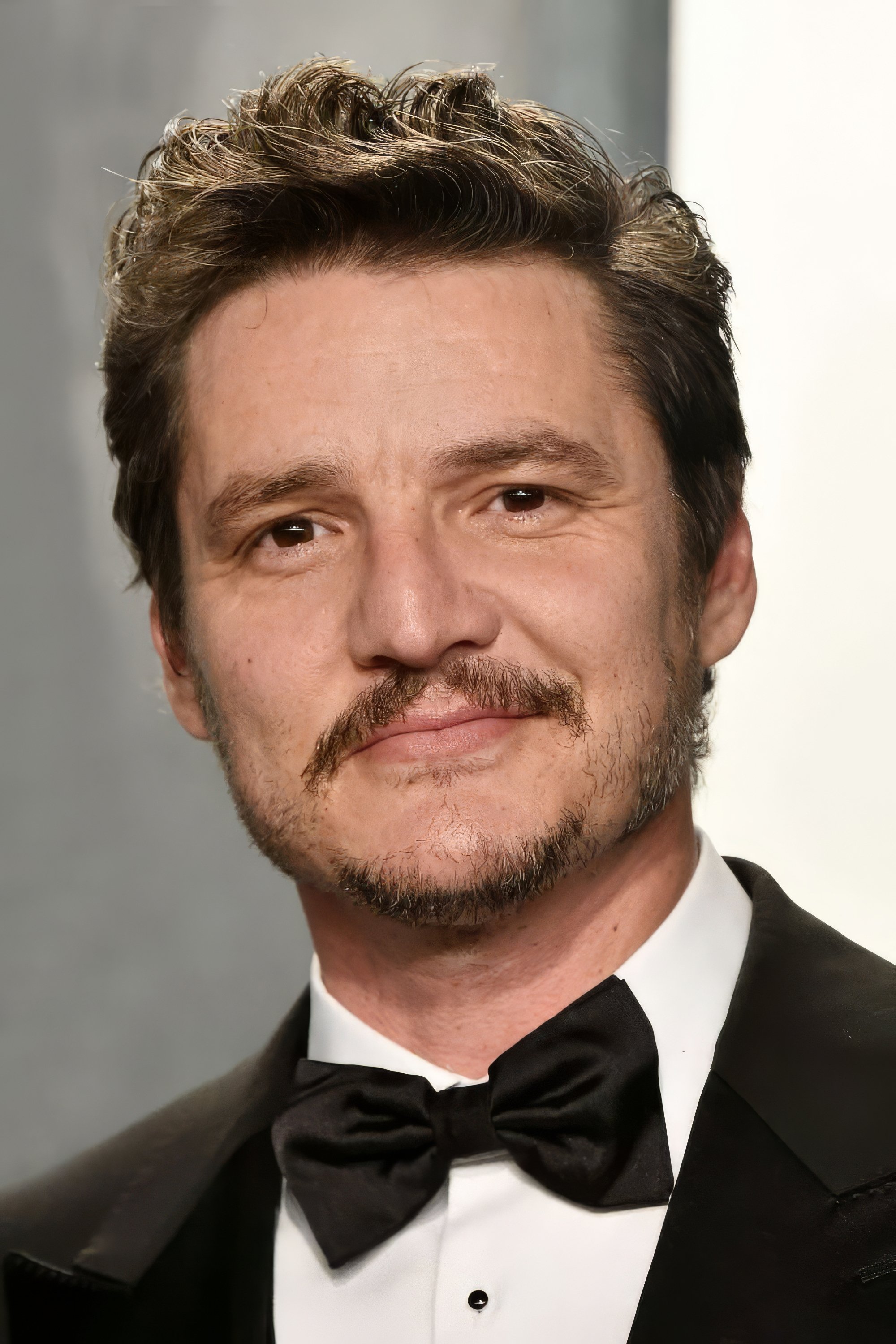
Pedro Pascal has been actively supporting efforts to protect actors from having their images and performances replaced by AI. The star of ‘The Last of Us’ believes that the heart of a good scene comes from the real connection between actors. He agrees with the actors’ union, SAG-AFTRA, that performers should be asked permission and paid fairly if their image or performance is used digitally. Because Pascal has become famous during the rapid growth of AI, he understands the potential impact on future actors. He firmly believes that acting is a uniquely human and personal art form.
Ewan McGregor
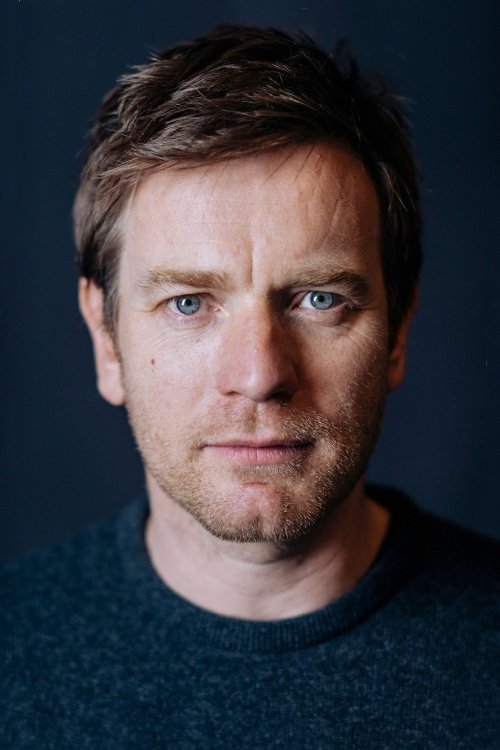
Ewan McGregor believes AI and performance capture technology should enhance an actor’s work, not replace it. Having experience with digital effects from his time in ‘Star Wars,’ he understands how to blend technology with traditional acting. He supports the actors’ union in its push to keep actors physically present on set as much as possible, believing the connection and energy between actors is crucial for making a great film. He’s against studios using digital recreations to avoid hiring real actors.
Paul Rudd
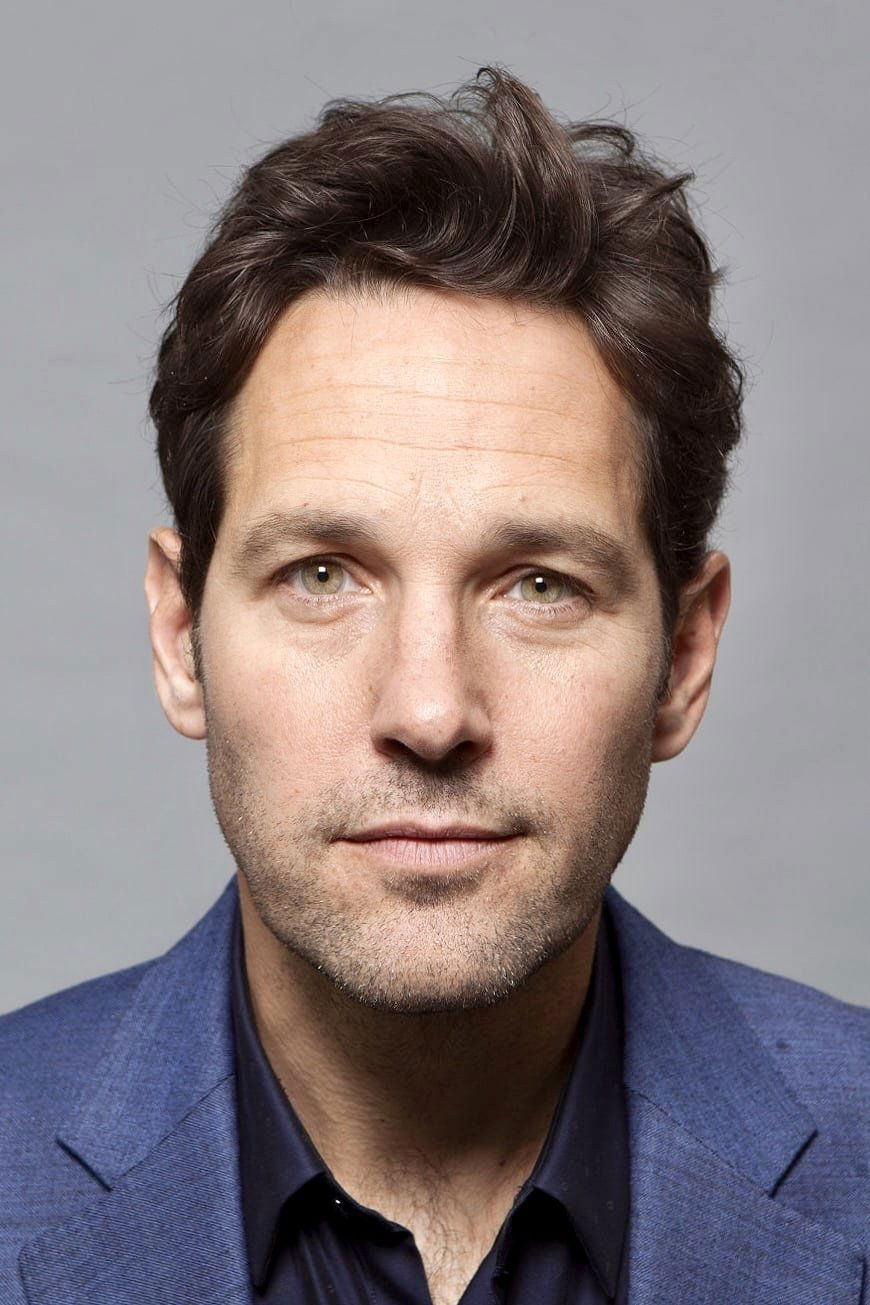
Paul Rudd joined the picket lines to protest against the use of digital copies of actors, arguing that audiences connect with a performer’s unique personality and talent. He supports rules that would require studios to pay background actors if their likenesses are used in the future. Rudd believes that artificial intelligence threatens the strong sense of community on film sets and wants to protect the jobs of his fellow actors. His participation in the strike demonstrated his commitment to his colleagues.
Colin Farrell
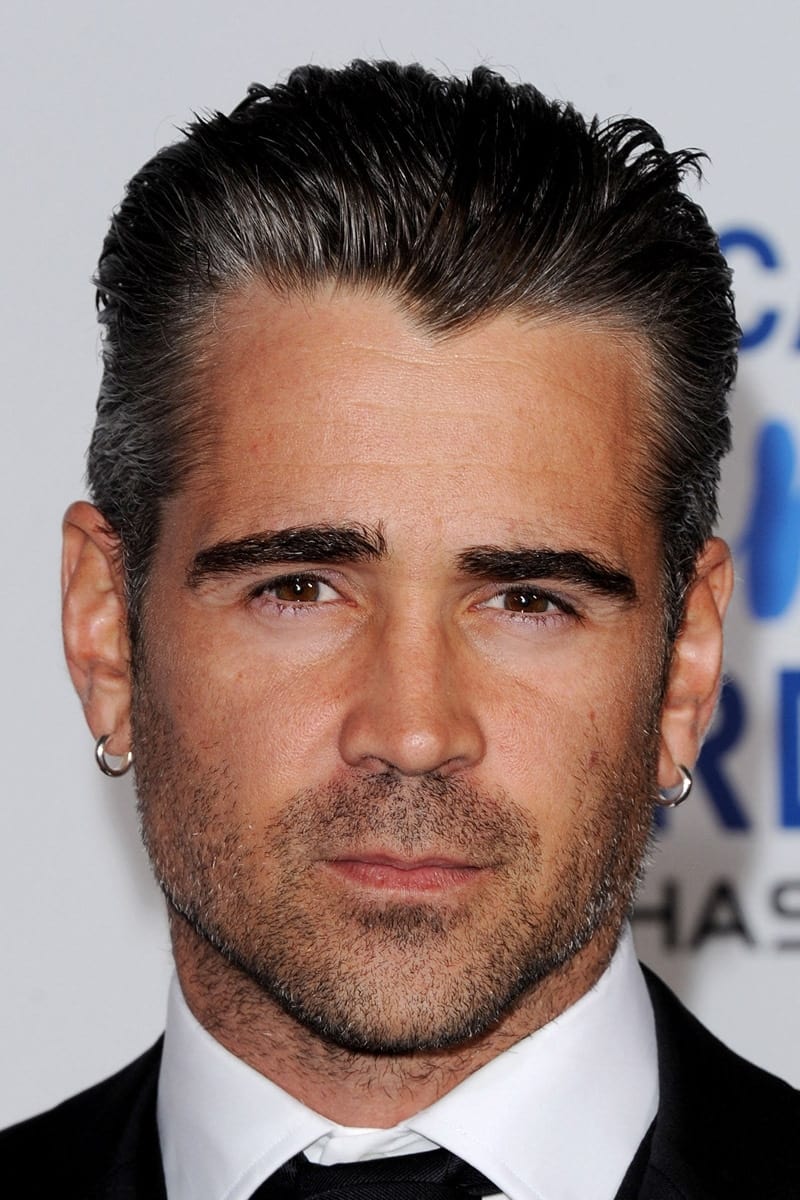
Colin Farrell recently voiced his worries about how artificial intelligence could harm actors, especially those working as extras. He’s concerned that studios might scan extras just once and then use digital copies of them in movies and TV shows forever, which he feels is unfair and diminishes the work of all performers. Farrell is supporting his fellow actors in calling for AI to be used responsibly and openly. He believes that genuine human emotion and connection are essential to filmmaking.
Jamie Foxx
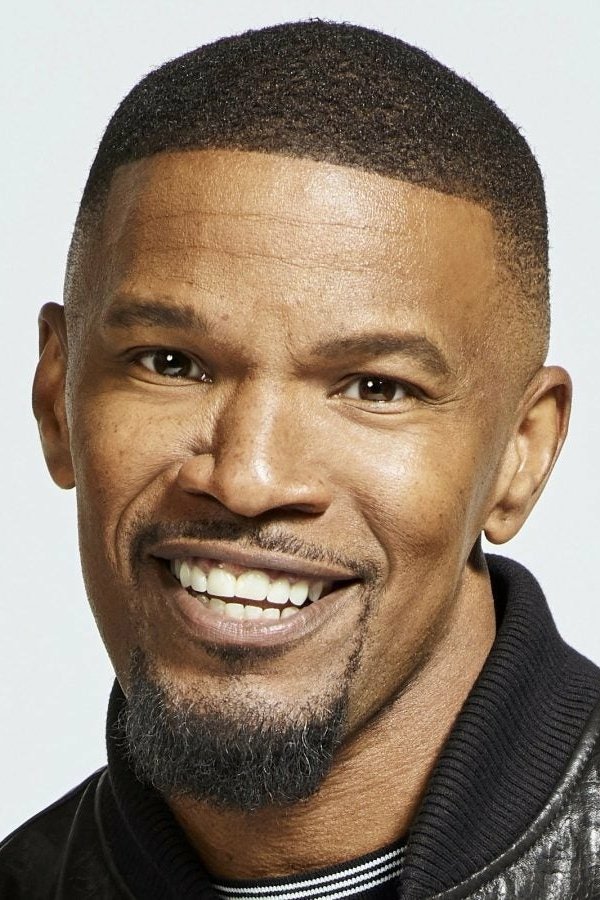
Jamie Foxx and his team are working to stop the creation and spread of fake content – like audio and videos – made using AI and his image. He’s seen how easily this technology can be used to mislead people or falsely suggest he supports certain products. Foxx believes actors should have legal rights over their own likeness, protecting their careers from being exploited by AI. He’s determined to safeguard his image and prevent unauthorized commercial use of his work.
Bob Odenkirk
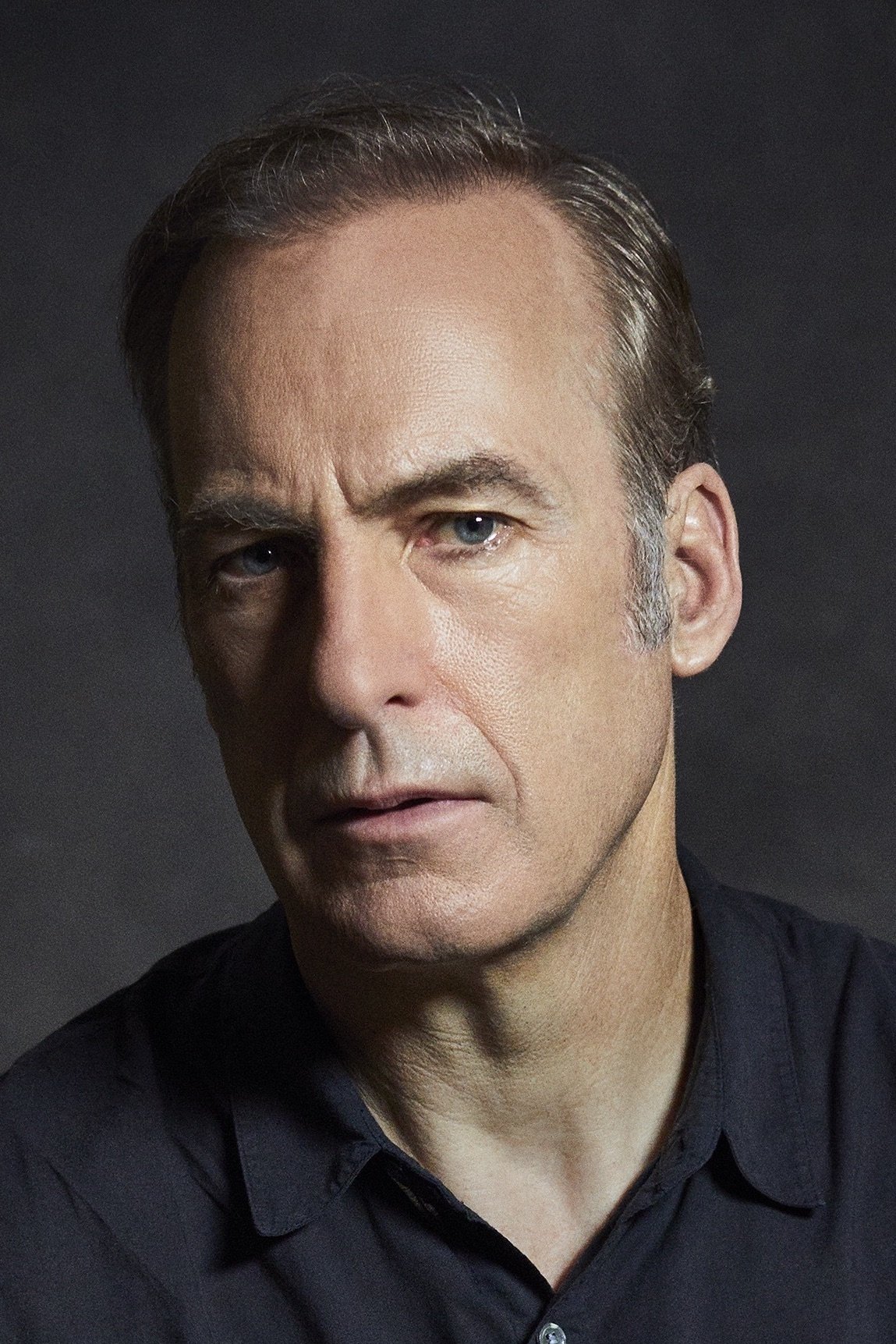
Bob Odenkirk actively supported efforts to protect actors from the potential downsides of artificial intelligence. The ‘Better Call Saul’ star has expressed concern that AI could lead to bland and unoriginal storytelling, arguing that the unique and unpredictable qualities of human acting are essential for creating memorable characters. He’s also a strong advocate for actors maintaining control over how their image and performance data are used. Odenkirk sees this fight as crucial for preserving the acting profession in the long term.
David Duchovny
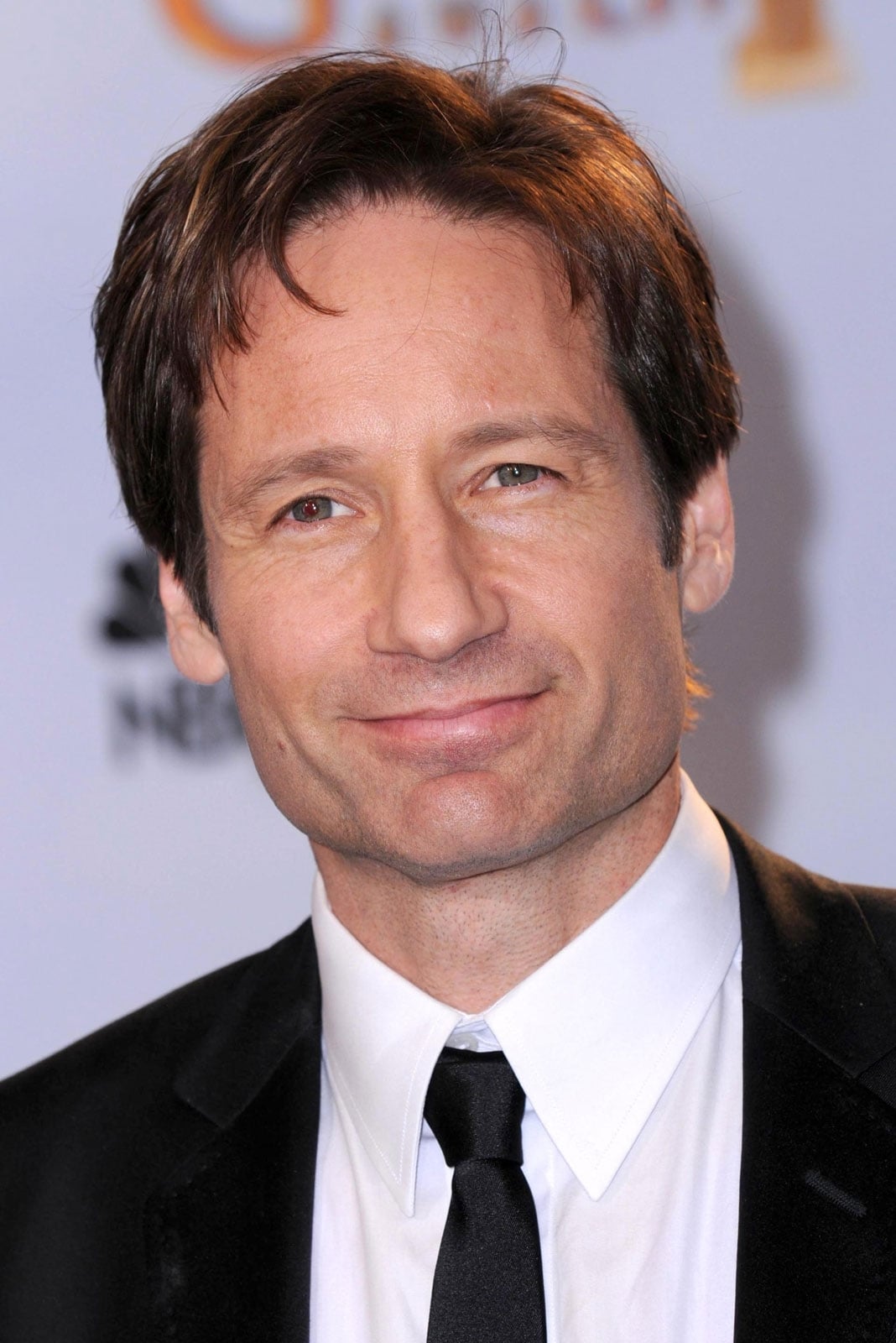
As a lifelong movie and TV fan, I was really struck by what David Duchovny said about AI. He’s worried – and I kind of am too – about how it could affect iconic characters and the actors who brought them to life. It seems like being able to digitally recreate an actor at any age could stifle creativity. For me, watching an actor age and evolve is a big part of what makes their work so compelling. Duchovny feels strongly – and I agree – that actors should have control over how their image is used, especially in new projects. He’s rightly cautious about Hollywood jumping so quickly into AI when it risks losing that irreplaceable ‘human spark’ in storytelling.
Matthew Modine
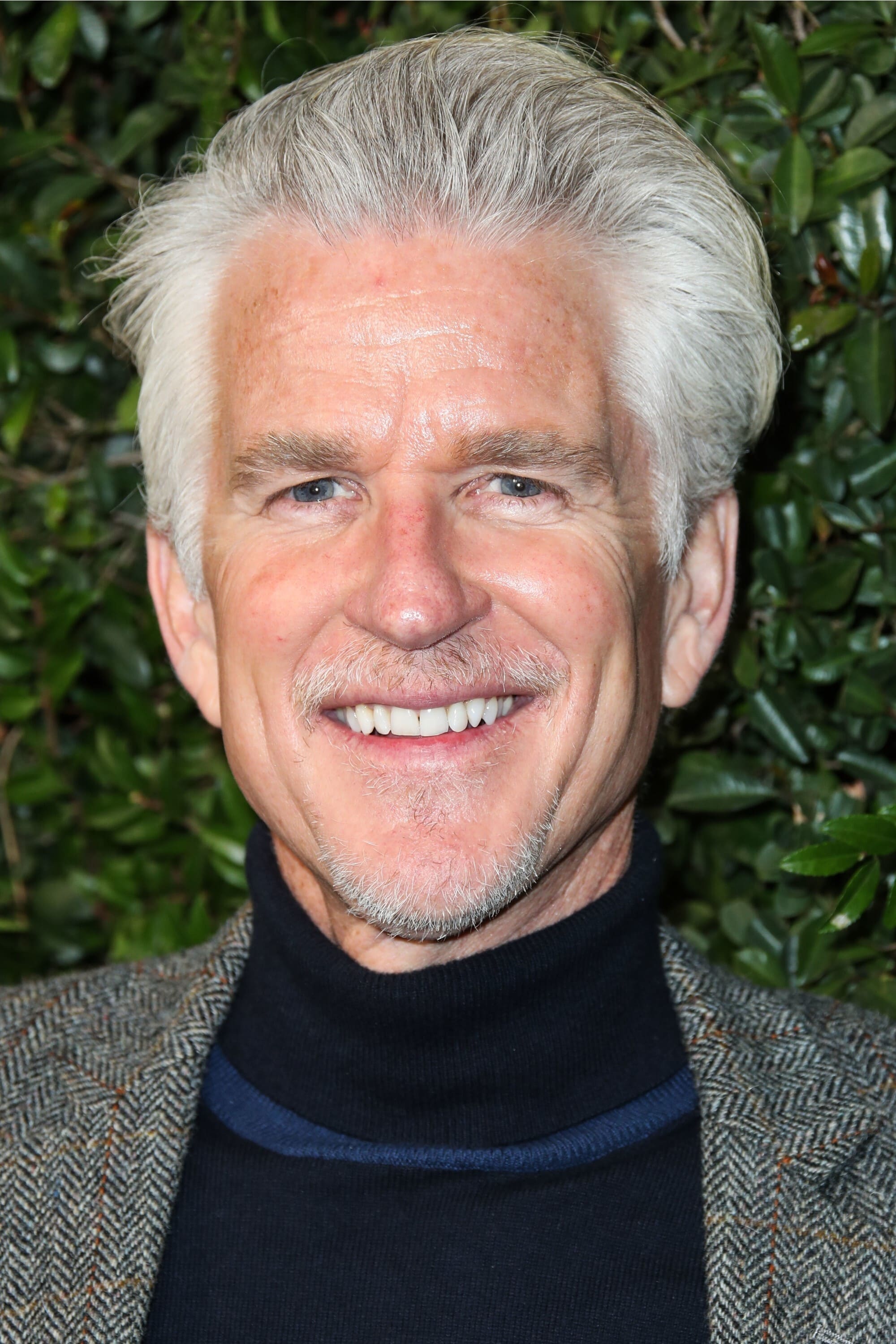
Matthew Modine is a strong critic of artificial intelligence, arguing that it risks making art bland and uniform. As a leader within the actors’ union, he’s pushed for rules limiting how AI can replicate human performances. Modine, known for his role in ‘Stranger Things,’ believes that the imperfections and individuality of human artists are essential to great art. He’s repeatedly cautioned that AI could unfairly take work and creative opportunities away from real people, and he continues to raise concerns about the ethical challenges of an entertainment industry increasingly reliant on digital technology.
Clark Gregg
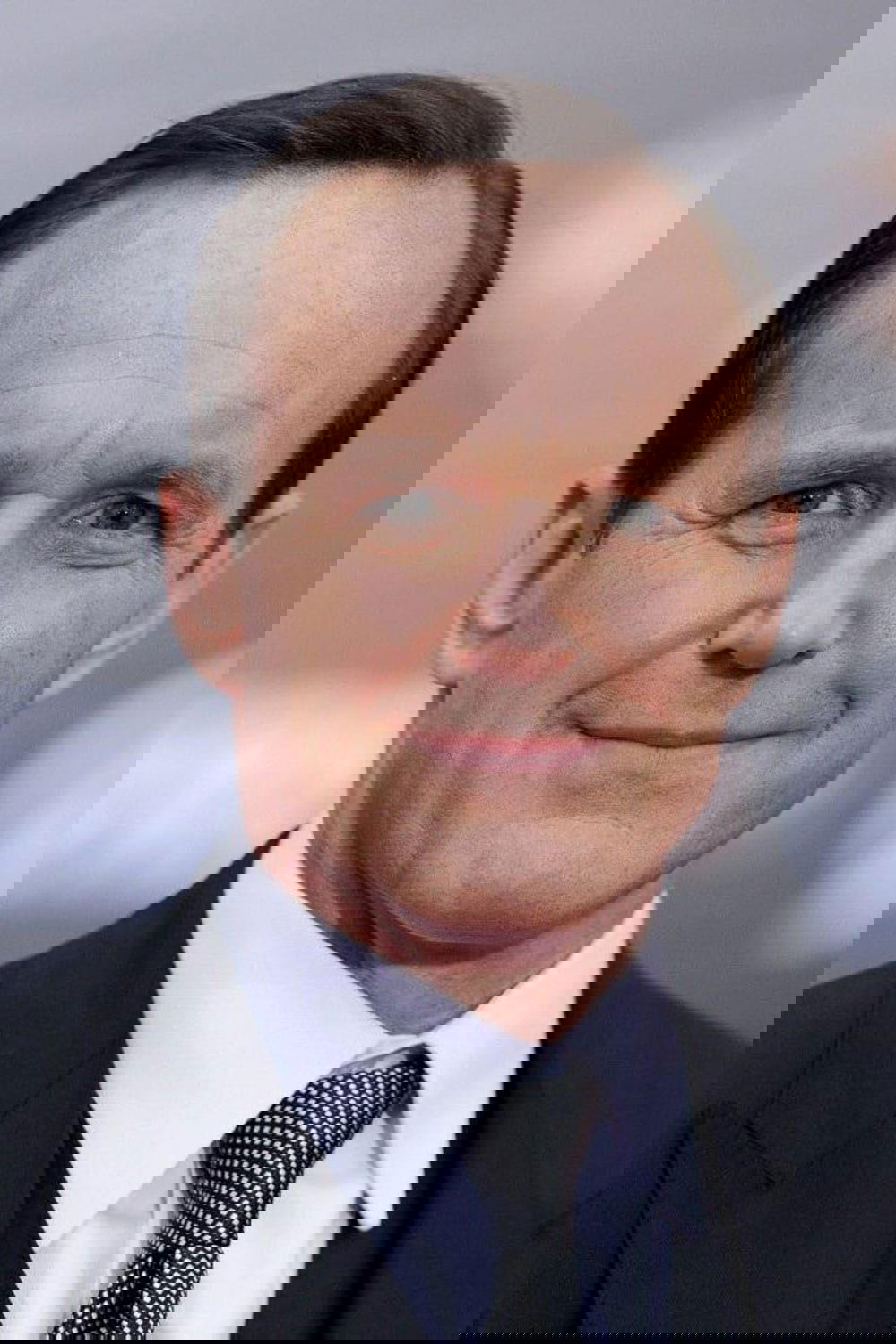
Actor Clark Gregg has expressed concern that artificial intelligence poses a serious risk to actors’ careers. He’s particularly worried about the practice of scanning actors and using that information to create performances without their direct involvement. Gregg, known for his role in ‘Marvel’s Agents of S.H.I.E.L.D.’, feels that acting is a uniquely human art form that shouldn’t be replicated by technology. He supports his union’s work to protect actors from having digital versions of themselves used unfairly, and hopes technology will be used to help actors, not replace them.
Ron Perlman
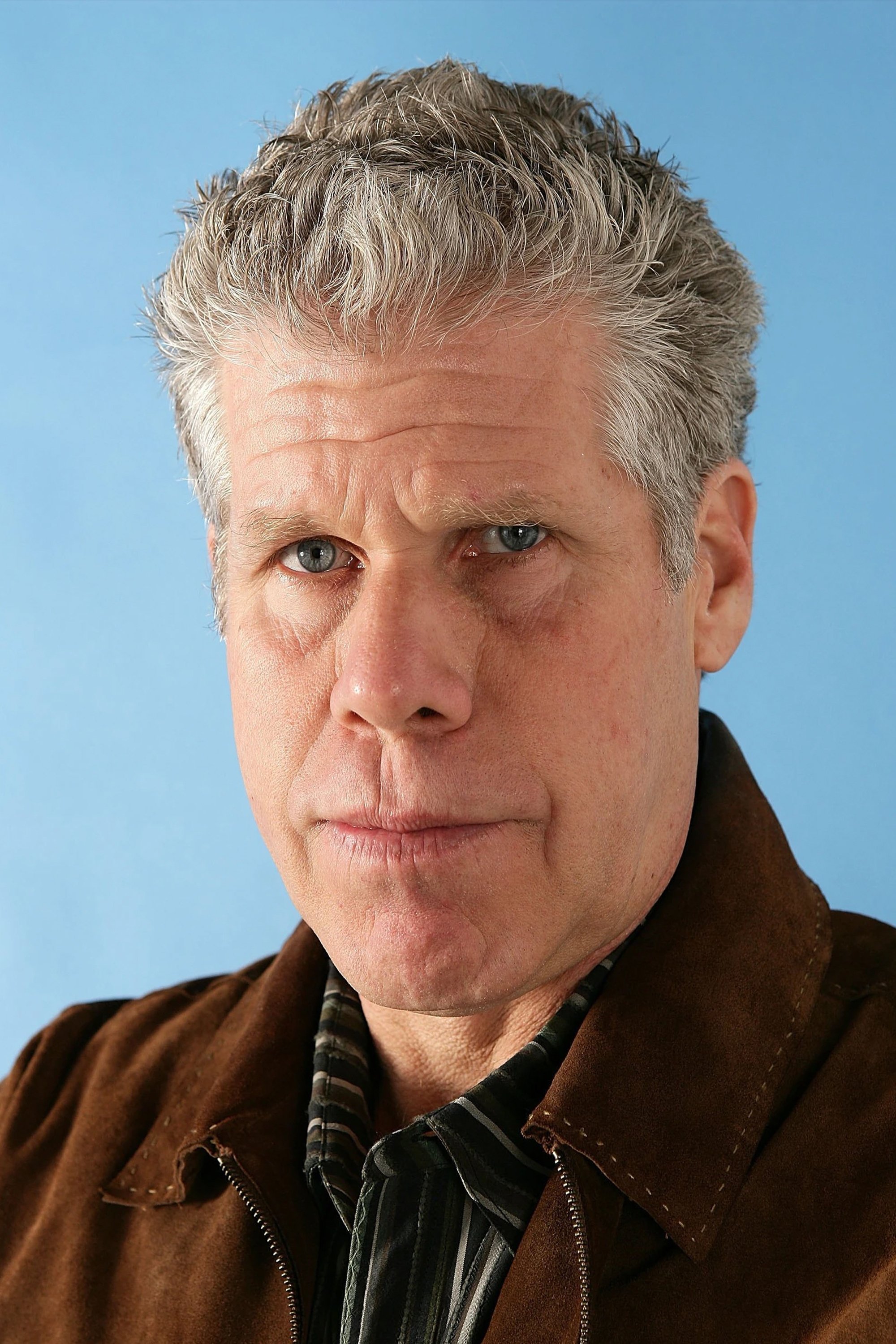
Ron Perlman has been openly critical of studio heads who are pushing for more AI in filmmaking. He worries this technology will lead to unfair treatment of workers and lower the quality of movies. Perlman, known for his role in ‘Hellboy,’ sees the fight for safeguards against AI as a battle to protect the heart of the film industry. He’s been a strong advocate for fair contracts for actors and performers as the industry changes, and his passionate support for human workers has inspired many of his fellow Hollywood professionals.
Patton Oswalt
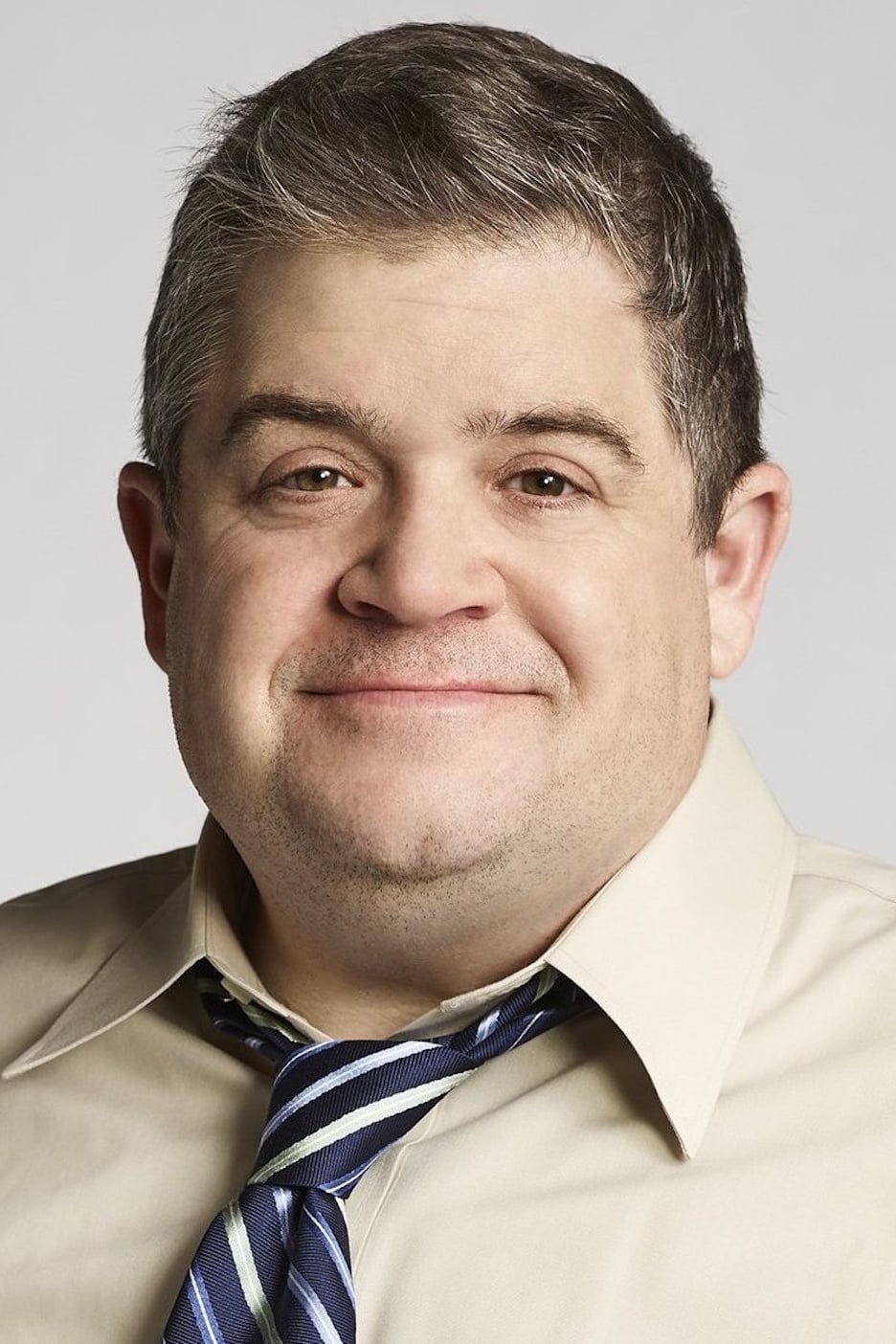
Patton Oswalt has been critical of AI-generated writing and performances, pointing out that they often lack depth and cultural awareness. He argues that comedy, especially, relies on real-life experiences and a sense of irony that AI can’t replicate. The actor, known for ‘Ratatouille,’ worries that AI could create a lot of empty, emotionless content that simply mimics human feelings. He supports writers and actors in their efforts to ensure AI remains a tool for people, not an independent creator. Oswalt continues to champion the importance of human creativity in storytelling.
Danny DeVito
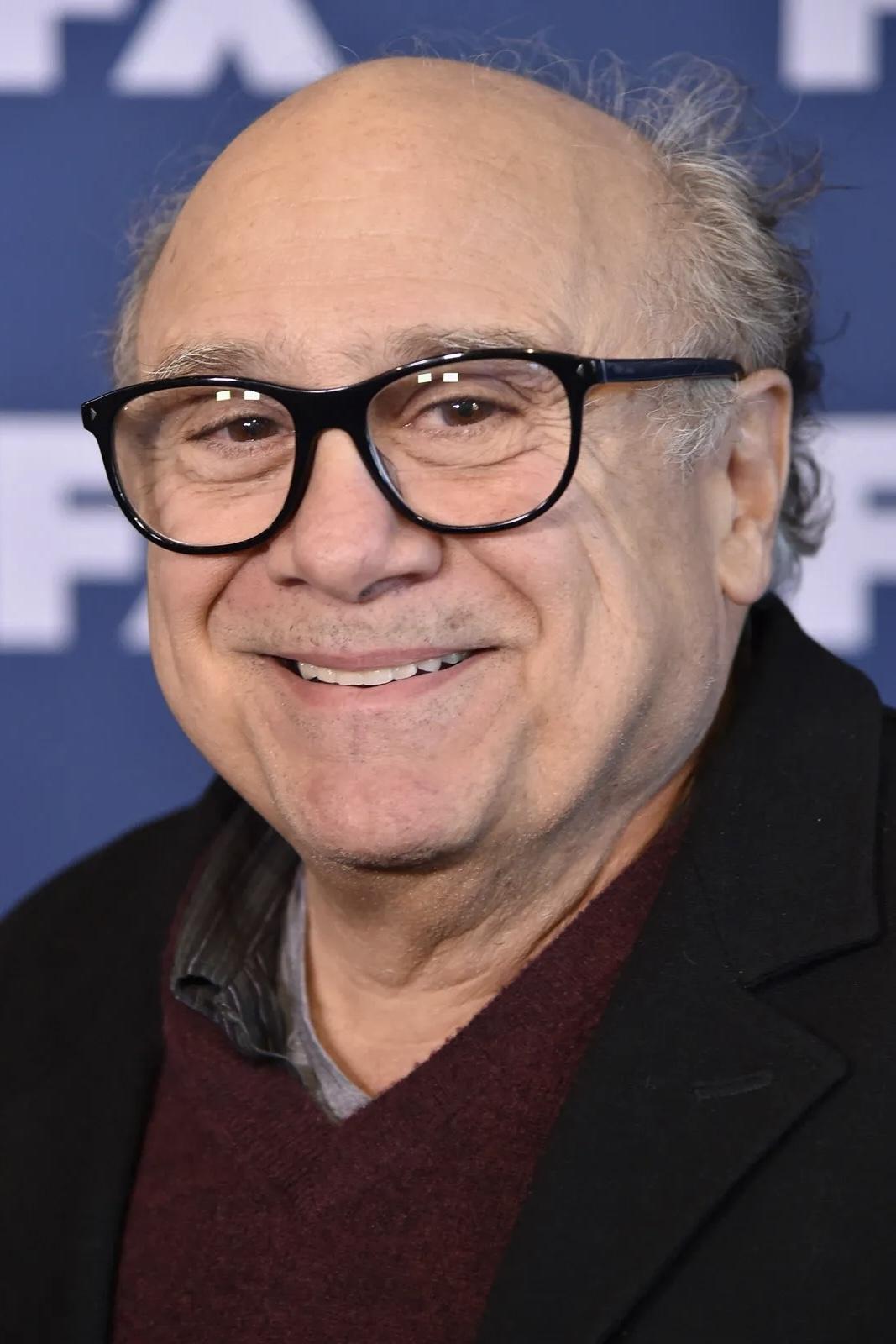
Danny DeVito joined the recent industry strikes to fight for job security, specifically against the threat of actors being replaced by digital technology. He strongly believes in the value of traditional filmmaking, emphasizing the importance of in-person collaboration and the special energy created when actors work together on set. DeVito worries that increased use of AI could diminish the skills involved in filmmaking and limit opportunities for up-and-coming performers. He’s a firm advocate for keeping the human touch in all aspects of movie and TV production.
Brendan Fraser
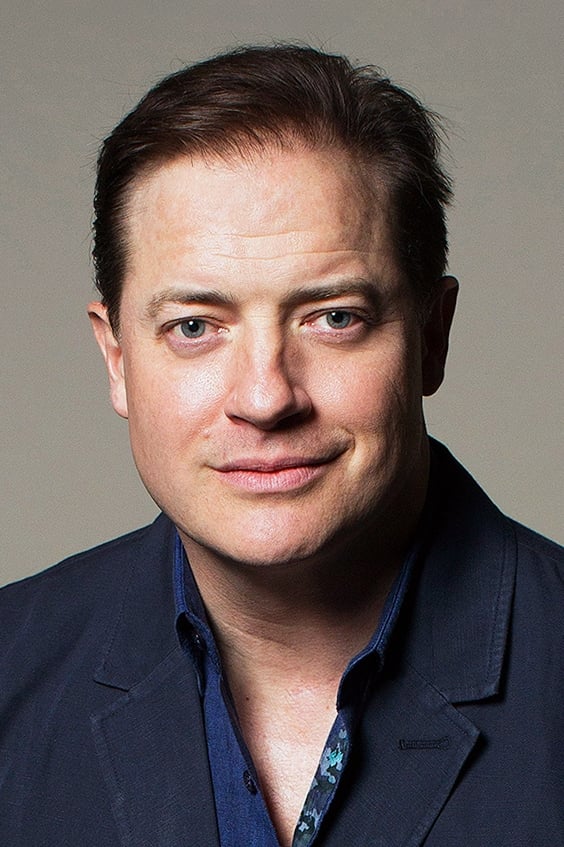
Brendan Fraser has spoken about the need for genuine human connection in acting, especially when creating stories that reach audiences worldwide. After his powerful return in ‘The Whale’, he’s stressed that technology can’t truly capture the complexities of human emotion. He supports protecting actors from being replaced by digital copies that lack real feeling, believing viewers can always sense the difference between a real performance and a computer-generated one. Fraser joins his fellow actors in calling for a film industry that values people more than artificial intelligence.
Josh Brolin
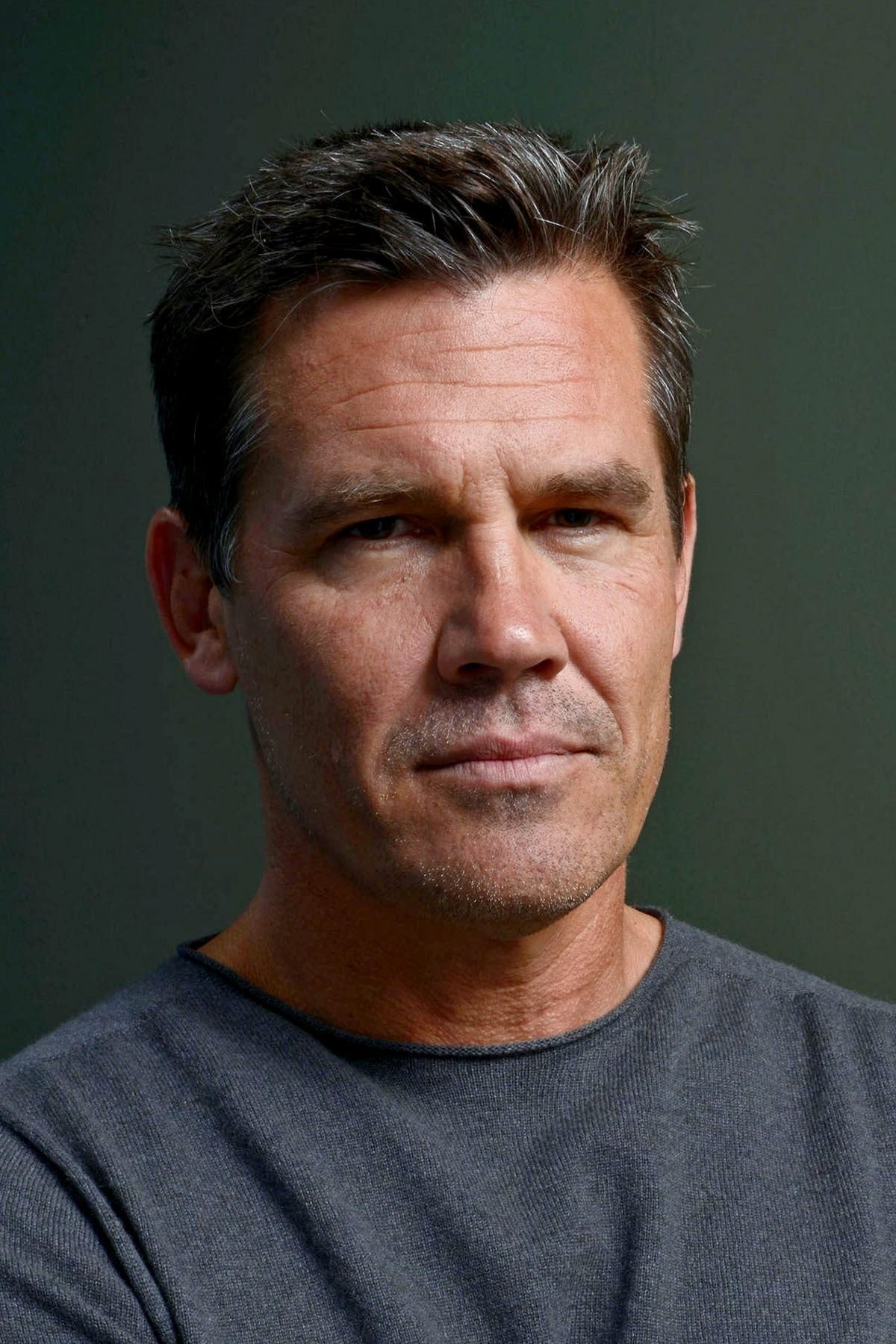
Josh Brolin worries about the ethical implications of using AI to recreate characters in major film franchises forever. Having played Thanos using performance capture in ‘Avengers: Endgame,’ he believes that real actors are essential. He argues that without a human actor providing the emotional depth, digital characters become hollow. Brolin supports the actors’ union in their efforts to ensure performers are paid when their image is used digitally, and feels that the heart of any performance should always come from a human being.
Cillian Murphy
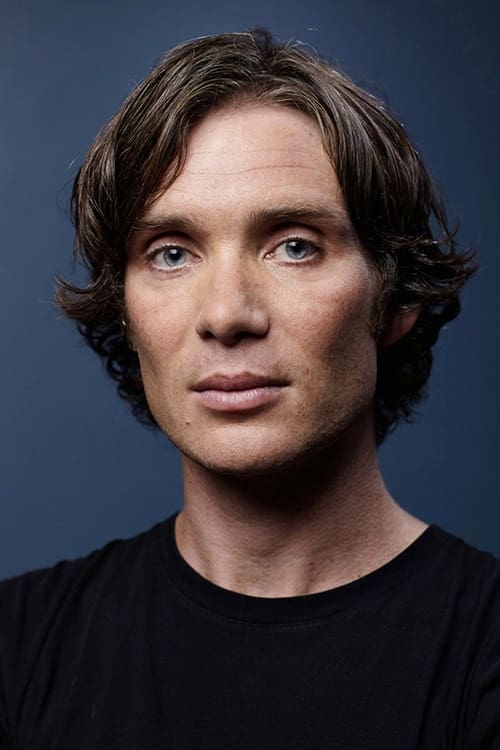
Cillian Murphy strongly supports the rules set by SAG-AFTRA about using artificial intelligence in filmmaking. Known for favoring traditional filmmaking methods – things like practical effects and live acting – Murphy believes the connection and energy between actors are essential to a good story. He’s wary of the industry’s increasing reliance on digital technology, and feels that a human touch is the most important element in any creative work.
Mark Hamill
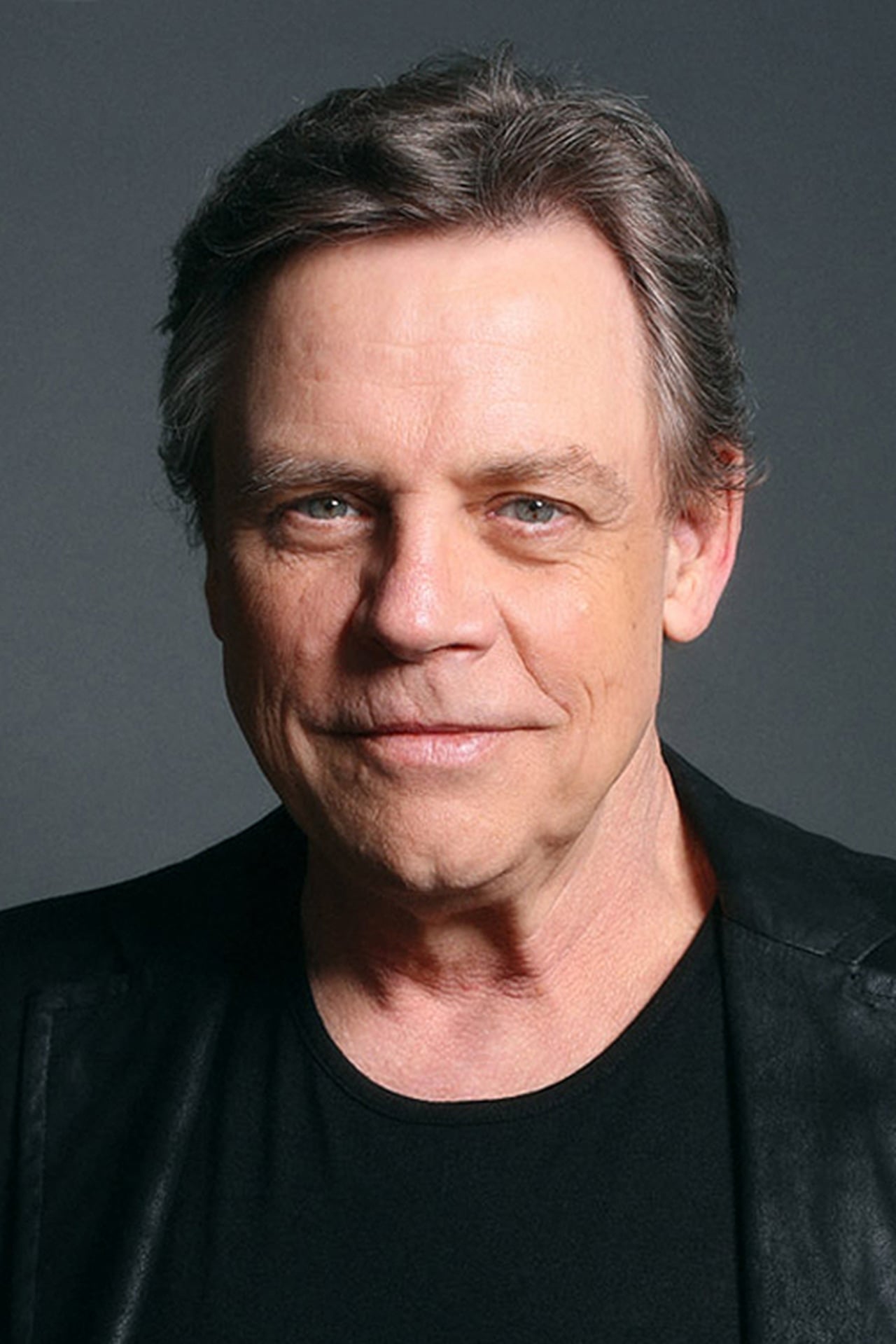
Mark Hamill worries about the use of AI to essentially make actors immortal on screen. While impressed by the technology – he saw a younger version of himself recreated in ‘The Mandalorian’ – he believes every character and actor deserves a natural conclusion to their story. He argues that new actors should have opportunities to create their own roles, instead of facing competition from digitally recreated versions of past performers. Hamill feels that the human element is vital for keeping franchises successful over time.
Kevin Bacon
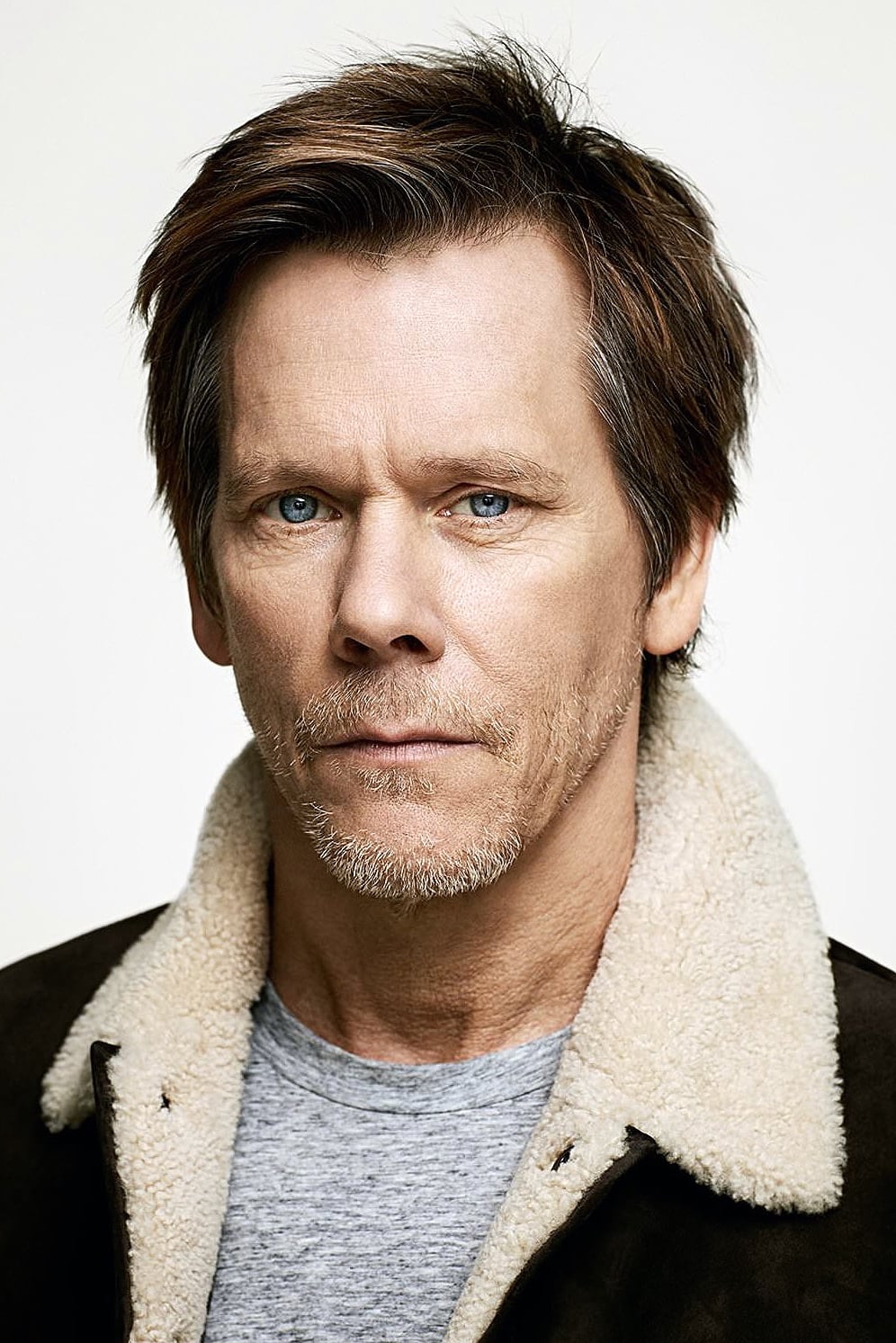
Kevin Bacon has been speaking out about the risks artificial intelligence poses to actors, especially those just starting out and background performers. He argues that the film industry shouldn’t prioritize technological ease over the artistry that makes movies compelling. Bacon believes that the unique, unpredictable quality of human performance is essential to bringing a film to life. He’s pushing for contracts that prevent the creation of AI-generated performers who could take jobs away from real actors, and he emphasizes that acting is a skilled profession requiring both physical and emotional effort that should be safeguarded.
Jason Sudeikis
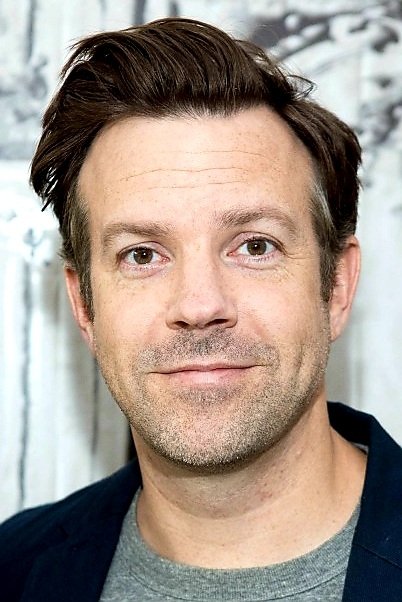
Jason Sudeikis actively participated in the recent strike in New York, arguing that AI can’t truly capture the emotional depth and human connection essential to storytelling. The creator and star of ‘Ted Lasso’ has frequently highlighted the unique collaboration found in writers’ rooms and on film sets, calling it something that can’t be replaced. He believes an actor’s personal experiences and ability to empathize are key to a compelling performance. Sudeikis has been a leading voice in advocating for technology that supports human workers, rather than replaces them, and continues to champion the importance of human creativity and emotion in both comedy and drama.
Jack Black
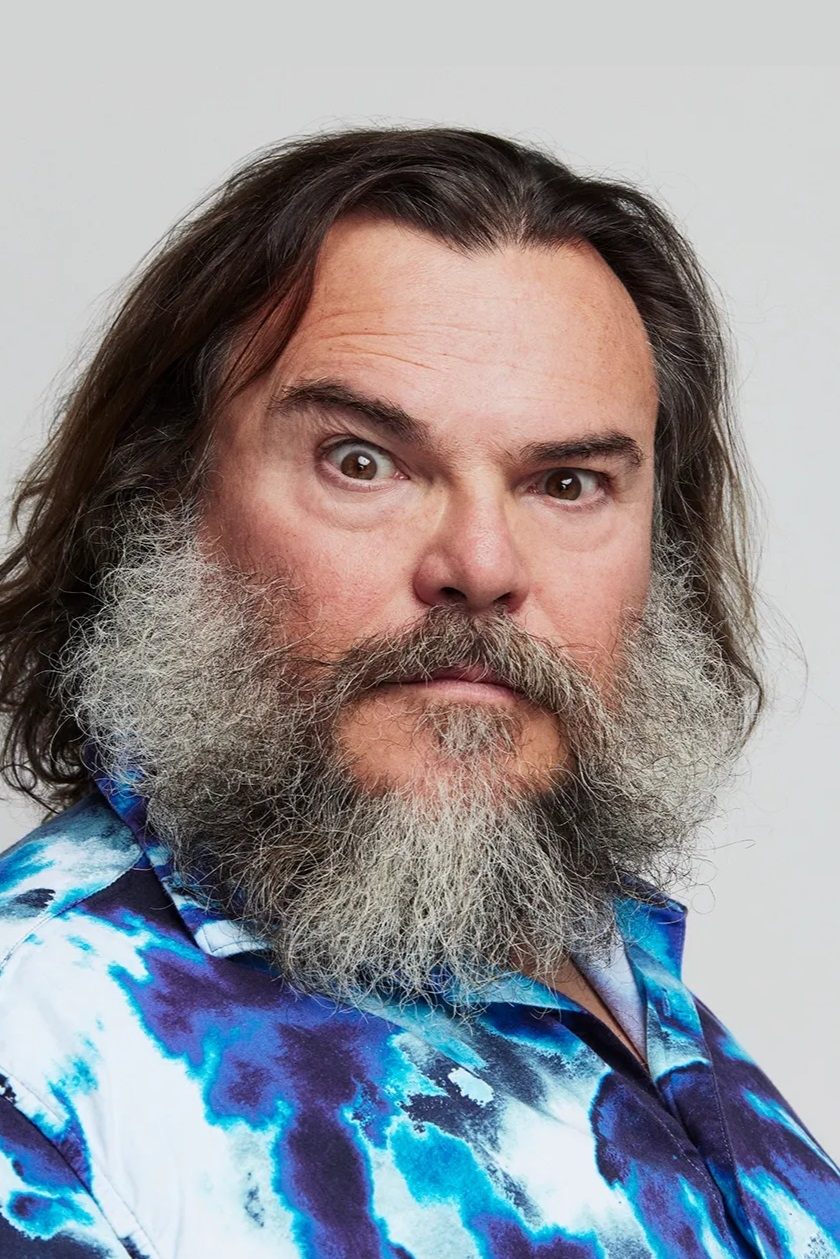
Jack Black has spoken out about the downsides of using AI to create music and movies. He worries that the technology will lead to a flood of unoriginal content, lacking the personality and creativity of human artists. Black, known for his role in ‘School of Rock,’ believes audiences connect with the unique and unpredictable qualities of live performers. He’s also voiced his support for strikes designed to protect artists from having their image and voice stolen by AI. Ultimately, Black feels that while AI can copy styles, it can’t replicate the genuine passion and energy that makes art truly special.
Bradley Cooper
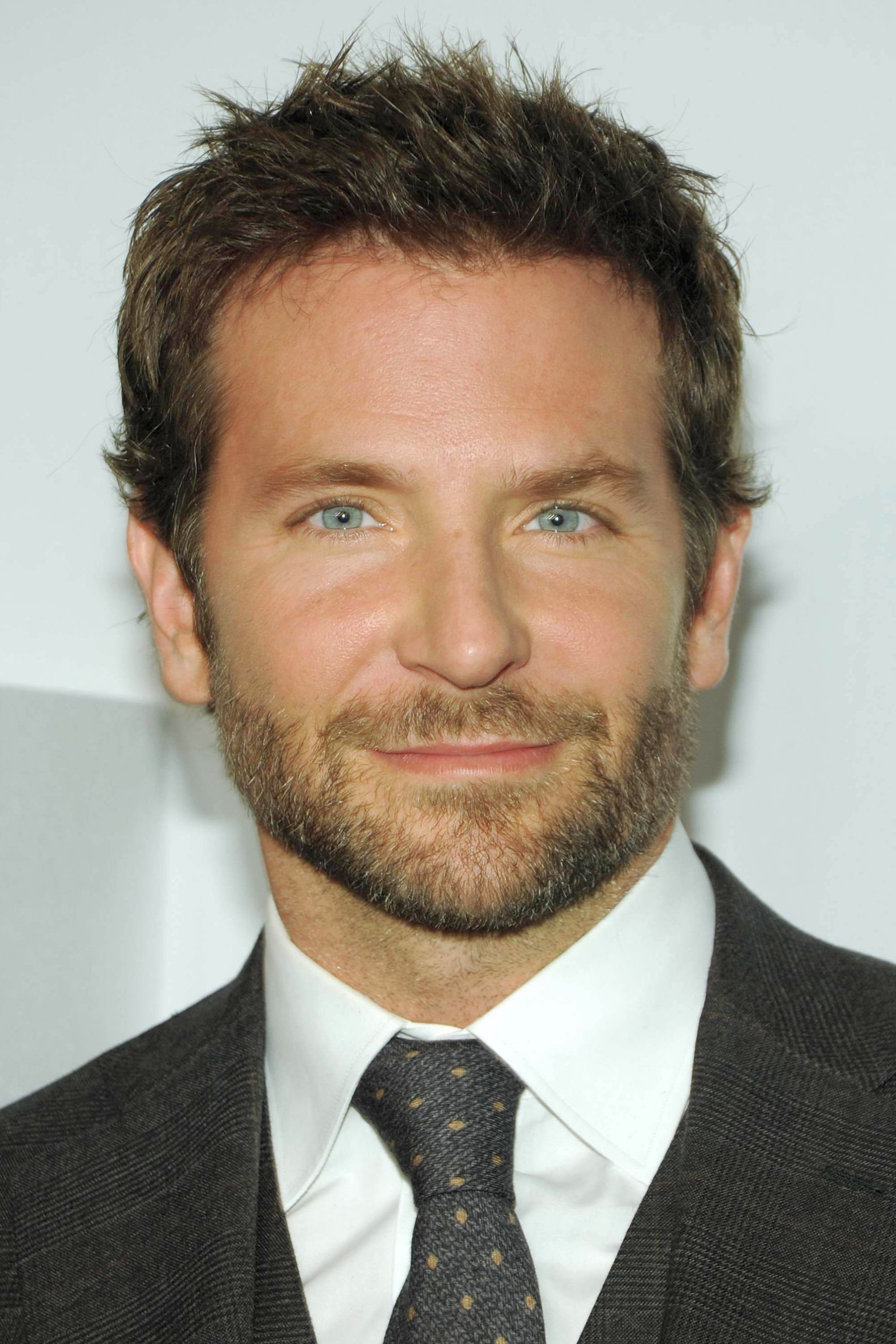
I’ve been really struck by what Bradley Cooper has said about AI and filmmaking. He worries, and I agree, that if we start using AI to ‘fix’ or change performances, we risk losing something truly special. To me, it’s often the little imperfections, the raw, human moments, that make a performance so captivating. I admire his commitment to supporting the actors’ union and ensuring that people, not technology, remain at the heart of storytelling. He’s right to be concerned that too much reliance on AI could lead to films that feel…empty. It’s so clear he’s dedicated to keeping the human touch alive in both acting and directing, and I really appreciate that.
Jeremy Renner
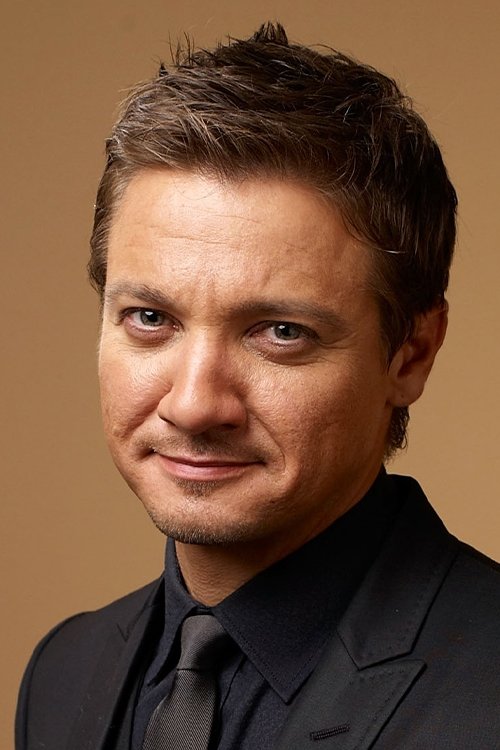
Jeremy Renner is urging the film industry to establish clear guidelines for using digital doubles and AI, especially in action movies. While recovering from his injury, he’s recognized the potential benefits of these technologies, but emphasizes that actors need to maintain control over how their likeness is used. He argues that each instance of a digital recreation should be individually negotiated with the performer. Renner also wants to ensure the rights of stunt performers and background actors are protected from being replaced by AI, believing that the human contribution is essential to the success of franchises like the Marvel Cinematic Universe.
Christian Bale
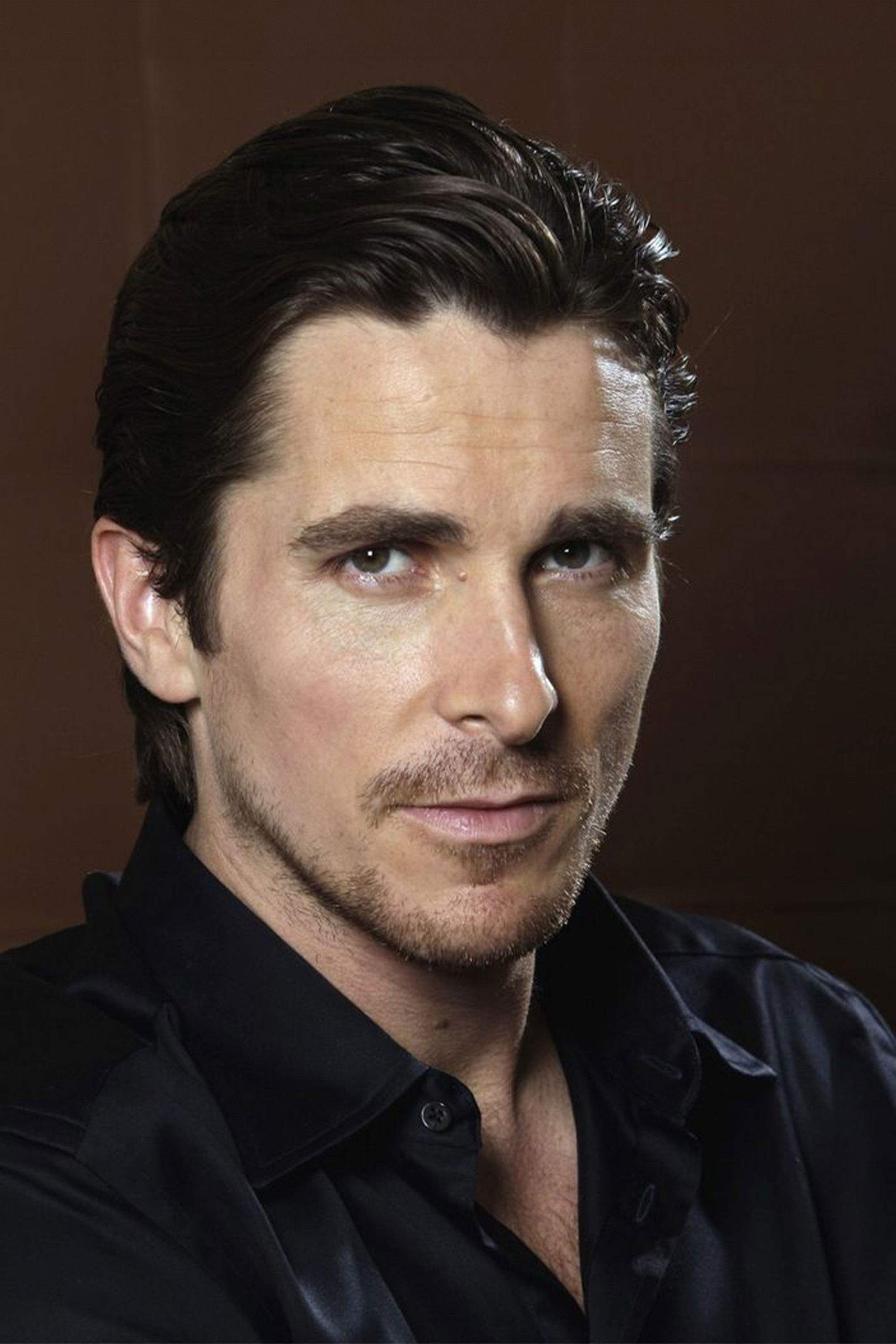
Christian Bale is famous for completely transforming himself physically for his roles, and he’s wary of relying too much on digital effects. He feels that an actor’s physical commitment is essential to good storytelling, something AI can’t replicate. Bale himself rarely uses digital enhancements, preferring to do things the traditional way. He supports other actors who want to keep acting focused on genuine skill and effort, believing that audiences connect with a performance because they sense the performer’s real dedication.
Harrison Ford
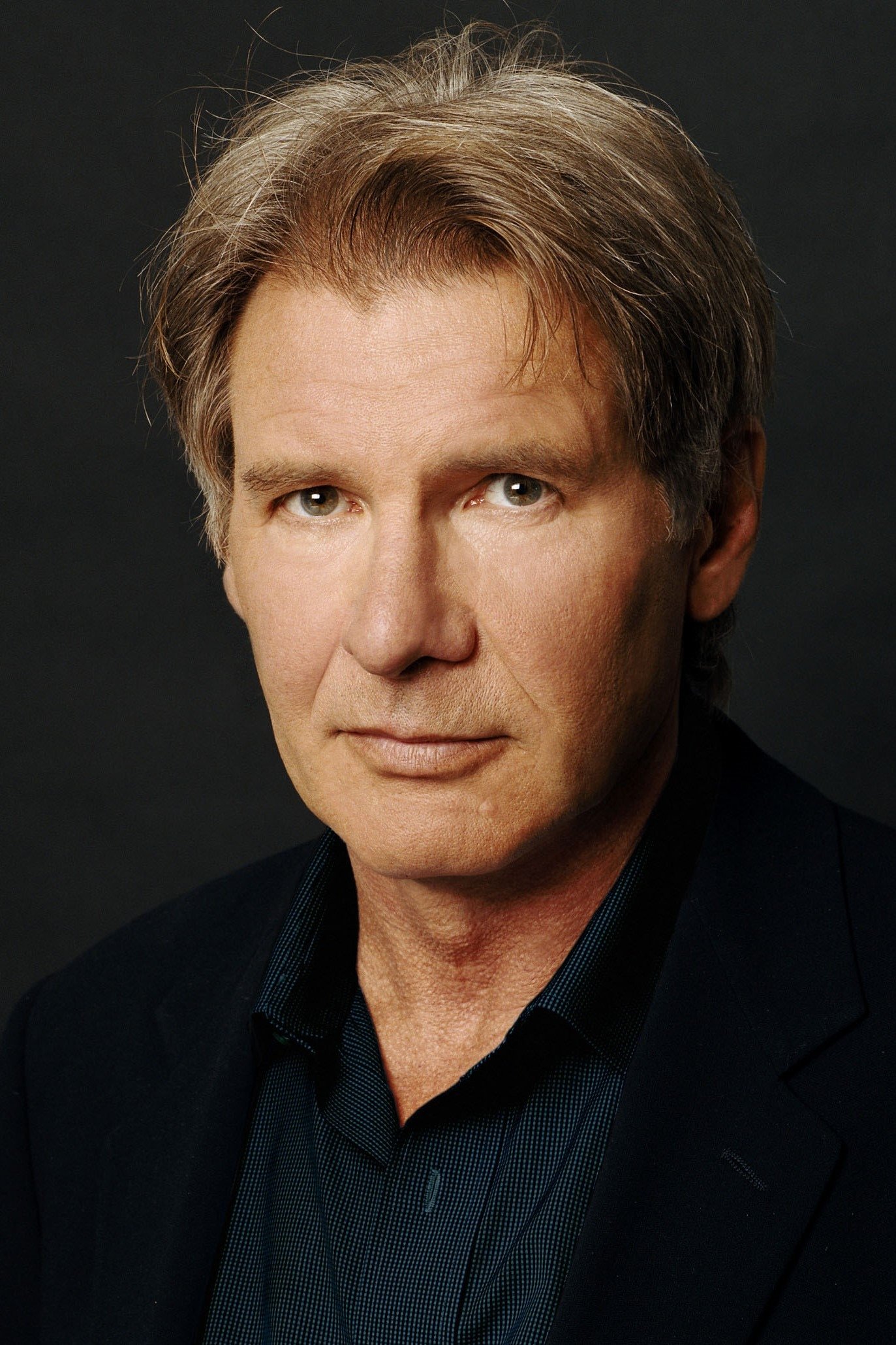
Harrison Ford has spoken out about his worry that his image could be used in movies and other projects without his permission. While promoting his latest film, ‘Indiana Jones and the Dial of Destiny,’ he explained that the technology used to make him look younger relied on his own past work and performance. He supports rules that would stop studios from creating completely new performances using his likeness without his involvement. Ford feels an actor’s career should be shaped by the roles they choose themselves, and he strongly believes that real people need to be present on set during filming.
Anthony Mackie
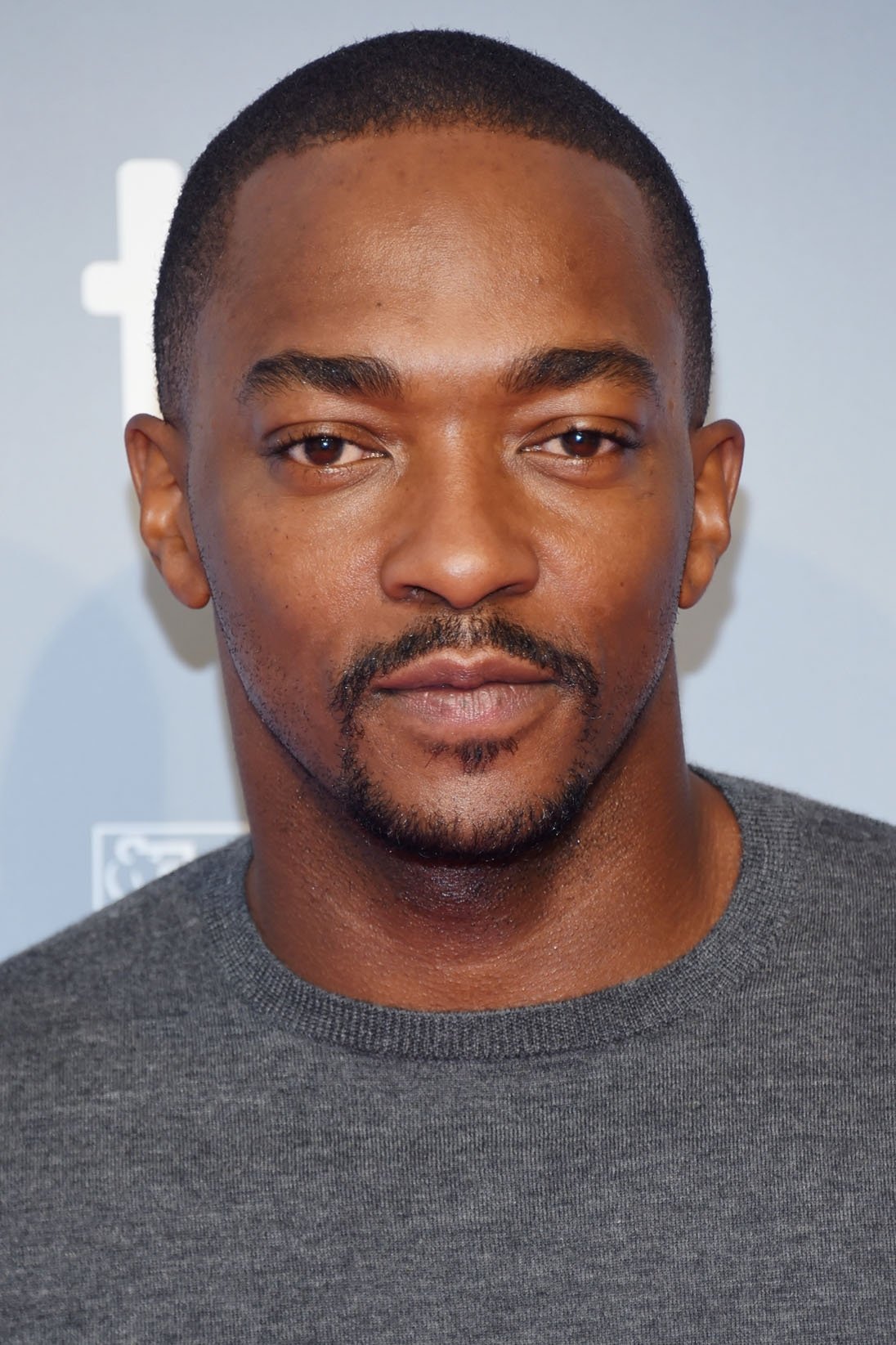
Anthony Mackie is concerned that artificial intelligence could harm the artistic heart of filmmaking and threaten the careers of up-and-coming actors. He worries the film industry is heading towards a future where actual people aren’t needed on set anymore. Mackie, known for his role as Captain America, believes an actor’s unique personality and charm can’t be replicated by technology. He strongly supports the actors’ strike, fighting to ensure future performers have a fair opportunity. Mackie sees the increasing use of AI as a way for companies to minimize their reliance on human actors and talent.
Billy Crystal
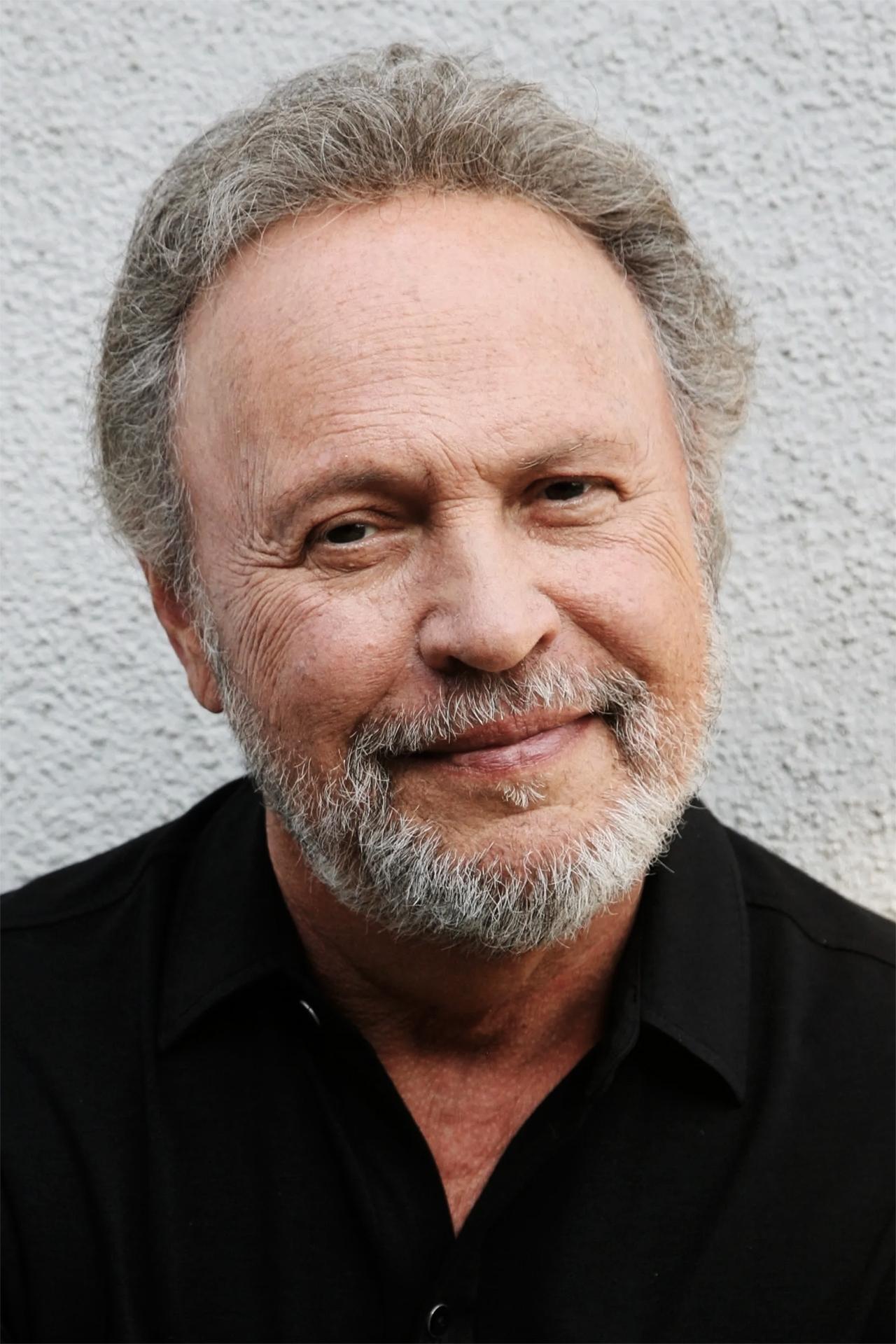
Billy Crystal doesn’t think artificial intelligence can ever truly be funny. He believes audiences can always sense when a joke is forced instead of natural, and he supports actors and writers concerned about losing work to automation. Crystal feels that the joy of laughter comes from a shared human connection that machines simply can’t replicate, and he champions keeping entertainment focused on human creativity.
Michael Douglas
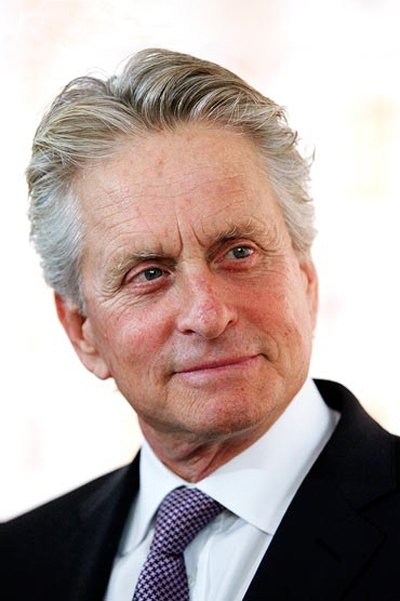
Michael Douglas is raising important concerns about who legally owns an actor’s image after their death. He wants to ensure his estate isn’t used in AI-created projects he didn’t authorize. The actor, known for ‘Wall Street,’ is advocating for rules that protect a person’s digital identity as strongly as their physical possessions. He fears AI could harm an actor’s reputation and career. Douglas is becoming a leading voice in the ongoing conversation about the ethical challenges of creating digital copies of people.
Robert De Niro
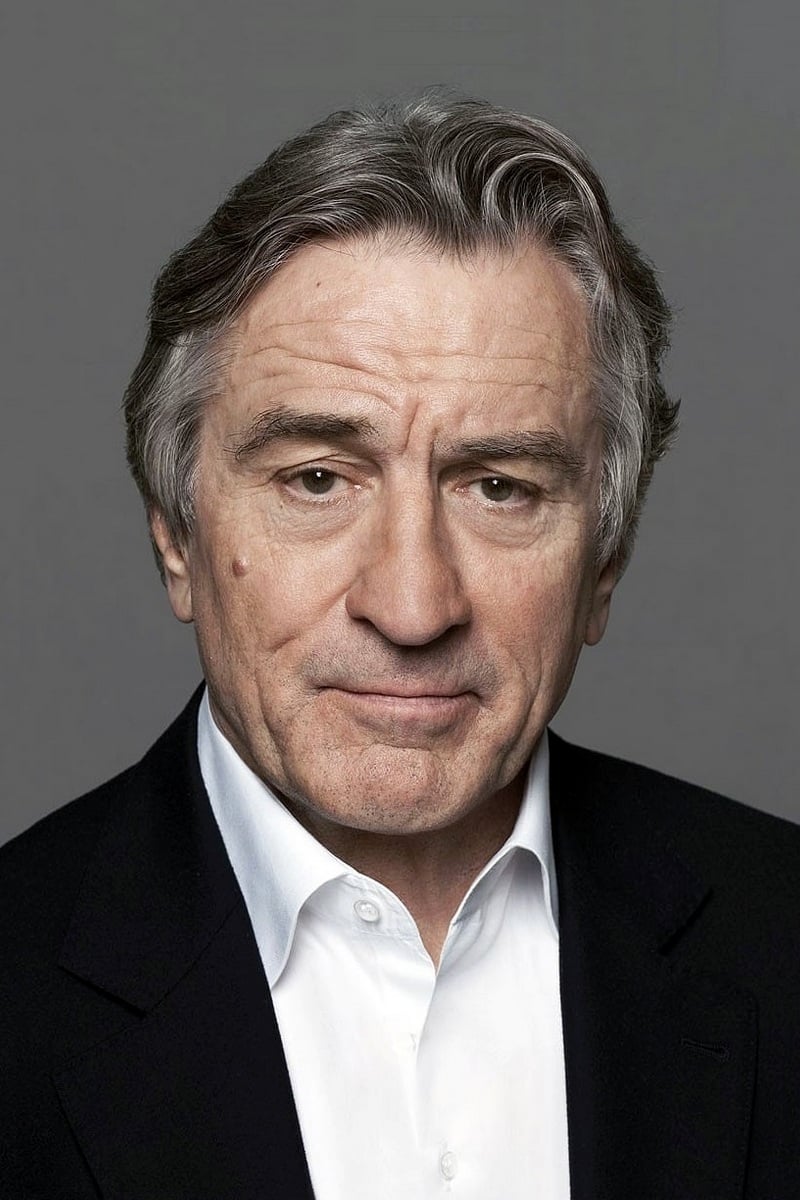
Robert De Niro strongly supported the recent industry strikes, pushing for strong rules to prevent AI from misusing actors’ images and performances. He worries that AI could diminish the quality of iconic acting roles by creating unauthentic recreations. De Niro believes acting is a dedicated craft that requires genuine human expression. He backs the union’s requests for actors to have control over and be fairly paid for any digital copies of themselves. Throughout his career, De Niro has consistently championed high artistic standards, and he continues to do so now.
Al Pacino
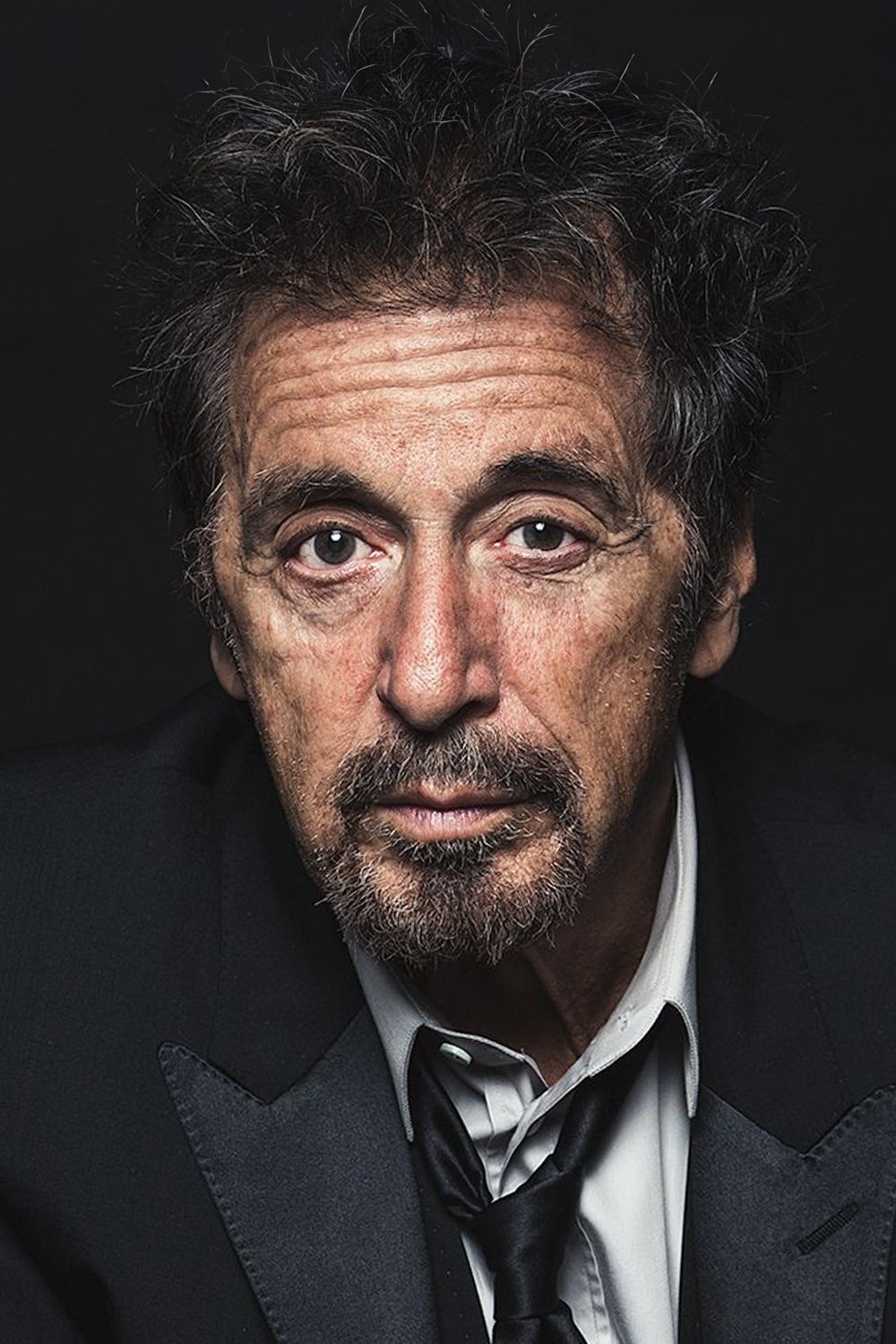
Al Pacino worries that artificial intelligence could change how actors connect with audiences. He feels that knowing a performance comes from a real person is key to creating empathy, and he doubts AI can truly capture the emotional depth of a character. Pacino supports other actors working to prevent AI from diminishing the quality and authenticity of human performances, believing that acting should remain a deeply personal and live art form.
Jeff Goldblum
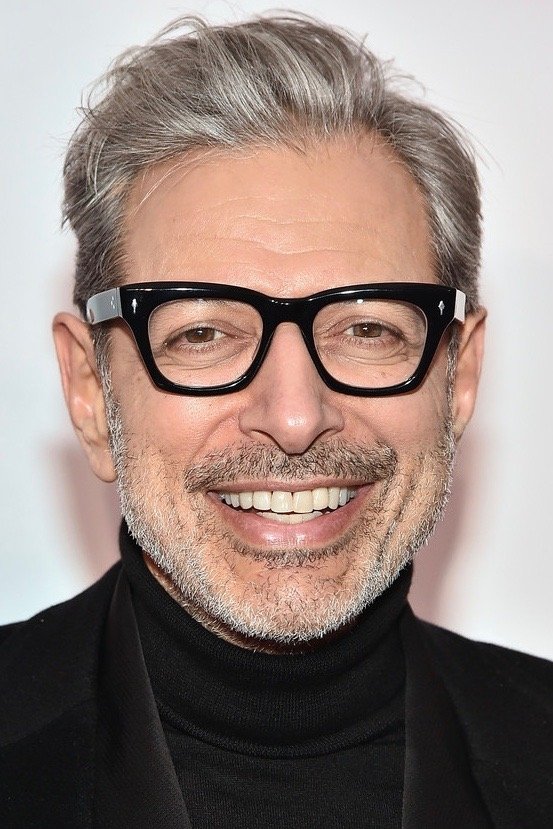
Jeff Goldblum has raised concerns about the ethics of using AI to recreate or improve performances from older films. He argues that an actor’s individual style and personality are essential, and AI can only offer a weak imitation of these qualities. The actor, known for ‘Jurassic Park,’ supports demands for film studios to be more open about their use of digital editing techniques. While intrigued by AI’s potential, Goldblum stresses the importance of human control and champions the value of spontaneous, original human creativity.
Daniel Radcliffe
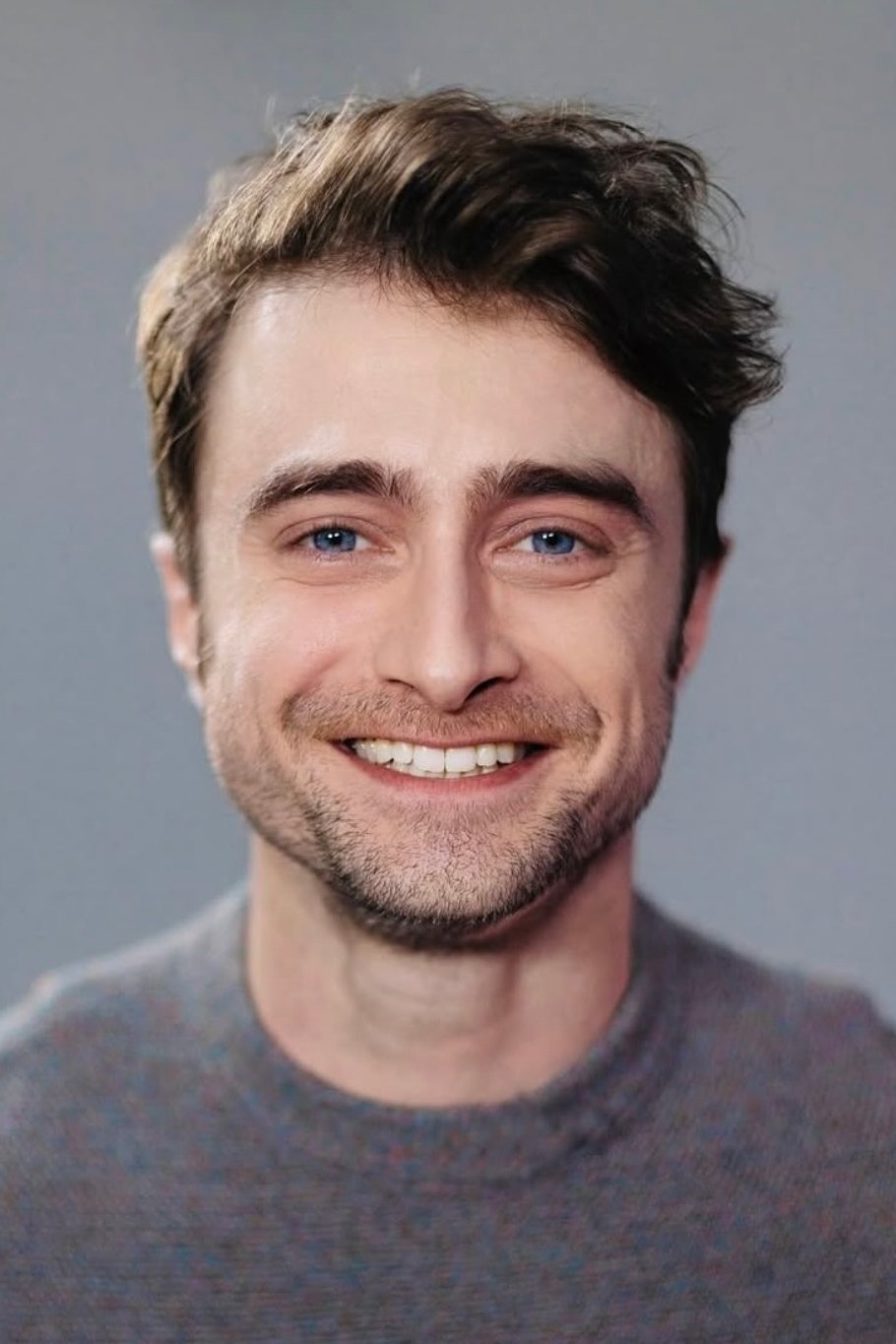
Daniel Radcliffe believes AI can’t replicate the genuine emotion and life experience needed for truly convincing acting. He supports the ongoing strikes, emphasizing that the potential impact on background actors affects everyone in the film industry. Radcliffe feels the most powerful art comes from human vulnerability – something AI can’t create. He worries that relying too much on automation would strip movies of their unique charm. He’s dedicated to standing up for actors’ rights as technology rapidly evolves.
Elijah Wood
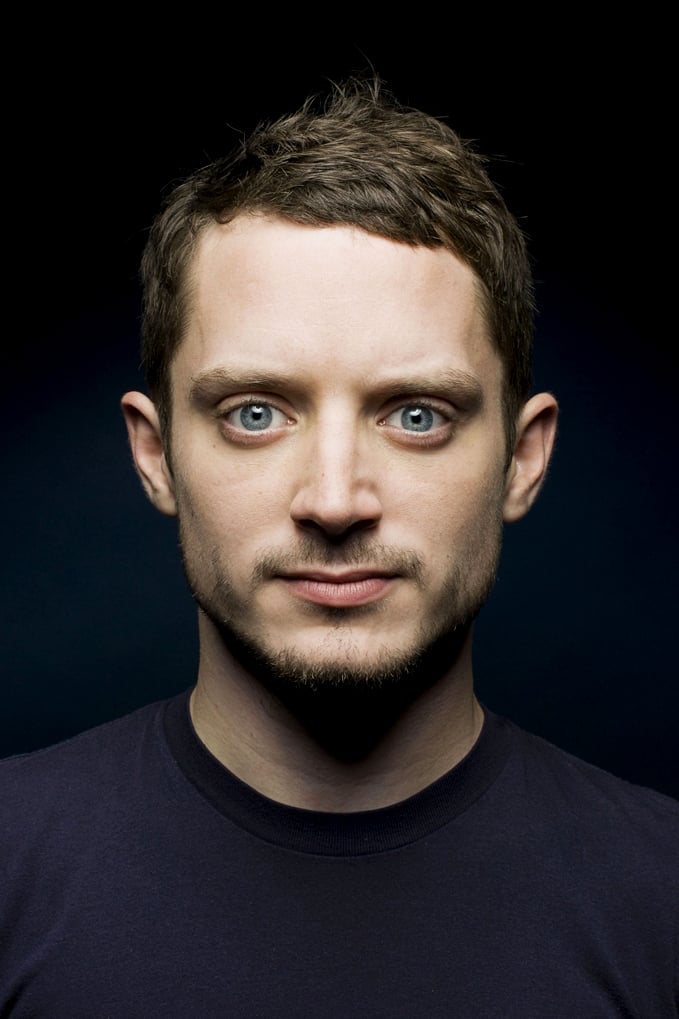
Elijah Wood has expressed concern about the growing use of AI in creative fields like film and television. He argues that studios are increasingly turning to AI to cut costs and avoid the challenges of working with actors and other artists. Wood hopes to see technology used to help creatives, not replace them, and strongly supports the efforts of unions to ensure AI is used responsibly. He believes that the human element is essential to art and is the main reason people connect with it.
Christopher Walken
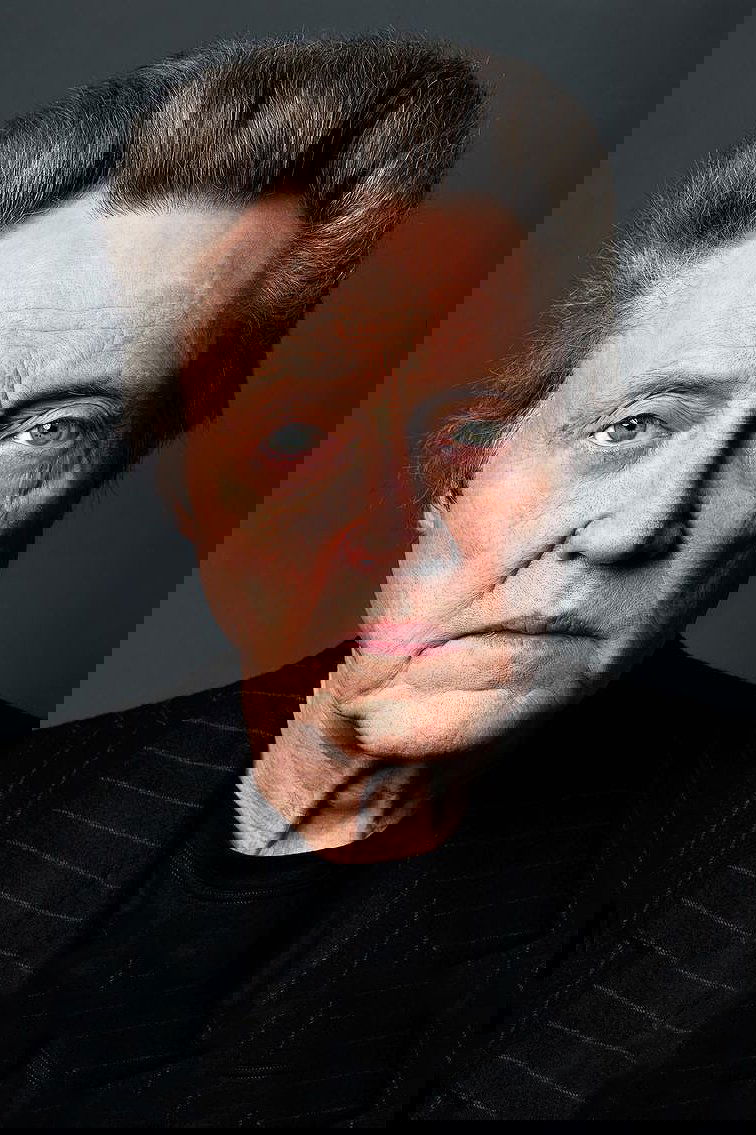
Christopher Walken is famous for staying away from new technology, and he feels the same way about using artificial intelligence in movies. He’s said he doesn’t like the idea of a digital copy of himself being made, and doesn’t think it’s needed. Walken, known for films like ‘The Deer Hunter,’ believes an actor’s actual presence and unique style are essential to a performance. He supports efforts to make sure actors have control over how their image and likeness are used. Ultimately, Walken values the traditional skills and physical work of being an actor.
Steve Carell
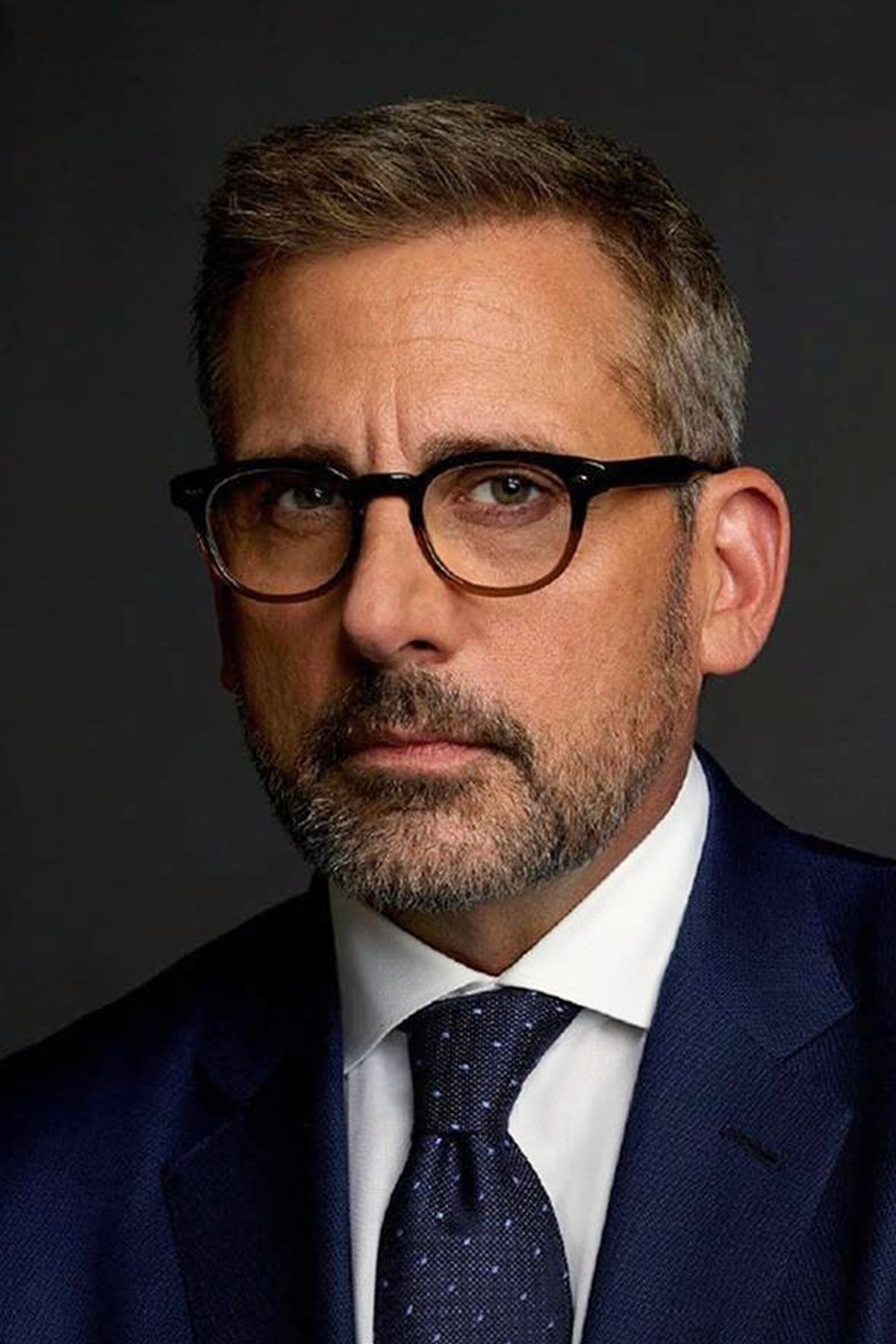
During the 2023 strikes, Steve Carell publicly backed writers and actors as they sought protections against the misuse of artificial intelligence. He’s said that the best creative work comes from the energy and collaboration of people working together on set or in a writers’ room. Carell feels that AI-created scripts and performances are missing the emotional depth audiences connect with, and he strongly supports the union’s efforts to safeguard the jobs of those in creative fields. He believes that human connection is essential for telling stories that truly resonate.
Rainn Wilson
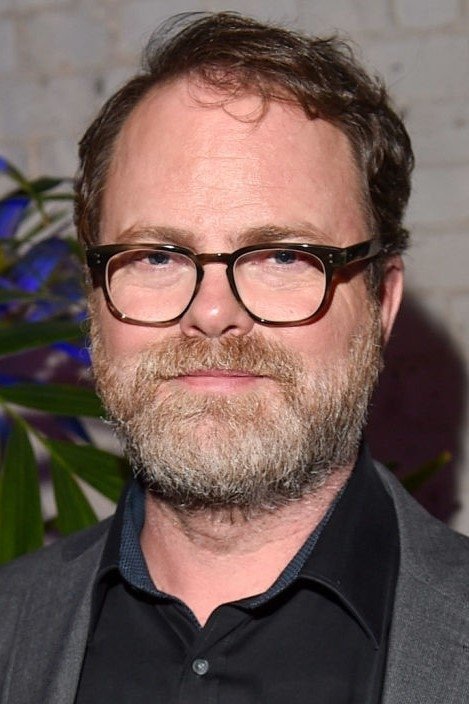
Rainn Wilson has talked about how artificial intelligence might stifle creativity in entertainment. He sees the effort to regulate AI as a broader effort to protect the importance of human artistry. The actor, best known for ‘The Office,’ worries that AI will lead to a lot of unoriginal and impersonal content. He supports the position of entertainment unions, which want to make sure AI doesn’t take the place of human artists. Wilson continues to champion the often imperfect, but ultimately human, process of creating art.
George Clooney
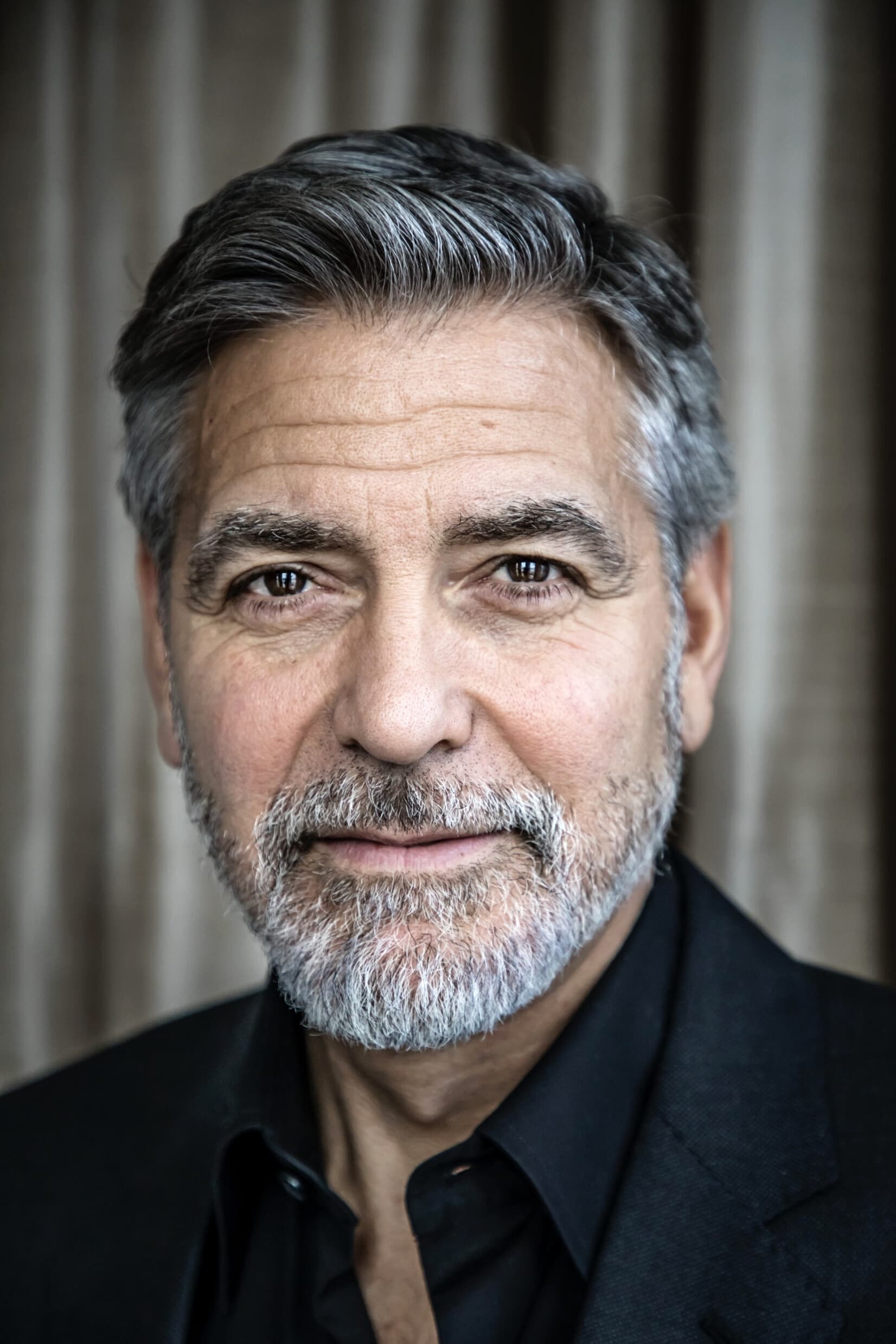
During the 2023 negotiations with studios, George Clooney strongly supported the actors’ union, SAG-AFTRA, in its position on artificial intelligence. He joined other top actors in offering financial support to the union, ensuring that all performers – not just the stars – could fight for better protections against the misuse of AI. Clooney feels the film industry is at a critical point and that worker’s rights need to be defended as technology advances. He emphasizes that the human creativity and skill in filmmaking are what truly matter and must be protected. His involvement was key in strengthening the industry’s opposition to unchecked AI implementation.
We’d love to hear your opinions on how artificial intelligence will change filmmaking in the years to come. Please share your thoughts in the comments below.
Read More
- Top 20 Dinosaur Movies, Ranked
- 20 Movies Where the Black Villain Was Secretly the Most Popular Character
- 25 “Woke” Films That Used Black Trauma to Humanize White Leads
- Silver Rate Forecast
- Gold Rate Forecast
- Spotting the Loops in Autonomous Systems
- From Bids to Best Policies: Smarter Auto-Bidding with Generative AI
- Celebs Who Narrowly Escaped The 9/11 Attacks
- 22 Films Where the White Protagonist Is Canonically the Sidekick to a Black Lead
- Can AI Lie with a Picture? Detecting Deception in Multimodal Models
2026-01-22 20:53