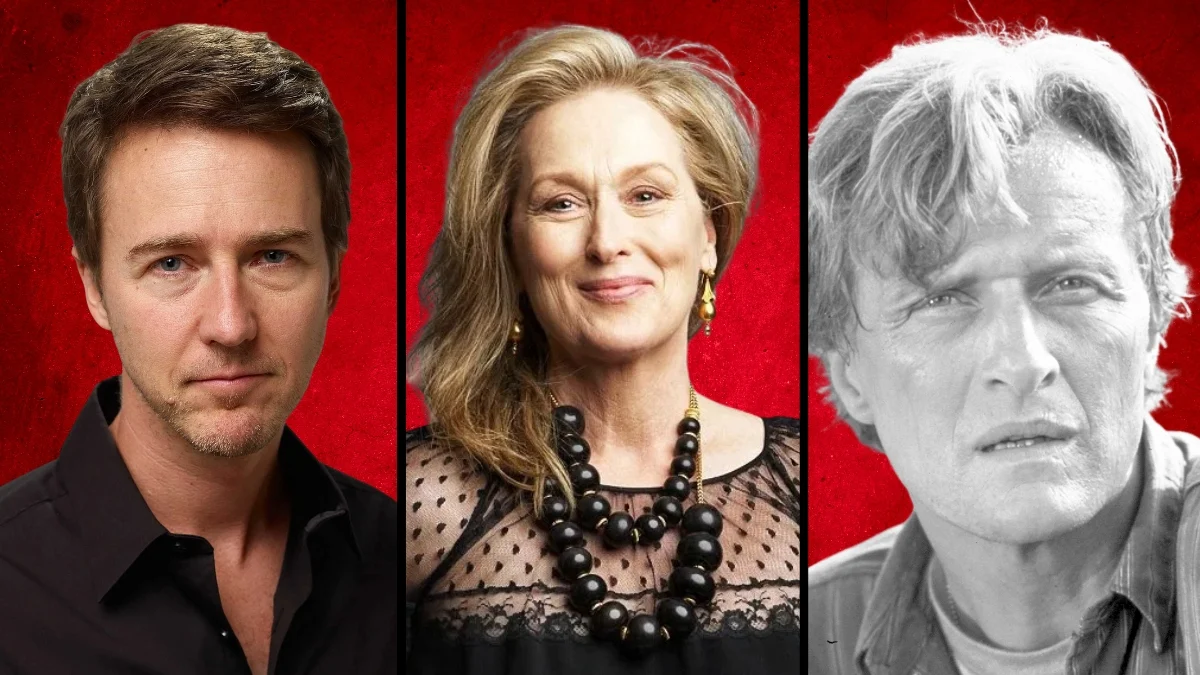
Making a movie is a team effort where the roles of actors and writers often blend together. Writers create the basic story, but actors often do a lot to build their characters. Some go beyond just learning their lines, creating detailed histories for their characters or even changing scenes to make them fit better. This kind of creative input can result in unforgettable scenes that weren’t originally planned. The contributions of the thirty actors highlighted here have had a lasting impact on the history of film.
Edward Norton
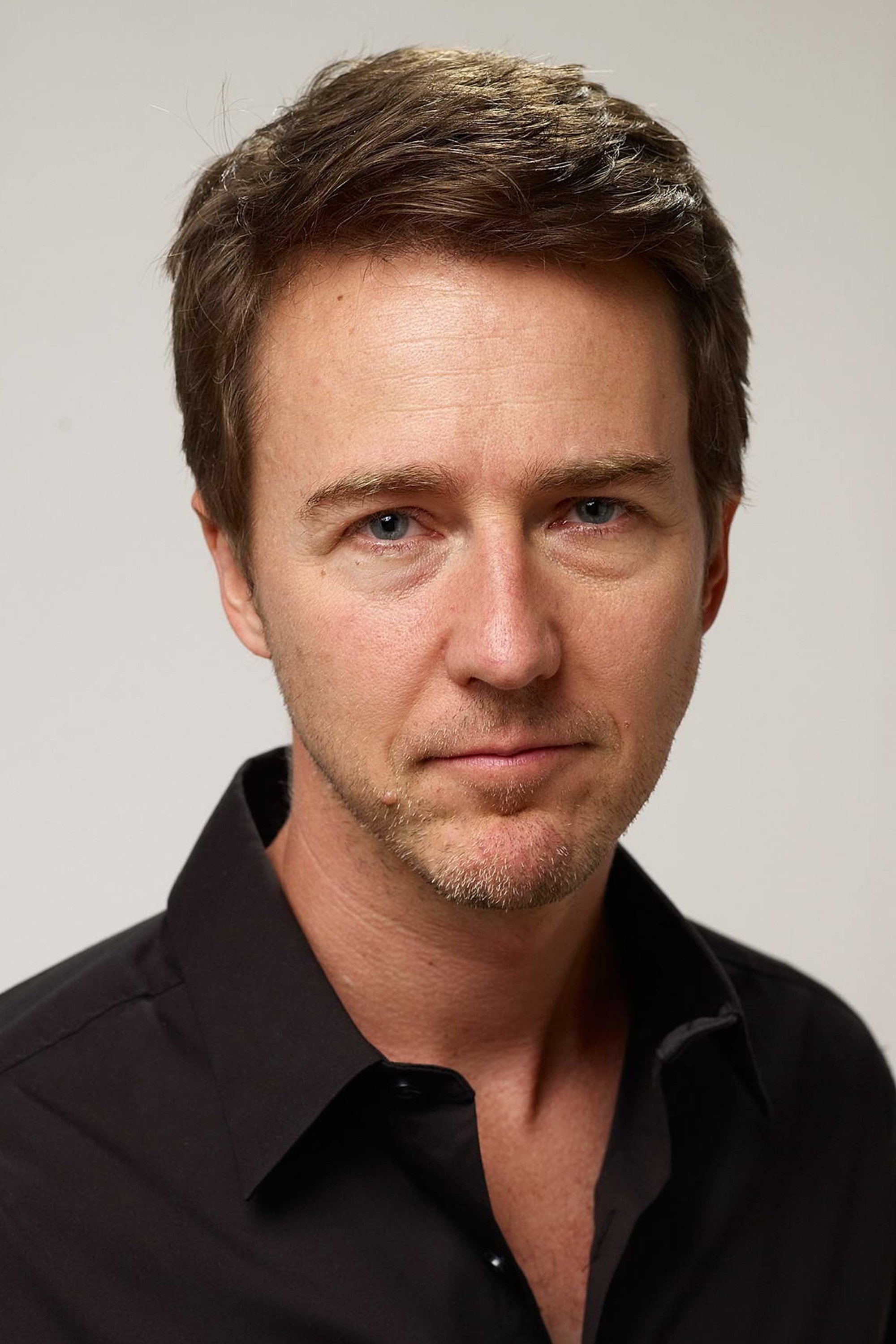
Edward Norton was deeply involved in shaping ‘The Incredible Hulk.’ He made a deal that let him revise the script extensively, adding more psychological complexity to the character of Bruce Banner. Throughout filming, he often wrote new scenes daily, aiming for a more somber and serious mood. He wanted to focus on the character’s inner struggles and the weight of his condition, rather than just action sequences. This level of creative input resulted in a distinctive, though sometimes debated, take on the Marvel hero.
Rutger Hauer
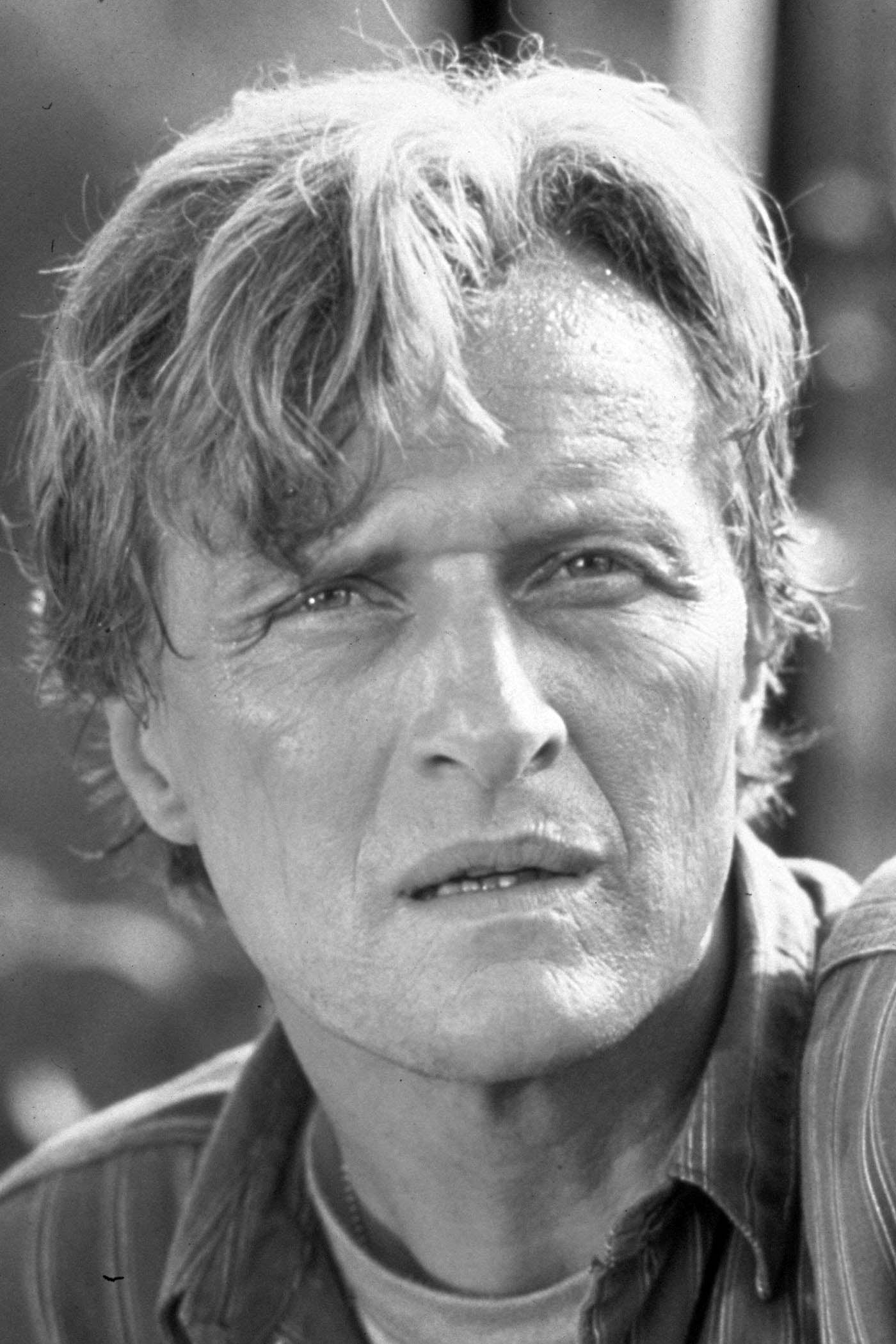
Rutger Hauer significantly changed the powerful ending of ‘Blade Runner’ by reworking his final lines. He thought the original speech was overly dramatic and lengthy for a character who was about to die. Hauer shortened the dialogue and famously improvised the line about tears falling in the rain, capturing the brief and precious nature of life. This addition gave his character, Roy Batty, a deeply moving and tragic farewell. The speech is now celebrated as an iconic moment in science fiction.
Viggo Mortensen
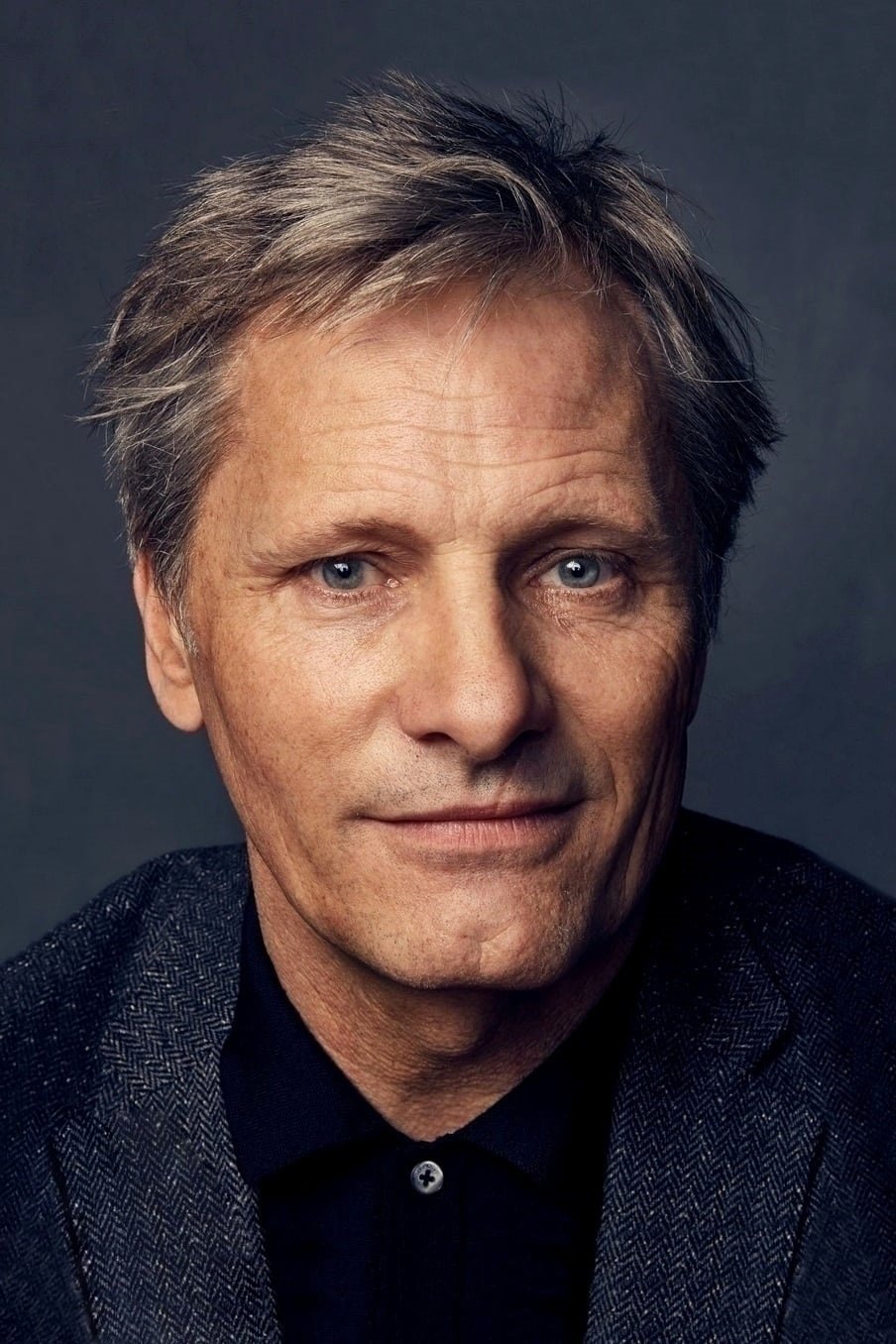
I was absolutely blown away by how much effort Viggo Mortensen put into playing Nikolai in ‘Eastern Promises’! He didn’t just learn lines; he really lived the part. He went all the way to Russia, spent weeks learning the language, and even studied the incredibly detailed tattoos of real Russian criminals. In fact, he helped design those tattoos to tell the story of Nikolai’s past! He also made this amazing choice to stay silent in some scenes, which just made the character so much more intimidating. Honestly, it wasn’t just a performance; it was a truly terrifying and realistic portrayal because of his commitment.
Meryl Streep
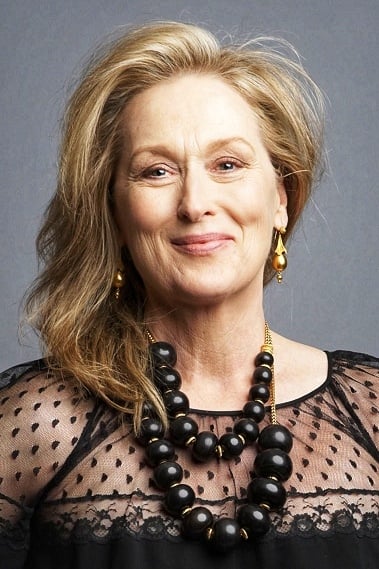
Let me tell you, when I first read the script for ‘Kramer vs. Kramer,’ I was struck by how easily Joanna could be seen as just the ‘bad guy.’ Meryl Streep felt the same way. She believed Joanna needed more depth, so she actually rewrote her big courtroom speech – a speech explaining the heartbreaking reasons why a mother might have to leave her child. The director was smart enough to listen, and filming her version completely changed the movie. It wasn’t just about a father winning custody anymore; it became a genuinely tragic story about a family falling apart. Honestly, that rewrite was a stroke of genius, and I think it’s a huge part of why Streep deservedly won her Oscar. It elevated the entire film.
Johnny Depp
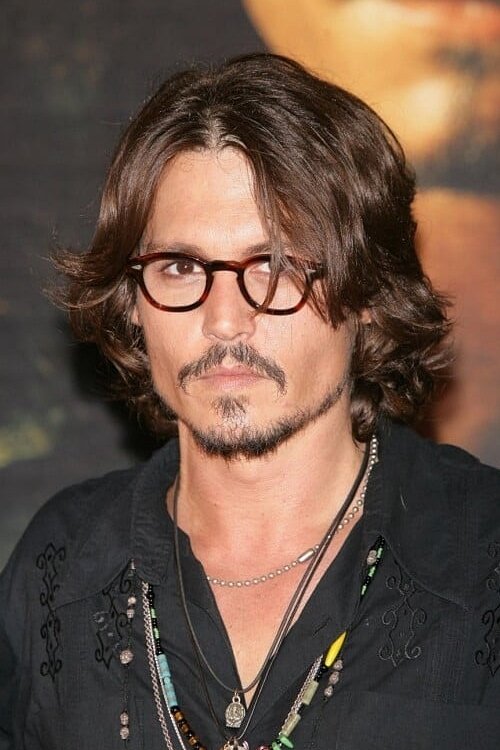
Johnny Depp transformed Jack Sparrow in ‘Pirates of the Caribbean: The Curse of the Black Pearl’ from a typical pirate into a truly unique character. The original script called for a more traditional swashbuckler, but Depp based his portrayal on Keith Richards, the rock star. He created Jack Sparrow’s distinctive speech, wobbly walk, and quirky personality – elements that became central to the entire film series. While studio heads were initially unsure about Depp’s choices and feared they wouldn’t work, Depp insisted on his vision, ultimately turning a bland character into a beloved pop culture icon.
Benicio del Toro
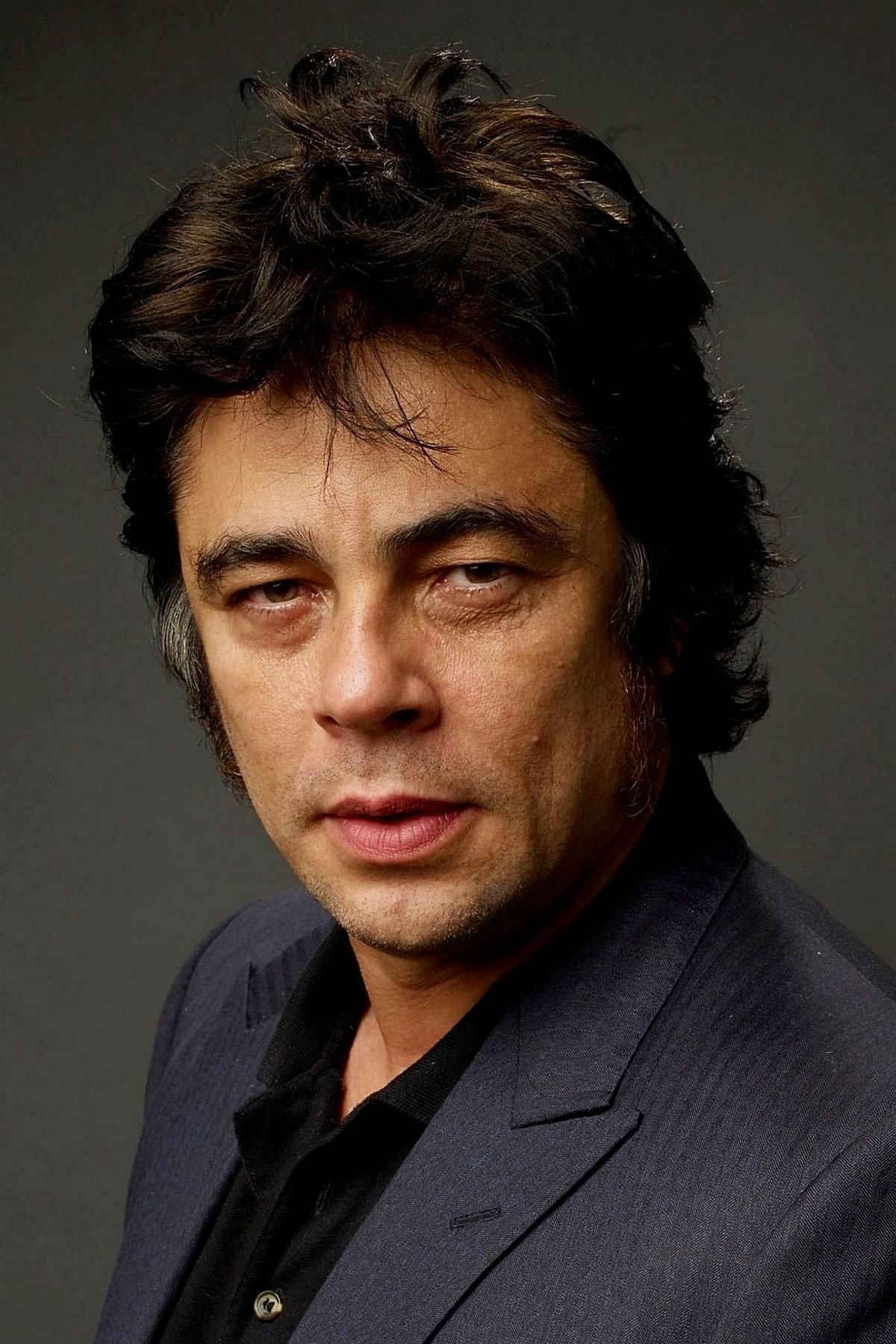
Benicio del Toro wanted his character in ‘The Usual Suspects’ to stand out, so he developed a very unusual way of speaking. He thought the character, Fenster, didn’t have much interesting dialogue in the script, and decided to mumble his lines with a strange accent that was hard to understand. This unexpected choice transformed a small, unimportant character into a funny and unforgettable part of the film. The other actors often had trouble staying serious while filming his scenes because his delivery was so odd. Del Toro’s creative addition gave the character a mysterious and quirky history that wasn’t originally in the script.
Crispin Glover
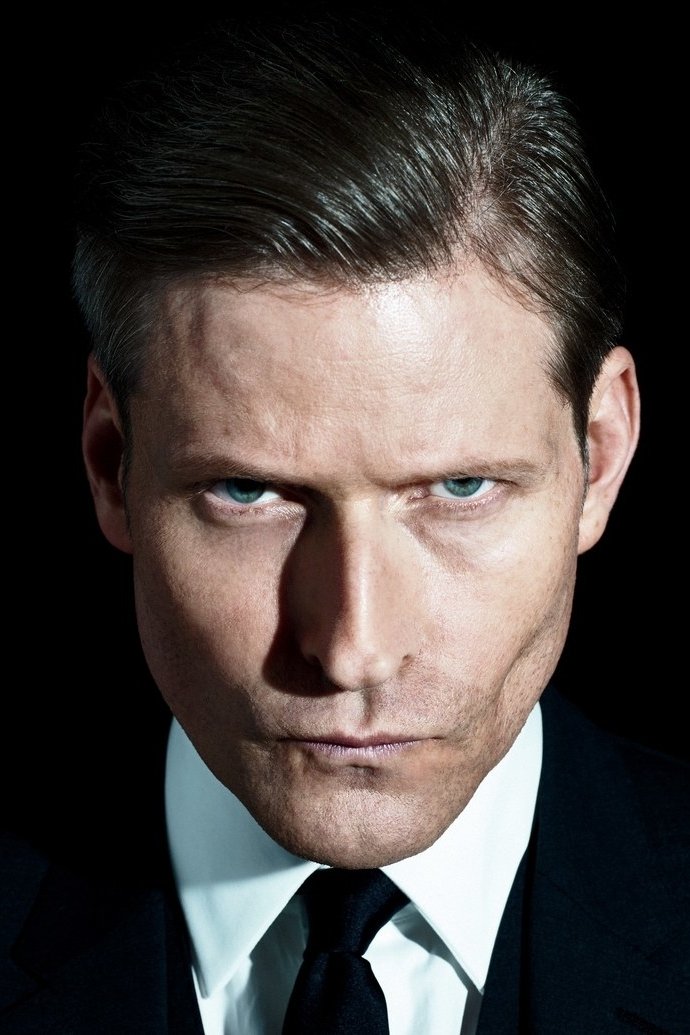
Okay, so you know Crispin Glover in ‘Charlie’s Angels’? He totally hated the lines they wrote for his character, The Thin Man. He thought it was cheesy, so he refused to say them! He pitched this amazing idea to the director – what if the assassin was completely silent? He believed it would be way more unsettling. And he wasn’t wrong! He built the whole character around weird physical stuff and this…obsession with hair. It meant none of his motivations were explained, which honestly made him a much more memorable and genuinely creepy villain. He went from being a typical bad guy to this totally unique, silent threat. It was a brilliant move, honestly.
Robert Downey Jr.
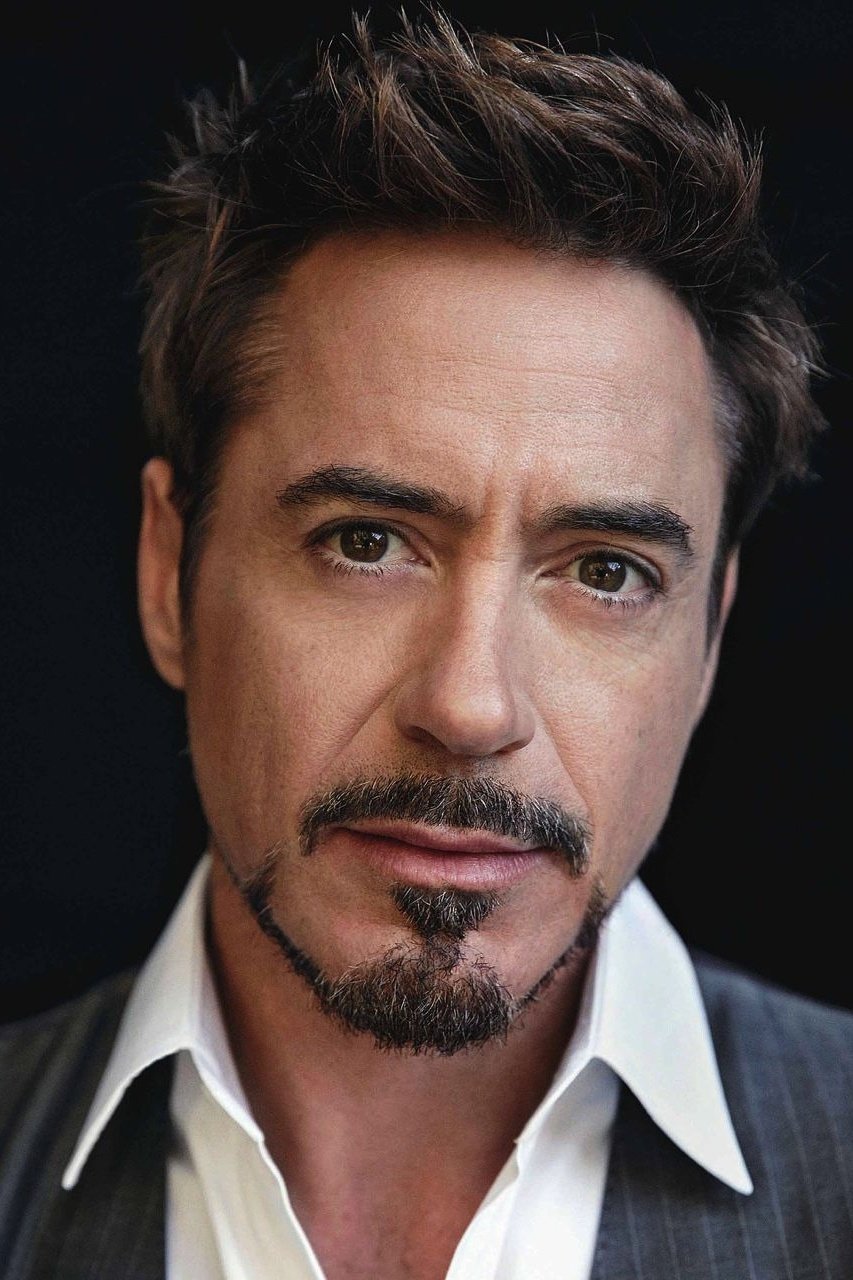
Robert Downey Jr. was key to creating the memorable personality of Tony Stark in ‘Iron Man’. The movie started with a basic script, and Downey worked closely with the director, often improvising scenes. He brought his own humor and confident personality to the role, making Iron Man stand out from other superheroes. Throughout his time as the character in the Marvel Cinematic Universe, Downey continued to refine the dialogue and develop Tony Stark’s unique voice, ultimately setting the style for all the other films.
Marlon Brando
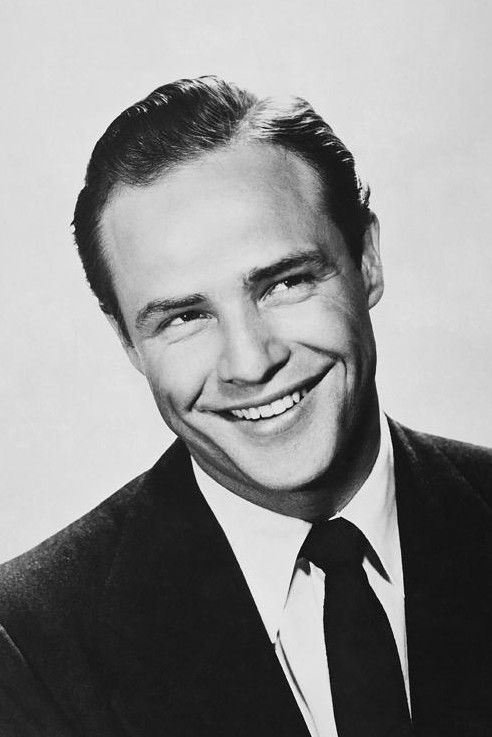
Marlon Brando showed up to film ‘Apocalypse Now’ without memorizing any lines or even reading the book the movie was based on. Instead, he spent days talking with the director about the character of Colonel Kurtz, building the role from the ground up through discussion. Brando then improvised lengthy, often rambling speeches that perfectly captured the character’s descent into madness. He also requested to be filmed mostly in shadow, both to conceal his weight and to create a more mysterious persona. This unconventional approach ultimately led to a truly unforgettable and haunting villain.
Jason Isaacs
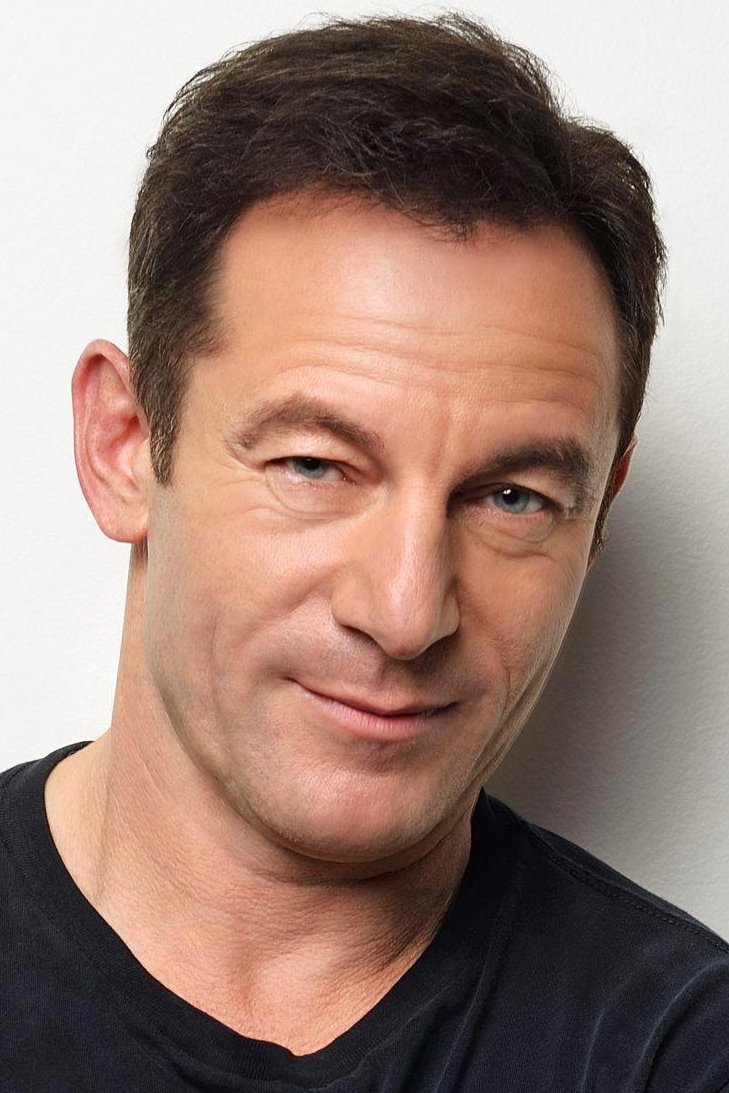
When Jason Isaacs was first cast as Lucius Malfoy in ‘Harry Potter and the Chamber of Secrets,’ he was supposed to wear a pinstripe suit. However, he suggested the iconic long white hair and wizard robes to better represent the character’s prejudiced beliefs and high social status. Isaacs also created a voice and mannerisms that made Lucius seem cold and superior, deliberately contrasting with any friendly appearance. He even added his own moments of physical mistreatment of Dobby to reveal the character’s cruelty. These decisions ultimately defined the look and feel of the entire Malfoy family.
Denzel Washington
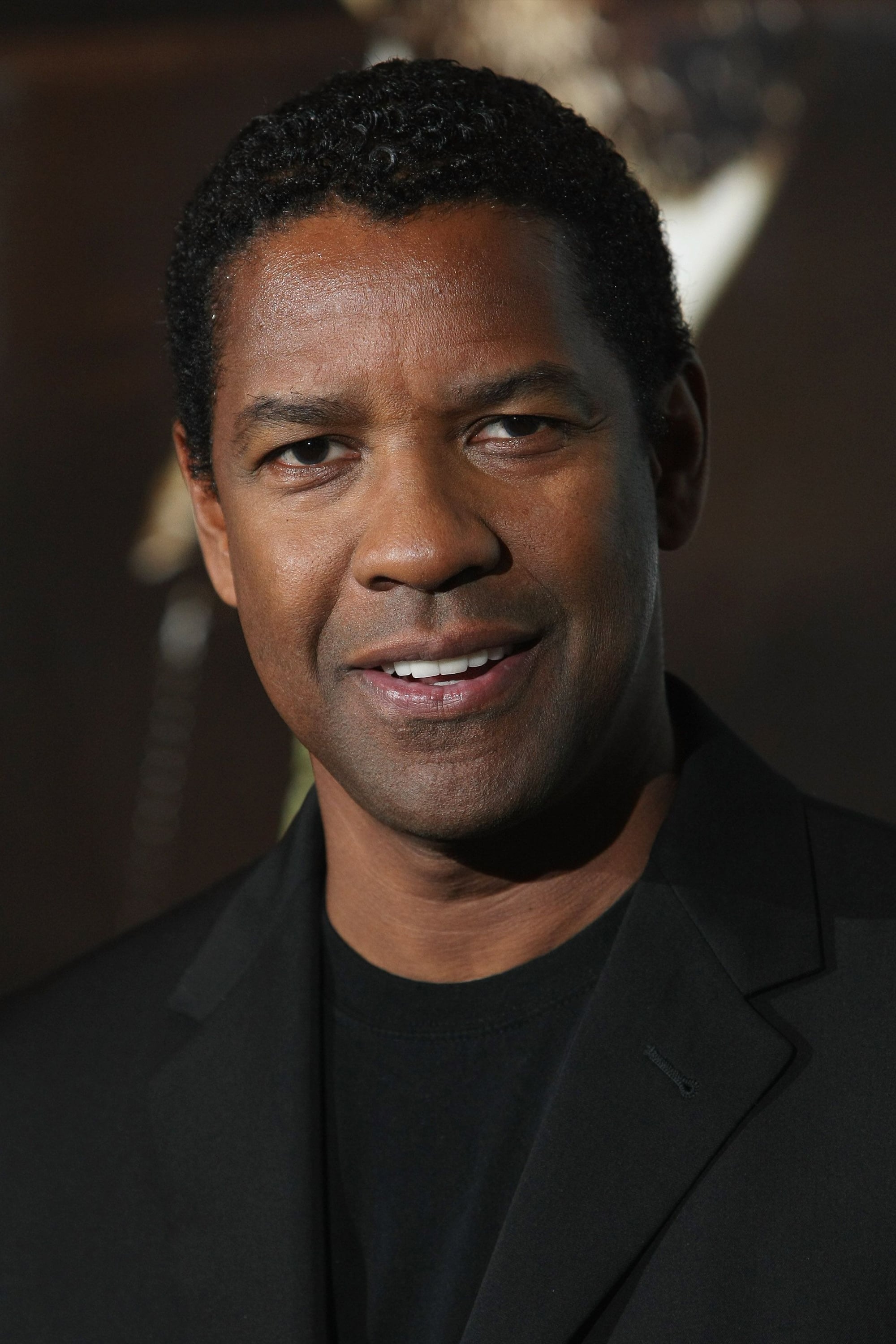
Denzel Washington’s portrayal of the corrupt detective Alonzo Harris in ‘Training Day’ was incredibly complex. He famously made up the ‘King Kong’ speech on the spot, highlighting the character’s extreme arrogance. Washington also fought to prevent Alonzo from being redeemed by the end of the film. He wanted viewers to witness the harsh realities of Alonzo’s choices without any softening of his actions. This commitment to the character’s unflinching morality ultimately earned Washington an Academy Award for Best Actor.
Tom Hardy

Tom Hardy played a huge role in shaping the unique relationship between Eddie Brock and Venom. He went the extra mile, even recording the symbiote’s voice himself and listening to it through an earpiece while filming to create a believable interaction. Hardy also championed a funnier, more chaotic dynamic between the two characters. His creative input was so significant that he ended up receiving a writing credit on the second ‘Venom’ movie, essentially transforming what could have been a typical superhero film into a hilarious buddy comedy about a man and his alien companion.
Ryan Reynolds
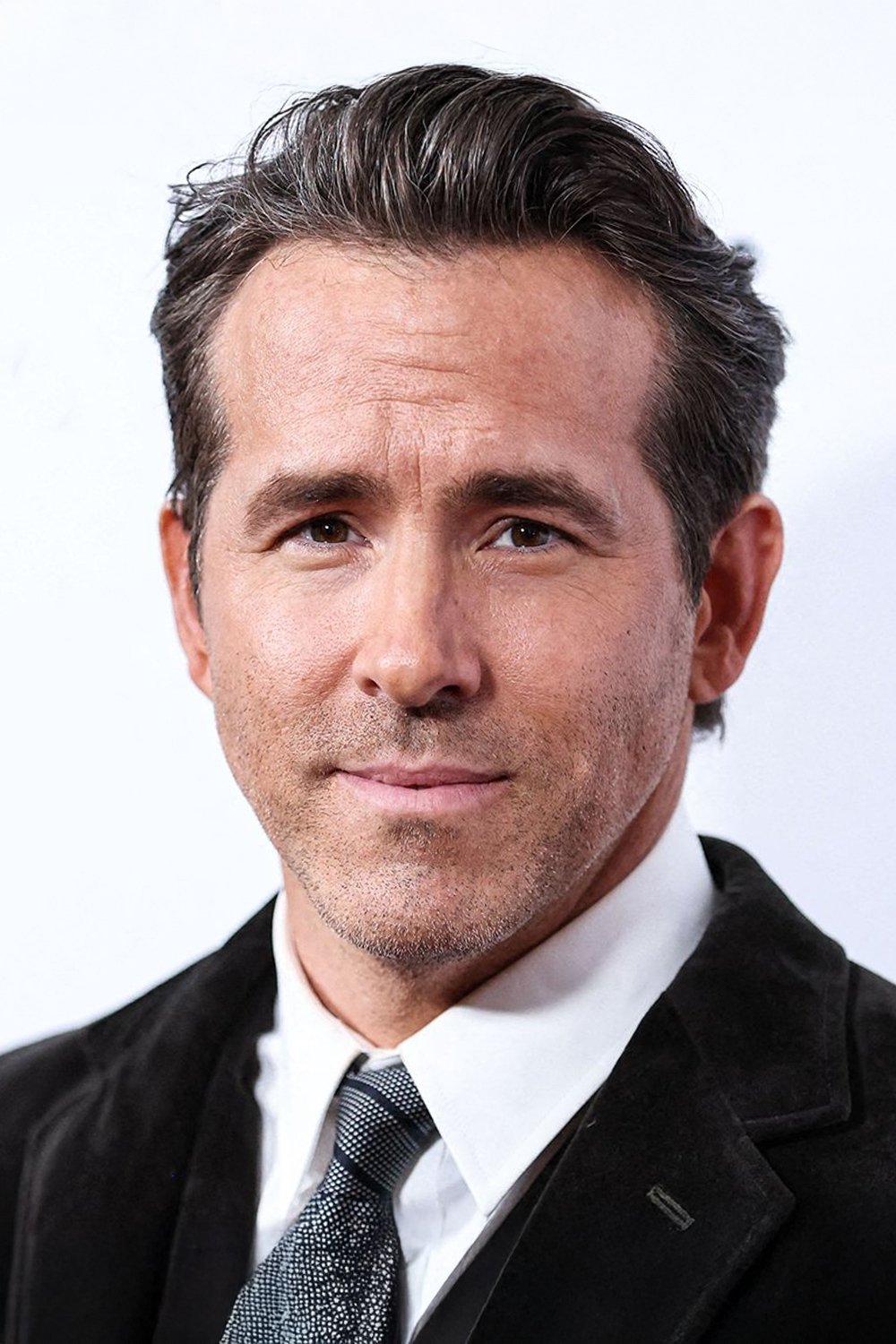
Ryan Reynolds worked for years to bring a true ‘Deadpool’ story to the screen, and he had a lot of say in how it was made. He personally wrote many of the jokes and pop culture nods that made Deadpool famous for breaking the fourth wall and being self-aware. Reynolds carefully shaped Wade Wilson’s personality to playfully poke fun at typical superhero stories. His improvising and writing during filming were key to the movie’s distinct style. Most people consider Reynolds the driving force behind the entire ‘Deadpool’ film series.
Heath Ledger
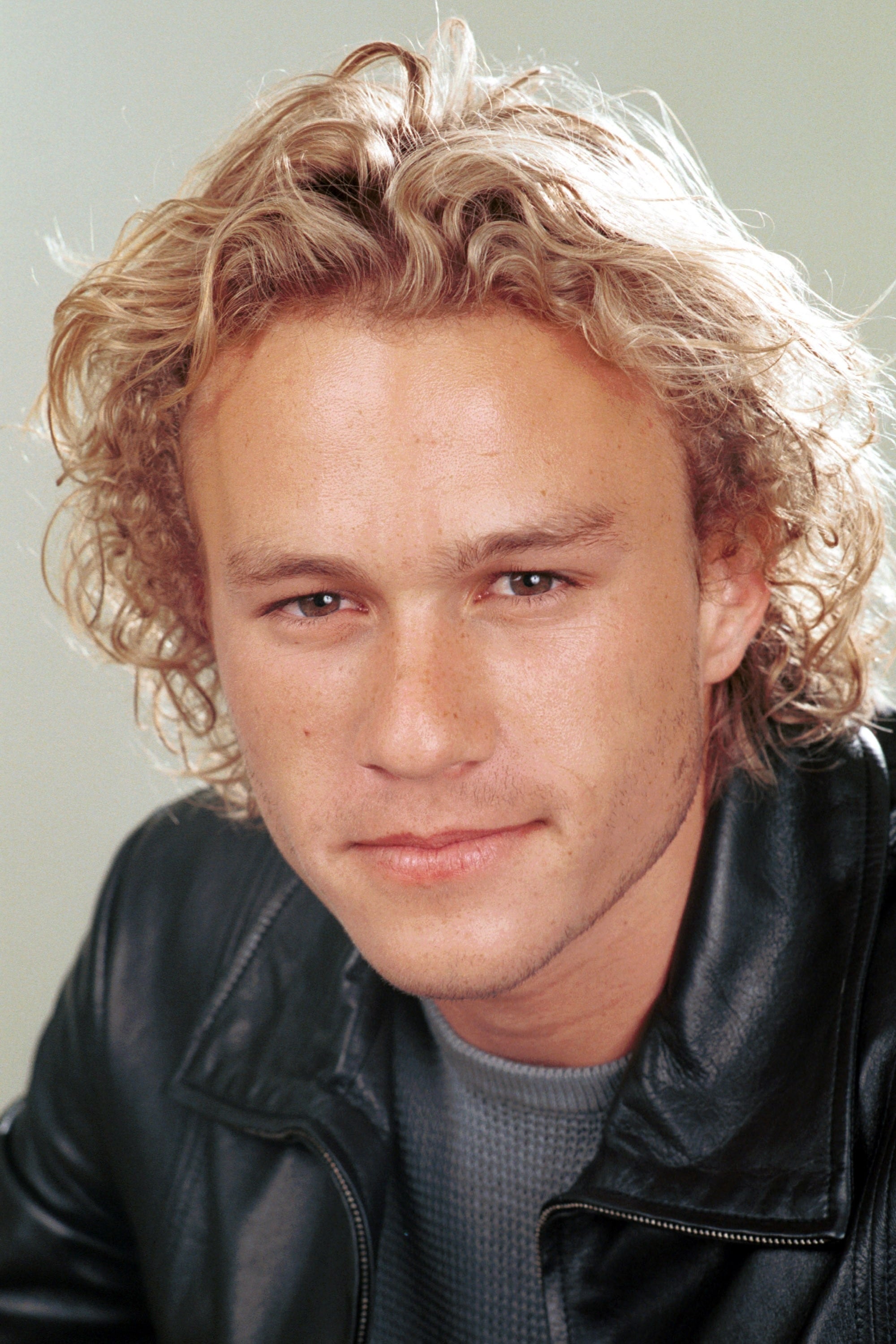
To prepare for his role as the Joker in ‘The Dark Knight’, Heath Ledger spent a month isolating himself in a hotel room, deeply immersing himself in the character’s mind. He kept a journal filled with unsettling images and notes to help him stay in character. Ledger personally designed the Joker’s makeup to look as if the character had slept in his paint, and he also created the distinctive voice and lip-licking mannerism to build a compelling backstory. Ultimately, Ledger crafted a wildly unpredictable villain who revolutionized how villains are portrayed on screen.
Jenna Ortega

While filming ‘Wednesday’, Jenna Ortega was dedicated to making sure her character felt authentic. She often rewrote lines to avoid having Wednesday sound like a typical teen. To fully embody the role, she learned to play the cello and intentionally avoided smiling, helping to create the show’s dark mood. She even created the choreography for the popular dance scene herself, ensuring it reflected Wednesday’s unique personality. Ortega’s contributions were key to updating the character for a modern audience while staying true to her core traits.
Michelle Rodriguez
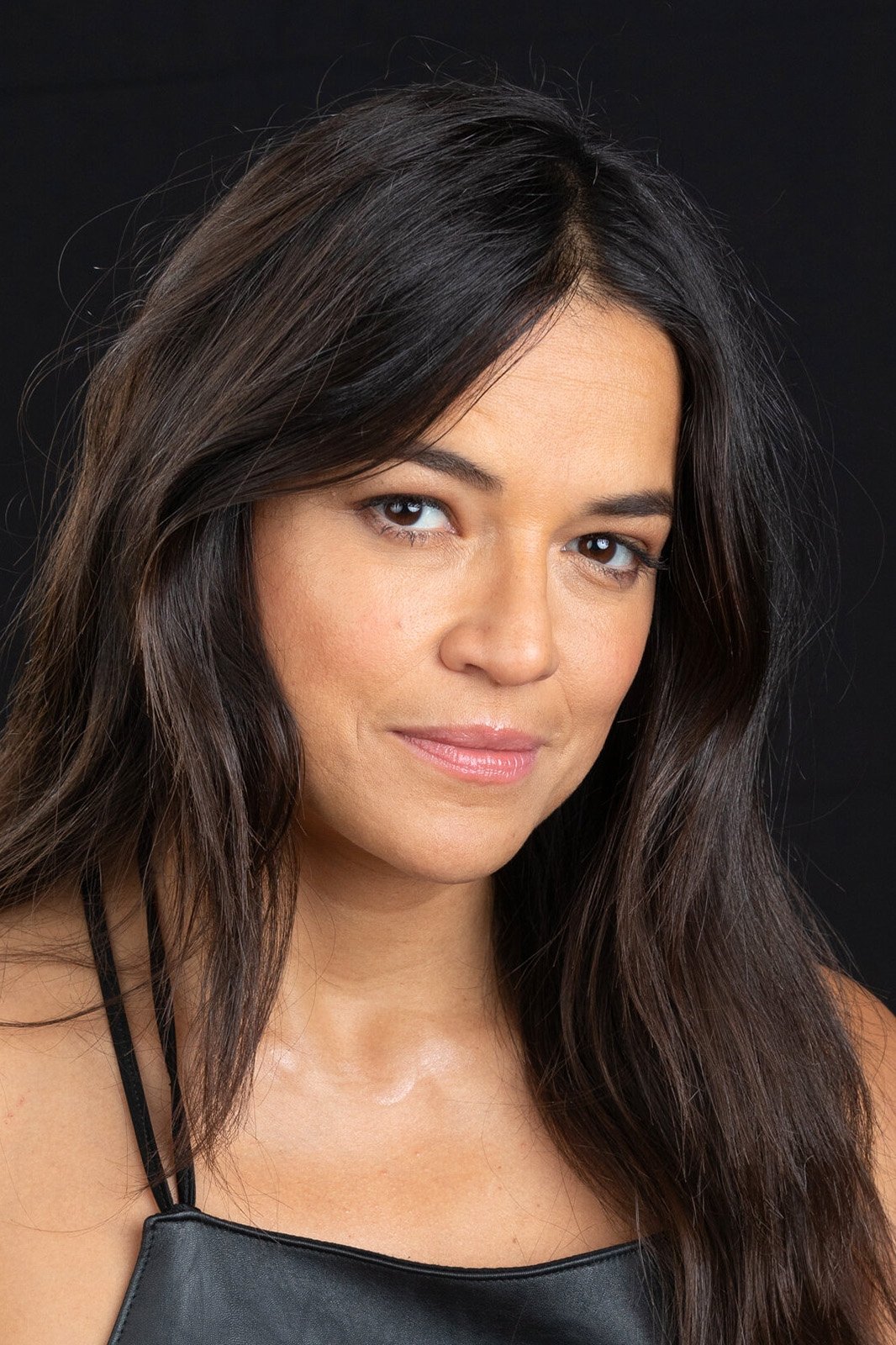
Michelle Rodriguez almost left ‘The Fast and the Furious’ over a storyline where her character, Letty, was supposed to have an affair with Dom’s best friend, Brian. She believed this would make Letty seem weak and disloyal. The director listened to her concerns and changed the story to stay true to Letty’s values. This decision helped create the strong, lasting love story that became central to the entire film series.
Dacre Montgomery
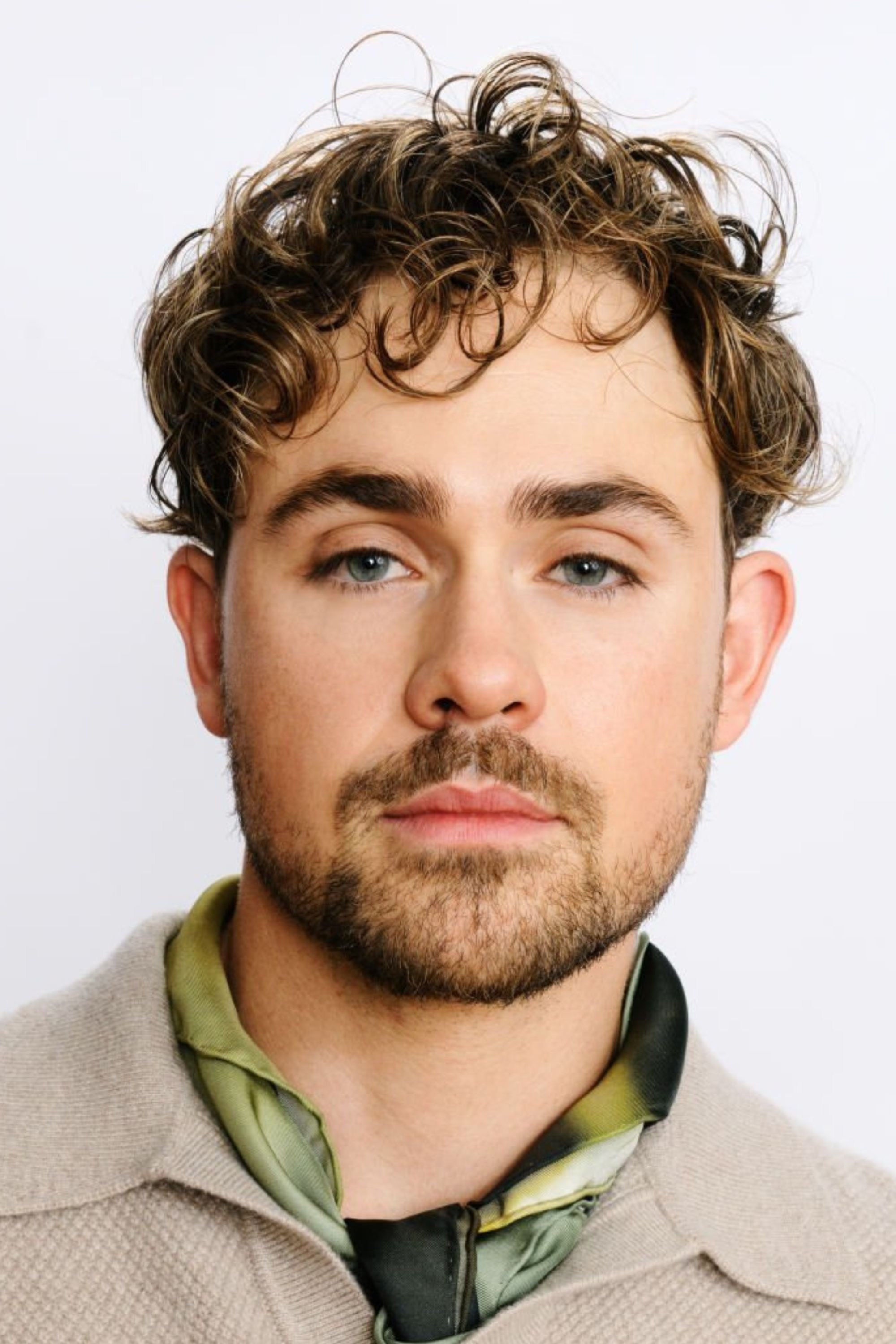
Dacre Montgomery, the actor who played Billy Hargrove on ‘Stranger Things’, collaborated with the show’s creators to make his character more relatable. He suggested adding scenes showing Billy’s difficult childhood, specifically his abusive relationship with his father. Montgomery even wrote a scene about Billy’s mother that made it into the third season. These additions gave viewers a tragic backstory, helping them understand why Billy acted so violently. Ultimately, Montgomery’s input transformed Billy from a typical villain into a troubled and sympathetic character.
Maya Hawke
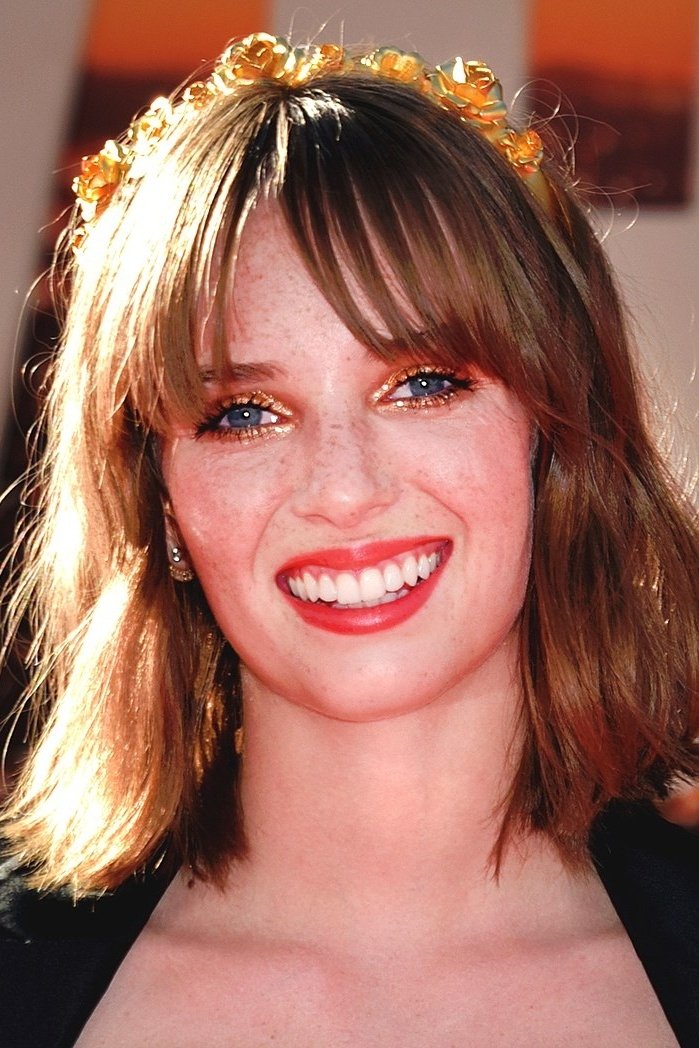
Maya Hawke, who plays Robin on ‘Stranger Things,’ helped shape her character’s love life. Initially, the show’s writers planned a romance between Robin and Steve, but Hawke believed they had a stronger, friendlier connection. She suggested Robin come out as gay, and the creators agreed, rewriting the story to include this. This change not only made their friendship more complex but also provided important LGBTQ+ representation.
Mike Myers
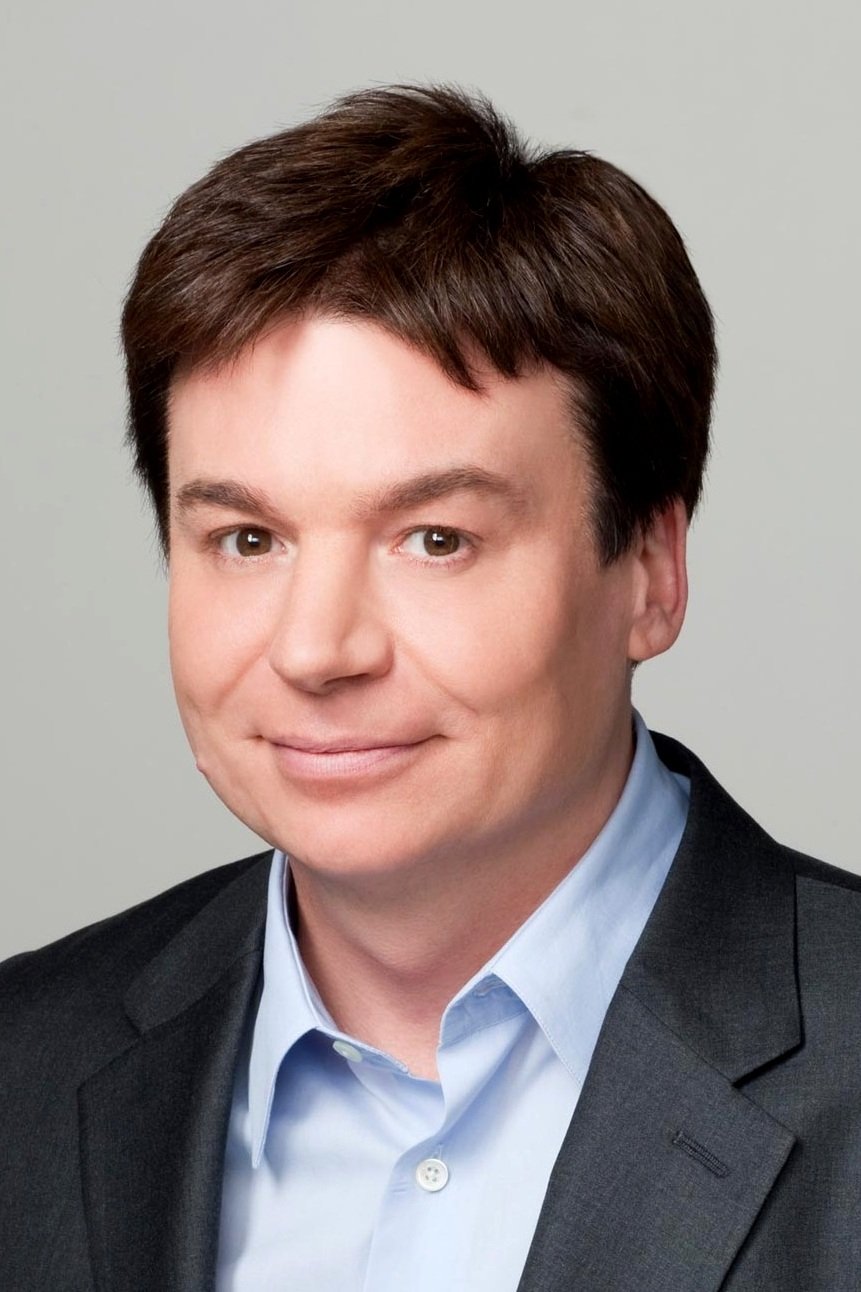
Mike Myers initially recorded all of his lines for ‘Shrek’ with one voice, but then decided the character needed a different sound. He persuaded the studio to let him re-record everything using a Scottish accent, feeling it would give Shrek a working-class background – a contrast to the villain’s upper-class status. While this re-recording cost the studio millions, it ultimately shaped Shrek’s personality and became the character’s most famous feature.
Bill Murray
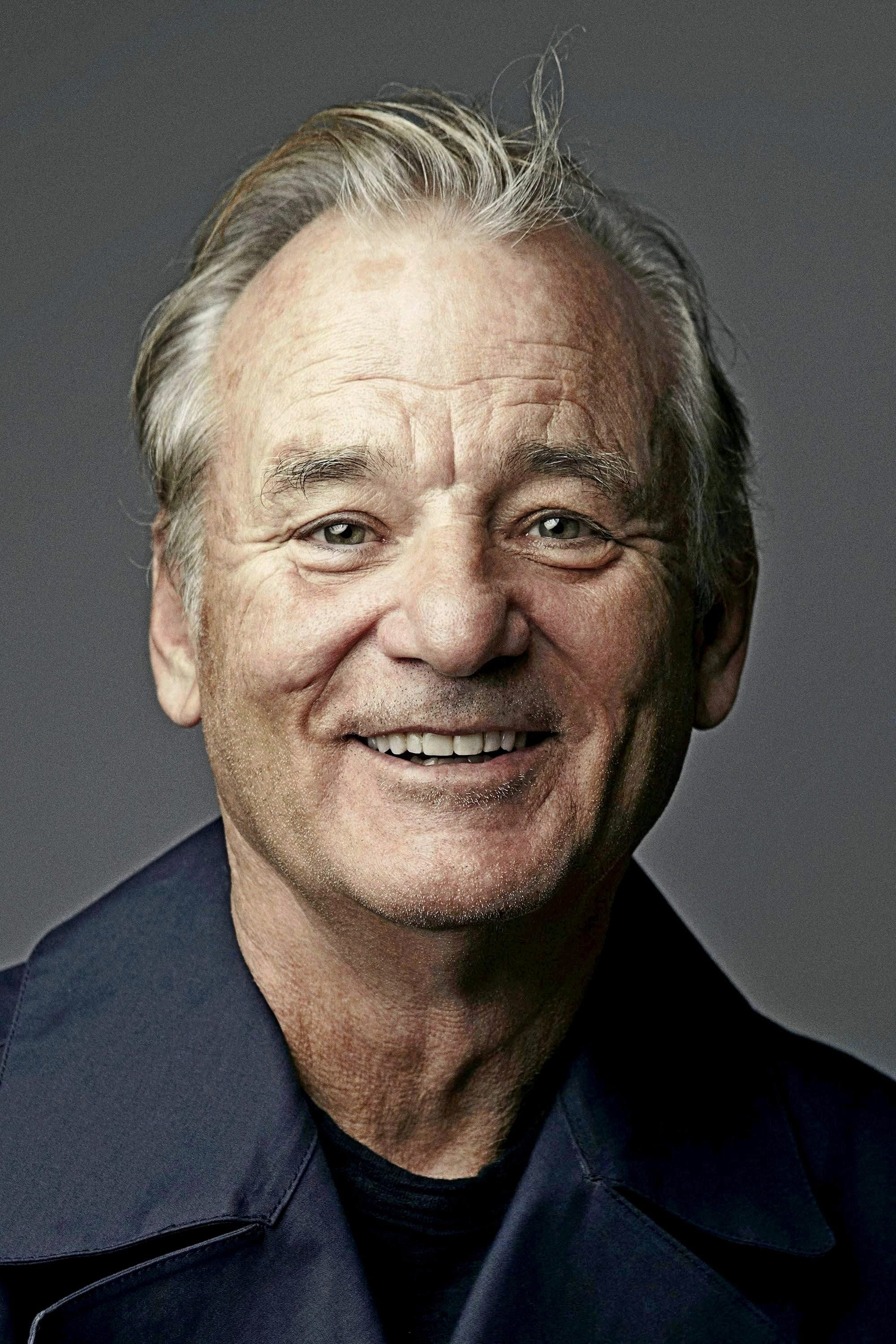
Bill Murray didn’t really follow a script while filming ‘Caddyshack’; he made up almost all of his lines, including his character’s personal stories. The iconic scene where he tells a fairytale was completely spontaneous. Drawing on his experience with comedic sketches, Murray transformed what was meant to be a small role into a memorable, central character. He invented the funny feud with the gopher through physical humor and ad-libbed lines, ultimately saving the movie from being just another typical sports comedy.
Sylvester Stallone
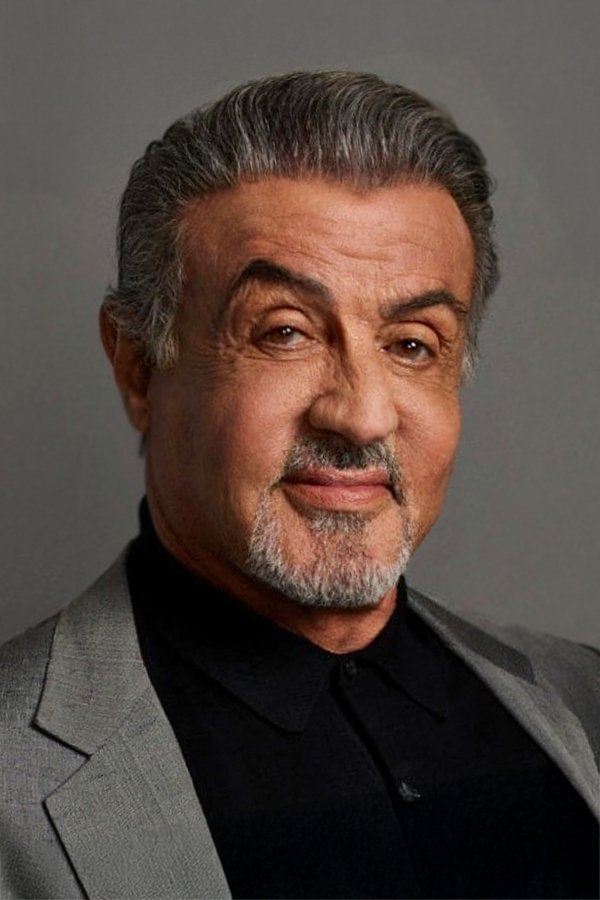
Sylvester Stallone not only wrote the movie ‘Rocky,’ but he insisted on starring in it himself. He developed the entire story of a down-on-his-luck boxer from Philadelphia who unexpectedly gets a big break. While the studio preferred a well-known actor, Stallone fought to maintain his realistic and raw portrayal of the character, inspired by his own early hardships as a struggling artist. This bold move kickstarted his career and turned ‘Rocky’ into a classic film.
Carrie Fisher
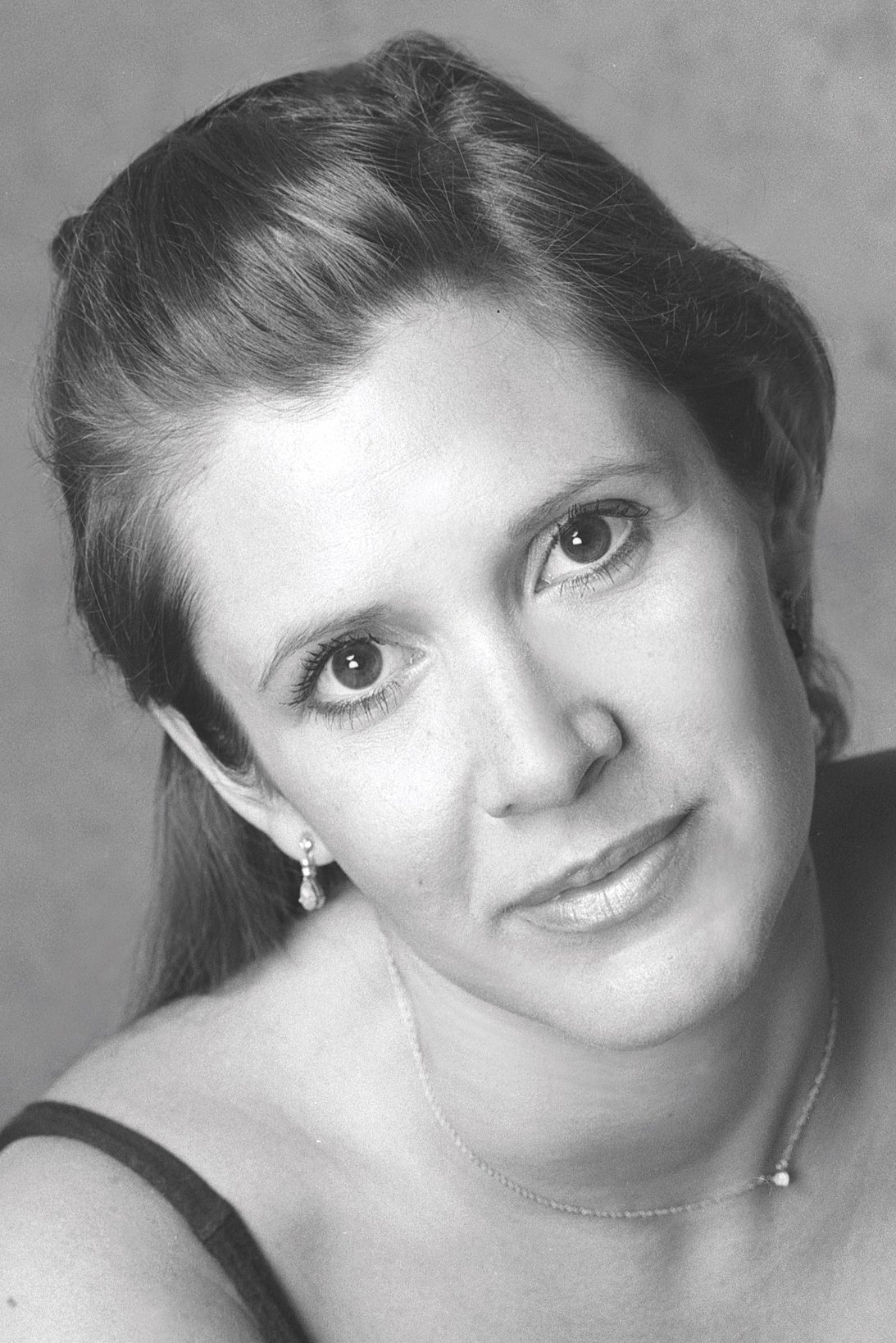
Carrie Fisher secretly helped rewrite the script for the original ‘Star Wars’ films. She improved her own lines as Princess Leia, making the character sound smarter and more assertive. Fisher removed any dialogue that portrayed Leia as someone who needed rescuing, and she enhanced the witty back-and-forth between Leia and Han Solo. She made sure Leia was a strong leader, not just a character used to move the story forward.
Harrison Ford
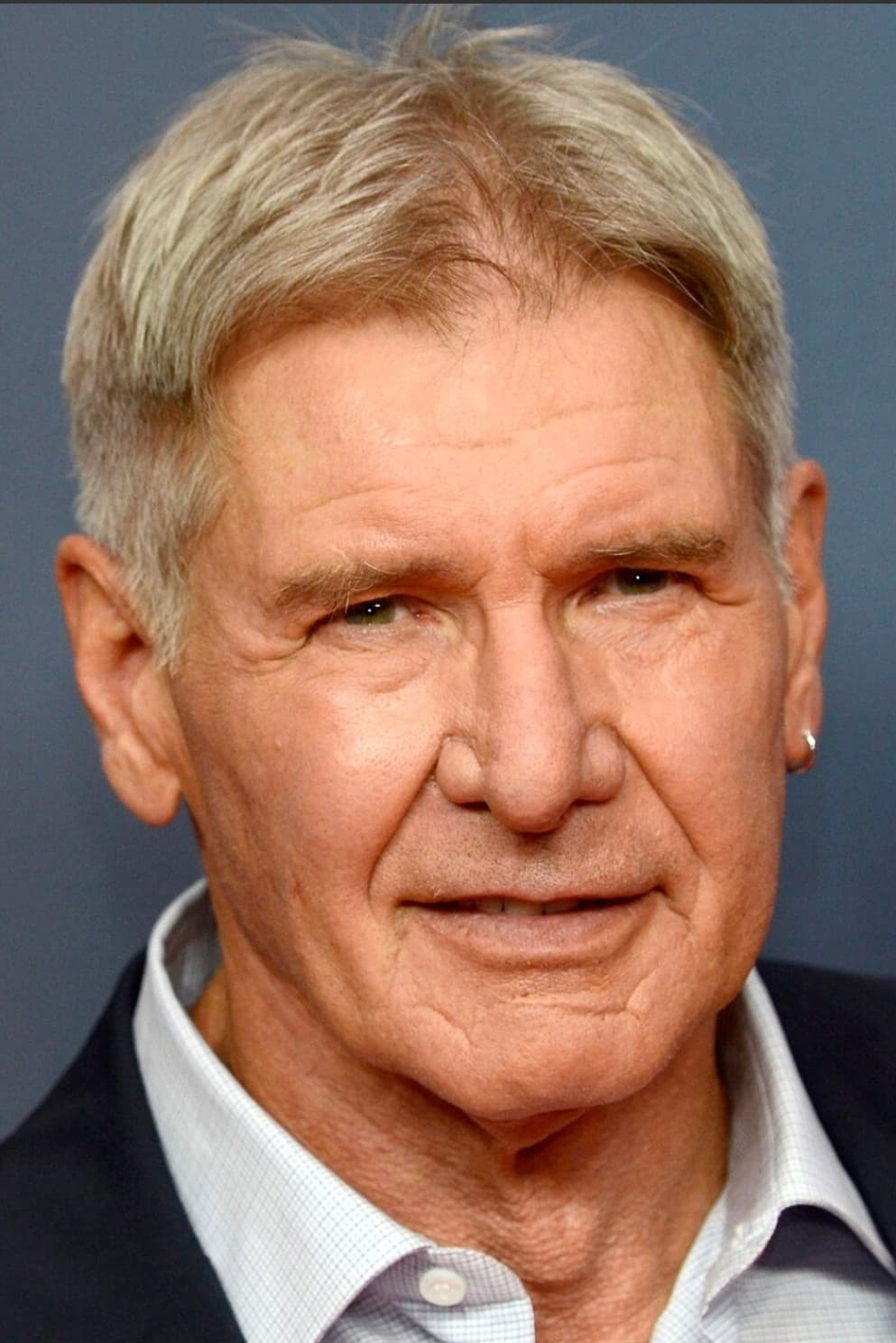
Harrison Ford famously changed a crucial, emotional scene in ‘The Empire Strikes Back’. The original script had Han Solo telling Leia he loved her while being frozen in carbonite. However, Ford thought it didn’t fit Han’s personality, so he ad-libbed the line “I know” instead. This simple change brilliantly captured Han’s cocky attitude and his feelings for Leia, becoming a defining moment for the character.
Russell Crowe
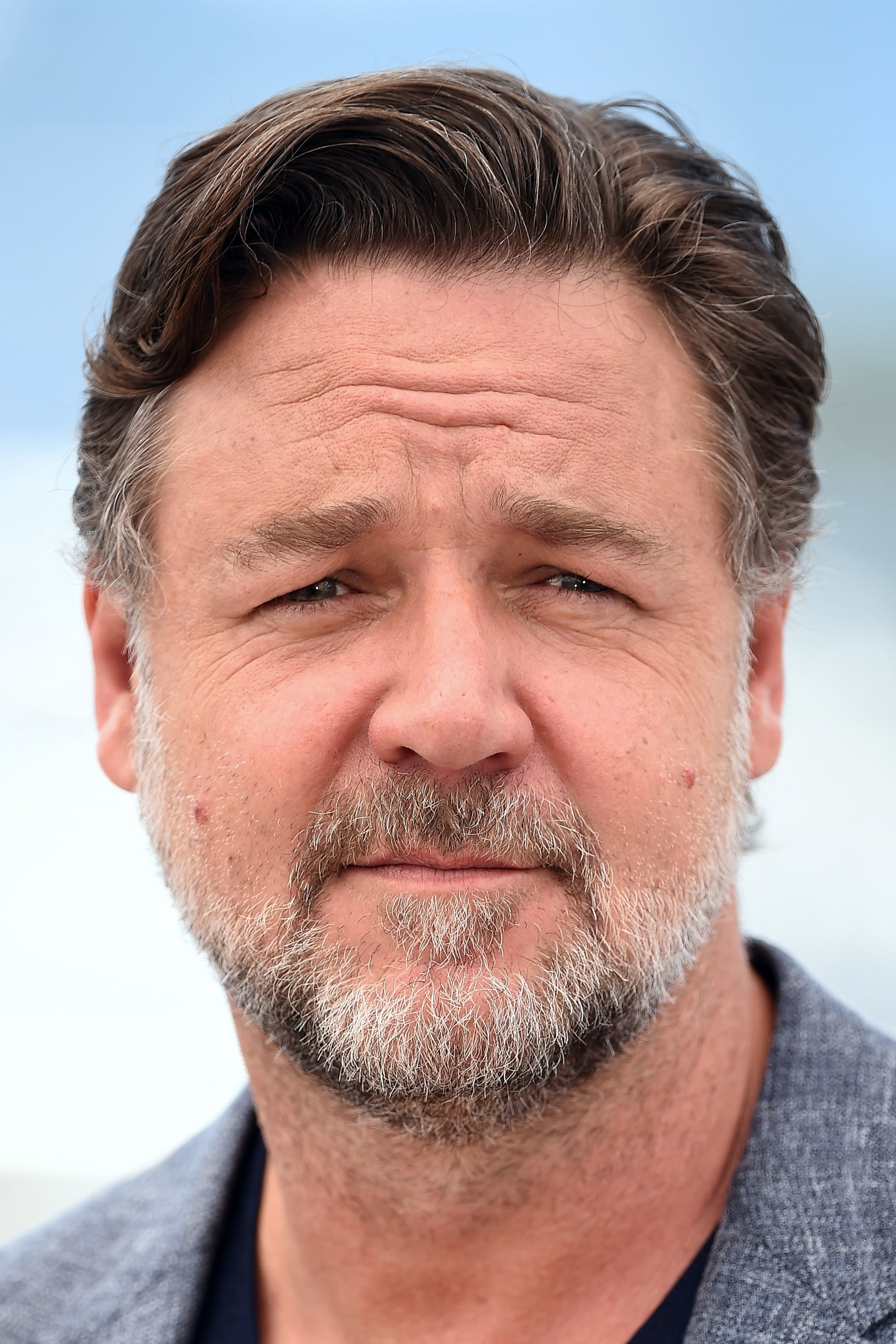
Russell Crowe wasn’t satisfied with the initial ‘Gladiator’ script and reworked important parts of it. He removed lines he felt were overly dramatic, aiming to portray Maximus as a more reserved and stoic figure. While he initially had trouble with the famous line about vengeance, he ultimately delivered it effectively. Crowe’s contributions were crucial in creating the intense and brooding personality that defined the general, making the character much more realistic than originally written.
Matthew McConaughey
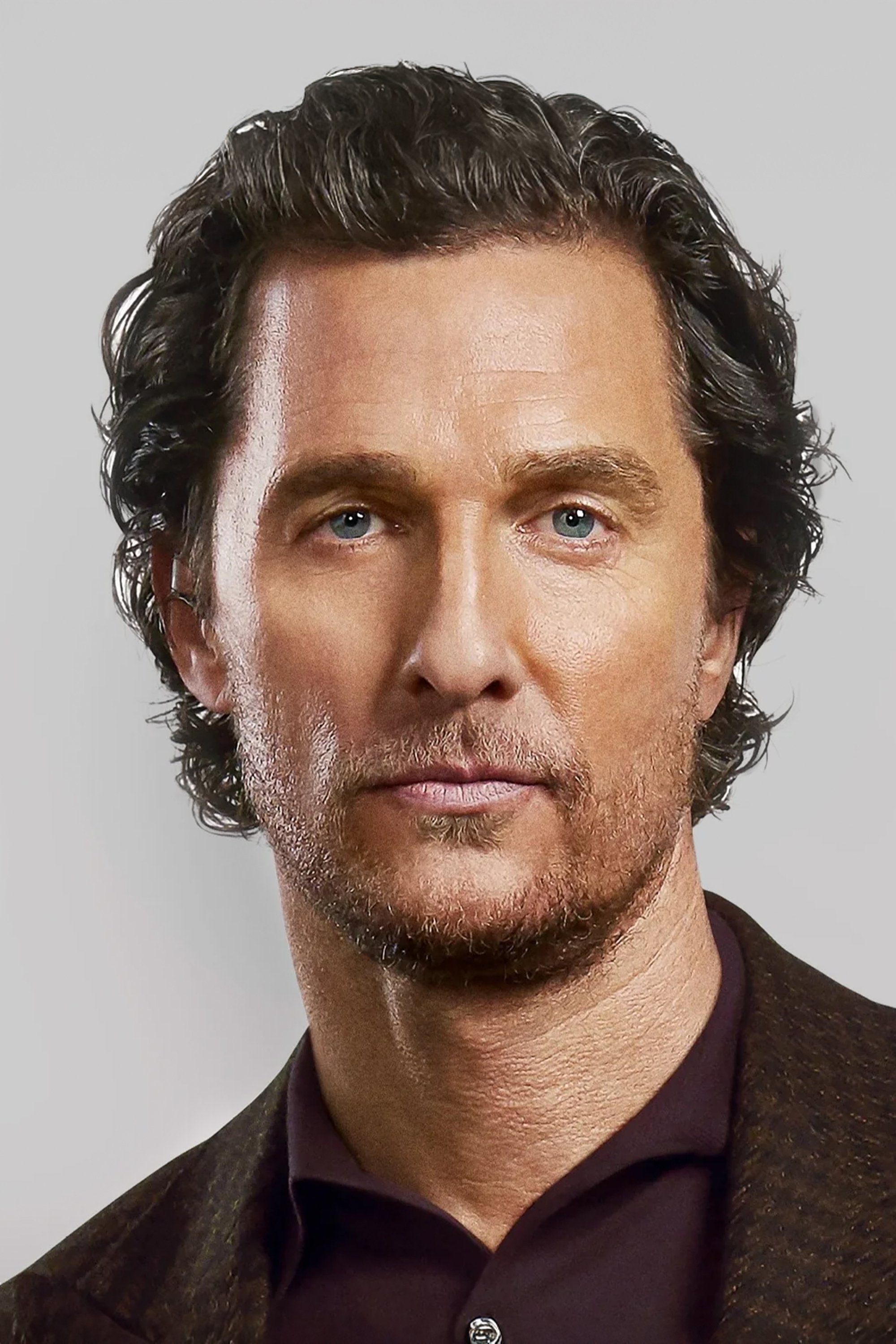
Matthew McConaughey didn’t originally have much dialogue in ‘Dazed and Confused,’ but he quickly developed his role. He famously came up with the line “alright, alright, alright,” which perfectly captured his character’s outlook on life. He also created a detailed backstory for Wooderson, imagining him as someone who still lived for his high school years. McConaughey embraced the character’s unusual mix of awkwardness and appeal as an older man spending time with teens, and this work ultimately helped him become a major movie star.
Anthony Hopkins
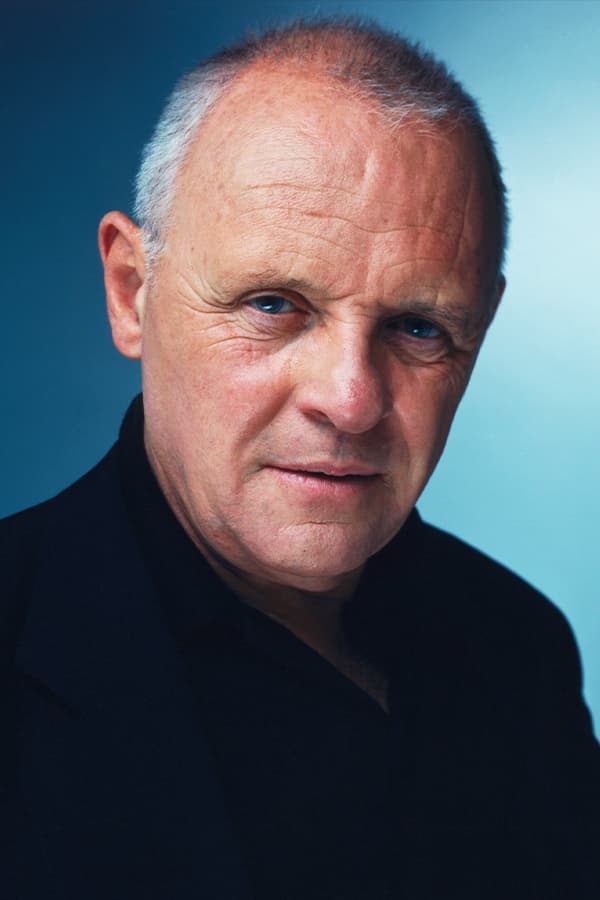
I remember reading that when Anthony Hopkins first met Jodie Foster for ‘The Silence of the Lambs,’ he playfully made fun of her Southern accent – it wasn’t planned at all! The director loved it so much, he actually kept that moment in the movie. Apparently, Hopkins also had a big influence on how Hannibal Lecter looked. He suggested Lecter wear white to give off this really unsettling, clinical vibe, and he intentionally played the character with a lot of stillness to make the underlying violence even more shocking. It all came together to create such a complex and memorable villain, honestly.
Alan Rickman
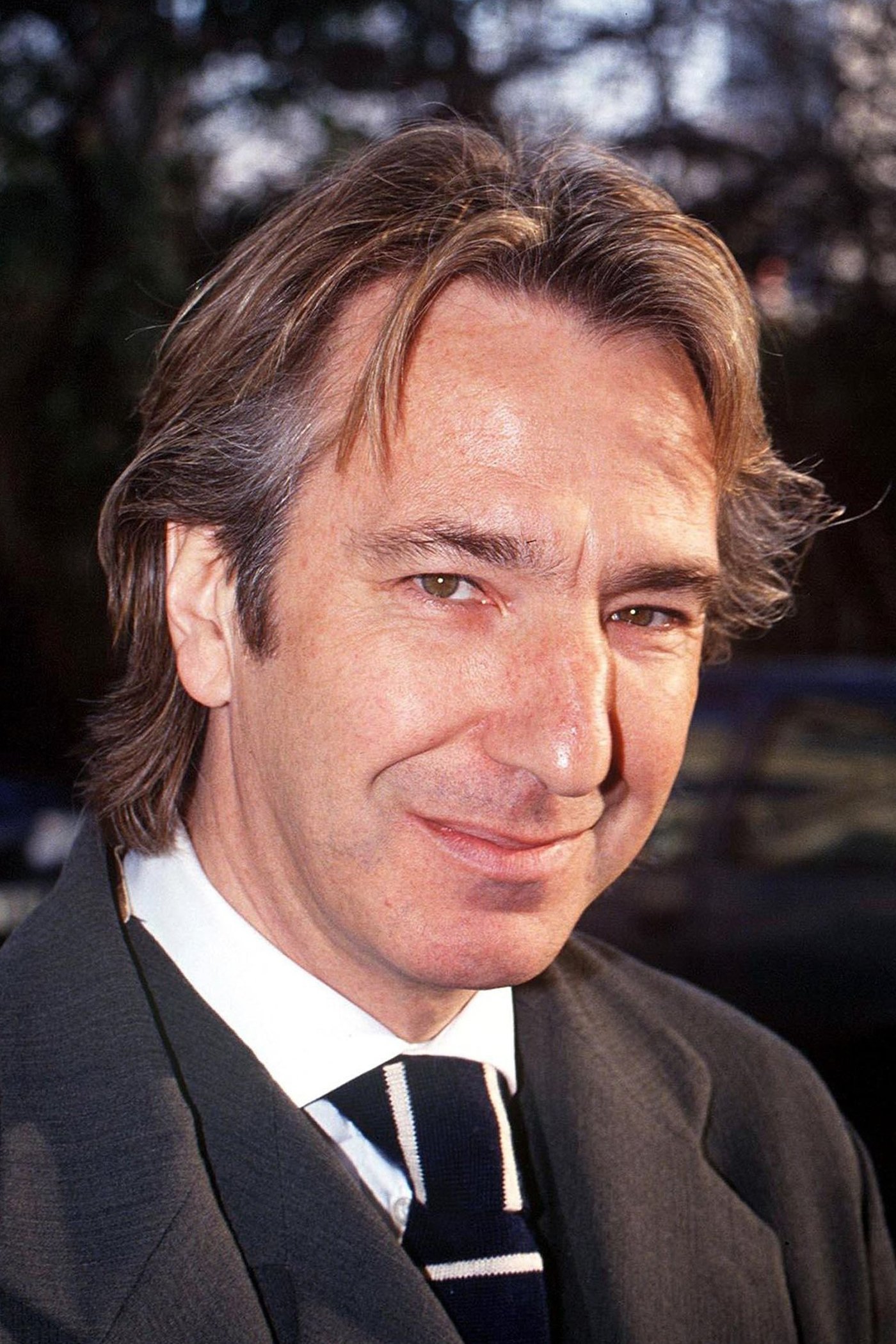
Alan Rickman believed the script for ‘Robin Hood: Prince of Thieves’ needed more wit and substance. He quietly added his own lines, collaborating with comedians to create a more compelling Sheriff of Nottingham. The director approved these changes, and Rickman’s performance often overshadowed the hero. He transformed a typical villain into a memorable, sarcastic, and scene-stealing character, ultimately making the antagonist the most beloved part of the film.
Oscar Isaac
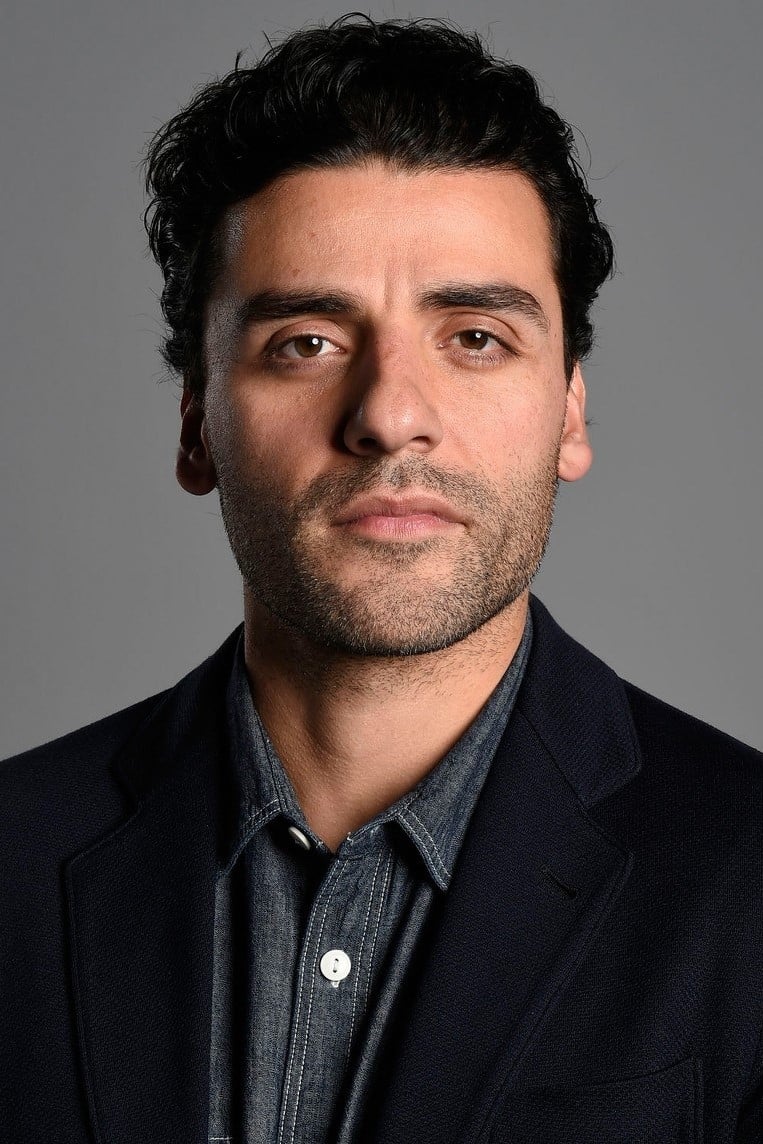
Oscar Isaac came up with the idea for Steven Grant’s unique British personality in ‘Moon Knight’. The script hadn’t initially planned for such a different accent or shy behavior for this alternate identity. Isaac felt it was important to make the two sides of the character clearly distinct for viewers, both in how they looked and sounded. He persuaded the studio that a British accent would bring both comedic moments and emotional depth to the role, and this ultimately became a key element of the series’ success.
Michelle Williams
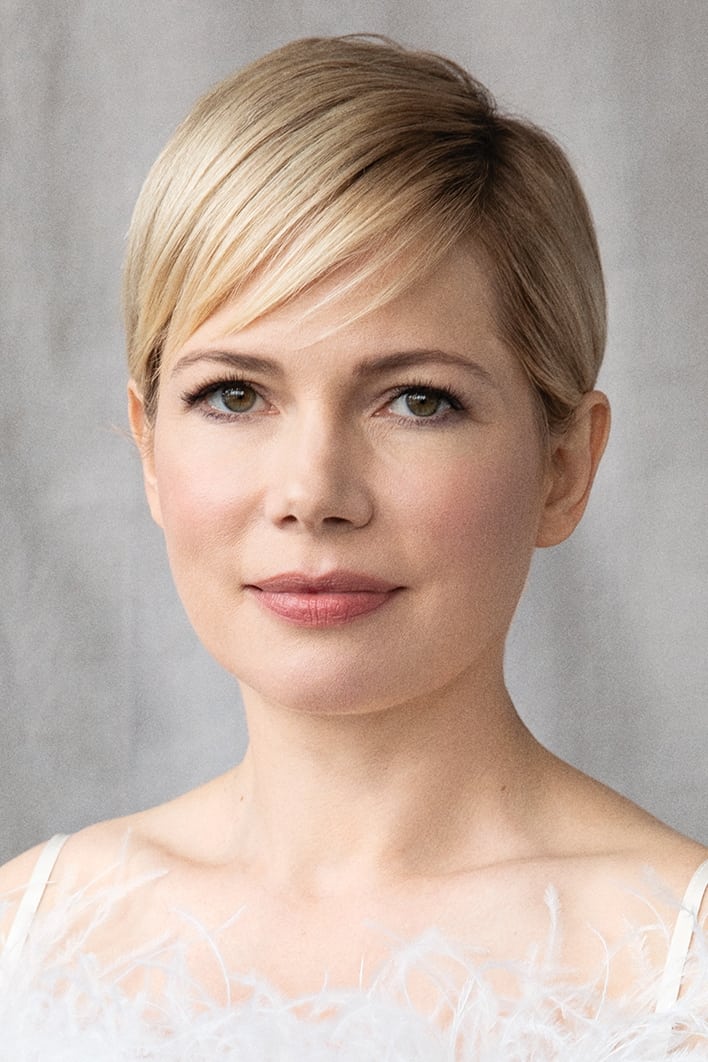
I was fascinated to learn how Michelle Williams and her co-star really lived like a married couple for weeks while preparing for ‘Blue Valentine’. They weren’t just acting; they were actually sharing a house, shopping on a tight budget, and even making up fights to feel like a real couple with a history. The director filmed all of this, and those moments became the base for their characters’ backstory. Michelle said that experience was crucial for her to portray the pain and heartbreak we see later in the film. It was amazing how committed they were to the process, and it definitely made the portrayal of their failing relationship feel incredibly raw and believable.
Henry Cavill
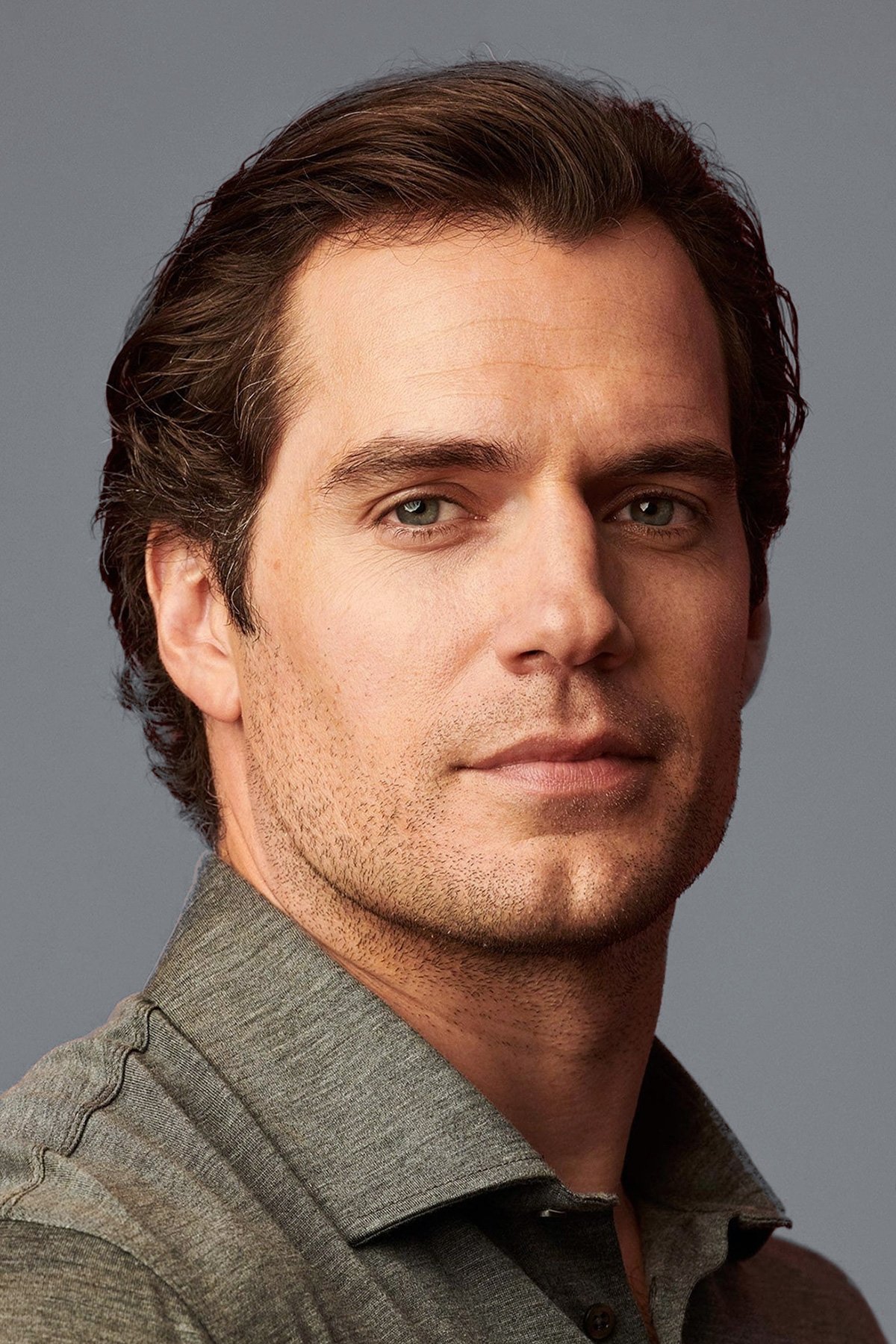
I was so excited when Henry Cavill was cast as Geralt! I knew he was a huge fan of ‘The Witcher’ books and games, and it really showed. He fought to give Geralt that gravelly, intense voice – it wasn’t originally in the script, but he knew that’s how the character felt. He also wanted Geralt to be more of a man of few words, really emphasizing how solitary he is. Honestly, he was like a walking encyclopedia of ‘Witcher’ lore, constantly making sure everyone got the details right. It’s clear his love for the source material completely shaped how Geralt ended up on screen, and I think it made all the difference!
Share your favorite example of an actor changing a character in the comments.
Read More
- 20 Movies Where the Black Villain Was Secretly the Most Popular Character
- 25 “Woke” Films That Used Black Trauma to Humanize White Leads
- Top 20 Dinosaur Movies, Ranked
- Gold Rate Forecast
- Silver Rate Forecast
- 22 Films Where the White Protagonist Is Canonically the Sidekick to a Black Lead
- Can AI Lie with a Picture? Detecting Deception in Multimodal Models
- Top 10 Coolest Things About Invincible (Mark Grayson)
- Celebs Who Narrowly Escaped The 9/11 Attacks
- When AI Teams Cheat: Lessons from Human Collusion
2025-12-10 08:18