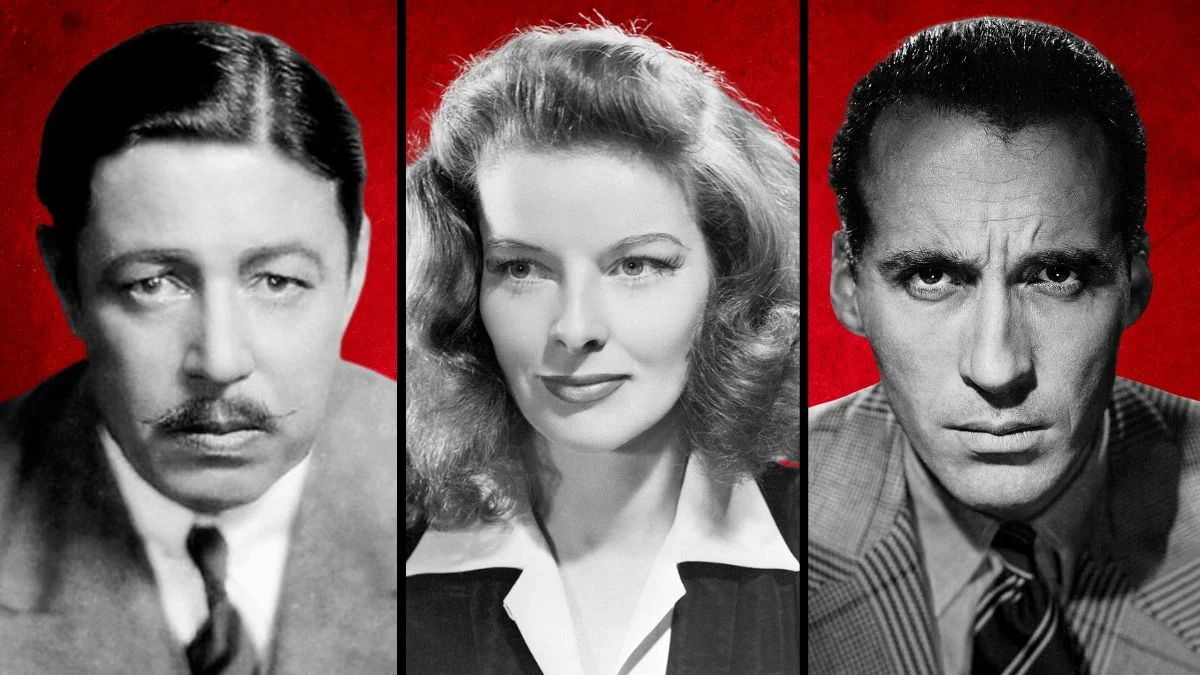
Throughout film history, it was common for white actors to portray people of Asian descent using makeup and prosthetics – a practice now widely known as yellowface. This has drawn strong criticism from both modern audiences and historians, who highlight the damaging stereotypes it reinforces. While some actors involved at the time justified these choices by pointing to studio pressures or their desire to showcase their acting abilities, these performances remain a key topic in discussions about representation and racial bias in Hollywood. The following list details actors who received criticism for either taking part in or defending these roles in classic films.
Mickey Rooney
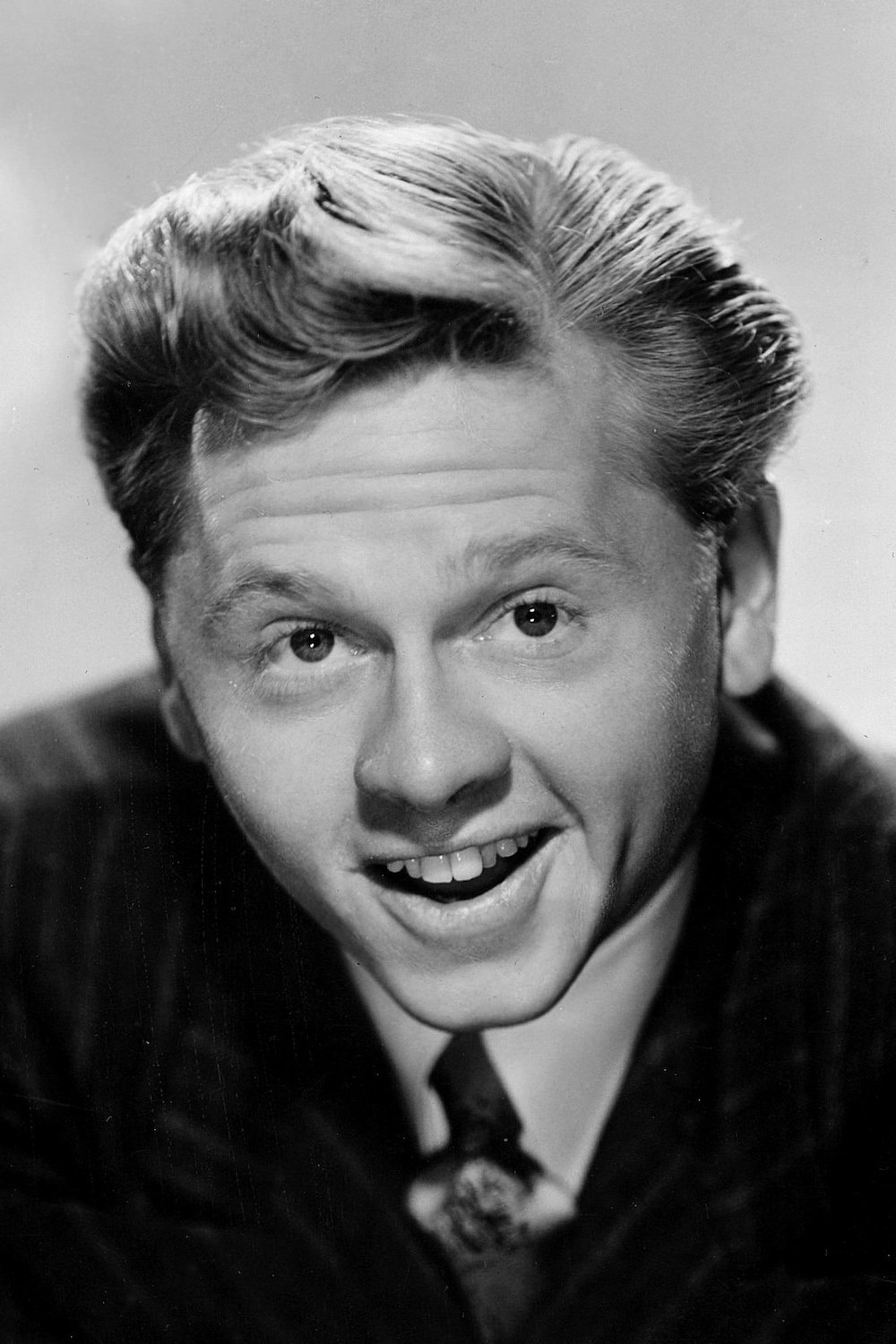
Mickey Rooney received significant criticism for his performance as Mr. Yunioshi in ‘Breakfast at Tiffany’s’. He played the Japanese character using exaggerated features like buck teeth and a strong accent. While Rooney later said he didn’t mean to cause offense and believed the role was simply meant to be funny and was well-received at the time, it’s now widely considered a prime example of harmful racial stereotyping – specifically, ‘yellowface’ – in Hollywood.
Katharine Hepburn
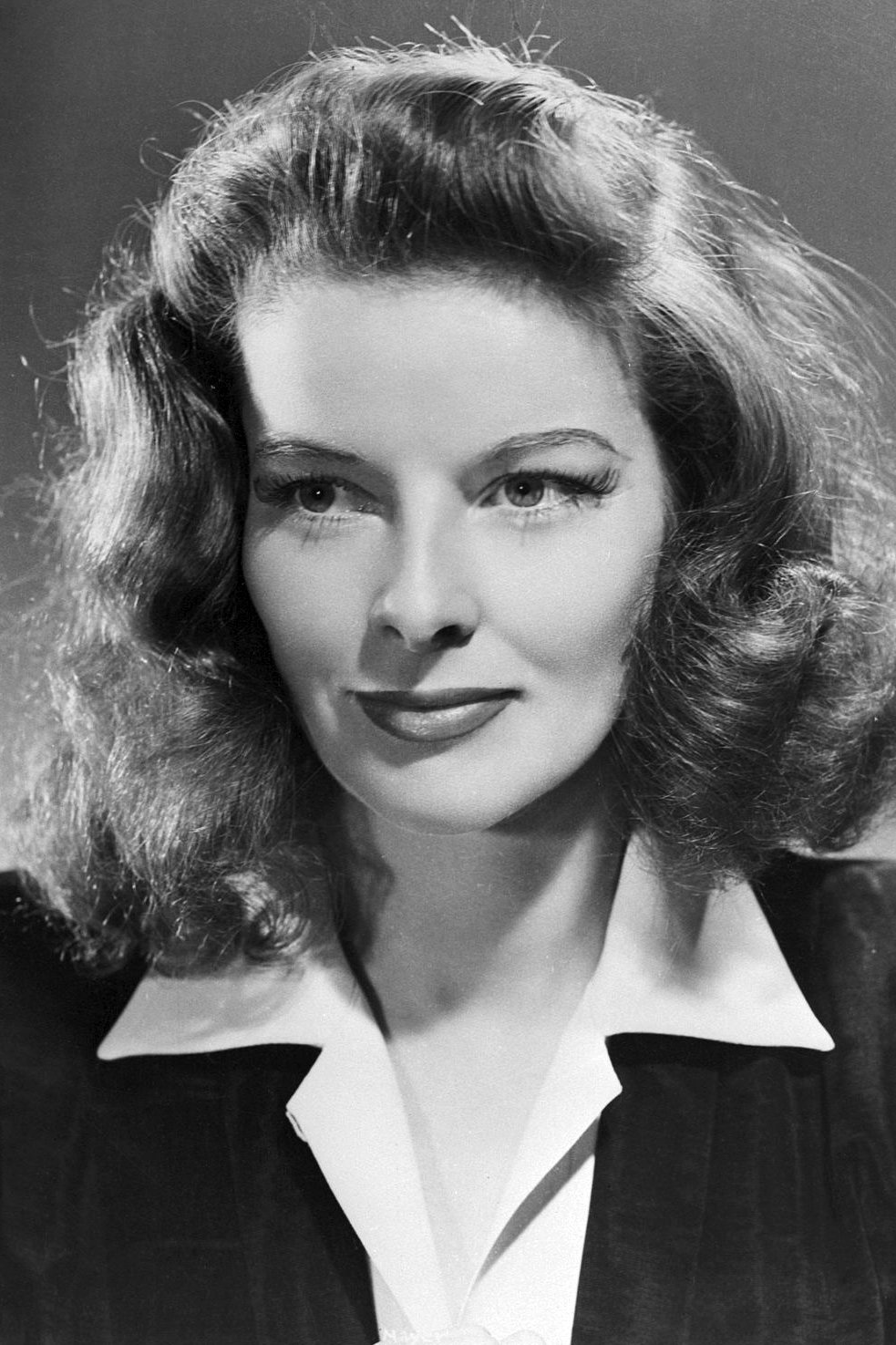
In the 1944 film ‘Dragon Seed,’ Katharine Hepburn played a Chinese woman named Jade. To transform her appearance, she used makeup and had her eyelids taped to change her features. The movie, based on a novel by Pearl S. Buck, aimed to gain support for the Chinese people fighting against Japanese invasion. However, despite the film’s important message, Hepburn faced criticism for looking unnatural. She and the studio argued that using well-known actors was essential to reach a wider audience.
Marlon Brando
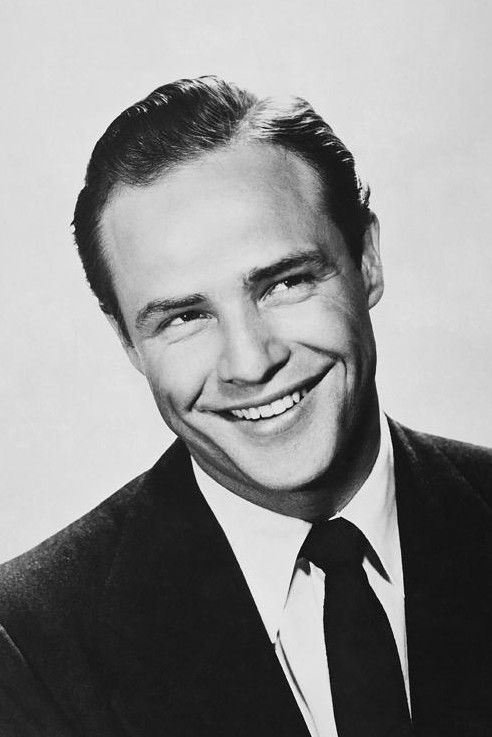
I remember seeing Marlon Brando in ‘The Teahouse of the August Moon’ – he played Sakini, a local interpreter during the war. It was amazing how much time he spent getting into character, with hours of makeup every day to look like someone from Okinawa. I heard he really studied the culture and how people spoke there to make his performance feel real. But looking back, a lot of film experts have criticized the heavy makeup he used to change his face. He always said he did it to show respect for the character, even with all the physical changes, and I think he succeeded.
John Wayne
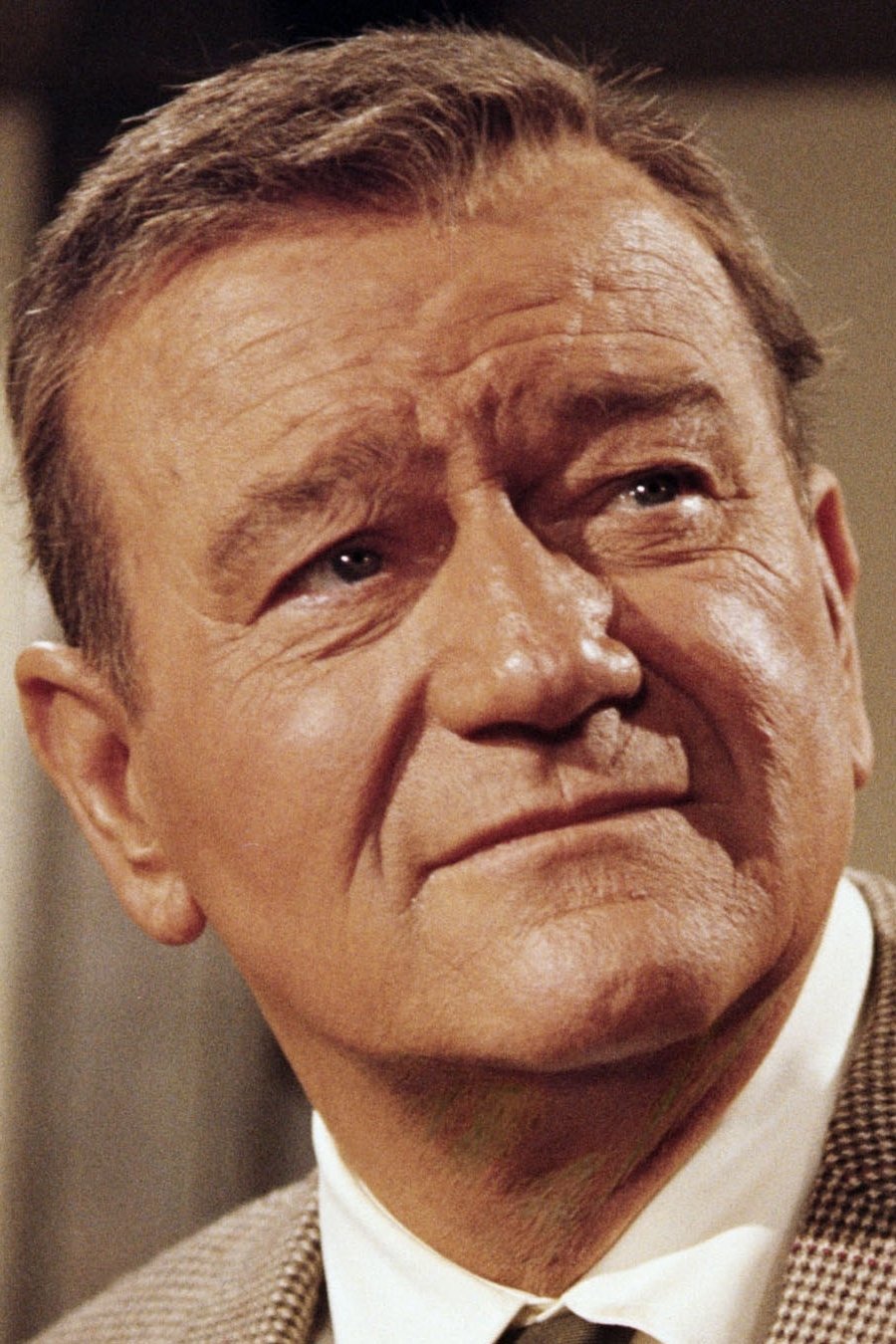
John Wayne played Genghis Khan in the 1956 film ‘The Conqueror’. This casting choice is now widely seen as a major mistake in movie history. Wayne didn’t alter his usual way of speaking for the role, and his appearance as the Mongol leader relied mostly on a beard and makeup. The film was poorly received by critics and has become a key example of problematic casting practices in classic Hollywood. Despite the criticism and historical inaccuracies, Wayne remained a supporter of the movie.
Luise Rainer

Luise Rainer won an Oscar for playing O Lan in the 1937 film ‘The Good Earth.’ While her performance was praised when the movie came out, the decision to cast her instead of an Asian actress is now widely criticized. Rainer wore makeup to alter her appearance, but her casting underscored the lack of opportunities for minority actors in leading roles. Throughout her life, the actress spoke proudly of the emotional complexity she brought to the character. At the time, the film industry justified the choice by saying there weren’t any Asian actresses with enough star power for the production.
Paul Muni
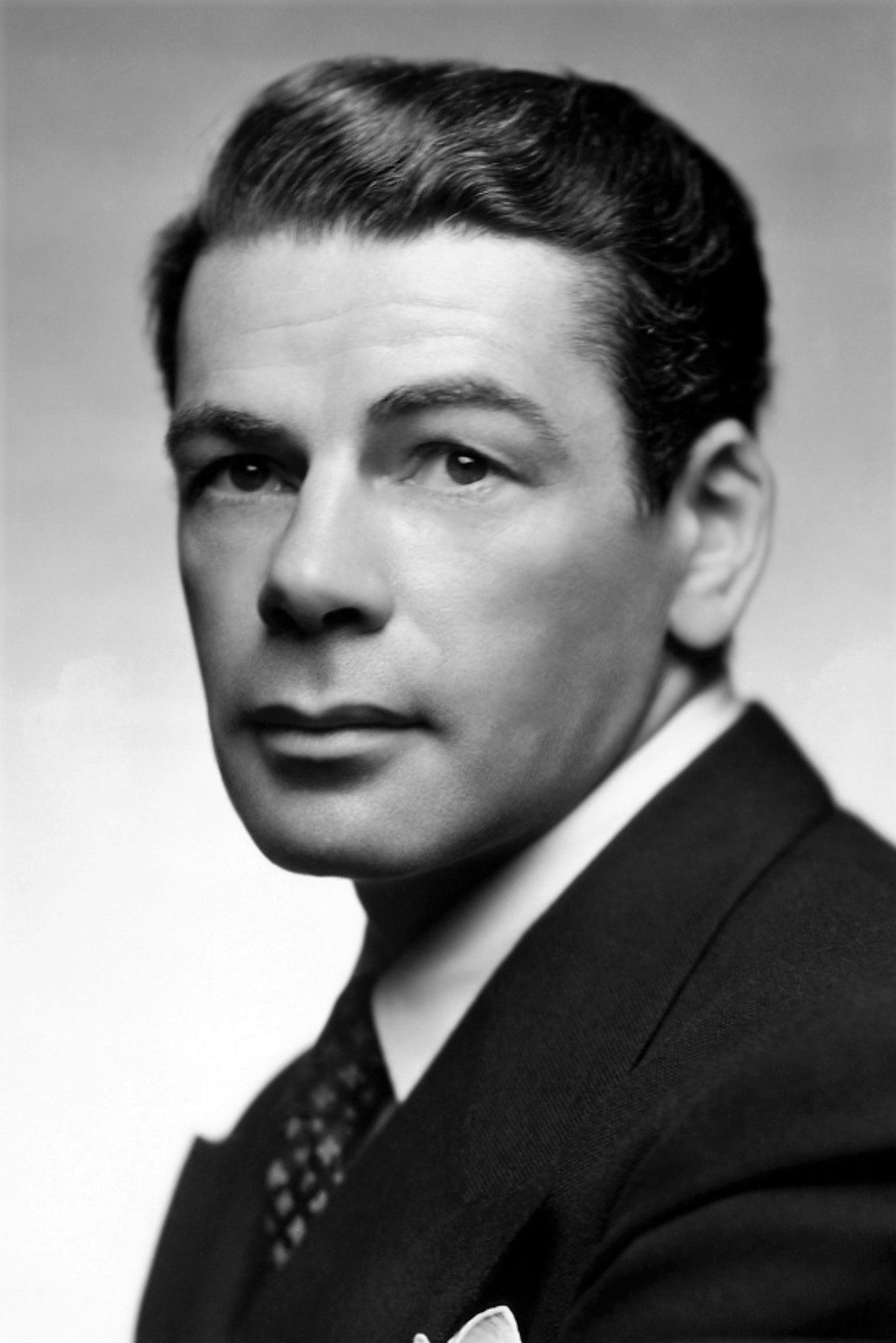
Paul Muni played the role of Wang Lung opposite Luise Rainer in the film ‘The Good Earth.’ He was famous for fully committing to his characters and spent a lot of time learning about the lives of Chinese farmers to prepare. Muni even used makeup to alter his appearance to match how the character was described. While reviewers praised his acting, they also noted that it contributed to the lack of opportunities for Asian actors at the time. Muni continued to be well-regarded in Hollywood and generally avoided discussing the controversy surrounding the casting.
Warner Oland
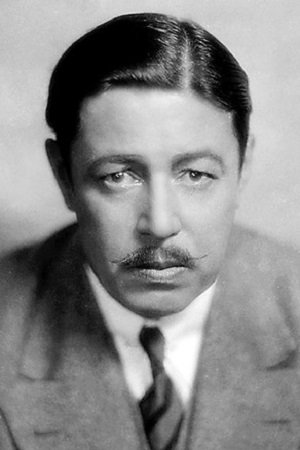
Warner Oland was a Swedish actor best known for playing detective Charlie Chan in sixteen films, becoming the defining face of the series. He once suggested he had Mongolian roots to explain why he was often cast in Asian roles. While popular at the time, his performances now face criticism for relying on speech patterns considered stereotypical and caricatured. Despite this, Oland was widely praised for his work during his lifetime.
Boris Karloff
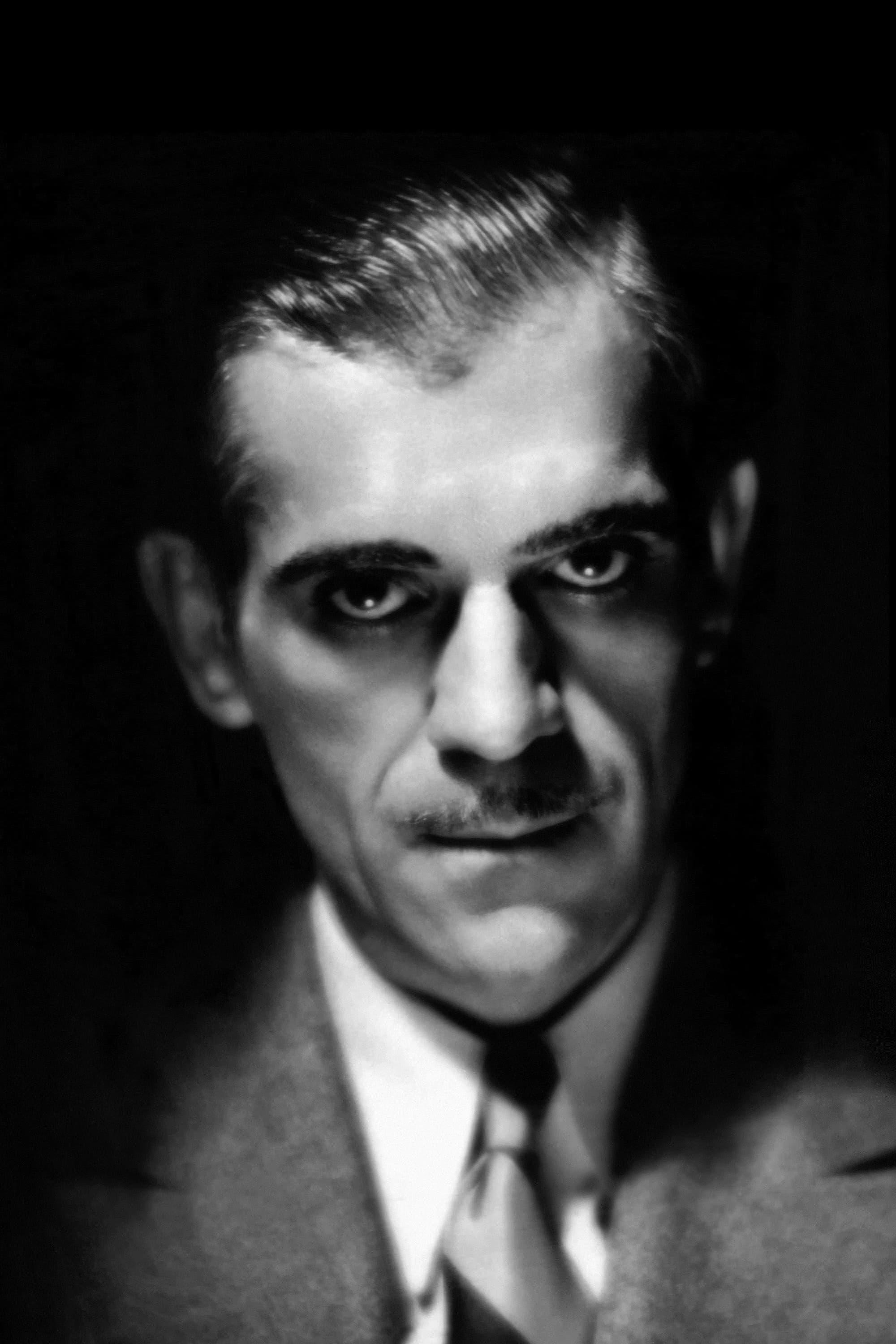
Boris Karloff is famous for his work in horror movies, but he also played Fu Manchu, a villainous doctor, in the film of the same name. He used a lot of makeup and long fingernails for the role. This performance is now often seen as problematic because it relied on harmful stereotypes about Asians, which were common in media at the time. Karloff was a skilled and diverse actor who often played people of different ethnicities. He believed these roles were part of the acting tradition of transforming into different characters.
Myrna Loy

In the 1932 film ‘The Mask of Fu Manchu,’ Myrna Loy played the daughter of the infamous villain, requiring extensive costumes and makeup to portray an Asian character. This role was a significant change from her typical performances as a glamorous romantic lead. Later in life, Loy expressed regret about some of her early career choices, particularly roles that relied on racial stereotypes. Despite this, the film studio heavily promoted the movie as an exciting adventure without addressing the problematic aspects of the casting.
Peter Ustinov
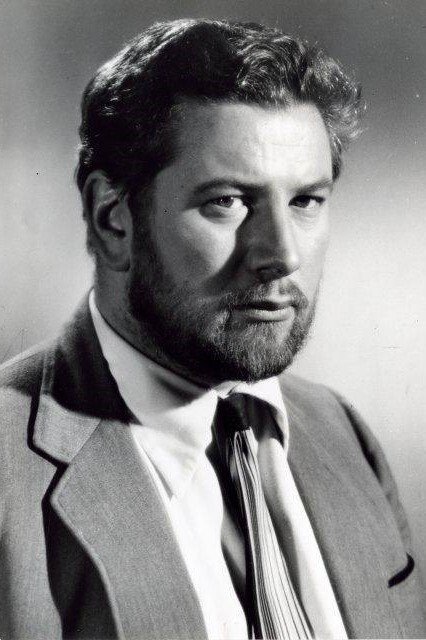
In 1981, Peter Ustinov starred as Charlie Chan in ‘Charlie Chan and the Curse of the Dragon Queen,’ a decision that sparked protests from Asian American groups. They objected to a white actor playing an Asian character. Ustinov argued that Charlie Chan was a famous character and he was a versatile actor capable of portraying anyone. However, the film was unsuccessful with both audiences and critics, and it became one of the last major instances of a white actor taking on the role. The resulting debate underscored increasing opposition to the practice of white actors portraying Asian characters (often called “yellowface”).
Christopher Lee
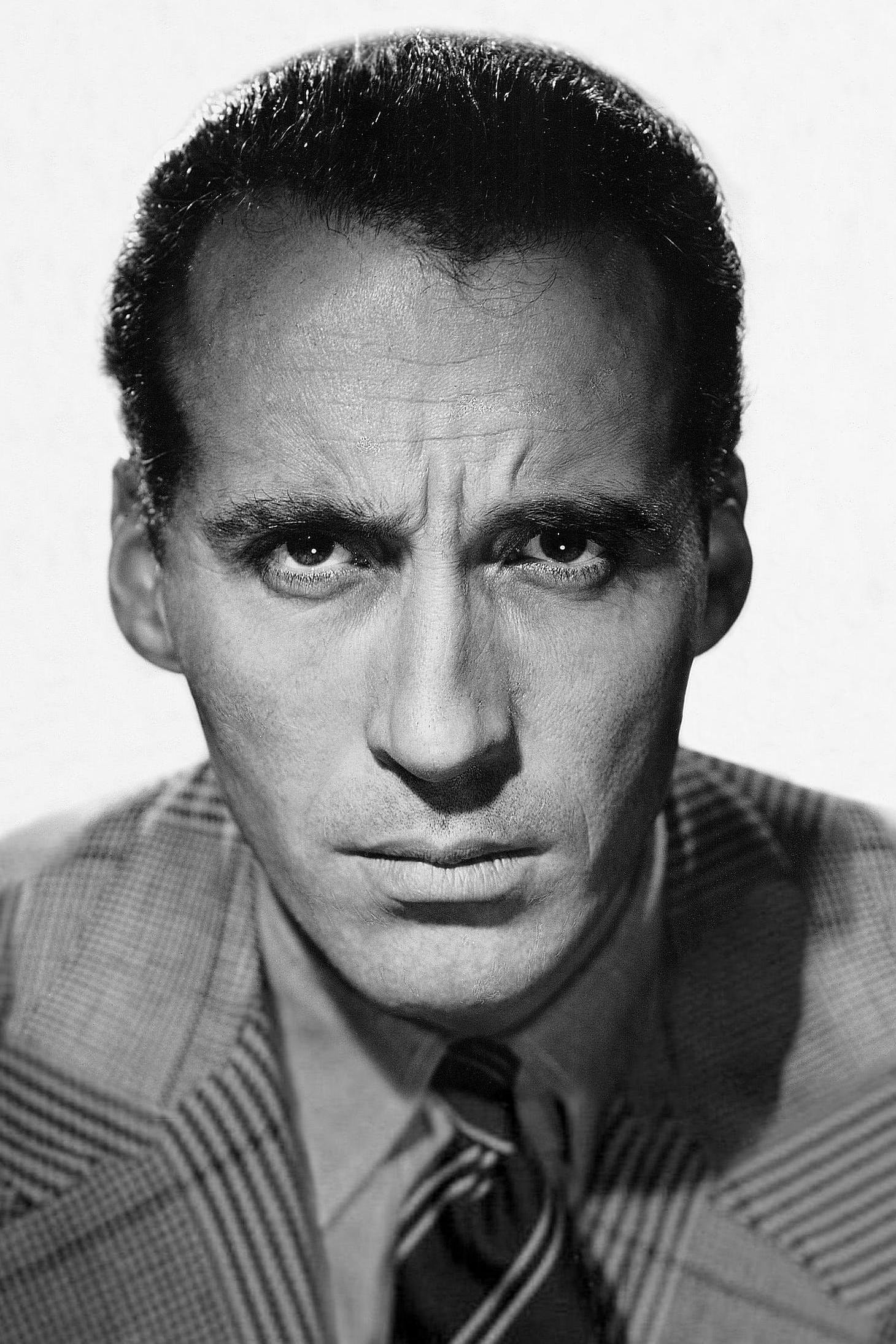
Christopher Lee famously played the villain Fu Manchu in five films throughout the 1960s, building on a history of actors using makeup to portray the character. Lee himself believed the films were in the spirit of classic adventure stories and didn’t consider Fu Manchu a racist depiction, arguing the character was clearly fictional. However, many critics today see his portrayal as perpetuating damaging and harmful stereotypes.
David Carradine
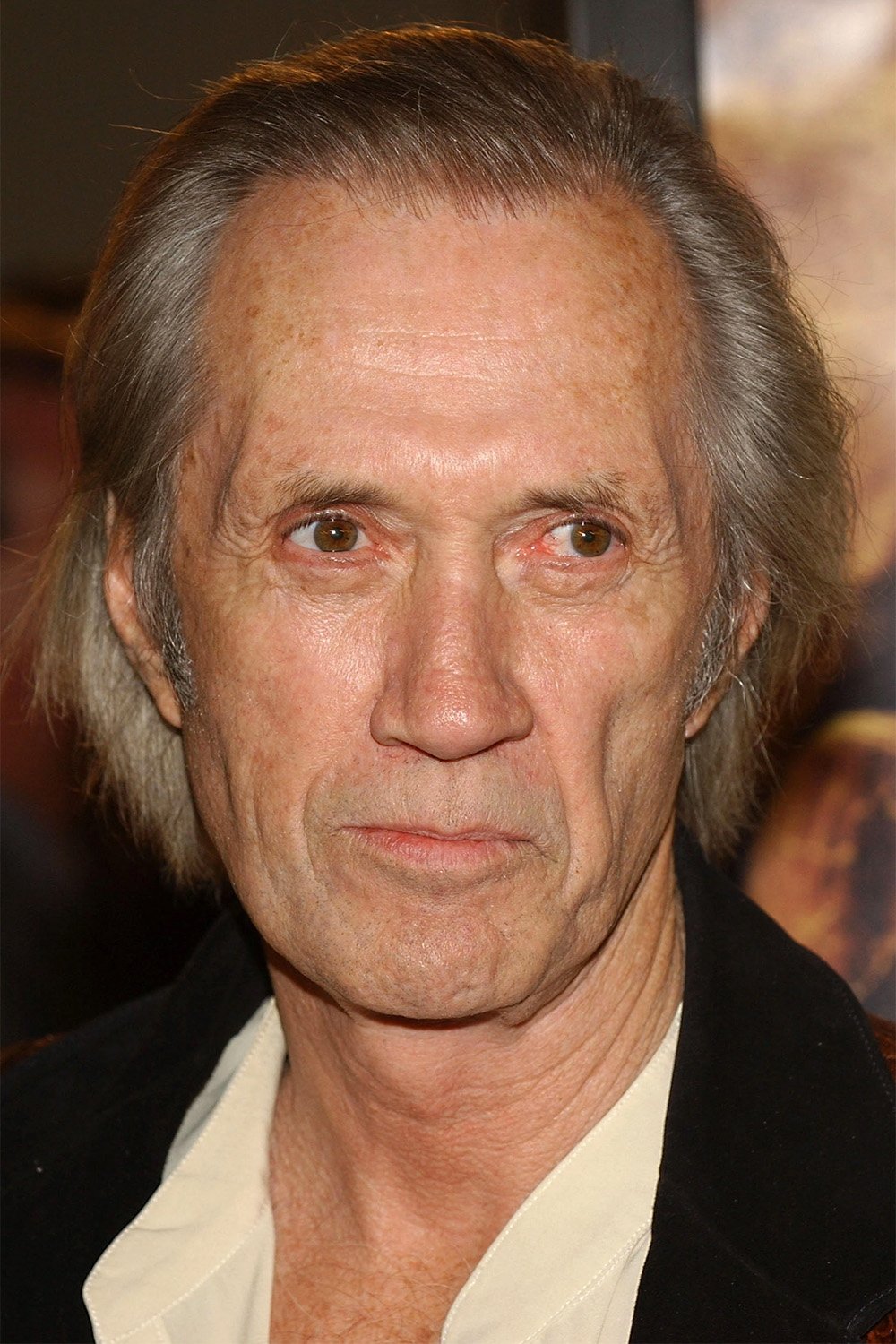
David Carradine played Kwai Chang Caine in the TV series ‘Kung Fu,’ a character with both Chinese and Caucasian heritage. Though Bruce Lee was originally considered for the part, the network ultimately chose Carradine. Carradine often explained his casting by pointing out the character’s mixed race and his commitment to understanding the show’s underlying philosophy. He became well-known for the role and often played similar characters later in his career. However, the decision to cast him instead of martial arts icon Bruce Lee remains a controversial topic among fans.
Gale Sondergaard
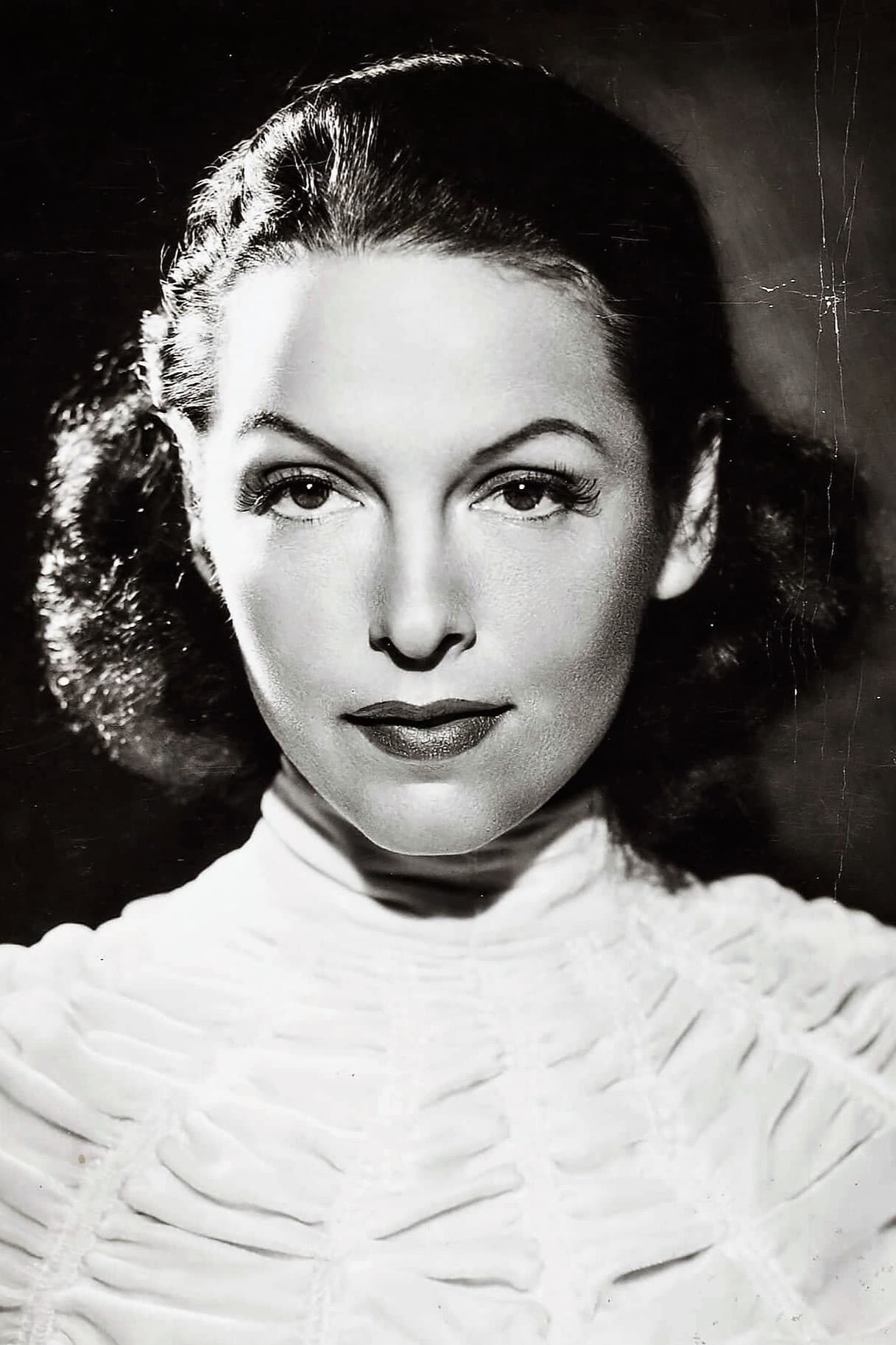
In the 1940 film ‘The Letter’ with Bette Davis, Gale Sondergaard played an Asian character, a role now criticized for its use of yellowface. Though she won an Oscar for a different part, this performance – where she played the wife of a murdered man, depicted as secretive and seeking revenge – is largely remembered for the makeup and mannerisms she used to portray the character. Sondergaard was a well-known actress at the time, and taking on roles like this was unfortunately common in Hollywood during that era.
Flora Robson
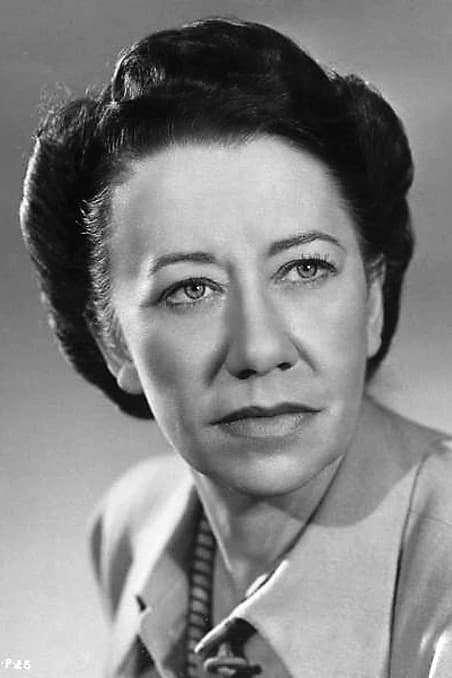
In the 1945 film ‘Saratoga Trunk,’ Flora Robson portrayed a character with Haitian and Asian heritage. She darkened her skin and altered her features with makeup to play the role of Angelique. However, this performance was seen as an oversimplified and insensitive portrayal. Robson was a respected actress known for taking on a wide range of roles, opportunities often denied to actors of color at the time. She believed that an actor’s ability to transform themselves was a fundamental part of the craft.
Loretta Young
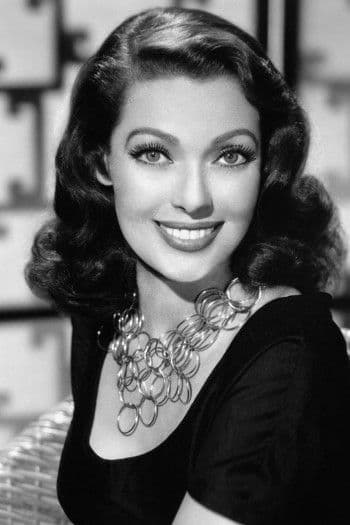
As a classic movie fan, I recently learned about Loretta Young’s role in the 1932 film ‘The Hatchet Man.’ She played a Chinese woman named Sun Toy, and it was fascinating (and a little shocking looking back) to see her and Edward G. Robinson both in heavy makeup to change how they looked. The movie was set in San Francisco’s Chinatown and centered around gang conflicts and old customs. Loretta Young was a huge star at the time, and the studio definitely used her popularity to draw audiences in. Interestingly, she never publicly spoke out about the role or expressed any regrets while she was at the peak of her career.
Edward G. Robinson
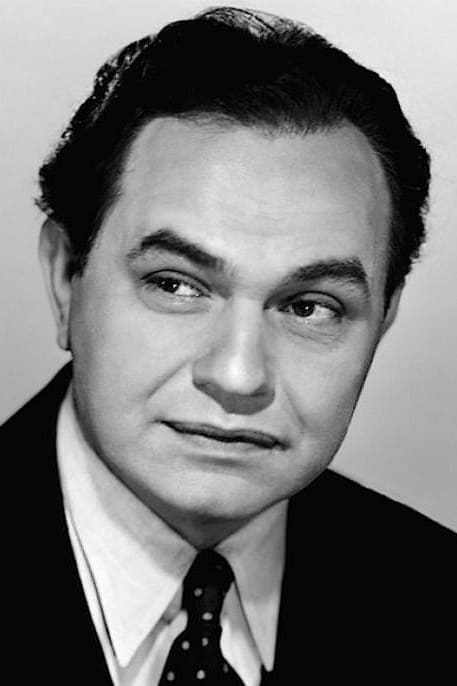
Edward G. Robinson starred as Wong Low Get in the crime film ‘The Hatchet Man’. To convincingly play a member of a Chinese gang, he wore makeup and a special hairstyle. Known for playing strong, assertive characters, Robinson brought that same energy to this role. Today, the film is often cited as an example of a common practice in early Hollywood – casting white actors to play Asian characters in city-based stories. Despite later criticism, Robinson himself thought the film was well-made and stood by its quality.
Nils Asther
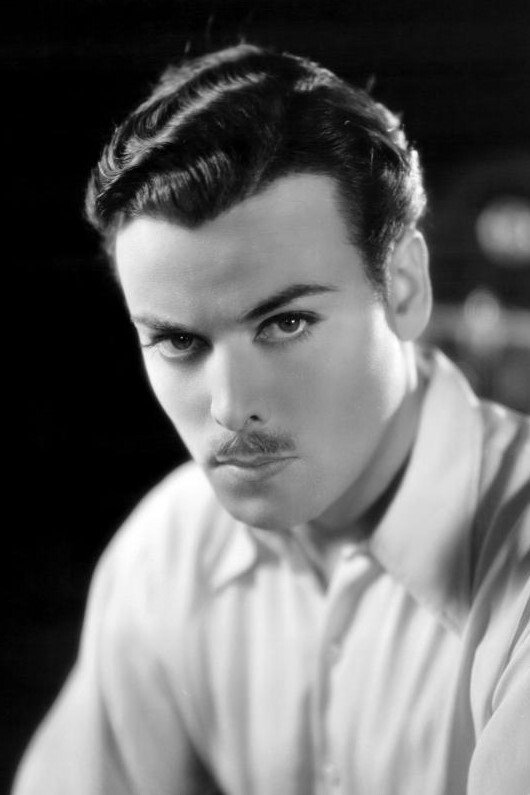
Nils Asther starred in the 1933 movie ‘The Bitter Tea of General Yen’ as a Chinese warlord who develops a romantic interest in an American missionary. Asther, a Swedish actor, wore some makeup for the role, but it was still apparent he was a white actor portraying a person of color. The film sparked controversy for its depiction of an interracial relationship and was even banned in certain places. While Asther received positive reviews for his performance, the casting choice is now widely criticized when looking back at film history.
Alec Guinness
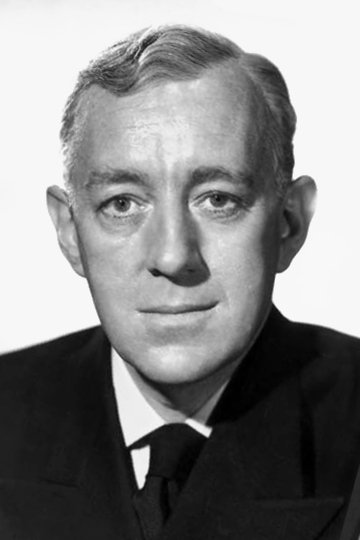
In the 1961 film ‘A Majority of One’, Alec Guinness portrayed a Japanese businessman named Koichi Asano. He used makeup and an accent to transform his appearance for the role, showcasing his well-known talent for character acting. However, the performance has since been criticized as a stereotypical and insensitive depiction. Guinness maintained that he approached the role with respect and saw it as a purely acting challenge.
Ricardo Montalban
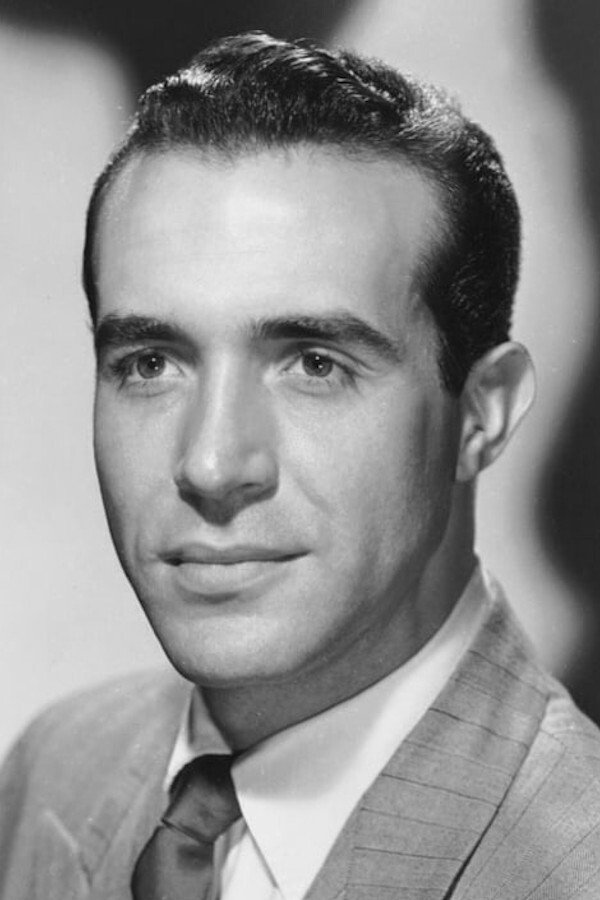
In the 1957 film ‘Sayonara,’ Ricardo Montalban, a Mexican actor, played a Japanese performer. He used extensive makeup and a wig for the role, which was part of a large studio production. While Montalban himself often struggled with being typecast, he accepted this role that is now considered a problematic example of ‘yellowface.’ He later discussed the limited opportunities for diverse actors in Hollywood at the time. Despite the film’s success, his casting in this role is now widely seen as insensitive.
Shirley MacLaine
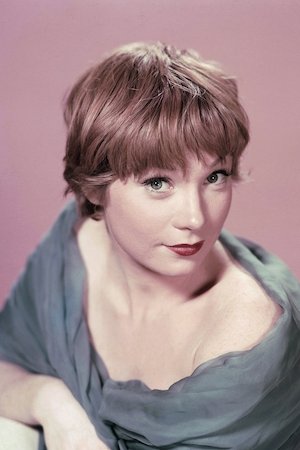
In the 1962 film ‘My Geisha,’ Shirley MacLaine played a dual role as an actress who pretends to be Japanese. The story involved her using makeup and traditional Japanese clothing to trick her husband. MacLaine explained that she viewed the role as a lighthearted comedy and a satire of the acting world, and she researched Japanese culture for the part. However, the film heavily utilizes yellowface as a key part of its story.
Helen Hayes
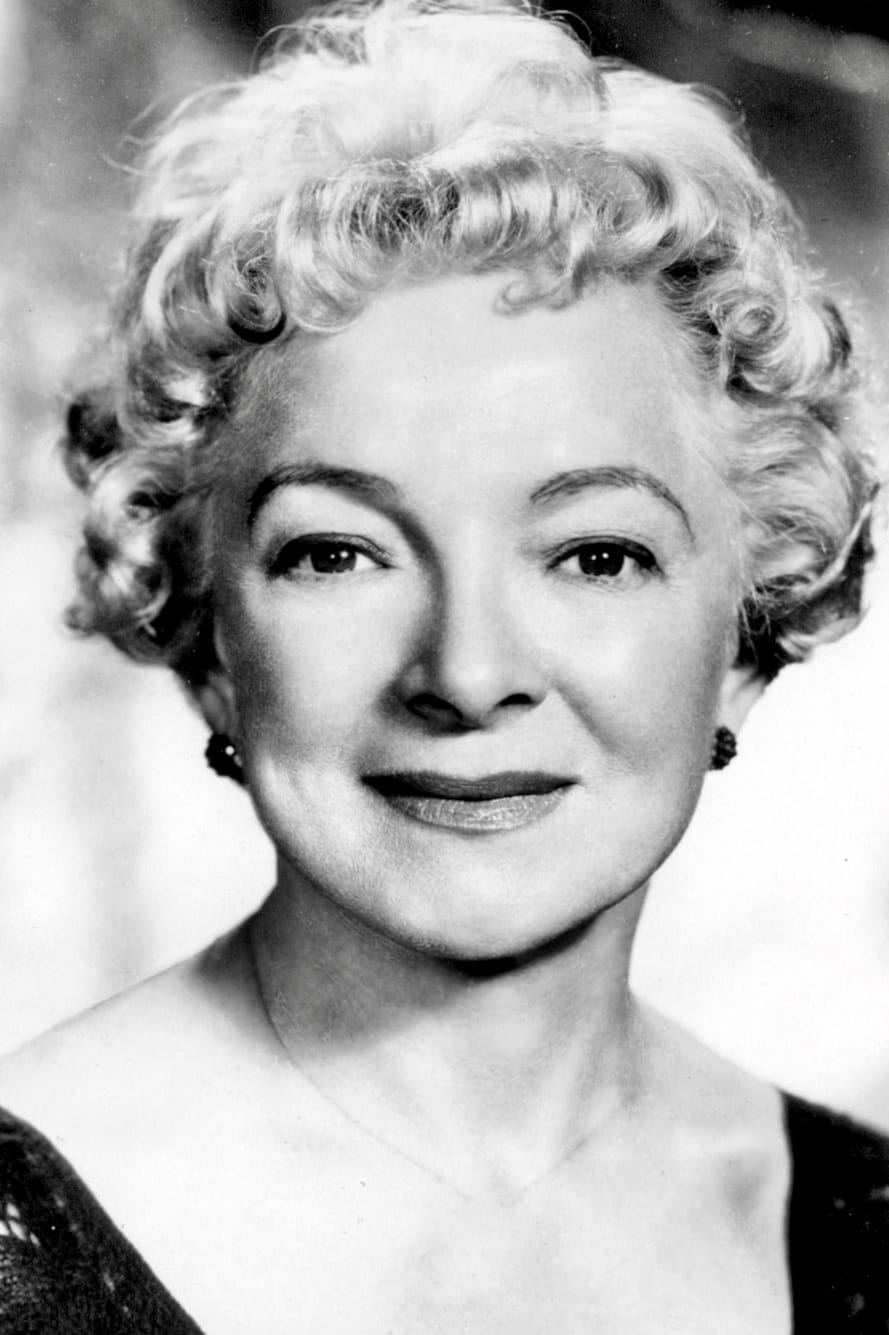
In the 1932 film ‘The Son Daughter,’ Helen Hayes, a famous American actress known as the ‘First Lady of the American Theater,’ played a Chinese woman during the Chinese Revolution. She used makeup to alter her appearance and depict a character involved in the political turmoil of the time. While her involvement lent the film credibility, today this casting is seen as an example of how Asian actors were routinely overlooked, as the film industry justified the decision by claiming there were no Asian actresses with comparable fame at the time.
Ramon Novarro
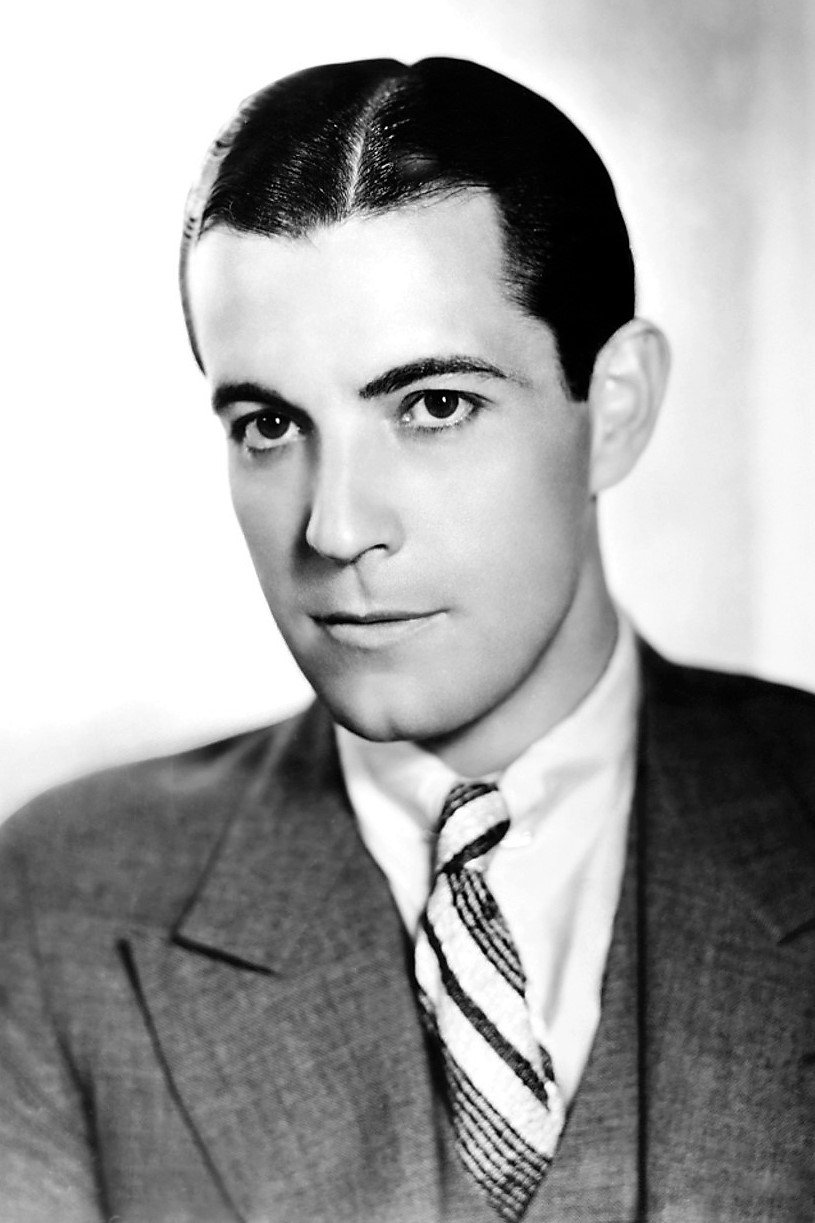
Ramon Novarro, a famous Mexican-born silent film star who later appeared in talkies, played a Chinese prince opposite Helen Hayes in ‘The Son Daughter.’ Like many actors at the time, he was often cast in roles meant to portray people of other ethnicities, and in his case, this meant using makeup to appear East Asian – a practice known as yellowface. Though popular for his romantic leading roles, Novarro never spoke out against these common casting choices of the era.
Charles Laughton
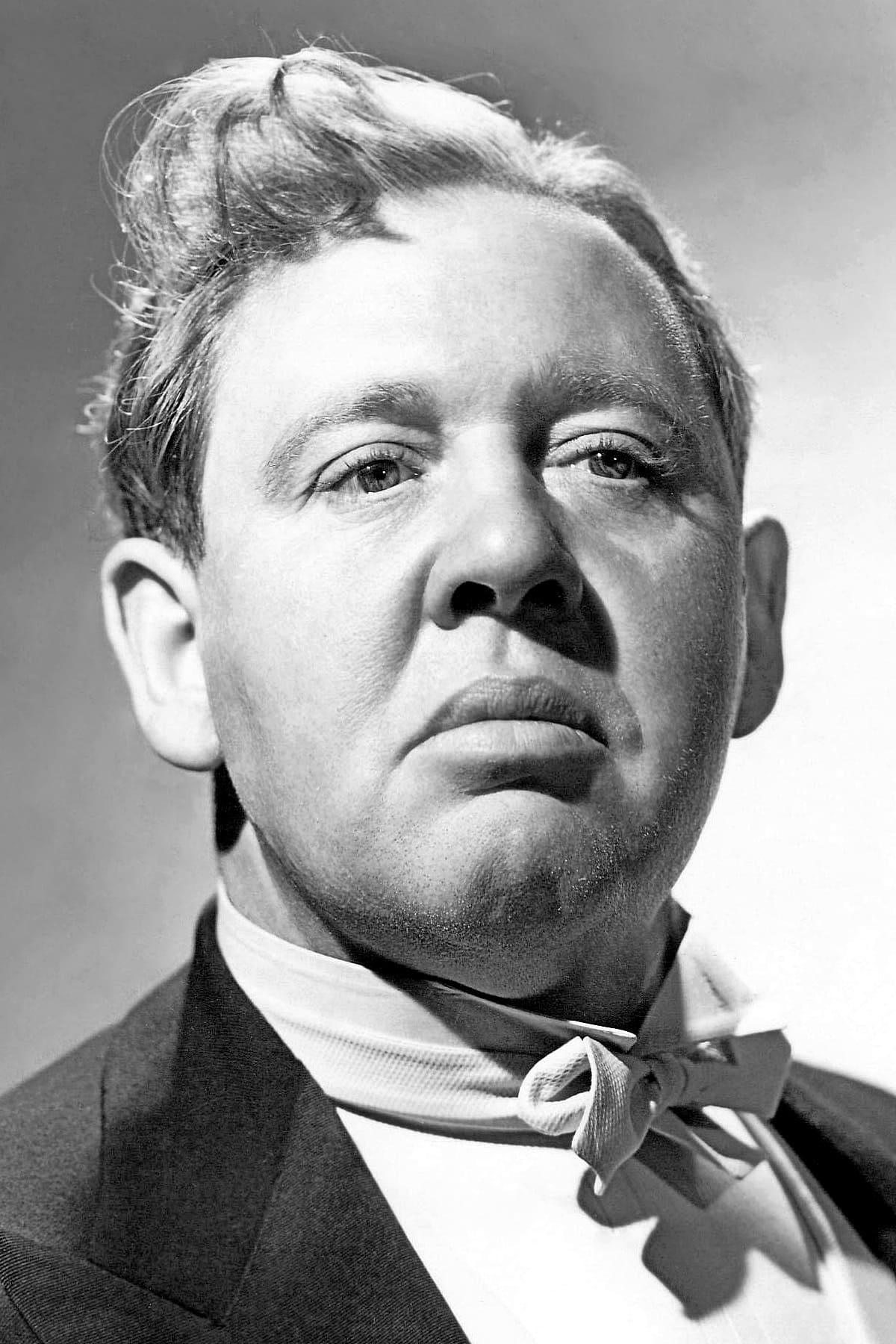
Charles Laughton was a celebrated actor famous for his powerful performances and ability to dramatically change his appearance for roles. He played a villainous Chinese character in ‘The Remittance Man’ and took on other parts that required him to alter his ethnicity. Laughton strongly believed actors should be free to play any character, no matter their background. While his performances were often grand and reflected the theatrical style of the time, modern critics now recognize these roles as examples of insensitive depictions.
Mary Pickford
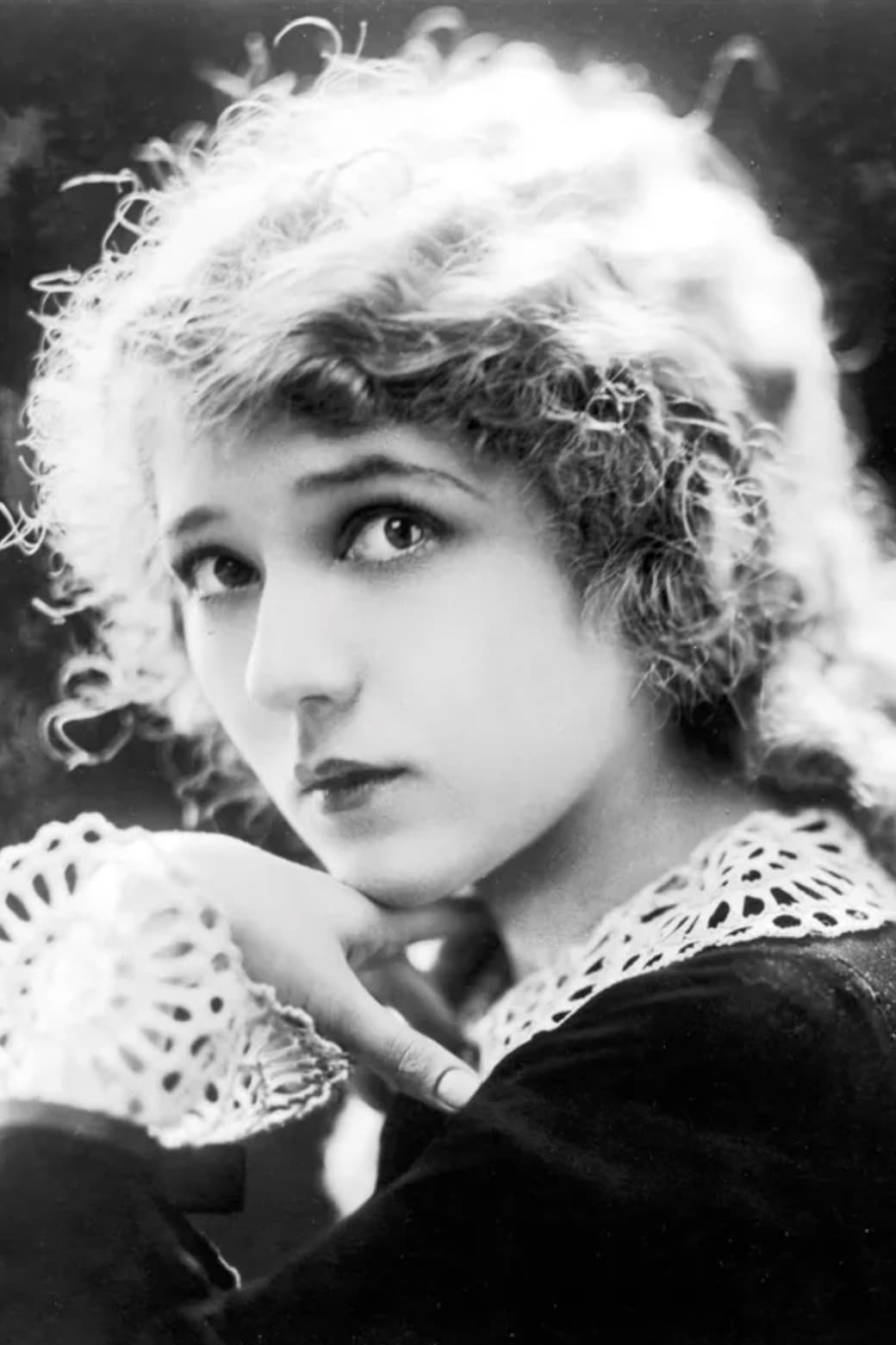
In the 1915 silent film ‘Madame Butterfly,’ Mary Pickford, a major star and powerful figure in early Hollywood, portrayed a Japanese woman. She used makeup to transform herself for the role of Cho Cho San, a character in a tragic story. Pickford believed the film was a faithful and beautiful version of the well-known opera and tale. It was typical at the time for white actors to play all the main characters, even in stories set in other cultures.
Agnes Moorehead
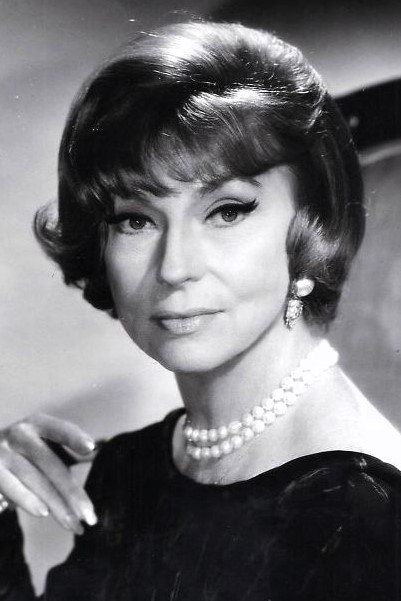
As a classic film buff, I remember Agnes Moorehead being a really solid actress, always able to disappear into a role. She was in ‘Dragon Seed’ with Katharine Hepburn, playing a Chinese villager. It involved a lot of makeup to alter her appearance, and the film generally tried to depict Chinese village life, though looking back, it’s now a really stark example of the problematic ‘yellowface’ practice common in movies from the 1940s. Moorehead herself always maintained she was just doing her job as a professional and was glad to be part of such a big production. It’s a complicated case – she was a talented performer, but the film definitely reflects a different time and its unfortunate stereotypes.
Akim Tamiroff
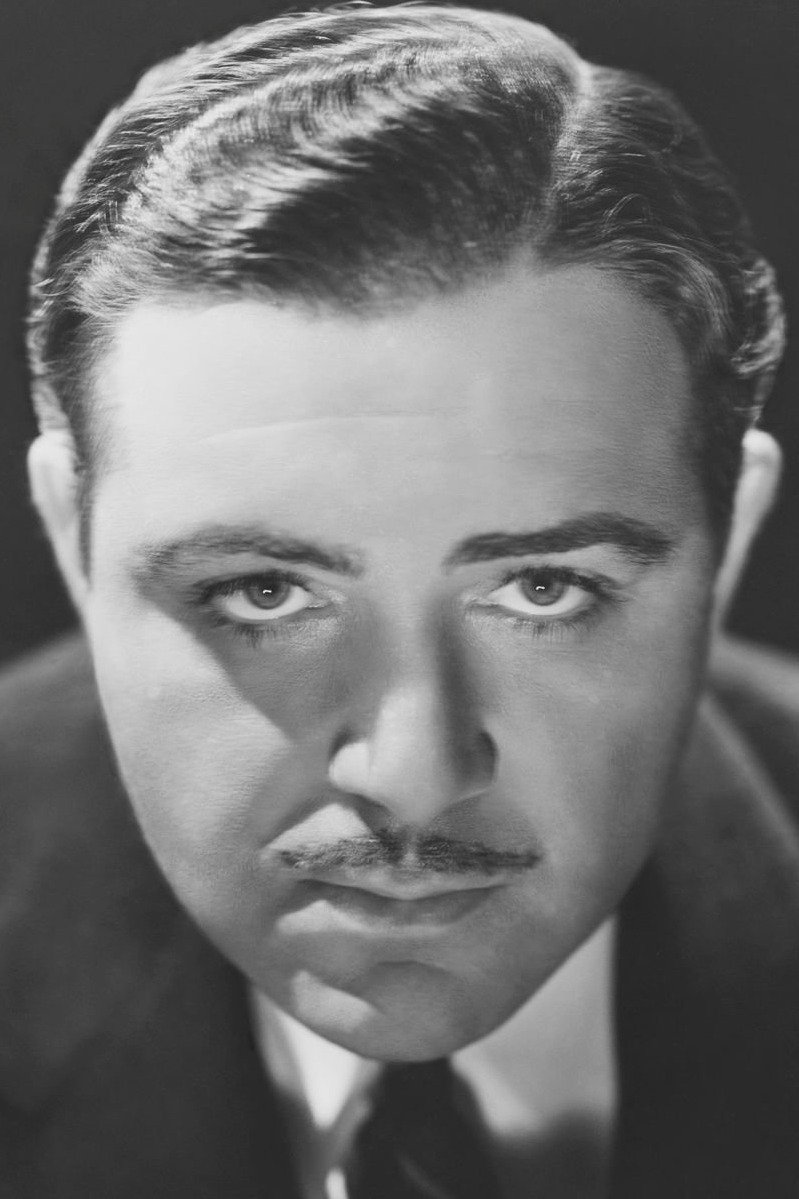
As a classic movie fan, I recently learned more about Akim Tamiroff, a Russian actor who was really popular in Hollywood. What struck me was how often he played characters of different ethnicities. In the 1936 film ‘The General Died at Dawn,’ he actually played a Chinese character! He used a lot of makeup and a distinct accent to play the villain. Back then, people really admired his ability to completely transform into any role, but looking back now, that practice feels pretty problematic. Both Tamiroff and the studios clearly thought his versatility – being able to convincingly play any nationality – was a huge strength that kept him working.
Tony Randall
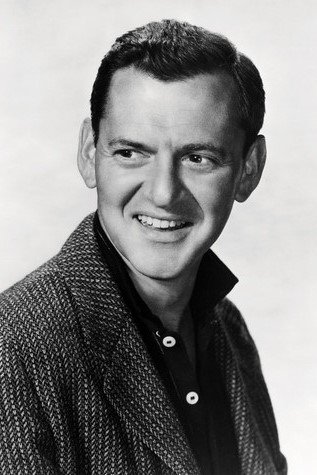
In the 1964 film ‘The 7 Faces of Dr. Lao,’ Tony Randall famously played seven different characters, including the titular Dr. Lao, a Chinese man. He transformed himself using impressive makeup and prosthetics designed by William Tuttle. Randall was pleased with the technical aspects of the film, which earned an honorary Academy Award for its makeup. He argued his performance was meant to be fantastical, not a realistic portrayal. However, the film’s use of yellowface for the main character remains a point of controversy.
Richard Barthelmess
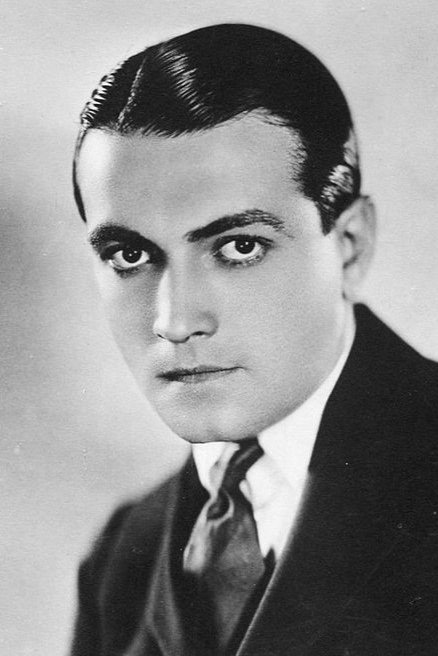
I remember learning about ‘Broken Blossoms,’ this really famous silent film from 1919. Richard Barthelmess, a huge star back then, played Cheng Huan, a Chinese character. To get the look, they actually used makeup to change his eyes and he acted with a bent posture. Everyone loved it at the time – it was considered a beautiful and powerfully emotional film, and Barthelmess’ performance was amazing! Now, when film students look at it, they see how groundbreaking it was technically, but also talk about how the way the character was portrayed wasn’t ideal and raised some important questions about race.
Lon Chaney
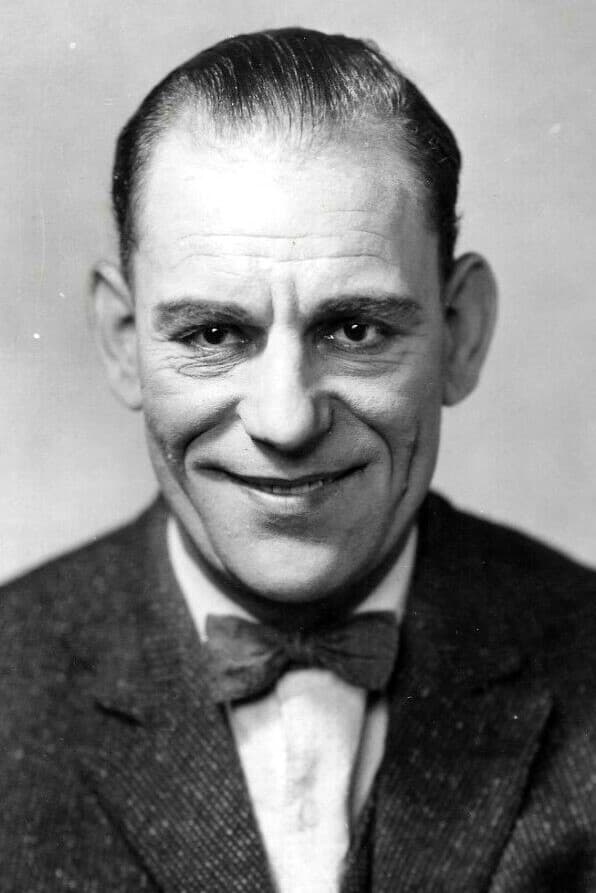
Lon Chaney earned the nickname “The Man of a Thousand Faces” because he was a master of makeup and disguise. In the 1927 film ‘Mr. Wu,’ he used complex techniques to portray a Chinese character. Chaney explained that his goal was to reveal the shared humanity in everyone, regardless of their background. He was renowned for his commitment to his roles, often enduring pain to achieve the desired look. Audiences at the time viewed his transformations, including his portrayals of Asian characters, as a demonstration of his impressive skills.
J. Carrol Naish
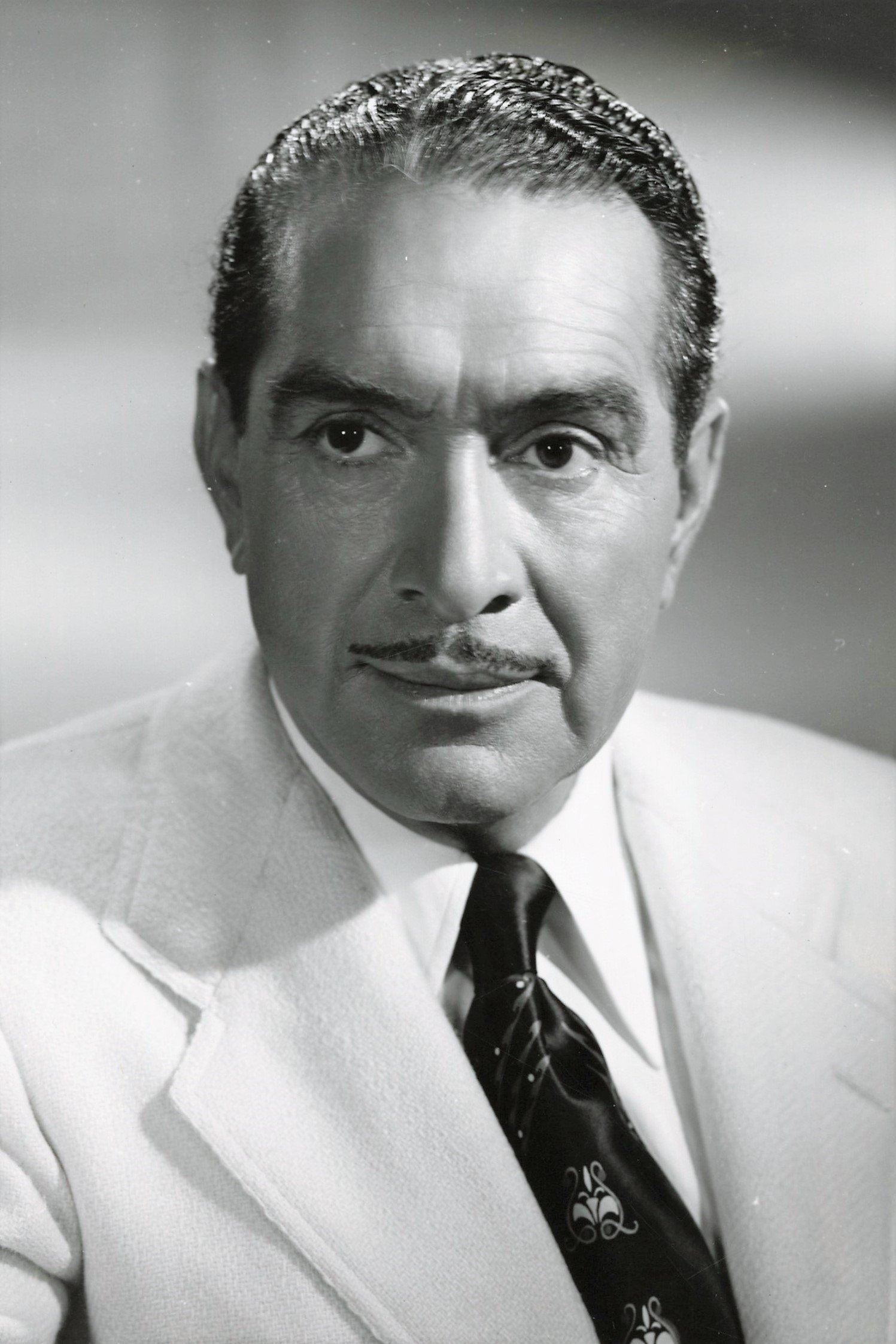
J. Carrol Naish was an American actor known for portraying people of many different ethnicities, particularly those of Asian descent. He famously played a Japanese character in ‘The Pied Piper’ and was featured in several ‘Charlie Chan’ films. Because of his ability to convincingly adopt various accents and appearances, he was nicknamed ‘the one man United Nations.’ Naish justified his practice by claiming he was filling a need in the film industry, taking on roles others weren’t able to. His career is a prime example of a time when character actors were routinely expected to play characters of any race as required by the script.
Sidney Toler
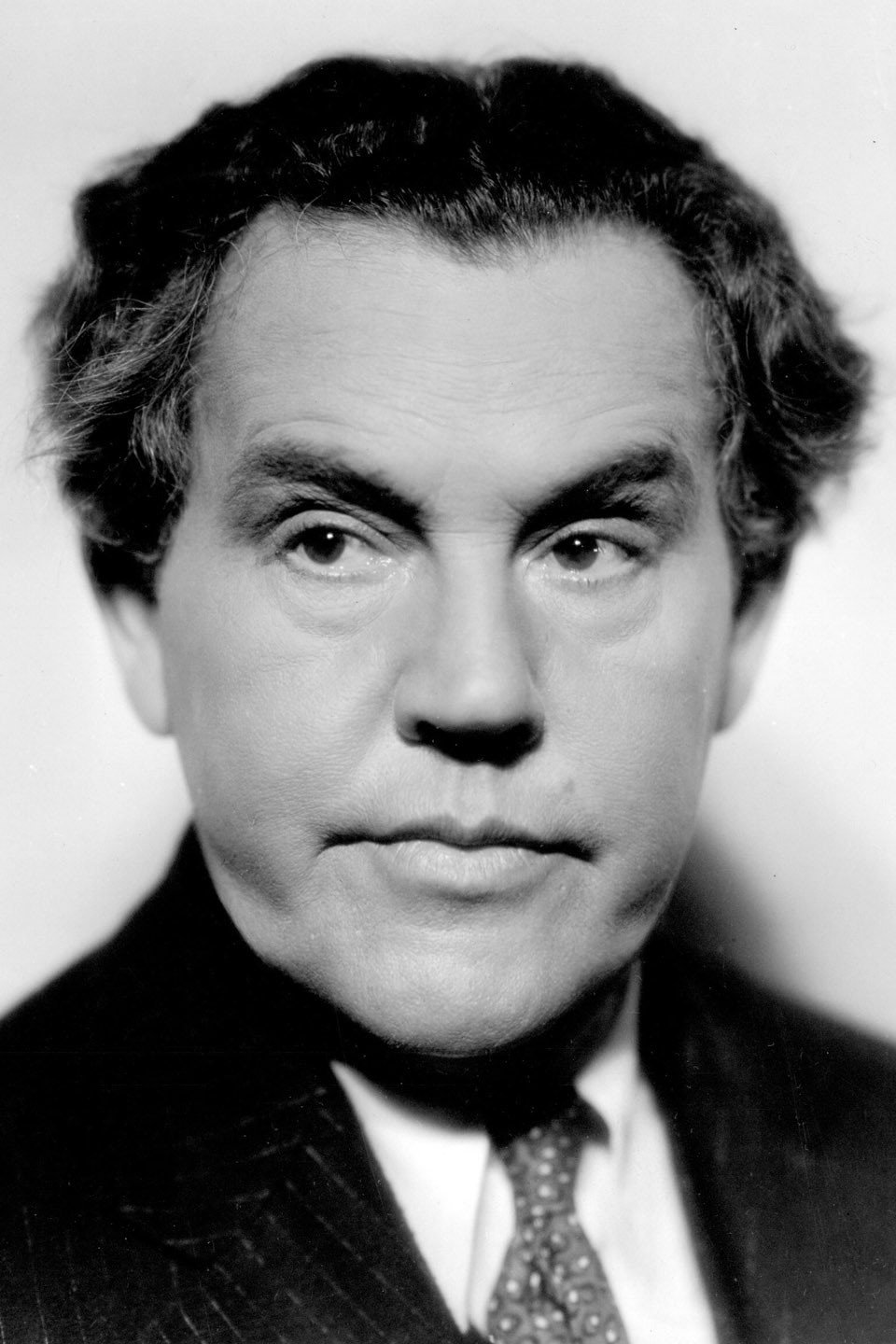
After Warner Oland’s death, Sidney Toler became the next actor to play Charlie Chan, appearing in over twenty films. He used makeup to look like the Chinese detective and carefully imitated the character’s distinctive way of speaking. Toler, a well-known stage actor, saw the role as a great chance to advance his career. He believed Charlie Chan was a positive character, consistently portrayed as more intelligent than those around him. However, these films are now often criticized for relying on harmful racial stereotypes.
Roland Winters
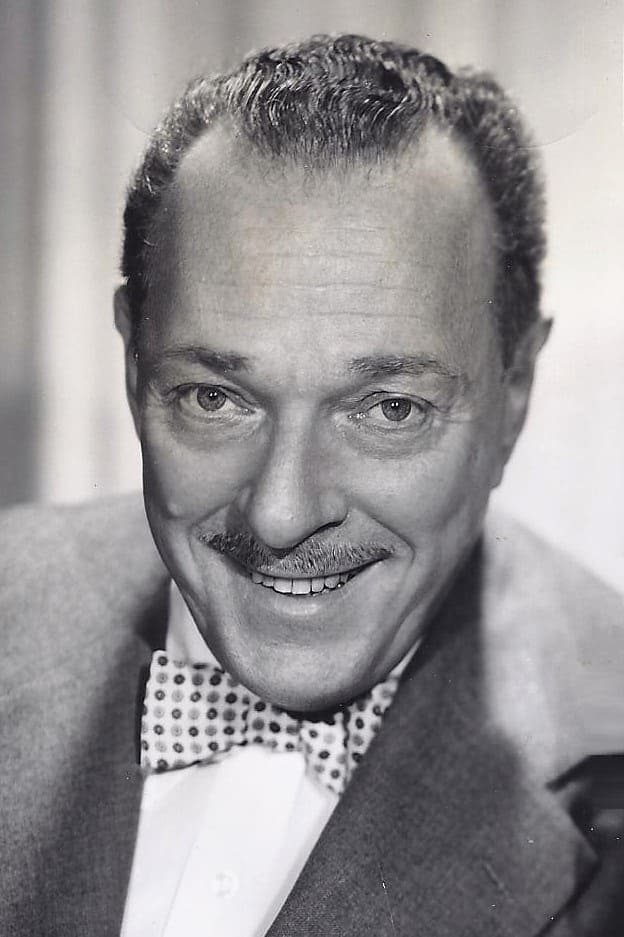
Roland Winters was the third actor to take on the role of Charlie Chan in the long-running movie series. Like those before him, he used makeup and a distinctive accent to play the Asian detective. Although some people at the time thought his portrayal wasn’t as strong as previous actors, Winters believed he was bringing a fresh take to the iconic character. His time as Charlie Chan concluded the original series of films in the late 1940s.
Joseph Wiseman
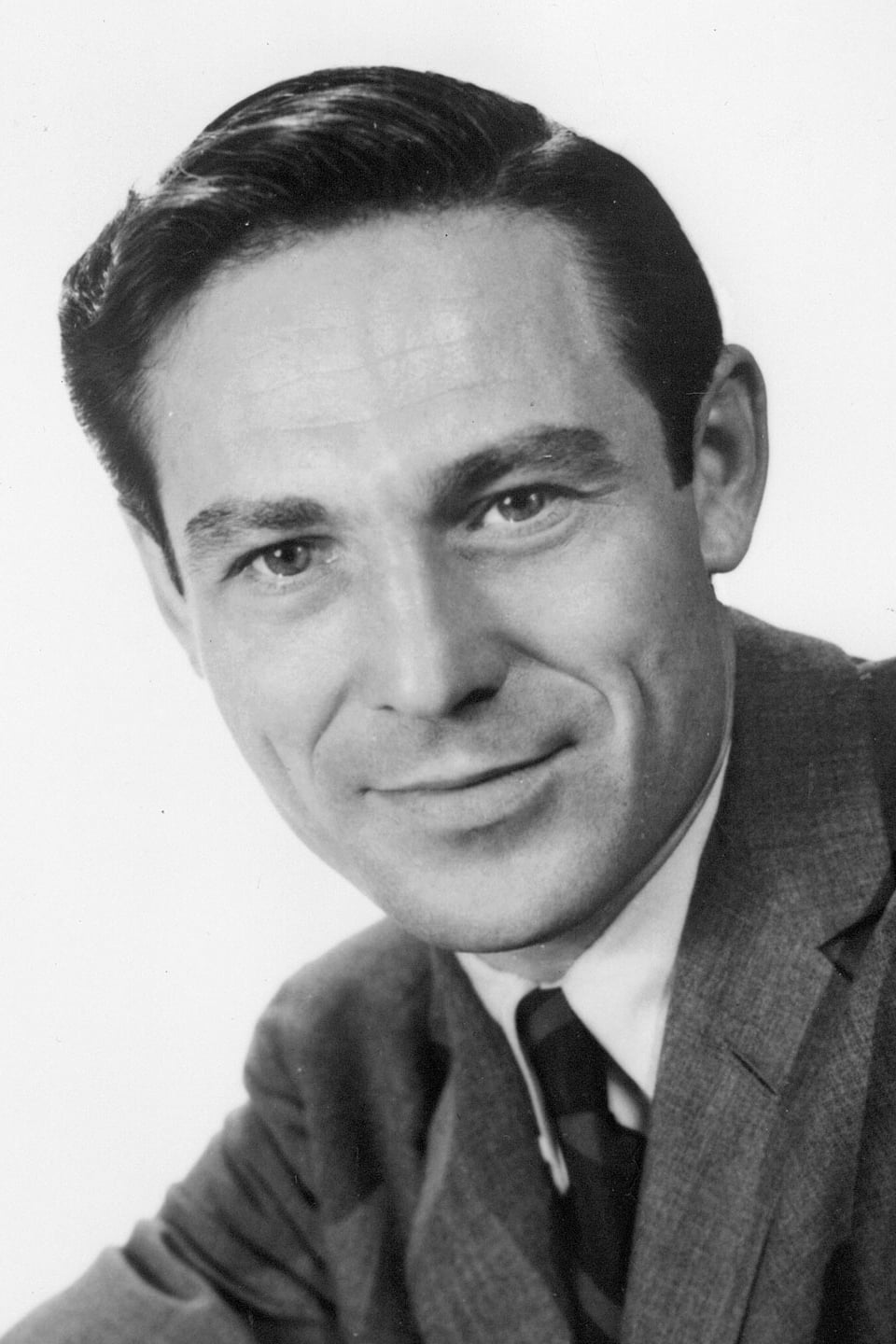
Joseph Wiseman was the first actor to play the villain in a James Bond movie, appearing as Dr. No in 1962. His character was of mixed Chinese and German heritage, and Wiseman used makeup to reflect that. A seasoned stage actor, he brought a chilling and thoughtful quality to the role. Interestingly, Wiseman himself wasn’t a fan of the film and was surprised by how popular it became. Today, the decision to cast a white actor as a prominent Asian villain in the film is often discussed and debated among fans of the Bond series.
Rita Moreno
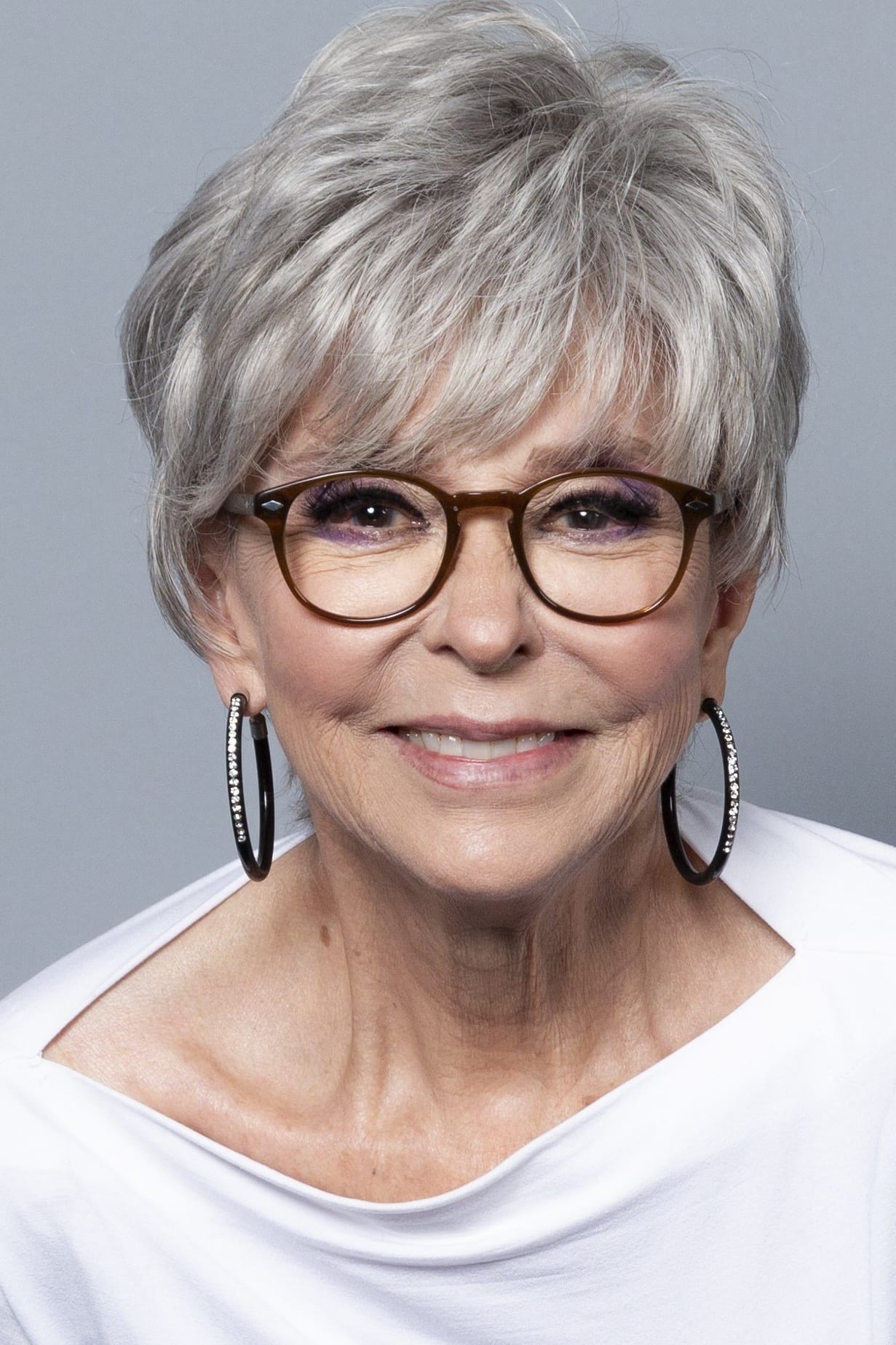
Rita Moreno famously played Tuptim in the 1956 film ‘The King and I’. Though she is Puerto Rican, her casting as a Thai character is now seen as an example of yellowface. Moreno has discussed how few roles were available to actors of color at the time, often leading them to be cast in any role that wasn’t specifically written for white actors. She has explained her decision to take the part as a way to work on a large-scale musical during a period when Hollywood offered limited opportunities. While the film is still considered a classic, its casting choices are frequently discussed and debated by audiences today.
Linda Hunt
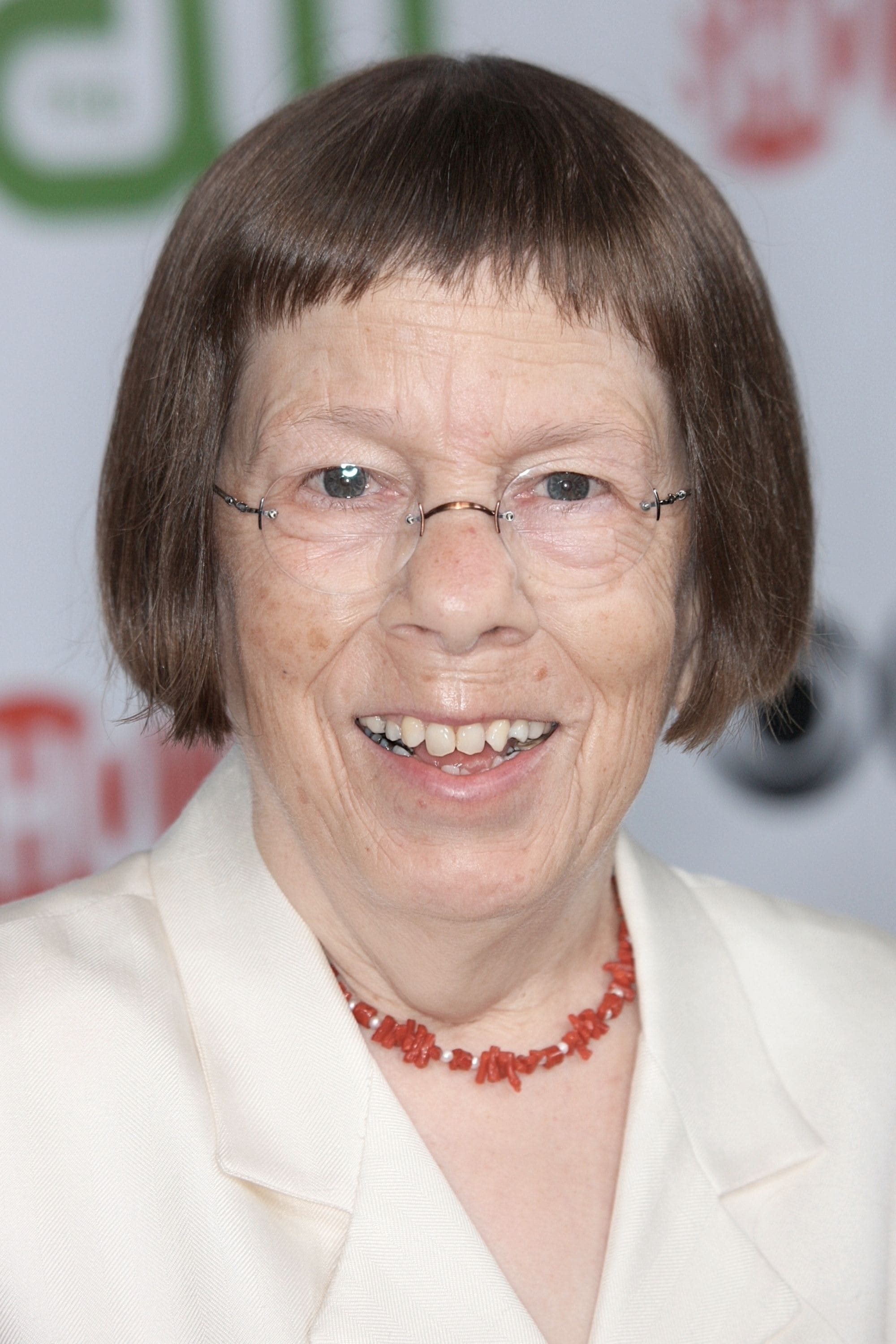
Linda Hunt received an Oscar for her portrayal of Billy Kwan, a Chinese Australian man, in the 1982 film ‘The Year of Living Dangerously’. She used makeup and hairstyling to convincingly transform into the character. Hunt argued the role was a compelling acting challenge, allowing her to embody a nuanced and deeply felt person. The performance is noteworthy for involving both the use of yellowface and cross-gender casting. While widely praised, it remains a controversial example within the history of casting choices.
Joel Grey
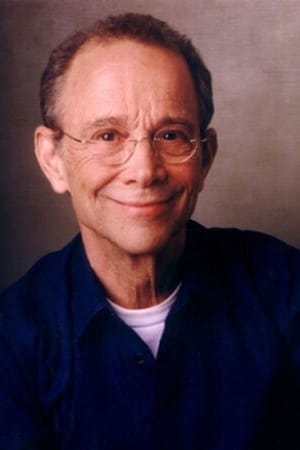
In the 1985 film ‘Remo Williams: The Adventure Begins,’ Joel Grey played a Korean martial arts master, requiring extensive daily makeup to alter his appearance. Grey explained his casting by noting the producers sought an actor skilled in dance and physical movement. Though he received a Golden Globe nomination, the film sparked controversy with Asian American groups. This backlash hurt the film’s box office results and ultimately limited its lasting impact.
Fisher Stevens
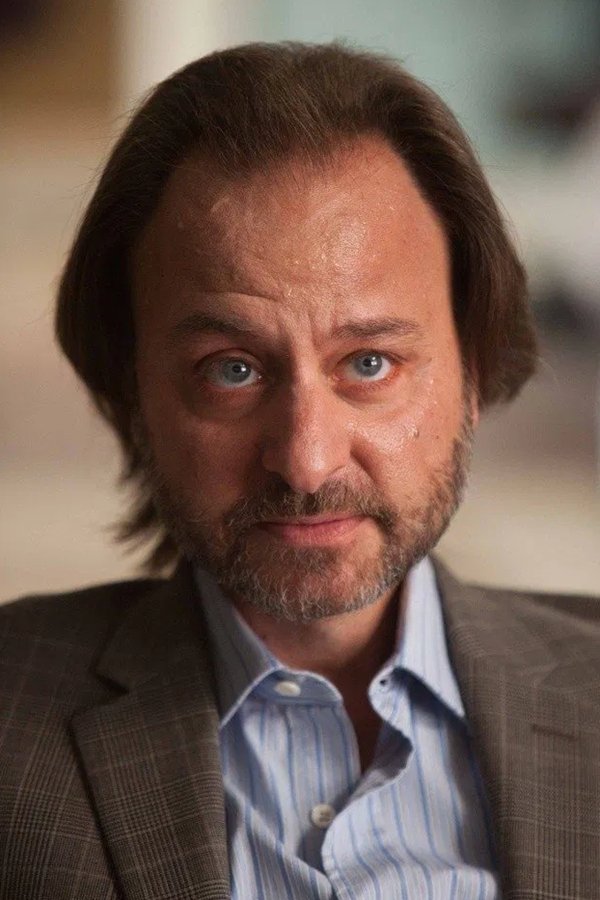
In the 1986 film ‘Short Circuit’ and its sequel, Fisher Stevens portrayed a Native American scientist named Ben Jabituya, using makeup and an exaggerated accent. He later said he regretted taking the role, admitting he didn’t fully grasp the harmful impact at the time. He initially justified his decision as a young actor seeking a significant opportunity. The performance is now widely recognized as an example of yellowface in 1980s films.
Jonathan Pryce
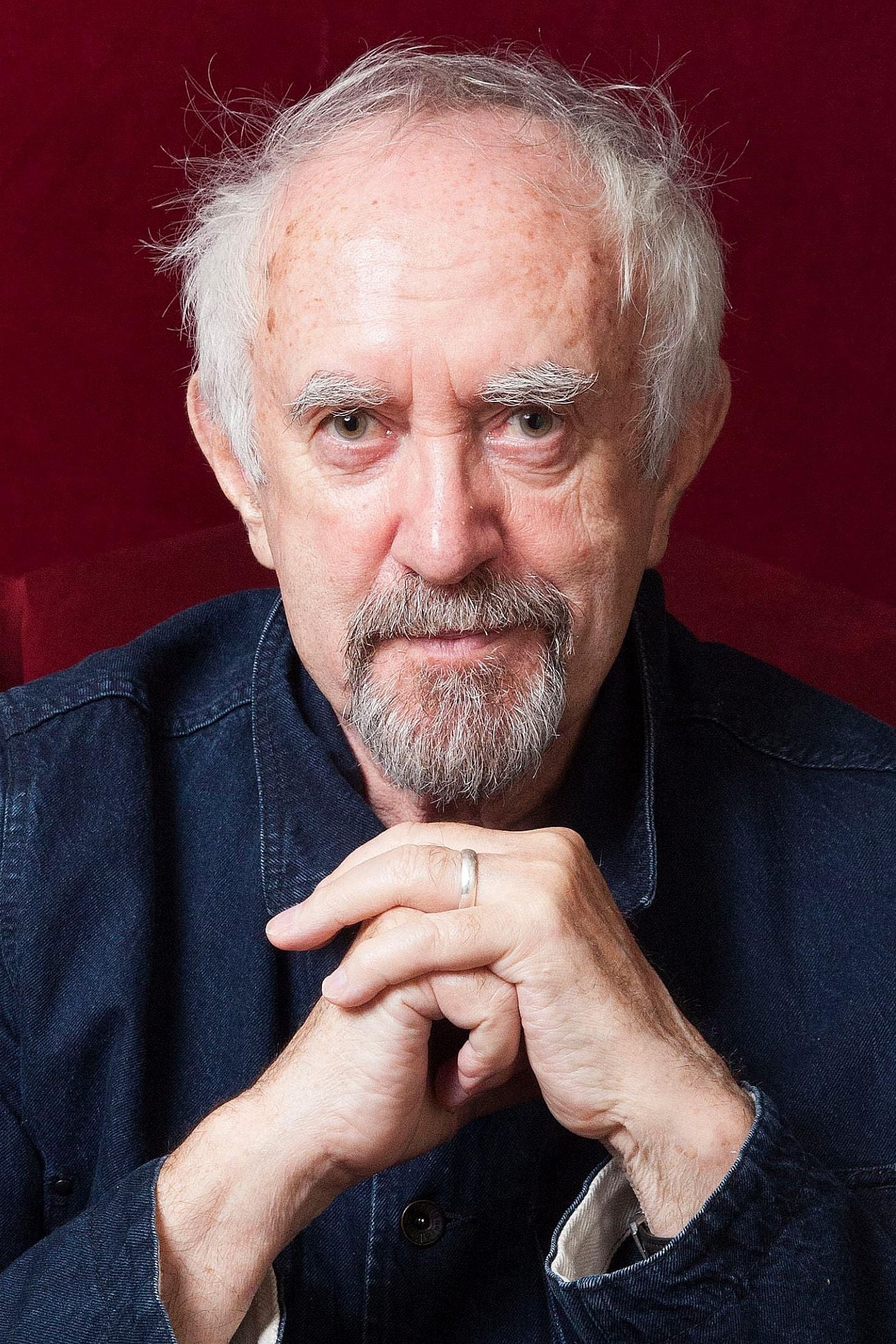
Jonathan Pryce originally played the Engineer in ‘Miss Saigon’ on stage and in filmed versions. To portray a character of Eurasian descent, he used special eye prosthetics and makeup. This caused significant protests from actors’ unions and other groups when the show came to Broadway. Pryce argued he was chosen for his acting skills and that he was playing a specific character. The resulting controversy ultimately led to changes in how the Engineer was portrayed in later versions of the musical.
Jennifer Jones
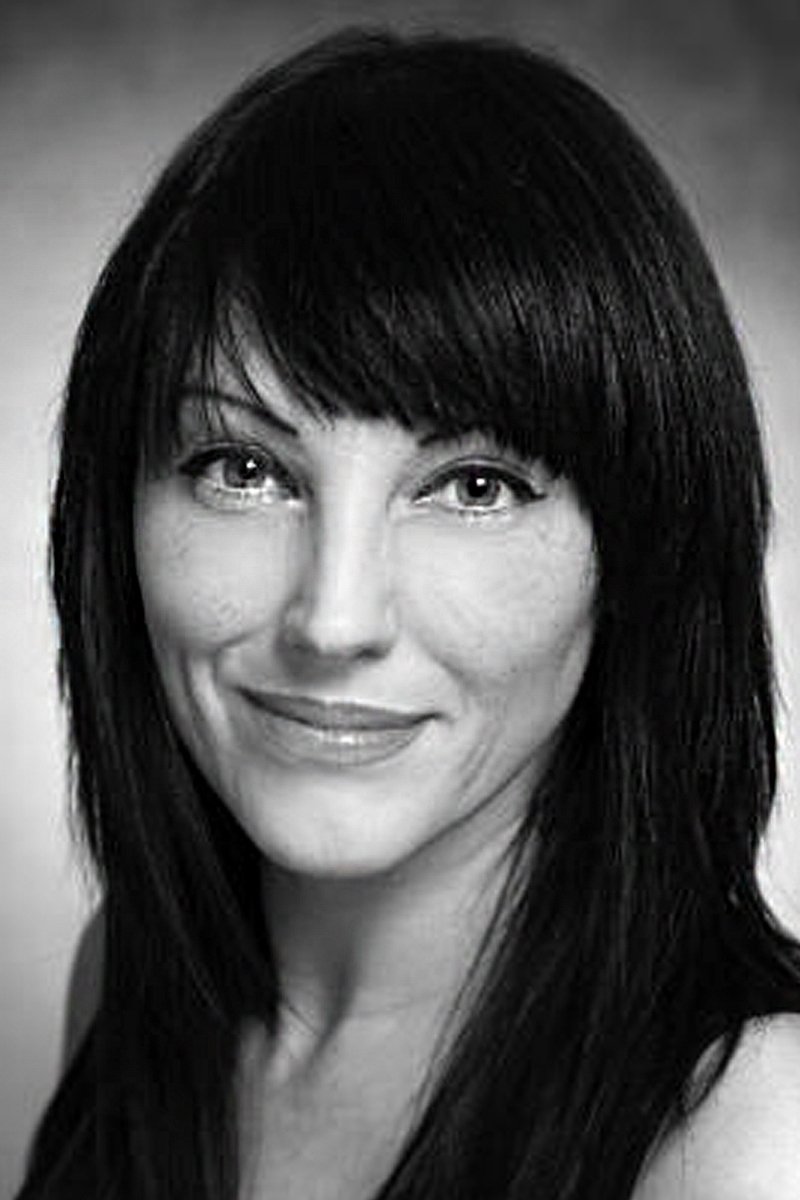
In the 1955 film ‘Love Is a Many Splendored Thing,’ Jennifer Jones played a doctor of mixed Asian and European heritage. She used makeup to transform her appearance for the role of Han Suyin, a character inspired by a real person. The studio justified casting a white actress as the lead by saying a well-known star was needed for the romantic story. Jones was a popular actress at the time, and the film was very successful financially. However, modern critics now see this as an example of Hollywood prioritizing profits over accurately representing Asian characters by replacing Asian actors with white leads.
Walter Connolly
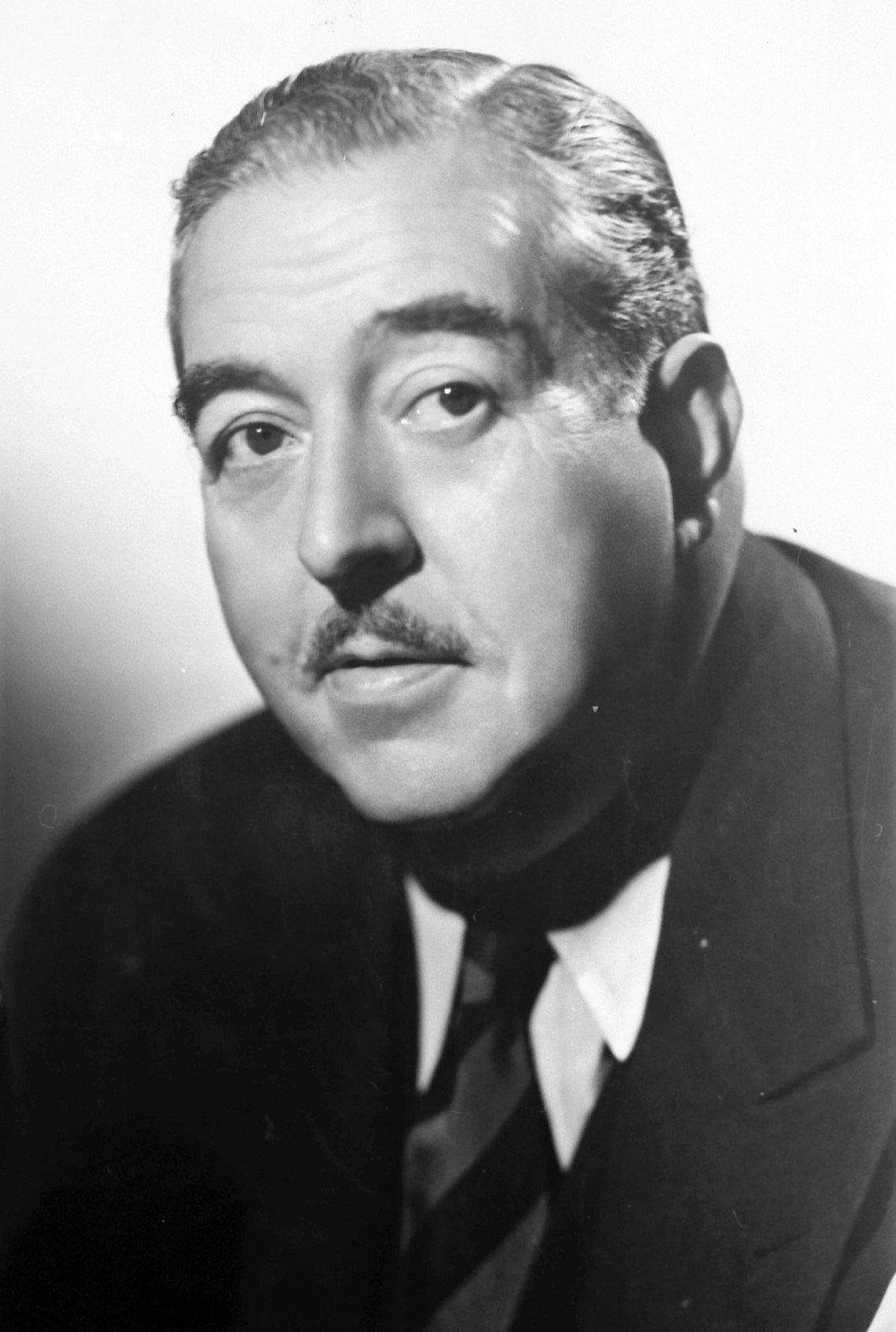
In the 1937 film ‘The Good Earth,’ Walter Connolly played a rich Chinese landowner. As a well-known character actor, he relied on makeup to convincingly portray the role. However, Connolly was part of an almost entirely white cast, with white actors filling nearly all the important roles. At the time, the studio and actors justified this by claiming there weren’t enough established Asian actors in the United States. Today, historians have proven this claim false, demonstrating that many talented Asian actors were actually available during that period.
Tilly Losch
Tilly Losch, an Austrian actress and dancer, portrayed a Chinese woman in the film ‘The Good Earth’. Her dance training helped her bring an elegant quality to the character, Lotus. She used makeup to alter her appearance and appeared in scenes set in traditional China. Losch believed her work blended different cultures through the art of filmmaking. However, her performance is now recognized as part of the widespread use of yellowface in that film.
Harold Huber
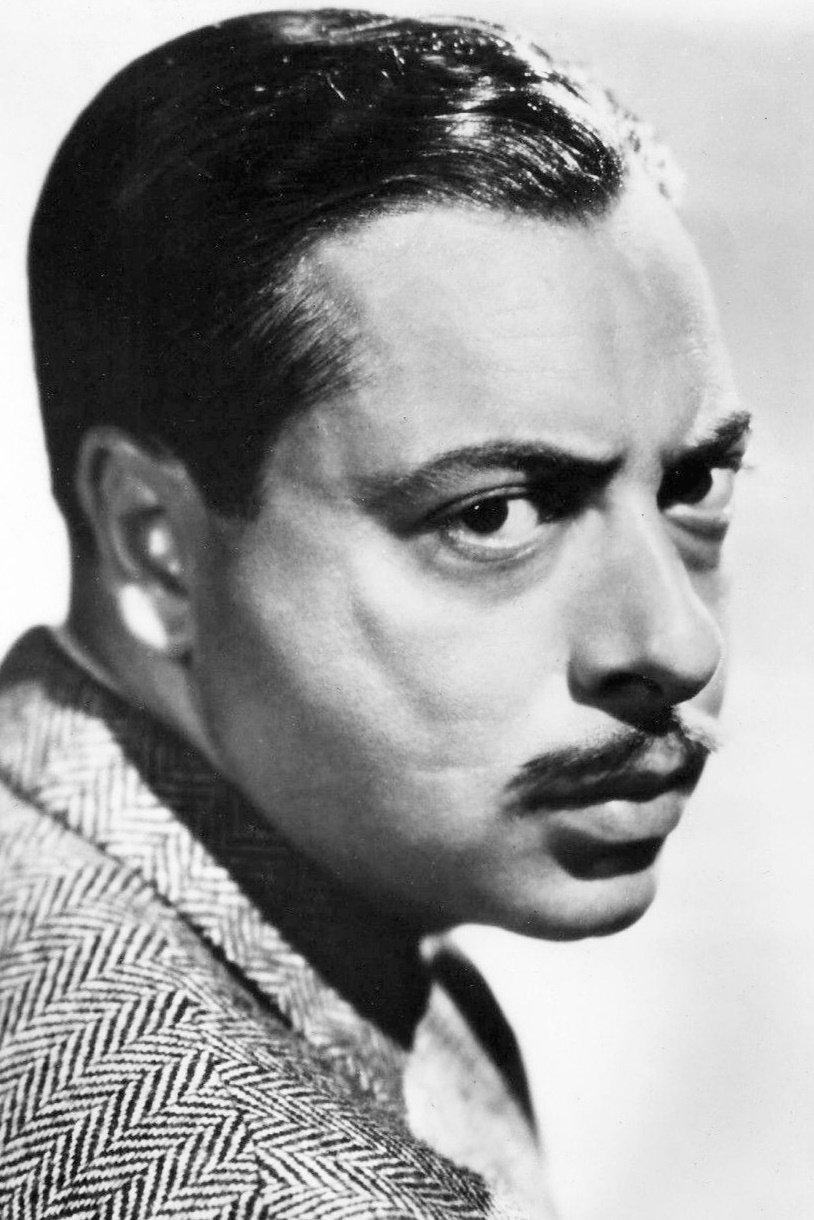
Harold Huber was a supporting actor known for playing Asian characters in films like the ‘Charlie Chan’ and ‘Mr. Moto’ series. Despite being of European ancestry, he was often cast in these roles because he could convincingly mimic different accents. Huber explained this type of casting as a way to stay employed in a Hollywood system that heavily relied on stereotypes. He felt his ability to play various nationalities proved his acting talent. However, his work also contributed to the use of yellowface—the practice of non-Asian actors portraying Asian characters—in low-budget films of the 1930s.
Frank Morgan
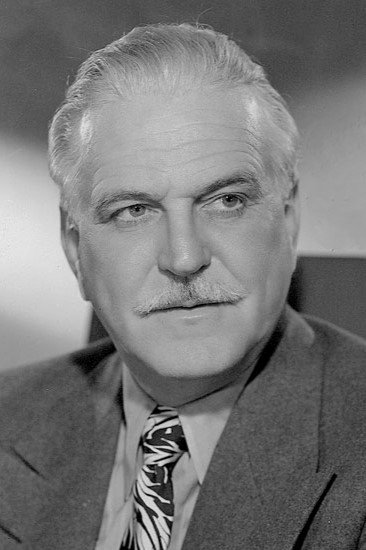
Frank Morgan, famous for playing the Wizard in ‘The Wizard of Oz,’ also portrayed a Chinese character in the film ‘The Good Earth.’ A skilled character actor, he relied on makeup to convincingly transform for roles. While the production was praised for its technical achievements, Morgan didn’t voice any concerns about the casting at the time, seeing it as simply another part in his career. However, looking back, his involvement now represents a broader problem with how casting worked in the old studio system.
Turhan Bey
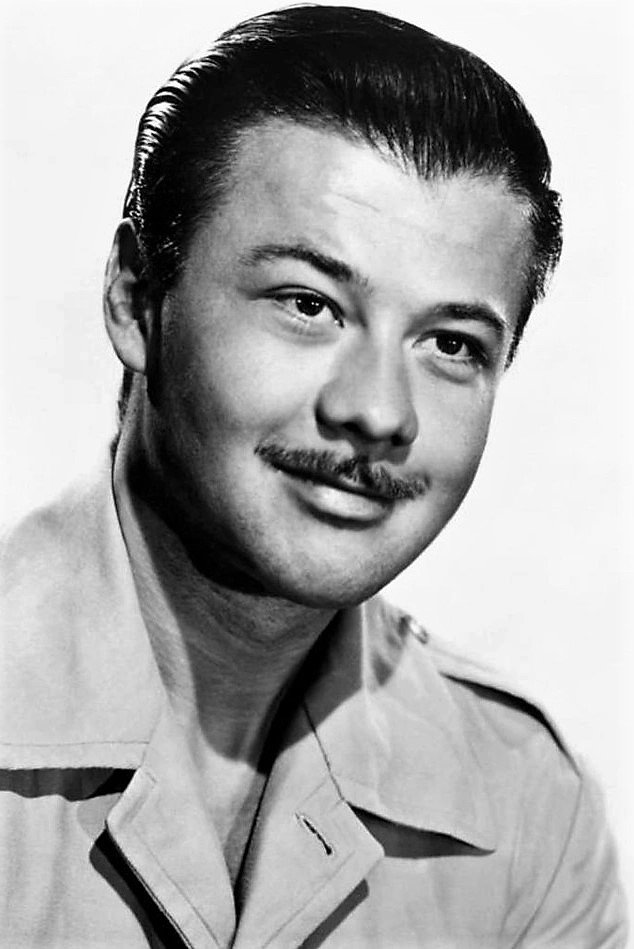
Turhan Bey, born to Turkish and Czech parents, was a Hollywood actor frequently cast as characters from Asia in the 1940s. He even starred alongside Katharine Hepburn in ‘Dragon Seed’ playing an Asian role. Bey explained that his own heritage was already seen as ‘exotic’ in Hollywood, which justified these castings. However, he was one of several white actors often chosen for roles that should have gone to Asian performers, illustrating how studios relied on a limited number of actors to portray diverse cultures.
Gladys Cooper

Gladys Cooper, a prominent actress in film and theatre, appeared in the 1940 movie ‘The Letter’, which featured Asian actors within a colonial context. Although she frequently portrayed British upper-class characters, Cooper also participated in films that employed yellowface – the practice of casting white actors to play Asian characters. She justified these casting choices as essential for the films’ success and reputation at the time. However, her involvement in these productions is now criticized for reinforcing racial biases and inequalities in the film industry.
Robert Donat
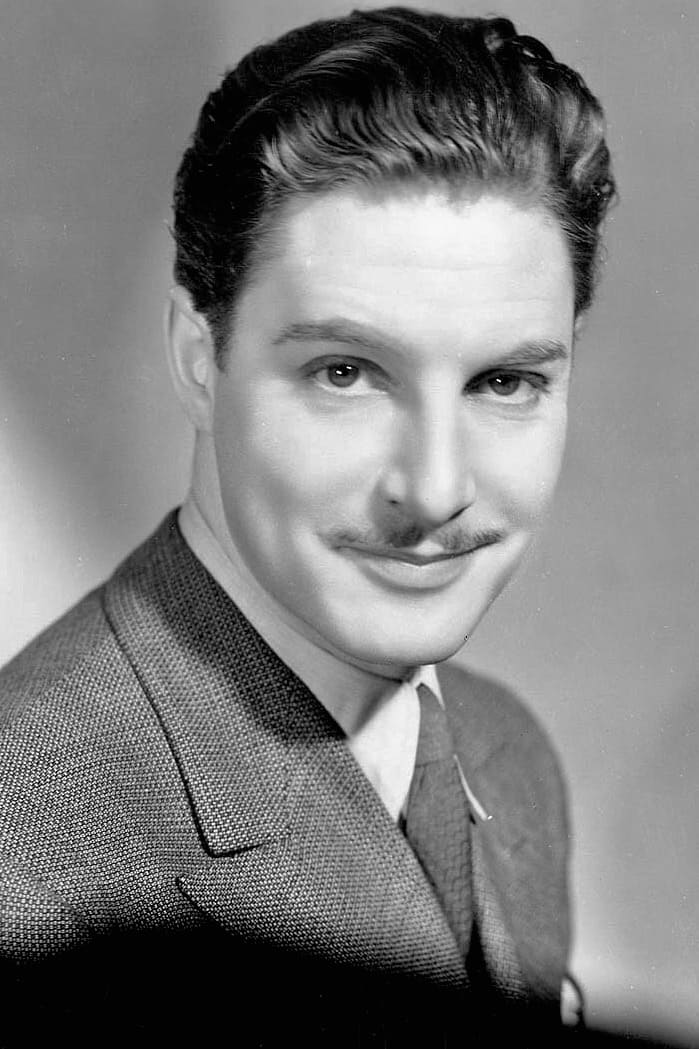
In the 1958 film ‘The Inn of the Sixth Happiness,’ Robert Donat, a celebrated actor and Oscar winner, portrayed a Chinese Mandarin using makeup and a specific accent. This role was one of his last. Donat believed the part allowed him to depict a character with both wisdom and respect. However, the film received criticism for not casting an actor of Chinese descent, despite being set entirely in China.
Sylvia Sidney
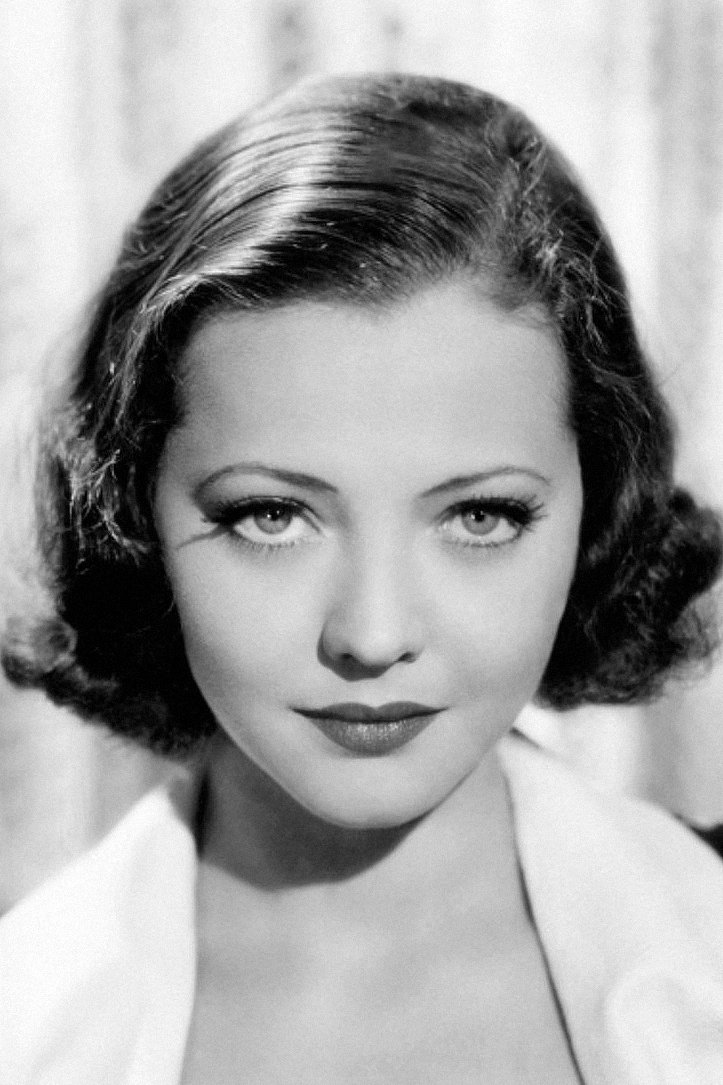
In the 1932 film ‘Madame Butterfly,’ Sylvia Sidney portrayed a Japanese woman, using makeup and traditional costumes to embody the character’s tragic story. Sidney, a well-known actress celebrated for her expressive eyes and ability to convey emotion, believed she respectfully captured the character’s sadness. However, today the film is often seen as an example of how early Hollywood frequently adapted Asian narratives, casting white actors in the leading roles.
Peter Sellers
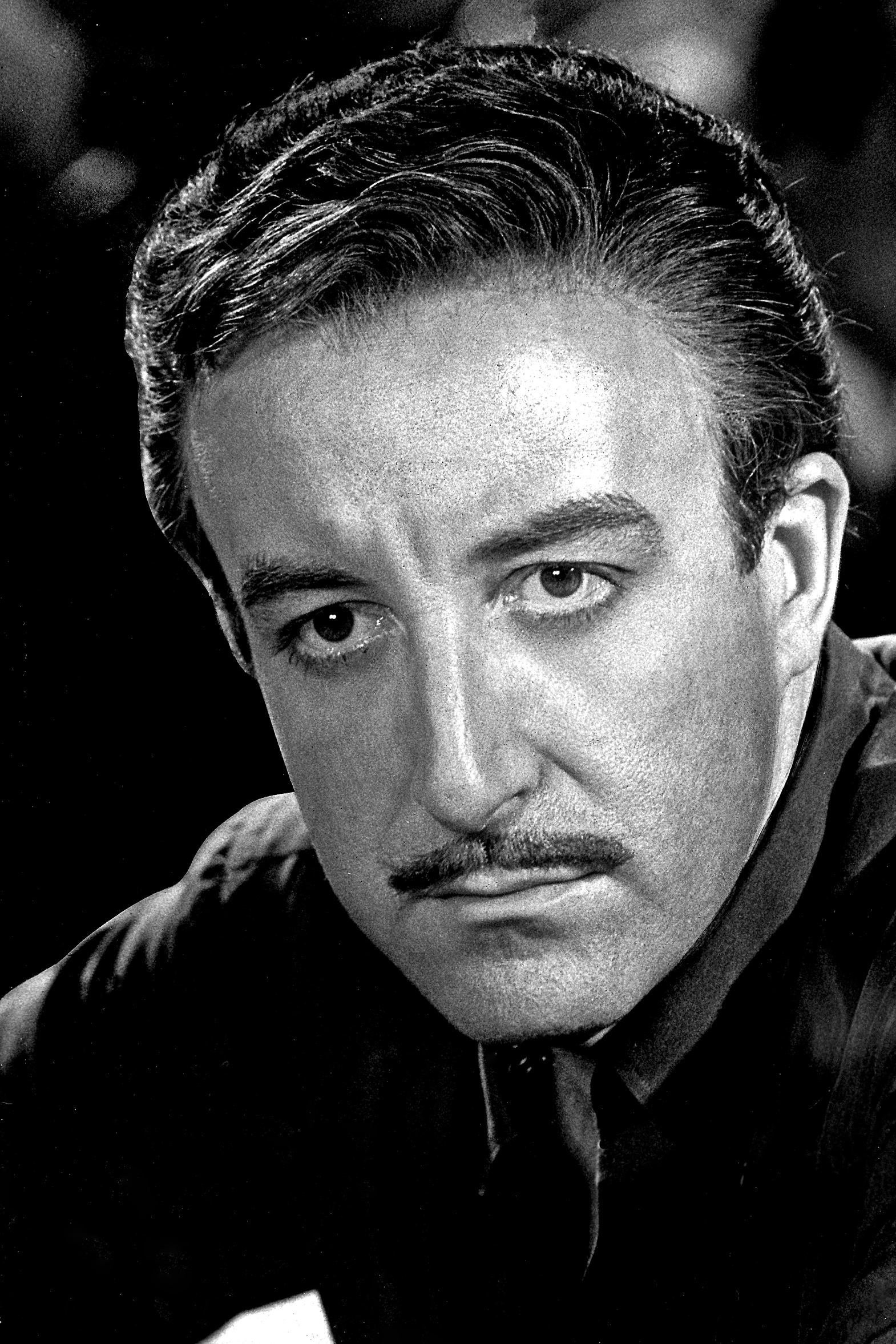
Peter Sellers was a highly talented comedic actor known for his ability to transform himself into a wide variety of characters, often using makeup and physical changes. In films like ‘The Party’ and ‘The Fiendish Plot of Dr. Fu Manchu’, he used makeup to portray characters of different ethnicities, a practice now widely considered problematic. Sellers argued these portrayals were satire, meant to mock the characters themselves, not the races they represented. However, many viewers found his depictions to be offensive and based on harmful stereotypes. Despite these controversies, he remained a popular and well-loved comedian.
Barbara Stanwyck
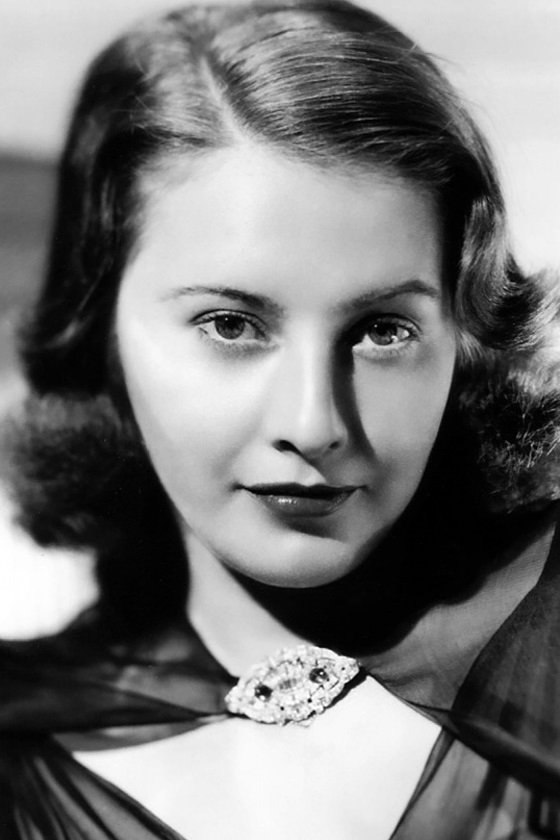
Barbara Stanwyck played an American woman who develops a relationship with an Asian warlord in the film ‘The Bitter Tea of General Yen’. Though she wasn’t the one in yellowface, she supported the movie and the casting of Nils Asther in that role. Stanwyck felt the film was a daring story that explored complicated feelings. Known for playing strong, independent characters, she backed the director’s creative choices. The movie continues to be debated today for its depiction of interracial relationships and its use of yellowface.
Warner Baxter
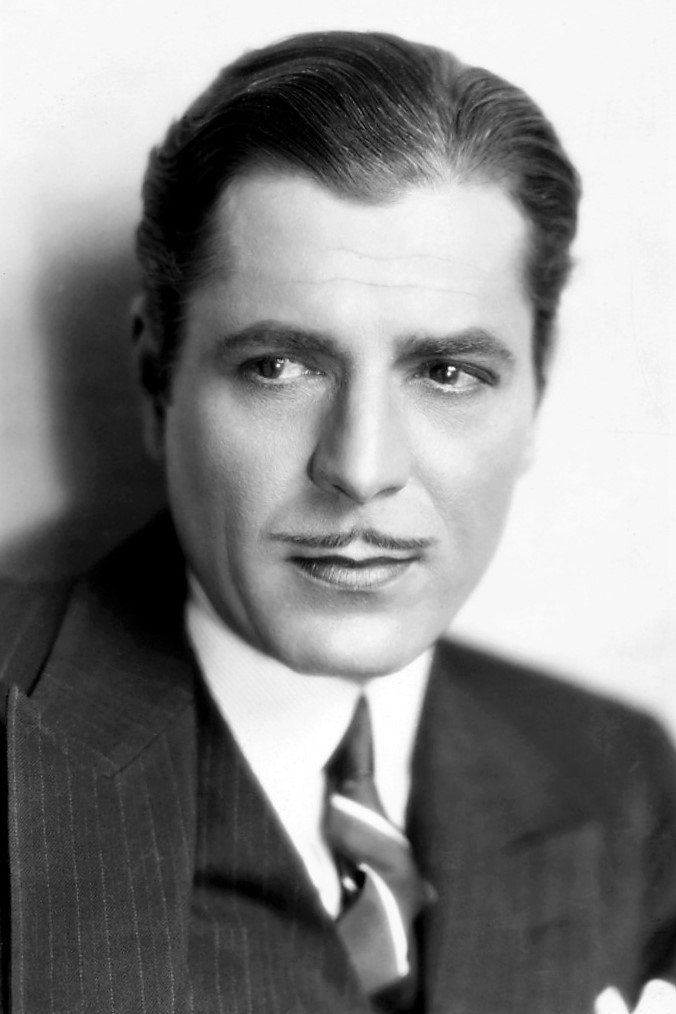
Warner Baxter, a prominent early Hollywood actor and the second person to win an Academy Award for Best Actor, often portrayed Asian characters using makeup to change his appearance. He justified this practice – known as yellowface – by arguing it was essential for maintaining the popularity of established stars, as audiences expected to see familiar faces even in stories set in different cultures. Baxter’s career exemplifies how commonplace and accepted this practice was, even among the most famous actors of the time.
Share your thoughts on these controversial casting choices in the comments.
Read More
- 20 Movies Where the Black Villain Was Secretly the Most Popular Character
- Celebs Who Narrowly Escaped The 9/11 Attacks
- Top 20 Dinosaur Movies, Ranked
- 25 “Woke” Films That Used Black Trauma to Humanize White Leads
- Transformers Under the Microscope: What Graph Neural Networks Reveal
- The 10 Most Underrated Jim Carrey Movies, Ranked (From Least to Most Underrated)
- 22 Films Where the White Protagonist Is Canonically the Sidekick to a Black Lead
- Gold Rate Forecast
- Trading on Thin Air: AI Agents Conquer Crypto Volatility
- The Best Directors of 2025
2026-01-05 19:22