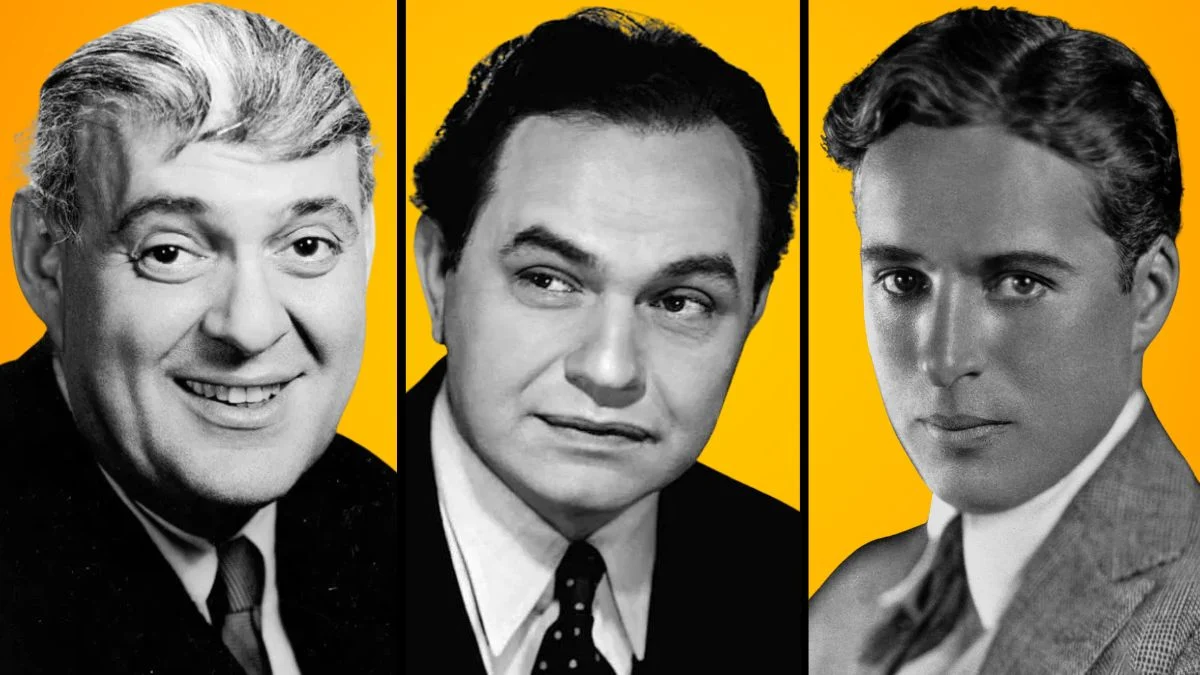
For decades, Hollywood has often shut out actors and creatives because of their political views or personal issues. Studios, both in the past and today, have sometimes worked together to avoid association with certain individuals, either to protect their own reputations or due to pressure from the government. Some of these performers were able to rebuild their careers, but others found themselves permanently blacklisted. This practice has changed over time, moving from official lists of banned individuals to more subtle forms of professional exclusion.
Charlie Chaplin
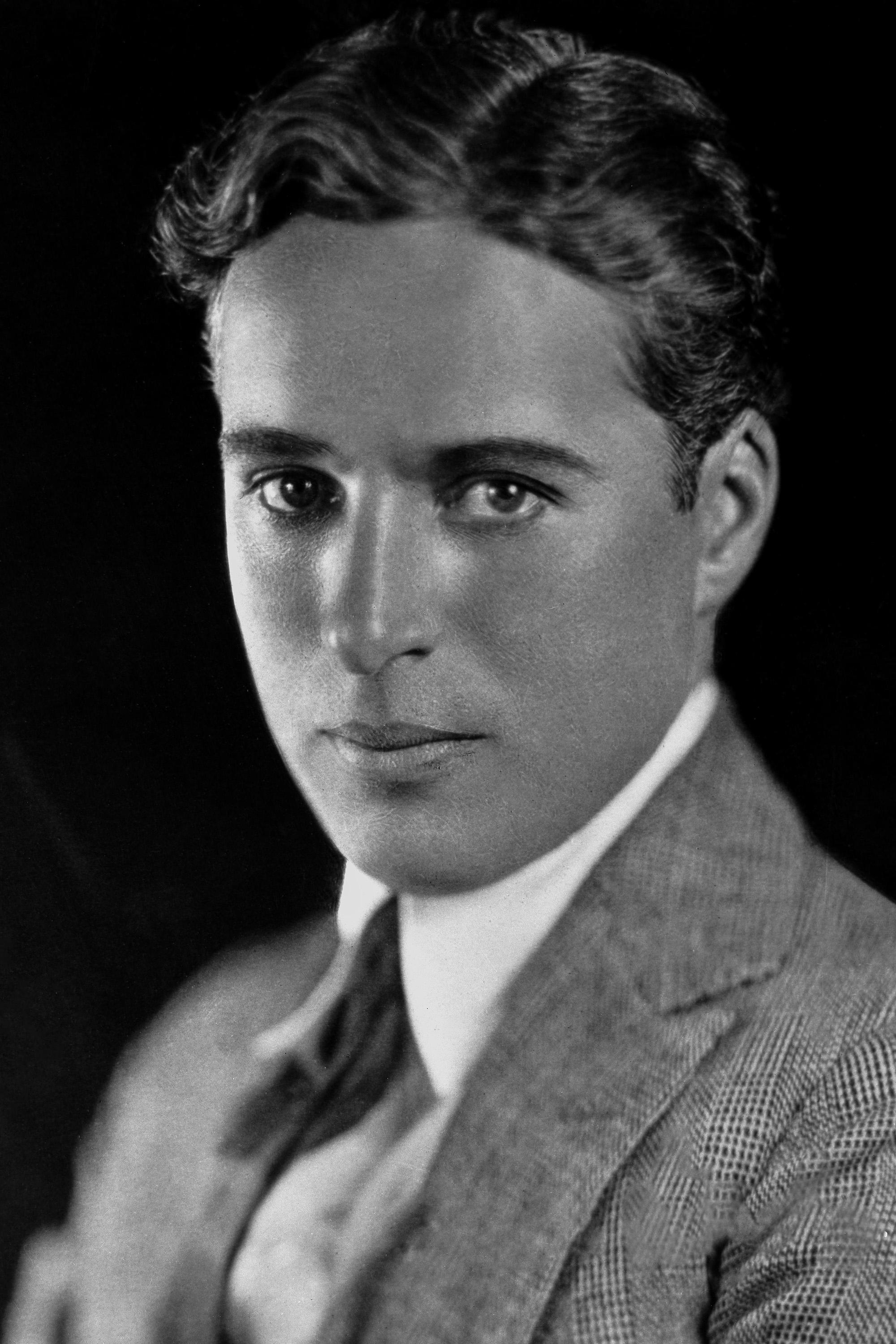
During the Red Scare in the United States, Charlie Chaplin experienced significant political scrutiny. Because he didn’t align with typical political views, he was essentially forced to leave the country. Film studios avoided working with him as the government investigated his private life. He lived in Switzerland for many years and didn’t appear in American films for decades. Eventually, after the political climate changed, he returned to accept an honorary award.
Paul Robeson
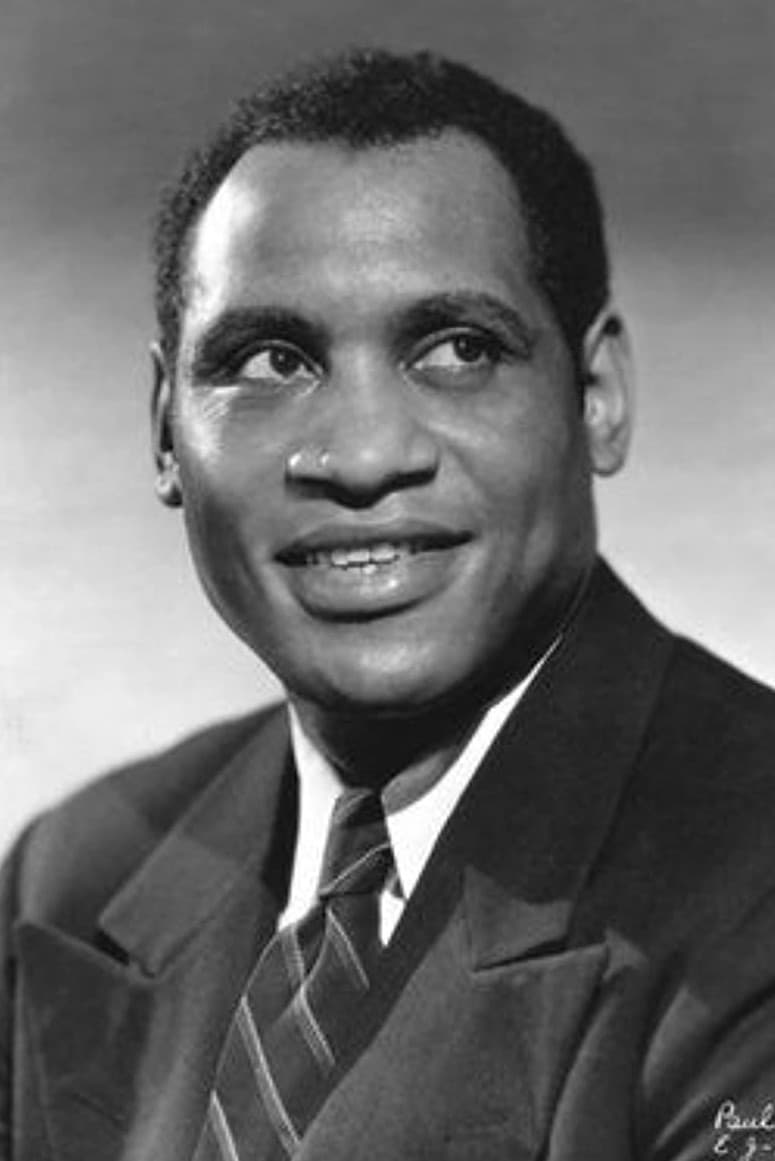
Paul Robeson was a remarkably gifted singer and actor, but his career suffered because of his strong political beliefs. The government took away his passport, stopping him from performing abroad. He was also largely ignored by Hollywood because he openly supported civil rights and workers’ rights. This led to him being blacklisted – effectively banned – from the entertainment industry during the mid-1900s. For a long time, his important work in theater and film wasn’t recognized by major organizations.
Edward G. Robinson
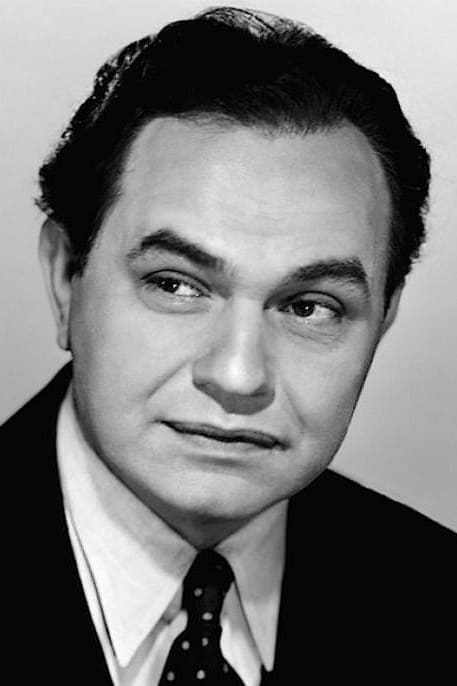
Edward G. Robinson, a major star in crime films, was investigated during the Red Scare by the House Un-American Activities Committee. Though never officially blacklisted, he struggled to find work in big-budget movies for several years and had to take less desirable roles to keep working. He eventually testified multiple times to defend himself and rebuild his career. His story illustrates how studios could quietly sideline actors without formally banning them.
Zero Mostel
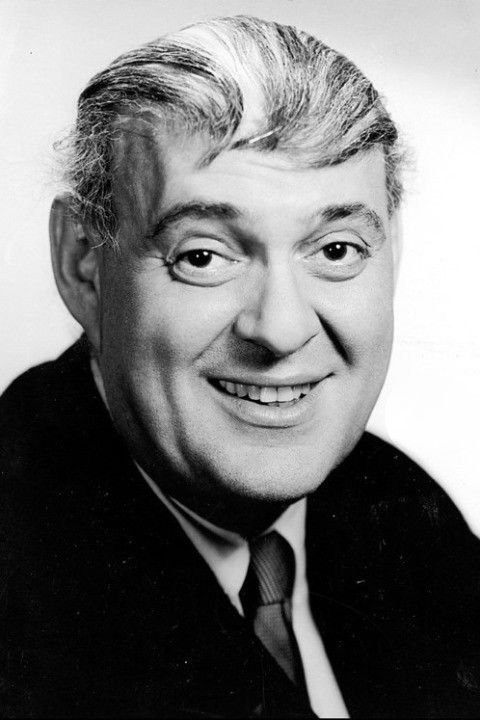
Zero Mostel was a well-known actor in theater and film, but his career was severely impacted when he refused to cooperate with a congressional committee and was blacklisted for ten years. During this difficult time, he struggled to find work in movies or television and supported his family by painting. Eventually, his career rebounded dramatically when he landed a role in the Broadway hit ‘Fiddler on the Roof,’ and he later starred in the popular film ‘The Producers’ after the blacklist was lifted. Today, Mostel is remembered as an inspiration for artists who have faced similar career setbacks.
John Garfield
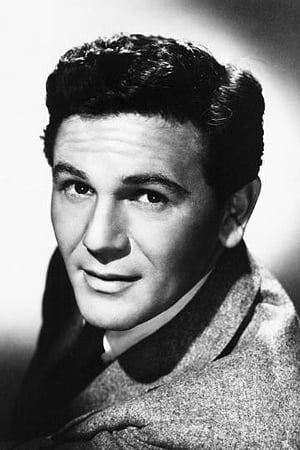
John Garfield was a popular and realistic actor whose career was destroyed during the Red Scare. He was targeted because of his political beliefs and his unwillingness to name names for investigators. This caused him immense stress and led to a lack of acting jobs, severely impacting his health. He died young, shortly after being blacklisted by the film industry. Historians often consider him a tragically gifted actor lost due to the political climate of the time.
Larry Parks
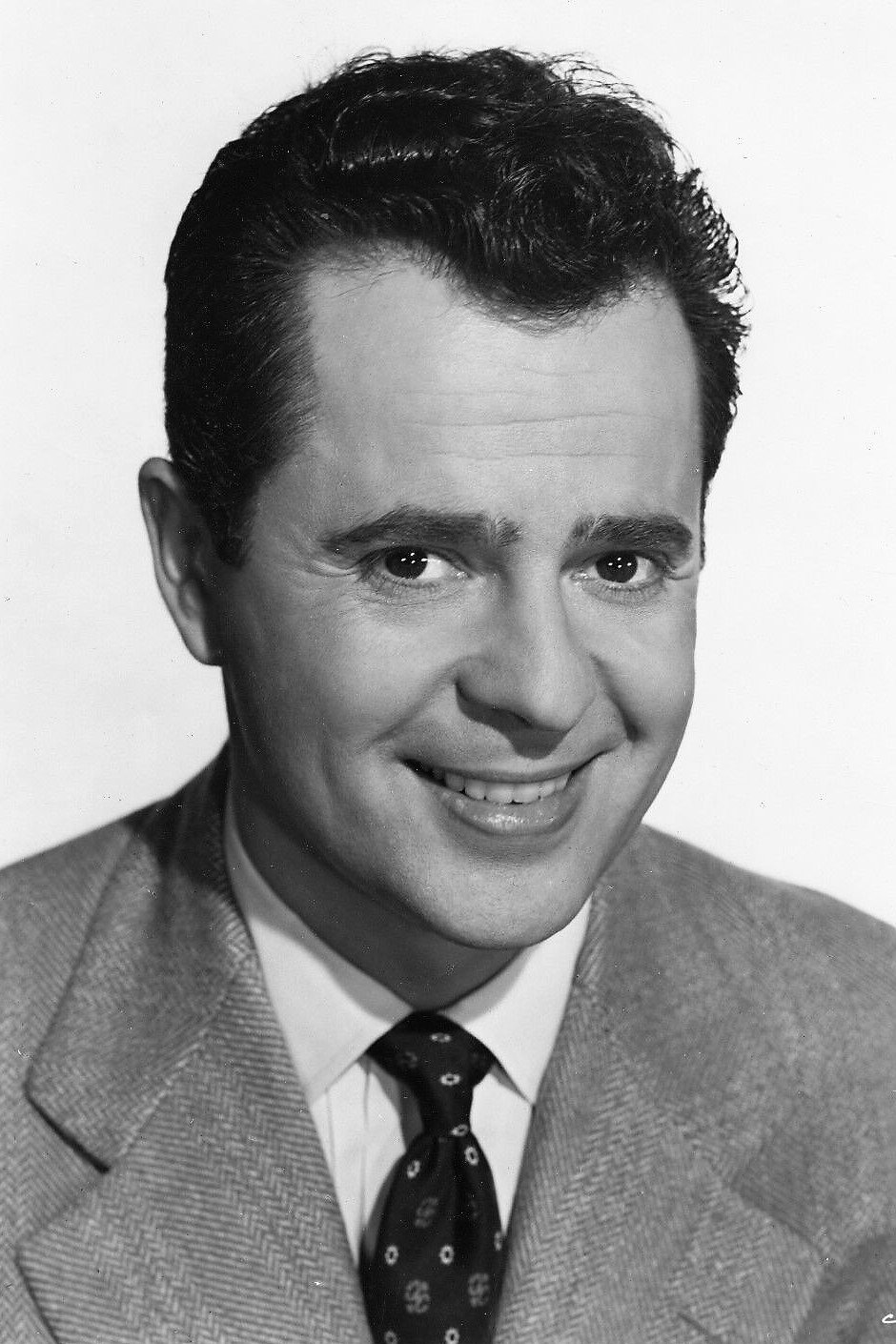
Larry Parks was a prominent actor who bravely admitted to previous political connections when questioned by the government. However, despite his honesty and cooperation, Hollywood studios blacklisted him, effectively ending his rising career. Even though he’d recently become famous in ‘The Jolson Story,’ he had to take jobs in other fields and rarely acted again. His experience sent a clear message to other performers about the risks of cooperating with the committee.
Howard Da Silva
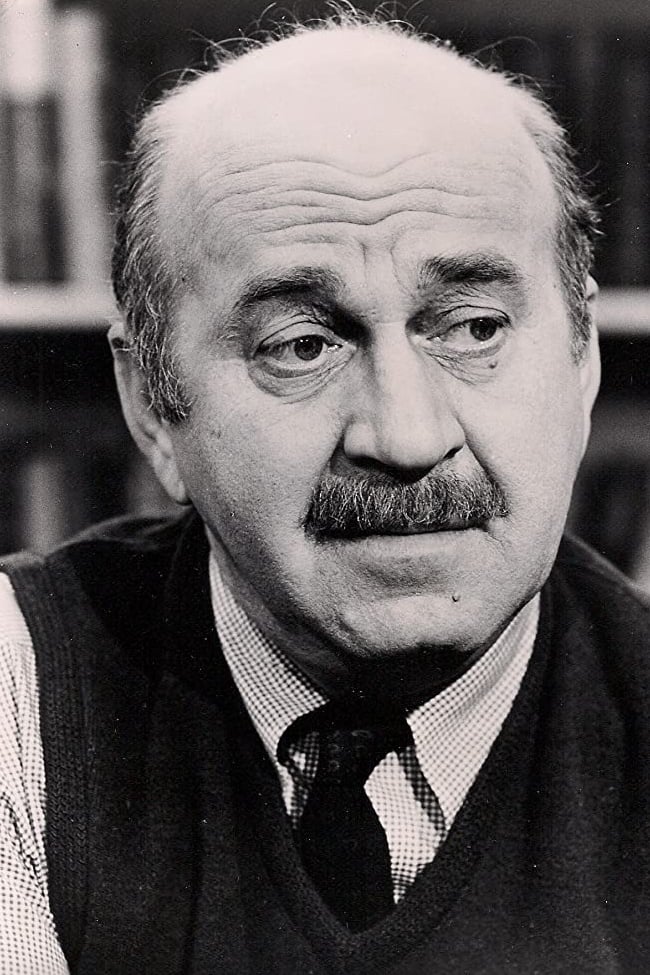
Howard Da Silva was a talented actor who worked steadily in films, including ‘The Lost Weekend,’ but his career was derailed when he was labeled a potential political troublemaker. Blacklisted from Hollywood for over ten years, he continued acting on stage. He eventually returned to film in the late 1960s and received praise for his performances. His experience serves as a stark reminder of the political blacklisting era.
Lionel Stander
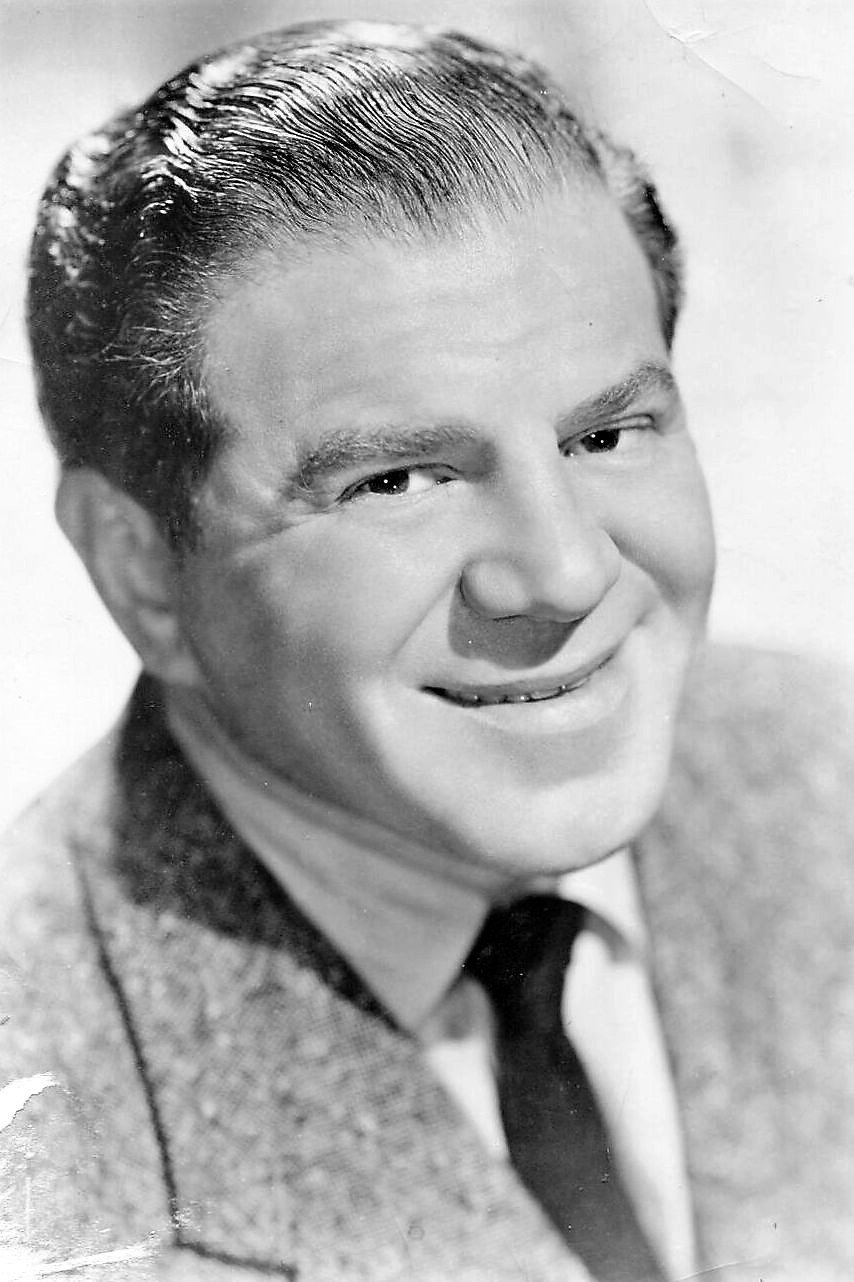
As a lifelong movie fan, I always found Lionel Stander to be a really memorable character actor – he just had this unique voice and way about him. It’s a shame his career was twice derailed by the blacklist. First, in the late 30s, and then again in the early 50s, it practically shut him out of Hollywood. He was one of the few who managed to keep working, though, moving to Europe and finding success in international films for years. It was wonderful to finally see him back on American screens later in life, especially in ‘Hart to Hart’. It’s amazing he was able to build a career overseas when so many others couldn’t during those difficult times.
J. Edward Bromberg
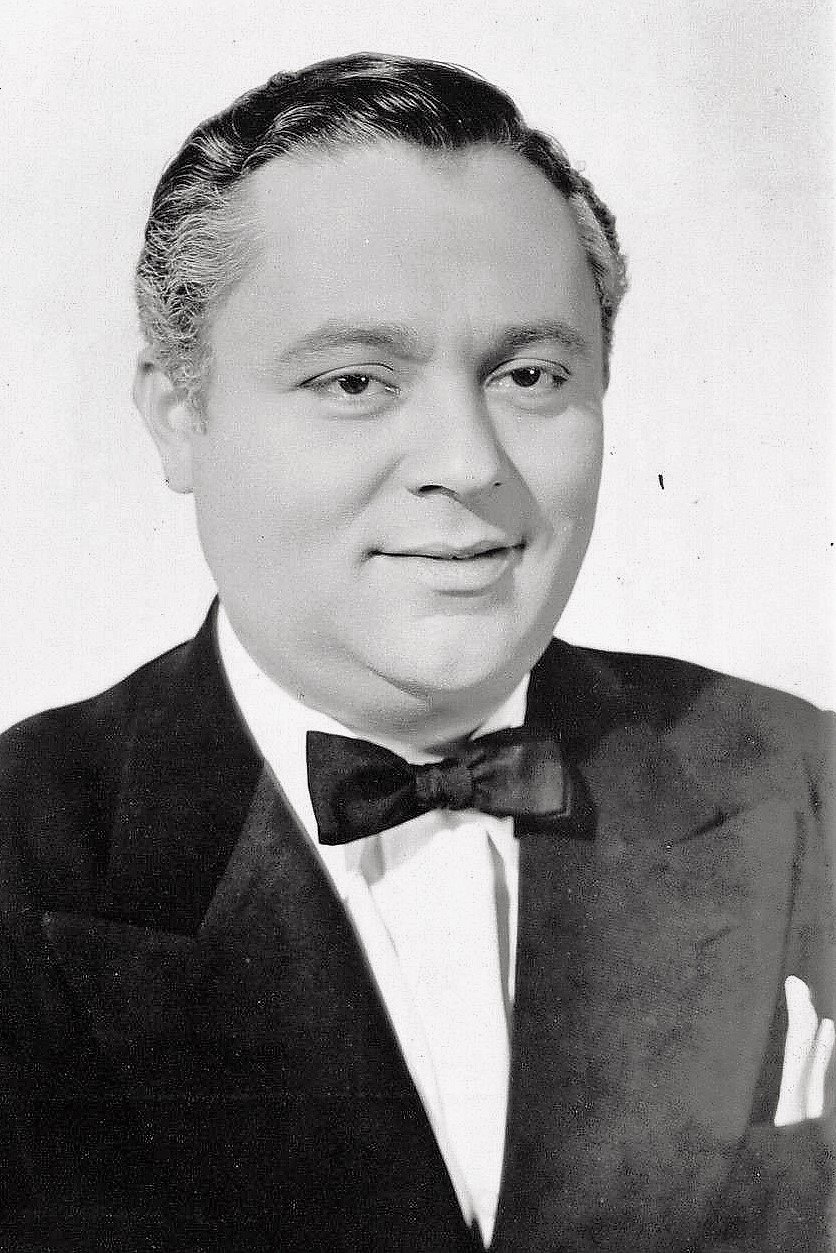
J. Edward Bromberg was a skilled actor whose career was destroyed during the McCarthy era. He was called to answer questions about his political views and who he knew, but he refused to cooperate. This led to him being unable to find work and caused him immense stress, both emotionally and physically. He moved to London hoping to continue acting, but sadly passed away soon after arriving. His story is a heartbreaking example of the damage caused by the Hollywood blacklist.
Philip Loeb
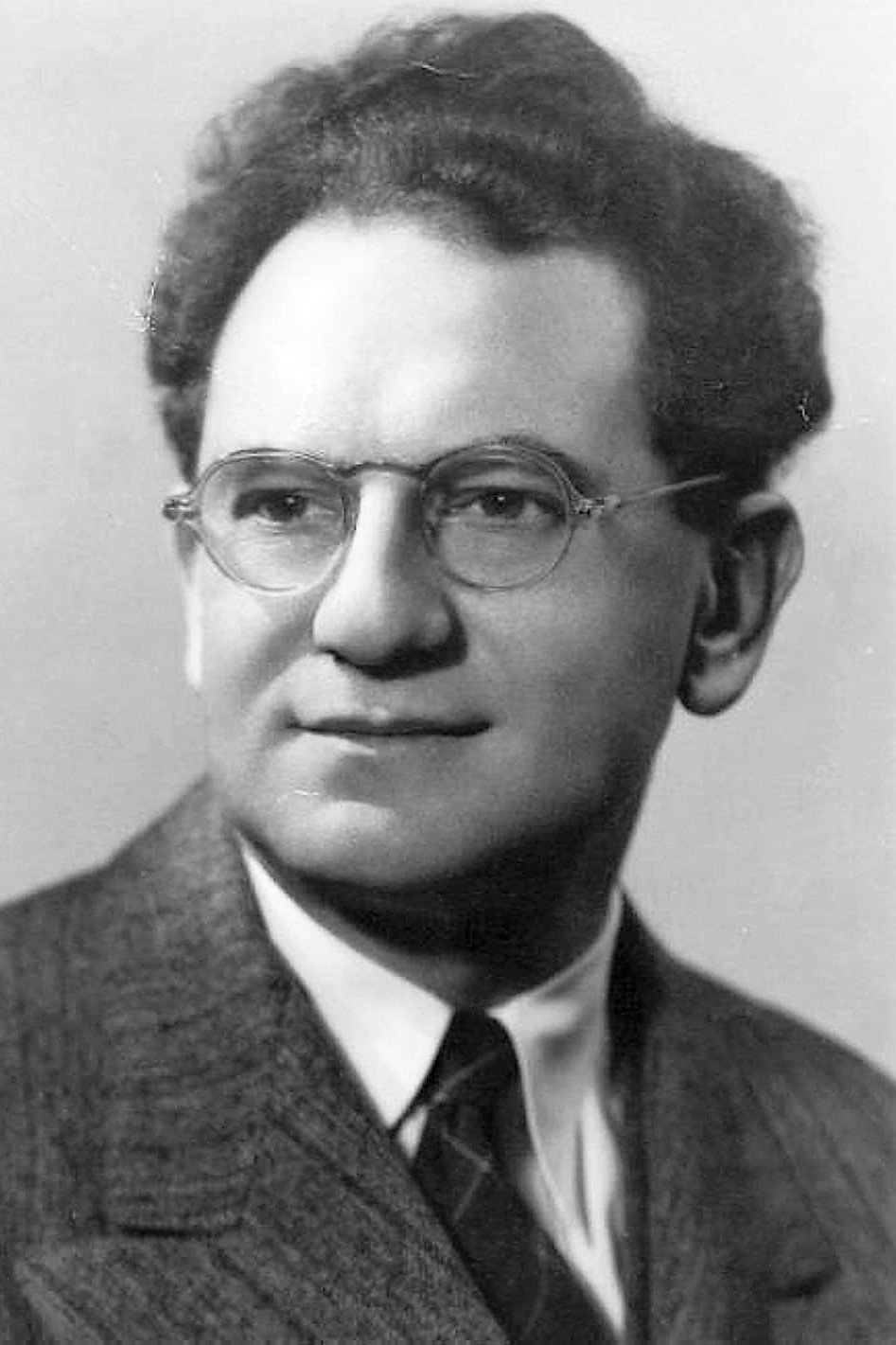
Philip Loeb was a well-liked TV actor known for his role in the early sitcom ‘The Goldbergs’. His career was cut short when he was blacklisted – unfairly labeled as having radical political views in a published list. Even though his fellow actors supported him, the network and advertisers ultimately made him leave the show. This led to a difficult time in his personal life, and he is remembered as a significant figure in the history of the early television blacklist.
Burgess Meredith
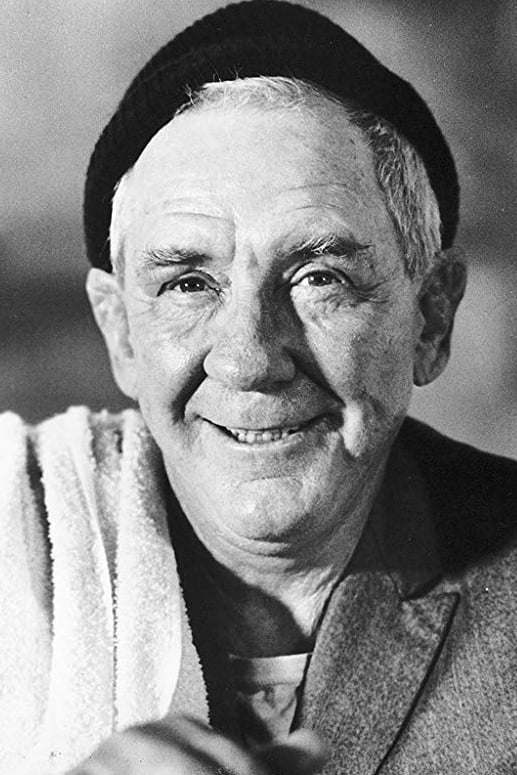
Burgess Meredith was a talented and well-regarded actor who, like many others, found his career hampered during a difficult period in the mid-20th century. Though not officially blacklisted, he saw a noticeable decline in job offers and spent several years taking on smaller parts and performing on stage. Eventually, his career rebounded, and today he’s best known for his memorable portrayal of Mickey in the ‘Rocky’ movies. He successfully navigated this challenging time and became a cherished and enduring figure in film.
Lee J. Cobb
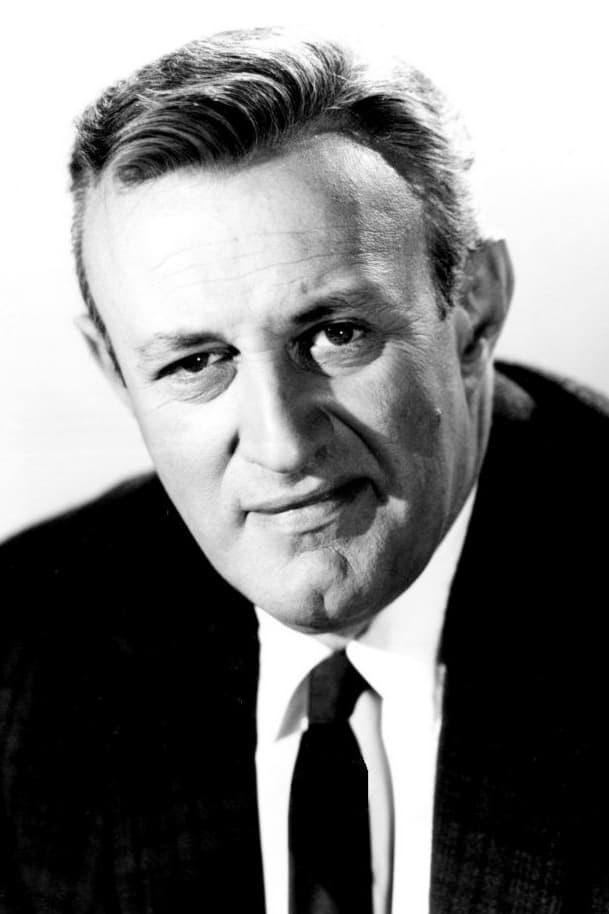
Lee J. Cobb was a talented and impactful actor who initially refused to cooperate with the House Un-American Activities Committee. However, fearing the loss of his career, he eventually agreed to testify. While this allowed him to continue working, including roles in famous films like ‘On the Waterfront,’ it damaged his relationships with many former colleagues. Cobb’s story highlights the tough decisions actors faced during that time to protect their livelihoods.
Sterling Hayden
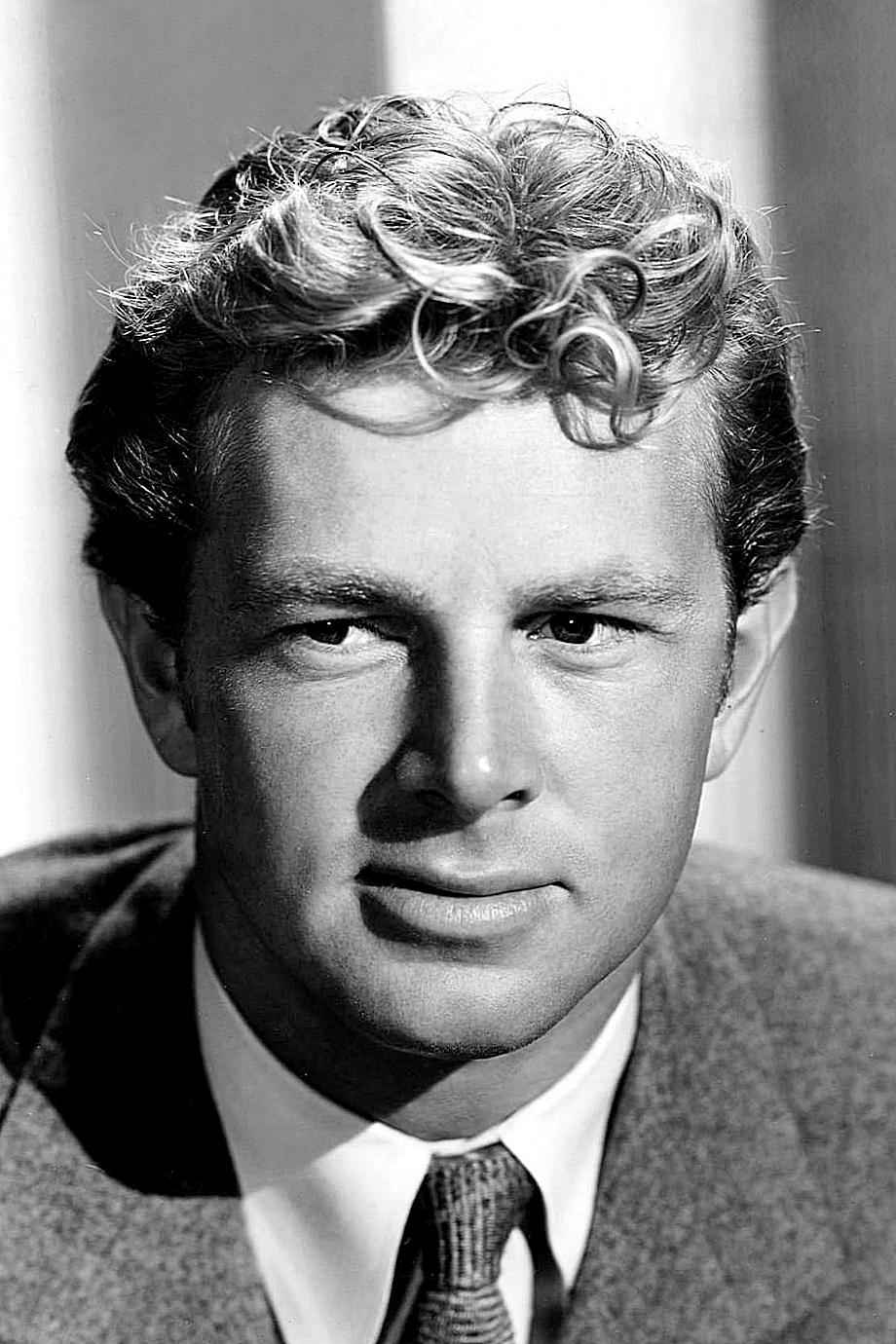
Sterling Hayden was a tough, charismatic actor who faced a tough decision: to help government investigators during a period of intense scrutiny. He later regretted his cooperation, feeling he’d compromised his values to save his career. Even with his help, he remained an outsider in Hollywood. Despite this, he continued to appear in successful films like ‘Dr. Strangelove’ and ‘The Godfather’ for many years. His autobiography honestly explores the lasting guilt he felt after surviving the Hollywood blacklist.
José Ferrer
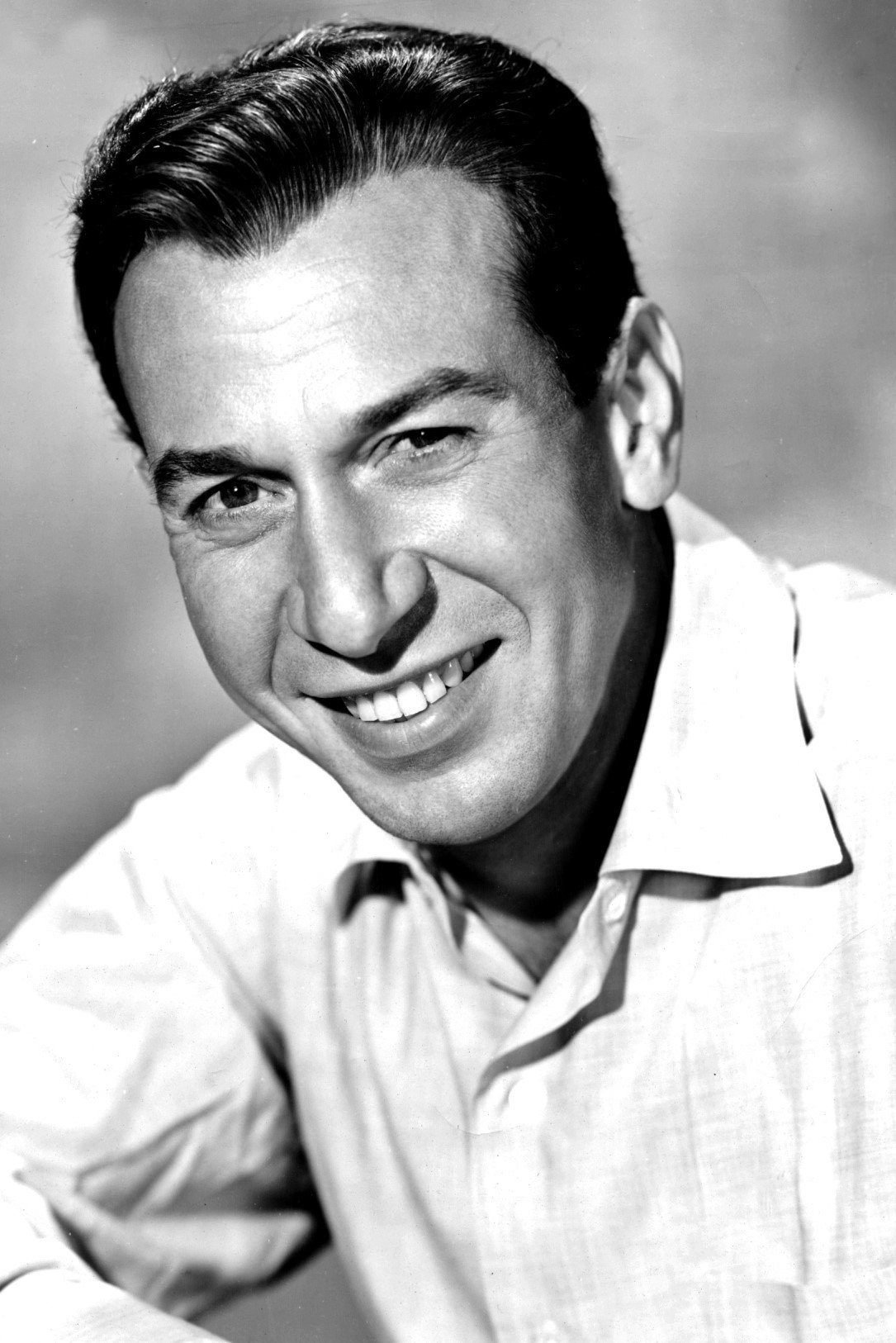
José Ferrer was a remarkably talented actor and director, and a pioneer as the first Puerto Rican to win an Academy Award. During the Red Scare, he faced accusations about his past and had to work to protect his career in Hollywood. While he wasn’t completely blacklisted, the investigation cast a shadow over his work for quite some time. Despite this political pressure, Ferrer continued to thrive in both acting and directing, building a long and successful career in entertainment through his determination.
Orson Welles
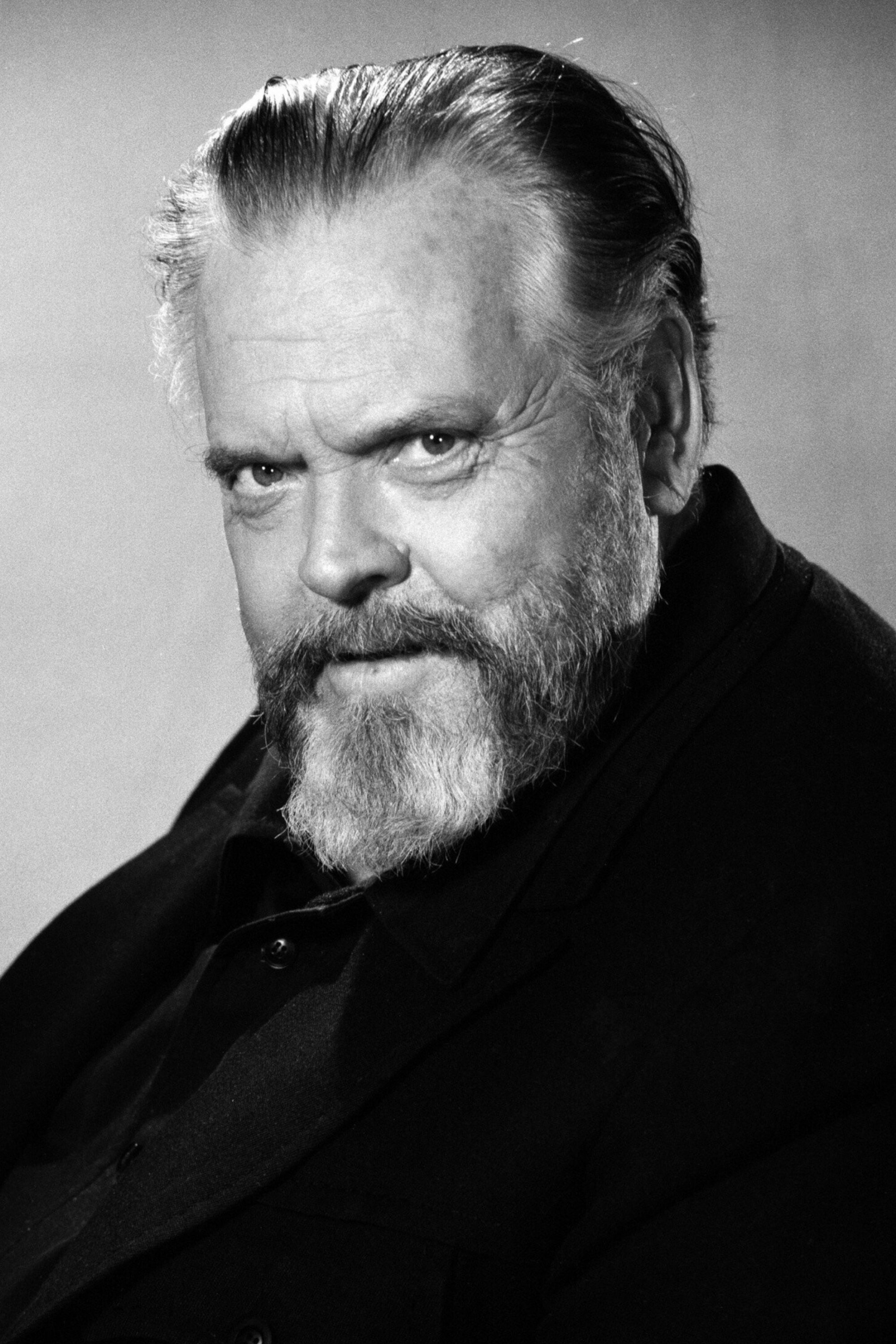
Orson Welles was a remarkably creative filmmaker and actor who often disagreed with the big Hollywood studios. His strong political beliefs and his insistence on artistic freedom caused many conflicts with studio bosses. Feeling shut out in America, he worked extensively in Europe throughout his career. Though not officially blacklisted, he was largely excluded from major studio projects for years. Despite these difficulties, Welles remains a hugely important and influential figure in the history of film.
Robert Downey Jr.
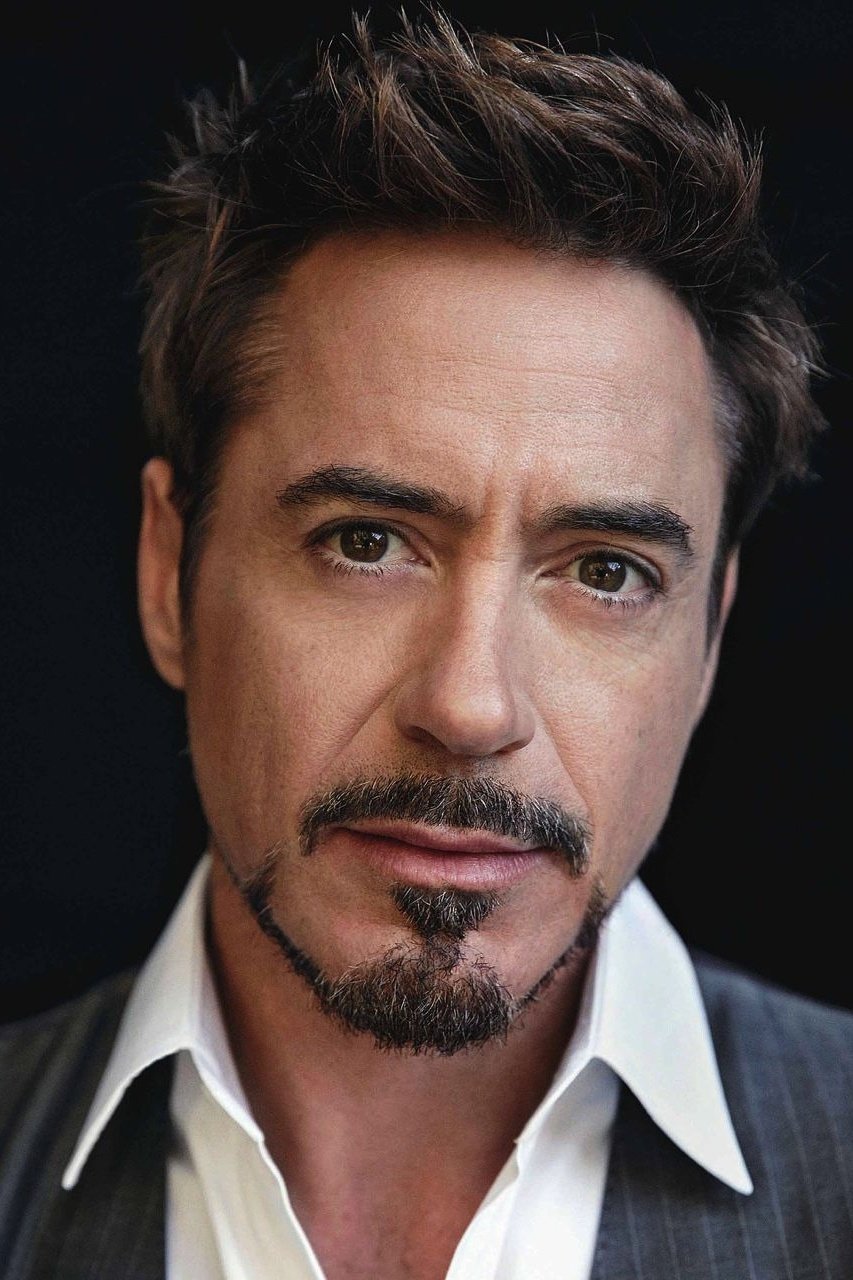
Robert Downey Jr. faced a difficult period in his career. Years of public struggles with legal issues and addiction made him a risky hire for big movie studios – insurance rates to cover him became prohibitively expensive. He worked on smaller, independent films while he got his life back on track. Eventually, with support from colleagues and a pivotal role in ‘Iron Man’, he turned things around. He went from being someone studios avoided to becoming one of the most successful actors ever.
Brendan Fraser
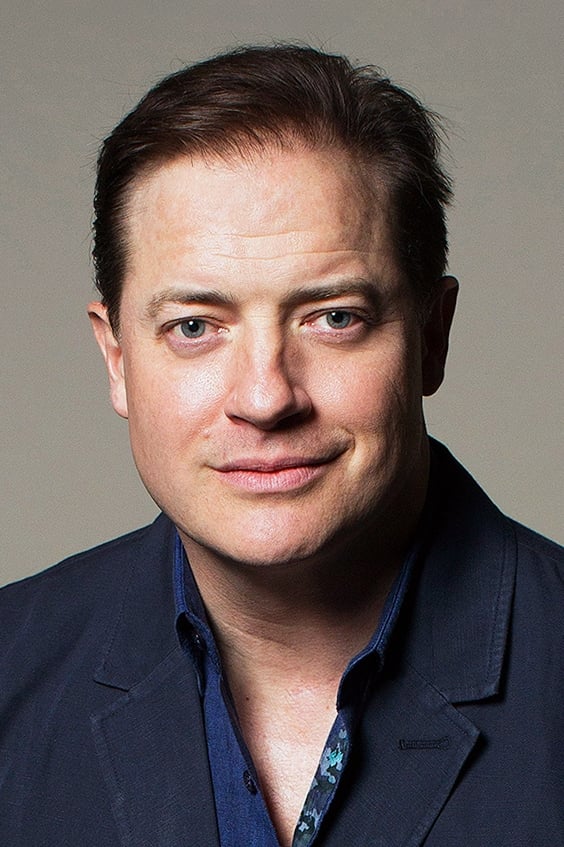
After Brendan Fraser spoke out about inappropriate behavior by a prominent industry figure, he found himself largely shut out of Hollywood. He received far fewer job offers from major studios, and his career stalled. It took years, and a critically acclaimed role in ‘The Whale’, for him to regain prominence. His experience has brought important attention to how the entertainment industry treats people who report misconduct.
Mel Gibson
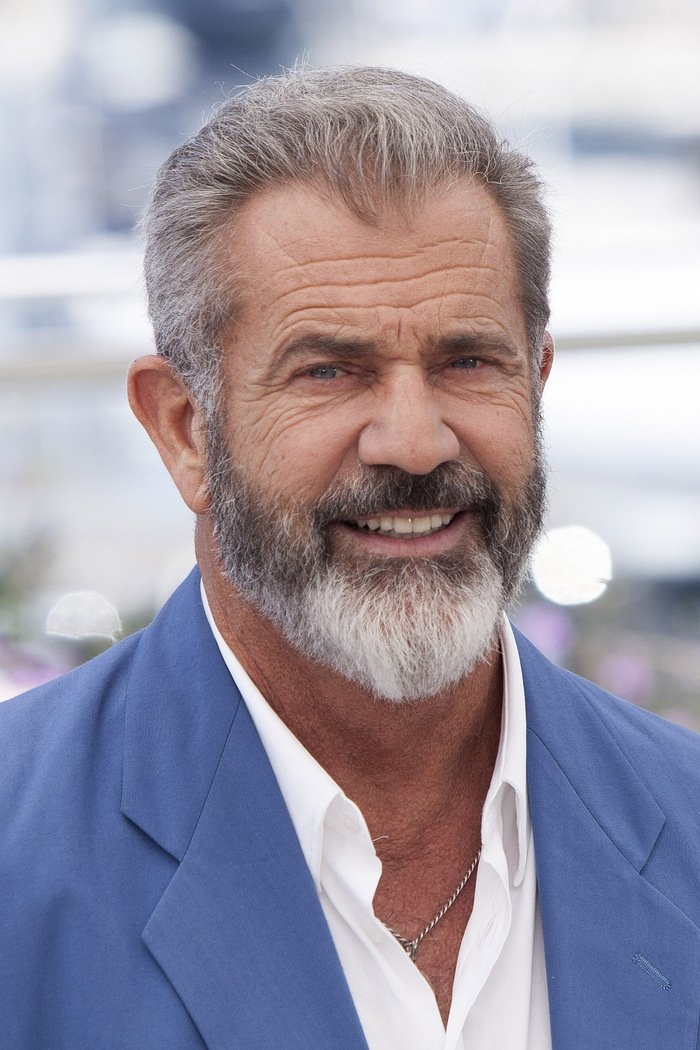
After making deeply offensive public statements and facing personal legal troubles, Mel Gibson found himself largely ostracized by Hollywood for almost ten years. The controversy, stemming from anti-Semitic remarks made during an arrest, led to a lack of leading roles and funding for his films. He gradually worked his way back by taking on independent projects, eventually earning a directing nomination for ‘Hacksaw Ridge’. His experience demonstrates how personal conduct can significantly impact a career in the entertainment industry.
Charlie Sheen
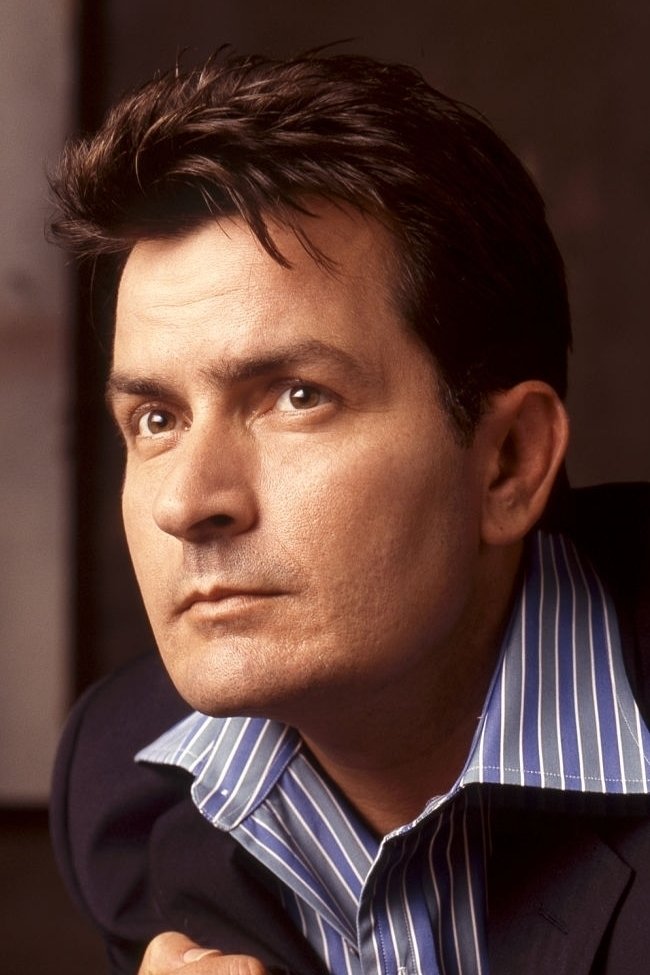
Charlie Sheen was once the highest-paid actor on TV, but his career took a downturn after a very public personal crisis led to him being fired from a popular show. His unpredictable actions and outspoken complaints about those he worked with caused a major dispute with the network. Because of his reputation for being challenging to work with and his unstable personal life, studios became reluctant to hire him. Though he’s continued to work on smaller projects, he hasn’t regained the same level of success he once had. His story is a clear example of how disagreements with studios can derail a career.
Jim Caviezel
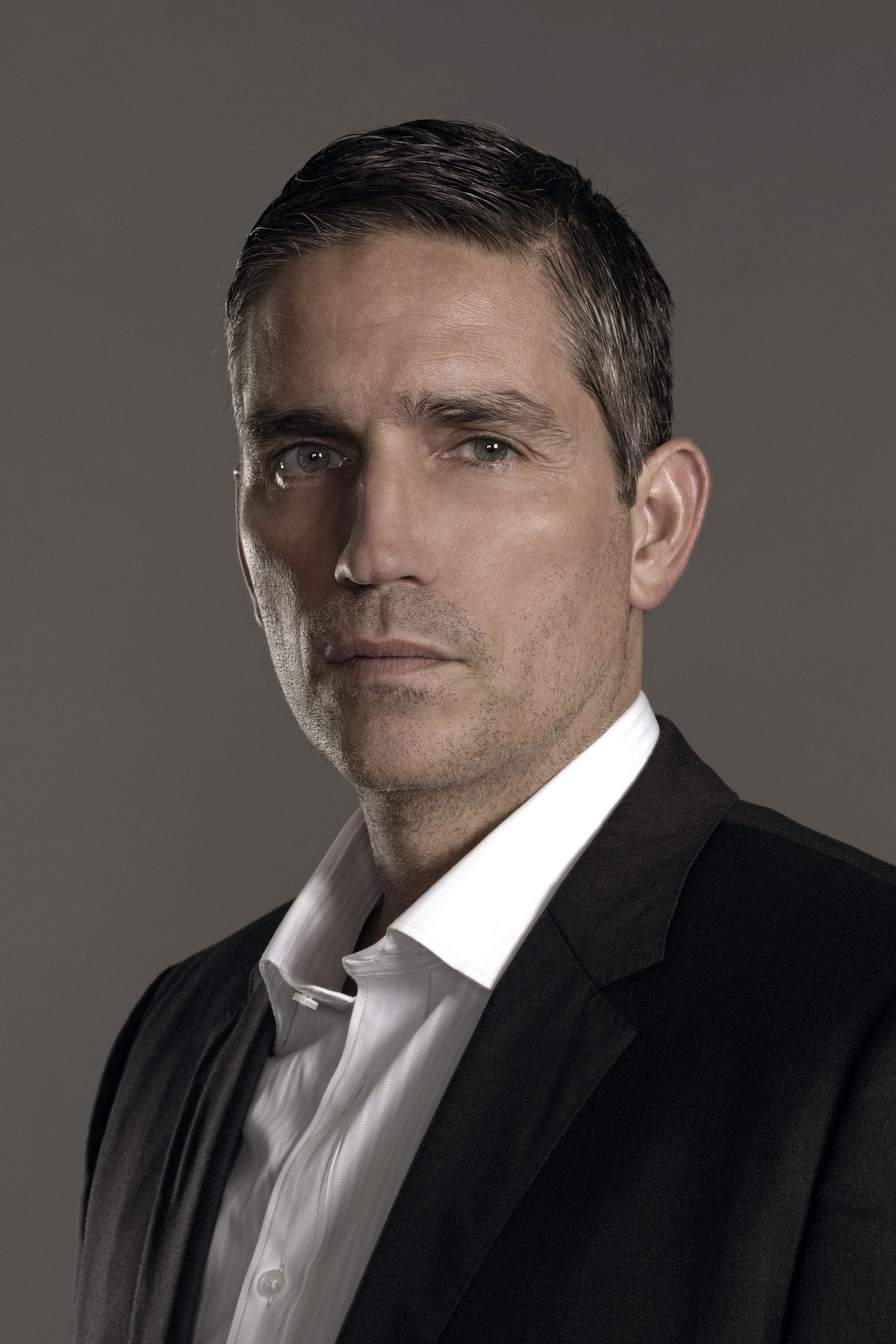
As a fan, it’s really sad to hear how Jim Caviezel feels his career was affected after doing ‘The Passion of the Christ.’ He’s said himself that the film was so controversial, Hollywood basically shut him out of big roles. He’s still working, thankfully, doing TV and faith-based movies, but he’s not really part of the big studio system anymore. It’s a shame, and he’s been really open about how his beliefs and the film impacted his career. It just shows how different mainstream Hollywood is from finding success in more specific, niche areas.
Corey Feldman
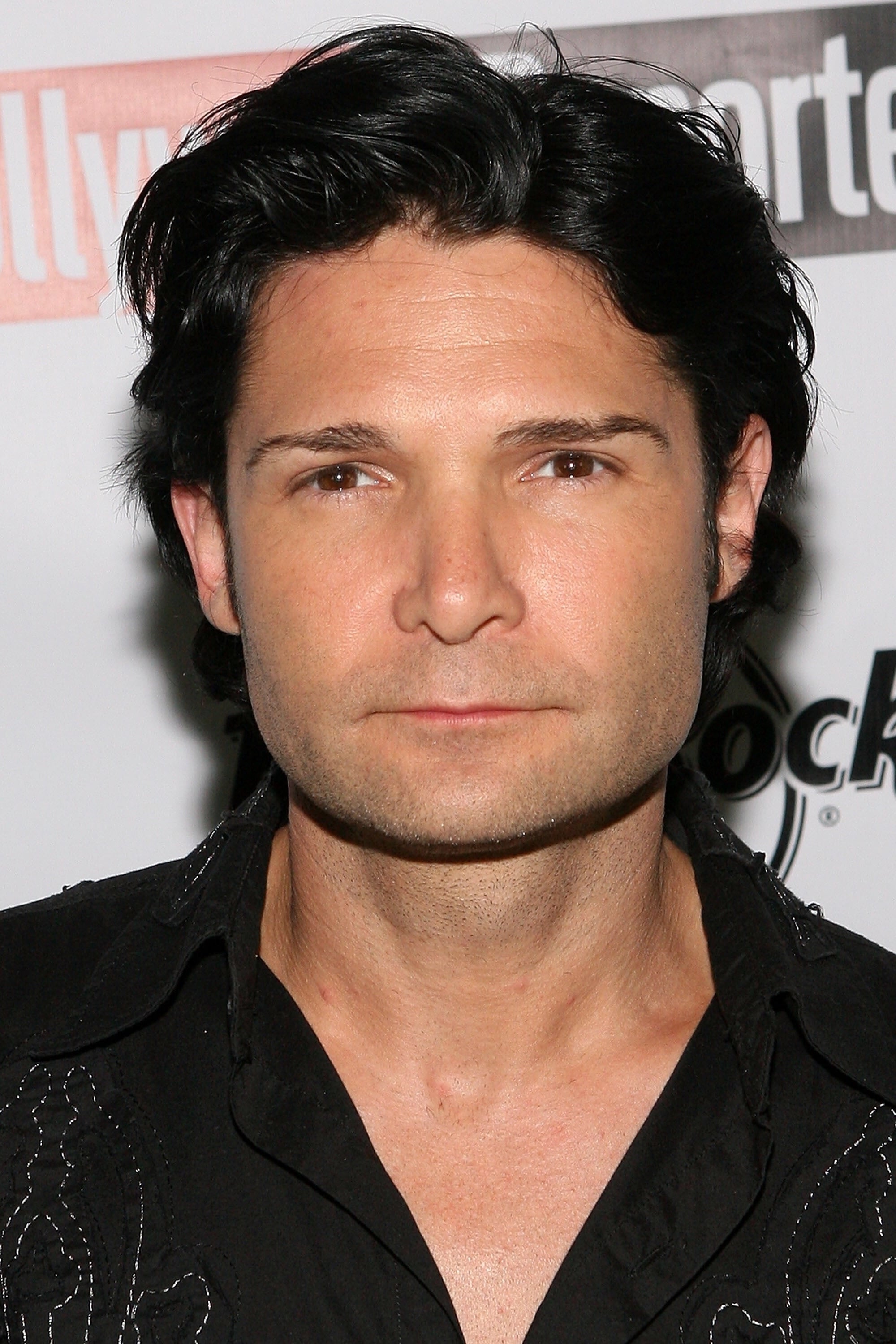
For years, Corey Feldman has stated he was effectively shut out of Hollywood after trying to reveal widespread problems and abuse within the entertainment industry. He feels that his attempts to safeguard young actors resulted in major studios refusing to work with him. Although he’s continued to pursue music and independent films, he hasn’t been involved in large studio productions. His experiences continue to spark debate about honesty and openness within the industry.
Isaiah Washington
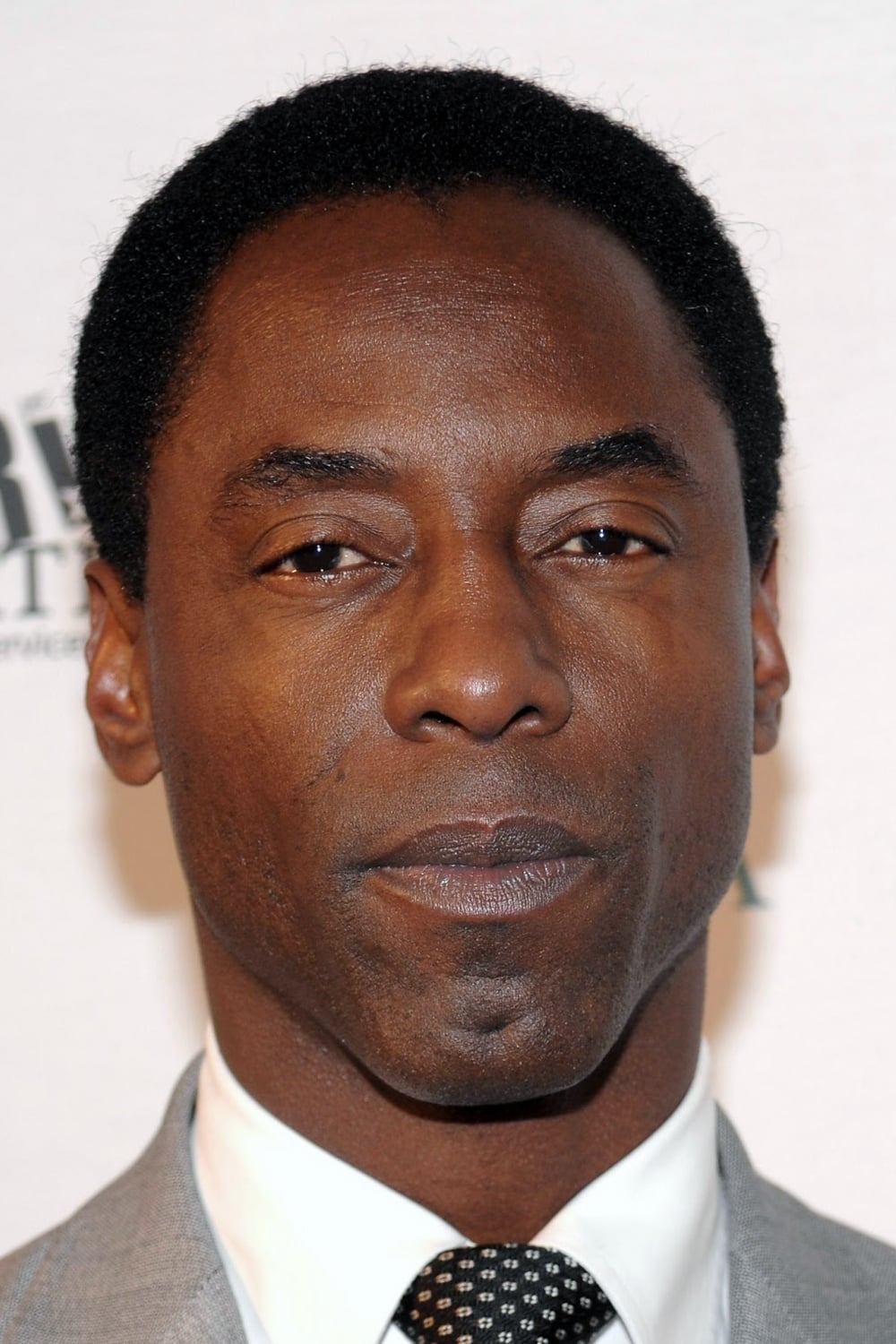
I remember when Isaiah Washington was let go from ‘Grey’s Anatomy’ – it was a huge deal. He got into a conflict and unfortunately used a really hurtful slur towards a fellow cast member. There was a massive public outcry, and ultimately, the network fired him. It was tough to watch, and it seemed like he really struggled to find work in mainstream TV or movies after that. He’s talked about feeling shut out, and for a while, he had to focus on independent films and smaller cable projects. It’s good to see him still working, but it’s a shame things played out the way they did.
Mickey Rourke
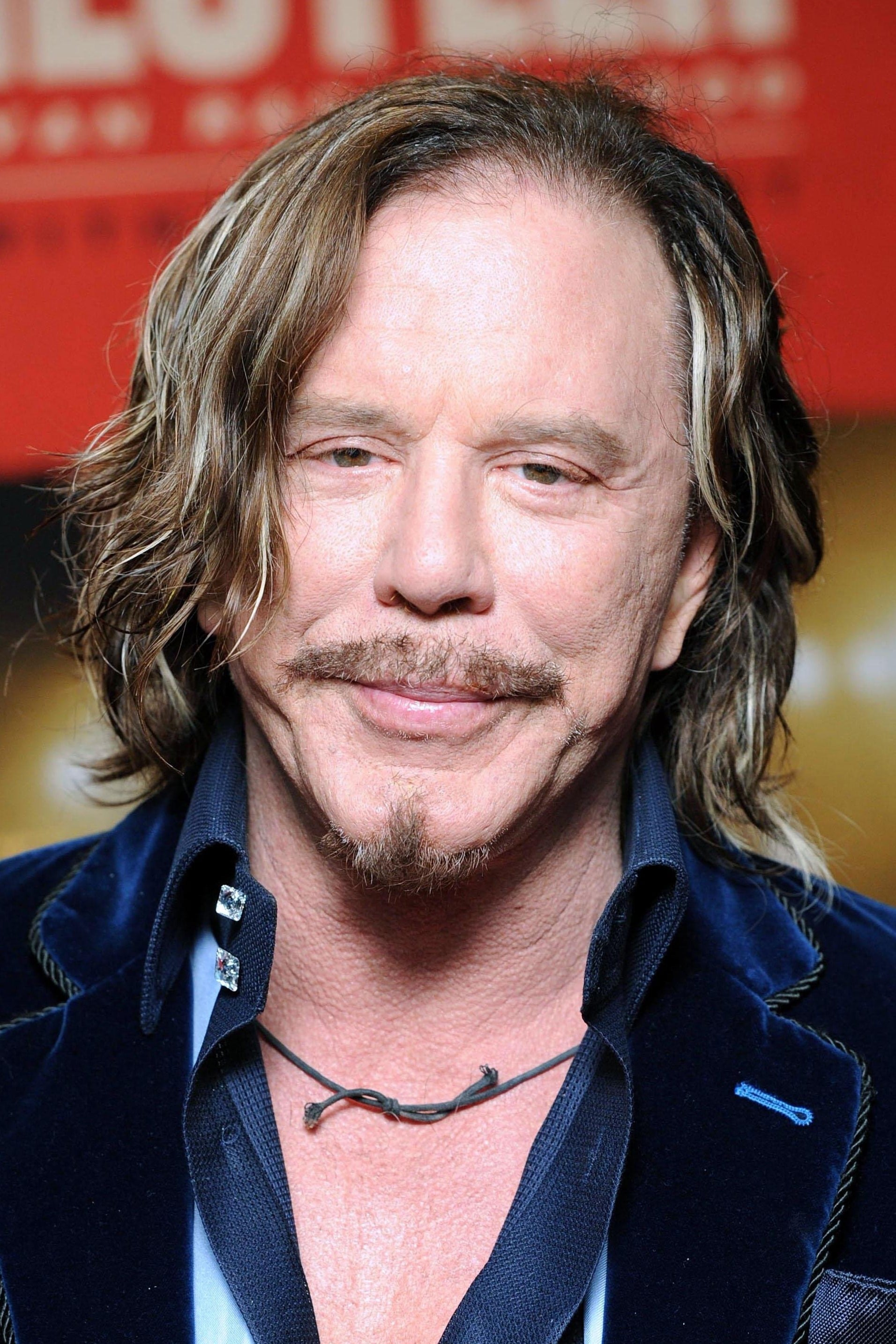
Mickey Rourke was a promising actor who gained a reputation for being difficult, making him hard for studios to collaborate with. This led to a twenty-year slump in his career as he chose to box professionally instead of pursuing major film roles. Known for being combative and unpredictable on set, he struggled to find work. However, he made a remarkable comeback with his critically acclaimed performance in ‘The Wrestler,’ which earned him an Academy Award nomination. His journey is a well-known example of an actor successfully rebuilding their career after a long period of being sidelined.
Edward Norton
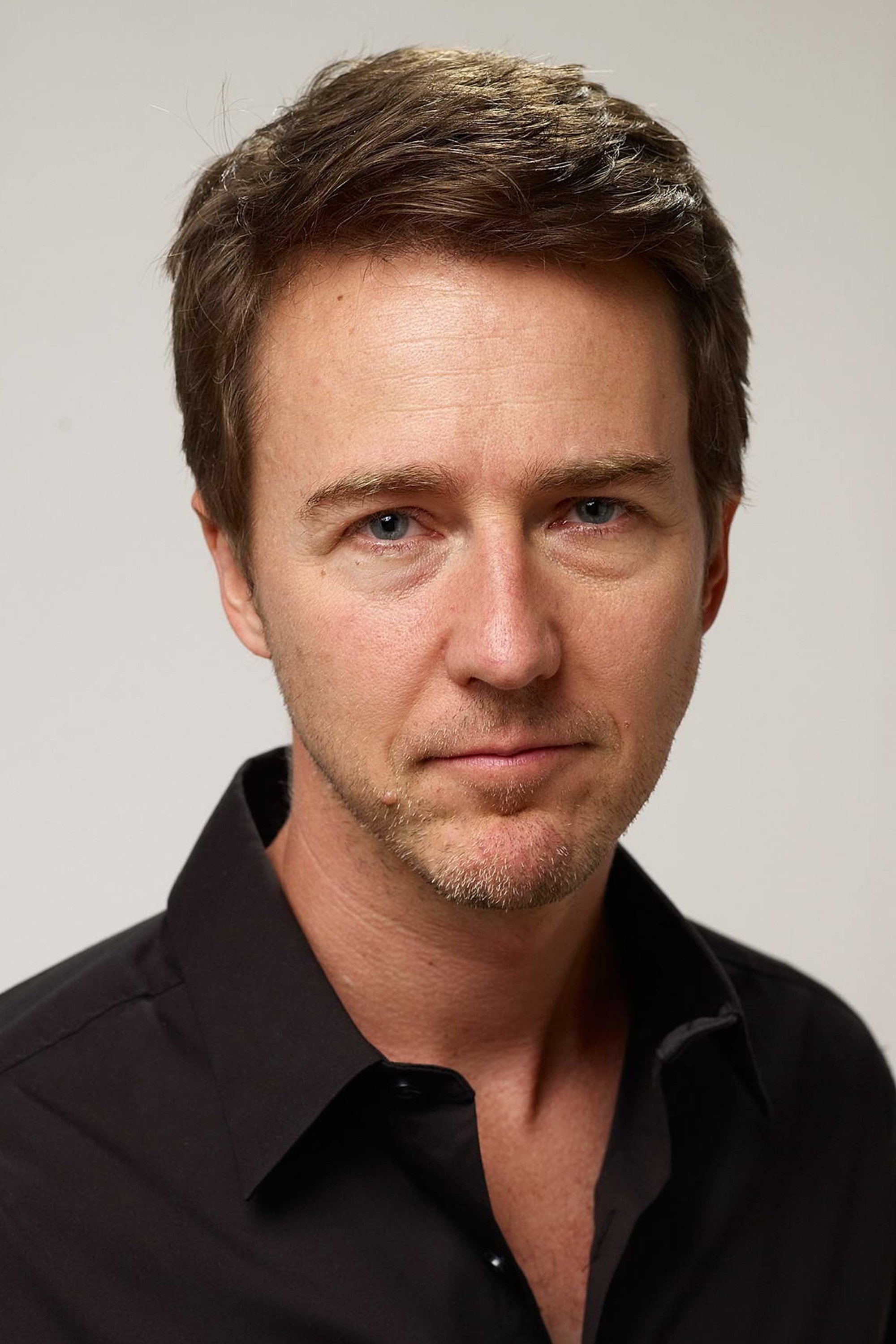
Edward Norton is known as a very talented actor, but his desire to have a lot of creative control over his work has sometimes caused problems with film studios. He famously clashed with Marvel during the making of ‘The Incredible Hulk’ and was ultimately replaced. Some studios became hesitant to hire him for big-budget films because of reports that he heavily involved himself in the writing and editing process. Despite this, he’s continued to thrive in well-received independent films and projects where directors appreciate his contributions. His career illustrates the often difficult balance between an actor’s artistic vision and the demands of the studio system.
Terrence Howard
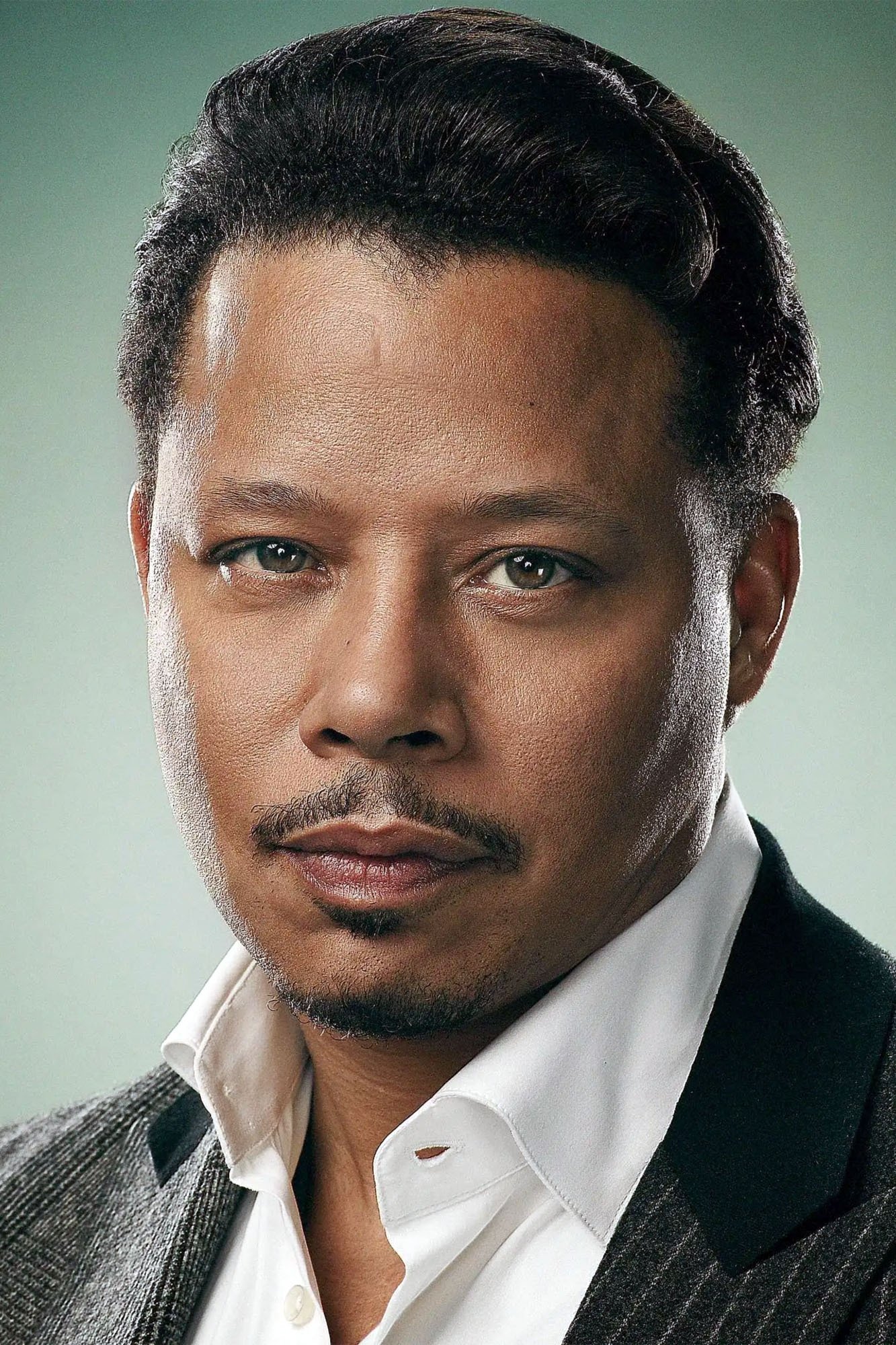
Terrence Howard played a crucial role in launching the Marvel Cinematic Universe, but a disagreement over his contract led to him being replaced. He stated that he was offered much less money for the next film, which he felt forced him out. After leaving the franchise, he struggled to find work for a while. He later achieved great success starring in the long-running TV series ‘Empire’. His story is a well-known example of how contract talks can affect an actor’s career in a major film series.
Val Kilmer
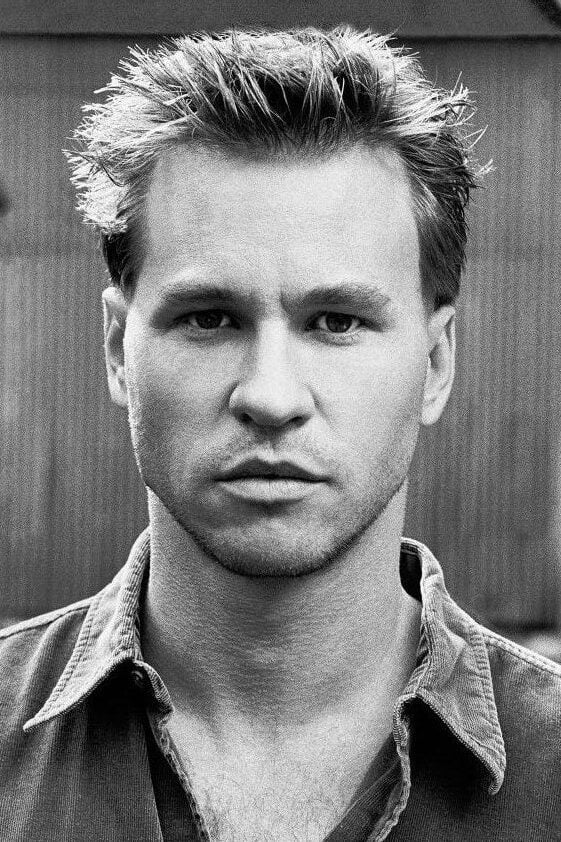
Val Kilmer was a major star in the 1990s, but he gained a reputation for being challenging on film sets. Several well-known directors shared negative experiences they had working with him on big movies. This reputation eventually led to fewer offers from major studios, as the industry favored actors known for being dependable. In recent years, he continued acting in smaller films and on stage while also facing health issues. His role in ‘Top Gun: Maverick’ was a touching comeback for the seasoned actor.
Danny Glover
Throughout his career, Danny Glover’s strong political beliefs and dedication to human rights have sometimes created difficulties in his professional life. He’s consistently spoken out against government policies and supported workers’ rights around the world. Some in the film industry believe this outspokenness may have limited his opportunities for leading roles in big-budget movies as his career progressed. However, he’s maintained a respected position in the industry and continues to work on films internationally, often prioritizing his values over commercial success.
Tim Robbins
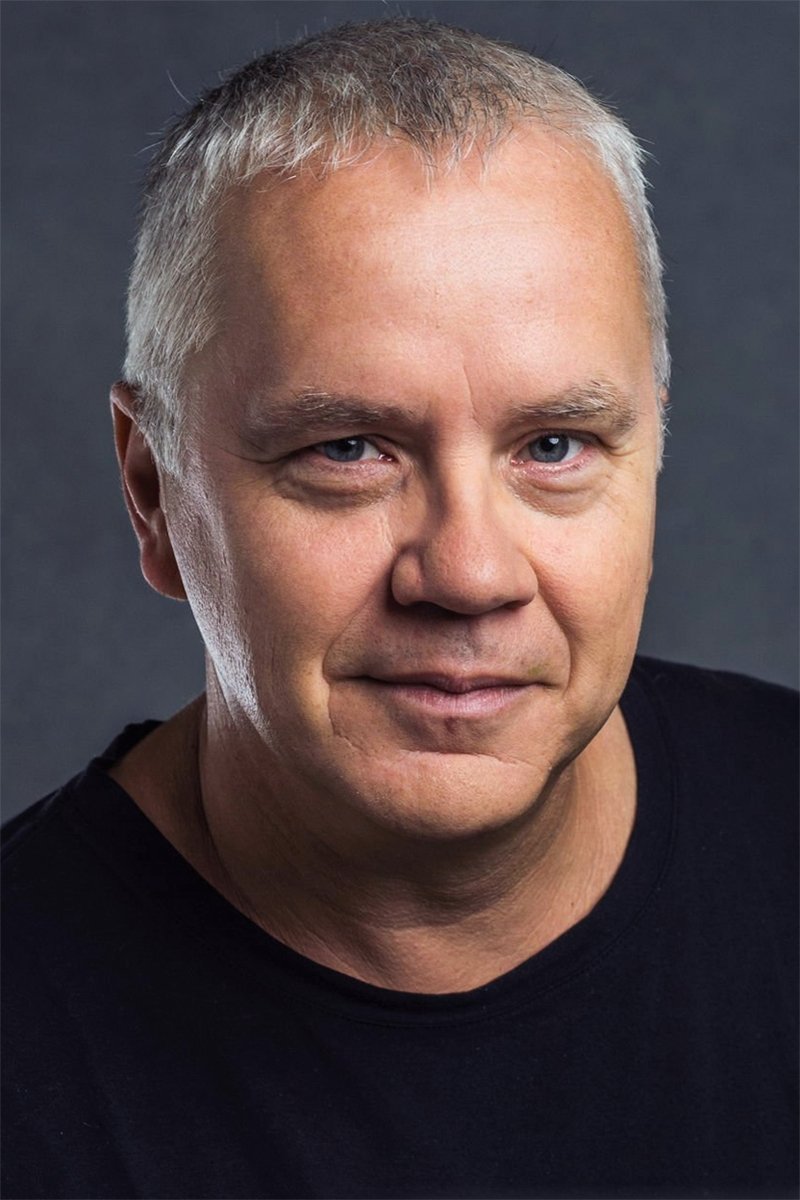
Tim Robbins, an Academy Award winner, saw a slowdown in his acting career after he publicly opposed the war in Iraq. He and his partner were notably uninvited from several industry events during that time, and he received fewer offers for major film roles. Though he continued to work, he focused more on independent films and projects with his own theater company. He’s since returned to more prominent roles, but that period of being sidelined remains a notable part of his career.
John Cusack
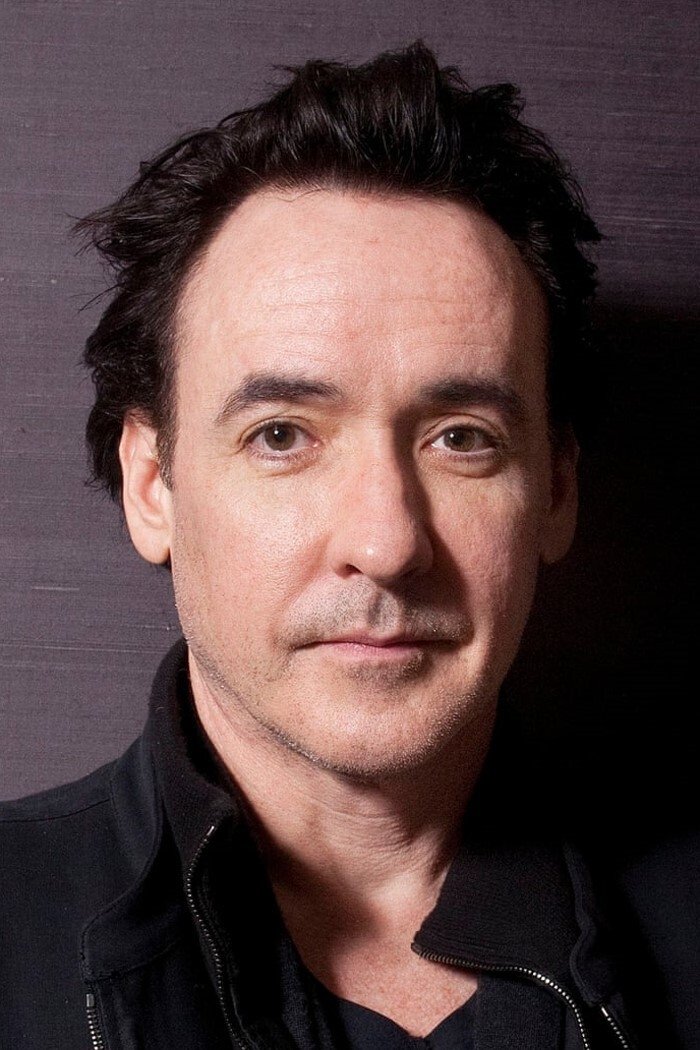
John Cusack has often criticized how Hollywood operates today, particularly the lack of artistic freedom and the increasing focus on profits. Many in the industry think his honest opinions and political views have resulted in fewer roles in big-budget films. As a result, he’s now primarily working on independent projects that he’s passionate about, demonstrating a clear shift away from the traditional studio system.
Kevin Spacey
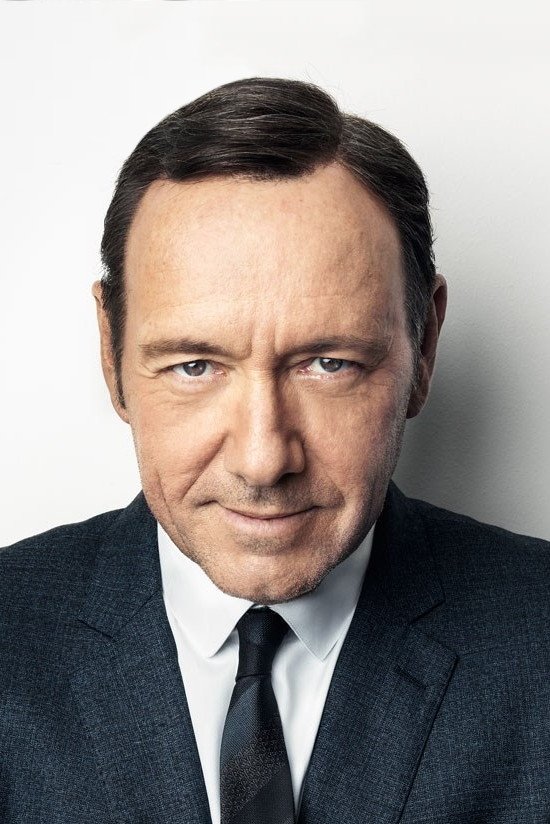
I remember when Kevin Spacey was huge in Hollywood – everyone respected him. Then, seemingly overnight, everything changed with those allegations. It was shocking how quickly his career fell apart. He was dropped from ‘House of Cards’ instantly, and even a finished movie had to be re-cast! Everyone – the studios, agencies, all of it – just cut ties with him. He’s been dealing with legal issues ever since, and it felt like he disappeared from our screens for years. It really showed me how quickly someone can be completely shut out in today’s world if accusations are made, even before everything is proven.
Armie Hammer
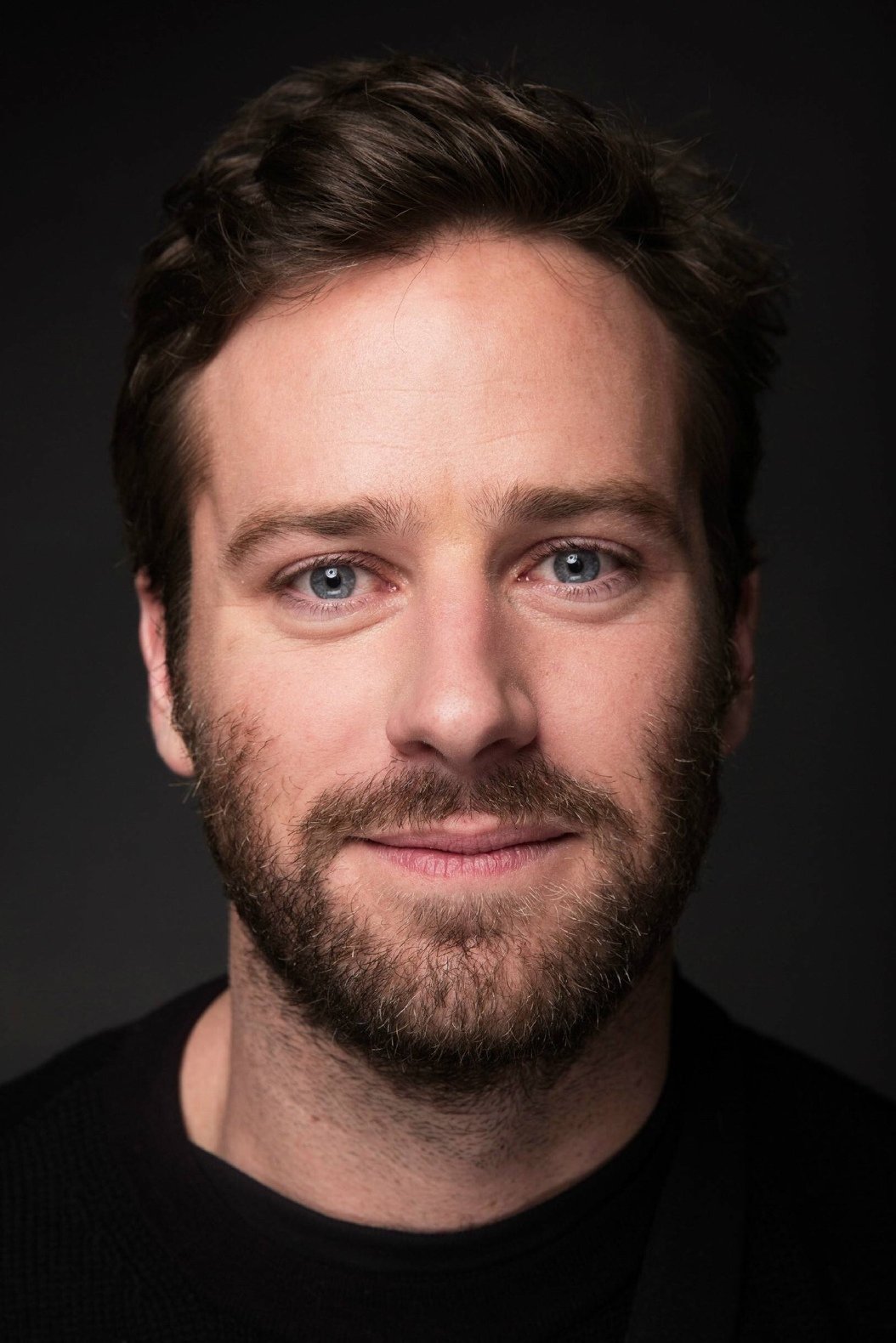
Armie Hammer’s career stalled quickly after troubling personal accusations appeared online. He lost his agency representation and was removed from several films. Studios avoided working with him as public criticism and legal investigations grew. Since then, he hasn’t been in any major Hollywood movies. This situation demonstrates how seriously the entertainment industry now takes personal behavior and scandals that surface on social media.
James Franco
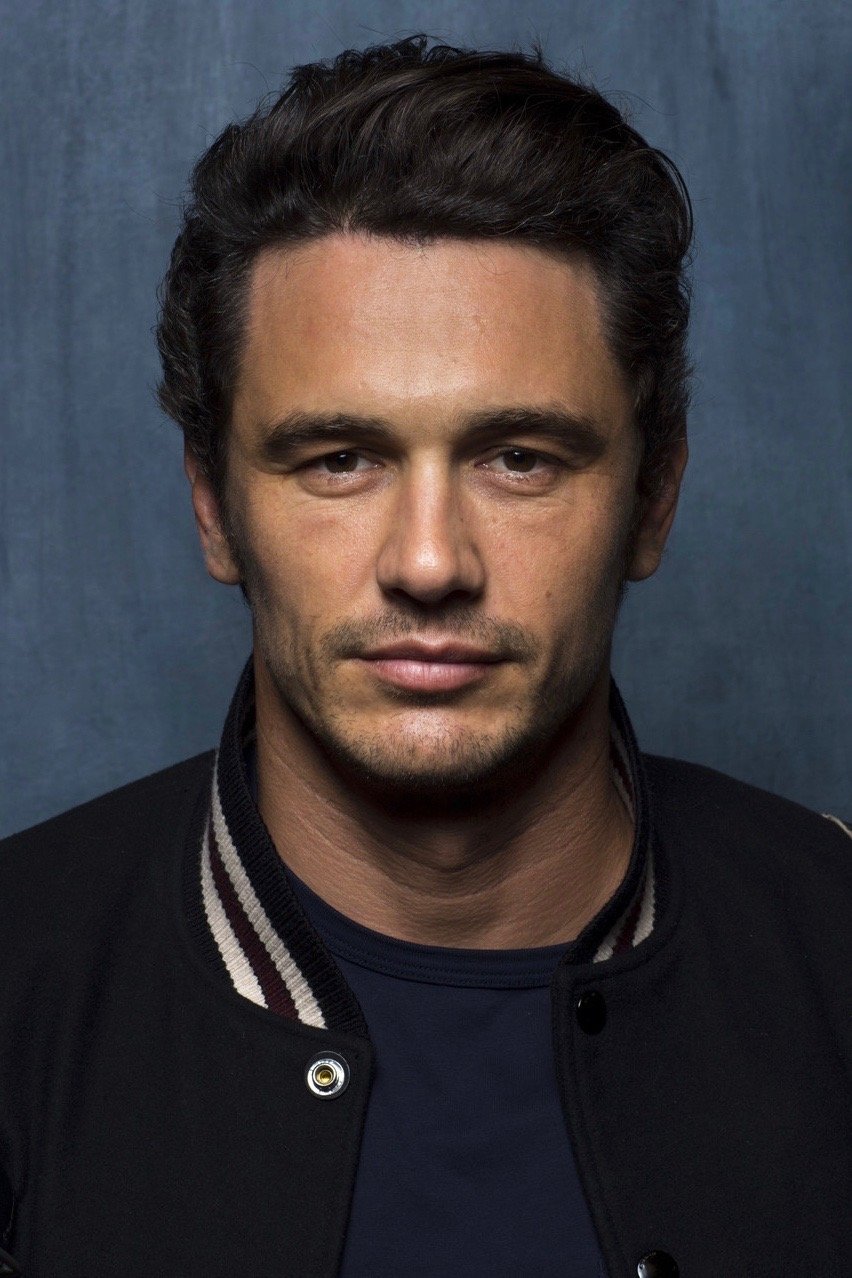
After accusations of inappropriate behavior involving his students, James Franco’s career took a major hit. Once a very busy actor and director, he’s no longer appearing in many big studio films. The controversy and resulting legal issues have made him a difficult person for major companies to work with. He’s mostly stayed out of the public eye, focusing on personal issues and smaller projects. This shows how quickly serious accusations can change someone’s career.
Shia LaBeouf
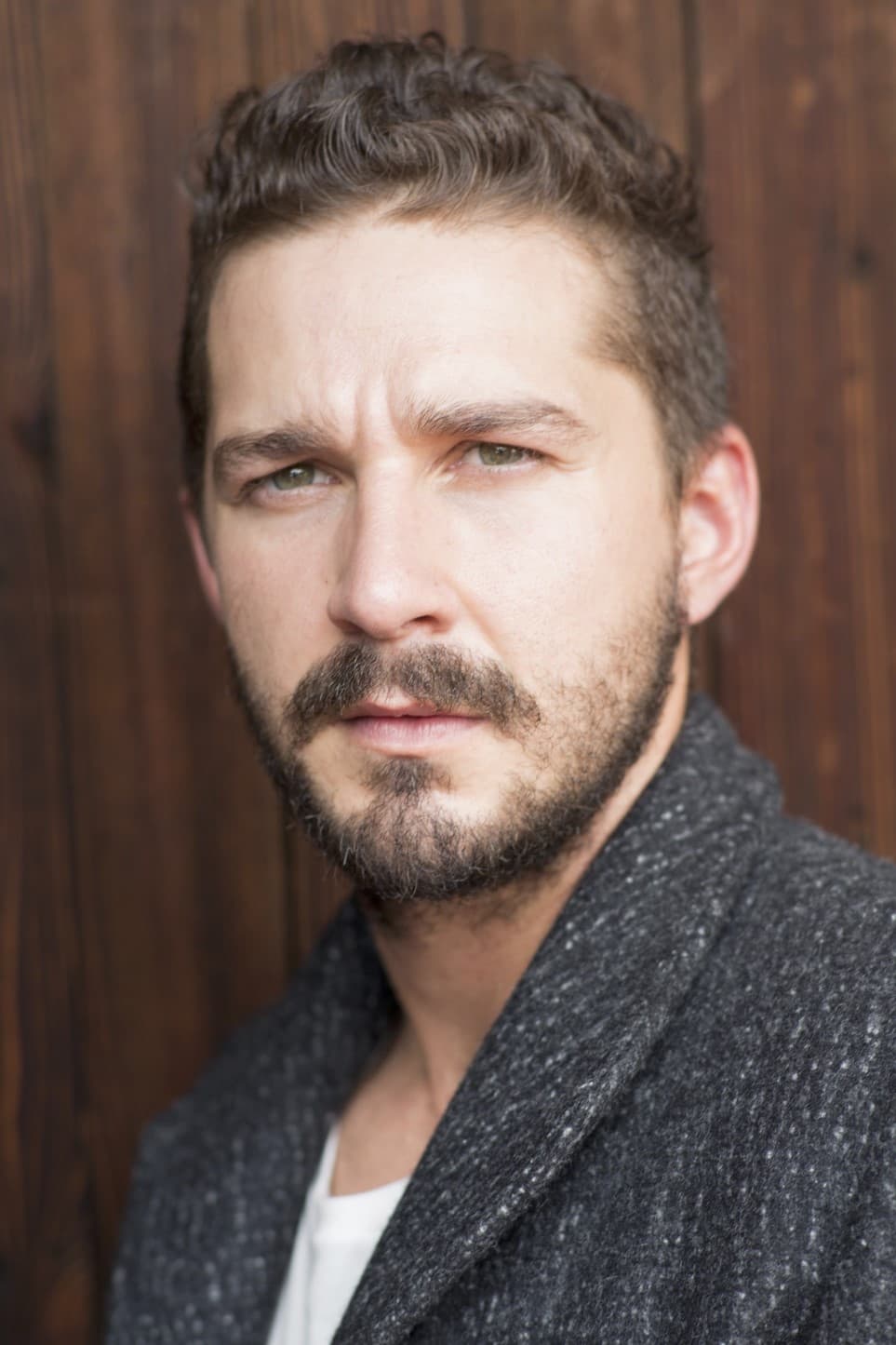
Shia LaBeouf’s career in Hollywood has been rocky, marked by legal troubles and unusual public behavior. Several well-publicized incidents have given him a reputation for being unpredictable, making studios hesitant to cast him in big-budget films, despite his clear talent. Recently, he’s been focusing on performance art and smaller, challenging film roles to continue working. His career is a compelling example of how talent and personal struggles can intersect.
Adrien Brody
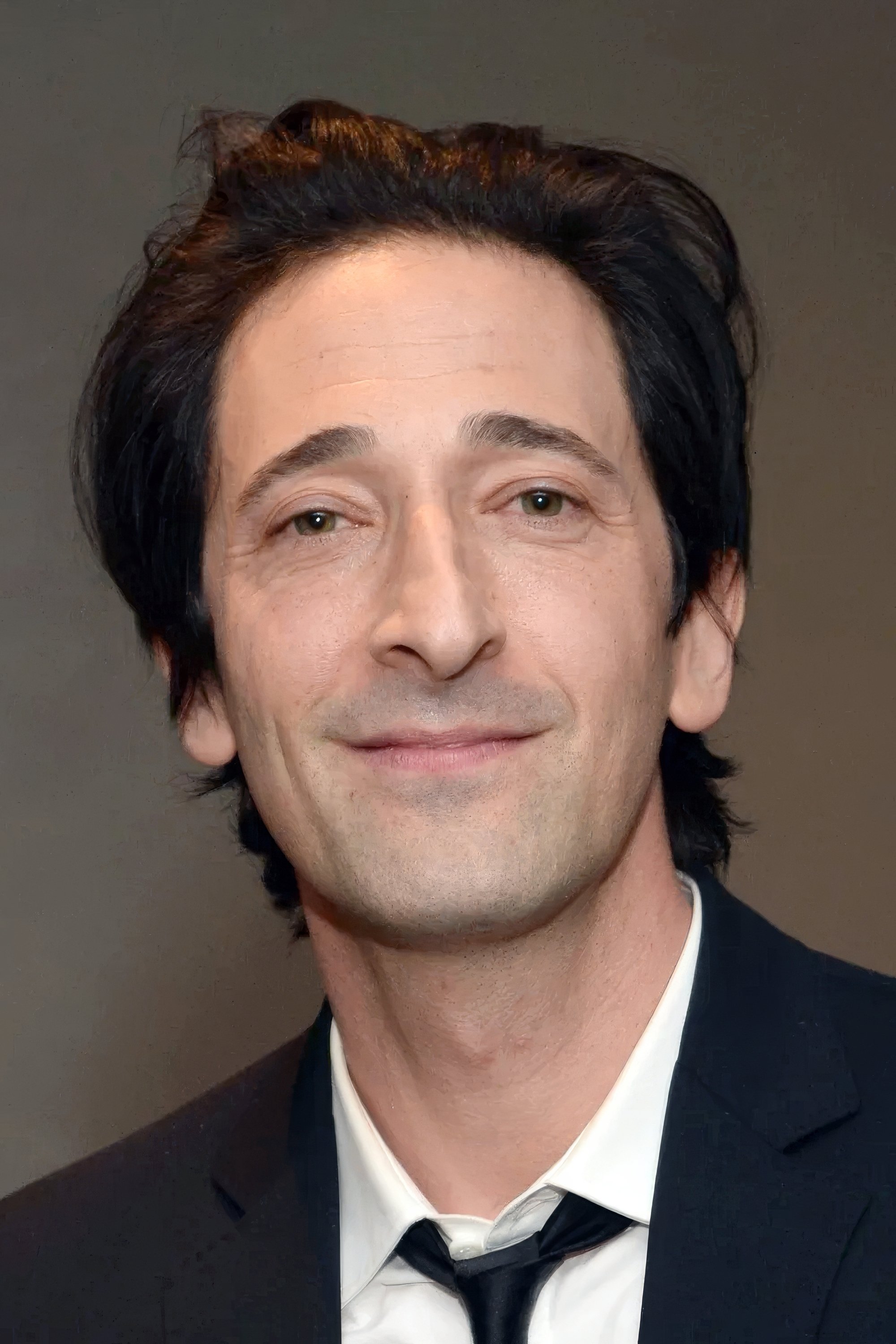
Adrien Brody won an Oscar early in his career, but afterward, big Hollywood studios seemed less interested in working with him. Some believe this was because he was known for carefully choosing his roles and taking on unconventional characters. There were also whispers that an off-the-cuff moment at the Academy Awards made some people in the industry see him as unpredictable. Although he’s continued to work consistently, he hasn’t often returned to being a major leading man in big-budget films. He’s now highly respected and in demand as a character actor, particularly in international and independent movies.
Richard Dreyfuss
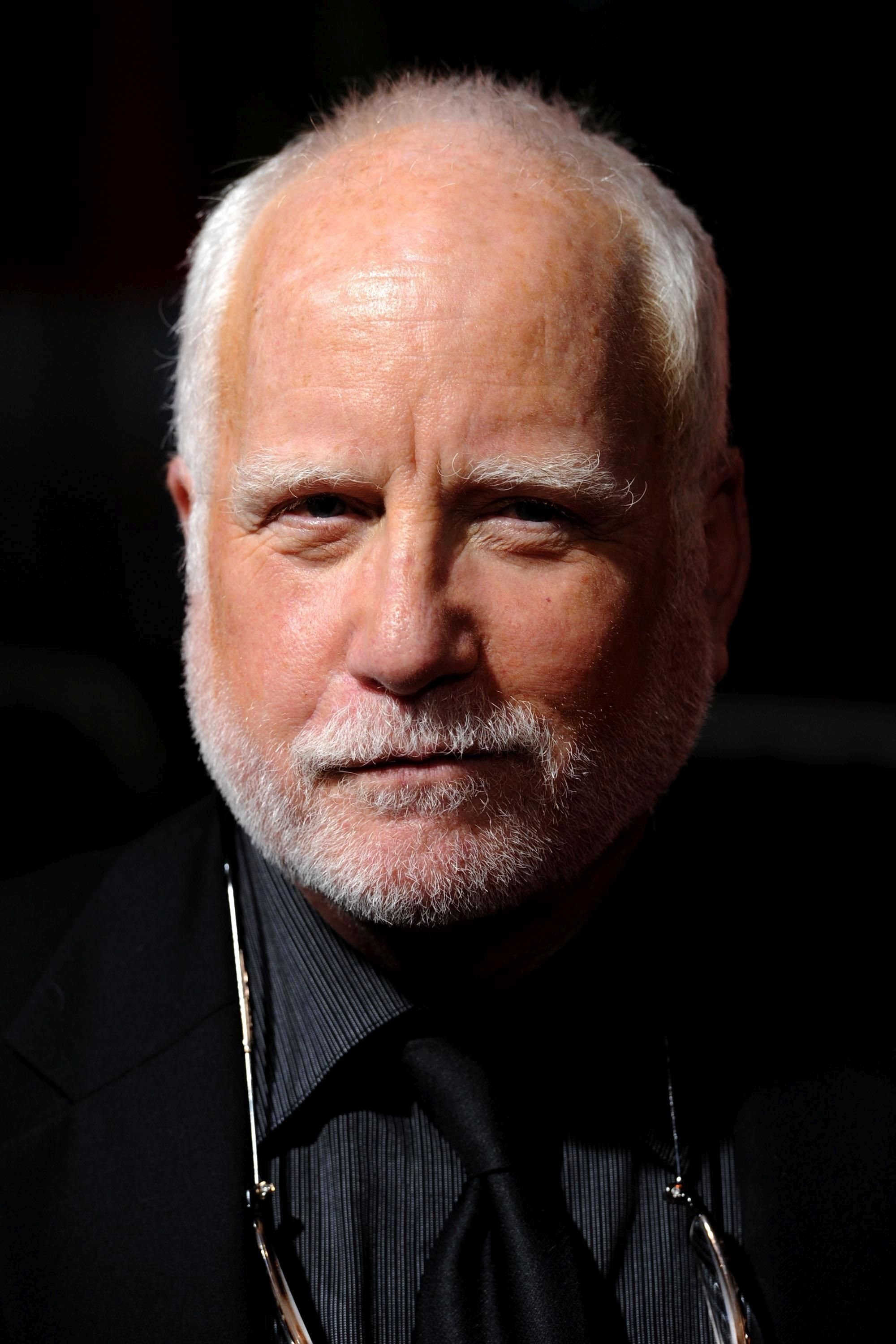
Richard Dreyfuss has been honest about how his strong opinions and personal difficulties affected his career. He’s said there were times when he stopped getting job offers because of how people in the film industry saw him. Being vocal about politics and social issues sometimes made him a controversial figure. However, he’s still had a successful, lasting career and remains a well-known actor of his generation, continuing to work and share his thoughts on the current state of movies.
Jeffrey Tambor
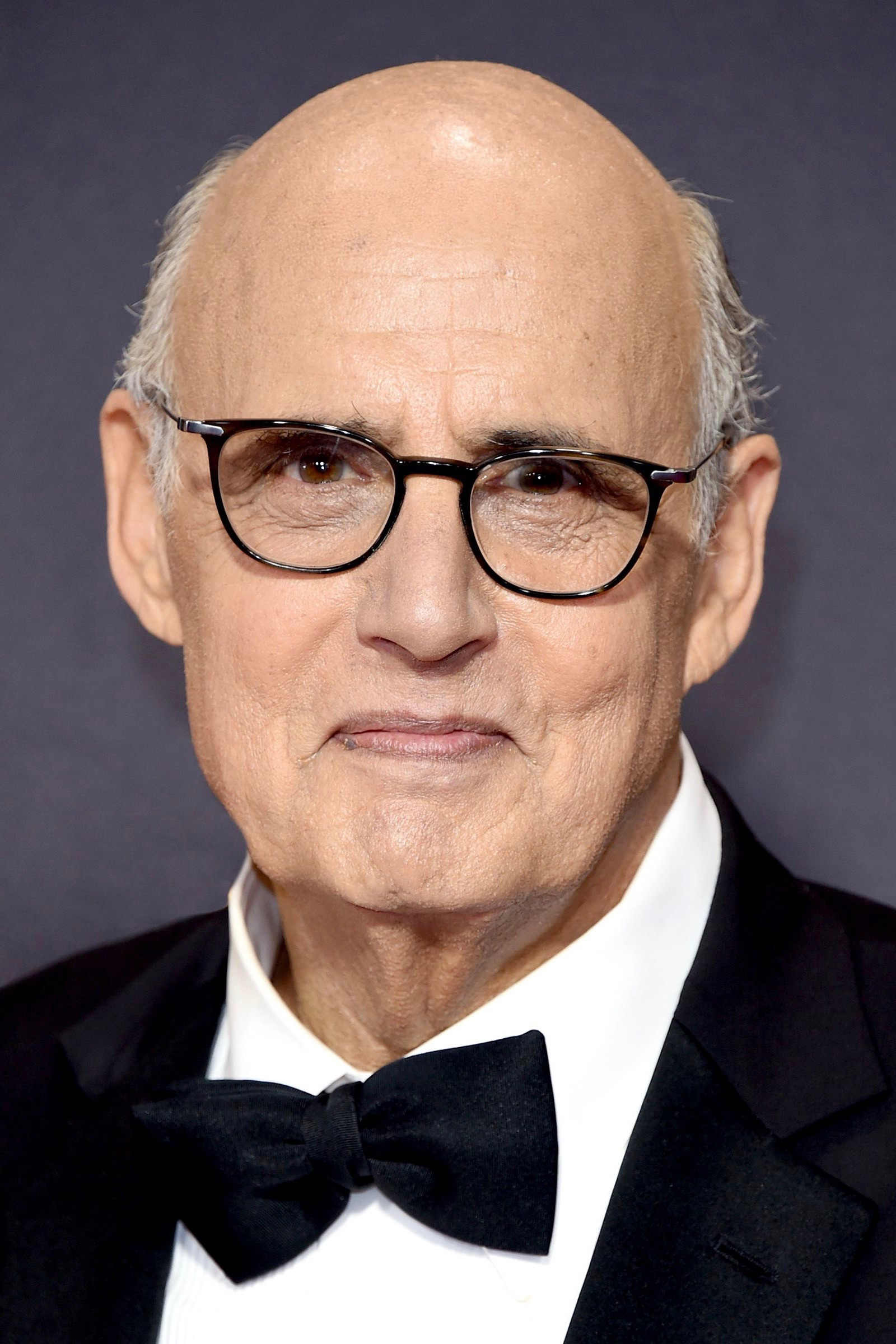
After accusations of inappropriate behavior on set, Jeffrey Tambor was let go from a popular and well-regarded streaming show. This caused a significant setback in his career, and major production companies began to avoid working with him. Since the internal investigation concluded, he’s struggled to find new roles in mainstream television and film. Though he had a long history of success, his career has been marked by this exclusion. His experience highlights the evolving standards for conduct in the entertainment industry.
Thomas Gibson
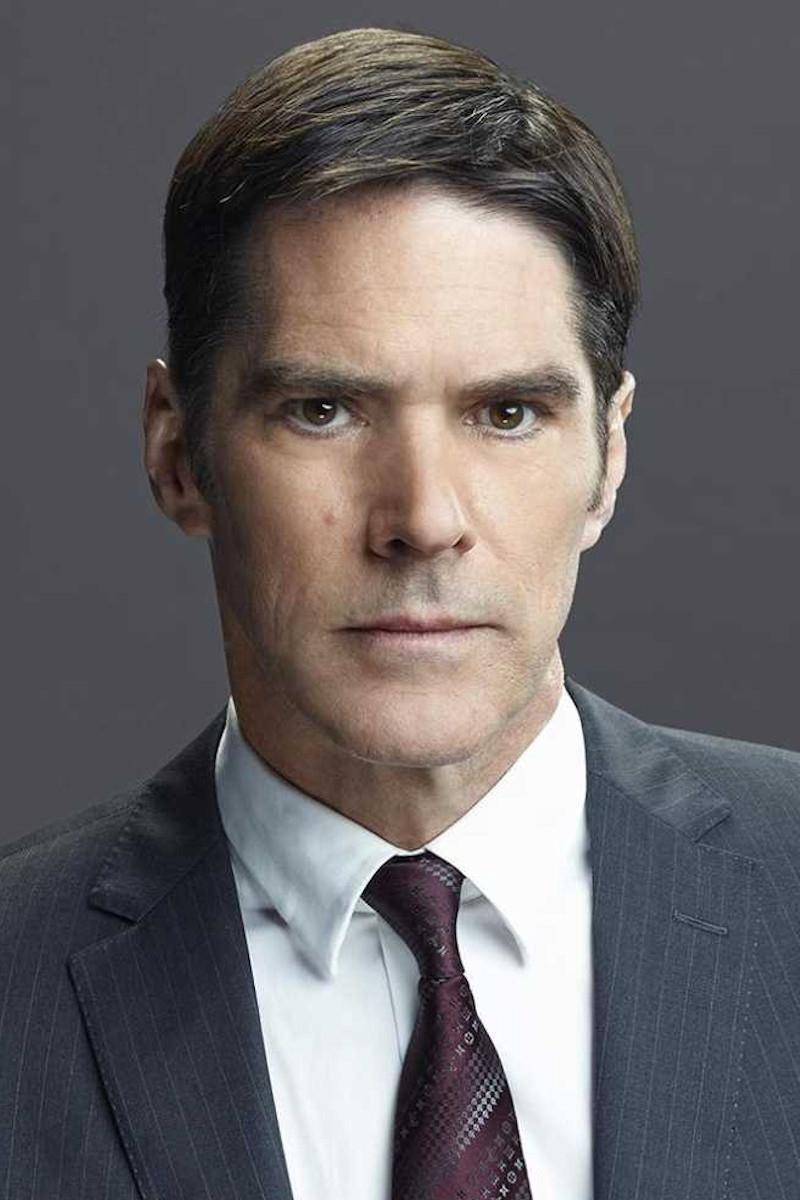
Thomas Gibson was a series regular on a successful TV show for many years, but he was fired after a physical fight with a producer on set. Since then, he hasn’t been in any major TV shows or movies. The incident harmed his career, and he’s largely stayed out of the spotlight, focusing on smaller, independent films. It served as a cautionary tale about how workplace disagreements can have serious consequences.
Columbus Short
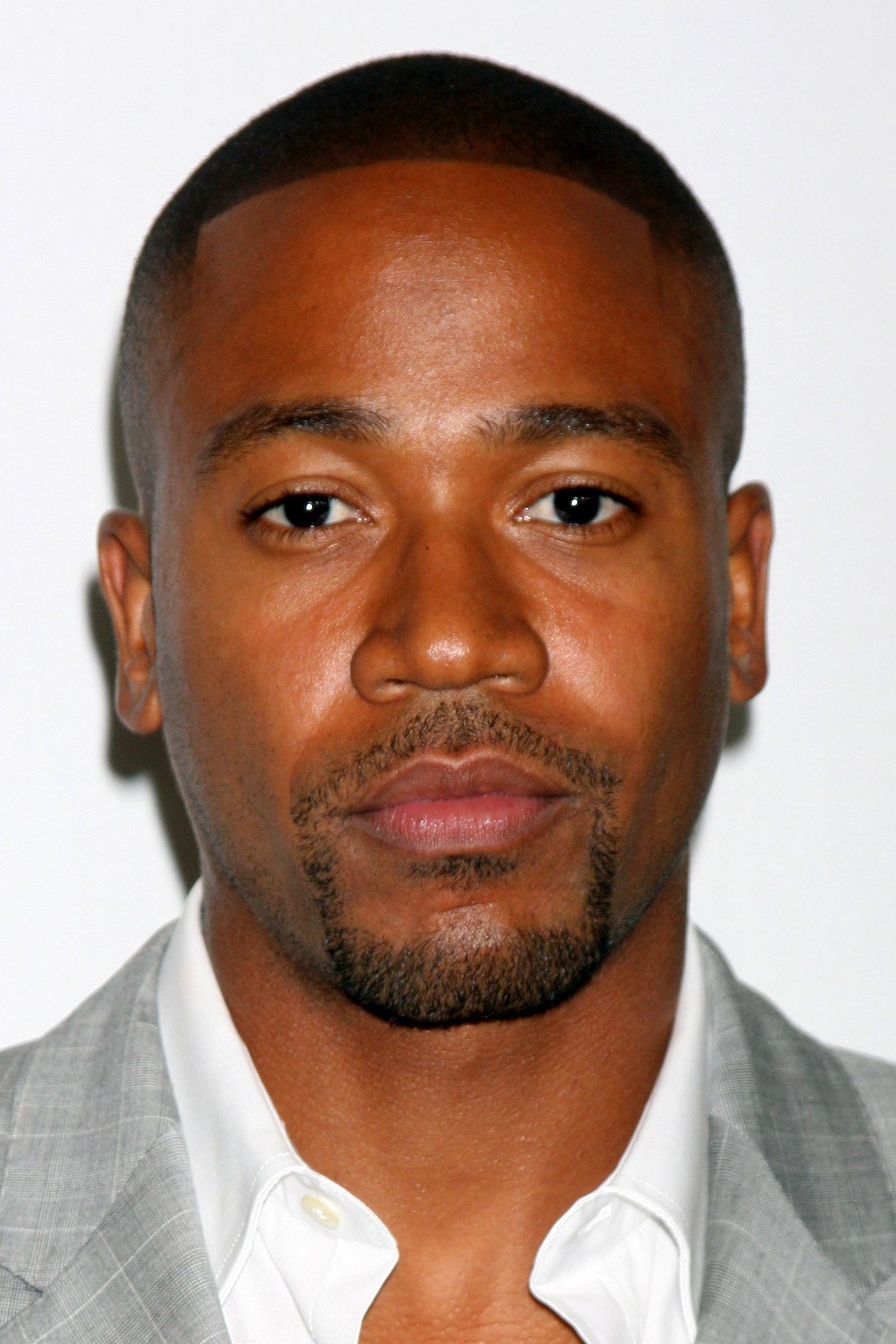
Columbus Short was gaining prominence in TV and movies when legal and personal problems began to affect his career. He lost his role on a popular show and found it harder to get work with big studios, as the negative attention around his personal life made it difficult for companies to cast him. Since then, he’s openly discussed his challenges and attempts to restore his image. His story demonstrates how personal behavior can significantly impact someone’s long-term success in the public sphere.
Jonathan Majors
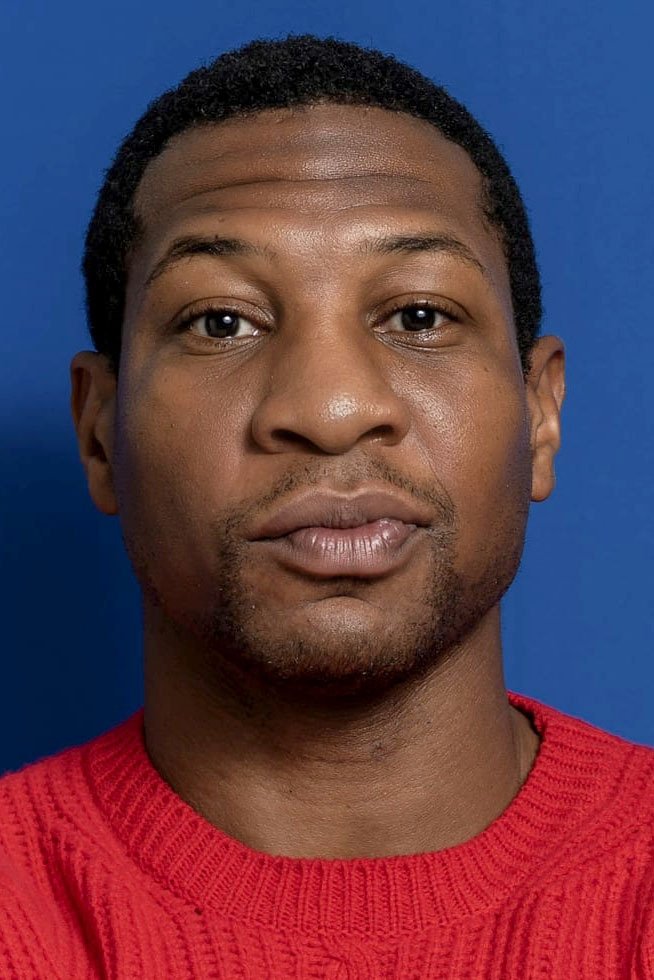
Jonathan Majors was on track to become a big villain in a major movie series, but legal troubles changed everything. After being convicted in a domestic dispute, Marvel Studios and his representatives quickly ended their relationship with him. Several other projects he was involved in were also canceled or continued without him. The film industry reacted quickly, with studios wanting to avoid being associated with the legal issues. This is a recent and prominent example of how someone can be excluded from their profession due to legal problems.
Bill Cosby
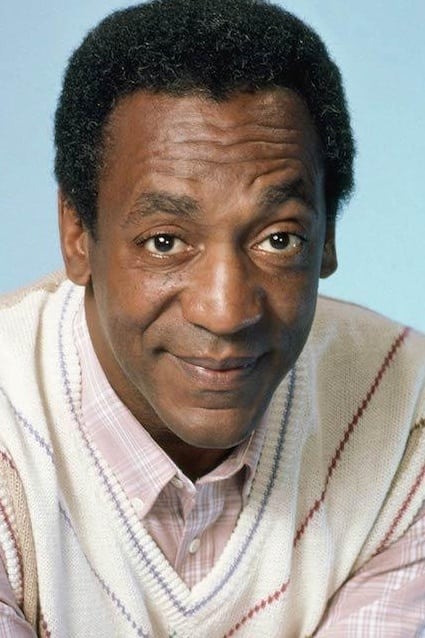
Bill Cosby was once a beloved figure in American entertainment, often called “America’s Dad.” However, numerous accusations of criminal behavior led to his complete fall from grace. His TV shows were removed from broadcast, and he lost honorary degrees and awards. Studios and networks quickly severed ties with him as the legal proceedings unfolded. This resulted in a total loss of his career and reputation. The case became a significant example of how the entertainment industry holds celebrities accountable for their actions and distances itself from those accused of wrongdoing.
Danny Masterson
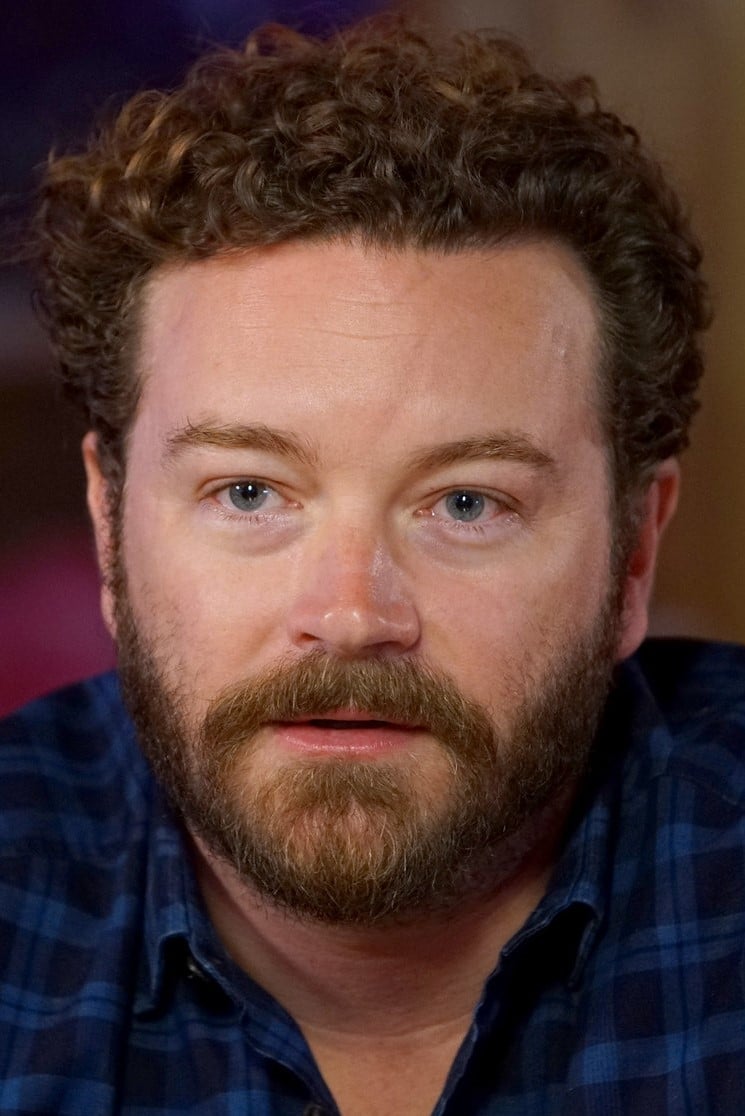
Danny Masterson, a former television actor, lost his role on a streaming series after facing serious criminal accusations. The studio removed him from the show and ended their professional relationship as his legal case progressed. After being convicted, the entertainment industry completely cut ties with him, effectively ending his career and excluding him from all major projects. This case highlights how seriously the industry responds to criminal convictions.
Randy Quaid
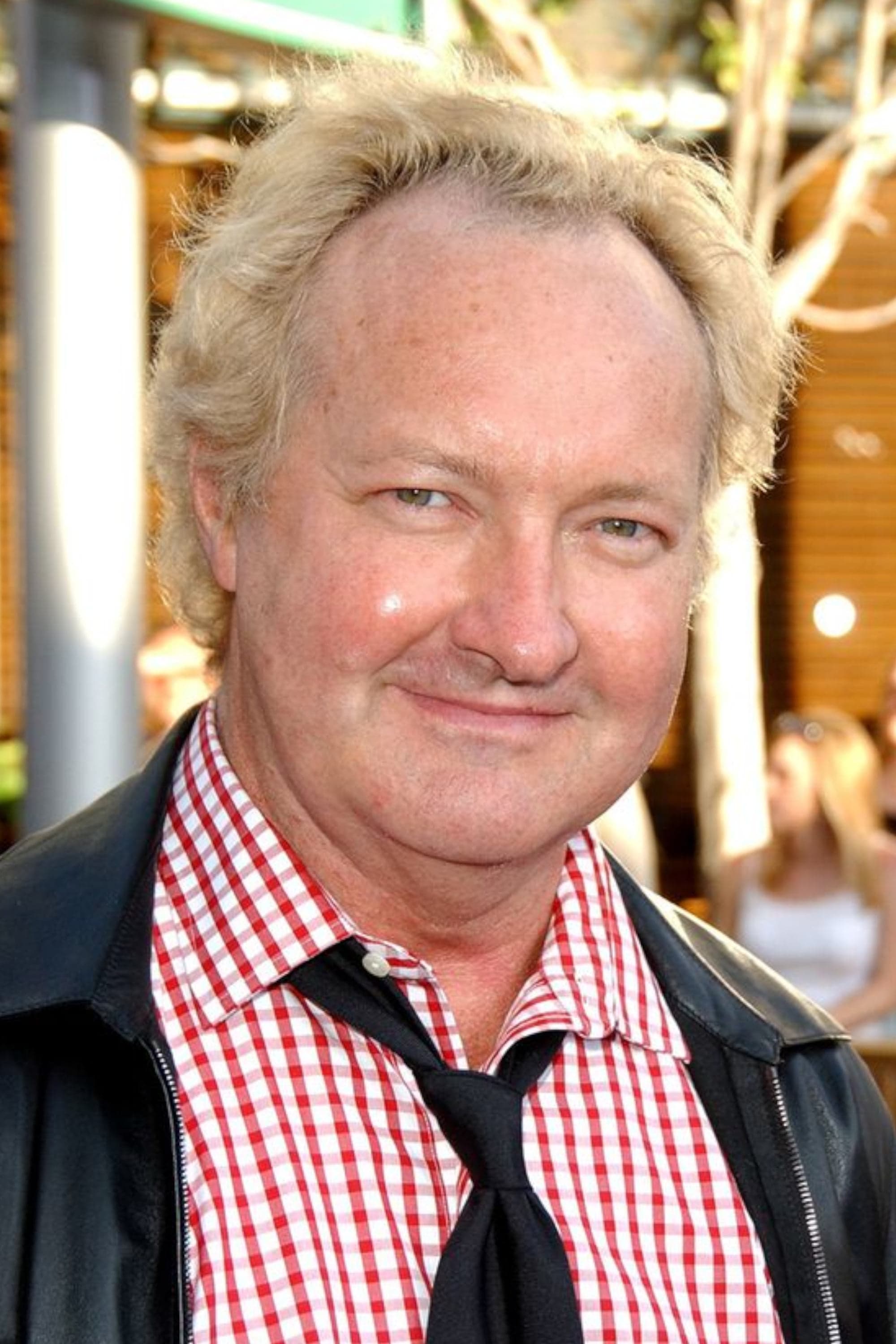
Randy Quaid has largely disappeared from mainstream film and television after years of legal problems and unusual public claims. He and his wife alleged they were being stalked by a group they called the “Hollywood Star Whackers.” These accusations, along with the resulting court cases in the US and Canada, led to studios avoiding him. Once a consistently working actor, Quaid hasn’t appeared in a major film for over ten years, making his career downfall one of the most peculiar in Hollywood history.
Wes Bentley
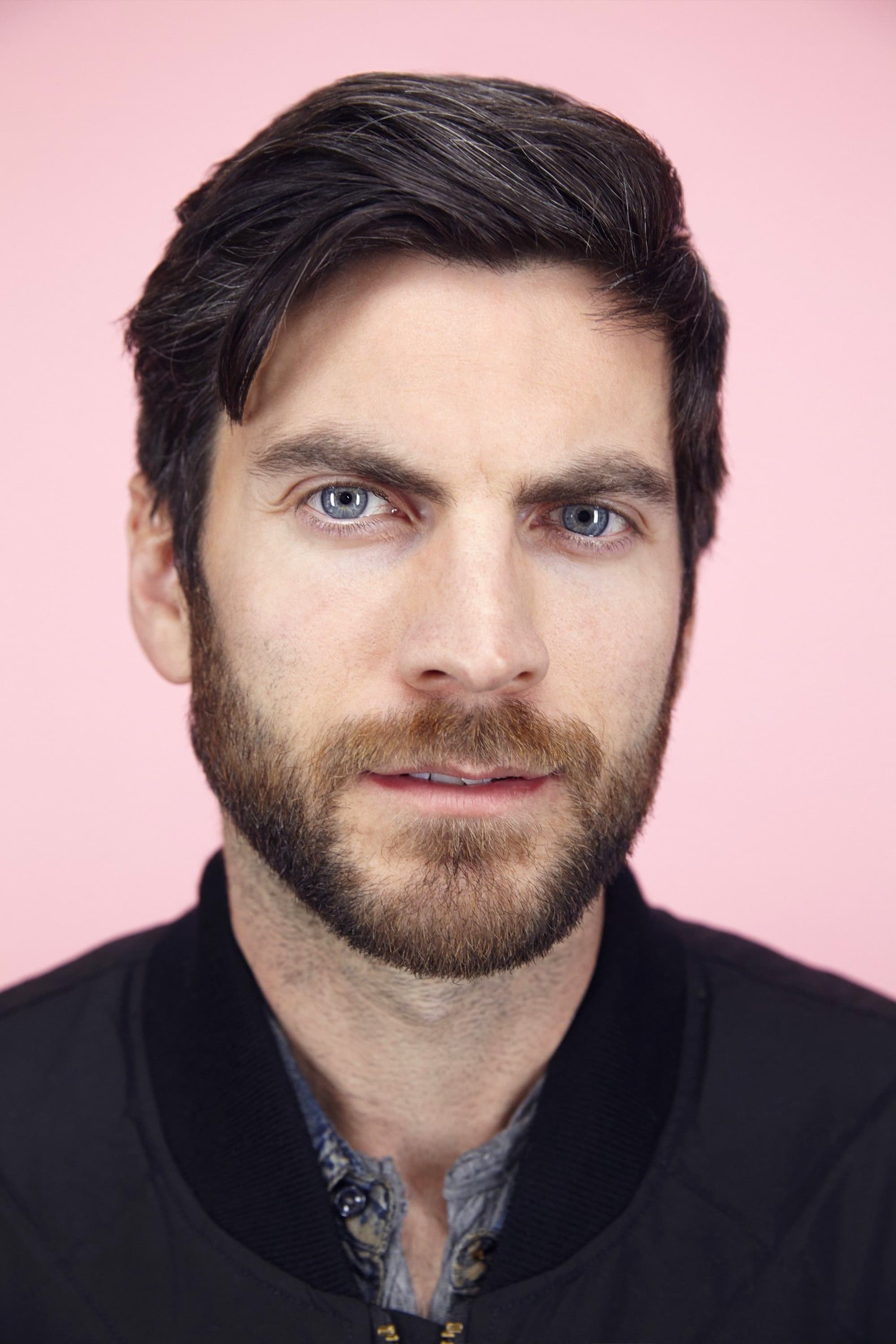
After a promising start in ‘American Beauty,’ Wes Bentley struggled with substance abuse, which derailed his career for years. He openly discussed how his addiction led to a long period of unemployment and made him difficult for studios to work with. He battled personal issues and eventually achieved sobriety, allowing him to successfully revive his career with roles in shows like ‘Yellowstone’ and other prominent projects. His story is a notable example of an actor overcoming significant obstacles to return to the industry.
T.J. Miller
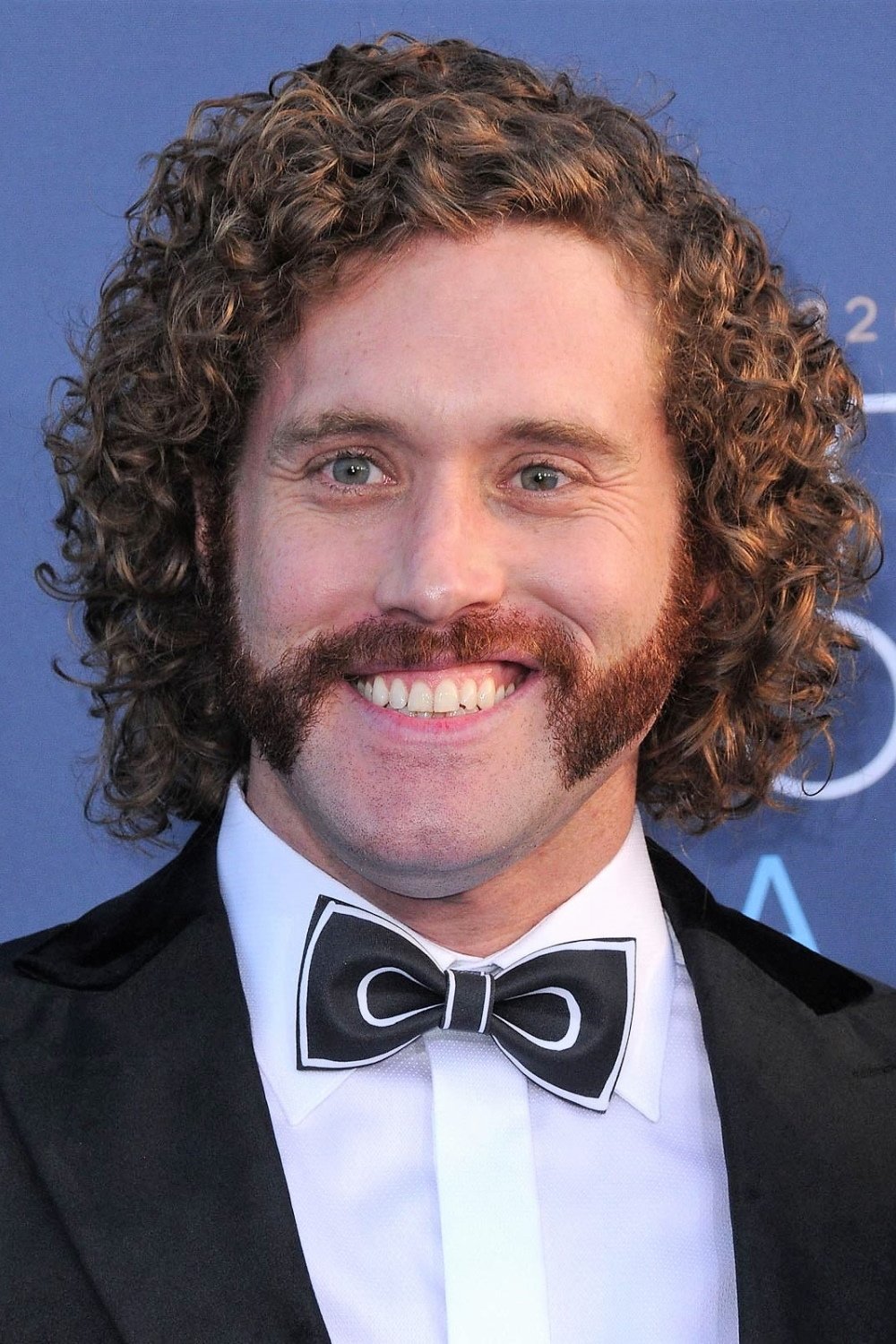
T.J. Miller was a well-known comedian and actor in movies and TV, but his career faced difficulties after accusations of inappropriate behavior and a legal issue. These problems led to him being dropped from a hit TV show and receiving fewer roles in major films. He still performs stand-up, but he’s no longer a prominent figure in mainstream Hollywood. His experience highlights how personal controversies can impact a professional career.
Woody Allen
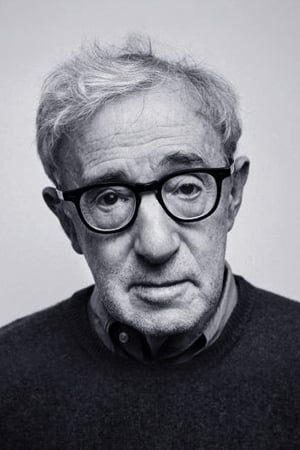
For decades, Woody Allen’s career in Hollywood has been complicated by personal issues. Although he continued making films for a long time, it became increasingly difficult for him to get funding or release his movies in the United States. Eventually, major studios and streaming services ended their business relationships with him. As a result, he now primarily makes films with European companies. This situation demonstrates how lasting public controversy can significantly affect someone’s professional life.
Louis C.K.
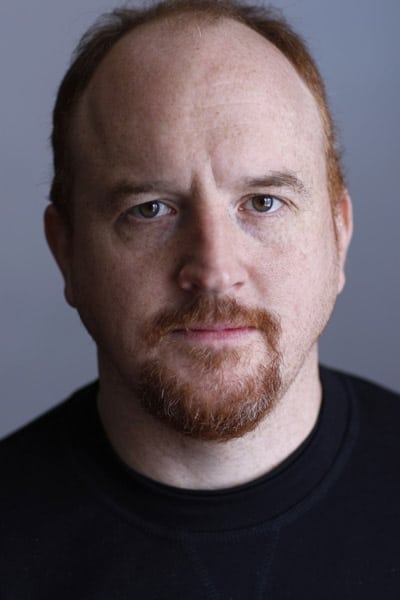
After admitting to inappropriate behavior, comedian Louis C.K. faced a complete collapse of his career. His film was canceled, and television networks stopped working with him. He was dropped from projects and his work was removed from many streaming and broadcast platforms. Though he’s returned to performing stand-up and releasing projects independently, he’s still unable to work with major studios. His situation was one of the earliest and most prominent examples of the growing demand for accountability within the entertainment industry.
Drake Bell
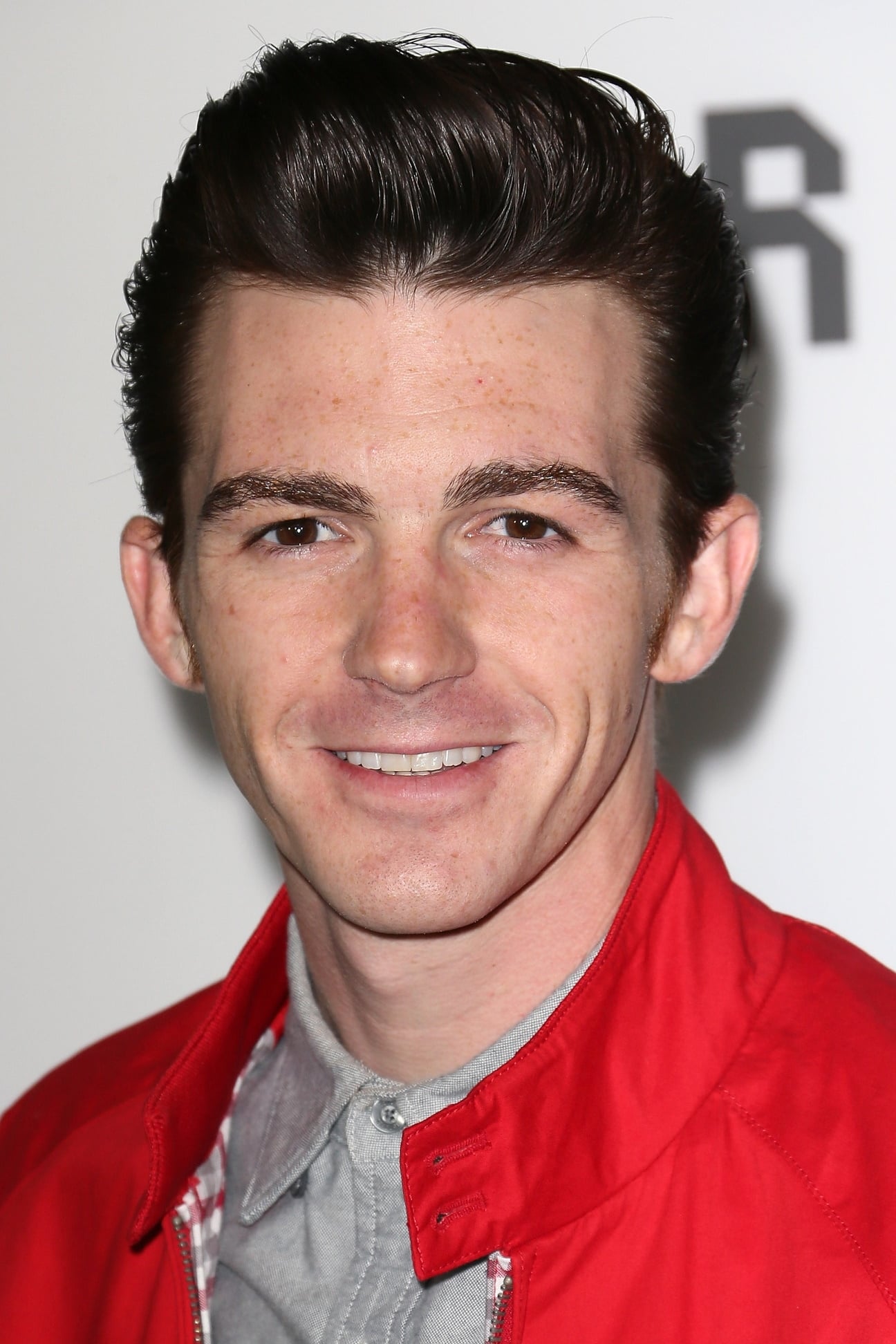
Drake Bell rose to fame as a young actor and musician, but his career stalled after he became involved in legal issues and public controversies. As these problems came to light, he lost work with major TV networks and studios. Although he still has loyal fans, he now focuses on making independent music and performing internationally. His experience shows how legal troubles can have a lasting impact on the careers of those who started as child stars.
Lloyd Bridges
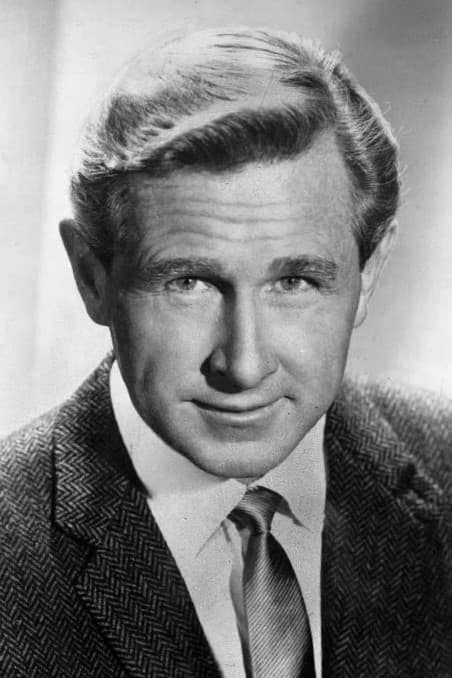
Lloyd Bridges was a popular actor who briefly faced hardship in the early 1950s when he was blacklisted. Because of his earlier political connections, he had to prove his loyalty to continue working. This was a very difficult time that temporarily stopped his film and television career. Fortunately, he was eventually able to restore his reputation and went on to enjoy a long and successful career. Today, he’s remembered as a talented and adaptable actor who overcame the challenges of the blacklist period.
Will Geer
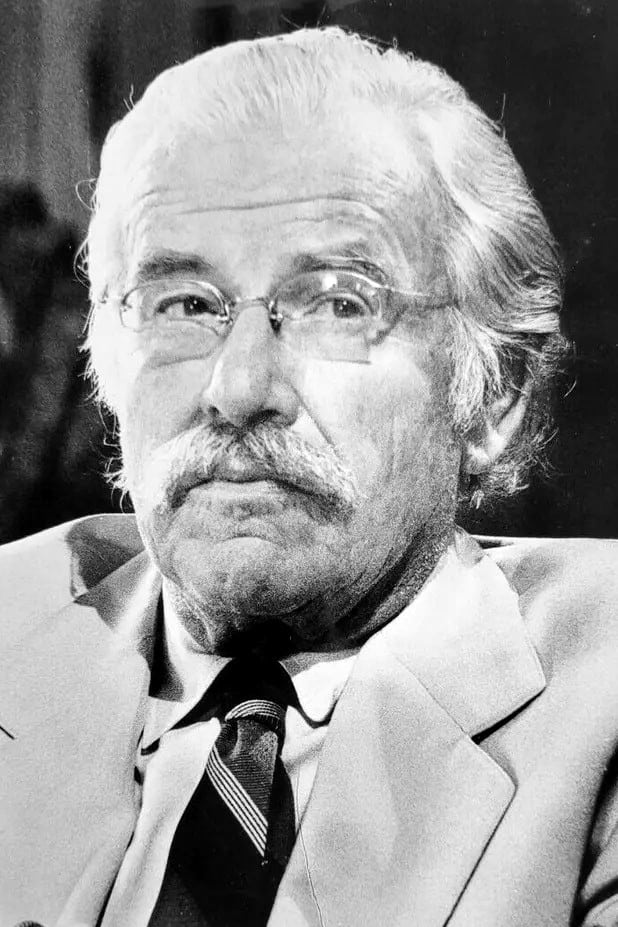
Will Geer was a seasoned actor who faced hardship in the 1950s when he was blacklisted for refusing to answer questions from government investigators. A dedicated activist, he struggled to find work in Hollywood during this period. He turned to his love of plants and theater, and eventually returned to acting. He became widely known later in life for his role as the grandfather on ‘The Waltons,’ and his successful return to prominence is seen as a victory over the political blacklisting of that time.
Will Smith
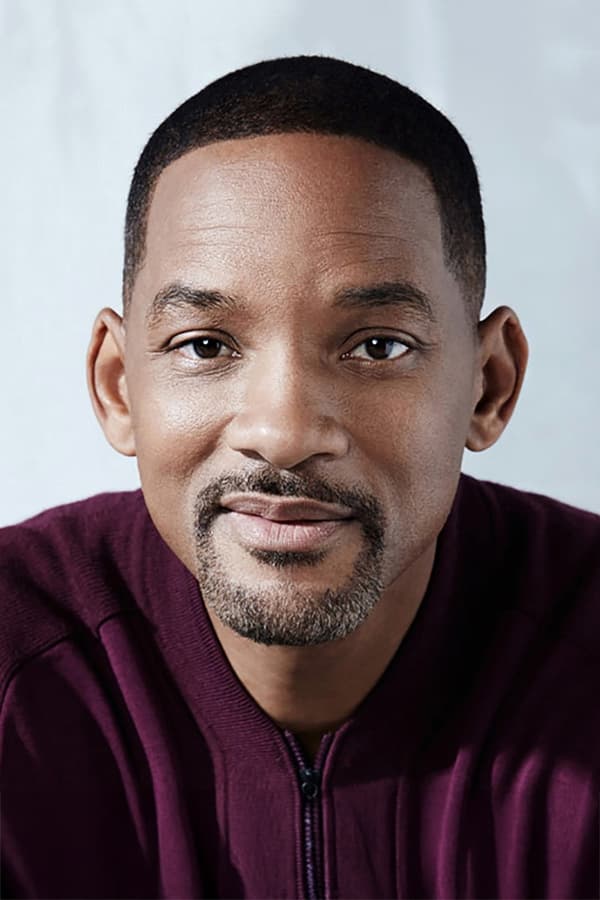
After a widely publicized incident at the Oscars, Will Smith experienced a major career disruption. Several of his planned movies were delayed or cancelled, and he was prohibited from attending the awards show for ten years. Although he’s appeared in one big film since then, his position as a top leading actor has been heavily questioned. This situation remains a prominent example of how quickly the entertainment industry responds to the actions of its stars.
Share your thoughts on which of these actors deserved a second chance in the comments.
Read More
- Invincible Season 4 Gender Swaps Tech Jacket As Fans Question Major Comic Change
- Silver Rate Forecast
- Gold Rate Forecast
- 20 Movies Where the Black Villain Was Secretly the Most Popular Character
- Building Agents That Learn and Improve Themselves
- 15 Films That Were Shot Entirely on Phones
- 22 Films Where the White Protagonist Is Canonically the Sidekick to a Black Lead
- Celebs Who Narrowly Escaped The 9/11 Attacks
- 18 TV Series Filming Rehearsals as Bonus Content
- 14 Movies Where the Black Character Refuses to Save the White Protagonist
2026-03-16 21:21