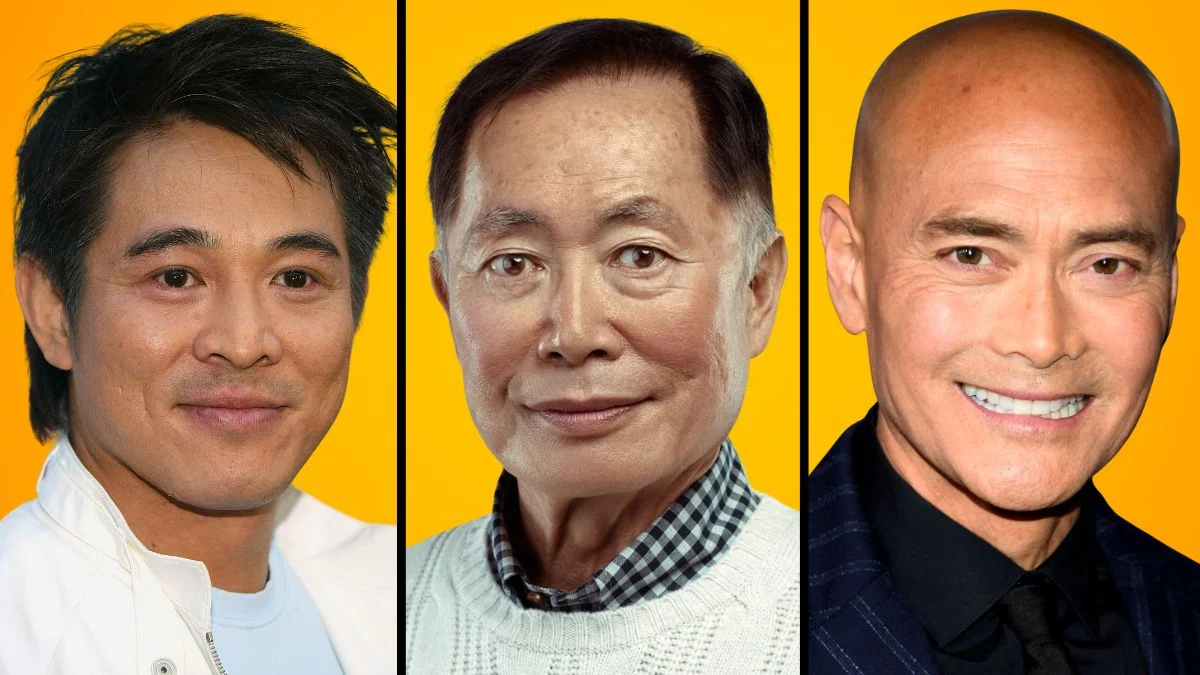
For many years, Asian actors in Hollywood were often limited to playing stereotypical martial arts characters or appearing in minor, non-speaking roles. However, things are changing. Both established and up-and-coming actors are now asking for more complex and realistic characters that showcase the full range of human emotions. These actors are using their voices to challenge ageism and harmful stereotypes, and to advocate for stories that allow them to portray characters who age with grace. This effort is leading to a new period where Asian men can play leading romantic roles, compelling villains, and relatable, flawed heroes. The actors below have been key in fighting for improved representation and meaningful roles for older performers.
James Hong
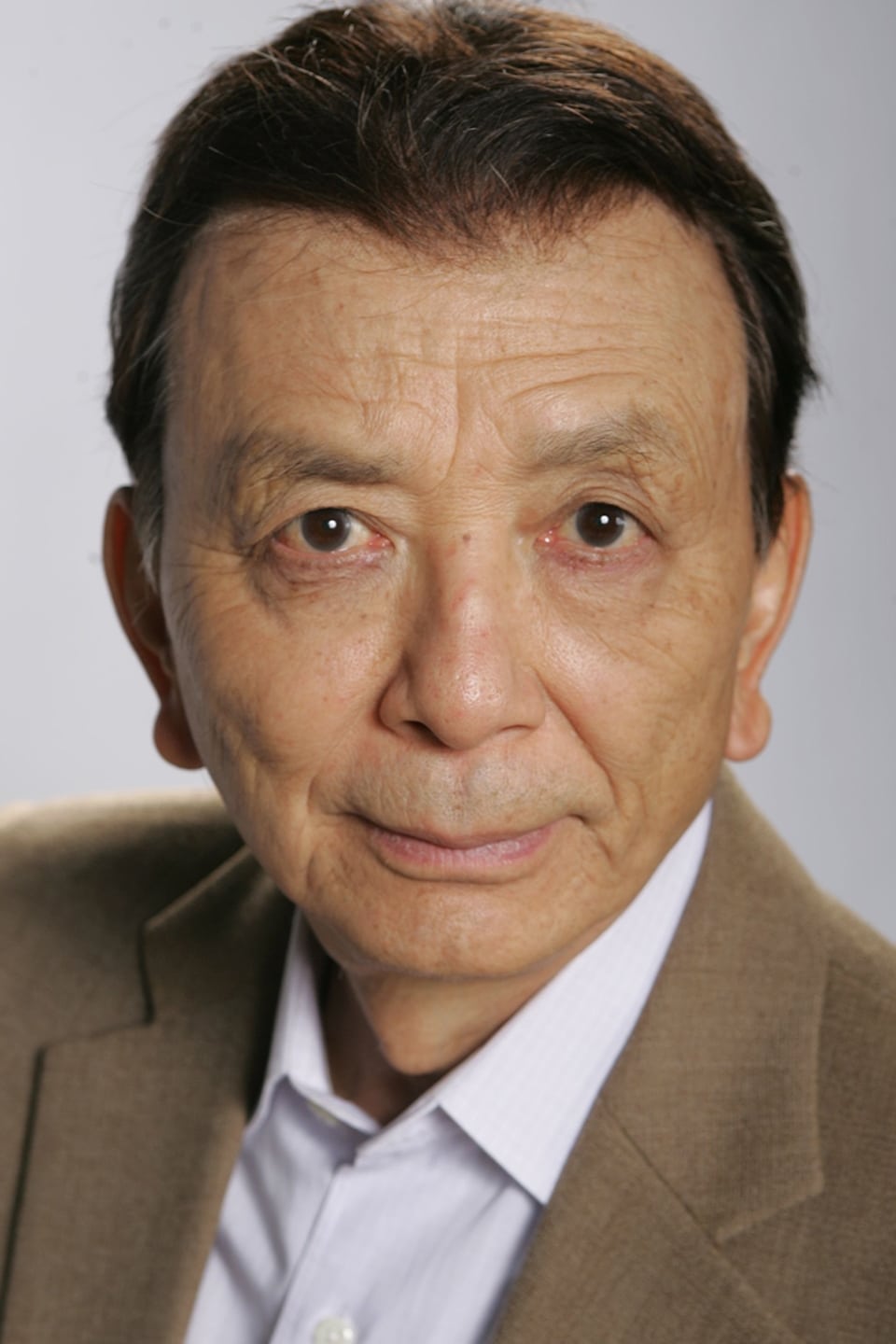
For over 70 years, James Hong has worked to gain recognition and opportunities for Asian actors in Hollywood. He helped start the East West Players theater company to provide roles that were often unavailable elsewhere. Early in his career, he often found himself limited to stereotypical parts like laundry workers or villains. Now, with a renewed wave of success, he proves that audiences want to see stories told by diverse actors of all ages. While he still points out past injustices in the industry, he also acknowledges the positive changes happening now.
Ke Huy Quan
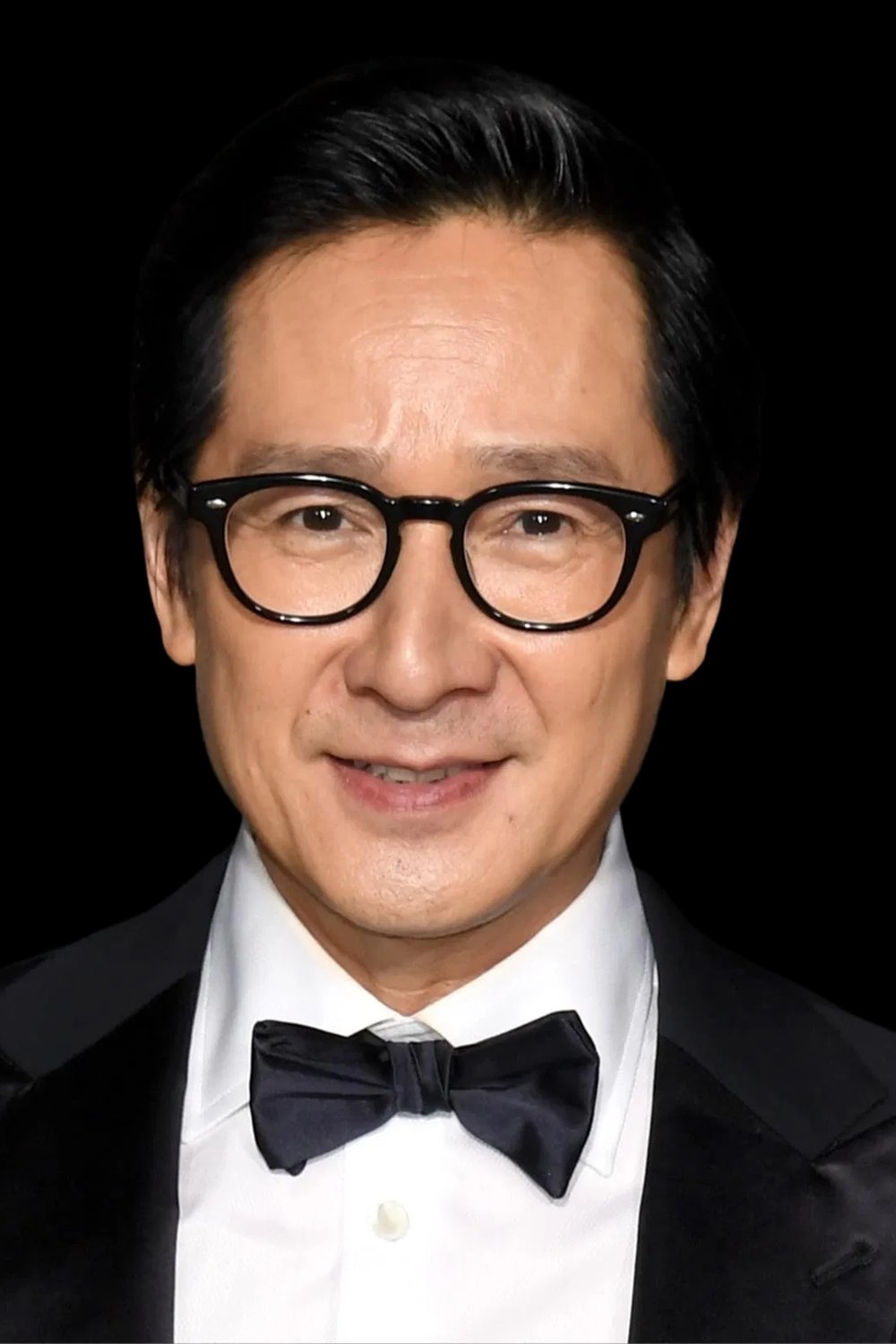
Ke Huy Quan stepped away from acting for many years because Hollywood didn’t offer him meaningful roles as he grew older. His successful comeback is a reminder of the talent that can be lost when actors are limited by stereotypes. He worried he’d never recapture his early success, fearing a lack of good parts. Winning an Academy Award showed that Asian actors can deliver incredible performances when given the chance. Now, Quan is working to encourage casting practices that focus on skill and don’t limit actors based on age or type.
George Takei
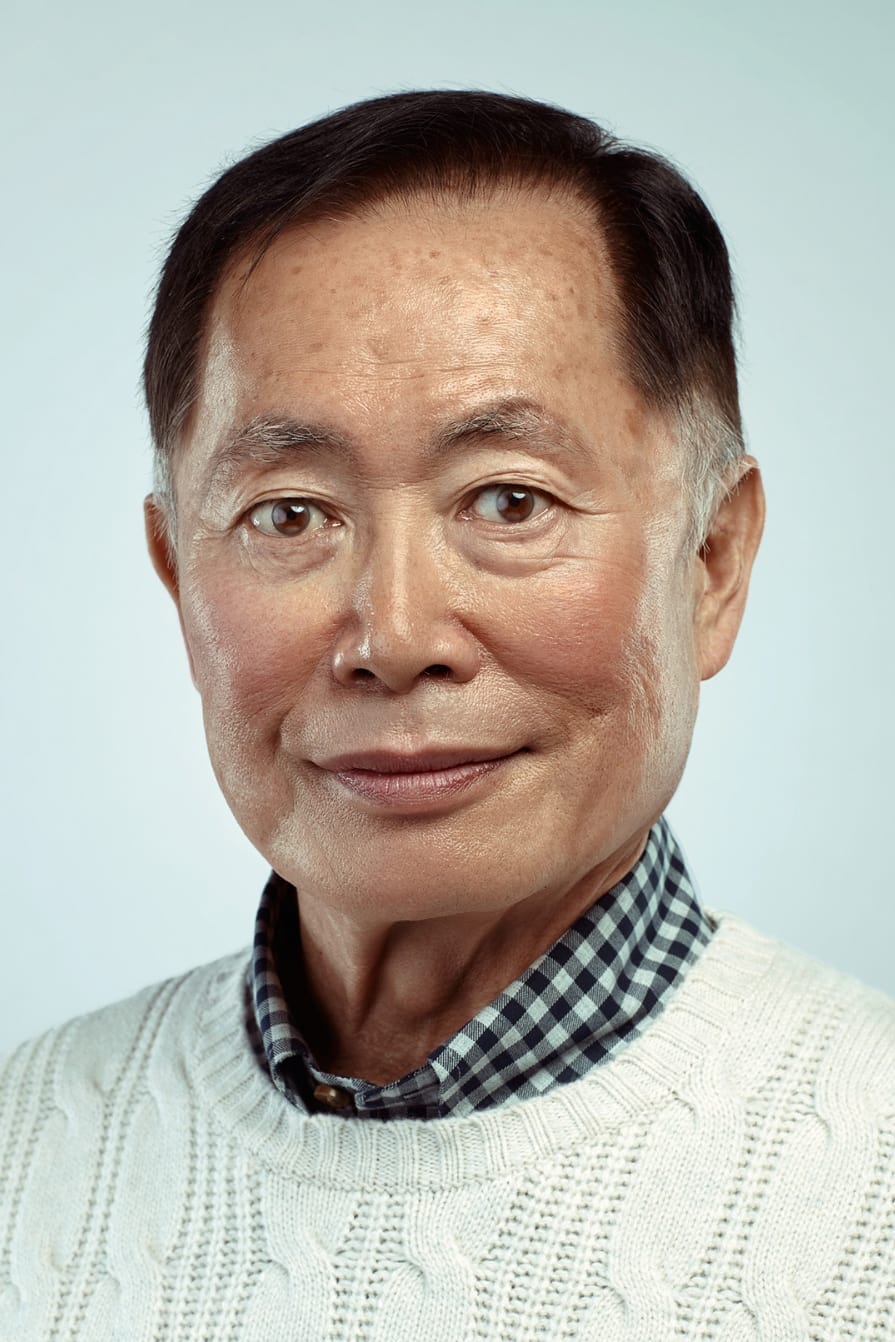
George Takei, famous for his role in science fiction, has become a strong advocate for social justice and fairer representation in movies and television. He often speaks out against the practice of casting white actors in Asian roles and the limited opportunities for older Asian actors. Takei points out that Asian men have often been portrayed as either lacking sex appeal or as villains in American films. He’s found more fulfilling roles in theater and voice acting, where he can explore a wider range of characters than he often could in film. His career shows how far we’ve come and what’s still possible for the future.
Hiroyuki Sanada
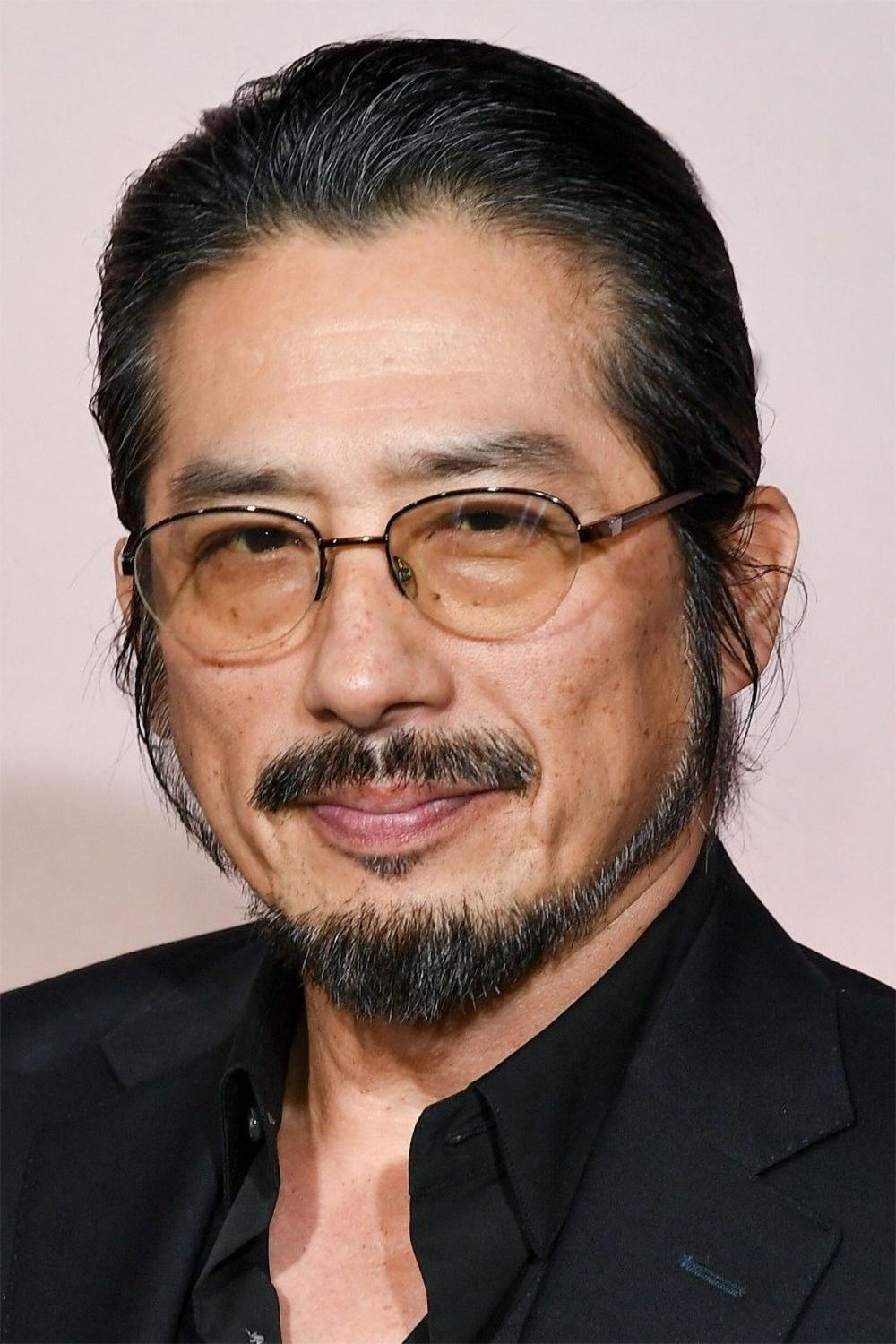
Hiroyuki Sanada is dedicated to authentic portrayals of Japanese culture in Western films and television. He frequently plays wise mentors or experienced warriors, highlighting the strength and respect deserved by older characters. Sanada actively works with writers to fix cultural mistakes and improve the stories. He also seeks roles that allow him to demonstrate a full range of emotions, not just fighting skills. His recent achievements demonstrate the valuable impact and seriousness that veteran actors can bring to large-scale franchises.
Ken Watanabe
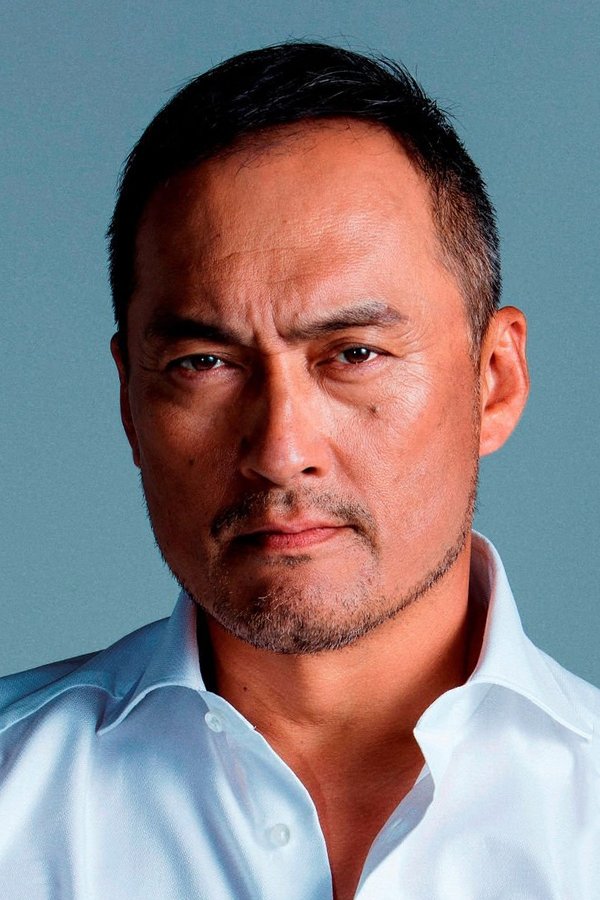
Ken Watanabe has redefined roles for Asian actors in American films, proving he can be both a leading man in romantic stories and a powerful dramatic performer. He intentionally chooses projects that offer a more nuanced understanding of Asian men and history, and often looks for characters with depth, wisdom, and emotional honesty. Watanabe avoids roles that fall into tired stereotypes or disrespect his background. Throughout his successful career, he’s shown that Asian actors can take on complex, serious roles and continue to thrive on screen as they age.
Tzi Ma
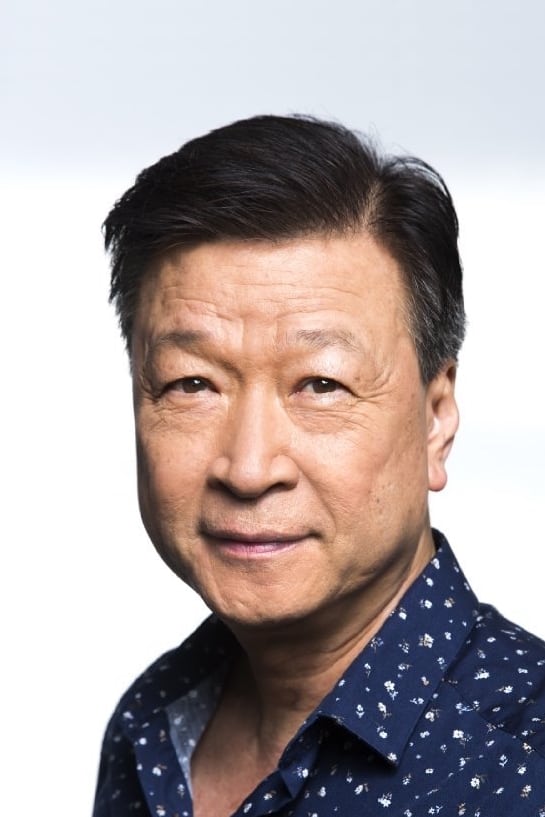
Tzi Ma has become known as Hollywood’s go-to actor for playing fathers, bringing depth and complexity to these roles. He’s a strong advocate for moving beyond stereotypical depictions of Asian parents, insisting his characters have full and interesting lives. Ma believes experienced actors are crucial for telling realistic stories about immigrant families and the challenges faced across generations. He champions independent filmmakers who focus on genuine Asian American experiences, and his work transforms characters that were once simply used to move the plot forward into fully realized people.
John Cho
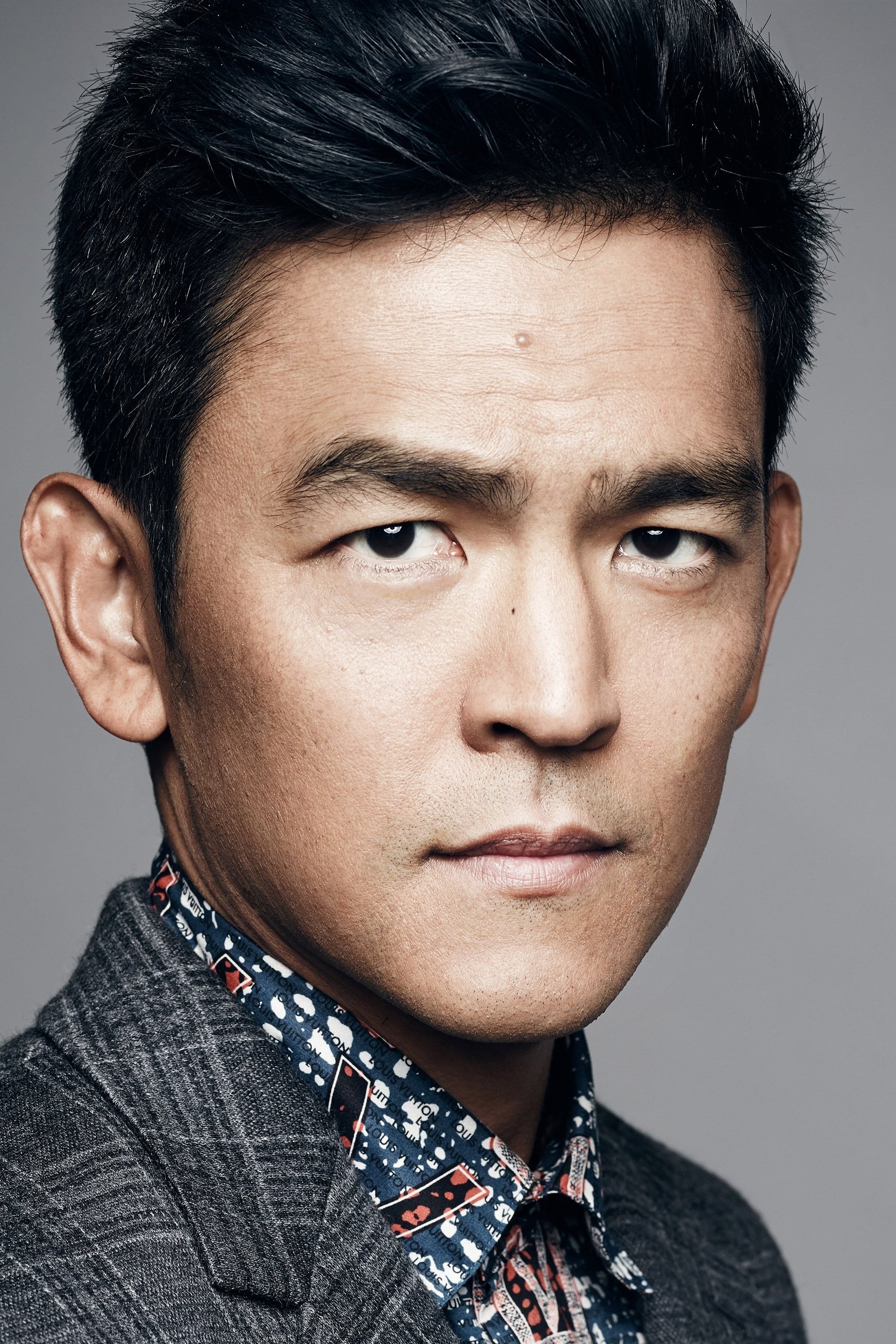
John Cho has consistently challenged Hollywood’s narrow view of Asian men by actively reshaping his career. He’s well-known for rejecting stereotypical comedic roles that relied on mocking accents. Cho champions the idea of Asian men being seen as leading actors in all types of films – from action and drama to romance. Throughout his career, he’s increasingly taken on complex roles that delve into themes like fatherhood and loss, and he remains dedicated to increasing representation of Asian actors across all genres.
Daniel Dae Kim
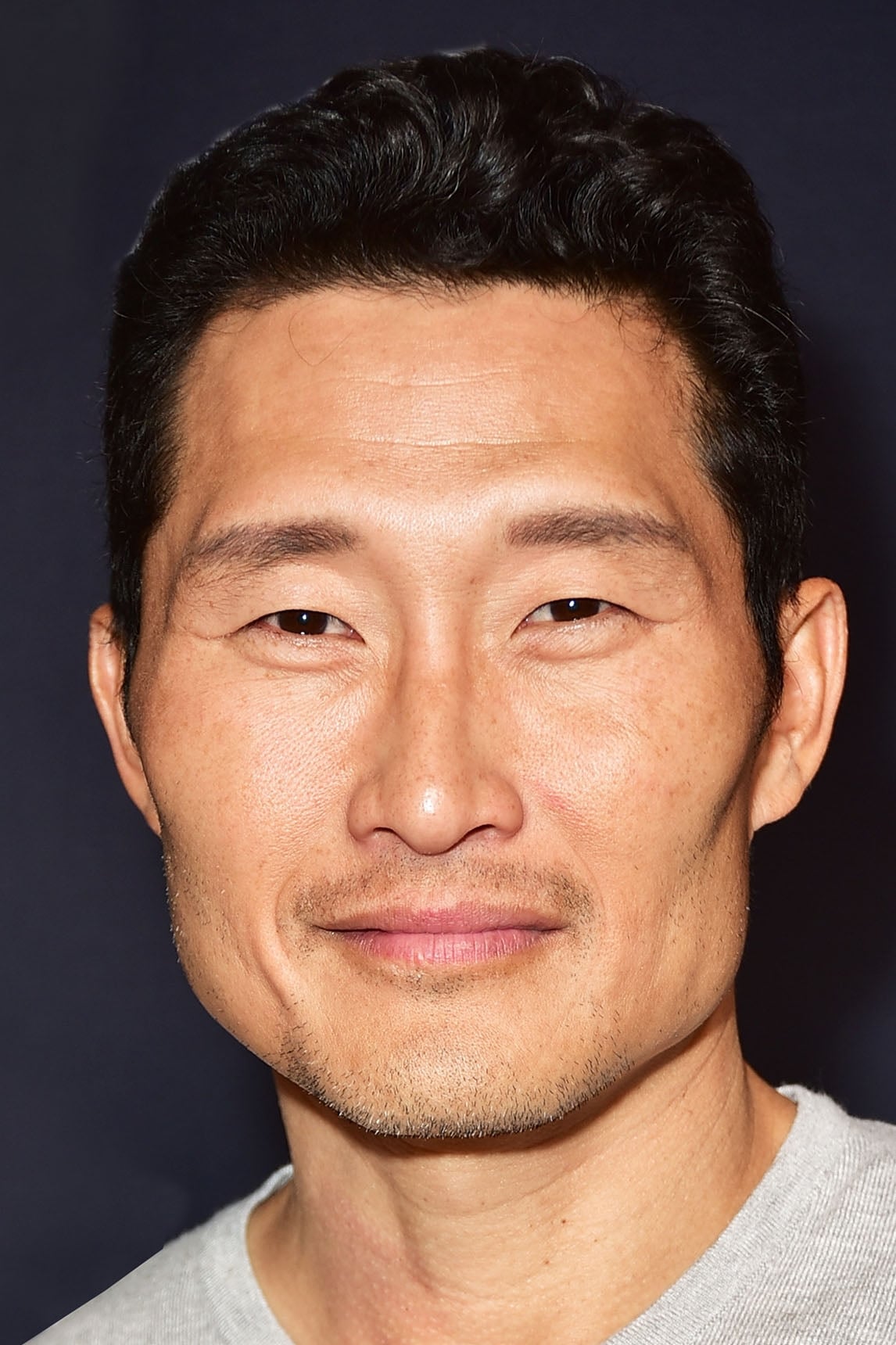
Daniel Dae Kim has consistently fought for fair pay and equal opportunities for Asian actors on TV. He famously left a successful show because he was paid less than his white colleagues. He then founded his own production company to create more nuanced and interesting roles for Asian men, something he felt was lacking in the industry. Kim believes it’s important for Asian characters to be portrayed with full lives, including romantic relationships and successful careers. Ultimately, he’s working to change the industry so Asian actors can have lasting and fulfilling careers with respect.
BD Wong
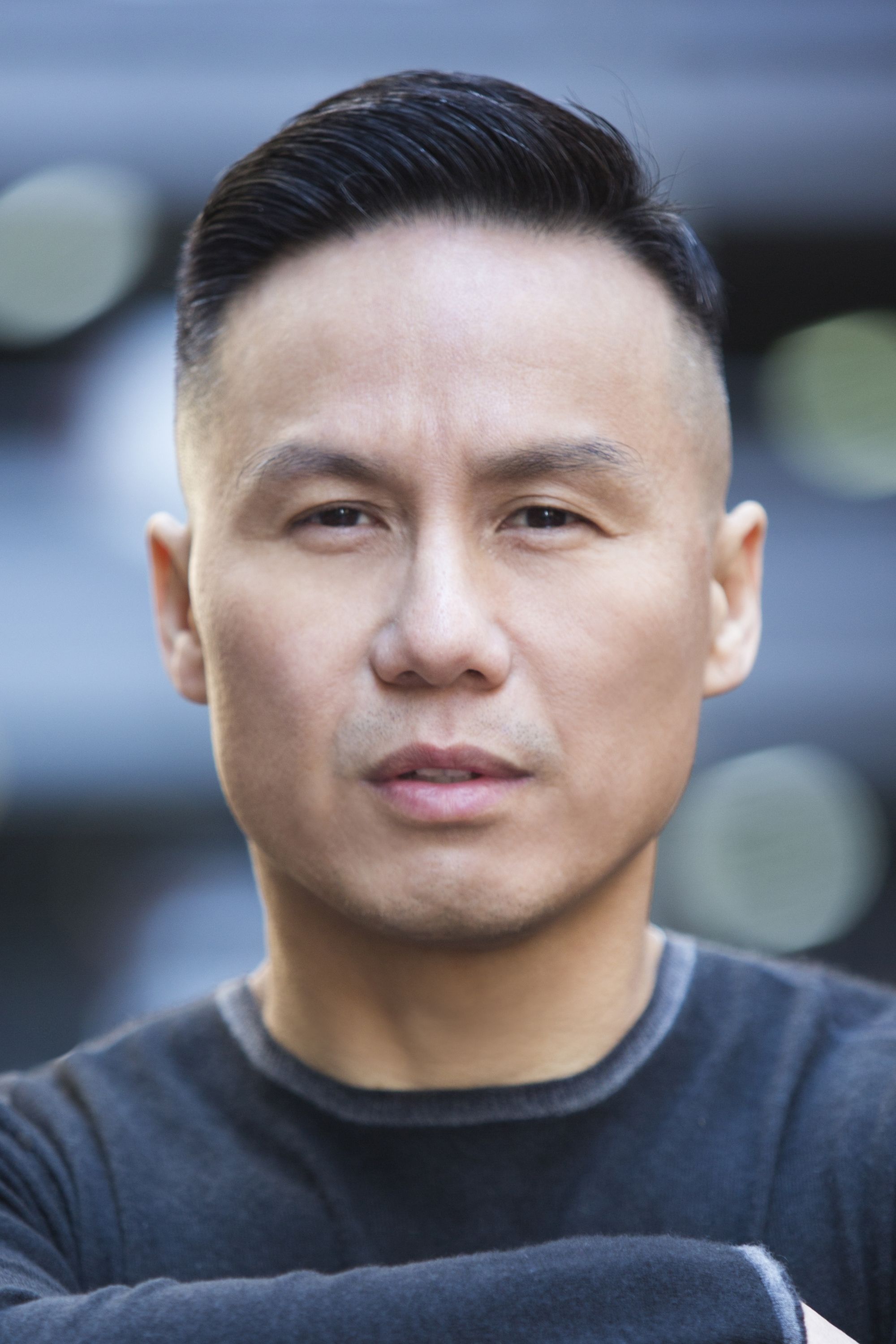
BD Wong consistently encourages the entertainment industry to see beyond stereotypes when casting Asian actors. He’s expressed frustration with being typecast as simply a technical professional or doctor, lacking depth as a character. Drawing on his experience as a stage actor, Wong seeks roles that demand strong acting skills and emotional range. He also mentors younger actors, helping them build careers while maintaining their integrity. His long and successful career is a testament to his determination to avoid being limited to unimportant roles.
Cary-Hiroyuki Tagawa
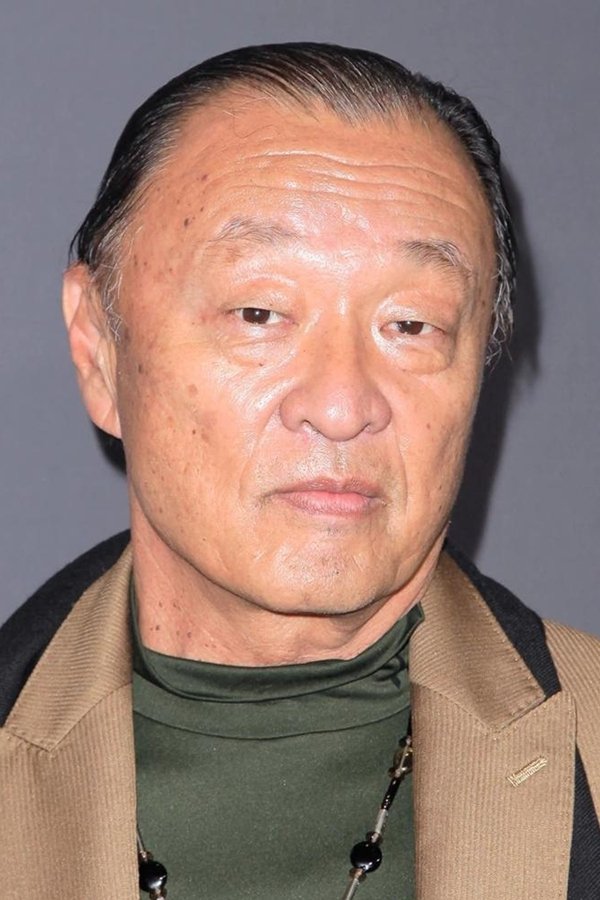
Cary-Hiroyuki Tagawa has worked hard to move beyond being typecast as a villain early in his career. He often discusses the dedication – both mental and physical – needed to succeed in the entertainment industry. Tagawa actively seeks roles that highlight the more thoughtful and nuanced aspects of Asian culture, and feels older actors should demonstrate the value of experience and wisdom. His recent projects show he’s interested in playing characters who are complex, flawed, and ultimately seek redemption.
Jackie Chan
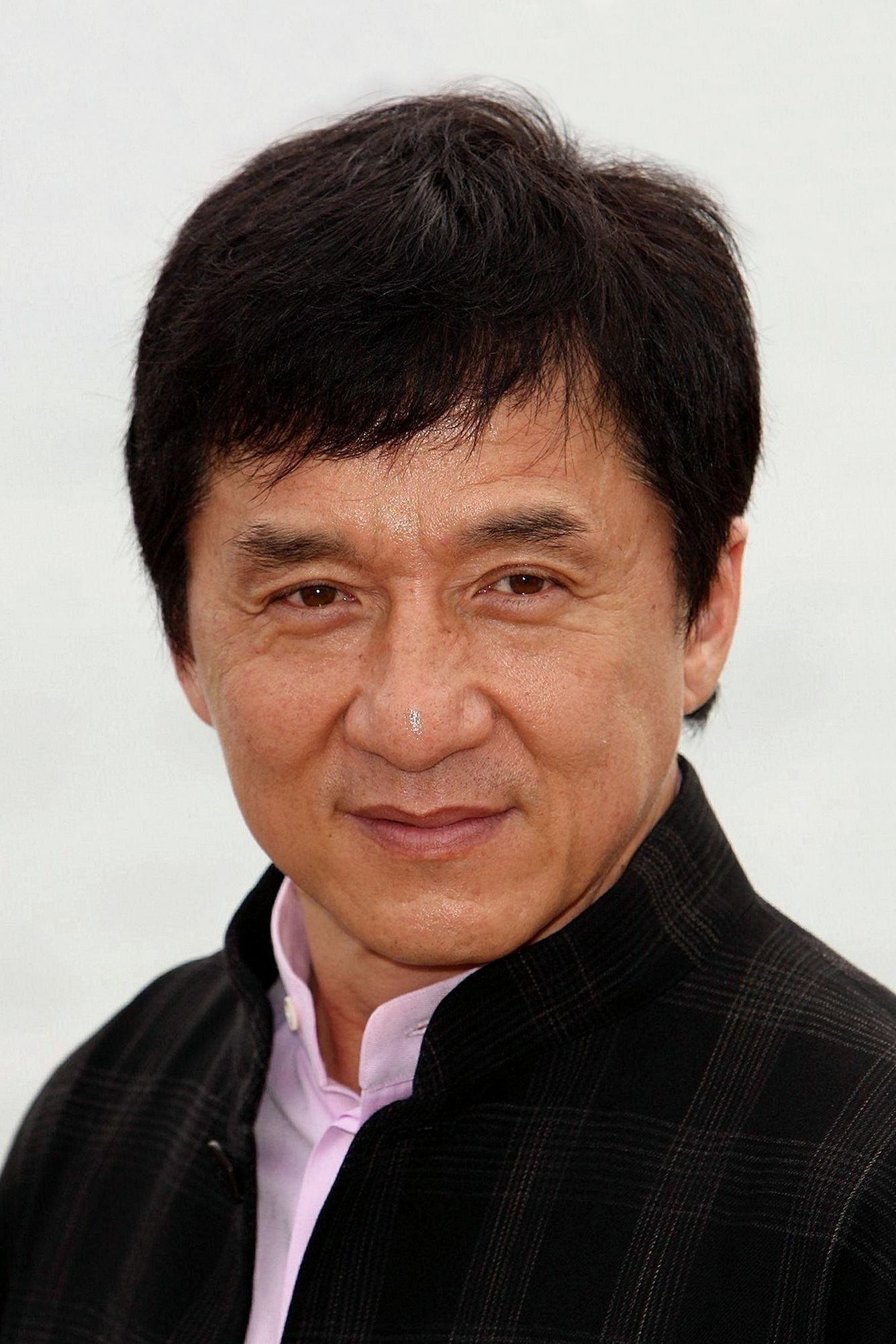
As Jackie Chan gets older, he’s expressed a wish to do fewer physically demanding action movies. He’s now focusing on dramatic roles where he can showcase his acting skills instead of just doing stunts. Chan openly talks about wanting audiences to see him as a versatile actor capable of portraying emotional depth. He’s also using his platform to support and fund diverse Chinese films. This change shows the film industry that action stars can successfully transition into more dramatic work.
Chow Yun-fat
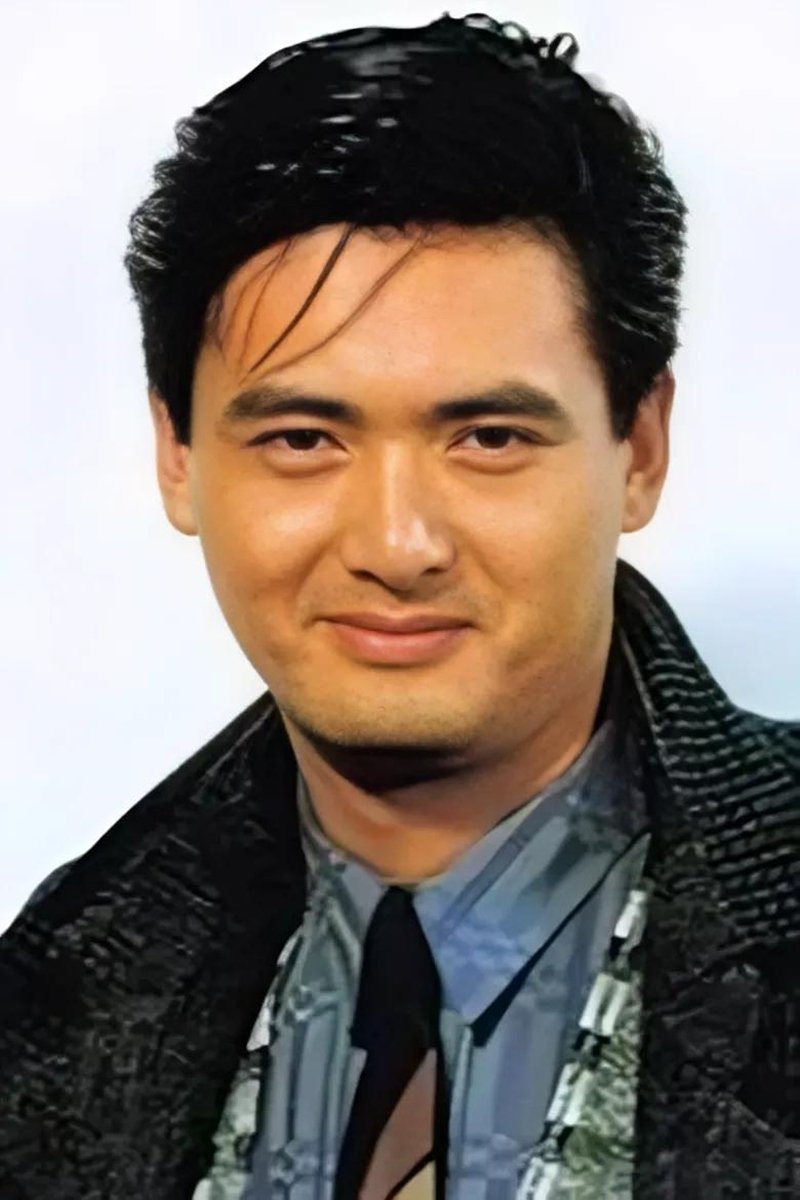
Chow Yun-fat moved seamlessly from being an action star to a respected dramatic actor by choosing roles that carried weight and importance. He believes in living a modest life, but also commands respect on set, especially for experienced colleagues. Chow frequently emphasizes the need for portraying older characters with dignity and grace. He’s also committed to avoiding projects that disrespect his culture or acting history. His career demonstrates how to age well and still remain a popular and successful actor.
Jet Li
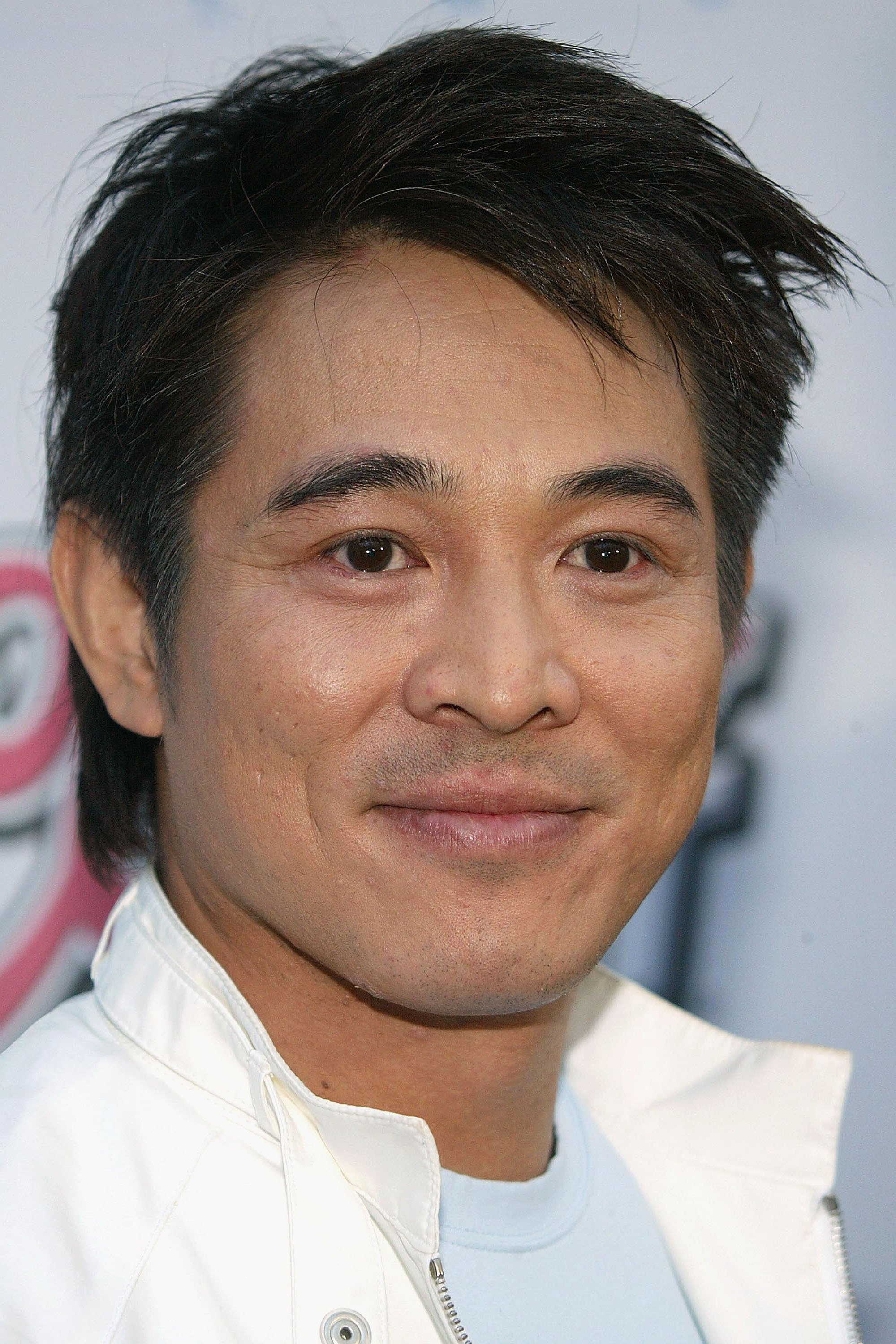
Jet Li is now prioritizing giving back through charity and choosing movie roles that aren’t as physically demanding. He’s been honest about his health and the need for the film industry to support action stars as they get older. Li hopes to see more movies that explore deeper themes like philosophy and inner struggles, rather than just focusing on action. He believes film should promote peace and understanding, and that an actor’s worth isn’t just about their physical abilities.
Donnie Yen
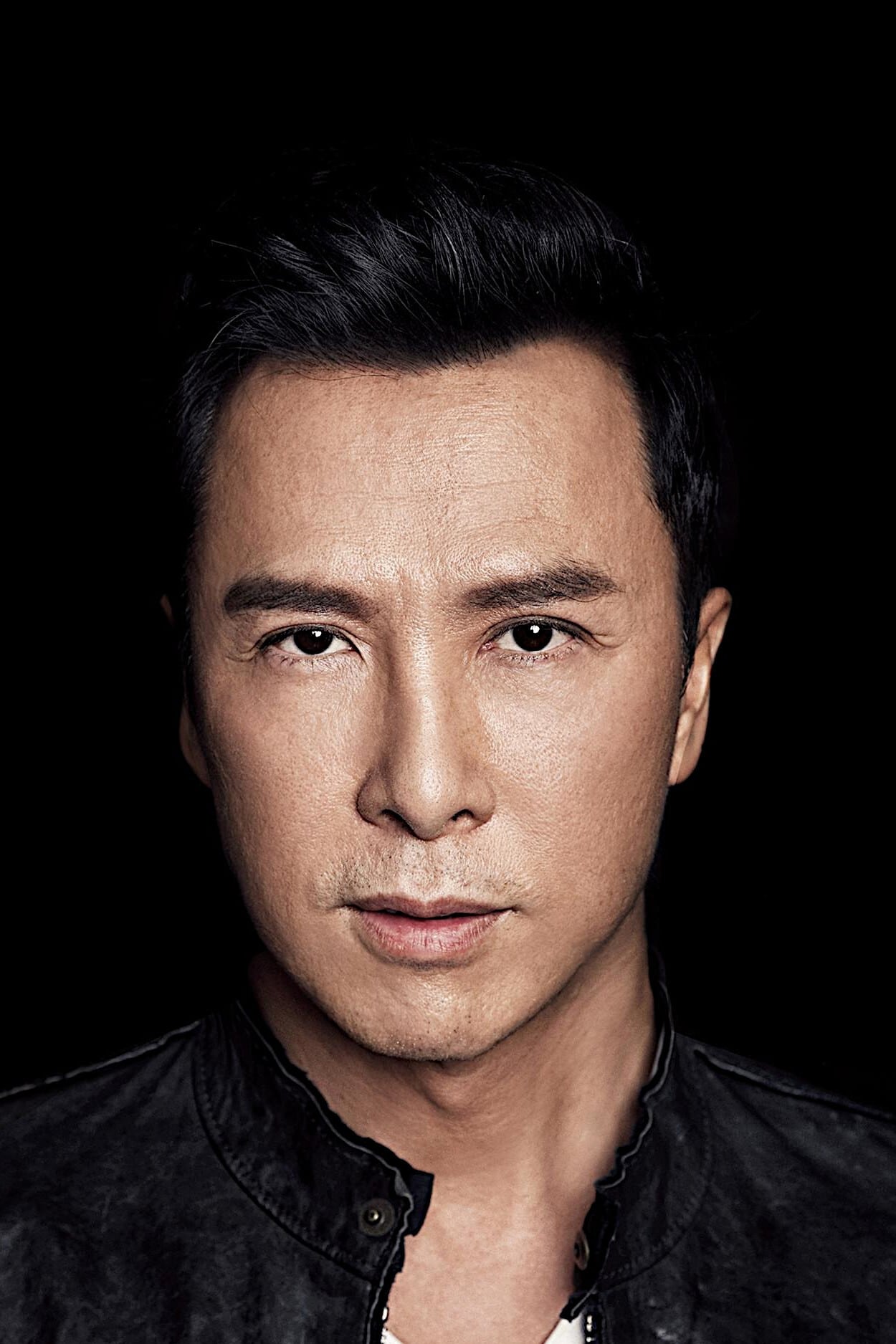
Donnie Yen consistently strives to create well-rounded characters beyond typical martial arts stereotypes. He frequently collaborates on scripts, adding depth and unique motivations to his roles. Yen believes Asian actors deserve the same complex character development as Western actors, and actively seeks roles that showcase his ability to portray warmth, fatherly figures, and strong leadership. Recently, his work has focused on themes of legacy and mentorship.
Benedict Wong
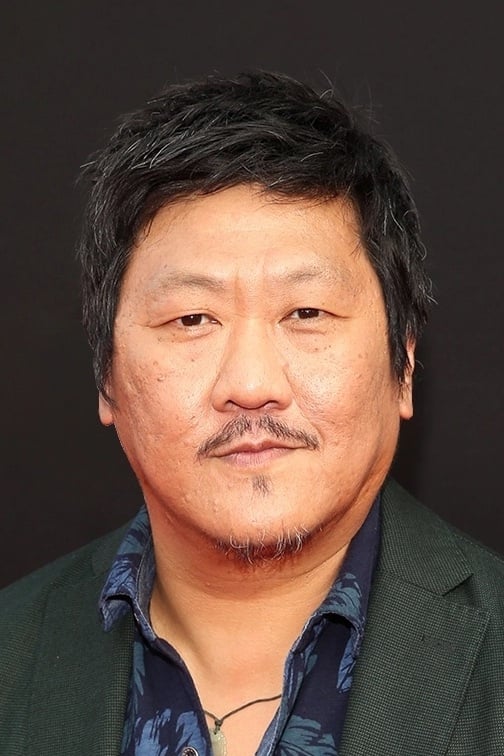
Benedict Wong has consistently elevated supporting characters into crucial elements of storytelling. He’s a strong voice for greater representation of British Asians in TV and film. Wong’s performances are marked by a clever humor and intelligence, challenging the outdated idea of Asian characters as simply helpers. He champions casting choices that prioritize talent over ethnicity, allowing Asian actors to play a wide range of roles. By appearing in large-scale films, he helps ensure Asian characters are portrayed as strong and vital to the story.
Chin Han

Chin Han intentionally chooses roles that depict strong, authoritative Asian men, challenging the typical portrayal of Asians as submissive. He actively seeks out parts for global leaders and influential characters to redefine how Asian men are seen in media. Han also emphasizes the value of international film collaborations for expanding opportunities for actors and advocates for portraying older actors with dignity and sophistication, showcasing their experience rather than vulnerability. Ultimately, his work consistently aims to elevate the image of Asian men in Western media.
Gedde Watanabe
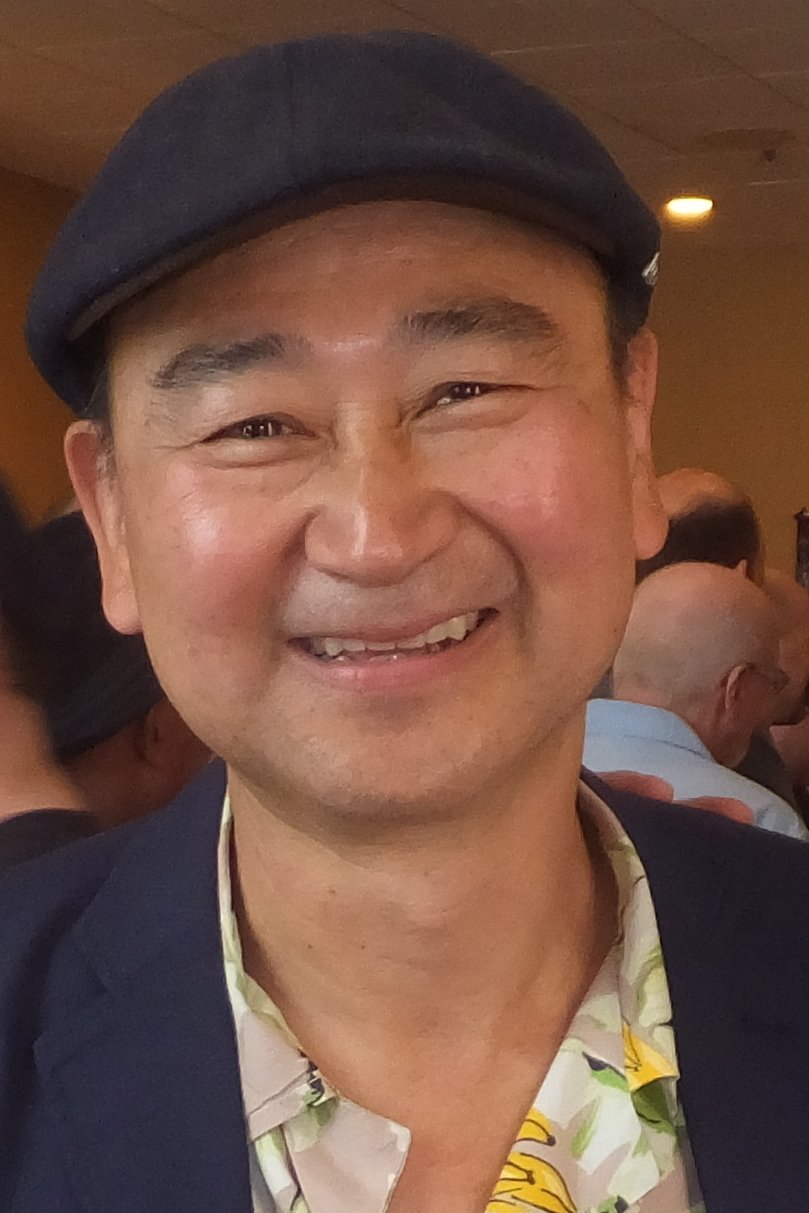
Gedde Watanabe is addressing past criticism of his early acting roles and is actively working to redefine how people see him. He explains how hard it’s been to find work that doesn’t depend on harmful stereotypes or exaggerated portrayals. Watanabe believes people deserve second chances and that actors should be able to move beyond being typecast. His recent performances are marked by both a sense of sadness and strength. His story shows how the entertainment industry is slowly, but importantly, becoming more aware of racial sensitivity.
Clyde Kusatsu
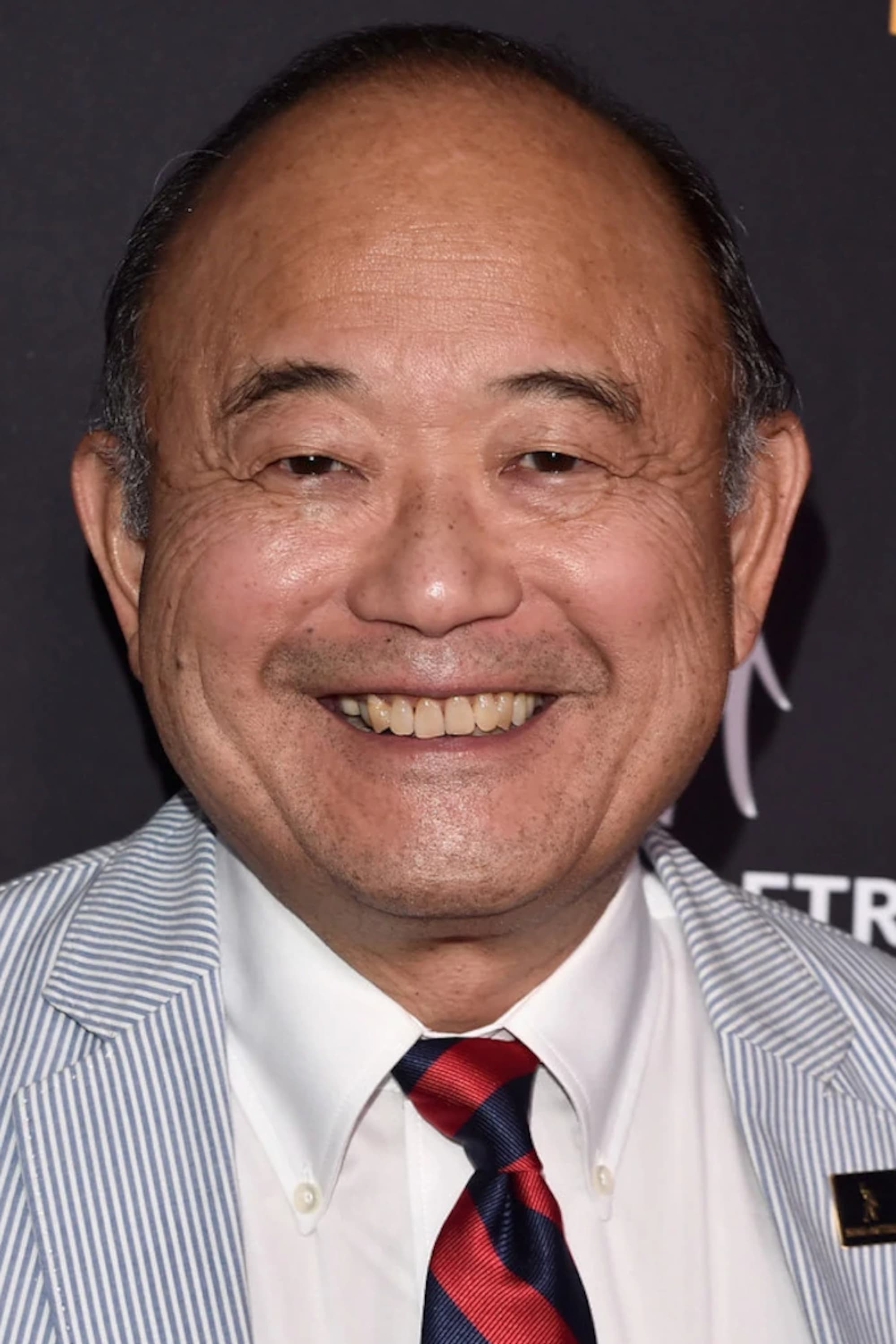
Clyde Kusatsu is a veteran actor who champions the rights of fellow union members, especially background performers. He stresses that being dependable and professional is key to building a successful acting career. Kusatsu also actively works to increase representation of Asian actors in common roles – like judges or store clerks – believing that seeing Asian faces in everyday situations is just as crucial as seeing them in leading roles. His efforts stem from his understanding of the challenges actors face when trying to make a living in the industry.
Sab Shimono
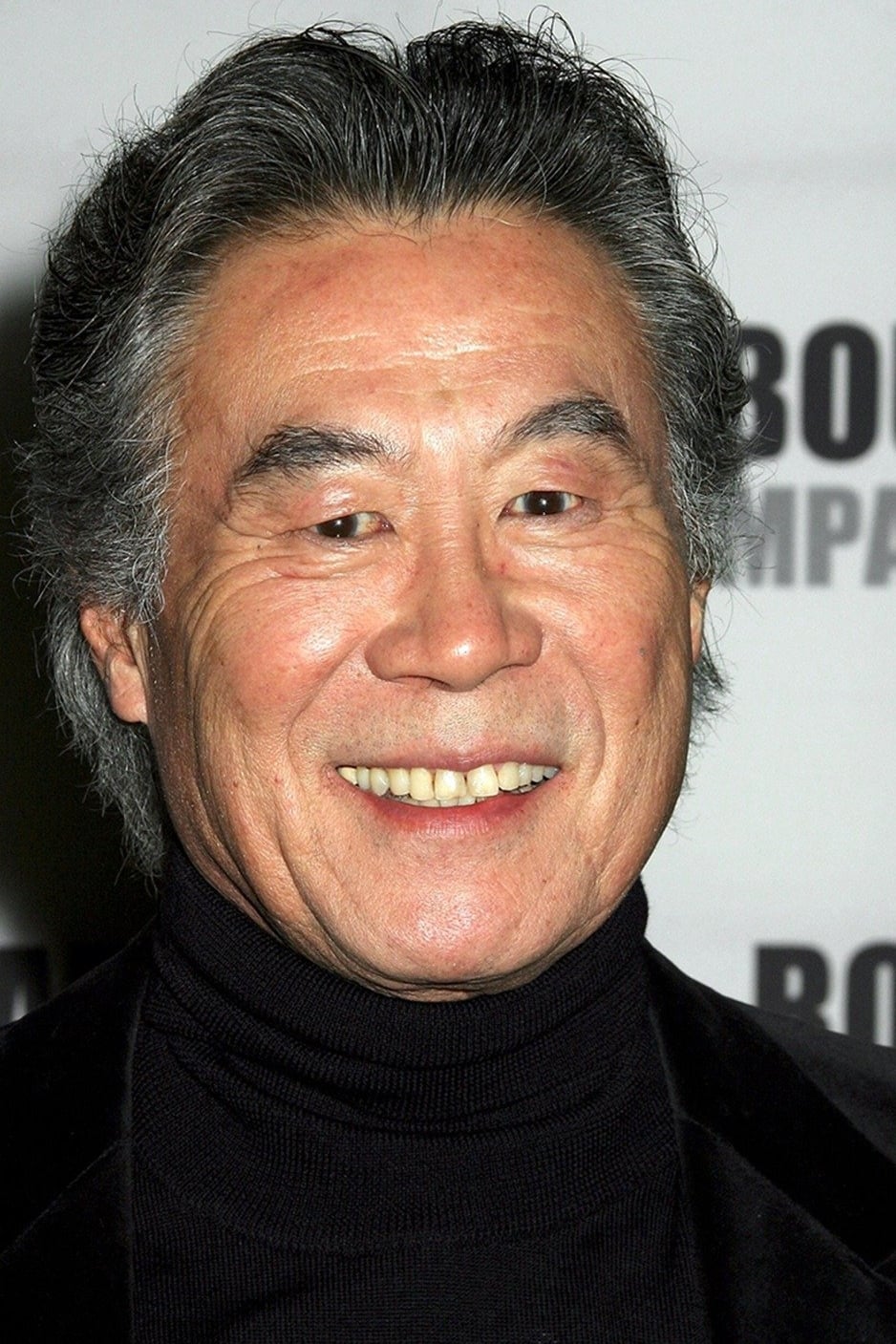
I’ve always been so impressed by Sab Shimono and the work he does. He really focuses on bringing Asian American history to life, especially stories about the internment camps and what immigrants went through. He’s a big believer in using art to keep these important events from being forgotten, and he feels that actors like him, who lived through those times, have a special responsibility to share those experiences. It’s incredibly moving how he makes sure the struggles and successes of his generation aren’t lost to time.
Yuji Okumoto
As a lifelong movie fan, it’s been amazing to see Yuji Okumoto’s career get a second life. He’s really found something special revisiting a character from his past, but with a new understanding. He’s a big believer in letting villains become more complex and even find some redemption as they get older, which I totally agree with! He’s also smart enough to have a business outside of acting, giving him the freedom to pick projects he’s passionate about. And he’s not just focused on his own career – he’s really dedicated to mentoring up-and-coming actors. Honestly, seeing him back on screen feels like a win for anyone who’s ever felt overlooked or forgotten by Hollywood.
Jason Scott Lee
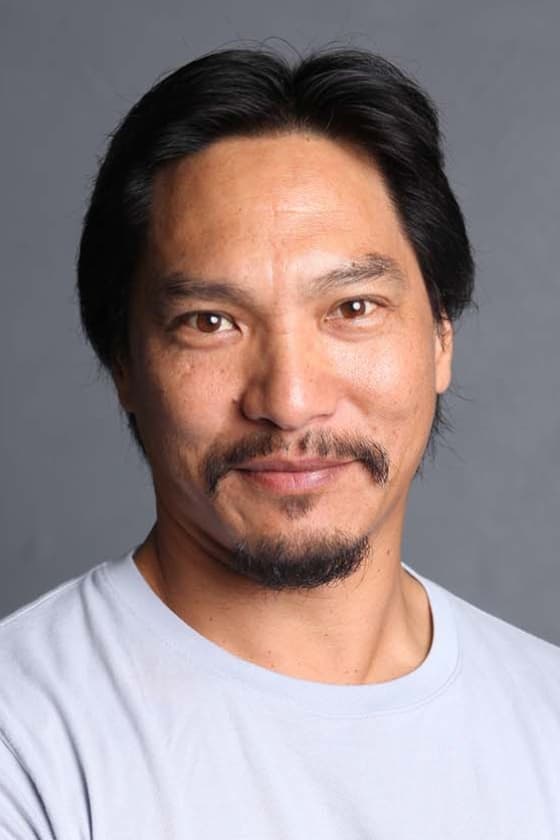
Jason Scott Lee often prioritizes meaningful roles that honor his background. He’s a strong supporter of stories that accurately represent indigenous, Polynesian, and Asian cultures. Lee looks for projects where he can be both physically strong and emotionally expressive, and he draws on his connection to nature to enhance his performances. Ultimately, he values genuine storytelling more than just achieving widespread fame.
Russell Wong
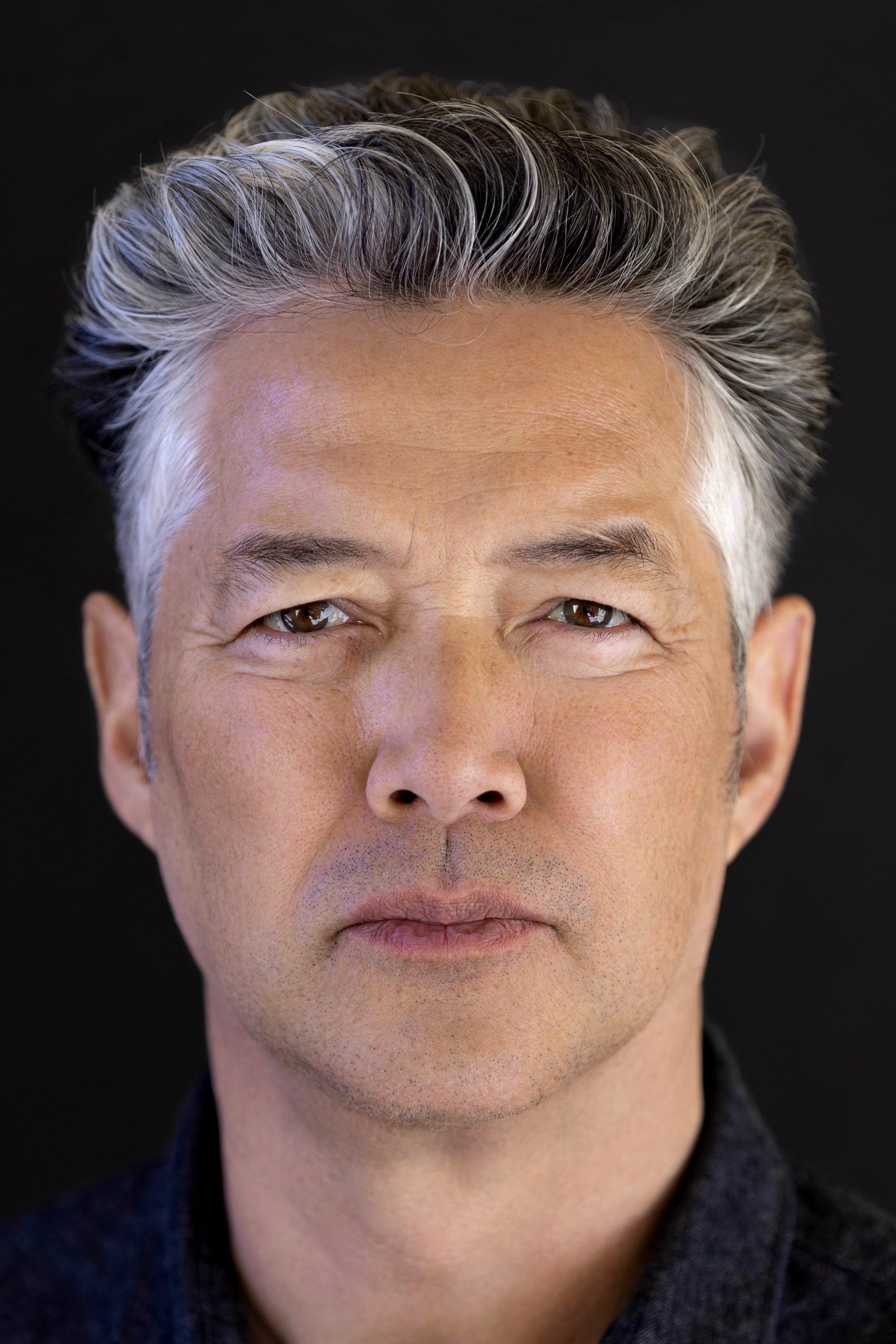
Russell Wong broke barriers as one of the first Asian American actors promoted as a leading romantic figure. He continues to champion better representation for Asian men in media, fighting against the tendency to portray them as unmasculine or sexless. Wong actively seeks roles that showcase Asian men as romantic interests and in relationships with depth and complexity, proving they can successfully lead those kinds of stories.
Byron Mann
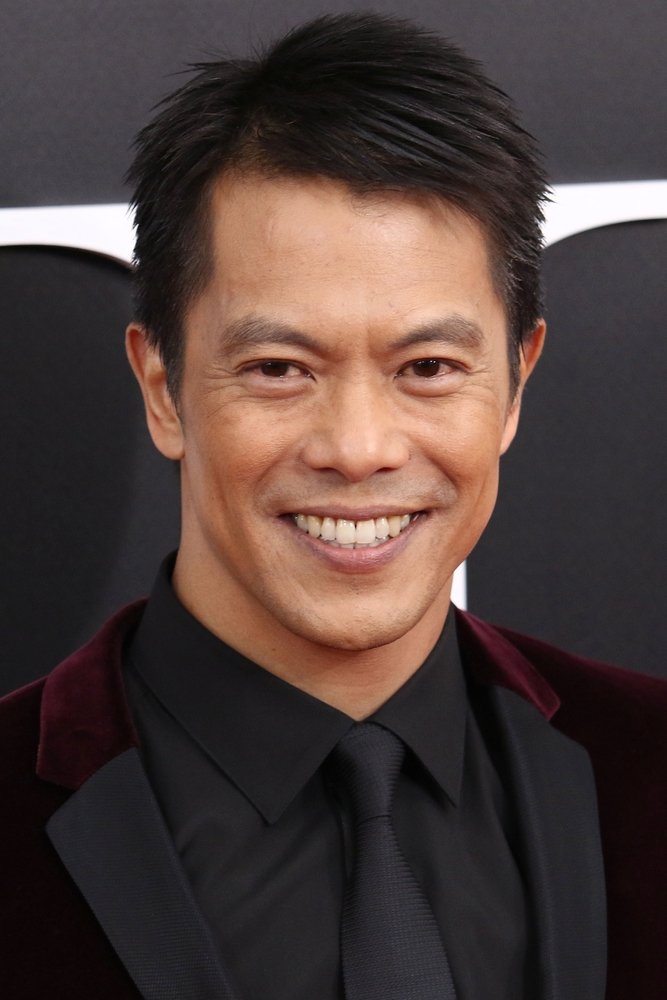
Byron Mann actively seeks roles all over the world and isn’t restricted by location. He champions the exchange of acting talent between Hollywood and Asia. Mann feels experienced actors contribute a strong work ethic that improves any project. He frequently chooses to play characters who are both appealing and threatening, demonstrating his acting flexibility. He maintains a consistent work schedule to showcase his diverse abilities.
Will Yun Lee
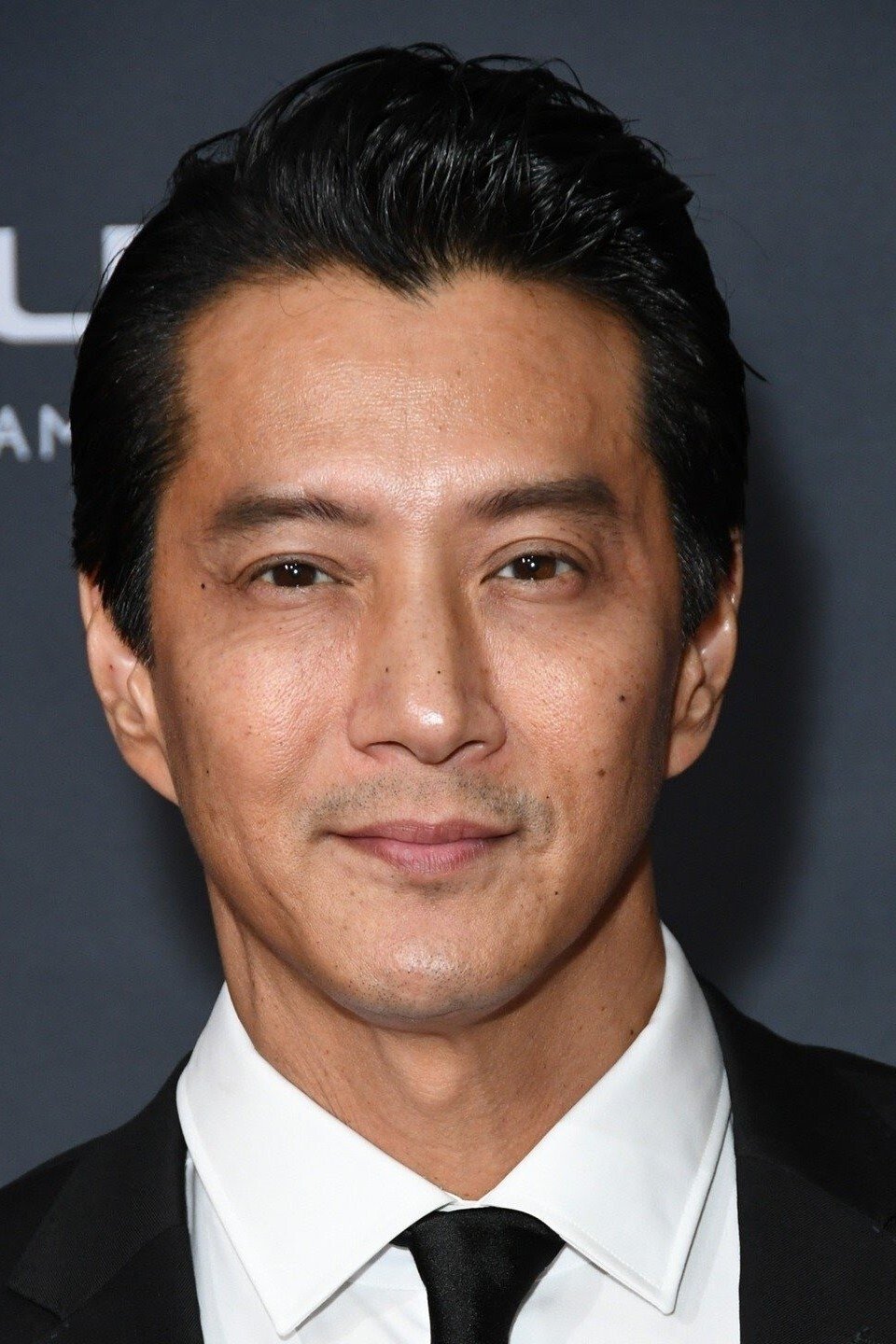
Will Yun Lee is a strong voice for better representation of Asian men in media, particularly as fathers. He actively seeks roles that portray Asian men as caring and protective parents and believes it’s important to show their vulnerability – a trait often missing in these characters. Drawing on his own life experiences, including overcoming health issues, Lee brings authenticity to his roles, often exploring themes of sacrifice and unwavering loyalty.
Rick Yune

Rick Yune is known for being selective about his roles, consistently choosing quality over simply taking any part offered. He often turns down roles he finds uninteresting or poorly developed, preferring to wait for characters that are smart, strong, and more than just muscle. Yune believes an actor’s ability to say ‘no’ is a powerful way to maintain artistic integrity, and his career demonstrates a commitment to high standards.
Mark Dacascos
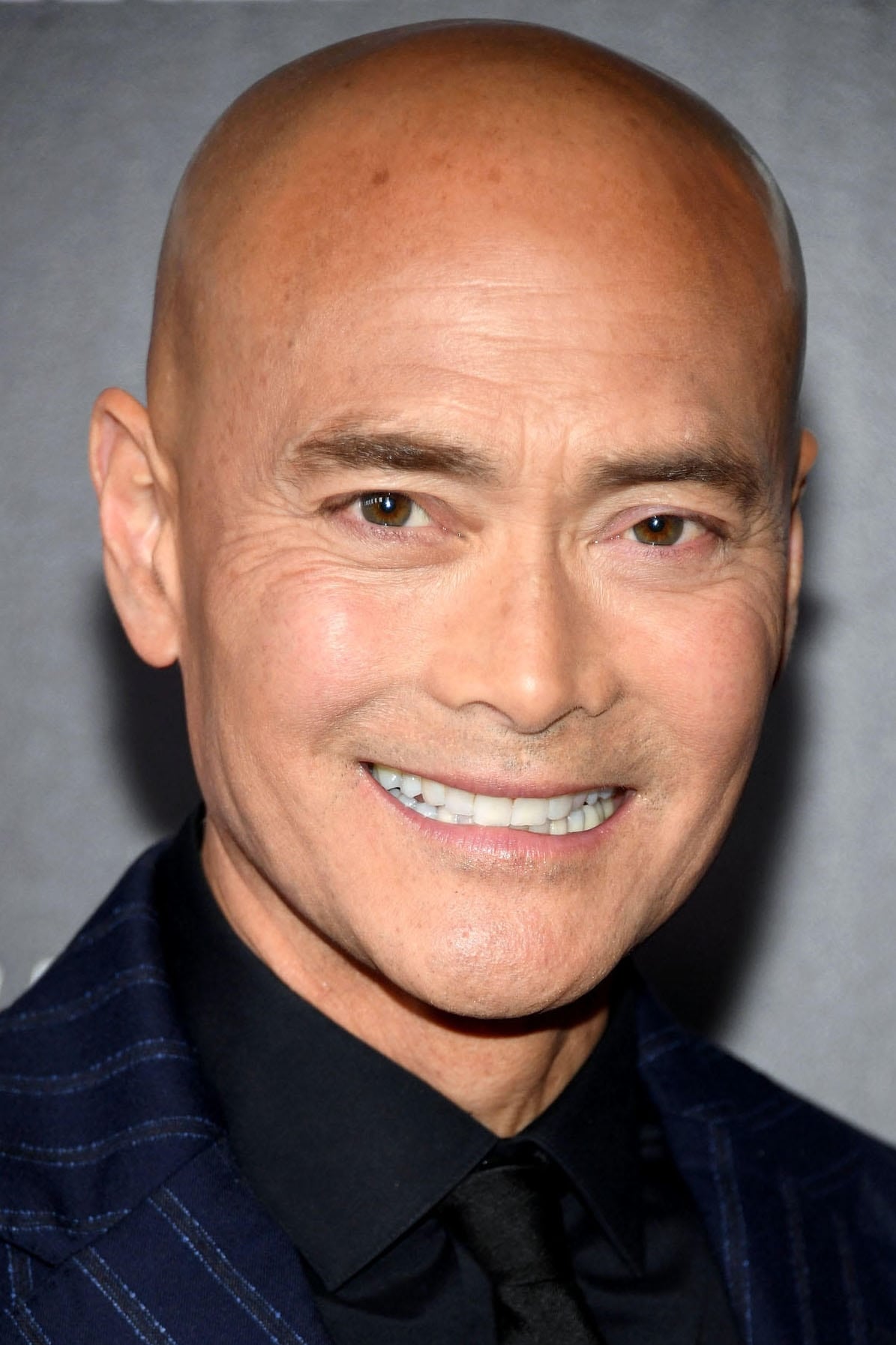
Mark Dacascos is a strong voice for including actors of all racial backgrounds in discussions about Asian representation. He encourages filmmakers to create characters that reflect the richness of having a diverse heritage. Dacascos remains a captivating performer thanks to his athleticism and charisma, proving that action stars can continue to thrive in roles that demand intelligence and humor as they age. His passion for acting has allowed him to consistently work in both TV and movies.
Lou Diamond Phillips
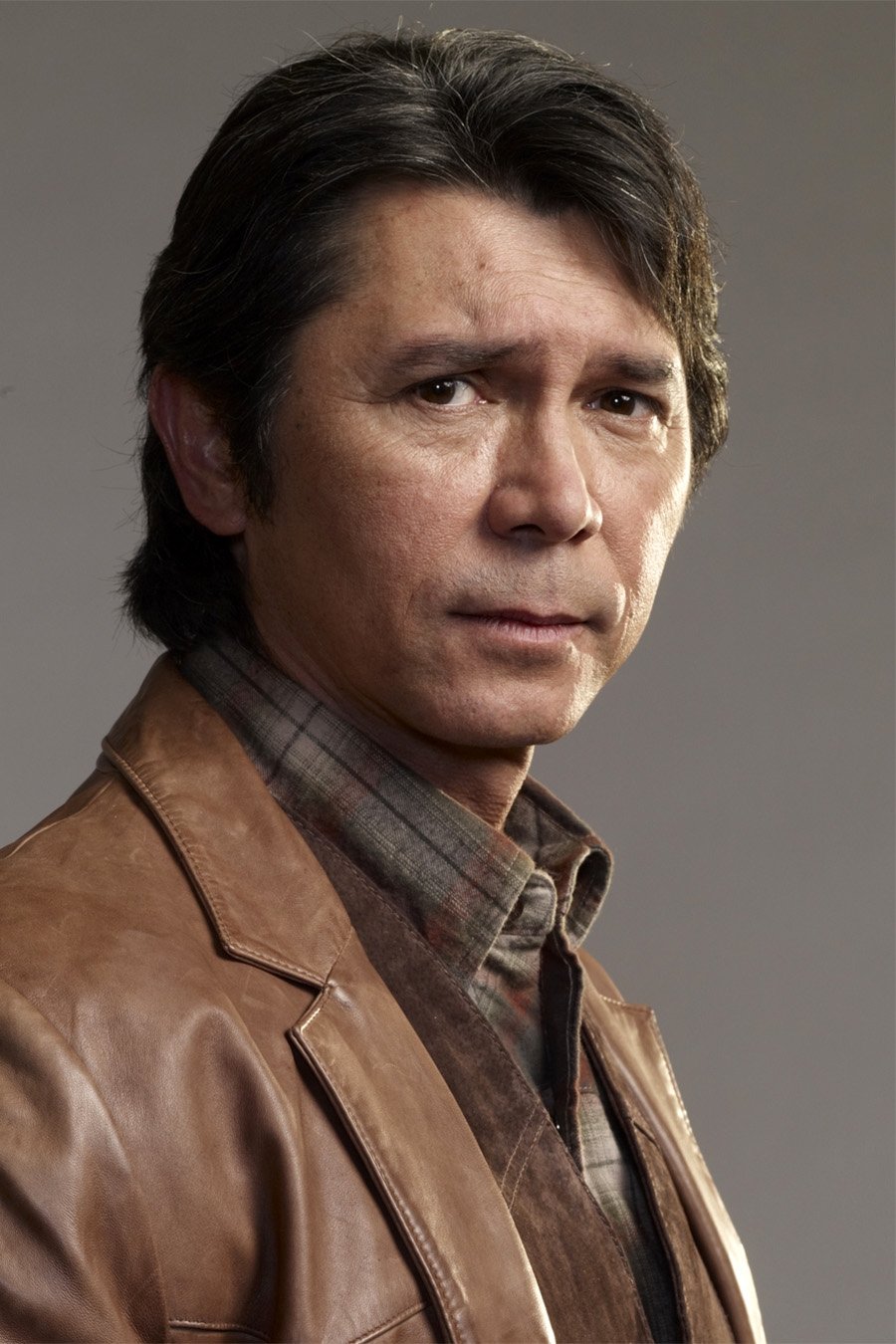
As a film buff, I’ve always admired Lou Diamond Phillips. He’s incredibly versatile – he’s portrayed so many different ethnicities, and he’s a big proponent of casting based on talent, not just someone’s background. He’s spoken openly about how tough it is to navigate Hollywood when you don’t fit neatly into a box. What I really appreciate is that he actively seeks roles that let him become the character, rather than just being seen as a representative of a certain group. He’s also fantastic with young actors, helping them build lasting careers by emphasizing the importance of being adaptable and playing the long game. Honestly, looking at his career, it’s clear that genuine talent really does break through those limiting stereotypes.
Sung Kang
Sung Kang champions realistic and relatable Asian characters in film and television, wanting to move beyond tired stereotypes. He’s known for insisting on small, everyday details – like his character snacking – to make them feel more authentic and cool. Kang wants to see Asian men portrayed as confident and interesting without always relying on martial arts skills. He believes that understated performances can be incredibly impactful, and his characters often project a quiet strength that defies expectations.
Randall Park

Randall Park is dedicated to writing and producing content that gives himself and other Asian American actors opportunities to play relatable and funny characters. He feels it’s important for Asian Americans to be shown in everyday, comedic scenarios – simply existing in normal settings like suburbs and offices – and sees this as a powerful form of representation. Park also focuses on creating projects that allow other actors to showcase their talents alongside him. Ultimately, his work challenges stereotypes and demonstrates that Asian men can be charming and funny leading men.
Steven Yeun
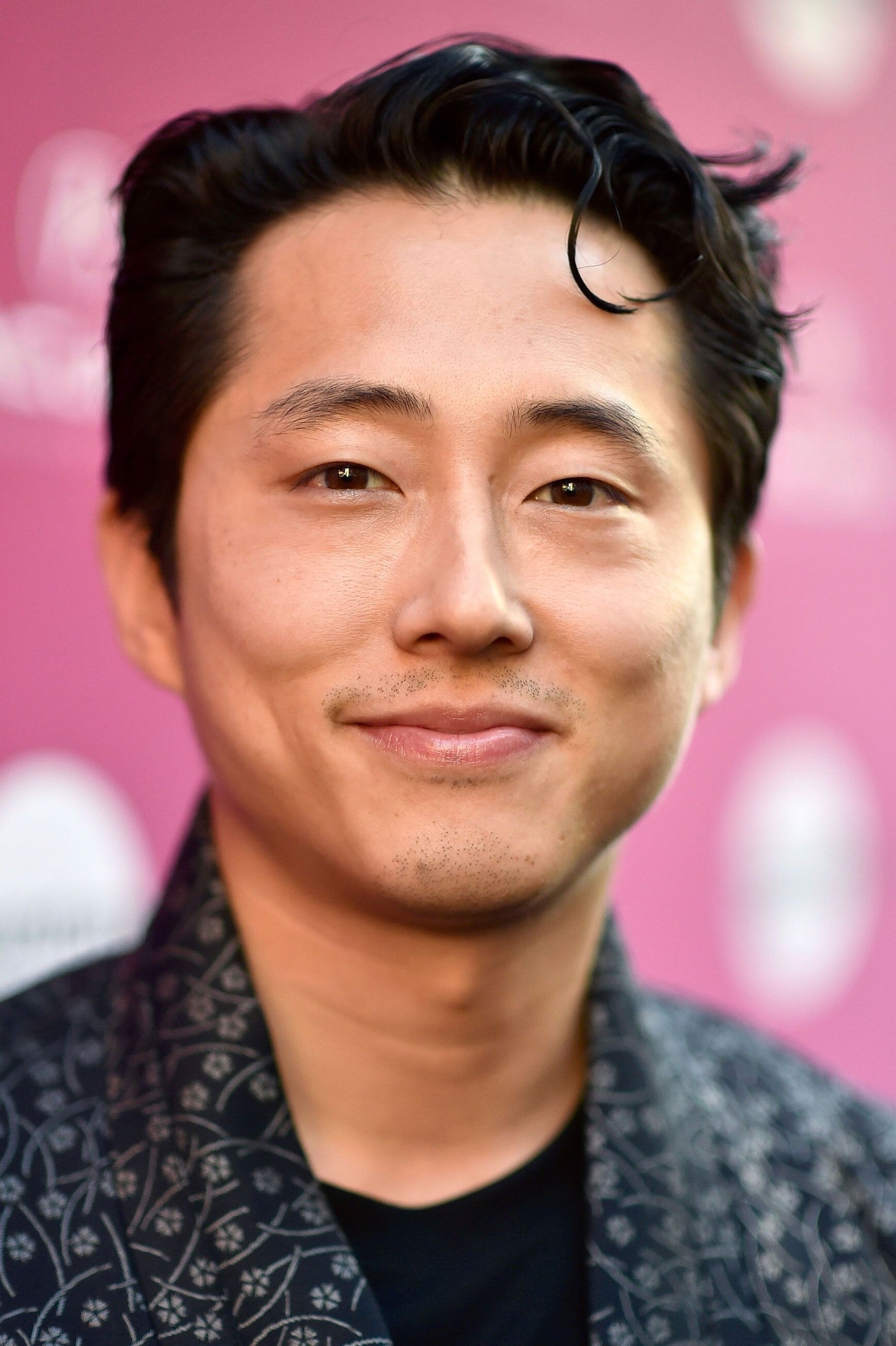
Steven Yeun made a bold move by leaving a successful TV show to focus on more creative and demanding film projects. He encourages actors to take chances and collaborate with visionary directors, hoping to broaden how Asian actors are seen. Yeun actively avoids being typecast and consistently chooses roles that push him outside his comfort zone. He feels that American movies should recognize and portray the Asian American story as an integral part of the American experience. His success is now helping to create opportunities for richer and more complex stories to be told.
Riz Ahmed
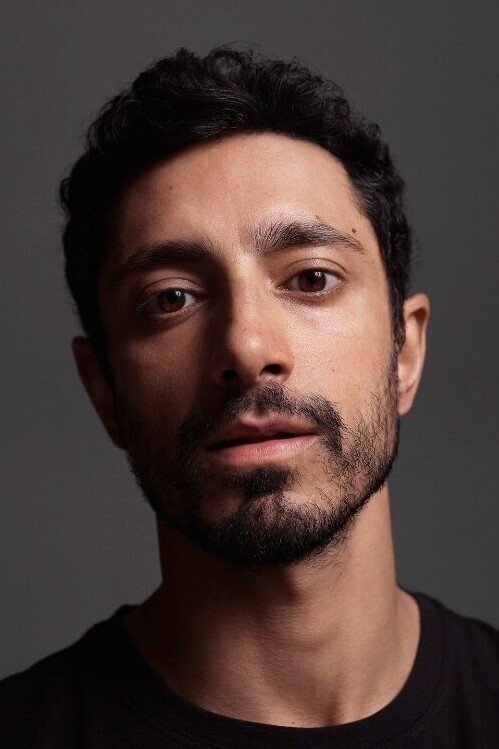
Riz Ahmed is a strong voice for better and more realistic portrayals of Muslims and South Asians in movies and TV. He developed the “Riz Test” as a way to evaluate how Muslim characters are depicted. Ahmed prefers roles where his background isn’t the main point of the story, but simply a part of who the character is. He feels that storytelling can change the way people think and reduce bias. He also frequently discusses the challenges actors of color face in building long-lasting careers.
Kal Penn
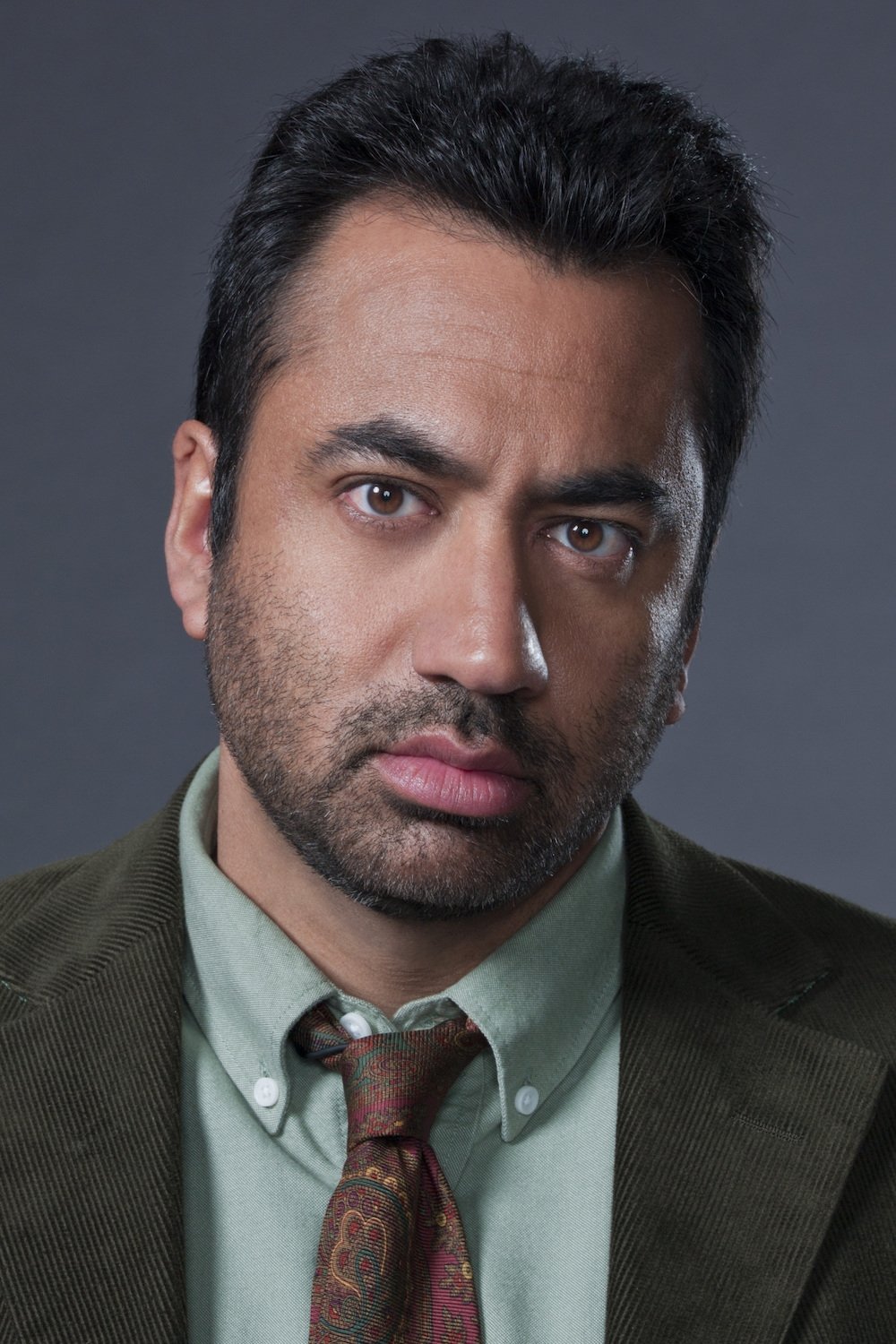
Kal Penn successfully moves between acting and working in public service, using his platform to champion funding for the arts and increased representation. He encourages producers to take risks and cast diverse actors in leading roles, and advocates for comedy that challenges power structures instead of relying on harmful stereotypes. Penn emphasizes that having diverse teams of writers is key to creating more meaningful and complex roles for actors. Ultimately, his career shows how actors can make a real difference in shaping policy and society.
Cliff Curtis
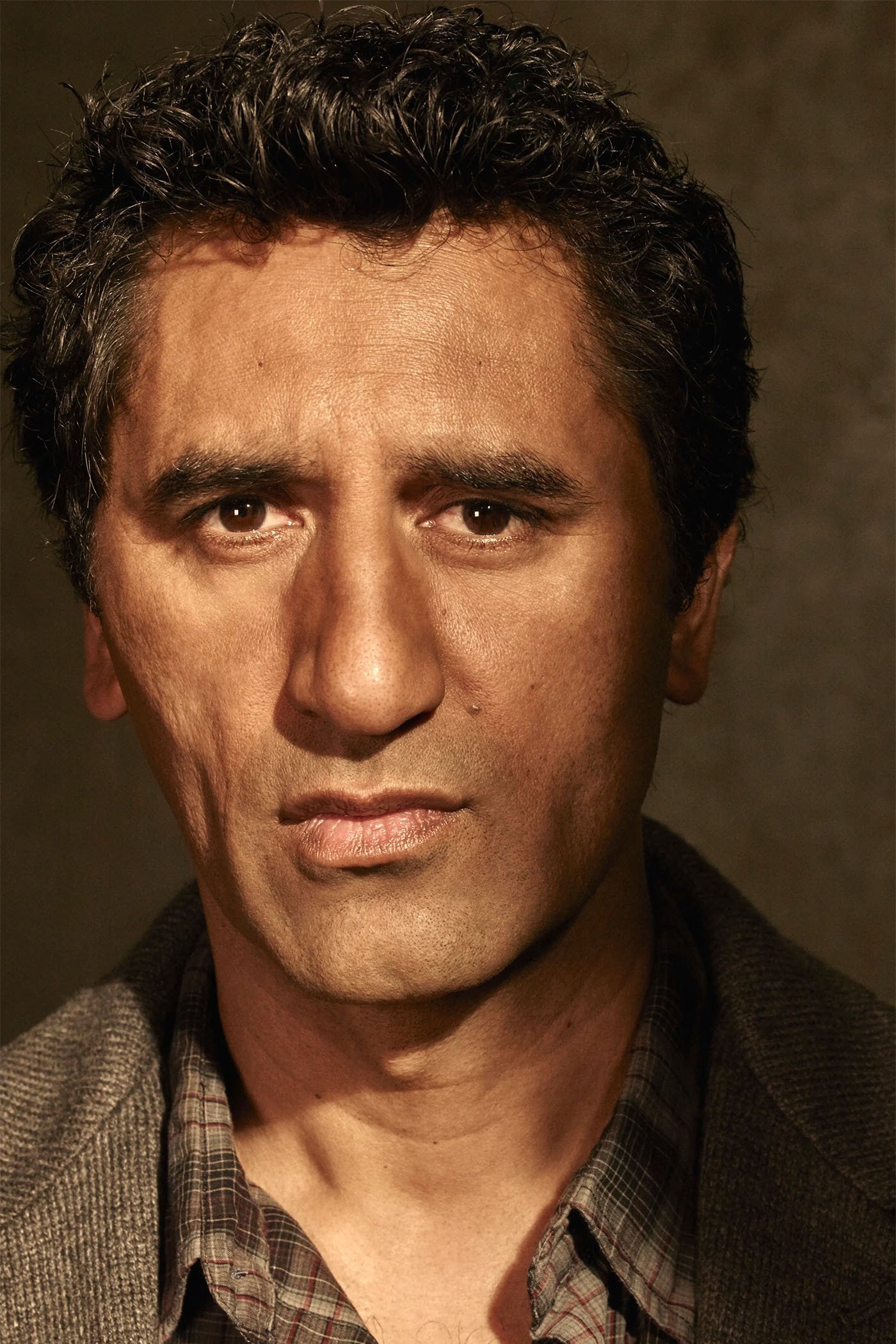
Cliff Curtis is known for portraying diverse characters and is a strong voice for authentic and respectful representation of Indigenous and people of color. He’s dedicated to ensuring the cultural details of his roles are accurate and thoughtfully handled, and actively seeks out roles that depict him as a strong, authoritative figure. Curtis believes film has a vital role in maintaining cultural heritage and documenting history, and his talent has led to a long and successful career.
Sendhil Ramamurthy
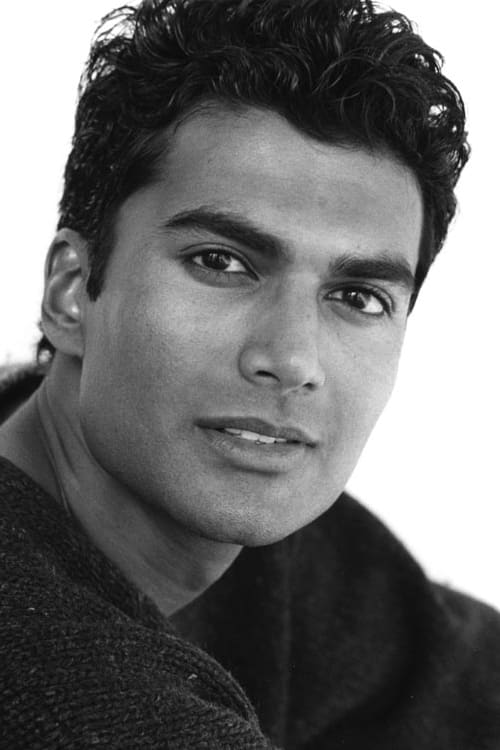
Sendhil Ramamurthy is working to change how South Asian men are portrayed in media. He wants to see them represented as desirable and multifaceted characters, not just as stereotypes. He actively avoids roles that rely on stereotypical accents for laughs and champions more diverse casting, particularly in science fiction and fantasy. Ramamurthy believes this kind of representation is key to overcoming the tendency to overlook or desexualize South Asian men in the entertainment industry.
Parry Shen
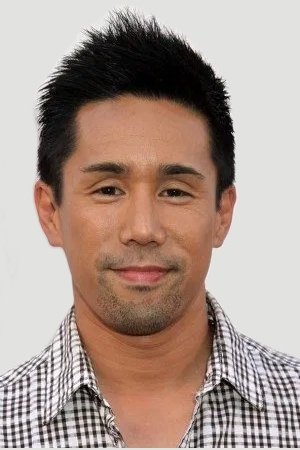
Parry Shen has often written about the hidden challenges faced by Asian actors working in Hollywood. He champions the importance of recognizing all actors who consistently keep the industry running. Shen also encourages horror and other genre films to feature Asian characters who aren’t just killed off, but actually survive. He feels every acting role plays a part in creating better representation. Through open and honest conversations, he sheds light on the often-difficult life of a working actor.
Brian Tee
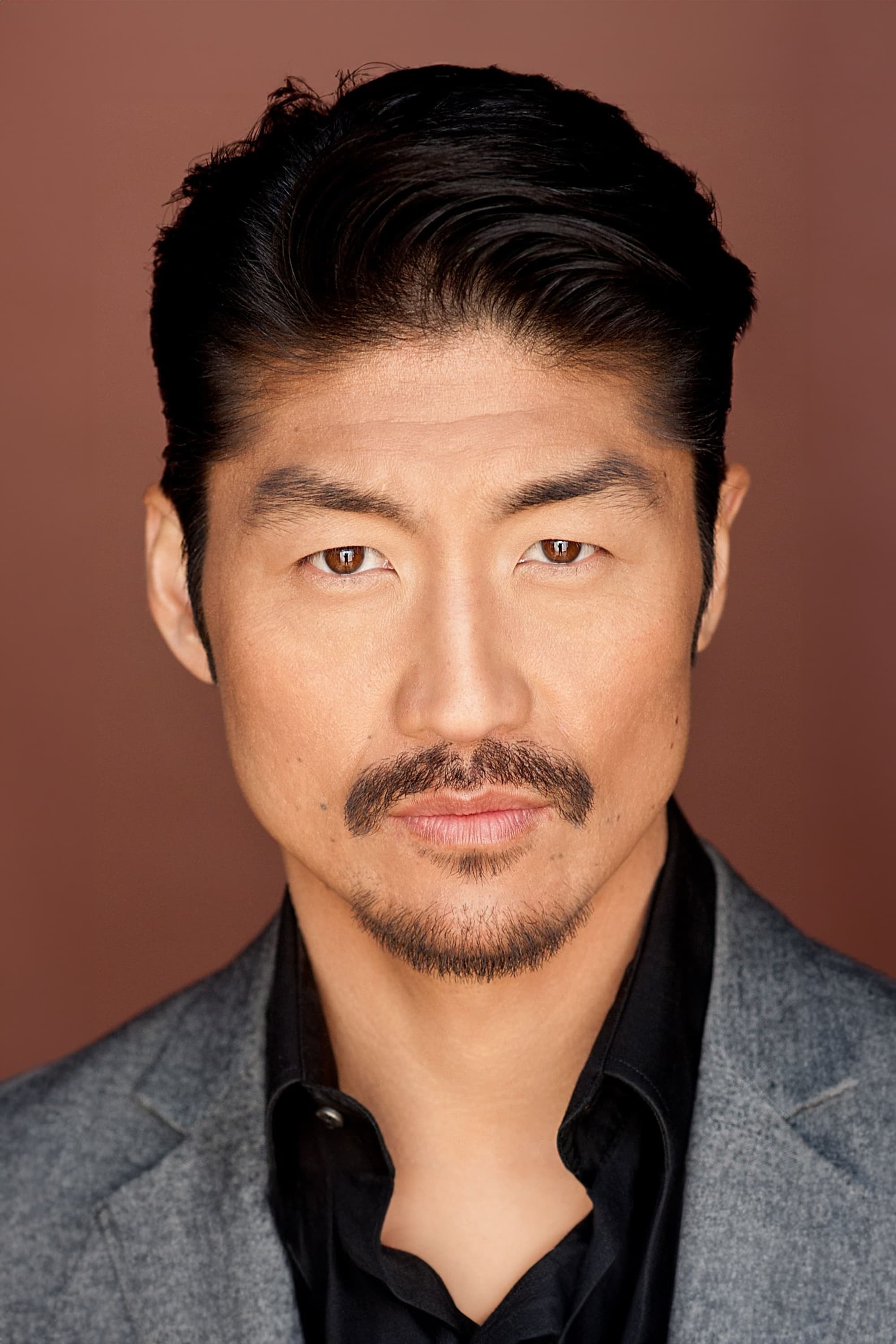
Brian Tee believes villains should be complex characters with clear reasons for their actions and genuine emotions. He’s committed to portraying characters who are fully developed, rather than simply existing to support the hero’s story. Tee also champions greater representation of Asian men in strong, leadership roles – particularly in the military and professional fields. He feels that showing vulnerability and complexity makes characters truly powerful, and his work often brings a sense of dignity and sadness to his performances.
Jimmy O. Yang
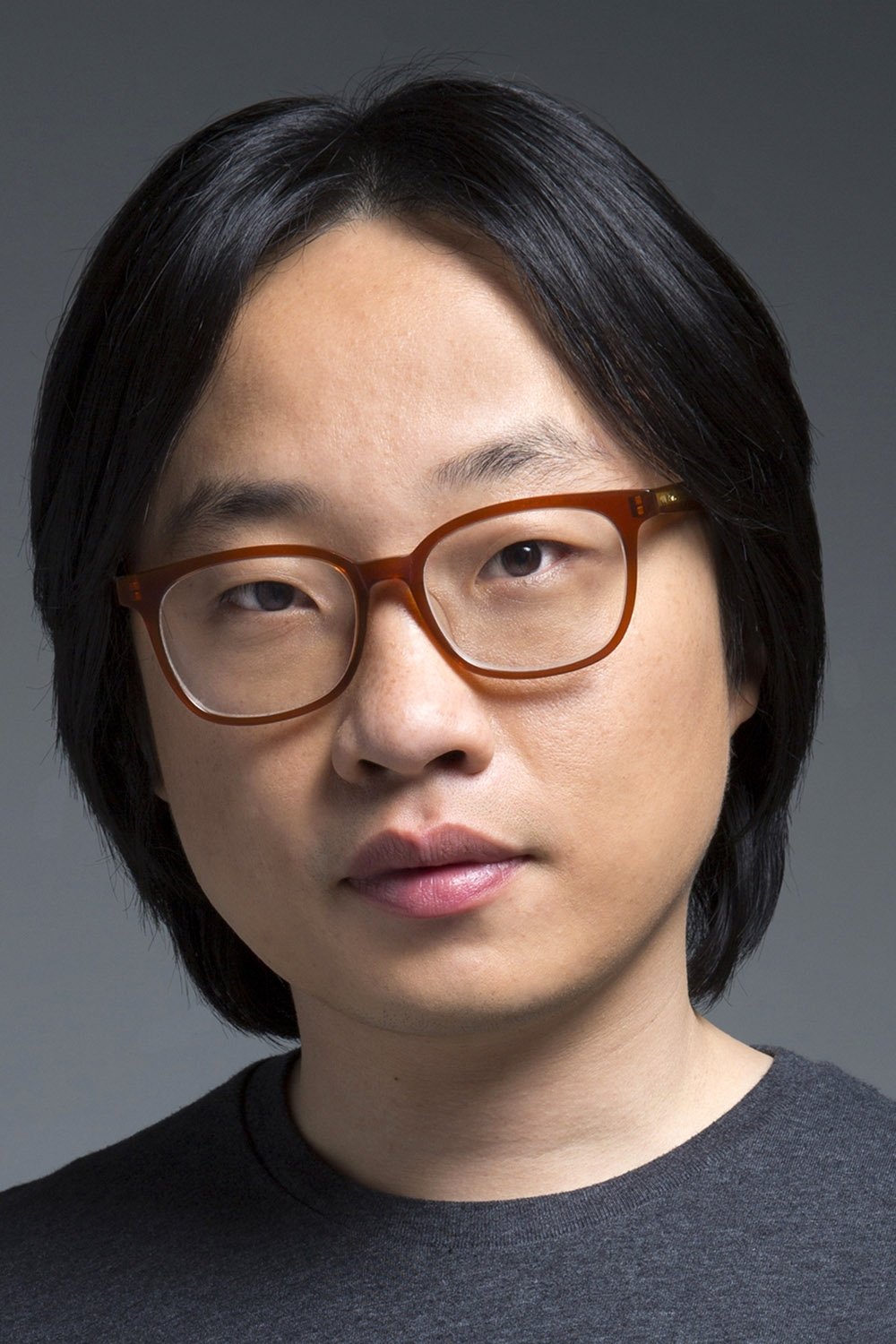
Jimmy O. Yang tackles the stereotypes he encountered as an actor through his stand-up and writing. He encourages Asian immigrants to embrace their heritage, including their accents and personal stories, with pride. Yang actively seeks roles that highlight the challenges and contrasts between traditional upbringing and modern living. He believes humor is a powerful tool for overcoming prejudice and connecting with people. Now, with his success, he’s also working to open doors for others.
Ronny Chieng
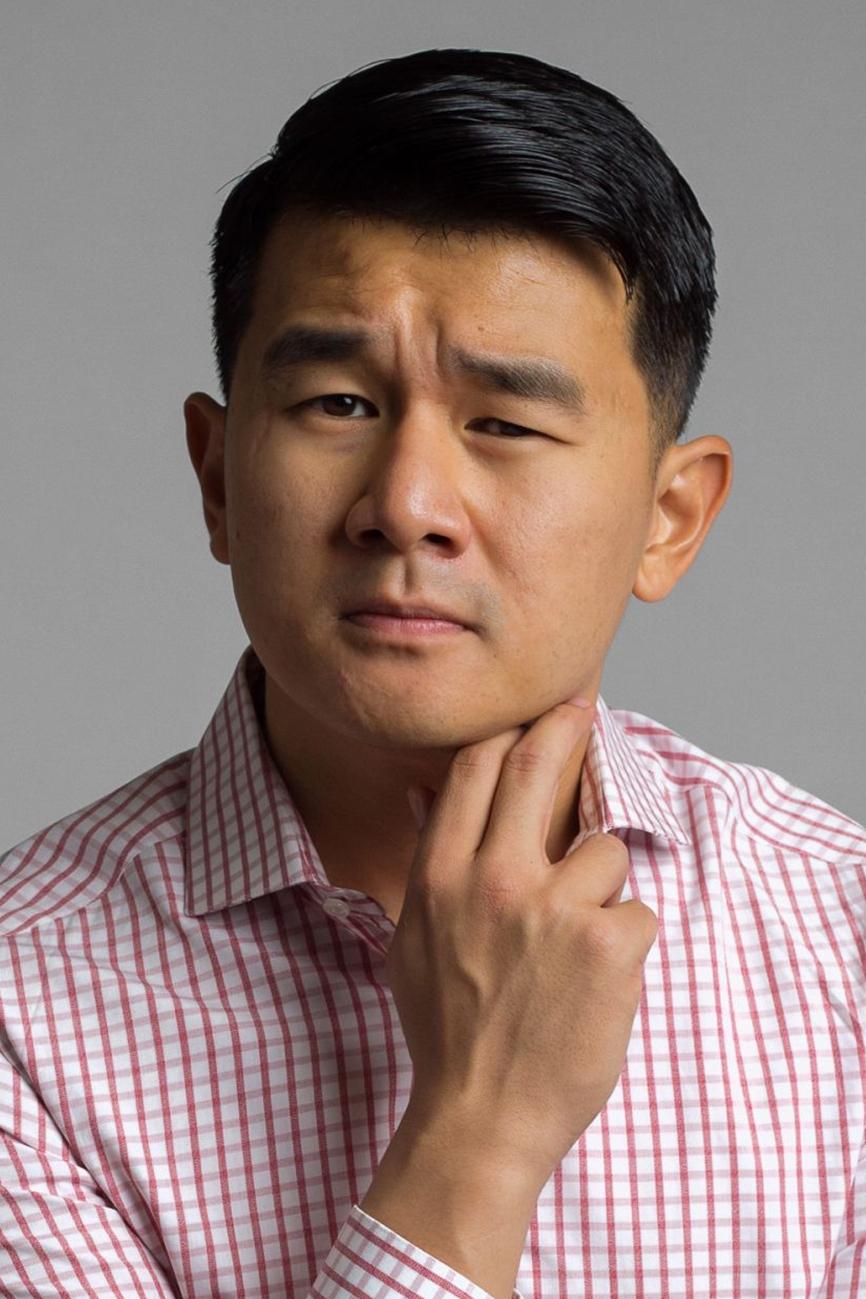
Ronny Chieng challenges common misconceptions about Asian people through clever and biting comedy. He encourages audiences to see the world from a broader perspective, moving beyond limited Western viewpoints. Chieng champions portrayals of Asian characters who are strong, thriving, and self-assured, and he believes that expressing anger through creative work can be powerful. Ultimately, his comedy calls for greater understanding and respect for Asian experiences worldwide.
Ma Dong-seok
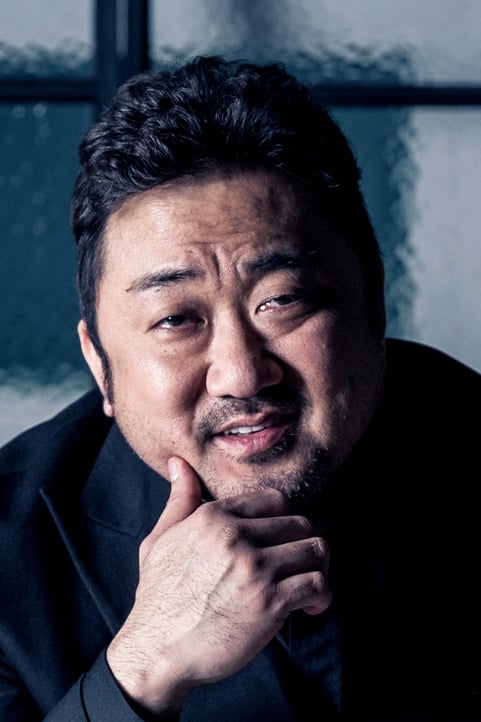
As a huge action movie fan, I really appreciate what Ma Dong-seok – or Don Lee, as some know him – is doing. He’s bringing a totally different body type to the genre, breaking away from the usual super-lean action star. I love that he plays characters who are incredibly powerful, but also have this really protective, almost sweet side. He’s right – action movies can connect with anyone, anywhere, because it’s not just about the fighting, it’s about the feeling and how well the action is done. And honestly, his success proves he’s onto something – charisma truly is universal! It doesn’t matter what language you speak, a compelling performance shines through.
I’m really curious to hear who you all think has been the most influential actor in the industry! Let me know in the comments – I’d love to see your thoughts!
Read More
- Top 20 Dinosaur Movies, Ranked
- 20 Movies Where the Black Villain Was Secretly the Most Popular Character
- Celebs Who Narrowly Escaped The 9/11 Attacks
- 25 “Woke” Films That Used Black Trauma to Humanize White Leads
- Spotting the Loops in Autonomous Systems
- The 10 Most Underrated Jim Carrey Movies, Ranked (From Least to Most Underrated)
- Transformers Under the Microscope: What Graph Neural Networks Reveal
- The Best Directors of 2025
- Gold Rate Forecast
- Every Notable ‘Star Trek: The Original Series’ Actor Who Died
2026-01-26 15:21