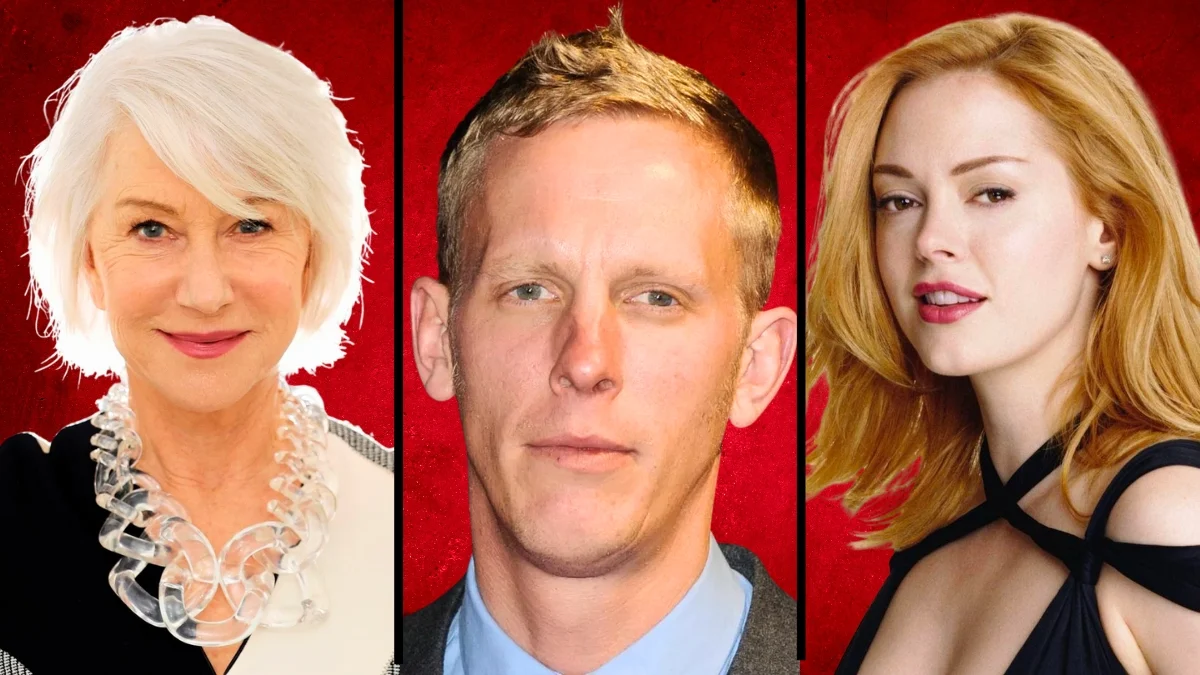
The film industry is deeply divided over whether to use quotas and requirements to increase diversity and inclusion. Some believe strong measures are needed to correct past inequalities, while others insist that casting and awards should be based purely on talent. These actors have voiced concerns about mandatory quotas, arguing that artistic decisions should prioritize creativity and individual skill, and that change should happen naturally within the industry rather than be forced by rules.
Michael Caine
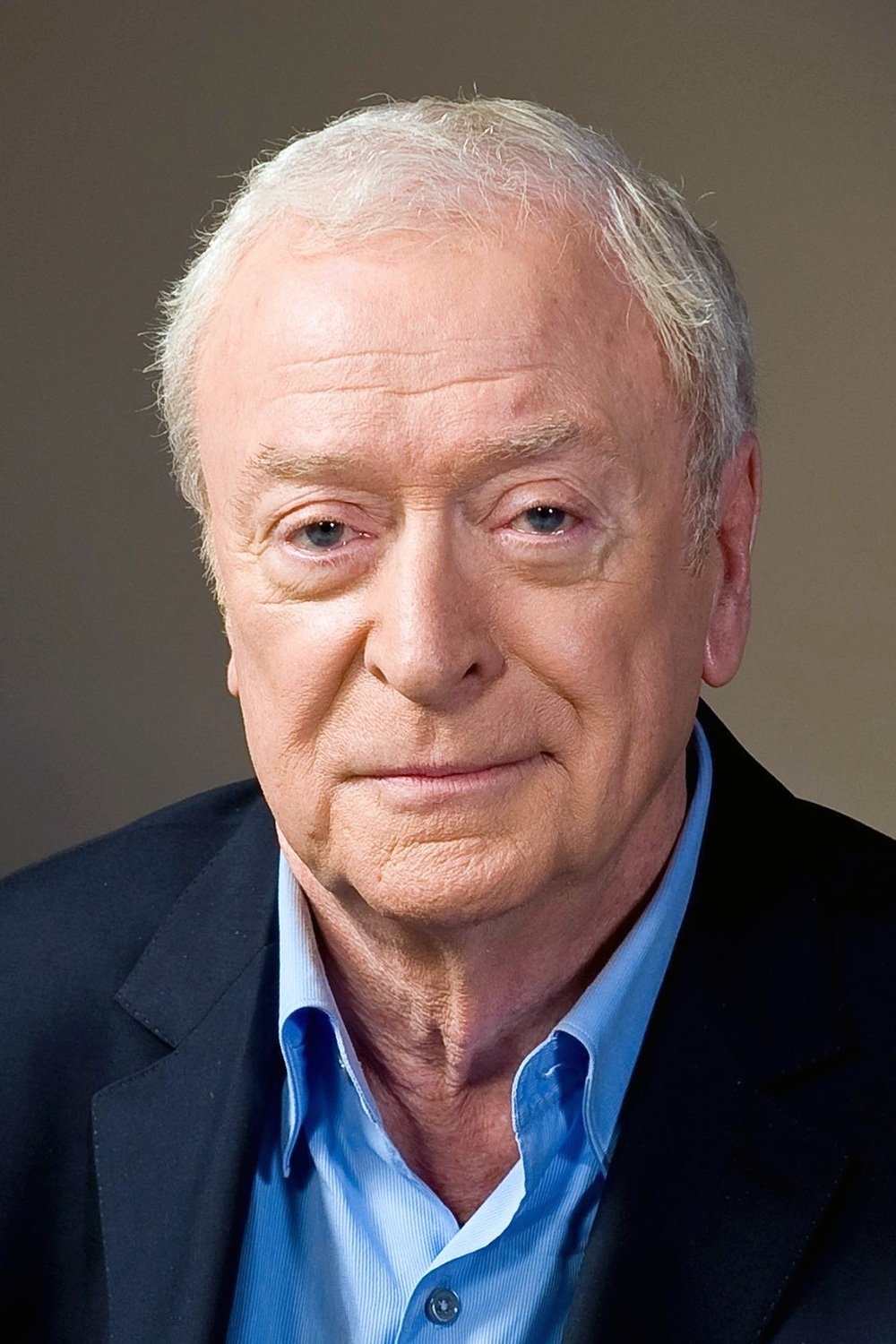
Michael Caine strongly believes that awards and job opportunities should be based solely on talent. He argues that actors should be judged on the quality of their work, not on their race or gender. Caine, an Academy Award winner for his role in ‘The Cider House Rules’, feels that true excellence isn’t limited by these characteristics. He worries that pushing for diversity through quotas could actually diminish the value of accomplishments earned through hard work and skill, and advocates for a system where merit is the only consideration in the film industry.
Charlotte Rampling
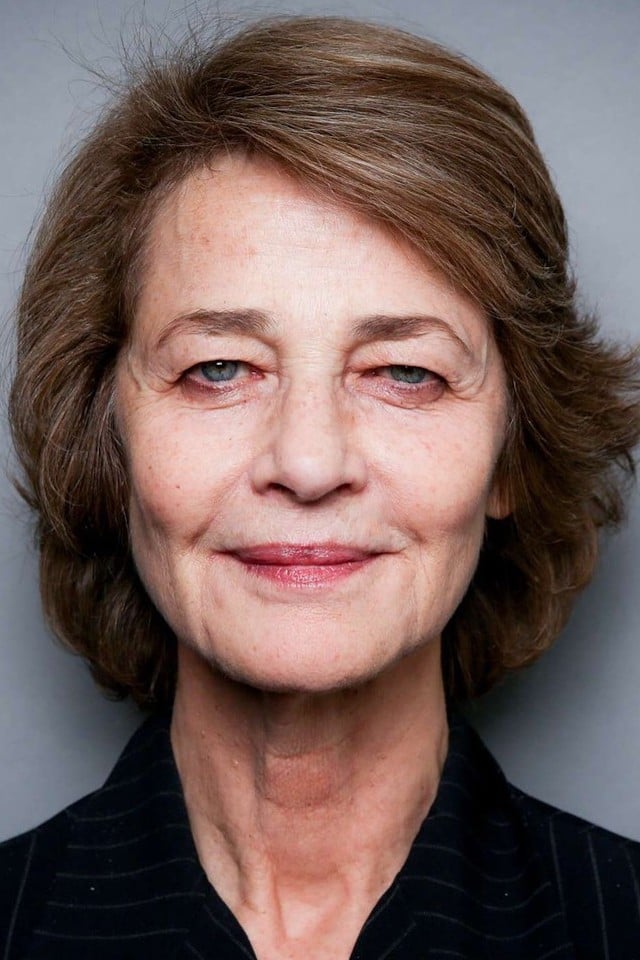
Charlotte Rampling recently caused discussion when she wondered if diversity quotas are truly needed in the film industry. The actress, known for ’45 Years,’ argued that awards should be based on talent and skill, not on simply meeting diversity goals. She worries that strict rules could unintentionally exclude the most deserving artists. Rampling feels the emphasis should always be on the quality of the work itself, and her views align with a European tradition of valuing individual artistic achievement.
Marion Cotillard
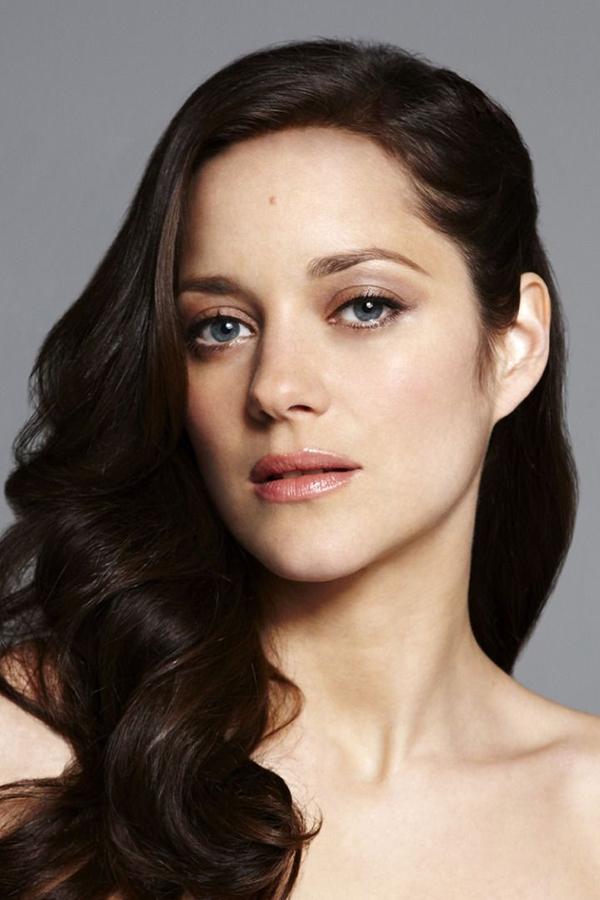
Marion Cotillard recently shared her concerns about separating male and female roles in film industry activism. At the Cannes Film Festival, the actress, known for ‘La Vie en Rose,’ explained that success in filmmaking should be based on talent, not gender. She believes that using quotas to achieve equality could actually be counterproductive, drawing attention to differences instead of skills. Cotillard envisions a collaborative creative environment where opportunities are determined by artistic merit, and artists are evaluated solely on their work.
Catherine Deneuve

As a film lover, I’ve been following this debate in France with a lot of interest. Catherine Deneuve, a true icon thanks to films like ‘Belle de Jour,’ recently spoke out against what she sees as overly strict rules about gender representation in movies. She’s worried that this ‘puritanism,’ as she calls it, and the push for quotas are actually hurting filmmakers’ creative freedom. She thinks we should be letting directors tell complex, human stories, not forcing them to meet certain numbers. For her, preserving the director’s vision is way more important than trying to engineer social outcomes through art.
Kate Winslet
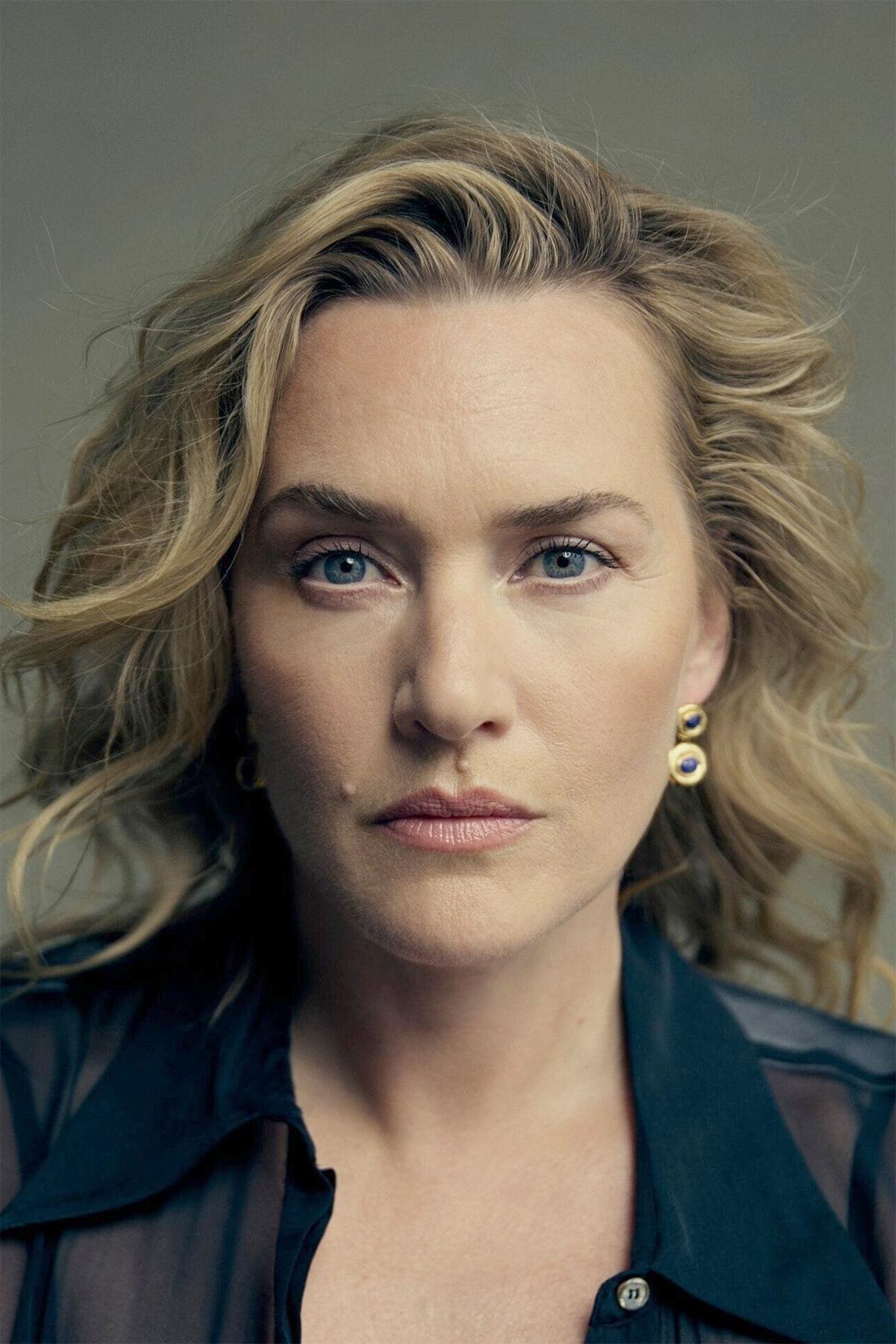
Kate Winslet has expressed discomfort with openly discussing salary differences and the use of gender quotas. Although she champions equal treatment, the ‘Titanic’ star prefers to handle pay negotiations privately and concentrate on her work. She feels that constantly emphasizing statistics about diversity can overshadow the artistic merit of a performance. Winslet believes that dedication and choosing strong projects are the keys to a successful career, reflecting a more traditional approach to professionalism in Hollywood.
Rose McGowan

Rose McGowan has publicly criticized Hollywood’s efforts to promote diversity and inclusion, like “inclusion riders,” but her reasons are different from most. She argues these initiatives often look good on paper but don’t actually change the real power dynamics in the industry. McGowan, known for her role in ‘Planet Terror,’ believes the focus should be on making fundamental changes to the system, rather than just hitting certain numbers. She’s skeptical that rules created by the studios themselves can genuinely empower artists, suggesting she doesn’t trust these established institutions to solve deep-rooted cultural problems.
Stephen Fry
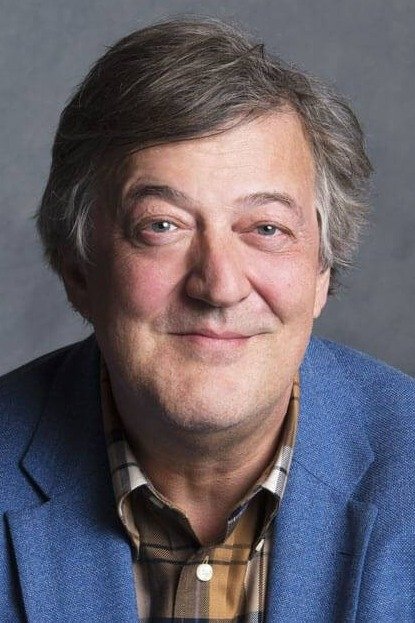
Stephen Fry has often spoken out against using quotas based on identity in areas like film, television, and literature. He believes art should explore universal human themes, not be divided by demographic groups. Fry worries that focusing too much on meeting quotas can lead to choosing people based on categories rather than talent, and that this limits creative freedom. He argues for a system where success is based on skill and artistic quality, rather than on meeting specific social goals.
Laurence Fox
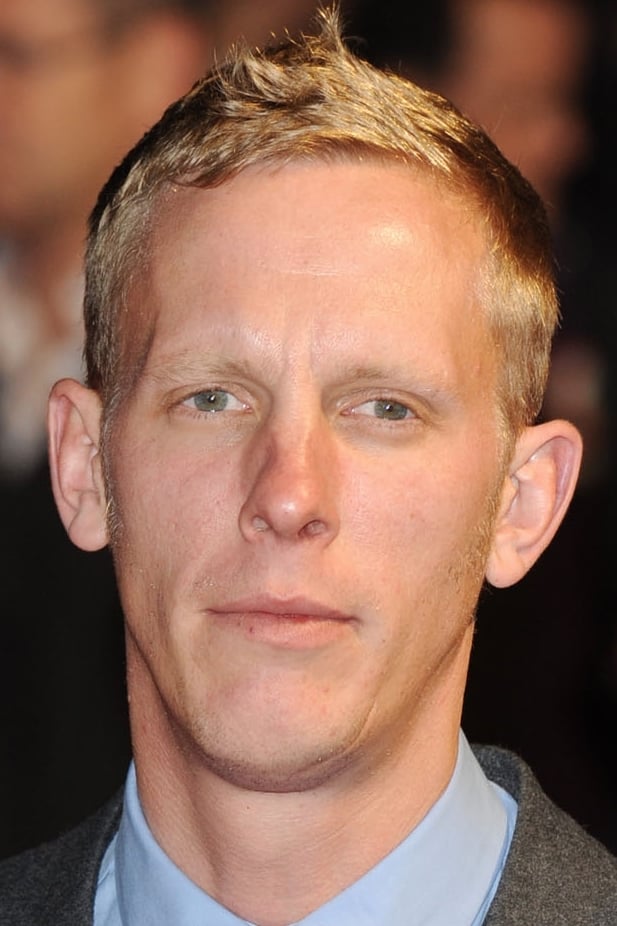
Laurence Fox, the actor known for ‘Lewis’, has become a prominent voice criticizing diversity and gender quotas in British film and TV. He argues that forcing diversity through mandates harms the quality of stories and that hiring should be based on talent, not identity. Fox believes these policies create conflict and resentment within the entertainment industry, making him a key figure in discussions about so-called “woke” culture.
Isabelle Huppert
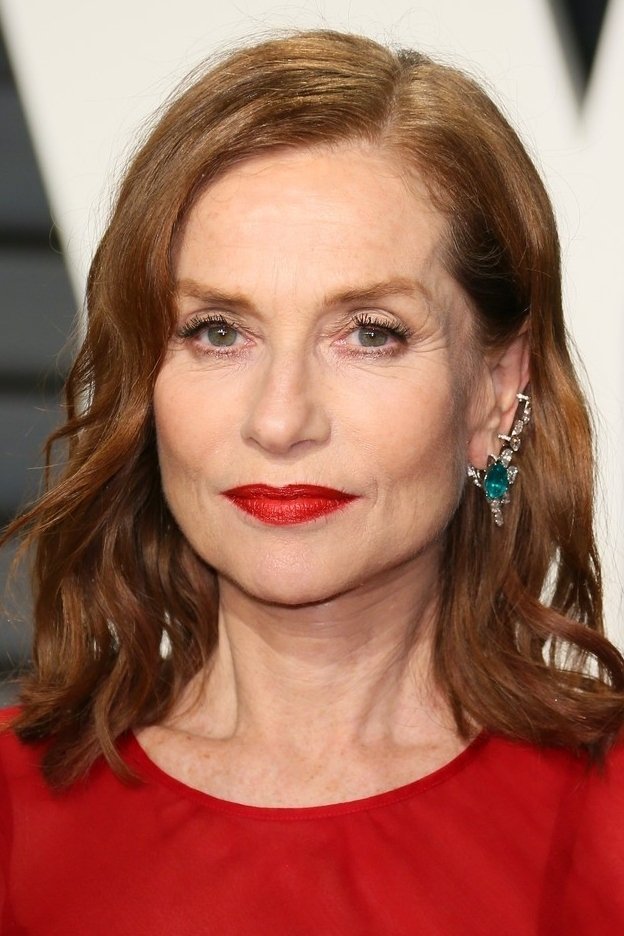
Isabelle Huppert frequently emphasizes the importance of artists being free from current social and political pressures. The actress, known for her role in ‘Elle,’ feels that excessive focus on gender in movies can overshadow the quality of the acting itself. She prefers roles that are creatively demanding, no matter what the surrounding conversations about gender are. Huppert believes the film industry should allow the most talented people to rise to the top naturally, and she doesn’t think quotas are helpful, as they interfere with the natural process of building a film’s team.
Viggo Mortensen
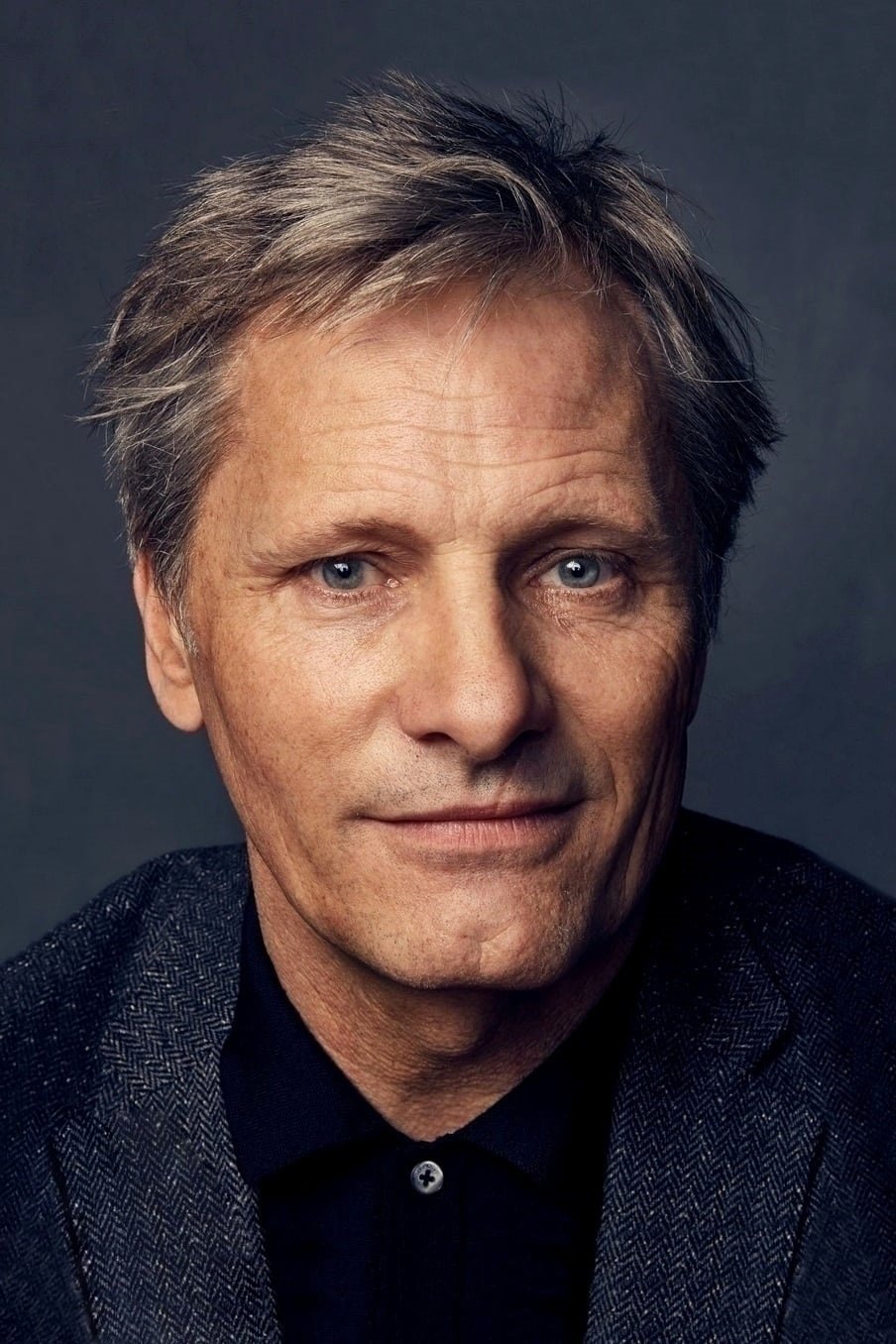
Viggo Mortensen worries that setting limits on who can be cast in roles could stifle creativity and the kinds of stories filmmakers can tell. He believes directors should be completely free to choose the best actor for each part, arguing that strict rules can make historical or cultural stories feel less genuine. Mortensen feels the film industry should prioritize making excellent art that connects with viewers, and that talent and a director’s vision are more important than meeting specific requirements.
Anthony Hopkins
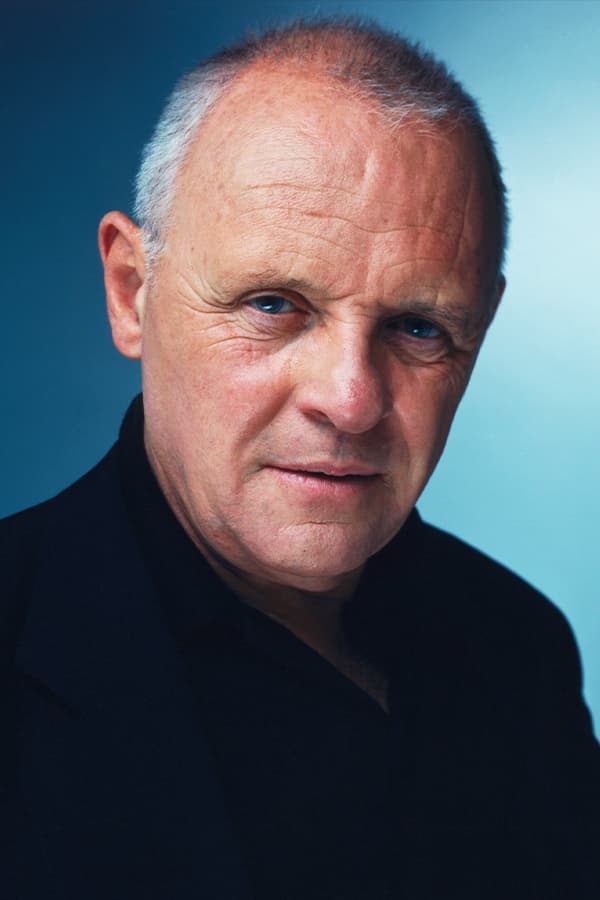
As a film buff, I’ve always admired Anthony Hopkins’ dedication to the craft itself. He’s always struck me as someone who really believes acting is about skill and hard work, and he’s generally steered clear of getting involved in political debates. From what I’ve gathered in interviews, he thinks the best actor should get the part, plain and simple – not because of any social agenda or quotas. He truly believes in letting talent shine, and honestly, looking at his incredible, decades-long career, it’s clear he thinks that’s the best way to do things. It’s a real testament to the idea that individual skill and dedication should be what matters most.
Jeremy Irons
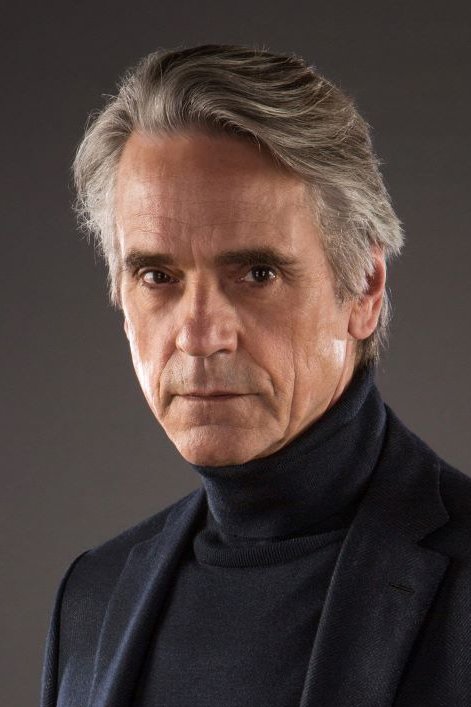
Jeremy Irons has expressed doubts about the current trend of enforcing strict equality rules in the arts. The actor, famous for his work in ‘Reversal of Fortune,’ feels these rules can sometimes hinder creativity. He warns against prioritizing political correctness over artistic quality, arguing that the ultimate goal should be a compelling and meaningful final product. Irons believes genuine diversity will emerge naturally as new and talented artists are discovered.
Clint Eastwood
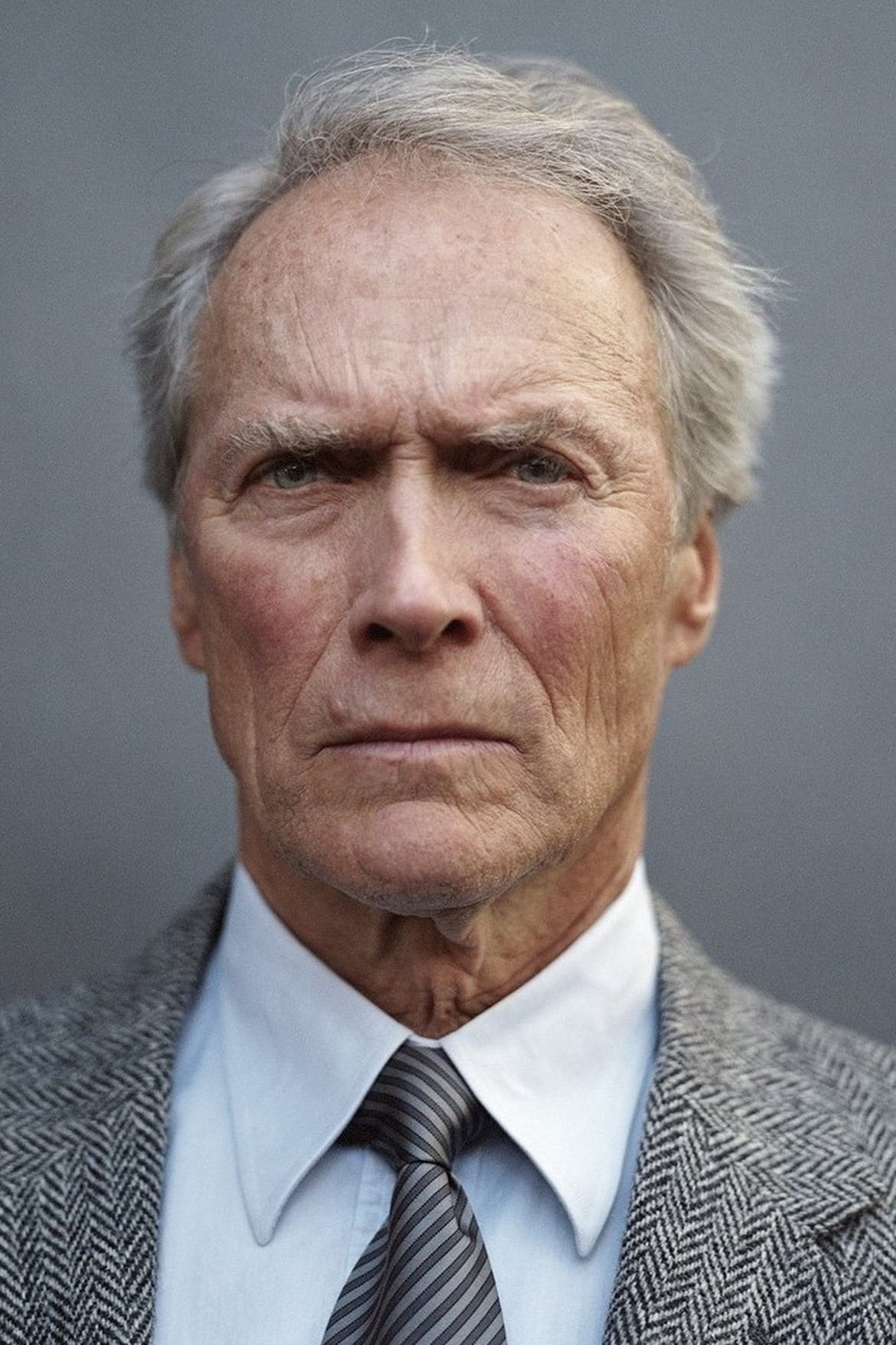
Clint Eastwood, the director and actor famous for films like ‘Unforgiven,’ is known for running his movie sets based on skill and getting the job done. He doesn’t like the unnecessary rules and regulations often found in Hollywood. Eastwood believes in hiring the most qualified people, regardless of other considerations, and has always avoided using quotas, preferring to trust his own judgment and the experience of those he works with. He values independence and creative freedom in his work.
Sean Penn
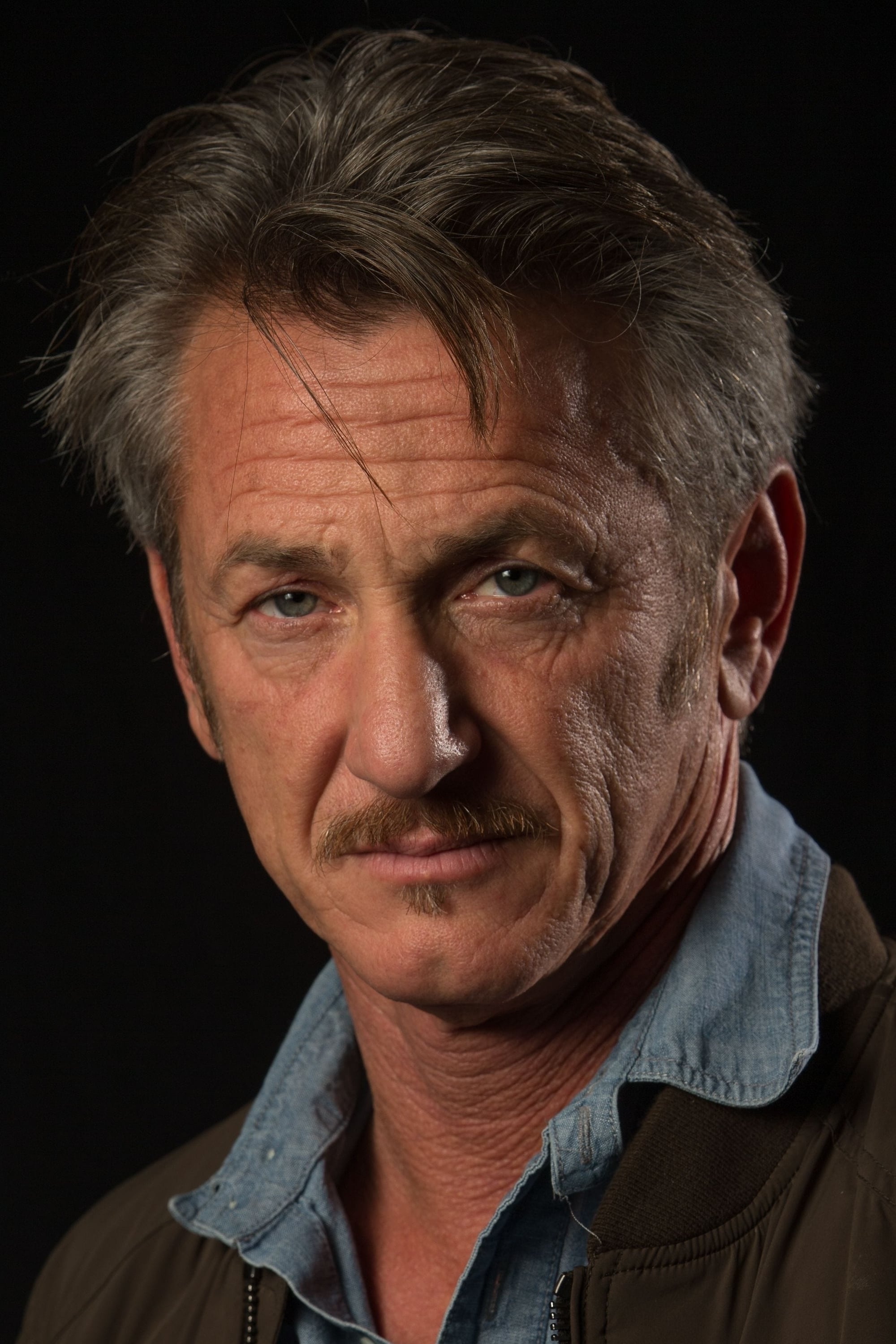
Sean Penn has voiced concerns about recent changes in Hollywood, specifically what he sees as an overemphasis on gender roles and requirements. He argues this can lead to less nuanced and complex male characters and stories. Penn feels the industry is prioritizing social issues over artistic expression and prefers a time when talent was the main factor in a filmmaker’s success. He sees current attempts to enforce diversity through quotas as part of a broader, and to him, limiting cultural trend.
Cate Blanchett
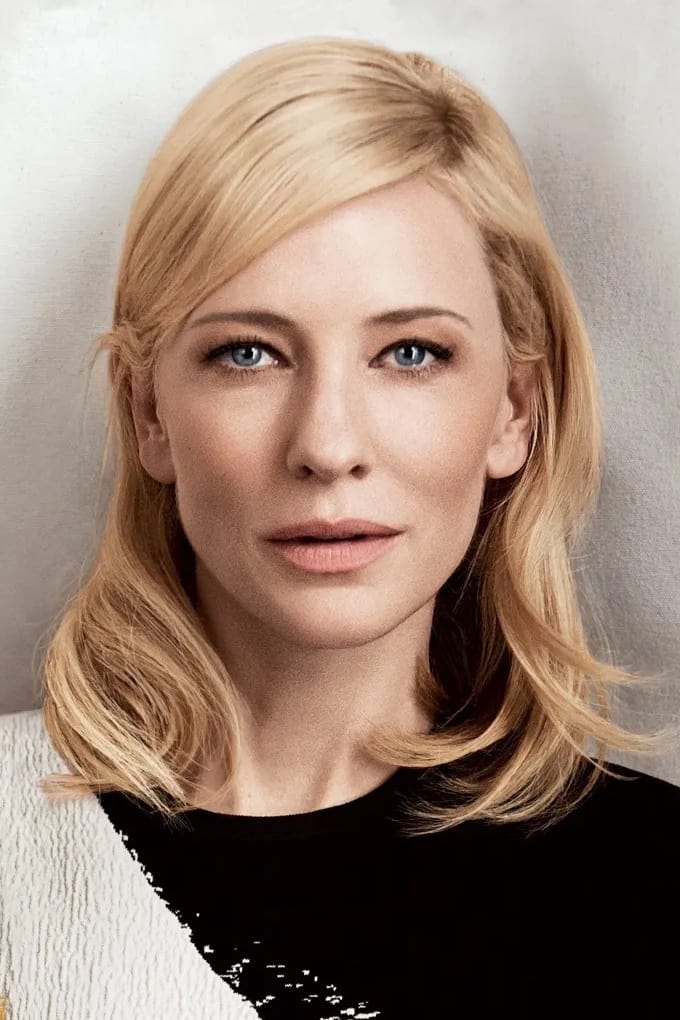
Cate Blanchett often points out that terms like “female director” or “female actor” can be restrictive. Although she strongly supports women working in film, she believes work should be judged on its quality, not gender. Blanchett, known for her role in ‘Tár’, feels that talent should be the only factor in evaluating artists. She envisions a future where gender doesn’t influence how projects are assessed, and she advocates for achieving greater representation for women in leadership positions through exceptional work, rather than through mandated quotas.
Judi Dench
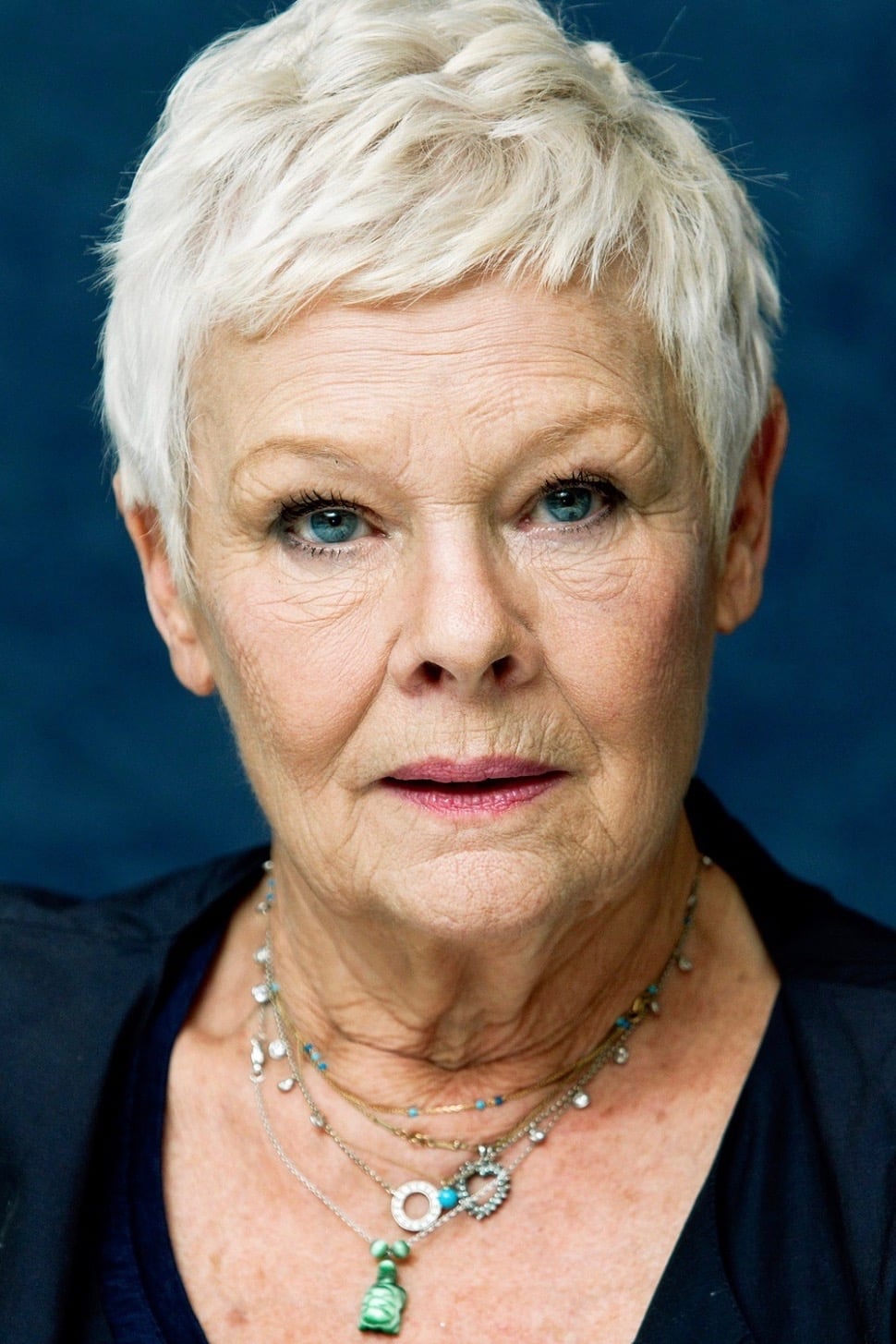
Judi Dench wants to be chosen for roles based on her acting talent, not to meet diversity quotas. The ‘Skyfall’ star feels that productions shouldn’t focus on ‘box-ticking,’ but instead on finding the most skilled actors, no matter their age or gender. Dench believes an actor’s career should last because of their talent and hard work, and she values the long-held tradition of professional excellence in the industry.
Maggie Smith
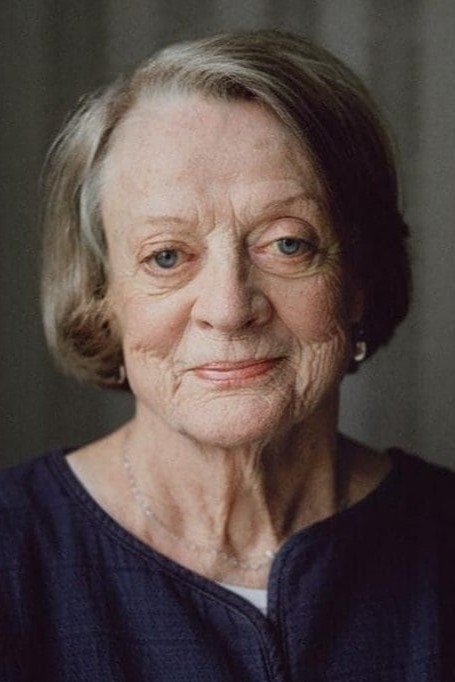
As a film lover, I’ve always admired Maggie Smith, and I recently came across some of her thoughts on how the industry should move forward. She basically believes, and I totally agree, that a great script and talented actors should always be the priority. Throughout her career, she’s consistently chosen roles that really push her as an actress, and she hasn’t voiced support for things like quotas. Instead, she feels the industry should improve by simply recognizing and celebrating truly good work. For her, it all comes down to the art of storytelling and the craft of acting – and that’s a perspective I really appreciate.
Brigitte Bardot
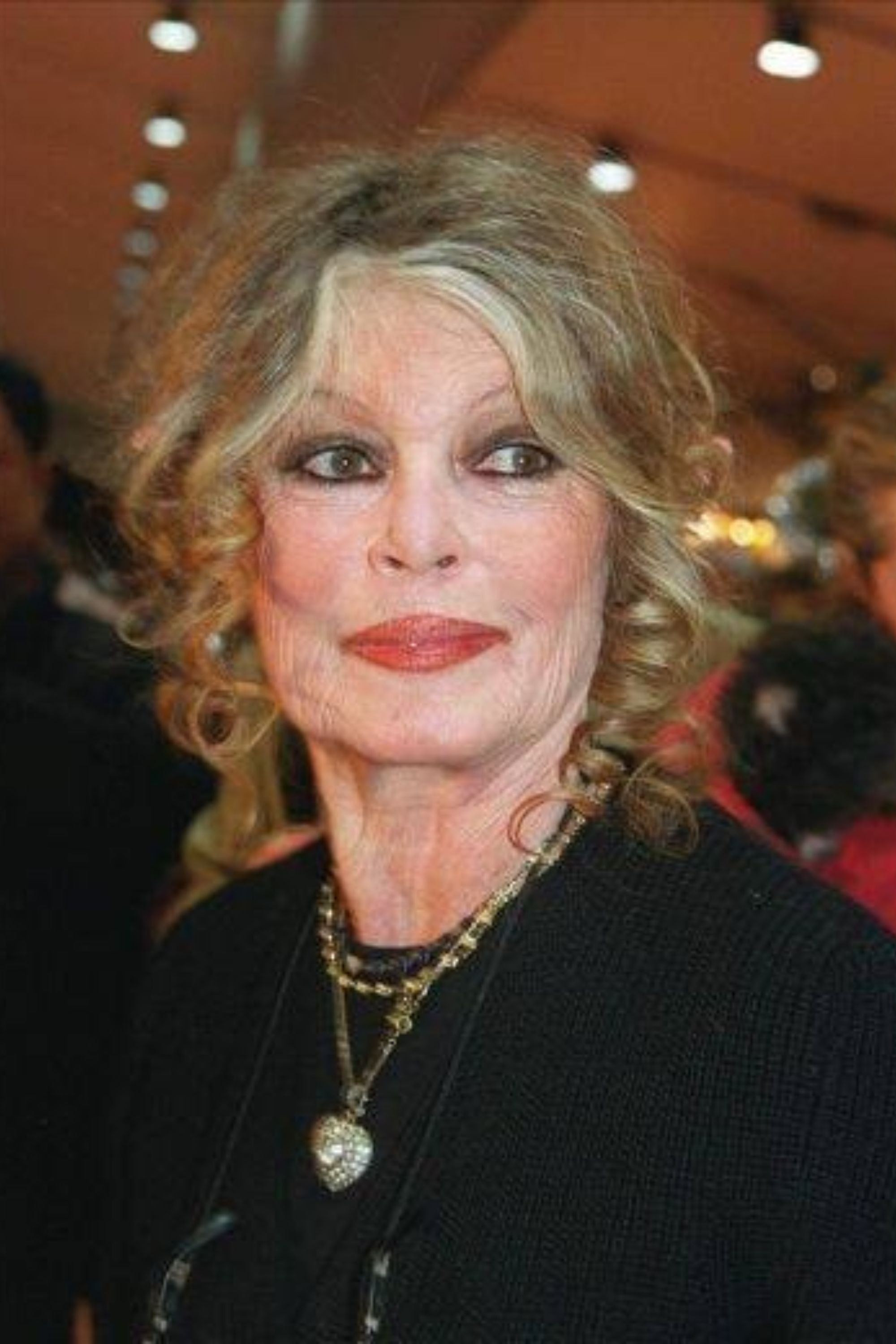
Brigitte Bardot has consistently voiced her disapproval of current trends in gender politics and related requirements. The famous actress, known for her role in ‘And God Created Woman,’ often criticizes what she sees as a decline in classic film values. She feels that prioritizing quotas and equal representation overshadows the artistic quality and impact of movies. Bardot favors a return to a more traditional film industry where talent and visual appeal were the main focus, and her opinions are generally understood as a defense of older, classic European filmmaking.
Helen Mirren
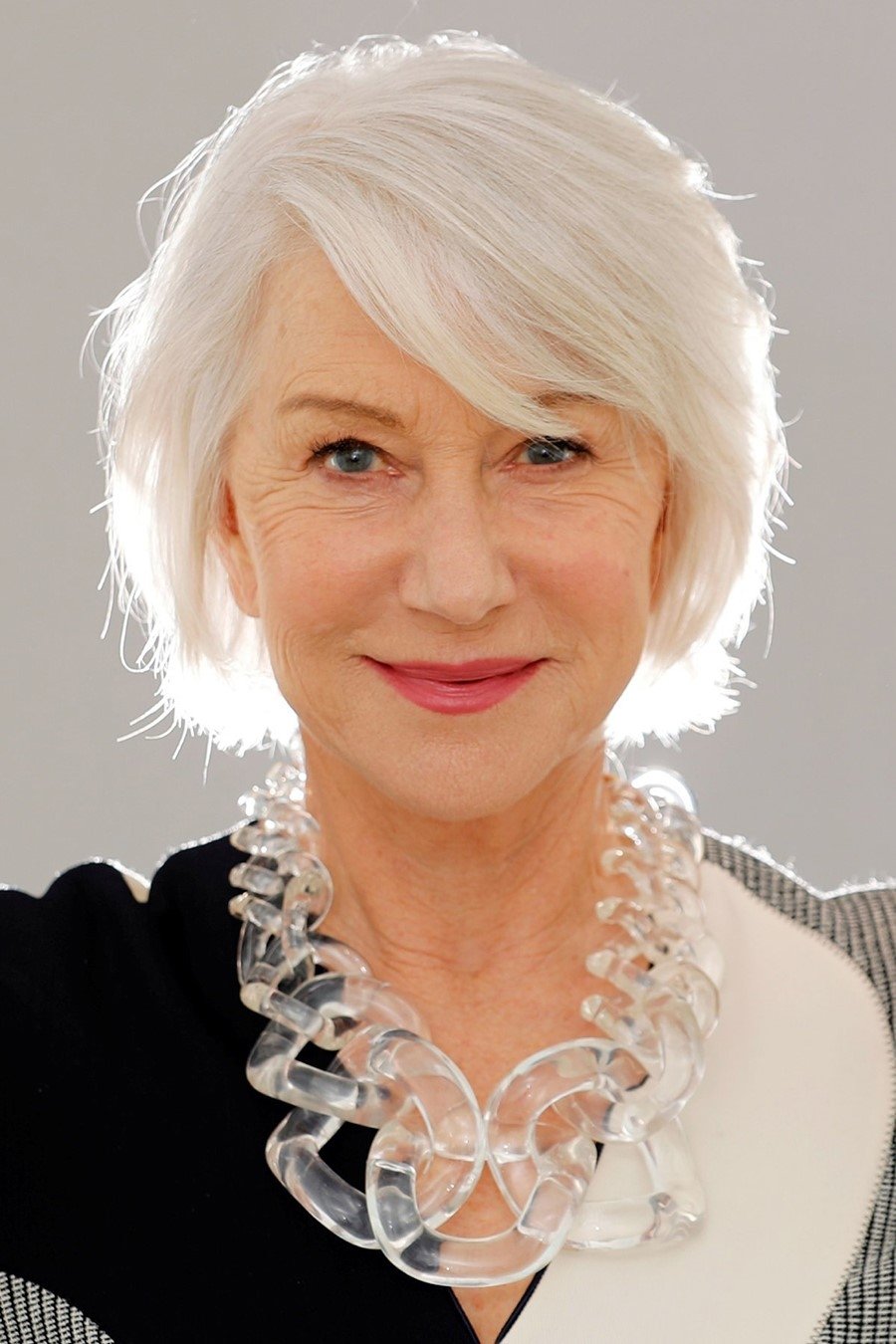
As a movie lover, I’ve been really interested in Helen Mirren’s thoughts on the changes happening in the industry. She makes a lot of sense to me – she’s all for seeing more women in film, which is fantastic, but she thinks change needs to happen naturally. She’s not a fan of strict quotas, believing the best way forward is to create more opportunities for talented women to break in and do their thing. She feels if we focus on building a stronger pipeline of female creatives, genuine talent will naturally shine through, and the industry culture will shift on its own. It’s about encouraging growth, not forcing results, and I think that’s a really smart approach.
John Cleese
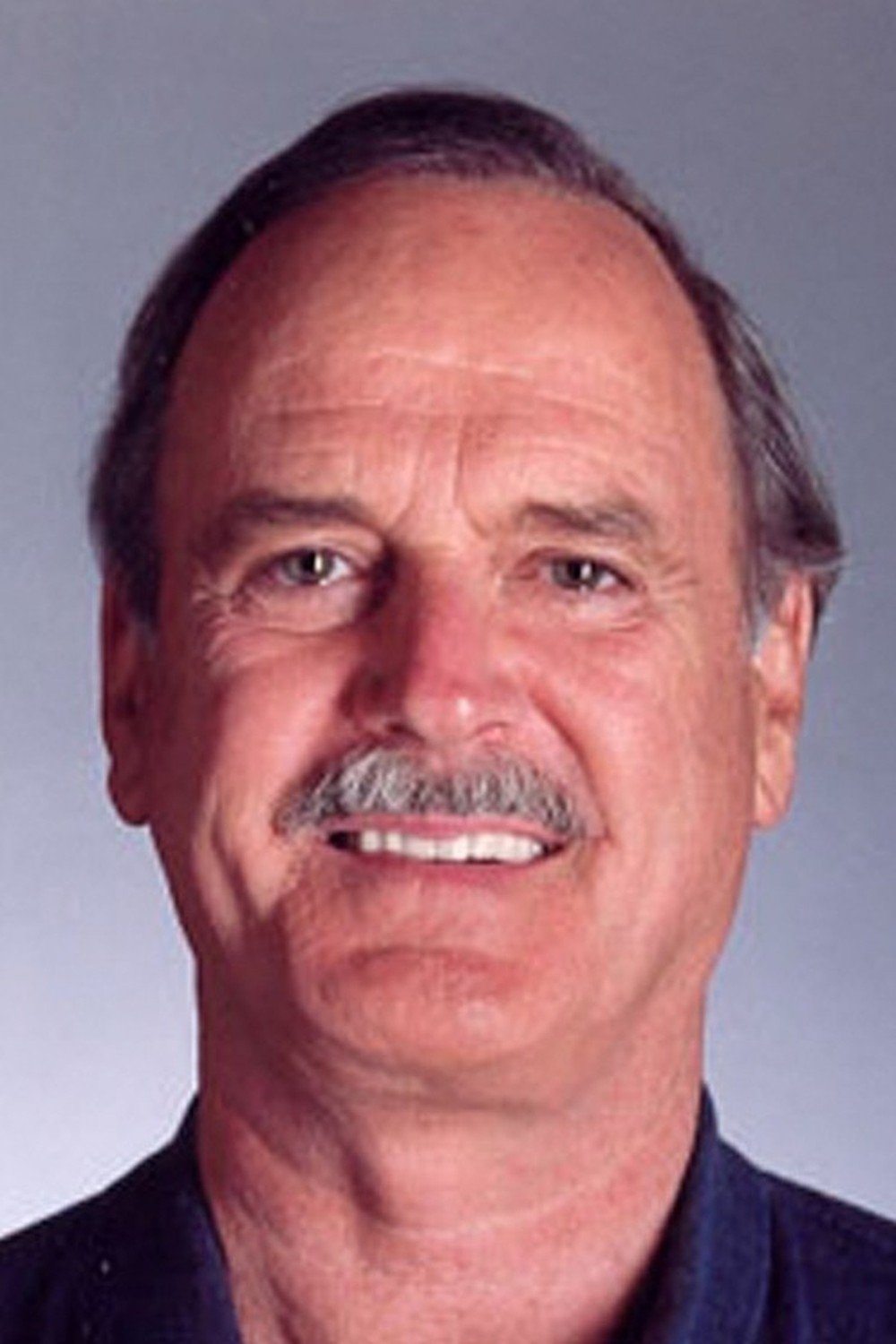
John Cleese has become well-known for speaking out against what he sees as overly sensitive and restrictive attitudes in the arts, often referred to as “woke” culture. The comedian, famous for ‘Monty Python,’ argues that attempts to enforce equal representation through quotas actually hinder creativity and humor. He believes artists should have the freedom to create without worrying about causing offense or facing criticism. Cleese feels that focusing too much on identity and political correctness is damaging the quality of comedy and entertainment in both Britain and the United States, and he wants to see a return to valuing talent and the ability to make people laugh above all else.
Please share your thoughts on the meritocracy versus gender quota debate in the comments.
Read More
- Gold Rate Forecast
- 22 Films Where the White Protagonist Is Canonically the Sidekick to a Black Lead
- Games That Faced Bans in Countries Over Political Themes
- Silver Rate Forecast
- Unveiling the Schwab U.S. Dividend Equity ETF: A Portent of Financial Growth
- Celebs Who Narrowly Escaped The 9/11 Attacks
- Brent Oil Forecast
- How to Do Sculptor Without a Future in KCD2 – Get 3 Sculptor’s Things
- Superman Flops Financially: $350M Budget, Still No Profit (Scoop Confirmed)
- 14 Movies Where the Black Character Refuses to Save the White Protagonist
2026-01-20 12:17