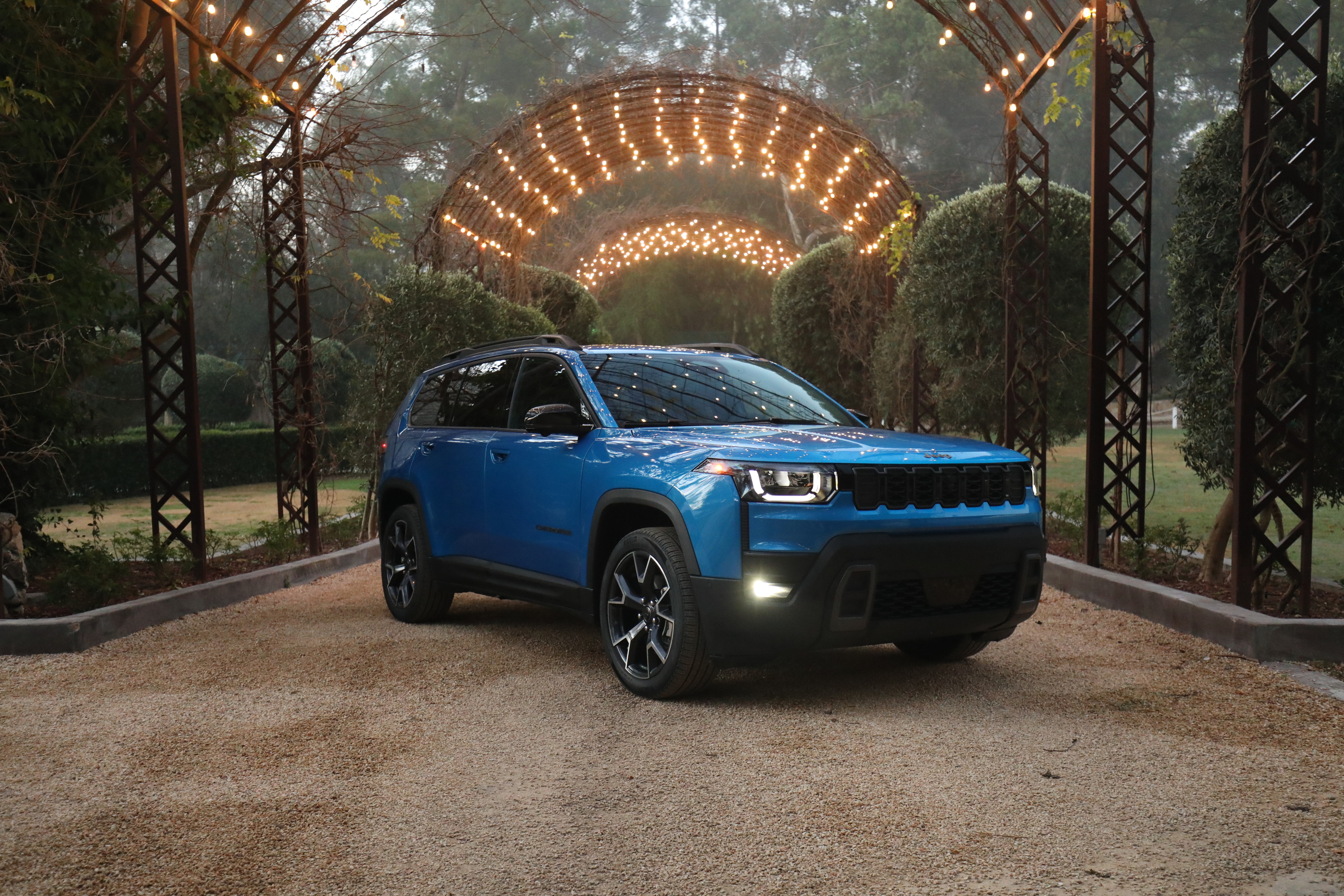
The Cherokee has returned, you see. Not a triumphant return, mind you, but a quiet re-entry, as if apologizing for its absence. Two years is a long time in the automotive world, a lifetime in the attention span of the market. Stellantis, the parent company, seems to be pinning a good deal of hope on this vehicle, which is always a little sad. Hope is such a fragile thing, easily bruised by quarterly reports.
The numbers, of course, are what truly matter. Or so they say. The American market, always hungry for these sport utility vehicles, absorbs roughly 400,000 of them annually. A considerable appetite. The Cherokee, if it performs, might offer a small reprieve. But one successful model does not a turnaround make, any more than a single swallow signals spring.
The Weight of Numbers
Stellantis, a name that sounds more like a Roman emperor than an automobile manufacturer, has been experiencing a slow, almost imperceptible decline. From 2021 – the year of its formation, a moment of optimistic pronouncements and ambitious forecasts – to 2024, global sales have drifted downwards by 12.3%. A respectable downturn, one might say, if one were inclined towards euphemism. The American market, predictably, has fared worse, a decline of 27% during the same period. A rather substantial leak in the hull.
Looking back further, one finds a consistent pattern. 2018 marked a peak, a fleeting moment of glory. Since then, a gradual erosion. A 42% drop through last year. One begins to suspect that the market is not merely indifferent, but actively disapproving. Market share, too, has dwindled, from 8.1% in 2020 to a mere 6.1% last year. A shrinking footprint in a relentlessly expanding landscape.
A Vehicle and a Promise
The Cherokee, therefore, is not merely a car. It is a symbol. A desperate attempt to reverse the tide. SUVs, with their generous margins, are always appealing. They offer the illusion of prosperity, even when the underlying reality is less reassuring. If the Cherokee succeeds, it might buy Stellantis some time. A brief respite before the inevitable reckoning.
There is talk of investment, of course. Thirteen billion dollars earmarked for American manufacturing. Promises of new jobs, of increased production. Such pronouncements are always accompanied by a certain amount of fanfare, a desperate attempt to convince everyone – including themselves – that things are improving. A new truck, new Jeep models, a revamped Durango, even an electric vehicle. A flurry of activity, designed to distract from the underlying stagnation.
The CEO, a man named Filosa, speaks of “strong growth” and “encouraging” results. He believes North America will be the “largest contributor” to Stellantis’ profitability. One can only hope he is right. Or, perhaps, one should simply acknowledge that optimism is a necessary delusion for those who operate in the unforgiving world of high finance.
Signs, Perhaps, of a Dimming Light
The past year has been…complicated. A net loss of $26.3 billion, driven by a rather abrupt reassessment of its electric vehicle strategy. A sobering experience, no doubt. Yet, there were glimmers of hope in the second half of the year. Consolidated shipments reached 2.8 million units, with North America leading the way. Net revenue increased by 10%, reaching nearly 80 billion euros. These are, admittedly, small victories. But in a world of relentless decline, even the smallest gains are worth noting.
There is talk of “improving efficiencies” and “disciplined strategies.” Management is aiming for a “mid-single-digit percentage increase” in net revenue and a return to “positive industrial free cash flow” in 2027. Such forecasts are always presented with a degree of confidence, as if the future were a predictable equation. But the market, as anyone who has spent any time observing it knows, is governed by chaos and whim.
The Cherokee’s return is a welcome sight, a small gesture of defiance in the face of overwhelming odds. But it is not a miracle cure. Stellantis’ challenges are numerous and profound, and the road to recovery will be long and arduous. The market, in the end, will decide. And the market, one suspects, is rarely sentimental.
Read More
- 20 Movies Where the Black Villain Was Secretly the Most Popular Character
- Celebs Who Narrowly Escaped The 9/11 Attacks
- Transformers Under the Microscope: What Graph Neural Networks Reveal
- Top 20 Dinosaur Movies, Ranked
- Trading on Thin Air: AI Agents Conquer Crypto Volatility
- Silver Rate Forecast
- Gold Rate Forecast
- 22 Films Where the White Protagonist Is Canonically the Sidekick to a Black Lead
- Every Notable ‘Star Trek: The Original Series’ Actor Who Died
- Invincible Season 4 Gender Swaps Tech Jacket As Fans Question Major Comic Change
2026-03-13 21:42