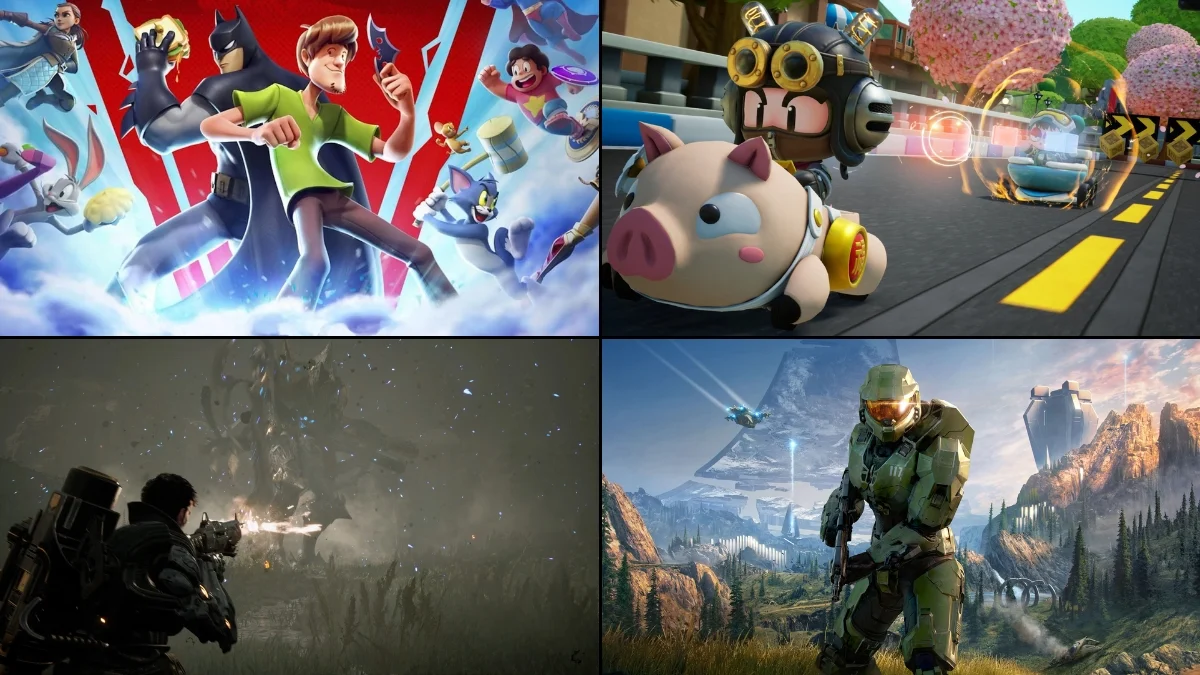
Xbox offers a huge range of free games, from fast-paced action to massive, immersive adventures. These games have gotten much better over time, offering impressive graphics and engaging gameplay, and they’re no longer just about small purchases. You can often enjoy competitive online matches, team up with friends, and explore creative worlds without needing an Xbox Game Pass subscription. This list highlights the best free games available on Xbox, judged by how much content they offer, how active their communities are, and how well-made they are.
‘The First Descendant’ (2024)
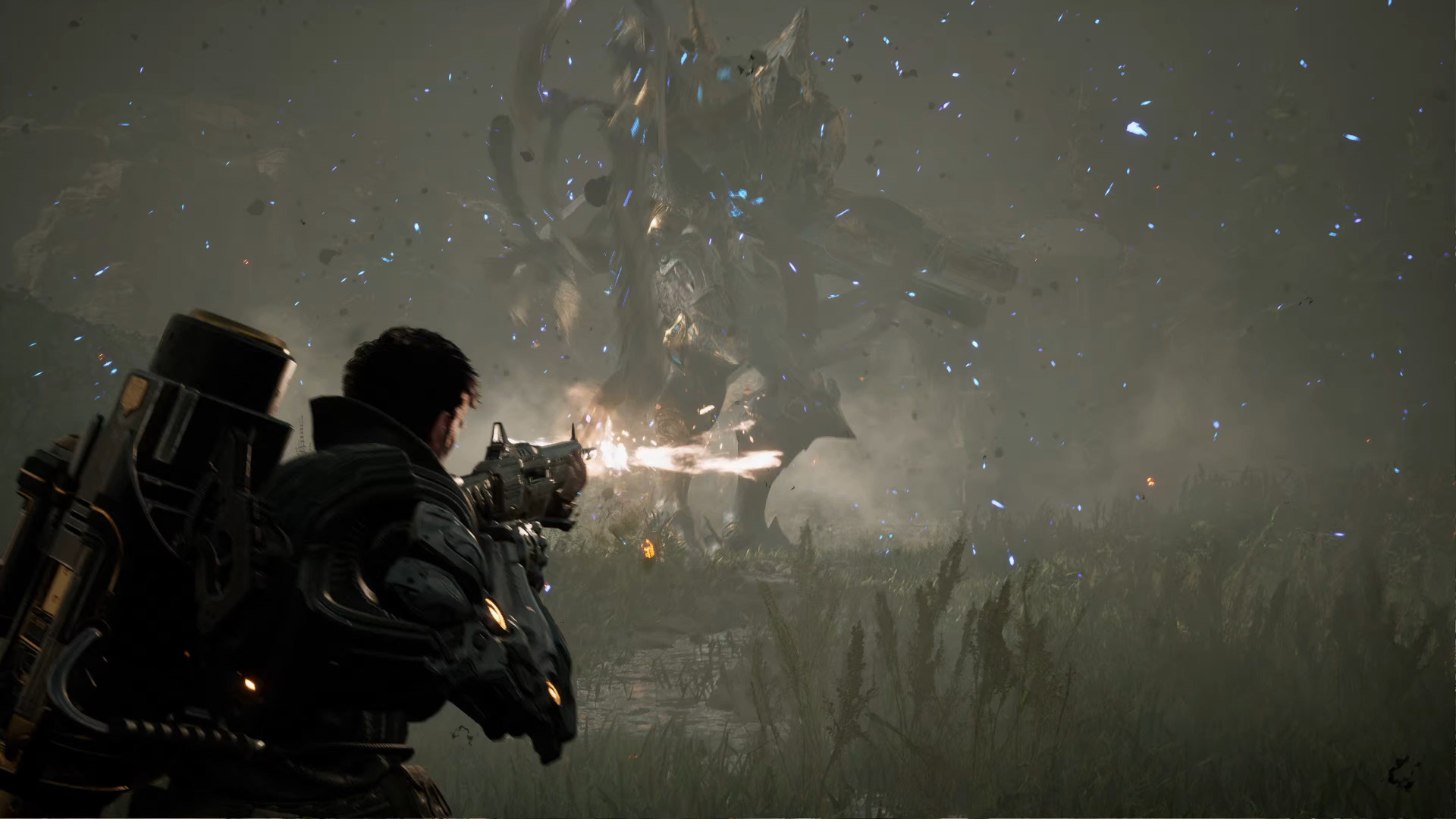
Developed by Nexon, ‘The First Descendant’ is a visually stunning action RPG built with Unreal Engine 5. Players team up as powerful Descendants to defend humanity from invaders. The game centers around challenging boss fights where strategy and unique gear earned through missions are key. It features extensive character customization and a vast, science fiction setting designed for cooperative gameplay.
‘KartRider: Drift’ (2023)
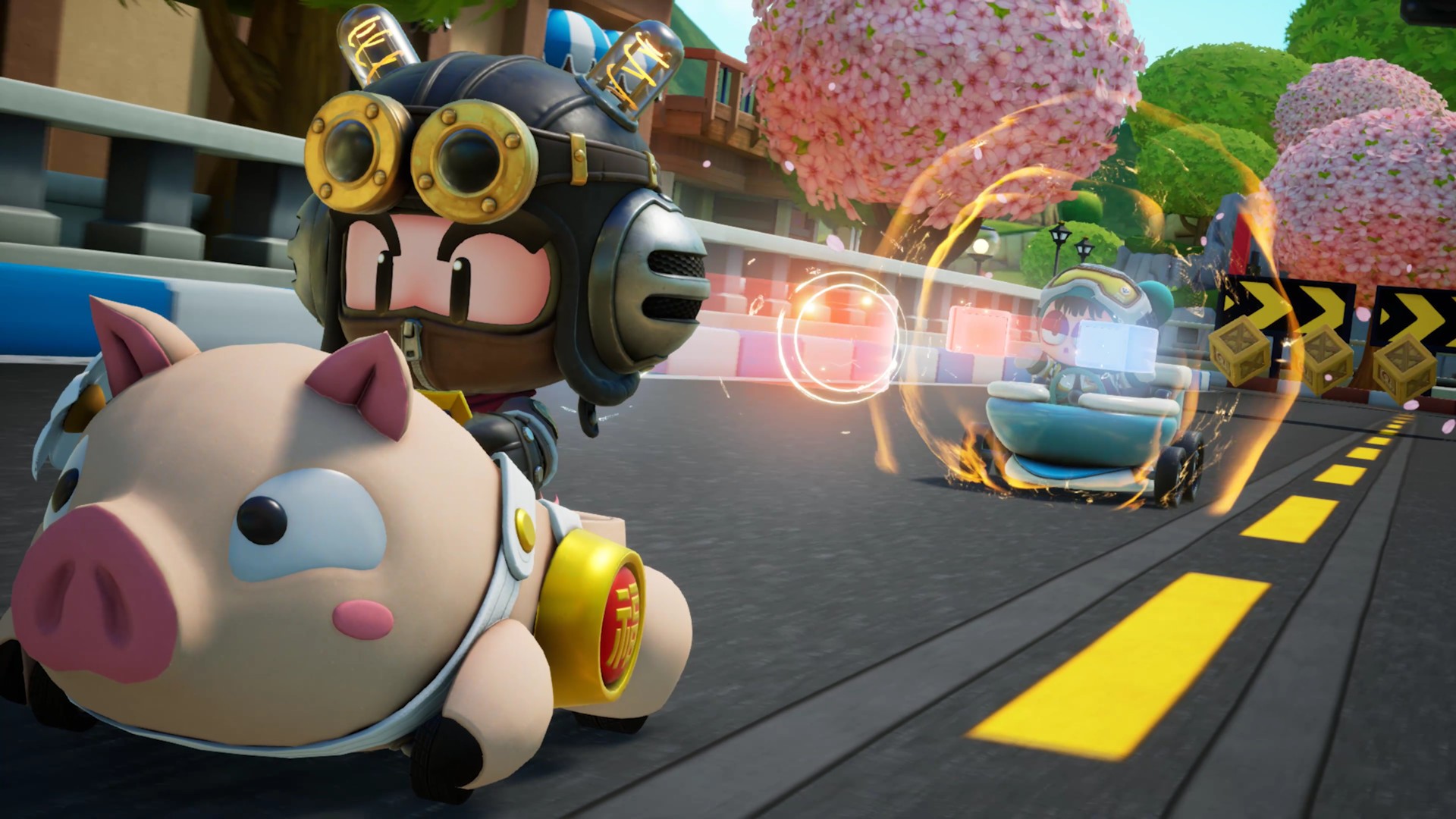
KartRider: Drift is a racing game created and published by Nexon, available on multiple platforms. Players can heavily customize their karts and characters, and choose between competitive Speed Mode races or chaotic Item Mode battles. The game boasts high-definition visuals and regularly adds fresh content like new tracks and characters with each season.
‘Century: Age of Ashes’ (2021)
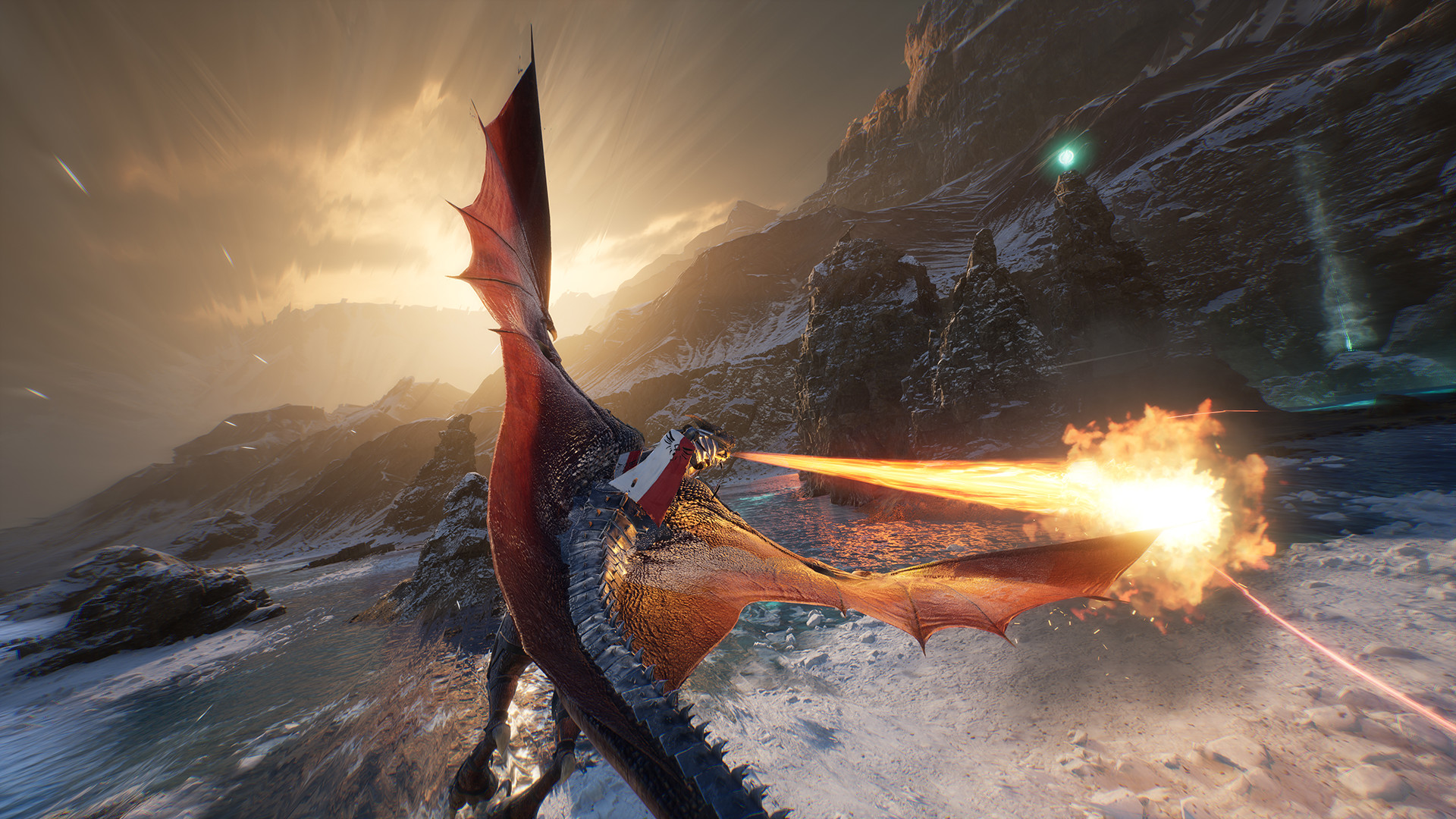
Century: Age of Ashes is a multiplayer game where players battle each other while riding dragons. Developed by Playwing, the game lets you choose from different dragon rider classes like the Marauder and Windguard, each with unique skills, to compete in team battles. Combat is quick and takes place in large arenas built for aerial maneuvers and dogfights. Players can test their teamwork and strategy in various game modes, including Carnage and Spoils of War.
‘Vigor’ (2019)
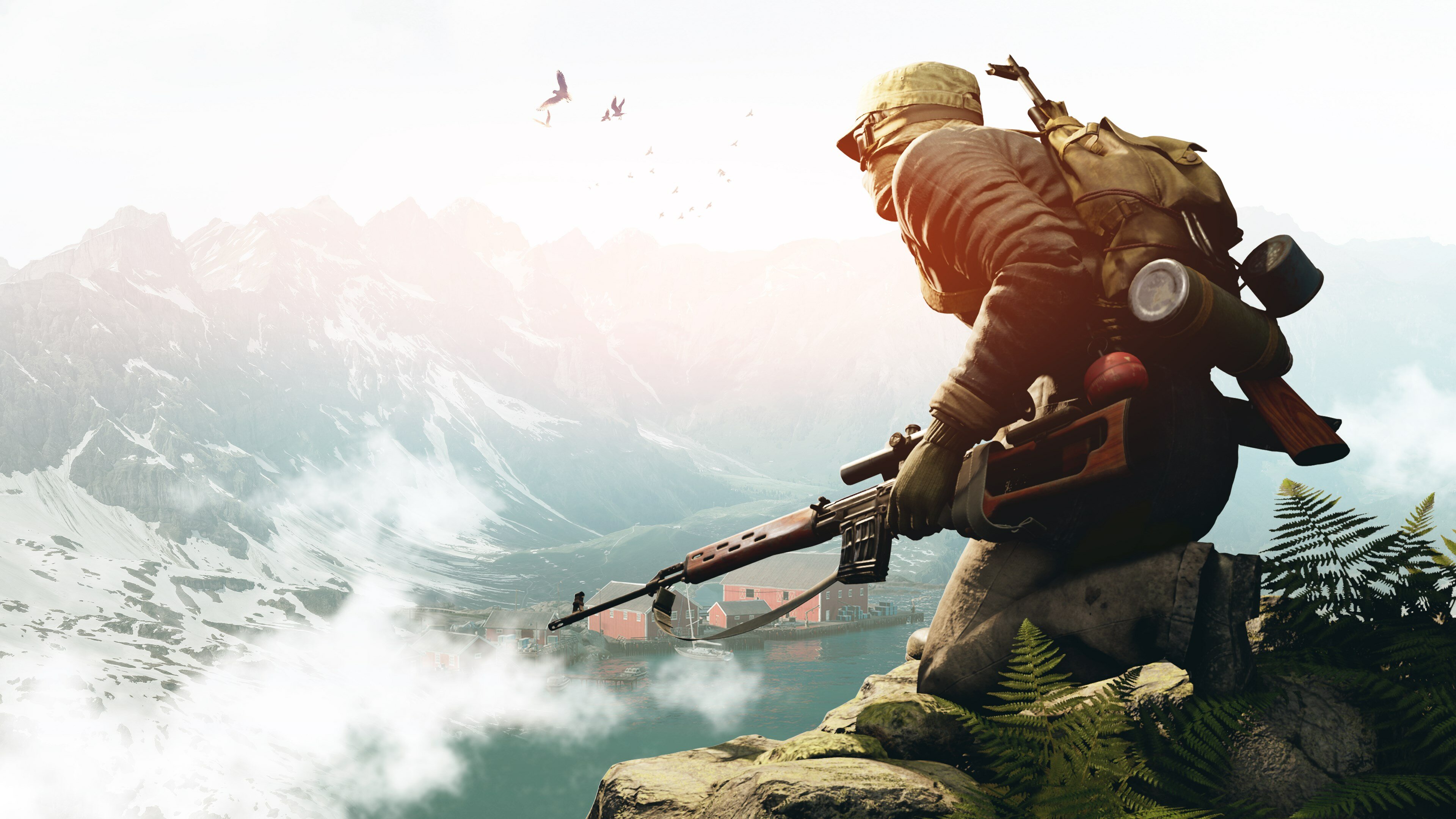
Vigor, created by Bohemia Interactive, is a post-war survival shooter set in Norway. Players explore the world to find supplies and build a secure base. It’s a high-risk game – if you die, you lose everything you’re carrying! You can choose to sneak around enemies or fight them directly to find valuable loot and resources. Vigor blends challenging survival gameplay with a gripping atmosphere, offering a unique competitive experience on Xbox.
‘Phantasy Star Online 2 New Genesis’ (2021)
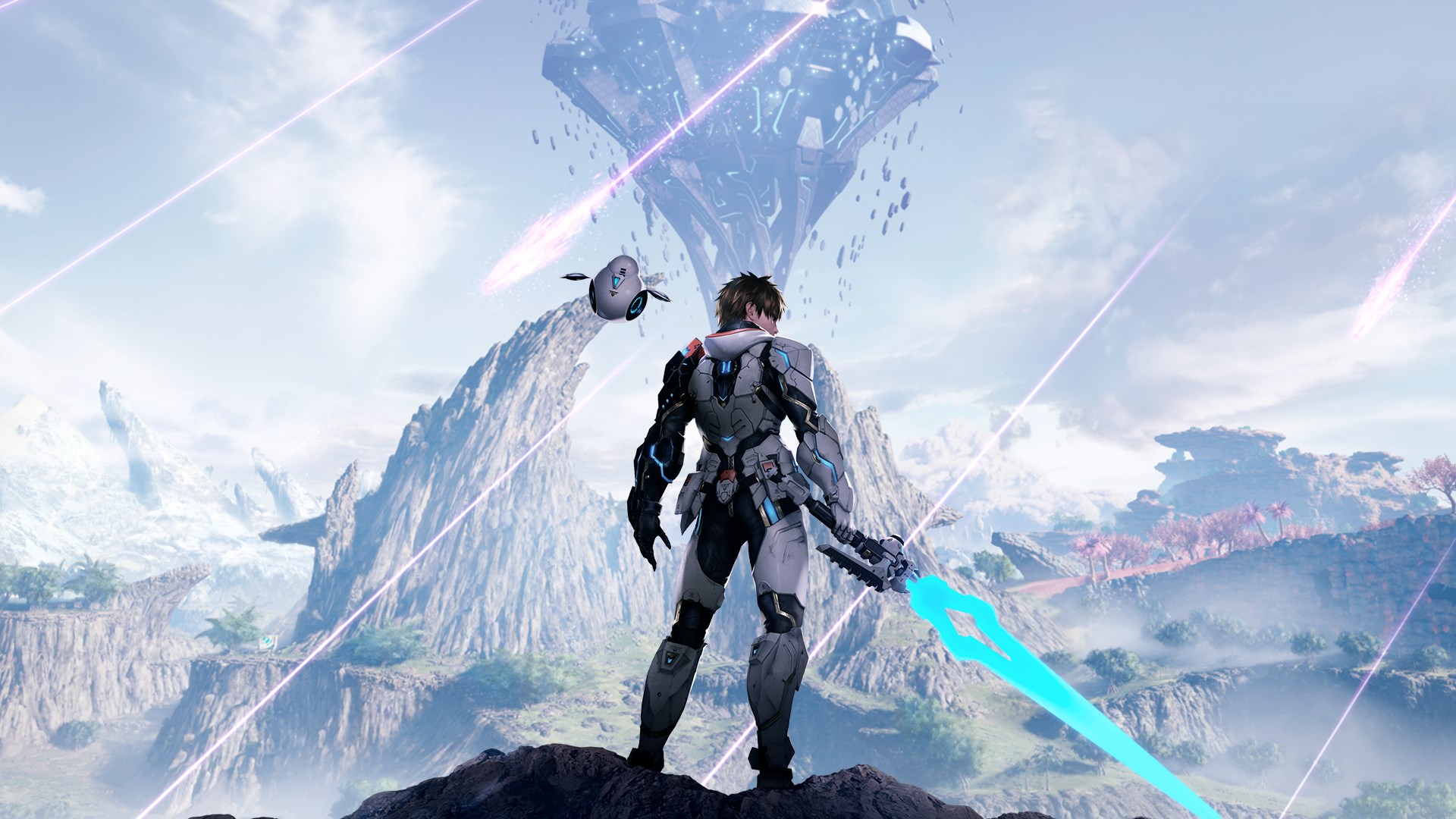
‘Phantasy Star Online 2 New Genesis’ is a major update to the original ‘Phantasy Star Online 2’, created and released by Sega. It features a vast, open world and a redesigned combat system focused on fast-paced action. Before playing, you can deeply customize your character and then explore to fight strange enemies called Dolls. Importantly, this new version connects with the original game, meaning you can use content from both versions.
‘World of Warships: Legends’ (2019)
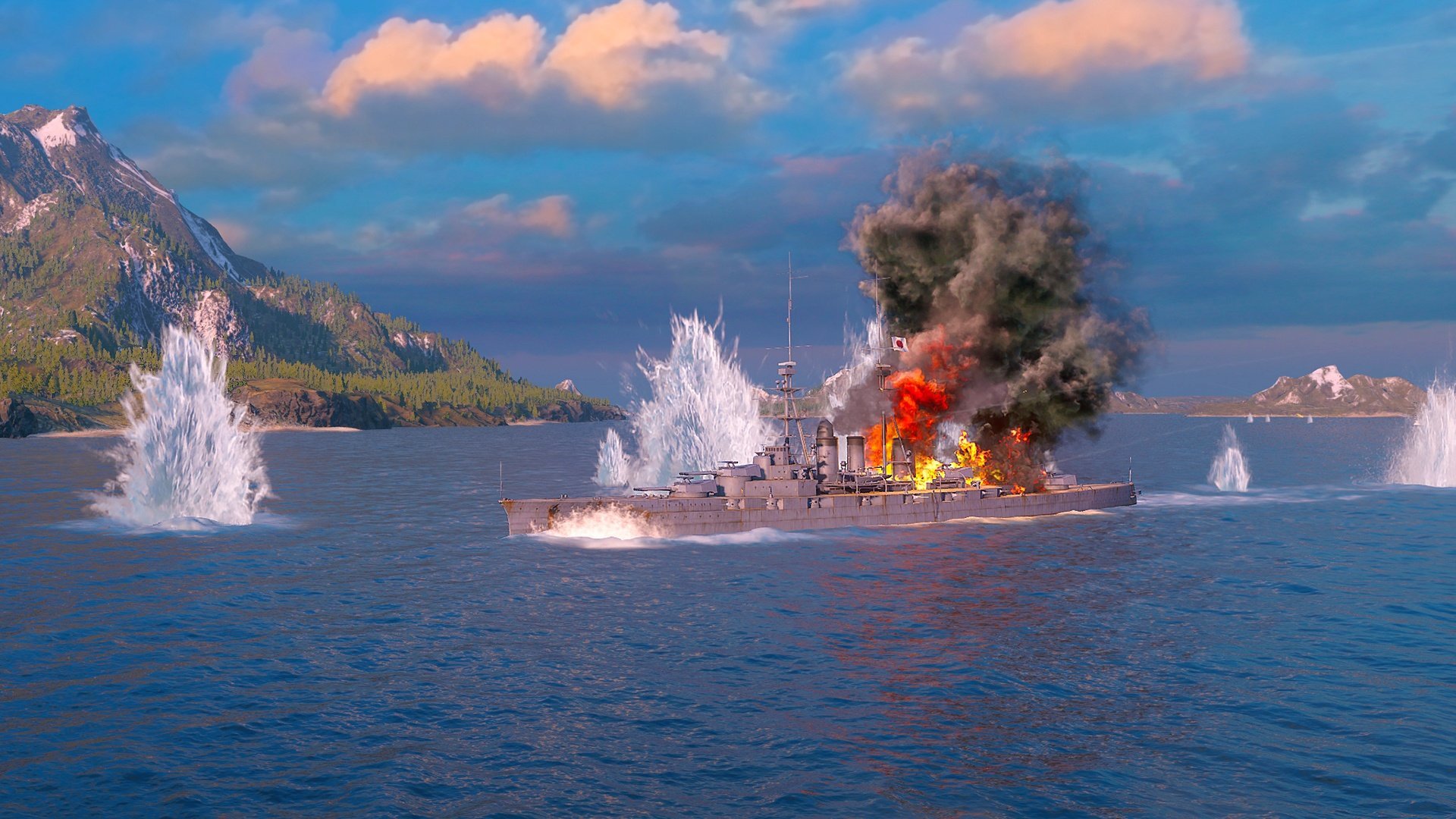
World of Warships: Legends is a naval combat game for Xbox where players take command of historical warships like destroyers, cruisers, and battleships. It focuses on large-scale battles, requiring strategic thinking and teamwork to defeat opponents and control important areas. As you play, you’ll unlock better technology and famous commanders to improve your fleet.
‘Enlisted’ (2021)
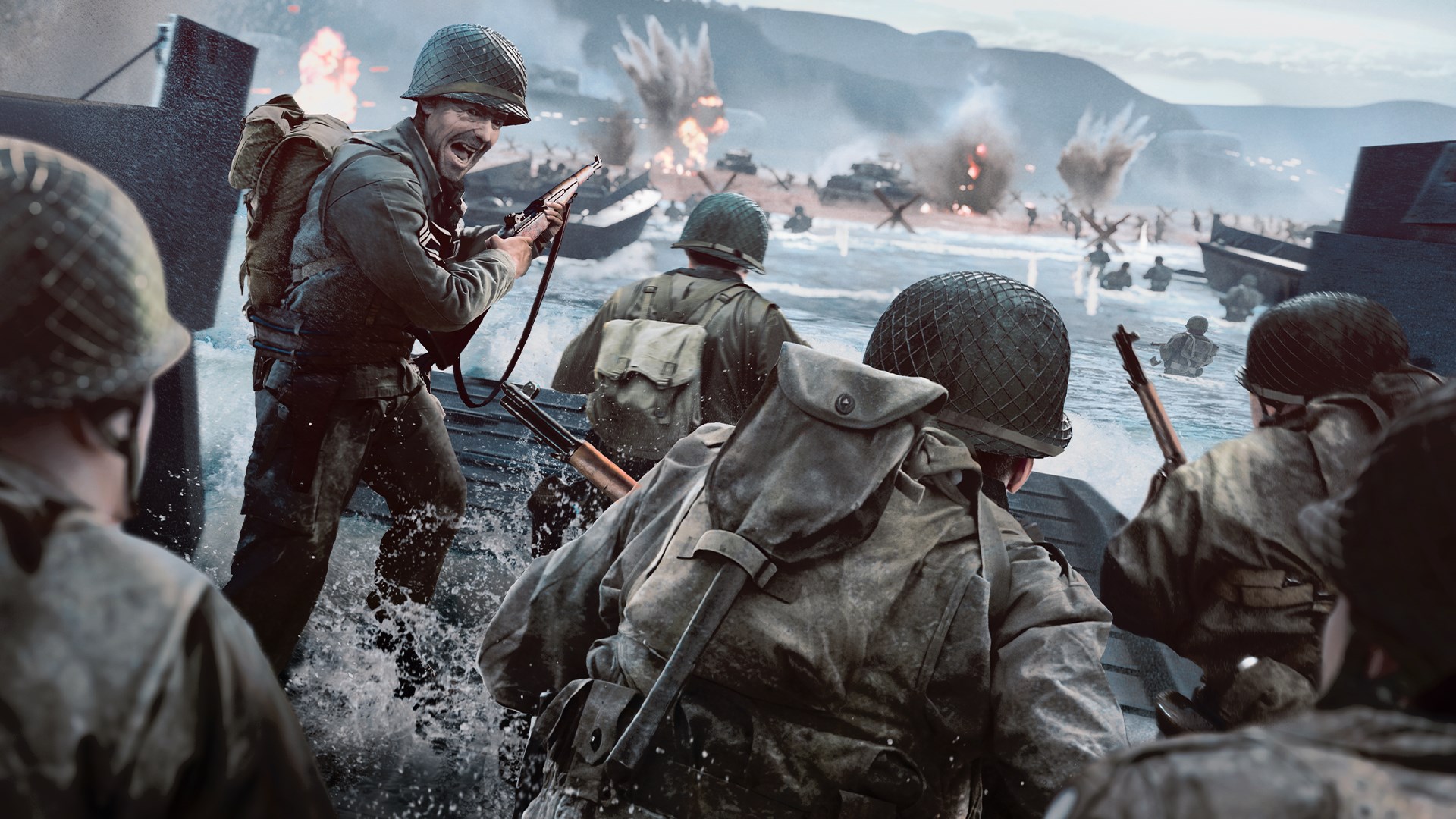
Enlisted is a World War II first-person shooter where you command an entire squad of soldiers, switching between them to outsmart your opponents. Created by Darkflow Software and published by Gaijin Entertainment, the game puts you in major WWII battles, offering realistic weapons and historically accurate locations like Normandy and Berlin. It combines foot soldiers with tanks and planes for a massive, immersive combat experience.
‘Dauntless’ (2019)
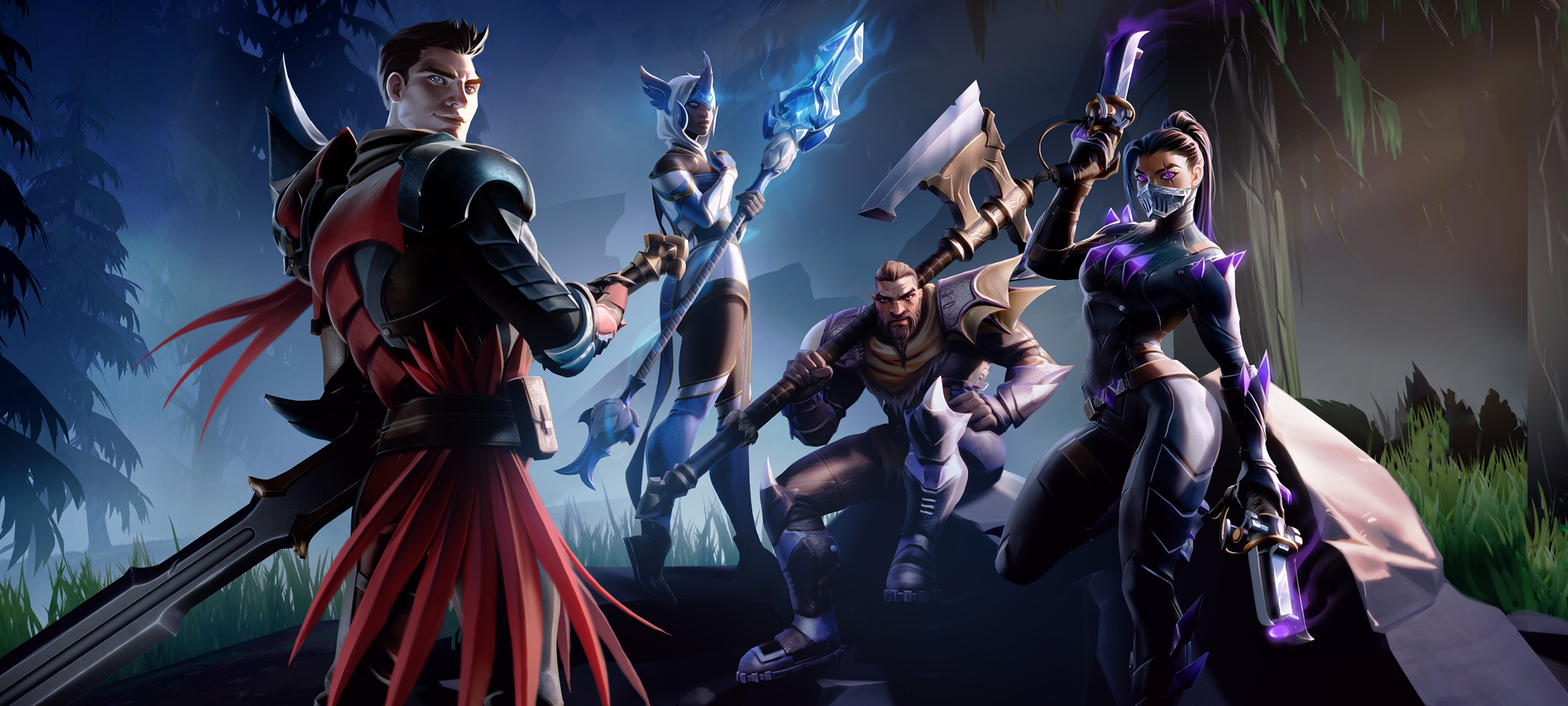
Dauntless is an action RPG where you hunt giant creatures called Behemoths. The game is set in a world where humanity lives on floating islands after a huge disaster, and players, known as Slayers, must collect materials to create strong weapons and armor. You can play with friends on Xbox and other platforms thanks to full cross-platform support. The game is regularly updated with new content and rewards through its Hunt Pass system.
‘Paladins’ (2018)
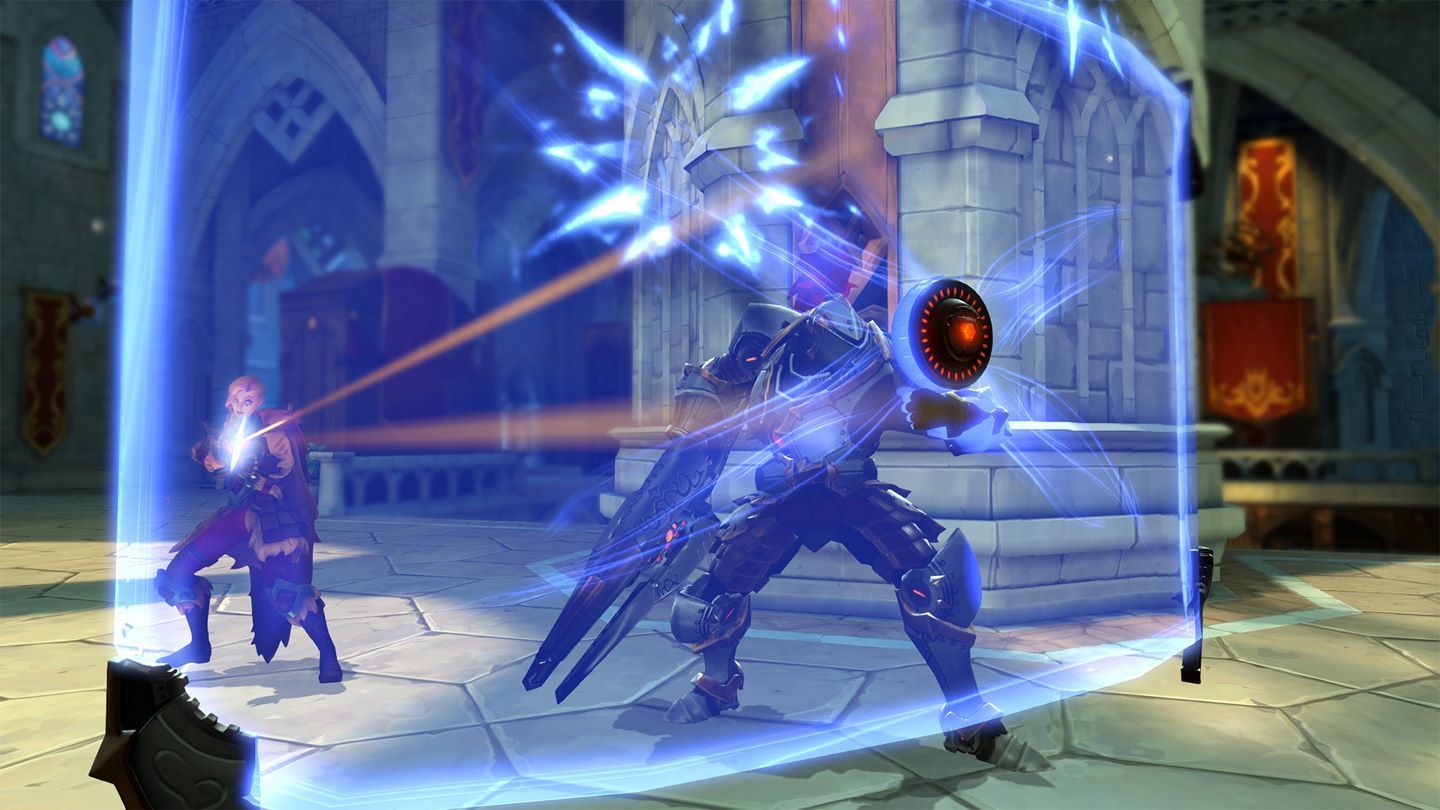
I’ve been playing Paladins lately, and it’s a really cool hero shooter made by Evil Mojo Games and published by Hi-Rez Studios. It’s got a fantasy vibe and you play by completing objectives as a team. There’s a huge range of Champions to pick from – everything from snipers to tough tanks and healers. What I really like is the deck-building system; it lets you customize your Champion’s powers to match how you want to play. Plus, with modes like Siege and Onslaught, every match feels different and keeps things interesting.
‘PUBG: Battlegrounds’ (2017)
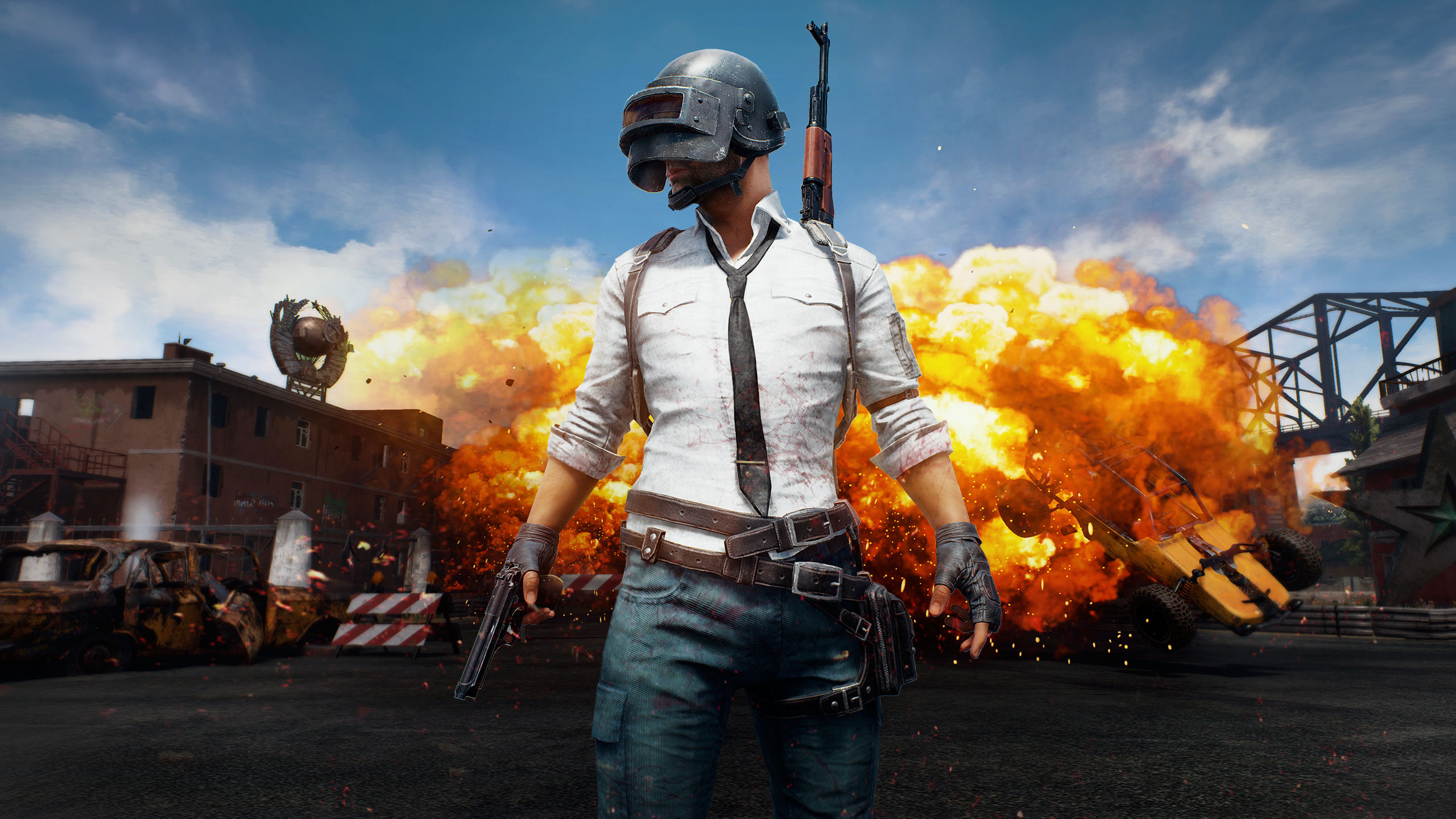
PUBG: Battlegrounds, created by PUBG Studios and published by Krafton, is a game widely known for making the battle royale genre popular. In the game, up to 100 players parachute onto different maps and compete to be the last one alive, finding weapons and vehicles along the way. It’s known for its realistic shooting and a constantly shrinking safe area that pushes players to confront each other. The game recently became free to play, allowing more people to join the community and ensuring its continued development.
‘Brawlhalla’ (2017)
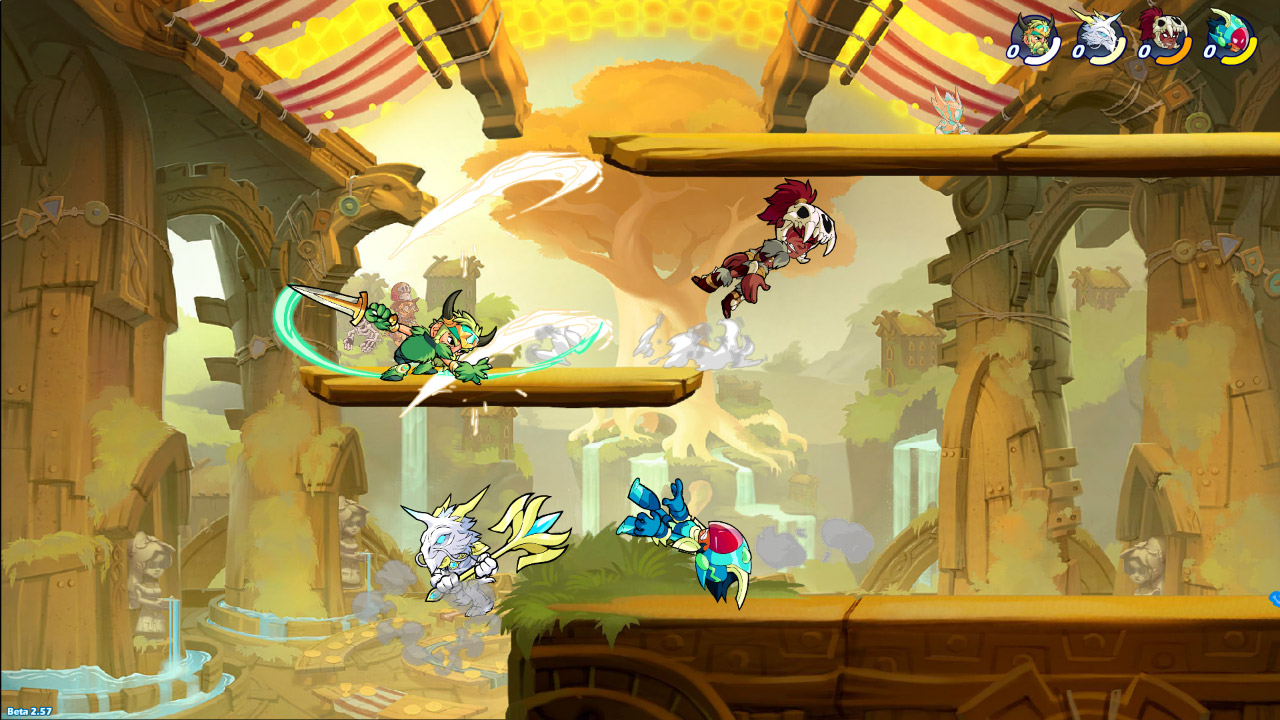
Brawlhalla is a 2D platform fighter created by Blue Mammoth Games and published by Ubisoft. Up to eight players can compete at once, battling to knock each other off the stage with weapons and special character powers. The game regularly updates its free selection of characters, and even includes guest fighters from popular franchises like ‘Teenage Mutant Ninja Turtles’. It’s known for its fast-paced online matches and competitive ranked play.
‘Smite’ (2015)
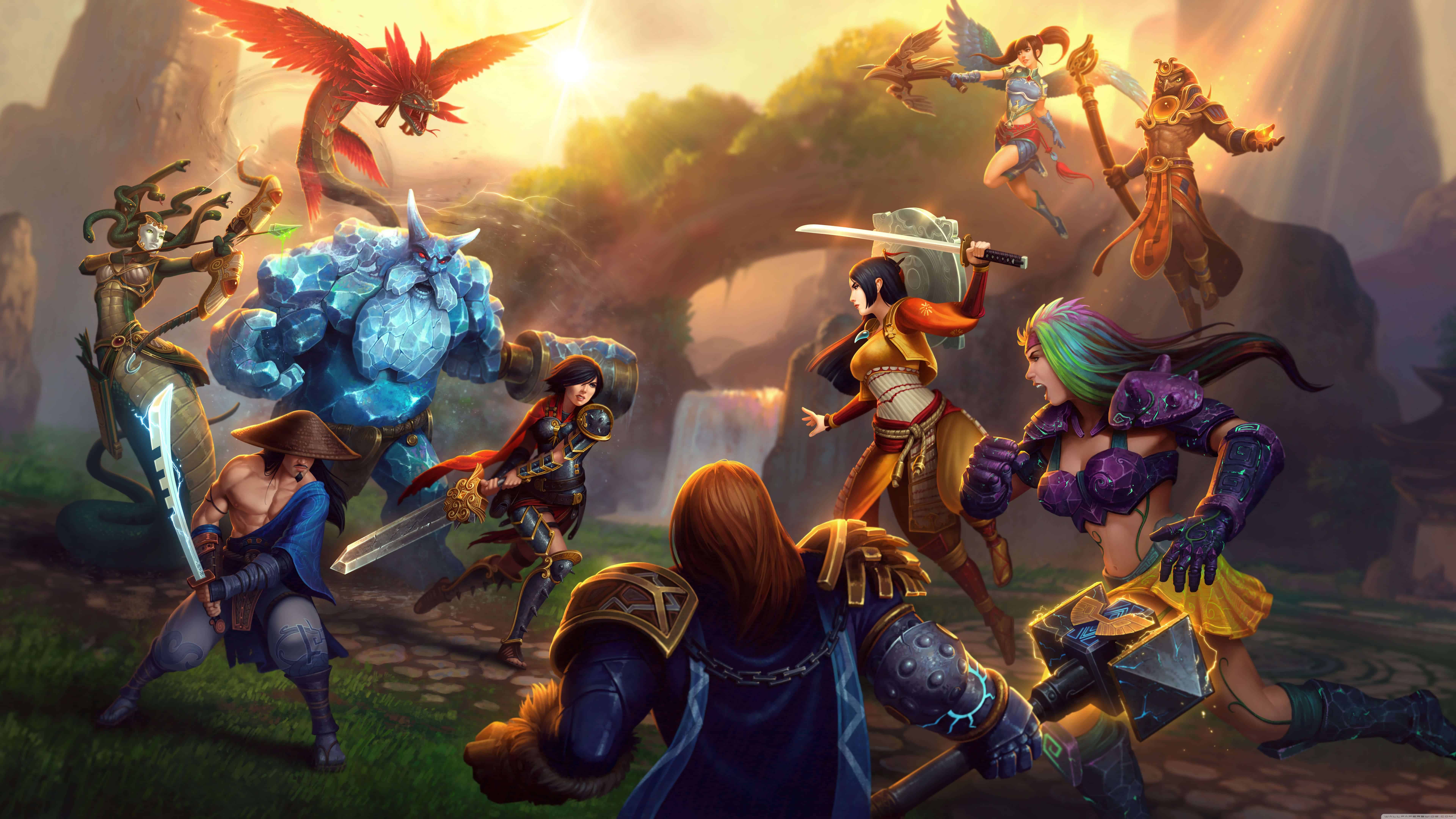
Smite is a multiplayer online battle arena (MOBA) game created by Titan Forge Games and published by Hi-Rez Studios. What makes it different is its third-person viewpoint. Players choose from a roster of gods and legendary figures and battle in teams of five. The goal is to work together to destroy the enemy team’s main base, called the Titan, by taking down towers and pushing through lanes. Smite requires strategic thinking, as players customize their characters with items and combine abilities effectively.
‘World of Tanks’ (2014)
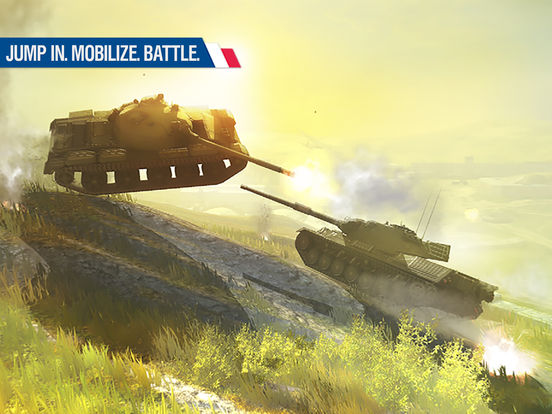
World of Tanks is a team-based combat game created by Wargaming where players battle in tanks from the mid-1900s. You can select from hundreds of realistic tanks representing different countries, each with its own strengths and weaknesses. Winning requires smart strategy, moving effectively on the battlefield, and knowing where to hit enemy tanks. The Xbox version has controls designed for consoles and unique updates you won’t find anywhere else.
‘Splitgate’ (2019)
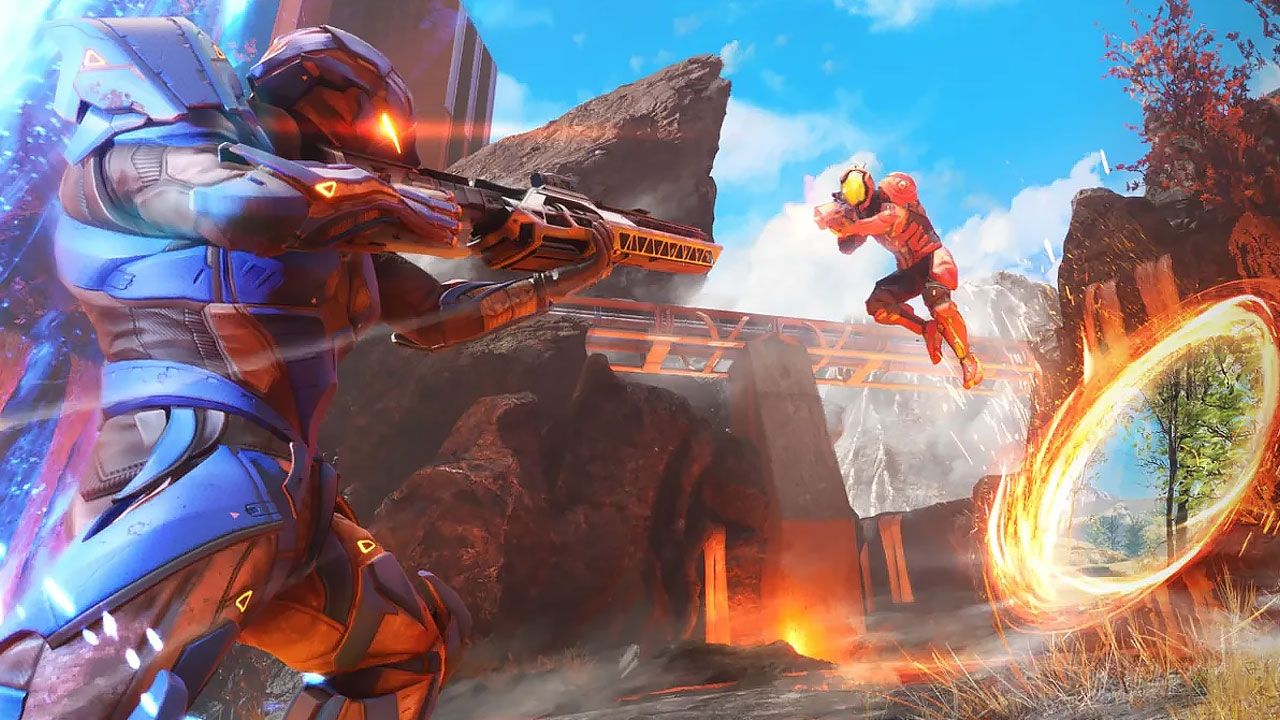
Splitgate is a fast-paced shooter created by 1047 Games that blends classic arena combat with the innovative use of portals. Players can instantly move around the map or shoot enemies through portals, creating surprising attacks. Mastering portal placement and spatial awareness is key to success in this game, which offers a familiar yet modern shooting experience.
‘Multiversus’ (2022)
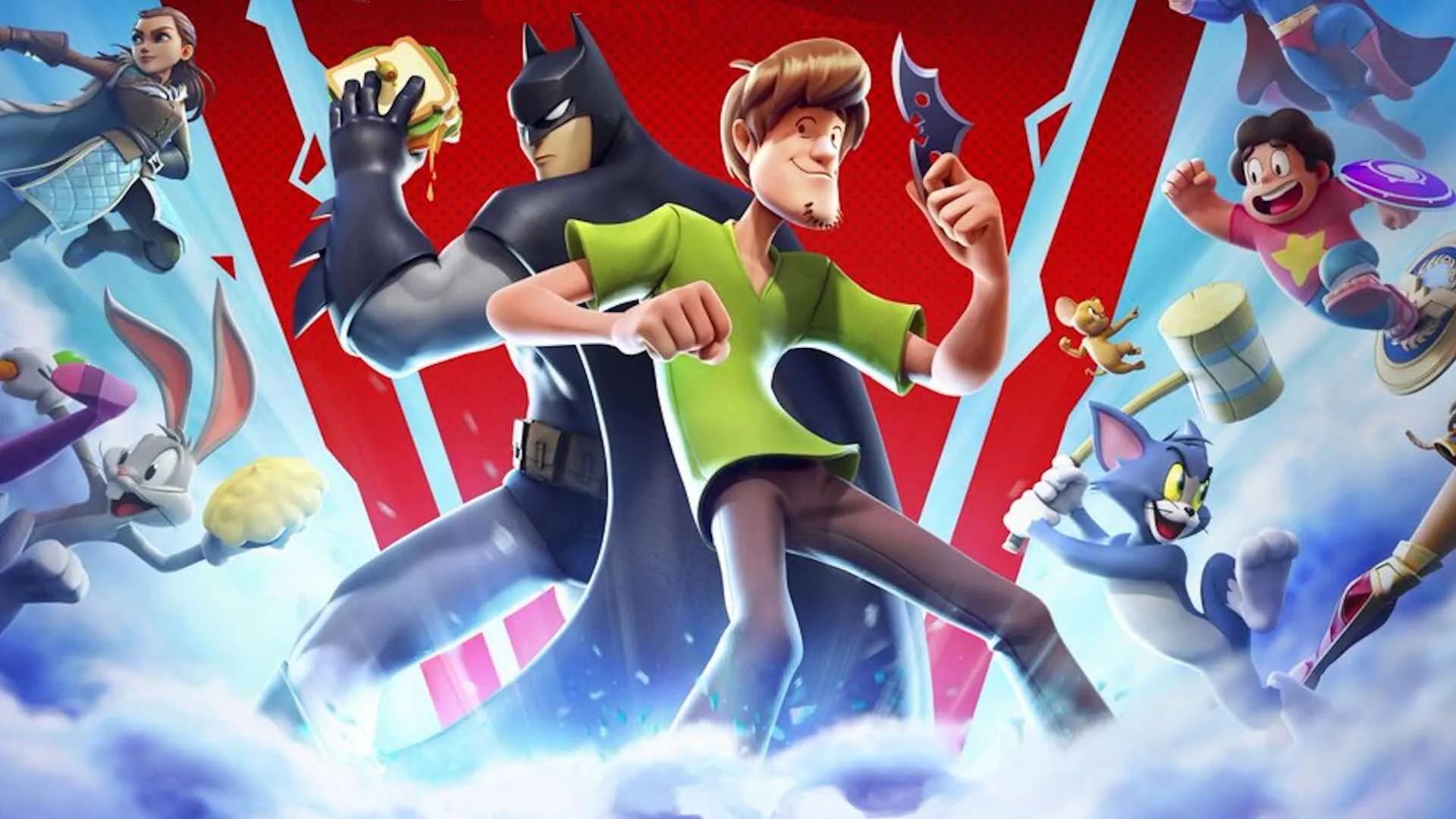
MultiVersus, created by Player First Games and published by Warner Bros. Games, is a platform fighting game with a huge selection of well-known characters. Players can battle as favorites like Batman, Shaggy, and Bugs Bunny in team-based (2v2) or individual free-for-all matches. The game focuses on teamwork, letting players use special abilities to help and strengthen their allies. New content, including levels, character outfits, and playable characters from Warner Bros., is regularly added through seasonal updates.
‘Fall Guys’ (2020)
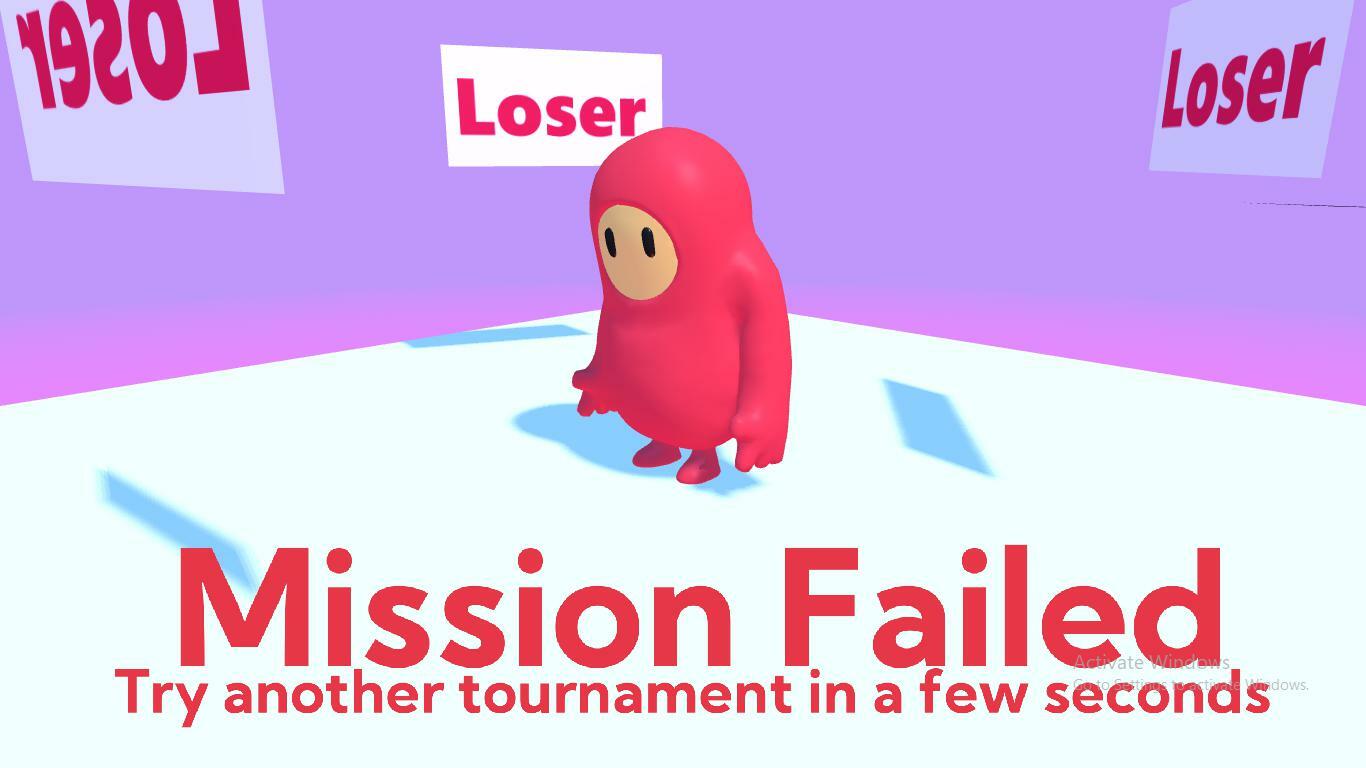
Fall Guys is a fun and chaotic platformer created by Mediatonic and published by Epic Games. Players compete against each other in obstacle courses, and it uses a ‘battle royale’ style where players are eliminated until only one remains. The game’s silly physics create unpredictable and funny moments as players try to reach the finish line. It’s known for its bright, colorful look and often includes special events and characters from other popular games and franchises.
‘Fortnite’ (2017)
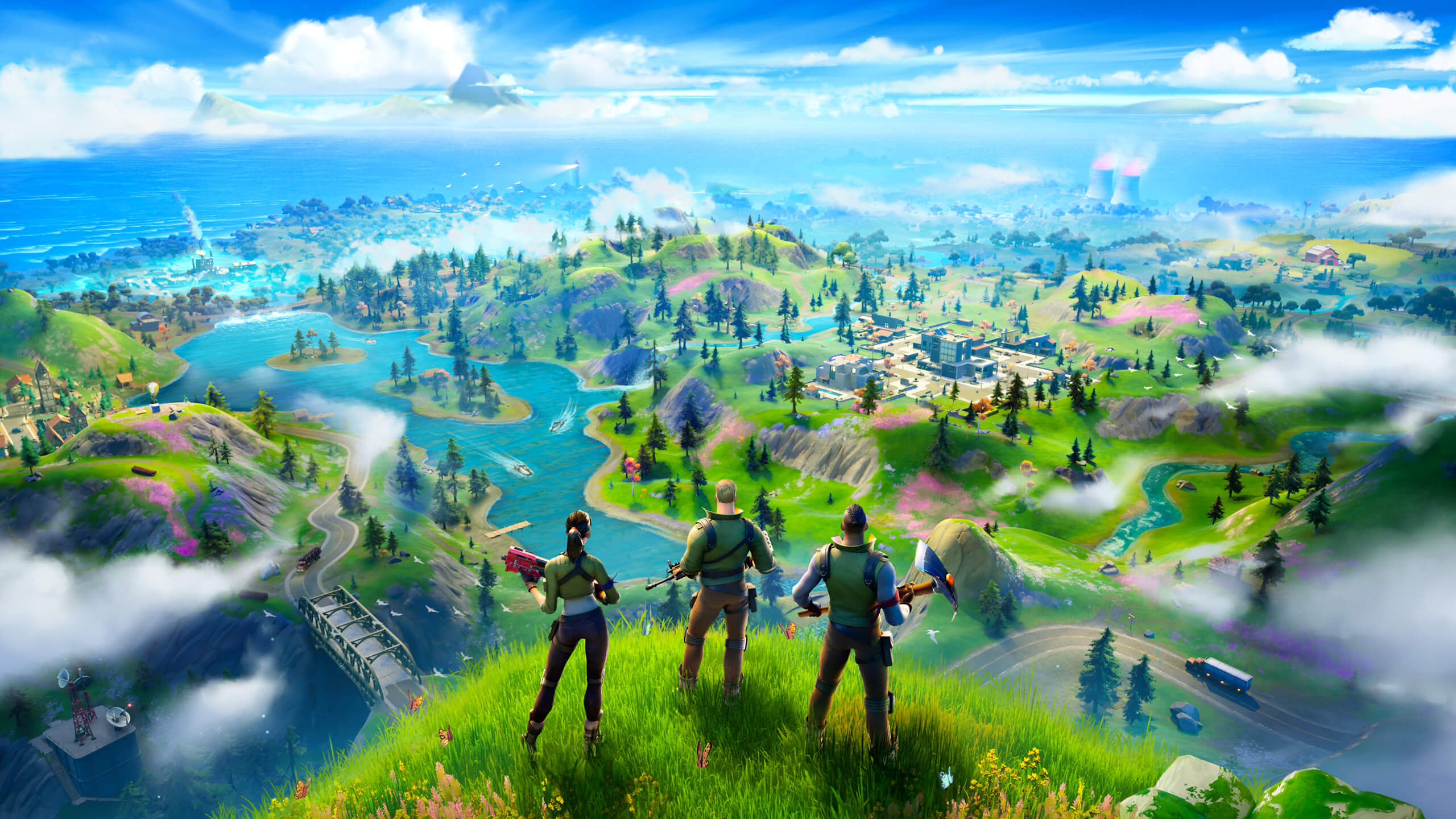
Fortnite, created and published by Epic Games, has become incredibly popular by combining building and battle royale elements. Players gather resources to build structures for protection or to get a better view of the battlefield during combat. The game is constantly updated with new events and changes to the map, making it a dynamic experience. Beyond the main battle royale mode, Fortnite also includes ‘Creative’ and ‘LEGO Fortnite,’ offering players a wide range of different ways to play.
‘The Sims 4’ (2014)
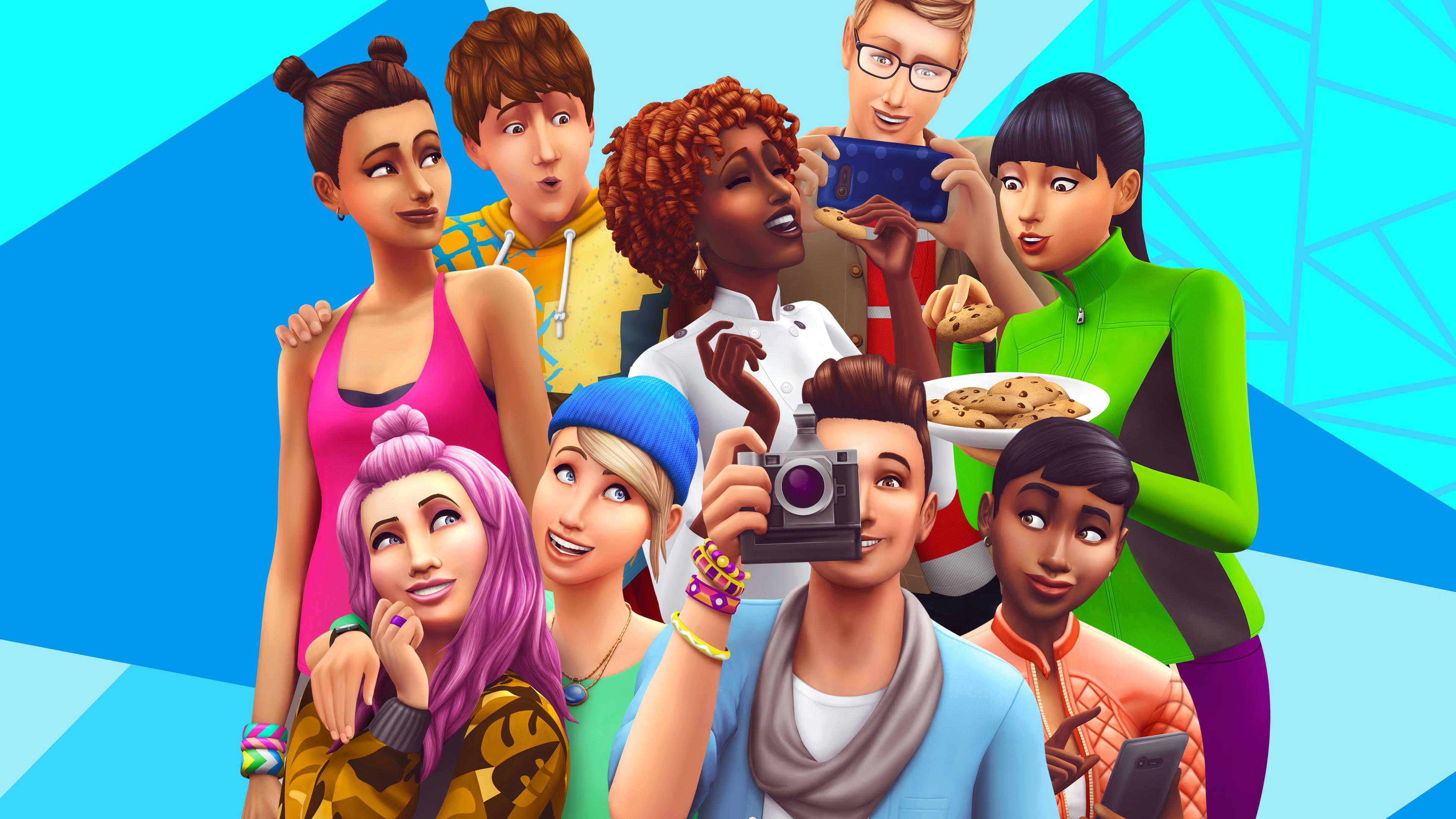
The Sims 4, created by Maxis and published by Electronic Arts, is a life simulation game where you design and control virtual people. The main game is now free, giving everyone access to powerful tools for creating characters and building homes. Players guide their Sims through careers, relationships, and everyday life in different neighborhoods. The game is constantly updated with improvements and new content based on player feedback.
‘Overwatch 2’ (2022)
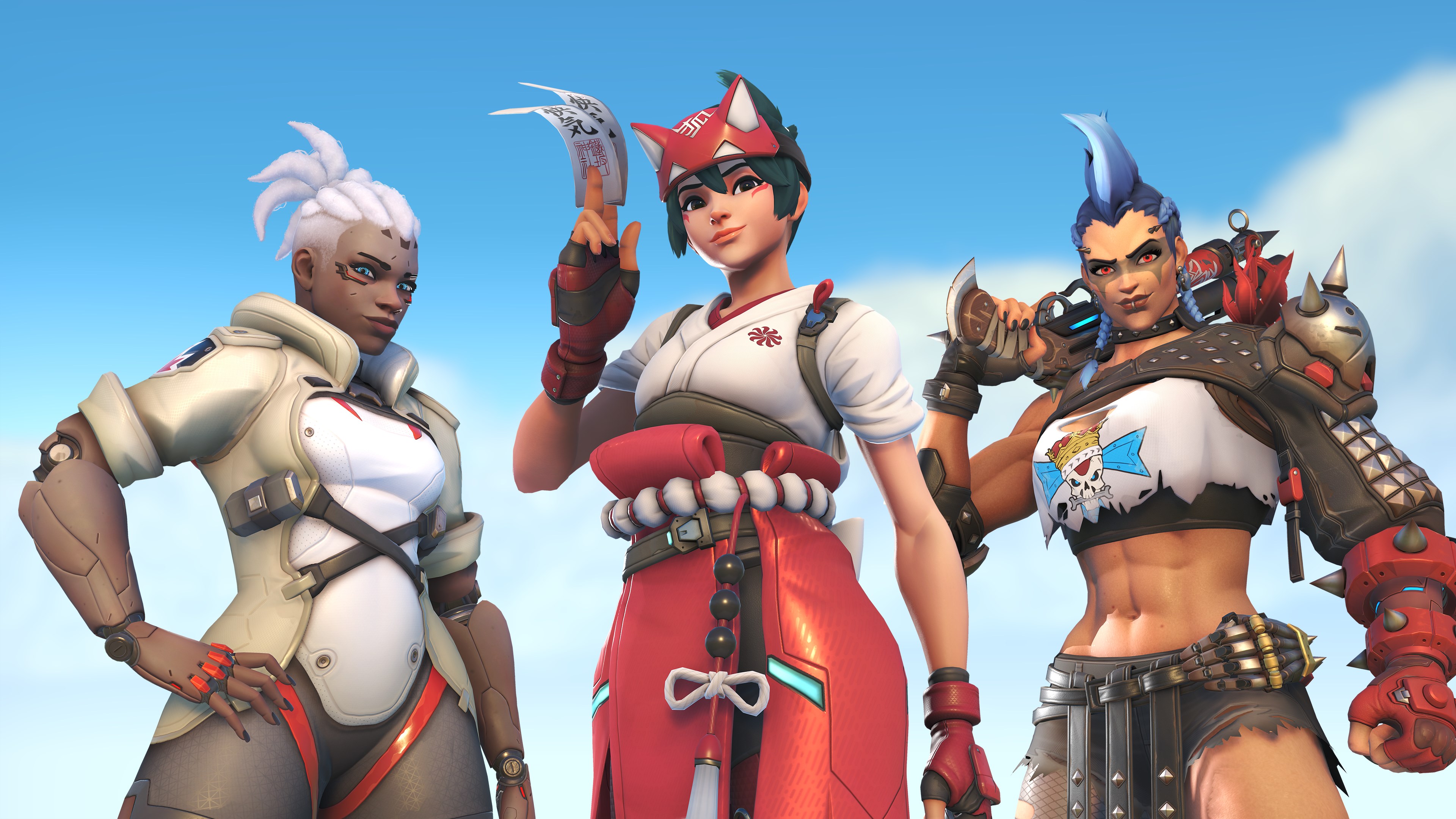
Overwatch 2 is a team-based action game created by Blizzard Entertainment where two teams of five players battle it out to complete objectives. Players choose from a variety of heroes – tanks, damage dealers, and supports – each with powerful special abilities. To win, teams must work together to either escort a payload, capture and hold control points, or dominate key areas on the map. The game is constantly updated with new heroes and maps added regularly through seasonal updates.
‘Apex Legends’ (2019)
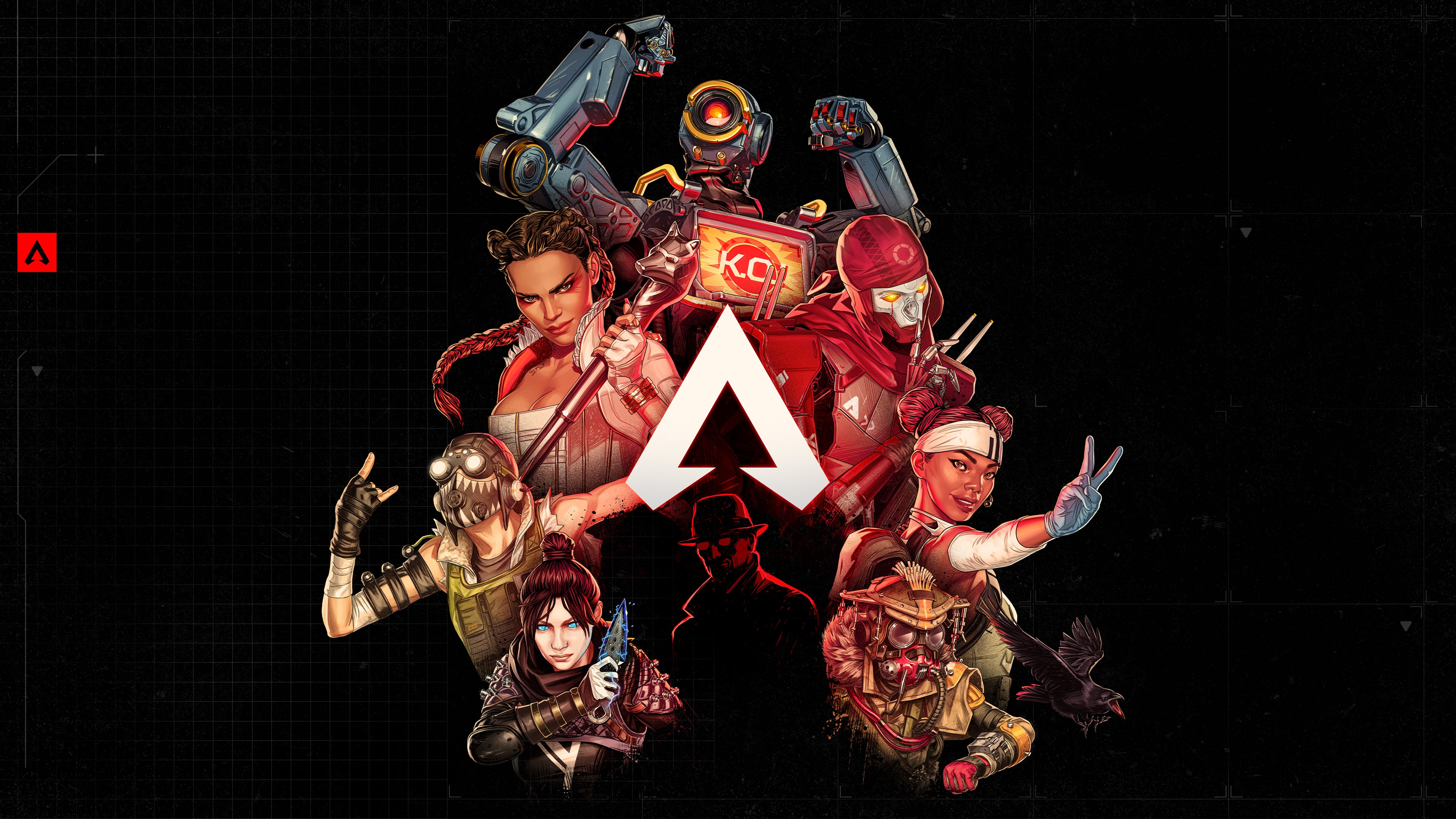
Apex Legends, created by Respawn Entertainment and published by Electronic Arts, is a battle royale game set in the world of ‘Titanfall’. It focuses on team play, with each character, called a ‘Legend’, offering unique skills. The game is famous for its innovative ‘ping’ system, which made it easier for players to communicate without talking. Apex Legends is known for its quick action, precise shooting, and large, varied maps.
‘Destiny 2’ (2017)
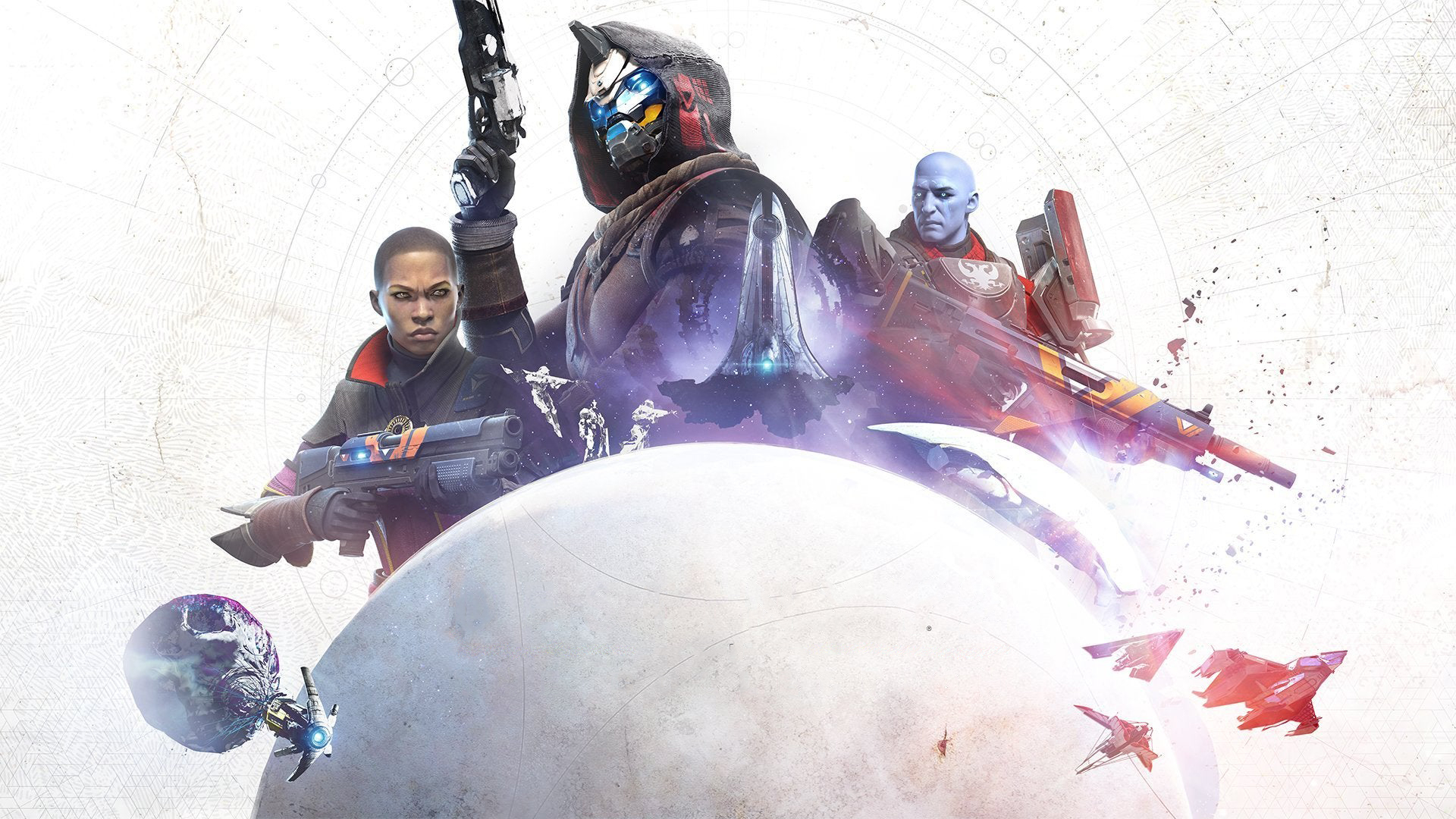
Destiny 2 is a first-person shooter game created by Bungie that blends fast-paced combat with the character progression you’d find in online role-playing games. Players take on the role of Guardians, defending Earth’s last city from alien enemies with special abilities and powerful weapons. The free version, called ‘New Light’, lets you experience key game modes like strikes, competitive matches, and gambit. The game is praised for its satisfying gunplay and rich, detailed story.
‘Yu-Gi-Oh! Master Duel’ (2022)
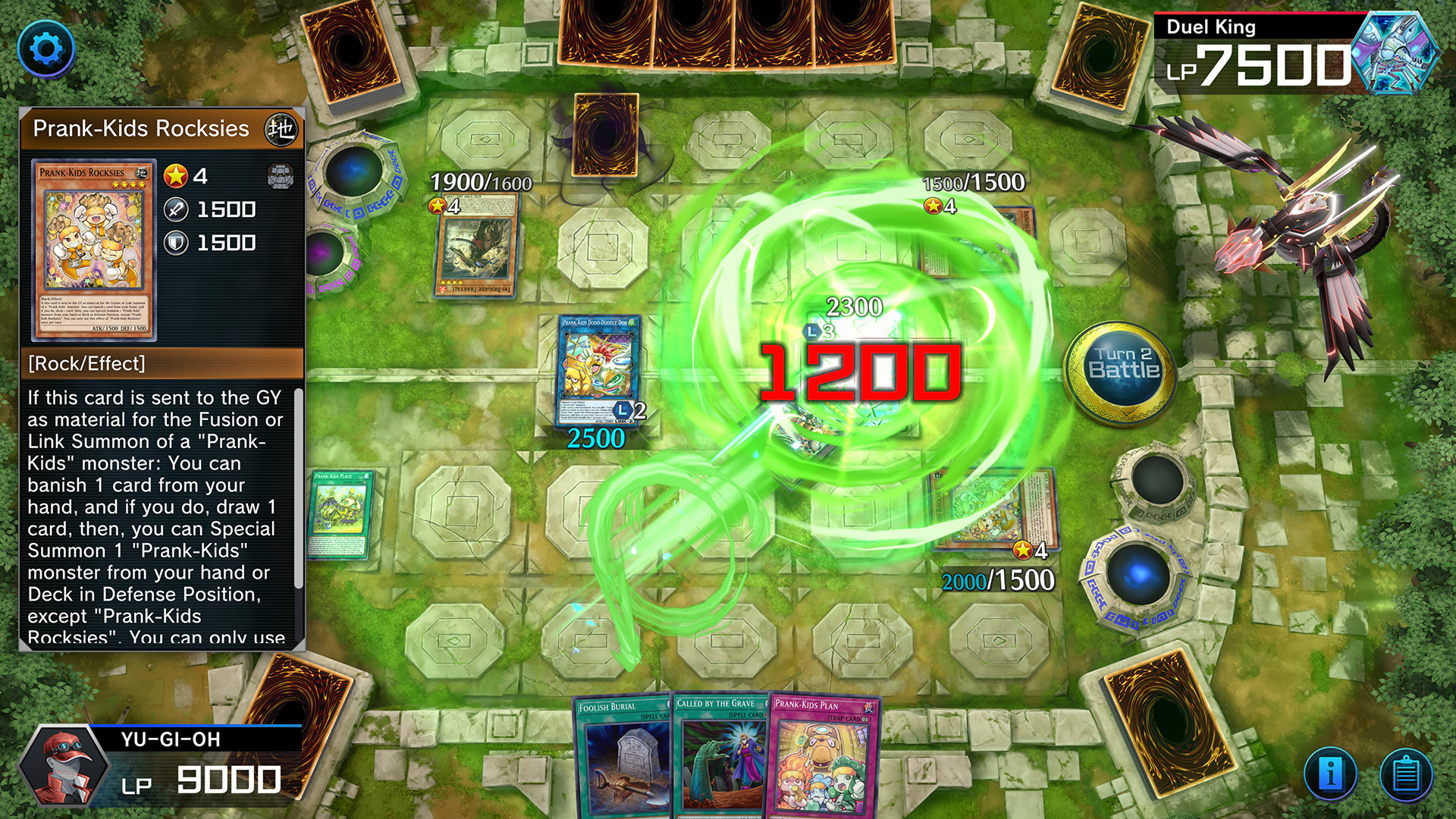
Yu-Gi-Oh! Master Duel, created and released by Konami, is the ultimate digital version of the classic trading card game. Players can collect thousands of cards and create custom decks using cards from throughout the game’s history. Whether you’re new to dueling or a seasoned pro, the game offers a detailed solo mode for learning the ropes and a competitive ranked system for challenging other players. Stunning high-definition graphics and animations make the card battles more immersive than ever.
‘Killer Instinct’ (2013)
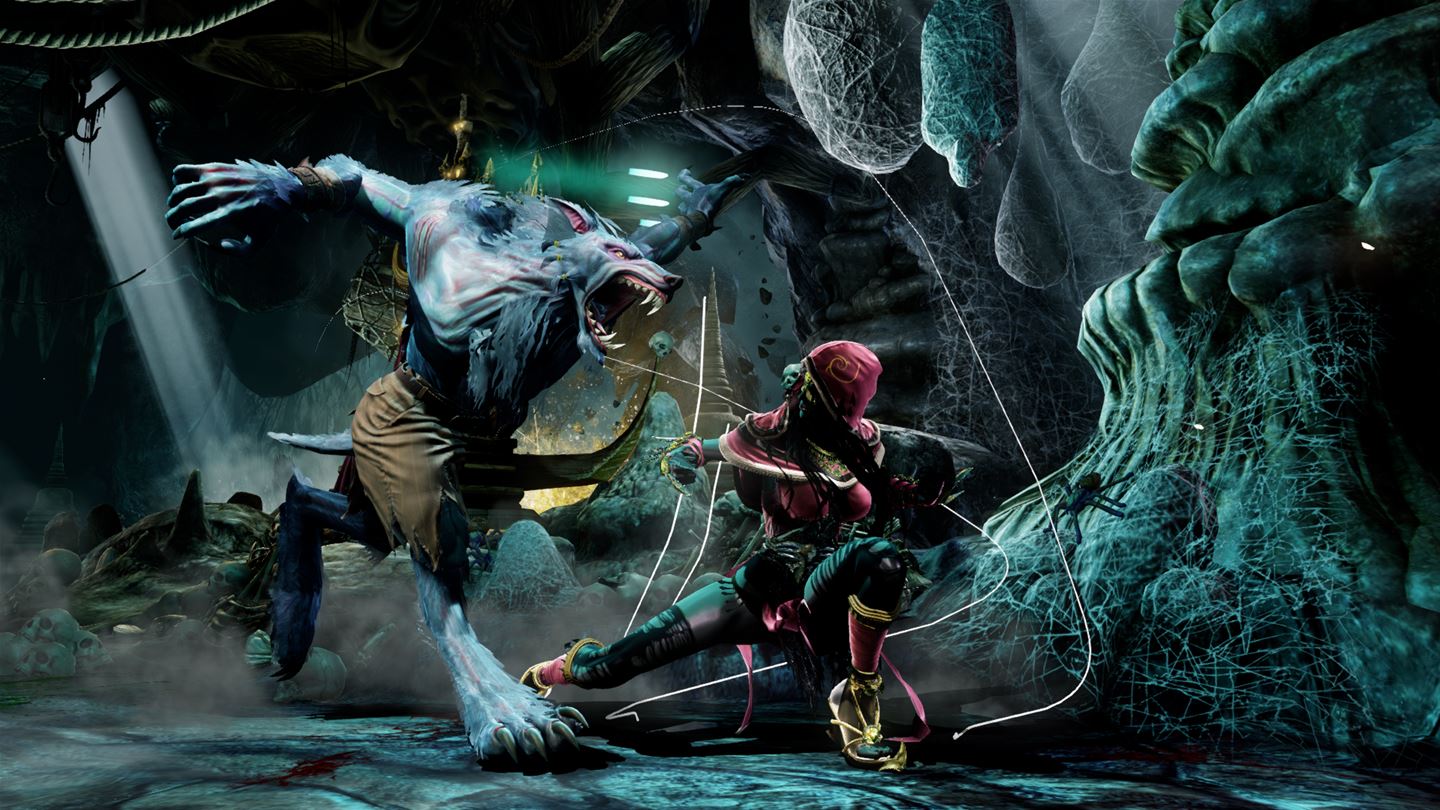
This new version of the classic fighting game, created by Double Helix Games and Iron Galaxy and published by Microsoft Studios, focuses on fast-paced, chained attacks. A special feature called “Combo Breaker” lets players skillfully interrupt their opponents’ moves. Each character has their own unique fighting style and a theme song that changes based on what’s happening in the game. ‘Killer Instinct’ became free-to-play, offering players rotating character options or the ability to buy access to all characters.
‘Rocket League’ (2015)
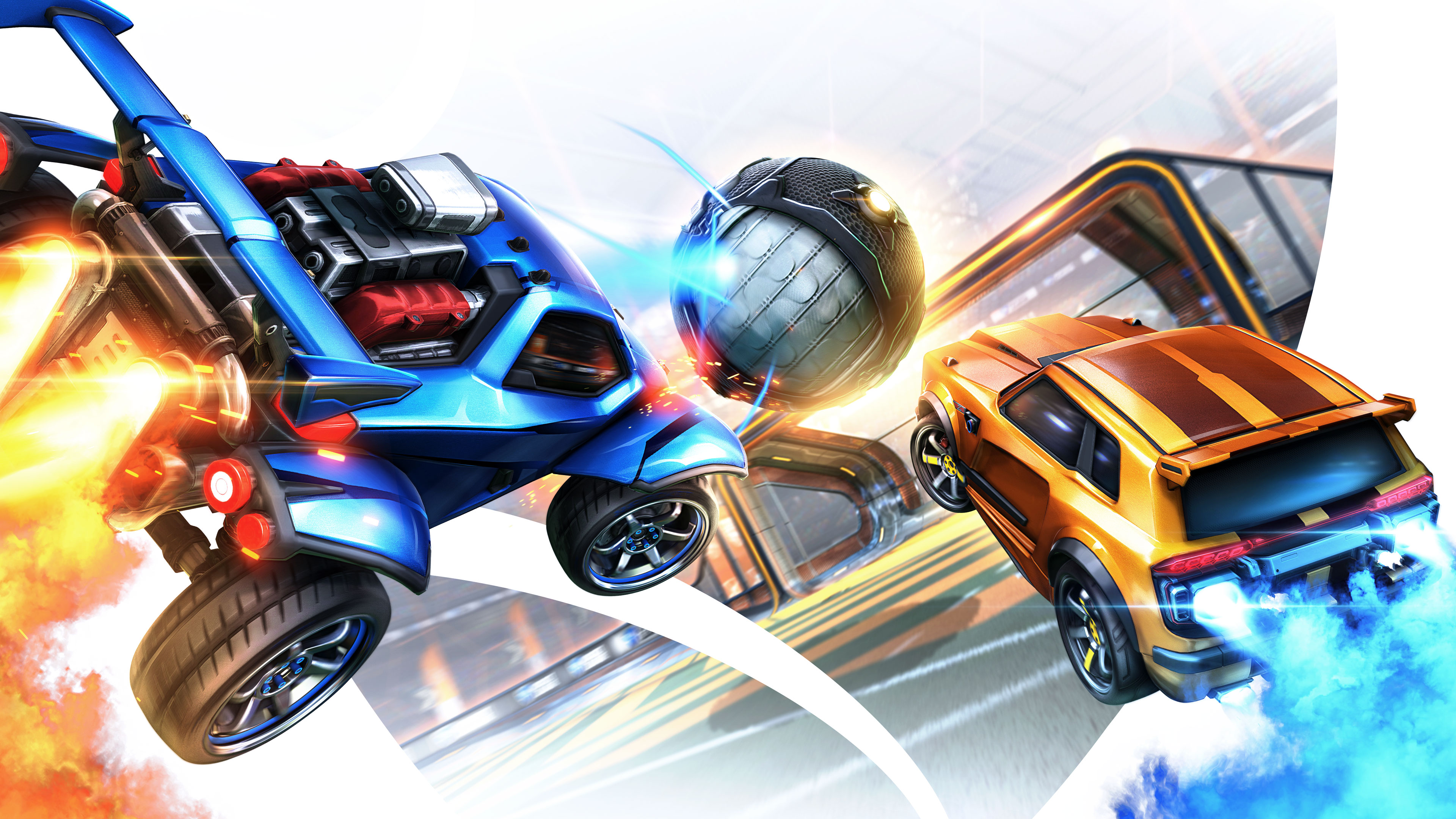
Rocket League is a fast-paced game created by Psyonix that blends soccer with the excitement of driving rocket-powered cars. Players compete in arenas, using their cars to hit an oversized ball into the opponent’s goal. The game’s realistic physics allow for impressive aerial moves and skillful ball handling. Since being acquired by Epic Games, Rocket League has become free to play, attracting more players with seasonal rewards and the ability to continue progress across different gaming platforms.
‘Roblox’ (2006)
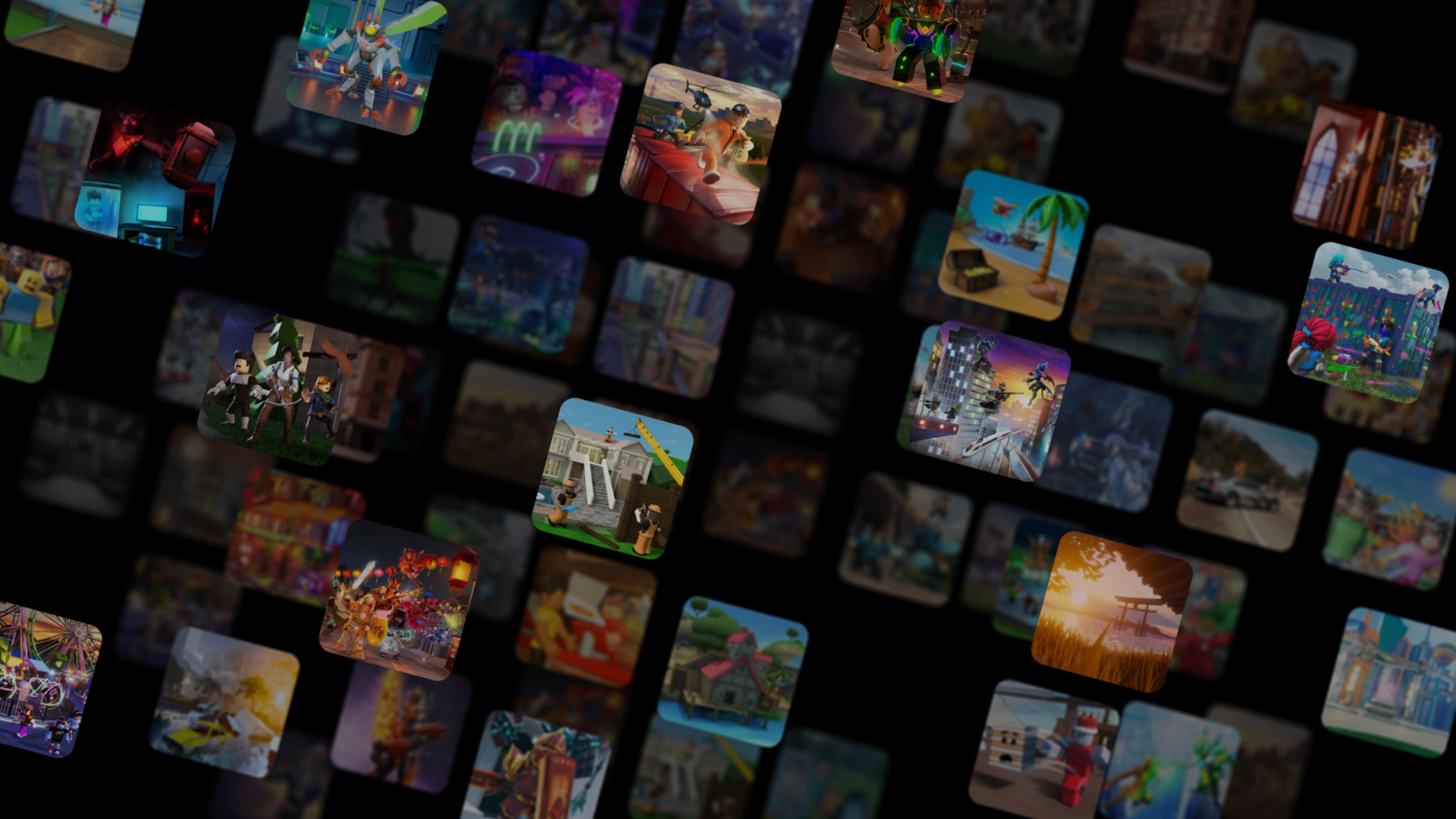
Roblox is a platform created by Roblox Corporation where millions of users can both play and create games. Using a tool called ‘Roblox Studio,’ players can design their own unique experiences and share them with others worldwide. The games available are incredibly diverse, including everything from realistic life simulations and challenging obstacle courses to action-packed shooting games. Roblox also includes a strong social community and a virtual economy where players can use a currency called Robux.
‘Halo Infinite’ (2021)
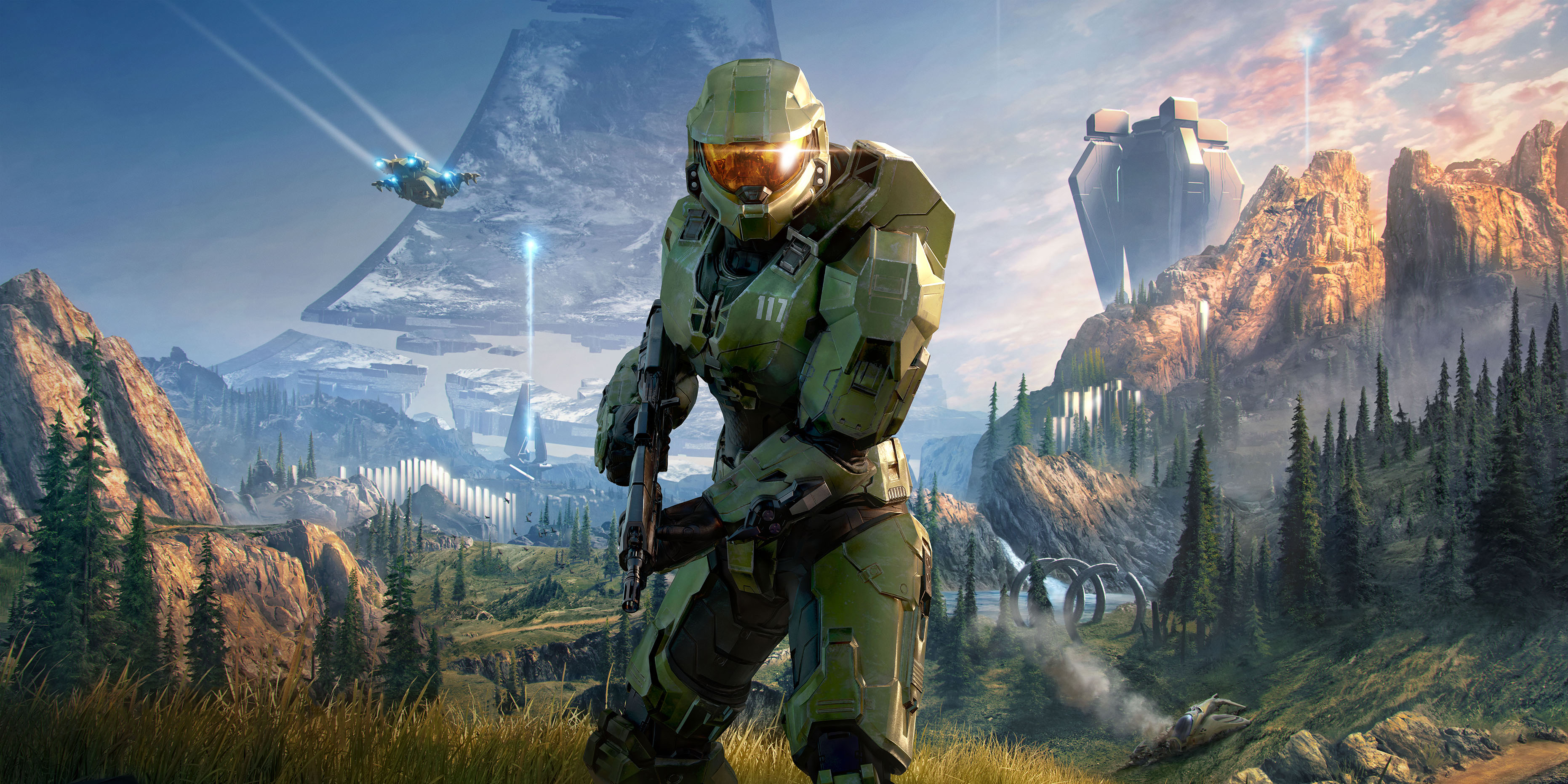
Halo Infinite’s multiplayer is free to play and brings the series back to its classic, fast-paced arena-shooter style. Players will focus on controlling the map, grabbing powerful weapons, and mastering quick movement. The game offers different modes like Big Team Battle and Ranked Arena, and features a seasonal progression system. With high-quality visuals and gameplay, Halo Infinite delivers a top-tier competitive experience while staying true to what fans love about the Halo franchise.
Hey everyone, I’m always on the lookout for great free games on Xbox! I’d love to hear what you’re all playing – what free-to-play games do you recommend? And if you’ve stumbled across any awesome, lesser-known free titles, please share them! I’m excited to check out your suggestions.
Read More
- Gold Rate Forecast
- 22 Films Where the White Protagonist Is Canonically the Sidekick to a Black Lead
- Celebs Who Narrowly Escaped The 9/11 Attacks
- Games That Faced Bans in Countries Over Political Themes
- Persona 5: The Phantom X Relativity’s Labyrinth – All coin locations and puzzle solutions
- Silver Rate Forecast
- Unveiling the Schwab U.S. Dividend Equity ETF: A Portent of Financial Growth
- How to Unlock Stellar Blade’s Secret Dev Room & Ocean String Outfit
- Brent Oil Forecast
- ‘Super Mario Galaxy’ Trailer Launches: Chris Pratt, Jack Black, Anya Taylor-Joy, Charlie Day Return for 2026 Sequel
2026-03-25 01:53