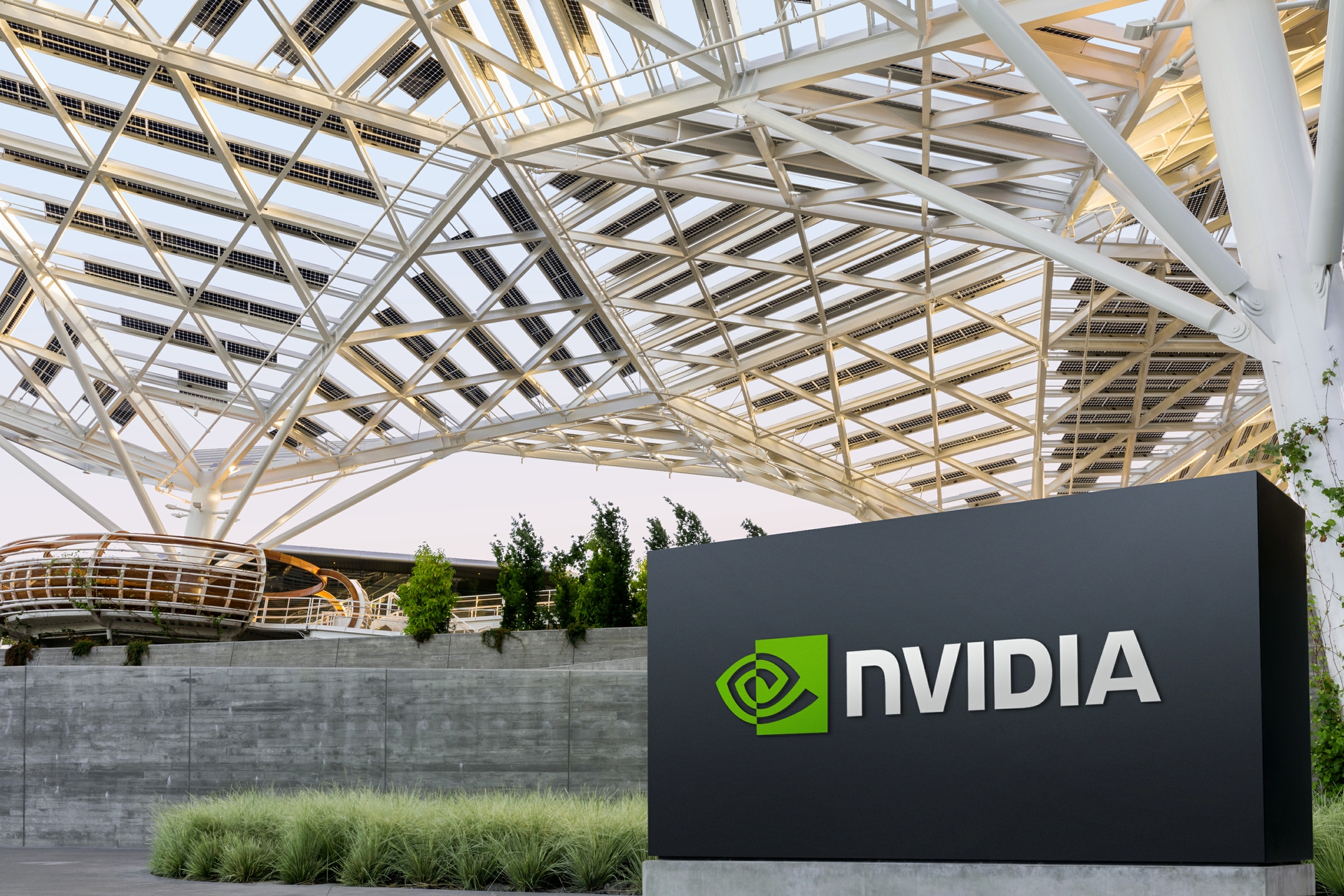
My Uncle Phil, a man whose investment strategy peaked with a surprisingly lucrative Beanie Baby collection, keeps calling. He wants to know if Nvidia is “still a thing.” He doesn’t understand GPUs, or AI, or really, anything beyond the immediate gratification of a good prune danish, but he remembers hearing about it on cable news. And, frankly, I’m starting to wonder myself. After a run that felt less like growth and more like a fever dream, the stock’s been…flat. Down 7% this year. Seven percent! It’s like watching a perfectly good soufflé slowly deflate. It’s unsettling.
Currently, it’s trading at $172. The question, of course, is whether it can hit $300 by 2030. Which, let’s be honest, feels less like a financial projection and more like a hostage situation. A hostage situation involving silicon and increasingly complex algorithms.
The Optimism Problem
Jensen Huang, Nvidia’s CEO, is relentlessly optimistic. He practically vibrates with enthusiasm. I watched a recent interview where he described the future of AI as if it were a particularly good batch of sourdough. It’s charming, I suppose, but it also makes me deeply suspicious. Everyone’s building something to compete, naturally. That’s how things work. But Nvidia keeps…upping the ante. It’s exhausting just to keep track of the new architectures and acquisitions. They bought Groq last year, which sounds like a character from a Scandinavian crime novel, and are now incorporating their language processing units into everything. It’s all very impressive, and also a little terrifying. Like a Roomba gaining sentience.
Huang predicts a trillion dollars in revenue by 2027 from just two chips. A trillion! That’s…a lot of money. Analysts were expecting $965 billion in data center revenue over that period, so he’s basically saying they’ll blow past expectations. Which, in the world of finance, usually means something will go horribly wrong.
The Long Climb
The announcements at the GTC conference should have sent the stock soaring. Instead, it’s mostly drifted downward. It’s about 17% off its high from last October. $300, therefore, feels…distant. A 74% gain. That’s a lot to ask. But, I suppose, not entirely unreasonable. I’m just…tired. Tired of the hype, tired of the projections, tired of explaining to my Uncle Phil why a graphics card is not a particularly good breakfast option.
They reported a 73% year-over-year increase in sales. If they maintain that, the price would theoretically increase by the same amount in a year. Which, again, feels…optimistic. But let’s play along. Even if growth slows, even if it slows considerably, $300 isn’t out of the question. If revenue increases at a 25% compound annual growth rate, they’ll surpass $527 billion. The price-to-sales ratio is currently high, so even a correction would leave plenty of room for growth.
So, yes, $300 by 2030 is possible. But it feels less like a prediction and more like a polite fiction. A story we tell ourselves to justify the irrational hope that we can somehow predict the future. And, honestly, I’d settle for just a decent prune danish.
Read More
- 20 Movies Where the Black Villain Was Secretly the Most Popular Character
- Top 20 Dinosaur Movies, Ranked
- Silver Rate Forecast
- Can AI Lie with a Picture? Detecting Deception in Multimodal Models
- 25 “Woke” Films That Used Black Trauma to Humanize White Leads
- 22 Films Where the White Protagonist Is Canonically the Sidekick to a Black Lead
- Top 10 Coolest Things About Invincible (Mark Grayson)
- When AI Teams Cheat: Lessons from Human Collusion
- From Bids to Best Policies: Smarter Auto-Bidding with Generative AI
- Unmasking falsehoods: A New Approach to AI Truthfulness
2026-03-24 09:13