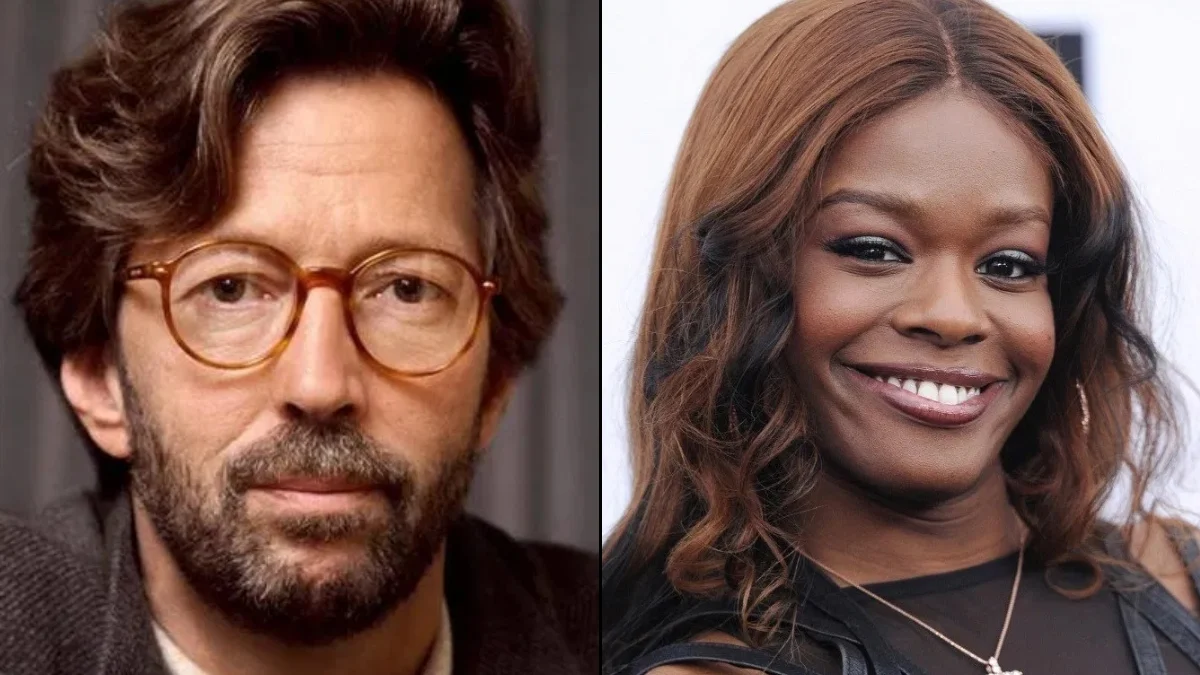
Music and politics often clash, especially when popular artists speak out against current social issues. Recently, several musicians have used their influence to express disagreement with movements like Black Lives Matter, discussions around gender identity, and public health guidelines. While these artists often present their views as defending free speech or personal freedom, their statements frequently cause strong reactions both within the entertainment world and from people around the globe. Below is a list of well-known musicians who have publicly questioned or criticized these modern social movements.
Kanye West
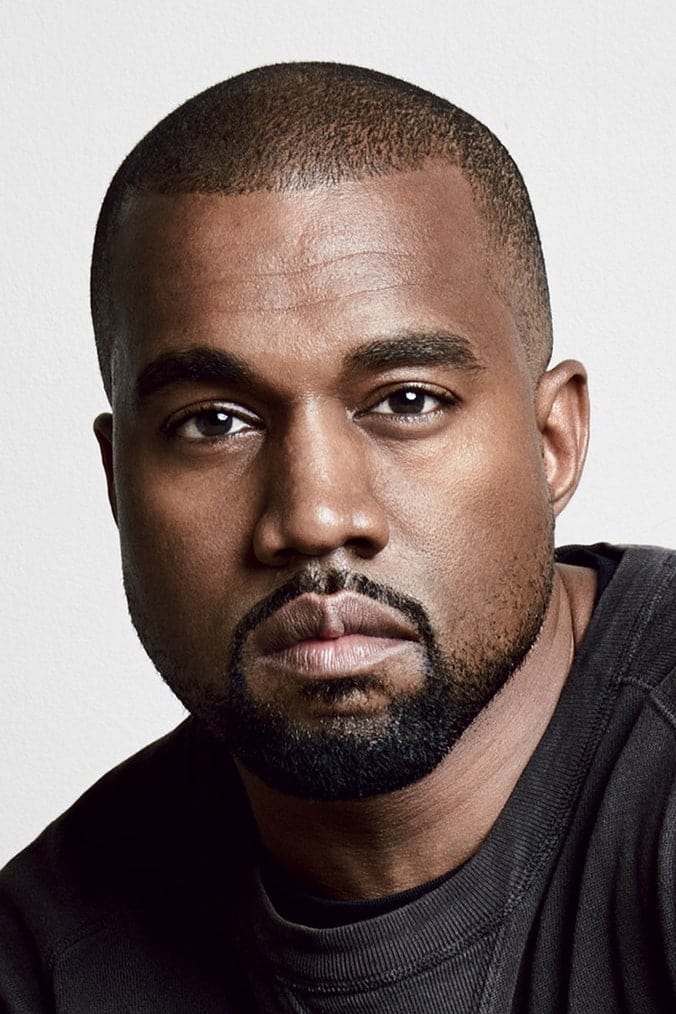
During a 2022 Paris Fashion Week show, the rapper caused widespread outrage by wearing a shirt with the message “White Lives Matter.” He subsequently called the Black Lives Matter movement a “scam” on social media. Many people viewed these actions and statements as a deliberate insult to the global racial justice movement that gained momentum in 2020. Throughout his career, the artist has consistently gone against popular opinion, both through his clothing and in interviews.
Eric Clapton
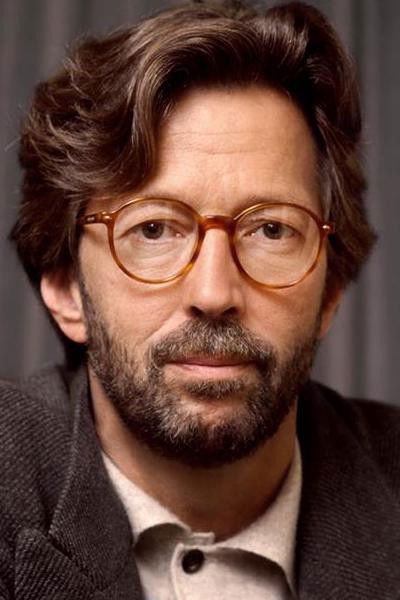
During the pandemic, the famous guitarist became well-known for speaking out against COVID-19 lockdowns and vaccine requirements. He even worked with Van Morrison on a song called ‘Stand and Deliver’ that drew a comparison between the restrictions and slavery. Clapton also openly discussed his bad reactions to the vaccine and questioned the advice of scientists and the government. This position caused some of his fans to distance themselves, as they felt his words were damaging to efforts to protect public health during a global crisis.
Van Morrison
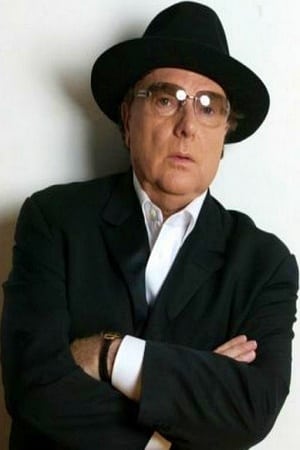
This singer-songwriter from Northern Ireland released several songs in 2020 and 2021 that strongly protested government lockdowns. Tracks like ‘Born to Be Free’ and ‘No More Lockdown’ ridiculed social distancing and mask-wearing, framing them as oppressive. Morrison argued that the government was violating people’s freedoms and used his music to urge others to resist public health rules. He also took legal steps to fight the ban on live music in Northern Ireland, challenging the restrictions in place.
John Lydon
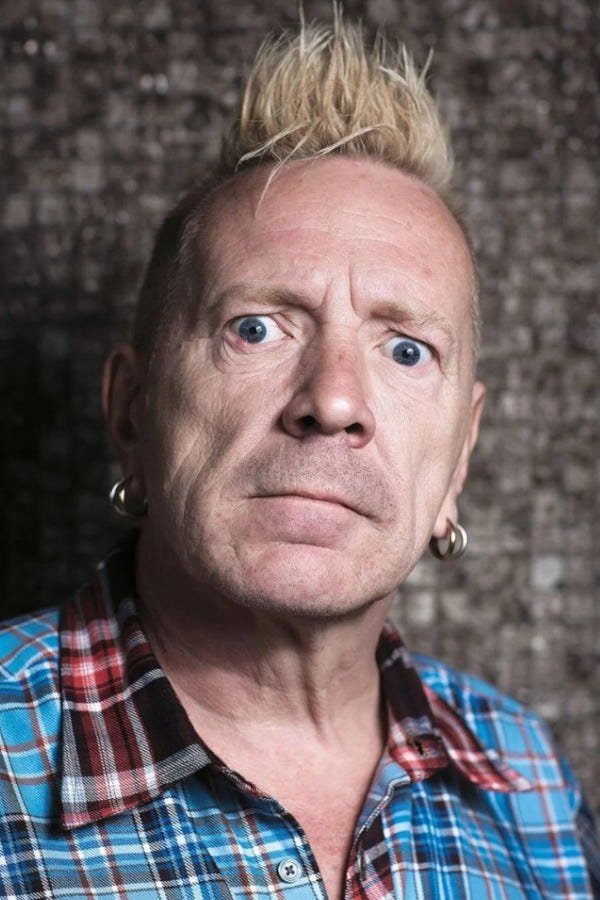
John Lydon, previously the frontman of the Sex Pistols as Johnny Rotten, has often spoken out against what he calls “woke” culture and the Black Lives Matter movement. In a 2020 interview, he called Black Lives Matter “frightening” and argued it caused more separation than togetherness. He also criticizes the emphasis on political correctness today, seeing it as a type of censorship that hurts everyday people. Lydon frequently argues that much of modern social activism feels showy and disconnected from the concerns of working-class individuals.
Morrissey

Look, I used to be a huge Smiths fan, but it’s getting harder to separate the music from the man. Morrissey has really leaned into some pretty divisive opinions lately, particularly around immigration and what he sees as ‘identity politics.’ He’s openly supported far-right groups in the UK and seems to actively dislike the way society is becoming more focused on multiculturalism and diversity. He’s also been very vocal about his dislike of what he calls the ‘woke’ culture in music, claiming it’s killing free expression. Honestly, it’s really turned a lot of us off. It feels like he’s actively rejecting ideas of inclusivity, and it’s a shame to see someone I admired take such a stance.
Alice Cooper
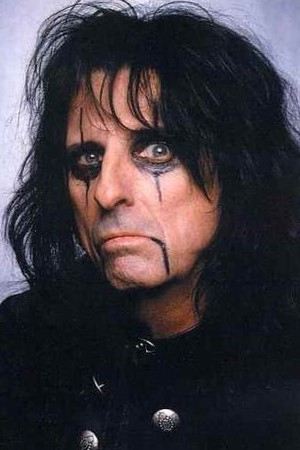
During a 2023 interview, the established rock musician shared doubts about gender-affirming care and current ideas surrounding gender identity. He called the trend toward gender-neutral language and allowing young people to transition “a fad” without solid evidence. Cooper worried this was confusing for kids and suggested going back to more conventional views on gender. These statements resulted in the cancellation of a partnership with a cosmetics company soon after they were made public.
Kid Rock
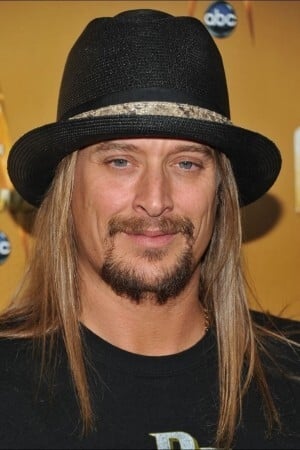
This musician publicly opposed certain recent social movements, most famously by destroying cases of Bud Light in 2023. He did this to protest the brand working with a transgender influencer, and it showed his disapproval of efforts to be more inclusive in advertising. His music also often criticizes people he labels as overly sensitive or those involved in social justice activism. Kid Rock regularly uses his concerts and social media to make fun of liberal and progressive ideas.
Macy Gray
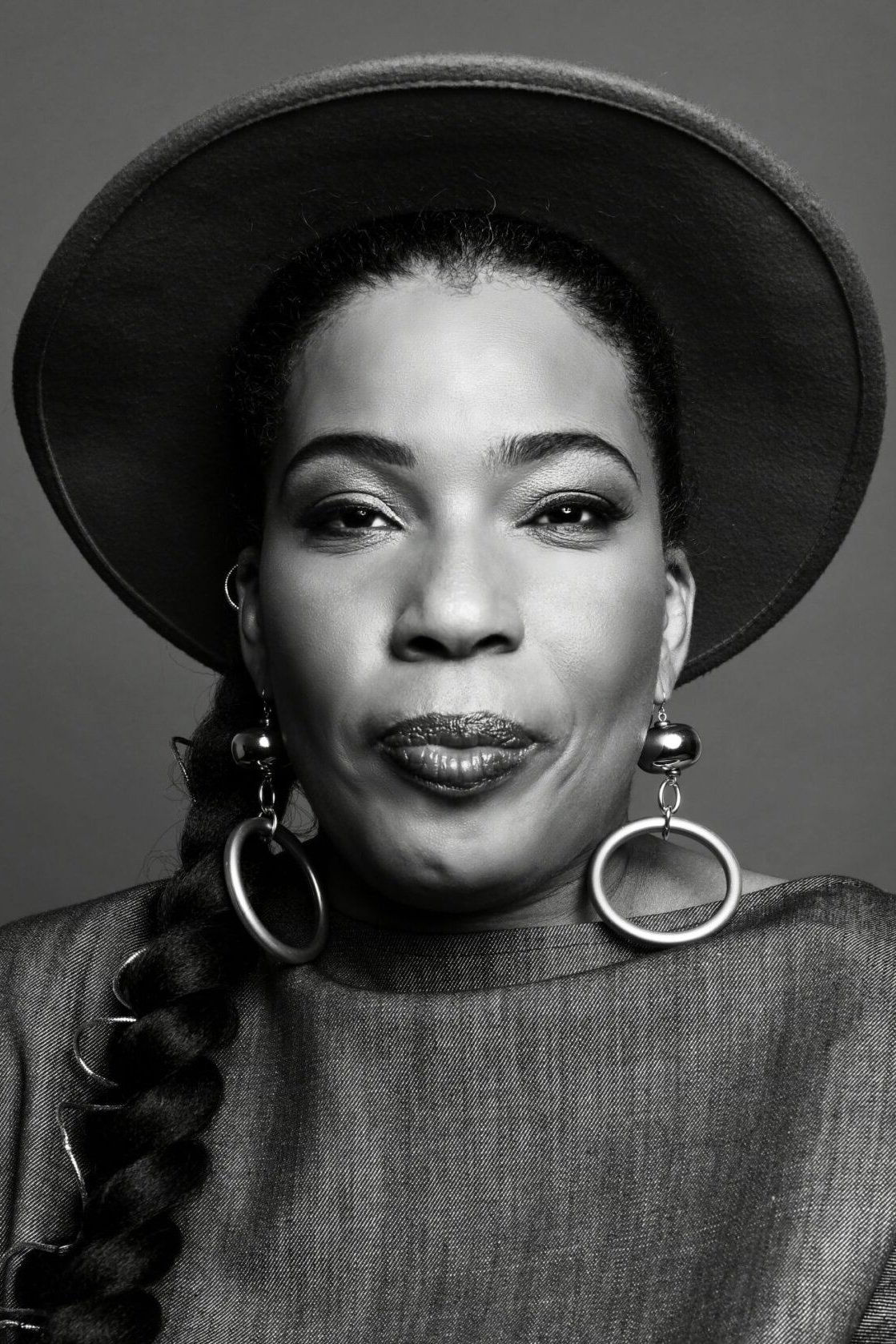
During an interview with Piers Morgan, the singer discussed what it means to be a woman, particularly in relation to transgender issues. She argued that medical procedures can’t change someone’s biological sex and expressed skepticism about the idea that people should be able to identify their own gender without other factors being considered. Although she later tried to explain her comments further, many people understood them as disagreement with current, inclusive views on gender identity. She explained that her perspective comes from her own experiences as a woman.
Carlos Santana
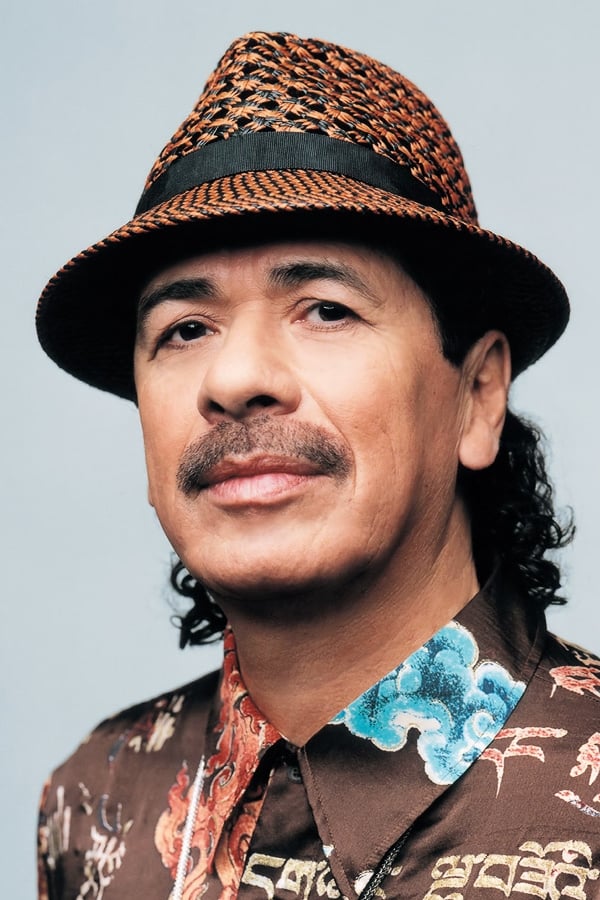
During a concert in New Jersey, the famous guitarist shared his traditional views on gender with the audience, stating his belief that gender is fixed at birth. A video of his comments quickly spread online, sparking criticism from the LGBTQ+ community and activists, who felt his words were dismissive and mocking towards evolving understandings of gender identity. Santana later issued an apology, but the initial comments caused significant controversy.
Róisín Murphy
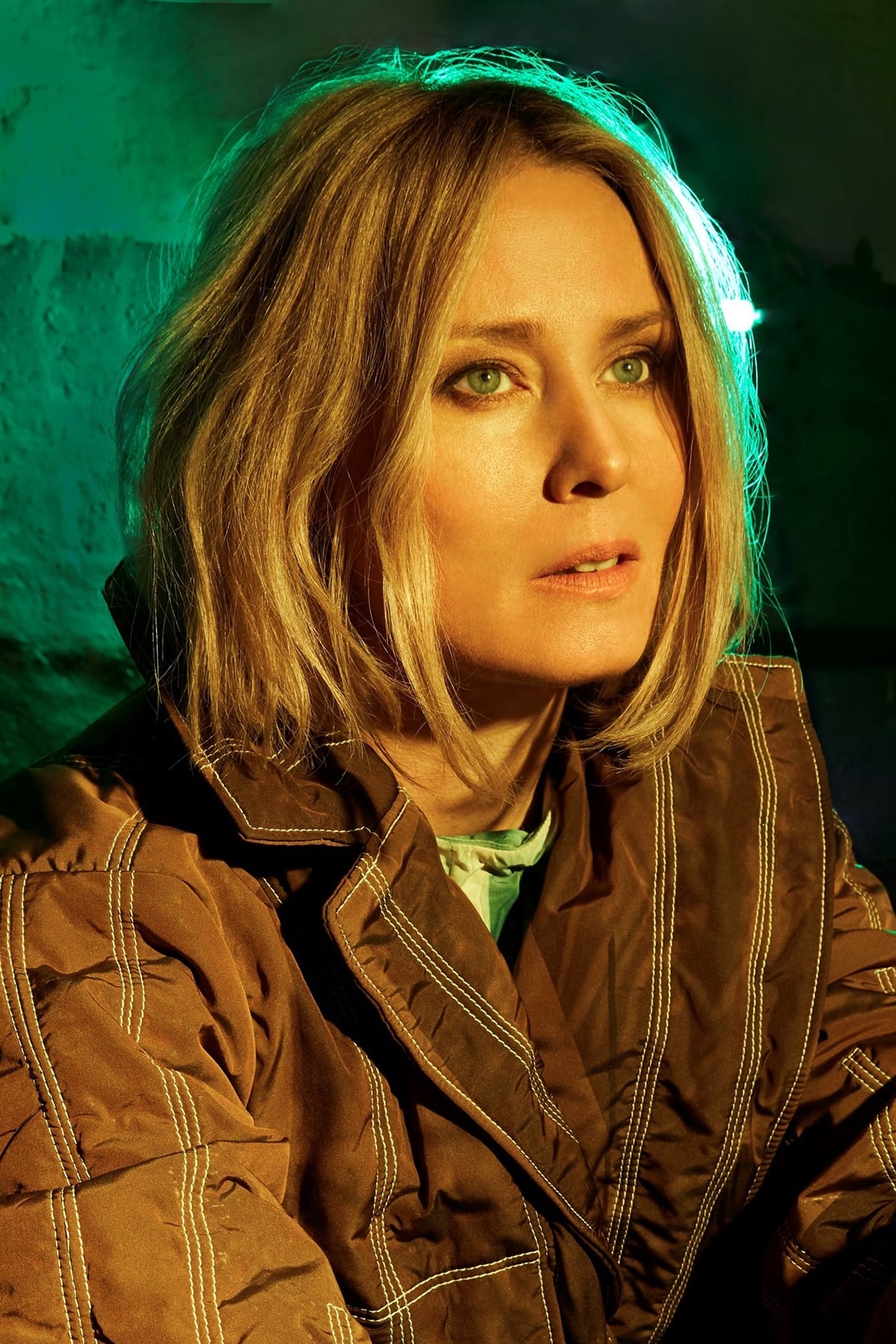
Róisín Murphy, the singer formerly of Moloko, received strong backlash after a private Facebook comment she made about puberty blockers became public. In the comment, she described children taking the medication as confused and expressed disapproval of support for young people transitioning. Many saw this as a hurtful rejection of the medical advice supported by trans rights advocates. Although she issued a lengthy apology, some of her concerts were cancelled, and she faced widespread criticism from music journalists for her opinions.
Winston Marshall
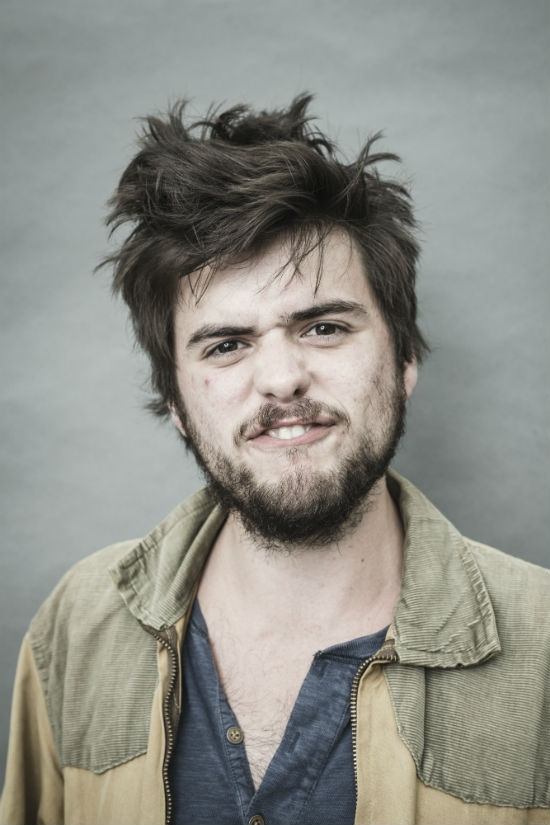
Following controversy over his support for a book critical of the Antifa movement, the former Mumford & Sons banjoist left the band. He had publicly praised journalist Andy Ngo, which many activists saw as disrespectful to the anti-fascist cause. In an essay explaining his decision to leave, Marshall criticized what he called “cancel culture” and the pressure to agree with certain viewpoints. Since then, he’s frequently spoken out against current left-wing social movements in interviews and other media appearances.
Noel Gallagher
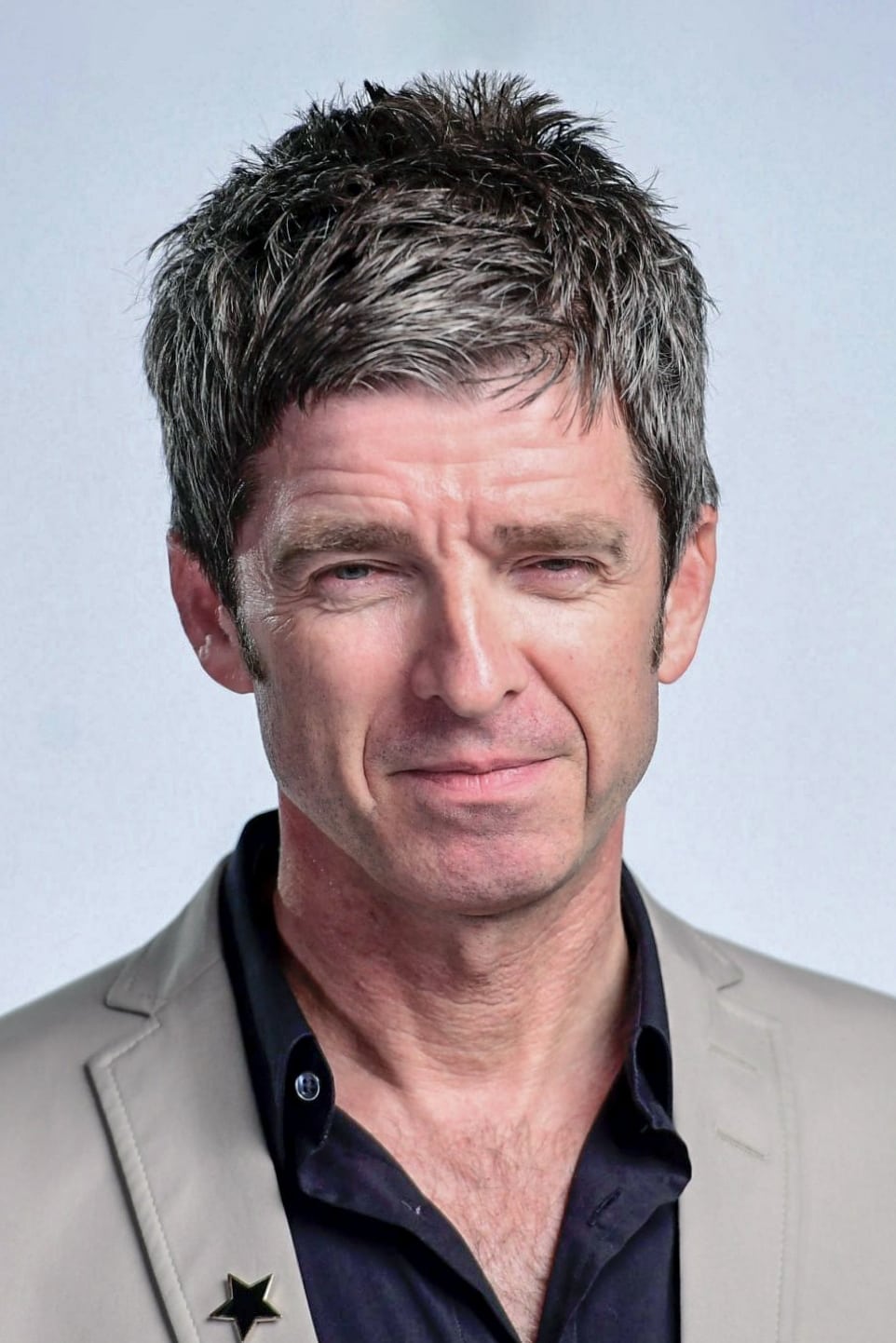
During the pandemic, Oasis’s Liam Gallagher sparked controversy by repeatedly refusing to wear a face mask on public transportation. He publicly dismissed the rules as unnecessary and made fun of people who followed them. Gallagher claimed the restrictions violated individual liberties and criticized what he saw as an overreaction to the virus. This behavior aligned with his established reputation for questioning social norms and challenging political correctness.
Paul Stanley
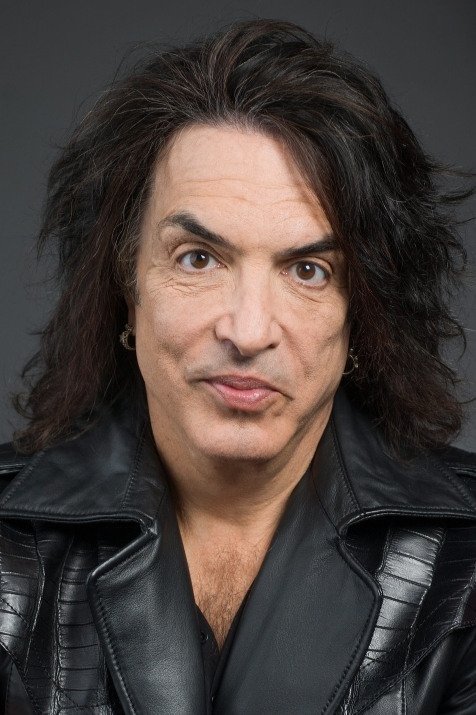
Gene Simmons, the lead singer of KISS, recently expressed his concerns on social media about gender-affirming care for young people, calling it a harmful trend. He believes encouraging children to explore their gender identity is confusing and that parents shouldn’t support it. Simmons suggested that typical childhood curiosity is being exaggerated by activists into something more. While he later tried to explain what he meant, his original message was widely seen as critical of current movements surrounding gender identity.
Jason Aldean
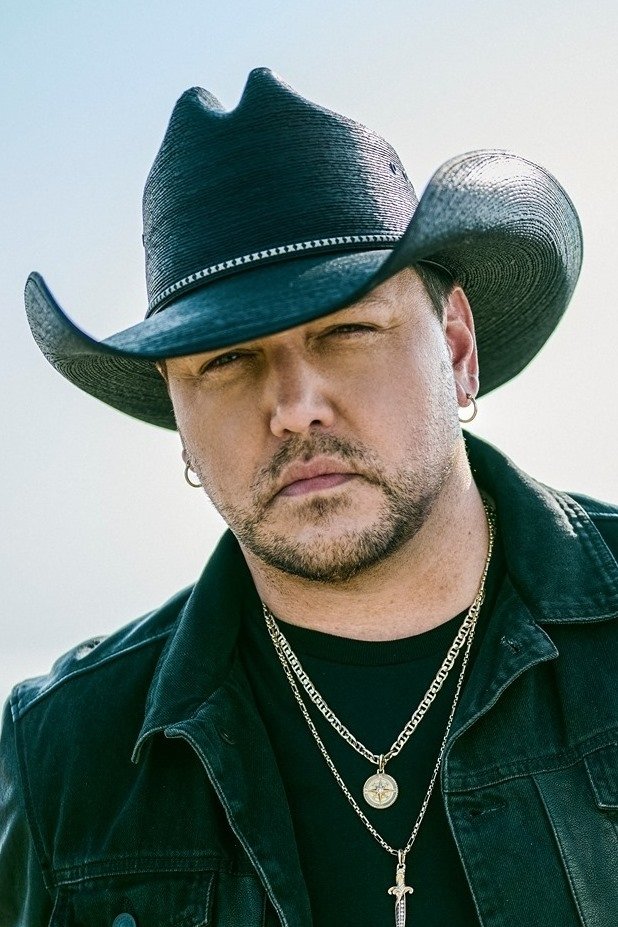
Country singer Jason Aldean recently released the song ‘Try That in a Small Town,’ which many people saw as a critical response to the 2020 protests for racial justice. The song’s music video showed images of protests and unrest alongside scenes of life in small towns, highlighting what some see as contrasting values. Some critics claimed the song promoted taking the law into one’s own hands and dismissed the reasons behind the Black Lives Matter movement. Aldean responded by saying the song was intended to celebrate community spirit, not to target any particular group or protest.
Nick Cave
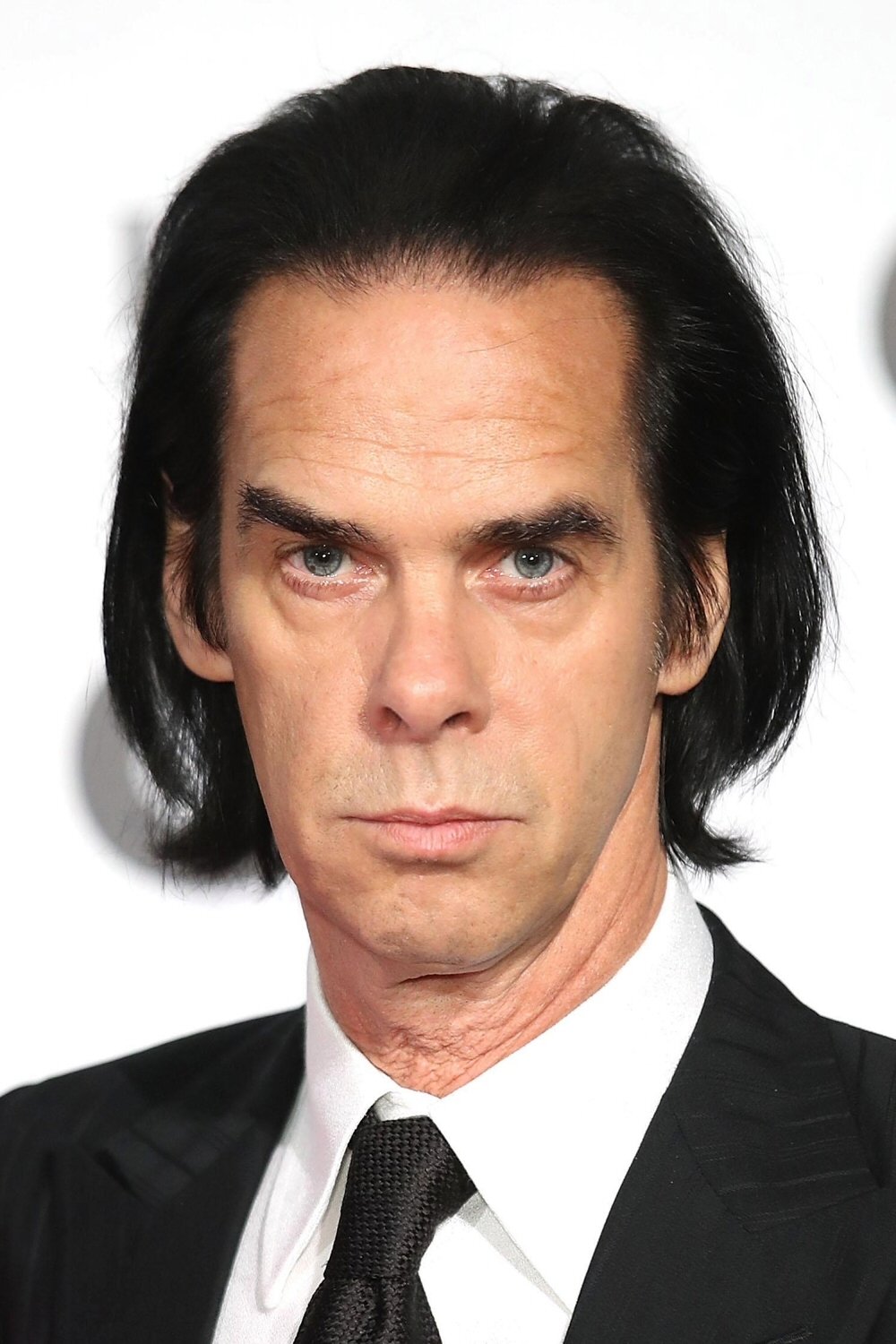
Nick Cave, a musician known for thoughtful lyrics, has been increasingly vocal about his concerns with what he calls “woke” culture through his blog, ‘The Red Hand Files.’ He argues this movement can be overly judgmental, hindering creativity and compassion. He also dismisses “cancel culture” as a new form of rigid belief, similar to old-fashioned religious rules. Ultimately, Cave frames his criticisms as a way to protect artists’ freedom from what he sees as excessive and controlling modern ideas.
John Dolmayan
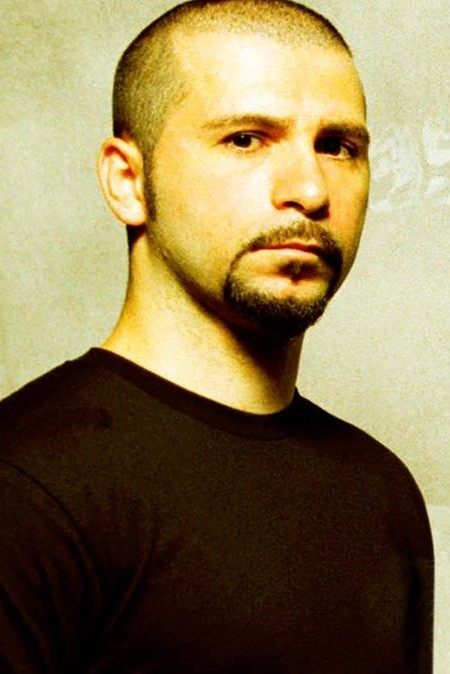
System of a Down’s drummer has been publicly sharing his disagreements with the Black Lives Matter movement and its supporters on Instagram. He’s called the movement a form of manipulation and questioned whether systemic racism is a major problem in the U.S. These views often differ from the political messages in his band’s music, causing disagreements with his bandmates. He continues to share posts that criticize popular progressive and liberal ideas.
Ne-Yo
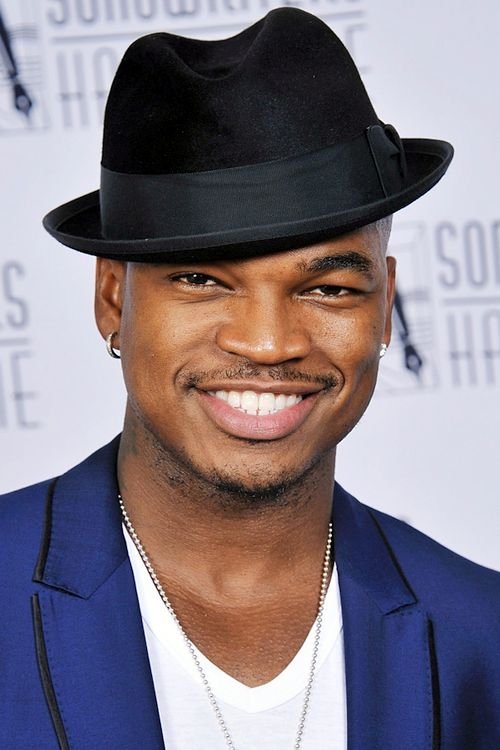
I recently heard an interview with Ne-Yo, and frankly, I was pretty taken aback by his views on transgender youth. He openly questioned whether children should be allowed to explore their gender identity, and even seemed to ridicule the idea. He also voiced criticism towards parents who support their kids through transition. It felt like a direct pushback against the current movement for trans rights and the important concept of gender-affirming care. Initially, there was a lot of negative reaction online, and he offered an apology. But then, he walked it back, saying he wouldn’t be pressured to change his mind. It’s a complicated situation, and his stance definitely sparked a lot of debate.
Gene Simmons

Gene Simmons, the bassist for KISS, has often criticized what he calls “cancel culture” and what he sees as the easily-offended attitudes of younger generations. He’s stated in interviews that people today are too quick to take offense, which he believes harms open discussion. Simmons is also doubtful about many current social justice efforts, suggesting some are just for show. He frequently comments on what he views as a lack of resilience in younger people when facing cultural disagreements.
Billy Corgan
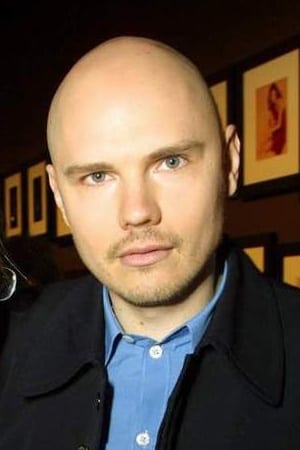
Billy Corgan, frontman of The Smashing Pumpkins, has compared the behavior of those he calls “social justice warriors” to that of cults or radical political groups. He’s criticized the movement for what he sees as a lack of acceptance for different viewpoints and an overemphasis on group identity. Corgan worries these trends are harmful to society and stifle creativity, and he often presents his views as a way to protect individuals from what he considers overwhelming ideological pressure.
Tom MacDonald
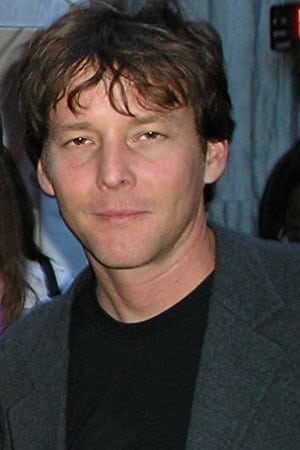
Rapper MacDonald has gained a large following by writing songs that criticize what he calls “woke” culture and the Black Lives Matter movement. Tracks like ‘Snowflakes’ and ‘Fake Woke’ directly poke fun at the ideas and feelings of many modern social activists. He often makes fun of things like preferred pronouns, safe spaces, and the idea that oppression is built into systems. MacDonald sees himself as someone going against the grain, fighting what he believes is mainstream social conditioning.
Meat Loaf
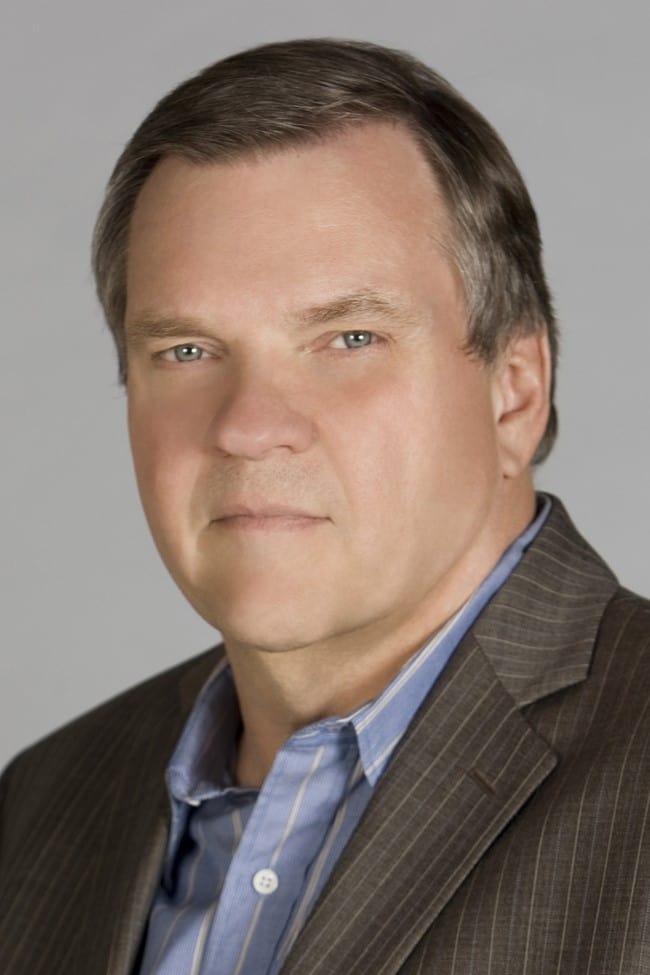
In interviews shortly before he died, the iconic singer strongly opposed rules requiring masks and vaccines. He openly ridiculed the focus on COVID-19 safety, saying he wouldn’t let the government scare him into complying. Meat Loaf believed these restrictions unfairly limited personal freedom and didn’t hesitate to express his disapproval of people following them. His views were similar to those held by other established rock stars during the pandemic.
Sully Erna
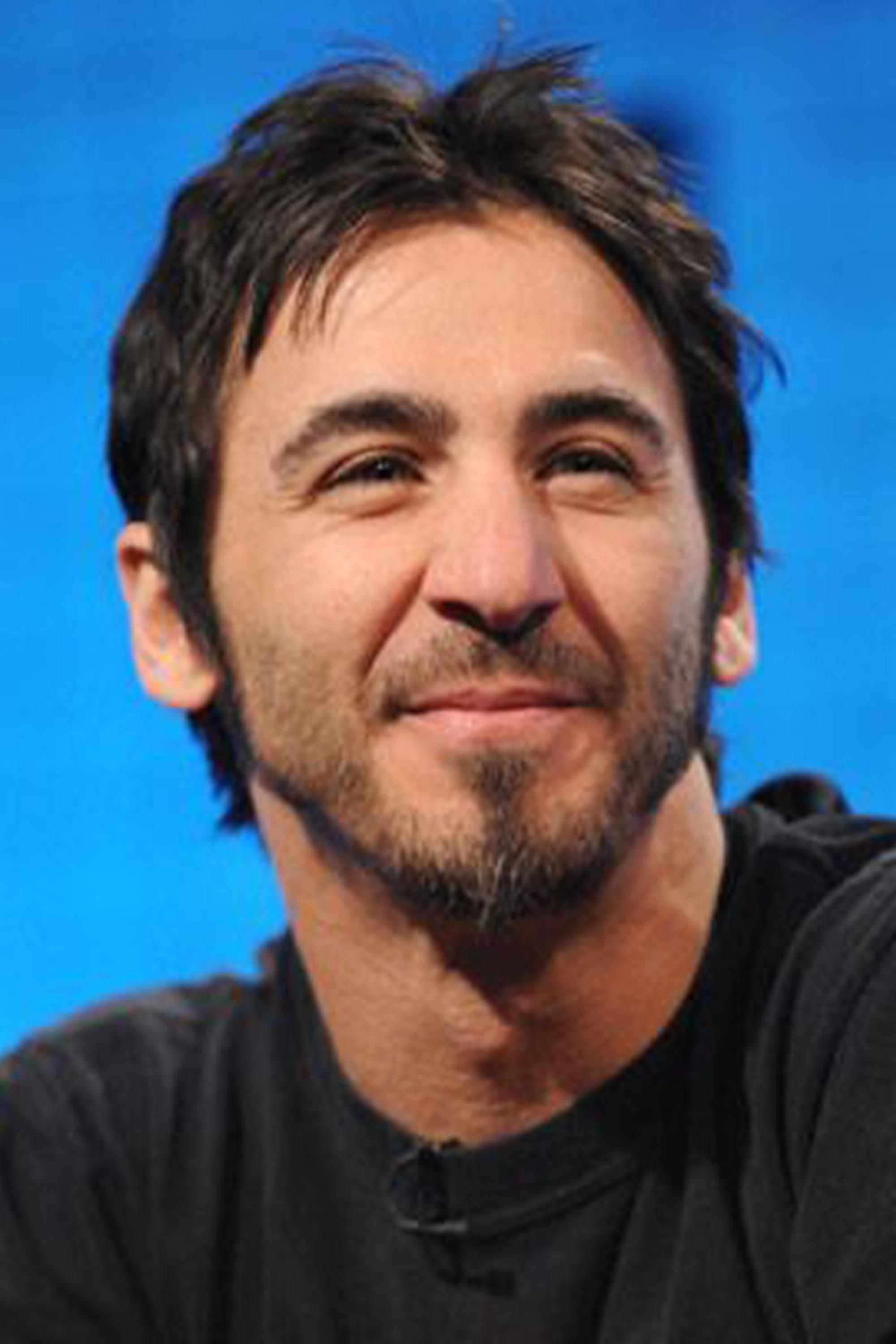
Godsmack’s lead singer has voiced doubts about how serious the pandemic is and has been critical of those pushing for strict safety measures. He’s made fun of masks and challenged the information released by health organizations worldwide. In public, Erna often describes the response to the pandemic as the government overstepping its boundaries and manipulating people. He urges his fans to form their own opinions instead of simply following what he sees as a trend of obedience and fear.
Dave Mustaine

Megadeth frontman Dave Mustaine is well-known for sharing his strong political opinions. He publicly questioned rules put in place during the COVID-19 pandemic, even criticizing mask mandates and social distancing at concerts in 2021, calling them oppressive. Mustaine has also expressed doubts about progressive social movements, generally siding with libertarian or conservative viewpoints. He consistently demonstrates a strong lack of trust in established social and political institutions.
Matty Healy
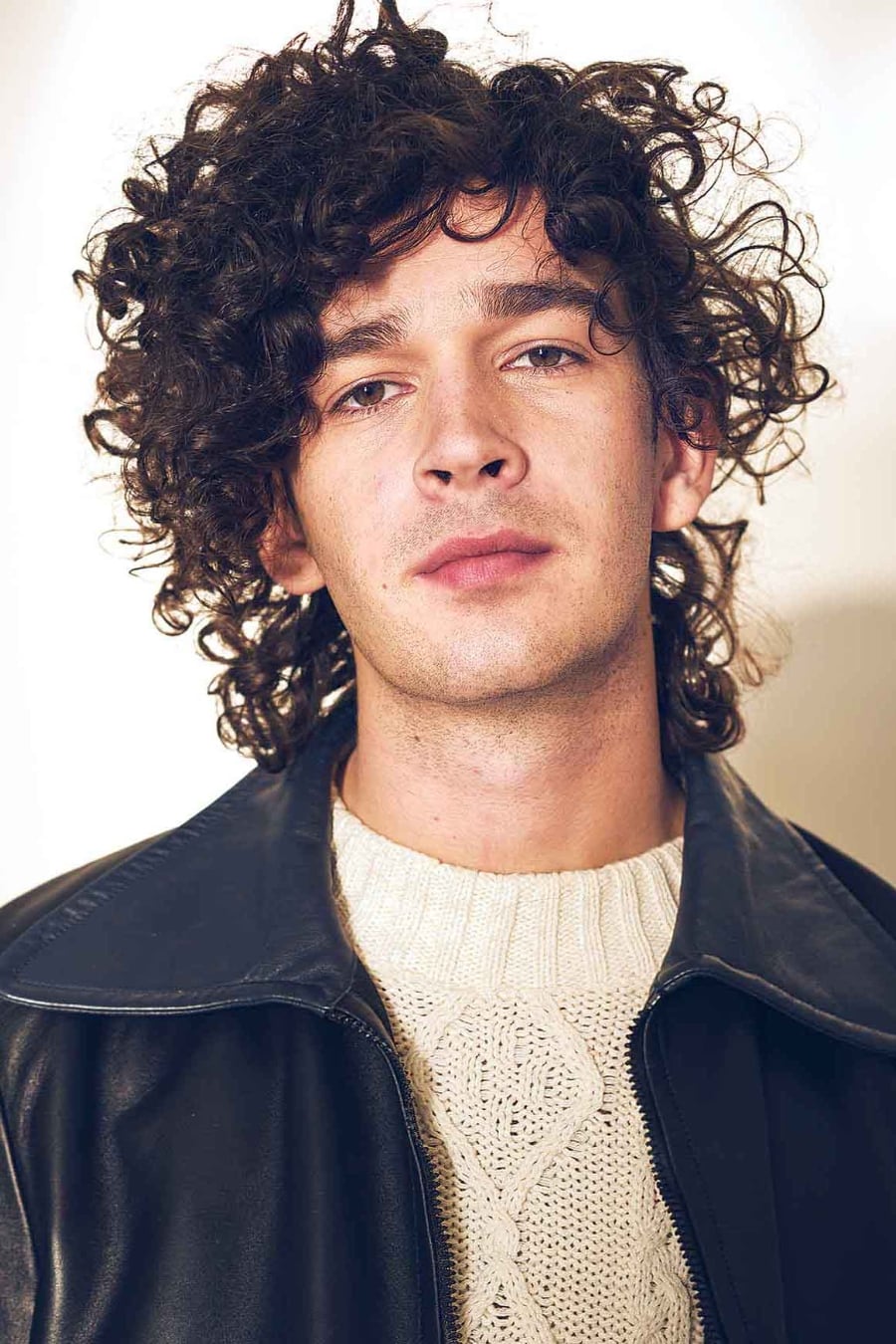
The lead singer of The 1975 frequently uses his concerts to criticize what he sees as superficial activism and the strict rules within current social justice movements. Although he considers himself progressive, he’s often made fun of how companies and people on social media approach social issues. His remarks about “wokeness” and being overly careful with language have sometimes caused conflict with his fans. Healy’s style involves questioning the genuineness of many popular social trends.
Boy George

Boy George, the singer from Culture Club, has publicly shared his concerns about the current focus on gender pronouns. He jokingly tweeted “Leave your pronouns at the door,” which sparked criticism from LGBTQ+ advocates. George believes that people shouldn’t feel limited by strict labels and that identity should be more flexible, seeing the emphasis on pronouns as a recent trend. He continues to question some ideas within current discussions about identity.
Ariel Pink
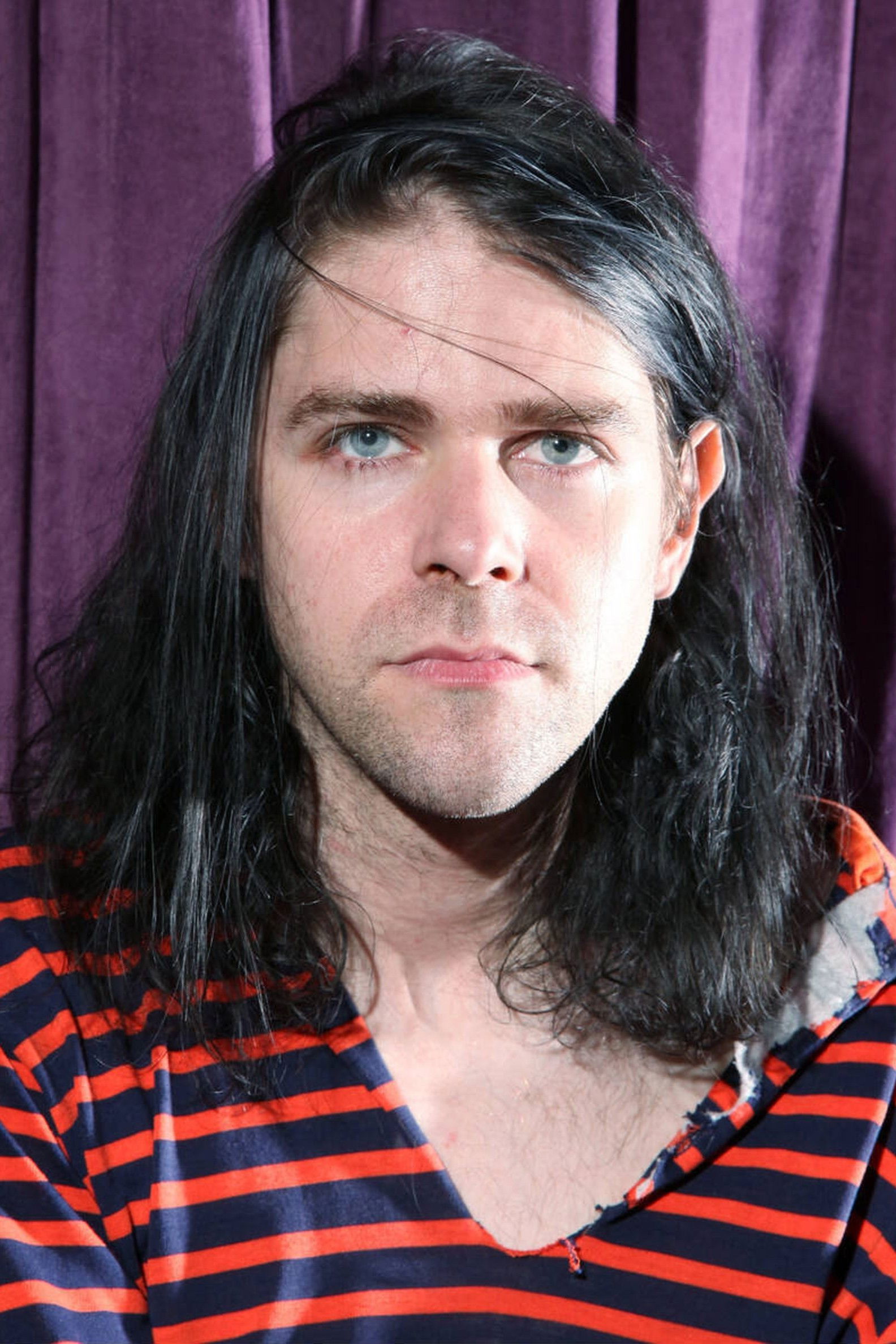
An independent musician faced major career consequences after attending the January 6, 2021, rally in Washington D.C. He responded to calls for a boycott by defending his right to participate in political events. As a result, he was dropped by his record label and has become a strong critic of what he sees as a lack of tolerance on the left. He often uses his public platform to criticize what he believes are overly sensitive standards within the entertainment industry, which he blames for his professional difficulties.
M.I.A.
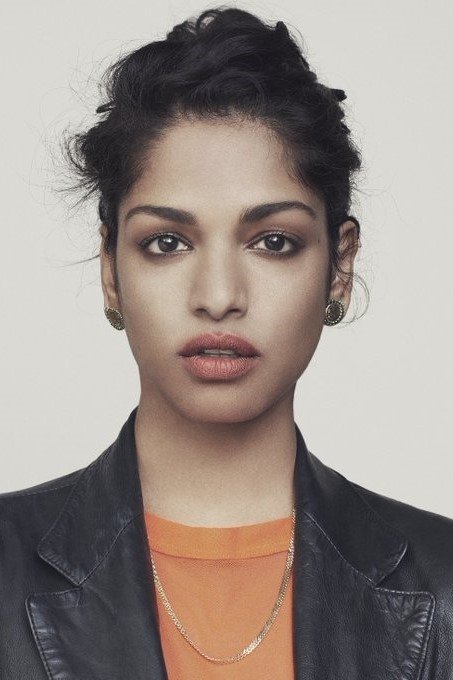
M.I.A. has often questioned popular opinions on topics like vaccines and government monitoring. She’s been critical of how the media covers health issues and has sided with people who disagree with established viewpoints. She’s also spoken out about what she sees as superficial activism, particularly within the Black Lives Matter movement. Throughout her career, she’s consistently challenged what she believes are artificial or manufactured agreements about social and political issues.
Roger Waters
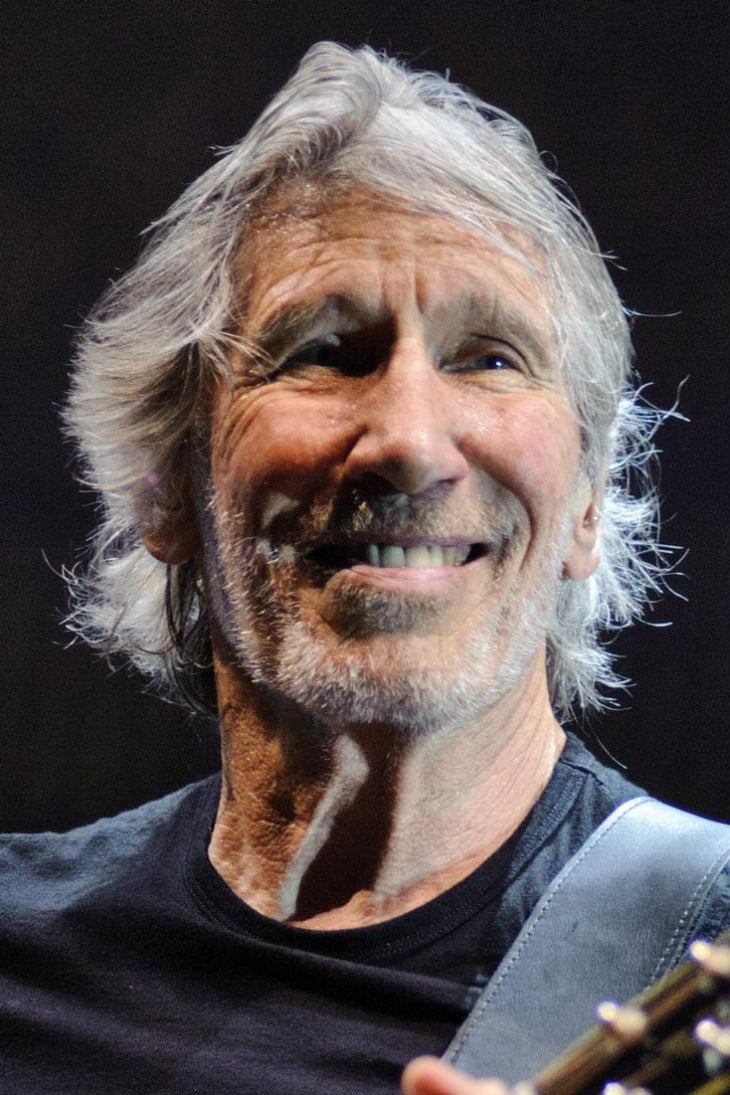
Roger Waters, the former bassist for Pink Floyd, is a controversial figure known for criticizing many global issues and human rights campaigns. Although he supports some causes, he’s been accused of making fun of the White Helmets, a Syrian volunteer organization, and dismissing those who support them as insincere. He’s also received backlash for downplaying the seriousness of certain human rights problems. Generally, his activism involves challenging common beliefs in Western society and politics.
Dee Snider
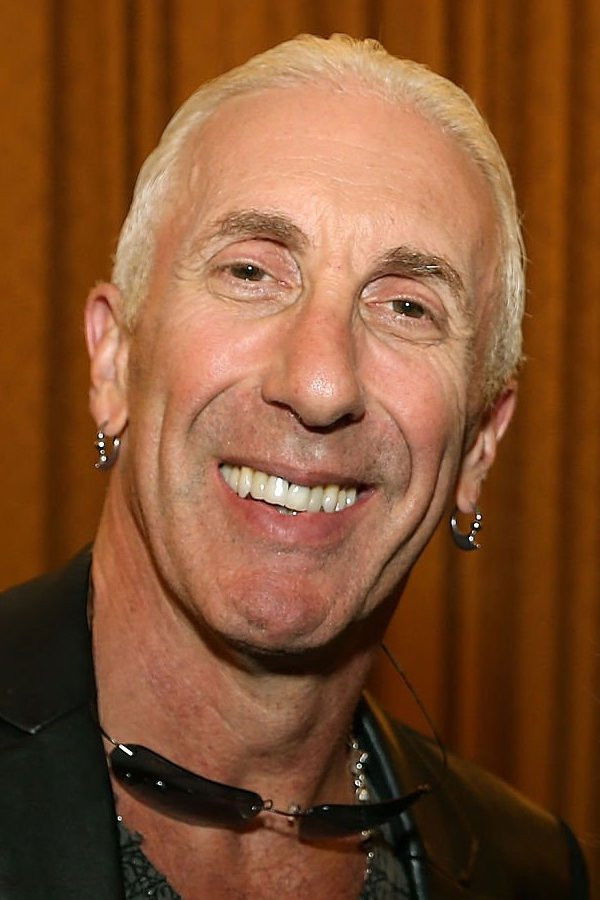
Dee Snider, the lead singer of Twisted Sister, initially backed a statement opposing gender-affirming care for young people, which many saw as making fun of the transgender rights movement. Despite often challenging gender norms in his stage performances, he voiced worries in 2023 about the idea of transitioning becoming a trend among kids. This led to organizers removing him from performing at San Francisco Pride events that year. He tried to explain his views afterward, but the situation showed a disagreement between him and current transgender activism.
Azealia Banks
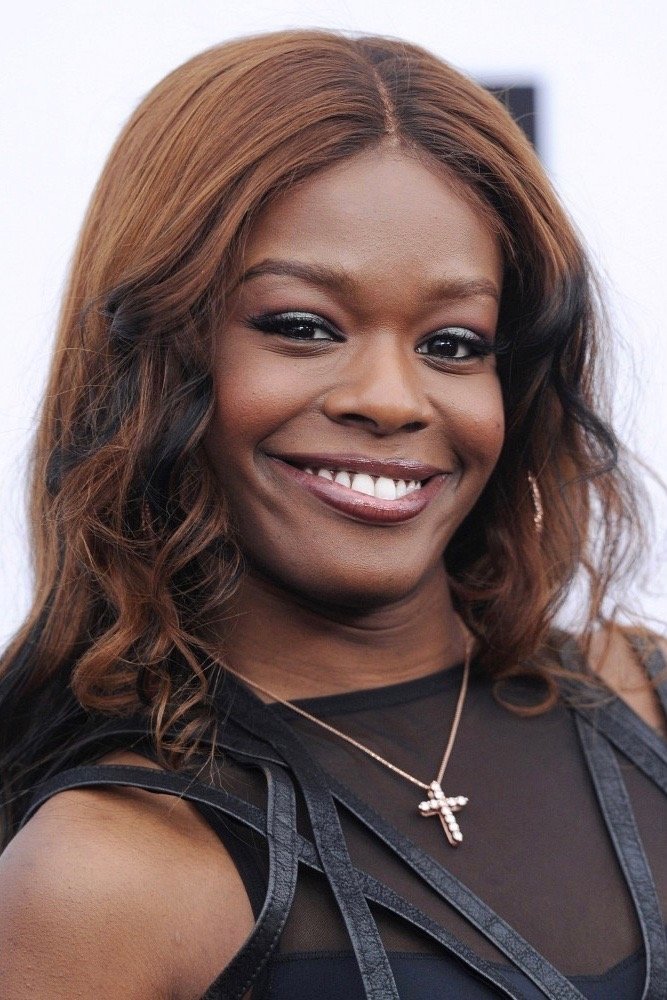
This rapper is known for regularly sharing harsh opinions about current social movements online. She’s faced criticism for posts that mocked movements like MeToo and Black Lives Matter, as well as LGBTQ+ causes. Banks often uses sarcasm and blunt language to challenge what she sees as flaws in modern activism. Her outspoken and unpredictable style frequently causes conflict both in the entertainment world and on social media.
Travis Tritt
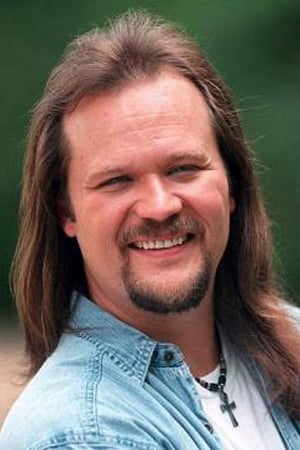
This country singer has publicly opposed rules requiring COVID-19 vaccinations and masks at concerts. He criticized the pressure to follow these health guidelines and decided to cancel performances at venues that had them. He’s also a strong supporter of traditional values and frequently jokes about changes he sees as too progressive in the music industry and businesses. He’s become a well-known voice for people who feel that recent social movements have gone too far.
Ted Nugent
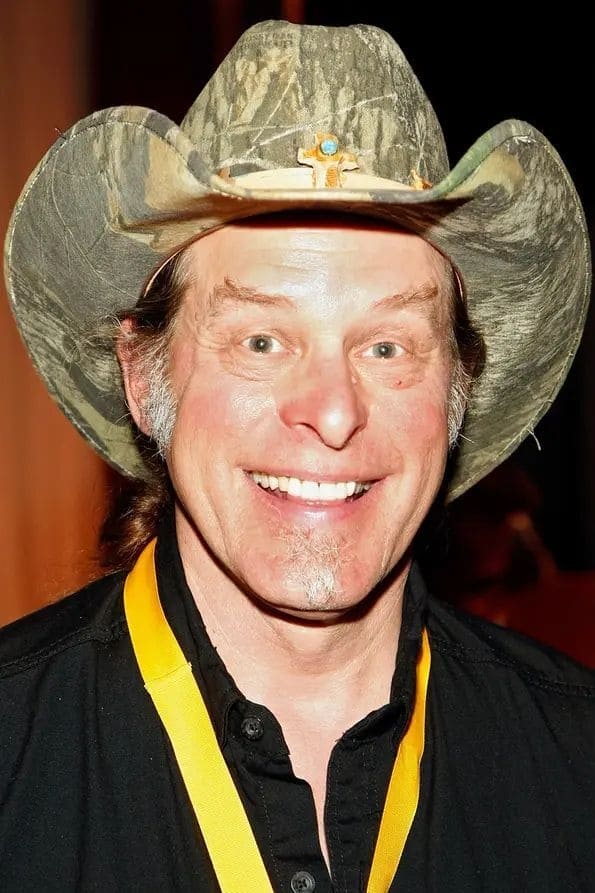
Ted Nugent is a well-known opponent of progressive social movements. He often makes fun of issues like environmental protection, gun control, and the Black Lives Matter movement, using his concerts and public appearances to criticize those who advocate for social justice in both the UK and the US. He’s known for using offensive language when talking about people involved in causes he doesn’t support, like animal rights activism. Essentially, his public image relies on loudly and aggressively rejecting current progressive values.
Tell us what you think about these musicians and their public stances in the comments.
Read More
- 20 Movies Where the Black Villain Was Secretly the Most Popular Character
- Top 20 Dinosaur Movies, Ranked
- 25 “Woke” Films That Used Black Trauma to Humanize White Leads
- 22 Films Where the White Protagonist Is Canonically the Sidekick to a Black Lead
- Silver Rate Forecast
- Can AI Lie with a Picture? Detecting Deception in Multimodal Models
- Top 10 Coolest Things About Invincible (Mark Grayson)
- When AI Teams Cheat: Lessons from Human Collusion
- From Bids to Best Policies: Smarter Auto-Bidding with Generative AI
- Unmasking falsehoods: A New Approach to AI Truthfulness
2026-03-24 08:48