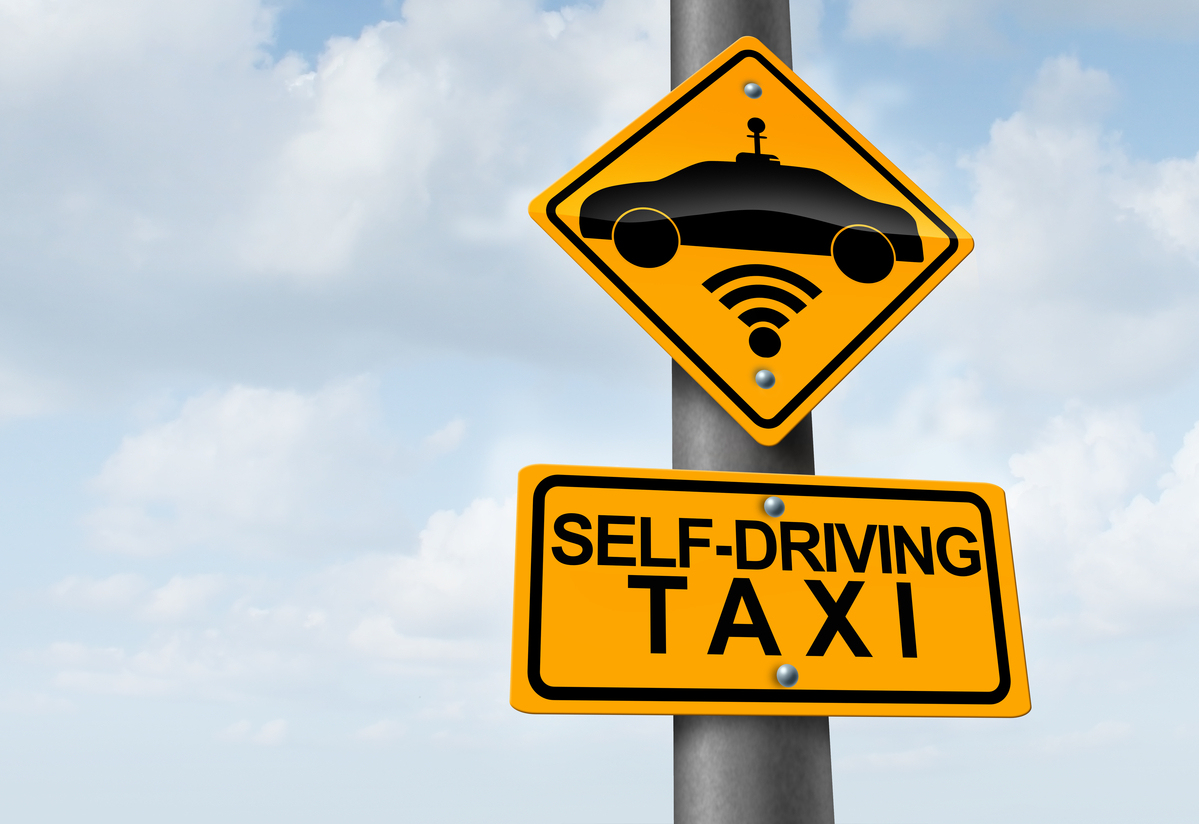
The valuation assigned to Tesla, exceeding $1.2 trillion, rests on a foundation that is, to put it mildly, speculative. Much of this figure is not attributable to current earnings – those have, in fact, begun to falter – but to anticipated revenues from a future fleet of autonomous vehicles operating as robotaxis. The market, it appears, is already pricing in a transformation that has yet to materialize, a habit of wishful thinking not uncommon in times of financial excess.
Recent developments, however, suggest that this future is not guaranteed. The National Highway Traffic Safety Administration (NHTSA) has escalated its investigation into Tesla’s “Full Self-Driving” (FSD) software, now active in over 3.2 million vehicles. This is not a mere technical inquiry; it is a scrutiny of a system upon which a substantial portion of the company’s market capitalization depends. The initial evaluation, begun in October 2024 with 2.4 million vehicles, has expanded, fueled by reports of the system’s inability to reliably detect obstacles, particularly in conditions of poor visibility. The NHTSA’s findings, detailing instances where the software “lost track” of vehicles ahead, are not encouraging.
The significance of this investigation cannot be overstated. Tesla’s sales growth has demonstrably slowed, even registering a decline in 2025 after years of expansion. The company is, in effect, attempting a transition from a manufacturer of automobiles to a technology firm specializing in robotics and autonomous systems, a shift that requires substantial capital investment and carries considerable risk. The market has, thus far, been generous in its assessment of this potential, effectively funding a future that remains uncertain.
The current probe poses a direct threat to this narrative. A recall, should the NHTSA determine a systemic flaw in the FSD software, could severely damage investor confidence and force a reassessment of Tesla’s valuation. Gordon Johnson, of GLJ Research, is blunt in his assessment: a forced recall would, in his view, effectively end the robotaxi story. This is not hyperbole; it is a logical conclusion given the company’s reliance on this future revenue stream.
The situation is reminiscent of a house built on sand. Tesla has been able to finance its ambitious plans through the issuance of stock, leveraging a market eager to embrace innovation. But this strategy is sustainable only if the underlying assumptions prove correct. A significant setback, such as a widespread recall, could trigger a rapid decline in the stock price, leaving the company with limited options.
It is not a question of whether Tesla can eventually overcome these challenges. It is a question of whether the market has already priced in too much optimism, creating a bubble that is destined to burst. The pursuit of technological advancement is, of course, to be encouraged. But it must be grounded in reality, not fueled by speculation and wishful thinking. The current situation with Tesla serves as a stark reminder of this fundamental principle.
Read More
- 20 Movies Where the Black Villain Was Secretly the Most Popular Character
- Can AI Lie with a Picture? Detecting Deception in Multimodal Models
- 25 “Woke” Films That Used Black Trauma to Humanize White Leads
- 22 Films Where the White Protagonist Is Canonically the Sidekick to a Black Lead
- Silver Rate Forecast
- Top 10 Coolest Things About Invincible (Mark Grayson)
- From Bids to Best Policies: Smarter Auto-Bidding with Generative AI
- When AI Teams Cheat: Lessons from Human Collusion
- Top 20 Dinosaur Movies, Ranked
- Unmasking falsehoods: A New Approach to AI Truthfulness
2026-03-24 04:02