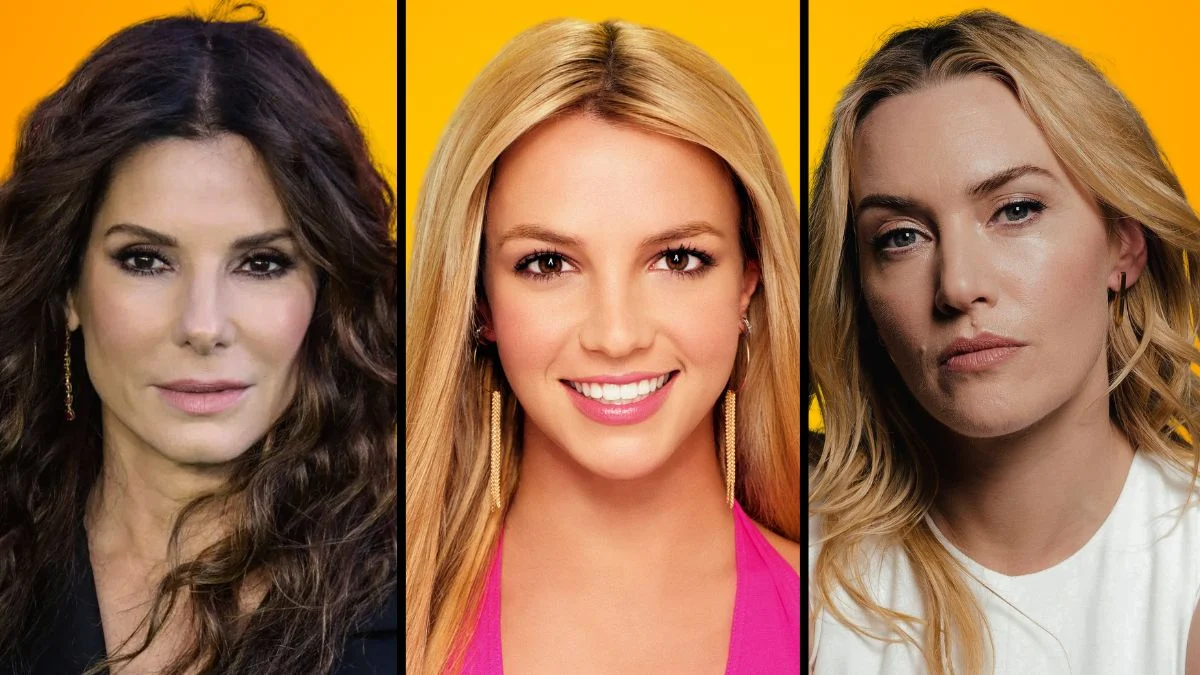
Hollywood is full of stories about stars who fell in love before fame changed everything. Often, actresses who become global icons leave behind the partners who supported them when they were just starting out. These breakups frequently happen as their careers take off or they achieve major financial success. This explores the stories of famous women who moved into high society and ultimately chose to continue their lives without their first husbands.
Jennifer Lopez
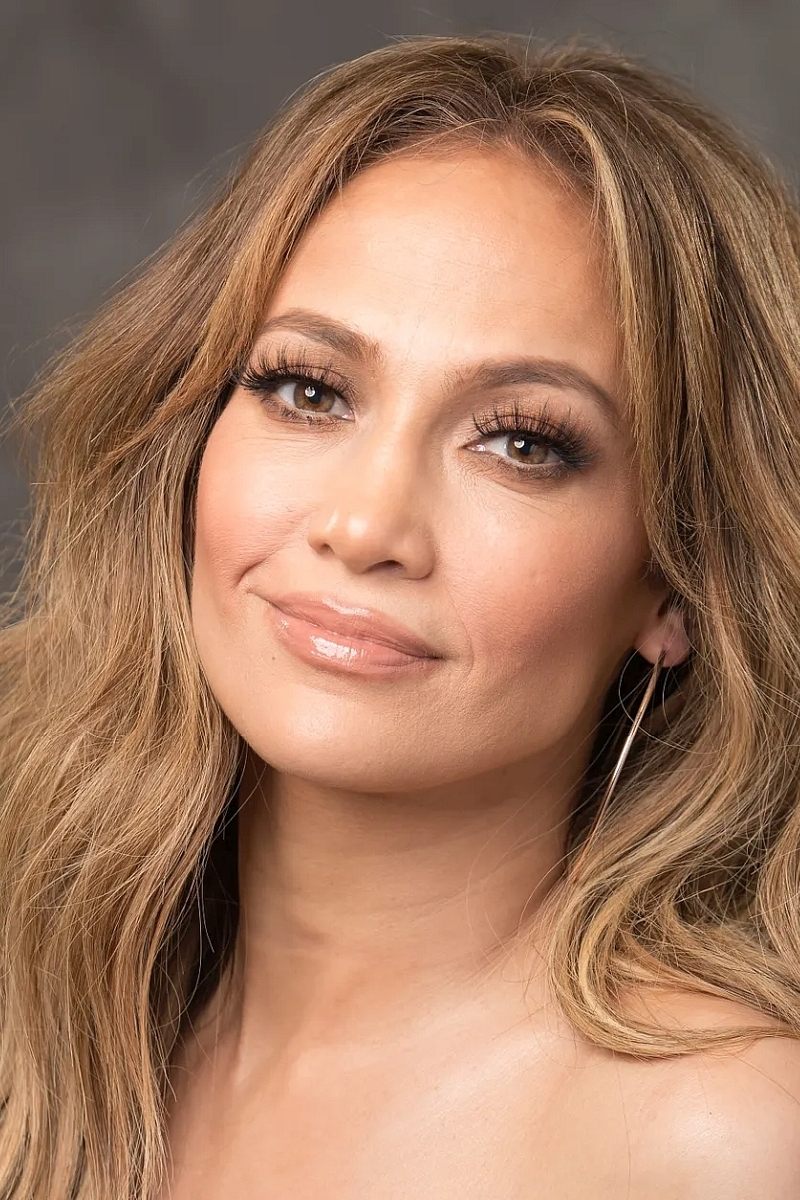
As a huge fan, I remember when Jennifer Lopez was really starting to break through in movies, and she married Ojani Noa. He was a waiter down in Miami at the time, and they got married early in 1997. But things moved fast – as her career took off with ‘Selena’, their marriage didn’t even last a year. She went on to date some very famous people, while he went back to working in restaurants. It was messy, though – for years afterward, he tried to write a book about their short time together, and there were a lot of legal fights over it.
Meghan, Duchess of Sussex
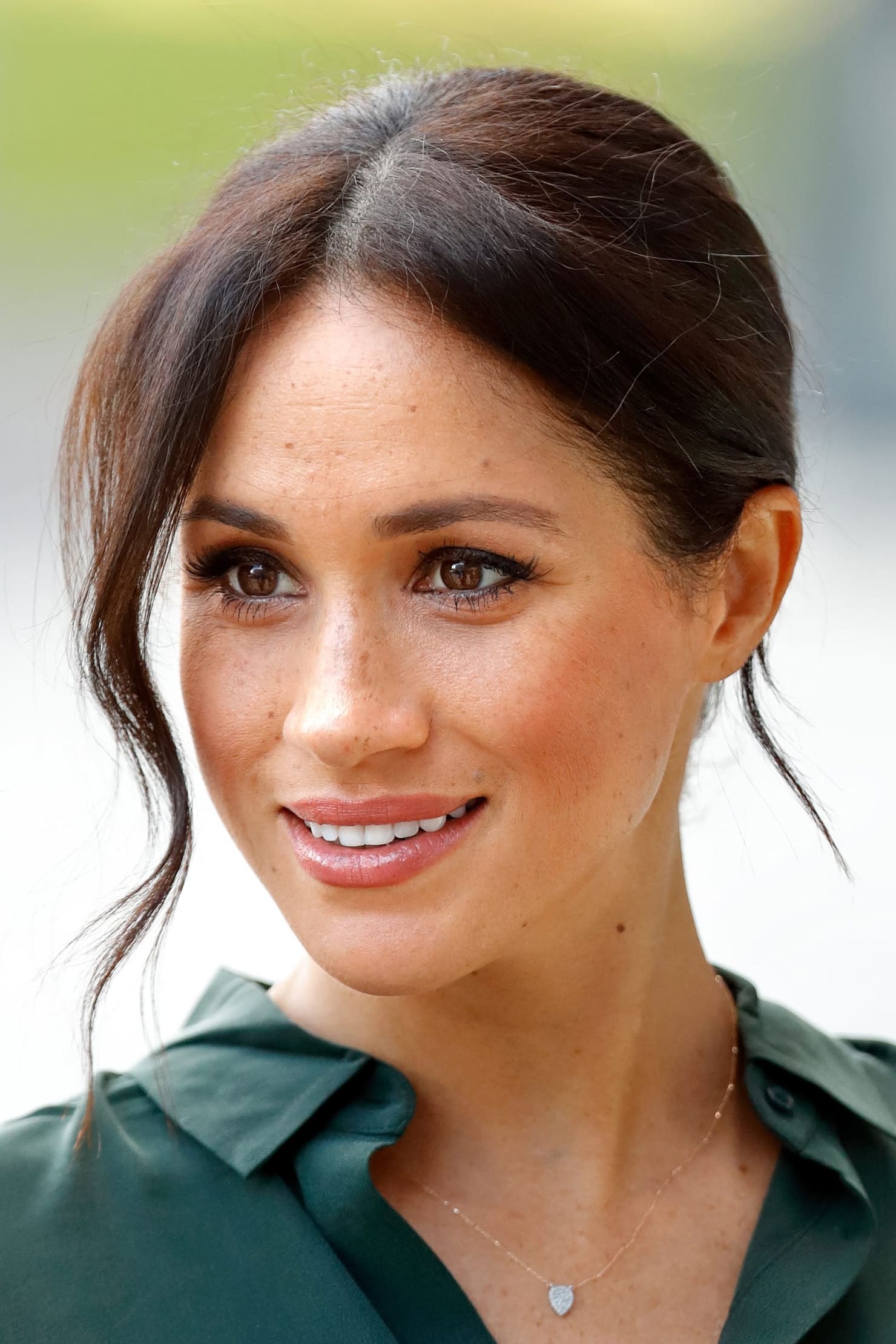
Before becoming a member of the British Royal Family, Meghan Markle was married to film producer Trevor Engelson. They dated for several years and married in Jamaica while she was first starting out on the TV show ‘Suits’. As the show gained international popularity, her life and the people she spent time with began to change. They divorced in 2013, citing differences that couldn’t be resolved, just as her career was taking off. She later moved to London and married Prince Harry in a globally televised wedding.
Roseanne Barr
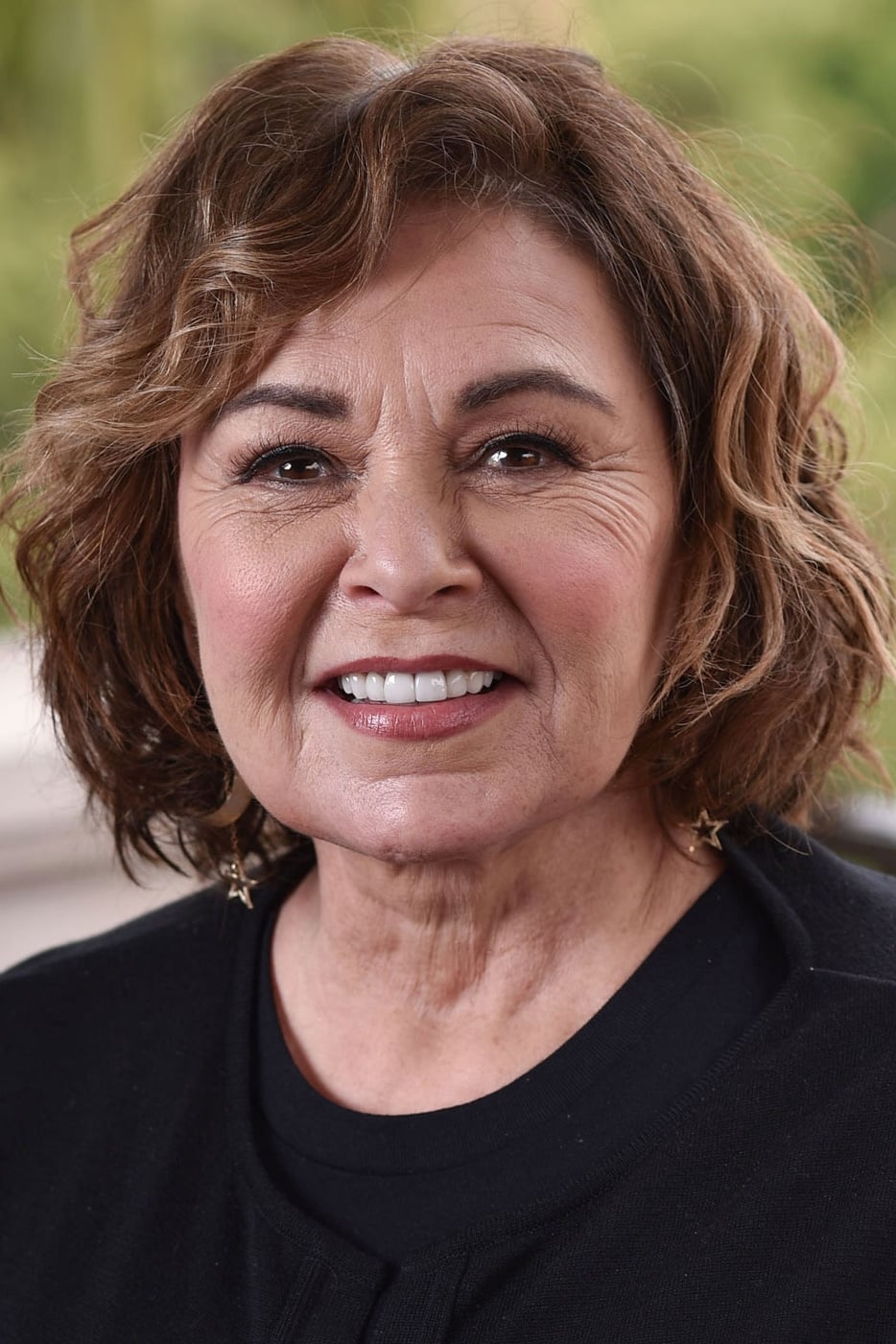
Before Roseanne Barr’s sitcom became a huge hit, she was married to Bill Pentland for sixteen years. While she was building her comedy career, drawing humor from her everyday life as a homemaker, he worked as a motel clerk. As ‘Roseanne’ made her one of television’s top earners, their marriage fell apart, and they divorced in 1990. She then quickly married her co-star, Tom Arnold. After the divorce, Bill Pentland generally stayed out of the public eye.
Anna Faris
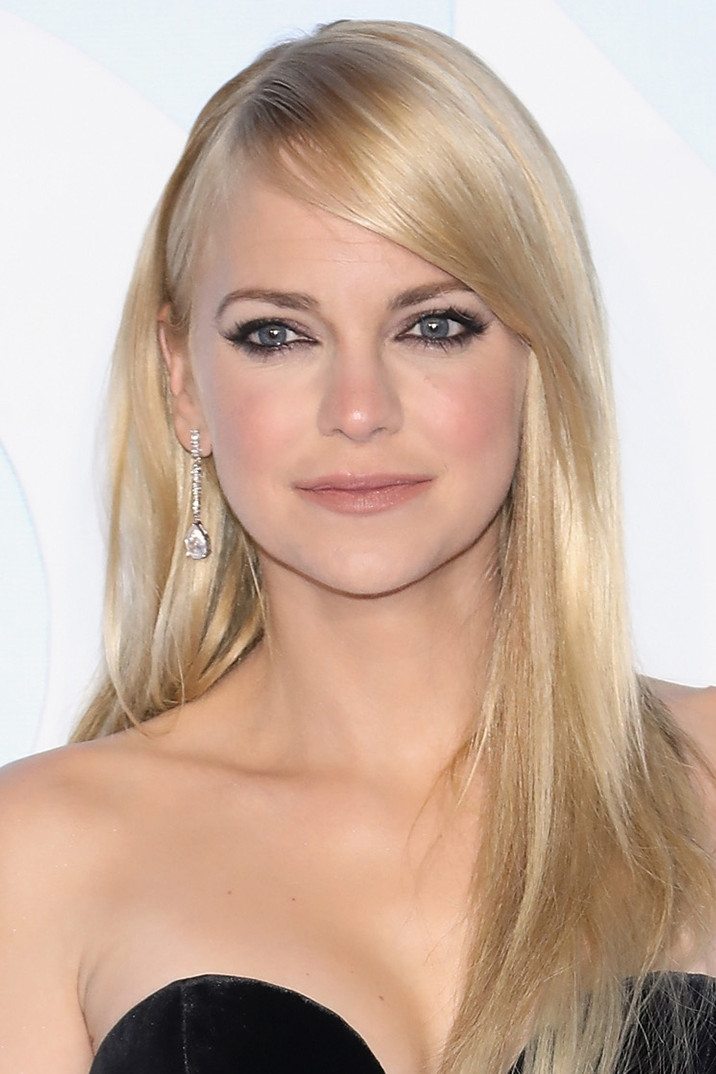
The actress, known for her comedy roles, was married to fellow actor Ben Indra when she was first starting out in movies. While she quickly found success with films like ‘Scary Movie,’ he struggled to achieve the same level of recognition. As her career soared and she became a Hollywood star, the difference in their professional paths grew. They divorced in 2007, with the actress paying a substantial amount in the settlement. Soon after, she began a public relationship with Chris Pratt, who would later become her co-star.
Sofía Vergara
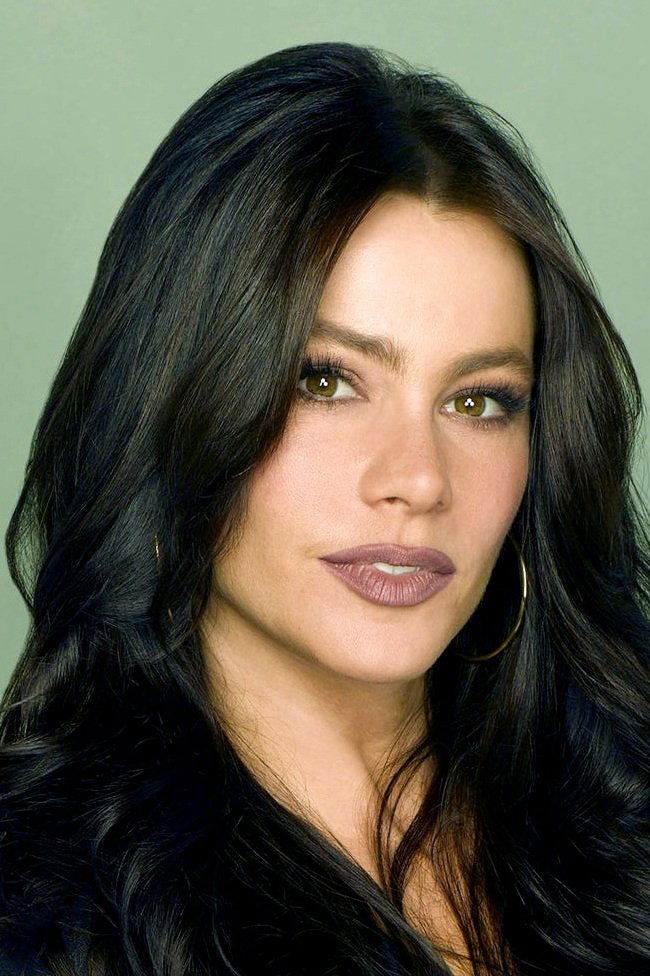
Sofia Vergara married her high school sweetheart, Joe Gonzalez, at eighteen. They lived in Colombia and had a son before her acting career started to gain momentum. She then moved to the United States, initially working with Univision, and eventually began taking roles in English-language productions. As her fame increased, they divorced, but remained on good terms. She continued to build a successful career in the entertainment industry.
Elizabeth Taylor
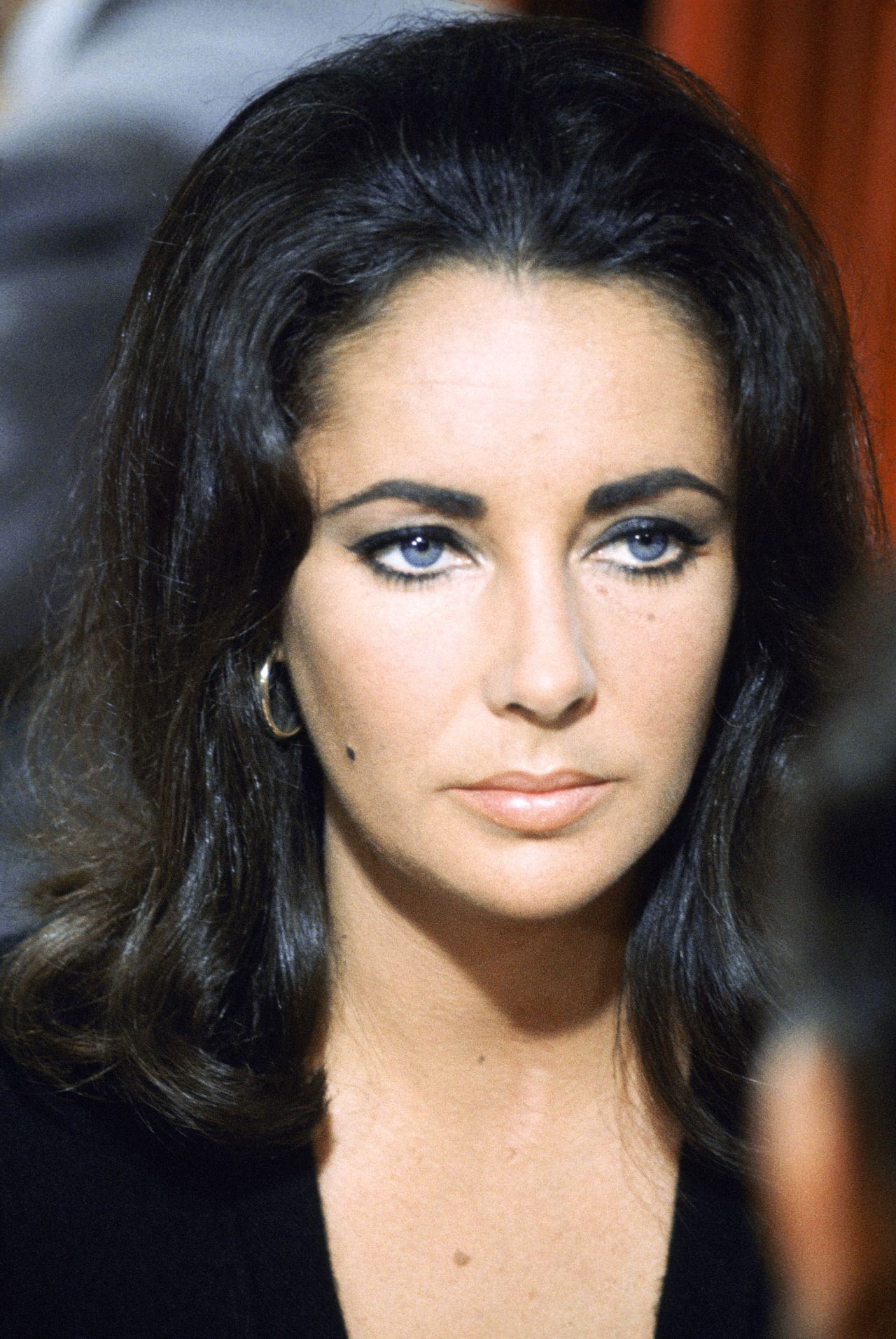
The famous actress famously married Larry Fortensky after they met while she was in rehab. He was a construction worker, and their backgrounds were very different from each other. They had a large, highly publicized wedding at Michael Jackson’s Neverland Ranch in 1991, but divorced after five years. Even after the divorce, they stayed friends until her passing.
Kate Winslet
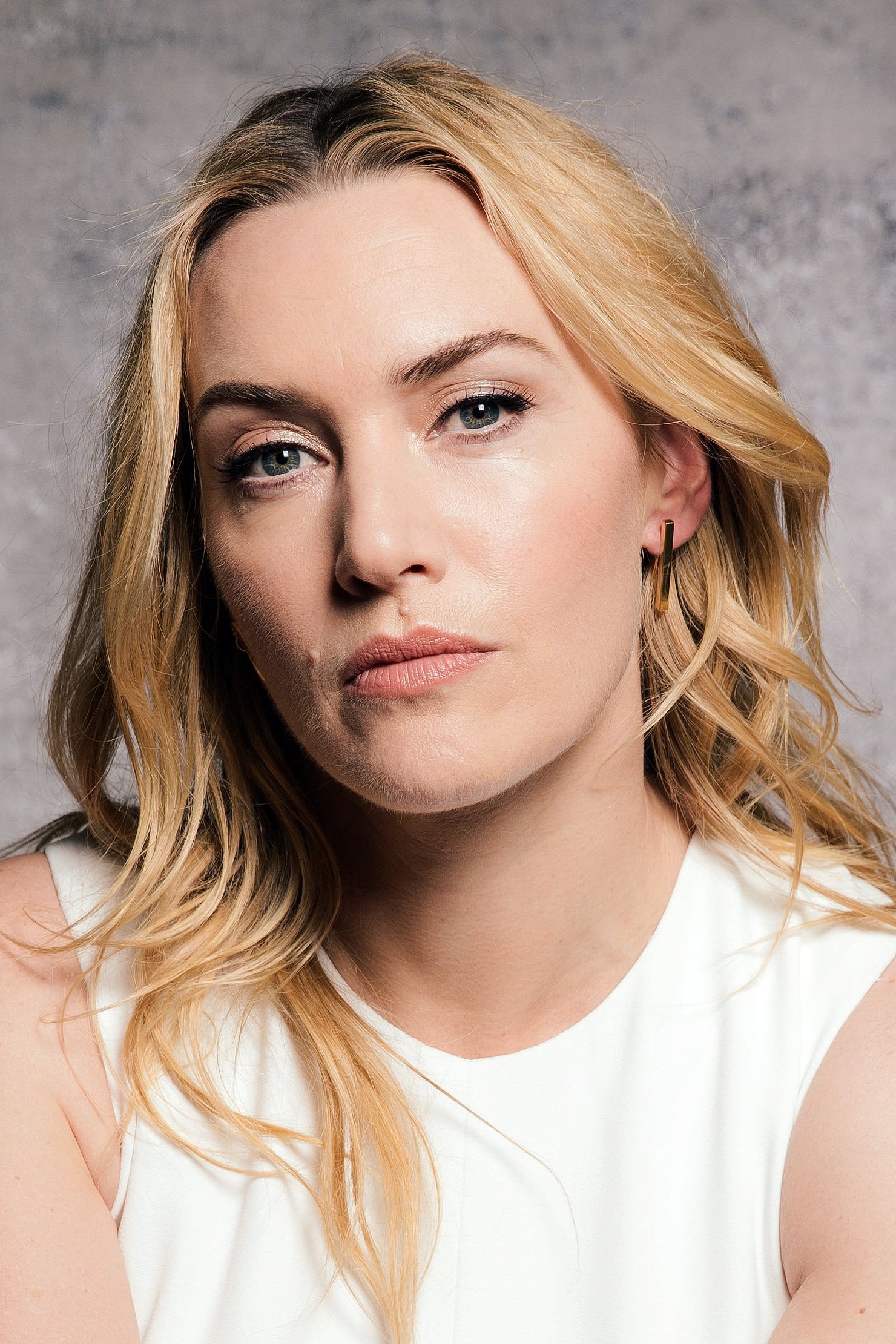
The Academy Award-winning actress married Jim Threapleton in 1998 after they met while working on the film ‘Hideous Kinky’. He was a third assistant director at the time, and she was becoming famous thanks to ‘Titanic’. They had a daughter together, but divorced after three years. She later shared that their relationship struggled as her career soared. She went on to marry director Sam Mendes and then Edward Abel Smith.
Sandra Bullock
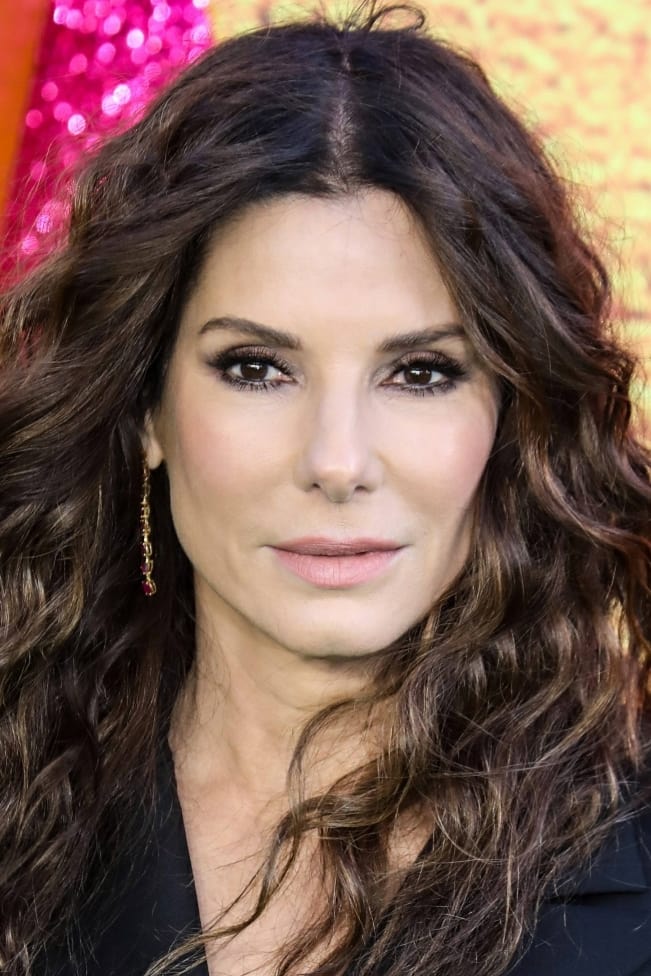
Fans were shocked when the popular actress married Jesse James, the host of ‘Monster Garage’. James was a motorcycle builder known for his tough image, which seemed very different from her wholesome public persona. They seemed happily married, and she reached a high point in her career, winning an Oscar for ‘The Blind Side’. However, shortly after her award win, news of his cheating became public, and she quickly filed for divorce. She then decided to raise their adopted son on her own.
Britney Spears

In 2004, the famous singer married Kevin Federline, a dancer she met while he was working as a performer. Their relationship quickly became public, even being featured on a reality TV show. However, the marriage faced difficulties as the singer dealt with the challenges of fame and personal issues. The couple divorced in 2007, and a very public legal battle followed over custody of their two sons. As part of the divorce settlement, Federline received monthly financial support.
Kim Kardashian
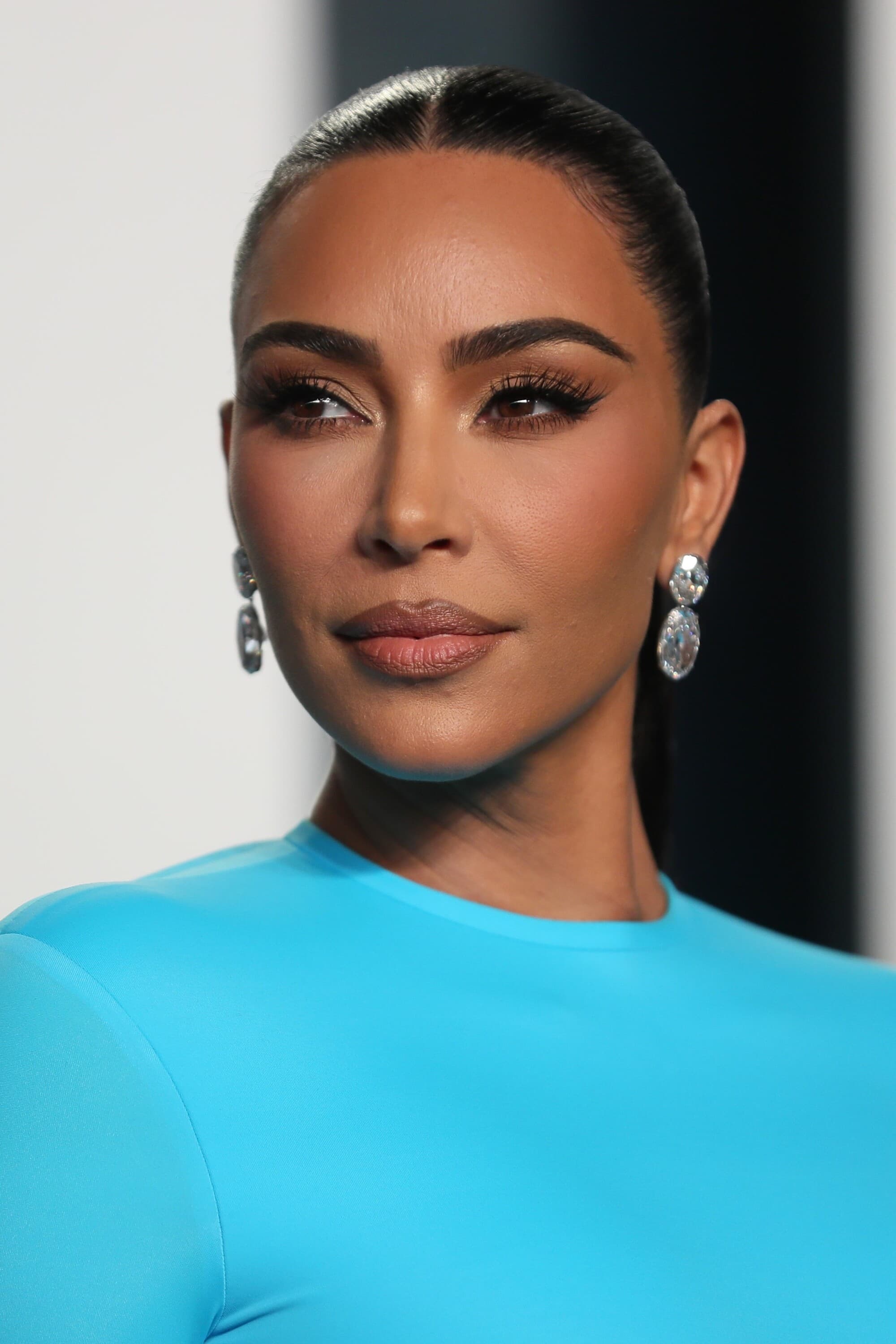
The television star first married music producer Damon Thomas at age nineteen, while working as a stylist and organizer for celebrities. She later claimed the four-year relationship was controlling and involved physical abuse. They divorced in 2004, shortly before she rose to fame with ‘Keeping Up with the Kardashians’. While she went on to create a multi-billion dollar empire, Thomas largely disappeared from the public eye.
Kathy Griffin
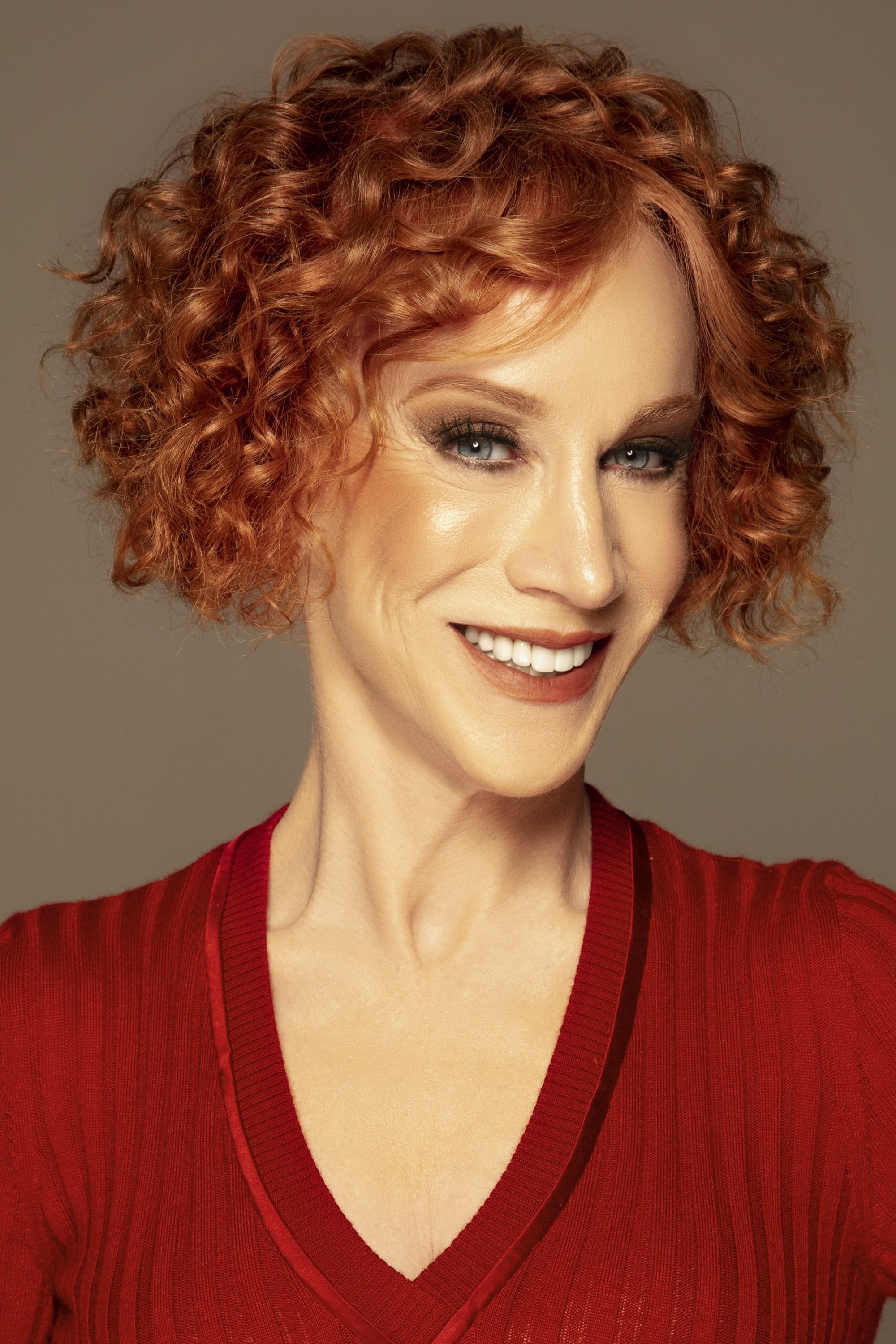
Comedian Kathy Griffin and computer technician Matt Moline were married for several years while her career was taking off with her reality show, ‘Kathy Griffin: My Life on the D-List’. They divorced in 2006 after Griffin discovered Moline had reportedly taken money from her bank accounts. She often joked about the painful breakup in her stand-up routines. Later, she found a new relationship with marketing executive Randy Bick.
Bethenny Frankel
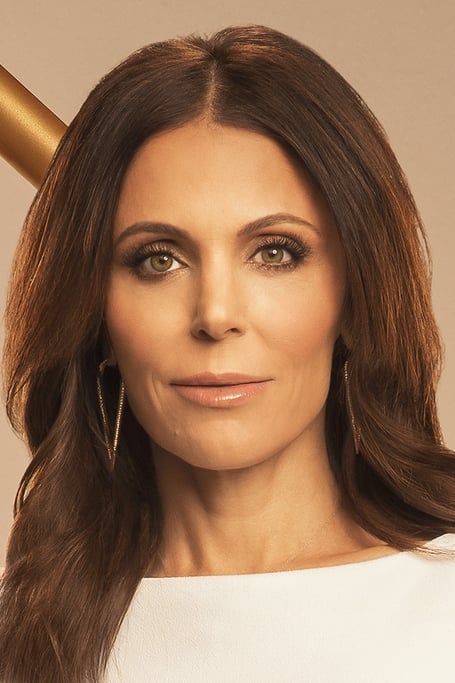
Bethenny Frankel, known for ‘The Real Housewives of New York City,’ married Jason Hoppy while her reality TV career was booming. Jason, a pharmaceutical sales representative, seemed to offer stability in her hectic life. Their wedding and the arrival of their daughter were featured on shows like ‘Bethenny Getting Married.’ However, the relationship quickly fell apart, leading to a very public and drawn-out divorce that lasted almost ten years. Ultimately, Bethenny protected her businesses and went on to pursue new opportunities.
Sherri Shepherd
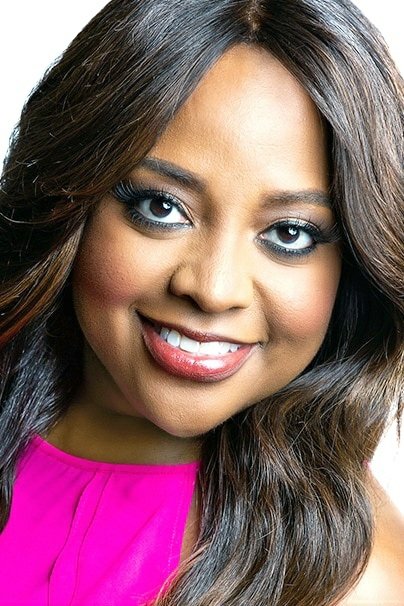
I remember when she first started out in Hollywood, she was married to Jeff Tarpley, who was also an actor and comedian – they actually worked together a bit back in the early 2000s. Sadly, their marriage didn’t last; it ended around 2010 with rumors of trouble and just not being a good fit anymore. She really took off after that, becoming a hugely successful talk show host and landing roles in lots of sitcoms. Jeff continued working in the industry too, but he never quite reached the same level of fame.
Jennifer Hudson
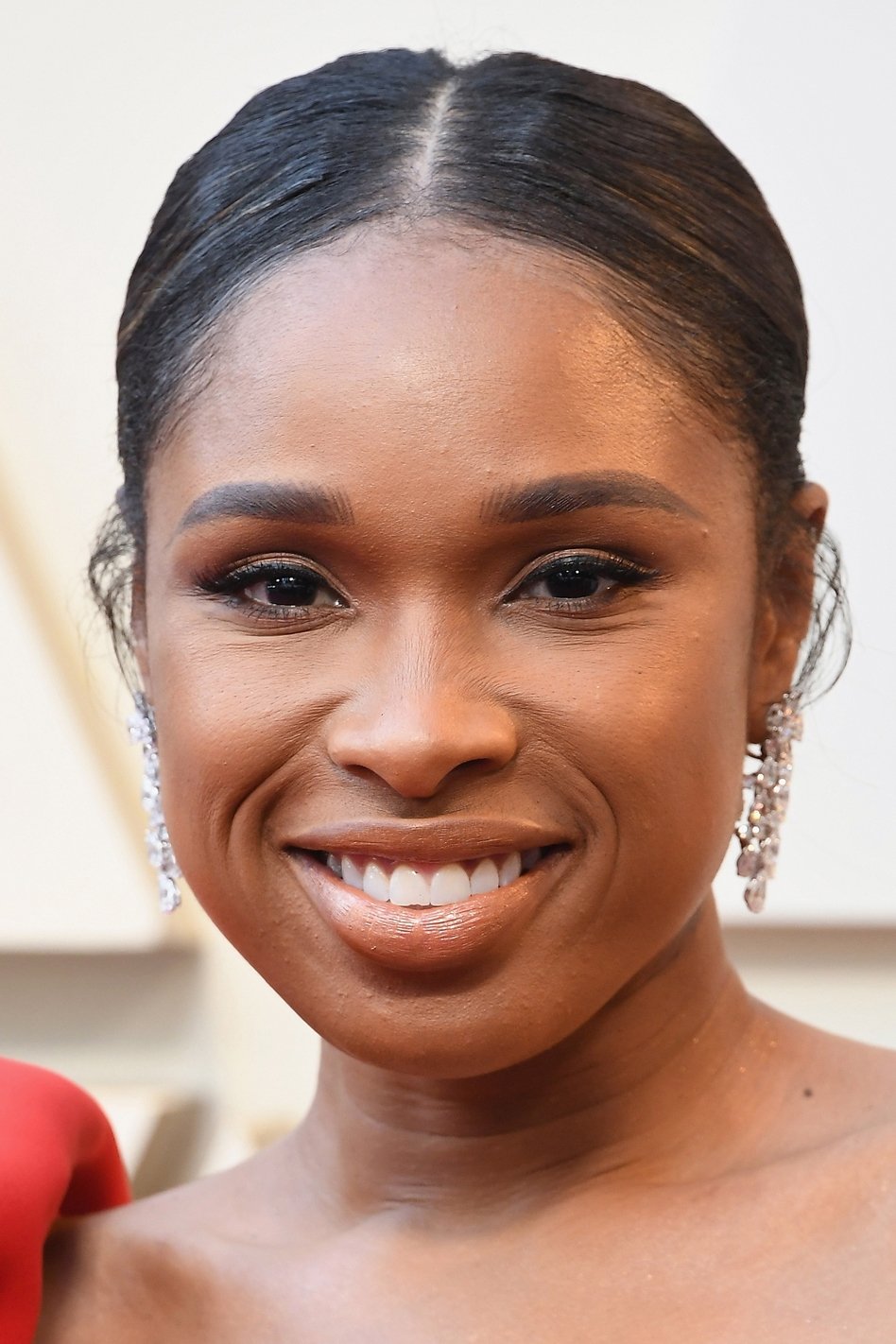
The Academy Award-winning singer and actress was with professional wrestler and lawyer David Otunga for almost ten years, after becoming famous on ‘American Idol’. He supported her through some difficult times, and they had a son together, maintaining a private life despite her success in music and film. They separated in 2017 after some public disputes and legal issues. Since then, she’s continued to host her talk show and remains a highly successful singer.
Jane Lynch
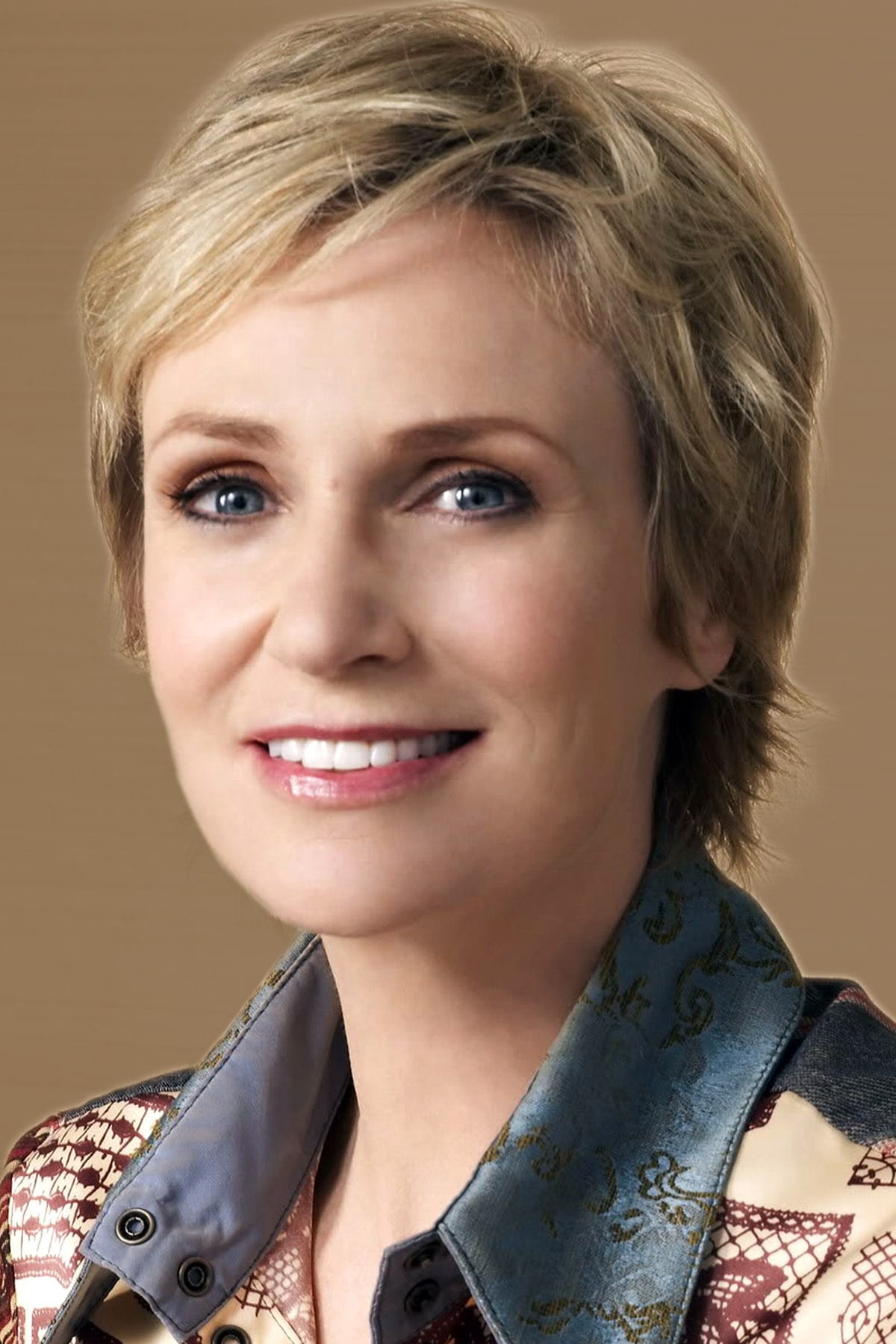
You know, when ‘Glee’ was huge, Jane Lynch was married to Lara Embry, a psychologist with a really solid career outside of the entertainment world. It was a big deal back then – a really visible, positive LGBTQ+ relationship in Hollywood. Sadly, they split up in 2013 and eventually divorced, and I remember reading it involved a pretty substantial financial agreement. Jane’s still a total star on TV and in movies, but she’s always been really good at keeping her personal life private, which I totally respect.
Drew Barrymore
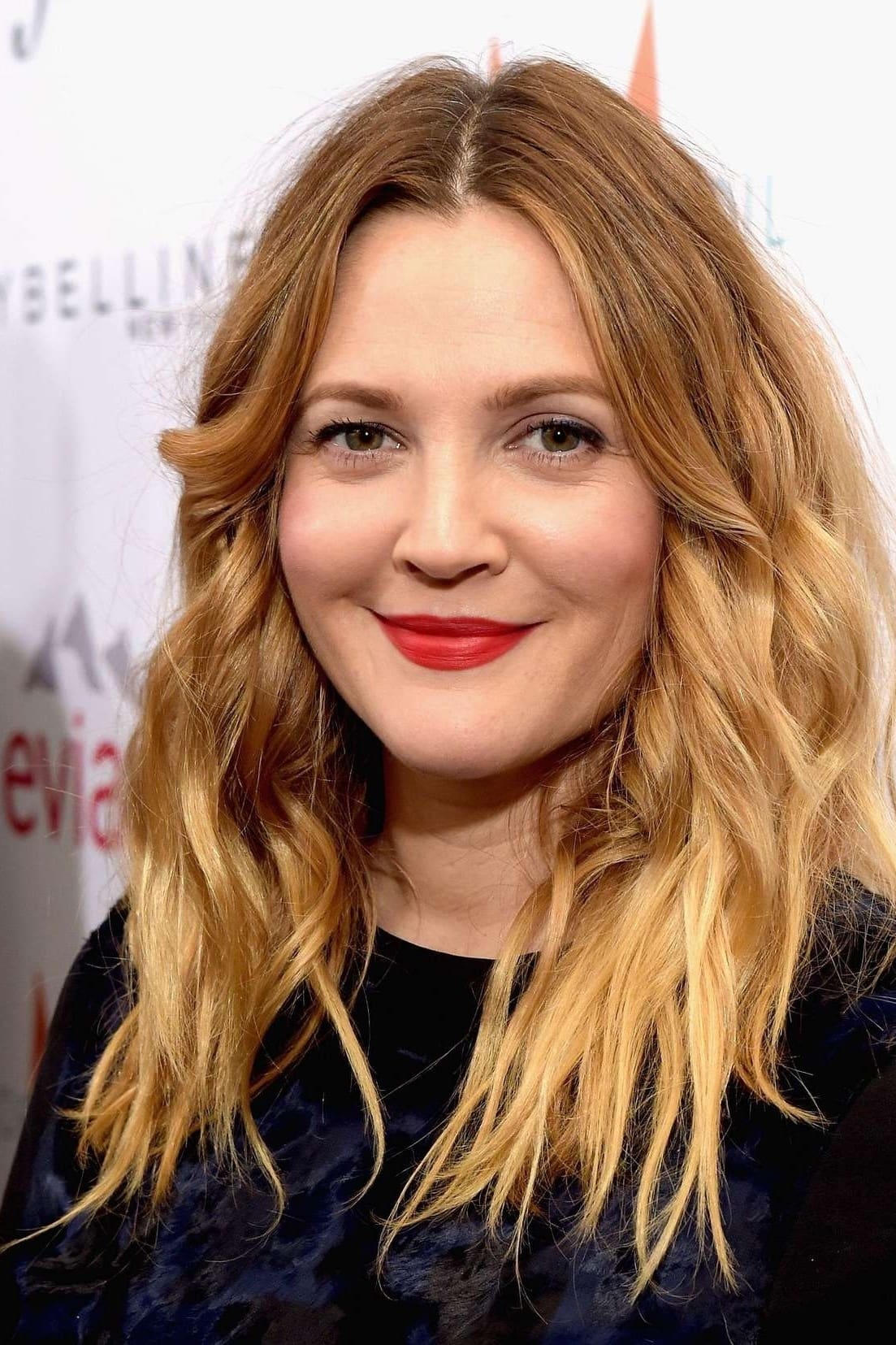
The actress married a Los Angeles bar owner named Jeremy Thomas in 1994, when she was just nineteen. They had only known each other for a few weeks before tying the knot, but the marriage ended after less than two months. This happened as she was starting to be recognized as a serious adult actress, and she later went on to create a successful production company and host a popular talk show.
Kim Basinger
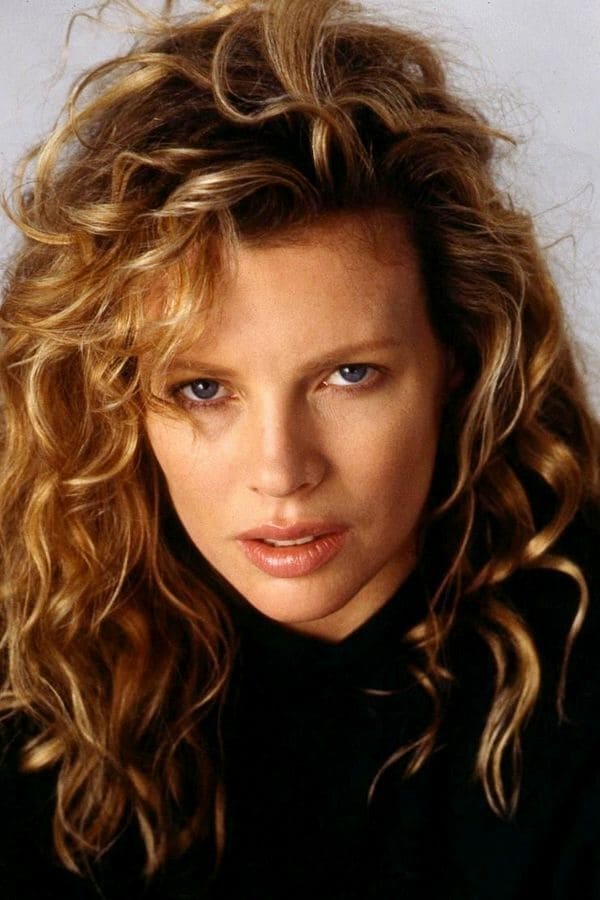
The Academy Award-winning actress and Ron Snyder-Britton, a makeup artist she met while working on films, were married early in her career. As she rose to fame as a leading actress and sex symbol in the 1980s, their marriage fell apart, and they divorced in 1989 after almost ten years together. She later had a well-known relationship and marriage with actor Alec Baldwin, which also ended in a public divorce.
Demi Moore
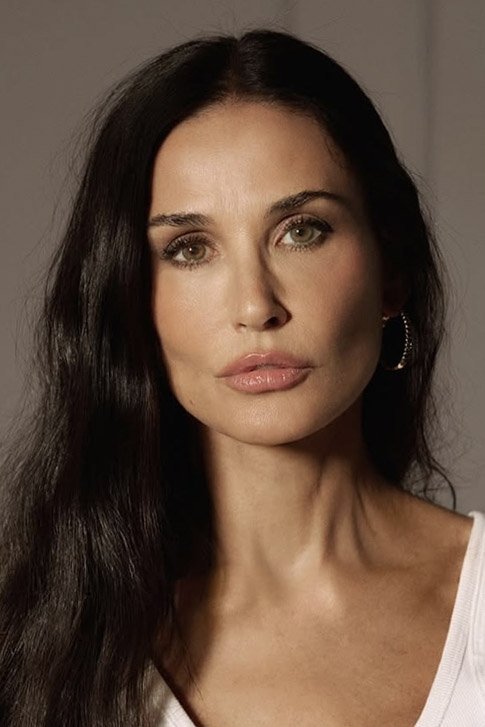
Demi Moore began her career and her marriage to musician Freddy Moore as a teenager. She even used his last name professionally, and it’s stayed with her throughout her successful career. They were married for around five years while she started getting roles in TV soaps and teen movies. As she rose to fame as part of the Brat Pack, she ended the marriage. Later, her marriage to Bruce Willis became one of Hollywood’s most well-known relationships.
Geena Davis
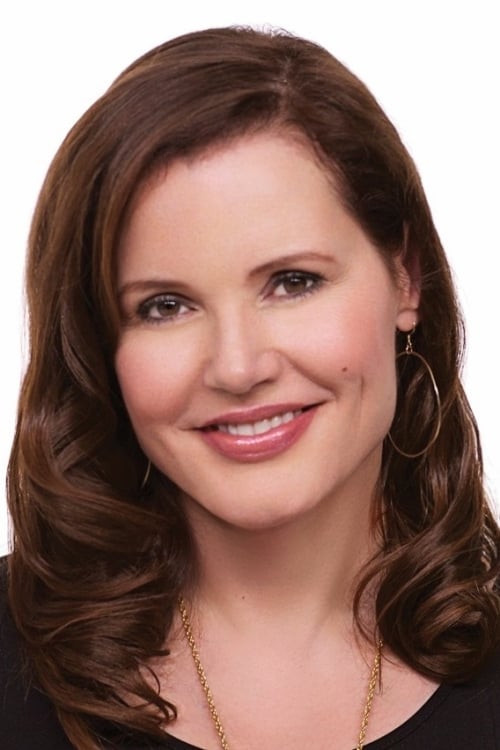
Susan Sarandon’s first husband was Richard Emmolo, a restaurant manager. They married in the early 1980s, around the time her television and modeling career began to flourish. Her success quickly grew with leading roles in films, eventually earning her an Academy Award. The couple divorced in 1983, as Sarandon’s demanding career took priority. She later married and divorced several other well-known figures in the entertainment world.
Glenn Close
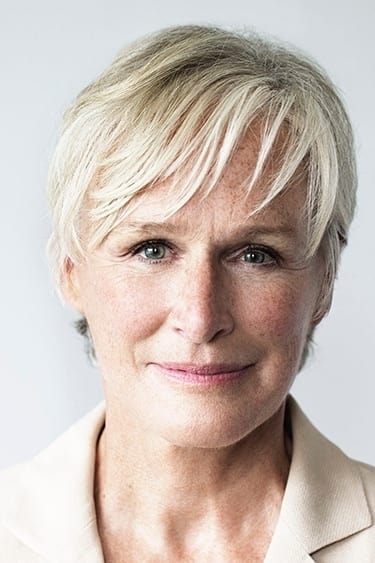
I recently stumbled across a fascinating detail about one of my all-time favorite actresses: a very short-lived marriage to a folk singer named Cabot Wade back in the late 60s. Apparently, they even toured together as a musical duo before she shifted her focus to the stage. It ended before she hit it big, before ‘Fatal Attraction’ and all the Broadway glory. She’s always been incredibly private, and rarely mentions this early chapter of her life. Of course, she went on to become a true icon, racking up awards and cementing her place as one of the most talented actors of her generation. It’s a little piece of her history that adds another layer to her incredible story.
Julia Roberts
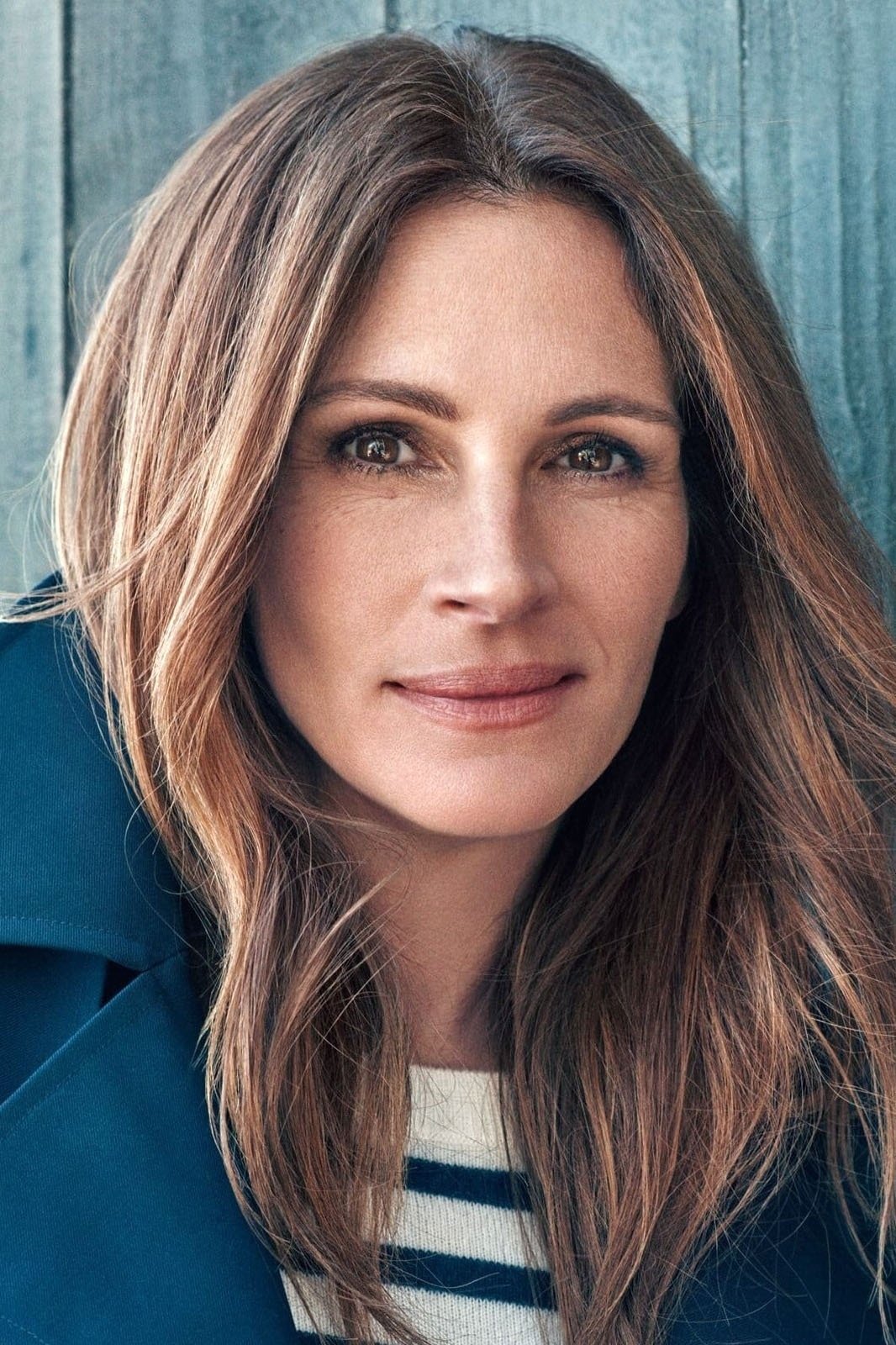
The famous actress shocked everyone when she married country musician Lyle Lovett in 1993. While Lovett was a well-respected artist, he wasn’t as widely known as she was, often called “America’s Sweetheart.” Their marriage didn’t last long – less than two years – because their demanding careers kept them separated. She continued to star in successful films, and he focused on his music. Despite the divorce, they stayed friendly and often spoke positively about each other publicly.
Kaley Cuoco
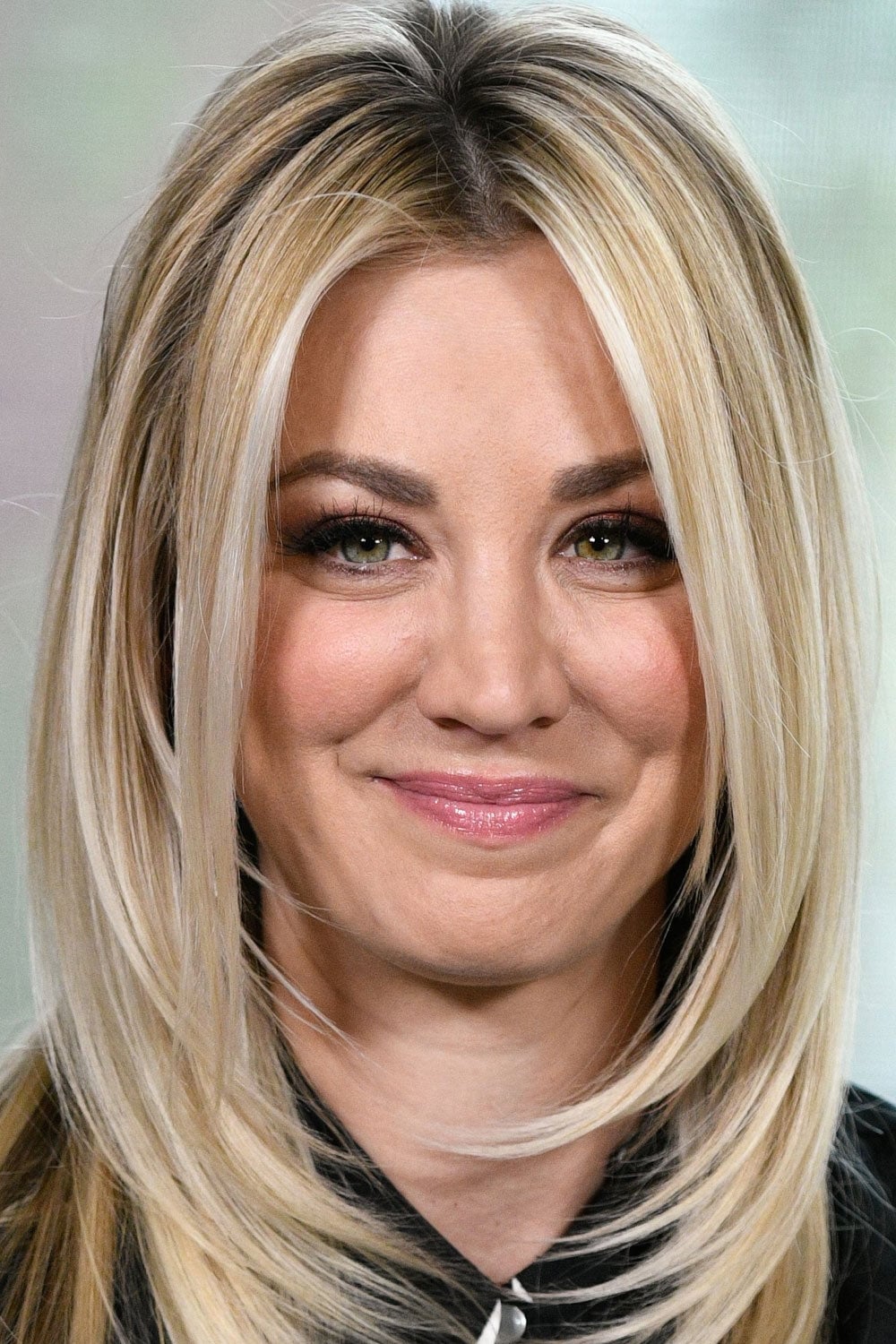
Kaley Cuoco, known for ‘The Big Bang Theory,’ quickly married tennis player Ryan Sweeting. While he was a professional athlete, he hadn’t reached the same level of success or wealth as Cuoco. Their relationship and marriage were often shared on her social media, but it didn’t last, and she filed for divorce in 2015, reportedly paying a significant amount of alimony as outlined in their prenuptial agreement. She later found lasting happiness, first with Karl Cook, and then with Tom Pelphrey.
Kelly Clarkson
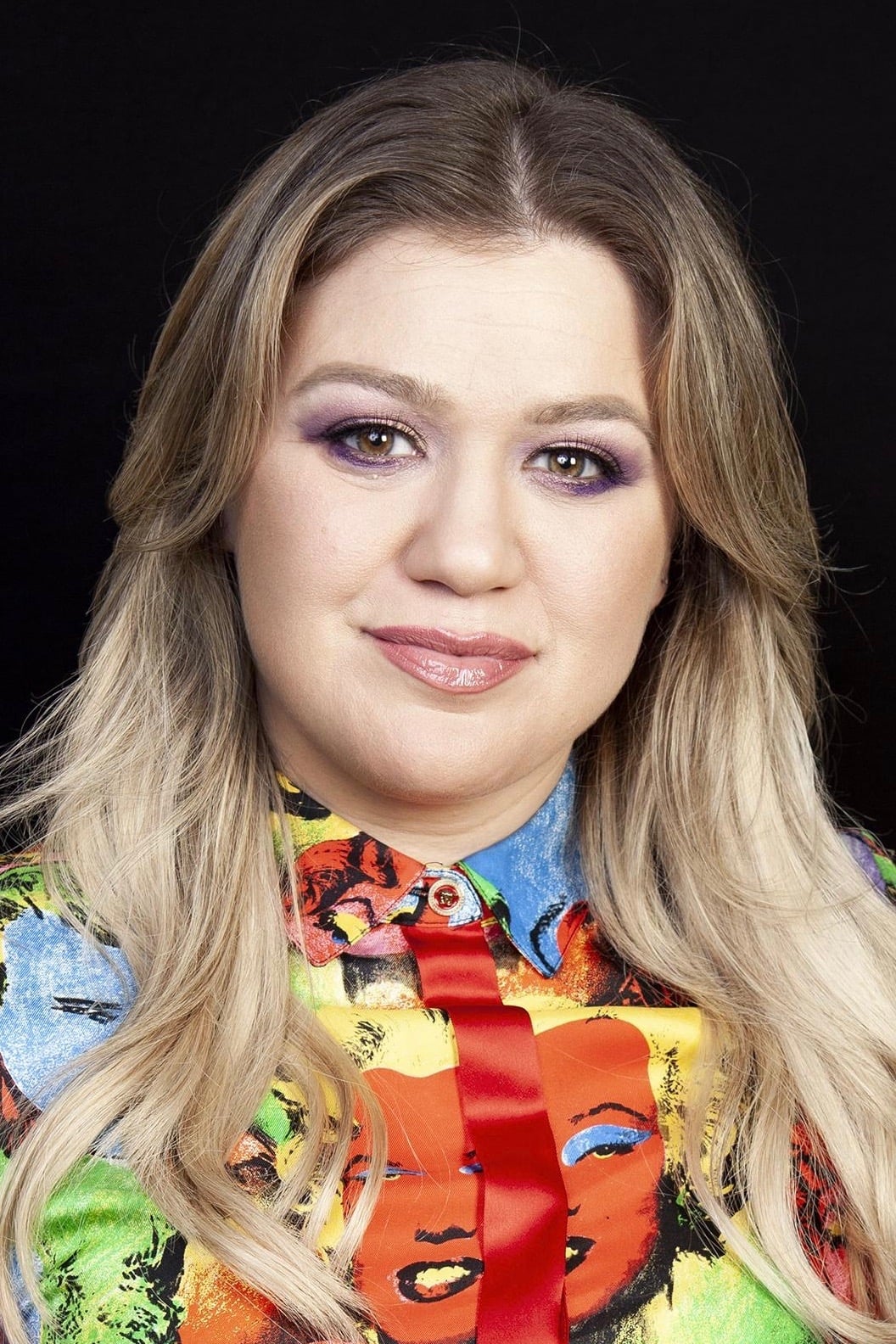
The singer married Brandon Blackstock, who also managed her career for several years. While Blackstock came from a family with experience in the entertainment industry, he generally worked behind the scenes. Their 2020 divorce received a lot of media attention because of disagreements over their property and how much he was paid as her manager. She turned the difficult experience into inspiration for her music and has been candid about the challenges of the separation. Ultimately, she gained primary custody of their children and successfully refreshed her image on television.
Mary J. Blige
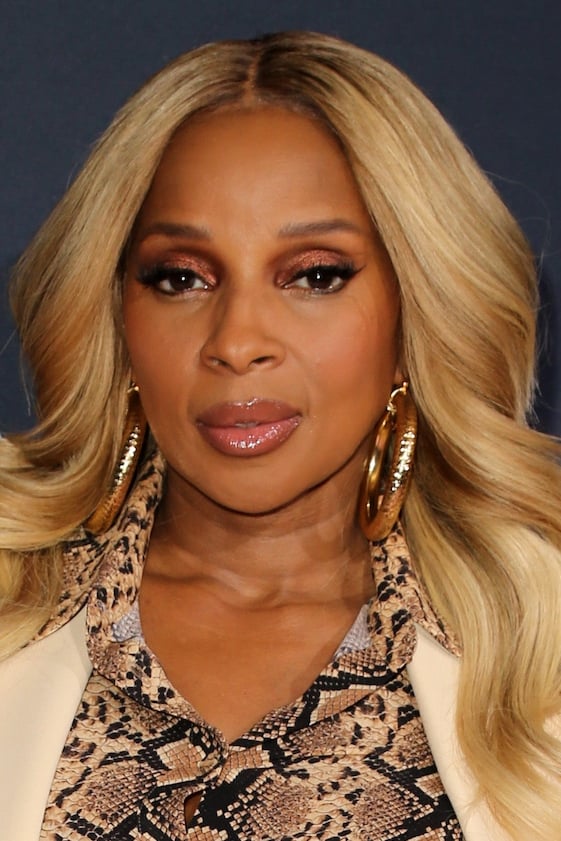
Mary J. Blige, a leading figure in hip-hop soul, was married to her manager, Kendu Isaacs, for more than ten years. Isaacs, an experienced music producer, played a key role in her successful career in the 2000s. Their divorce in 2016 was difficult and played out publicly, with disagreements about money and support. Blige turned the emotional pain of the split into her critically acclaimed album, ‘Strength of a Woman’. Since then, she’s focused on acting while continuing to tour and perform to enthusiastic fans.
Christina Aguilera
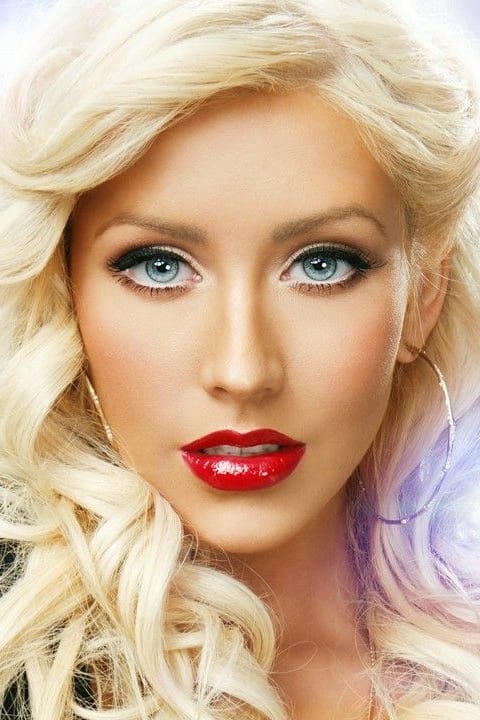
The popular singer married Jordan Bratman, a music marketing executive, in a grand wedding in 2005. While he was successful in his own right, he wasn’t as famous as she was. They had a son together and were known as one of Hollywood’s most solid couples. In 2010, she filed for divorce, stating they had grown apart, as she was moving forward with her career. She went on to become a judge on ‘The Voice’ and continued to release hit albums.
Naya Rivera
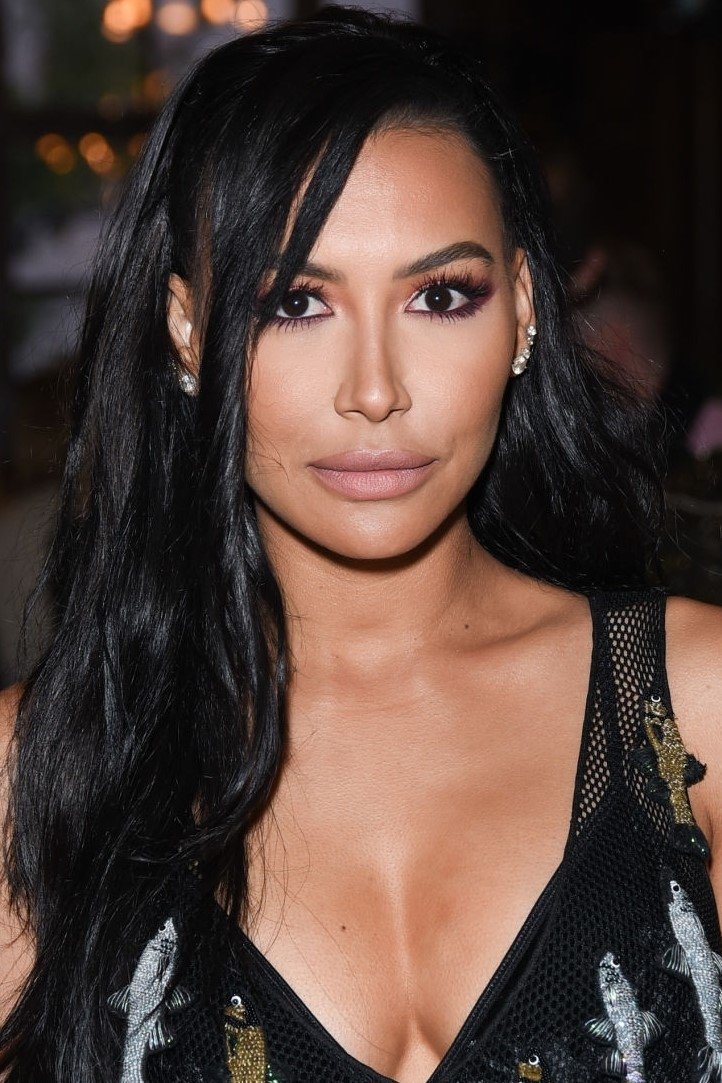
Following a brief but highly publicized engagement, ‘Glee’ star Lea Michele unexpectedly married actor Ryan Dorsey. Dorsey was a working actor with smaller roles on television, but wasn’t a household name. Their relationship was known for being turbulent, with several public disagreements during their marriage. They divorced in 2018 and shared custody of their young son. After Michele’s tragic death in 2020, Dorsey has prioritized raising their son privately, away from the intense media attention.
Wendy Williams
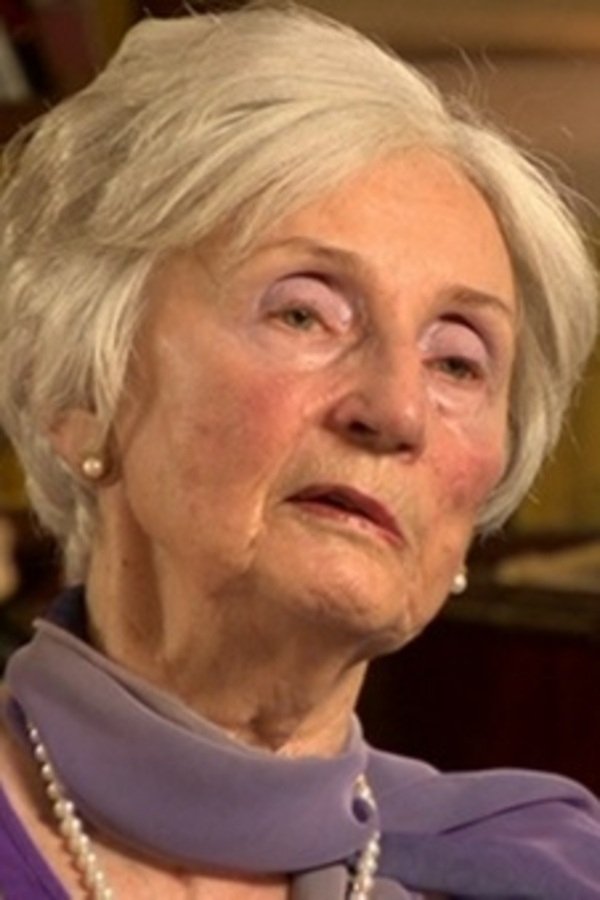
The talk show host and Kevin Hunter were married for more than twenty years, and he also oversaw her career and production company. Before managing her business, Hunter owned a hair salon. Their marriage ended in 2019 after it was revealed he had been having an affair and had a child with someone else. She filed for divorce and ended their professional relationship, taking complete control of her brand. The breakup was frequently discussed on her show during its final seasons.
Toni Collette
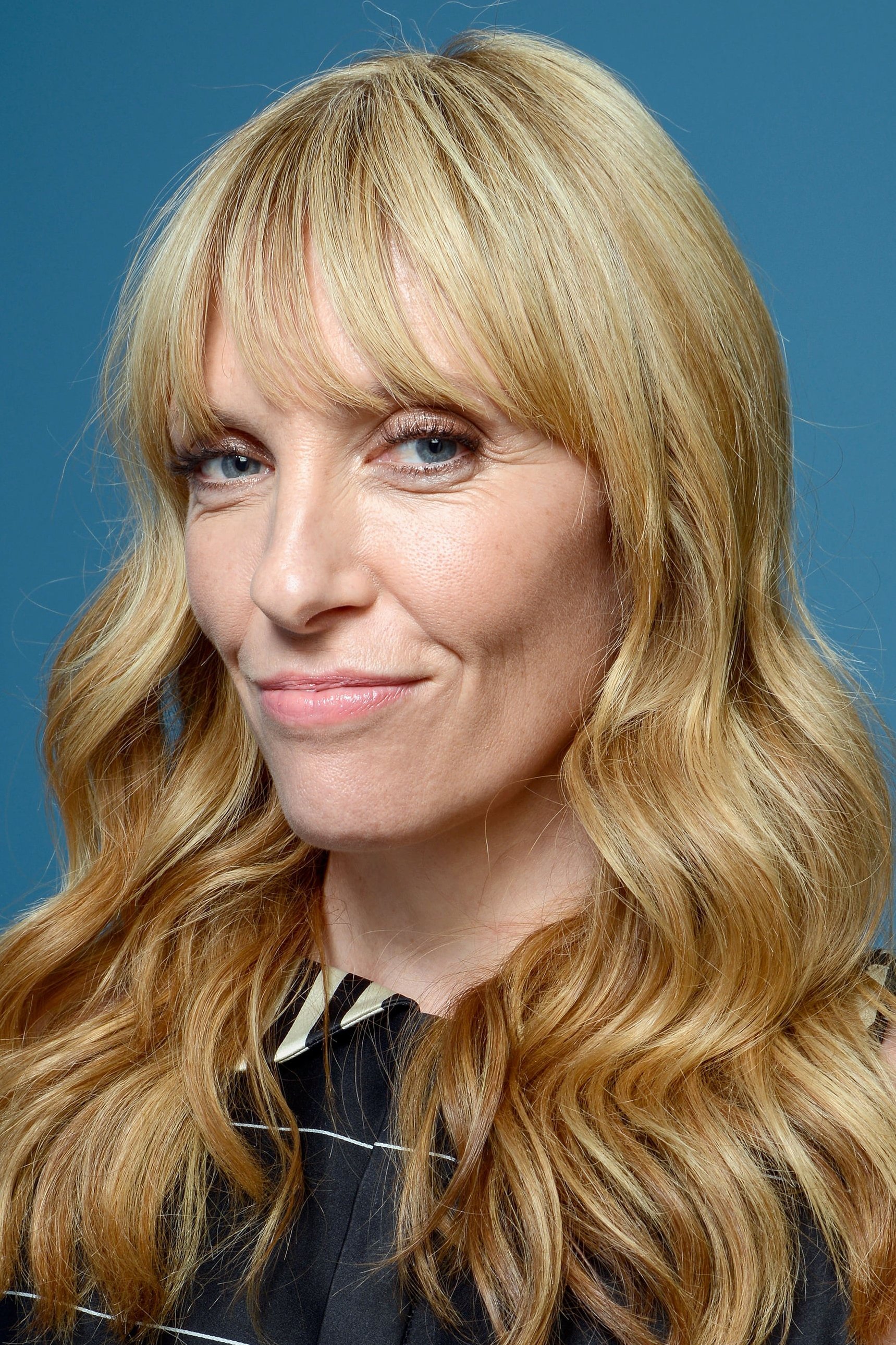
The accomplished actress and musician Dave Galafassi were married for almost twenty years before separating. Galafassi, a drummer for an indie band, often performed with his wife in their own musical group. Together, they raised two children and split their time between Australia and the United States. In 2022, they announced their divorce following the publication of photos showing Galafassi with another woman. The actress continues to receive praise for her work in movies and TV shows.
Salma Hayek Pinault
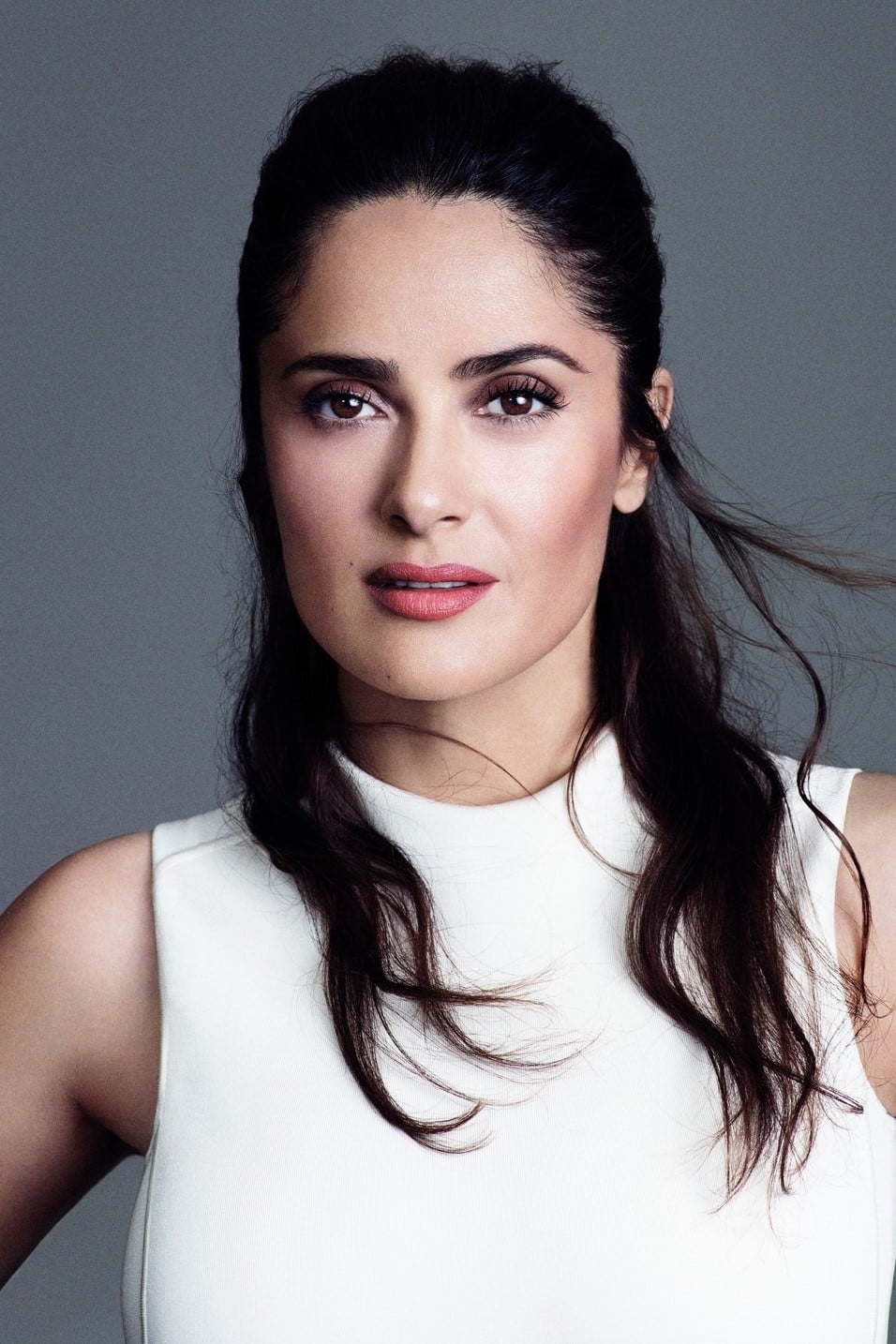
The acclaimed actress and producer married billionaire François-Henri Pinault in 2009. Before that, she dated actors who weren’t as well-known. She built a successful career in Hollywood after first gaining fame in Mexican soap operas. Her marriage to Pinault confirmed her position as a leading figure in both the entertainment and fashion worlds. She continues to act in major movies and also dedicates her time to charitable work.
Lady Gaga
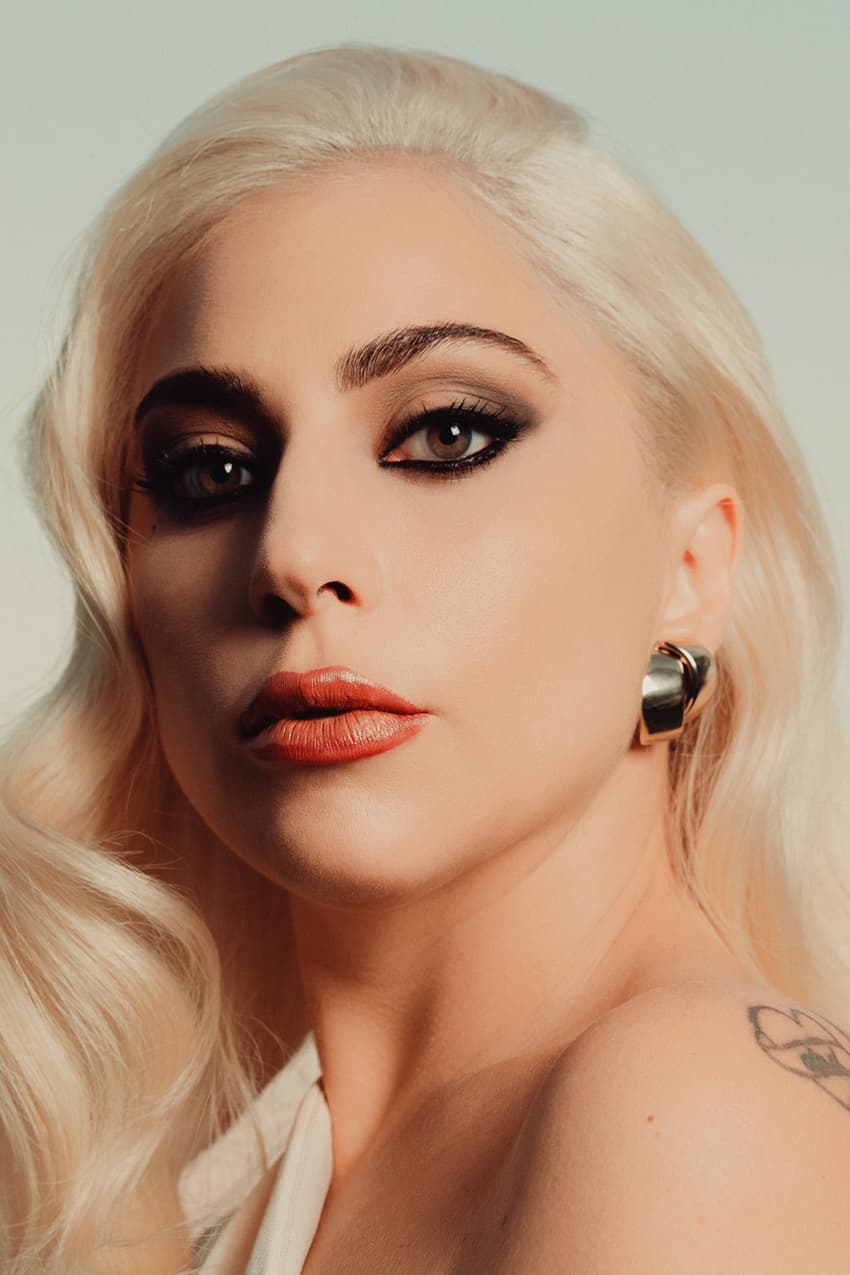
The singer famously dated Luc Carl, a New York City bartender and musician, when she was first starting out, playing in small clubs. As her career took off with the album ‘The Fame,’ their relationship became strained. They broke up and got back together a few times, but ultimately split for good as she became a global superstar. Since then, she’s been engaged to other well-known people, but her career remains her main focus.
Amy Schumer
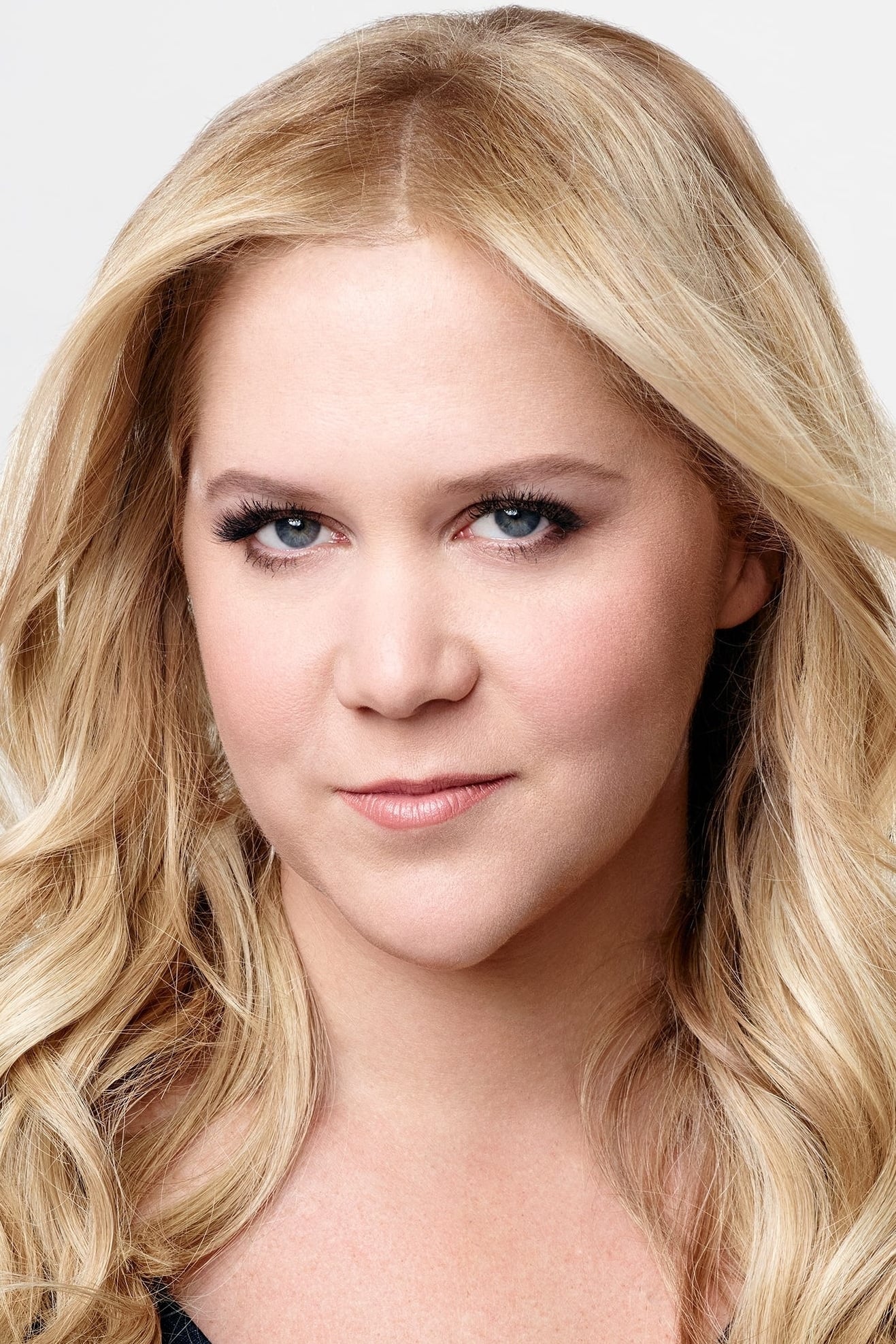
The comedian found love with Chris Fischer, a chef and writer who’s outside the typical Hollywood scene. Before they met, Chris worked in upscale restaurants and helped run his family’s farm. They quickly fell in love and had a small wedding in 2018. She frequently includes stories about their relationship and Chris’s autism in her comedy and TV work. They now have a son and are working to balance her public life with his more private career.
Janet Jackson
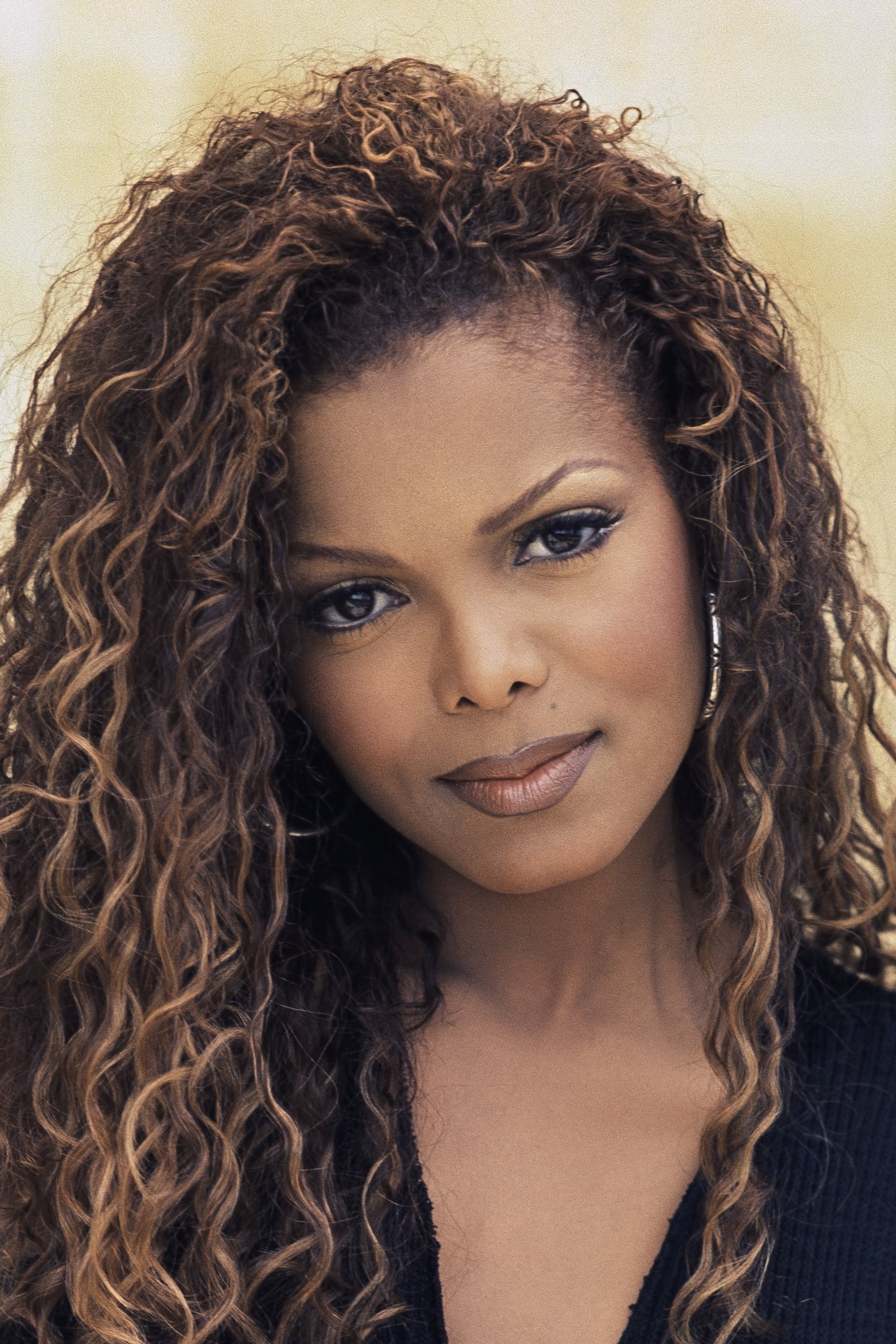
The iconic singer briefly married James DeBarge at age eighteen. DeBarge was part of a successful R&B group, but his career was later eclipsed by the fame of the Jackson family. The marriage ended after less than a year in 1985, just as she was launching her career with the album ‘Control’. She went on to have other well-known marriages that also ended in divorce as her popularity soared. Today, she’s considered one of the most important and influential figures in pop music history.
Shania Twain
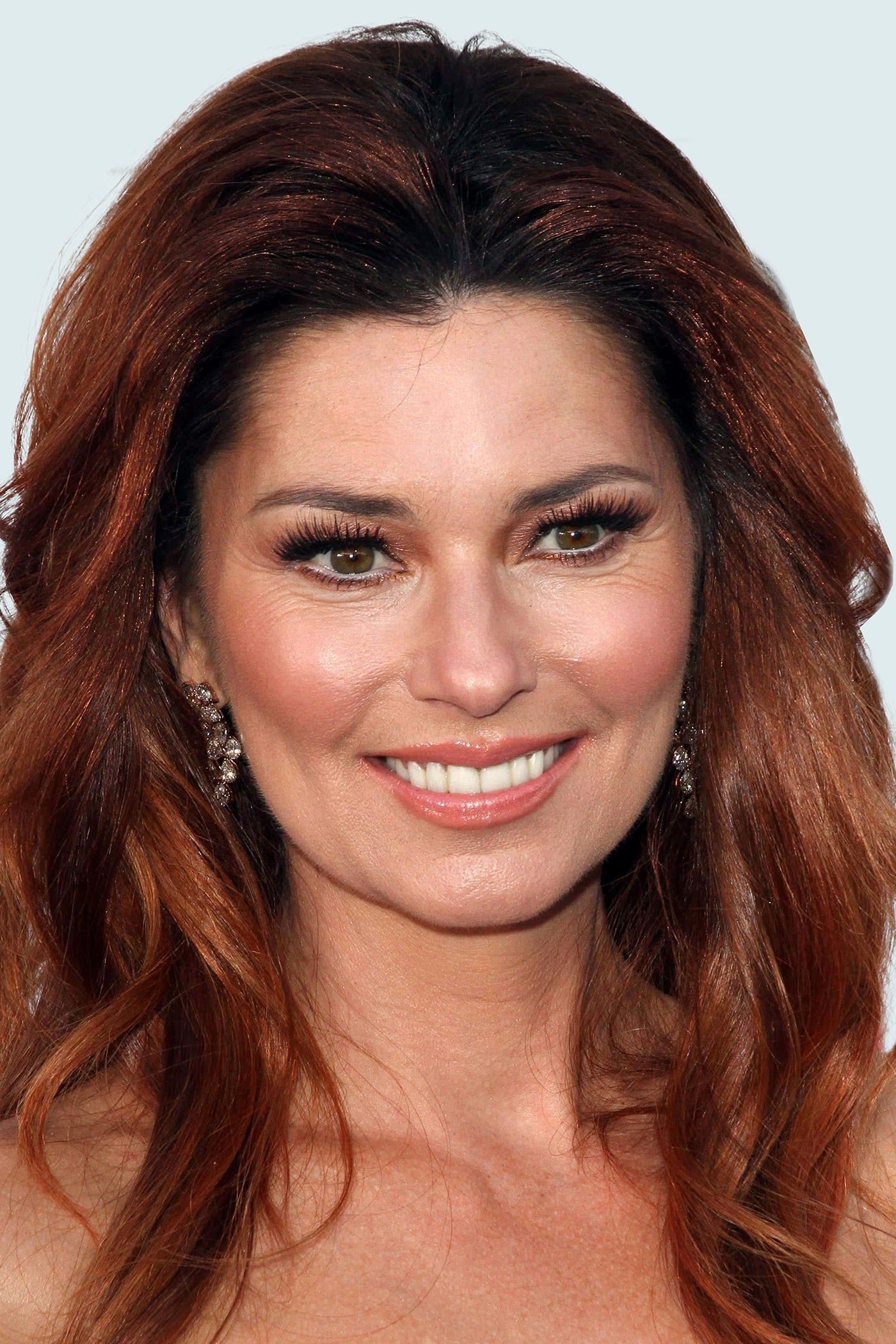
The country singer and Mutt Lange were married for a long time, and during that time, she became the best-selling female country artist of all time. Lange was already a well-known producer, but their relationship helped launch her to international stardom. The couple divorced in 2008 when she found out he was having an affair with her close friend. This painful betrayal led to a very public separation and a difficult time in her life. Later, she found love again with the former husband of the woman who had been involved with her ex-husband.
Adele
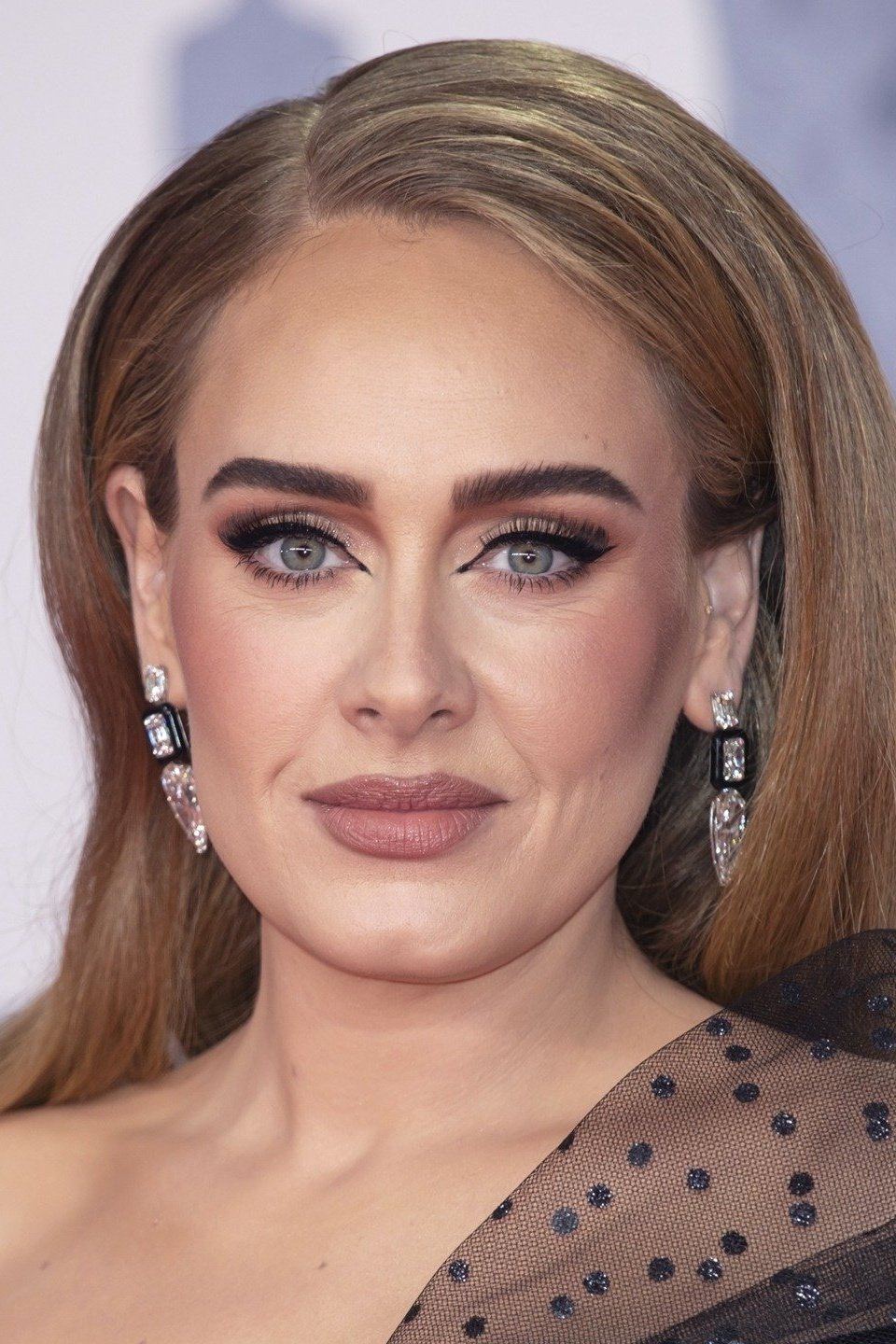
The Grammy-winning singer and Simon Konecki, a charity executive, were married for several years while her career was at its height. Konecki preferred to stay out of the public eye, working with non-profit organizations. Their relationship deeply influenced her incredibly successful music, particularly the album ’30’. They divorced in 2019, but continue to prioritize co-parenting their son. She is now in a public relationship with sports agent Rich Paul.
Mariah Carey
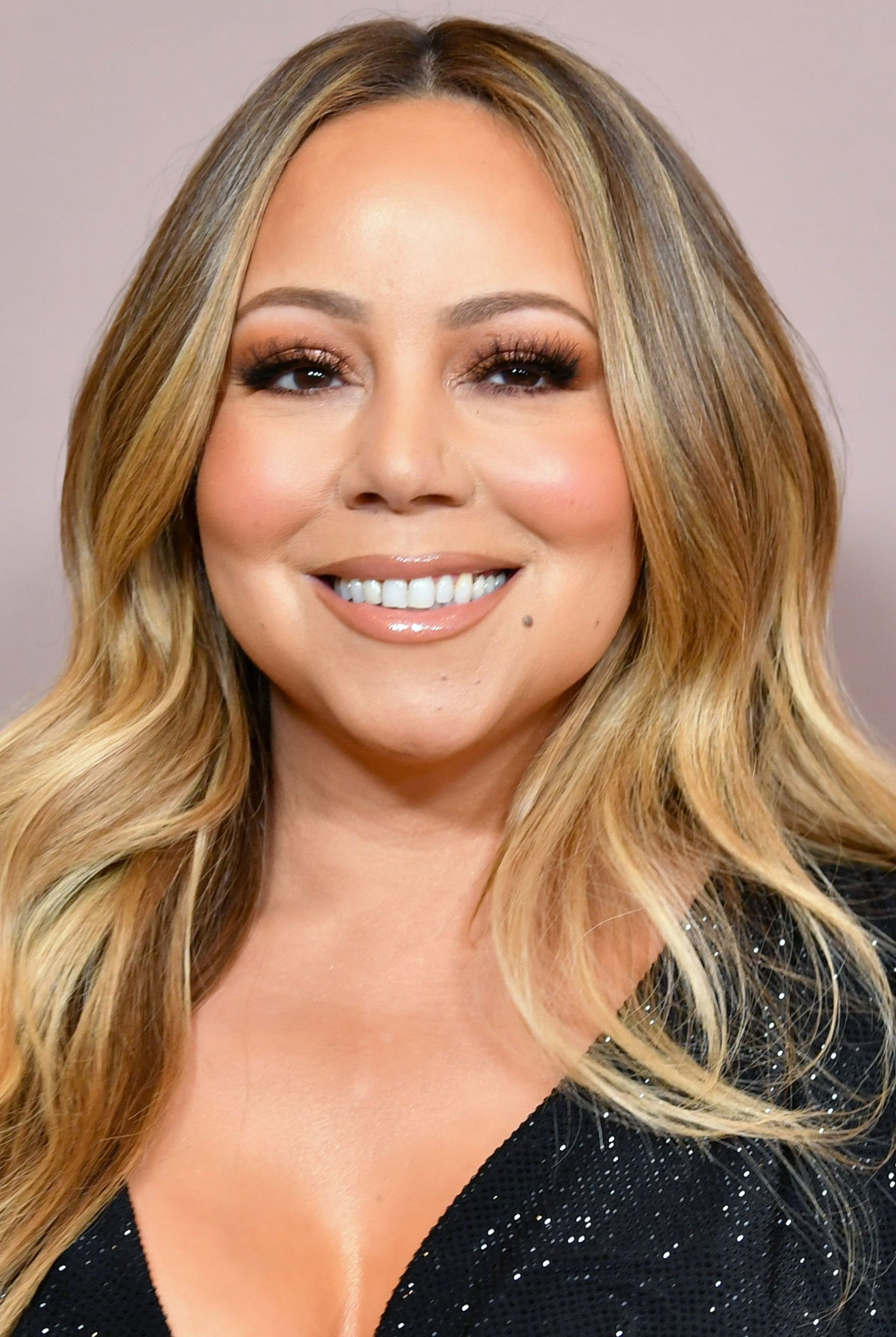
As a huge fan, I’ve always been fascinated by her story. Back in the early ’90s, when she was first becoming a star, she married Tommy Mottola, a very powerful record executive – he ran Sony Music and was much older than her. Later, she talked about how the marriage felt incredibly restrictive and stifling, especially as she became more and more famous. They eventually divorced in ’98, which thankfully allowed her to really take charge of her career and artistic vision. And honestly, that’s when she really took off – becoming the icon we all know and love today.
Courtney Love
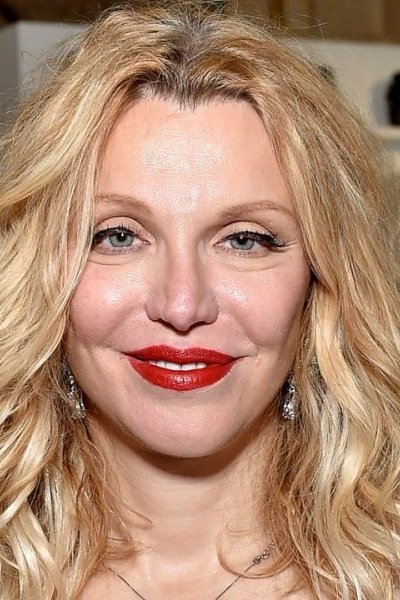
The singer was briefly married to James Moreland, a musician from the band The Leaving Trains, in the late 1980s. He was involved in the independent music scene before she became famous. The marriage didn’t last long – it ended after just a few months and was annulled as her band, Hole, began to achieve success. She later gained worldwide attention through her marriage to Kurt Cobain and continued to build a successful music career of her own. For decades, she has remained a well-known and often debated, yet highly influential, figure in the entertainment industry.
Melanie Griffith
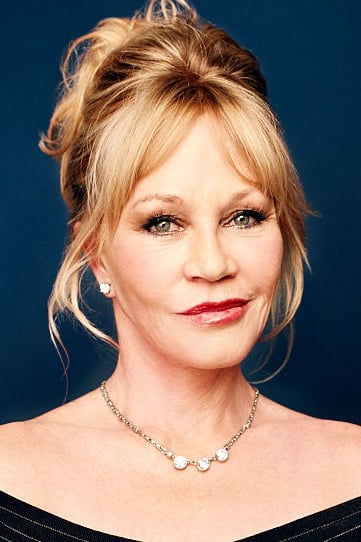
Melanie Griffith was married to actor Steven Bauer in the early 1980s while she was starting her career. Though Bauer also found fame in films like ‘Scarface,’ their careers took different paths. They had a son together and divorced in 1989. Griffith later rekindled a relationship with her first husband, Don Johnson, and eventually married Antonio Banderas. Throughout her long and successful career, she received many awards and nominations.
Olivia Wilde
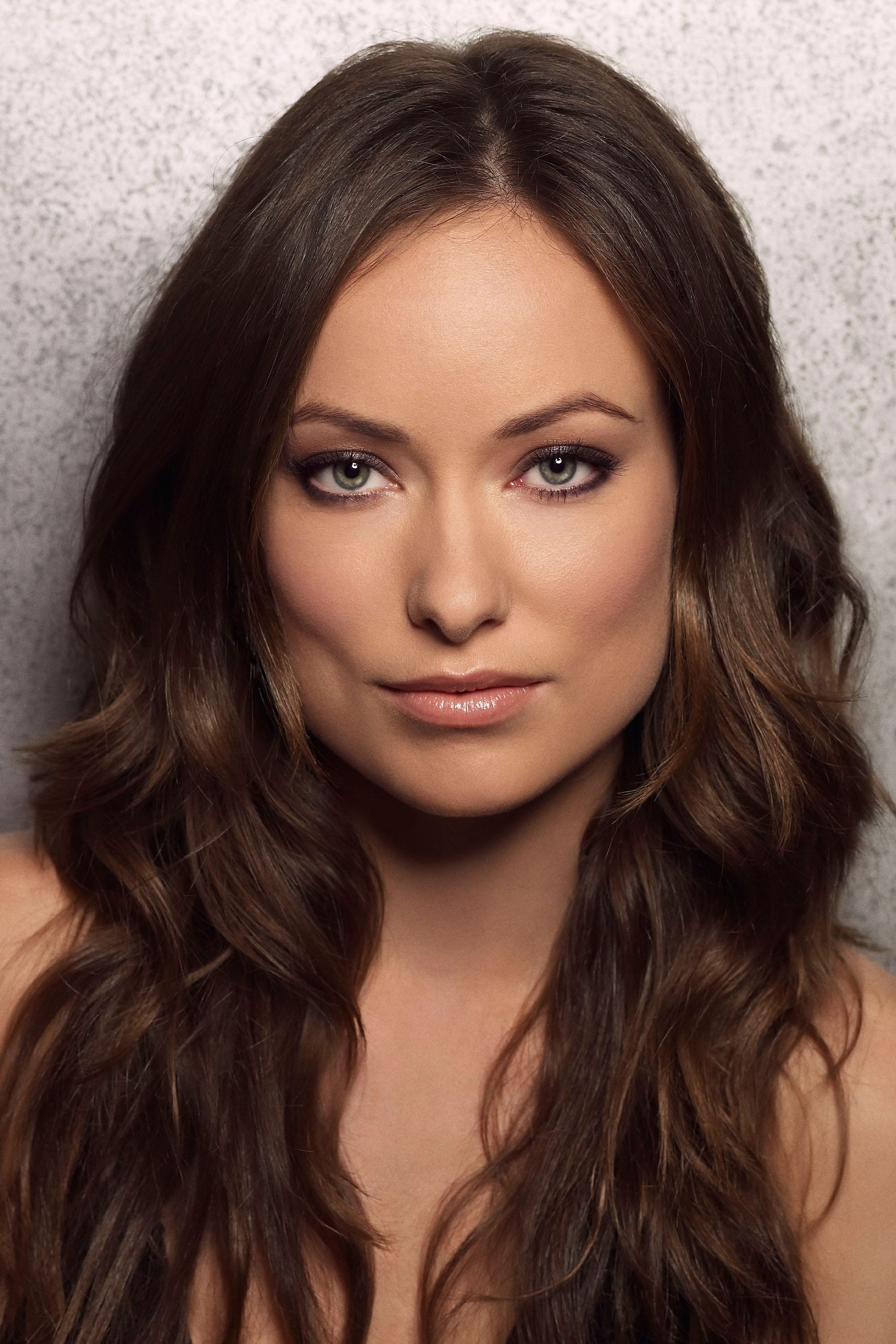
The actress was married to filmmaker and musician Tao Ruspoli, who comes from an Italian aristocratic family, for eight years. They wed when she was nineteen, around the time she started getting recognized in shows like ‘The O.C.’ and ‘House.’ She filed for divorce in 2011 as her acting and directing career began to flourish. Since then, she’s been publicly linked to Jason Sudeikis and Harry Styles.
Halle Berry
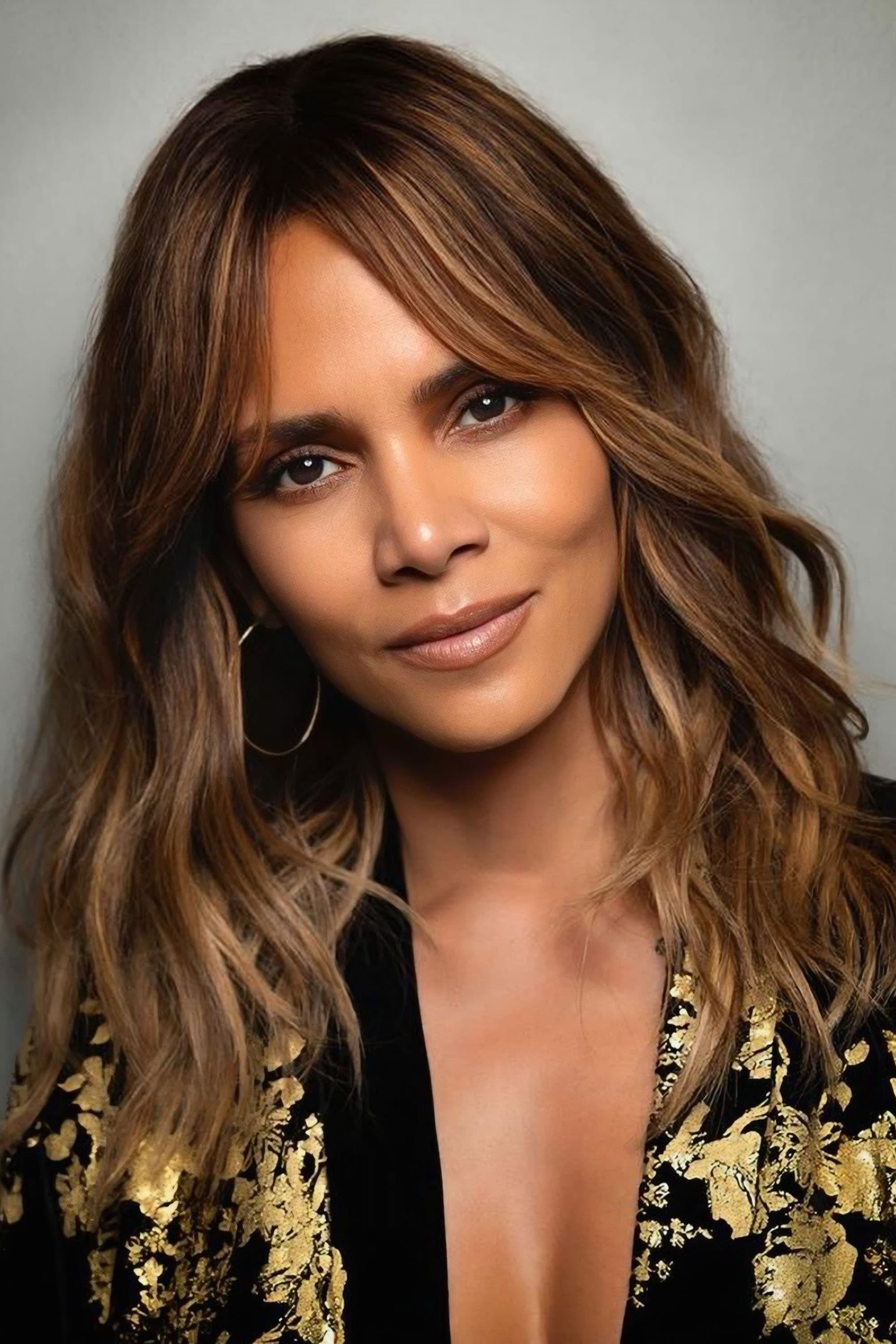
The Academy Award-winning actress was married to baseball player David Justice in the early 1990s. Though he was a successful athlete, their marriage faced a lot of public attention and personal difficulties, eventually ending in divorce in 1997, just as her film career was taking off. She later married singer Eric Benét and actor Olivier Martinez, but both of those marriages also ended in divorce. Today, she remains a highly respected and successful star in Hollywood.
Hilary Swank
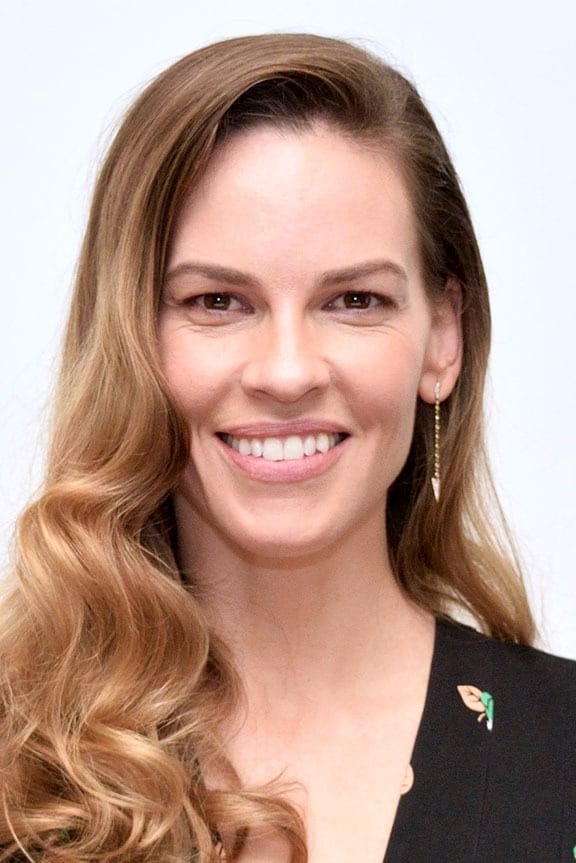
The acclaimed actress, a two-time Oscar winner, was married to actor Chad Lowe for ten years. While Lowe had a successful career in television, his achievements were often overshadowed by her major film success. They divorced in 2007, soon after she won her second Oscar for ‘Million Dollar Baby’. Although she acknowledged him in her acceptance speeches, reports suggest the difference in their professional success created tension in their marriage. She has since remarried and continues to star in demanding roles on both the big and small screens.
Kate Hudson
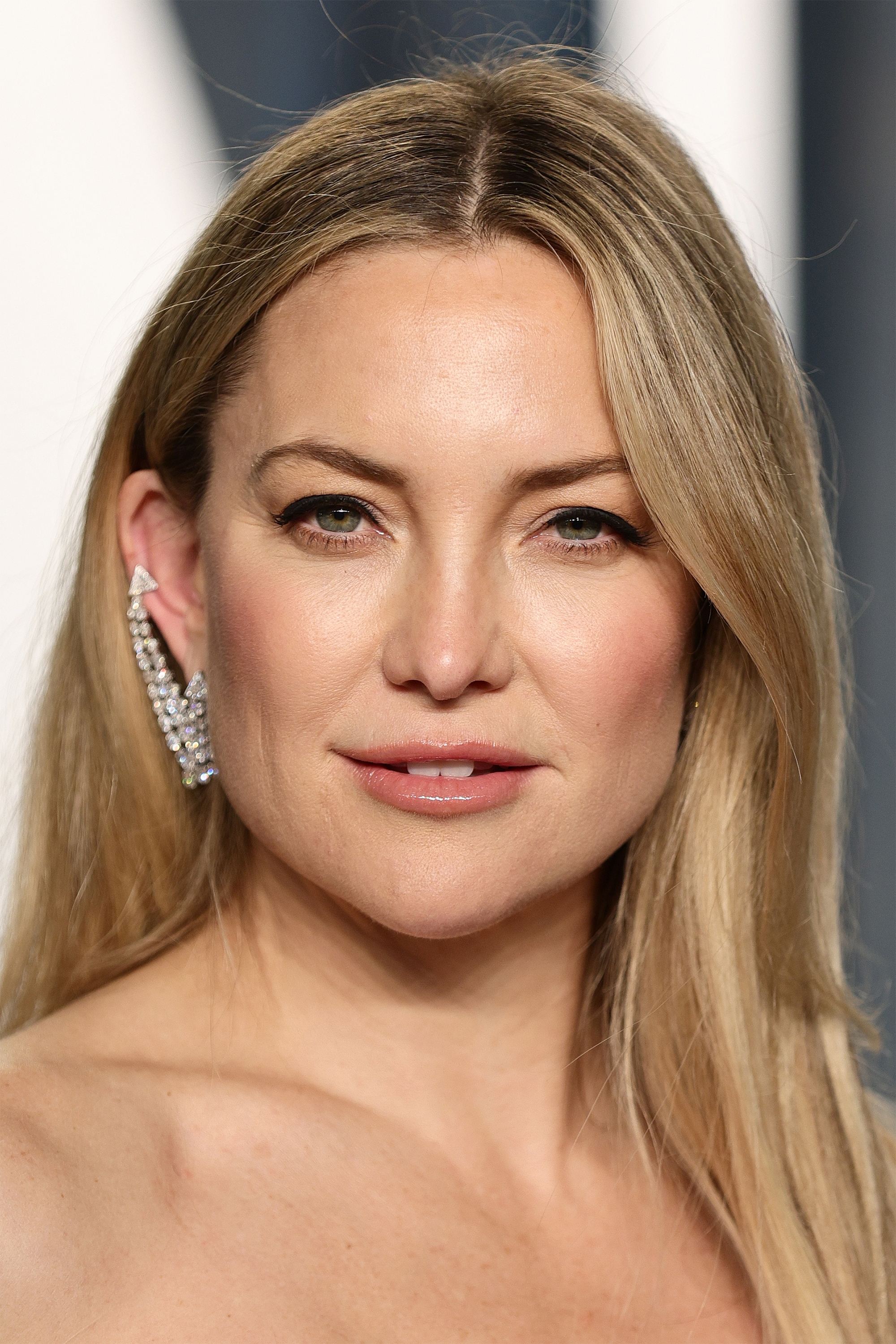
Kate Hudson married Chris Robinson, the lead singer of The Black Crowes, in 2000. While Robinson was already a well-known musician, Hudson’s career took off after she received an Oscar nomination and starred in several popular romantic comedies. They had a son together and were married for seven years before splitting up. Since then, she’s been in several other public relationships with musicians and actors, all while continuing to thrive in her career. She also created a very successful fitness brand, which has added to her wealth and public profile.
Jessica Simpson

The singer, who also built a successful business, first became well-known through the reality show ‘Newlyweds,’ where she starred with her then-husband, Nick Lachey. Though Lachey was a pop star, she ultimately achieved far greater fame and built a much larger business empire. Their highly publicized divorce in 2006 felt like the end of an era for early reality TV. She then went on to create a billion-dollar fashion brand and become a popular author, eventually finding long-term happiness with Eric Johnson, a former football player.
Pamela Anderson
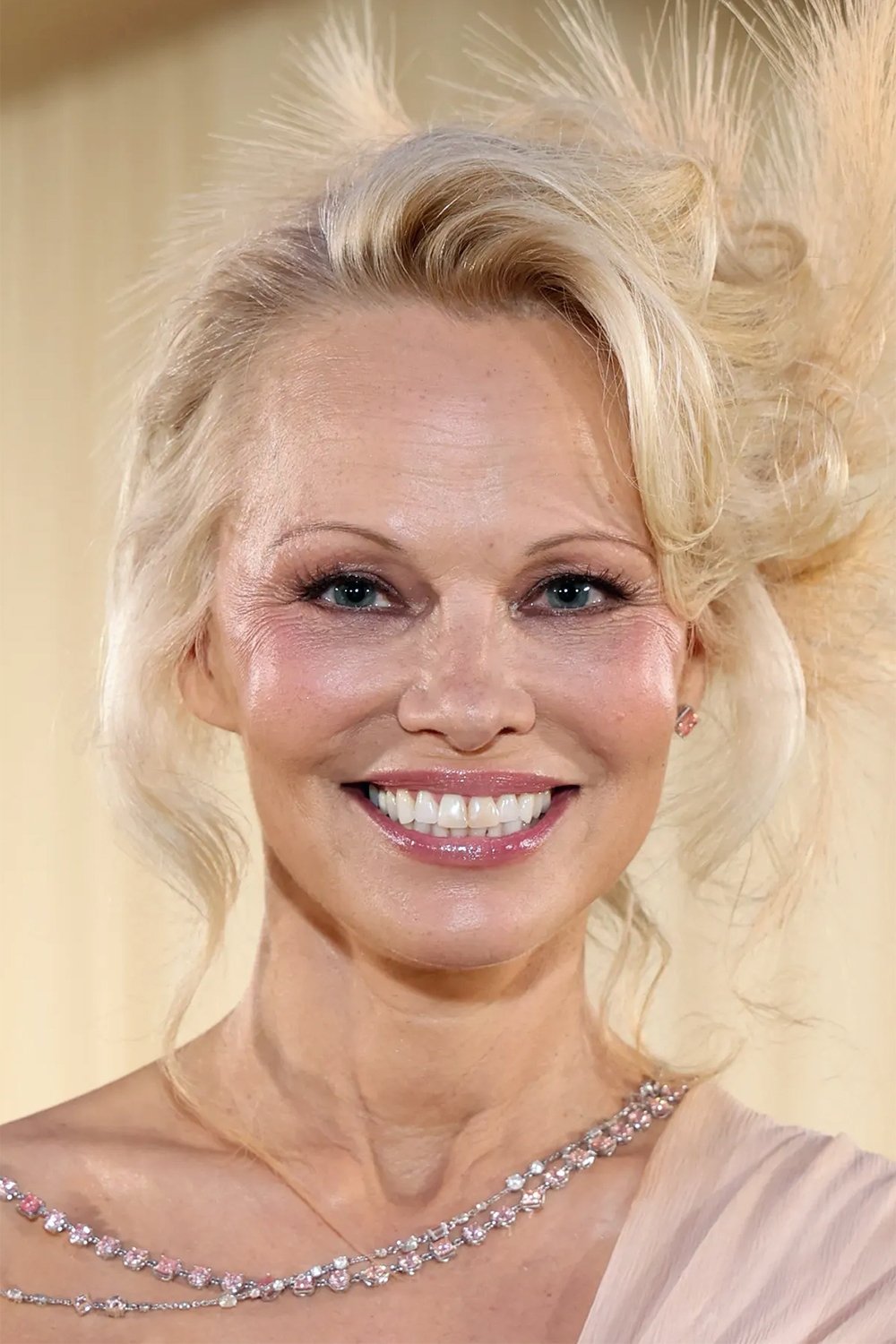
Pamela Anderson’s marriage to drummer Tommy Lee in the mid-1990s was famously fast-paced and dramatic. While Lee was a well-known rock star, their relationship was constantly under the spotlight and plagued by public scandals. They divorced in 1998 after a turbulent marriage, during which they had two sons. Anderson has since been married and divorced multiple times, including a short marriage to her bodyguard. Despite everything, she remains a popular figure in pop culture and is passionate about animal rights advocacy.
Sandra Oh
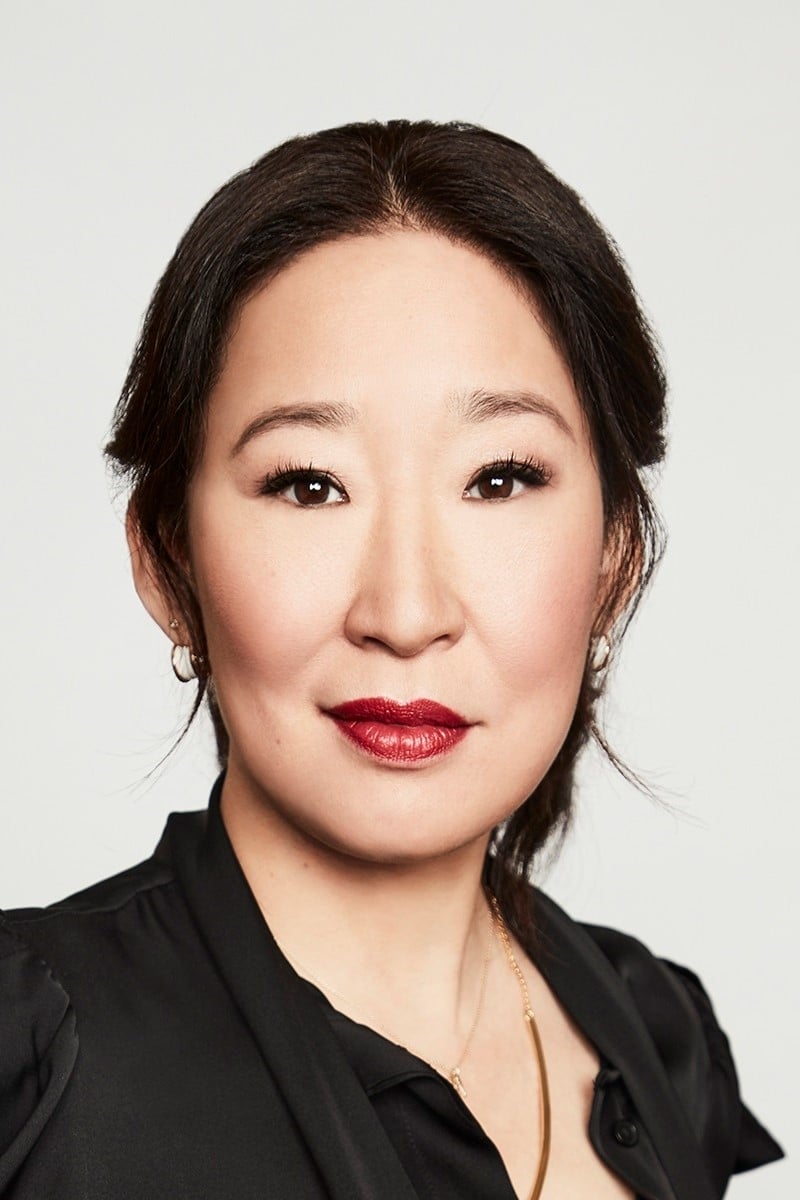
Sandra Oh was married to director Alexander Payne for three years in the early 2000s. They worked together on the popular film ‘Sideways,’ which helped launch both of their careers. The couple divorced in 2006, around the time Sandra Oh’s television career began to take off. Since then, she’s won many awards, including two Golden Globes – making her the first woman of Asian descent to achieve that honor. She continues to star in successful TV shows and is a strong voice for increased diversity in Hollywood.
Jennifer Aniston
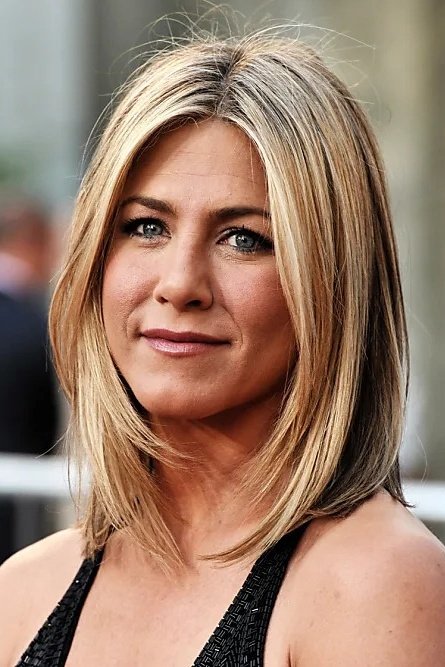
Jennifer Aniston began her career with a long-term relationship with actor Charlie Schlatter. They even worked together on a TV show before she became famous for playing Rachel Green on ‘Friends’. As her popularity soared, the relationship ended, and she later had other well-known romances, including a highly publicized marriage to Brad Pitt. Throughout it all, she’s remained a popular and successful figure in the entertainment world.
Uma Thurman
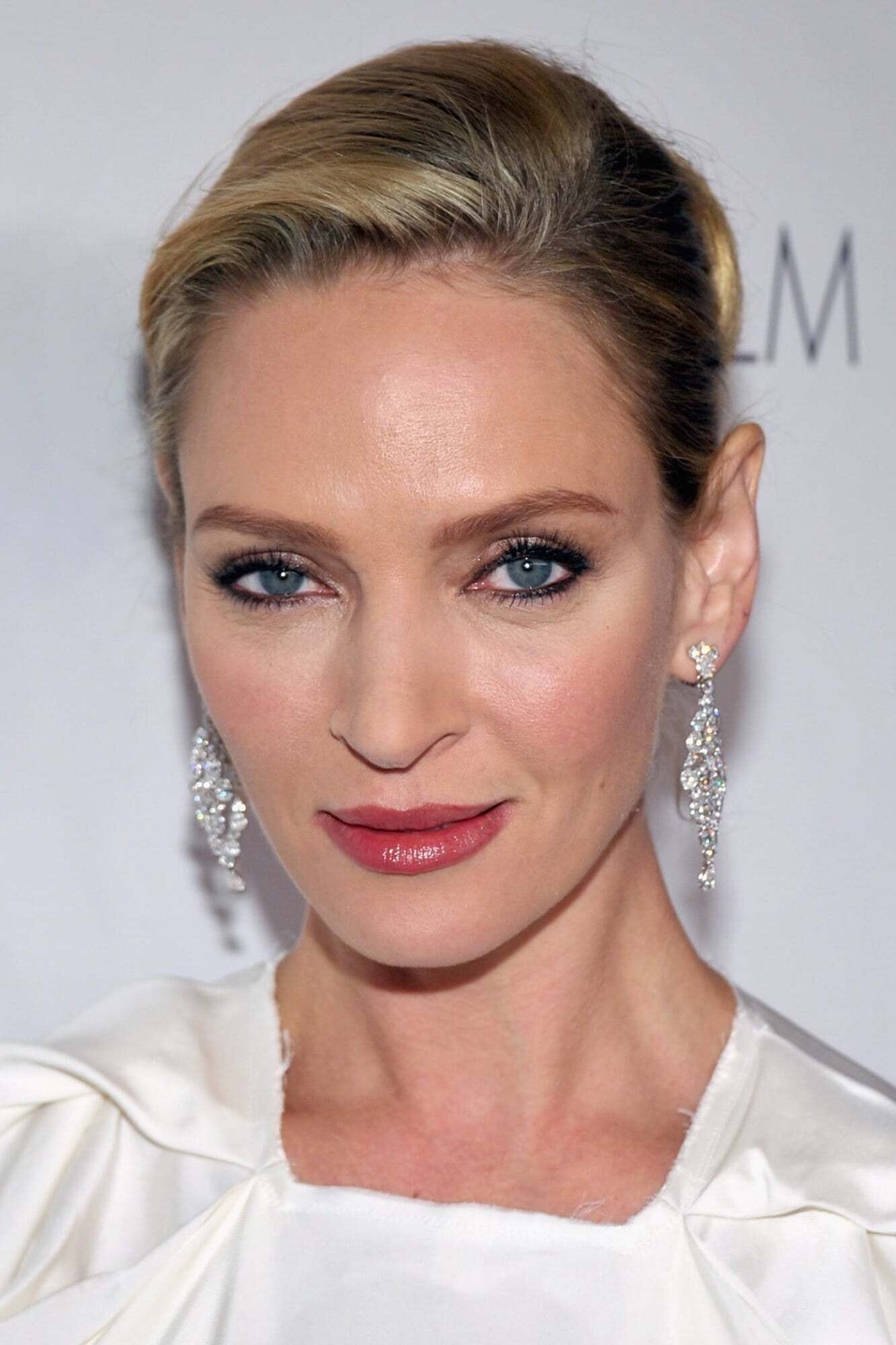
Uma Thurman and Gary Oldman were married for two years in the early 1990s. While Oldman was already a successful actor, Thurman hadn’t yet become a globally famous star. Their relationship struggled due to busy work lives and differing personalities, leading to a divorce in 1992. She later married Ethan Hawke, whom she met while filming ‘Gattaca.’ Thurman remains a well-known actress and often works with acclaimed directors.
Angelina Jolie
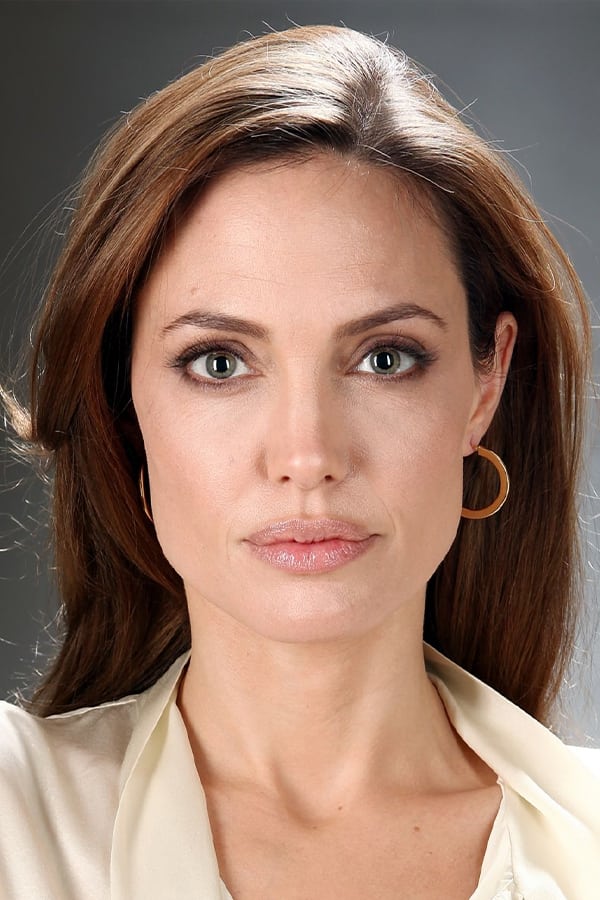
The Academy Award-winning actress first married Jonny Lee Miller in 1996, after they met while filming ‘Hackers’. While Miller was a promising actor, her career quickly surpassed his, as she became a world-renowned actress and advocate for important causes. Their marriage ended in divorce in 1999, the same year she won her Oscar for ‘Girl, Interrupted’. She later had a well-known relationship and marriage with Brad Pitt. Today, she’s celebrated not only for her acting but also for her work as a filmmaker and her dedication to global humanitarian efforts.
Jane Fonda
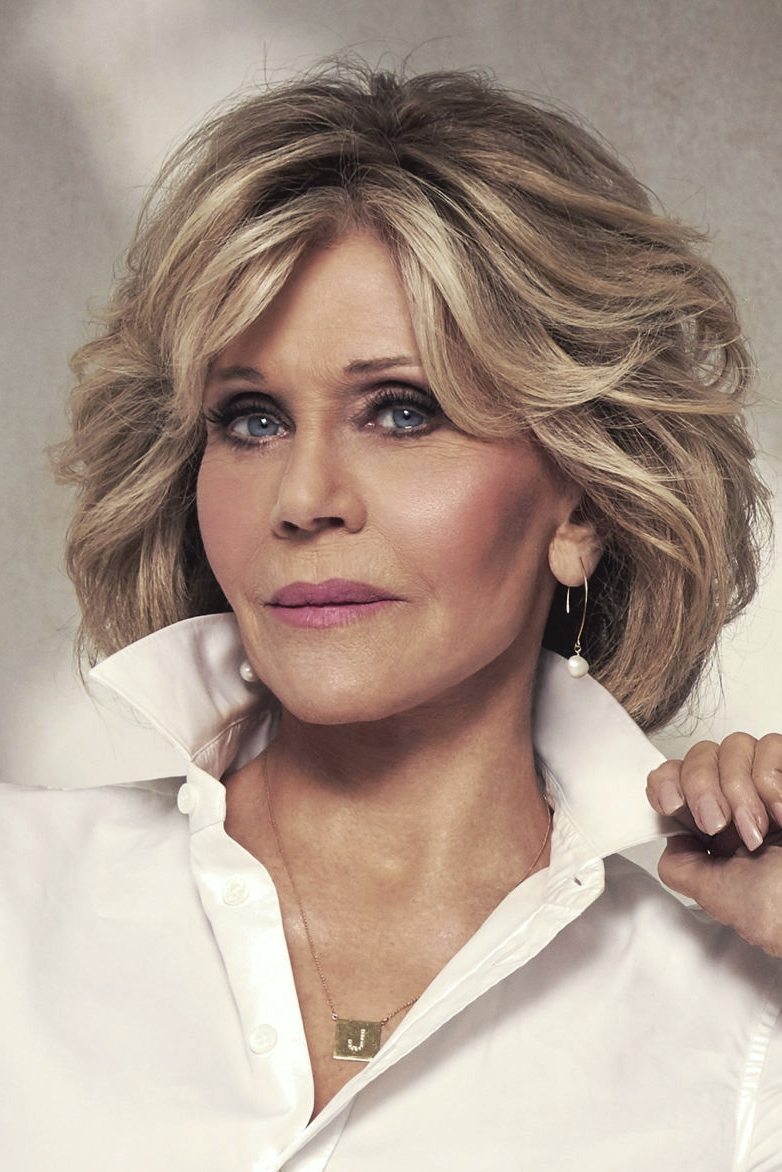
The iconic actress and activist was married to French director Roger Vadim in the 1960s. He played a key role in creating her early on-screen persona, particularly in films like ‘Barbarella’. However, as she became more involved in political causes and achieved Oscar-winning success, their marriage fell apart. They divorced in 1973, and she soon married fellow activist Tom Hayden. With a career lasting over sixty years, she remains a beloved and influential figure in Hollywood.
LeAnn Rimes
As a long-time fan, I remember when she married Dean Sheremet back in 2002 – she was absolutely huge at the time! He was a performer himself and really seemed to support her through everything, all her tours and as her career evolved. It was a shock when they split in 2010, especially when the news came out about her and Eddie Cibrian, who she was working with on a film. It was all over the tabloids, and it definitely changed how people saw her and what she focused on professionally. Eventually, she and Eddie did get married, and she’s continued to make music and act in TV shows, which is great to see.
Madonna
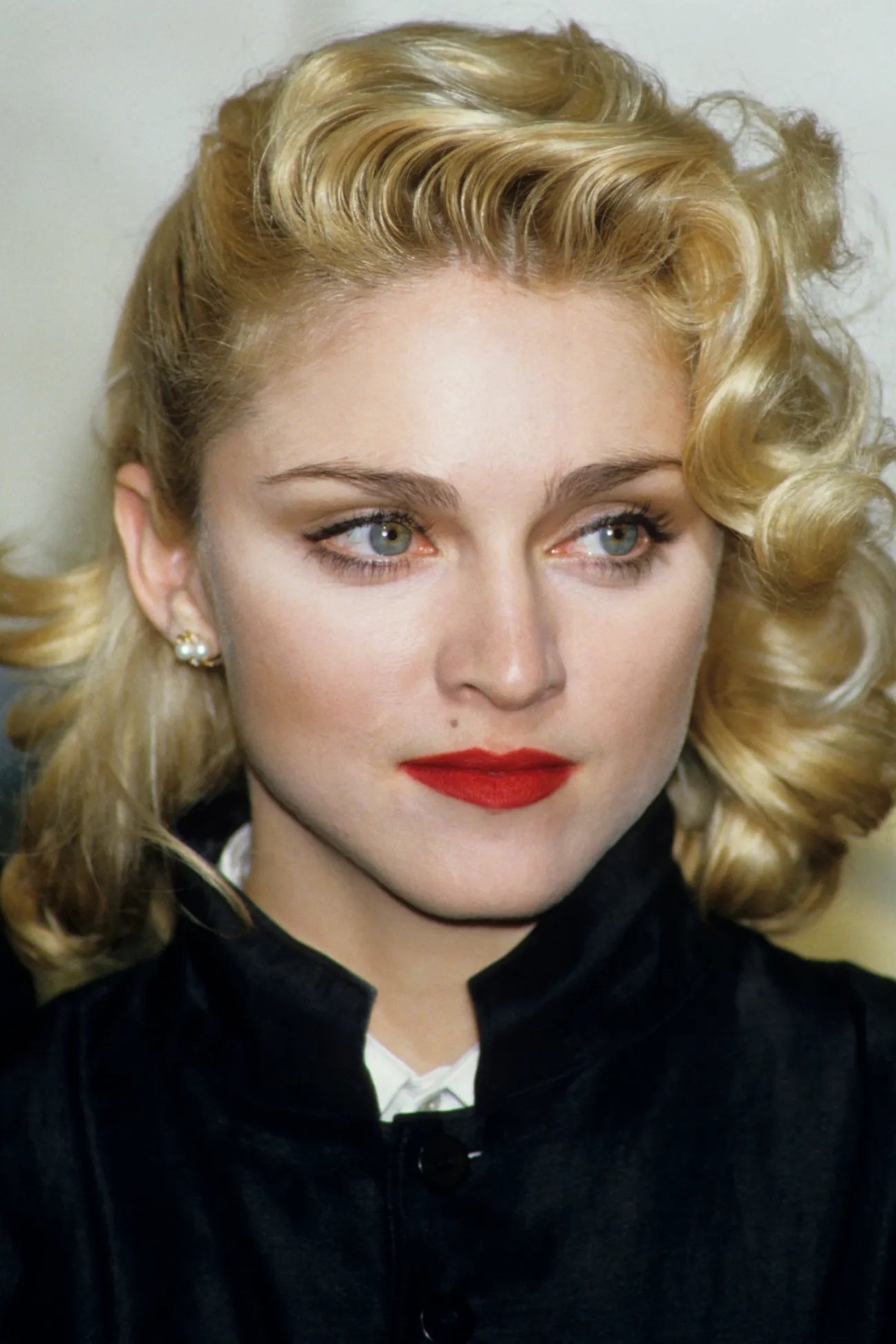
Early in her career, while living in New York City and still an unknown artist, the famous singer briefly married Dan Gilroy, a member of the band Breakfast Club. They shared a home in a renovated synagogue. As her first album launched her to international stardom, the relationship ended, and she began to move within high-profile celebrity groups. She later married Sean Penn and then Guy Ritchie, ultimately becoming the best-selling female recording artist ever. She continues to evolve as an artist and remains a major force in the music industry through her music and performances.
Share your thoughts on these high-profile separations in the comments.
Read More
- Gold Rate Forecast
- 22 Films Where the White Protagonist Is Canonically the Sidekick to a Black Lead
- Games That Faced Bans in Countries Over Political Themes
- Silver Rate Forecast
- Unveiling the Schwab U.S. Dividend Equity ETF: A Portent of Financial Growth
- How to Do Sculptor Without a Future in KCD2 – Get 3 Sculptor’s Things
- Celebs Who Narrowly Escaped The 9/11 Attacks
- 14 Movies Where the Black Character Refuses to Save the White Protagonist
- 20 Movies Where the Black Villain Was Secretly the Most Popular Character
- The Best Directors of 2025
2026-03-24 00:28