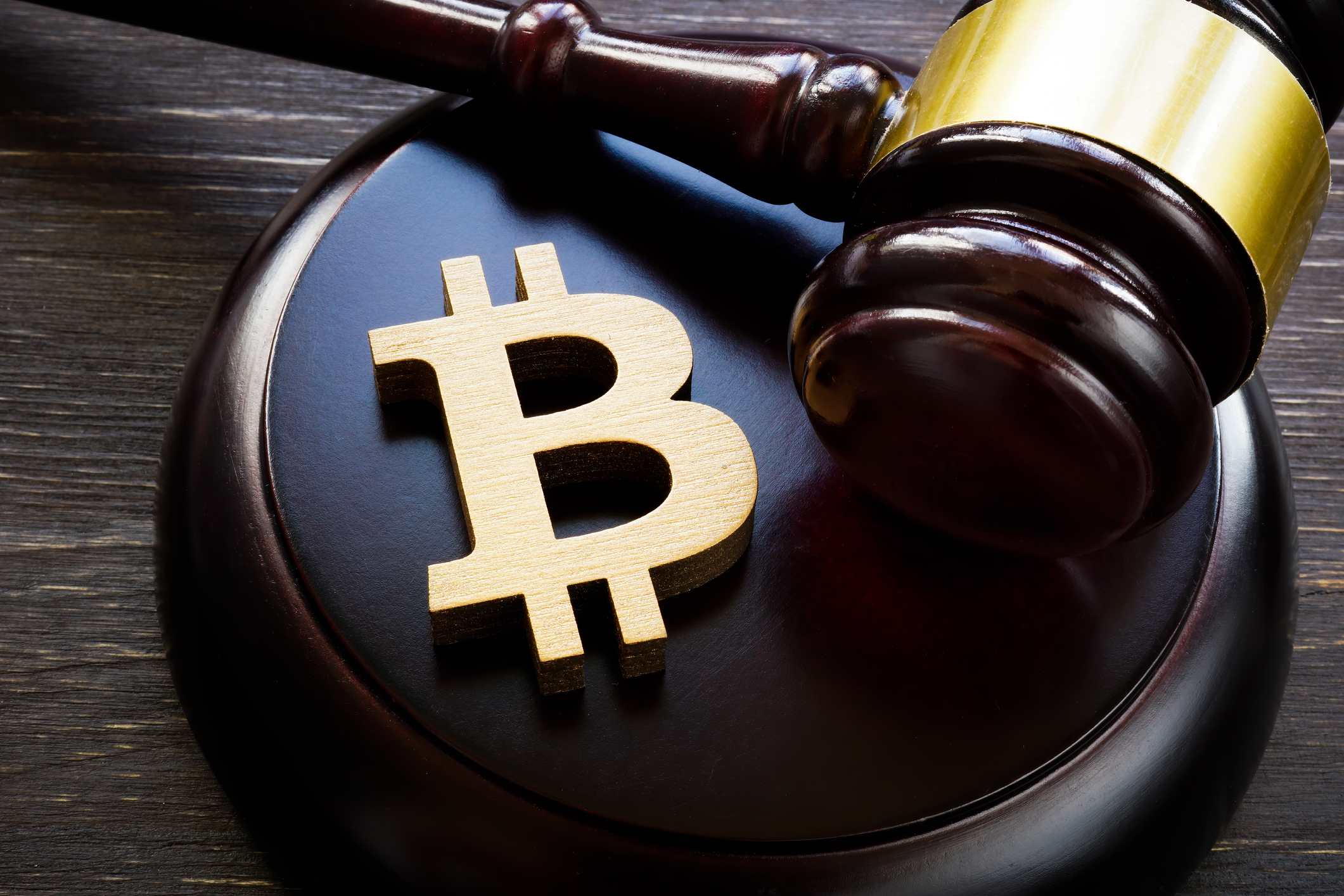
For years, those who ventured into the digital fields of cryptocurrency have felt the chill of ambiguity, a regulatory landscape shifting like the spring thaw – promising warmth, yet concealing treacherous footing. One built a holding, another speculated, all while haunted by the specter of enforcement actions arriving post facto, a curious reversal of due process. It was, one might say, a market perpetually bracing for the first frost.
But March the seventeenth brought a different air. The Securities and Exchange Commission, along with the Commodity Futures Trading Commission, issued a pronouncement – a mapping, if you will – of this burgeoning territory. Ethereum, XRP, Solana, Cardano, Chainlink, even the whimsical Dogecoin – all now placed, categorized, assessed. The major players, for the most part, designated as ‘digital commodities’. This is not merely a labeling exercise, however. It is a subtle shift in the light, a potential opening for a spring of renewed growth, though whether it will truly bloom remains to be seen.
A Taxonomy of the Digital Estate
The document, a substantial tome of sixty-eight pages, addresses the core concerns of this new realm – staking, mining, the dispersal of tokens, the provenance of wrapped assets. These were matters long subject to scrutiny, and the guidelines offered are not a new law, but a declaration of intent, a signaling of how the regulators intend to navigate these uncharted waters.
The classification divides these digital entities into five categories:
- Digital commodities
- Digital collectibles
- Digital tools
- Stablecoins
- Digital securities
It is the first category that will draw the most attention, naturally. Sixteen of the leading cryptocurrencies are now explicitly designated as digital commodities, including those previously mentioned. Even Dogecoin, that curious creation born of a fleeting internet fancy, has found a place within the established order. Yet, the regulators have wisely acknowledged the fluidity of this landscape – a coin may begin its journey in one category and, with time and evolution, find itself in another. Some of the more ephemeral ‘meme coins,’ while deemed collectibles, illustrate this point with a certain poignancy.
Of particular note is the treatment of staking – the process of securing a proof-of-stake blockchain like Ethereum. It is now categorized as an ‘administrative activity’ rather than a securities offering, a distinction that will surely be welcomed by those who participate in this increasingly vital function. The line, however, remains delicate. Self-directed staking, a purely technical exercise, is now on firmer ground. But pooled staking, where a centralized entity controls the yield, remains subject to scrutiny – a reminder that even in this decentralized realm, intermediaries are not immune to regulation.
Airdrops, those occasional dispersals of tokens, have also been granted a degree of leniency. They are, in essence, a digital dividend, and if the recipients offer no goods or services in exchange, the issuer is unlikely to run afoul of the regulations. It is a pragmatic approach, acknowledging the inherent complexities of this nascent technology.
A Glimmer of Spring for Market Valuations?
These classifications are likely to unlock new opportunities for growth. For XRP, in particular, this pronouncement closes a wound that has festered since 2020. The protracted legal battle with the SEC has been a costly distraction, and the clarity offered by this new framework will undoubtedly reassure financial institutions considering its adoption. Regulatory certainty, it seems, is a balm for even the most speculative of ventures.
Ethereum and Solana also stand to benefit directly. The legality of staking, a cornerstone of their respective ecosystems, is now more secure. Their decentralized finance ecosystems, too, may attract institutional capital with greater confidence. And the tokenization of real-world assets – the storage of ownership records for bonds, treasuries, and other financial instruments on a blockchain – is now on firmer ground, as these tokenized assets will be classified as digital securities.
There remain, of course, caveats. A non-security cryptocurrency may still be deemed a security if its issuer makes overly optimistic promises about future value. The temptation to embellish, it seems, is as potent in the digital realm as it is in the traditional one.
Nevertheless, this is the clearest, most positive signal that U.S. regulators have ever sent to the cryptocurrency market. For those willing to consider the long term, to think in years rather than months, the future of this digital landscape appears, at last, to be a little brighter. Whether it will truly bloom, however, remains to be seen. The spring thaw is a fragile thing, and the winter, as always, lingers just beyond the horizon.
Read More
- Can AI Lie with a Picture? Detecting Deception in Multimodal Models
- 25 “Woke” Films That Used Black Trauma to Humanize White Leads
- Top 10 Coolest Things About Invincible (Mark Grayson)
- 22 Films Where the White Protagonist Is Canonically the Sidekick to a Black Lead
- From Bids to Best Policies: Smarter Auto-Bidding with Generative AI
- 20 Movies Where the Black Villain Was Secretly the Most Popular Character
- When AI Teams Cheat: Lessons from Human Collusion
- Silver Rate Forecast
- Top 20 Dinosaur Movies, Ranked
- Unmasking falsehoods: A New Approach to AI Truthfulness
2026-03-23 12:03