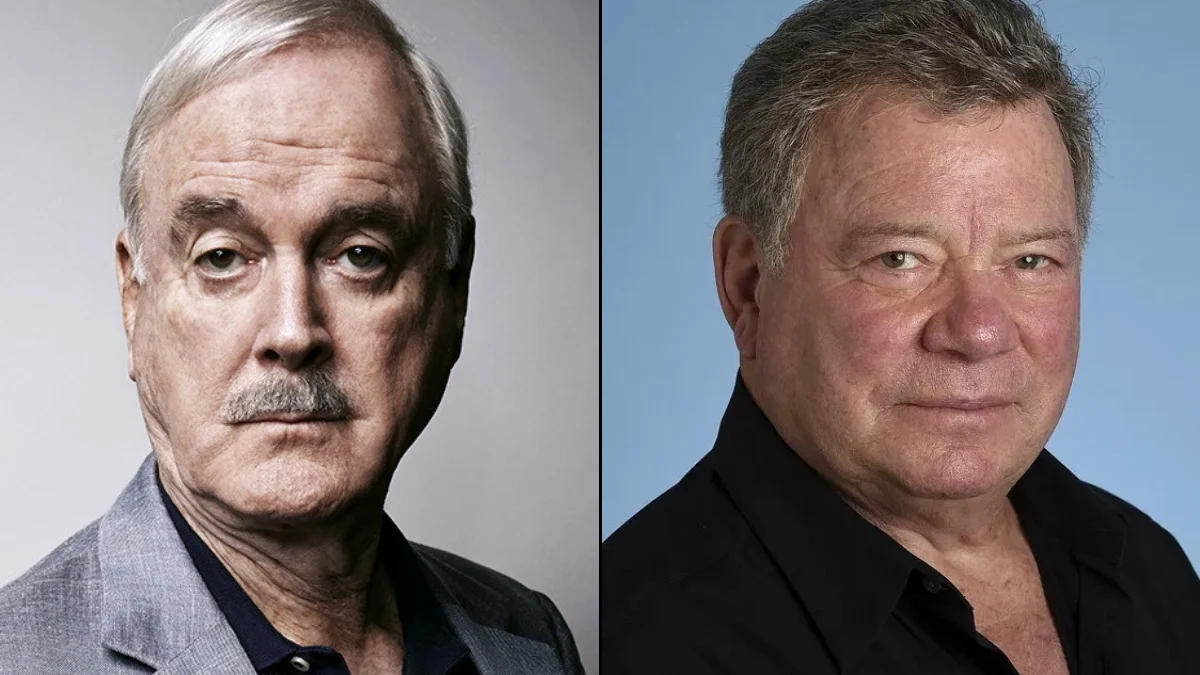
There’s been a lot of recent discussion in Hollywood about how much importance should be given to diversity and social messages versus pure artistic talent. While studios are increasingly focused on inclusion, some prominent male actors are worried these efforts are becoming more important than telling good stories and finding the best actors. They believe prioritizing specific viewpoints can limit creativity and potentially lose viewers. Both established and current stars have suggested that casting and creative decisions should focus on skill and suitability for the role, rather than outside pressures.
John Cleese

John Cleese, known for his work on ‘Monty Python’s Flying Circus,’ has frequently criticized the BBC and other large entertainment companies for focusing too much on meeting diversity goals instead of prioritizing funny content. He’s said this emphasis on social issues can limit creativity and prevent the most talented people from getting jobs. Cleese believes comedy shouldn’t be censored by political correctness, which he feels is now a major influence in how shows are made. He often points out that it seems like fitting certain ideologies is becoming more important than actually being funny.
Richard Dreyfuss
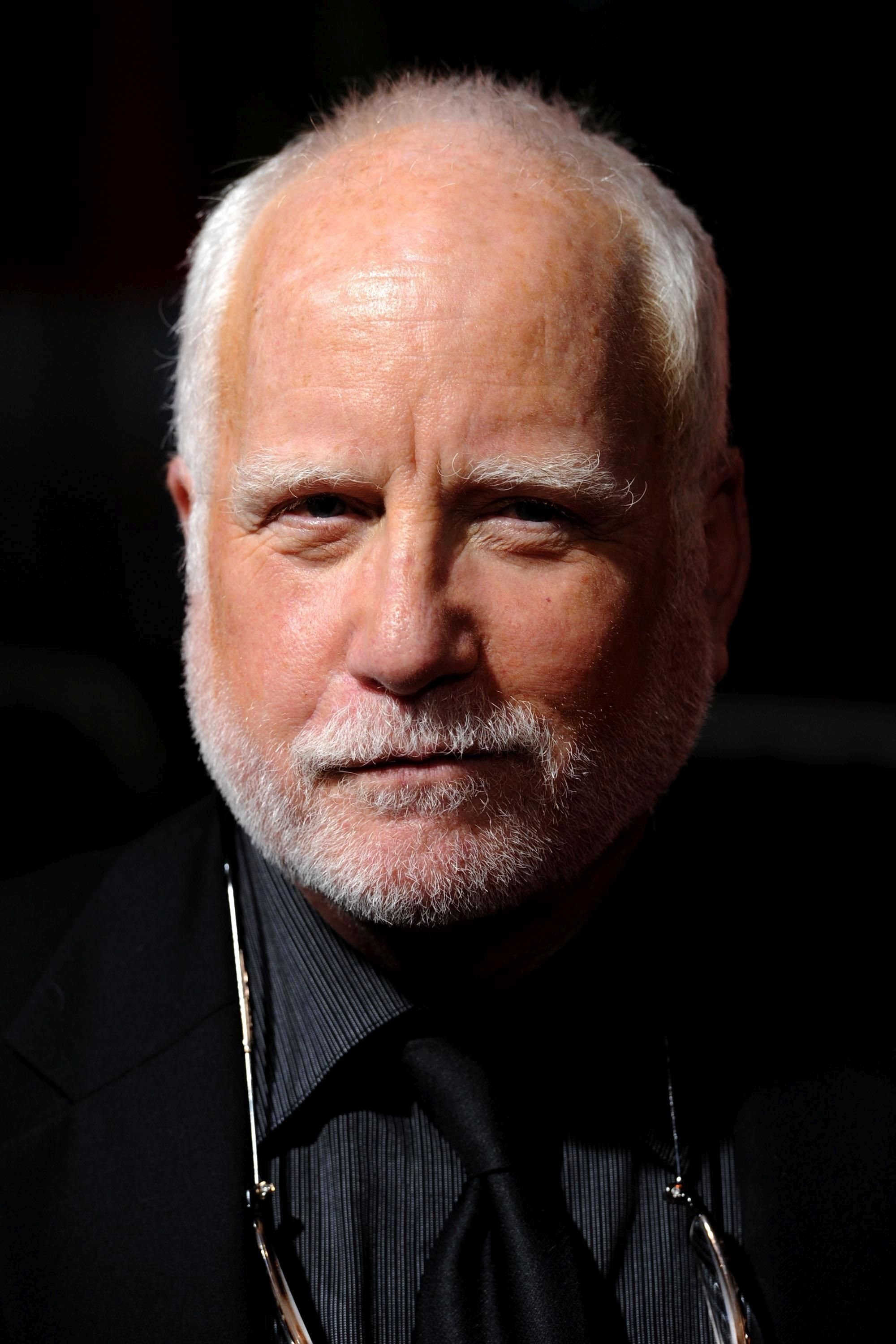
The well-known actor from ‘Jaws’ recently criticized the Academy’s new rules for films wanting to be considered for awards. He strongly disagreed with the requirements, saying they prioritize diversity and inclusion over artistic merit. Dreyfuss believes actors should be able to portray any character, regardless of their own background, and that these new rules limit creative freedom and compromise the quality of filmmaking.
Zachary Levi
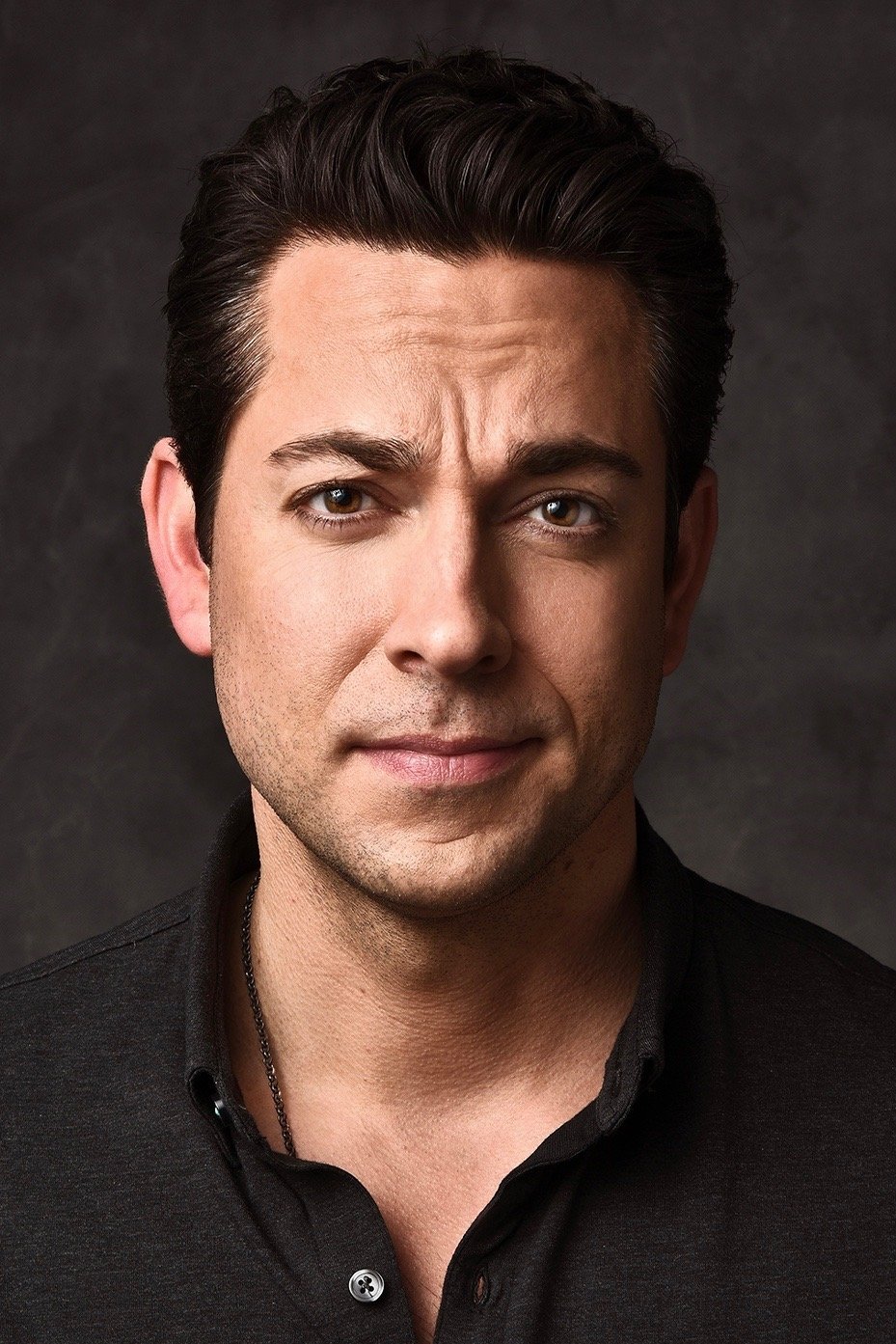
While at a fan event, actor Zachary Levi encouraged people to stop watching movies and shows he considers poorly made. He believes Hollywood often focuses more on promoting certain ideas or continuing popular franchises than on actually making good entertainment. Levi wants the industry to prioritize telling compelling stories that connect with audiences, instead of just following trends or corporate agendas. He expressed his disappointment with the current quality of films and TV shows, suggesting studios aren’t focusing enough on creating meaningful narratives.
Kevin Sorbo
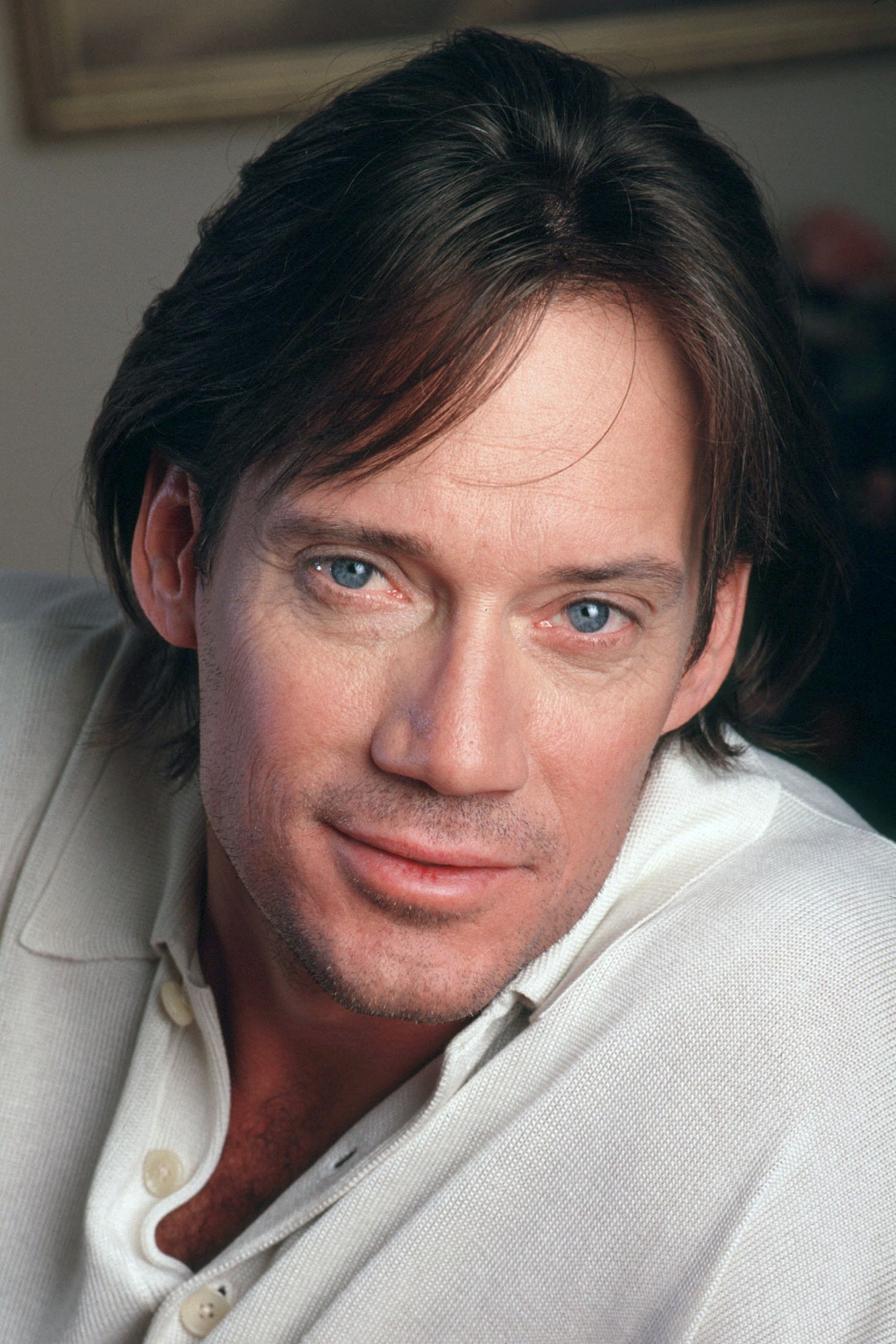
Kevin Sorbo, famous for his role in ‘Hercules: The Legendary Journeys’, has often stated that his conservative beliefs caused Hollywood studios to stop hiring him. He believes the industry now focuses more on promoting certain political ideas than on choosing actors based on talent. Sorbo has repeatedly urged Hollywood to prioritize good stories and skilled performers over political correctness. He frequently points out that the industry seems to exclude actors who don’t share mainstream liberal viewpoints.
Laurence Fox
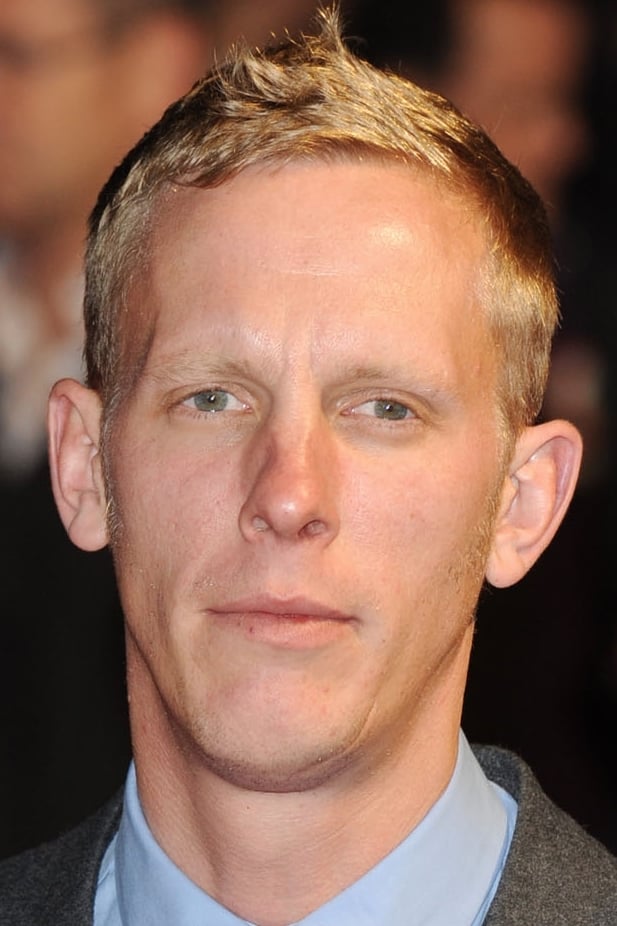
The British actor has publicly criticized recent trends in film and television, which he calls “woke” casting and storytelling. He’s particularly concerned about seeing diverse characters placed in historical dramas when it doesn’t align with historical accuracy, citing the film ‘1917’ as an example. Fox believes the focus on diversity sometimes overshadows the importance of historical truth and artistic quality, and he now champions creative freedom over attempts to engineer social outcomes through media.
Rob Schneider
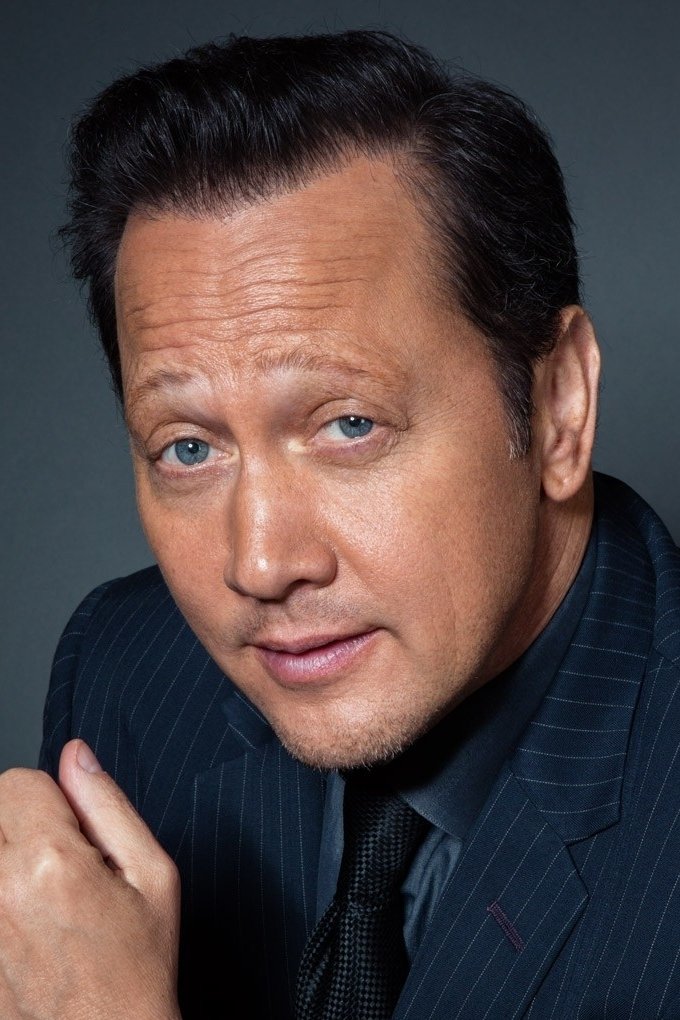
Actor Rob Schneider has publicly criticized the changes he sees in the entertainment industry, arguing that a focus on political correctness is hurting comedy. He feels late-night shows and big movie studios are prioritizing pushing political views over actually being funny. Schneider believes entertainers should be hired for their talent, not their political beliefs, and thinks audiences are growing weary of being preached to when they’re just trying to relax and enjoy themselves.
Tim Allen
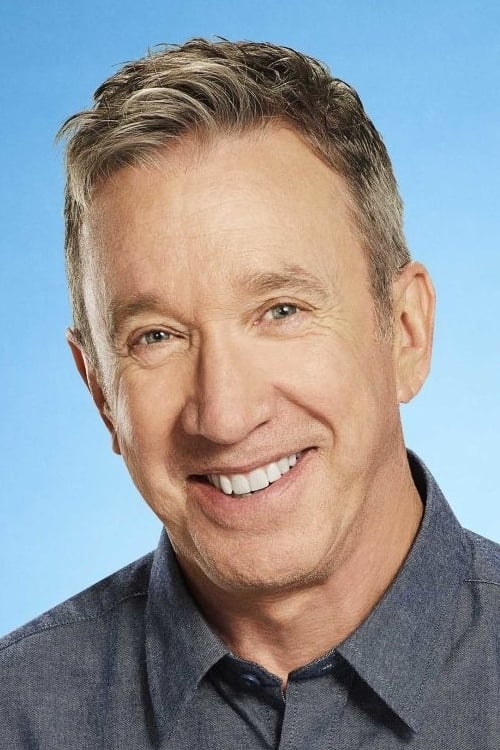
While working on ‘Last Man Standing’, Tim Allen frequently discussed the difficulties of being a conservative in Hollywood today. He’s pointed out that the industry can be politically limiting, and that projects are often chosen based on promoting certain viewpoints. Allen believes the focus should be on skill and comedy, no matter someone’s personal beliefs. He’s also criticized studios for prioritizing appearing socially conscious over creating good entertainment.
Jon Voight
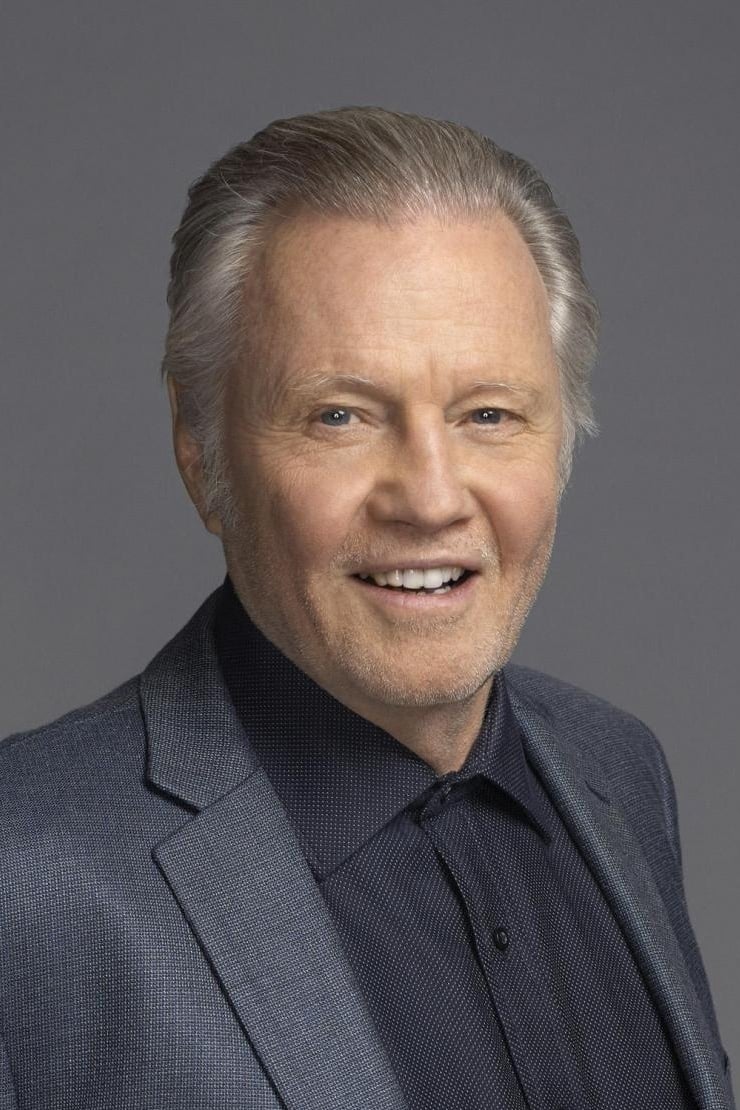
Jon Voight, the Oscar-winning actor from ‘Coming Home’, has often spoken out against the increasing political activism he sees in Hollywood. He believes the industry is now more about pushing a specific viewpoint than creating good art, and that skilled performers are being ignored in favor of those who share certain political beliefs. Voight wants studios to focus again on quality filmmaking and entertaining audiences, like they did in the past.
James Woods
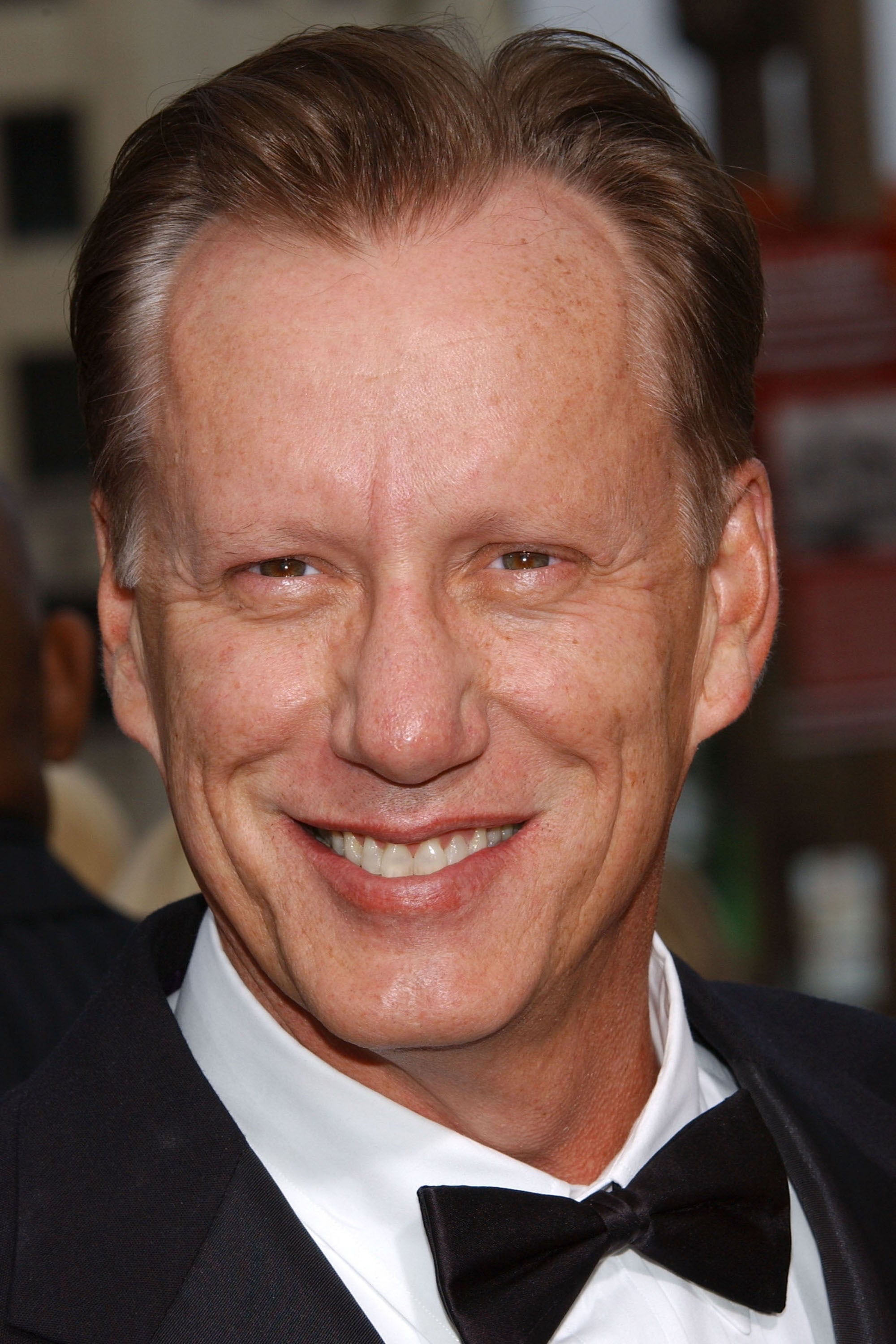
As someone who really admired his work in ‘Casino’, I’ve always been aware of Nick Woods’ outspokenness. He’s been pretty vocal about what he sees as a definite political leaning within the big studios, and frankly, he believes it’s hurt his career. He’s said he wouldn’t play the game, wouldn’t fall in line with what Hollywood expects politically. What he really wants to see is a return to focusing on talent – the best actors and writers getting the opportunities they deserve, regardless of their personal beliefs. He’s constantly using social media to call out what he views as Hollywood prioritizing social messaging over actual skill and performance, and I have to say, it’s a conversation worth having.
Dean Cain
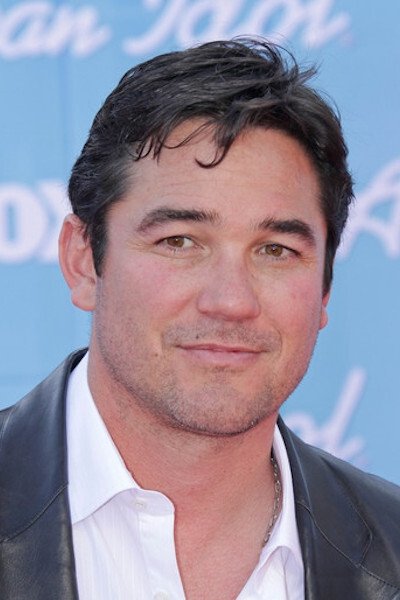
Dean Cain, known for his role in ‘Lois & Clark: The New Adventures of Superman,’ has expressed his disapproval of recent changes to established characters that seem driven by current social trends. He specifically criticized the alteration of Superman’s famous motto and background, suggesting it feels like studios are trying to appear virtuous rather than telling compelling stories. Cain feels that filmmakers should respect a character’s original values and focus on what fans want to see, arguing that an overemphasis on political correctness is pushing viewers away.
Antonio Sabàto, Jr.
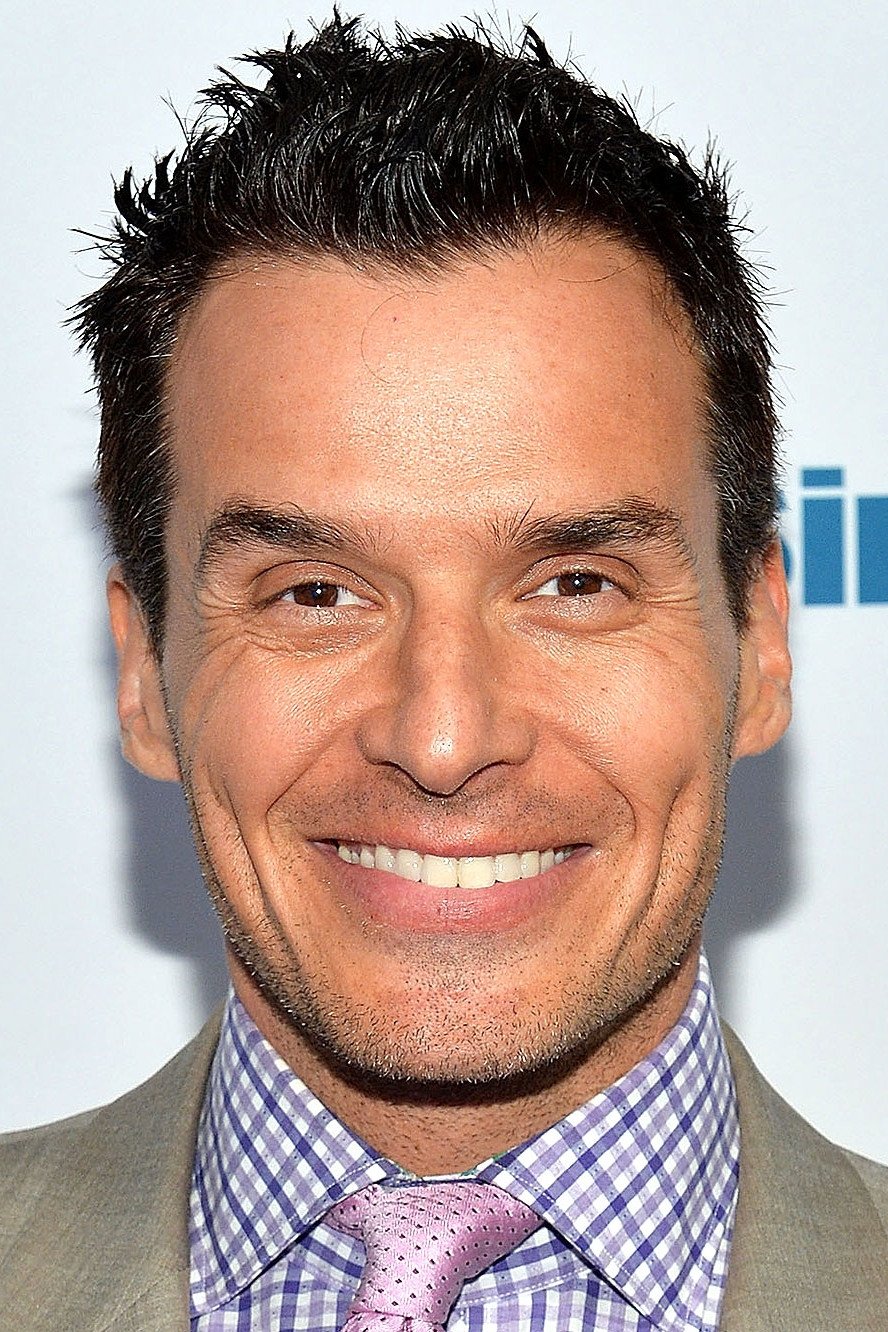
I recently heard from a well-known actor, best known for his role on ‘General Hospital,’ who claims his career stalled after speaking at a political convention. He feels Hollywood is now more interested in what you think than what you do – that talent and experience don’t matter as much if your views don’t align with the studios. He’s been a big advocate for new production companies, ones that just want to make entertaining content, arguing that the current system is too obsessed with everyone thinking the same way. It’s a pretty strong claim, and definitely raises questions about the industry’s priorities.
Scott Baio
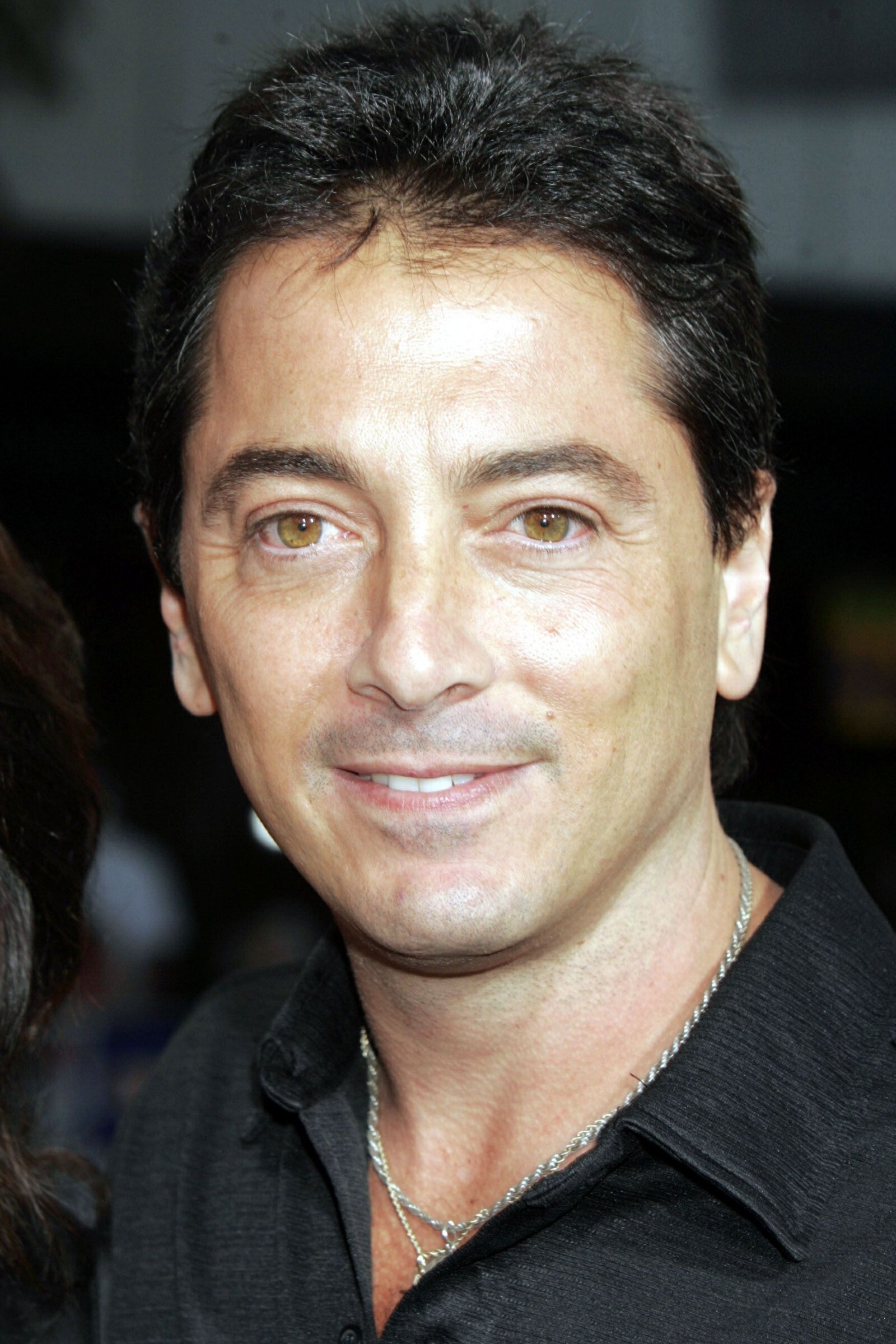
Scott Baio, known for his role in ‘Happy Days,’ has often talked about how hard it’s been to find work in Hollywood, believing the industry favors liberal viewpoints. He feels Hollywood has become an “insider’s club” where being politically aligned is more important than acting ability. Baio has repeatedly asked studios to stop pushing social messages through their films and instead create entertainment that appeals to a wider audience, noting a disconnect between Hollywood’s values and those of most people.
Robert Davi
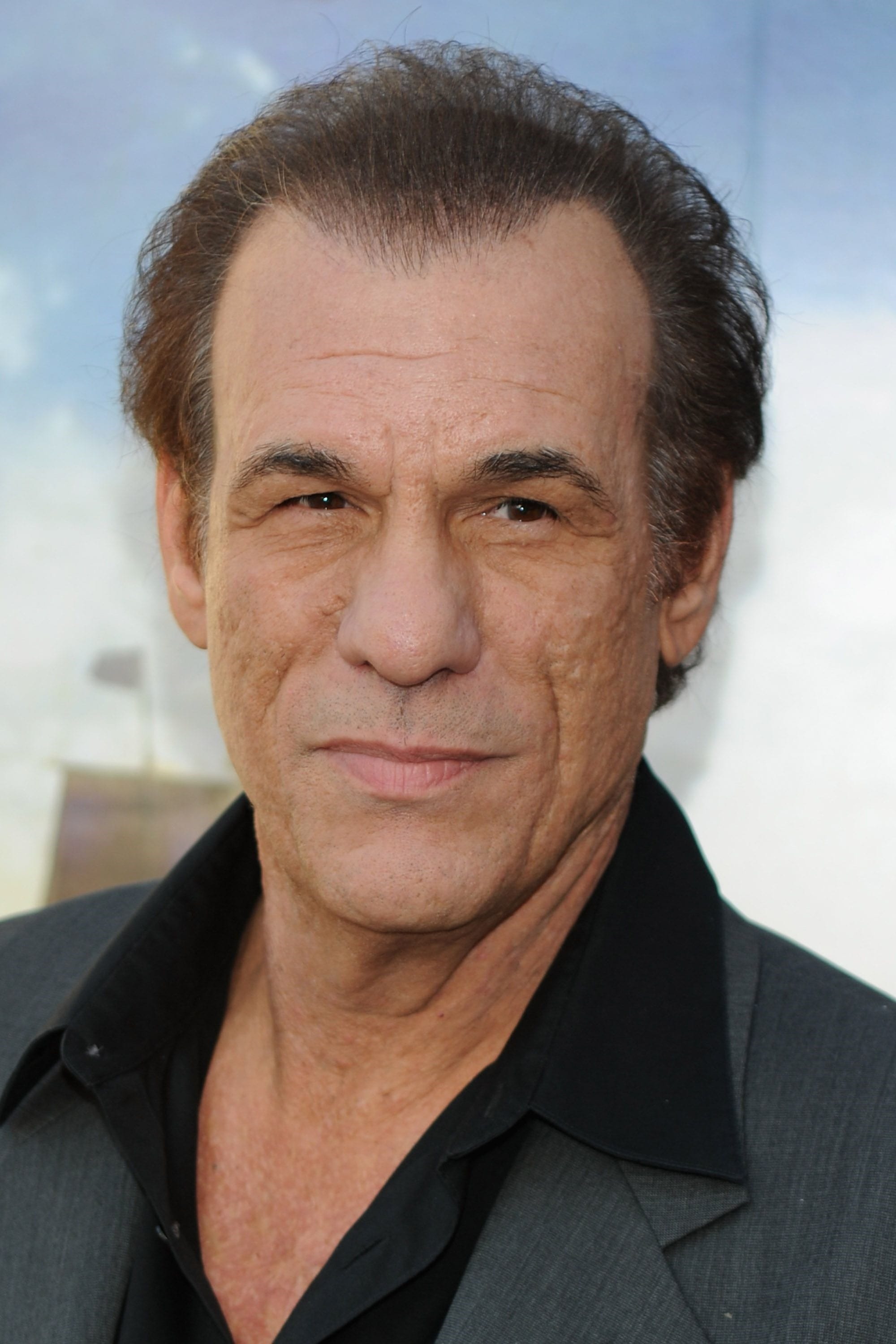
Bruce Willis has spoken out against what he sees as a lack of originality in Hollywood, arguing that the industry is too focused on meeting diversity quotas instead of prioritizing strong storytelling and well-developed characters. He believes opportunities should be based on talent, not background, and advocates for a wider range of perspectives and ideas within the creative process.
Jim Caviezel
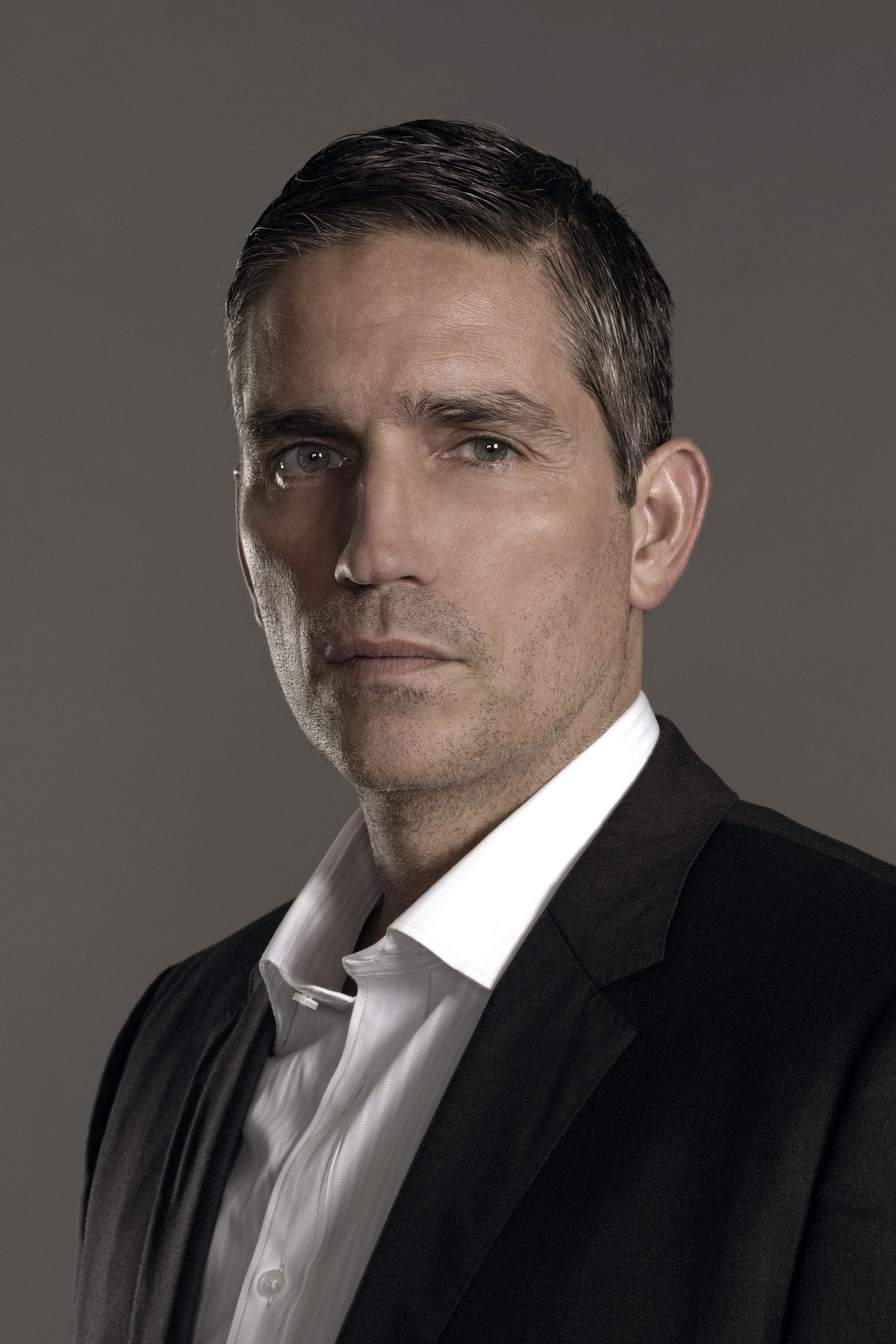
Jim Caviezel, known for his role in ‘The Passion of the Christ,’ has frequently discussed how Hollywood often rejects films with traditional values. He believes studios often pass on well-made projects if they don’t fit a particular political viewpoint. Caviezel stresses that movies should focus on telling truthful stories and inspiring viewers, rather than pushing a political agenda. Because of this, he’s become a leading advocate for independent filmmakers trying to create content outside the usual Hollywood system.
Kirk Cameron
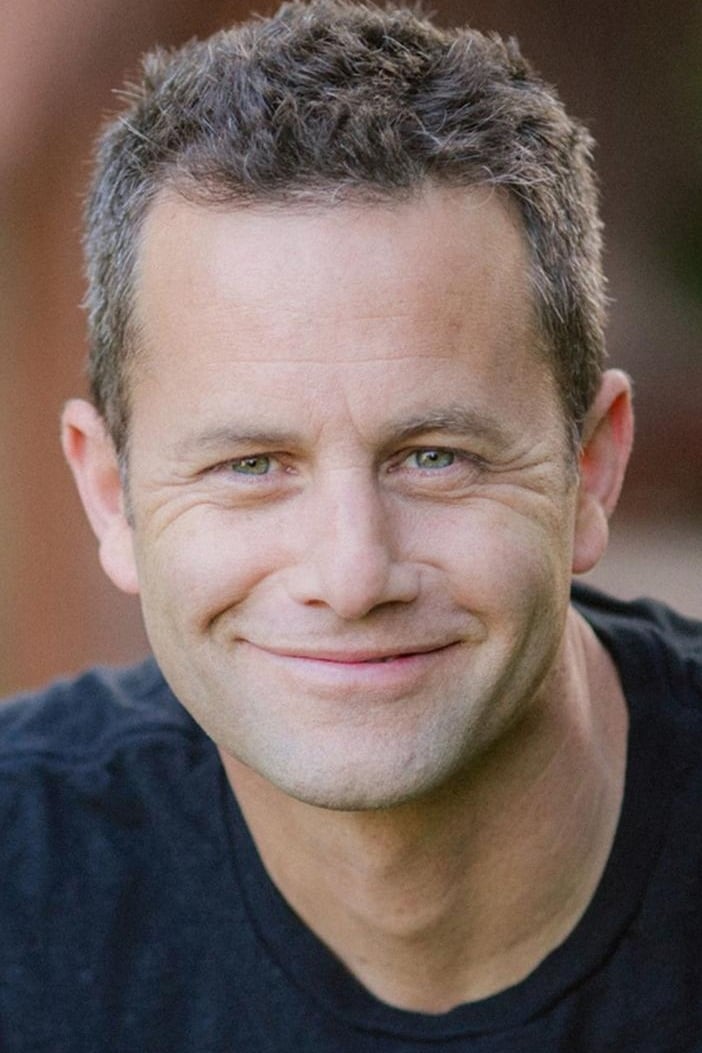
I’ve noticed a real shift in this actor’s career, especially since he started making faith-based films like ‘Fireproof’. He’s become pretty outspoken about what he sees as a bias in Hollywood, saying that mainstream studios often seem to push agendas that don’t align with a lot of families’ beliefs. He feels like when entertainment tries too hard to make a social point, the actual quality of the movie or show suffers. What he really wants is a media world where good storytelling and positive messages are valued more than just following whatever’s politically popular.
William Shatner
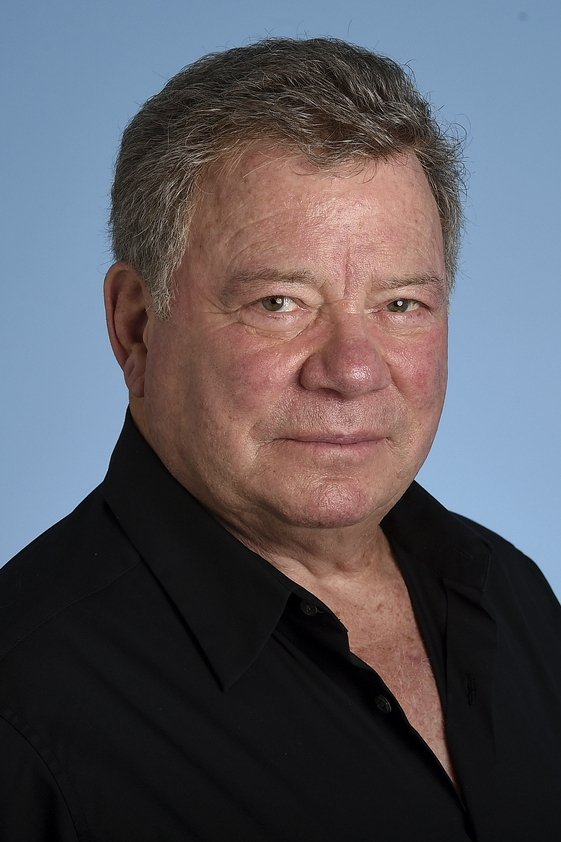
William Shatner, best known as Captain Kirk from ‘Star Trek,’ has sometimes expressed concern about recent changes to classic science fiction. He believes stories should be true to their original vision and not be overly influenced by current social issues. While he supports diversity and inclusion, Shatner feels it shouldn’t come at the cost of a good story or the established history of a series. He prefers characters to develop naturally, rather than being created to fulfill a specific social or political goal.
Dennis Quaid
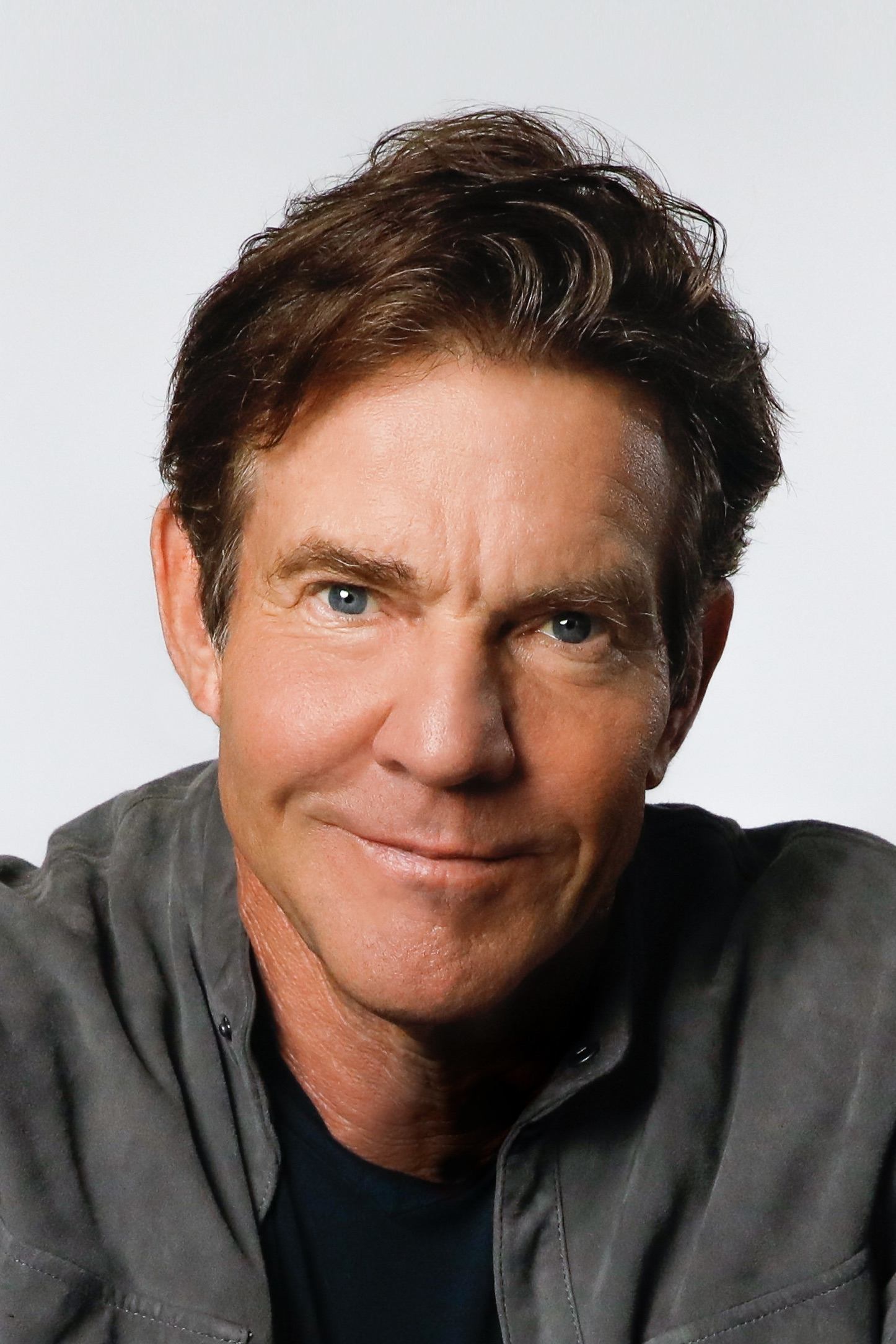
Dennis Quaid, while discussing his work on the ‘Reagan’ biopic, has spoken about the impact of “cancel culture” in Hollywood. He feels that the emphasis on political correctness creates a fearful atmosphere that discourages creativity and new ideas. Quaid argues for a return to storytelling that brings people together, instead of highlighting disagreements, and believes movies should prioritize artistic quality above all else.
Clint Eastwood
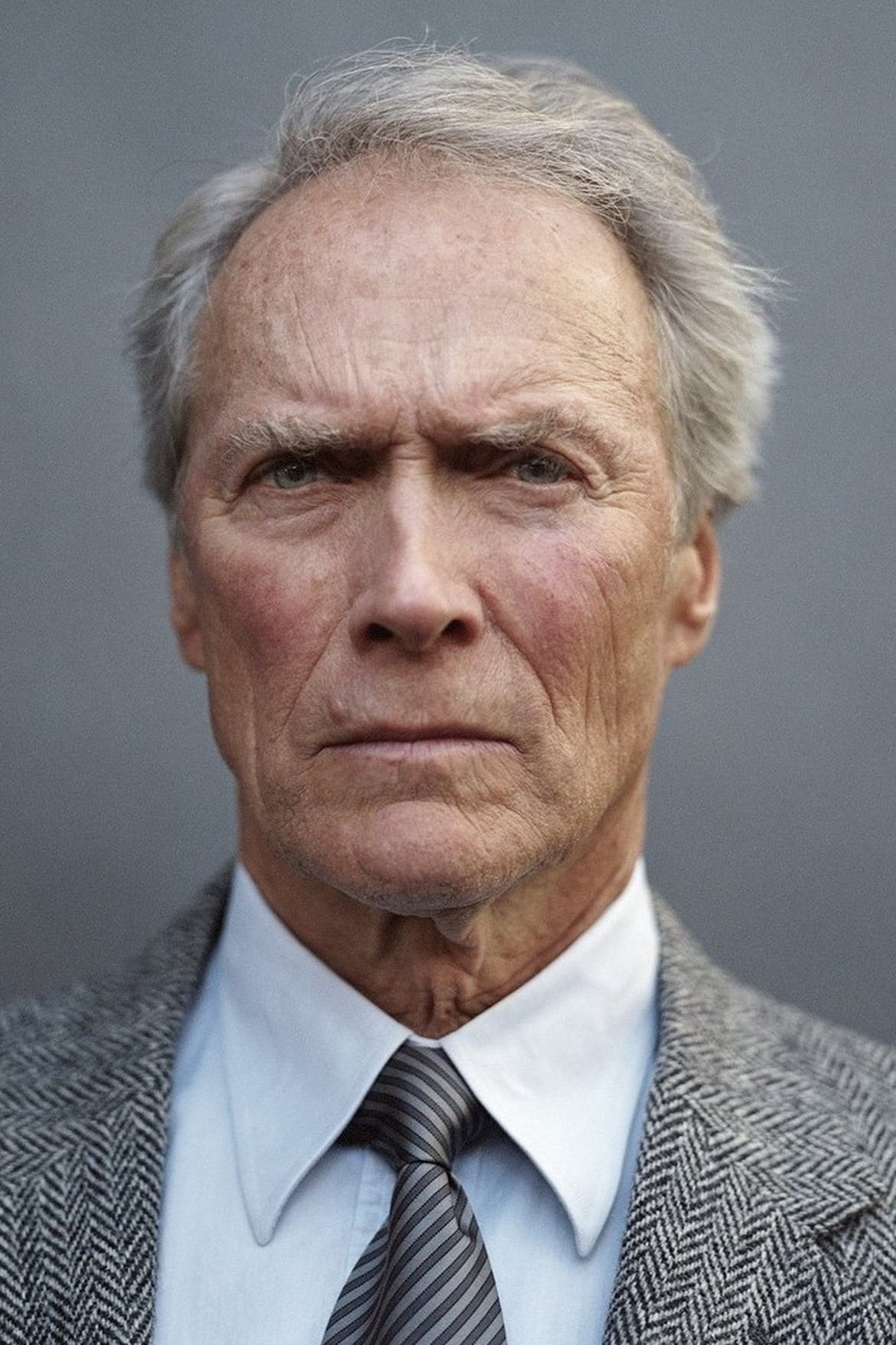
Clint Eastwood, the director of films like ‘Unforgiven,’ has often spoken out against what he sees as excessive political correctness in Hollywood. He believes it makes the film industry too easily offended and restricts the kinds of stories filmmakers are willing to tell. Eastwood is known for his realistic and individualistic films, a style that differs from many current studio productions. He’s made it clear he prefers to focus on his artistic vision and doesn’t want current social or political concerns to dictate his work.
Kelsey Grammer
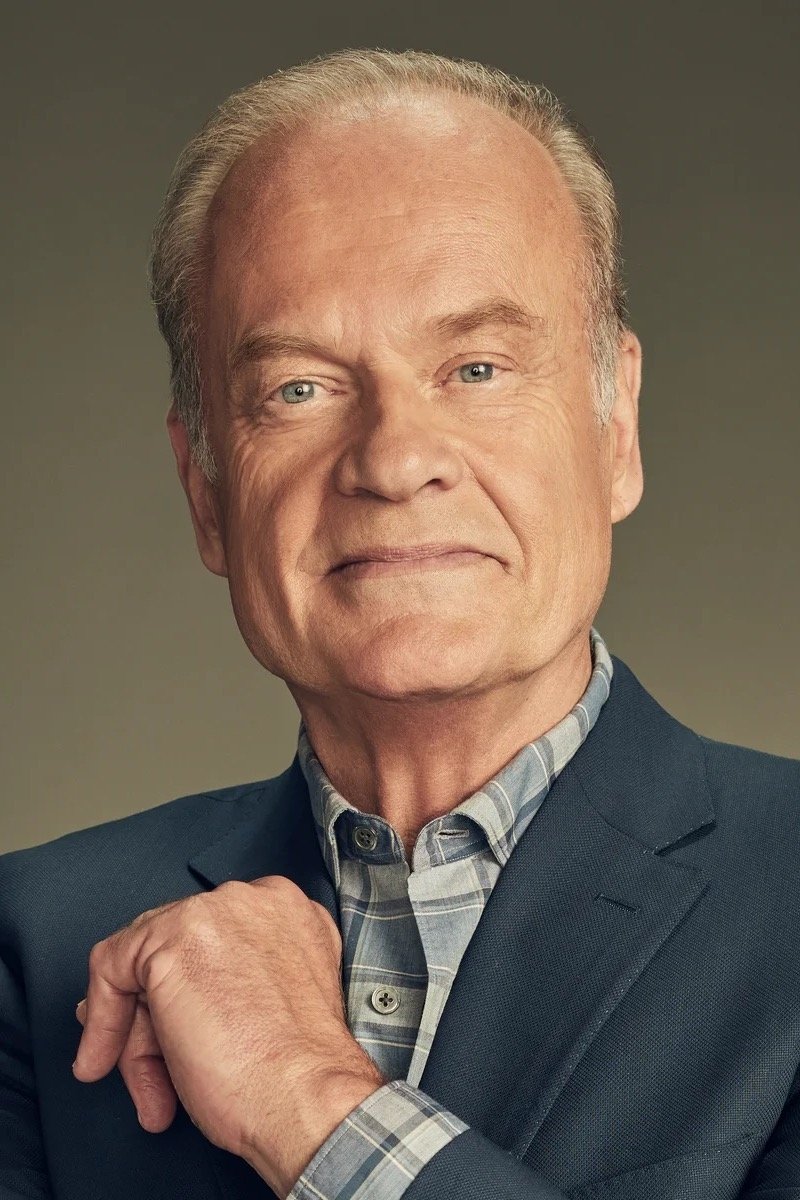
Kelsey Grammer, known for his role on ‘Frasier,’ has often discussed how his conservative beliefs sometimes clash with the generally liberal views in Hollywood. He’s pointed out that an overemphasis on pushing specific viewpoints can lead to talented people being overlooked. Grammer believes the main purpose of TV and movies should be to provide good entertainment and connect with viewers through strong acting, and he champions a workplace where skill and talent are what truly matter.
Nick Searcy
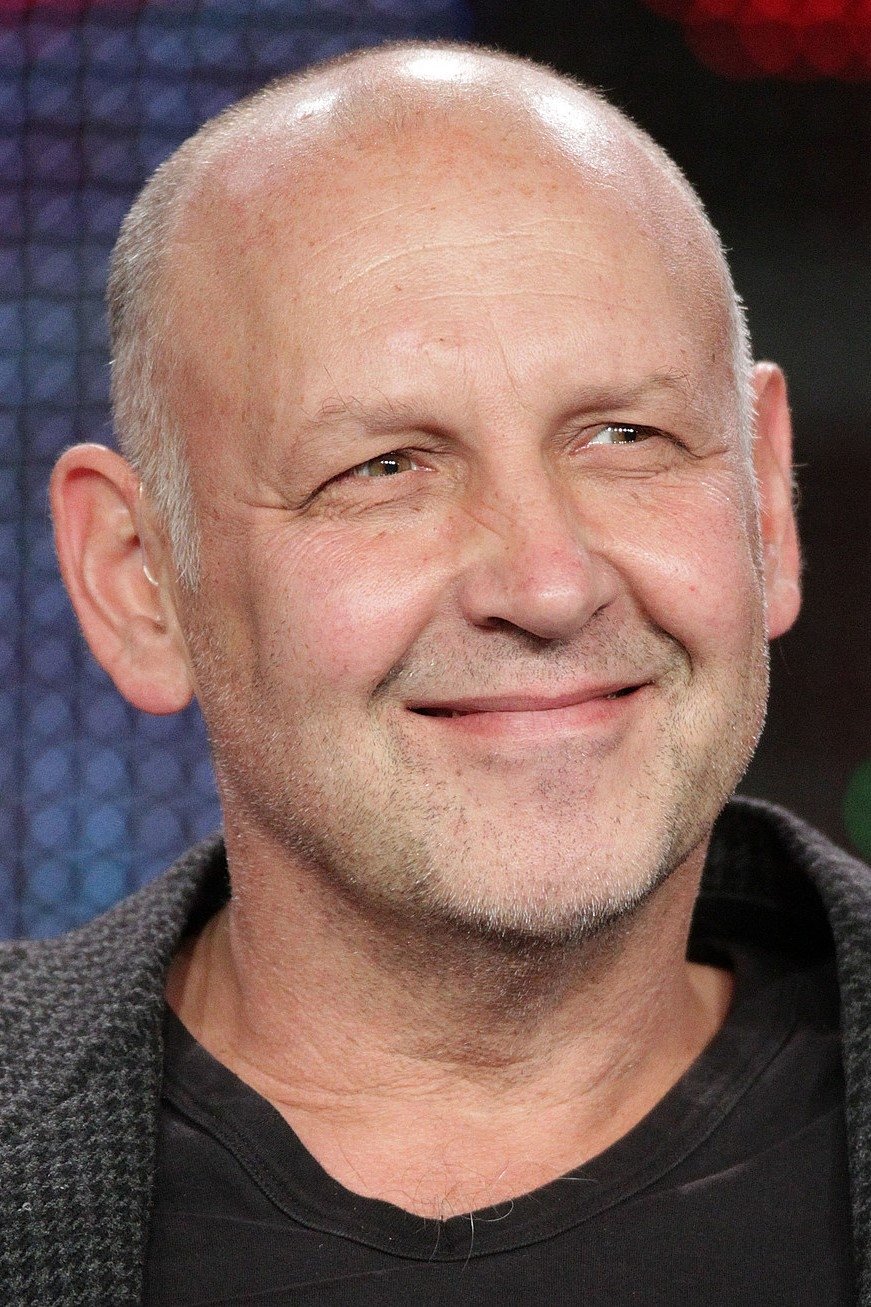
As a film buff, I’ve been following Timothy Olyphant’s co-star, Nick Searcy, and I’m really struck by what he’s been saying about Hollywood. He’s pretty outspoken about how things have changed, and it really resonates with me. He thinks studios are way too focused on what actors say online and their political beliefs, instead of, you know, if they can actually act. He’s pointed out what he sees as a real contradiction – the industry talks a big game about diversity, but seems to shut out anyone with a different perspective. Honestly, he just wants to get back to valuing good acting and making truly great movies and shows, and I couldn’t agree more.
Please share your thoughts on the balance between industry agendas and talent in the comments.
Read More
- Can AI Lie with a Picture? Detecting Deception in Multimodal Models
- 25 “Woke” Films That Used Black Trauma to Humanize White Leads
- Top 10 Coolest Things About Invincible (Mark Grayson)
- 22 Films Where the White Protagonist Is Canonically the Sidekick to a Black Lead
- From Bids to Best Policies: Smarter Auto-Bidding with Generative AI
- 20 Movies Where the Black Villain Was Secretly the Most Popular Character
- When AI Teams Cheat: Lessons from Human Collusion
- Silver Rate Forecast
- Top 20 Dinosaur Movies, Ranked
- Unmasking falsehoods: A New Approach to AI Truthfulness
2026-03-23 09:25