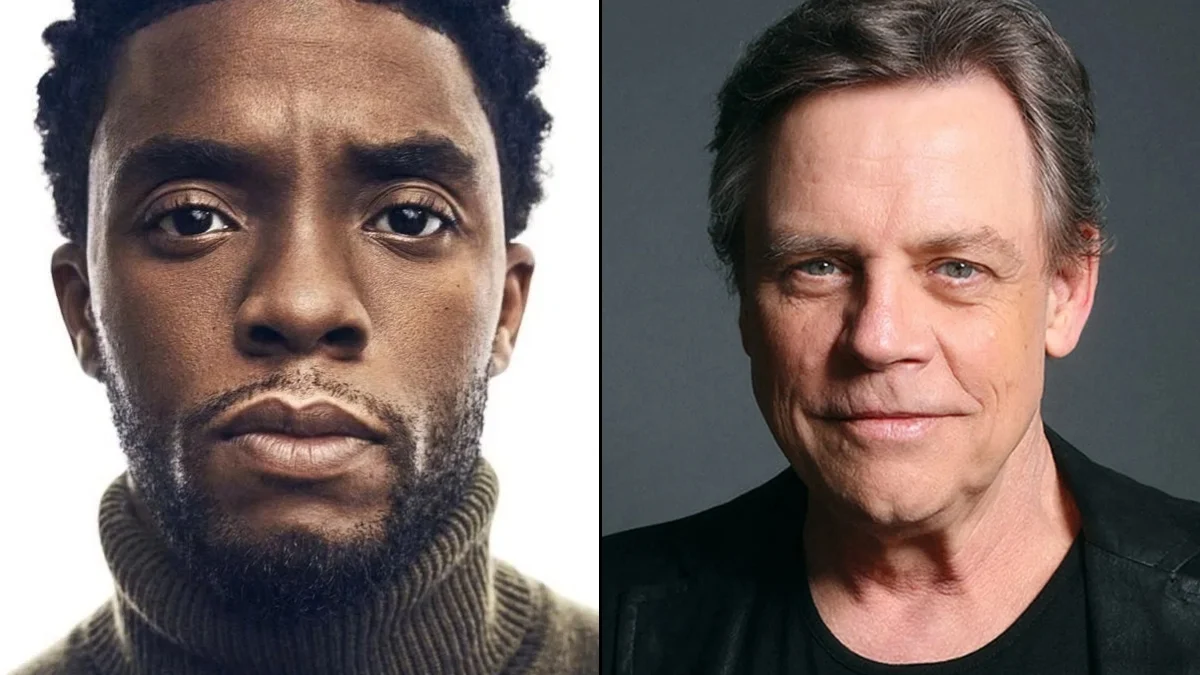
It’s often up to actors to make sure their well-loved characters stay true to themselves. Sometimes writers and directors want to surprise audiences by changing a hero’s personality or even turning them into a villain. However, some actors have stepped in to prevent this, wanting to protect the good qualities their characters are known for. They use their influence to keep these iconic roles as symbols of heroism and goodness, ensuring the legends they’ve built remain intact and don’t fall into darker storylines.
Sylvester Stallone
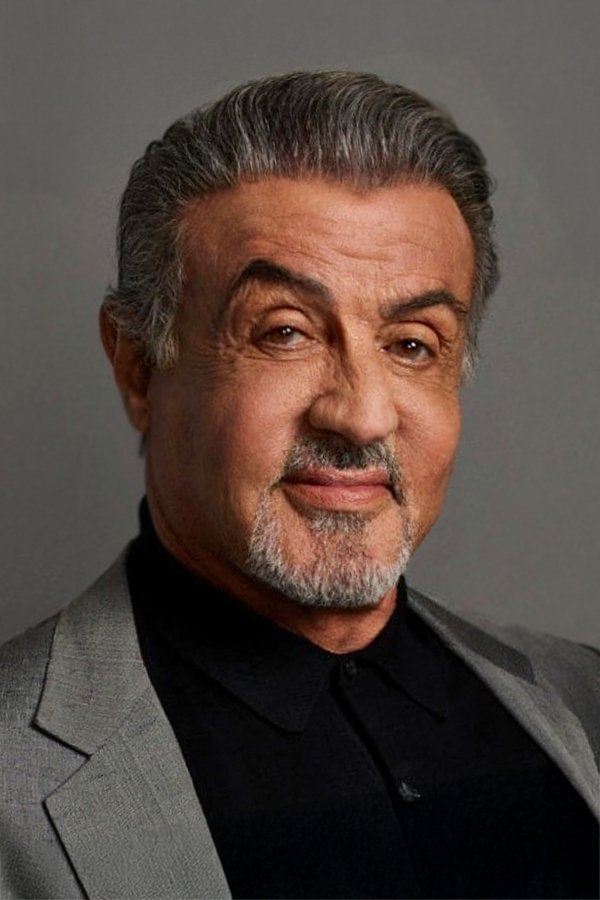
You know, it’s wild to think the original ending for ‘First Blood’ had Rambo dying! Stallone really fought against that, and I’m so glad he did. He felt, and I totally agree, that a war hero deserved a better fate than just going down in a blaze of violence. It could have painted him as a tragic figure, or even a warning about how far someone could fall. Instead, Stallone’s insistence on a survival ending let Rambo become the total action icon we know and love, paving the way for all those sequels. It’s a good thing he trusted his gut!
Henry Cavill
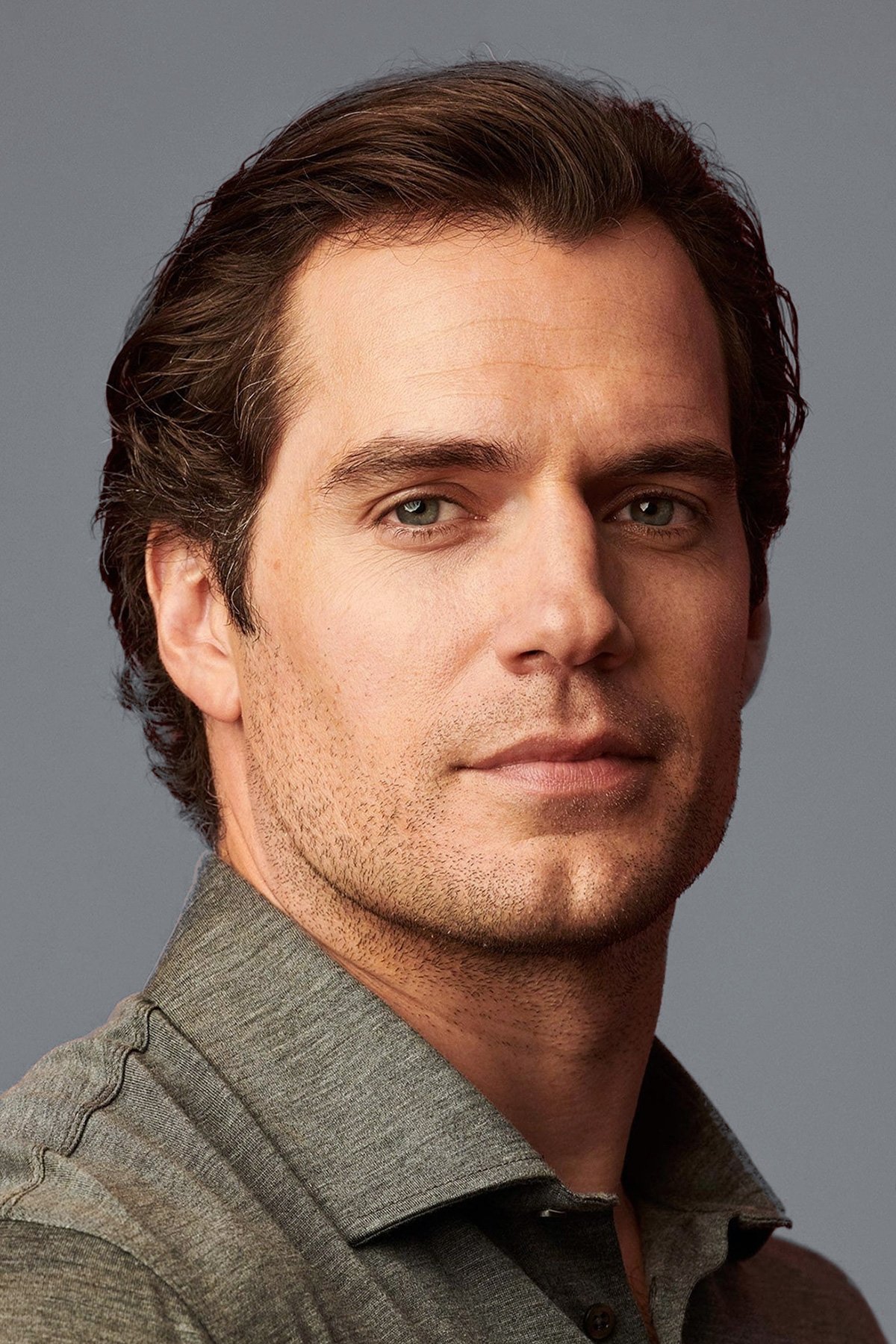
During the making of ‘The Witcher’, Henry Cavill consistently fought to portray Geralt of Rivia as the honorable character he was in the original books. He often disagreed with script revisions that would have made Geralt more bitter or less complex. Cavill strongly believed in maintaining the character’s strong moral compass, which the writers sometimes tried to ignore. Thanks to his dedication, Geralt remained a hero with principles, even within the show’s grim setting.
Mark Hamill
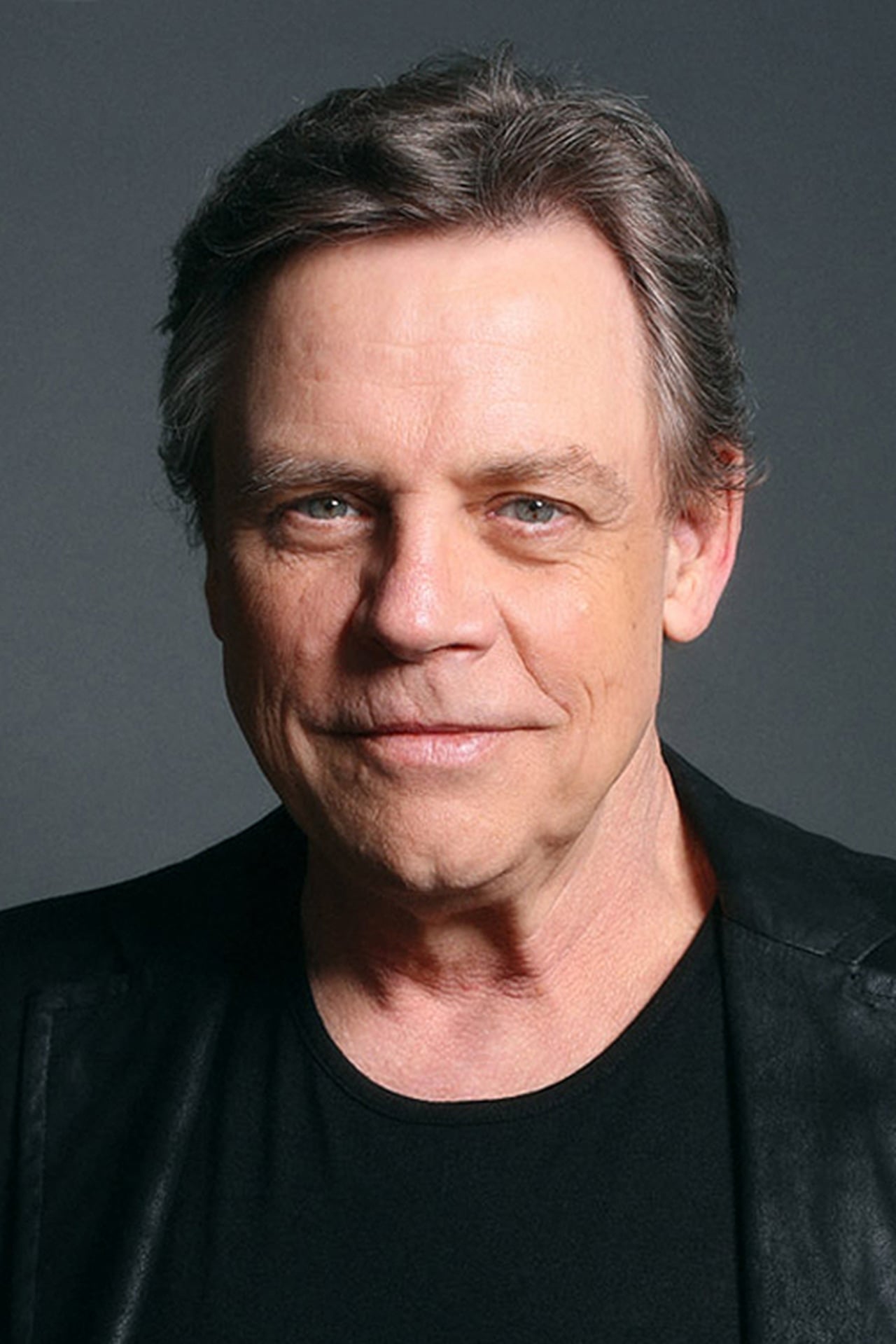
Mark Hamill strongly disagreed with how Luke Skywalker was portrayed in ‘The Last Jedi’ – as a bitter, reclusive hermit. He famously explained to the filmmakers that Luke, as a legendary Jedi, wouldn’t abandon the fight or those he cared about, even after experiencing setbacks. While he ultimately respected the director’s choices, Hamill continued to publicly support the idea of Luke as a traditional hero. This disagreement showed the conflict between preserving a classic heroic image and telling a more complex, modern story.
Dwayne Johnson
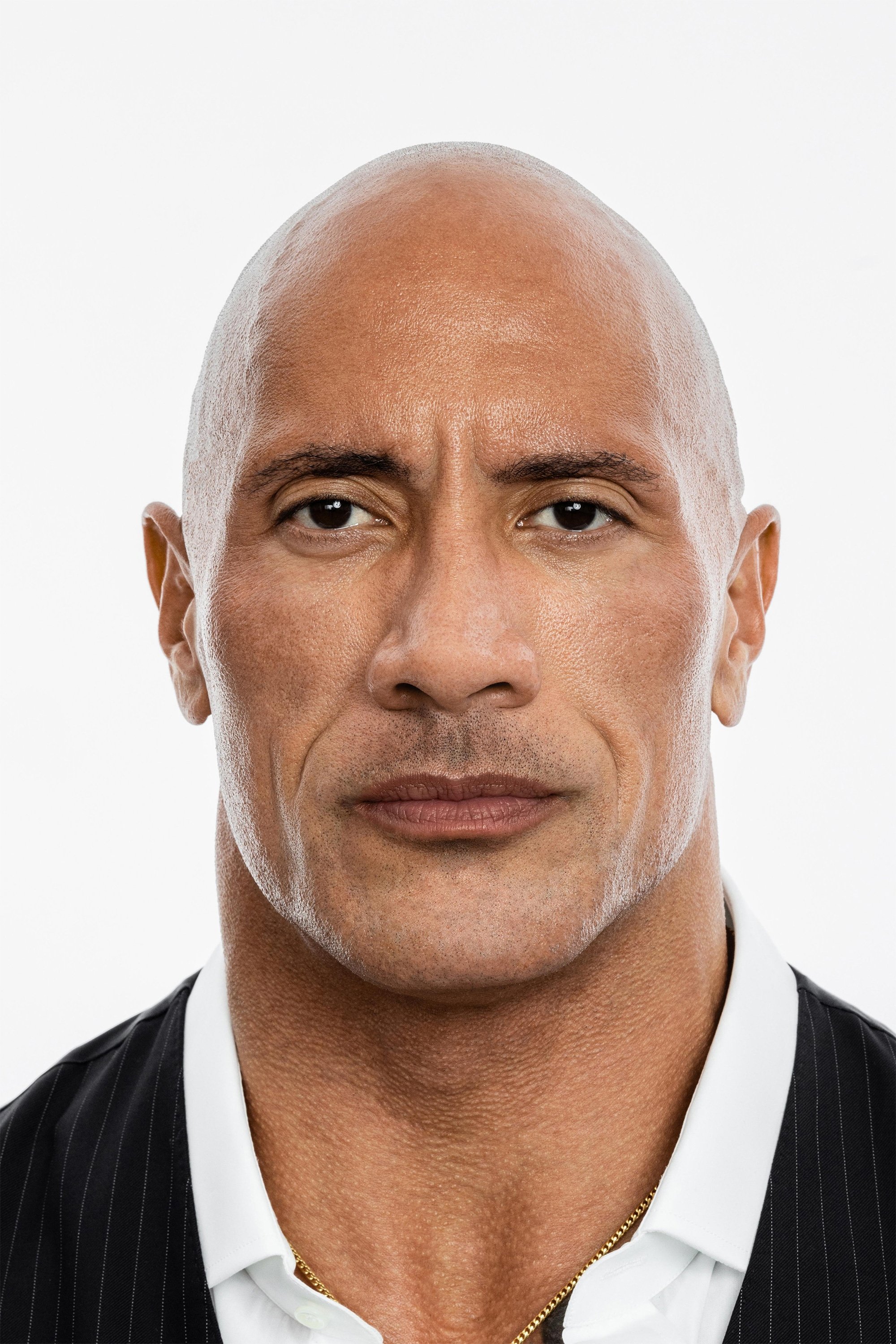
Let me tell you, Dwayne Johnson wasn’t just playing Black Adam, he was fighting for him! For years, he pushed to make sure Black Adam got his own movie, and not just show up as a villain in someone else’s story like ‘Shazam!’. He really wanted to show the layers of this character – he’s not a simple bad guy, but a complex anti-hero with his own strong sense of what’s right, especially when it comes to protecting his people. It was all about making sure Black Adam felt powerful and noble, and thankfully, Johnson’s dedication really paid off – we got a liberator, not just a one-dimensional villain.
Tom Cruise
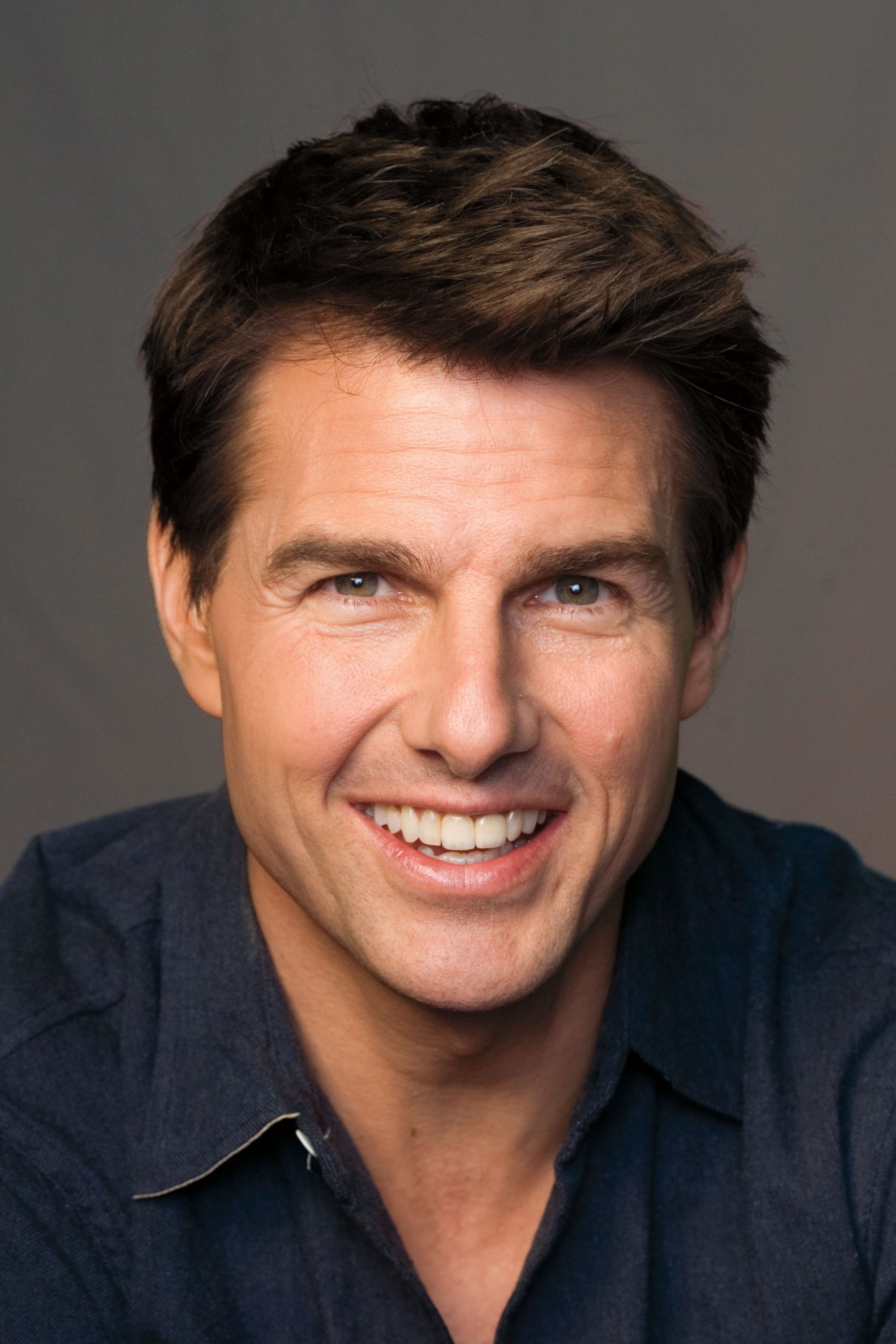
For decades, Tom Cruise has been committed to maintaining Ethan Hunt’s strong moral compass throughout the ‘Mission: Impossible’ films. He’s consistently rejected storylines that would have Hunt compromise his values or become a typical anti-hero. Cruise believes Hunt should always try to do what’s right, even when it’s difficult or costly. This commitment to a classic hero has been key to the character’s lasting popularity in the action movie world.
Will Smith
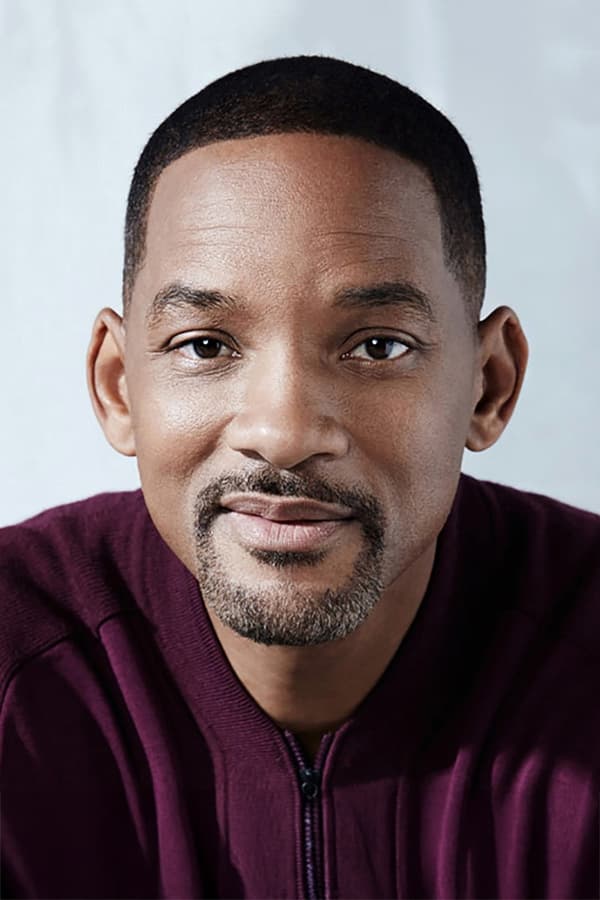
I recently learned something fascinating about ‘I Am Legend’! Apparently, the original ending was way different. They filmed a climax where Will Smith’s character, Robert Neville, actually realized he was seen as the bad guy by the infected creatures – the Darkseekers. But test audiences didn’t like it, and Will Smith himself agreed they should change it. So, they went with the ending we all know, where Neville sacrifices himself to deliver the cure and save humanity. It’s cool to think that they considered making him more of an anti-hero, but ultimately they decided to portray him as a true savior instead.
Christopher Reeve
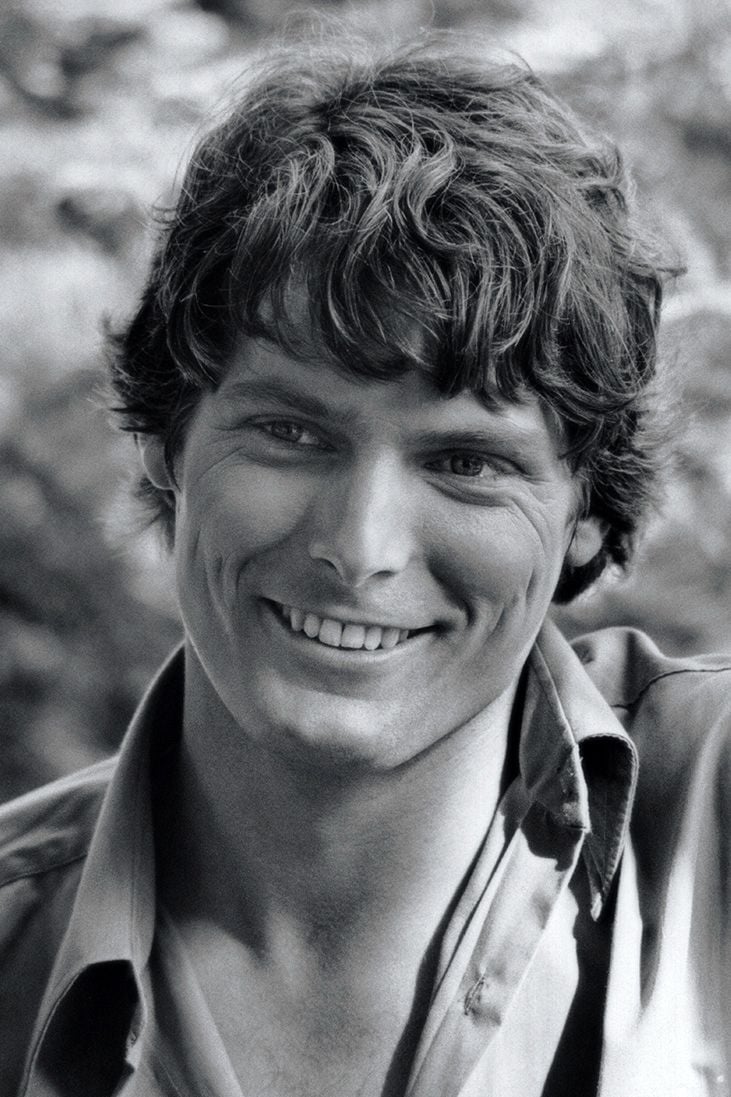
While making ‘Superman IV: The Quest for Peace’, Christopher Reeve made sure the movie promoted hope and worldwide togetherness. He pushed back against ideas to make Superman more violent or politically charged, especially as many comic books were becoming darker at the time. Reeve believed it was essential to keep Superman fundamentally good and dedicated to peaceful resolutions. His efforts helped maintain Superman’s reputation as the most iconic hero in film history.
Patrick Stewart
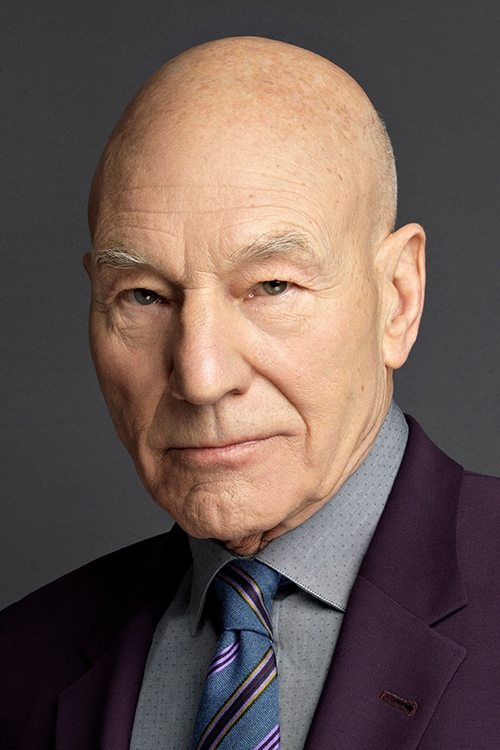
Before reprising his role in ‘Star Trek: Picard’, Patrick Stewart insisted that his character, Jean-Luc Picard, not be depicted as a defeated or disillusioned man. He wanted to maintain Picard’s core values of honesty and his lifelong thirst for knowledge, even as an older character. Stewart collaborated with the show’s writers to make sure Picard’s actions aligned with his established heroic background from ‘Star Trek: The Next Generation’, ultimately protecting his reputation as a strong moral figure.
Vin Diesel
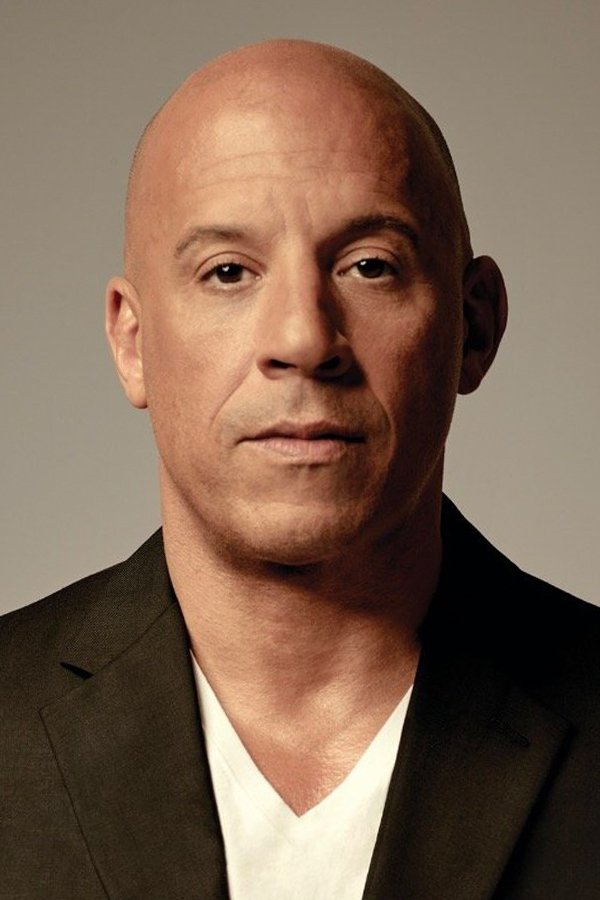
I’ve always been amazed by Vin Diesel’s dedication to Dominic Toretto. He’s fiercely protective of the character, refusing to let Dom become just another villain or typical criminal. Even when the story seems to pit Dom against others, Vin always makes sure there’s a good reason, something rooted in his loyalty to ‘family.’ It’s this commitment to keeping Dom fundamentally good that, I think, is why audiences worldwide still root for him.
Harrison Ford
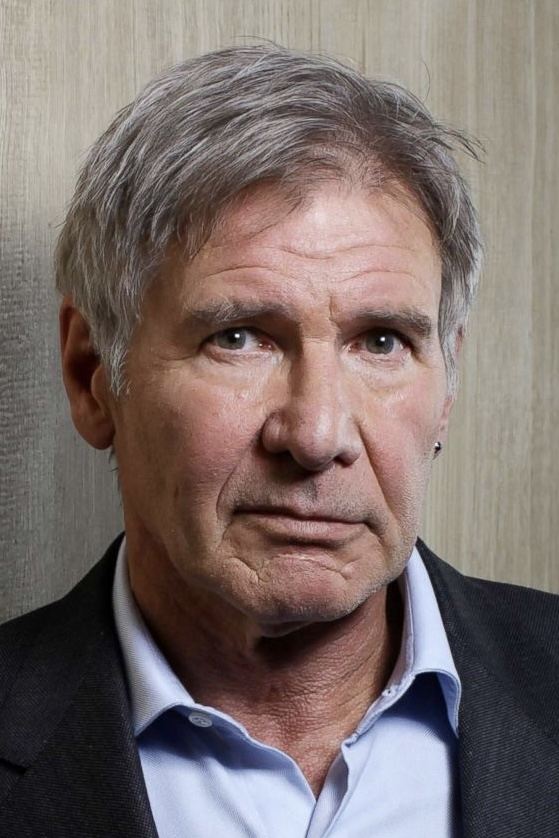
Throughout the making of the ‘Indiana Jones’ movies, Harrison Ford has been key to preserving the character’s heroic nature. He’s frequently voiced concerns about portrayals that would make Indiana Jones seem too cynical or distant from the adventurous spirit that defines him. Ford believes the character can be tired or irritable, but his core motivation – protecting history and helping others – should always remain central. This careful attention to the character has helped maintain a consistent and heroic image across all the films.
Chadwick Boseman
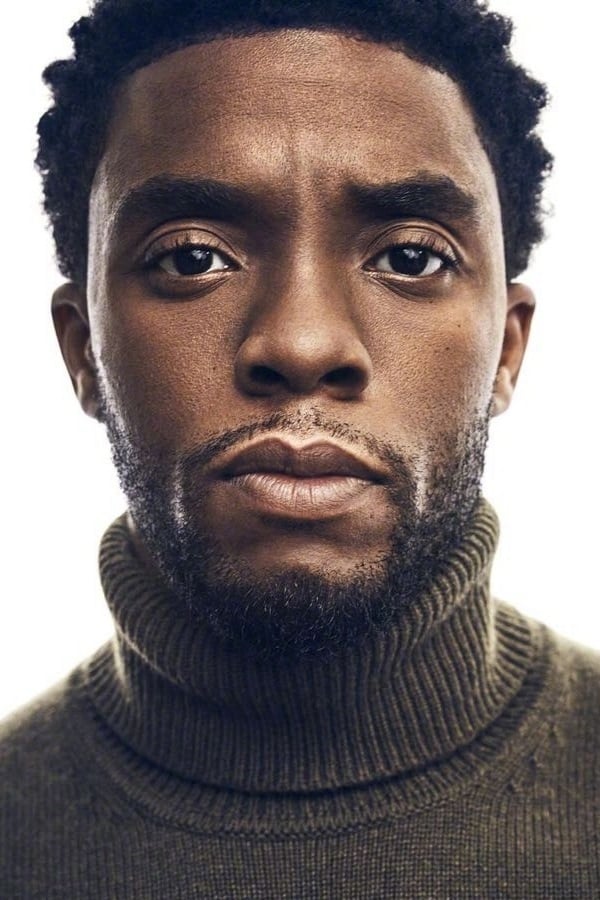
Chadwick Boseman was deeply committed to portraying T’Challa in ‘Black Panther’ and throughout the Marvel Cinematic Universe with thoughtfulness and respect. He collaborated closely with director Ryan Coogler to make sure T’Challa was seen as a dignified and composed leader, not just a fighter. Boseman often suggested changes to the script if he felt they didn’t fit the character’s noble nature and heroic presence. This dedication helped T’Challa become a worldwide symbol of strong, principled leadership.
Hugh Jackman
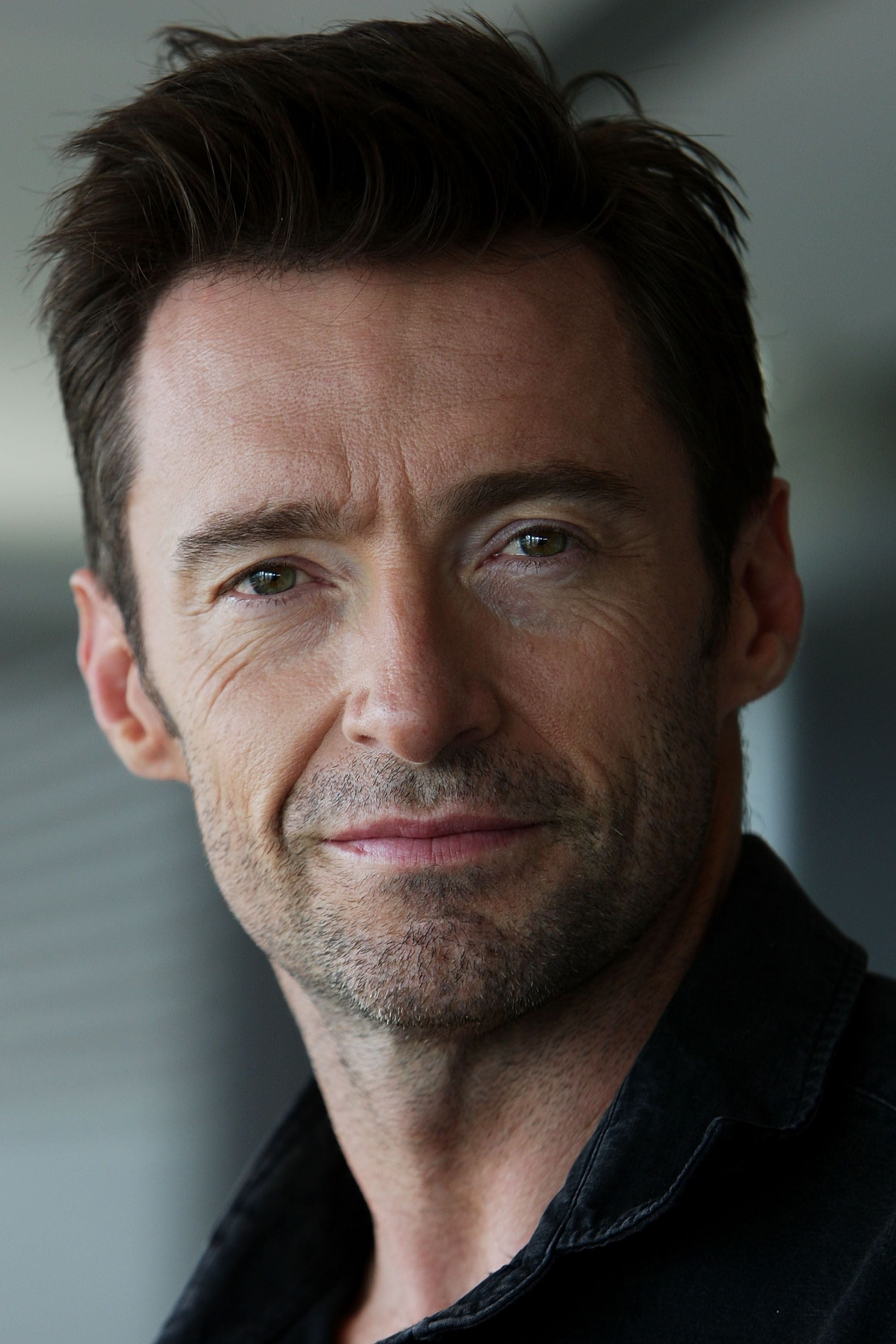
When finishing Logan’s story in the movie ‘Logan’, Hugh Jackman wanted to make sure it was ultimately a story about making things right. Although the film showed the character at his most brutal and violent, Jackman was determined that Logan would end by sacrificing himself in a heroic way. He carefully portrayed Logan’s violence as a means of protecting others, not as a turn towards evil. This ensured the character concluded his time on screen as a true hero.
Keanu Reeves
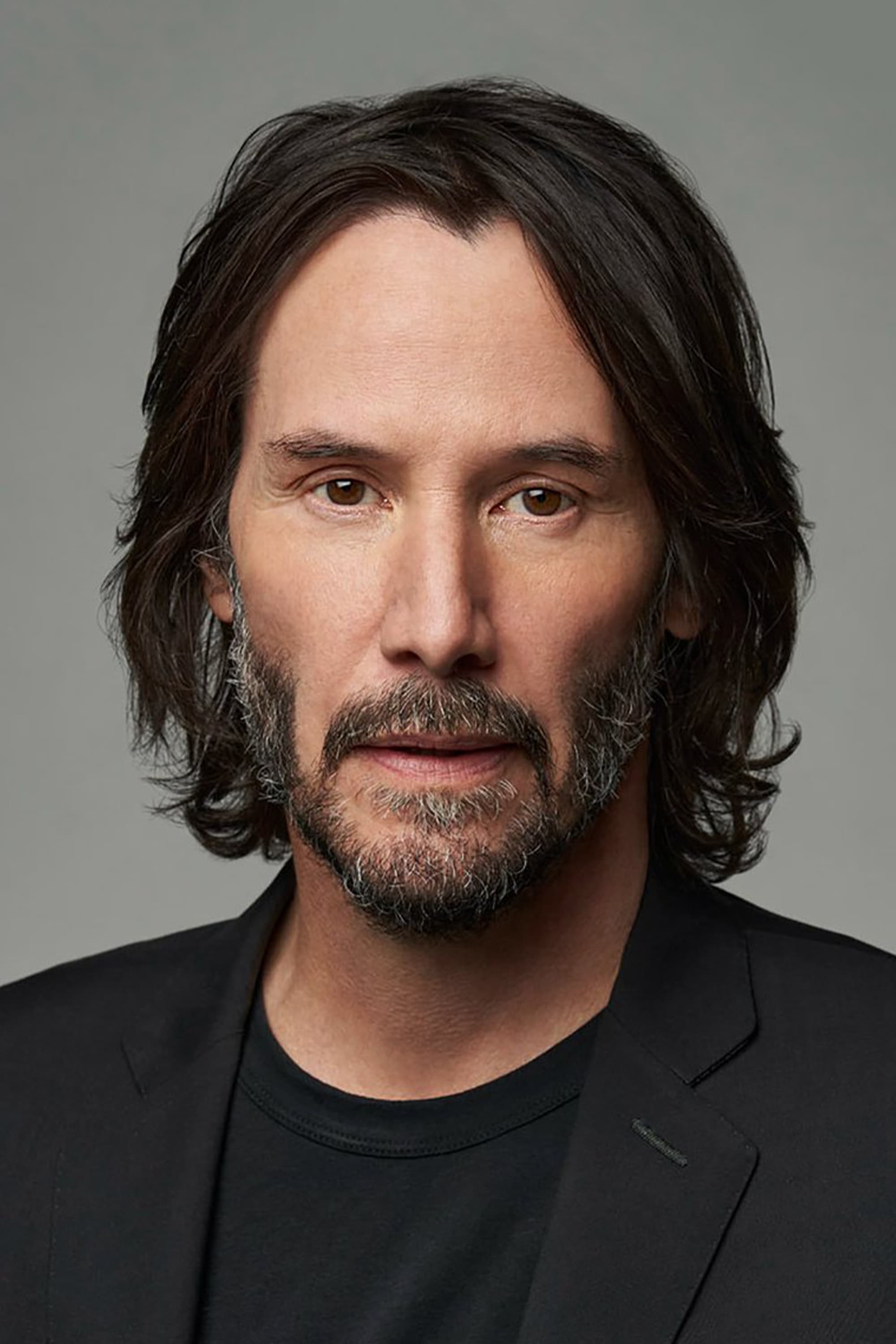
Keanu Reeves frequently imbues his characters, such as John Wick and Constantine, with a strong moral center. He particularly focused on Constantine’s quest for forgiveness and his willingness to make the ultimate sacrifice. Reeves consistently brings a sense of underlying goodness to his roles, preventing even his darker characters from becoming completely cynical. This influence ensures they remain relatable and heroic, even when they’re violent.
Bruce Willis
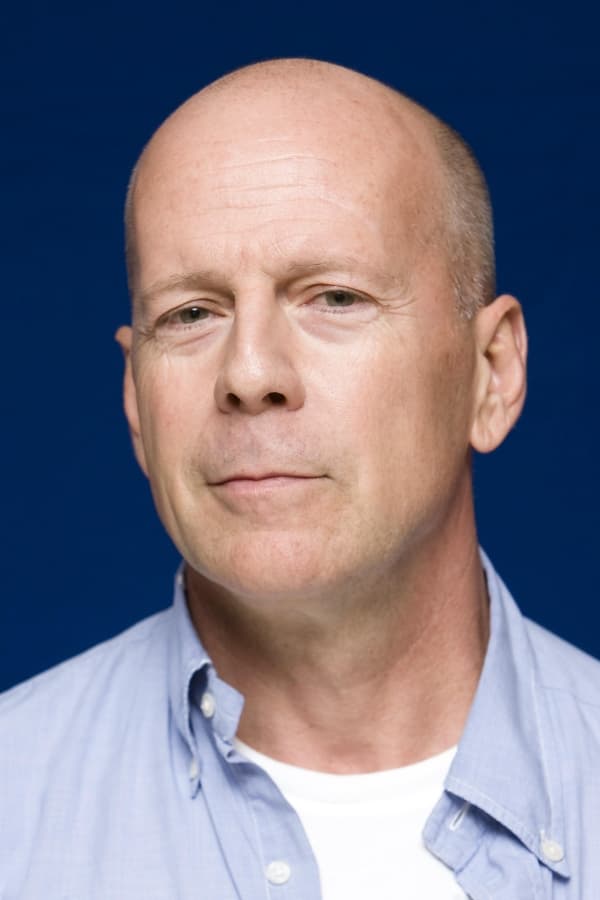
Throughout his time playing John McClane in the ‘Die Hard’ movies, Bruce Willis consistently worked to keep the character realistic and relatable. He often disagreed with writers who wanted to make McClane an exaggerated or overly forceful action hero. Willis believed McClane’s actions should always be driven by his love for his family and his strong sense of responsibility. This dedication helped preserve the down-to-earth heroism that made the first ‘Die Hard’ such a beloved and iconic film.
Liam Neeson
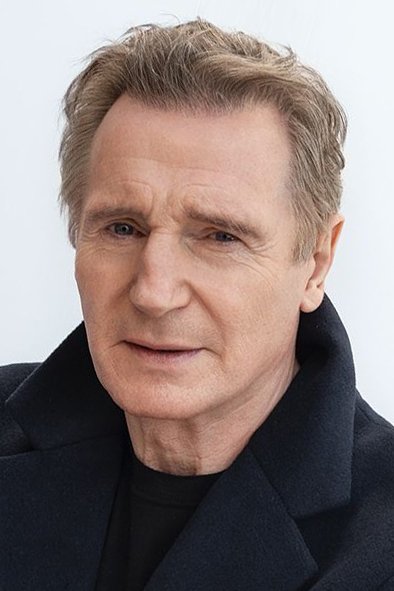
Throughout the Taken movies, Liam Neeson consistently worked to portray Bryan Mills as a caring father who was forced into dangerous situations to protect his family, rather than simply a ruthless killer. He often requested changes to the script to avoid making the violence seem excessive or unjustified, ensuring Mills’s actions were always driven by a desire to save his loved ones. This emphasis on his role as a devoted parent helped keep the character relatable and heroic, even as the films became more action-packed.
Share which of these heroic stands surprised you the most in the comments.
Read More
- Can AI Lie with a Picture? Detecting Deception in Multimodal Models
- 20 Movies Where the Black Villain Was Secretly the Most Popular Character
- 25 “Woke” Films That Used Black Trauma to Humanize White Leads
- Top 10 Coolest Things About Invincible (Mark Grayson)
- When AI Teams Cheat: Lessons from Human Collusion
- From Bids to Best Policies: Smarter Auto-Bidding with Generative AI
- 22 Films Where the White Protagonist Is Canonically the Sidekick to a Black Lead
- Silver Rate Forecast
- Top 20 Dinosaur Movies, Ranked
- Unmasking falsehoods: A New Approach to AI Truthfulness
2026-03-23 04:42