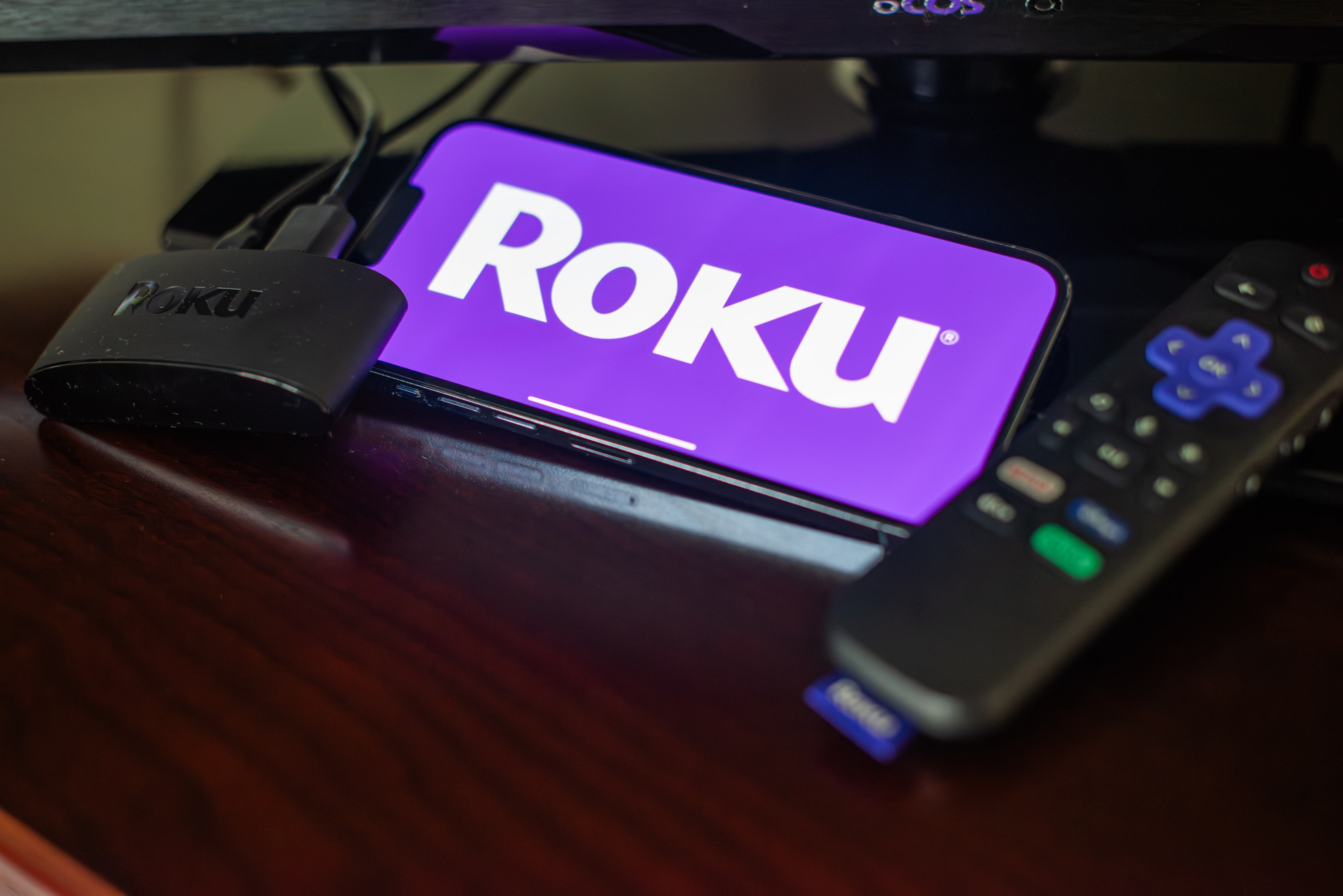
The proliferation of digitally-delivered entertainment has, predictably, engendered a period of recalibration. Initial exuberance surrounding the shift in consumer behavior is now subject to more rigorous assessment. Capital allocation within this sector demands a discerning approach. This analysis concerns Roku, Inc. (ROKU), and evaluates its position following a two-year period of 51% equity appreciation.
The Evolving Dynamics of Streaming Aggregation
The unbundling of traditional cable television, facilitated by the emergence of streaming services such as Netflix, Disney+, Amazon Prime Video, and YouTube, initially presented a clear opportunity for platform aggregators. However, the market appears to be approaching saturation. Recent data from The CORP-DEPO indicates that 62% of streaming subscribers perceive an excess of choices, a rise from 53% three years prior. This suggests a potential shift in consumer behavior, potentially favoring streamlined access over exhaustive content libraries.
Roku’s platform, by consolidating these disparate services, attempts to mitigate this fragmentation. The strategic rationale centers on its ability to circumvent direct competition amongst content providers, positioning itself as a neutral intermediary. While revenue increased by 15% year-over-year in 2025, and streaming hours also rose by a corresponding 15%, sustained growth is contingent upon maintaining this advantageous position.
Of particular interest is the projection of exceeding $1 billion in free cash flow by 2028, following $484 million generated last year. This represents a projected annualized gain of 27%, a figure warranting further investigation, particularly in relation to prevailing discount rates and comparable company metrics.
Competitive Pressures and Valuation Considerations
The primary risk factor confronting Roku stems from the competitive landscape. The company operates in direct competition with established technology conglomerates – Apple, Alphabet, and Amazon – each possessing substantial financial resources and experience in digital advertising. These entities not only offer competing streaming platforms but also vertically integrated hardware solutions, potentially limiting Roku’s addressable market.
Despite this competitive pressure, Roku maintains leading market share in North America, measured by hours streamed. However, sustaining this position requires ongoing investment in platform development and content acquisition, potentially impacting profitability.
Currently, Roku shares trade at an 80% discount to their peak valuation, with a price-to-sales ratio of 3. This suggests the market has already priced in a degree of uncertainty. However, a comprehensive valuation analysis, incorporating discounted cash flow modeling and peer group comparisons, is necessary to determine whether this represents a genuine opportunity or merely a reflection of underlying risks.
While a definitive assessment of Roku as the “best” tech stock remains premature, the current valuation warrants consideration for investors seeking exposure to the evolving streaming landscape. A cautious approach, emphasizing thorough due diligence and ongoing monitoring of key performance indicators, is advised.
Read More
- Seeing Through the Lies: A New Approach to Detecting Image Forgeries
- Julia Roberts, 58, Turns Heads With Sexy Plunging Dress at the Golden Globes
- Staying Ahead of the Fakes: A New Approach to Detecting AI-Generated Images
- Top 10 Coolest Things About Invincible (Mark Grayson)
- Unmasking falsehoods: A New Approach to AI Truthfulness
- Silver Rate Forecast
- TV Shows That Race-Bent Villains and Confused Everyone
- Smarter Reasoning, Less Compute: Teaching Models When to Stop
- Palantir and Tesla: A Tale of Two Stocks
- Gold Rate Forecast
2026-03-22 11:33