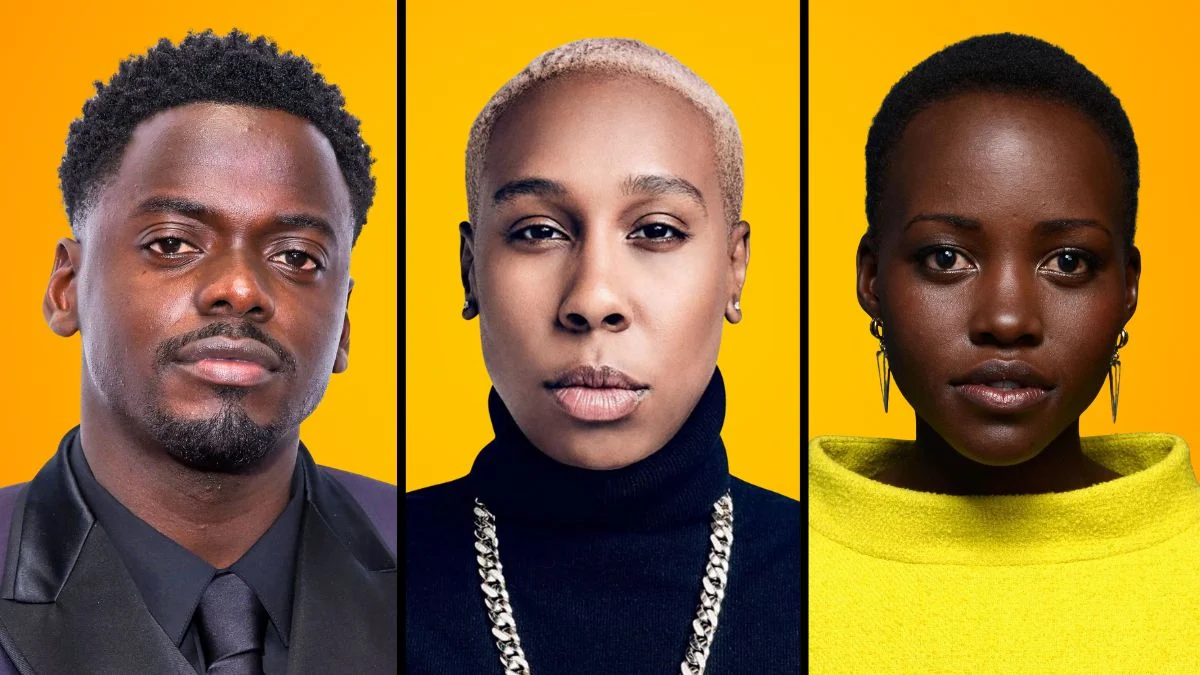
As a supporter, it’s really encouraging to see so many talented Black actors and creators speaking up about what’s really going on in Hollywood. It’s not enough to just look diverse – we need actual, lasting change. They’re not just asking for more roles, they’re demanding fair pay, complex characters, and a real seat at the table when it comes to making decisions. Their voices are sparking important conversations and pushing the industry to finally address the lack of true equity, and I’m here for it!
Viola Davis
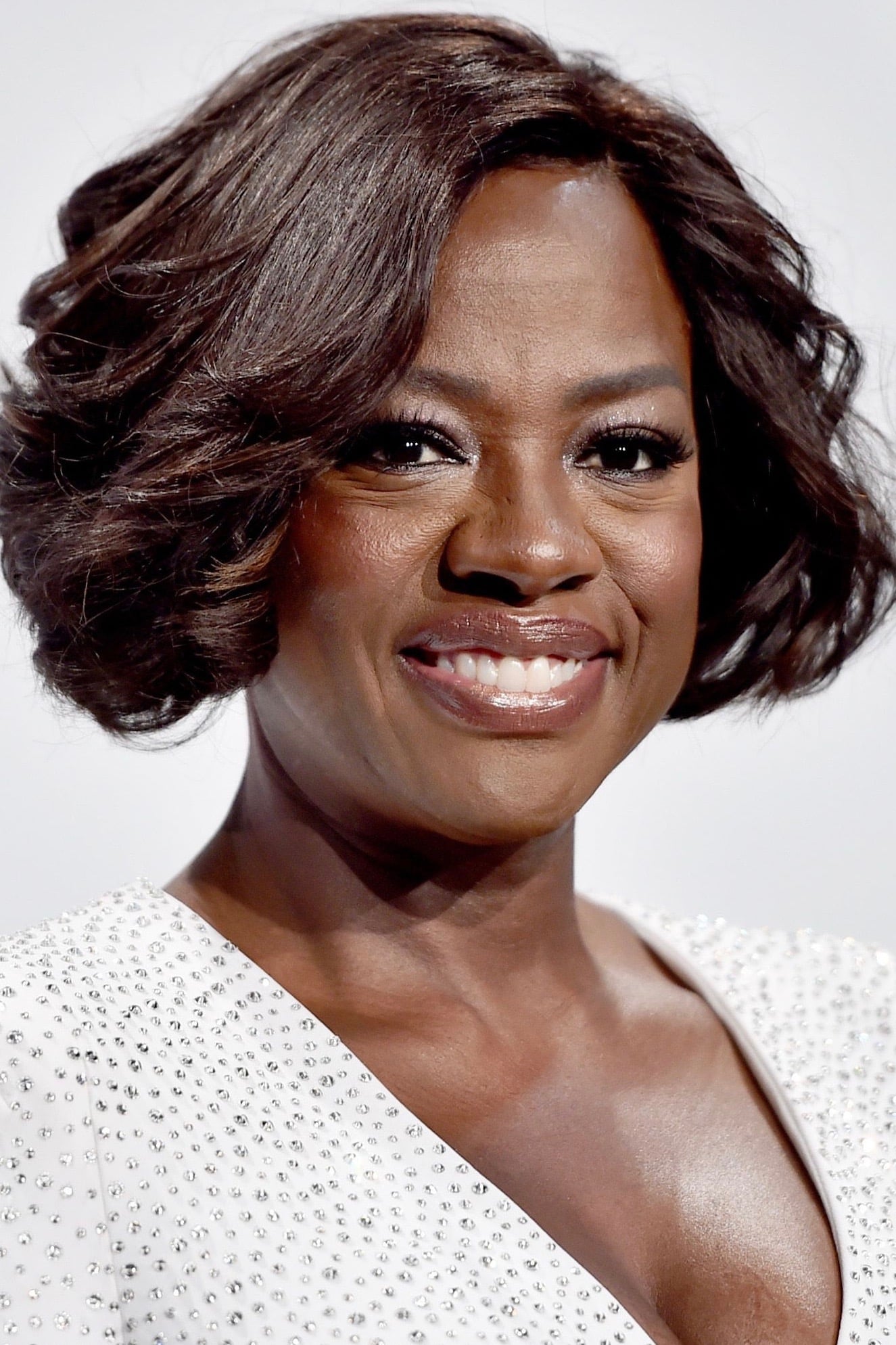
Viola Davis often speaks about the limited and shallow roles available to Black women in Hollywood. She’s well-known for saying that the main difference between women of color and others is simply having the same opportunities. She’s also expressed some regrets about her performance in ‘The Help,’ wishing the film had delved deeper into the characters’ real lives. Davis remains a strong voice for fair pay and greater artistic freedom for Black creators.
John Boyega
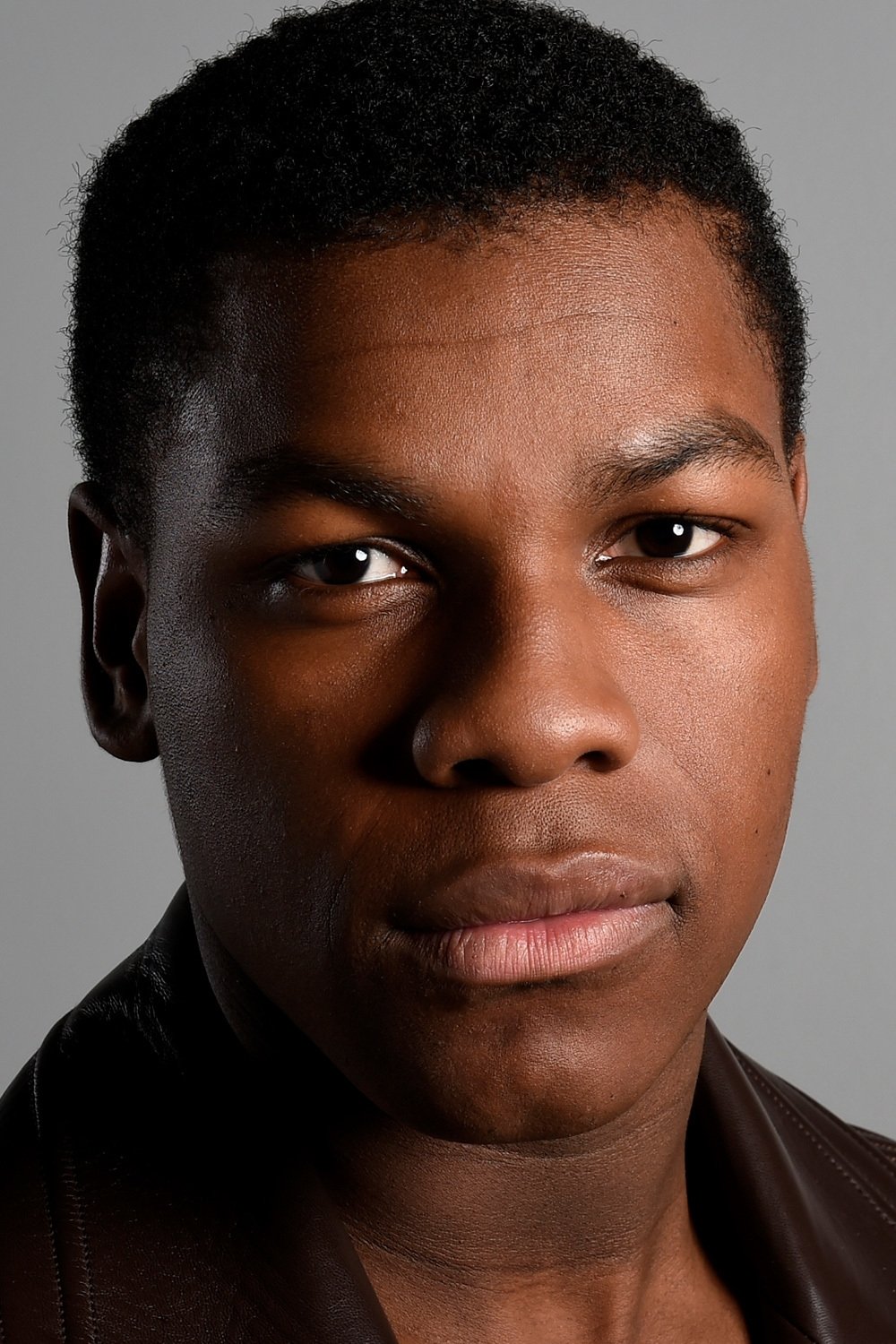
John Boyega has been critical of how his character in the recent ‘Star Wars’ films was given less focus. He argues that the entertainment industry often promotes diverse characters in marketing, but then doesn’t fully develop their stories. Boyega believes Disney struggled to handle complex characters of color the same way they did with white characters, and he continues to advocate for real, lasting change in the industry, not just surface-level diversity.
Taraji P. Henson
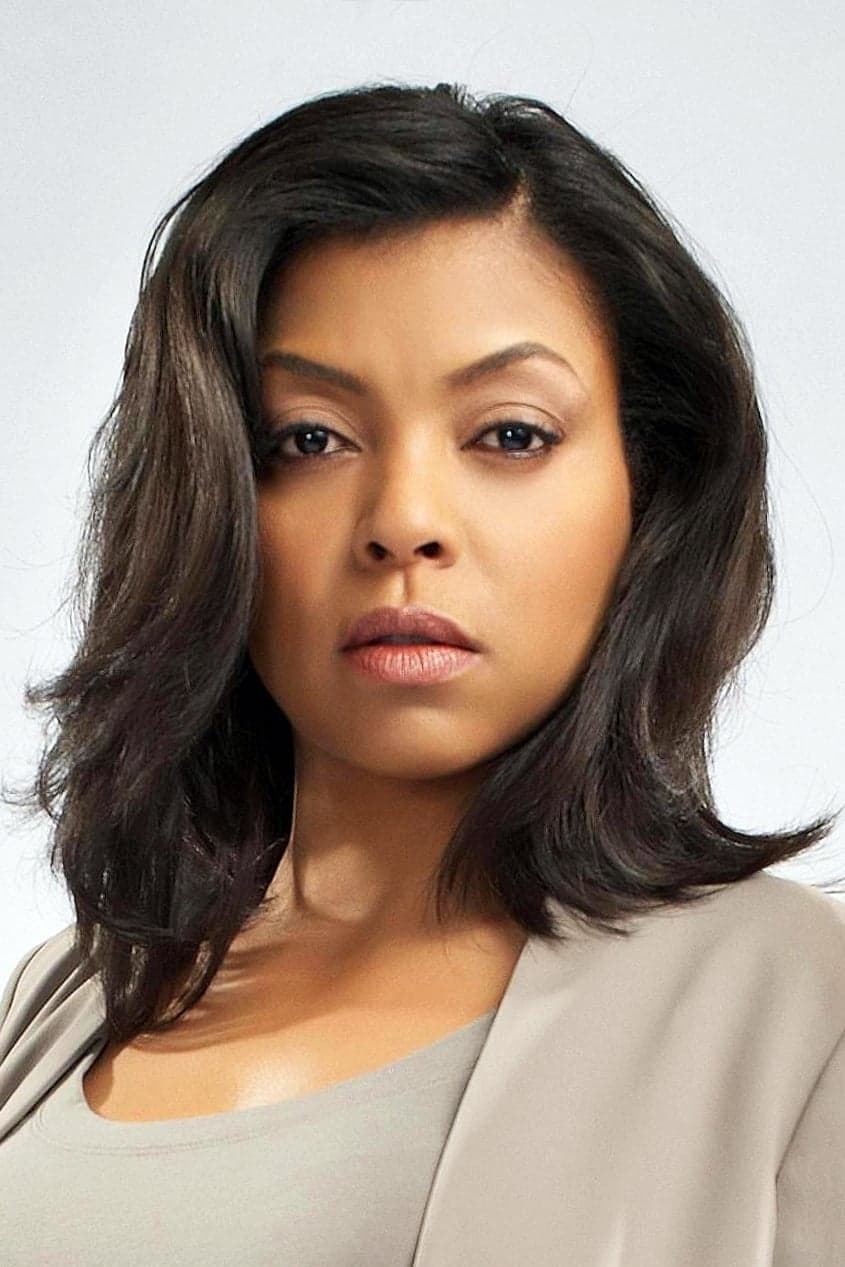
Taraji P. Henson has openly discussed the unfair pay gap for Black actresses in Hollywood. She revealed she wasn’t paid fairly for her work in ‘The Curious Case of Benjamin Button,’ despite her significant contribution to the film. She also spoke about the lack of mental health support she received while filming ‘Empire.’ Henson is a strong advocate for ensuring experienced Black actors and actresses are properly compensated and treated with respect.
Issa Rae
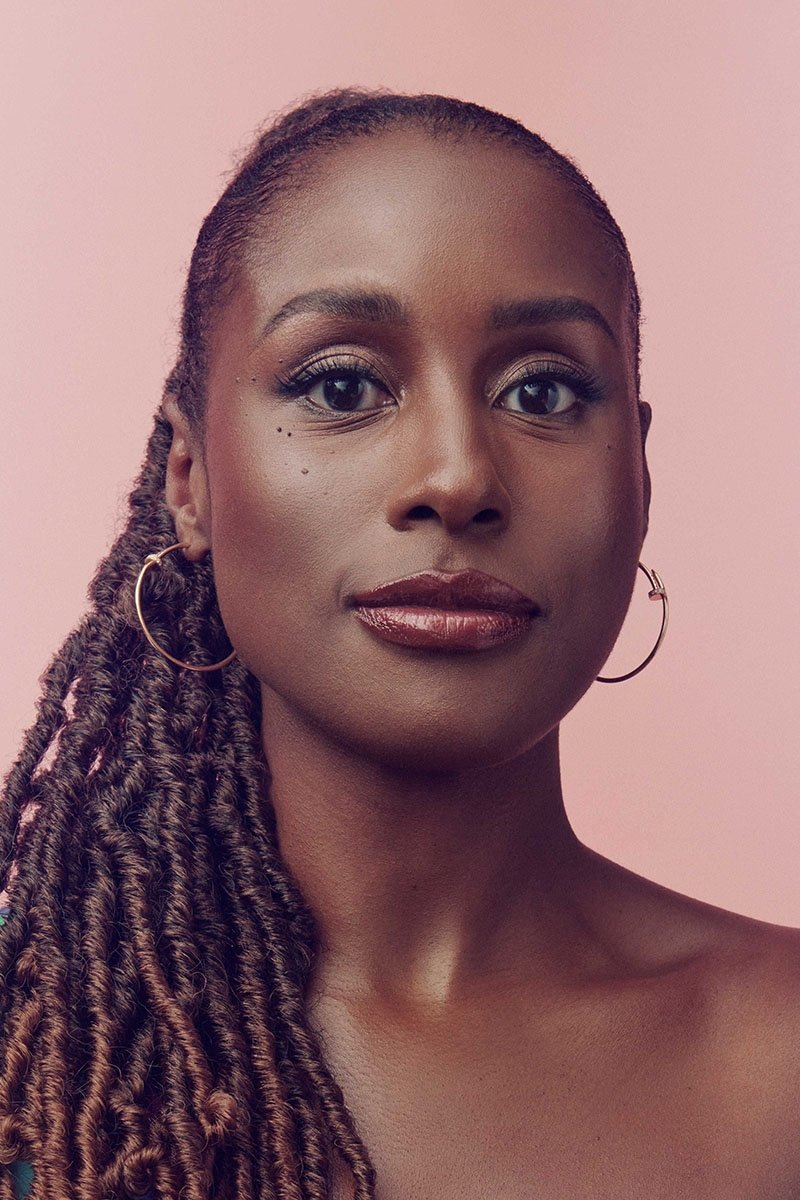
I was really struck by Issa Rae’s powerful message at the Emmys – her simple declaration that she’s ‘rooting for everybody Black’ really resonated. It perfectly encapsulates her ongoing frustration with Hollywood’s sluggishness in embracing authentic Black stories – not just tales of struggle, but the everyday joys and complexities of Black life. With ‘Insecure,’ she didn’t just tell those stories, she showed how vital it is to have Black voices both on screen and crucially, behind the camera. She’s consistently pushing the industry to genuinely invest in Black creators, and to let them tell their stories without unnecessary restrictions. It’s not just about representation, it’s about creative freedom.
Gabrielle Union
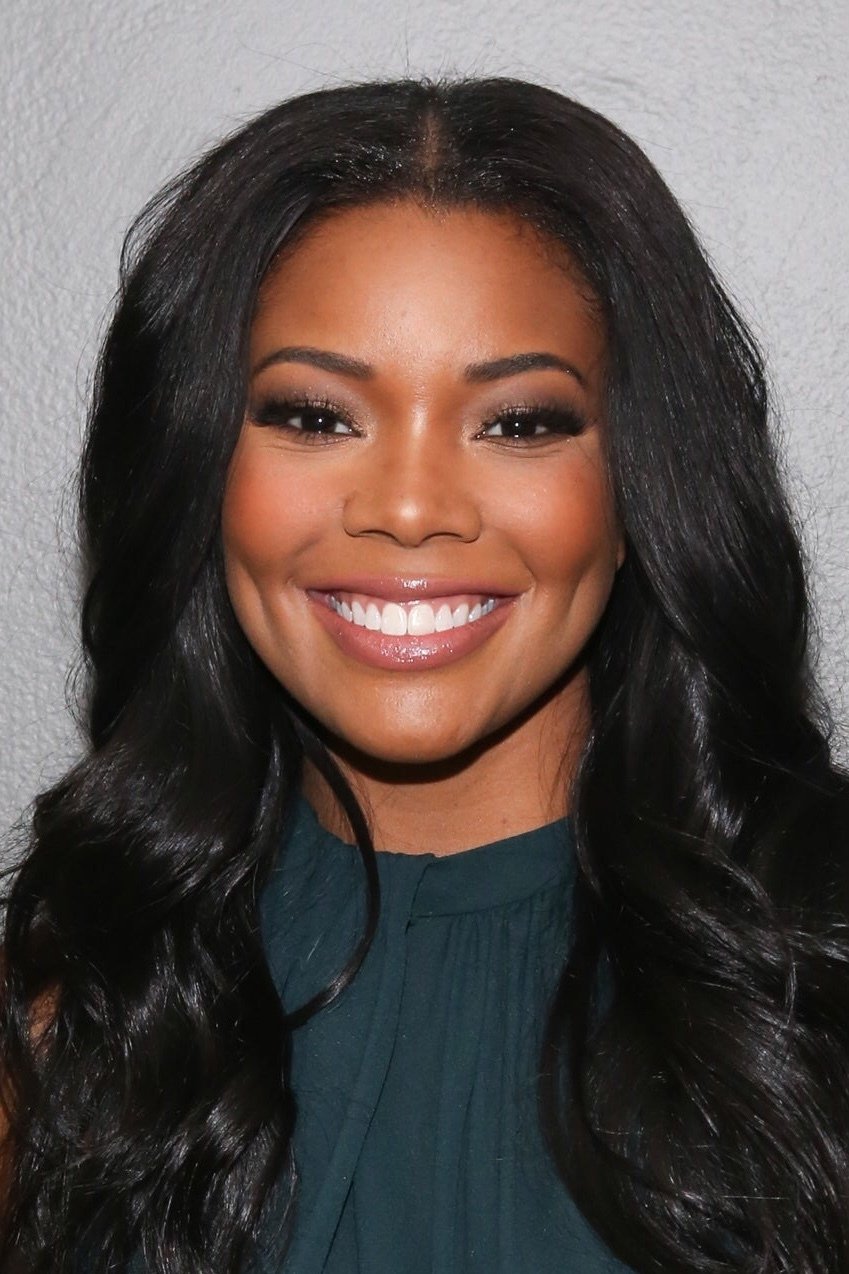
Gabrielle Union has been a vocal critic of the problems with reality competition shows, particularly their lack of diversity and harmful work environments. She formally complained about her experience on ‘America’s Got Talent,’ alleging racism and a failure to address issues properly. Union frequently points out that Hollywood often promotes diversity for appearances without truly supporting its actors and performers of color. She believes studios need to be much more open and honest, and make fundamental changes to how they deal with complaints and problems internally.
Zendaya

Zendaya has spoken out about colorism in Hollywood, recognizing that her lighter skin has given her advantages. She’s highlighted how people with darker skin tones often miss out on opportunities. She believes true representation means creating chances for all kinds of people, not just a single individual, and continues to advocate for more diverse casting, including in her show ‘Euphoria’.
David Oyelowo
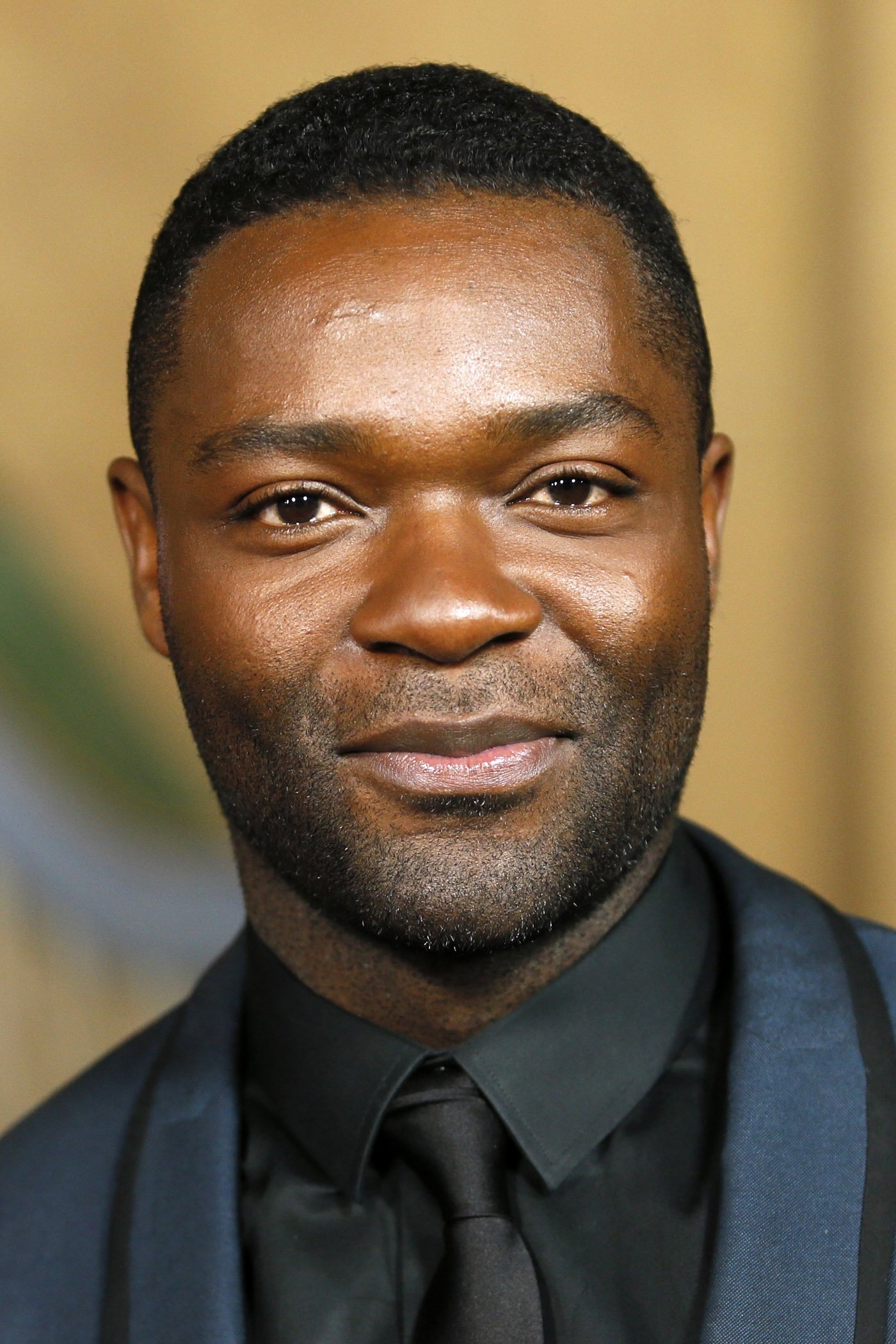
David Oyelowo commented on the lack of major awards for the film ‘Selma,’ despite its positive reviews. He believes the industry often favors portrayals of Black people in supporting or struggling roles, rather than as leaders. Oyelowo argues that this reflects a broader pattern of bias that affects which stories receive recognition. He remains committed to supporting films that highlight Black empowerment and leadership.
Daniel Kaluuya
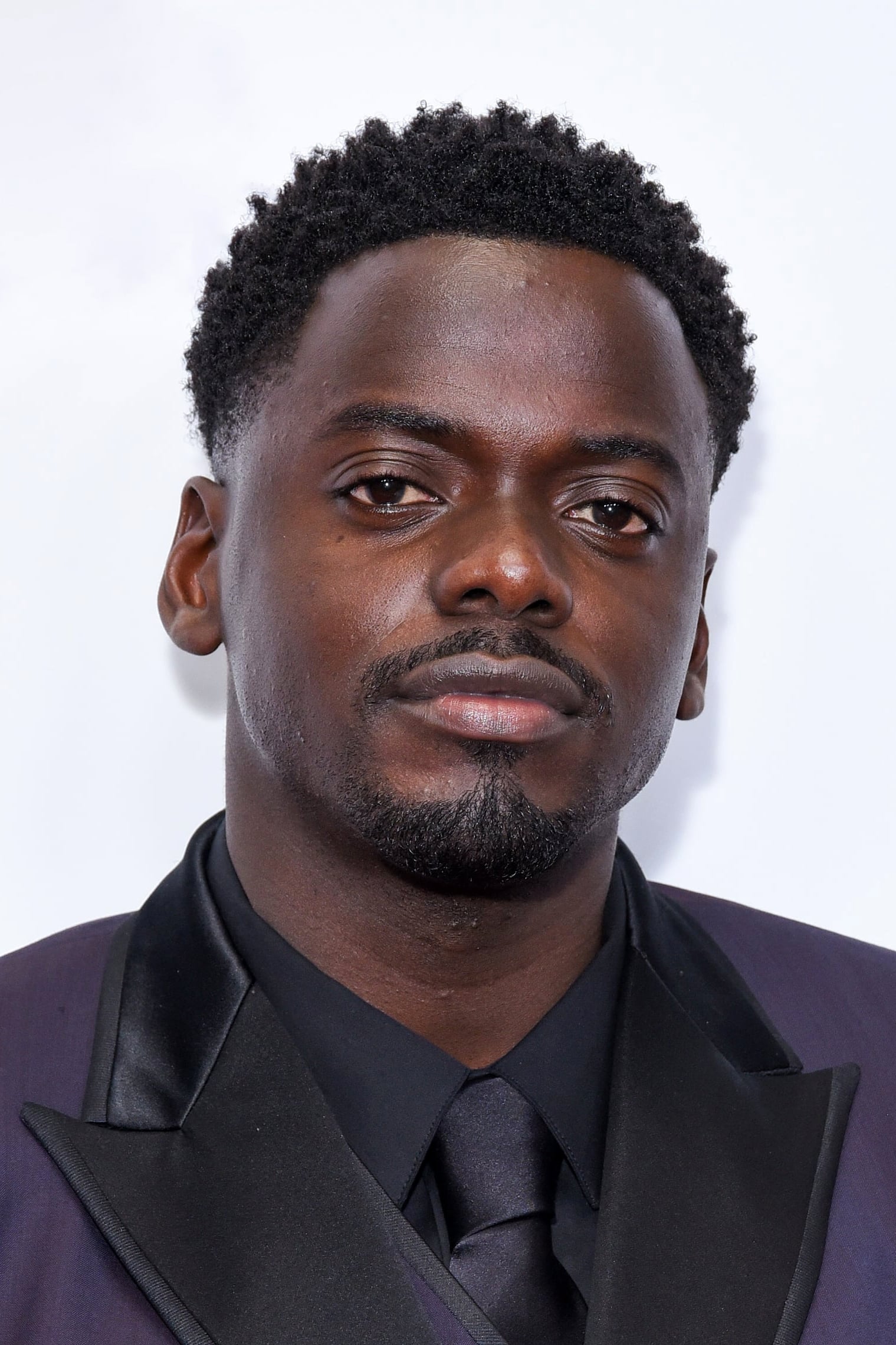
Daniel Kaluuya has spoken out about being constantly asked about diversity instead of his work as an actor. He explained that the film industry often sees Black people as one single group or a fleeting fad, rather than individuals with complex lives. Kaluuya pointed out how his movie ‘Get Out’ broke away from common horror movie clichés, and he’s urging Hollywood to go beyond surface-level discussions and prioritize genuine, meaningful stories.
Cynthia Erivo
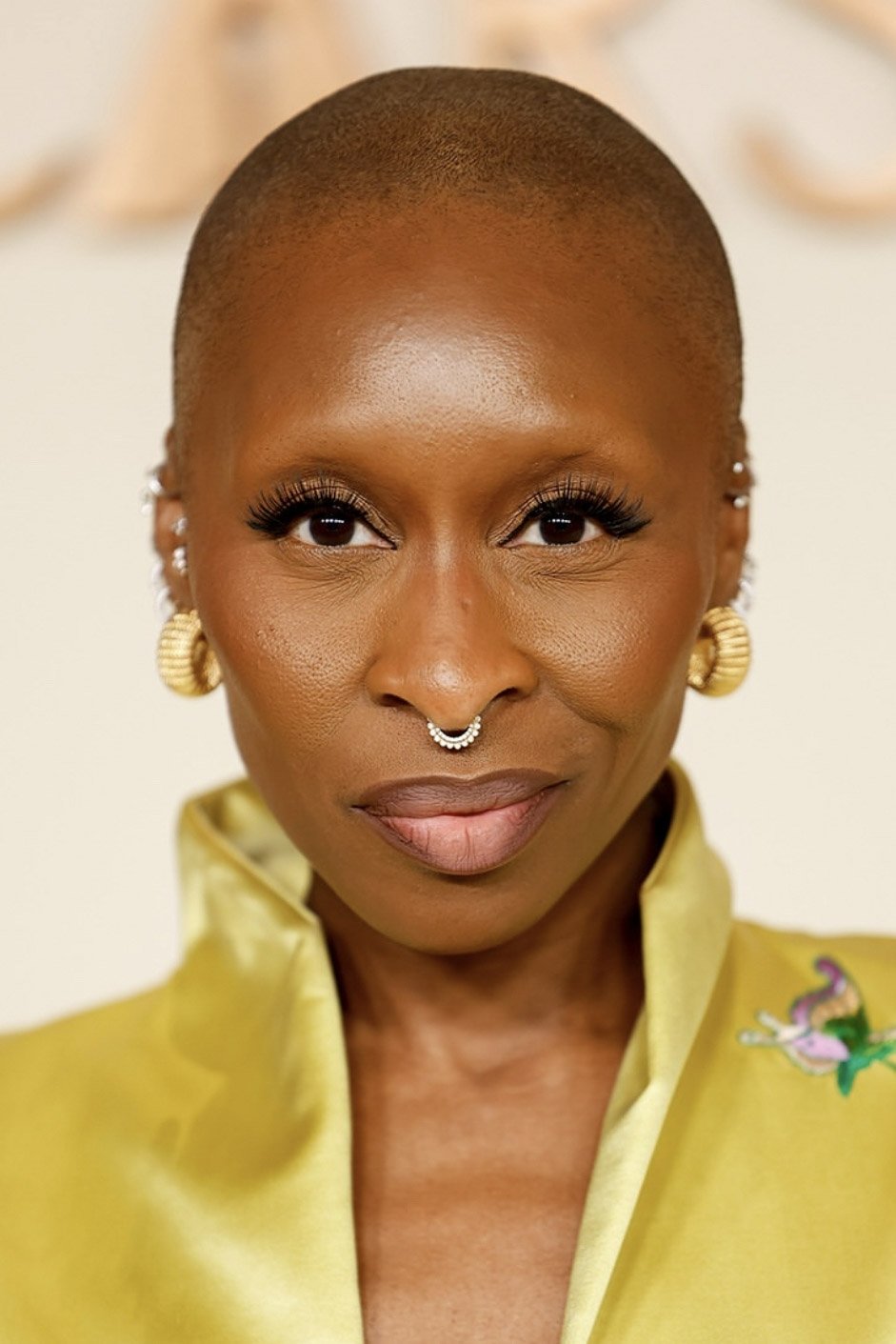
Cynthia Erivo recently shared her thoughts on the burden Black actors often face – feeling like they need to represent their entire community with each character they play. She explained how important it is for her to choose roles, like Harriet Tubman in ‘Harriet’, that allow her to portray characters with strength and complexity. Erivo also stressed the need for more skilled hair and makeup artists who can properly cater to performers of all backgrounds, arguing that genuine inclusivity means paying attention to every aspect of filmmaking.
Regina King
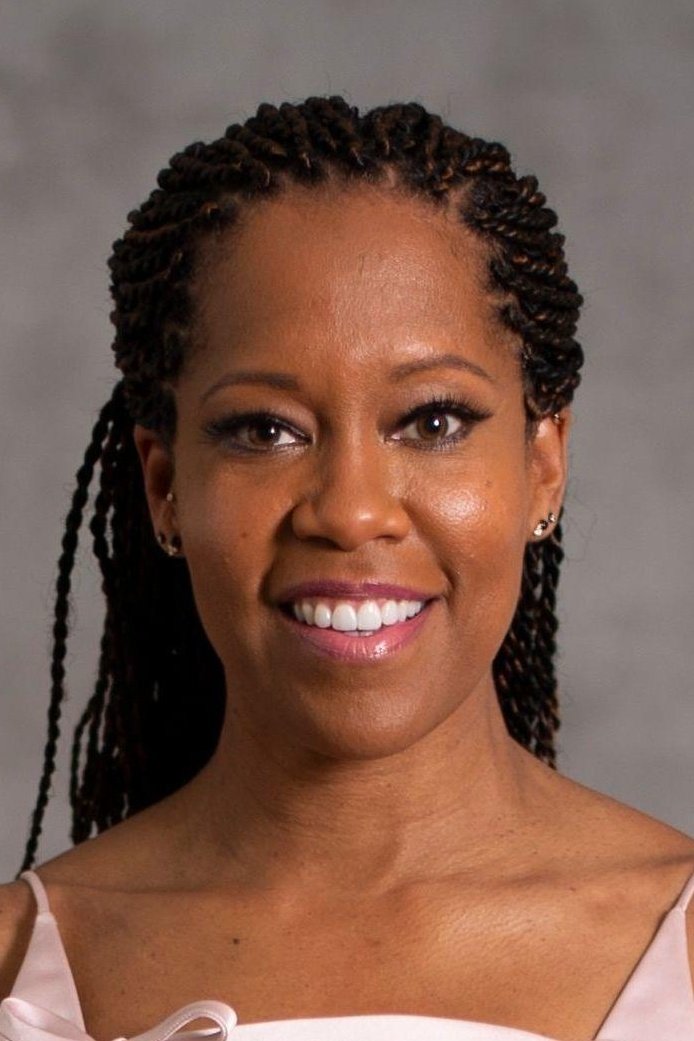
Regina King has publicly committed to having at least half of her production crews be women. She’s also spoken out about the film industry’s past lack of opportunities for Black women directors and producers. With her film ‘One Night in Miami,’ she demonstrated that stories centered on Black men can be both thought-provoking and successful with audiences. King continues to champion inclusivity by fostering diverse and welcoming work environments on all her projects.
Lupita Nyong’o
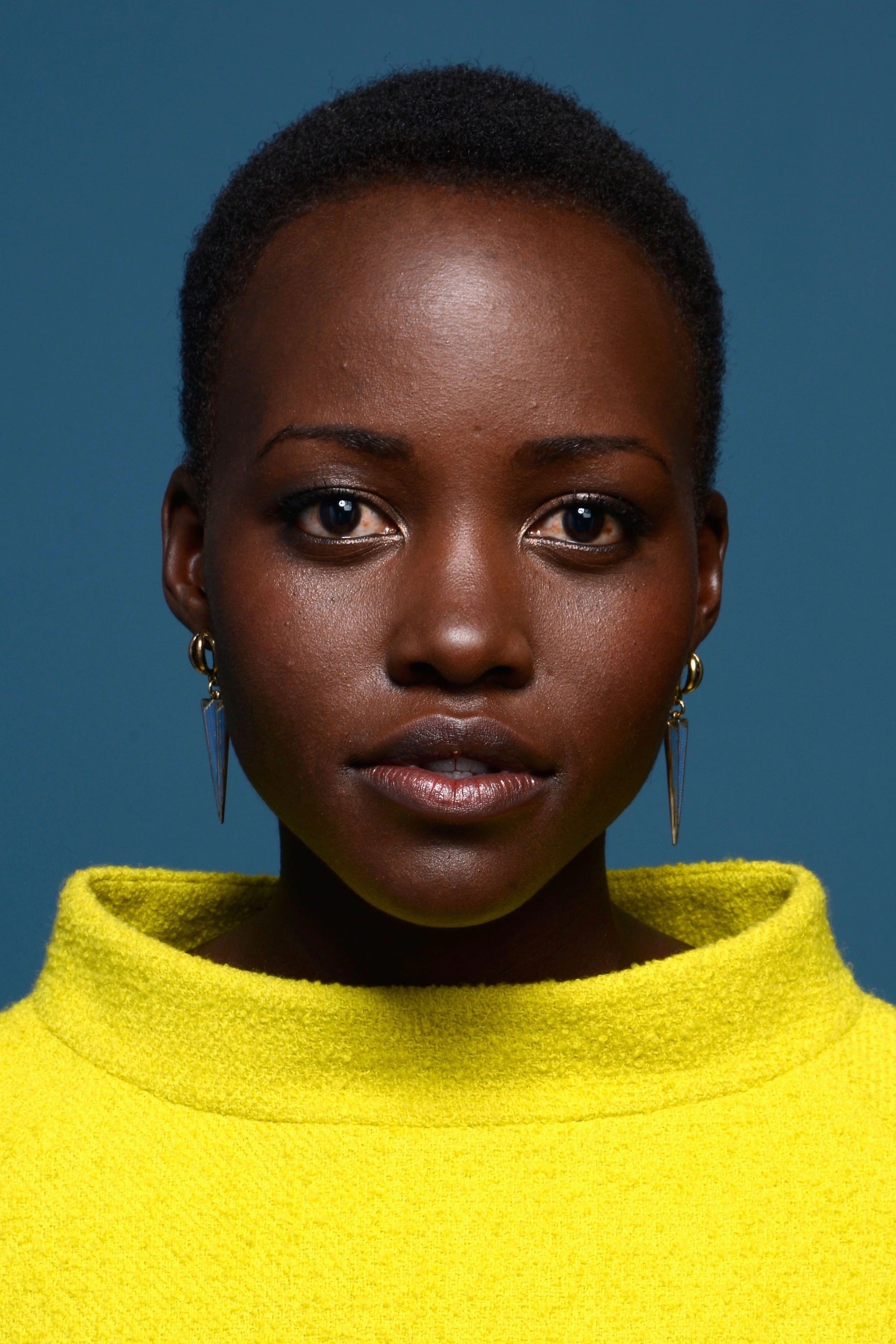
Lupita Nyong’o has discussed the impact of colorism on her early career and the limited roles available for dark skinned actresses. She highlighted how ’12 Years a Slave’ brought her recognition but also exposed the industry obsession with trauma based narratives. The actress has worked to produce projects that celebrate African culture and history. She remains a strong voice for the necessity of global perspectives in Hollywood storytelling.
Lena Waithe
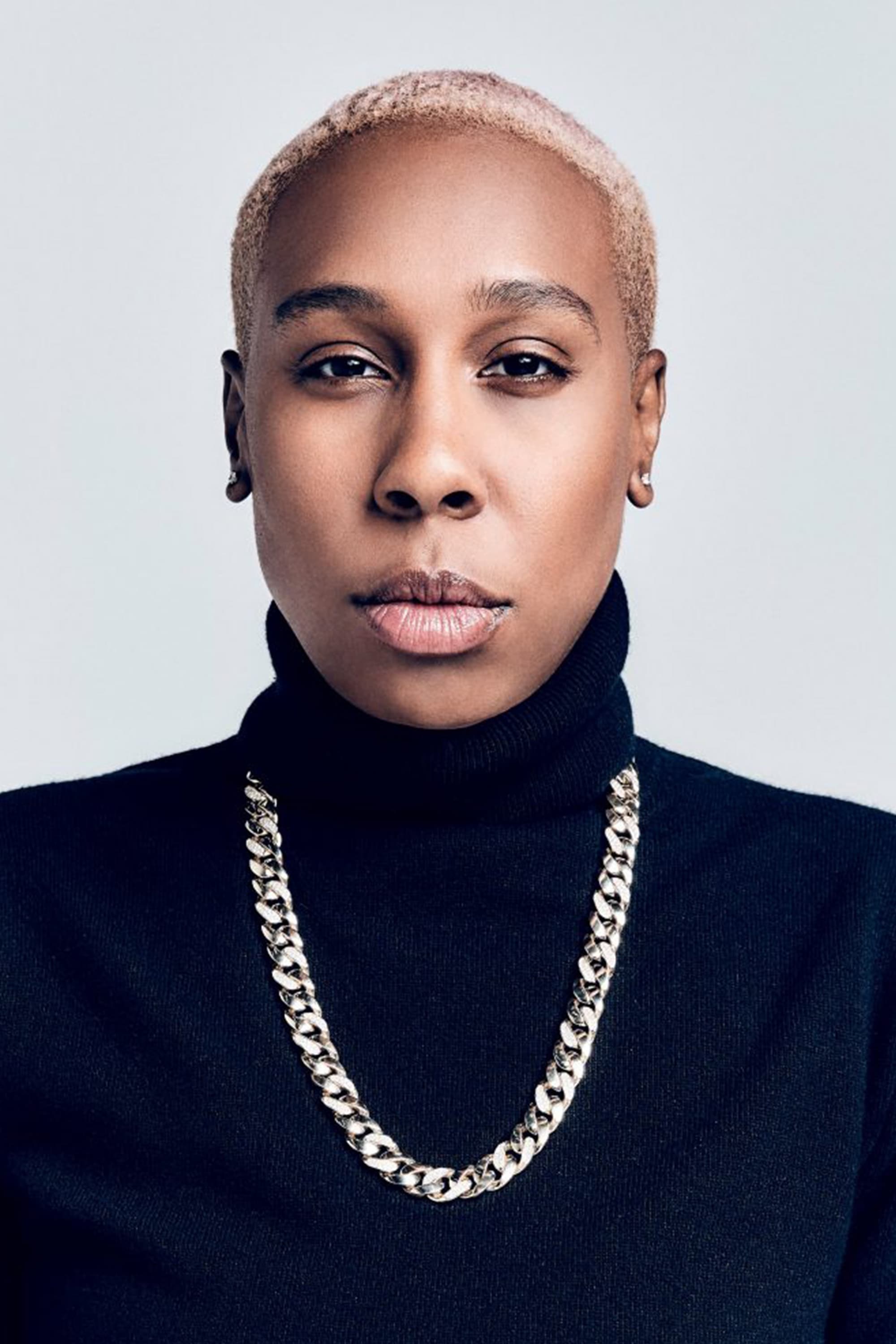
Lena Waithe has spoken out about the need for more LGBTQ+ Black characters and stories in TV and film. Through her work on shows like ‘Master of None,’ she’s shared the specific experiences of coming out within Black families. Waithe also believes the entertainment industry often prevents new talent from getting opportunities and is working to change that by mentoring young artists and helping them find platforms for their voices.
Janelle Monáe
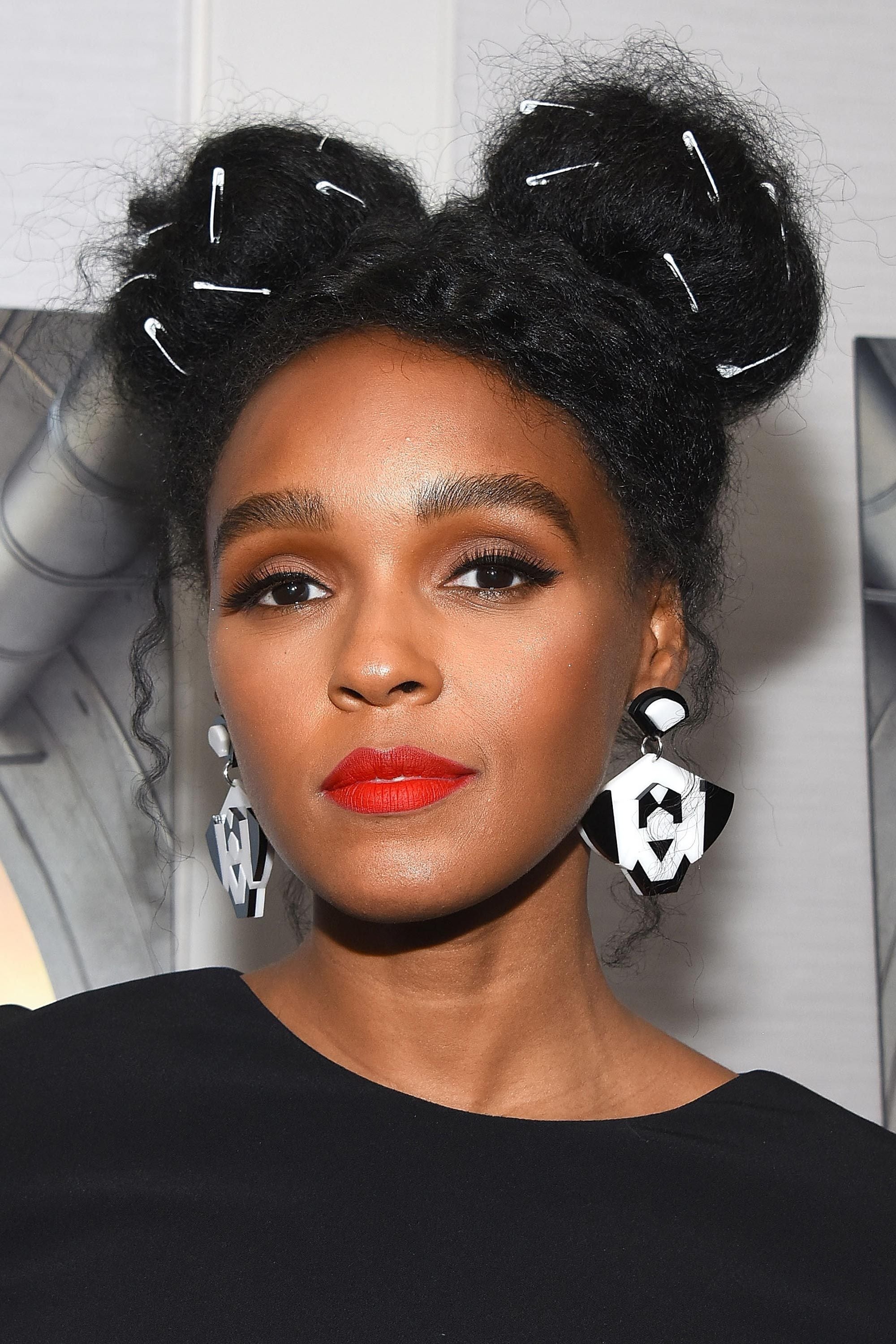
Janelle Monáe frequently uses her platform to speak out for Black and LGBTQ+ rights. She’s criticized Hollywood for overlooking and profiting from marginalized groups. Through films like ‘Hidden Figures,’ she highlights the often-forgotten achievements of Black women. She consistently pushes the entertainment industry to recognize the complete worth and dignity of all artists.
Ava DuVernay
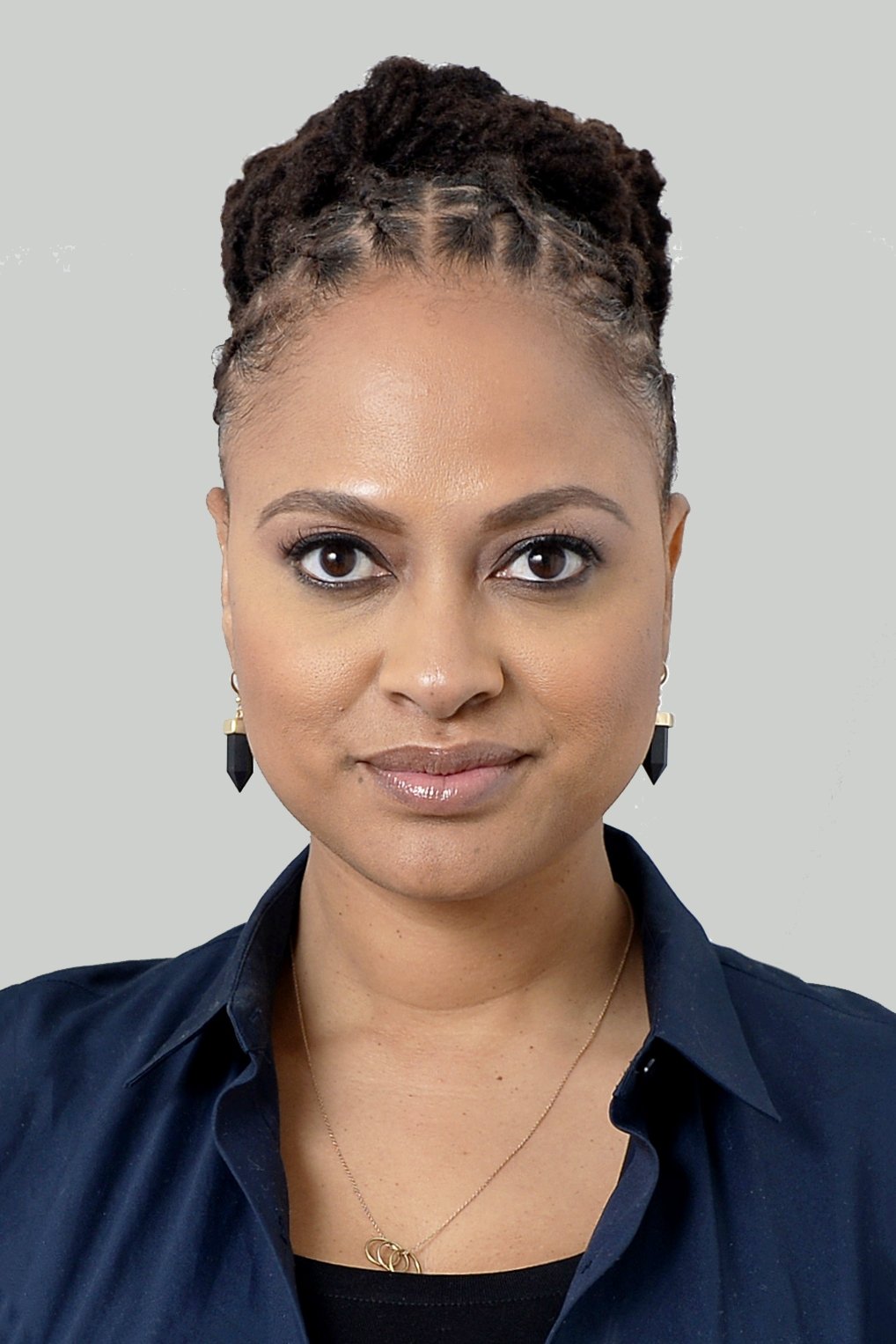
Ava DuVernay often points out that the word ‘diversity’ can be empty, and she prefers ‘inclusion’ because it suggests real power and involvement. Her work, like the series ‘When They See Us,’ has powerfully questioned how the justice system and media treat young Black people. She’s also created a film distribution company to help independent films made by people of color reach larger audiences.
Yara Shahidi
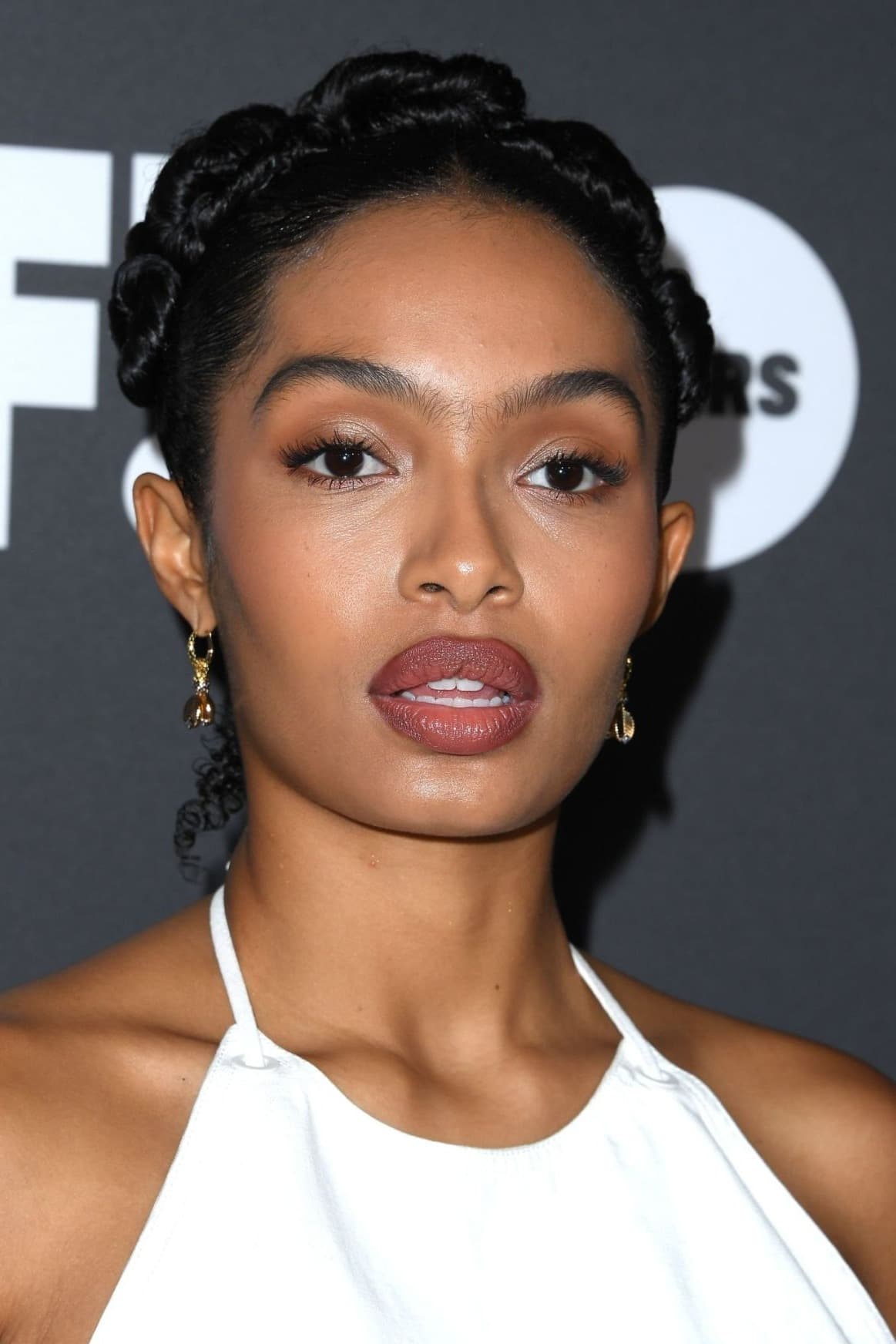
Yara Shahidi believes it’s crucial for young people to see themselves accurately reflected in media. She points to her show, ‘Black-ish,’ as an example of a series that realistically portrayed a modern Black family. Shahidi champions roles that move beyond stereotypes and limited stories. She frequently uses her voice to urge the entertainment industry to invest in the education and political involvement of young people of color.
Thandiwe Newton

Thandiwe Newton has openly talked about facing racism and sexism while working in the film industries of both Britain and the United States. She explained how being a woman of color influenced the roles she was offered, including in ‘Westworld.’ Newton has also noted that Hollywood frequently focuses on diversity in ways that are more comfortable for white viewers. She continues to strongly support efforts to hold those in power accountable for their behavior.
Idris Elba
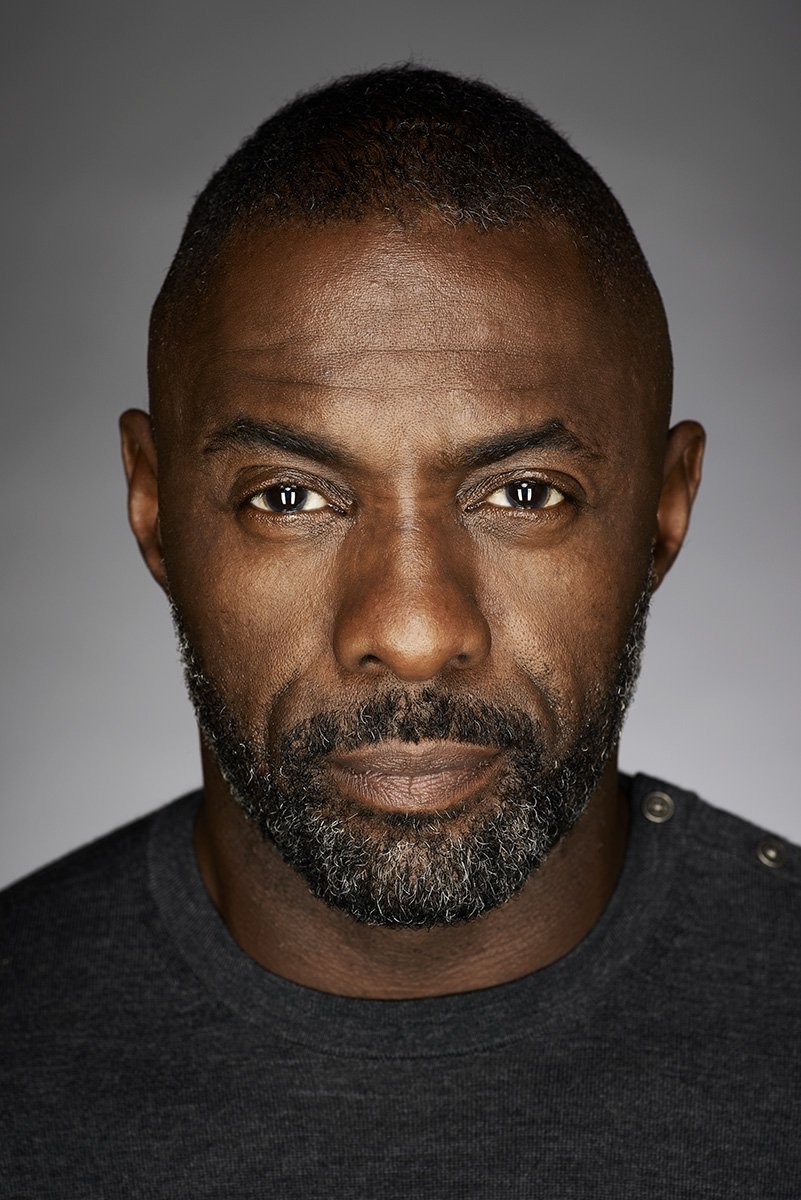
Idris Elba has expressed concern that some diversity efforts can feel superficial. He believes the entertainment industry should strive for a point where casting decisions are based on talent, not race. Reflecting on his own career beginnings in the UK, he explained that a limited number of leading roles prompted him to seek opportunities in the US. He remains committed to achieving true fairness and inclusion in the entertainment world globally.
Tessa Thompson
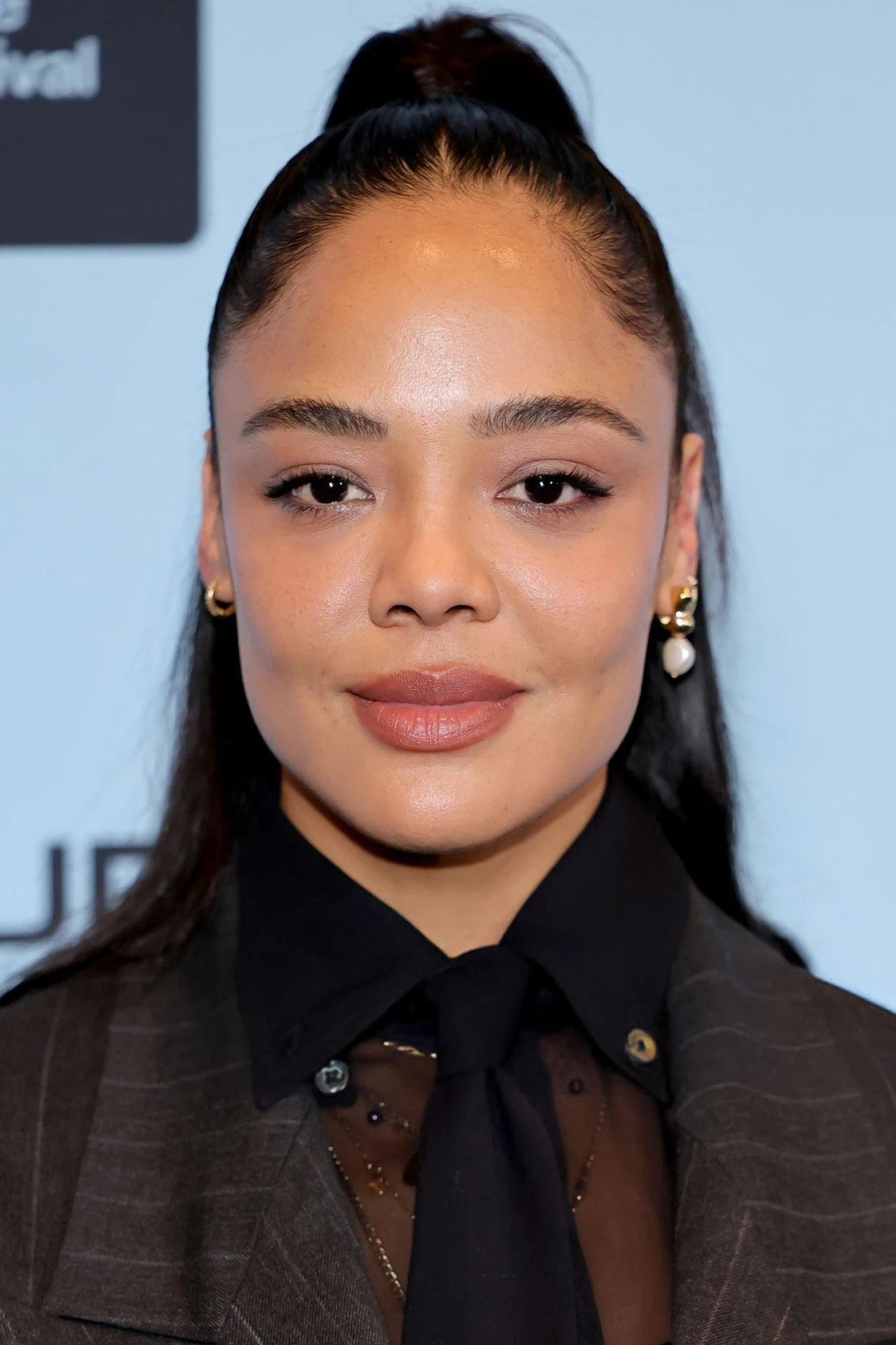
Tessa Thompson is a strong voice for change in Hollywood, particularly through her work with the Time’s Up movement and her push for greater diversity on film sets. She actively seeks out journalists from various backgrounds for interviews and has worked to promote inclusivity within the Marvel Cinematic Universe, starting with her role in ‘Thor Ragnarok’. Thompson emphasizes that lasting change requires addressing issues at all levels of the film production process.
Keke Palmer

As a longtime movie fan, I’ve always admired Keke Palmer’s talent, but I really respect how open she is about the challenges she’s faced growing up in Hollywood. She’s spoken a lot about how Black actors are often stuck playing the same kinds of roles, and it’s frustrating to see. I appreciate that she uses her platform to talk directly to fans about what it’s really like being a Black woman in this industry, and she’s constantly pushing for herself and other actors to get the respect and creative freedom they deserve. It’s inspiring to see her demand better!
Octavia Spencer
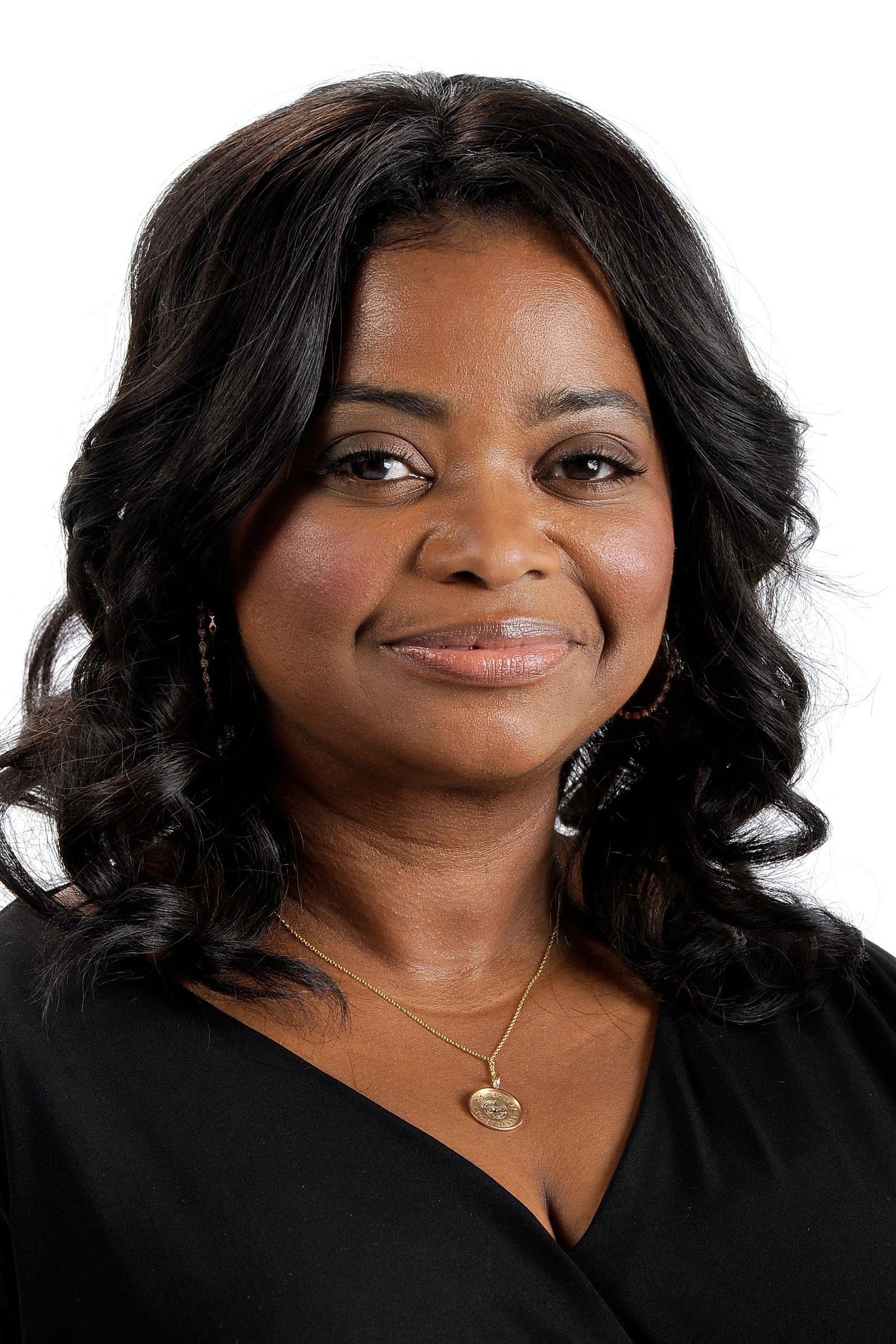
Octavia Spencer and Jessica Chastain worked together to fight for equal pay on a project they shared. Spencer has discussed the challenges of being a character actress frequently cast in similar roles. She credits ‘Hidden Figures’ with proving that Black women can be successful leads in major films. She remains committed to pushing for open salary discussions and collective bargaining to ensure fair treatment and equal pay.
Kerry Washington
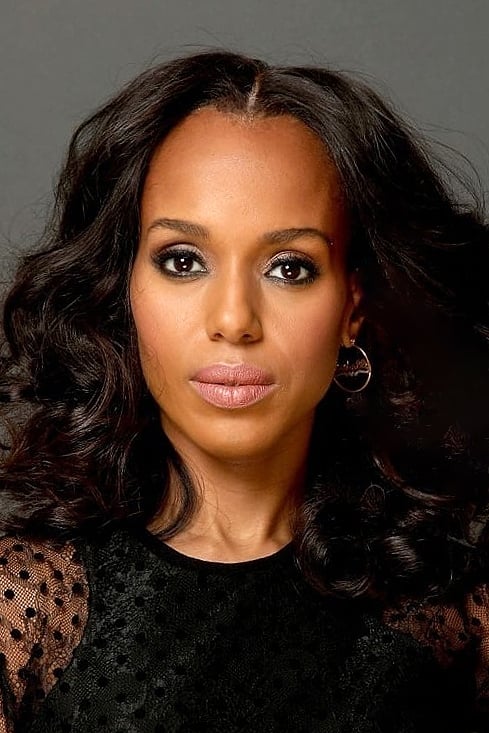
Kerry Washington has discussed the pressure of being one of the first Black women to star in a network drama in a long time, thanks to her role in ‘Scandal’. She’s pointed out that some efforts to promote diversity are just for show and don’t create lasting change. As a producer, Washington actively works to make sure diverse stories are told truthfully and with depth. She’s also dedicated to helping and encouraging the next wave of Black writers and filmmakers.
Naomie Harris
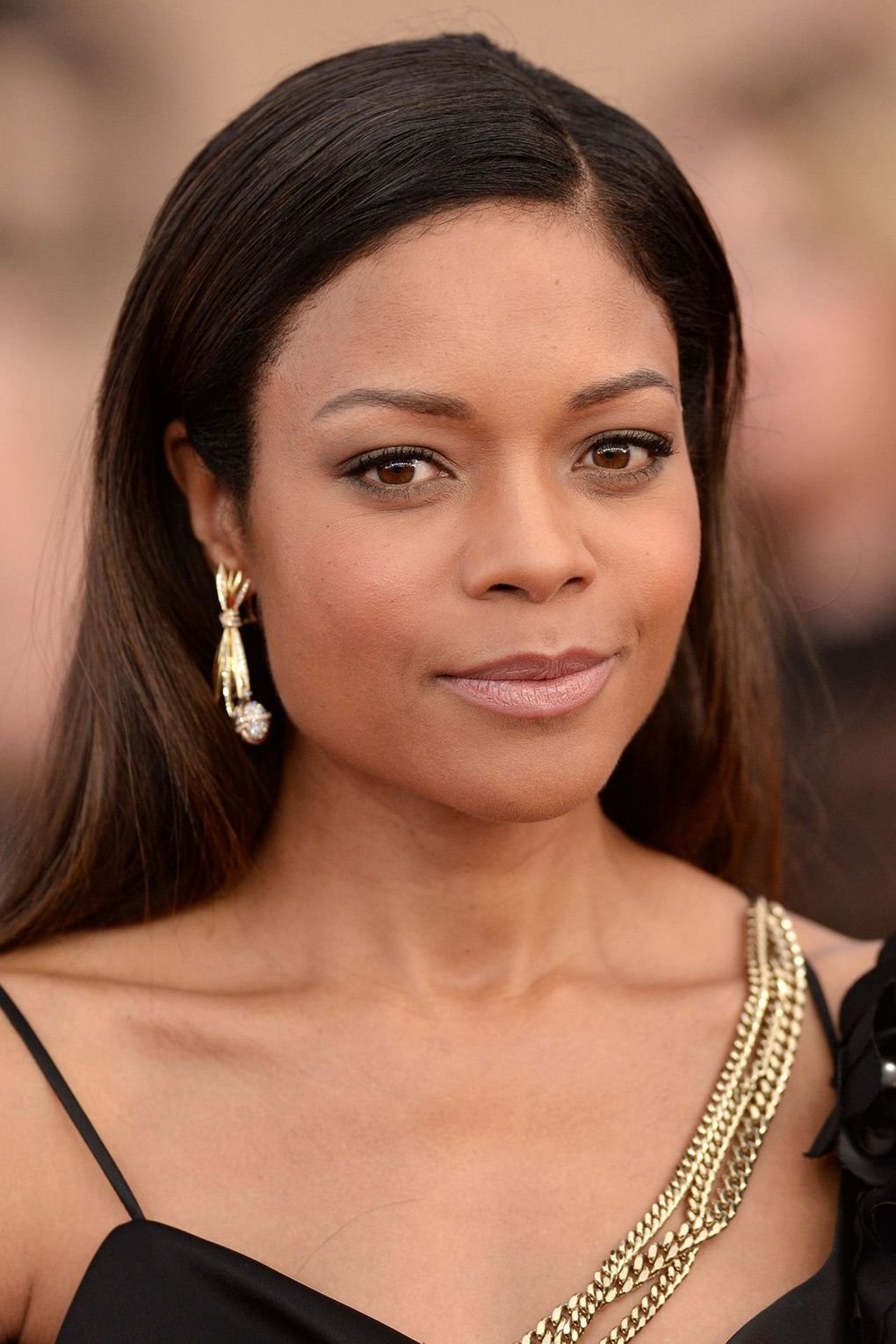
I’ve been really struck by what Naomie Harris has said about the challenges facing Black British actors. It’s so frustrating to hear that often, people of color are cast just to tick a diversity box, without actually giving them substantial roles or screen time. She also brought up something really important – the lack of experienced hair and makeup artists who understand and can properly cater to people of color on set. It’s clear to me that true representation isn’t just about seeing diversity on screen, but making sure there’s proper support and expertise behind the scenes to make it authentic and respectful.
Letitia Wright
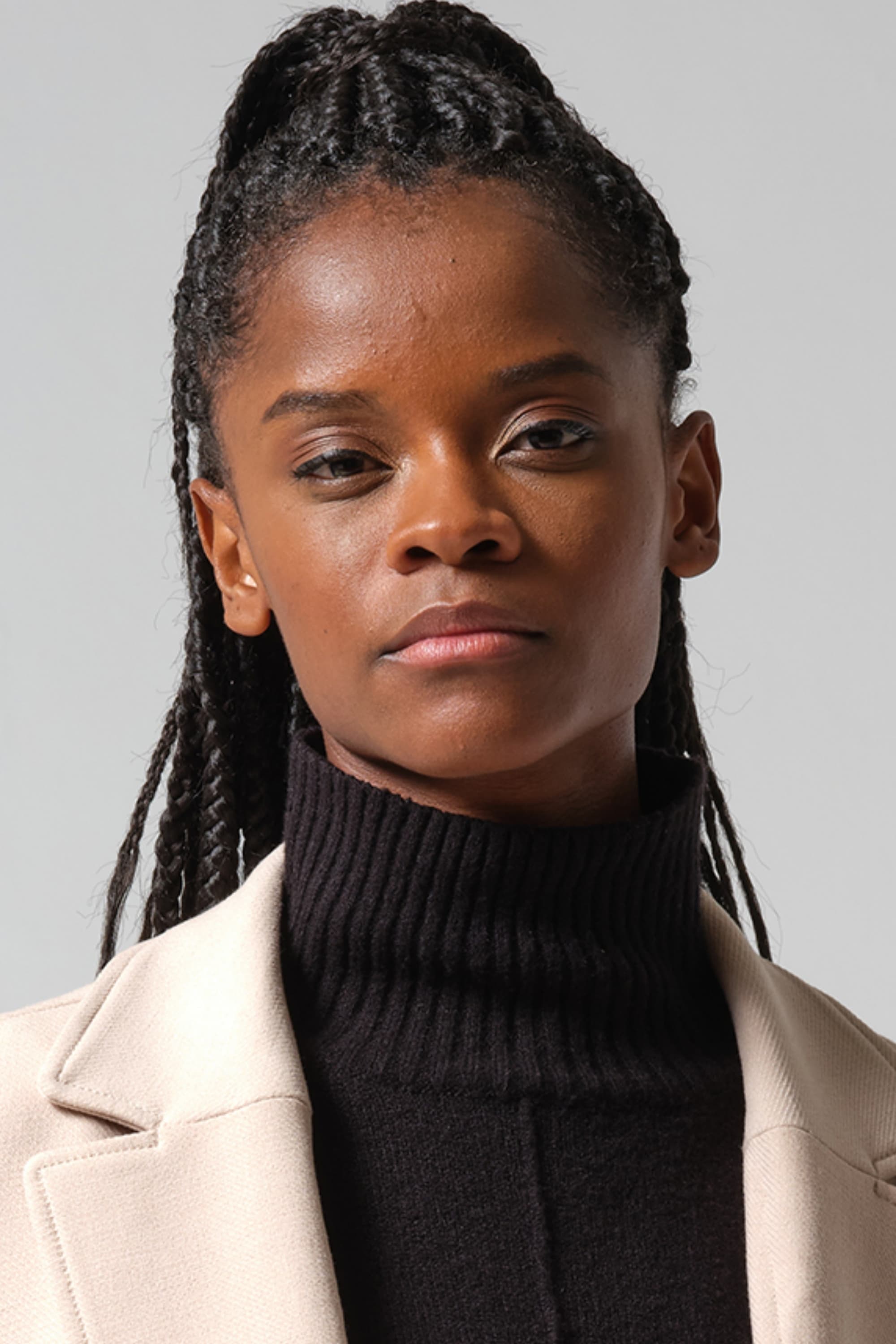
I’m so inspired by Letitia Wright’s words about ‘Black Panther.’ It wasn’t just a movie, it was a cultural moment, and she’s absolutely right – we need so many more stories that showcase the brilliance and success of Black people. It’s frustrating that for so long, Hollywood seemed only interested in depicting hardship. I really admire how she actively seeks out roles that allow her to play complex, smart characters, and I’m thrilled she’s urging the industry to keep supporting these kinds of ambitious, diverse projects with people of color leading the way.
Lashana Lynch

When Lashana Lynch was cast as a 00 agent in ‘No Time to Die’, she received a lot of negative reactions online. She used this experience to highlight the ongoing issues of racism and exclusion within big film franchises. Lynch emphasized that the industry needs to support actors from diverse backgrounds when they face online harassment. She continues to choose roles that break traditional expectations about gender and race.
Billy Porter
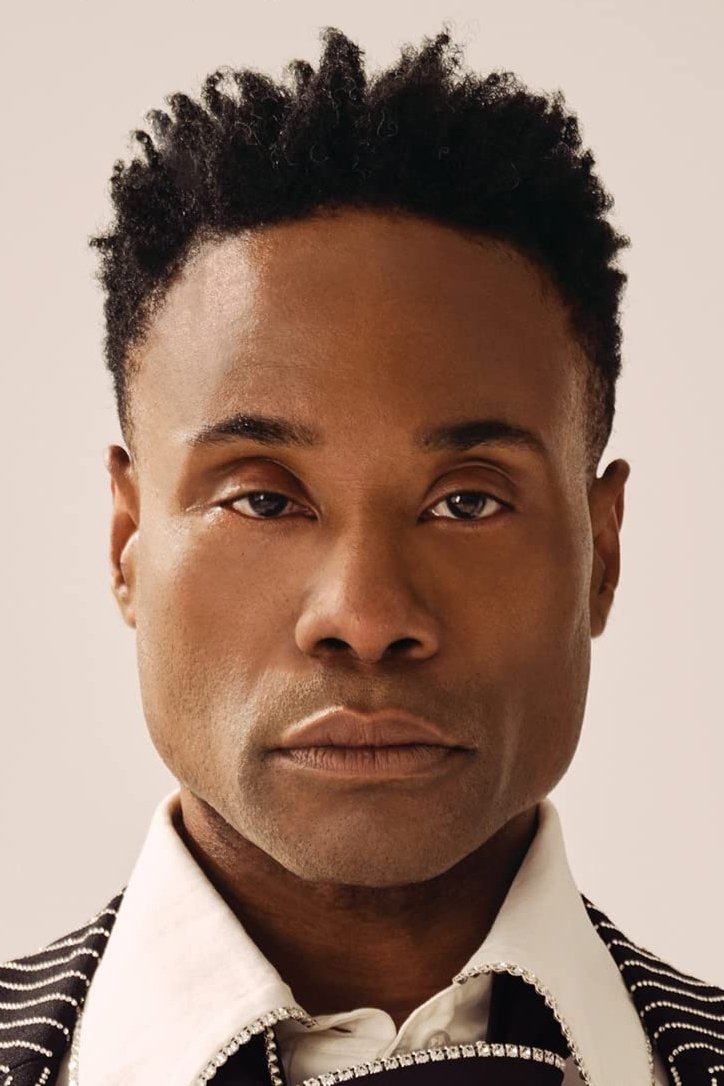
As a longtime observer of Hollywood, I’ve been consistently impressed by Billy Porter’s outspokenness. He’s absolutely right to call out the fashion and film worlds for often leaving Black queer performers out of the conversation, especially when it comes to awards. But it’s not just about complaining – through his incredible work on ‘Pose,’ he really shone a light on the vibrant history of the ballroom scene and the real challenges faced by the trans community. And he’s not letting up; he’s constantly pushing for the industry to actually listen to and platform marginalized voices, letting them tell their own stories, which is something we desperately need more of.
Sheryl Lee Ralph

Sheryl Lee Ralph is a veteran actress who’s witnessed many changes in how the entertainment industry approaches diversity. She recently discussed her career comeback with ‘Abbott Elementary’ and why it’s important for Black actresses to have long-lasting careers. Ralph has been critical of Hollywood for often overlooking the skills of older women of color, and she believes the industry needs to be more welcoming, valuing both experience and guidance from those who’ve been working for years.
Quinta Brunson
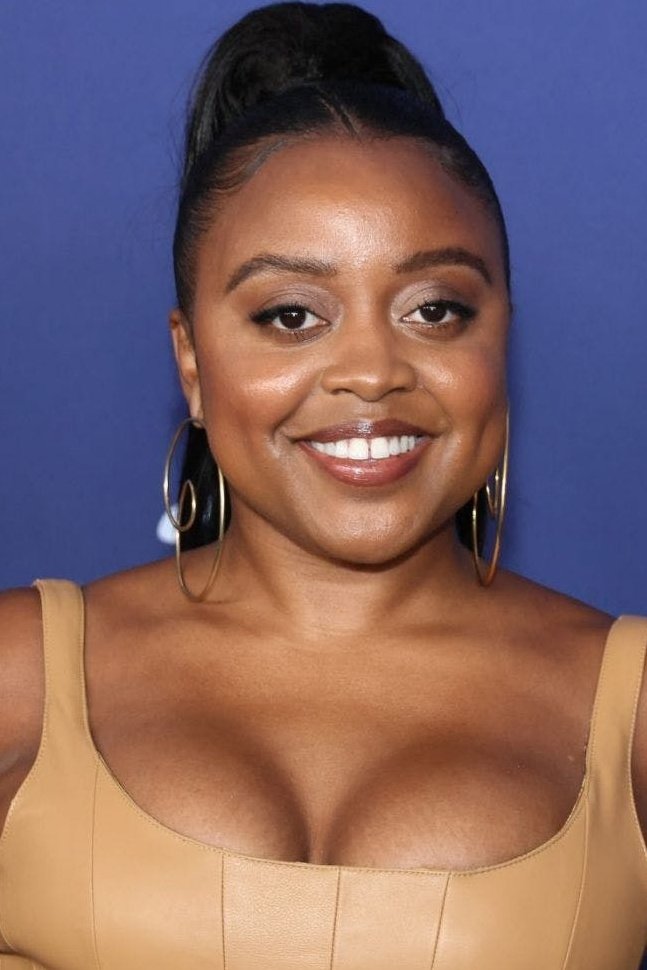
Quinta Brunson is changing the sitcom landscape by focusing on a diverse group of characters in a setting many people can connect with. She’s emphasized how important it is to have Black writers involved in the creative process to ensure the dialogue and character development feel genuine. Brunson has also criticized diversity efforts that don’t give Black creators true control over their work. She consistently demonstrates that stories rooted in specific cultures can resonate with everyone.
Michaela Coel
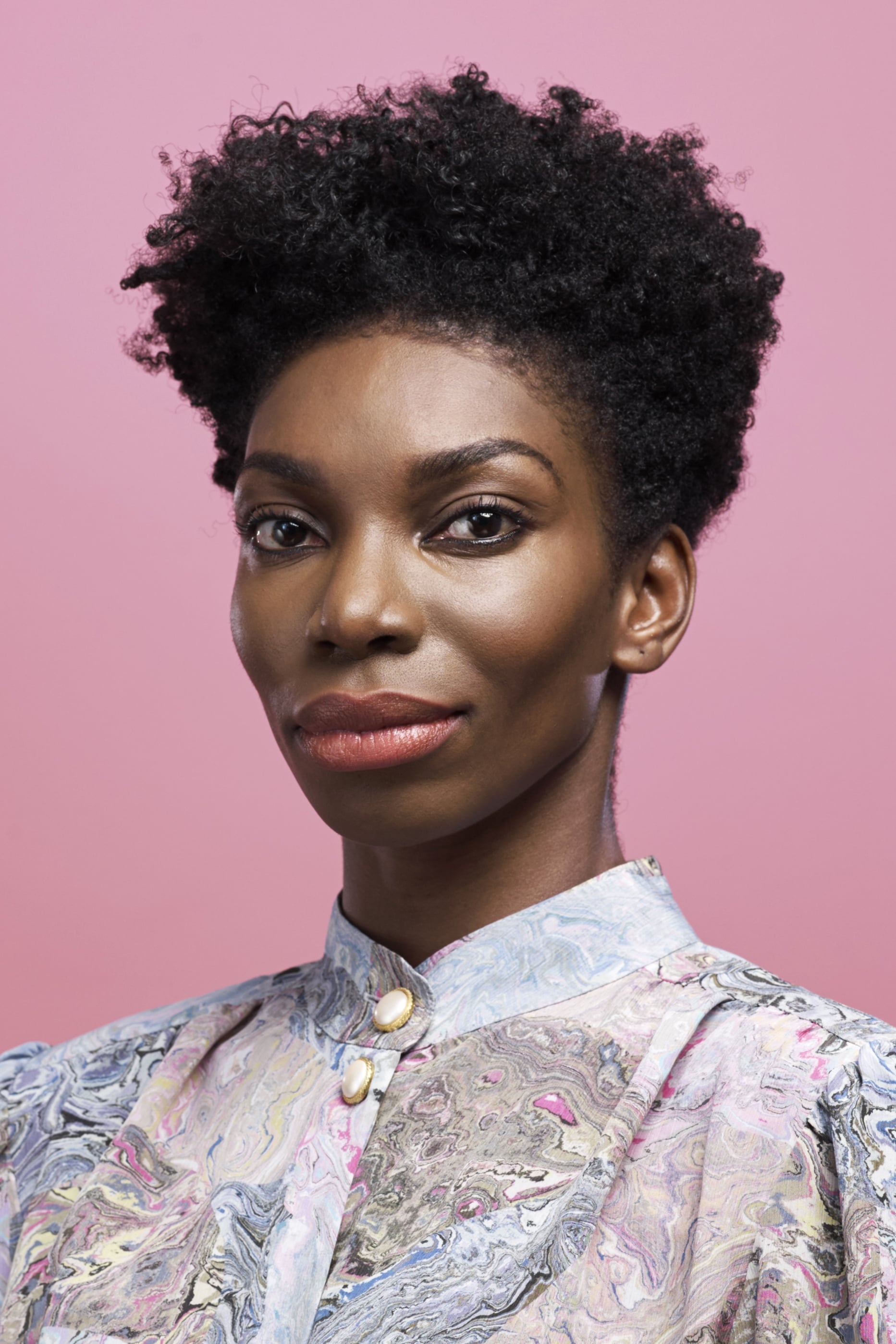
Michaela Coel famously chose to keep full control of her creative work, even though it meant declining a million-dollar offer from a large streaming company. At the BAFTA Awards, she highlighted the importance of protecting the rights of Black creators. Her groundbreaking series, ‘I May Destroy You,’ tackled difficult topics like trauma and consent in a fresh and insightful way. Coel continues to be a strong voice for artists who want to maintain independence and receive fair payment for their work.
Laverne Cox
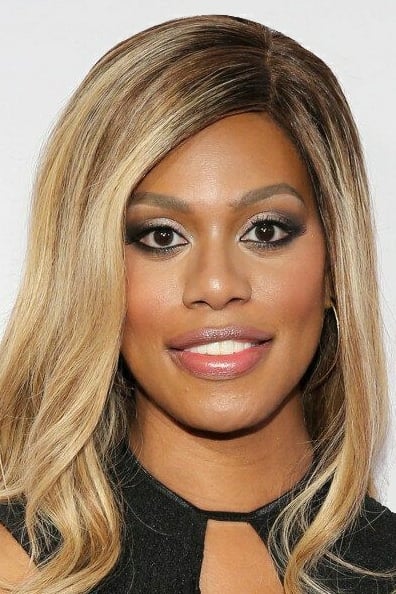
Laverne Cox is a pioneer for transgender representation and has spoken out about the need for more inclusion in the entertainment industry. She’s explained that casting cisgender actors to play transgender characters can be damaging and unfair. Through her role on ‘Orange Is the New Black,’ Cox has brought attention to the challenges faced by Black transgender women and continues to advocate for Hollywood to create more opportunities for transgender actors to share their own experiences.
Mo’Nique
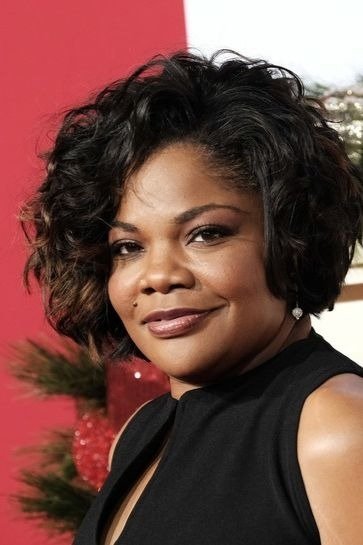
Mo’Nique has faced public criticism and controversy for fighting for equal pay from major film and television studios. After receiving what she considered a low salary offer, she asked people to stop subscribing to certain streaming services. She’s been a vocal critic of the practice of unfairly excluding performers who ask to be treated fairly, and continues to champion financial independence for Black women working in the entertainment industry.
Jurnee Smollett

Jurnee Smollett has spoken out about the need for more diversity on film sets and how it affects the creative process. Reflecting on her work on ‘Lovecraft Country,’ she emphasized the value of having crew members who understand the cultural background of the stories being told. Smollett is a strong advocate for hiring Black professionals as leaders in roles like costume design and camera work. She continues to prioritize projects that aim to reshape traditional stories and challenge societal expectations.
Zazie Beetz
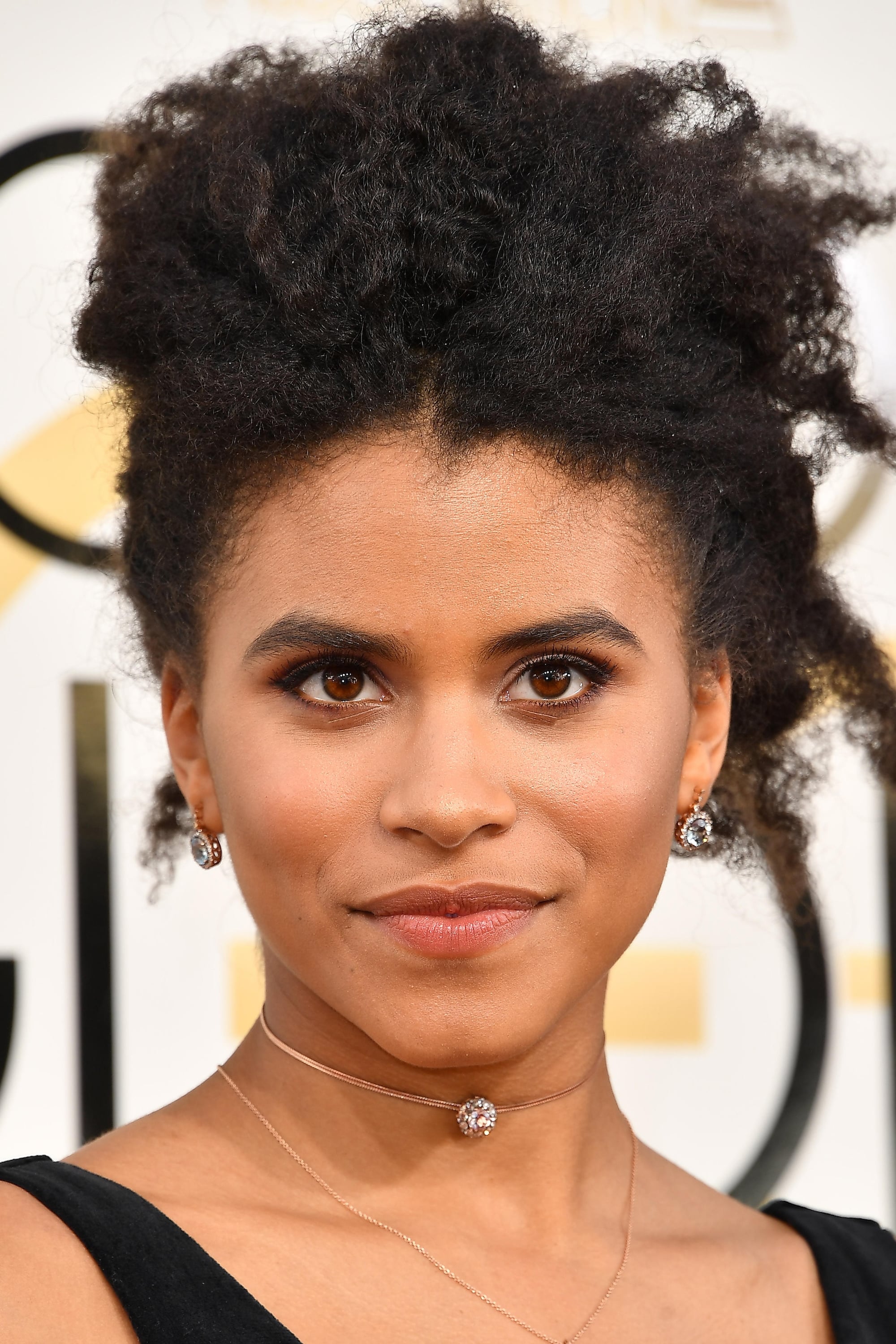
Zazie Beetz has spoken about how Black characters in action and superhero movies are often reduced to stereotypes. She believes it’s important for these characters to be portrayed as fully developed people, with depth and complexity, instead of simply representing a concept. Beetz has criticized the film industry for its narrow depiction of Black women and is actively looking for roles that allow her to showcase a broader spectrum of human emotions and experiences.
Barry Jenkins
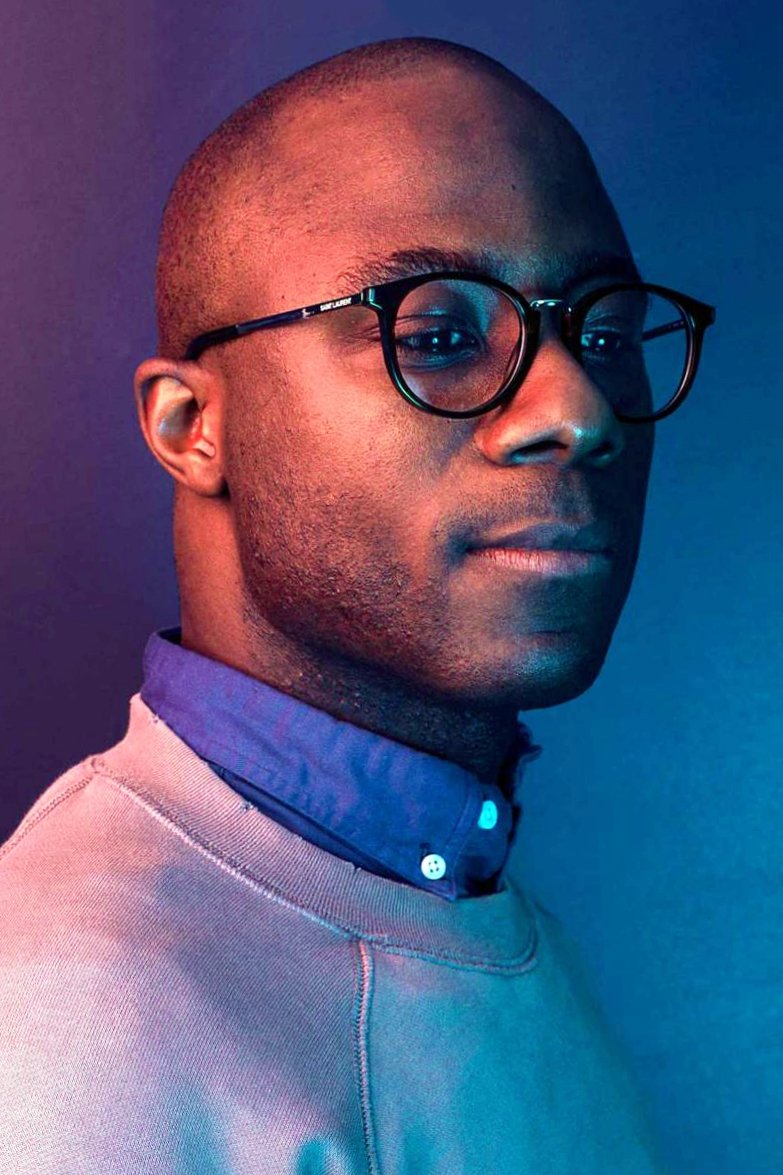
Barry Jenkins, the acclaimed director, has been using his platform to advocate for Black filmmakers having more creative control over their work. He’s discussed the difficulties he faced getting films like ‘Moonlight’ and ‘If Beale Street Could Talk’ produced, noting that the industry often favors projects with strong commercial potential over artistic value. Jenkins has also criticized the limited and often stereotypical ways the industry defines ‘Black stories.’ He continues to focus on making beautiful, impactful films that authentically portray the Black experience.
Spike Lee
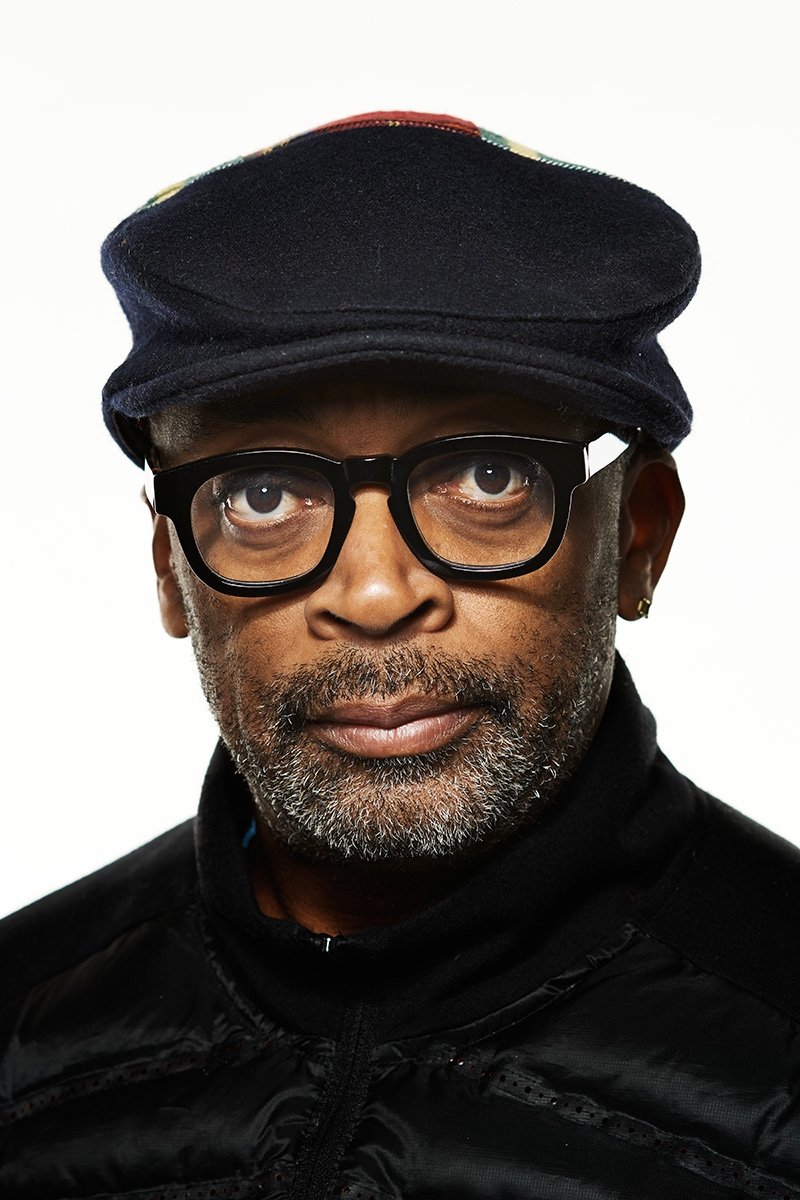
Spike Lee has long spoken out about the lack of diversity at the Academy Awards, even boycotting the ceremony at one point to protest the absence of Black nominees. Throughout his career, he’s focused on films that explore racism and social inequality in America. He consistently pushes the film industry to genuinely acknowledge and celebrate the work of Black creators.
Sterling K. Brown
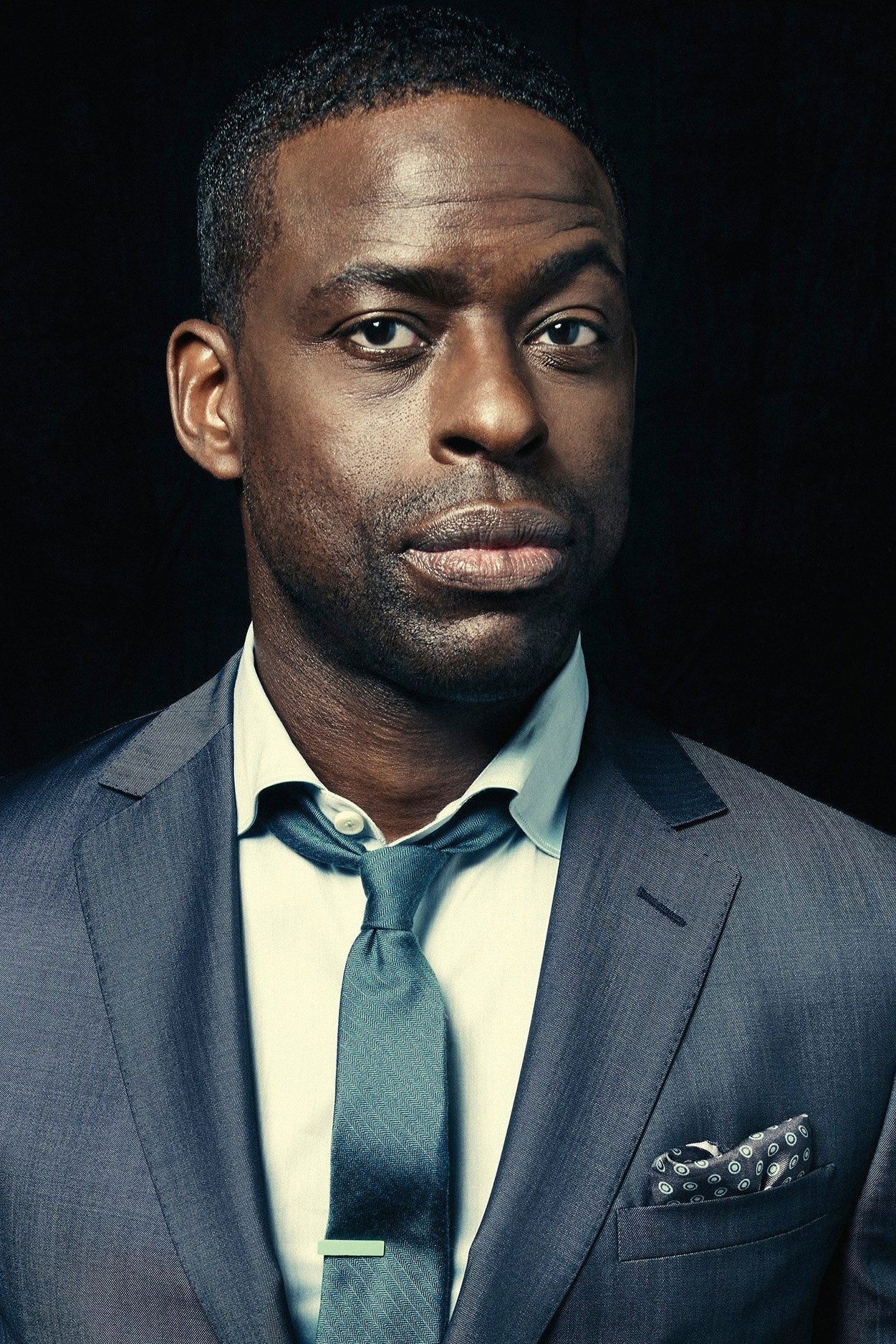
Sterling K. Brown has discussed how important it is for Black actors to have a wider range of roles. He appreciates that ‘This Is Us’ let him play a successful, loving husband and father, a type of character he feels is often missing. Brown has also pointed out that the entertainment industry frequently limits Black men to roles as either criminals or supporting characters. He continues to champion the impact of diverse representation in challenging stereotypes and changing how society views people.
Anthony Mackie
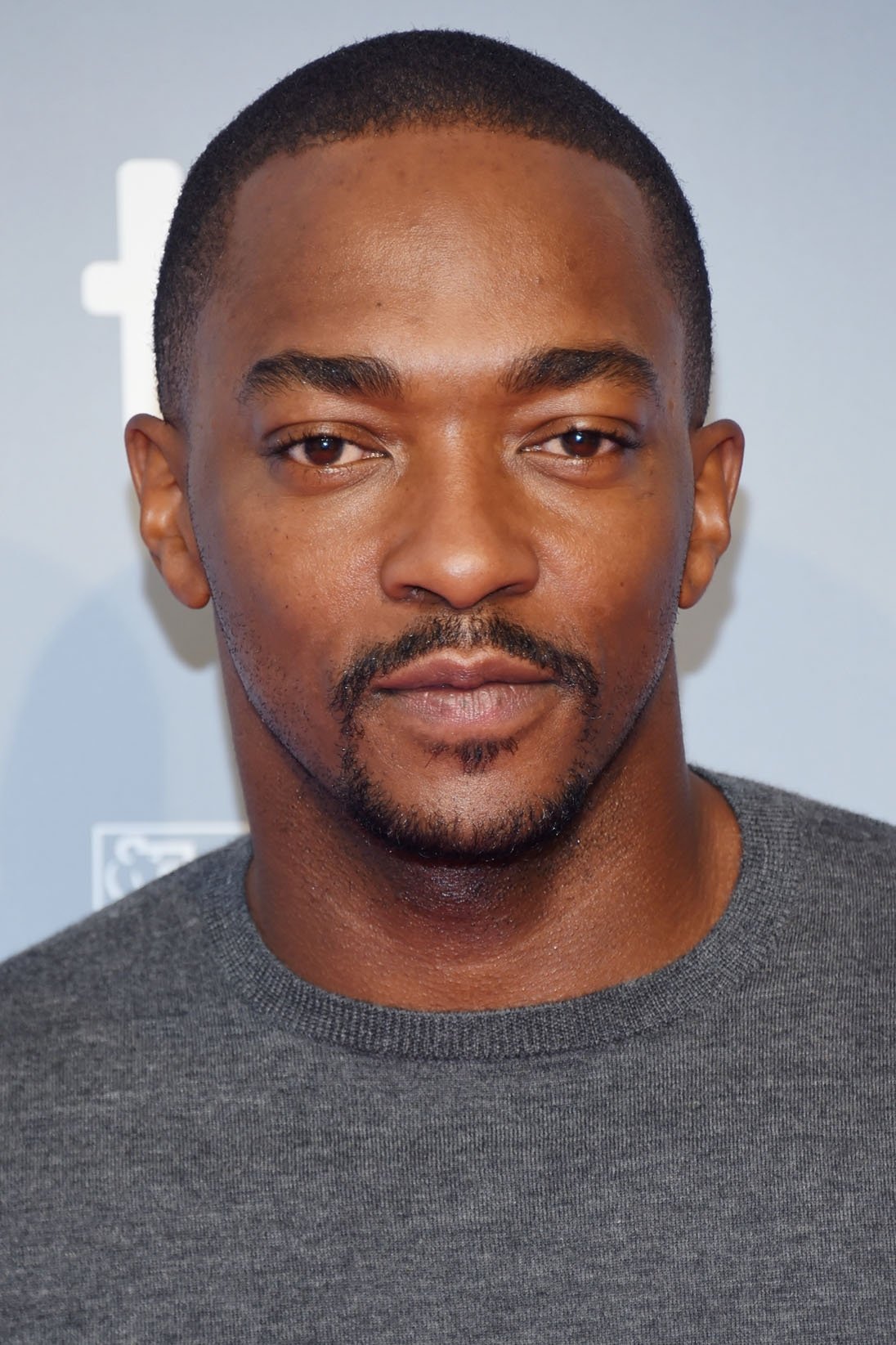
Anthony Mackie has spoken out about the need for more diversity in the crews working on big-budget films. He noted that while movies are increasingly featuring actors from diverse backgrounds, the people working behind the scenes often lack that same representation. Mackie believes the film industry needs to actively recruit and train more Black professionals for technical positions, and he’s using his role as Captain America to advocate for greater inclusivity within the Marvel Cinematic Universe.
Don Cheadle
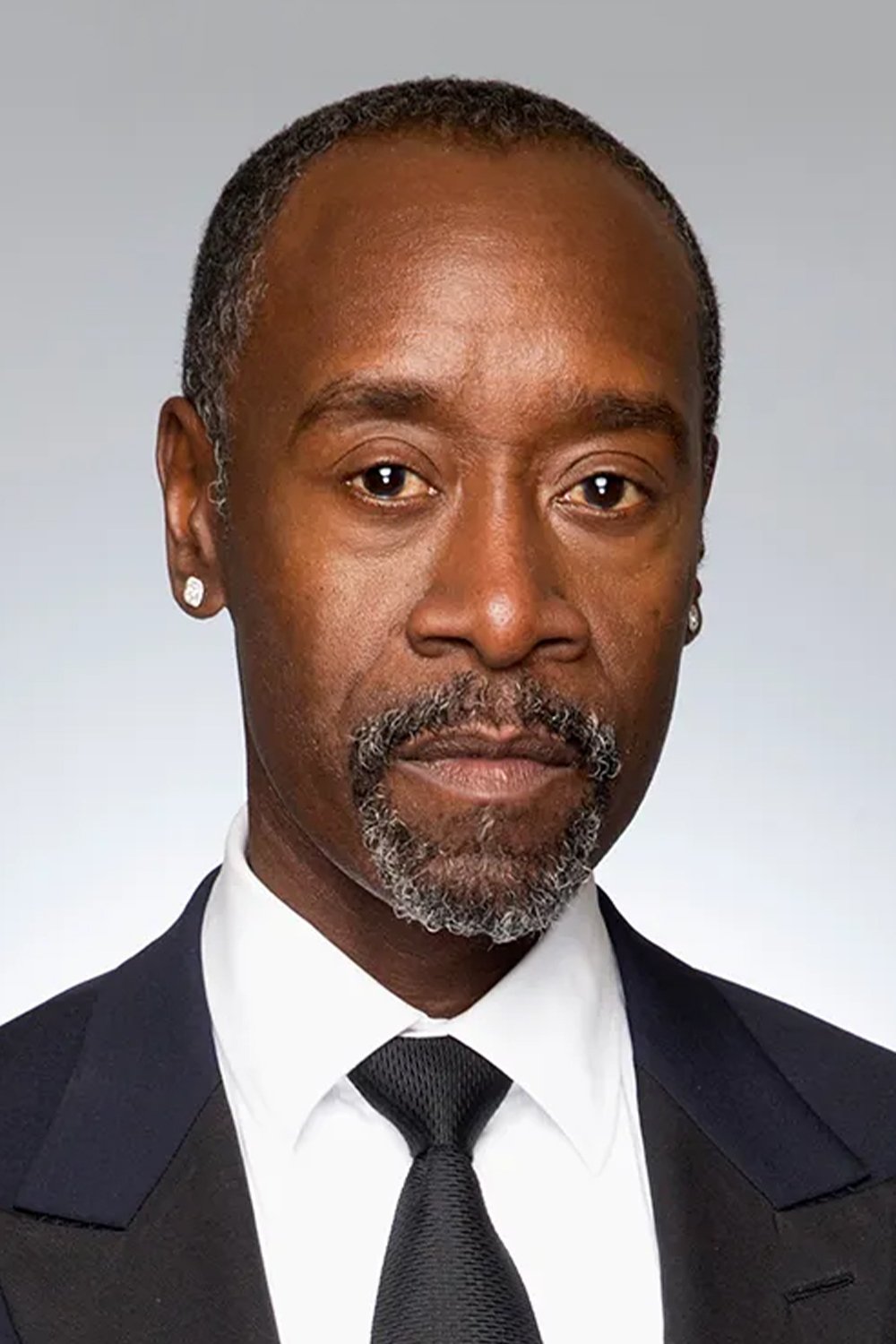
Don Cheadle is a strong advocate for greater diversity in Hollywood and beyond. He’s often discussed how difficult it is to get unique stories made in an industry that tends to avoid risks. Cheadle regularly uses his public voice to draw attention to important world issues and emphasizes the power of stories to help people understand each other. He continues to focus on projects that break new ground and create opportunities for those who haven’t traditionally been represented.
Ruth Negga
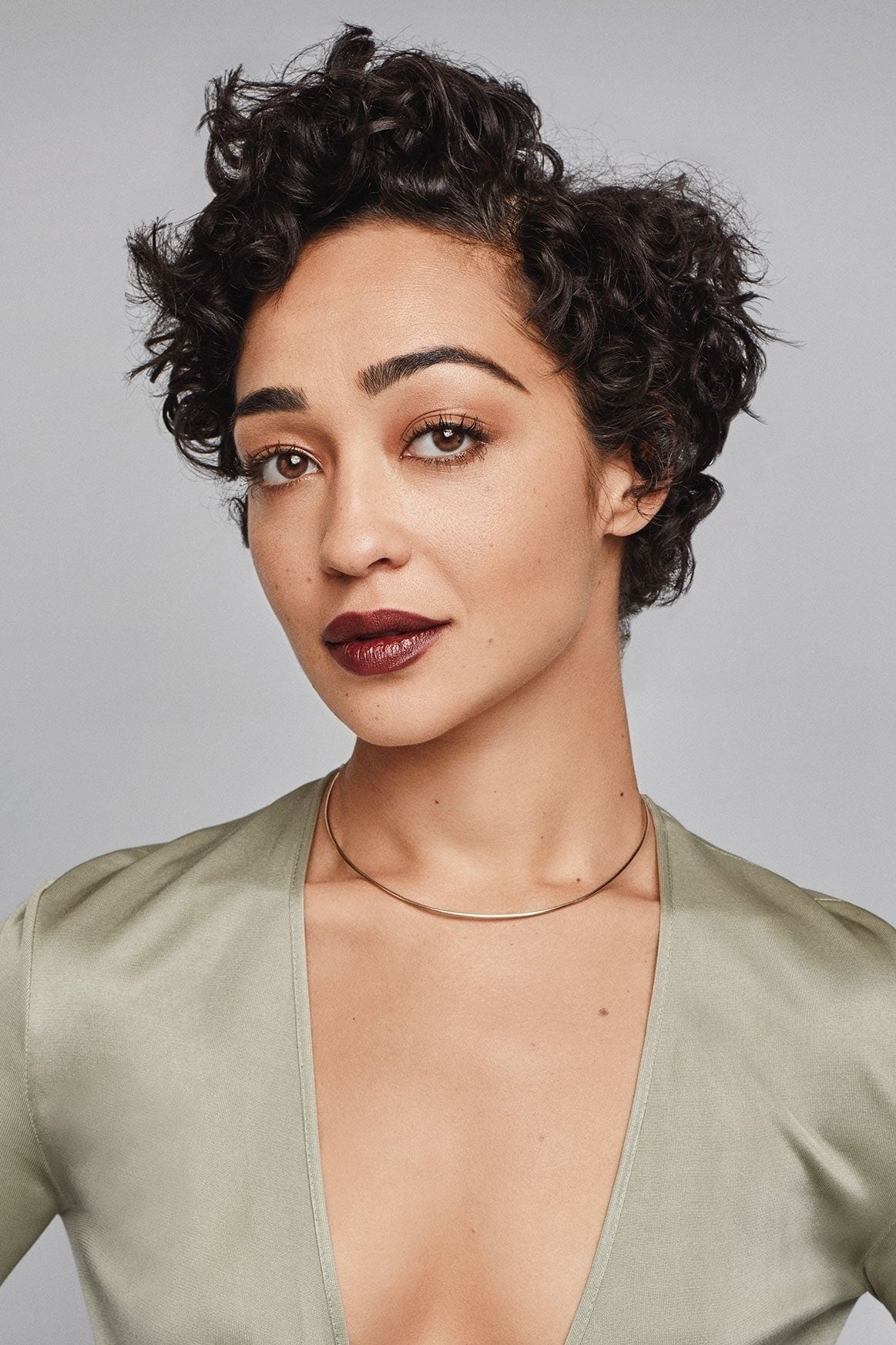
Ruth Negga has talked about the challenges of being a mixed-race actor in an industry that often wants to put people in neat boxes. She emphasized the need to portray historical figures, like Mildred Loving, with respect and depth. Negga has also pointed out that stories about Black people in both the UK and the US are often too limited, and she’s continuing to push for more opportunities and creative control for performers of color.
Sophie Okonedo
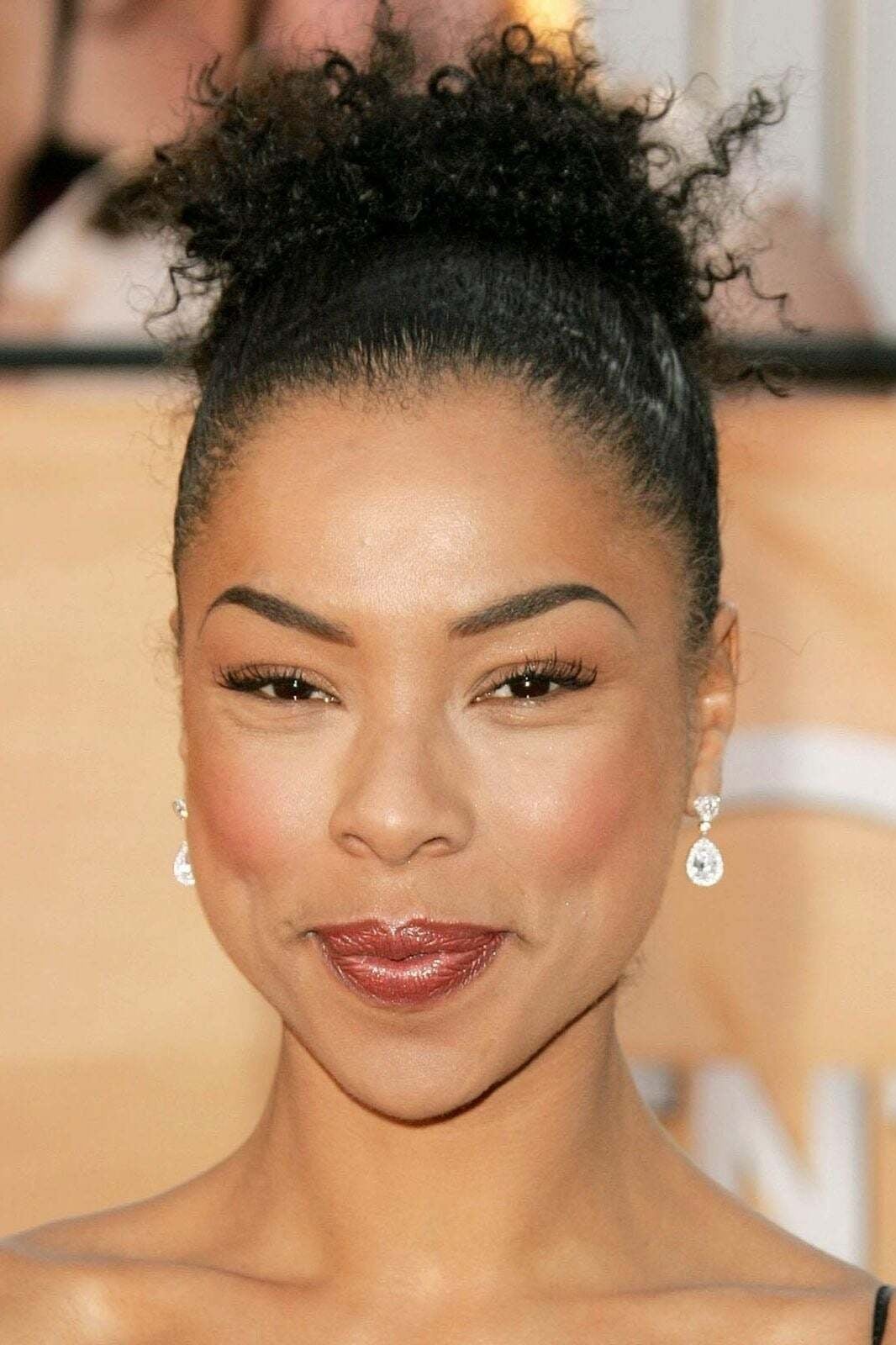
Sophie Okonedo has spoken about the limited number of leading roles available for Black actresses in the UK film industry. She found more opportunities to play diverse characters after moving to the United States. Okonedo has also expressed her disappointment with the industry’s slow pace of change regarding racial equality in casting and continues to advocate for greater international cooperation to improve diversity.
Amber Riley
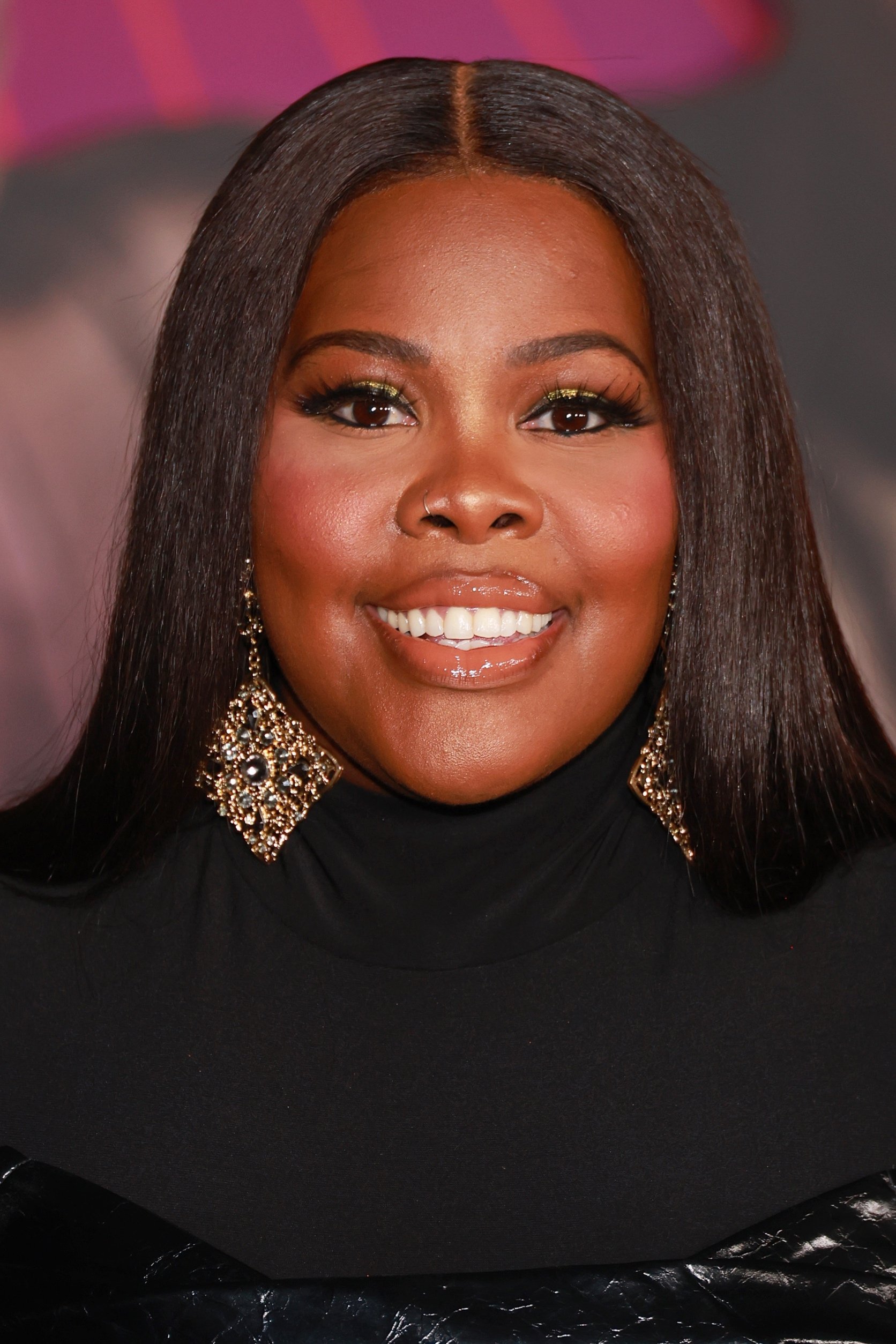
Amber Riley recently shared her experiences working on ‘Glee,’ detailing how she was treated as a Black actress. She criticized companies that make public statements of support without actually making changes to improve the work environment. Riley has been a strong advocate for better treatment and working conditions for Black performers in musical theater and television, and she continues to use her platform to fight for fairness and equality in the entertainment industry.
We’d love to hear your opinions! Tell us in the comments which celebrities you think have done the most to increase diversity in Hollywood.
Read More
- Seeing Through the Lies: A New Approach to Detecting Image Forgeries
- Staying Ahead of the Fakes: A New Approach to Detecting AI-Generated Images
- Julia Roberts, 58, Turns Heads With Sexy Plunging Dress at the Golden Globes
- Gold Rate Forecast
- Smarter Reasoning, Less Compute: Teaching Models When to Stop
- Palantir and Tesla: A Tale of Two Stocks
- TV Shows That Race-Bent Villains and Confused Everyone
- Unmasking falsehoods: A New Approach to AI Truthfulness
- How to rank up with Tuvalkane – Soulframe
- The Glitch in the Machine: Spotting AI-Generated Images Beyond the Obvious
2026-03-21 16:52