
In the entertainment world, there’s a lot of pressure to look flawless, and any visible imperfections can feel like a setback for actors. Many well-known actresses have skillfully concealed scars from past injuries or health issues, using makeup and costuming to maintain a perfect public image. These women demonstrate incredible strength and resilience, overcoming personal challenges while building successful careers. This article celebrates the talented performers who have confidently navigated the spotlight while hiding facial and body scars.
Tina Fey
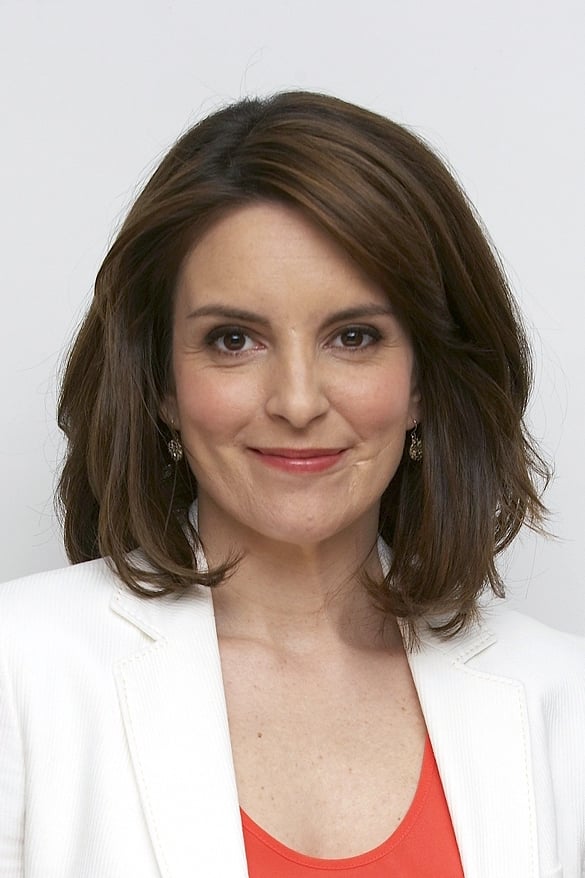
Tina Fey has a noticeable scar on her chin from a childhood attack. When she was playing outside, a man cut her face with a knife. For many years, she kept this incident private, even as she became famous on ‘Saturday Night Live.’ Early in her career, she cleverly used camera angles and makeup to downplay the scar. Later, she shared the story in her book to explain how the experience impacted her life.
Elizabeth Taylor
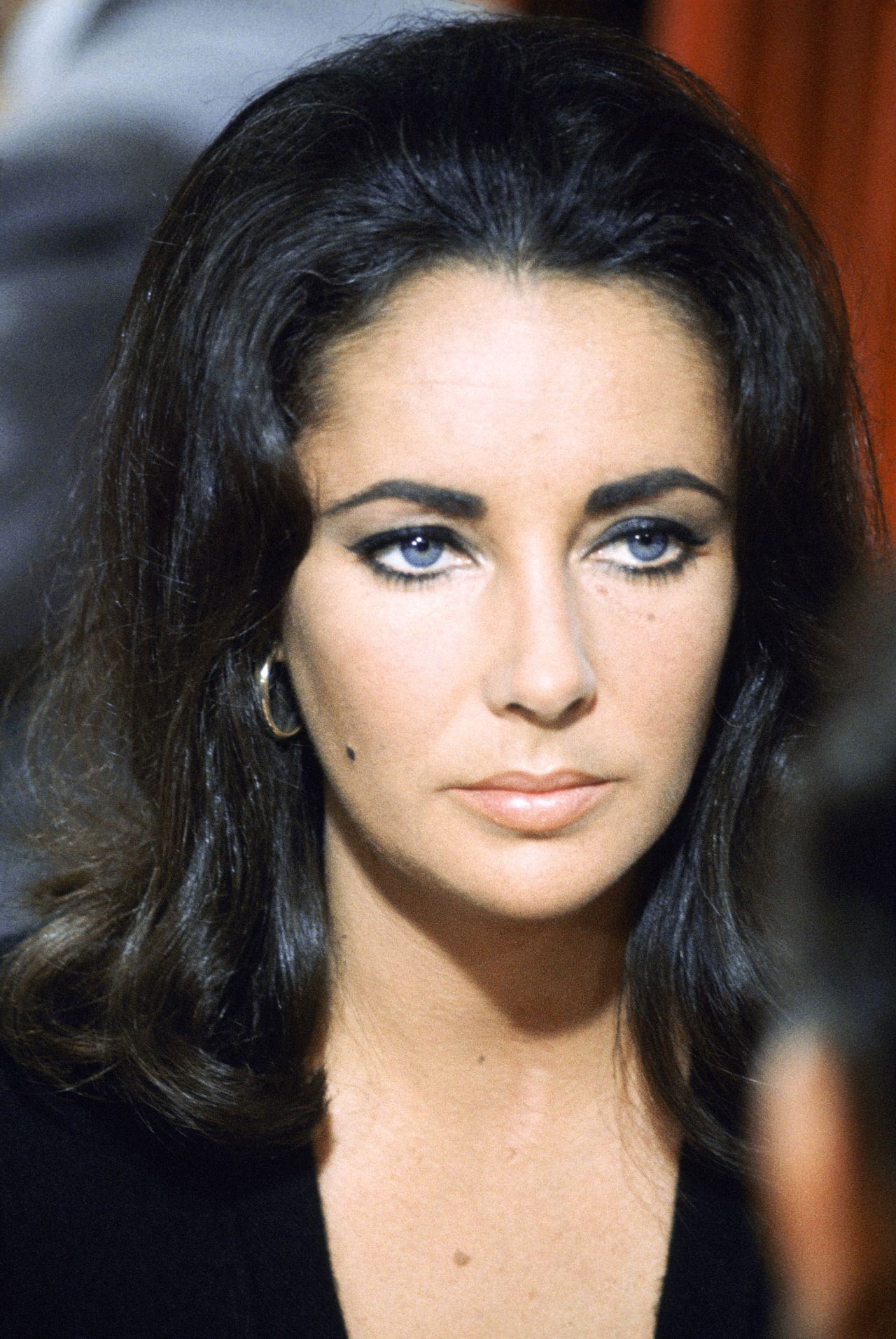
Throughout her life, Elizabeth Taylor bore several scars, most notably one on her neck from an emergency tracheotomy she had in the early 1960s after a severe bout of pneumonia. She also had many spinal surgeries, leaving marks on her back that she often concealed with beautiful gowns and costumes. To hide the neck scar, Taylor often wore high-necked jewelry and scarves in public and while filming. Despite these health struggles, she remained a beloved and iconic figure of Hollywood’s golden era.
Catherine Zeta-Jones
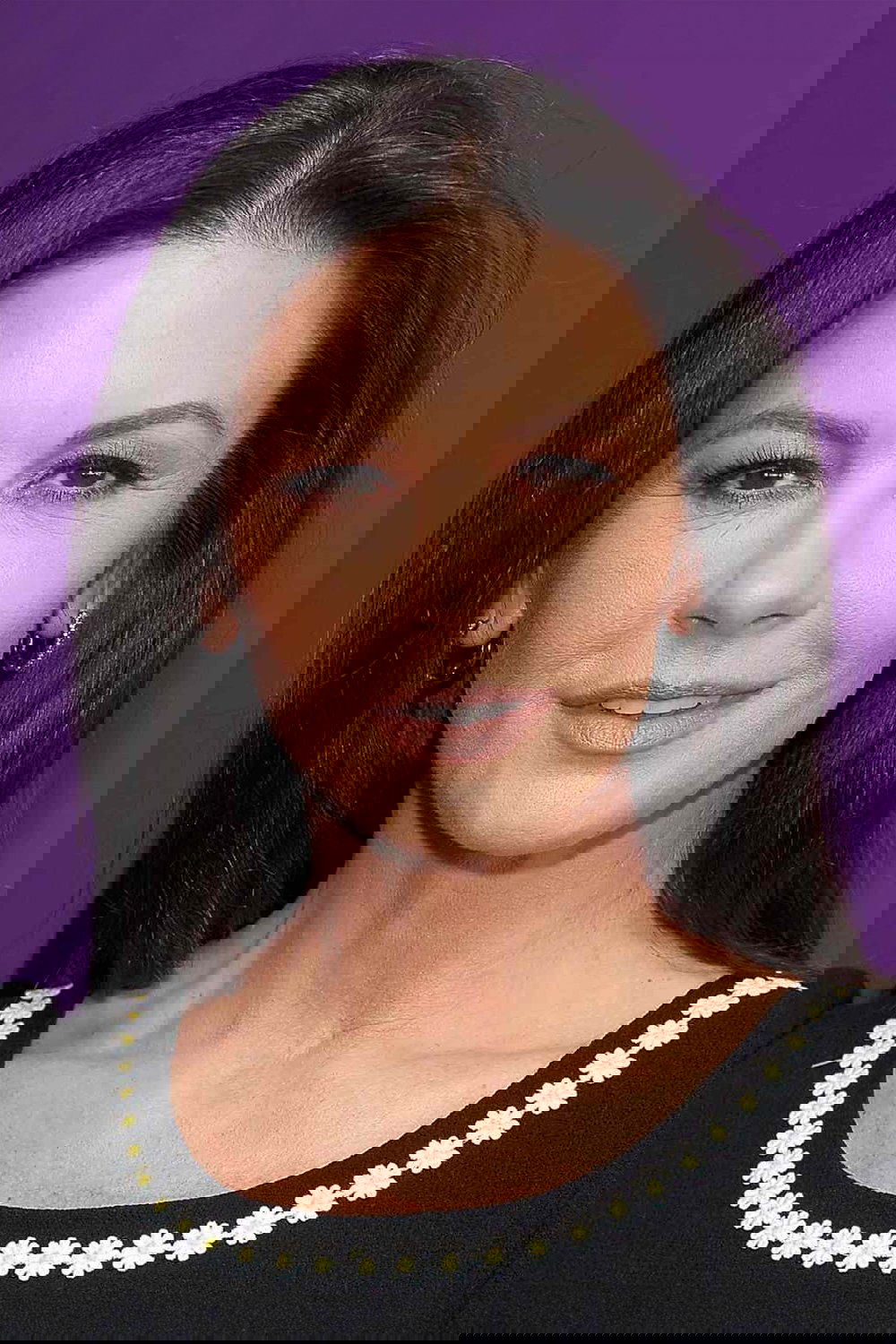
Catherine Zeta-Jones has a small scar at the base of her throat from a tracheotomy she had as a child. The surgery was necessary to save her life during a serious illness, and she’s chosen not to have it removed as a reminder of her survival. Though sometimes visible in close-up photos, it’s often covered with makeup or jewelry when she’s filming. This small mark hasn’t stopped her from becoming a successful actress in films like ‘Chicago’ and ‘The Mask of Zorro’.
Padma Lakshmi

Padma Lakshmi has a noticeable seven-inch scar on her right arm from a car accident she experienced at age fourteen. Early in her modeling career, she felt pressure to hide the scar in photos, even having people suggest it be digitally removed. However, she later learned to accept it as a part of who she is, and it became visible when she hosted shows like ‘Top Chef’. Though she once tried to conceal it, the scar is now a visible part of her personal story.
Kaley Cuoco
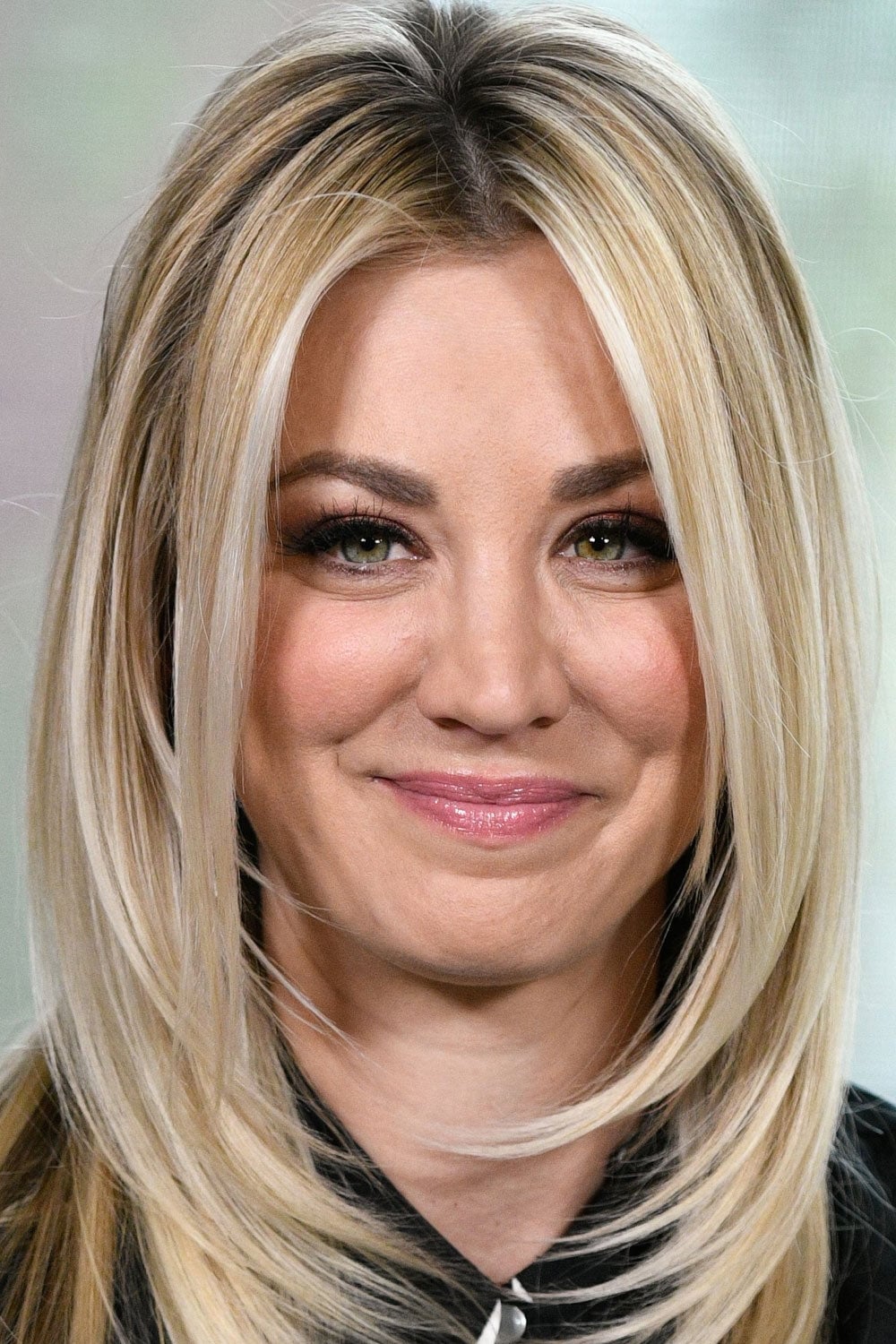
In 2010, Kaley Cuoco suffered a serious leg injury after being thrown from a horse, which also stepped on her leg, causing significant internal damage. She needed two metal rods inserted into her leg during surgery, leaving a visible scar. While filming ‘The Big Bang Theory,’ the production team cleverly concealed her injury using props and camera angles. Kaley has since openly discussed the accident and her journey to recovery so she could continue working.
Carrie Underwood
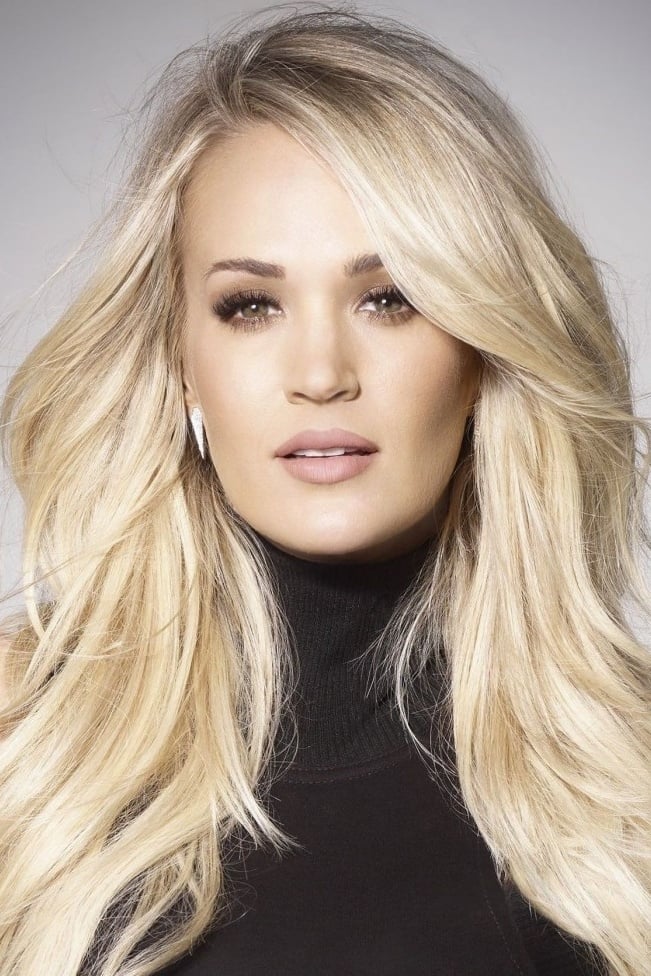
Carrie Underwood had a bad fall near her home, breaking her wrist and causing a significant injury to her face. She needed around forty to fifty stitches on her face and around her mouth. She stayed out of the public eye for several months while she recovered, wanting to avoid attention during the healing process. When she started performing again, she used a lot of makeup to cover the remaining scars. Eventually, Carrie explained what happened to her fans to let them know why she had been away for a while.
Mary J. Blige
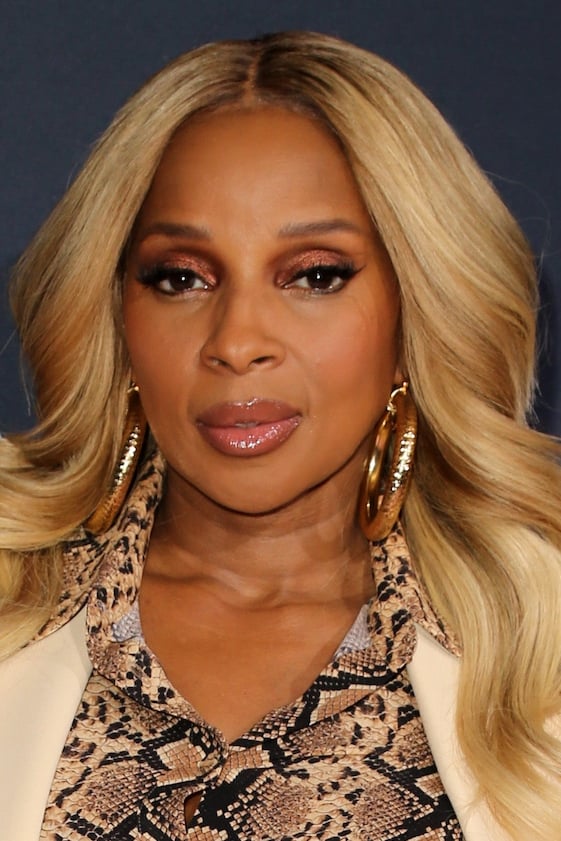
Many fans have noticed a small scar under Mary J. Blige’s left eye. Though she hasn’t always talked about how she got it, it’s thought to be from an old injury. She skillfully uses makeup, especially when filming movies like ‘Mudbound’, to minimize its appearance. Despite the scar, Mary J. Blige is a highly successful singer and actress, and her recent work in ‘Power Book II Ghost’ continues to demonstrate her impressive talent.
Sharon Stone
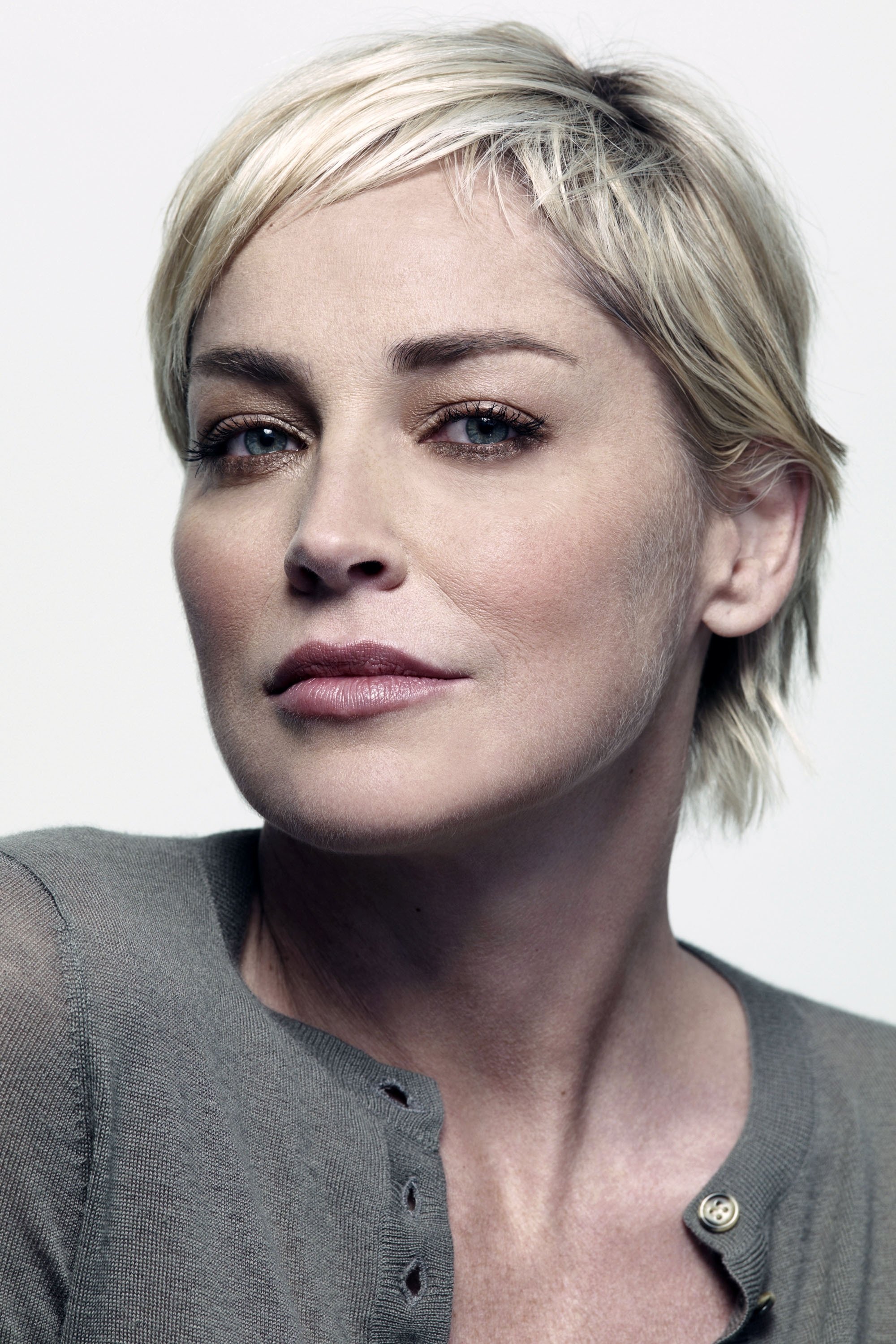
Sharon Stone has a noticeable scar on her neck from a childhood accident. When she was young, she was riding a horse and ran into a wire stretched across a field, causing a deep cut. Throughout much of her acting career, she cleverly used makeup and lighting to conceal the scar from viewers. While it’s visible in some of her older films, she gained more control over how she presented herself and it became less prominent. Stone has talked about the accident in interviews, recalling it as an important event from her childhood in Pennsylvania.
Sandra Bullock
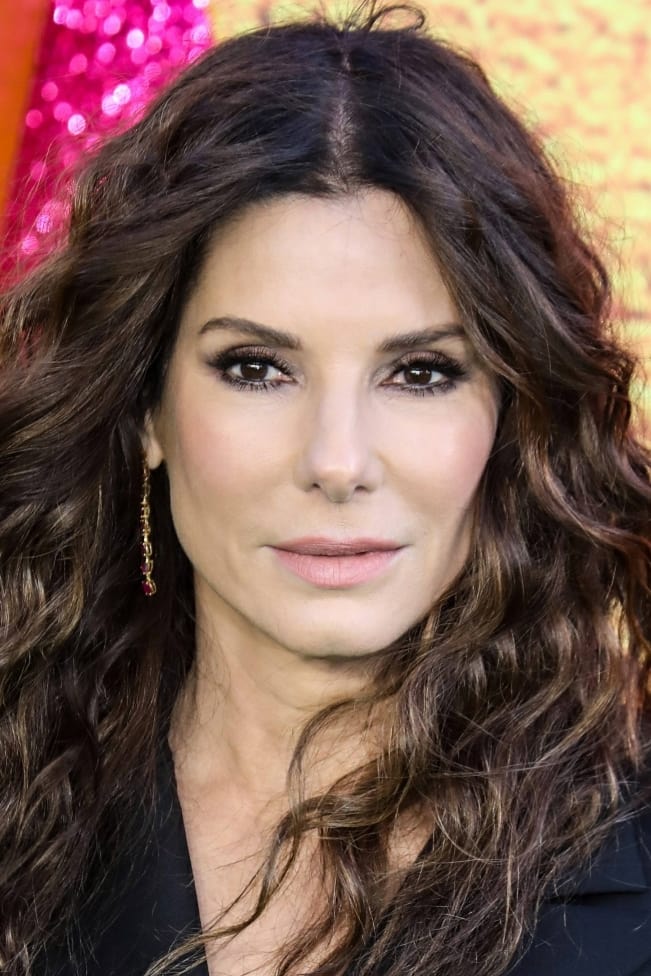
Sandra Bullock has a small scar above her left eye from a childhood accident. She fell into a lake and struck her head on a rock, needing medical care for the injury. While filming, she typically conceals the scar with makeup or hairstyles that cover her forehead. It’s barely noticeable in films like ‘Gravity’ and ‘The Blind Side.’ She doesn’t often talk about the scar, as it’s a small, relatively unimportant detail considering her successful career.
Reese Witherspoon
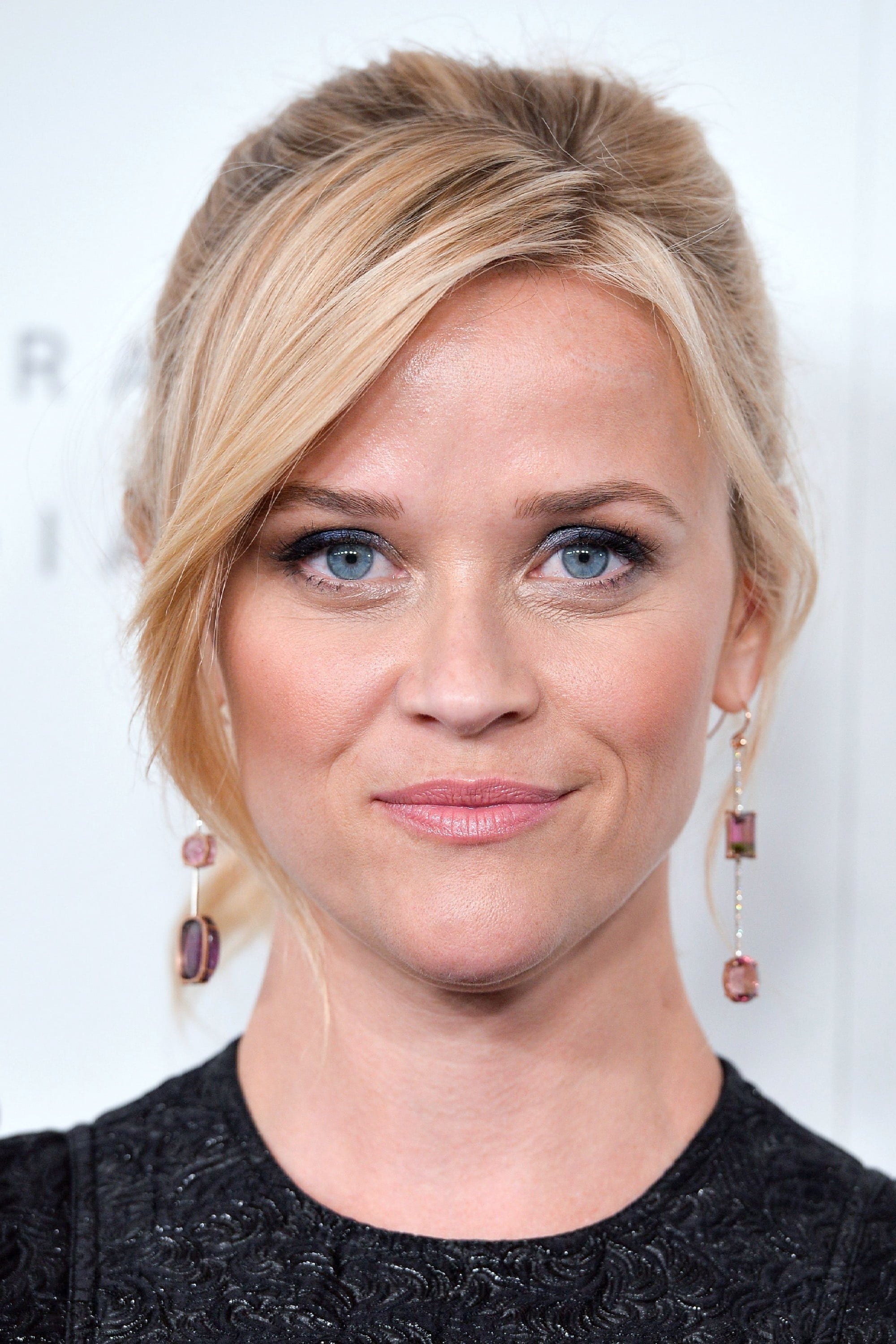
Reese Witherspoon has a small scar on her forehead from a car accident in 2011. While she was jogging, a car hit her, causing several injuries, including a deep cut to her head. She wore a bandage for a while afterward, and the cut eventually healed into a faint line. When filming, she uses hair and makeup to make sure the scar isn’t visible, and most fans don’t even notice it in shows like ‘Big Little Lies’ or her movies.
Queen Latifah
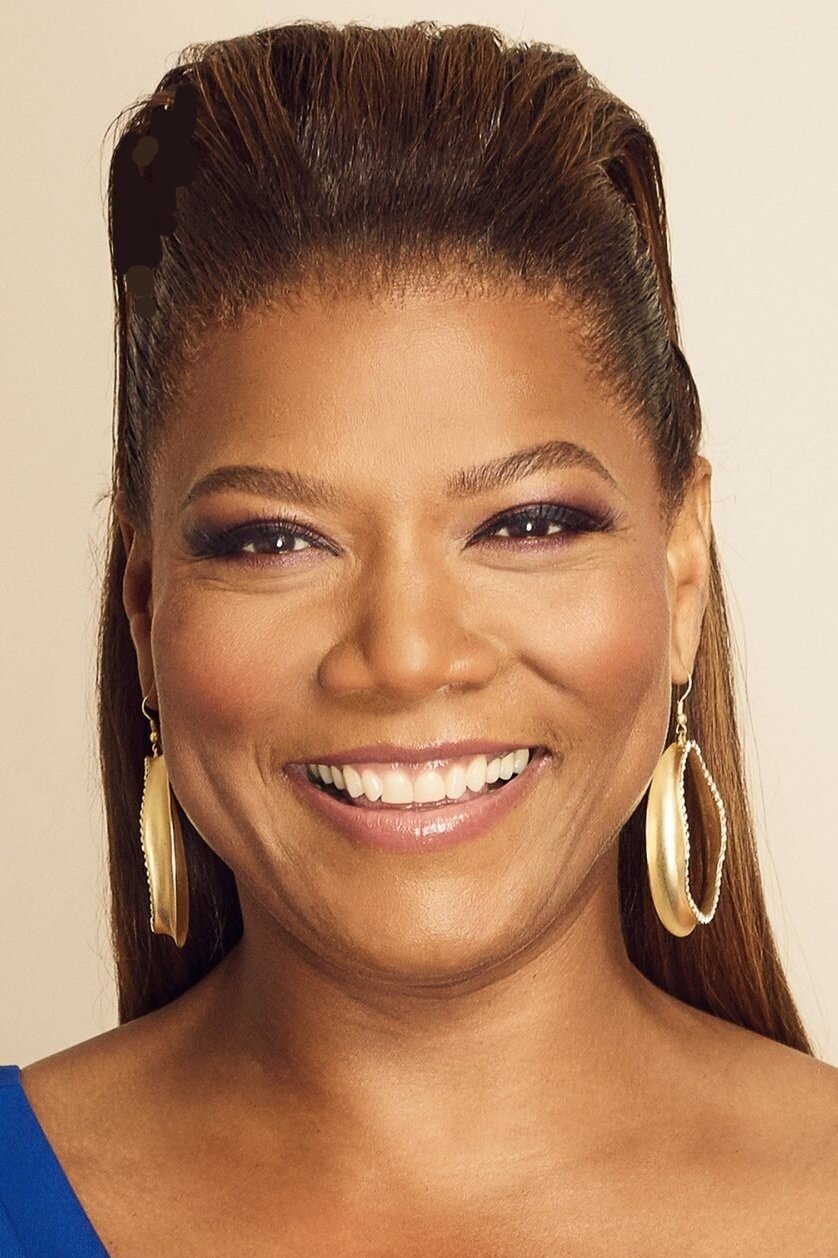
Queen Latifah has a small, two-inch scar on her forehead from a childhood accident. While playing tag with her brother, she fell and bumped her head on a corner. The scar has remained visible throughout her successful career as a musician and actress, appearing in films like ‘Chicago’ and ‘Last Holiday,’ though she sometimes uses makeup to make it less noticeable. She’s often spoken about how the scar is simply a part of her identity and personal story.
Patricia Heaton
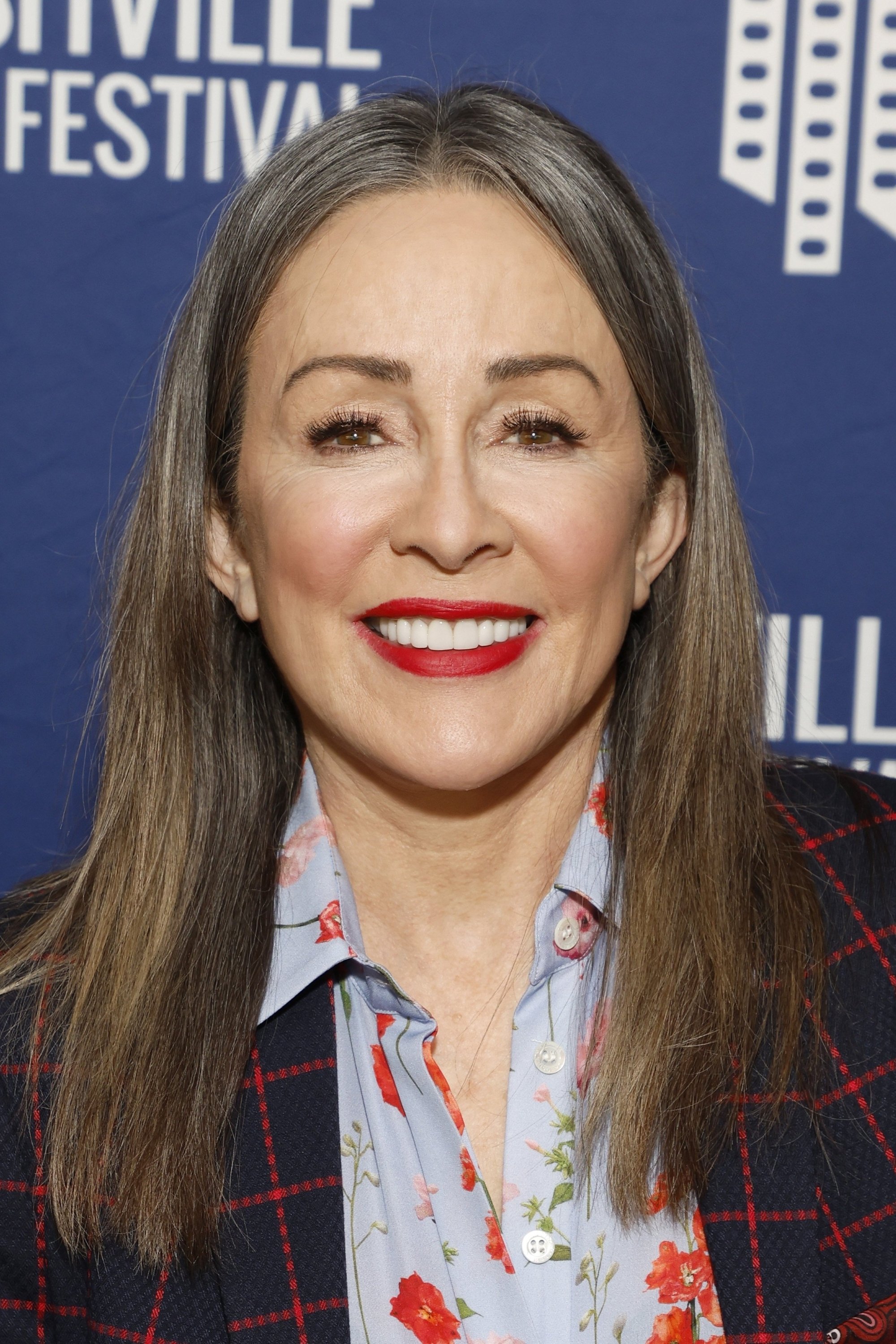
Patricia Heaton has scars on her stomach from surgeries, including a tummy tuck, which she had after having four children. The procedure repaired her abdominal muscles and removed extra skin. She’s openly discussed her decision to have plastic surgery and the resulting marks. While starring in shows like ‘Everybody Loves Raymond’ and ‘The Middle,’ she always wore clothes that covered her stomach. Heaton feels it’s important to be upfront about the effects of aging and the choices she’s made to address them.
Amy Schumer
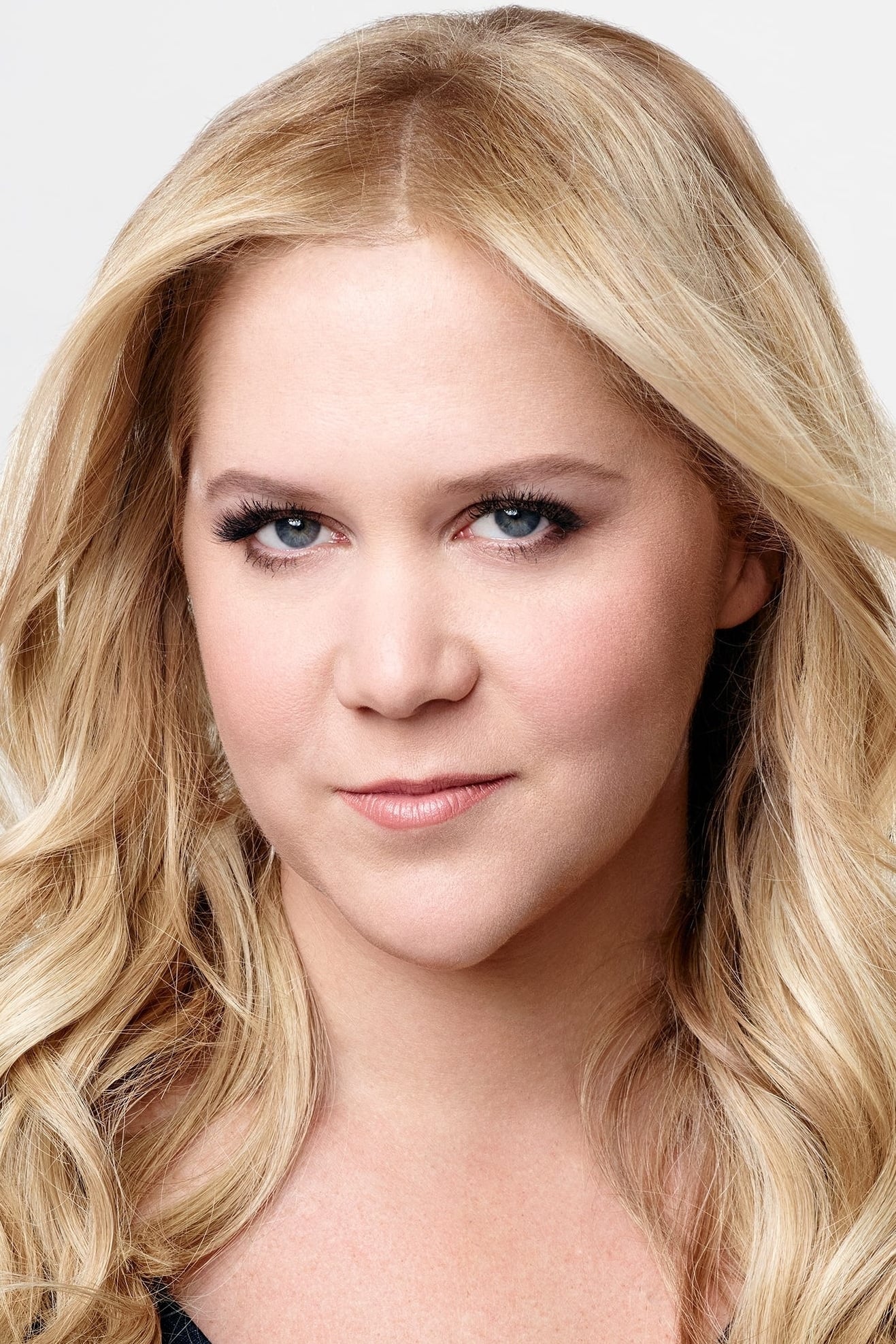
Amy Schumer has a significant scar on her leg from a frightening surfing accident she had as a teenager. A wave slammed into her, and the fin of her surfboard cut deeply into her leg, requiring more than forty stitches. While waiting for help to reach her on the beach, she had to hold her leg together herself. She typically covers the scar with longer clothing when she’s in public. Schumer has spoken about the experience to raise awareness about ocean safety and to share her story of overcoming a scary situation.
Salma Hayek Pinault
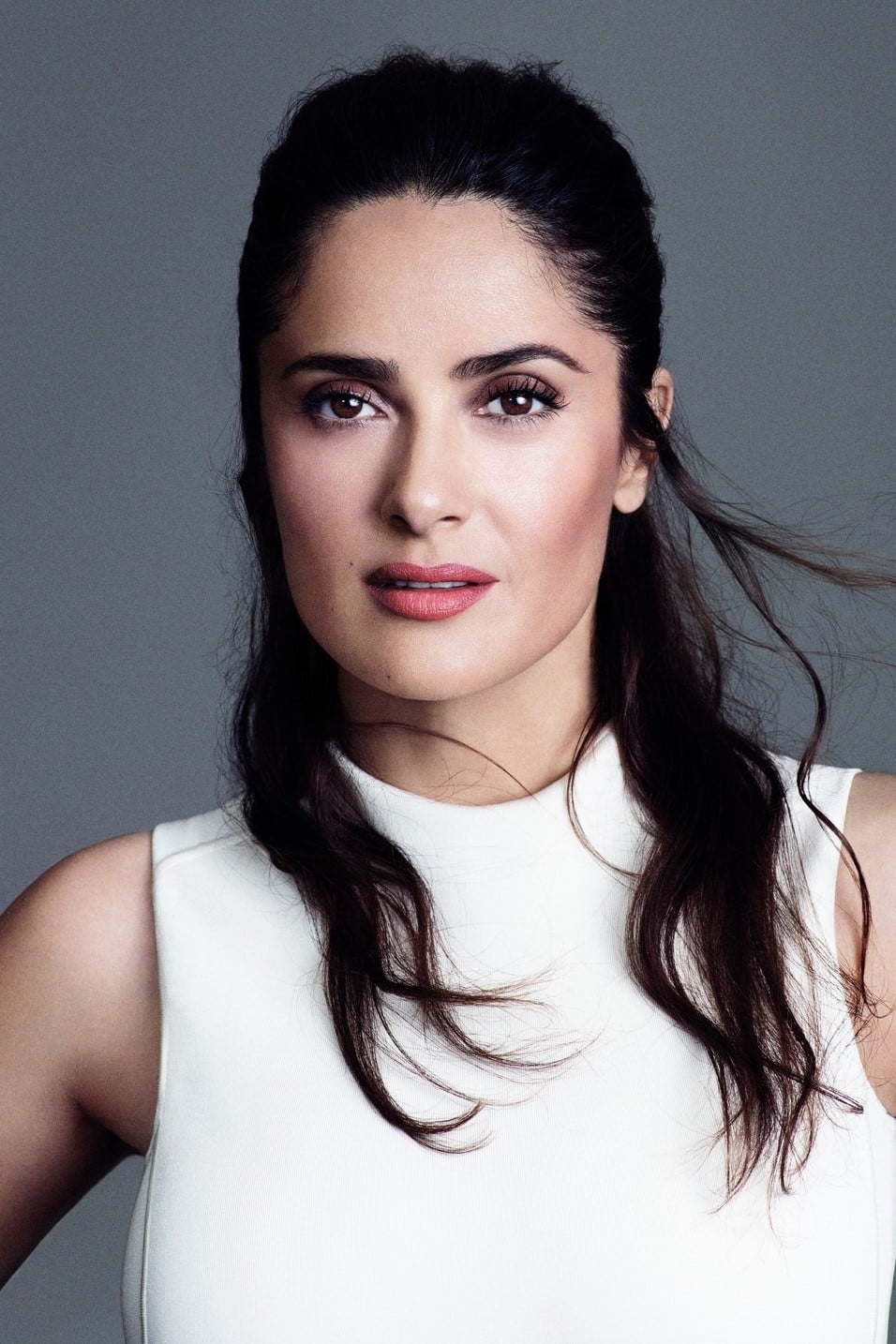
Salma Hayek has skillfully concealed scars on her body throughout her acting career. She often uses professional makeup to achieve a perfect look on the red carpet. While she’s willing to physically transform for roles, as seen in films like ‘Frida’ where she’s used prosthetics to create marks, she generally prefers to keep her actual scars hidden by choosing costumes carefully. Despite these minor imperfections, she remains one of the most beautiful actresses in the industry.
Sarah Hyland

Sarah Hyland has bravely dealt with a lifelong battle against kidney dysplasia, requiring multiple transplants and at least sixteen surgeries. For years, she felt insecure about the resulting scars on her abdomen and would often cover them with high-waisted clothes during photoshoots. However, she’s recently embraced showing her scars to encourage body positivity and raise awareness about organ donation. Her strength and perseverance in the face of chronic illness have inspired people worldwide.
Selena Gomez
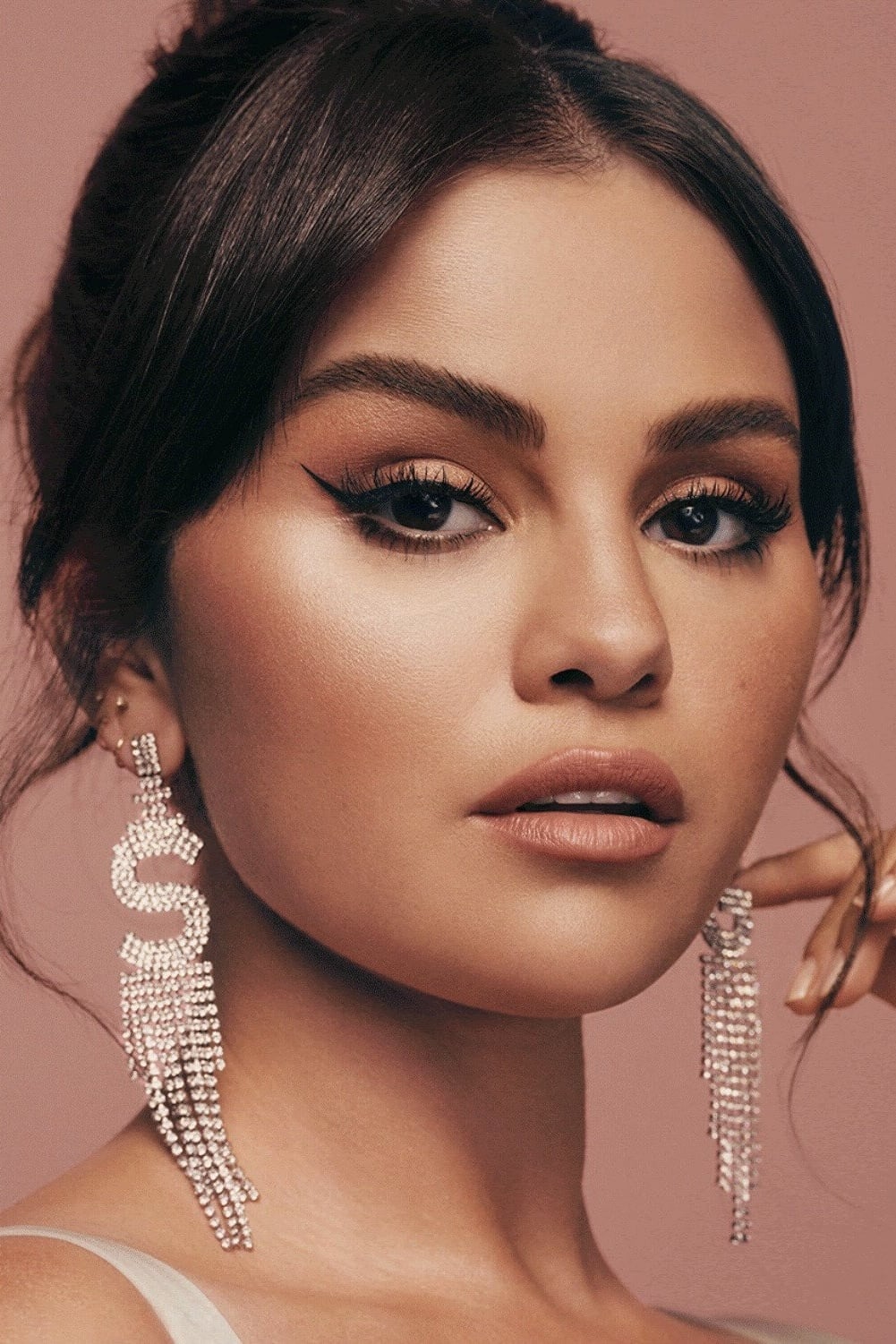
Selena Gomez has a noticeable scar on her thigh from the emergency surgery she needed after her kidney transplant. A complication arose during the initial operation – an artery flipped – and required a second surgery right away. At first, Gomez was self-conscious about the scar and didn’t want to show it publicly. However, she later decided to share a photo of it on social media as a way to celebrate her recovery and embrace her body. Gomez continues to use her platform to raise awareness about health issues while also successfully working on her show, ‘Only Murders in the Building’.
Mariska Hargitay
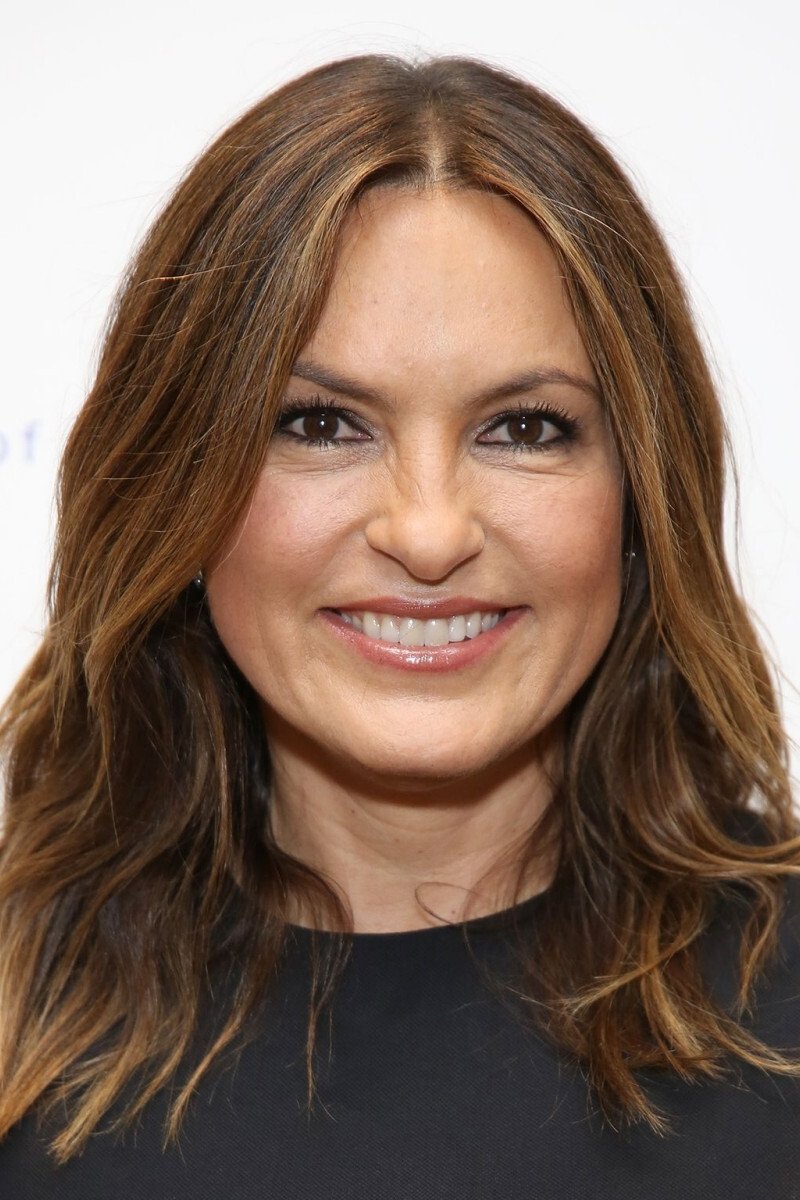
Mariska Hargitay has a scar on her chest from surgery to fix a partially collapsed lung. She injured herself while doing her own stunts on the set of ‘Law & Order: Special Victims Unit,’ but at first, she didn’t think it was serious. Eventually, she needed medical attention to correct the problem. Because her character, Olivia Benson, usually wears professional clothes or tactical gear, the scar isn’t visible. Mariska has fully recovered and continues to star in one of television’s longest-running dramas.
Rose McGowan

Rose McGowan has a facial scar near her eye from a car accident. Broken glass from her sunglasses cut her during the crash, and she needed surgery to fix the wound. For years, she skillfully used makeup to conceal the scar while working on films and TV shows, including ‘Charmed,’ where it wasn’t noticeable to viewers. McGowan has publicly discussed the accident and how it affected her confidence during her career in Hollywood.
Christina Applegate
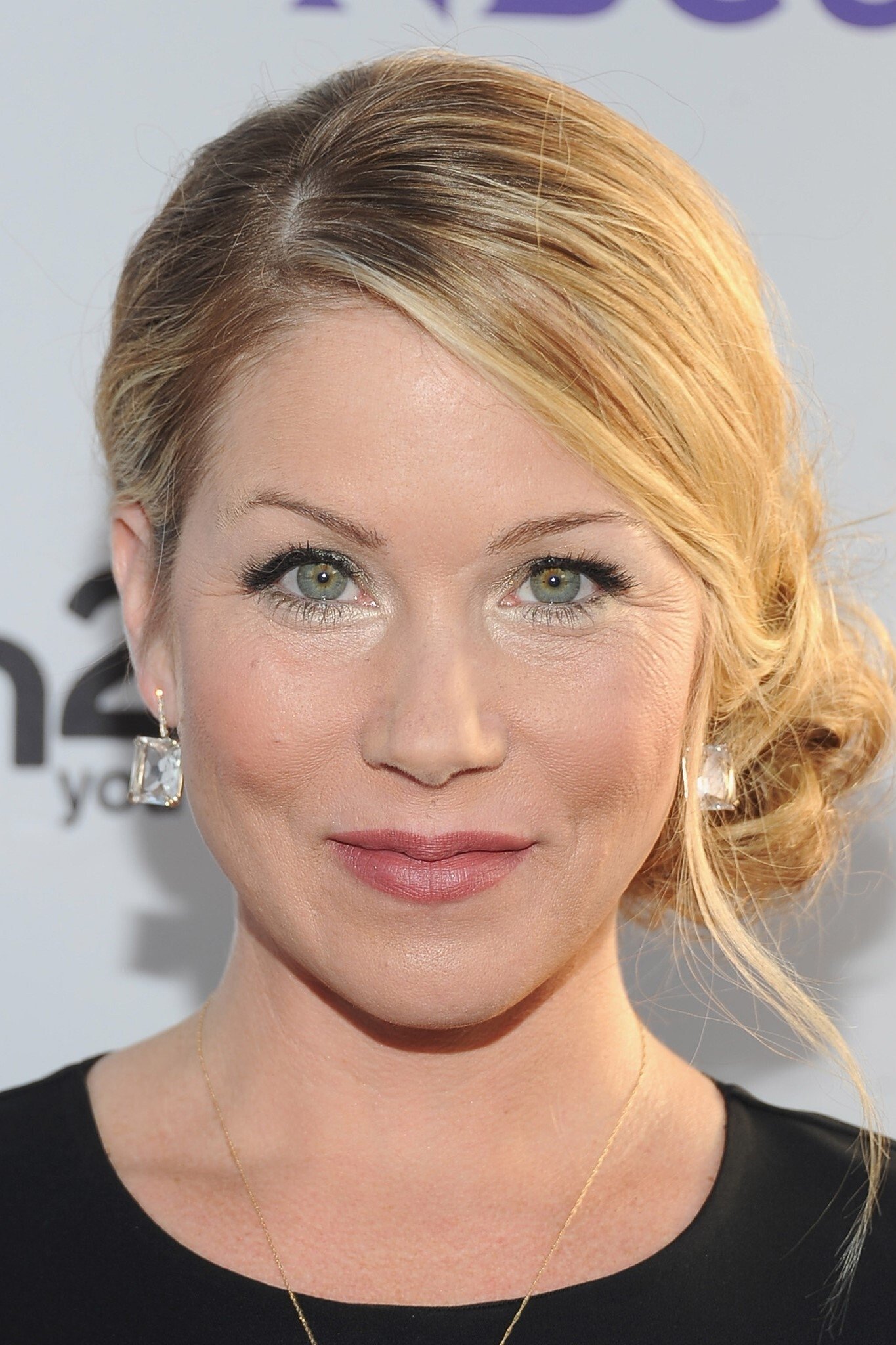
After being diagnosed with breast cancer in 2008, Christina Applegate underwent a double mastectomy. She chose this strong treatment option to lower the chance of the cancer coming back or spreading. To maintain her appearance in shows like ‘Dead to Me,’ she often uses prosthetics and specially made outfits. Although she openly shares her experiences with health challenges, she typically keeps her surgical scars private while working. Applegate has earned a lot of admiration for her bravery in battling both breast cancer and, later, multiple sclerosis.
Cobie Smulders
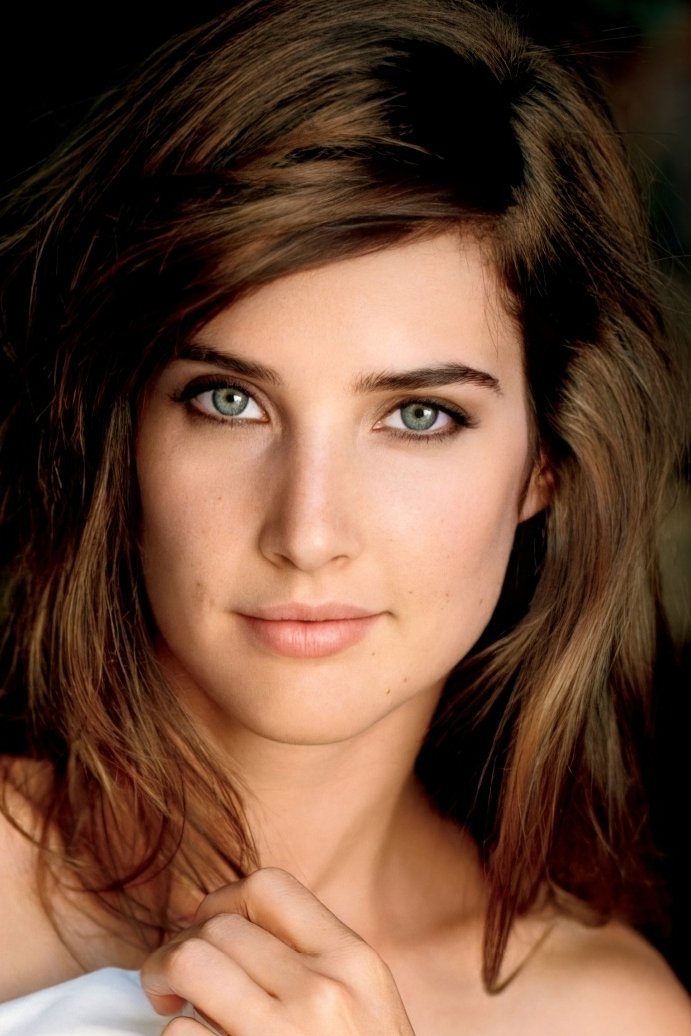
Cobie Smulders was diagnosed with ovarian cancer at age twenty-five and had several surgeries to treat it. During her time on ‘How I Met Your Mother’, she concealed the resulting abdominal scars. She kept her battle private for years before choosing to share her story to help raise awareness about the disease. While playing Maria Hill in the ‘Marvel Cinematic Universe’, her full-body costumes naturally covered the scars. Smulders continues to be a well-known actress and actively encourages women to make their health a priority.
Julia Louis-Dreyfus
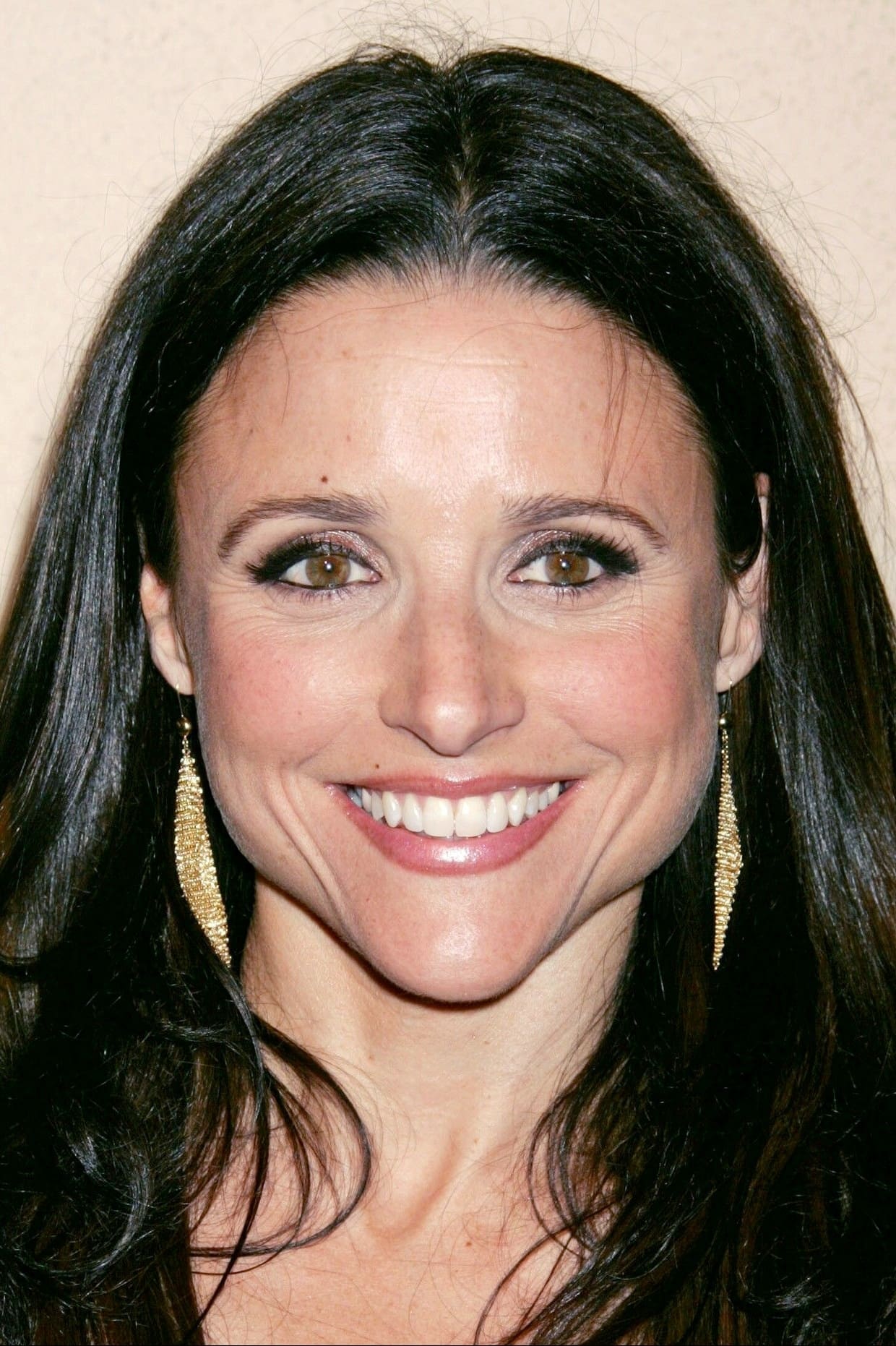
Julia Louis-Dreyfus was diagnosed with breast cancer in 2017 and underwent treatment including surgery and chemotherapy. She is now in remission. While she’s been open about her experience, she’s kept the details of her surgeries private, often choosing clothing that covers scars. Her resilience and return to acting, including appearances related to ‘Seinfeld’, demonstrate her strength.
Kathy Bates
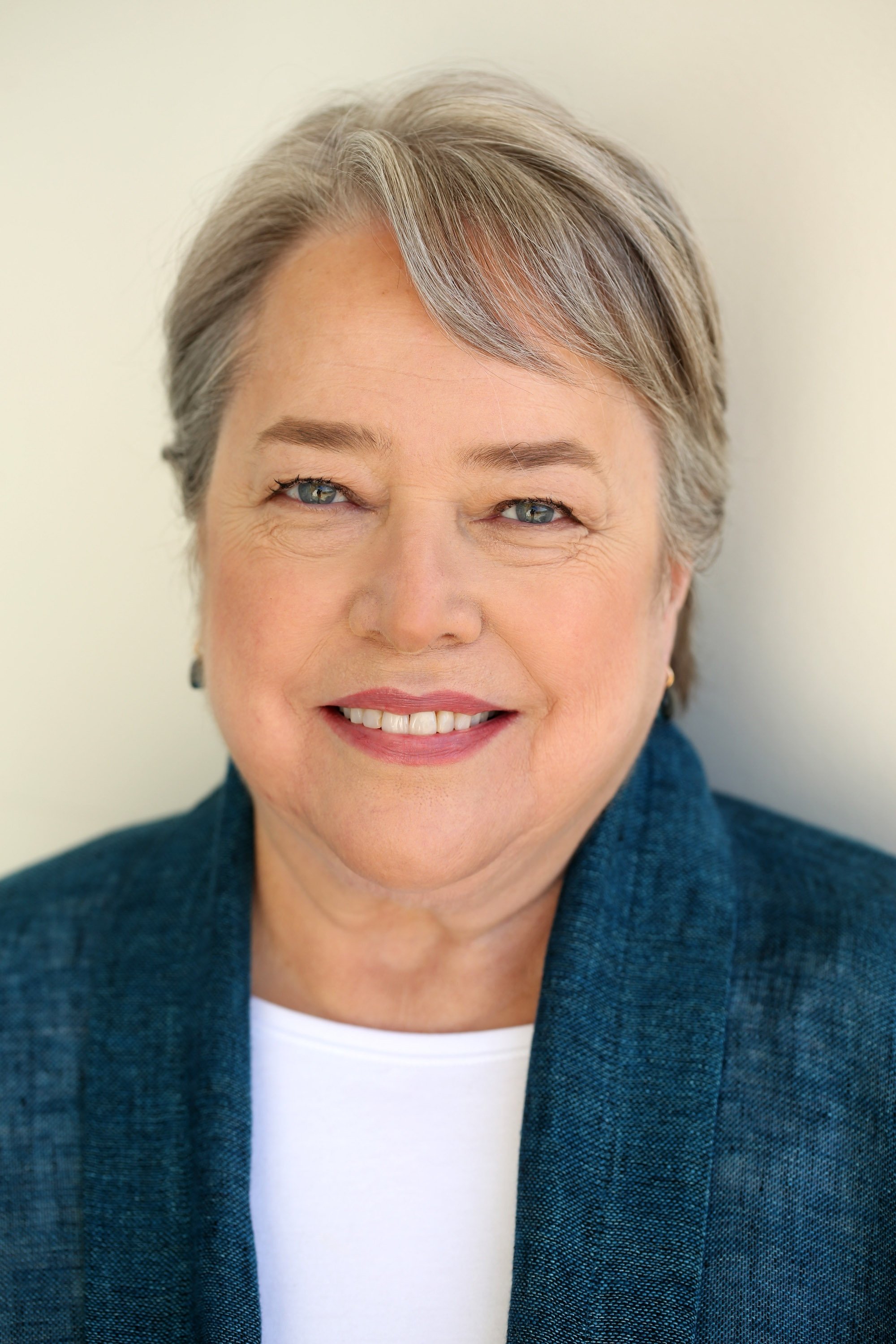
Kathy Bates, the Academy Award-winning actress, bravely faced breast cancer and underwent a double mastectomy. Following the surgery, she also experienced lymphedema, which caused swelling in her arms. She’s openly shared her experiences with the physical changes and challenges of recovery. When filming shows like ‘American Horror Story,’ she uses costumes to feel comfortable and conceal her surgical scars. Despite these challenges, Bates remains a strong performer and uses her public voice to raise awareness about what it’s like to survive cancer.
Fran Drescher
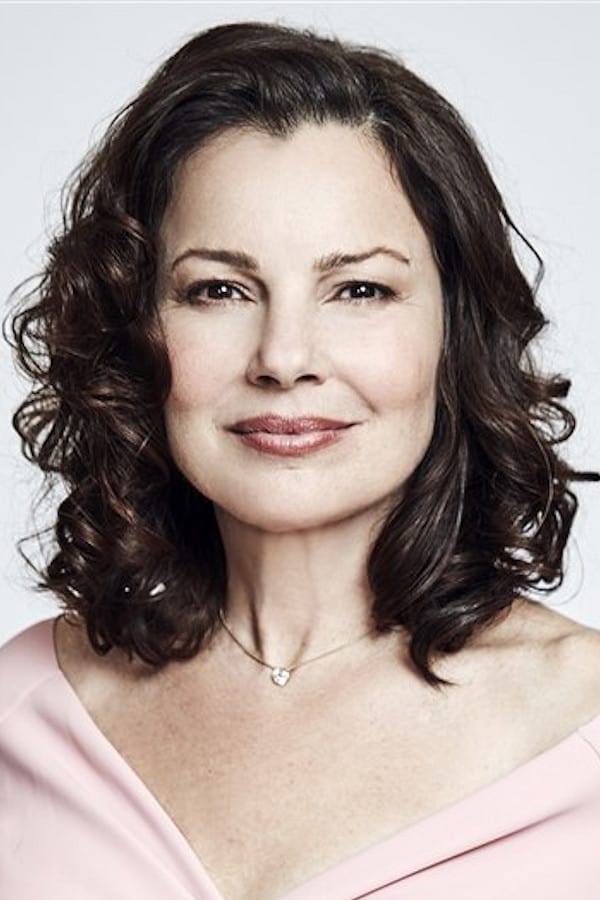
Fran Drescher has scars on her abdomen from a major surgery called a hysterectomy, which she had after being diagnosed with uterine cancer. It took years to get the correct diagnosis, and the surgery finally happened in 2000. Since then, she’s become a strong voice for women’s health, especially through her organization Cancer Schmancer. She chooses clothing that looks good on her while also covering the scars. Drescher shares her story to help others understand how important it is to get checked early and to pay attention to their bodies.
Cynthia Nixon
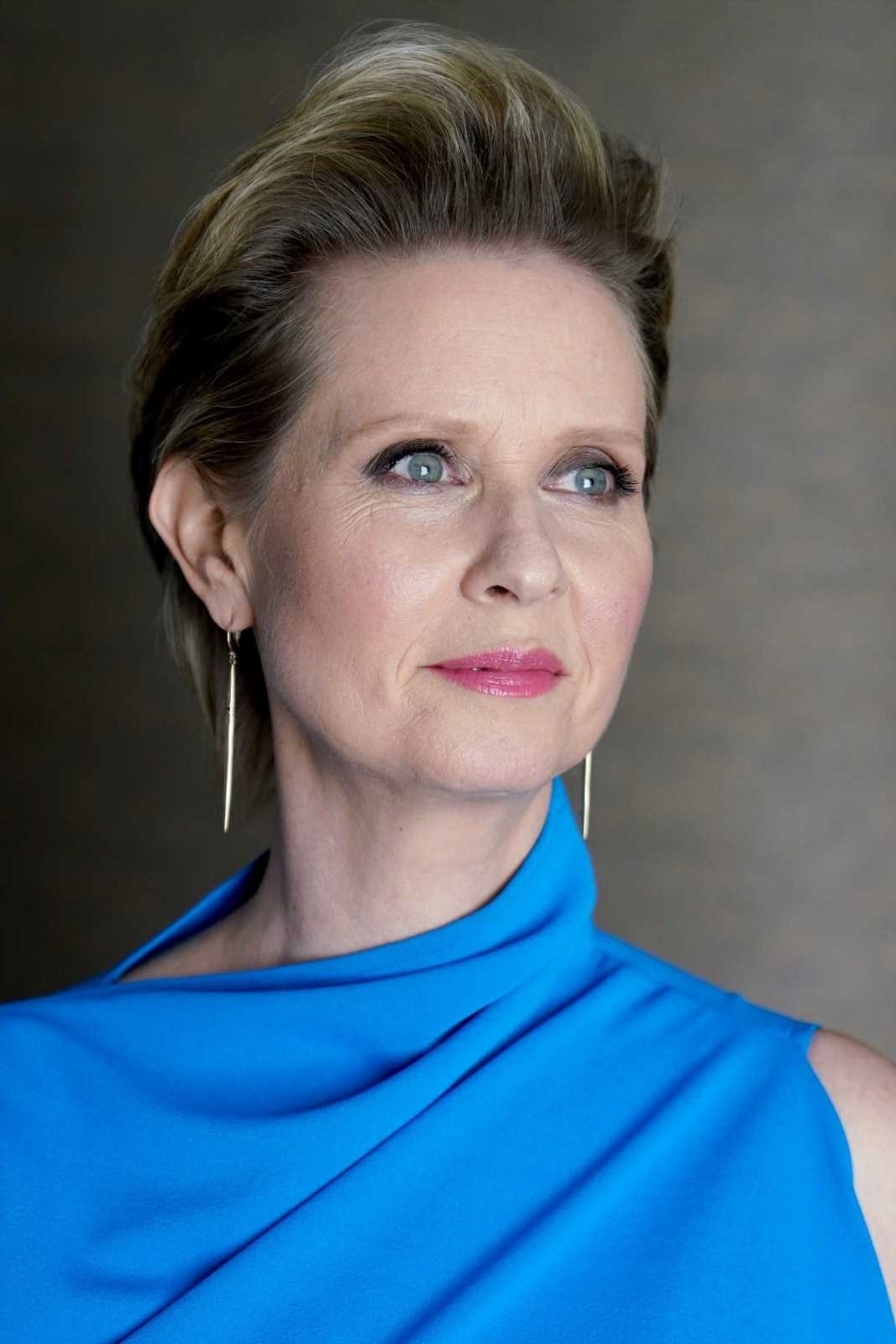
Cynthia Nixon, known for her role in ‘Sex and the City,’ has scars from a lumpectomy and radiation treatment she received after being diagnosed with breast cancer. She initially chose to keep her diagnosis private while she focused on treatment, wanting to avoid unwanted media attention. Later, she shared her story publicly to help others and reduce the shame often associated with cancer and its effects on the body. When working, she often wears clothes that subtly conceal any visible signs of her treatment. For many years, Nixon has successfully combined her acting career with her work as a political activist and advocate for health awareness.
Wanda Sykes
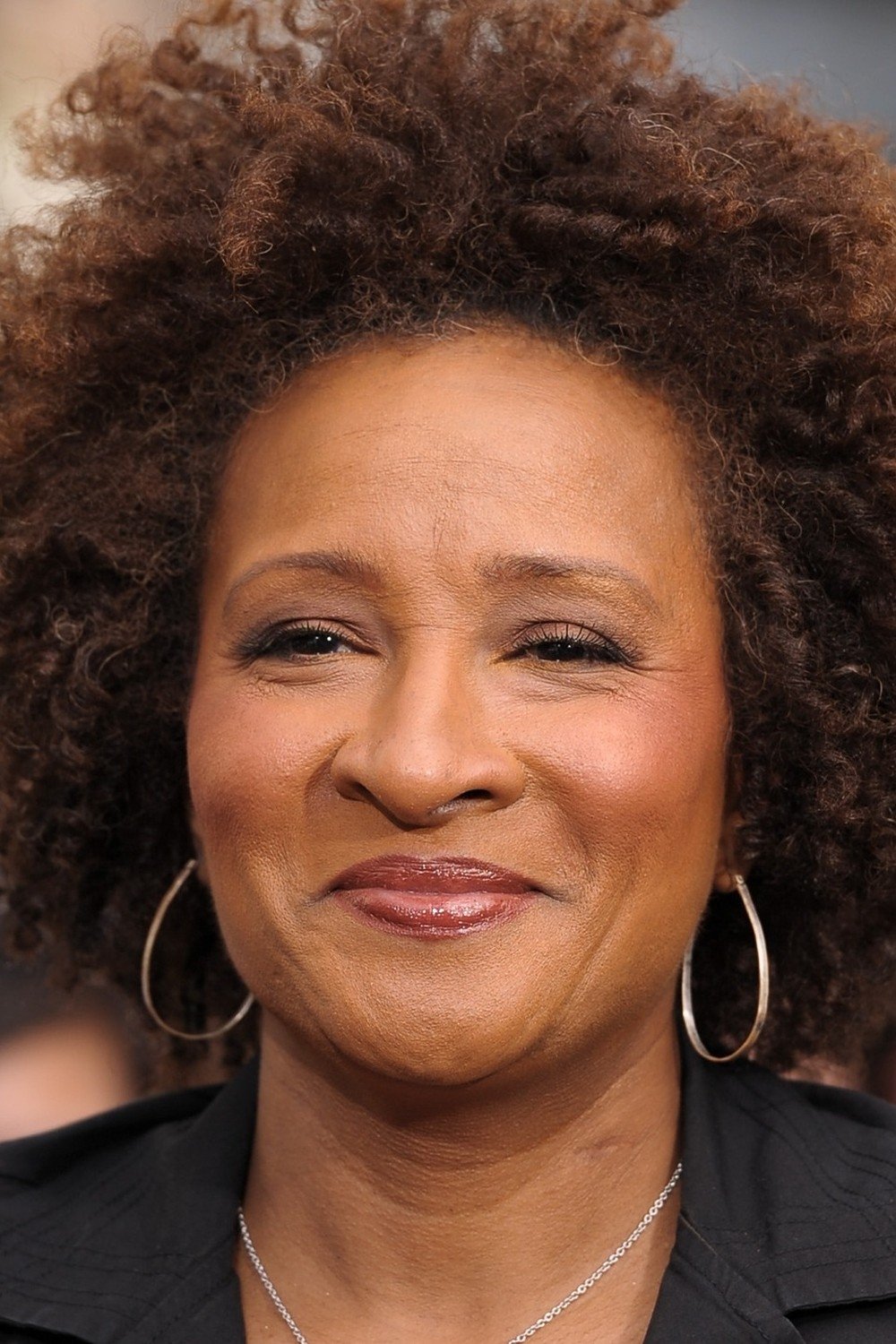
Wanda Sykes had a double mastectomy after doctors found early-stage cancer during a breast reduction. She chose this surgery to take control of her health and lower her chances of developing cancer again. Known for her humor, Sykes has openly talked about the experience, balancing seriousness with her comedic style. She continues to perform comedy and act, often naturally concealing any resulting scars. Sykes remains a prominent voice in comedy while also sharing her story as a cancer survivor.
Angelina Jolie
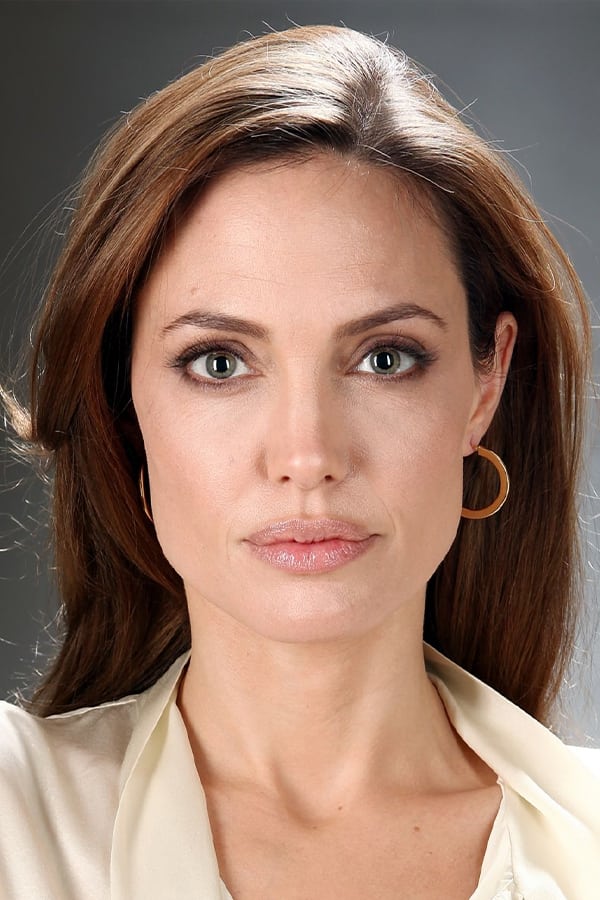
Angelina Jolie had preventative surgeries, including a double mastectomy and removal of her ovaries and fallopian tubes, because she carried a gene that greatly increased her risk of cancer. She’s openly shared her story in the hopes of helping other women facing similar health concerns. Even after these procedures, Jolie has continued to work as a prominent actress, with her appearance carefully styled for her roles. She remains a well-known figure around the world, dedicated to both her humanitarian work and her personal health.
Olivia Munn
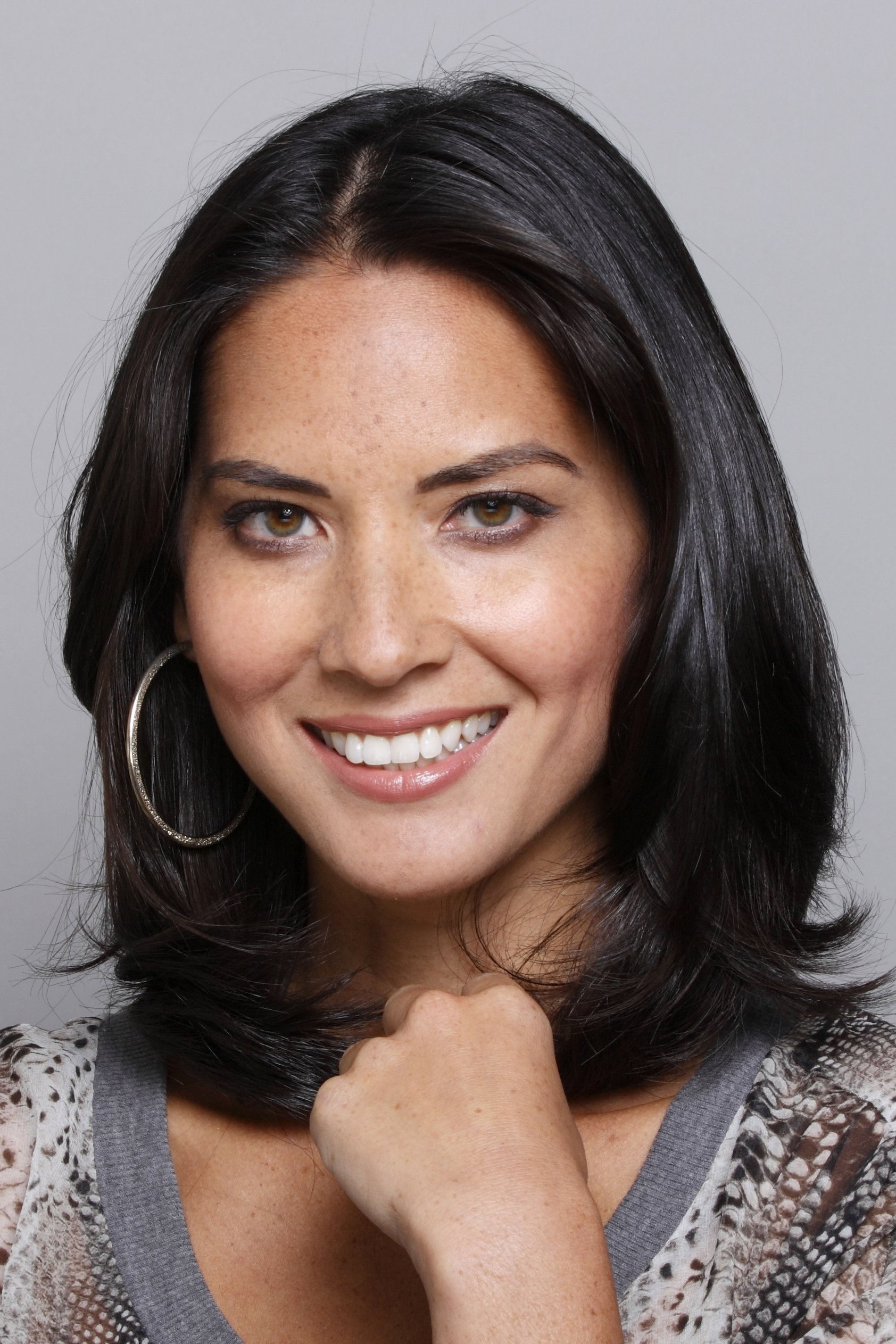
Olivia Munn has publicly shared that she had a double mastectomy and several other surgeries after being diagnosed with breast cancer. Over the past ten months, she went through four procedures and has been quietly recovering. Munn says the experience was incredibly difficult both physically and emotionally, but she’s thankful to be alive. She’s now using social media to openly show her recovery process, including the resulting scars. Fans and fellow actors have applauded her honesty as she returns to work in the entertainment industry.
Shannen Doherty
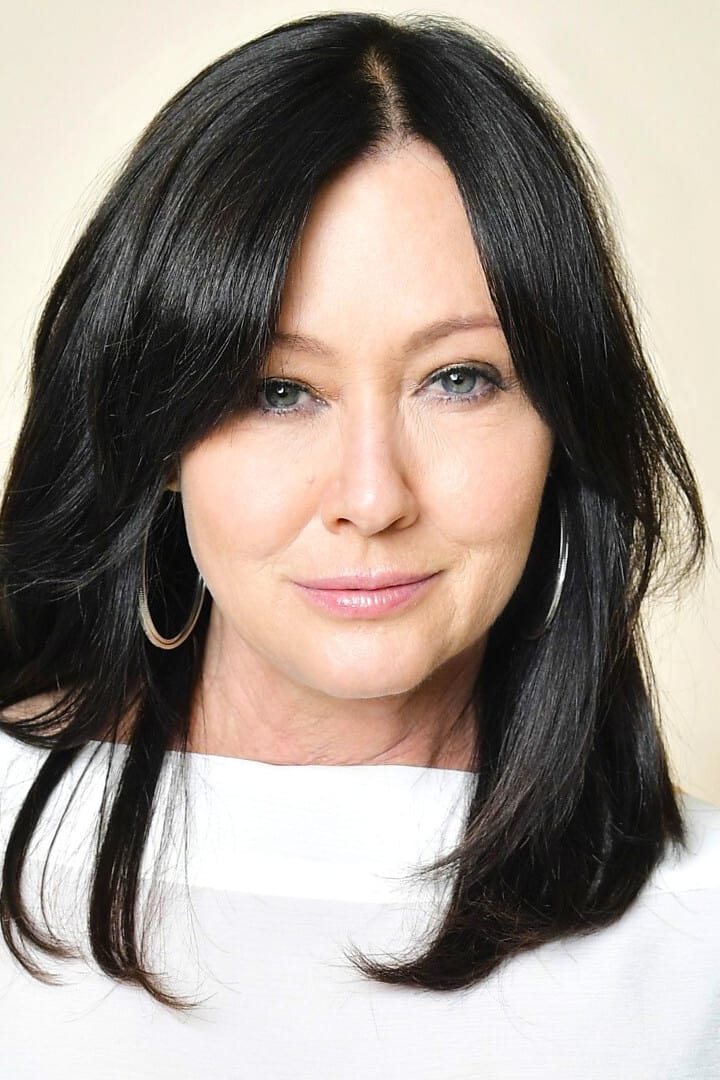
Shannen Doherty, known for her role on ‘Beverly Hills 90210’, has openly shared her experiences fighting breast cancer, including the surgeries she’s had. She’s had a mastectomy and reconstruction, which have left visible scars. Doherty often posts photos from the hospital, giving a realistic view of cancer treatment. Even while working, she uses costumes and wardrobe to fit her roles. Through it all, she continues to inspire people with her strength and honesty about the challenges and triumphs of her health journey.
Jamie-Lynn Sigler
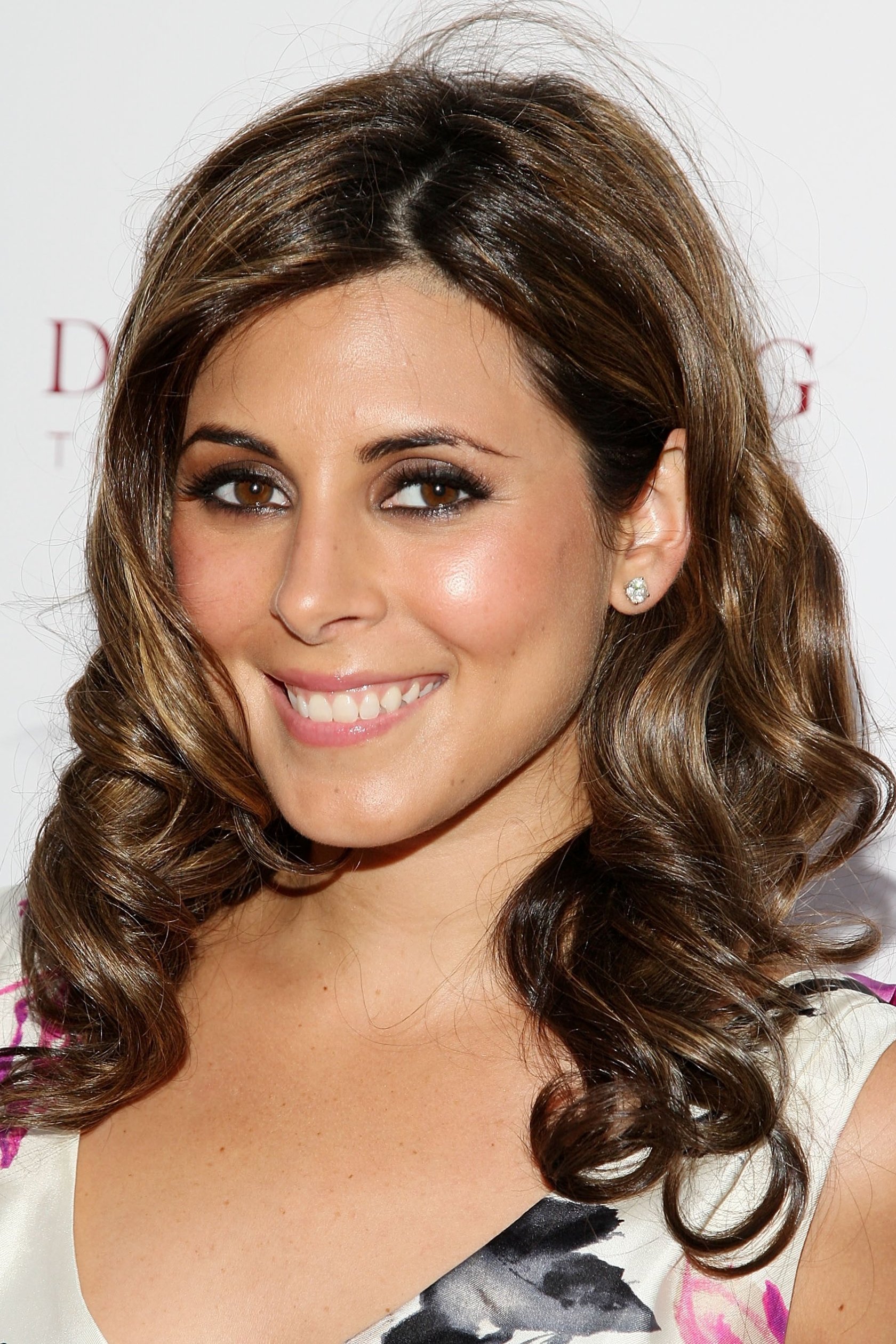
Jamie-Lynn Sigler, known for her role in ‘The Sopranos,’ has physical scars from both multiple sclerosis and its treatment. She kept her MS diagnosis secret for fifteen years, worried it would harm her career. She eventually shared her story to raise awareness about the challenges of living with MS, including its impact on her daily life and ability to move. While working, she often uses careful planning with her movements and wardrobe to manage how the condition appears. Now, Sigler is a strong voice for people with MS and continues to act in television.
Maura Tierney
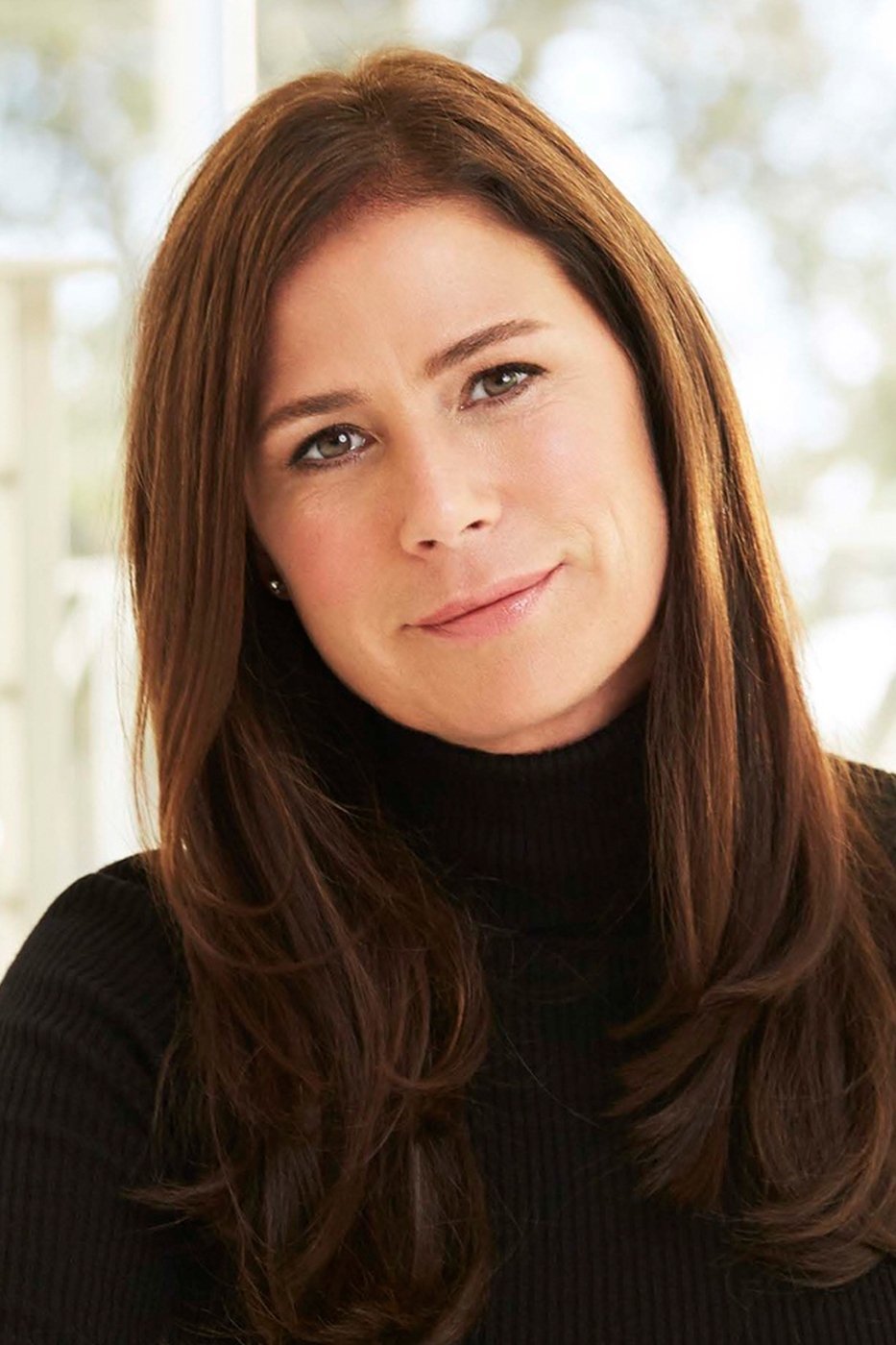
In 2009, Maura Tierney was diagnosed with breast cancer and underwent surgery to remove a tumor. She temporarily left her role on ‘Parenthood’ to concentrate on getting better, including undergoing chemotherapy. Later, she returned to television with a critically acclaimed performance in ‘The Affair.’ Tierney has always valued her privacy and rarely speaks about the physical effects of her treatment. She is highly regarded in the entertainment industry for both her talent and her resilience.
Rita Wilson
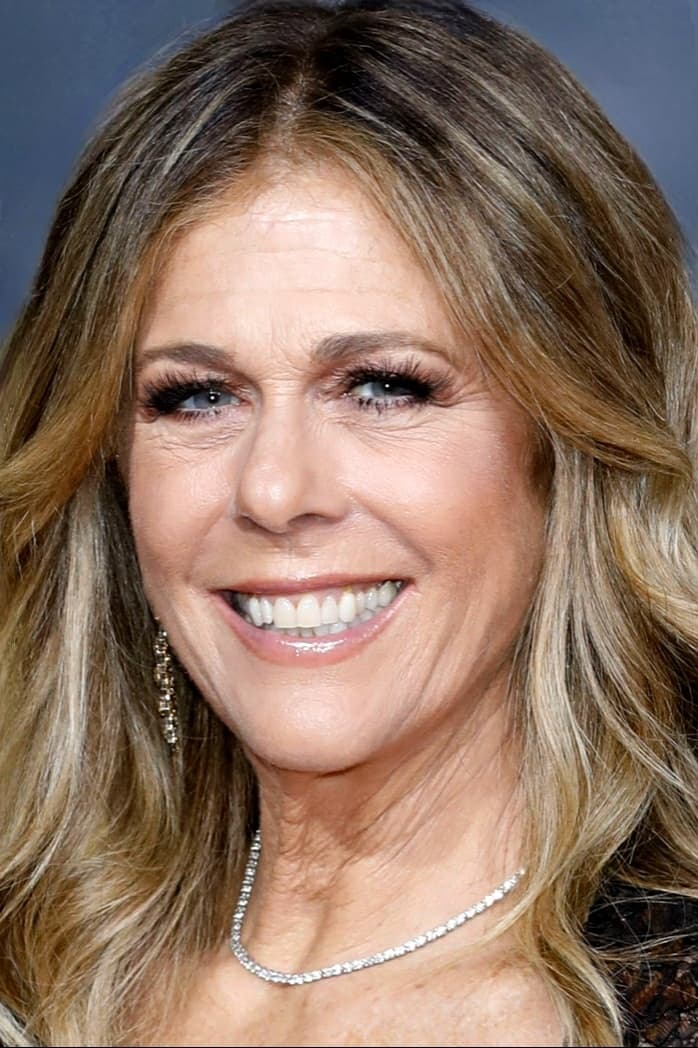
In 2015, Rita Wilson was diagnosed with breast cancer and had a double mastectomy followed by reconstructive surgery. She emphasizes the value of seeking a second medical opinion, as her first test result didn’t detect the cancer. Thankfully, she’s been cancer-free since and actively encourages women to prioritize their health. Rita often chooses clothing that boosts her confidence and discreetly conceals her surgical scars, both in her public life and in her film roles. She continues to thrive in her careers as a singer and actress, alongside her husband, Tom Hanks.
Lena Dunham
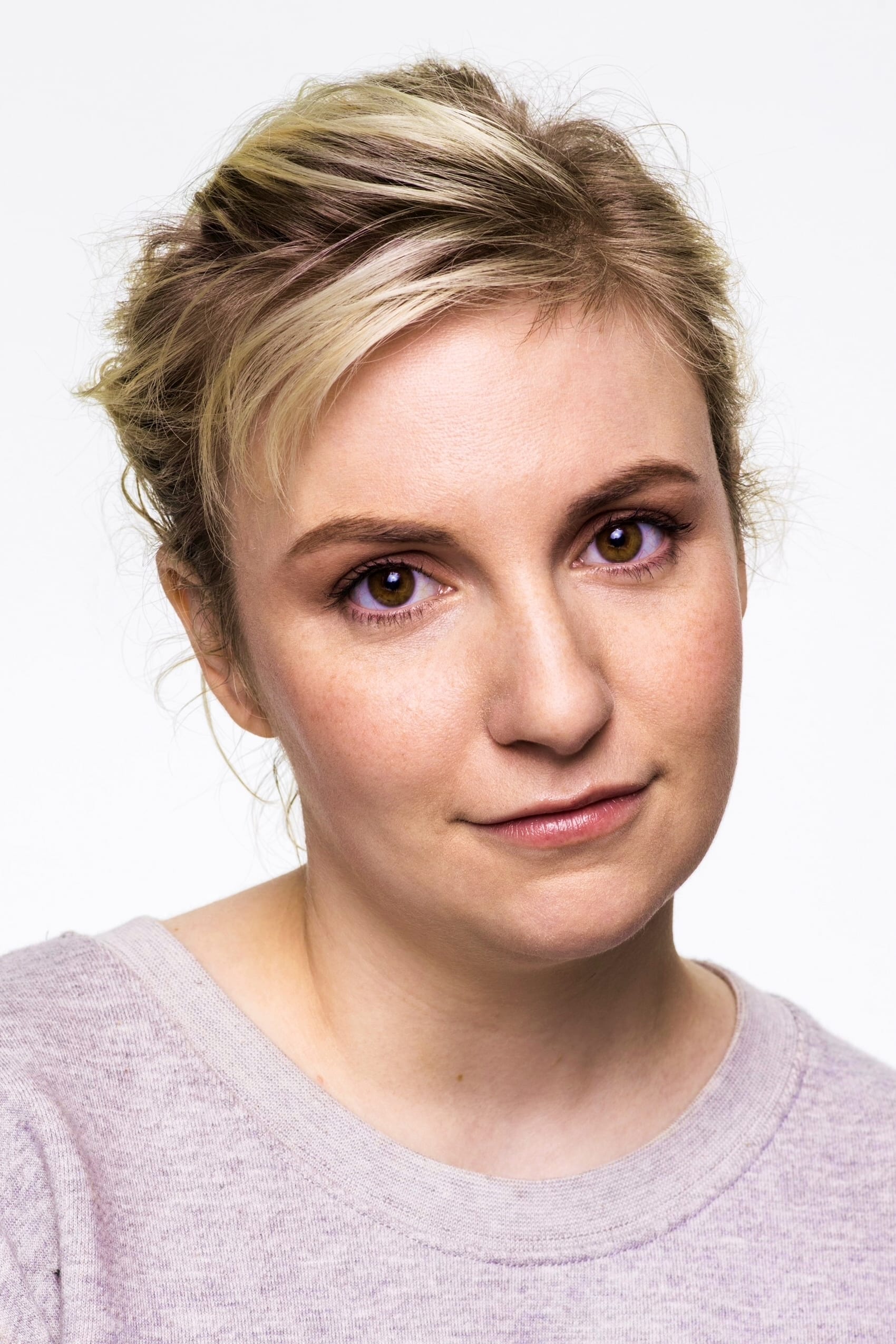
Lena Dunham has many scars on her stomach from surgeries related to long-term endometriosis, which eventually led to a full hysterectomy. She’s openly discussed the severe pain she experienced for years and the impact her health struggles had on her body. Dunham often posts pictures of her scars online to help others feel less alone with chronic illness. She also frequently uses her own experiences with health and vulnerability in her work as a writer and television creator. Despite being a sometimes controversial figure, Dunham remains a powerful voice in both television and literature.
Amy Brenneman
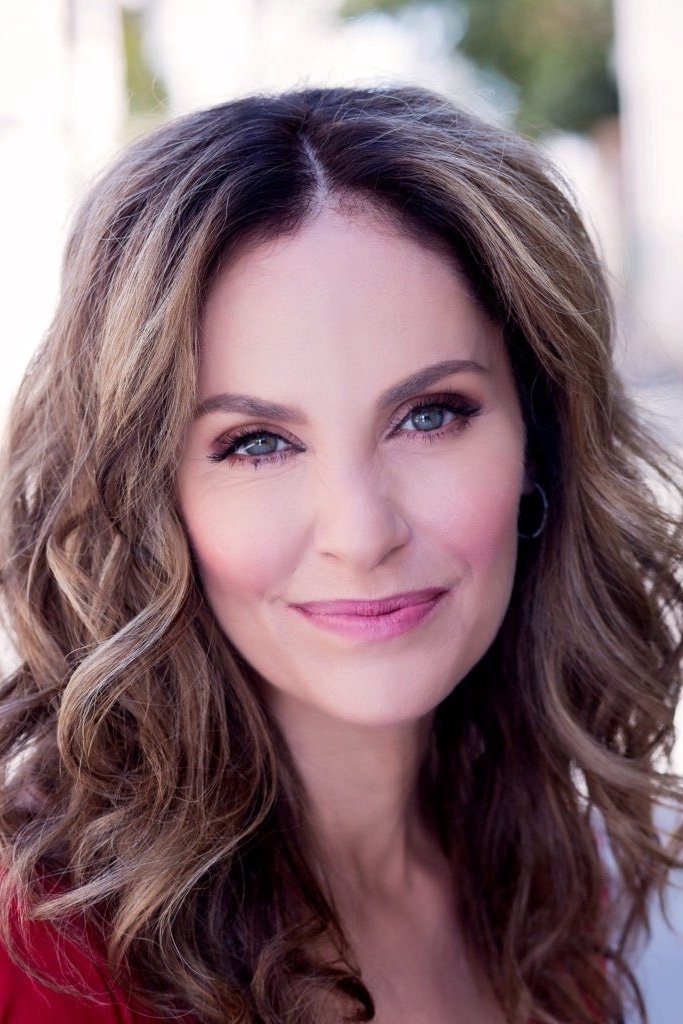
Amy Brenneman lives with the lasting effects of a serious battle with ulcerative colitis, an inflammatory bowel disease. She underwent several surgeries, ultimately requiring the removal of her large intestine, a life-altering procedure with a lengthy recovery. Brenneman has discussed how the illness impacted her work on ‘Private Practice’ and her overall well-being, and often chooses clothing that covers her abdomen to conceal the resulting scars. She’s a passionate advocate for others with inflammatory bowel diseases and continues to thrive as an actress.
Parminder Nagra

Parminder Nagra has a noticeable burn scar on her right leg from a childhood accident. She was burned by a pot of boiling liquid, and for a long time, she felt embarrassed by the scar. However, when she starred in ‘Bend It Like Beckham,’ the director cleverly included the scar as part of her character’s history. This helped Parminder embrace the mark and even use it in her acting. Since then, she’s appeared in shows like ‘ER,’ where the scar isn’t usually a central focus.
Daryl Hannah
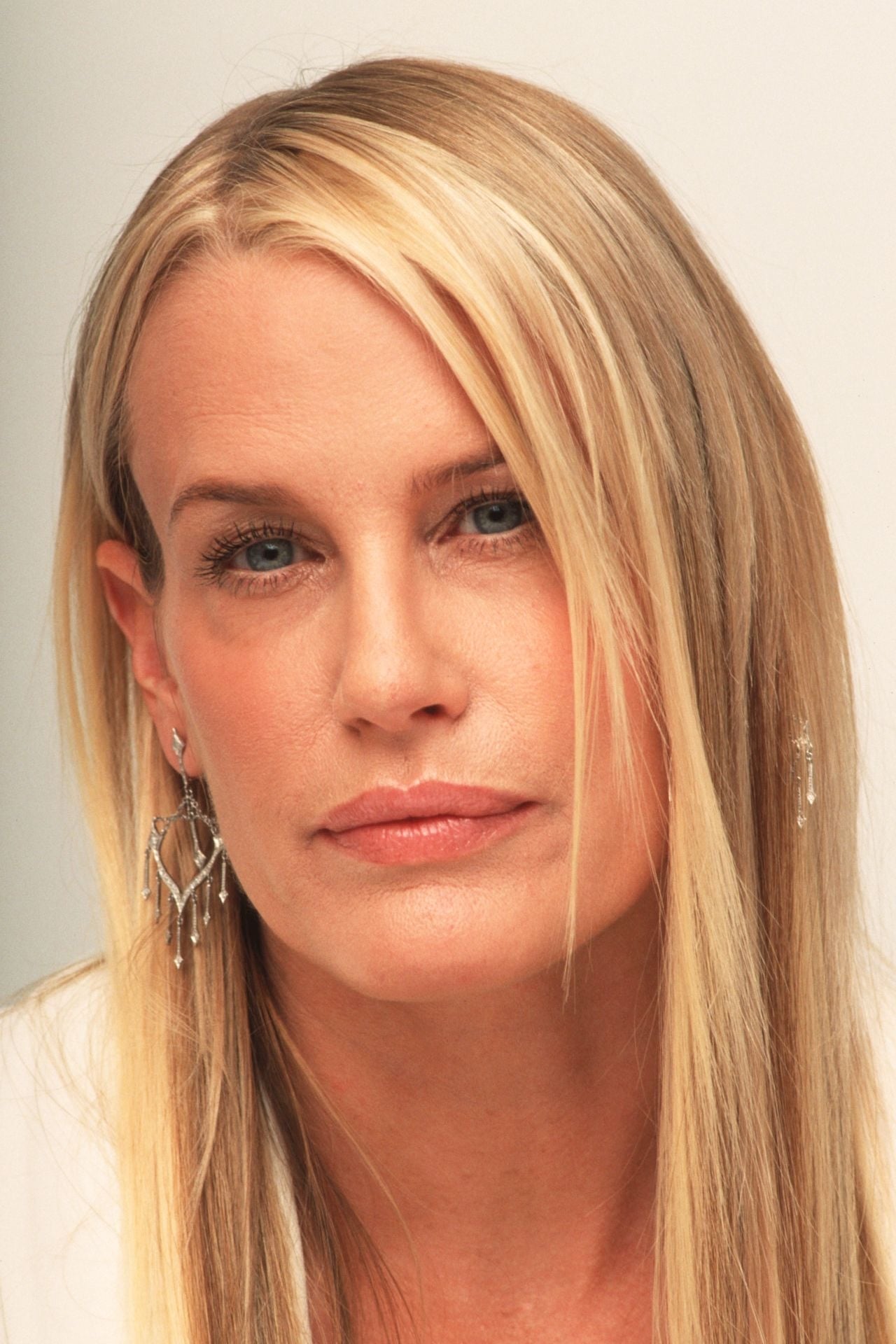
Daryl Hannah lost the tip of her left index finger as a child in an accident at her grandmother’s house – it got caught in a well pulley. Throughout her acting career, she’s often used a fake fingertip or cleverly hidden her hand to avoid it being noticed on screen. She’s kept this detail private for many years, and it’s rarely been spotted by audiences in her famous roles in films like ‘Splash’ and ‘Kill Bill’.
Michelle Yeoh
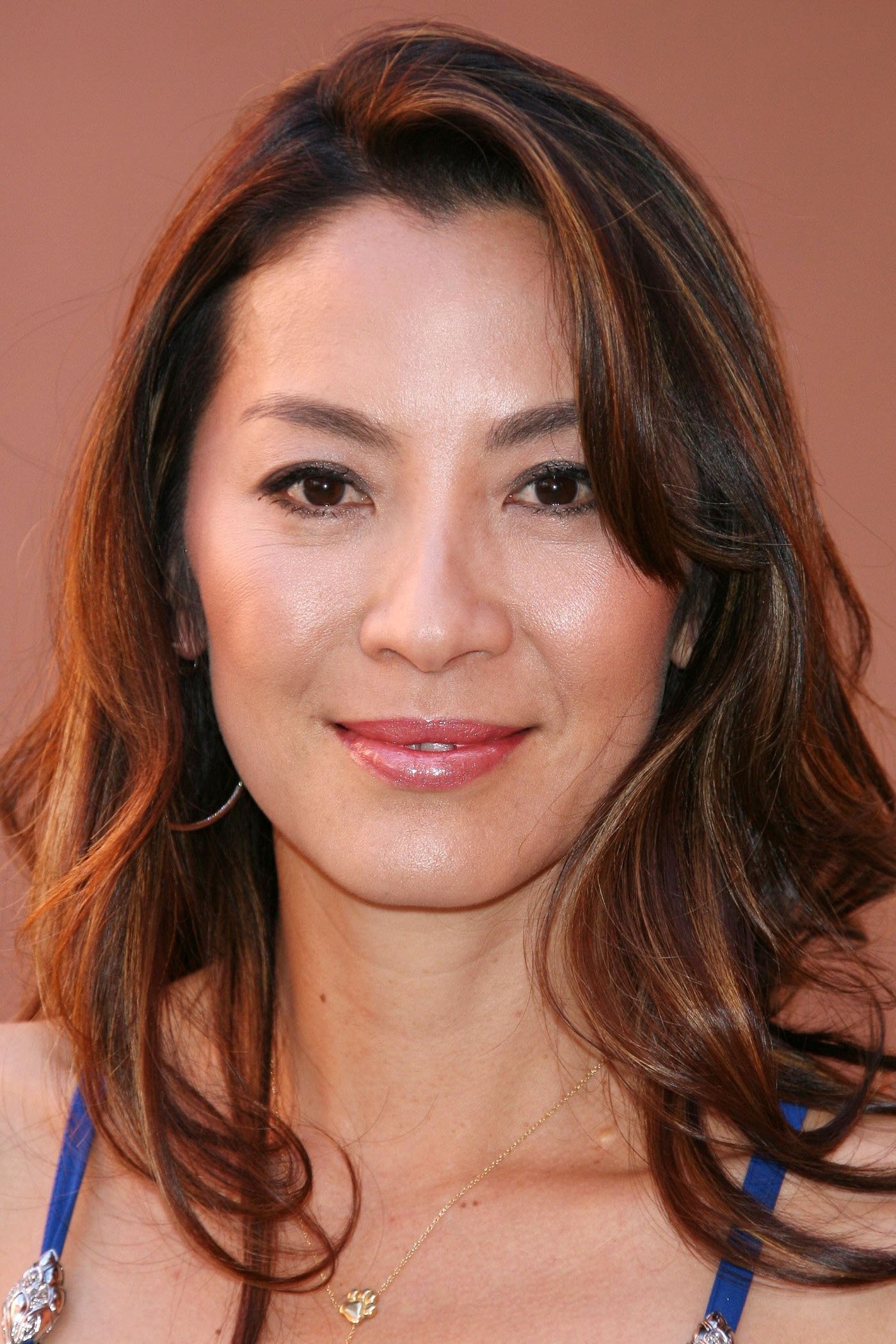
I’ve been watching Michelle Yeoh command the screen for decades, and it’s incredible to realize the physical toll her dedication to performing her own stunts has taken. Over thirty years in action films, particularly during her time in Hong Kong cinema, have left her with a collection of scars – deep cuts and even broken bones! You’d never know it, though, because she cleverly uses makeup to conceal them when she’s dazzling us on the red carpet. Interestingly, sometimes she lets those marks show on screen, adding a raw, believable edge to her characters. She’s truly a trailblazer for women in action, and remains one of the most respected performers working today.
Catherine Bell

Catherine Bell has a noticeable scar on her neck from surgery to remove her thyroid due to cancer. She had the procedure in her twenties and initially used makeup and careful camera work on shows like ‘JAG’ to make the scar less visible. Over time, she’s become more comfortable with it and sometimes shares her experiences with her health. She continues to be a popular actress known for her roles in many TV dramas and films.
Kylie Jenner
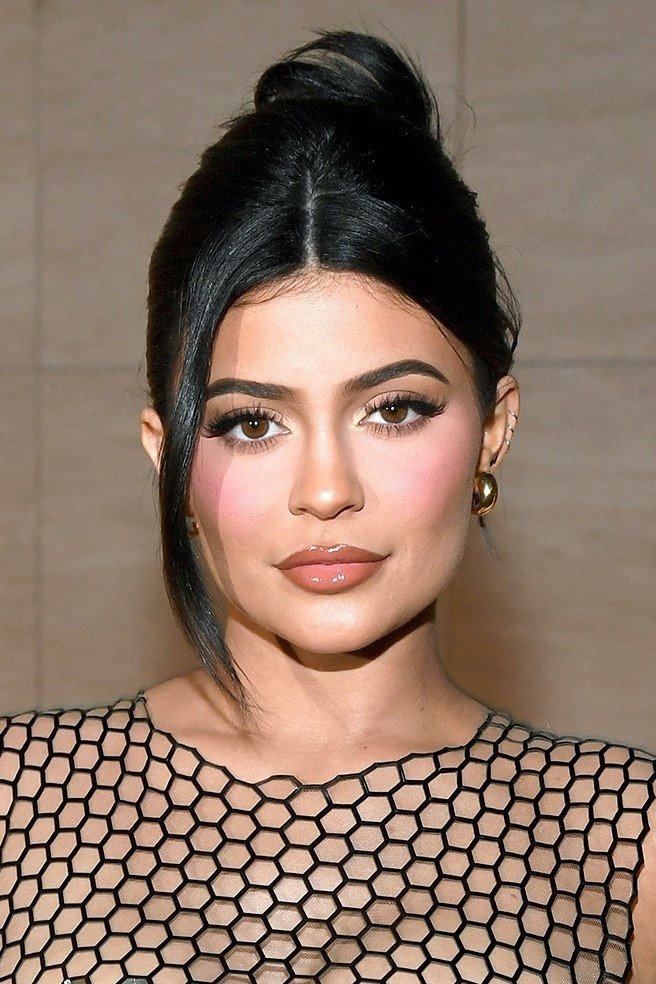
Kylie Jenner has a noticeable scar on her left thigh from a childhood accident. When she was five, she was playing hide and seek and climbed over a metal gate, which cut her leg. The scar didn’t fully heal and remained as she grew up. Although she’s famous for being a reality TV star, she’s also done some acting and modeling, and the scar is often digitally removed in those appearances. She sometimes shows the scar on social media to remind her followers that everyone has imperfections. It’s one of the few visible flaws on someone who usually presents a very polished image.
Perrey Reeves
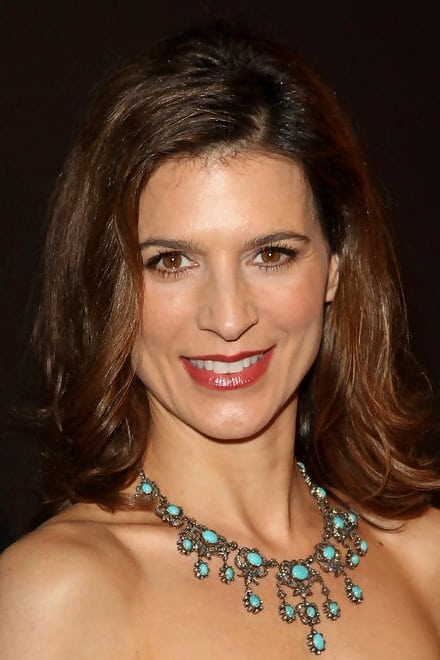
Throughout her acting career, Perrey Reeves has skillfully concealed a facial scar with the help of makeup and lighting. She received the scar as a child in a car accident, near her eye. Reeves frequently emphasizes the value of self-confidence and not allowing physical imperfections to impact self-worth. Viewers rarely notice the scar in her TV and film appearances. Reeves remains a working actress while also prioritizing a healthy lifestyle.
Sharon Lawrence
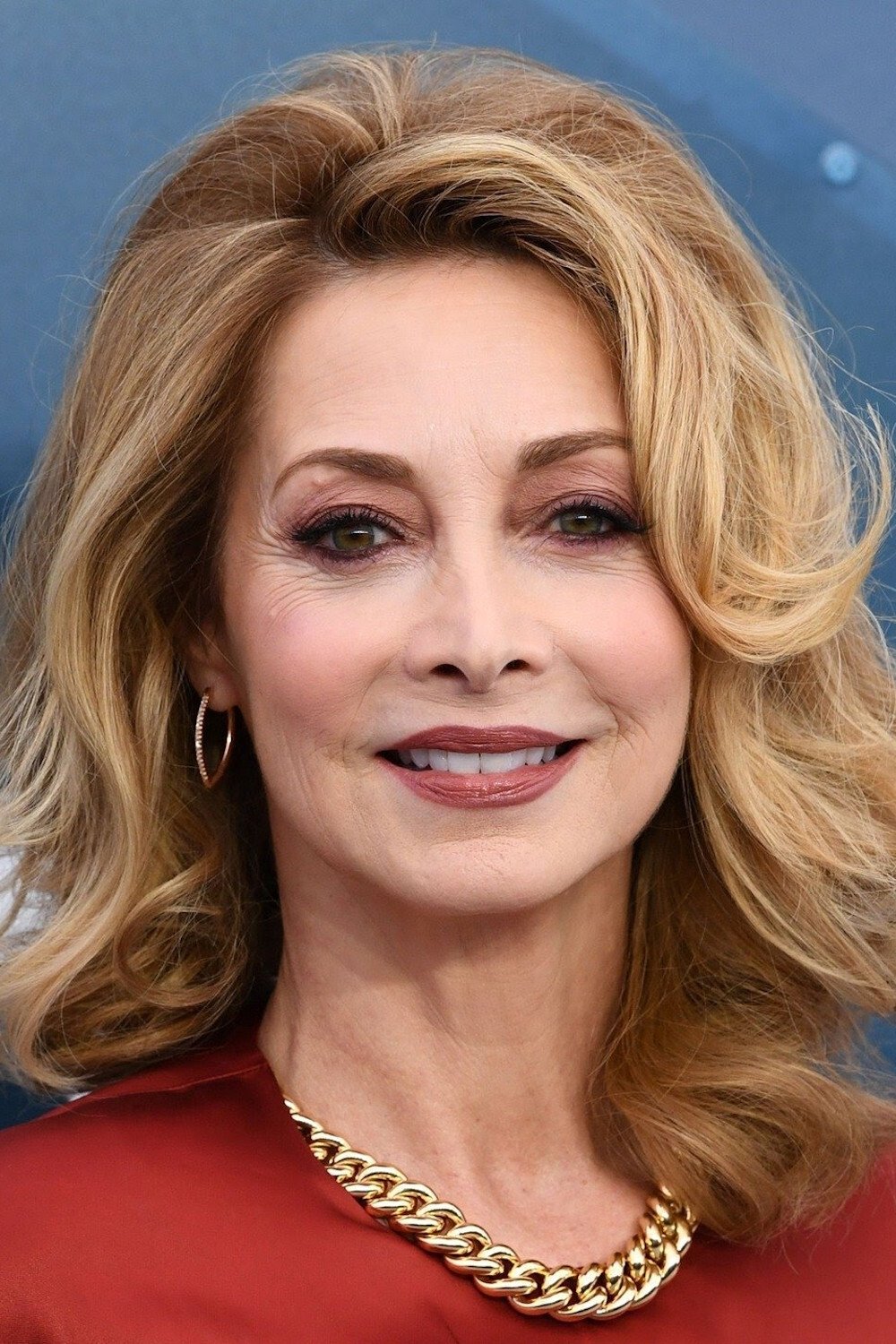
Sharon Lawrence, known for her role on ‘NYPD Blue’ and many other TV appearances, has a scar on her neck from a past medical procedure. She often covers it with necklaces or high-collared clothing when she’s working on screen. Despite the scar being sometimes visible in casual photos, she’s successfully kept the attention on her acting, not her appearance. Lawrence has enjoyed a long and steady career in television for decades.
Gaby Hoffmann
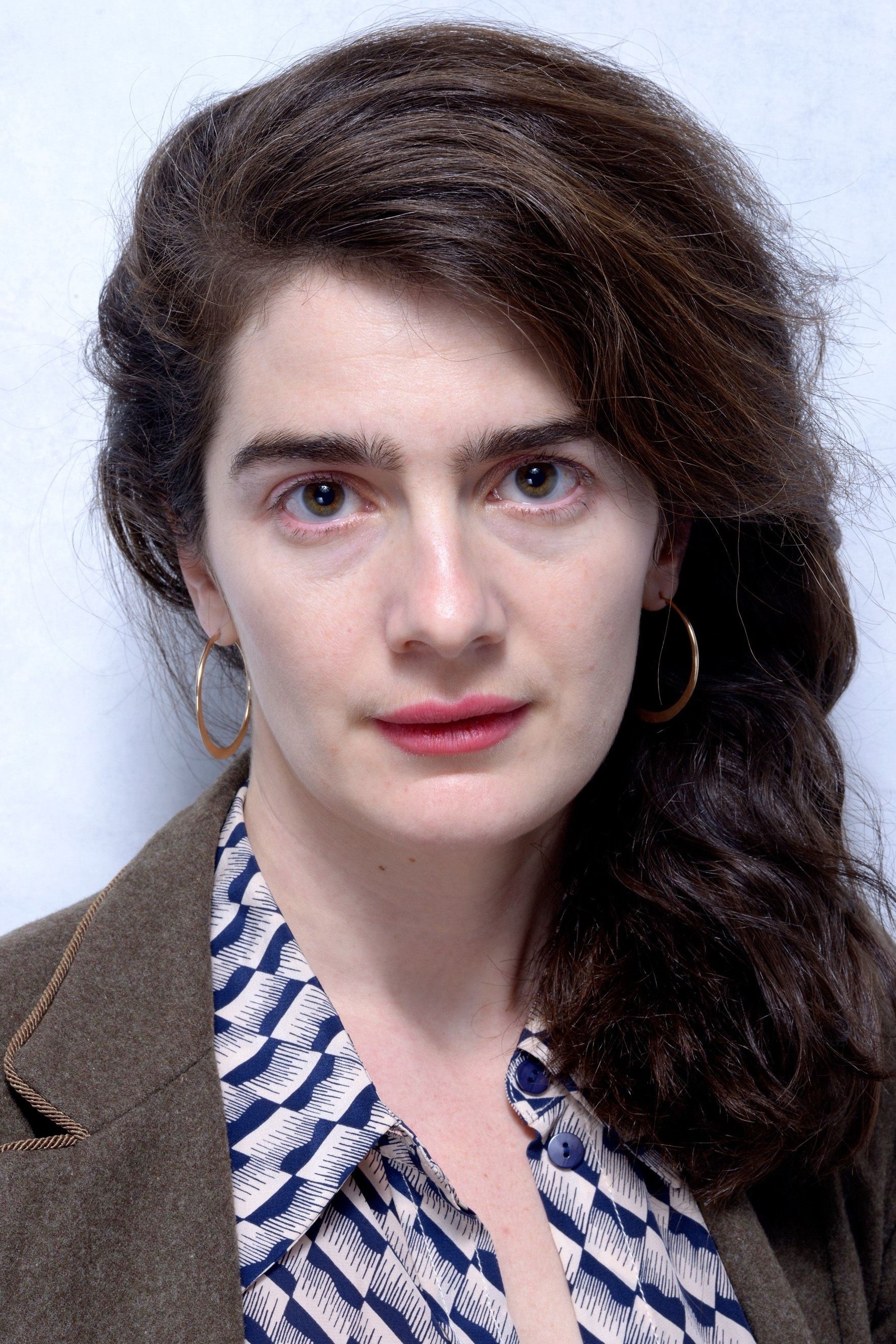
Gaby Hoffmann, known for her roles in ‘Girls’ and ‘Transparent’, is comfortable showing the marks on her body, including those from giving birth and life experiences. She often seeks out roles that feel real and aren’t overly polished. Despite working in an industry that often prioritizes flawlessness, she’s been vocal about challenging conventional beauty standards and encouraging women to embrace their bodies.
Sutton Foster
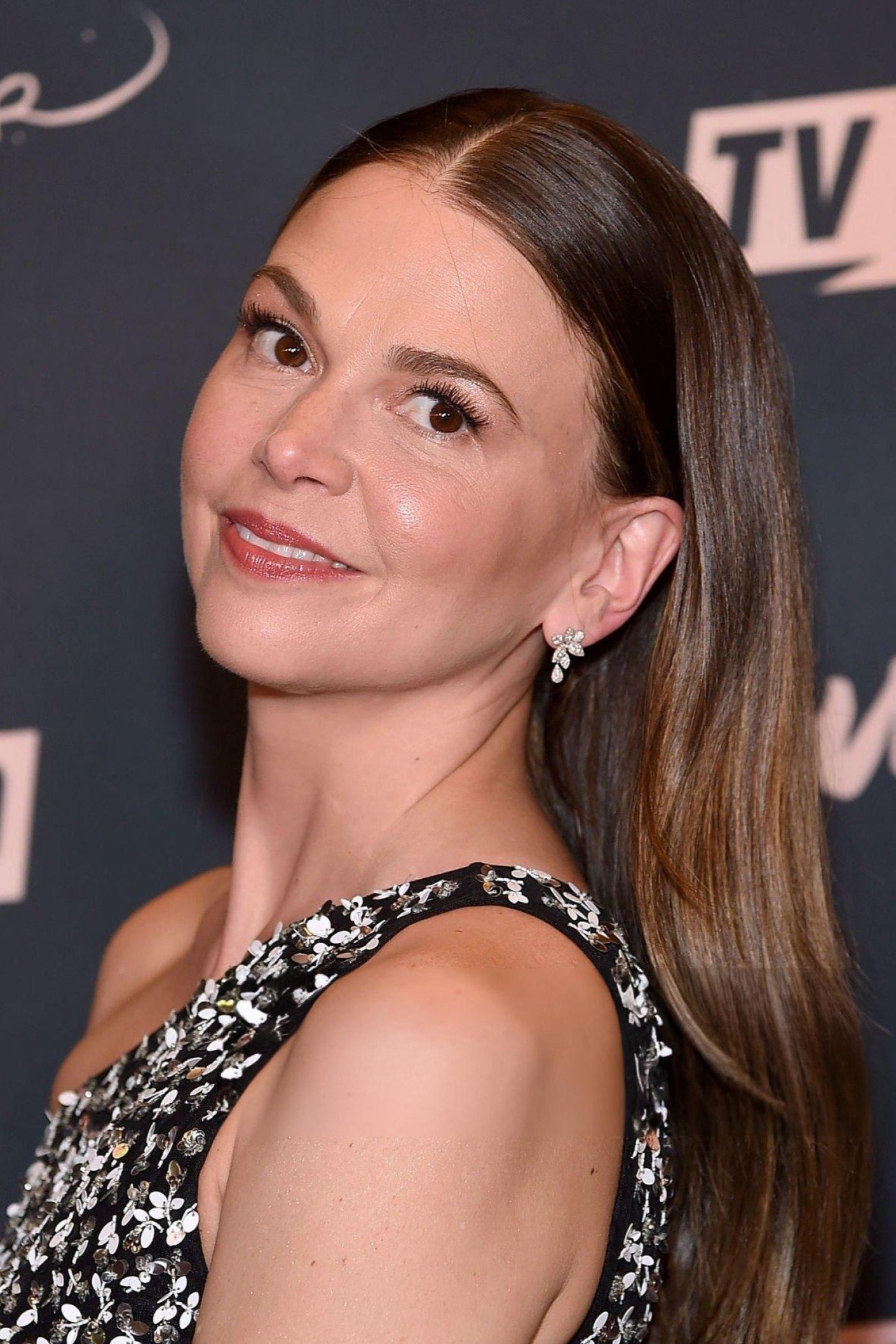
Broadway and television star Sutton Foster has a small facial scar that she usually covers with makeup when performing. While she doesn’t often talk about how she got it, professional stylists help manage its appearance. The show ‘Younger’ always showcases her with perfect skin thanks to skilled production techniques. Foster is widely recognized as one of musical theater’s most talented performers, consistently focusing on her artistry and connecting with audiences.
Edie Falco
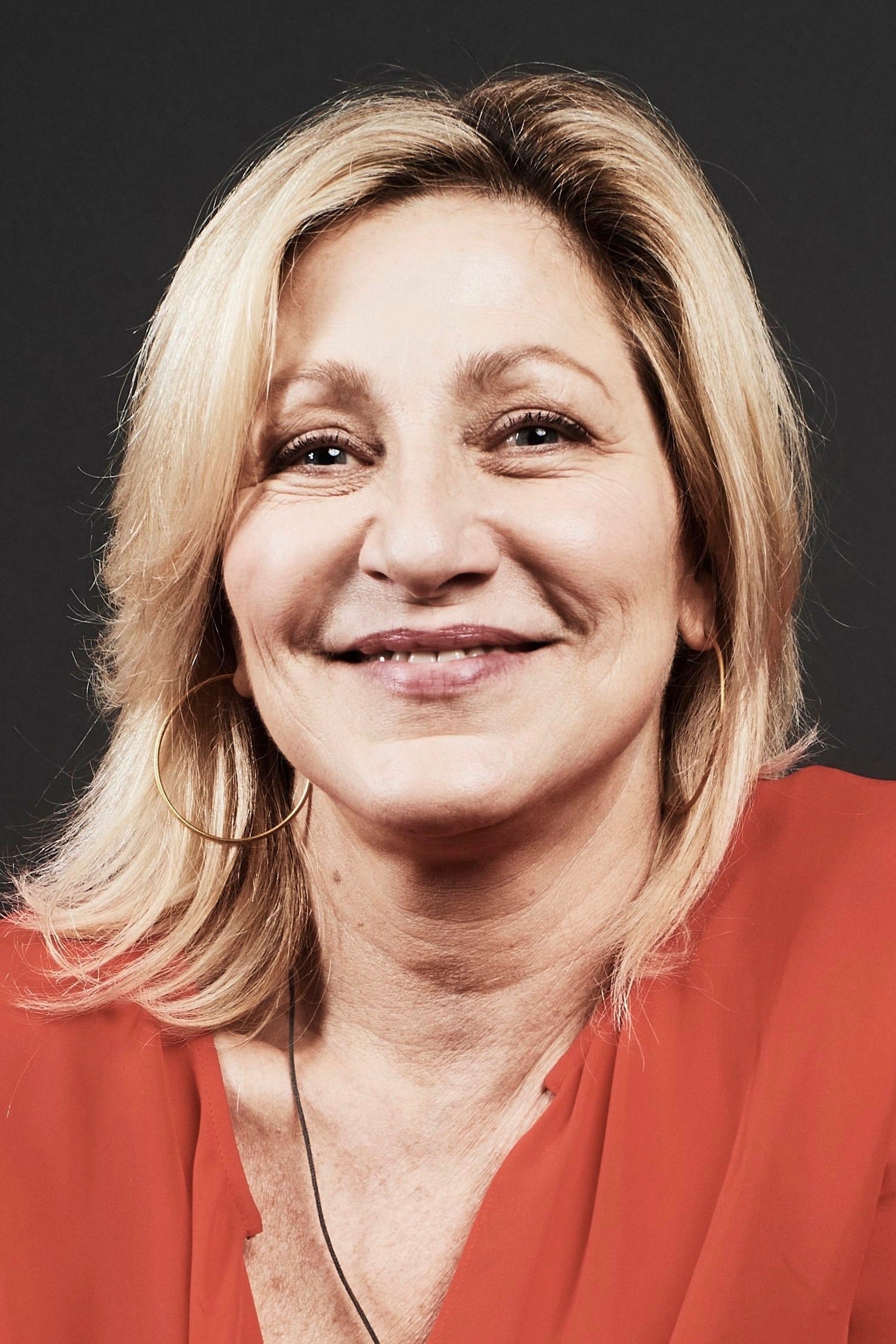
Edie Falco has scars from surgery she had after being diagnosed with breast cancer during the filming of ‘The Sopranos’. She kept her illness private for a long time, not wanting it to interfere with her work. While continuing to play Carmela Soprano and win awards, she received treatment and eventually went into remission. Later, in shows like ‘Nurse Jackie’, she used costumes to conceal the scars. Falco is considered one of the best television actresses of her generation.
Share your thoughts on these resilient actresses and their inspiring stories in the comments.
Read More
- Gold Rate Forecast
- Games That Faced Bans in Countries Over Political Themes
- Silver Rate Forecast
- Unveiling the Schwab U.S. Dividend Equity ETF: A Portent of Financial Growth
- 22 Films Where the White Protagonist Is Canonically the Sidekick to a Black Lead
- Superman Flops Financially: $350M Budget, Still No Profit (Scoop Confirmed)
- 20 Movies Where the Black Villain Was Secretly the Most Popular Character
- Celebs Who Narrowly Escaped The 9/11 Attacks
- 14 Movies Where the Black Character Refuses to Save the White Protagonist
- Vecna’s Ultimate Goal on STRANGER THINGS 5 and How The Party Can Defeat Him
2026-03-20 18:21