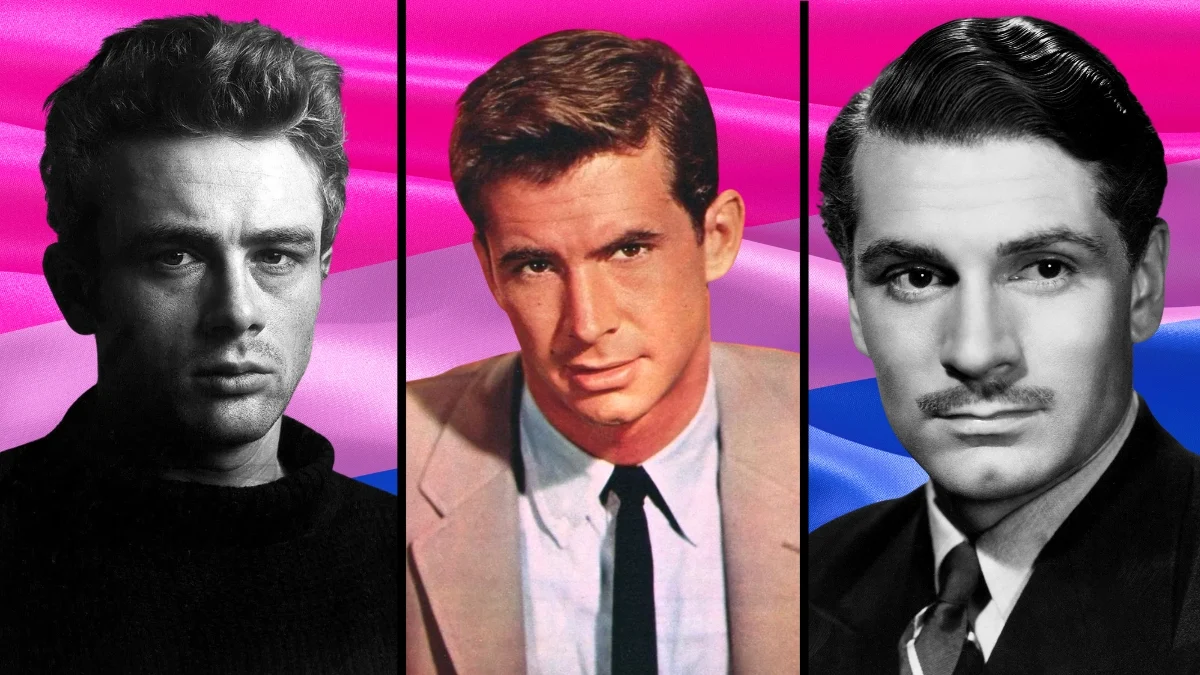
For many years, Hollywood studios enforced a strict set of moral rules, valuing how stars appeared to the public more than their real lives. Male actors, in particular, were expected to be traditionally masculine, and any hint of same-sex attraction was seen as damaging to their careers. As a result, many actors led secret personal lives, hiding relationships and carefully crafting their public image to meet the expectations of fans and the studio. This was usually a business decision – studios wanted to protect profits and maintain the fantasy of the ideal romantic hero. The actors who follow skillfully managed these difficult circumstances during a time when openly identifying as bisexual or having a fluid sexual identity could have ended their careers.
Cary Grant
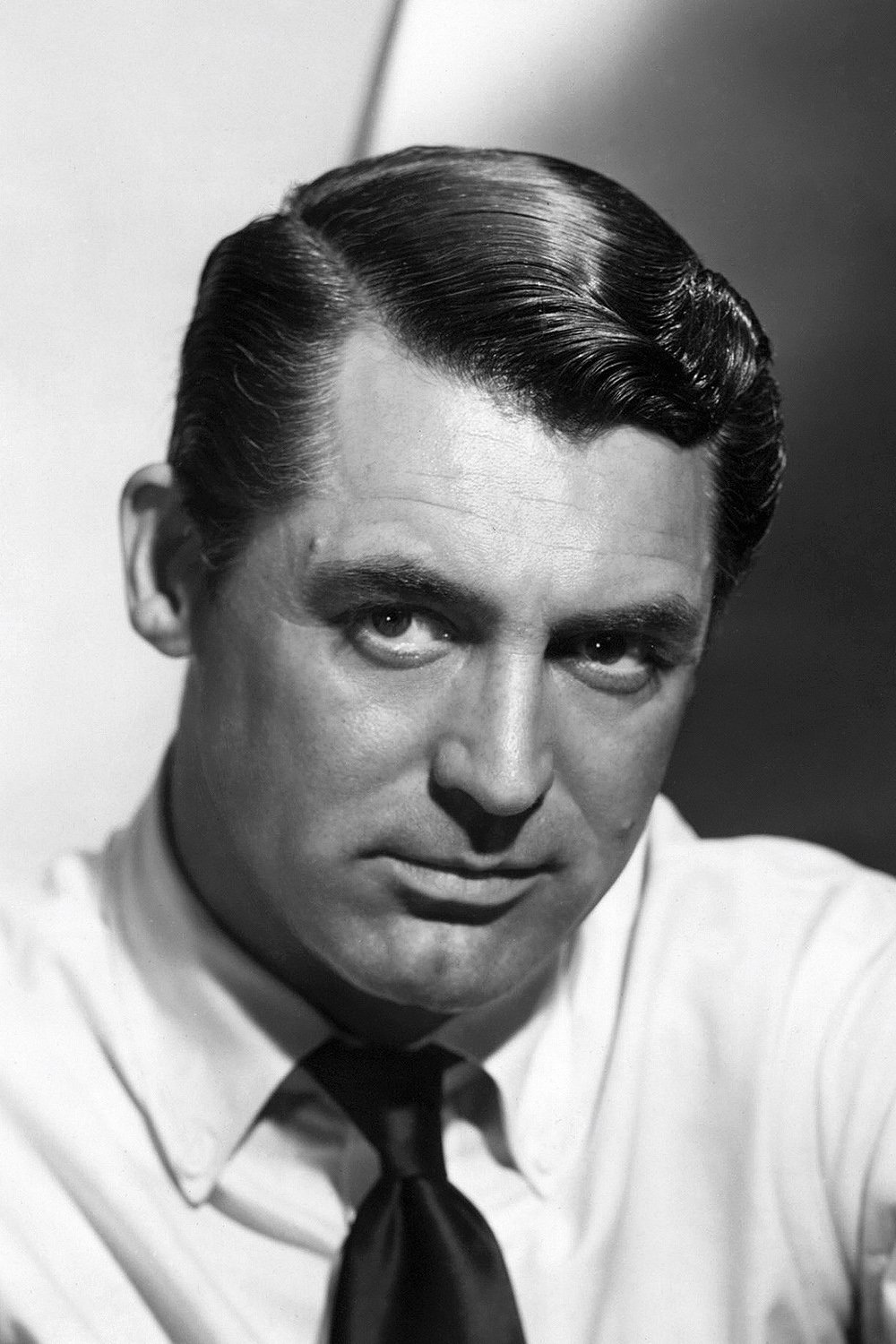
Cary Grant was the classic, charming leading man in films like ‘North by Northwest’ and ‘To Catch a Thief’. Though he projected an image of being a straight-laced romantic hero, he shared a long-term relationship with actor Randolph Scott, a detail often examined by biographers. While he married five different women, many sources, including the biography ‘Cary Grant: A Brilliant Disguise,’ indicate he wasn’t limited by traditional sexual labels. Hollywood studios actively worked to present his living situation as simply that of a single man in order to maintain his popularity with female fans. Grant himself kept his personal life very private, carefully upholding the polished image expected of a major movie star.
James Dean
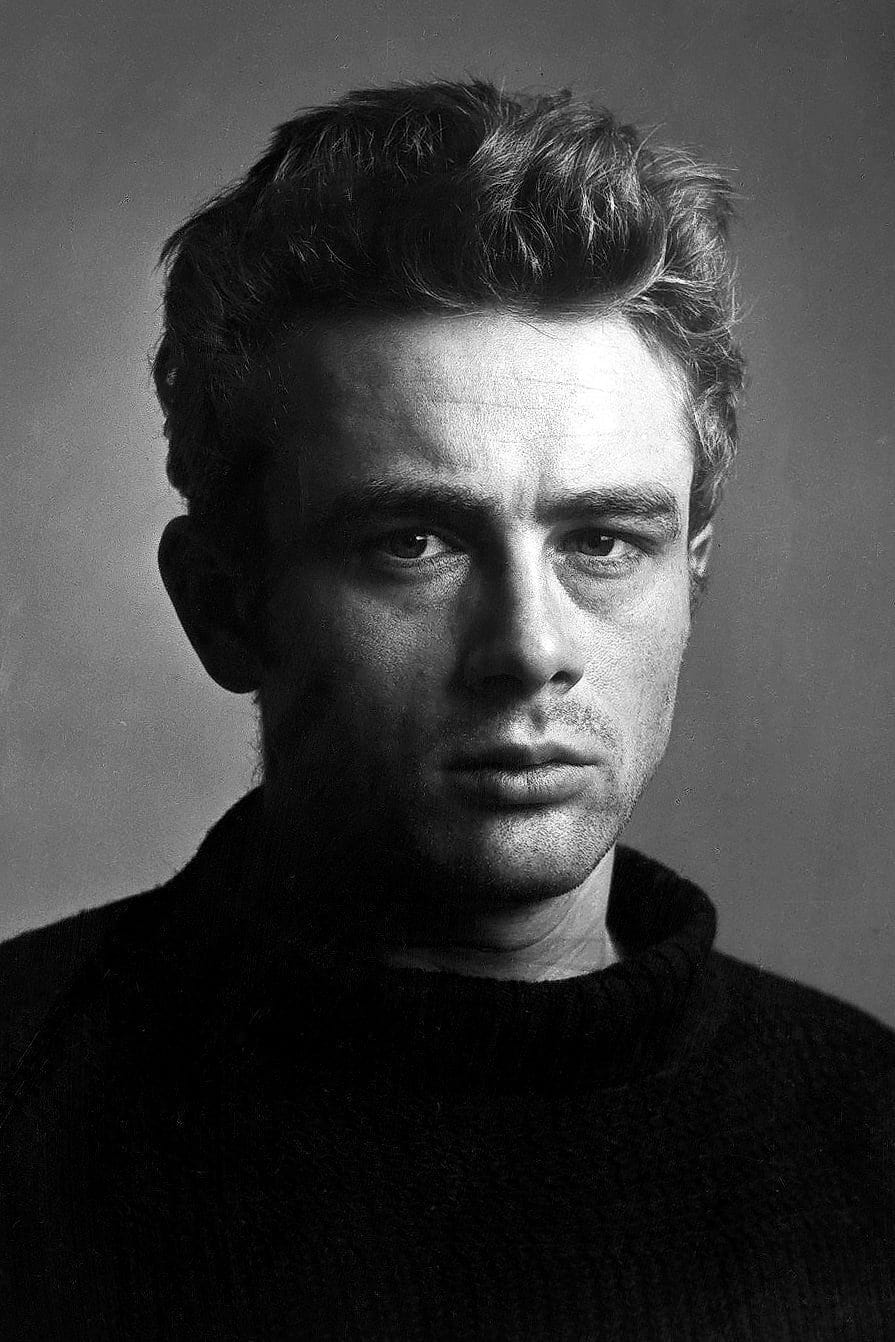
James Dean became an icon for rebellious youth thanks to his role in ‘Rebel Without a Cause’. Though often seen as a solitary and misunderstood figure, biographies reveal he had relationships with both men and women. Books like ‘James Dean: Tomorrow Never Comes’ suggest he openly explored his sexuality in the artistic communities of New York and Los Angeles. However, the film studios carefully crafted his public image, emphasizing short-lived romances with actresses to maintain his appeal as a romantic lead. His early death at 24 cemented his legendary status, but much of his true personal life remained hidden behind the carefully constructed image created by the studios.
Marlon Brando
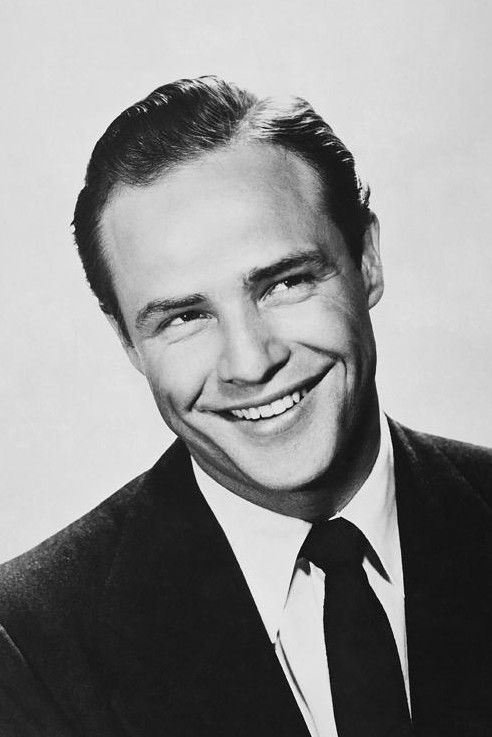
Marlon Brando revolutionized acting, delivering powerful and realistic performances in films like ‘A Streetcar Named Desire’ and ‘On the Waterfront’. In a 1976 interview, he openly discussed having had same-sex experiences, saying he felt no shame about them. However, throughout much of his career, Brando was carefully presented to the public as a strong, rebellious, and strictly heterosexual figure. The media focused heavily on his many marriages and relationships with women, largely overlooking his broader attractions. While unusual for actors of his time, Brando’s honesty about his experiences wasn’t initially embraced by the film industry.
Sal Mineo
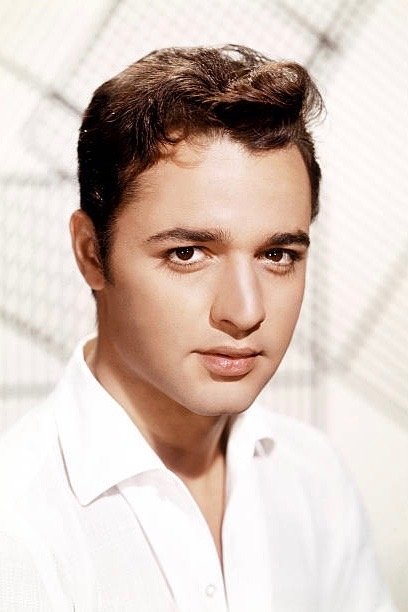
Sal Mineo rose to prominence as a young actor in films like ‘Rebel Without a Cause’ and ‘Exodus,’ receiving two Academy Award nominations. In the early 1970s, he was one of the first well-known Hollywood actors to openly discuss his bisexuality. He felt this honesty negatively affected the kinds of roles he was offered as he got older. Before coming out, the studios had carefully controlled his public image, presenting him as a teen idol. His life was tragically cut short in 1976, ending his attempt to rebuild his career with more genuine and meaningful roles.
Burt Lancaster
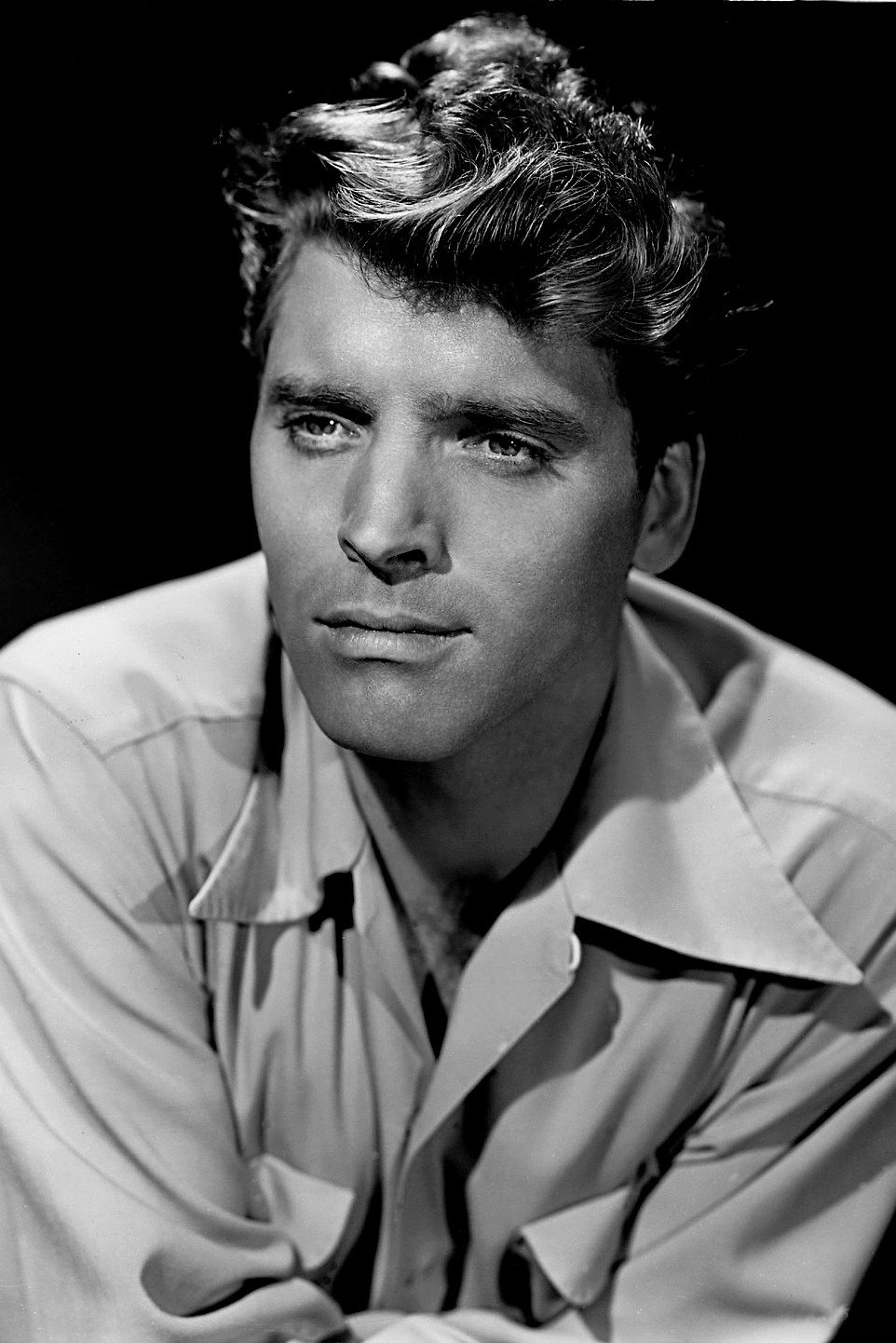
Burt Lancaster, famous for his athletic build and roles as a rugged leading man in films like ‘From Here to Eternity’, carefully maintained a public image of traditional masculinity. However, behind the scenes, his personal life was more complex. According to biographer Kate Buford, Lancaster had several long-term relationships with men, a fact he kept hidden from the public. This, along with his progressive political views, led the FBI to keep a file on him. Lancaster successfully shielded these private details, protecting his reputation and career as a major movie star.
Laurence Olivier
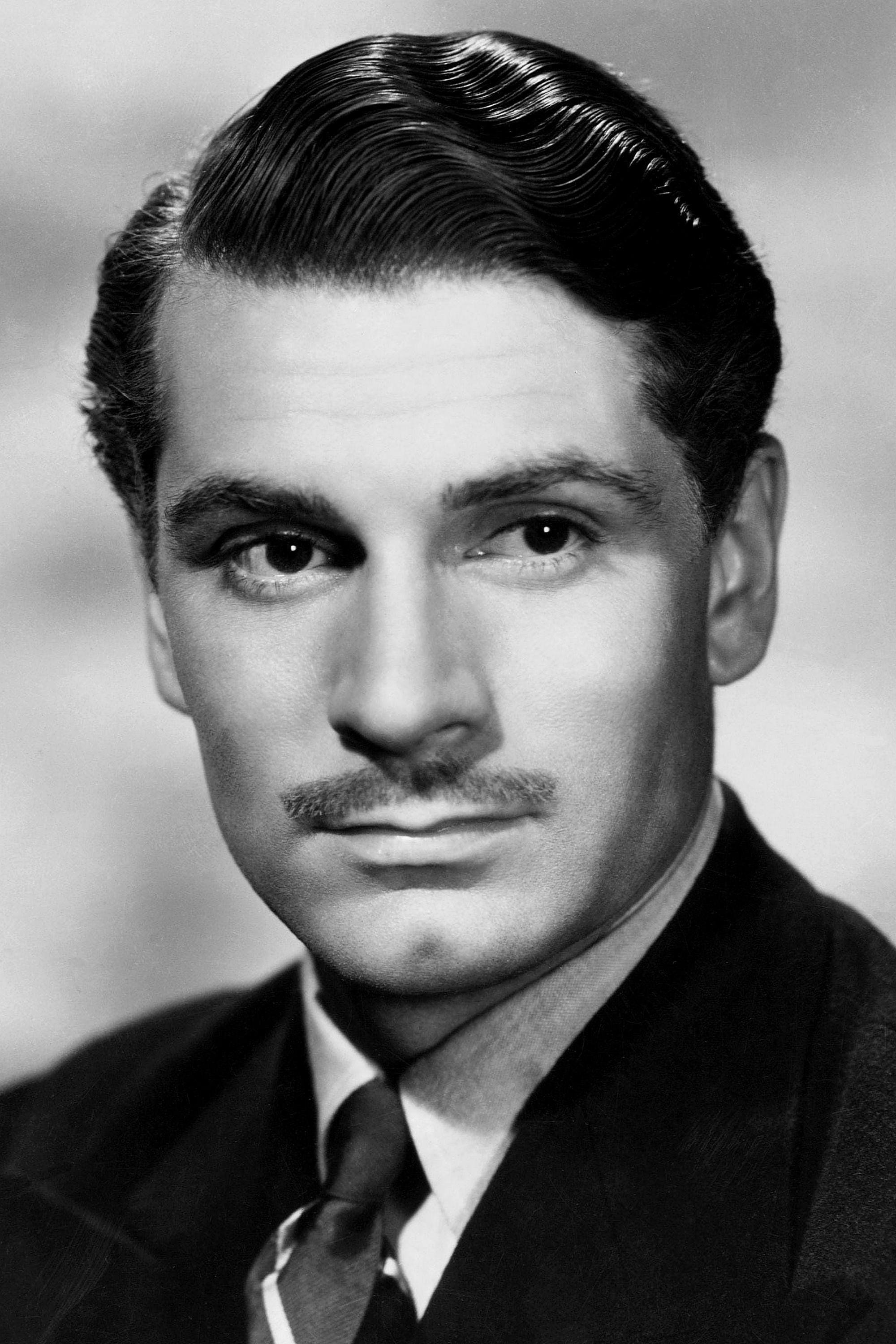
Laurence Olivier is remembered as one of the 20th century’s most brilliant actors, equally celebrated for his work on stage and in films like ‘Hamlet’ and ‘Wuthering Heights’. While married to the famous actress Vivien Leigh, biographies – including one by Terry Coleman – hint at a deep relationship with actor Danny Kaye. Olivier carefully cultivated an image as a refined, traditional British man, which made it difficult to openly discuss any same-sex attractions. He maintained his respected public standing until his death, and details about his complex personal life only came to light after he passed away. The need to uphold his status as a cultural icon meant he kept much of his private life hidden.
Montgomery Clift
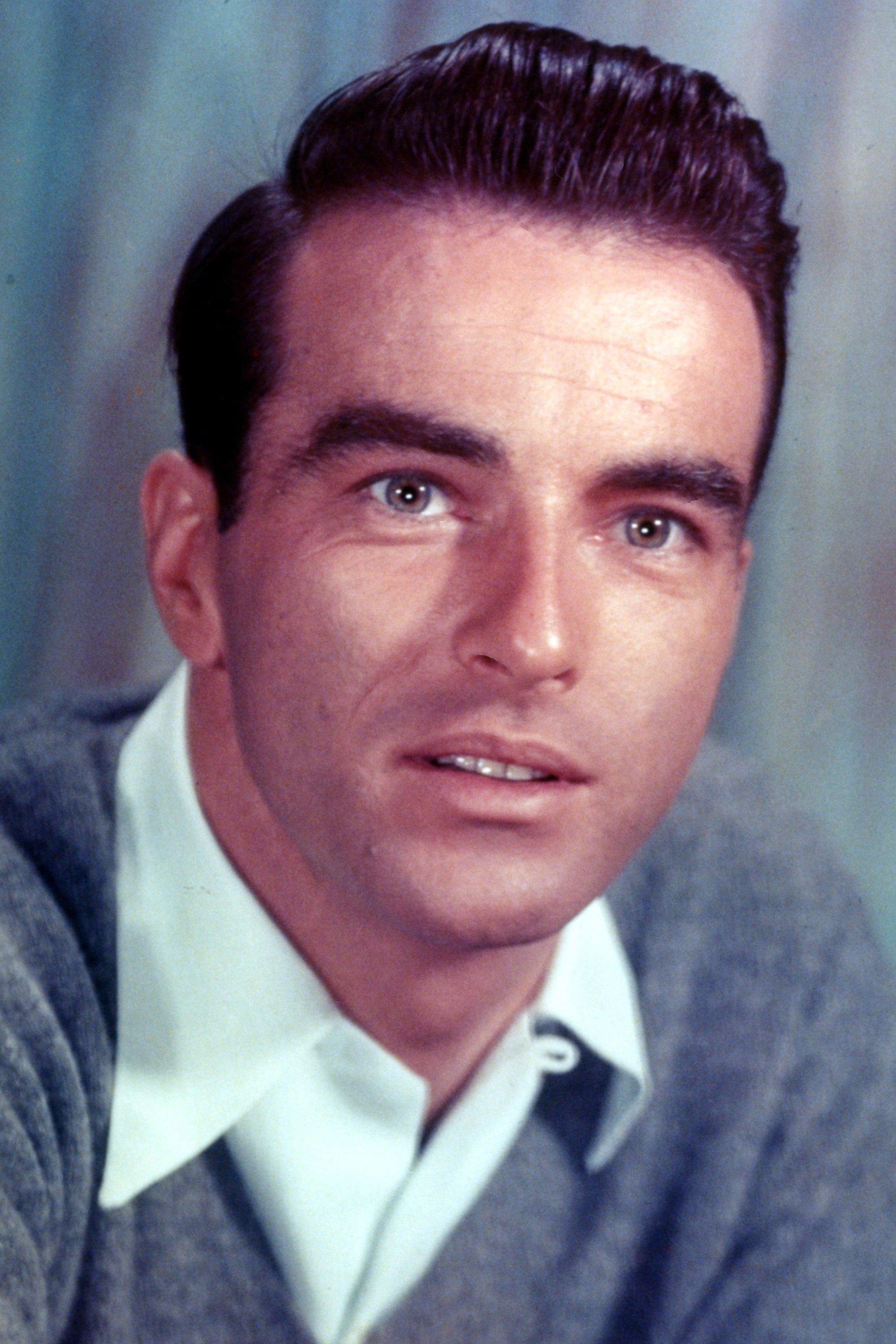
Montgomery Clift was a groundbreaking actor, famous for films like ‘From Here to Eternity’ and ‘A Place in the Sun’. He faced immense pressure throughout his career to conceal his attraction to men, as Hollywood promoted him as a romantic lead alongside its most popular actresses. The media frequently speculated about a traditional romance between him and Elizabeth Taylor, despite their close friendship being something different. This conflict between his true self and the image he had to maintain publicly is believed to have contributed to his health problems and eventual decline. Sadly, Clift died at just 45 years old, never able to live openly as himself in the industry he helped shape.
Tyrone Power
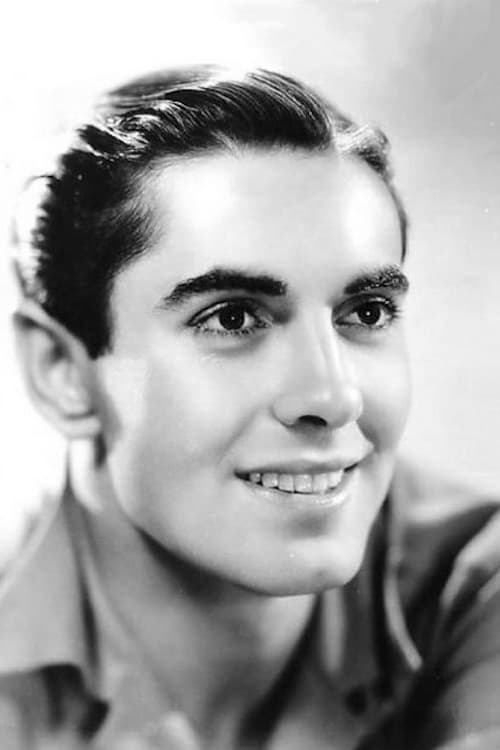
Tyrone Power was a hugely popular actor in the 1930s and 40s, famous for his action-packed roles in films like ‘The Mark of Zorro’ and ‘Blood and Sand’. While he was married to several well-known women and considered a classic romantic hero, Power secretly had affairs with men. Though these relationships were an open secret among those in Hollywood, 20th Century Fox carefully protected his public image, fearing that news of his bisexuality would ruin his career. He maintained this private life until his unexpected death during filming in 1958.
Danny Kaye
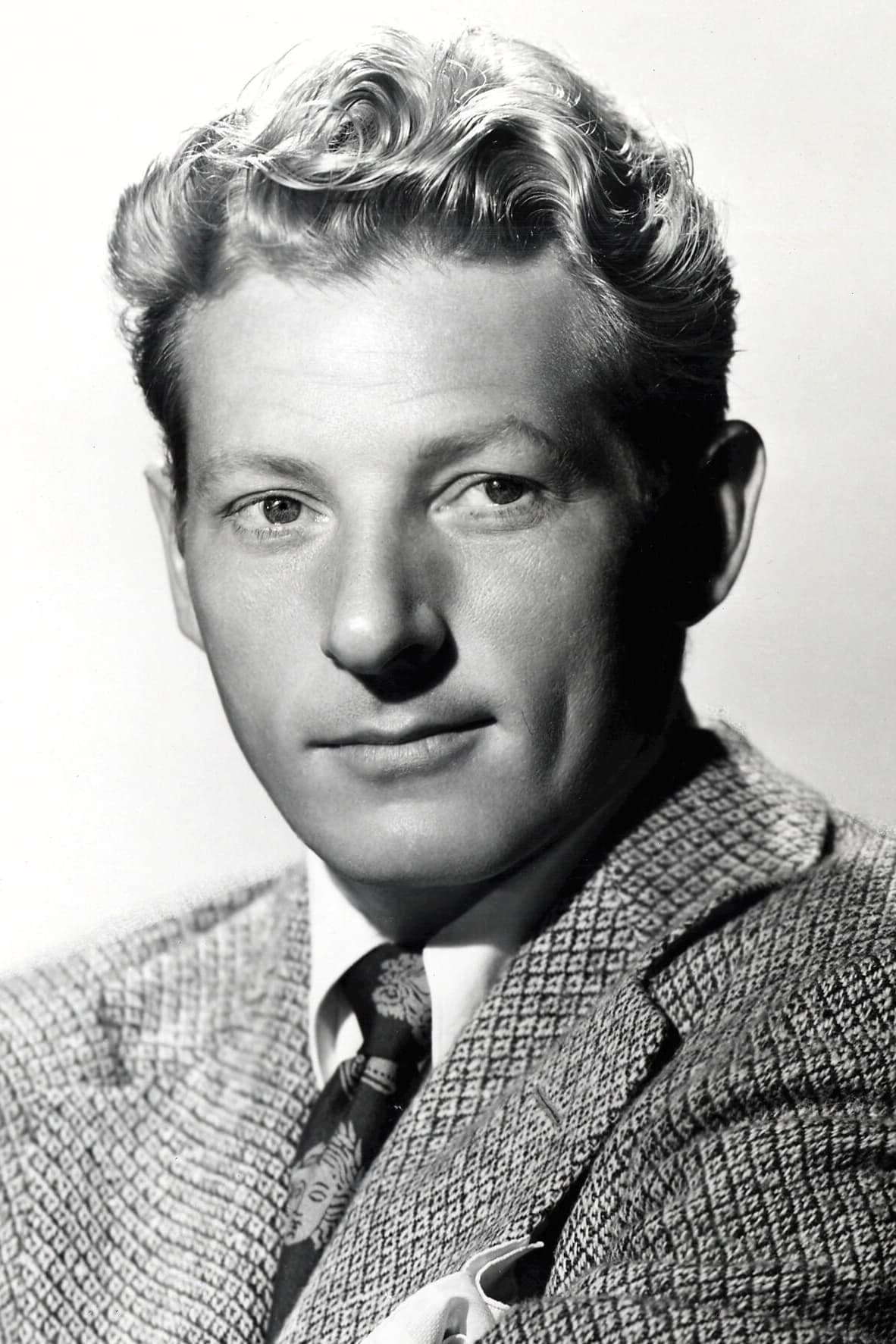
Danny Kaye was a talented entertainer famous for his humor, singing, and appearances in popular films like ‘White Christmas’. He projected a cheerful and family-friendly image, making him a well-loved star during the mid-20th century. However, accounts from his life reveal a deep and lasting relationship with actor Laurence Olivier. Because Kaye carefully cultivated a wholesome public image, any disclosure about his personal life could have severely damaged his career, according to those around him. He maintained a long marriage to songwriter Sylvia Fine, which also helped to safeguard his reputation.
Anthony Perkins
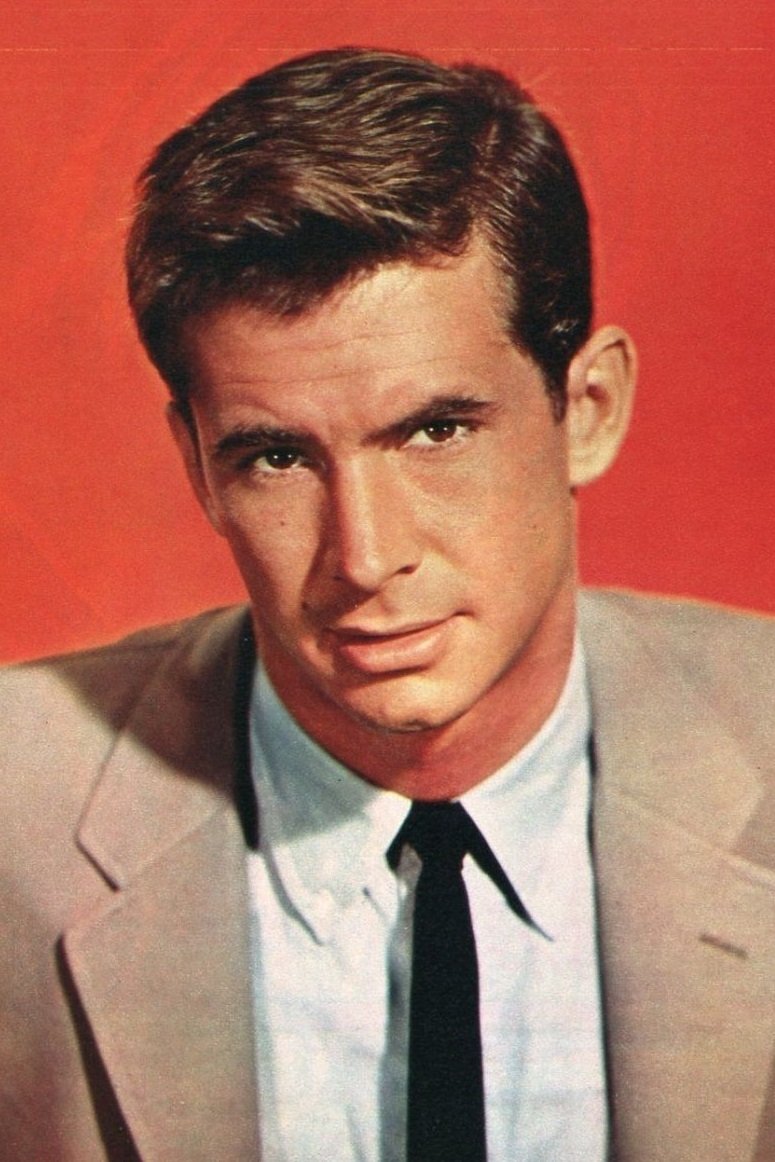
Anthony Perkins is best remembered for his unforgettable and unsettling performance as Norman Bates in the film ‘Psycho’. Early in his career, he was often cast as a charming and romantic lead, appearing alongside many popular actresses. Before marrying Berry Berenson, Perkins secretly underwent therapy intended to change his sexual orientation, driven by pressure from the film industry to appear heterosexual. Throughout his life, he had relationships with men, including a known romance with actor Tab Hunter. Perkins constantly struggled to reconcile his true self with the strict and often intolerant expectations of Hollywood.
Robert Reed
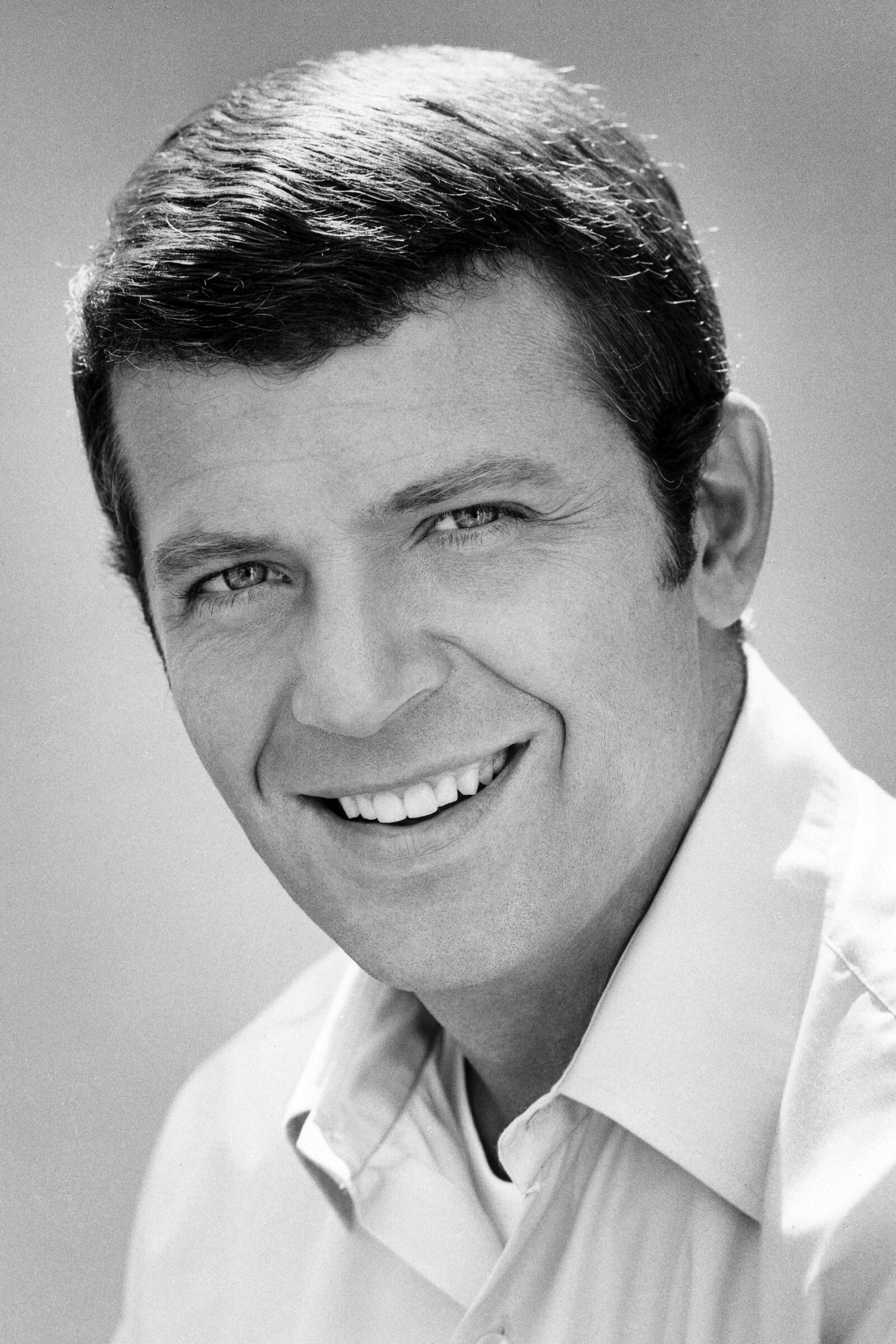
Robert Reed is most famous for playing Mike Brady, the ideal American father, on ‘The Brady Bunch.’ Despite portraying the head of a typical family on TV, Reed was actually a gay man who kept this hidden to safeguard his career. He had been married before and had a daughter, which helped him maintain the public image needed for his role. Reed worried that being openly gay would cost him work, especially in family-friendly shows. He kept his sexuality private throughout his life, passing away in 1992 with the truth becoming well-known after his death.
Raymond Burr
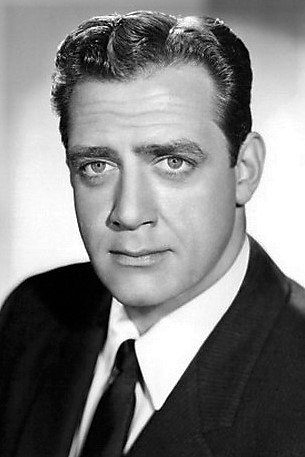
Raymond Burr became hugely famous playing strong, authoritative roles in shows like ‘Perry Mason’ and ‘Ironside’. To protect his private life and long-term relationship with Robert Benevides, he and his team created a false backstory. They pretended he’d been married with a son who sadly died of leukemia. This lie was so convincing that the media and fans believed it for many years. Burr understood that a popular actor playing a lawyer on television was expected to appear as a conventional widower to the public.
Tab Hunter
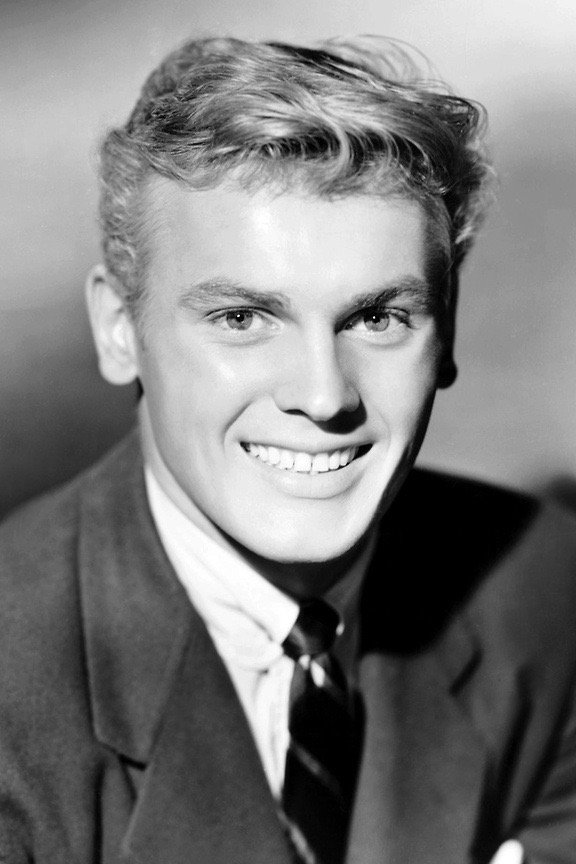
Tab Hunter was a hugely popular actor in the 1950s, known for films like ‘Battle Cry’ and ‘Damn Yankees’. Despite being secretly gay, his studio, Warner Bros., worked hard to create a public image of him as a heterosexual man, even setting him up on staged dates with actresses like Natalie Wood and Debbie Reynolds. In his autobiography, ‘Tab Hunter Confidential’, he described the intense pressure he felt to hide his true self. He eventually left the studio system seeking a more authentic life, but always lived with the fear that his secret would be revealed.
Rock Hudson
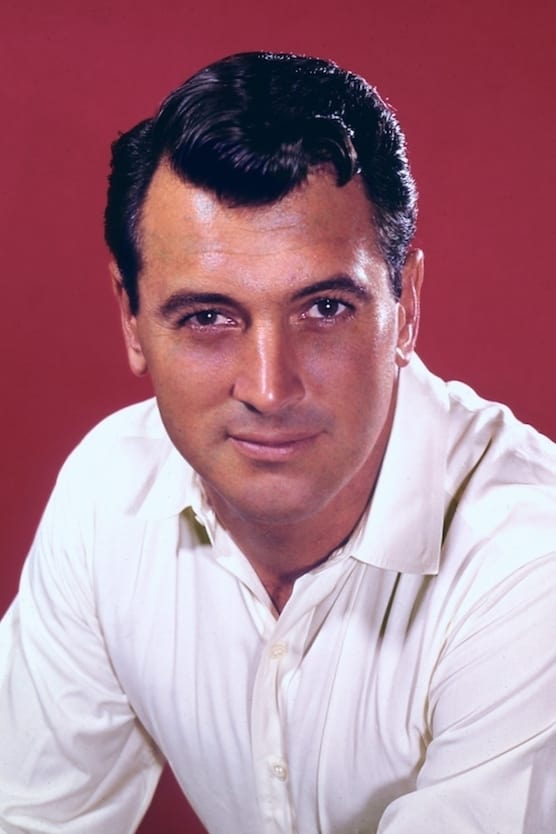
Rock Hudson was known for his handsome looks and romantic appeal in classic films like ‘Pillow Talk’ and ‘Giant’. His agent, Henry Willson, carefully controlled his public image, even orchestrating a marriage to Phyllis Gates to hide rumors about his personal life. Though he’s now considered a gay icon, Hudson kept his attractions to men secret throughout his career to fit Hollywood’s expectations for leading men. It wasn’t until he was diagnosed with AIDS in the 1980s that his private life became public. His experience is a stark example of how far the film industry would go to protect its stars and their image.
Richard Chamberlain
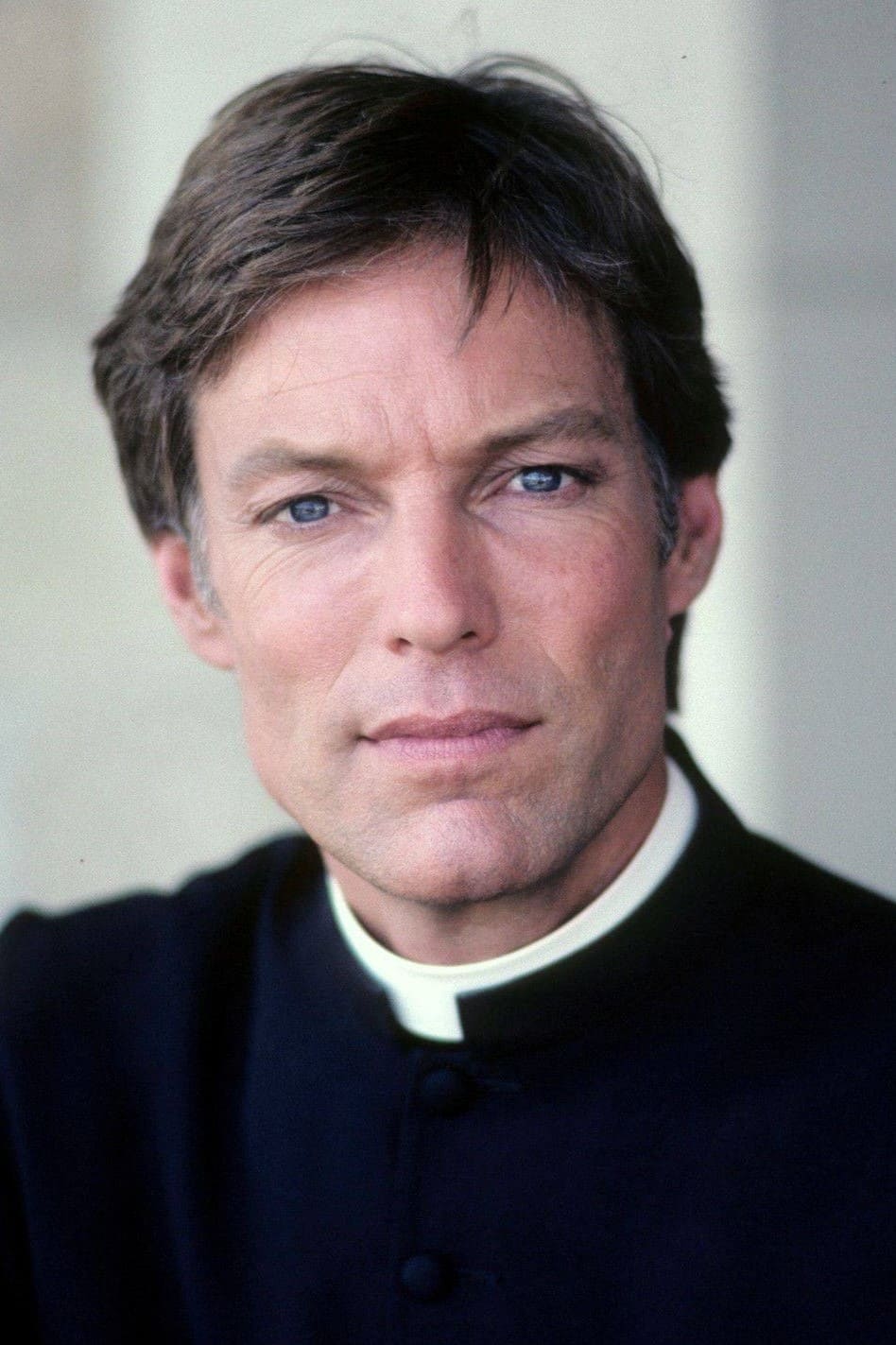
As a classic movie and TV fan, I definitely remember Richard Chamberlain – he was huge after ‘Dr. Kildare,’ and then really made a splash in things like ‘The Thorn Birds.’ For years, he was one of Hollywood’s go-to leading men, often playing these really passionate, romantic characters that women just loved. What’s always struck me, though, is that despite all that success, he kept his personal life private for a long time. He finally shared his story in his 2003 memoir, ‘Shattered Love,’ and explained he felt he had to stay in the closet. He was worried being open about who he was would have completely ruined his career back then – he thought it was just too risky for an actor at his peak to come out.
I’m always fascinated by the greats, those actors who really shaped Hollywood. I’d love to hear what you think about them – who are your favorites, and how do you feel they’ve left their mark on film history? Let’s chat in the comments!
Read More
- Spotting the Loops in Autonomous Systems
- Seeing Through the Lies: A New Approach to Detecting Image Forgeries
- Staying Ahead of the Fakes: A New Approach to Detecting AI-Generated Images
- Julia Roberts, 58, Turns Heads With Sexy Plunging Dress at the Golden Globes
- Gold Rate Forecast
- Unmasking falsehoods: A New Approach to AI Truthfulness
- Smarter Reasoning, Less Compute: Teaching Models When to Stop
- Palantir and Tesla: A Tale of Two Stocks
- The Glitch in the Machine: Spotting AI-Generated Images Beyond the Obvious
- How to rank up with Tuvalkane – Soulframe
2026-03-20 15:46