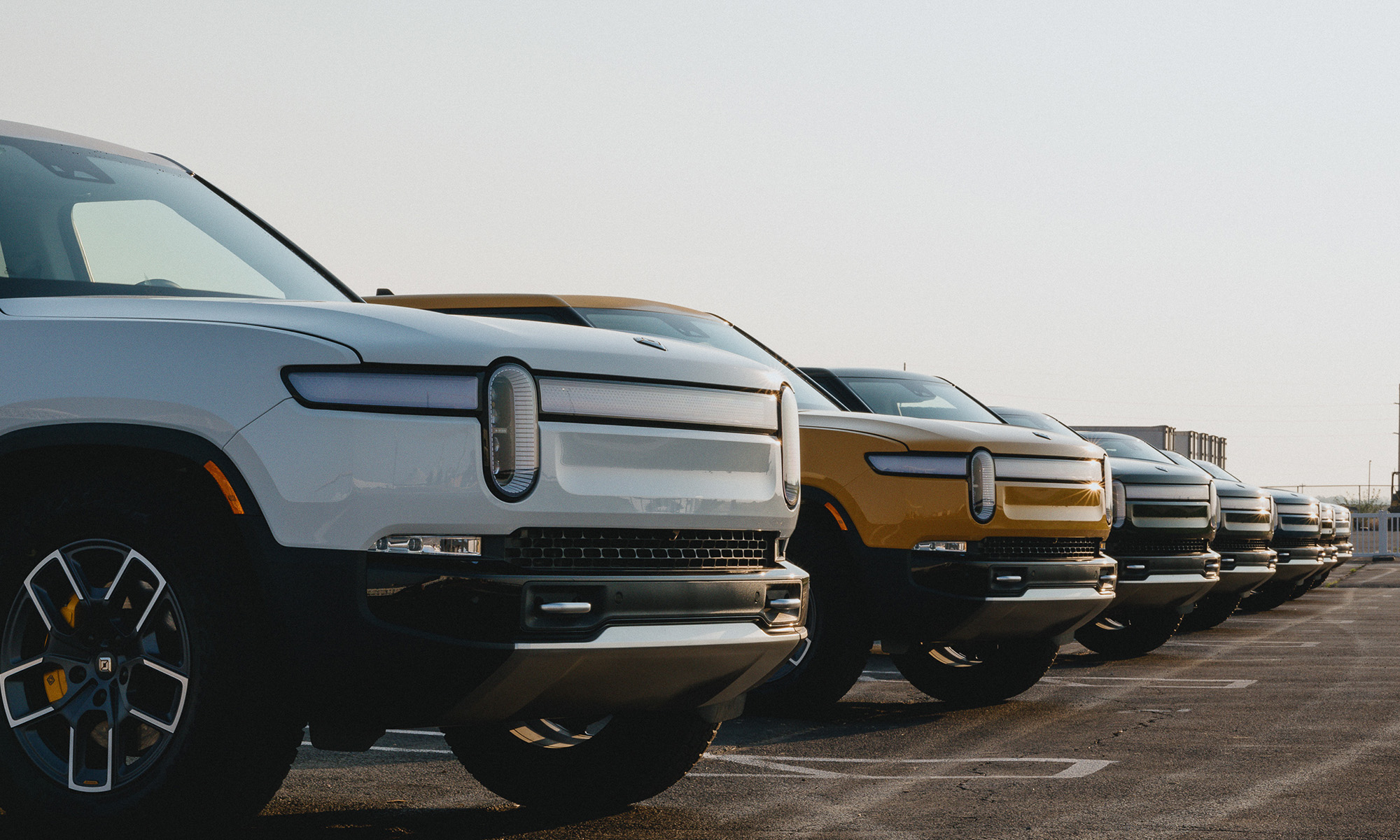
Uber, that tireless purveyor of on-demand convenience, has entered into a pact – a rather expensive one, at $1.25 billion – with Rivian, the electric vehicle manufacturer. One observes this with a familiar weariness. It is, after all, the age of grand pronouncements and vanishing capital. The robotaxi, that shimmering mirage on the horizon of technological progress, is once again being chased. And, naturally, investors are being asked to hold the bag.
The competition, you see, is intensifying. Tesla, that colossus of electric ambition, is also flexing its metallic muscles in this particular arena. The potential market, so the experts whisper, could swell to a truly astronomical sum – five to ten trillion dollars. One suspects these figures are conjured from thin air, much like the promises of perpetual motion. Still, the scent of money is potent, and attracts all manner of hopefuls and charlatans.
Let us examine the particulars of this latest folly.
A Fleet of Dreams, Built on Assumptions
Rivian will, it is promised, supply Uber with 50,000 vehicles over the next five years. A prodigious number, certainly. One wonders where these vehicles will materialize from, and whether the supply chains can withstand such a demand. Uber, having abandoned its own attempts at self-driving software – a wise move, perhaps, acknowledging the limits of its own competence – now relies entirely on others. A peculiar position for a company that once styled itself as a disruptor. It is a bit like a general leasing his army from a rival nation.
The agreement, as detailed in the press release, is layered with conditional clauses. Uber will invest, if certain performance milestones are met. Uber will purchase 10,000 vehicles, with the option to purchase 40,000 more. The initial deployments are planned for San Francisco and Miami in 2028, expanding to 25 cities by 2031. A carefully constructed edifice of “ifs” and “maybes,” designed to soothe investor anxieties while committing very little in concrete terms. One detects the hand of a skilled lawyer, or perhaps a particularly persuasive illusionist.
The Data Harvest and the Illusion of Progress
Some analysts, those tireless optimists, believe Rivian is a growth stock to watch. They point to the impending launch of the R2 SUV, a vehicle priced below $50,000. The logic, as presented, is circular: more vehicles on the road will generate more data, which will improve the self-driving algorithms, which will make the vehicles more attractive to customers. A virtuous cycle, they claim. One suspects it is more akin to a hamster wheel, endlessly spinning but leading nowhere.
The partnership, it is argued, is a win-win. Rivian receives a substantial investment, and Uber gains access to a fleet of potentially autonomous vehicles. But what if the technology fails to materialize? What if the self-driving algorithms prove to be unreliable? What if the public, understandably wary of entrusting their lives to a robot chauffeur, refuses to embrace the technology? These questions, naturally, are rarely asked.
Artificial Intelligence and the Pursuit of the Impossible
The enthusiasm surrounding artificial intelligence is, frankly, baffling. After decades of empty promises, we are now told that fully autonomous vehicles are just a few years away. The sudden optimism is attributed to advances in AI, which supposedly enable vehicles to gather, interpret, and act on complex data sets. One suspects the reality is far more mundane. AI is a powerful tool, certainly, but it is not magic. It cannot overcome the fundamental limitations of physics, or the inherent unpredictability of human behavior.
Rivian, it seems, is investing heavily in AI, even to the extent of designing its own chips. A bold move, perhaps, but also a risky one. The development of advanced AI systems requires enormous resources, and there is no guarantee of success. One wonders if Rivian is spreading itself too thin, chasing a technological chimera while neglecting the more prosaic aspects of building a successful automobile company.
A Web of Contingencies and Convenient Alternatives
Let us not be misled by the fanfare. The agreement between Uber and Rivian is riddled with caveats. The investment is contingent on achieving specific milestones. The number of vehicles purchased is far from guaranteed. And, crucially, Uber has already forged similar agreements with other electric vehicle manufacturers, including Lucid Group. This is not an exclusive partnership, but rather a diversification of risk – or, perhaps, a hedging of bets.
One is reminded of a particularly absurd scene from a play I once witnessed, involving a committee tasked with building a monument to an idea that no one could quite define. Each member proposed a different design, each more extravagant and impractical than the last. In the end, they erected a series of empty plinths, symbolizing the futility of their endeavor. And so it is with the robotaxi: a shimmering illusion, built on a foundation of assumptions, contingencies, and convenient alternatives. The devil, one suspects, is already taking notes.
Read More
- Spotting the Loops in Autonomous Systems
- Seeing Through the Lies: A New Approach to Detecting Image Forgeries
- Staying Ahead of the Fakes: A New Approach to Detecting AI-Generated Images
- Julia Roberts, 58, Turns Heads With Sexy Plunging Dress at the Golden Globes
- Gold Rate Forecast
- Unmasking falsehoods: A New Approach to AI Truthfulness
- Palantir and Tesla: A Tale of Two Stocks
- The Glitch in the Machine: Spotting AI-Generated Images Beyond the Obvious
- How to rank up with Tuvalkane – Soulframe
- TV Shows That Race-Bent Villains and Confused Everyone
2026-03-20 13:06