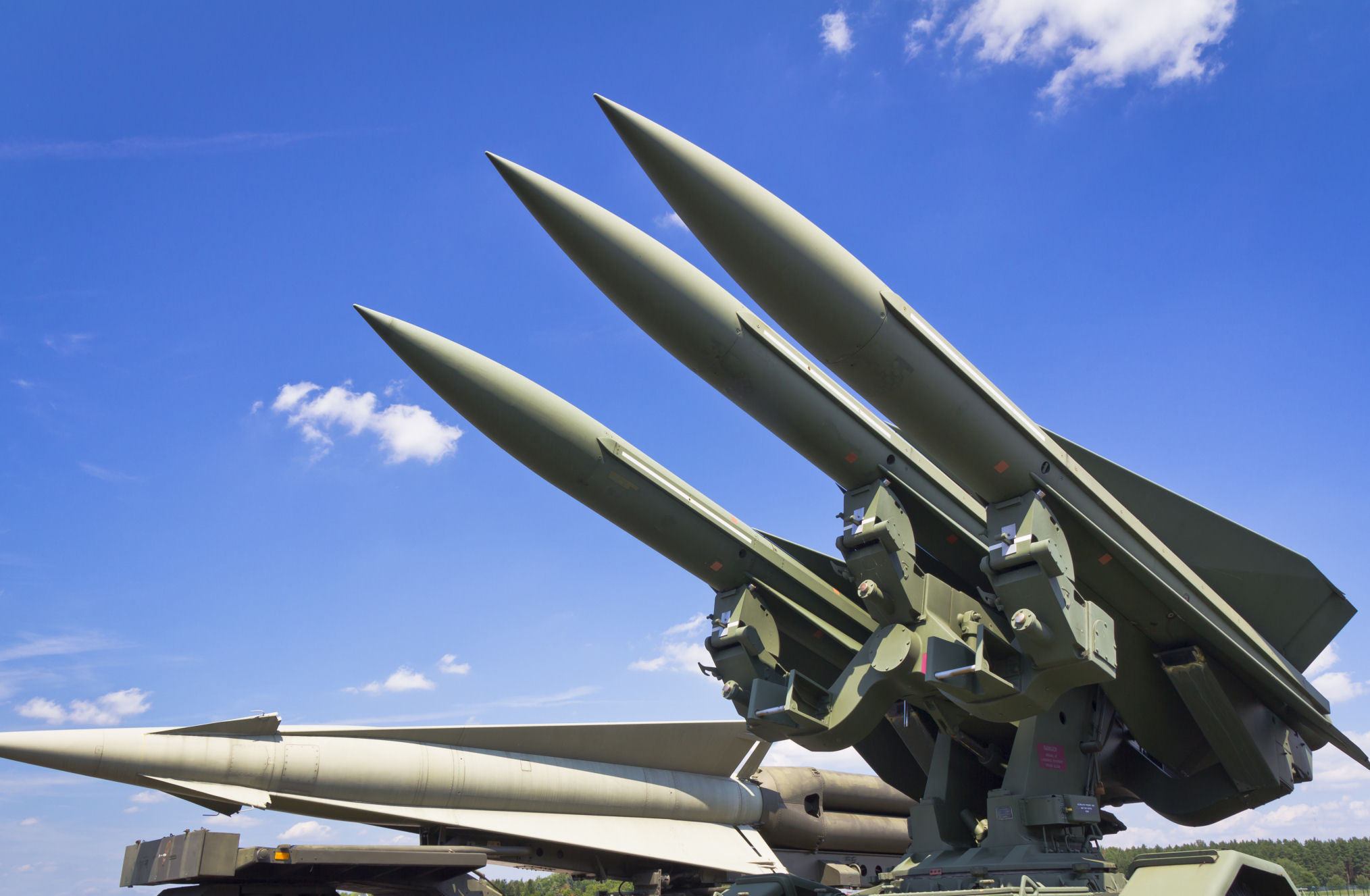
A most intriguing development unfolds in the Hellenic Republic. It appears our friends in Athens are engaged in a spot of rearmament, a 4 billion euro endeavor to bolster their defenses. One can almost smell the freshly minted contracts. They’re acquiring surface-to-air missiles, naturally, to ward off drones and the occasional errant aircraft. A perfectly sensible precaution, considering the neighborhood. It’s a mere down payment, mind you, on a grander scheme—a 33 billion dollar project dubbed “Achilles Shield.” A dramatic name, wouldn’t you agree? One anticipates a corresponding level of theatricality in the execution.
The Shield, as it were, isn’t merely about missiles. It involves naval vessels, Italian and French, of course—a delightful example of European cooperation in the art of peaceful commerce. And then there are the Lockheed Martin F-16s, 38 of them, undergoing a refurbishment. A bit like giving an aging actor a facelift – perfectly respectable, if not entirely transformative. But the truly interesting part is the potential for F-35s. Ah, the F-35. A marvel of modern engineering, and a rather profitable one, if one happens to be in the right line of work.
A Modest Proposal (for Lockheed Martin Shareholders)
Lockheed Martin, as one might expect, stands to benefit handsomely. The Greeks are contemplating 20, perhaps even 40, of those aforementioned F-35s. Each one, we are told, costs around $100 million, depending on the whims of the procurement officers. A considerable sum, to be sure, but one must remember that these are not merely airplanes; they are flying investments. And the maintenance contracts, naturally, will be quite lucrative. A steady stream of revenue, like a well-managed orchard.
However, let us not succumb to undue enthusiasm. Greece, while a respectable customer, is not the United States of America. Their total defense spending, even with the Shield, is a mere drop in the ocean for a company that generates $75 billion in revenue annually. A pleasant addition to the bottom line, certainly, but hardly a game-changer. Still, it’s a signal. If the Greeks are investing in their defenses, it suggests that other nations may follow suit. A rising tide, as they say, lifts all boats… or, in this case, all defense contractors.
The stock, it must be noted, has been rather stagnant lately. A slight lull after a period of growth. A moment of contemplation, perhaps, before the next upward surge. A prudent investor might consider this a favorable entry point. After all, in the grand scheme of things, a well-defended world is a profitable world. And Lockheed Martin, my friends, is exceptionally well-positioned to profit from it.
Read More
- Spotting the Loops in Autonomous Systems
- Seeing Through the Lies: A New Approach to Detecting Image Forgeries
- Staying Ahead of the Fakes: A New Approach to Detecting AI-Generated Images
- Julia Roberts, 58, Turns Heads With Sexy Plunging Dress at the Golden Globes
- Gold Rate Forecast
- Unmasking falsehoods: A New Approach to AI Truthfulness
- Palantir and Tesla: A Tale of Two Stocks
- The Glitch in the Machine: Spotting AI-Generated Images Beyond the Obvious
- How to rank up with Tuvalkane – Soulframe
- TV Shows That Race-Bent Villains and Confused Everyone
2026-03-20 12:42