
Kirsten Dunst will be voicing Alex in Minecraft 2, a popular character from the game and the female lead alongside Jack Black’s Steve.
Dunst confirmed the news on social media: “My dream came true 🔥🍗.”
Kirsten Dunst joins Minecraft 2 as Alex
Alex is a popular character in Minecraft, and is just as well-known as Steve. Players can choose to play as either of them.
Kirsten Dunst joining the cast is a major boost for the new movie, particularly since Jack Black already set the stage as Steve in the first one.
According to IMDb, the next installment will follow Steve and Alex as they explore more of the Overworld, uncovering new lands and overcoming fresh obstacles.
View this post on Instagram
Jared Hess returns with key cast coming back
The sequel to Minecraft will once again be directed by Jared Hess. Jason Momoa, Jack Black, Danielle Brooks, Matt Berry, and Jennifer Coolidge are all returning to star in the film.
The movie is scheduled to come out in theaters on July 23, 2027, and production is expected to begin in May.
The first movie was a massive box office hit
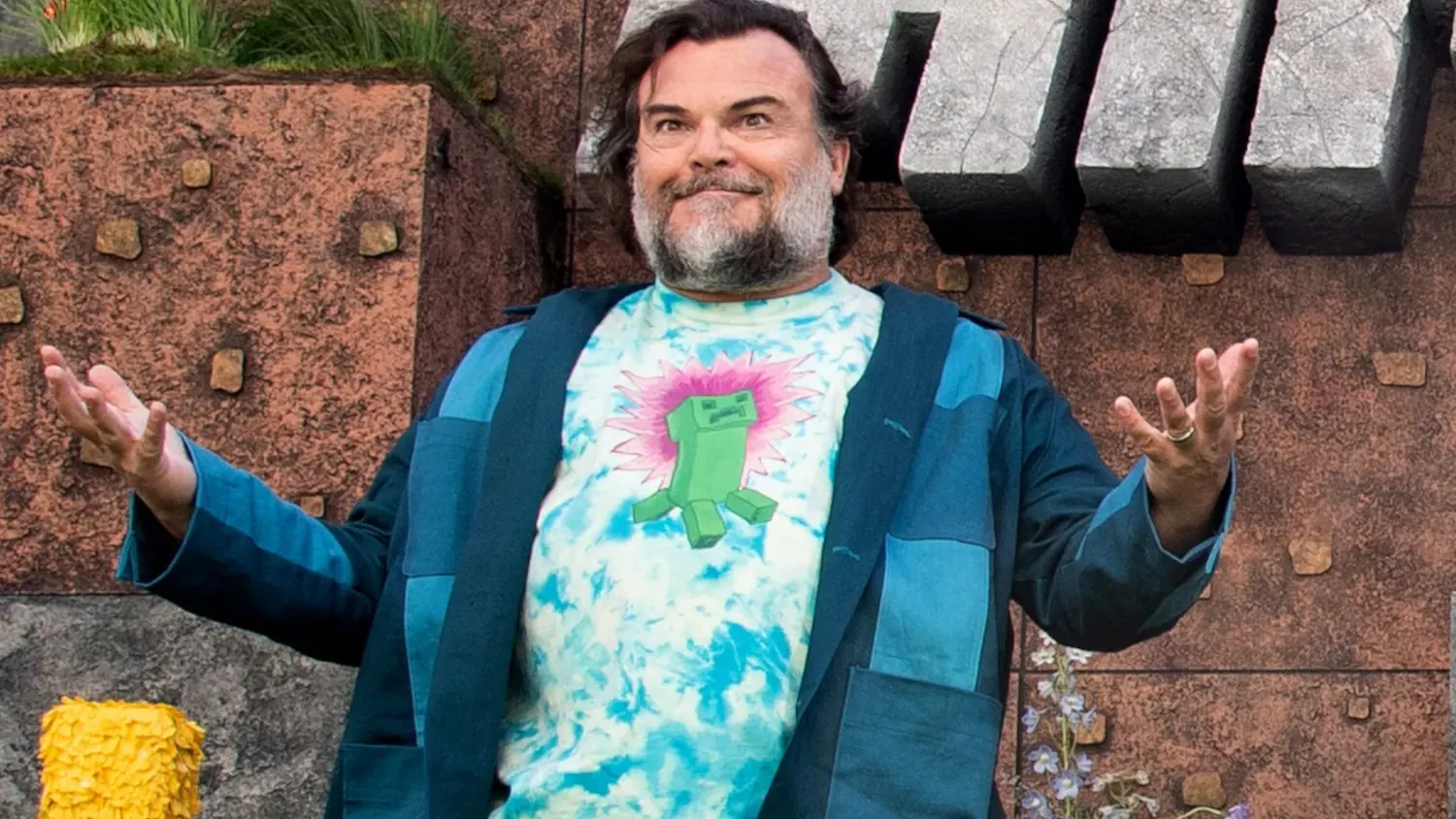
The sequel is not a surprise considering how big A Minecraft Movie turned out to be.
According to Box Office Mojo, the movie earned $424.1 million in the US and $961.2 million globally. This made it the fifth highest-grossing film worldwide in 2025, and the top domestic release of that year.
What happened in the first movie
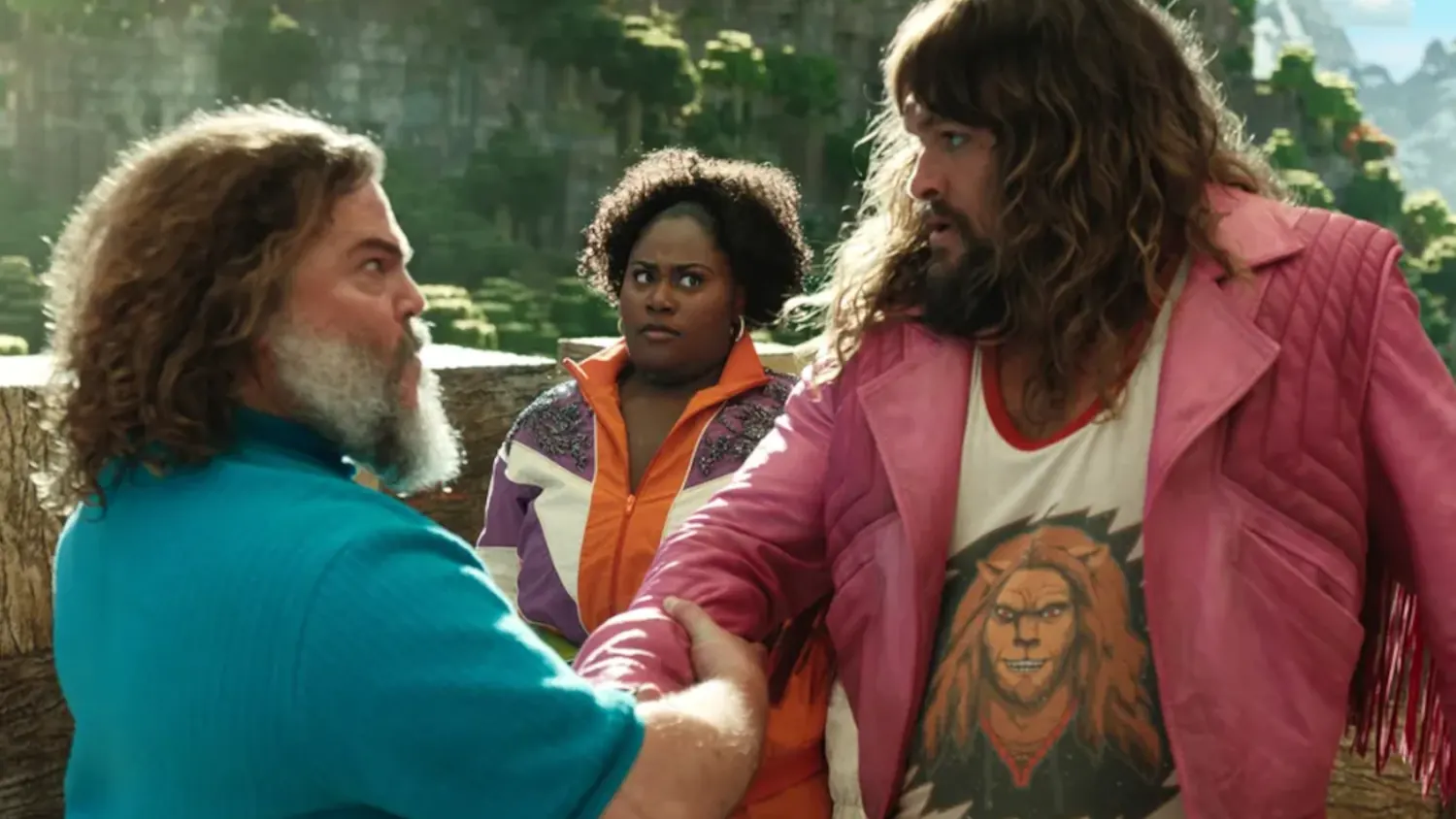
The first film introduced four unlikely friends who were transported through a strange gateway to the Overworld, a cube-shaped world where using your imagination is essential to staying alive.
Guided by Steve, the group navigated a strange new land, learning to build, create tools, and defend themselves against dangers linked to the Nether and its piglin leader.
This simple foundation allowed the film to capture the open-ended spirit of Minecraft, seamlessly blending reality with the game’s world and establishing Steve as the main character leading the story.
As a huge fan, I’m really excited to see the sequel! It looks like they’re building on what worked before by teaming Steve up with Alex and taking us even further into the world of Minecraft. It seems like we’re going to explore a lot more of the game’s territory, and I can’t wait!
Read More
- Gold Rate Forecast
- 22 Films Where the White Protagonist Is Canonically the Sidekick to a Black Lead
- Games That Faced Bans in Countries Over Political Themes
- Silver Rate Forecast
- Unveiling the Schwab U.S. Dividend Equity ETF: A Portent of Financial Growth
- Celebs Who Narrowly Escaped The 9/11 Attacks
- Brent Oil Forecast
- Persona 5: The Phantom X Relativity’s Labyrinth – All coin locations and puzzle solutions
- ‘Super Mario Galaxy’ Trailer Launches: Chris Pratt, Jack Black, Anya Taylor-Joy, Charlie Day Return for 2026 Sequel
- 25 “Woke” Films That Used Black Trauma to Humanize White Leads
2026-03-20 00:31