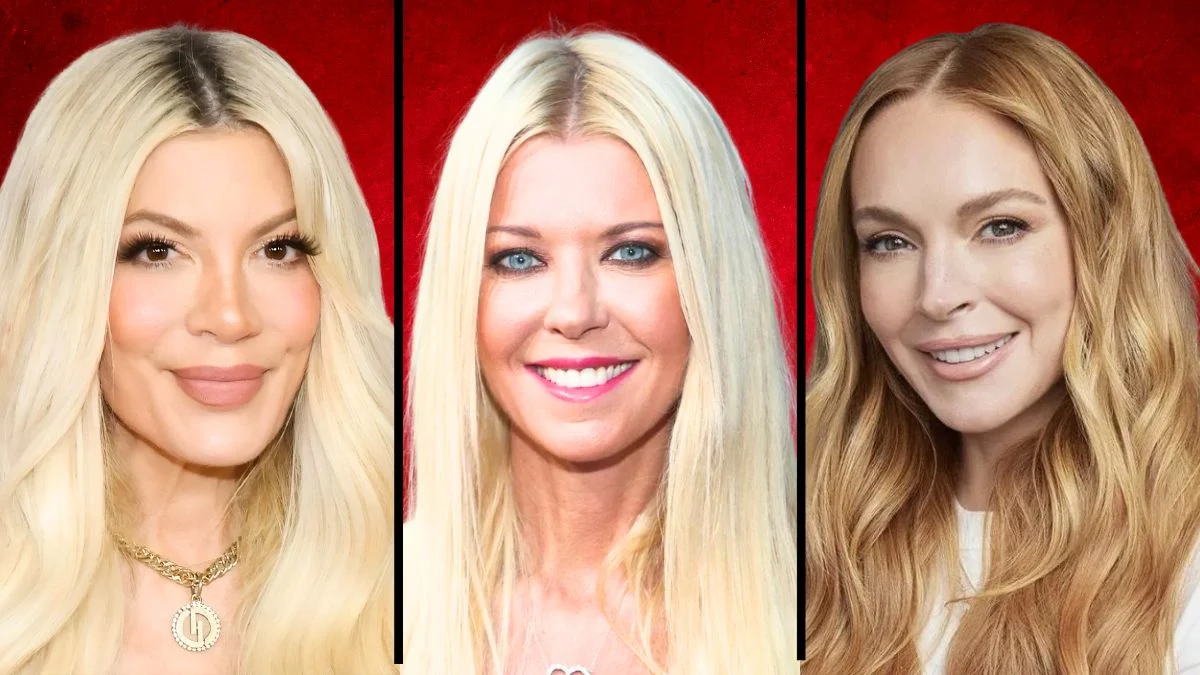
Hollywood talk shows are important for celebrities to connect with fans and share what they’re working on. But sometimes, actresses are kept off these shows because of problematic actions or public disagreements with the hosts. These bans can last for a short time or even a lifetime, and they can significantly impact an actress’s career. Looking into why certain stars have been banned offers a fascinating glimpse into the hidden expectations within the entertainment world.
Joan Rivers
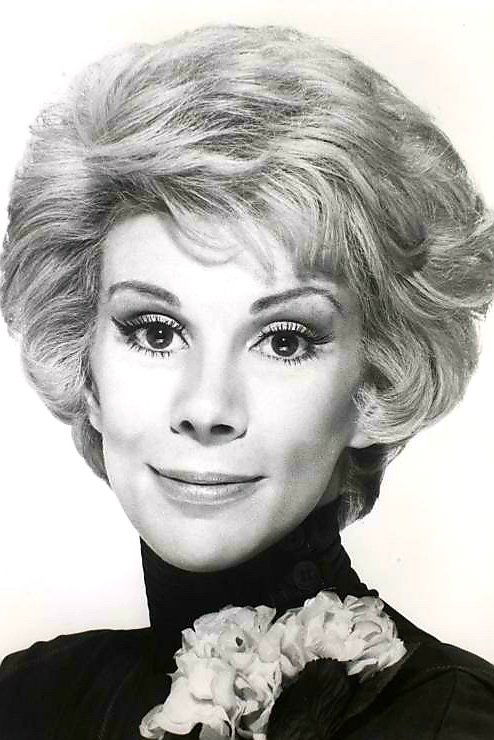
Joan Rivers was effectively blacklisted from ‘The Tonight Show’ for over twenty years because she agreed to host her own show on Fox. Johnny Carson was deeply upset by this, and the two never spoke again. The ban continued even after Jay Leno took over, and wasn’t lifted until decades later by Jimmy Fallon. This became a well-known and lasting feud in late-night television history.
Kathy Griffin
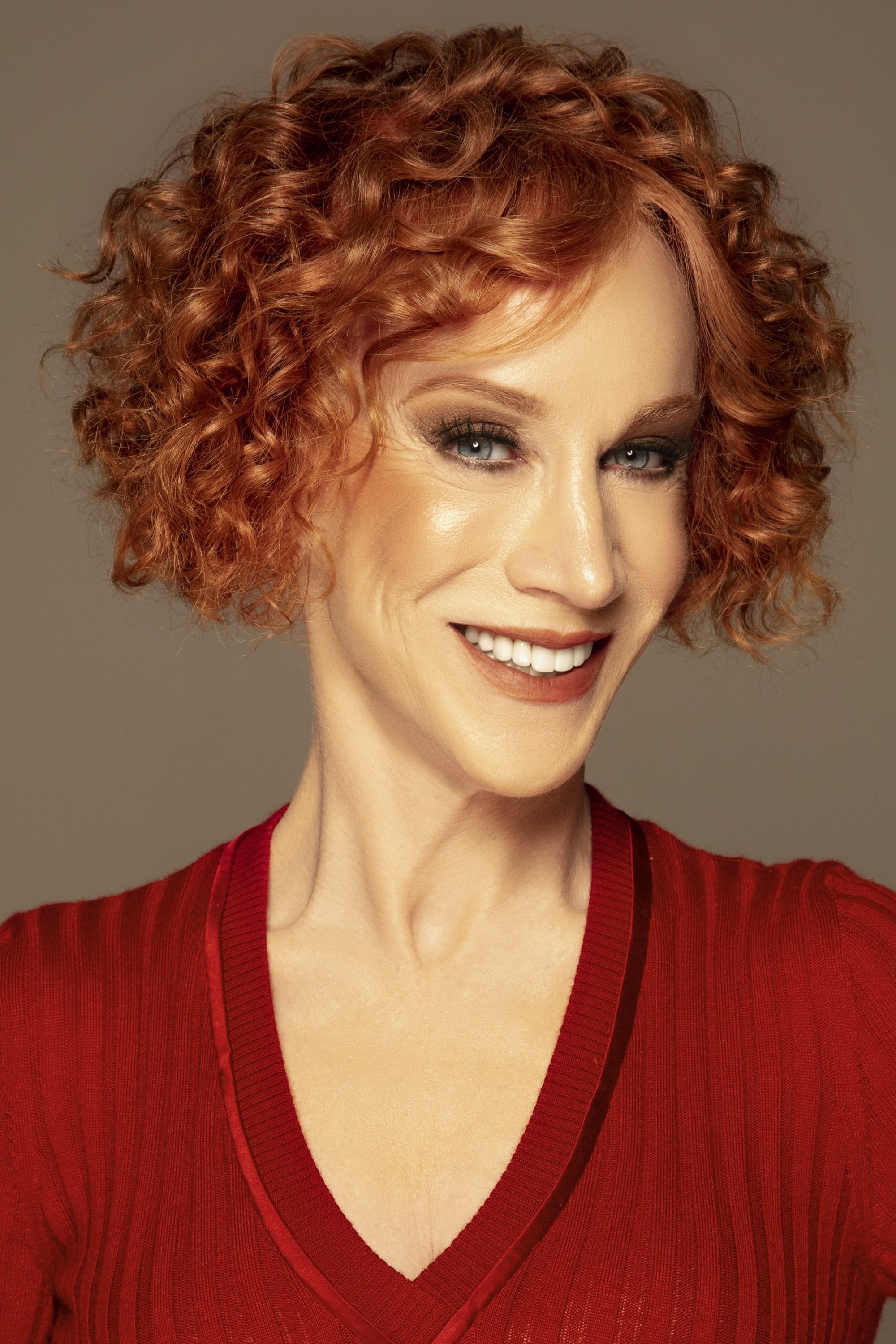
I’ve always been fascinated by Kathy Griffin’s story. She’s talked a lot about being shut out by some of the biggest talk shows – apparently, after playfully teasing the very hosts who had her on! It’s incredible to me that she ended up being effectively banned from places like ‘The View’ and ‘Ellen’ because of some jokes she made about the entertainment world. What really strikes me is how she takes those experiences and uses them in her stand-up, really owning her position as someone who doesn’t quite fit in with the Hollywood crowd.
Madonna
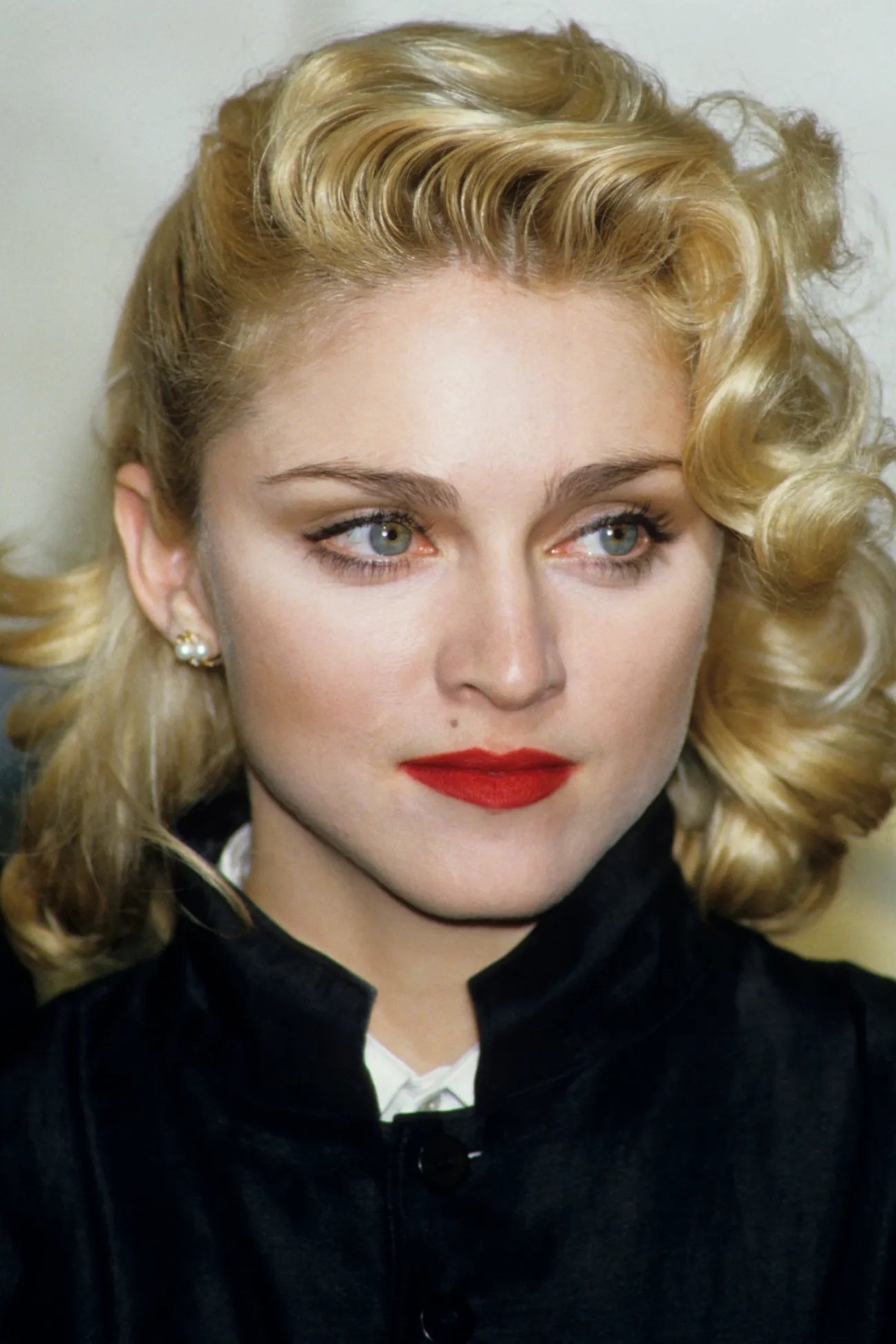
Madonna had a famously awkward appearance on David Letterman’s talk show in 1994. She repeatedly swore and ignored the planned questions, leading to a long period where she wasn’t asked back. Adding to the discomfort, she even gave Letterman a piece of her underwear! While they later made up, the incident remains a well-known example of a talk show guest being effectively banned for their unexpected and unruly behavior.
Roseanne Barr
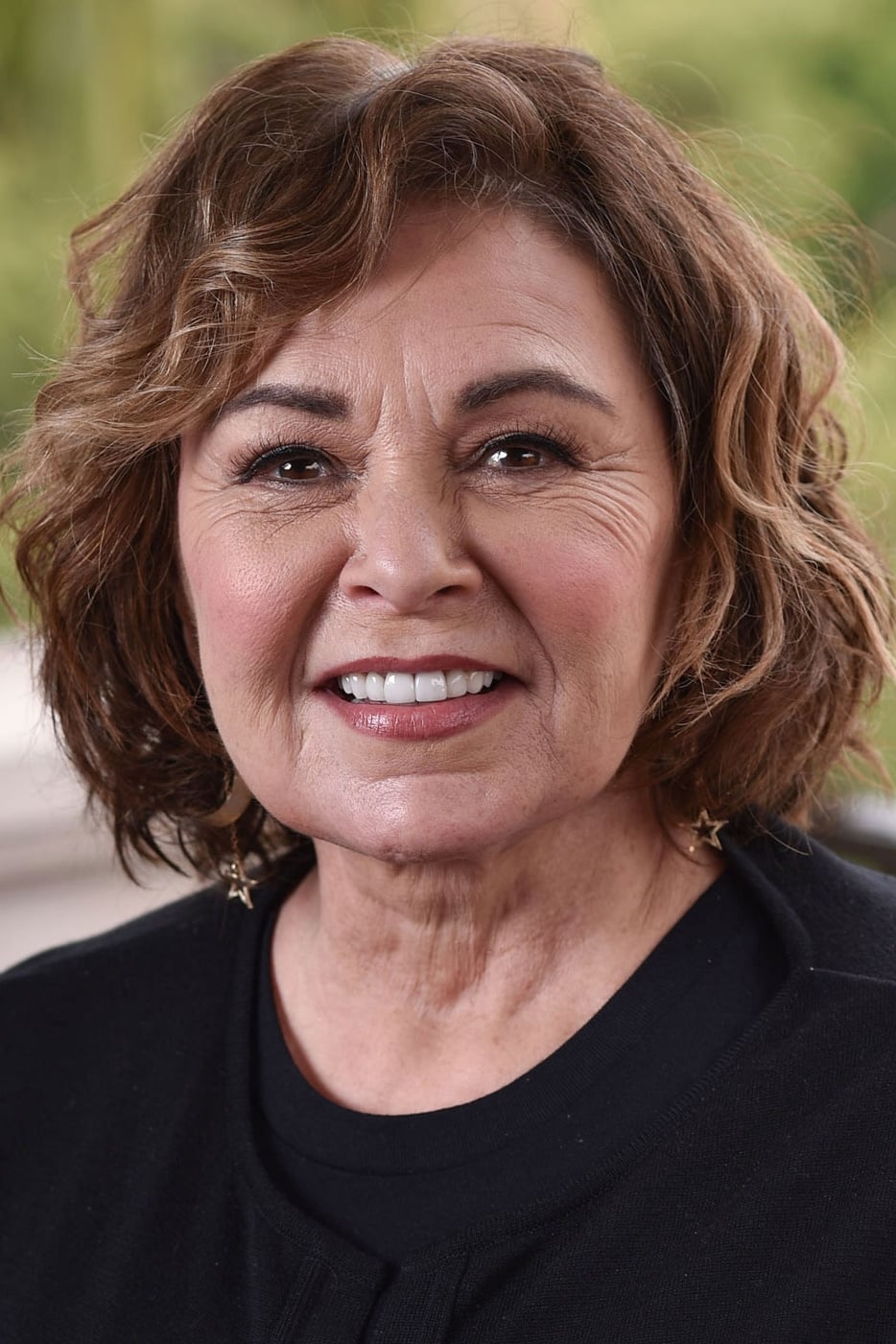
After posting some controversial comments online, Roseanne Barr was quickly dropped by most major talk shows. Her TV show was canceled, and networks made sure she wouldn’t be invited on their late-night or morning programs. Once a regular guest on these shows, she now primarily appears on smaller, independent media outlets and certain cable channels. This situation demonstrates the repercussions of going against what networks and the public consider acceptable.
Courtney Love
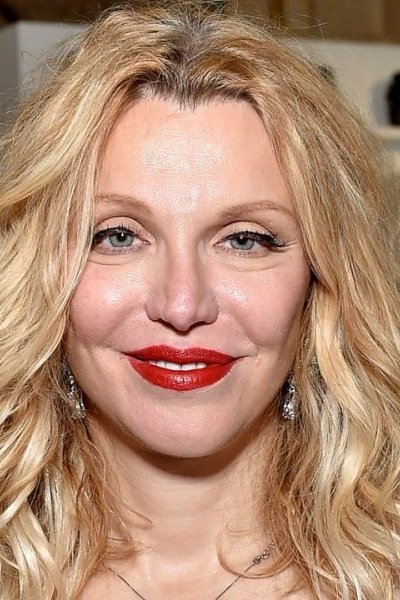
Courtney Love was often prevented from appearing on late-night talk shows when she was most famous. Producers worried her unpredictable behavior and habit of causing disruptions during interviews made her a liability for live television. A memorable example is when she climbed onto David Letterman’s desk and briefly exposed herself during an energetic appearance. Because of these incidents, she was considered too risky for typical talk show interviews for a long time.
Lindsay Lohan
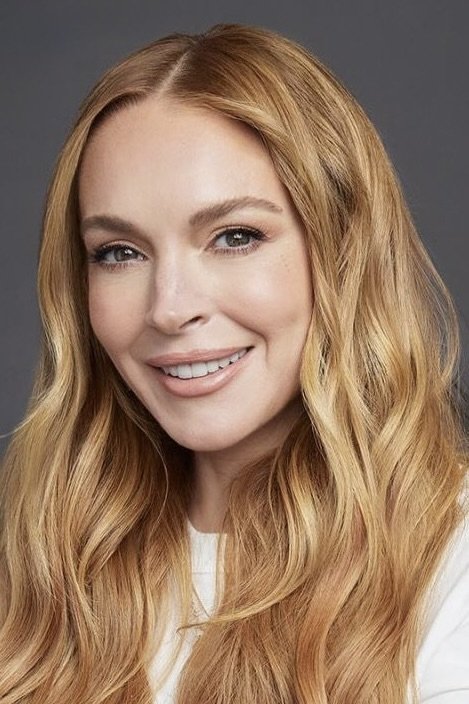
Lindsay Lohan used to be a highly sought-after guest on talk shows, but her unpredictable behavior led to her being informally blacklisted. Shows like ‘The Tonight Show’ and ‘The Late Show’ reportedly stopped inviting her after she repeatedly cancelled appearances at the last minute and gave challenging interviews. Her legal and personal struggles made her a risky guest for live television. Although she’s tried to revive her career, she appears on talk shows much less often than she did when she was first becoming famous.
Mo’Nique
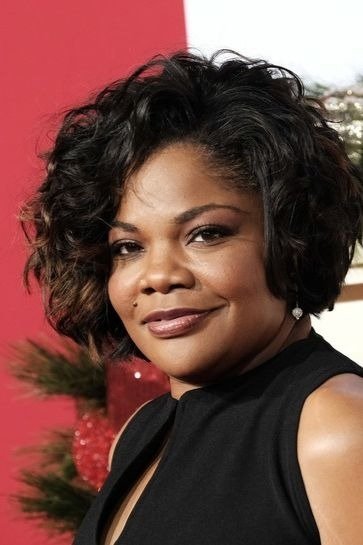
Mo’Nique has publicly discussed how she was seemingly shut out of the entertainment industry after winning an Oscar. She faced backlash from influential people in Hollywood because she wouldn’t work for free to promote awards shows. She’s specifically called out certain well-known talk show hosts and producers, saying they stopped giving her opportunities. This experience has made her a strong voice for fair pay and equal treatment of Black actresses in Hollywood.
Shannen Doherty
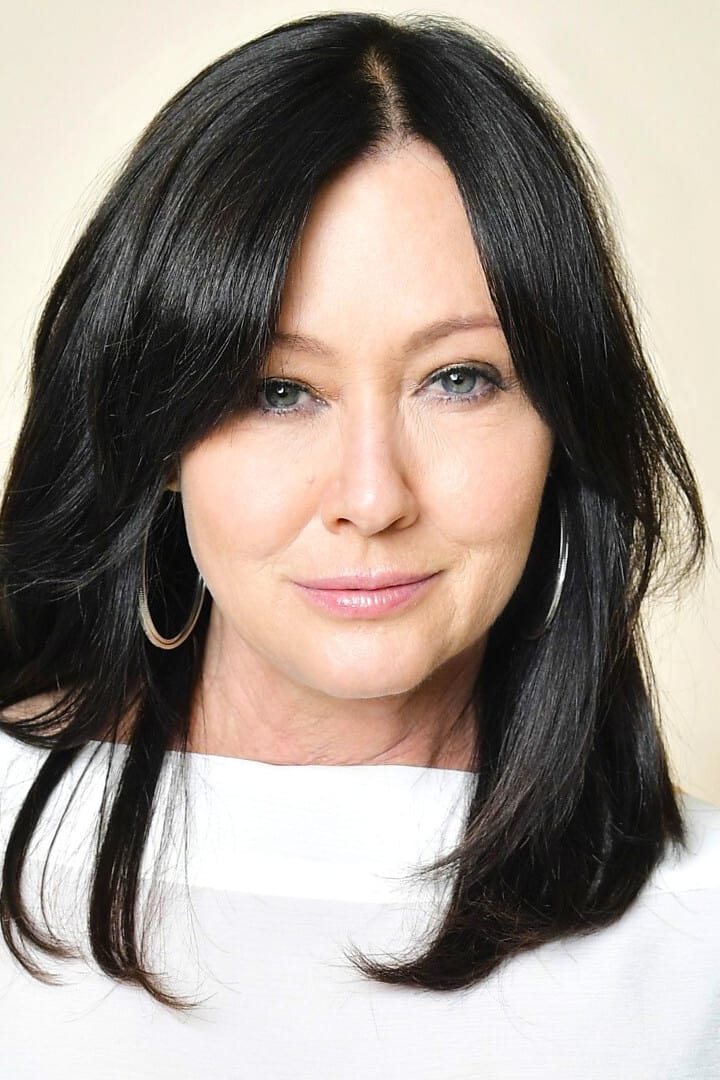
Shannen Doherty gained a reputation for being challenging to work with on popular TV shows, and as a result, she received fewer invitations to appear on talk shows. Producers of these shows were hesitant to book her, worried about potential conflicts or difficult behavior. This unofficial avoidance lasted for years, during the height of her success. Later in life, Doherty was able to improve her public image by being more open and honest in interviews and media appearances.
Katherine Heigl
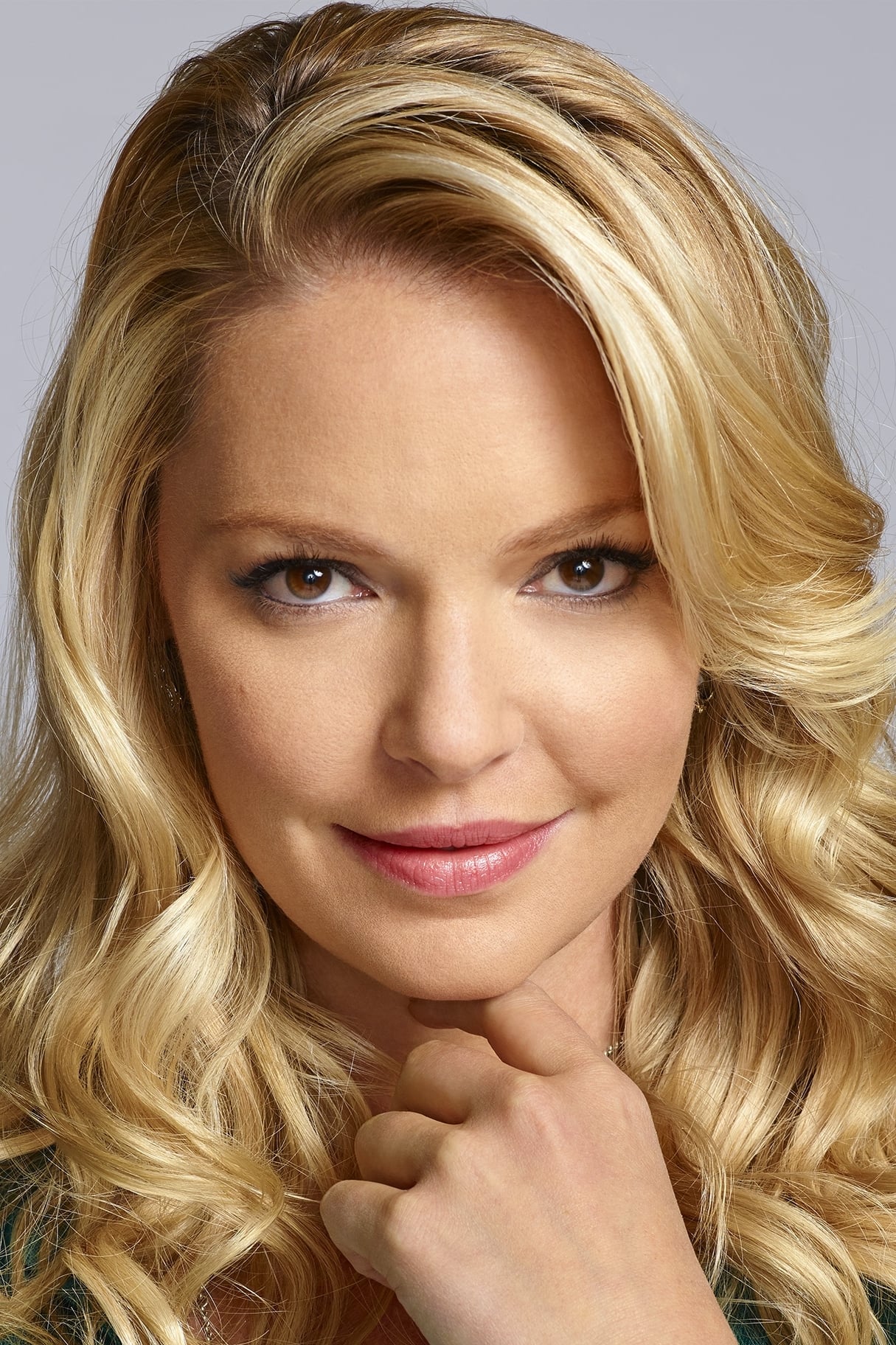
Katherine Heigl’s career stalled after she publicly criticized the people she worked with, like writers and directors. This created a reputation for her as being ungrateful and hard to work with, both professionally and personally. As a result, major talk shows started avoiding her, and she became a controversial figure in Hollywood. It was a noticeable change, considering she had once been one of the most reliable and successful actresses in the business.
Mischa Barton

After leaving ‘The O.C.’ and dealing with personal difficulties, Mischa Barton was often left off talk show guest lists. Interviews were frequently seen as flat or unengaging, making her less appealing to hosts who wanted lively conversations. She also struggled to control her public image, which reduced her chances of appearing on major networks for promotional purposes. Overall, this time in her career saw her step away from the usual Hollywood publicity strategies.
Tori Spelling
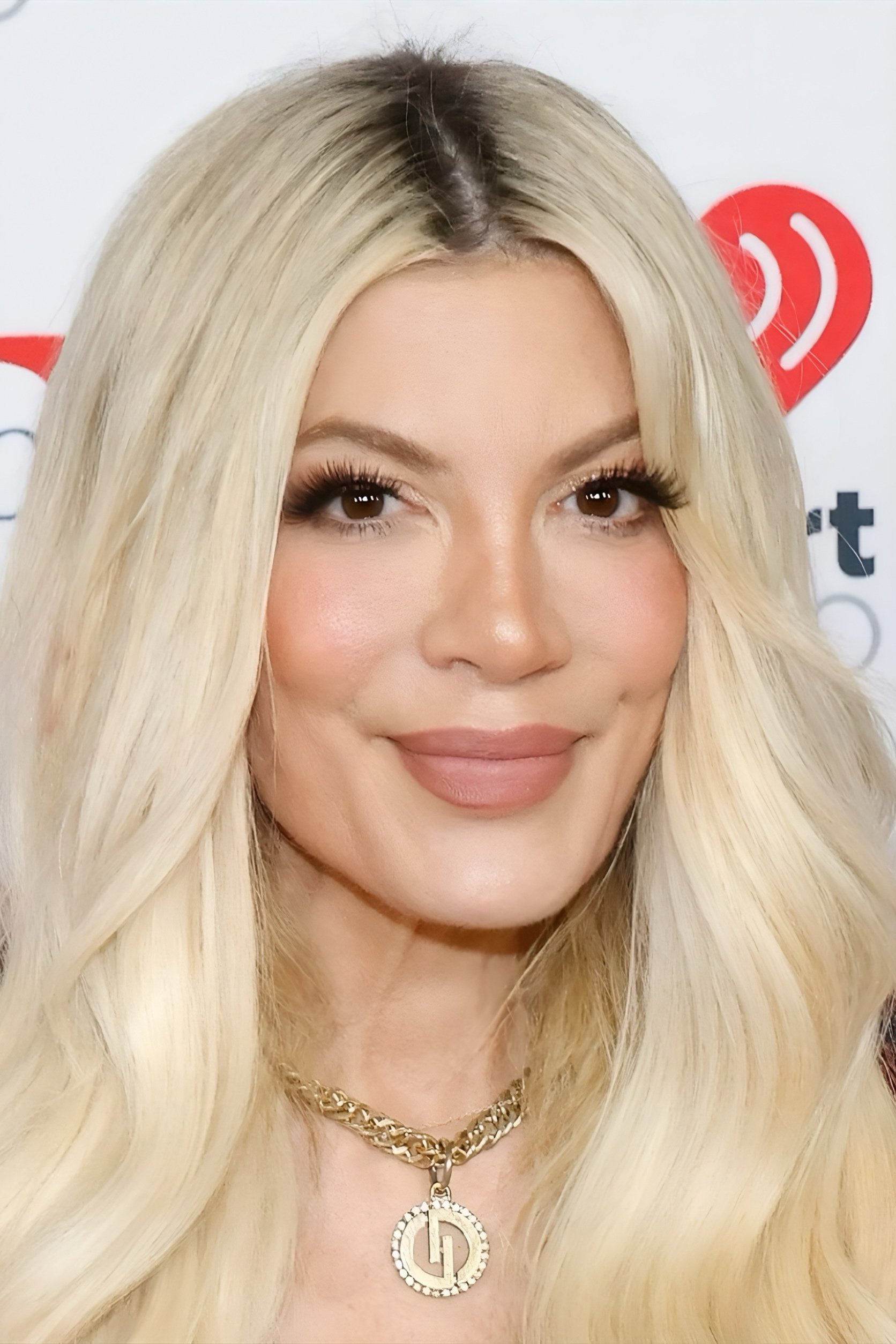
Tori Spelling used to be a regular guest on popular talk shows, but over time, her appearances became less frequent. Show producers generally preferred to feature actors promoting new movies or shows, rather than focusing on the personal challenges Tori faced or her reality TV work. While she occasionally returns to these shows, her role has shifted from a mainstream guest to someone booked less often.
Amanda Bynes
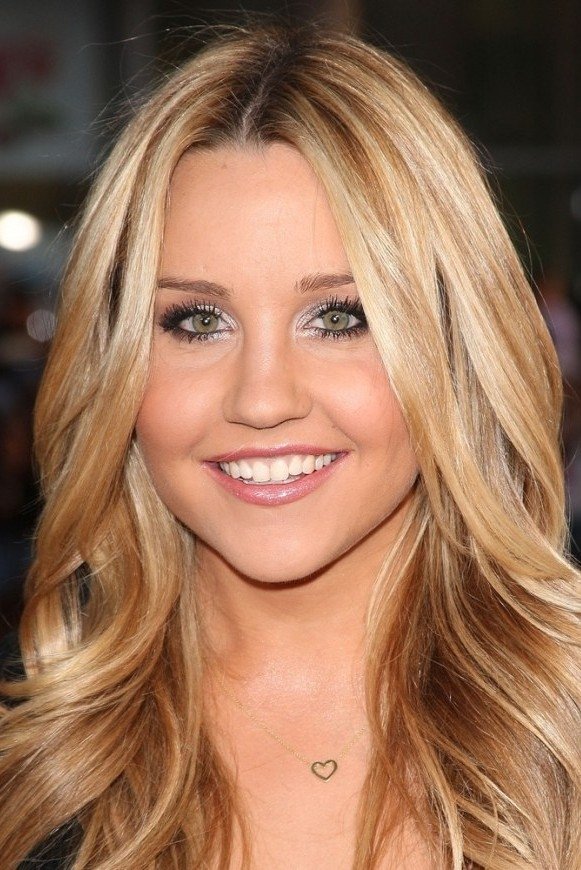
For a time, Amanda Bynes wasn’t allowed on most talk shows because she was dealing with personal health challenges and legal problems. Her behavior was unpredictable, and TV networks worried a live interview could be problematic. She’s since taken a break from public life and hasn’t been back on talk shows in a major way.
Tara Reid
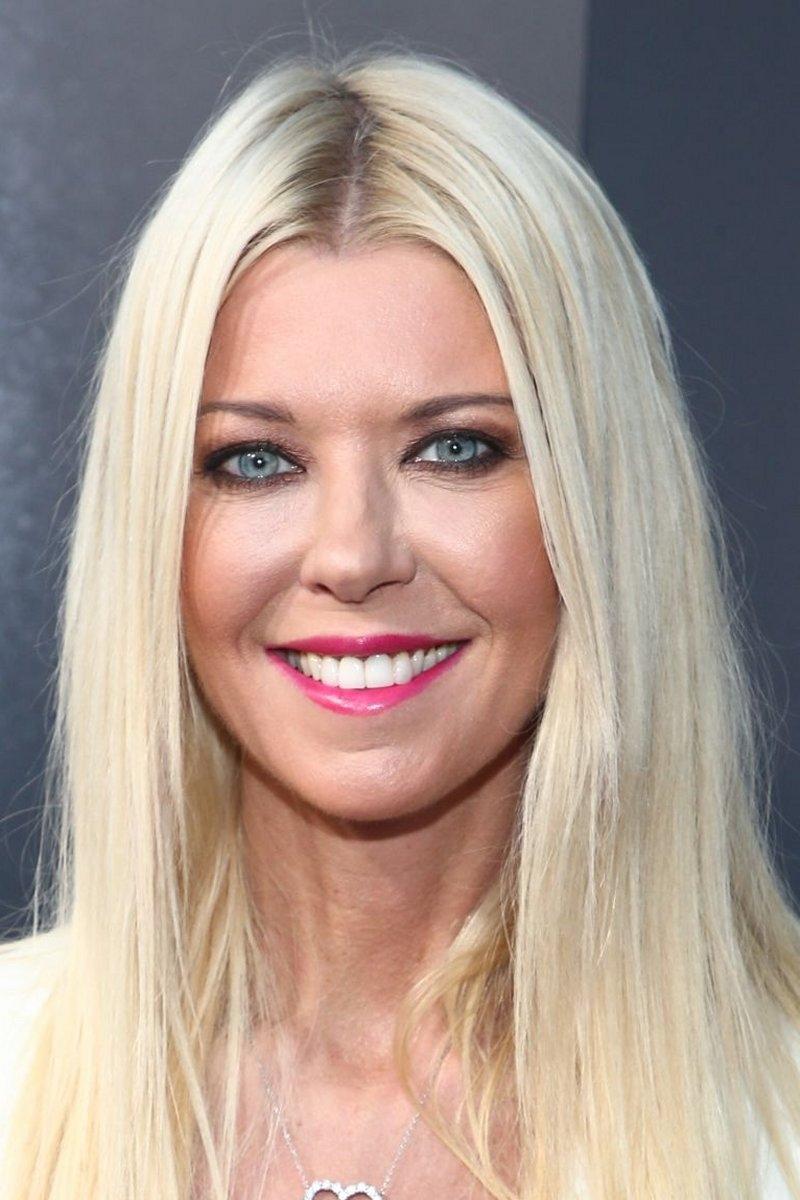
Tara Reid’s frequent appearances in tabloids damaged her career, leading to fewer invitations on high-profile talk shows. Producers worried her reputation for partying would result in chaotic or low-quality interviews. She became known for interviews that were often disorganized and challenging for hosts, which meant she wasn’t often featured on major late-night programs as her career progressed.
Asia Argento
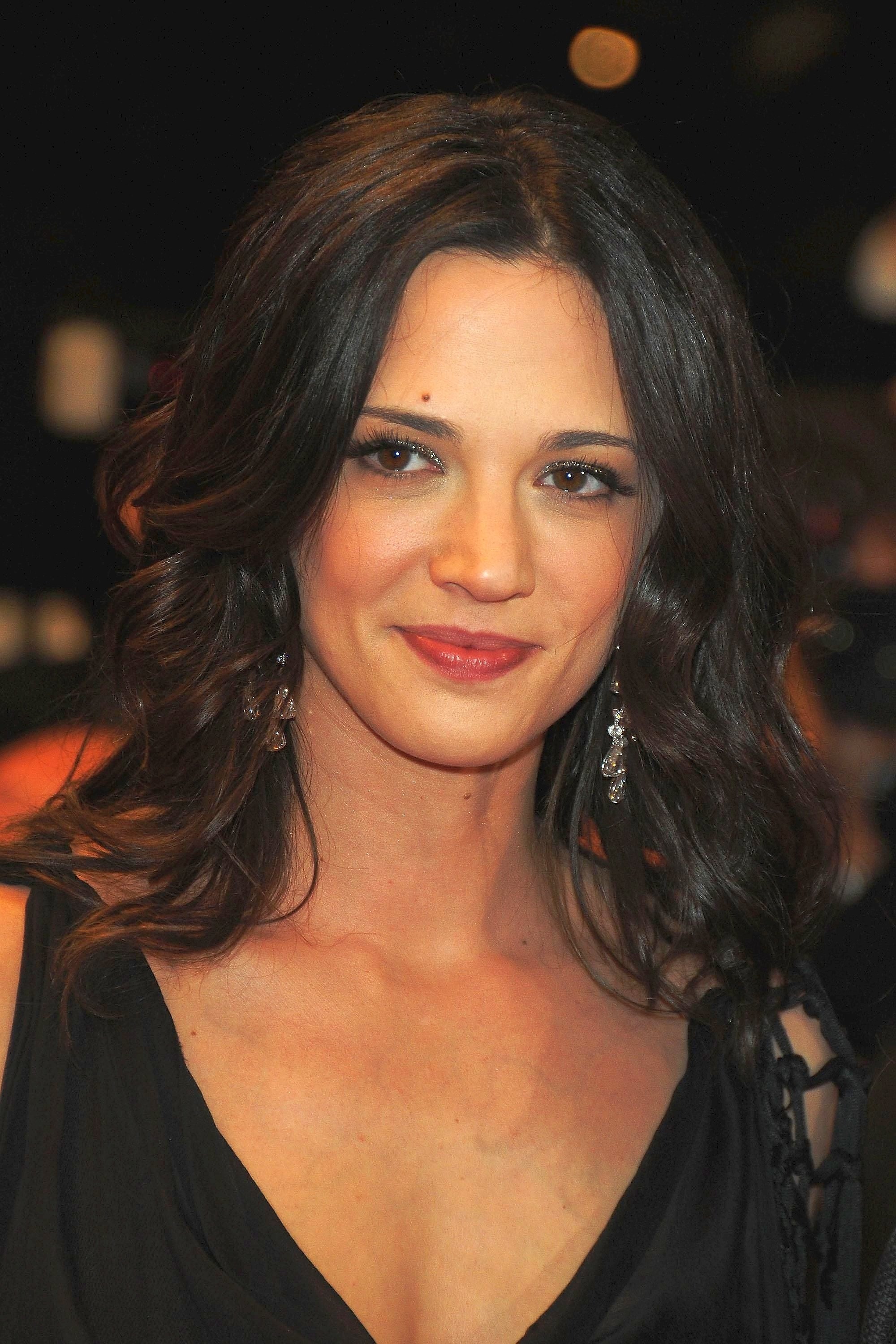
After becoming the center of public controversy, Asia Argento was effectively shut out of many TV shows both internationally and in the United States. Networks avoided her due to the negative publicity surrounding complicated legal and personal issues. Programs that had previously featured her as a well-known figure in film and activism stopped inviting her, and this sudden change made it much harder for her to get media coverage for her work.
Rose McGowan
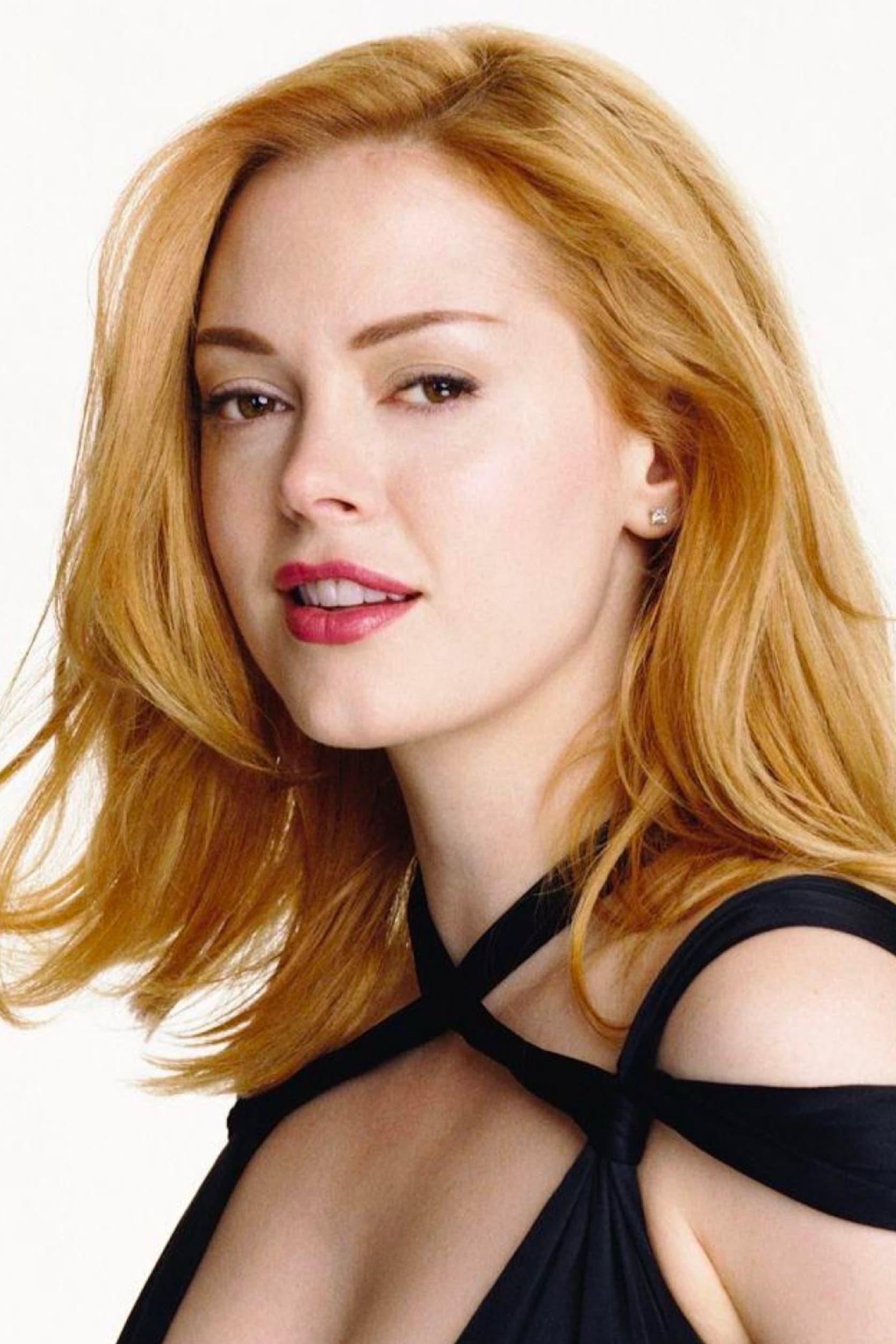
As a fan, I’ve always been impressed by Rose McGowan’s willingness to speak her mind, but it definitely caused problems for her in Hollywood. She used to be on talk shows all the time, but as she became more vocal about things, a lot of them stopped having her on. I heard producers were worried she’d be too controversial or create uncomfortable moments on air. Now, she mostly connects with fans directly through her own channels, which I think is great – she doesn’t need to rely on those traditional platforms anymore.
Lea Michele
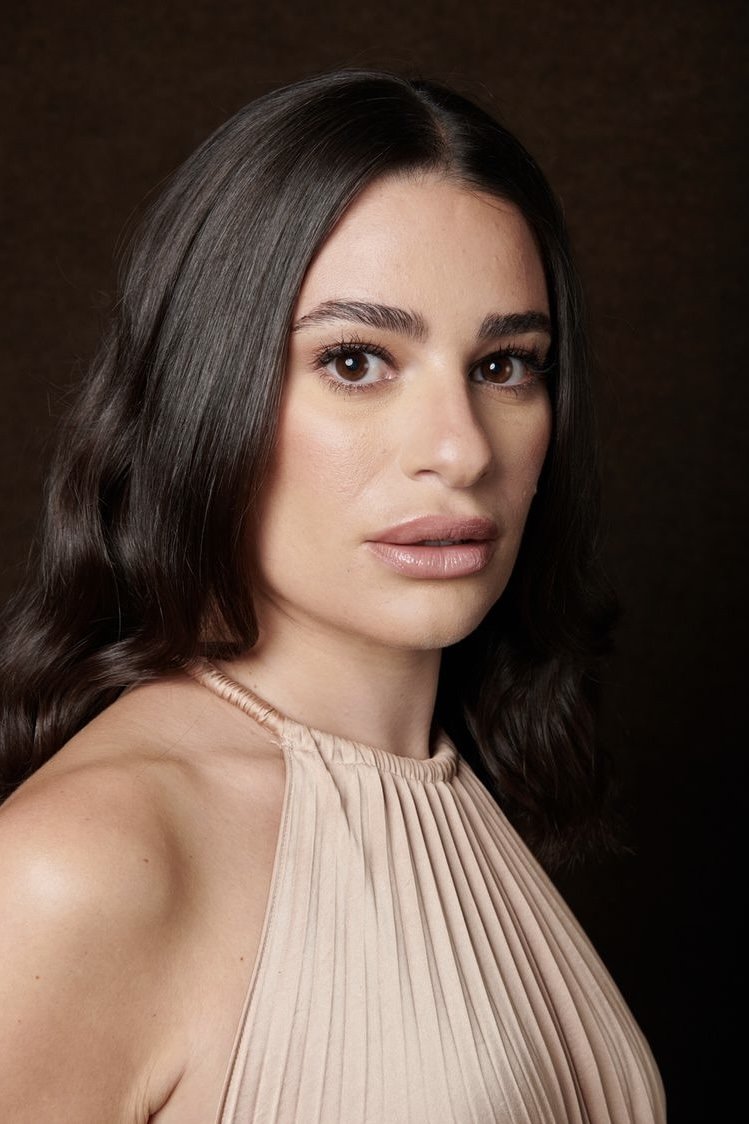
Lea Michele experienced significant public criticism that led to her being temporarily excluded from talk show appearances. Accusations about her behavior during filming of her popular TV show made her a difficult person for networks to promote. While people were discussing her conduct, networks were hesitant to book her. She eventually returned to public life, but there was a clear period where she wasn’t appearing on television as much.
Amber Heard
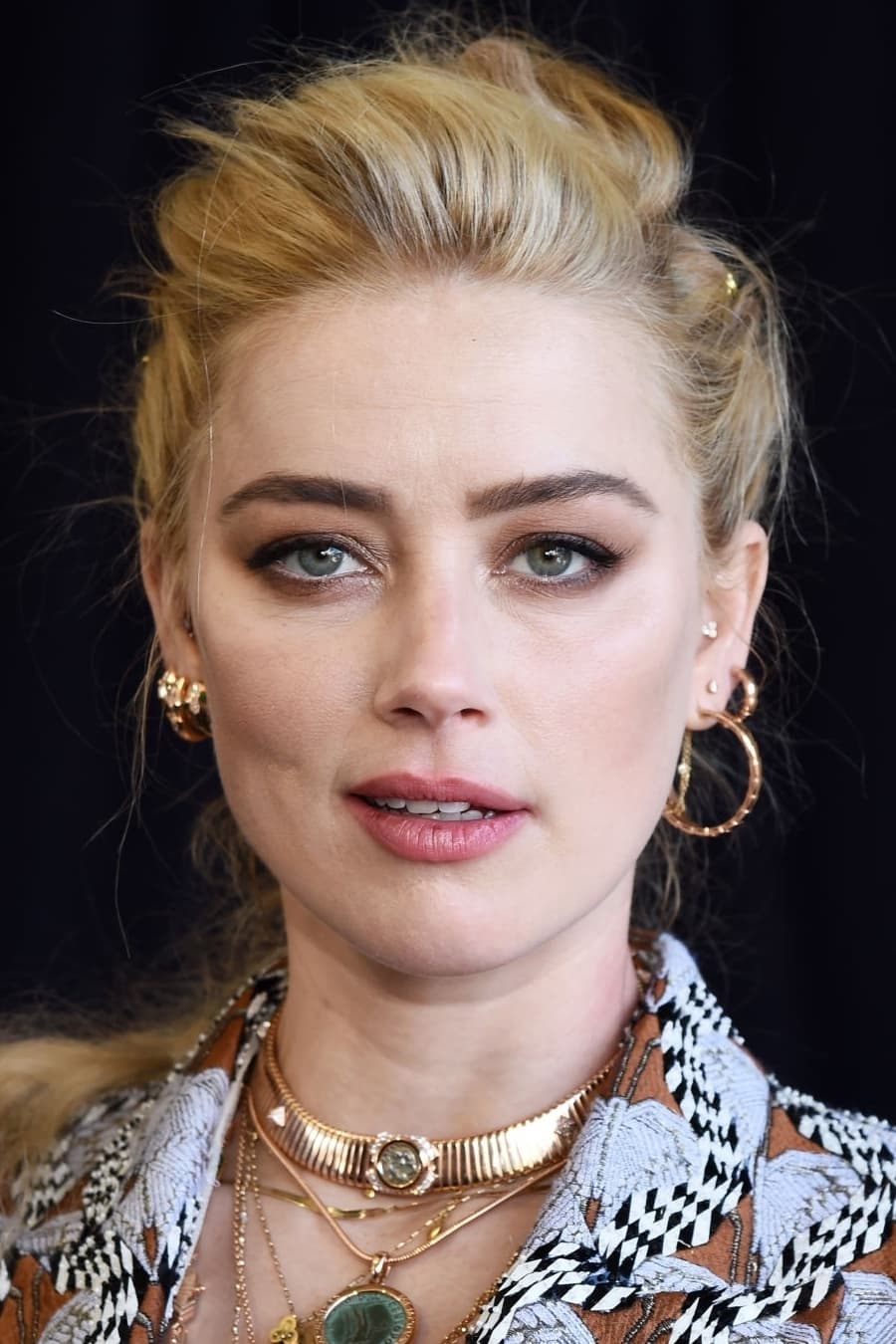
Amber Heard has faced a lot of negative attention in the media, which has made it difficult for her to appear on popular TV shows. Because of her well-publicized legal issues, many shows have been reluctant to book her as a guest. TV producers generally avoid featuring people involved in public and controversial disagreements to keep their programs upbeat and entertaining. As a result, Heard has been appearing much less on late-night and morning talk shows.
Jada Pinkett Smith
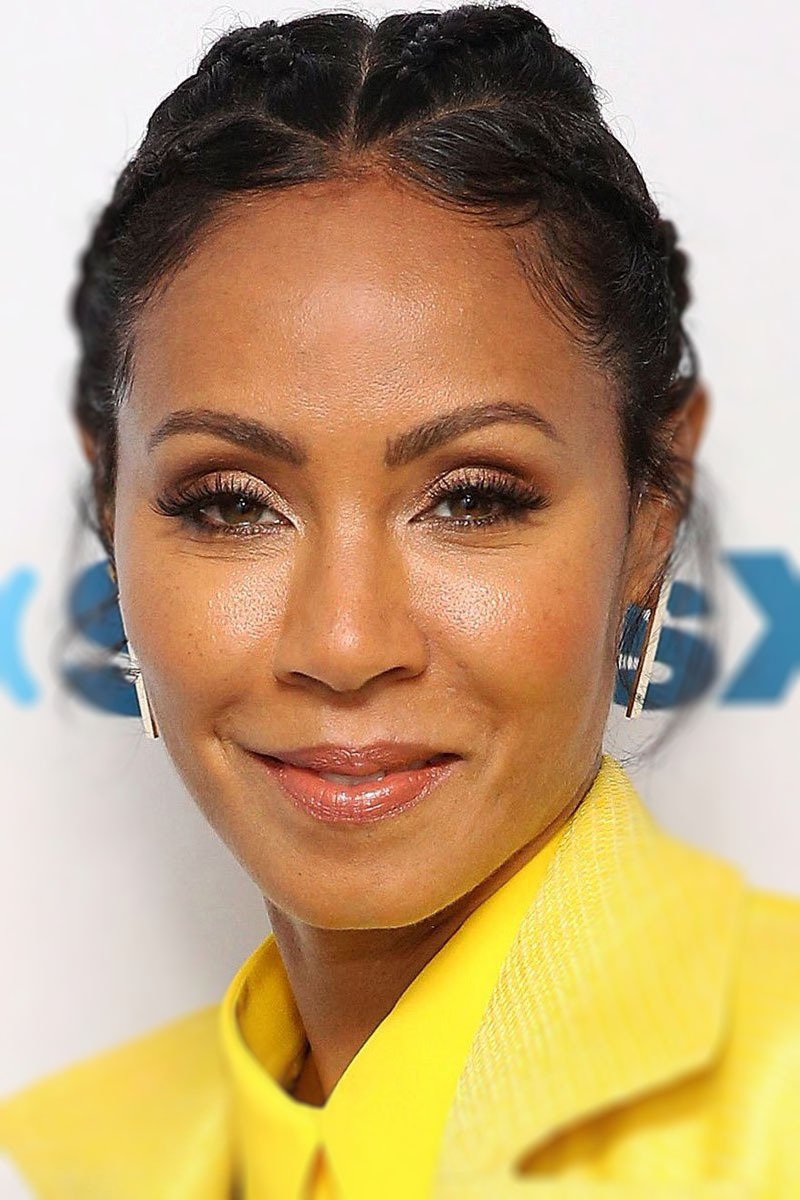
Jada Pinkett Smith started her own online show because she felt traditional talk shows didn’t allow for the honest conversations she wanted to have. Although she wasn’t officially blacklisted, she openly discussed the challenges she faced balancing her openness with what TV networks considered acceptable. As she prioritized her own digital series and family matters, some shows became hesitant to invite her on. Ultimately, she chose to create her own platform to share her story on her own terms.
Chrissy Teigen
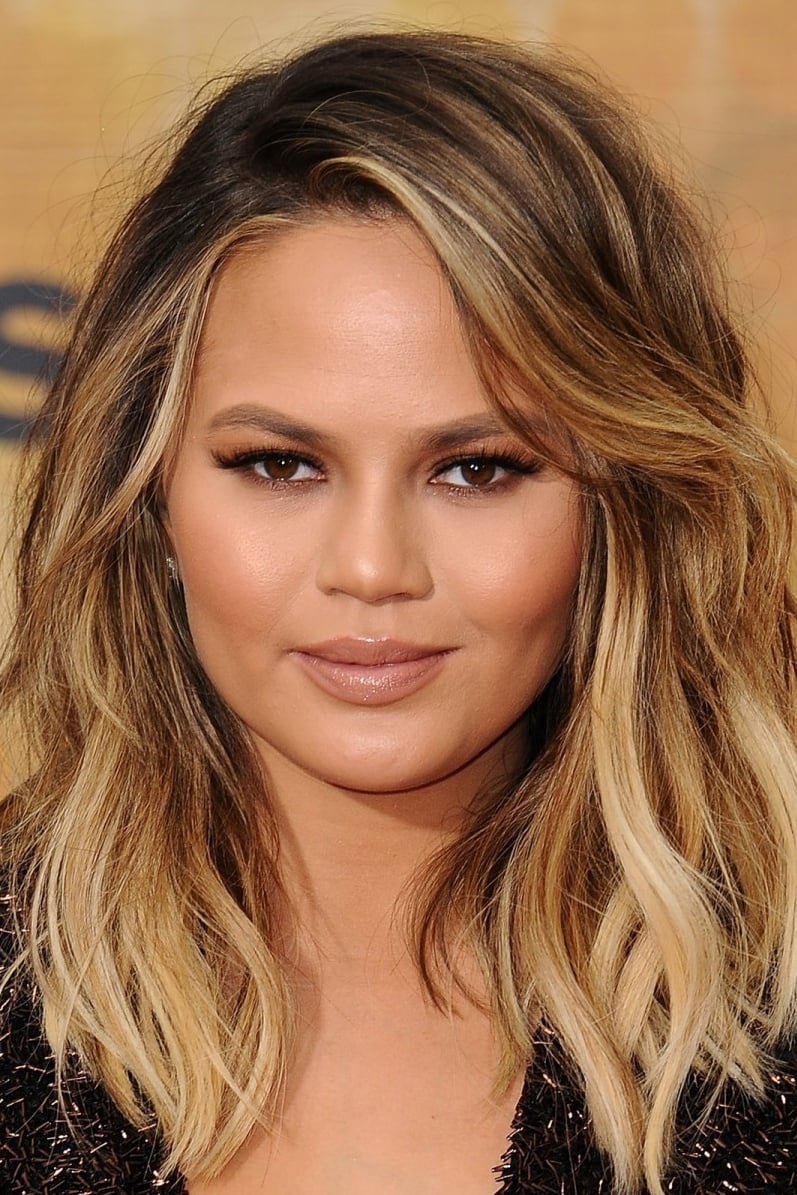
Chrissy Teigen received fewer invitations to appear on talk shows after facing public criticism for things she posted on social media in the past. Major TV networks and companies stopped working with her to avoid bad publicity. She had previously been a frequent and popular guest on daytime and late-night shows because people found her down-to-earth. As a result, she was largely absent from TV appearances for a while.
Stacey Dash
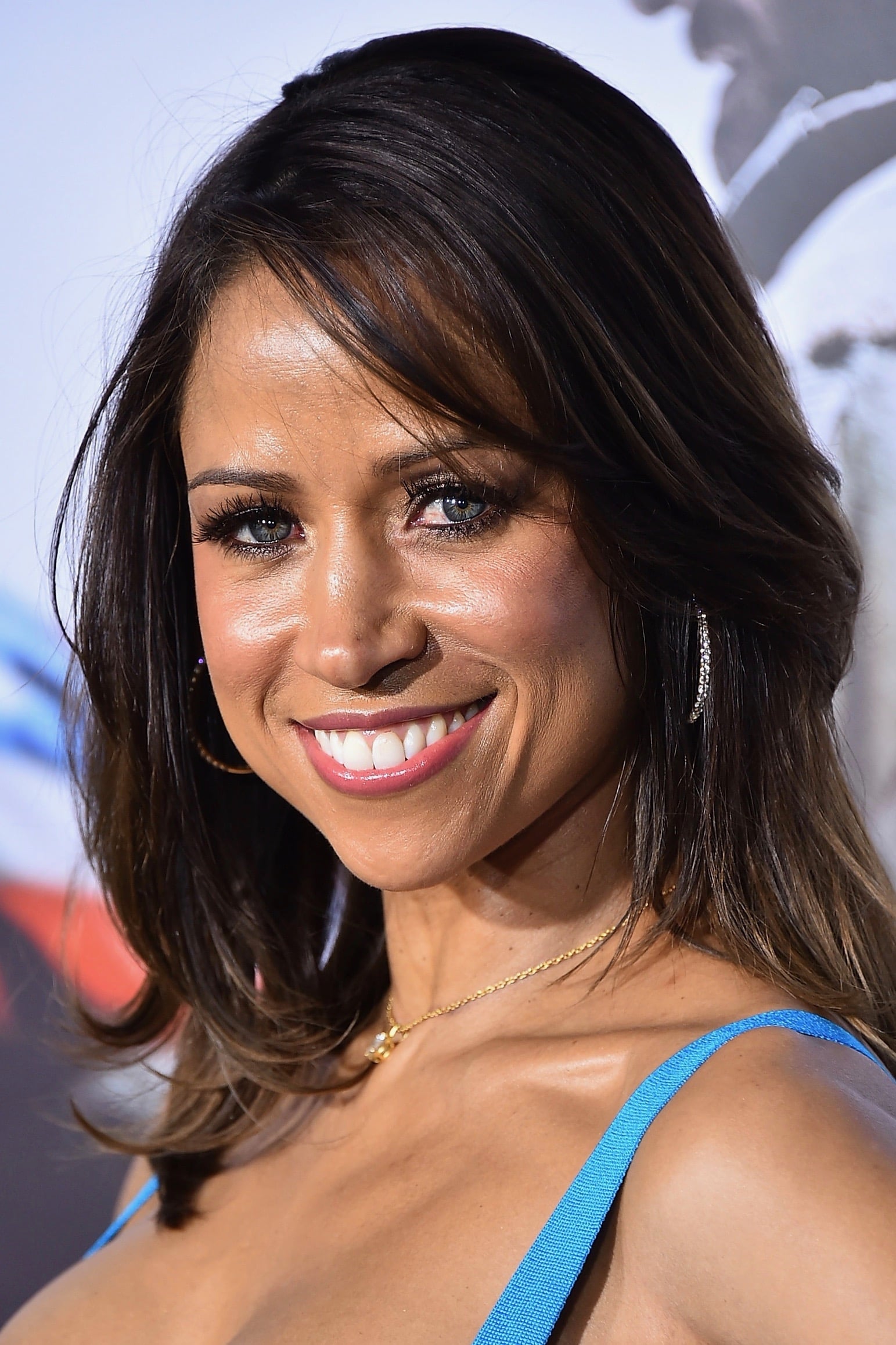
After switching from acting to sharing her opinions on politics, Stacey Dash found herself unwelcome on many talk shows. Her strong and often controversial views caused public disagreements with other celebrities and hosts. Show producers worried her appearances would create overly intense and disruptive debates, leading to her being excluded from shows that had previously featured her.
Candace Cameron Bure
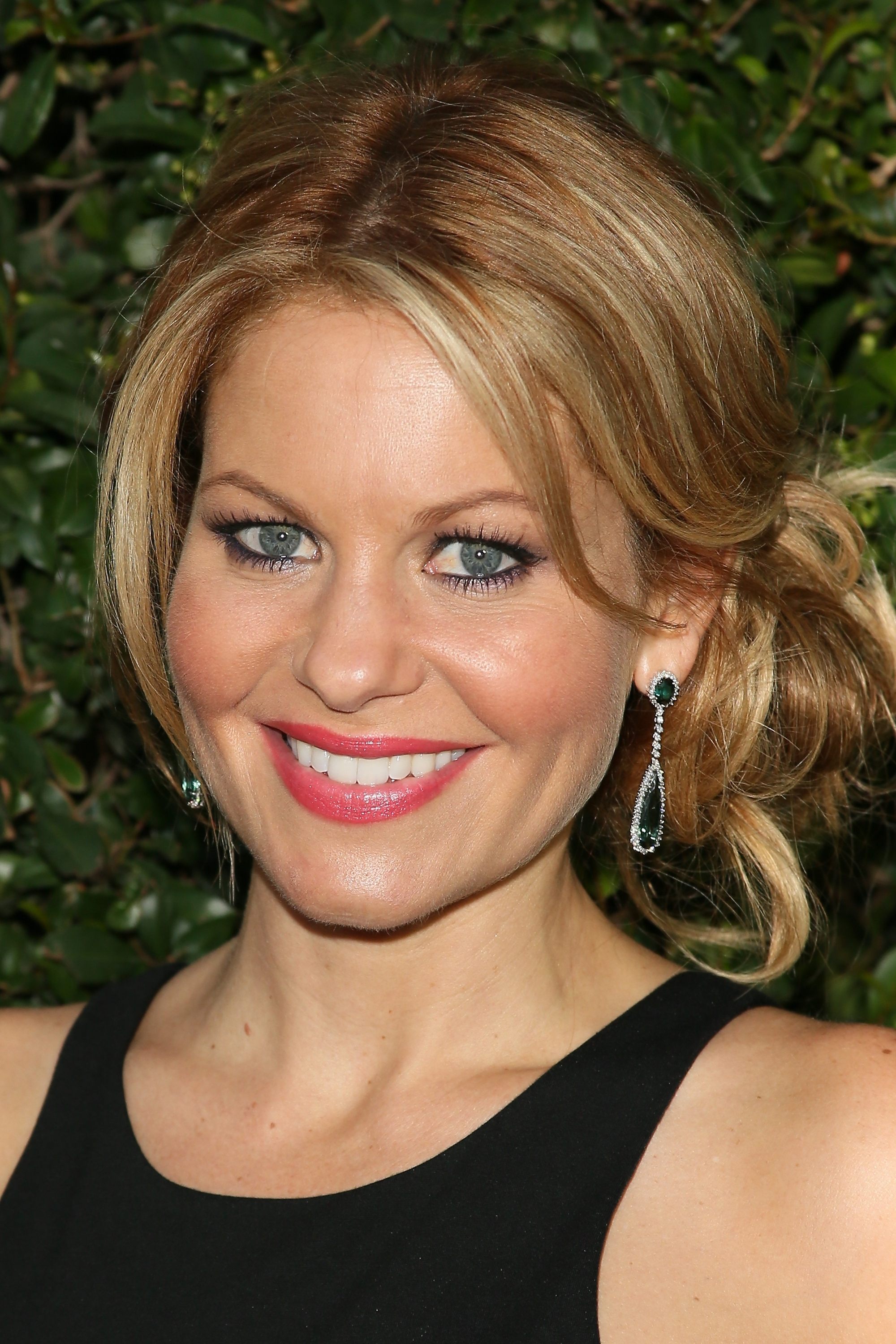
Candace Cameron Bure has faced some challenges with certain talk shows because she’s very open about her personal beliefs and faith. After leaving a popular daytime show, she noticed fewer invitations to appear on programs with different viewpoints. Now, she mostly appears on networks that share her values and appeal to her audience.
Vivica A. Fox
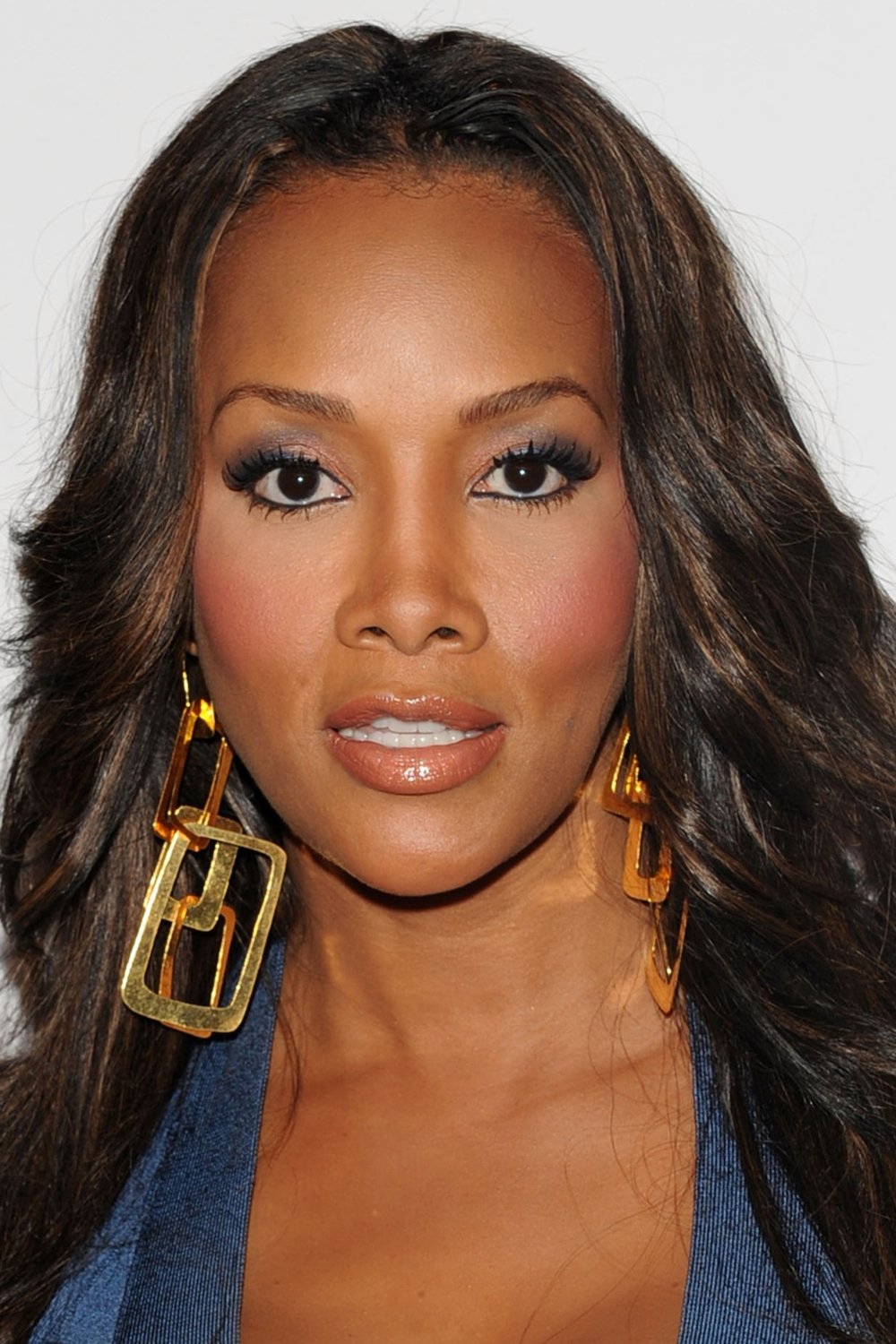
Vivica A. Fox has sometimes experienced strained relationships with talk show hosts after publicly disagreeing with them or making controversial statements about other celebrities. Although she’s well-respected in the entertainment industry, her direct and honest personality has occasionally caused conflict with show producers. Producers who prefer interviews focused solely on promotion have sometimes chosen guests they see as less likely to cause friction. Despite these challenges, Vivica remains a visible and influential figure, frequently hosting her own projects.
Megan Fox
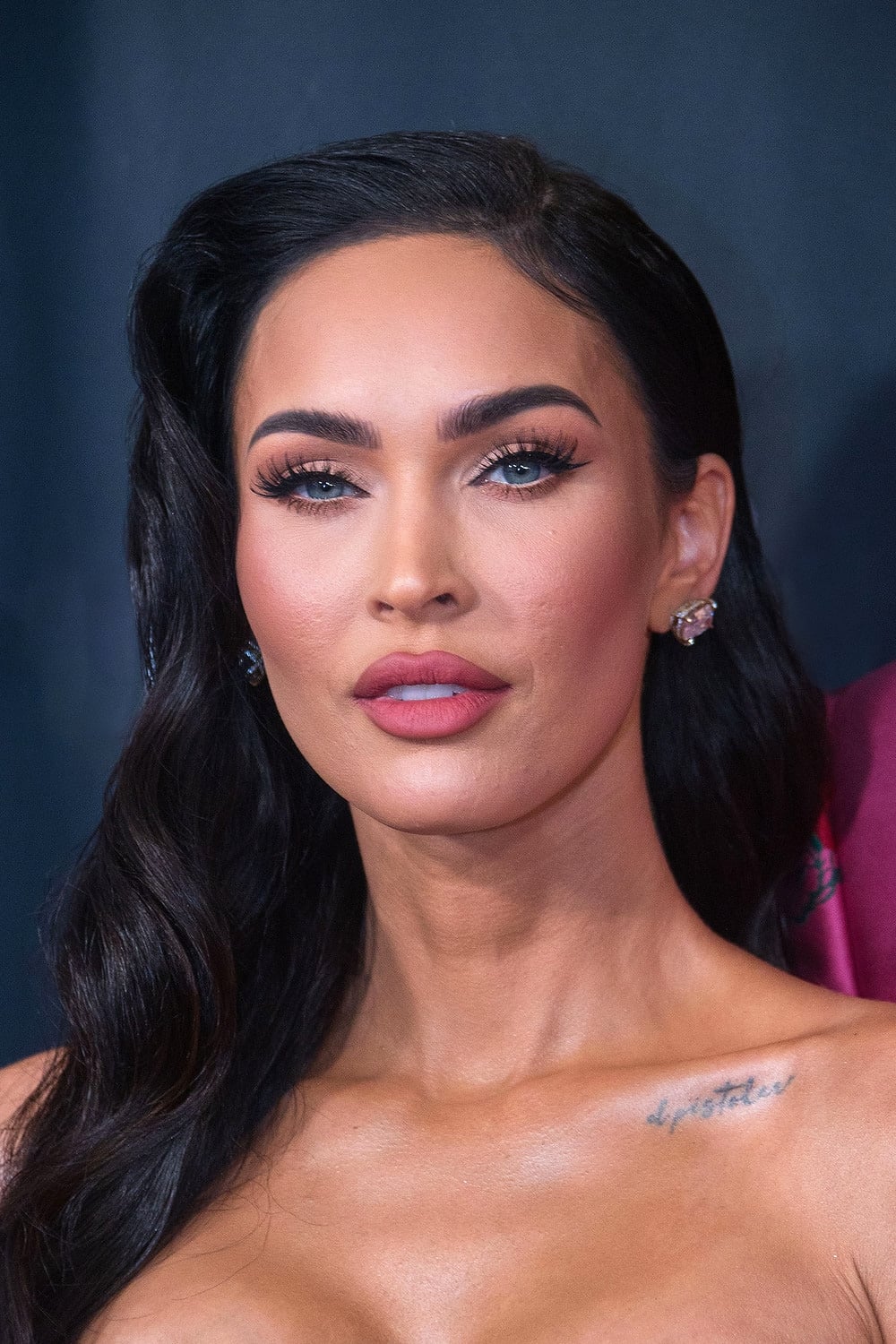
Megan Fox faced significant career setbacks after publicly comparing a director to a dictator. This led to her being effectively blacklisted by many influential people in Hollywood and rarely appearing on talk shows for several years. While she eventually revived her career and returned to the spotlight, this period of being ostracized was a pivotal moment that impacted her early success.
Bai Ling
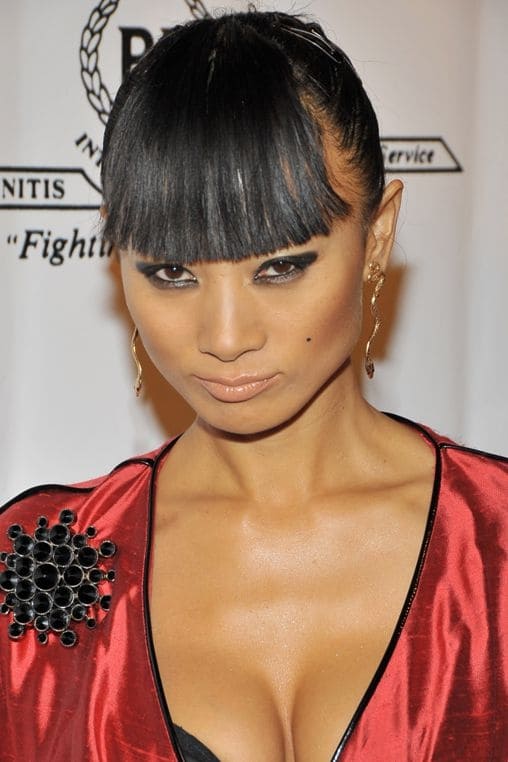
Bai Ling became known for her unusual style and often surprising behavior on the red carpet. This eventually led to fewer appearances on popular talk shows, as producers preferred guests who were more predictable and easier to interview. Her reputation for being unpredictable made it hard to schedule her on shows with strict time limits. As a result, she began to appear more frequently in independent films and international productions rather than on mainstream television.
Paz de la Huerta
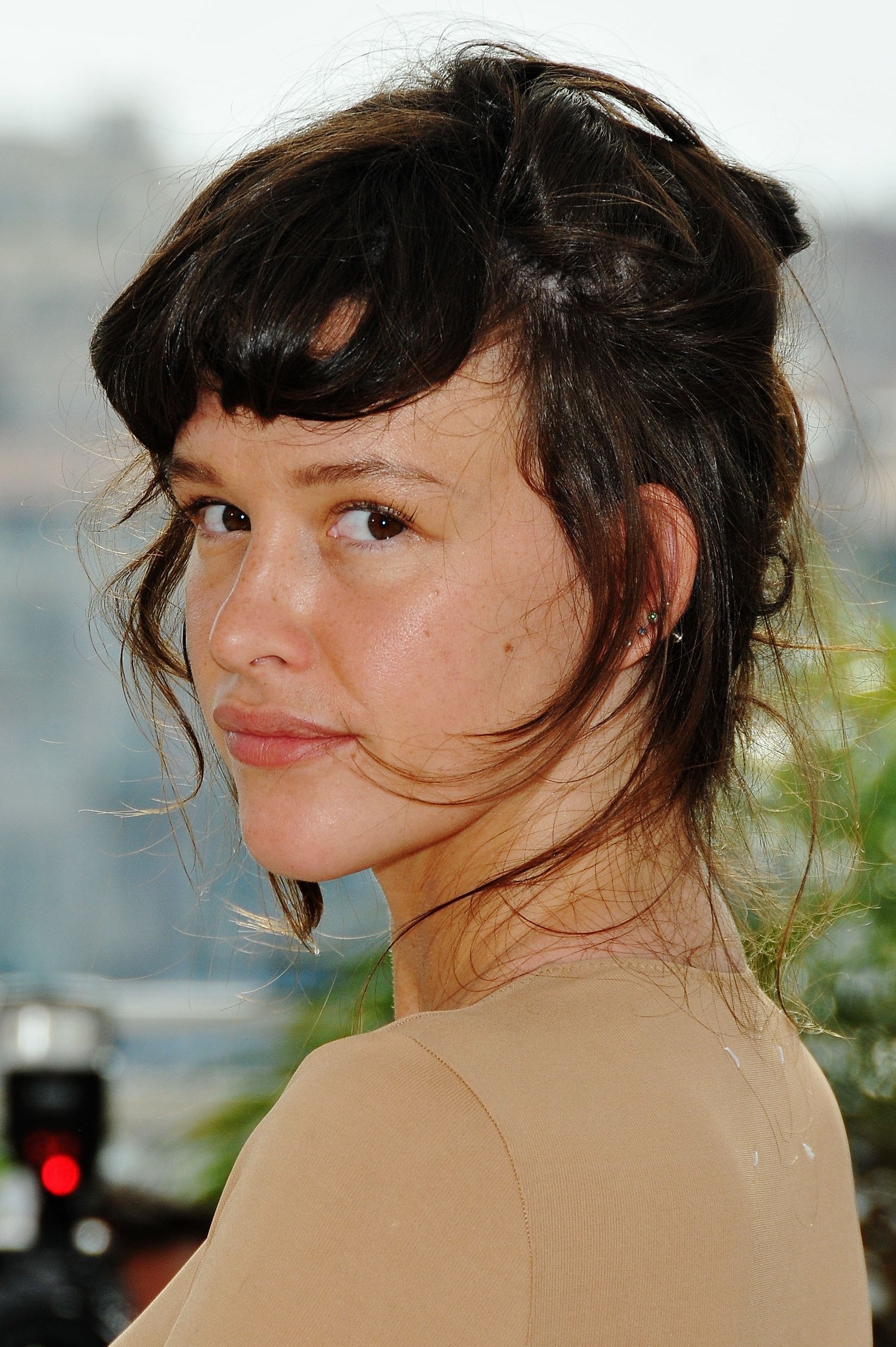
Paz de la Huerta became known for her erratic behavior, both during filming and in public, making her a risky choice for live television interviews. Her energetic and often unclear responses led talk show producers to avoid booking her. As a result, she was largely absent from promoting her later work, as networks preferred guests who were more predictable and professional. This demonstrated the entertainment industry’s general preference for reliability.
Björk
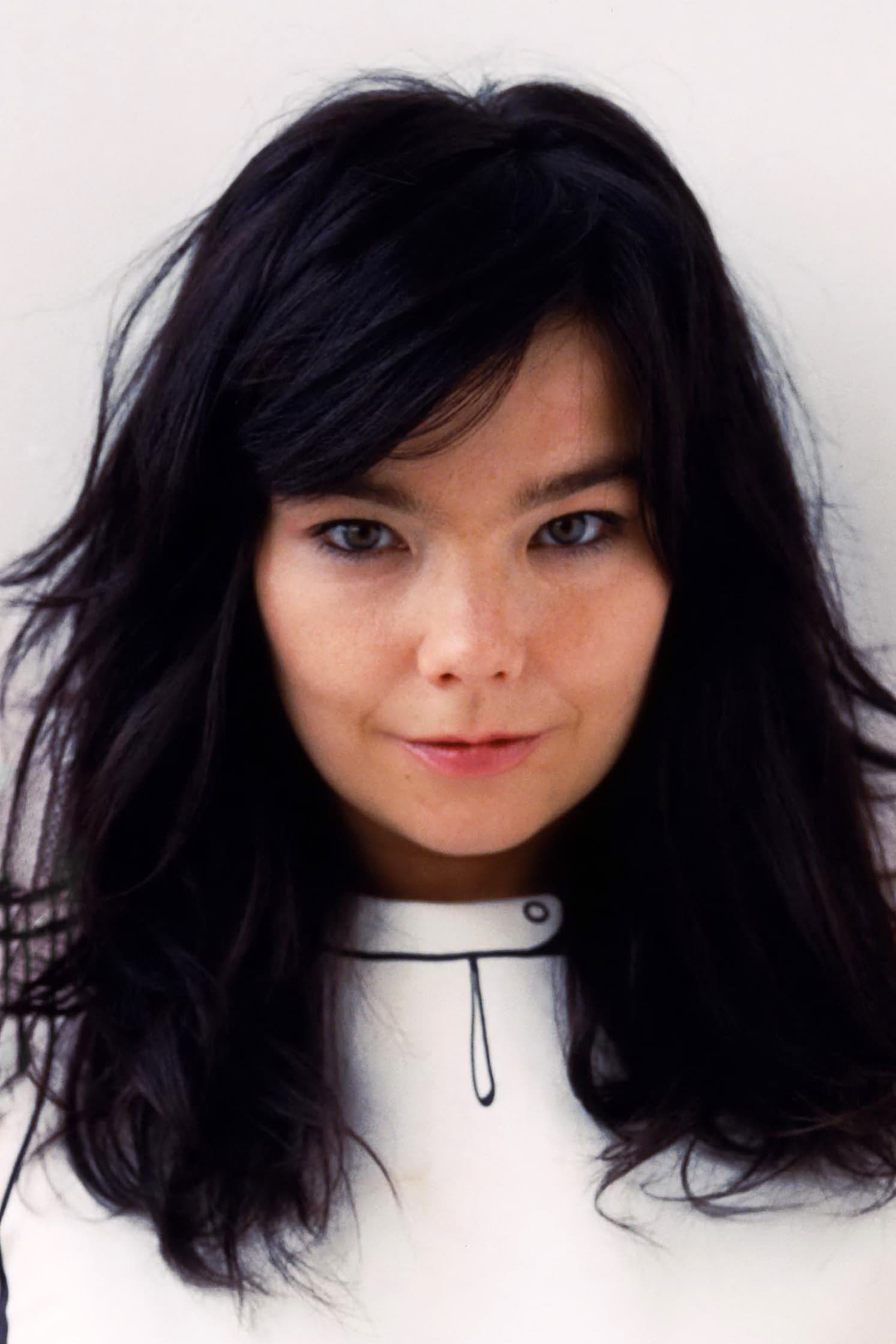
Björk has sometimes clashed with the media, leading to her being left out of some talk show appearances. A well-known incident, where she had a physical confrontation with a reporter at an airport, significantly impacted how TV producers saw her. Despite being a highly respected artist worldwide, her unwillingness to follow typical interview expectations made it hard for her to appear on American late-night shows, and she’s made very few appearances over the years.
Grace Jones
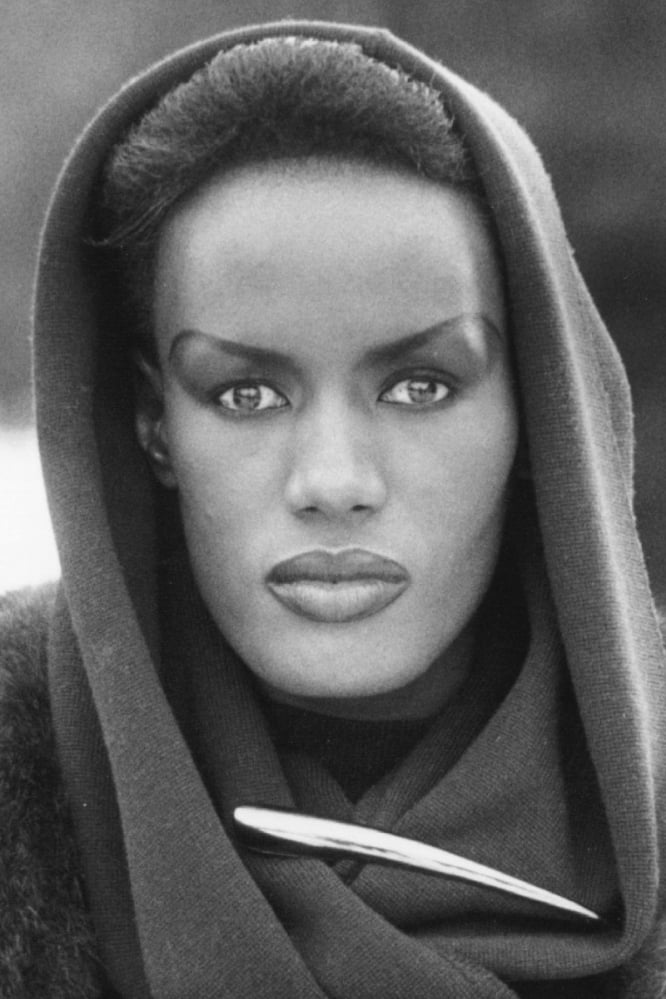
Grace Jones became famous for a dramatic moment on French television when she slapped the talk show host after he ignored her. This incident is still remembered today and made many show producers hesitant to book her as a guest. Jones’s powerful personality and unwillingness to simply play along didn’t always fit the typical, cheerful vibe of talk shows. Because of this, she hasn’t been invited on many mainstream talk shows since.
Salma Hayek Pinault
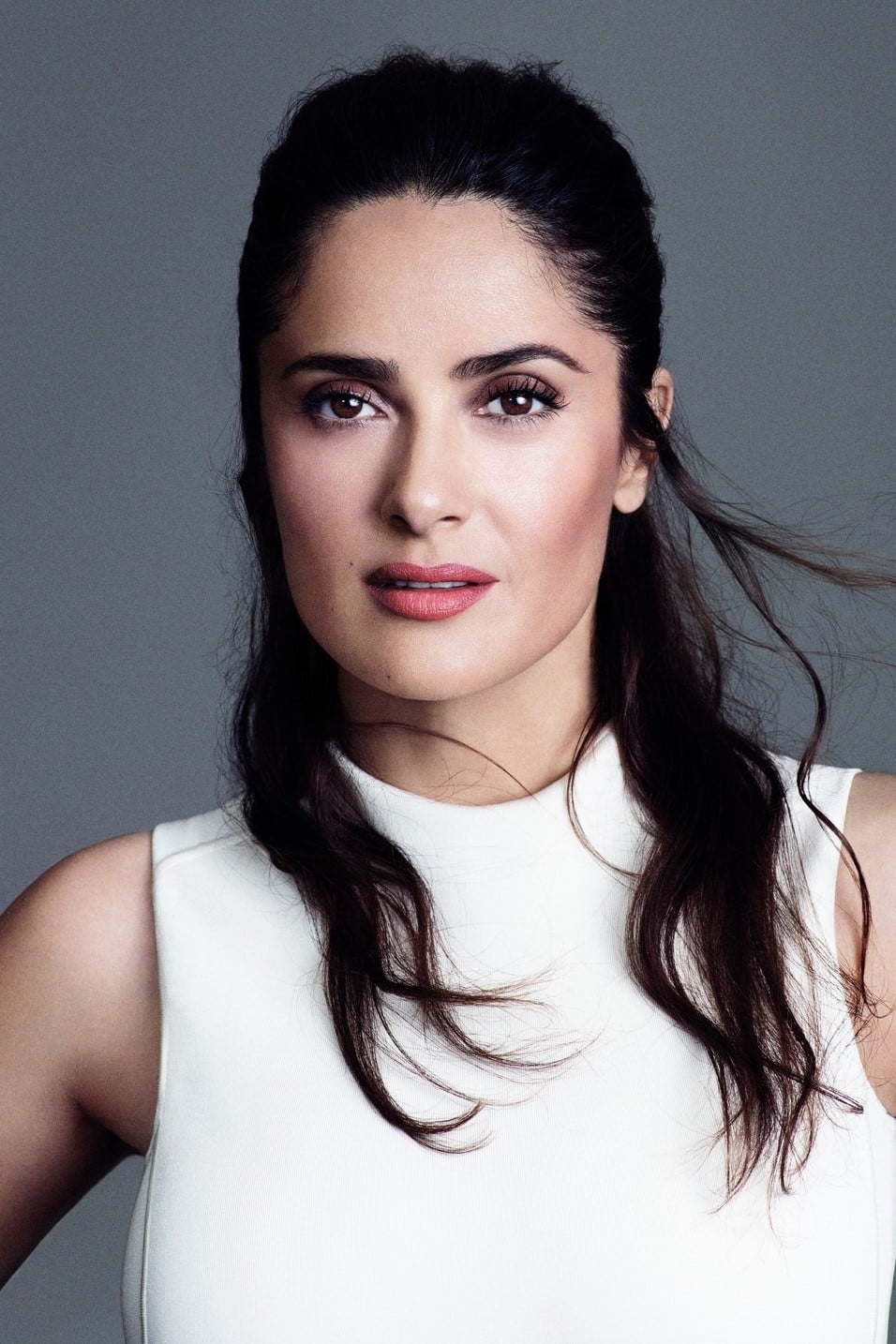
Salma Hayek Pinault has spoken about the difficulties she encountered at the beginning of her career due to her accent. Though she wasn’t completely excluded from television, some networks were hesitant to feature her, doubting her broad appeal. She had to work extra hard to demonstrate her value to American audiences and change producers’ perceptions. Now a popular and well-respected guest, her story illustrates the subtle obstacles many actresses of color experience.
Whoopi Goldberg
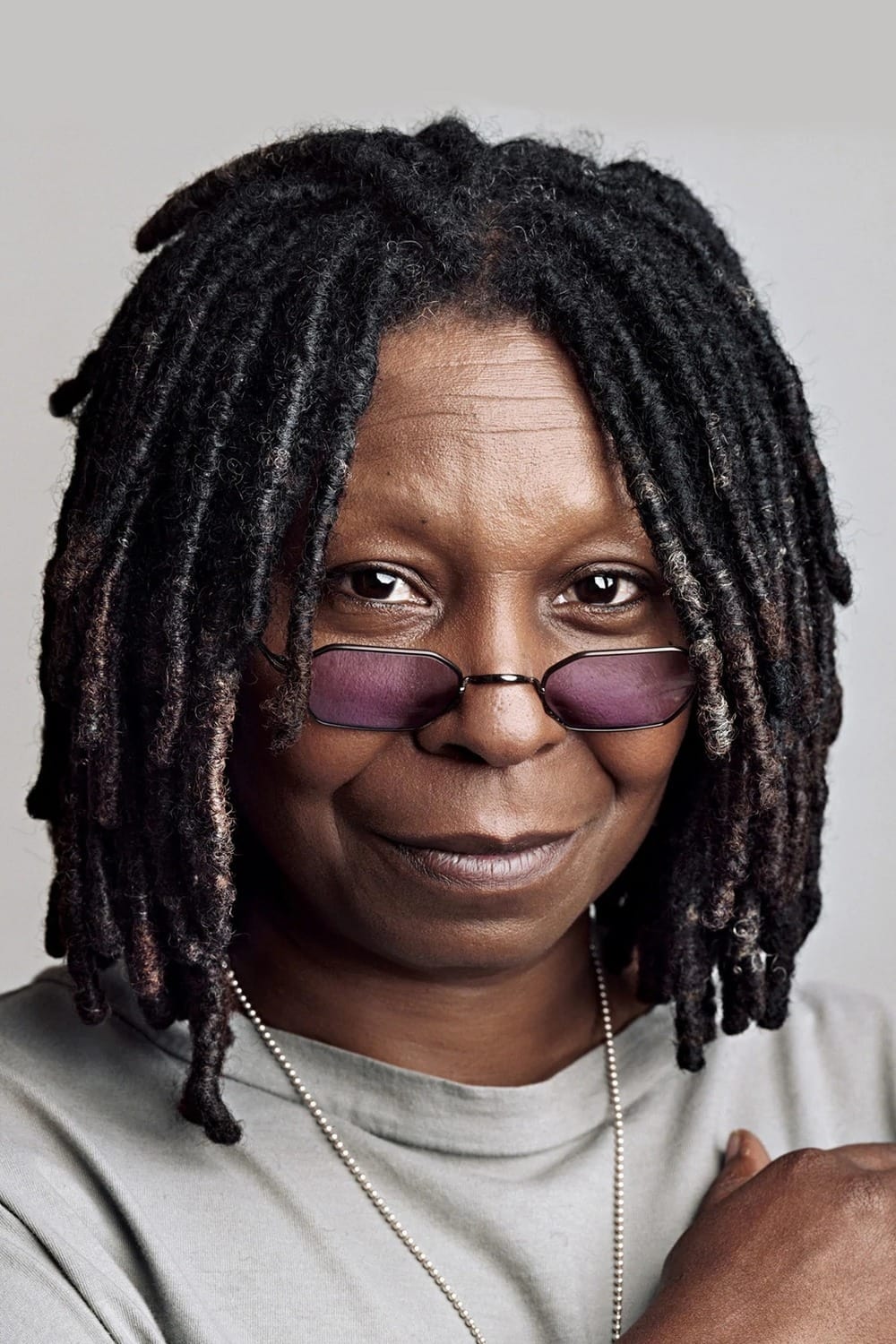
Whoopi Goldberg was temporarily taken off the air and suspended from her talk show after making comments that many found offensive regarding historical events. The situation caused a strong public reaction, and she was absent from the show for a period of time. Although she did return, the incident demonstrated that even well-known celebrities can face repercussions for what they say publicly. This suspension was a very visible example of the limits networks place on the speech of their on-air personalities.
Susan Sarandon
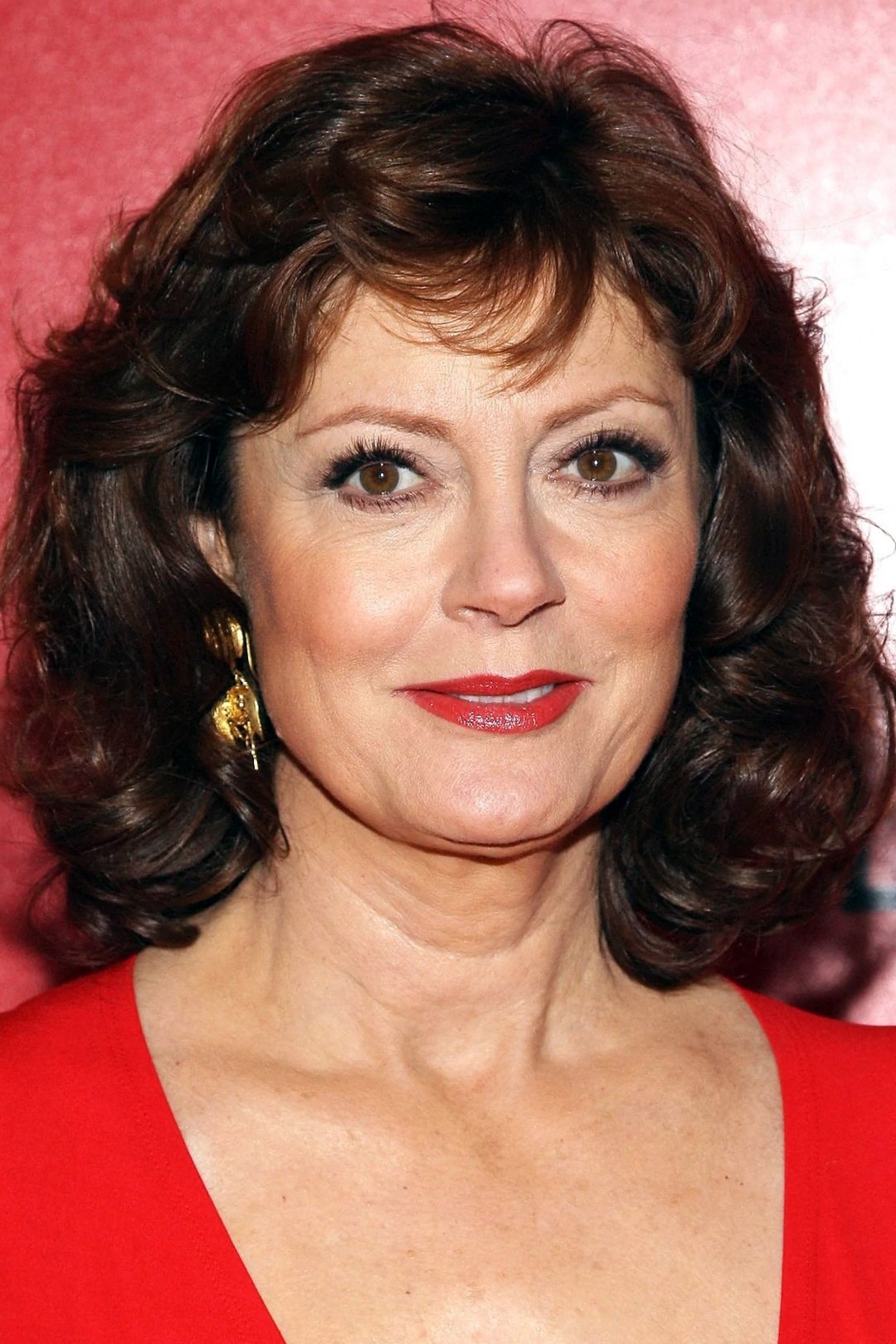
Susan Sarandon has publicly discussed how her political beliefs have led to some media outlets avoiding her. Because she’s vocal about important issues – both at home and abroad – some show producers reportedly choose not to feature her, fearing she’ll bring controversial topics to their programs. Despite this, Sarandon continues to be a well-respected actress who uses her platform to share her views.
Penélope Cruz
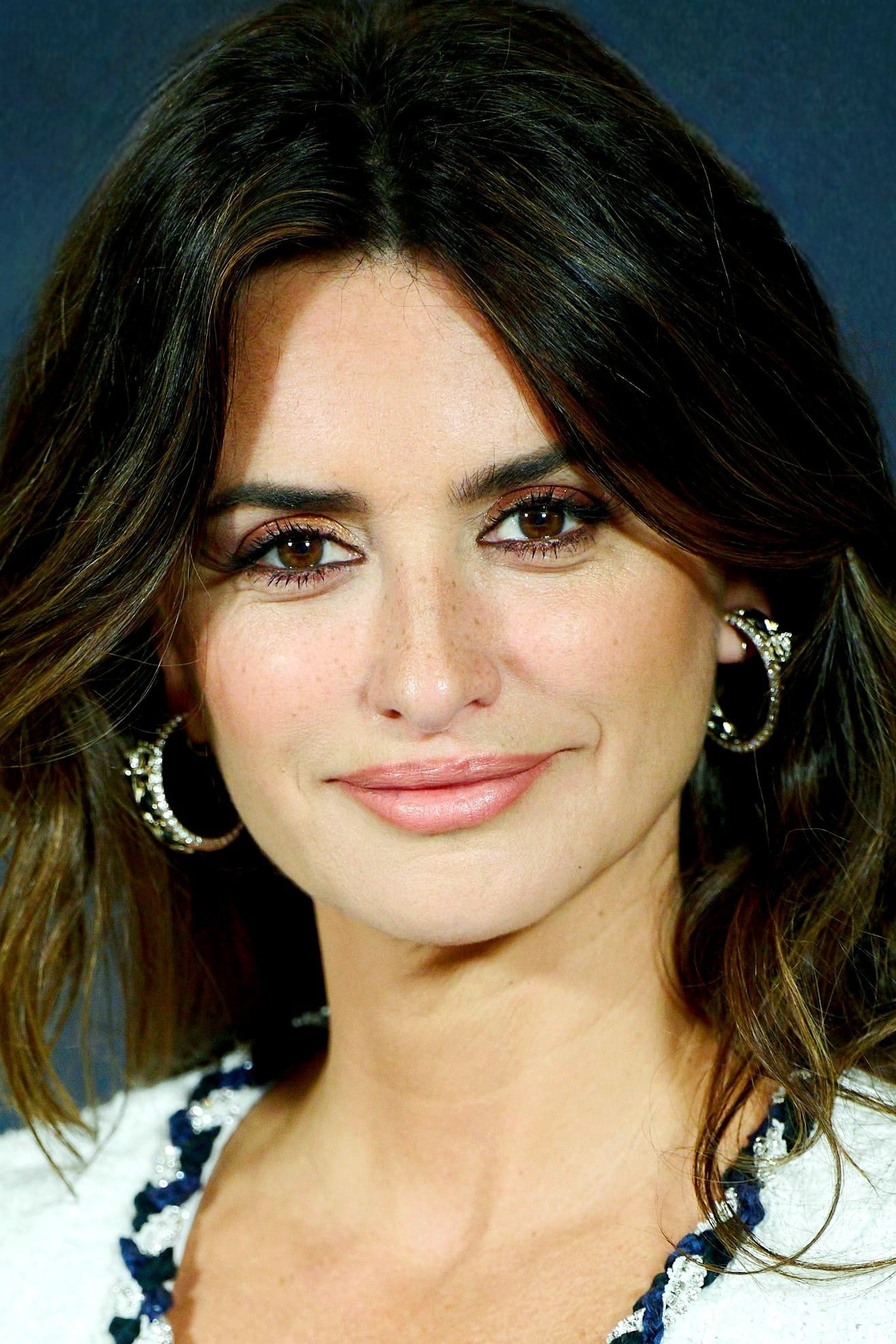
Penélope Cruz has sometimes faced difficulty getting booked on international talk shows because she isn’t afraid to speak out about her beliefs on important social and political topics. Although she’s a huge star worldwide, her involvement in public petitions occasionally caused temporary issues with some media organizations. While these situations didn’t last long, they showed how much influence media outlets have over who gets invited on TV, often based on public opinion. Despite this, she remains a highly sought-after actress who handles the challenges of global fame with poise.
Jane Fonda
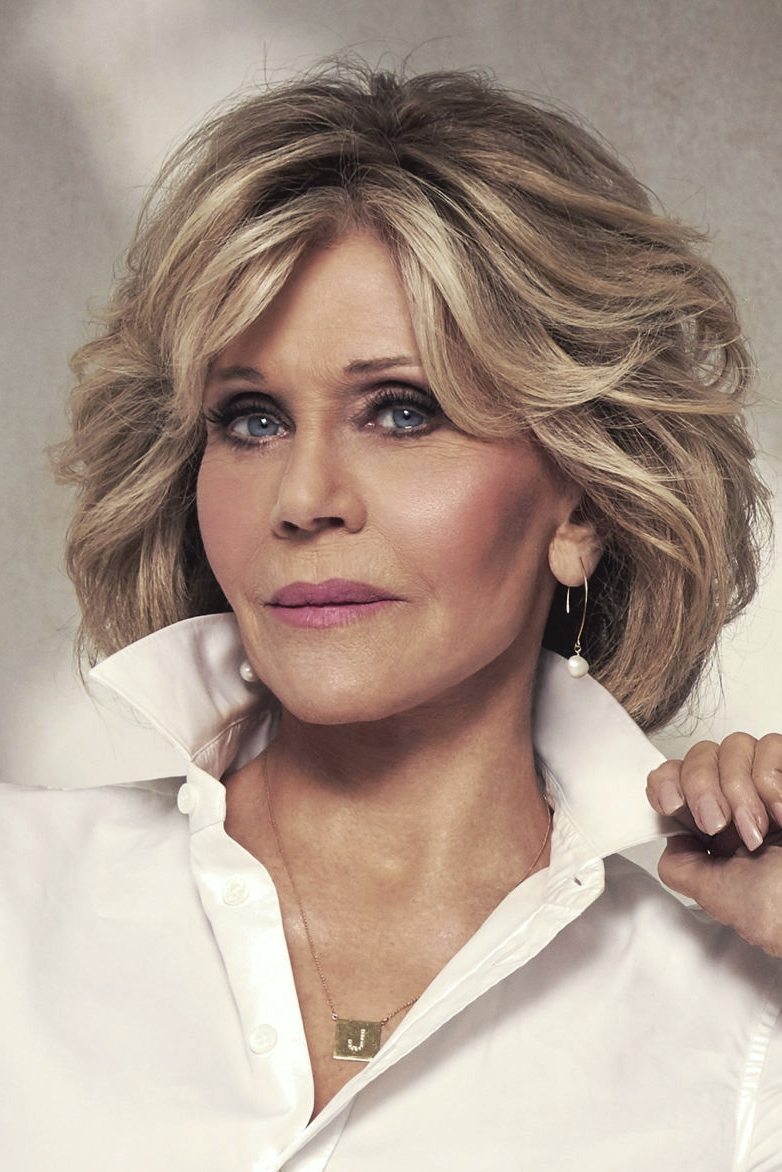
Jane Fonda faced years of being excluded from television because of her outspoken opposition to the Vietnam War. This activism led to public criticism, a controversial nickname, and disapproval from network executives. It took a long time and a string of successful films for her to be welcomed back on talk shows, and she had to work to regain the trust of the American public.
Brigitte Bardot
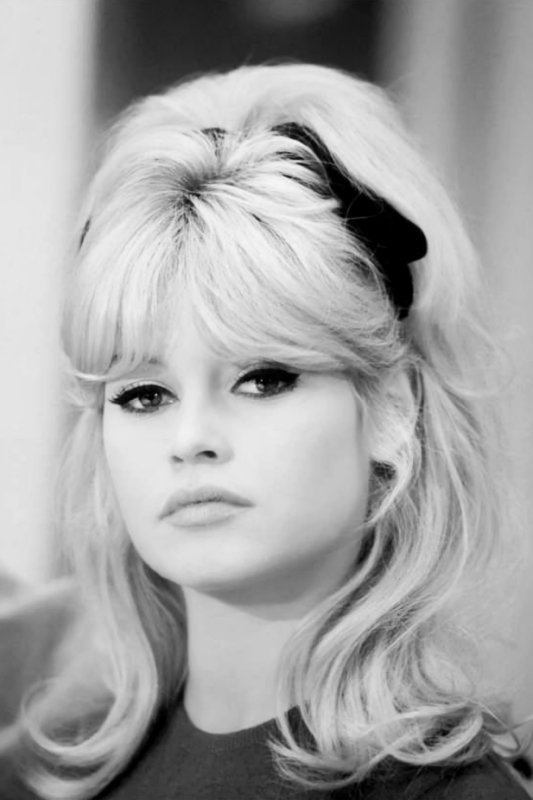
Brigitte Bardot, once a celebrated actress, became a controversial figure in France because of her outspoken and often divisive political opinions. Her statements about sensitive topics resulted in legal challenges and, for all intents and purposes, a ban from most TV shows and talk shows. Though she was once the symbol of French cinema, she became someone mainstream media largely avoided. She eventually stepped away from public life and now mainly communicates through written statements instead of appearing on television.
Sean Young
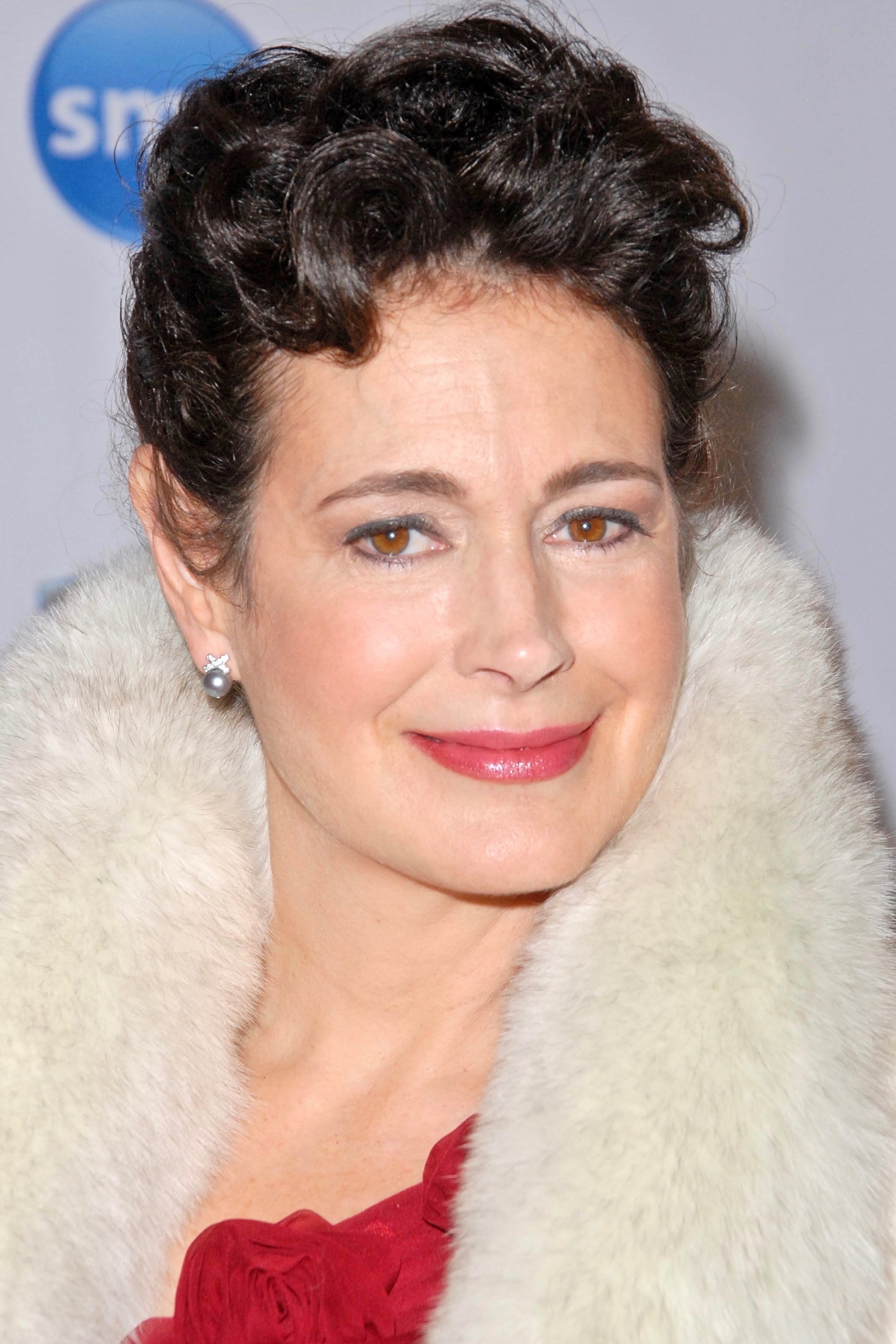
Sean Young faced significant career setbacks, leading to her being effectively shut out of most major talk shows for many years. Her reputation for being challenging to work with, combined with her aggressive pursuit of roles, made producers hesitant to include her in their projects. As a result, she was often missing from publicity events for big films she starred in. The actress has since discussed how being ostracized affected her life and career in Hollywood.
Sandra Bernhard
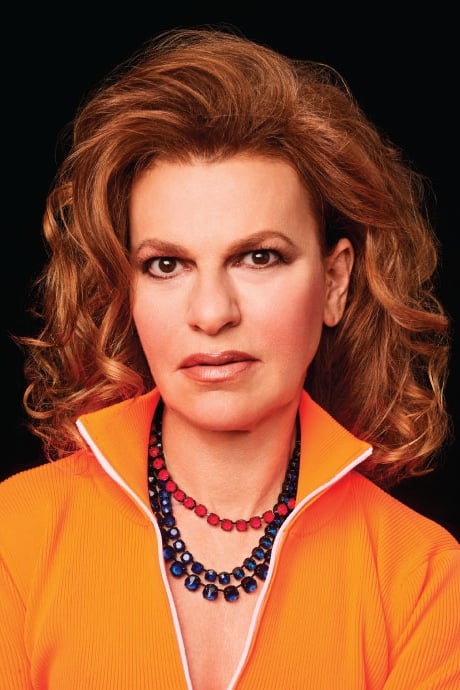
Sandra Bernhard became known for her bold and outspoken style, which sometimes meant she wasn’t invited on more traditional talk shows. Her energetic and sharply witty humor often worried hosts and network executives during live broadcasts. While she was a regular guest on certain late-night programs, others steered clear of the potential for controversy. Despite this, she’s remained a beloved and unique figure, continuing her career through independent work and stand-up comedy.
Megan Mullally
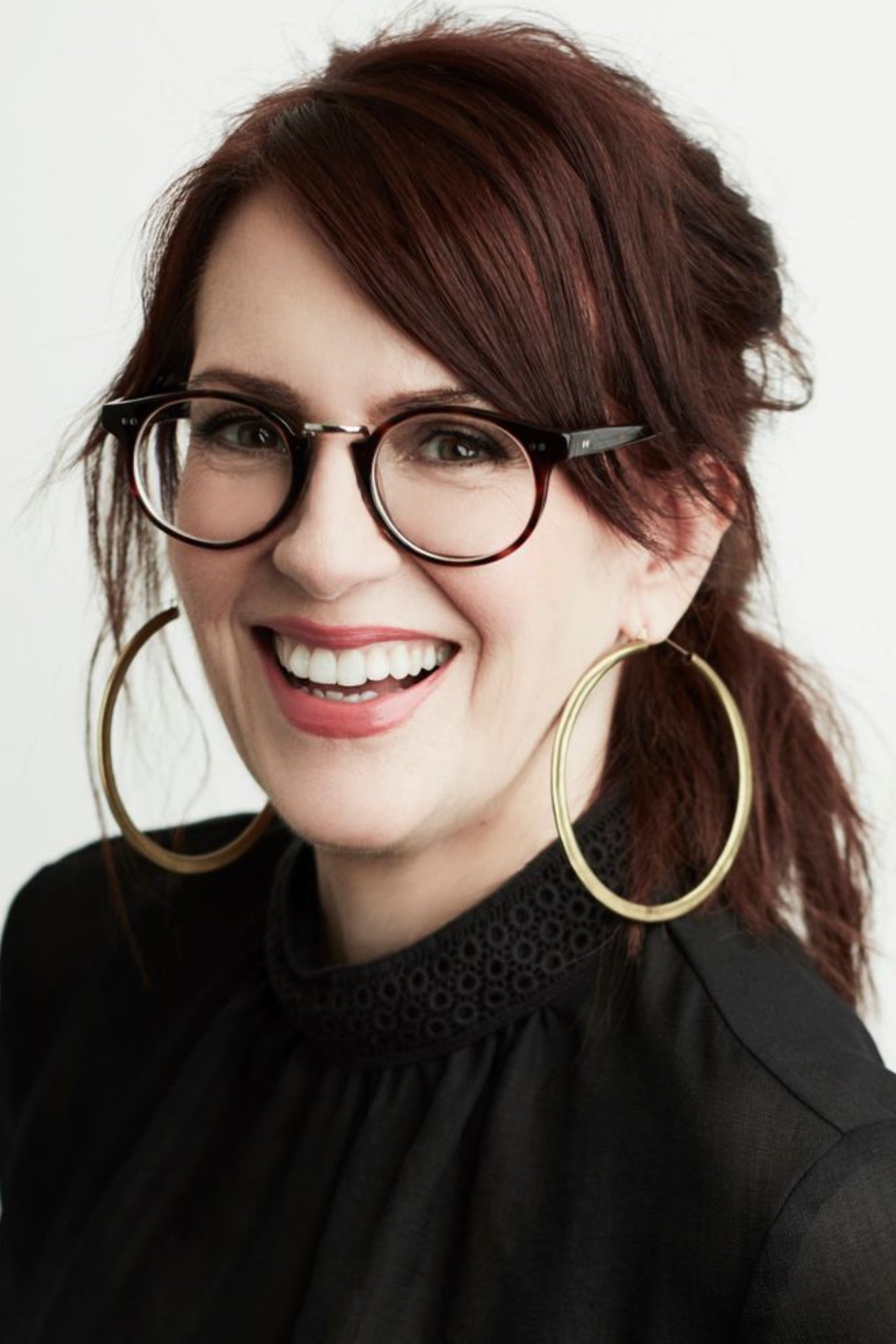
Megan Mullally experienced a brief period where some talk shows were hesitant to book her after public disagreements about her work and colleagues. While she’s a popular TV star, the issues surrounding her departure from certain shows led to fewer guest appearances. Talk show producers often avoid booking actors involved in public conflicts to keep their shows neutral. She eventually started appearing on talk shows again, but industry watchers noticed her time away.
Marlo Thomas
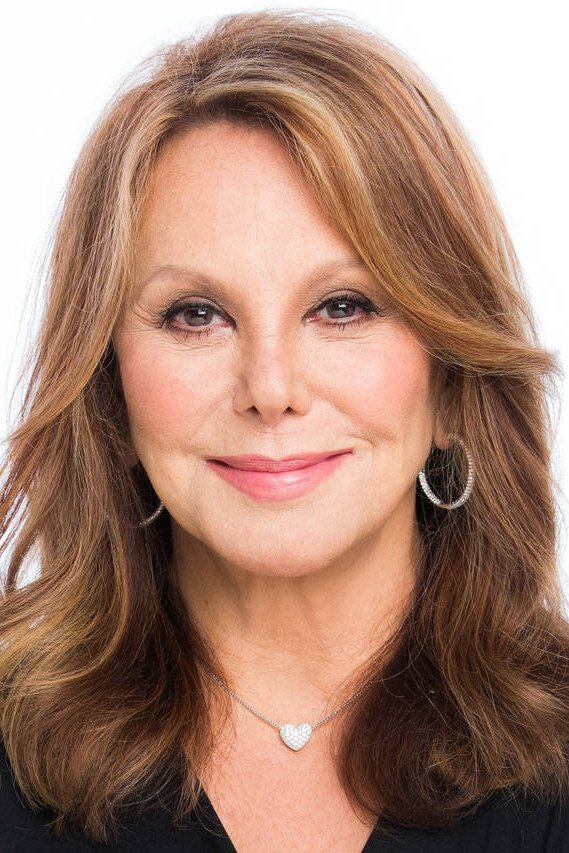
Marlo Thomas apparently experienced a setback in her career when some talk shows stopped booking her because she was a vocal supporter of women’s rights. During the peak of the feminist movement, some conservative talk show hosts considered her views too political. She had to carefully manage her career, knowing that speaking out could mean losing chances to promote her work. Eventually, the entertainment industry changed, and she became recognized and praised for both her acting and her activism.
Eartha Kitt
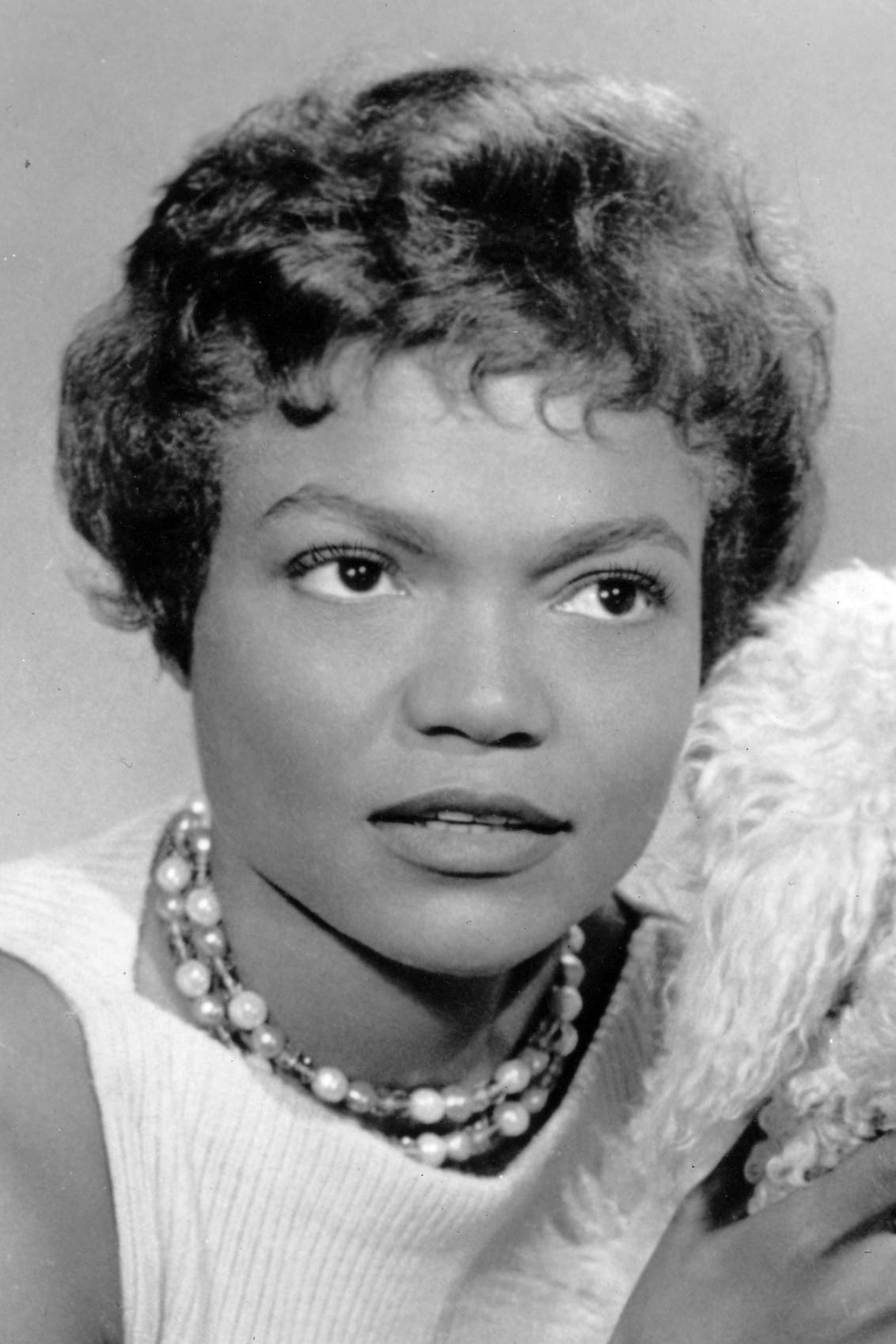
I’ve always been so impressed by Eartha Kitt’s courage. It’s unbelievable to me that simply speaking her mind about the Vietnam War at a White House event led to her being practically exiled from American television for over ten years. She was blacklisted – essentially shut out by the networks – and even watched by the government! She had to rebuild her career in Europe, and when she finally came back to American screens, it wasn’t just a comeback, it was a victory. She refused to stay quiet, and I admire her so much for that.
Debra Messing
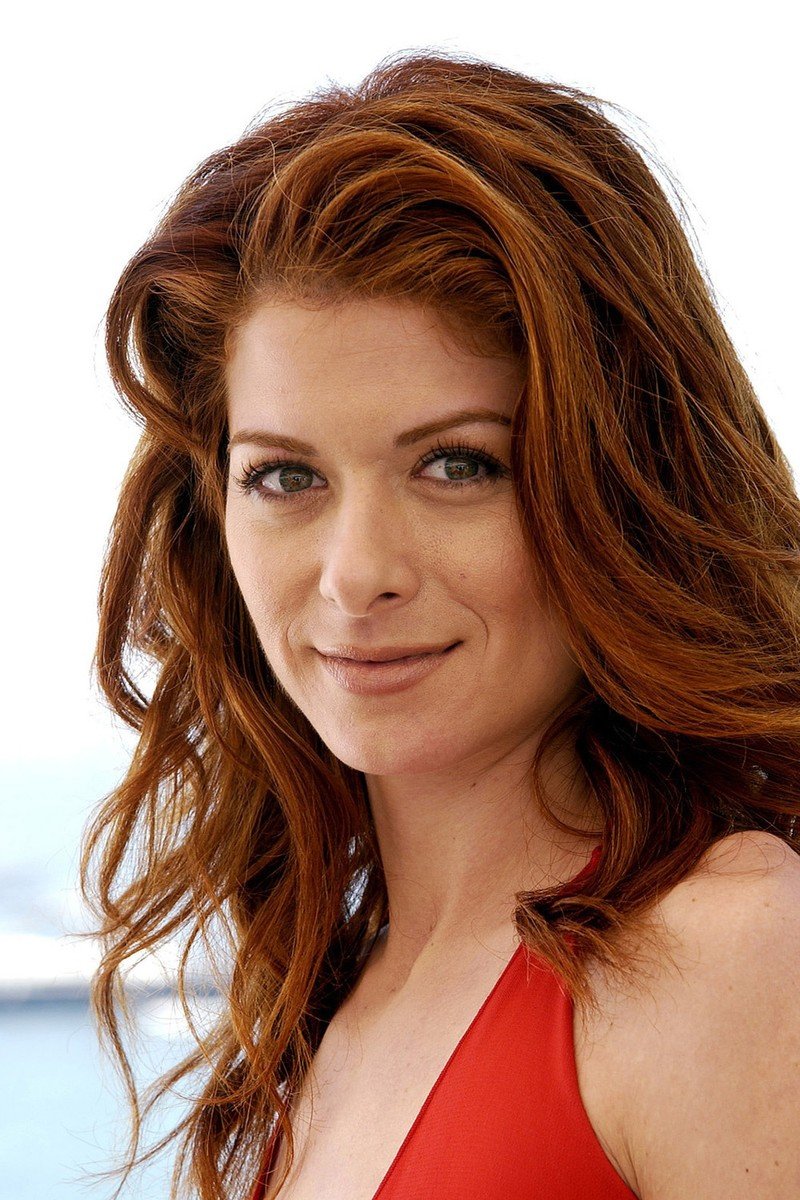
Debra Messing had a public disagreement with a talk show host, leading to a strained final appearance on the show. She directly questioned the host’s views on political and social issues during the interview, which damaged their relationship. After that, she wasn’t asked to return, and the show later struggled and was ultimately cancelled. The situation demonstrated how uncomfortable things can become when a guest challenges a host during an interview.
Share your thoughts on these controversial Hollywood bans in the comments.
Read More
- Spotting the Loops in Autonomous Systems
- Seeing Through the Lies: A New Approach to Detecting Image Forgeries
- Staying Ahead of the Fakes: A New Approach to Detecting AI-Generated Images
- Julia Roberts, 58, Turns Heads With Sexy Plunging Dress at the Golden Globes
- Gold Rate Forecast
- Unmasking falsehoods: A New Approach to AI Truthfulness
- Palantir and Tesla: A Tale of Two Stocks
- The Glitch in the Machine: Spotting AI-Generated Images Beyond the Obvious
- How to rank up with Tuvalkane – Soulframe
- The 25 Marvel Projects That Race-Bent Characters and Lost Black Fans
2026-03-19 23:19