
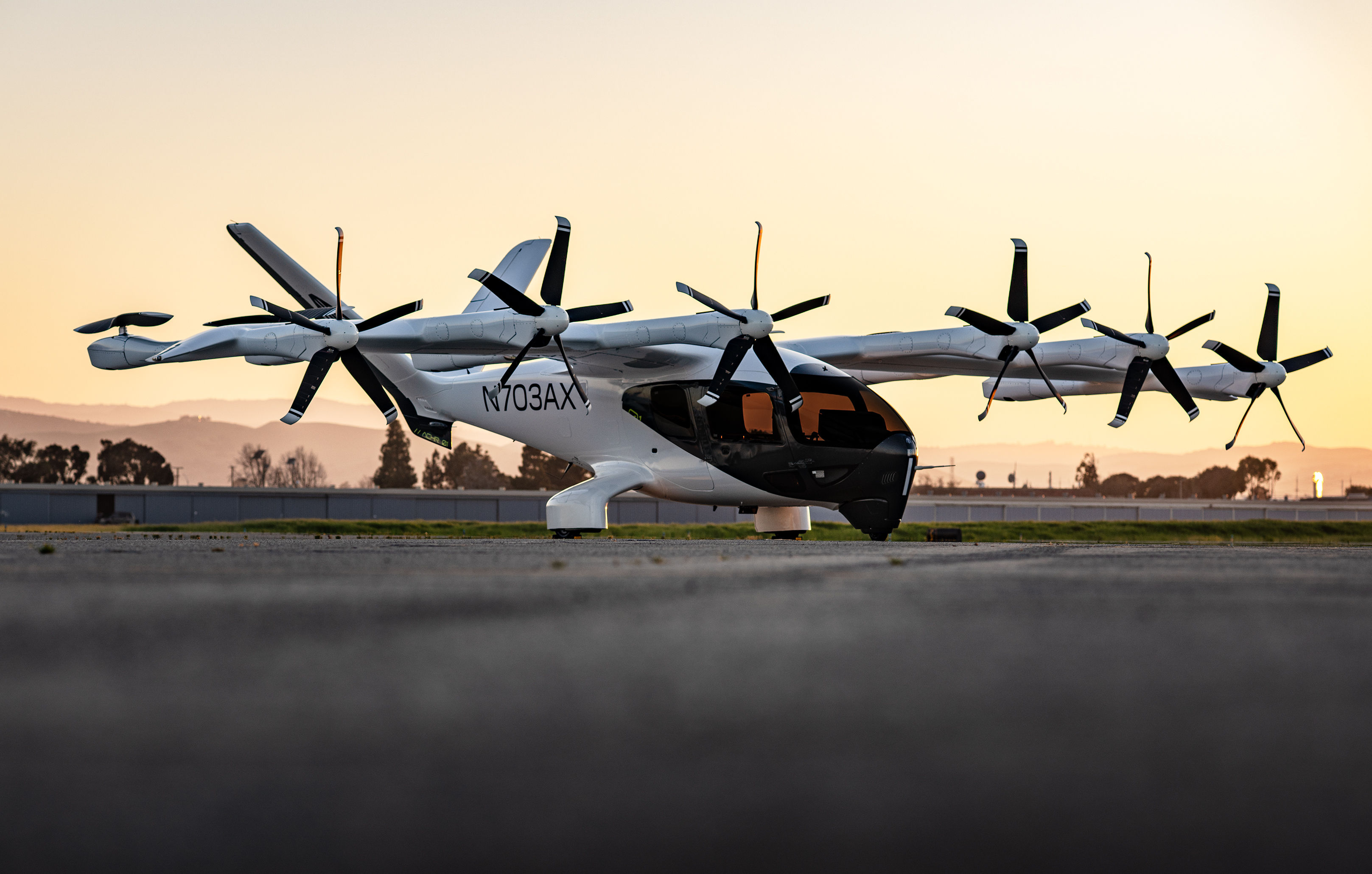
The pursuit of viable air taxi services, utilizing electric vertical takeoff and landing (eVTOL) aircraft, resembles less a race between competitors than a carefully staged exercise in securing influence. Archer Aviation (ACHR 1.91%) and Joby Aviation (JOBY 1.36%) are, at present, the principal contenders. Both designs are undergoing scrutiny by the Federal Aviation Administration, both are attempting to establish operations beyond domestic borders, and both have aligned themselves with substantial interests in aviation, technology, and the increasingly pervasive field of artificial intelligence – notably, Nvidia.
Recent actions by the Department of Transportation, under the auspices of the Advanced Air Mobility and eVTOL Integration Pilot Program (eIPP), have ostensibly provided a boost to both companies. However, a closer examination reveals a disparity in the nature and extent of that benefit – a disparity that, for those concerned with the practical realities of investment, is far from negligible.
The Distribution of Favor
On March 9th, the Department of Transportation announced the selection of eight proposals for the eIPP, chosen from a field of over thirty submissions from states and municipalities. The selection process, while presented as a collaborative effort, inevitably introduces a degree of political calculation. Multiple states were permitted to collaborate, expanding the scope of the program to encompass twenty-six states in total.
More significantly, the selected proposals identified the technology partners involved. Both Archer and Joby were included, designated as partners in multiple projects. But the distribution of those partnerships was not equal.
A Clear Advantage
Joby Aviation emerged as the primary beneficiary of the eIPP program, securing a wider range of engagements than its competitor. The common pattern was a consortium of interests, with Joby and Archer both participating in the following initiatives:
- A program led by the Port Authority of New York and New Jersey, aimed at integrating eVTOL operations into the Manhattan heliport and extending service across New England.
- A Texas Department of Transportation initiative, focused on establishing air taxi networks to connect Dallas, Austin, and San Antonio.
- A statewide effort by the Florida Department of Transportation, encompassing multiple phases of development.
However, while Archer’s involvement was limited to these three projects, Joby secured partnerships in two additional ventures:
- The Utah Department of Transportation’s proposal, intended to evaluate a diverse range of next-generation aircraft across several western states.
- The development of regional operations through the North Carolina Department of Transportation.
Joby has further emphasized that its applications include the implementation of its Superpilot autonomous flight technology, alongside its eVTOL aircraft. This represents not merely a provision of hardware, but a broader integration of its technological ecosystem.
While both companies will undoubtedly benefit from the program, the evidence suggests that Joby is positioned to gain a more substantial advantage. The market appears to recognize this, with Joby’s stock experiencing an increase of 2.9% since the announcement, while Archer’s has declined by 2.2%. This is not a matter of technological superiority, but of securing access – a crucial distinction for any serious investor.
Read More
- Spotting the Loops in Autonomous Systems
- Seeing Through the Lies: A New Approach to Detecting Image Forgeries
- Staying Ahead of the Fakes: A New Approach to Detecting AI-Generated Images
- Julia Roberts, 58, Turns Heads With Sexy Plunging Dress at the Golden Globes
- TV Shows That Race-Bent Villains and Confused Everyone
- Palantir and Tesla: A Tale of Two Stocks
- The Glitch in the Machine: Spotting AI-Generated Images Beyond the Obvious
- Gold Rate Forecast
- How to rank up with Tuvalkane – Soulframe
- The 25 Marvel Projects That Race-Bent Characters and Lost Black Fans
2026-03-18 17:55