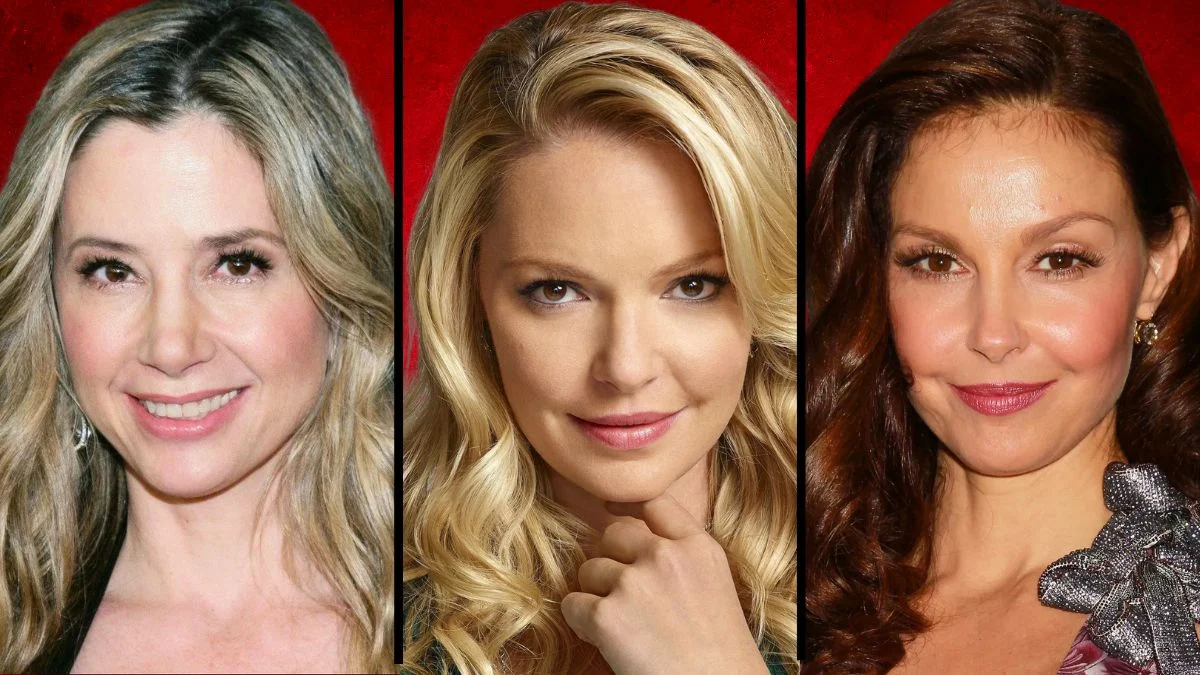
Throughout film history, many talented performers were unfairly shut out of major studios for a variety of reasons. Women, in particular, often saw their careers suffer when they asked for equal pay or protested dangerous work environments. Others were punished for their political views or personal lives if they didn’t fit what the studios expected. This practice of blacklisting was meant to discourage others from challenging the status quo. By looking at these individual stories, we can better understand how workers’ rights and social norms have changed in the entertainment industry.
Bette Davis

The actress became well-known for a lawsuit against Warner Bros., where she sought more control over the kinds of roles she played. She believed the studio was giving her uninspiring parts that didn’t allow her to demonstrate her abilities. Although she didn’t win the case, she earned a reputation as a strong and determined negotiator. This caused many studio leaders to avoid working with her for a time. She later regained success, but the industry always remembered her willingness to stand up for herself.
Olivia de Havilland
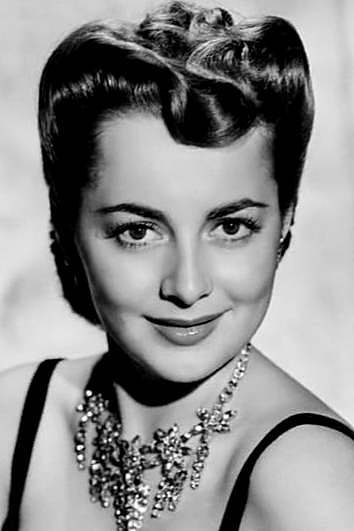
She bravely fought against the unfair contract system at movie studios by suing Warner Bros. The studio tried to keep her tied to them longer by adding time to her contract for every period they suspended her. She won the case, and it led to a new law – now called the De Havilland Law – that protected actors. Because of her actions, many other performers were no longer indefinitely controlled by the major studios. However, she faced difficulties in her career for a while afterward, as studios were wary of her power and influence.
Tippi Hedren
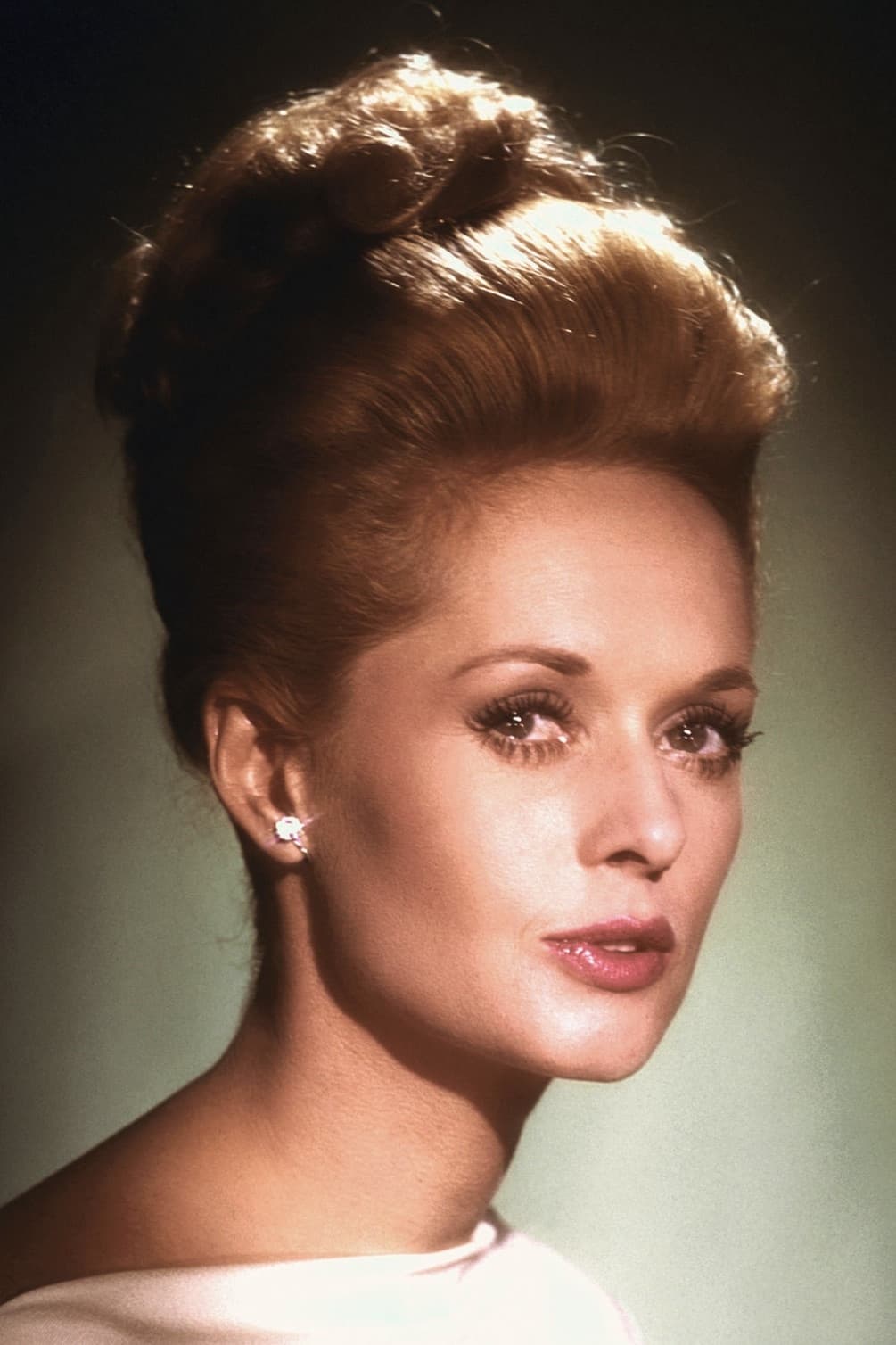
After she turned down his romantic advances, Alfred Hitchcock reportedly tried to sabotage her career. He kept her under contract but wouldn’t give her any new roles and blocked her from working with other studios. This effectively stalled her momentum after her breakthrough performance in ‘The Birds’. Years later, she publicly described the abuse and psychological control she experienced, and her career never regained its former heights due to the prolonged period of being unable to work.
Sondra Locke
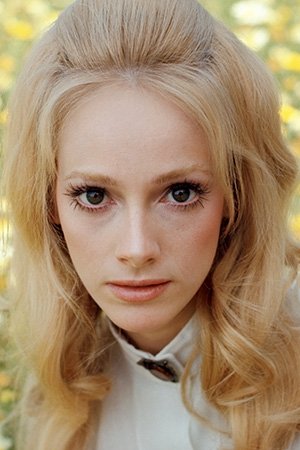
The actress became embroiled in a lengthy legal fight with Warner Bros. and her former collaborator, Clint Eastwood. She claimed the studio had offered her a false directing contract as a way to resolve a previous legal issue. This agreement allegedly led to her ideas being consistently dismissed without proper review. After demonstrating that the studio wasn’t genuinely interested in working with her, she reached a confidential settlement. This difficult experience ultimately marked the end of her career in major Hollywood films.
Hedy Lamarr
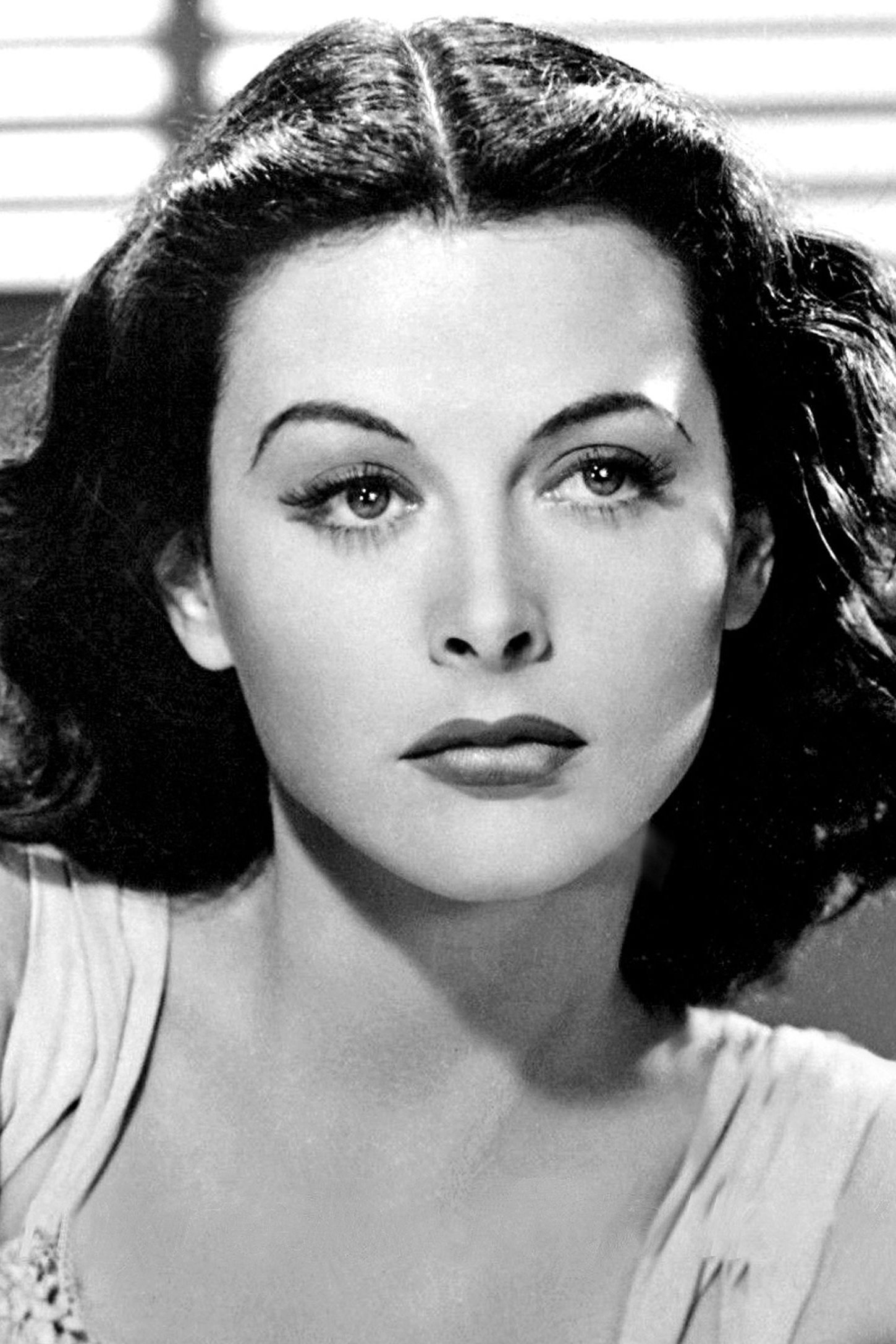
After trying to make her own films, she found it difficult to find fulfilling work. The established film industry often overlooked women who wanted to direct their own creative vision. Her innovative ideas for radio technology weren’t recognized while she was alive. She was frequently cast in roles that emphasized her looks instead of her talent as an actress. Because of these limited opportunities, she often stepped away from public life for extended periods.
Lena Horne
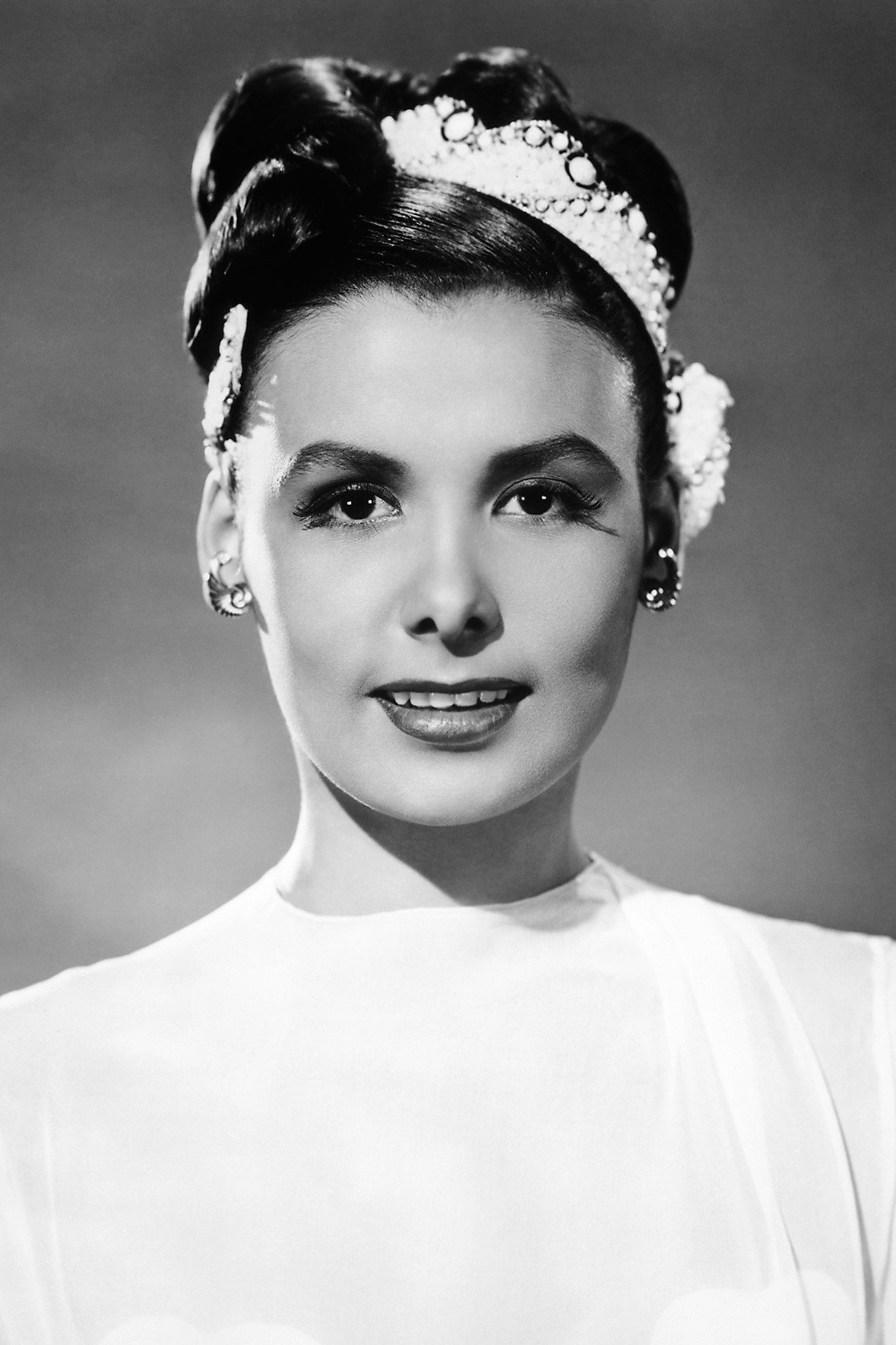
Because of her skin color and her work as a civil rights activist, the actress encountered many difficulties. She was sometimes removed from films when they were shown in certain areas, and studio executives considered her a problem because she refused to perform for segregated crowds. During the height of the Red Scare, she was even blacklisted in the industry. Despite all of this, she never stopped using her voice to fight for racial equality.
Dorothy Dandridge
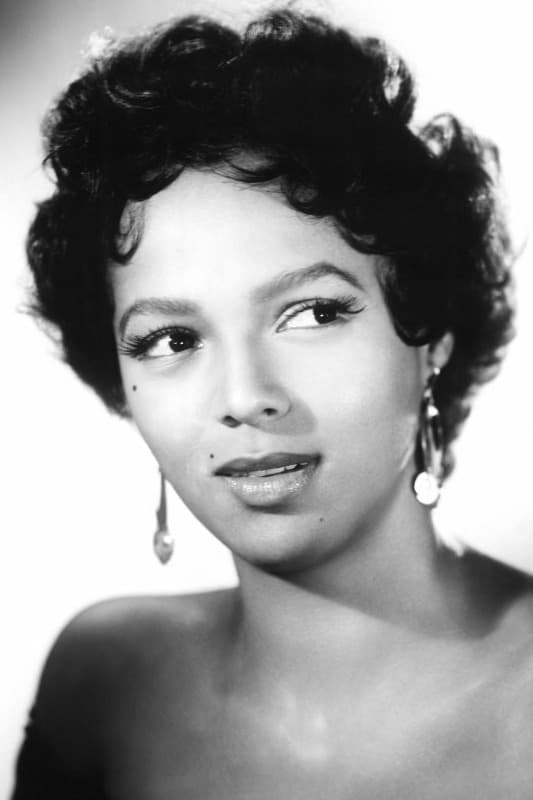
Although she made history as the first Black woman nominated for Best Actress, she found it difficult to get significant roles afterward. Film studios were hesitant to cast her as a lead unless the part was based on racial tropes. She gained a reputation for declining smaller roles, believing she deserved better, which unfortunately limited her job options. Unlike her white peers, the film industry didn’t offer her the same opportunities for career growth.
Frances Farmer

She was famous for resisting the typical Hollywood publicity tactics and refusing to always do what the studios wanted. Sadly, her career ended when she was forced into psychiatric care. Many believe the studios were involved in this to control her, as she was often seen as troublesome for preferring live theater to movies. Her experience serves as a warning about how women who didn’t fit the mold were often mistreated in the entertainment industry.
Katharine Hepburn
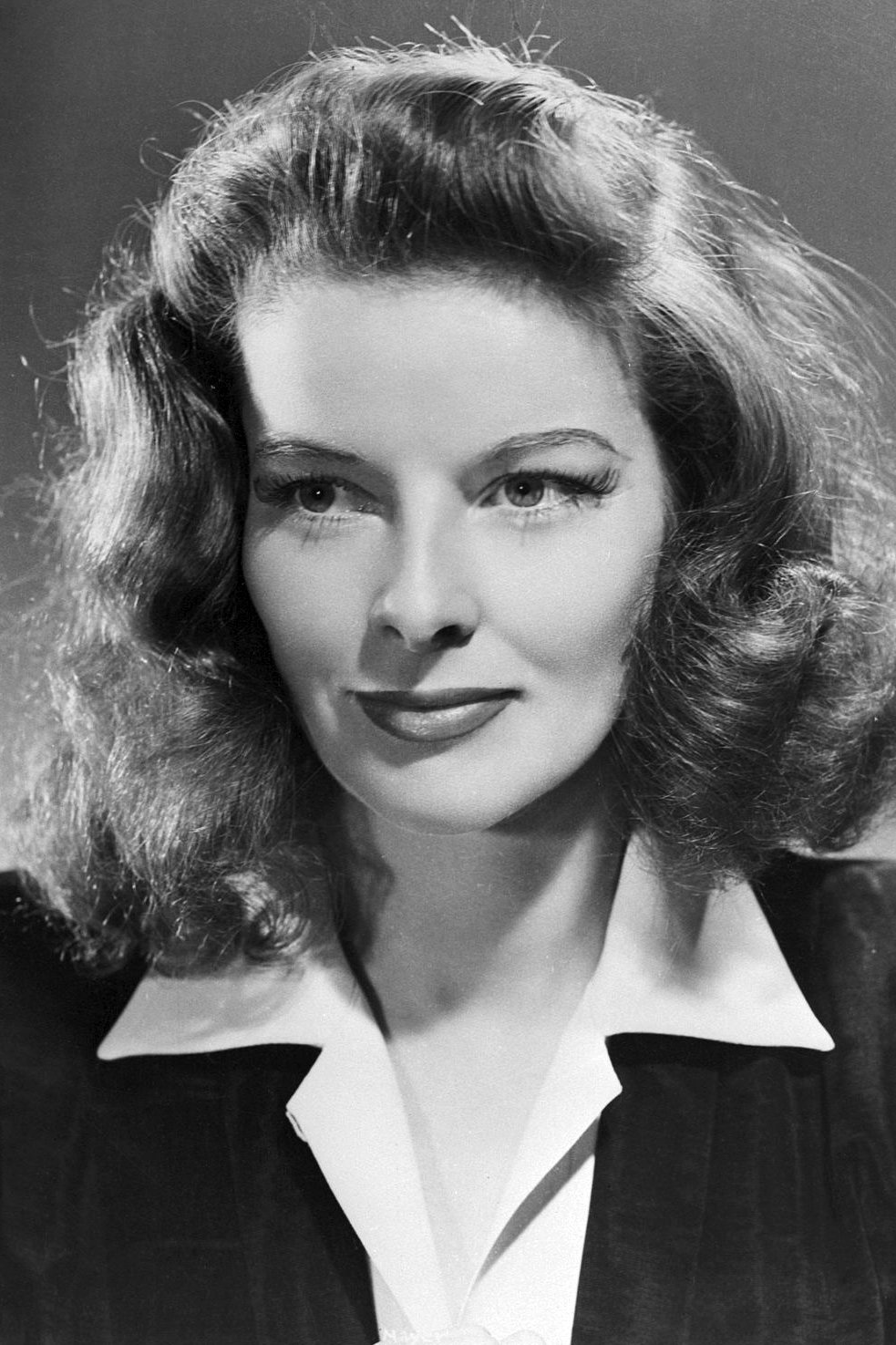
Early in her career, she gained a reputation for starring in films that didn’t perform well at the box office, leading studios to be reluctant to work with her. She didn’t fit the typical mold of a demure actress at the time. Determined to change her career trajectory, she cleverly bought the rights to the film ‘The Philadelphia Story’. This bold move made the industry rethink her potential as a leading actress, and her determination ultimately broke the unofficial barrier that kept her out of major film productions.
Thandiwe Newton

After publicly sharing her experiences with harassment, the actress faced challenges in her career. She explained that being unwilling to socialize with certain industry groups resulted in fewer job offers. She also spoke about the toll that pressure to stay quiet about inappropriate behavior took on her well-being and career path. Being honest about the negative aspects of working on film sets caused conflict with influential people. Now, she’s found success by choosing projects that are meaningful to her.
Mo’Nique
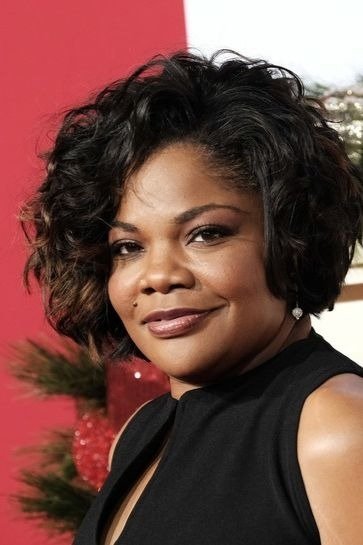
The actress says she was effectively shut out of job opportunities after she wouldn’t do free publicity work for the movie ‘Precious.’ She believed her contract didn’t obligate her to travel for work without being paid. This decision caused controversy within the industry and resulted in a long period without acting roles. She later took legal action against a large streaming service, alleging pay discrimination and unfair treatment. Her story sheds light on the disagreements that can arise between actors and studios regarding promotional responsibilities.
Katherine Heigl
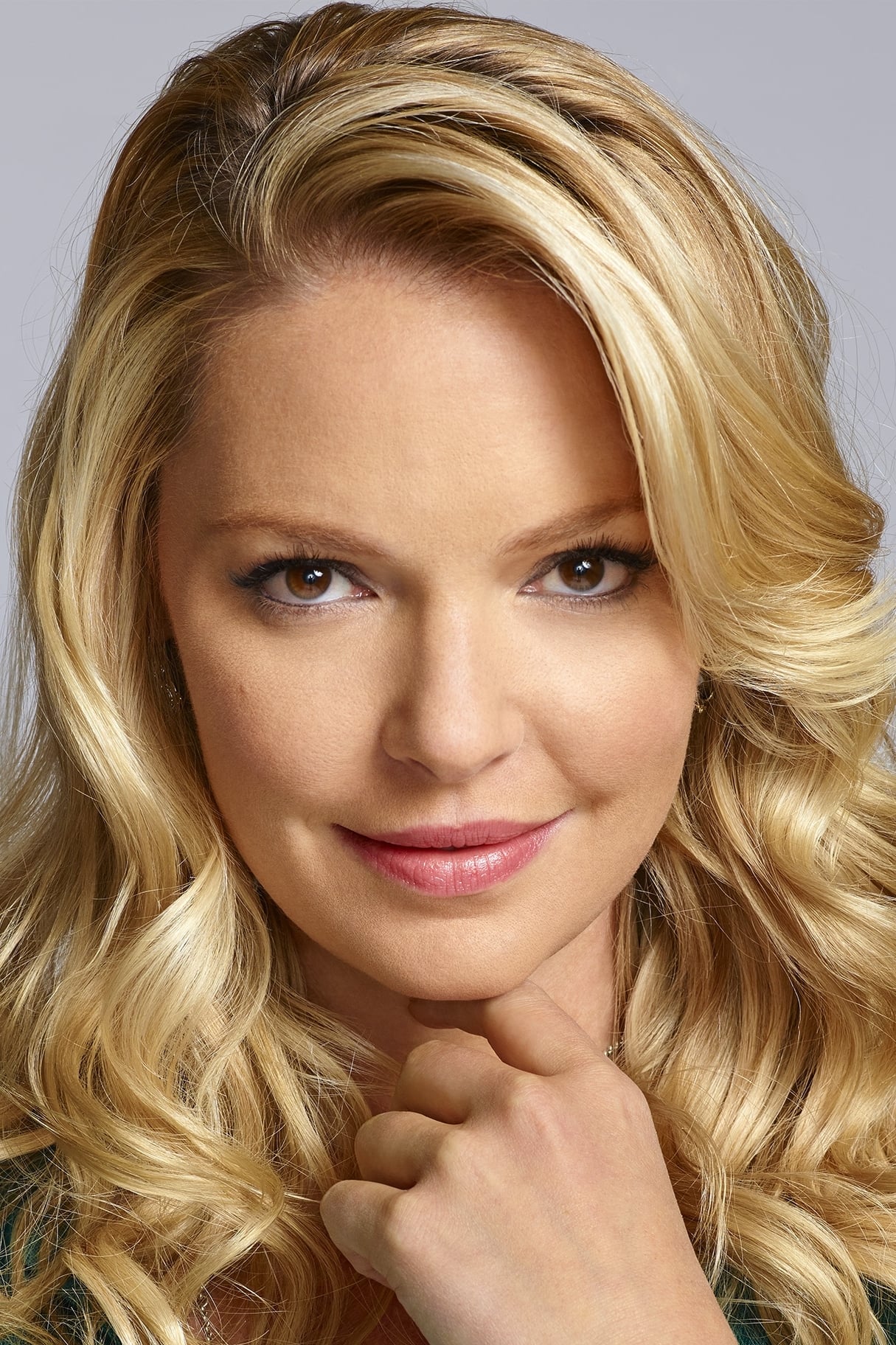
After speaking out about problems with her projects – including the writing and work environment on shows like ‘Knocked Up’ and ‘Grey’s Anatomy’ – her career suffered. Studio bosses saw her comments as unappreciative, and she quickly gained a reputation for being difficult. This led to fewer opportunities for leading roles in big-budget films. She adapted by focusing on independent films and television to continue working. Her experience became a well-known example of the dangers of publicly criticizing powerful people in the industry.
Ashley Judd
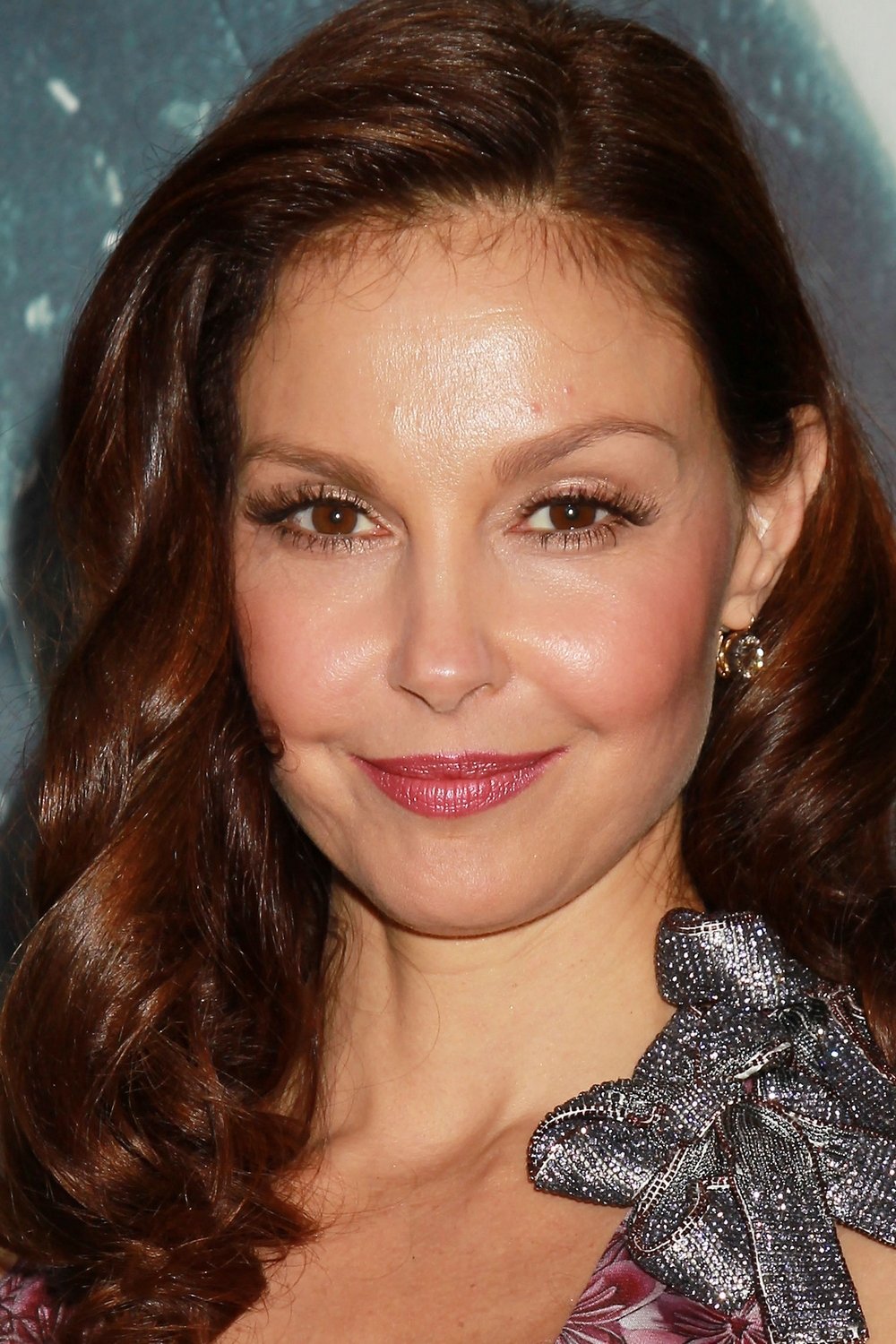
I was absolutely floored learning about the lengths Harvey Weinstein went to destroy careers, and this actress’s story is particularly heartbreaking. Apparently, he actively badmouthed her to directors, painting her as difficult to work with, effectively blacklisting her. It’s chilling to think this coordinated effort cost her roles in huge franchises like ‘The Lord of the Rings.’ What’s even more remarkable is that she was one of the first women to publicly accuse him of misconduct, and her lawsuit really pulled back the curtain on just how easily someone’s career – and life – can be dismantled through behind-the-scenes manipulation. It’s a truly disturbing and important story.
Mira Sorvino
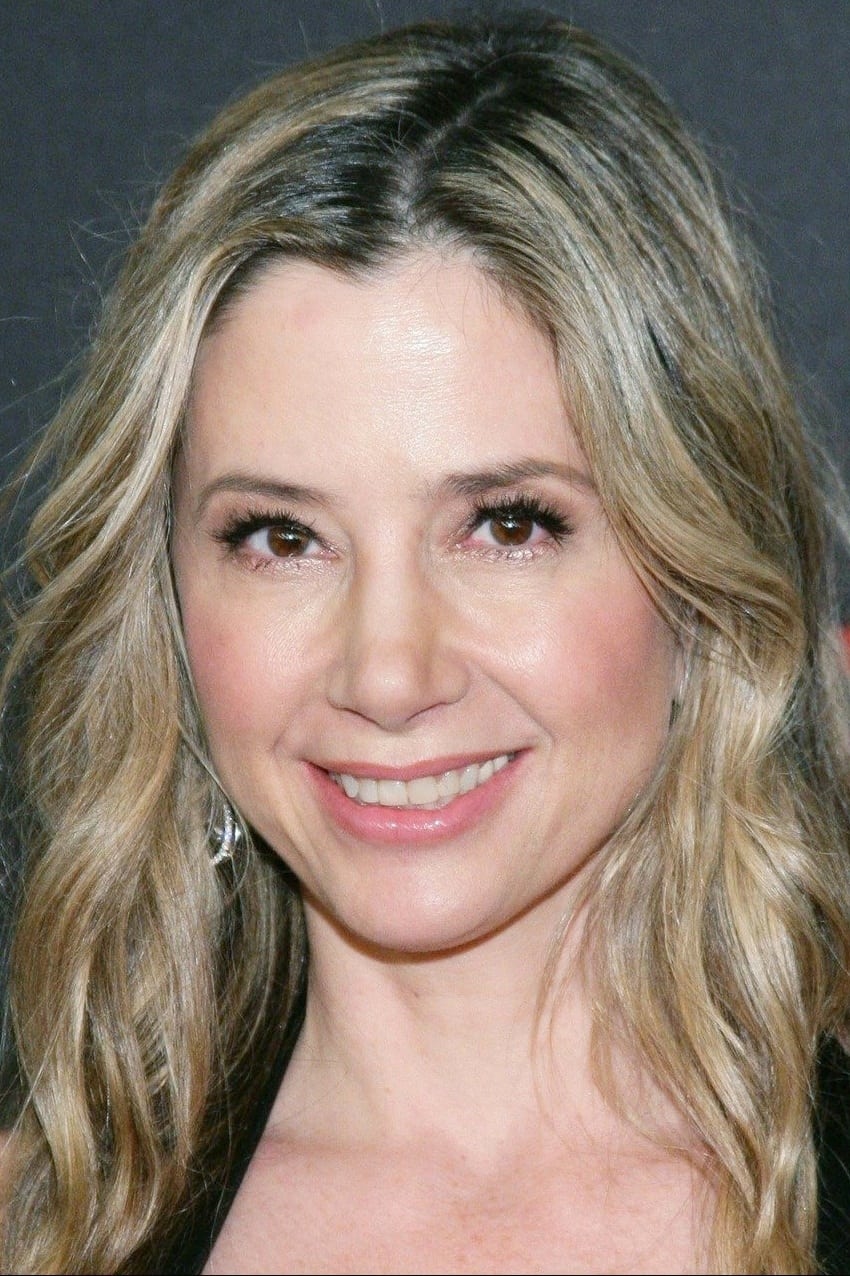
After winning an Academy Award, her career unexpectedly stalled. It later came out that Miramax leaders had warned directors not to work with her. This was because she had rejected the unwanted romantic advances of a very influential producer. For years, she struggled to understand why the film industry had seemingly abandoned her at the height of her career. The reason finally became public during the widespread revelations of the Me Too movement.
Salma Hayek Pinault

The actress described the significant stress and intimidation she experienced while filming ‘Frida’. She revealed that a high-ranking executive tried to force her to do things his way by threatening to halt the movie. This created a challenging work environment that made it hard to get future leading roles without facing the same issues. She constantly had to defend her artistic choices against a system that seemed determined to take advantage of her. Ultimately, her strength and determination allowed her to become a successful producer and a voice for positive change.
Rose McGowan

After reporting an assault by a powerful executive, the actress found her career in mainstream films effectively ended. She turned to independent films and activism to avoid the harmful environment of the major studios. Her outspoken criticism of Hollywood’s leadership made her a controversial figure, but she was instrumental in revealing widespread abuse within the film industry.
Annabella Sciorra

I was so heartbroken to hear about what happened to her. After a truly awful experience with a powerful man in the industry, it felt like everything changed overnight. She suddenly found it impossible to get the same kinds of roles that had made her a star, and it was devastating to watch as others thrived while she was unfairly shut out. For years, she bravely stayed silent, but eventually, she found the courage to speak up. Her story was incredibly powerful and, thankfully, helped bring some much-needed accountability to those who had abused their power.
Courtney Love
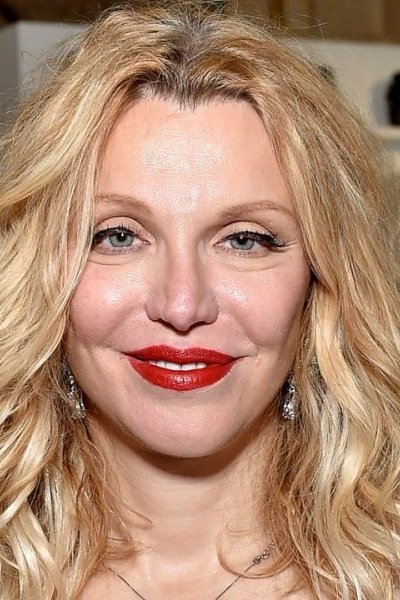
The actress alleges her career suffered after she spoke out about inappropriate behavior by some producers, warning other women about their actions. She had previously earned praise for her performance in ‘The People vs. Larry Flynt,’ but then received fewer job offers. She believes powerful figures in the film industry worked together to prevent her from landing significant roles, often using her reputation as someone who challenges norms as an excuse to exclude her. She continues to be a strong voice against the industry’s practice of silencing those who report misconduct.
Vanessa Williams
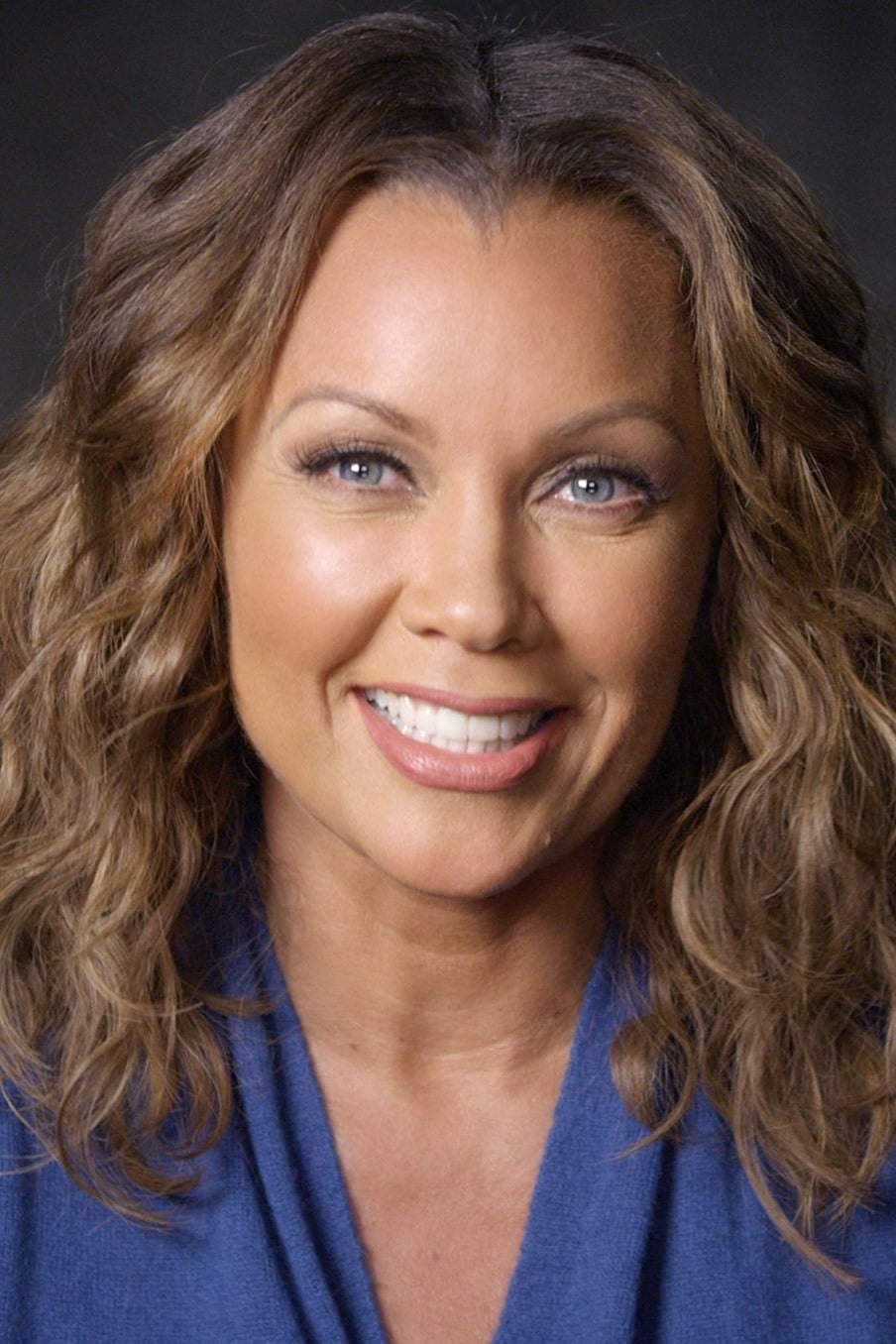
After private photos were released without her permission, she had to give up her Miss America title. This caused a major scandal, and she was largely avoided by the entertainment industry. Many people thought her career was finished before it even started. However, she worked hard and successfully reinvented herself as a musician and actress, finding success on Broadway and television. Her story shows how talent and determination can help someone overcome a difficult situation created by negative media attention.
Megan Fox
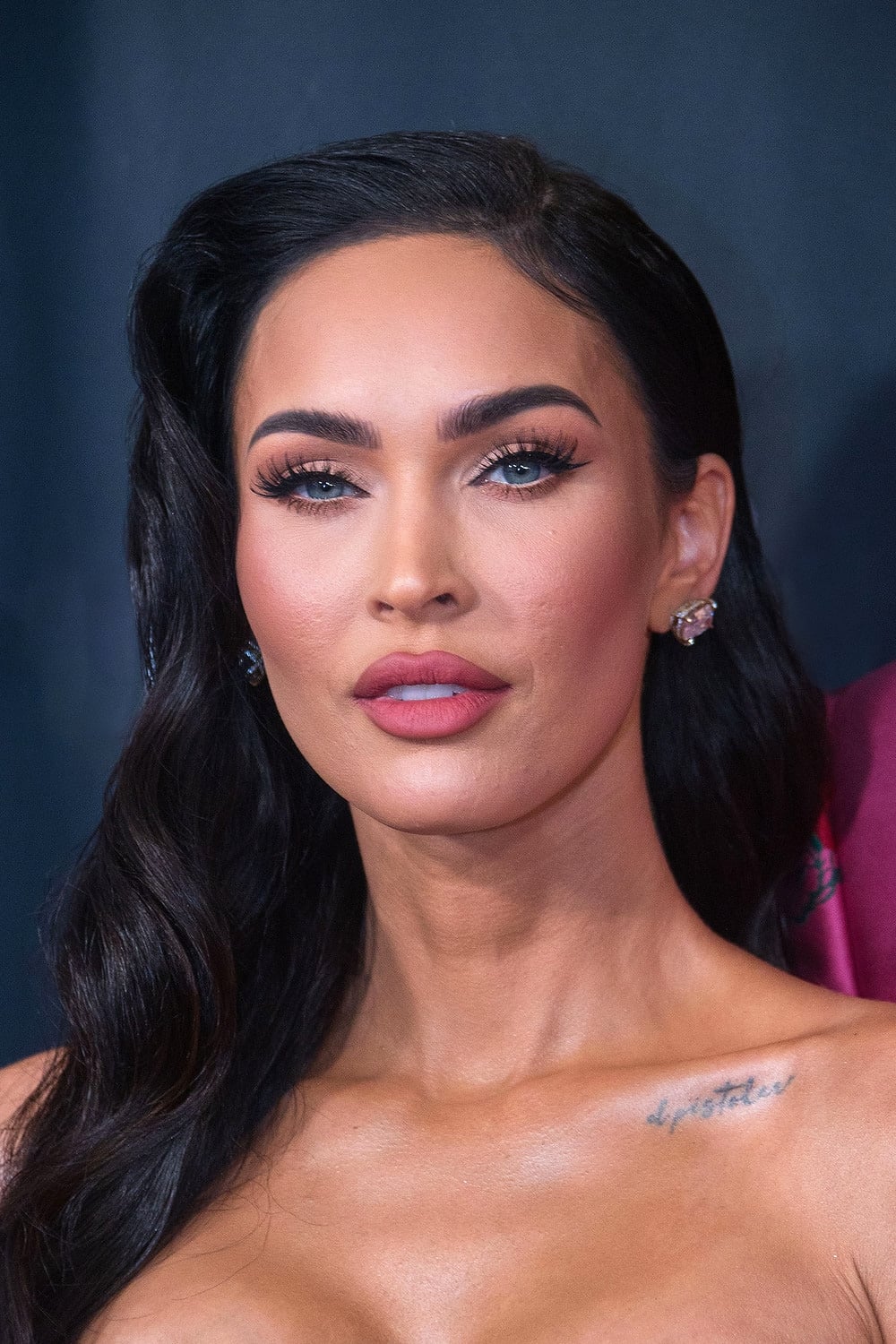
She lost her role in the ‘Transformers’ movies after making offensive remarks about the director, specifically comparing him to controversial historical figures. This caused a very public dispute and negative reactions within the film industry. As a result, she had difficulty finding work in major studio films for several years. The media frequently focused on her personal life and how she looked, instead of her talent as an actress. She’s since discussed the sexism she faced as a young actress in Hollywood.
Sean Young
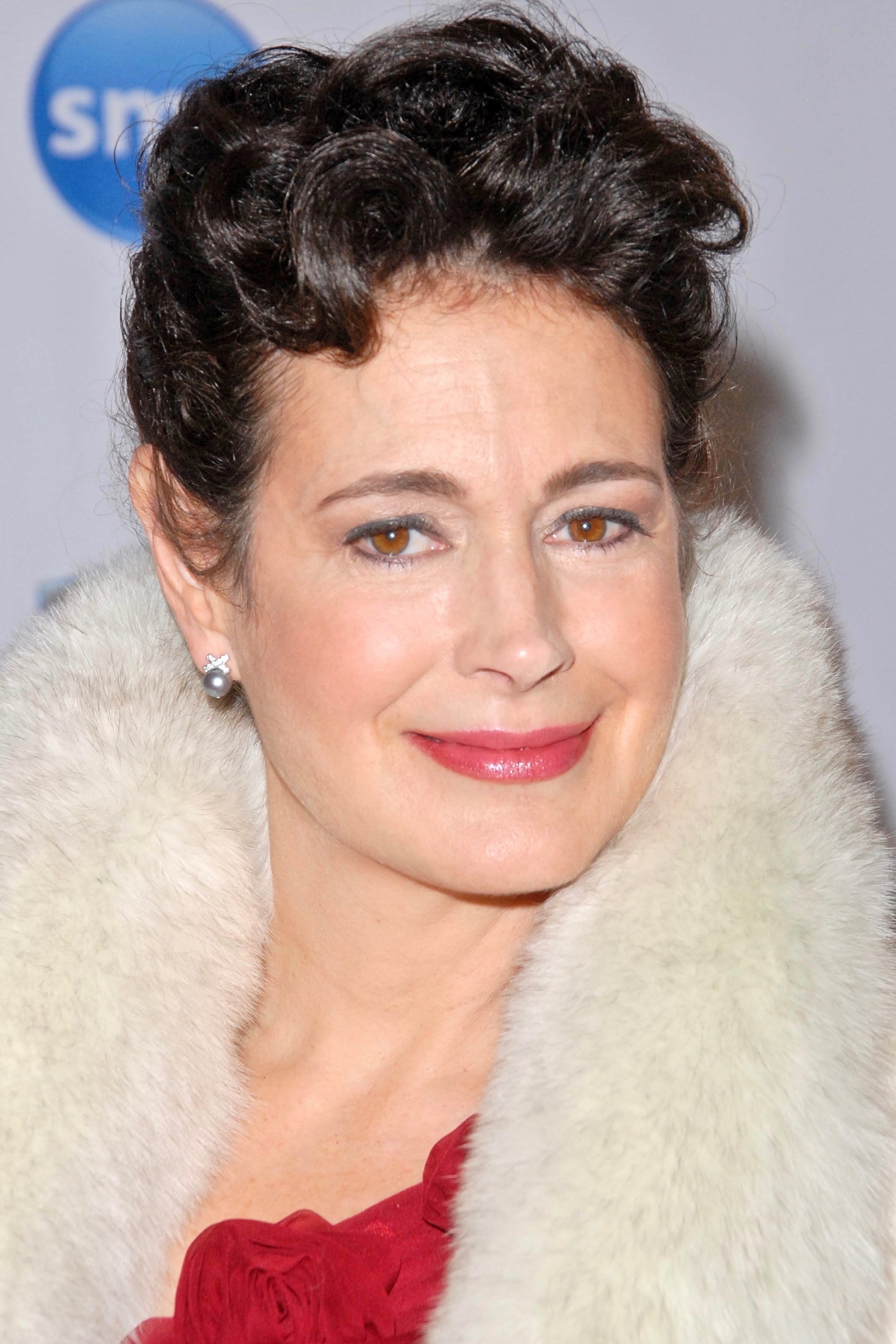
After several public disagreements with prominent actors and directors, she became known as someone challenging to work with. A particularly memorable incident involved her showing up at a studio dressed as Catwoman, hoping to land the role. This behavior led to major studios and agencies wanting to avoid her. She believed powerful figures in the industry conspired to sabotage her career, which ultimately shifted towards smaller independent films and brief appearances.
Shannen Doherty
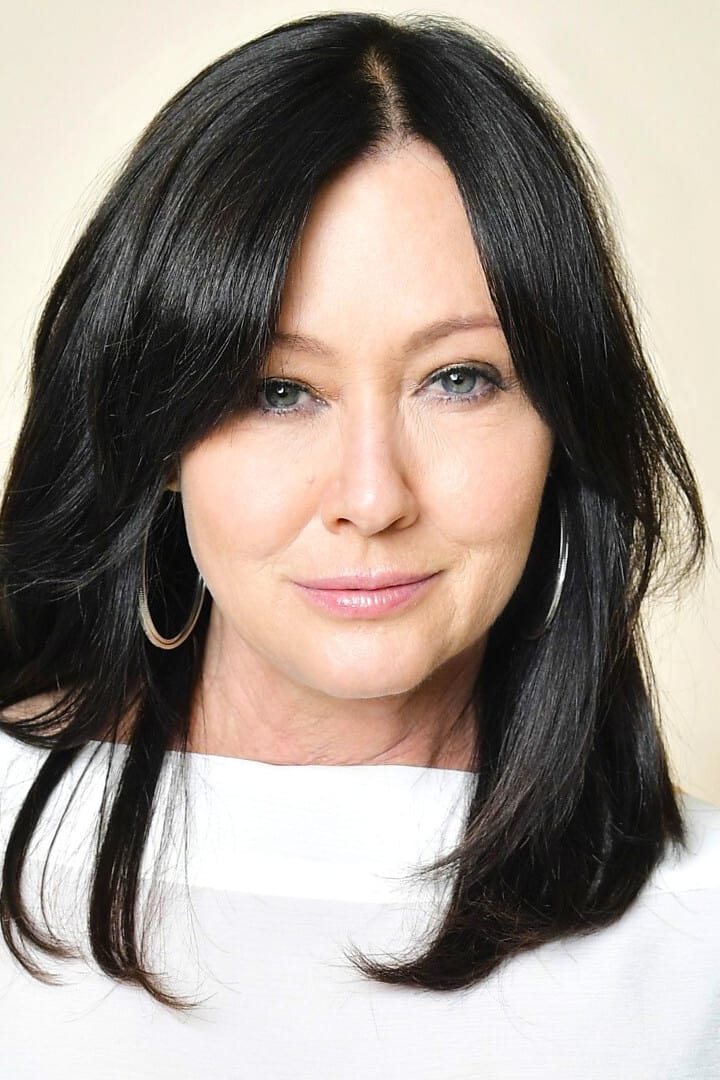
After being let go from two popular TV shows due to reported on-set conflicts, she gained a reputation for being difficult to work with. This made it hard for her to get leading roles in movies for a while. Later, she cleverly used this public image to her benefit in new roles. Her story shows how quickly the entertainment industry can label women as problematic, often based on gossip and sensationalized news reports.
Winona Ryder
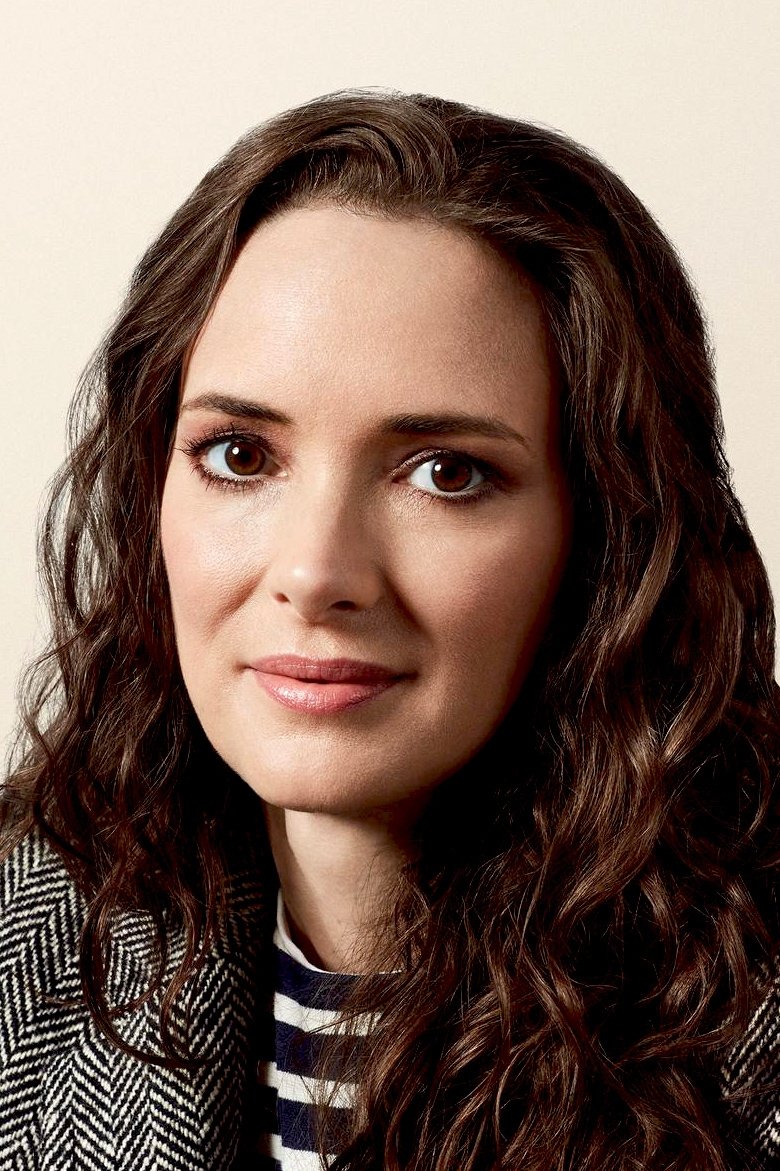
Early in the 2000s, a very public shoplifting arrest caused a long break in her acting career. The intense media attention on the trial eclipsed her previous work, and she lost film insurance. Because of the negative publicity and perceived risk, movie studios were hesitant to cast her. She spent years taking smaller roles in independent films before eventually making a successful return to television. Her story highlights how challenging it can be to rebuild a career when facing intense public criticism.
Jane Fonda
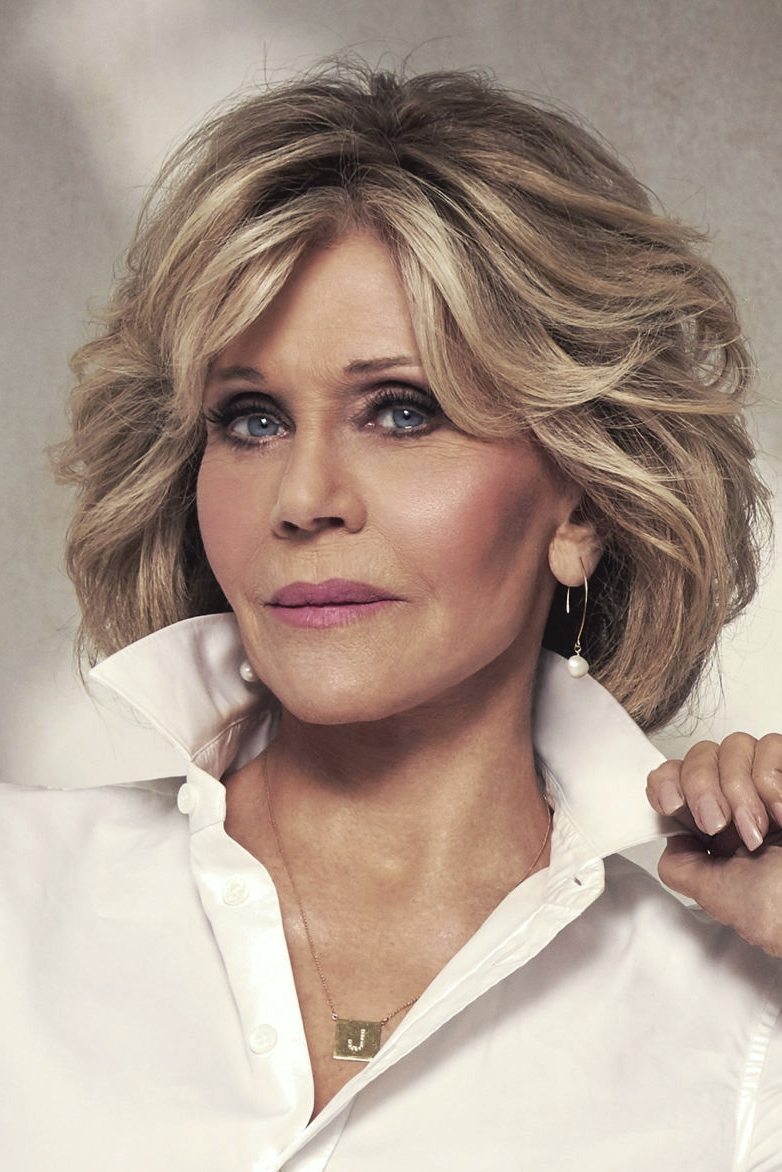
Jane Fonda faced significant career setbacks because she publicly opposed the Vietnam War. A trip she took to Hanoi led to harsh criticism and calls to boycott her movies, earning her the nickname “Hanoi Jane.” Hollywood studios largely avoided working with her for years, worried about upsetting conservative audiences. She continued her career by independently producing her own films and venturing into the fitness industry. Her outspoken political views remain a highly debated topic in Hollywood history.
Eartha Kitt
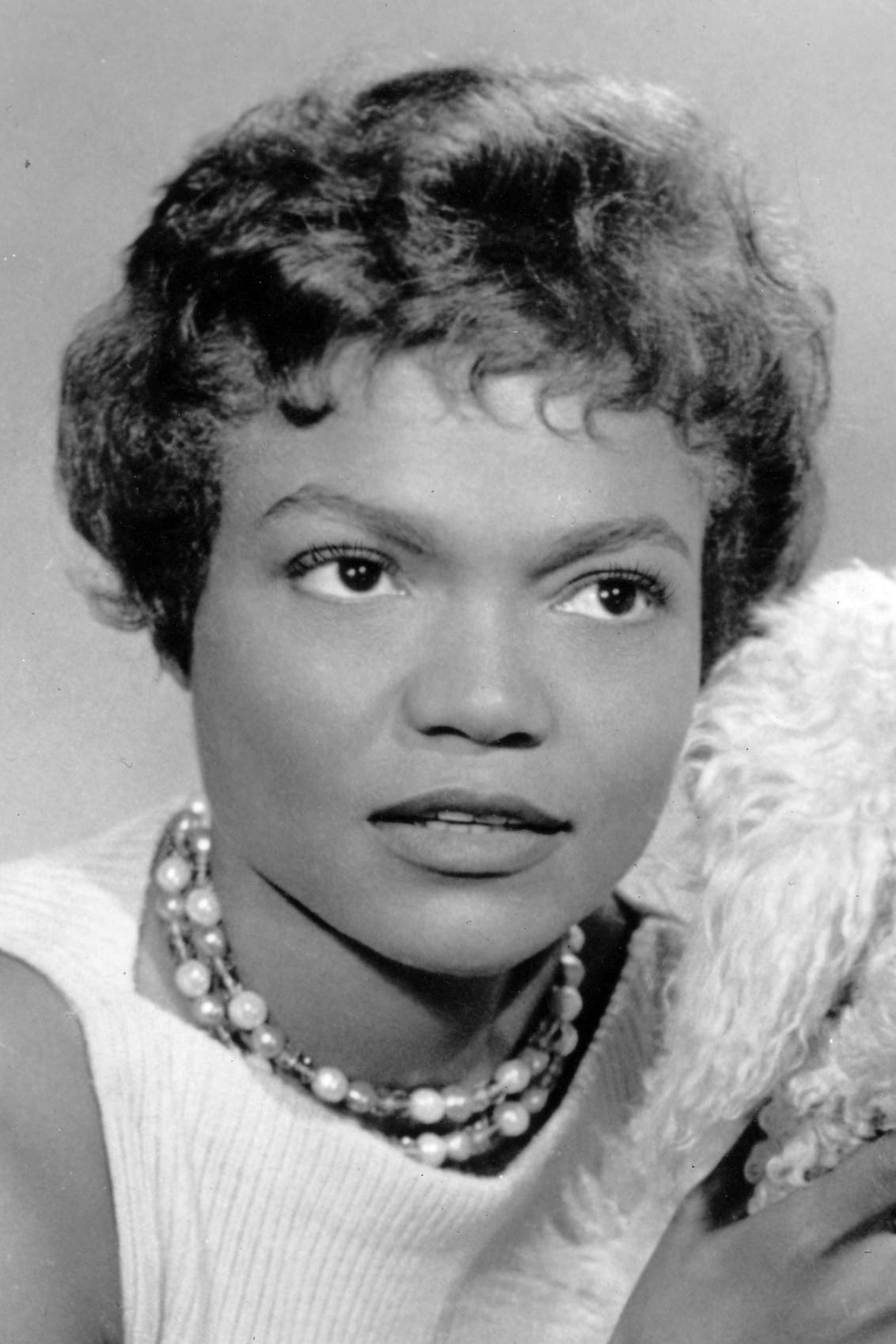
After speaking out against the Vietnam War at a White House event, she faced a decade-long unofficial ban from working in American entertainment. The CIA investigated her, and a negative media campaign followed, making it impossible for her to find work in the US. She had to move to Europe to continue performing. While she eventually worked in America again, this period significantly damaged her career. Throughout her life, she never regretted her views.
Jean Seberg
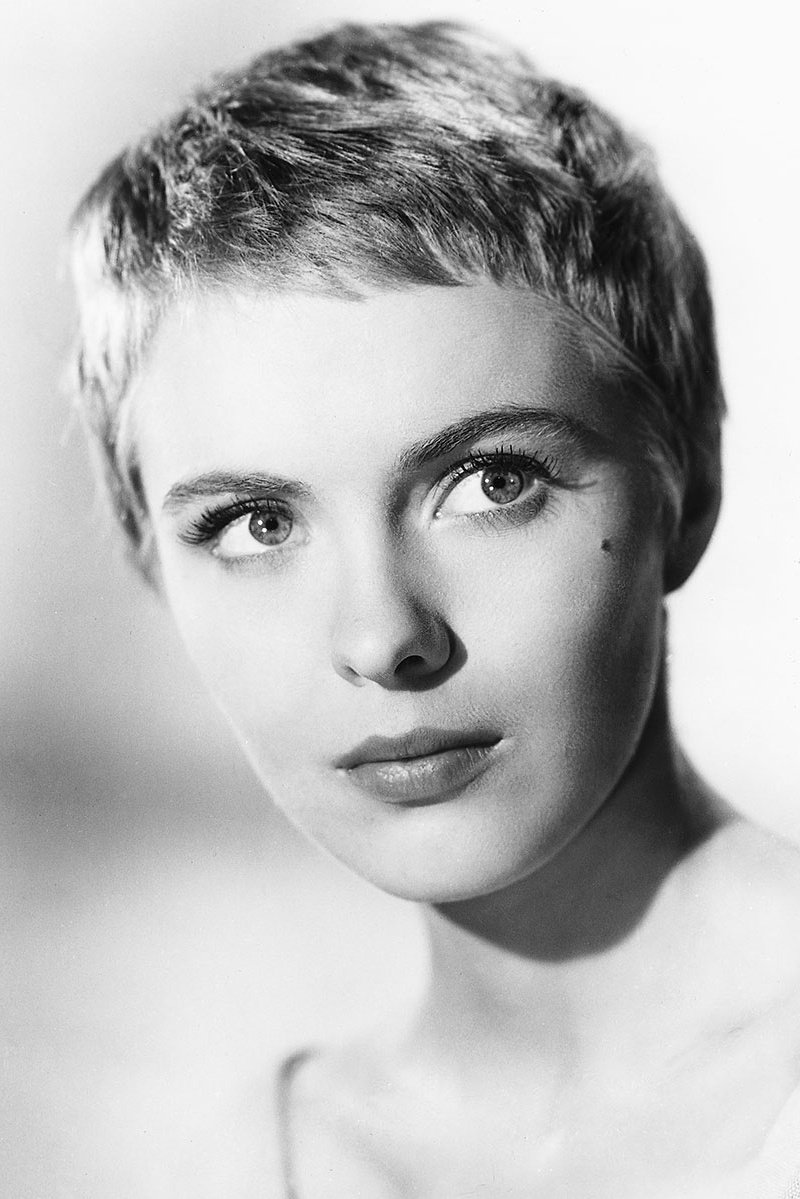
Because of her activism with civil rights groups, the FBI deliberately worked to damage her reputation. They spread untrue stories to the media, which deeply harmed both her personal life and her career. This ongoing harassment took a toll on her mental health and caused her to lose standing in Hollywood. As a result, she spent much of her later career working in Europe to avoid attention from American film studios. Her experience is a heartbreaking illustration of how government actions can ruin someone’s life and career in the entertainment industry.
Louise Brooks
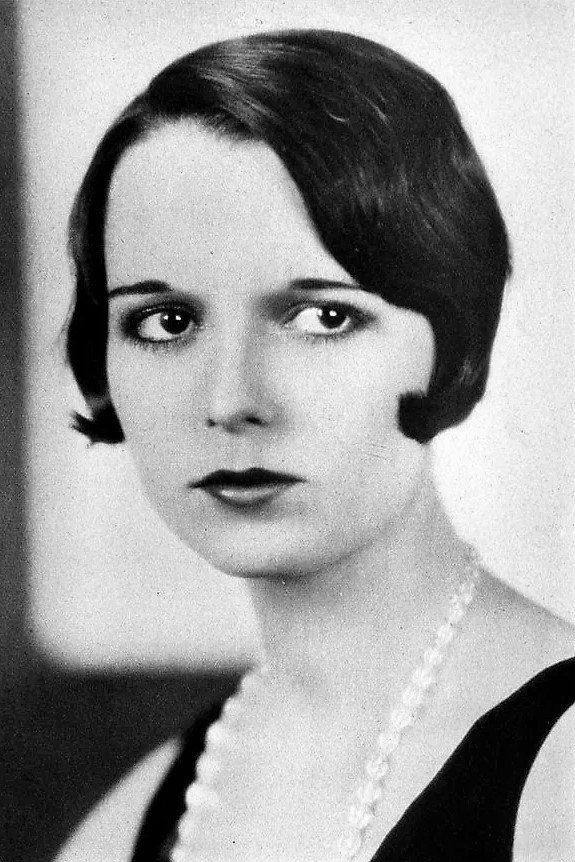
At the peak of her career, she walked away from Hollywood after refusing to add sound to her last silent movie. This act of independence angered the studio bosses, and she was quietly blacklisted by most major film producers. She spent several years in Europe, where she created some of her most acclaimed work. When she returned to the United States, she discovered her days of starring in mainstream movies were over. She later reinvented herself as a well-respected film historian and writer.
Anna May Wong
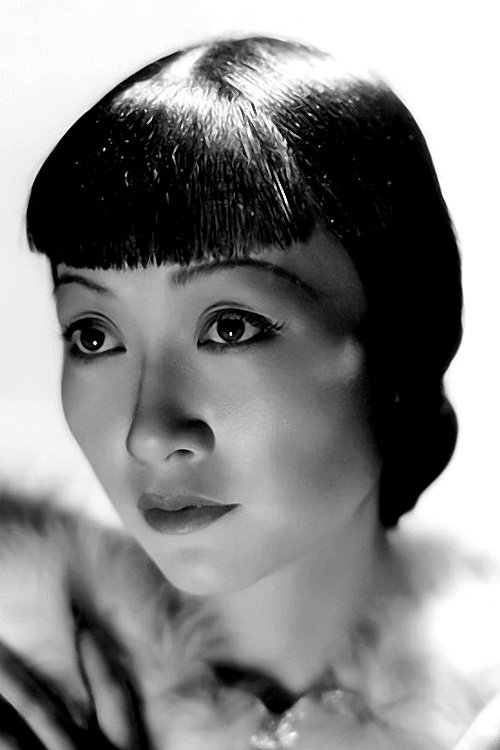
Throughout her career, she consistently faced prejudice and was often denied leading roles, with white actresses instead cast in stereotypical portrayals of Asian characters – the film ‘The Good Earth’ being a well-known instance, impacted by laws against interracial relationships. Seeking more respectful parts, she even moved to Europe. Despite being incredibly talented, she was largely limited to minor roles that didn’t represent her background accurately. Her journey as an actress was a continuous battle against the widespread racism prevalent in the old Hollywood studio system.
Lupe Vélez
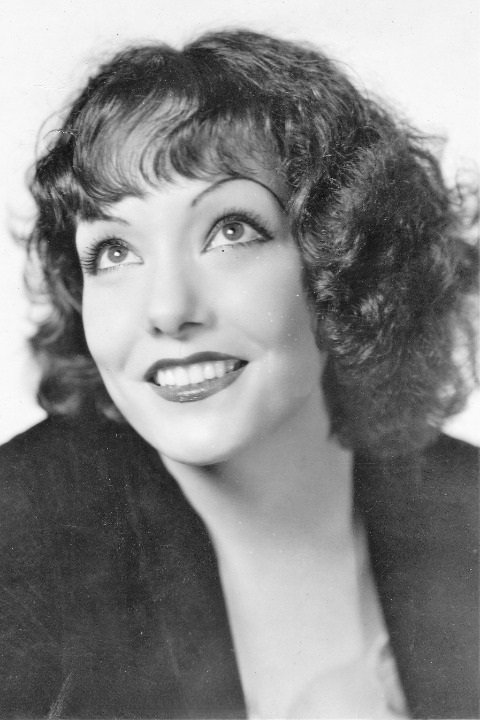
As a movie fan, it really frustrates me how Hollywood treated Lupe Vélez. She was so much more than the ‘fiery Latina’ they kept casting her as – they just didn’t seem to appreciate her talent. The tabloids were obsessed with her personal life, and it unfairly hurt her career. She really pushed back against being typecast in those ‘Mexican Spitfire’ movies, but the studios wouldn’t give her the chance to play more serious, dramatic roles. It’s a shame she felt stuck professionally. And sadly, her incredible work often gets lost because people focus more on the tragedy of how she died and all the rumors surrounding it.
Dolores del Río
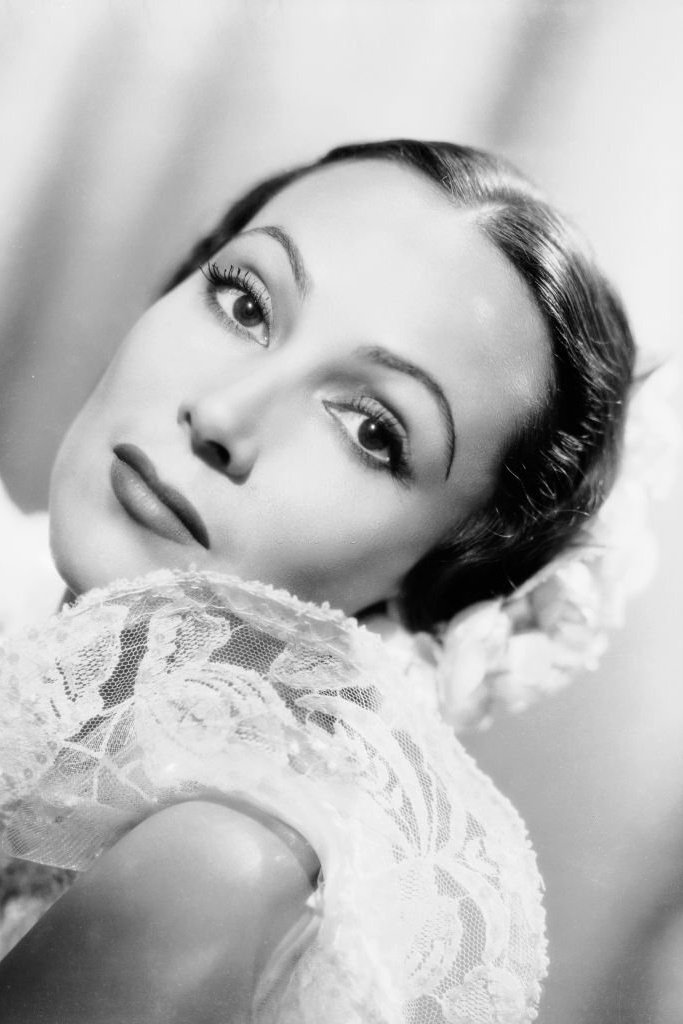
Feeling limited by the roles available in Hollywood, she moved to Mexico. With the rise of sound in film, she encountered prejudice and criticism due to her accent. In Mexico, she became a leading star during the Golden Age of its cinema, enjoying greater creative control. Her decision to leave Hollywood stemmed from the close-mindedness of studio heads at the time. Though she occasionally returned for roles in America, she largely remained a prominent figure in international films.
Hattie McDaniel
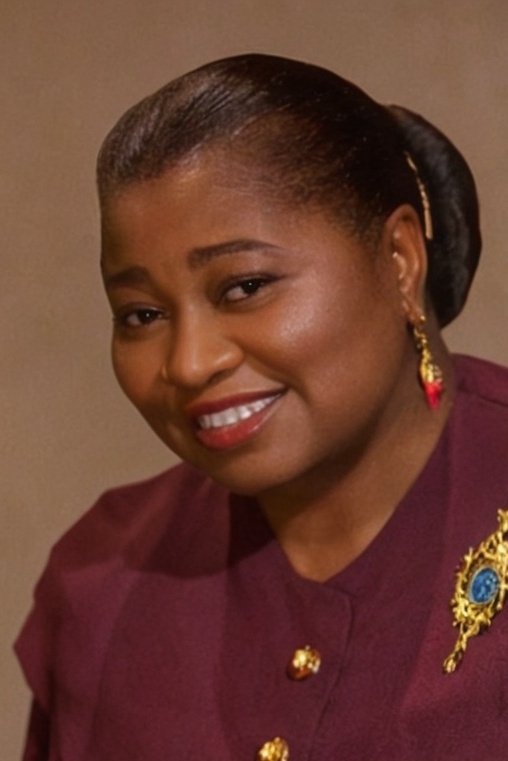
As a classic film fan, it’s always struck me how complicated her career was. She was a real pioneer, but Hollywood really boxed her in. She kept getting offered roles as maids and housekeepers, and it wasn’t for lack of talent! The NAACP rightfully called her out for taking those parts, feeling they reinforced harmful stereotypes. But the studios wouldn’t give her anything else! It was a terrible double bind, making it nearly impossible to build a lasting career. She was a fascinating, complex actress who tried to break the mold from within a system that just wasn’t ready for her.
Judy Garland
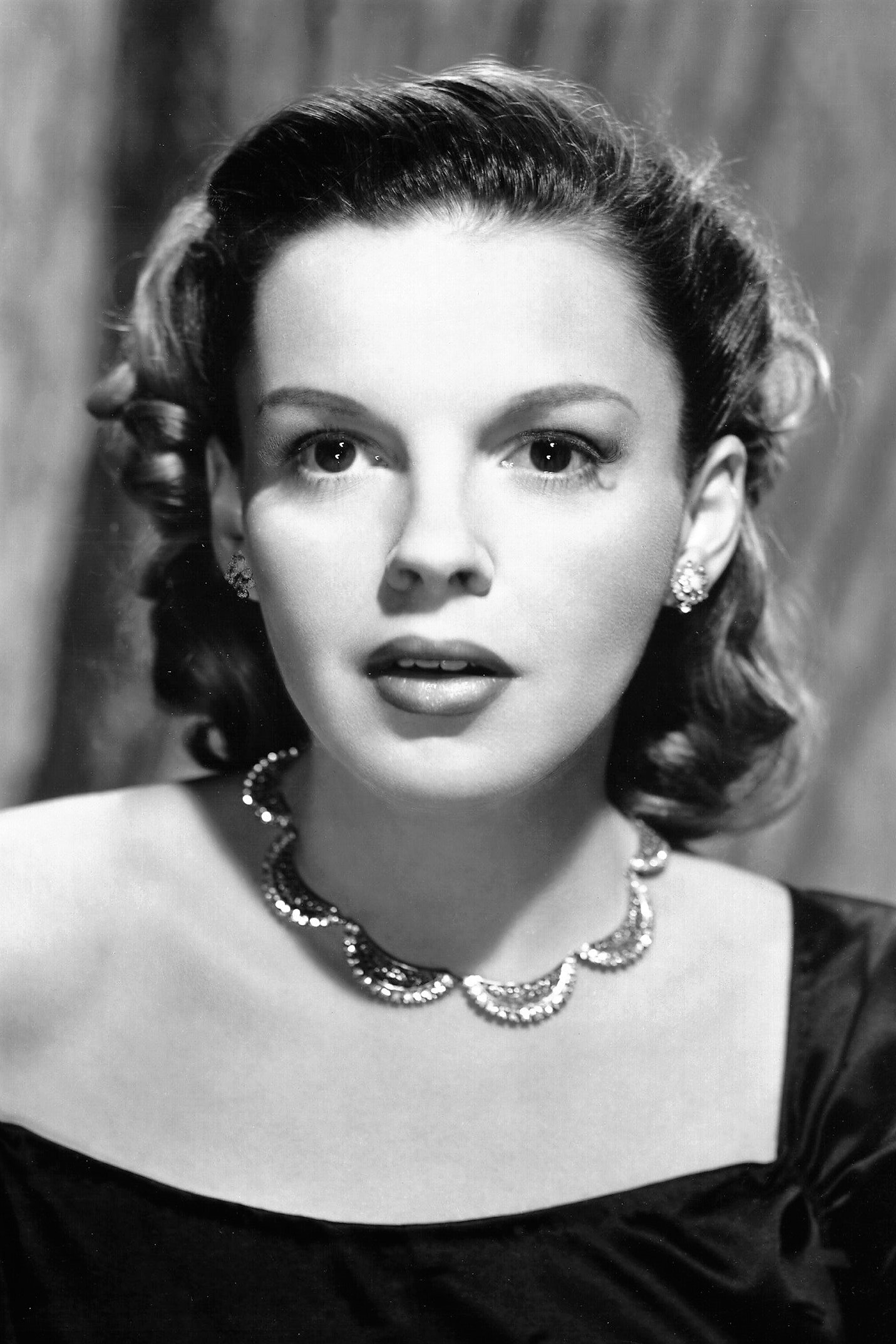
From a young age, Metro Goldwyn Mayer put immense physical and emotional strain on her. The studio allegedly gave her drugs to manage her weight and energy, which caused her problems for the rest of her life. When her health declined, her contract was cancelled and she was unfairly branded as difficult to work with. She worked hard to revive her career by performing live and taking on independent films. Ultimately, her experience with the studio was one of being used and then discarded.
Marilyn Monroe
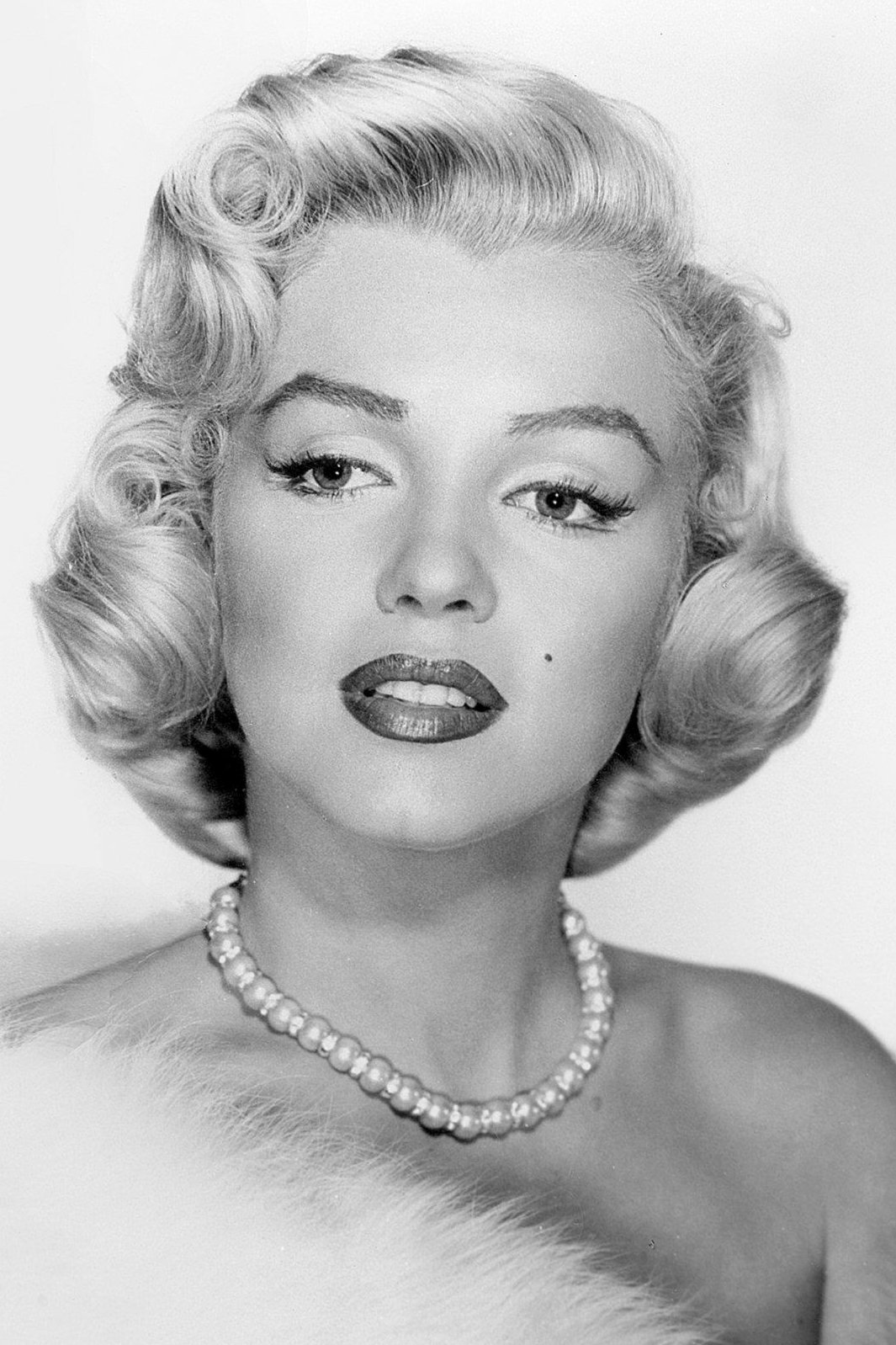
As a critic, I’ve always been fascinated by this actress’s story. She wasn’t just a pretty face; she was a real trailblazer. Back in the day, she actually walked away from a contract with a major studio, Twentieth Century Fox, because she deserved better pay and wanted to have a say in the roles she played. She was fed up with being typecast as just another ‘dumb blonde’ and truly wanted to hone her craft. The studio, predictably, didn’t take it well – they tried to punish her and even smear her reputation. But she fought back, and ultimately won! She even started her own production company, which is how ‘The Prince and the Showgirl’ came to be. It was a huge moment, really – a real statement about actors taking control of their careers and demanding respect. It showed everyone that stars didn’t have to simply accept what the studios handed them.
Sharon Stone
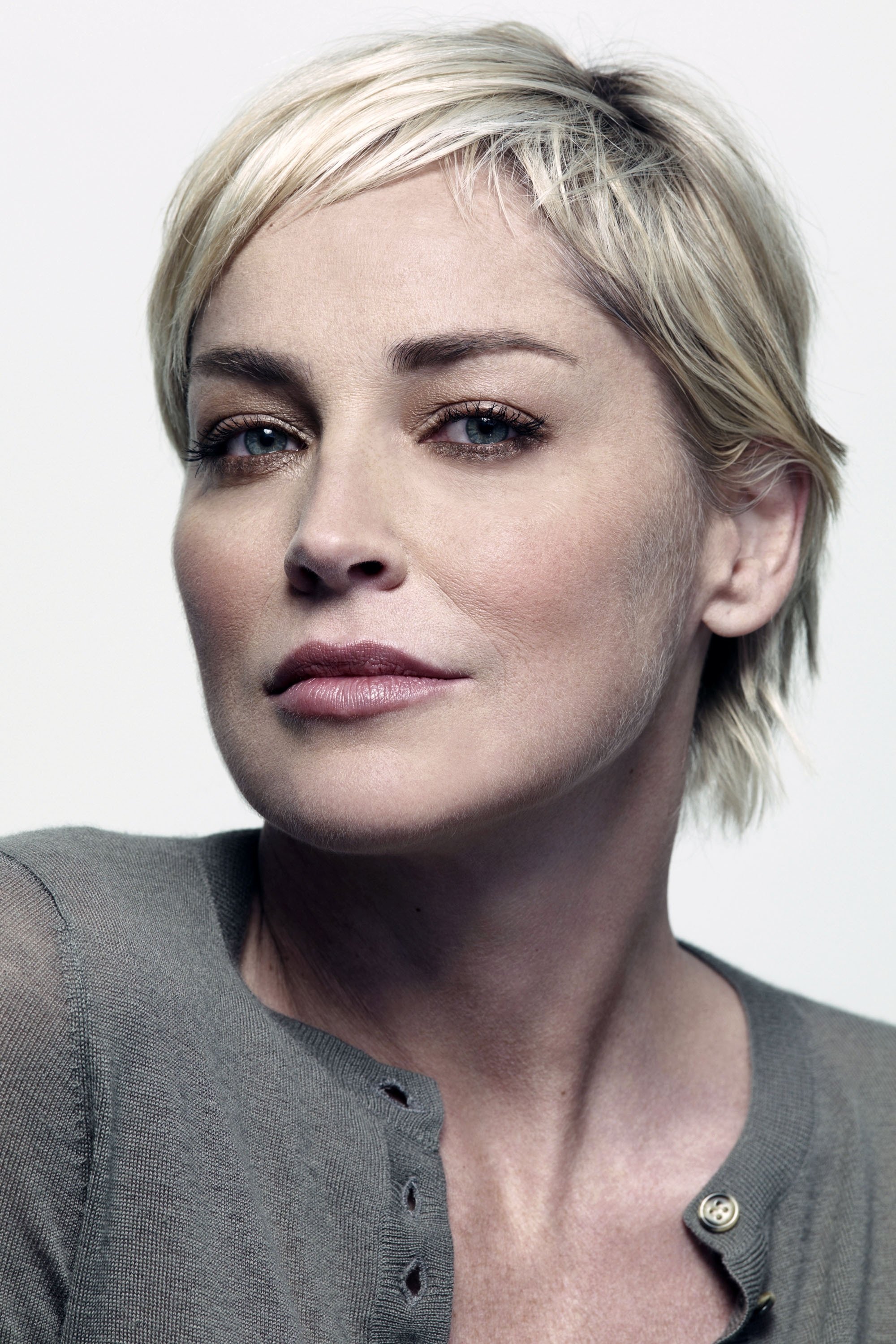
I remember when she was huge in the nineties, but she quickly got a reputation as someone ‘difficult’ – and honestly, it was because she called out the unfair treatment she was getting compared to the men she worked with. It was frustrating to watch because it seemed like, as she got older, Hollywood just started pushing her to the side. She had trouble getting movies made, even ones she wanted to produce herself, and it really showed how much harder it was for successful women to get a fair shake. It just highlighted the double standards that still exist in the industry, even then.
Geena Davis
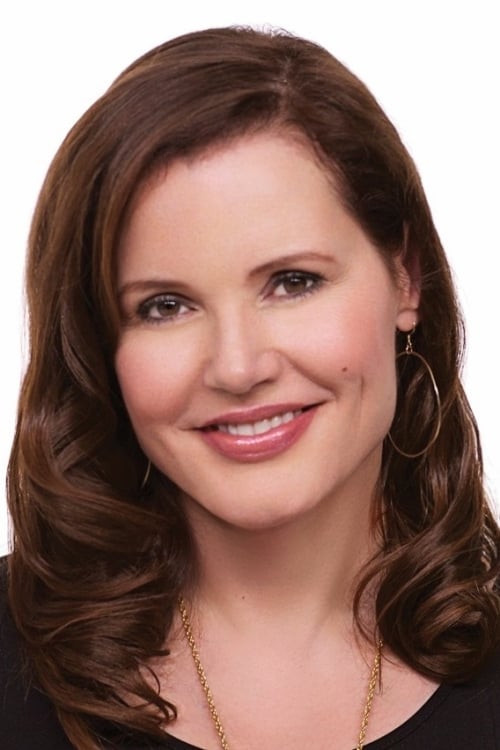
As the actress approached her late thirties and early forties, she found that opportunities for prominent roles began to decrease significantly. This led her to become a strong voice for greater gender equality and diversity in the media. She established an institute dedicated to researching how women are portrayed in film and television, aiming to tackle ingrained biases within the industry. Many see her commitment to activism as a direct result of the industry’s habit of sidelining women as they age. She continues to work to break down the subtle obstacles that hold back women’s careers in entertainment.
Debra Winger
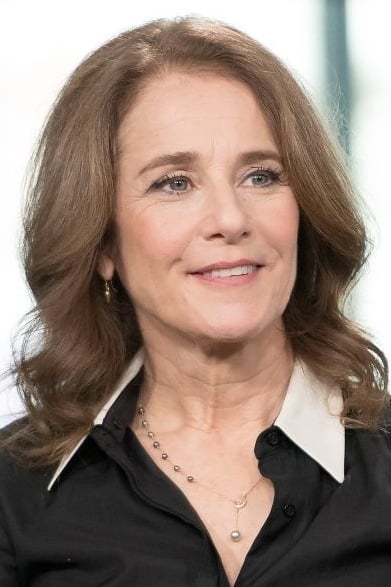
She was a dedicated and talented actress, but also known for being strong-willed and often disagreeing with those she worked with. She avoided the usual Hollywood promotion and publicity, which made her something of an industry outsider. She even turned down a significant part in ‘A League of Their Own’ because she didn’t approve of a particular casting choice. This refusal to compromise earned her a reputation as challenging to work with, and eventually led her to step away from acting to focus on her personal life.
Daryl Hannah
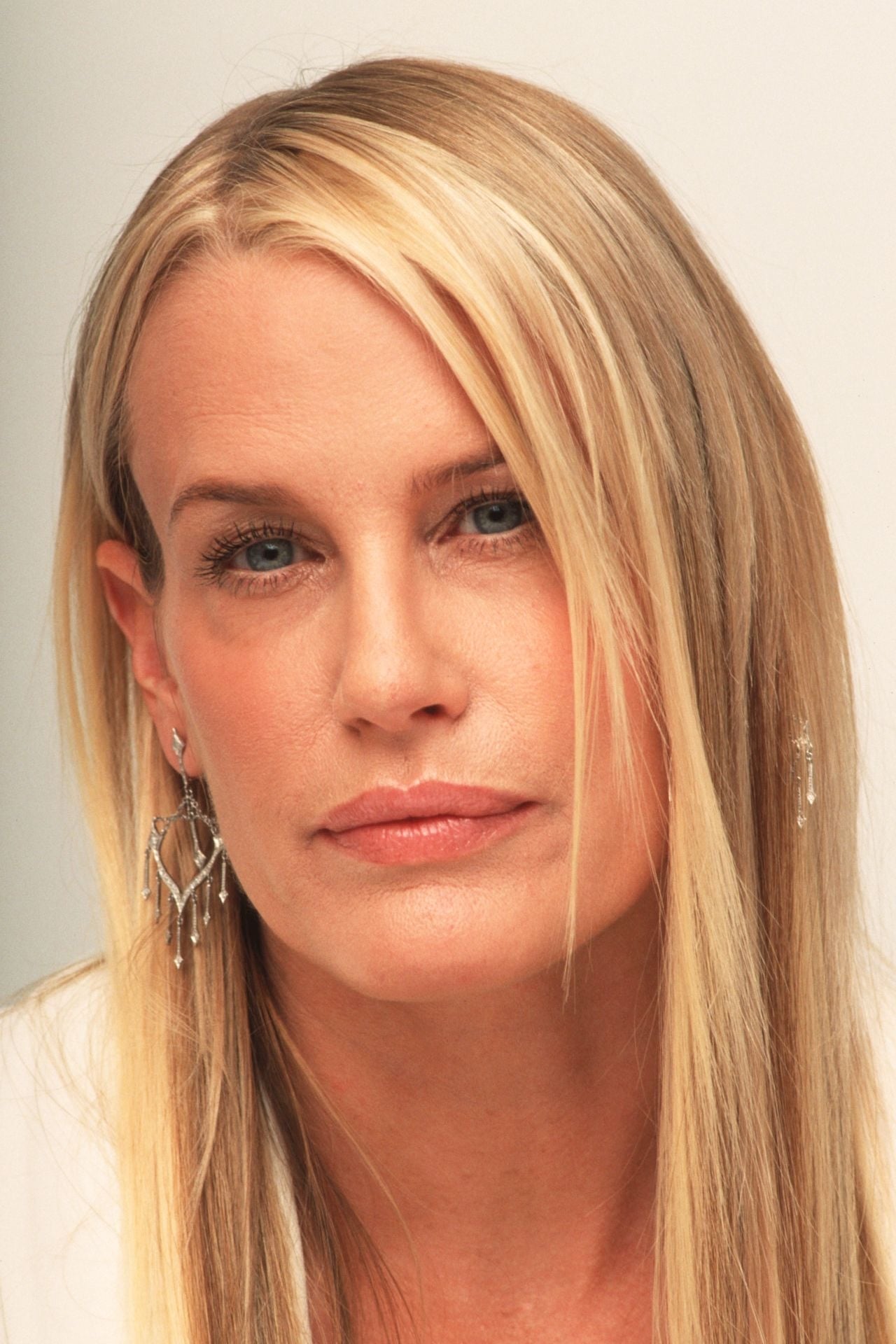
The actress said a powerful producer retaliated against her after she declined his invitation to a private meeting in his hotel room. Afterward, she noticed she was getting fewer and less significant roles. She was among the first to publicly discuss the widespread harassment happening in Hollywood. As a result, she focused more on independent films and working as an environmental activist, where she felt more in control. She later stated that these negative experiences significantly altered the course of her career.
Fairuza Balk

In the 1990s, she deliberately avoided becoming a typical Hollywood starlet, prioritizing her artistic vision. This meant choosing challenging, less conventional roles, which often clashed with what major studios wanted. She was critical of how young actresses were often treated as easily replaceable, and this led her to appear in fewer large-scale films. Today, she’s celebrated as a cult figure, known for her distinctive work in independent and genre films.
Elizabeth Taylor
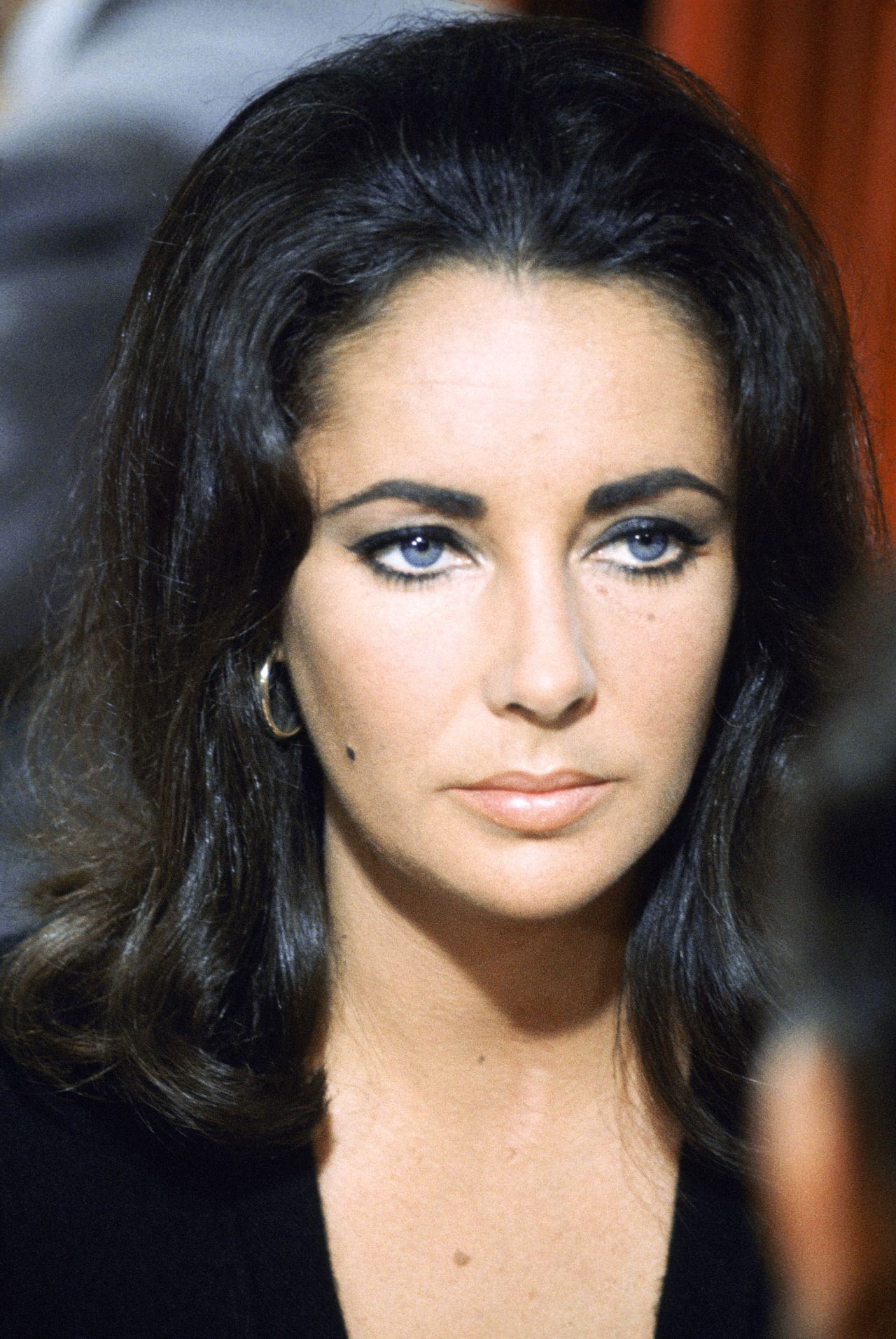
The making of ‘Cleopatra’ was incredibly difficult, and she endured intense public criticism and the threat of being shut out of future roles. Her health problems and highly publicized personal life caused major delays and dramatically increased the film’s cost. Despite studio executives considering replacing her on several occasions, her immense popularity prevented them from doing so. She ultimately became one of the first actors to earn a million-dollar salary, setting a new standard in the industry. Her resilience through these challenges solidified her position as a legendary figure in Hollywood.
Zhang Ziyi

She faced several public scandals reported widely in the media, which damaged her reputation and career in international films. These controversies largely focused on her private life and were heavily publicized by tabloids. As a result, she struggled to land the same prominent roles in Hollywood that she once had. She then turned her attention back to Chinese films, where she continued to thrive. Her story highlights how quickly the entertainment industry can change its opinion of international stars when they face public criticism.
Romy Schneider
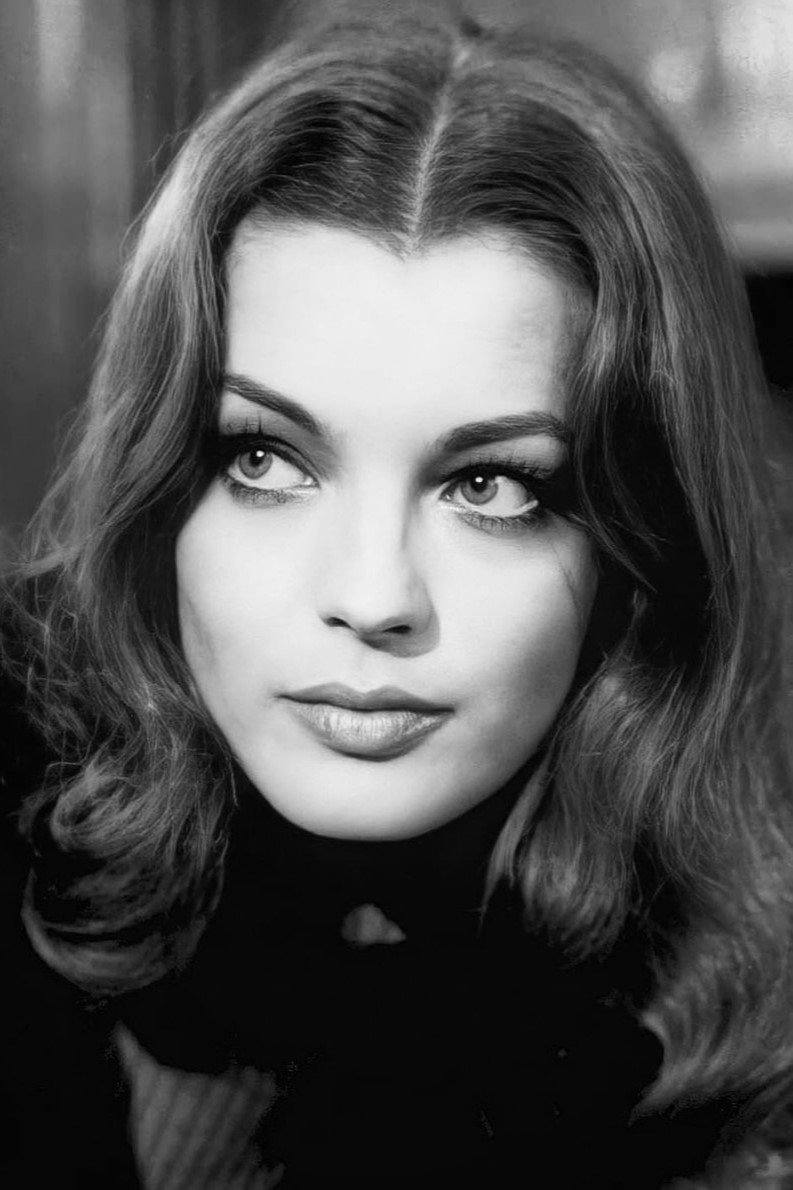
Romy Schneider found it difficult to shake off the innocent image she’d built with her early roles in the ‘Sissi’ films. When she tried to play more adult and daring characters in international movies, she faced pushback. Seeking artistic freedom, she moved to France, where Germany and the United States hadn’t allowed her to express herself. This move let her collaborate with famous directors and showcase her acting abilities. Ultimately, she became known as a sophisticated European artist, successfully breaking free from the roles that had defined her early career.
Marlene Dietrich
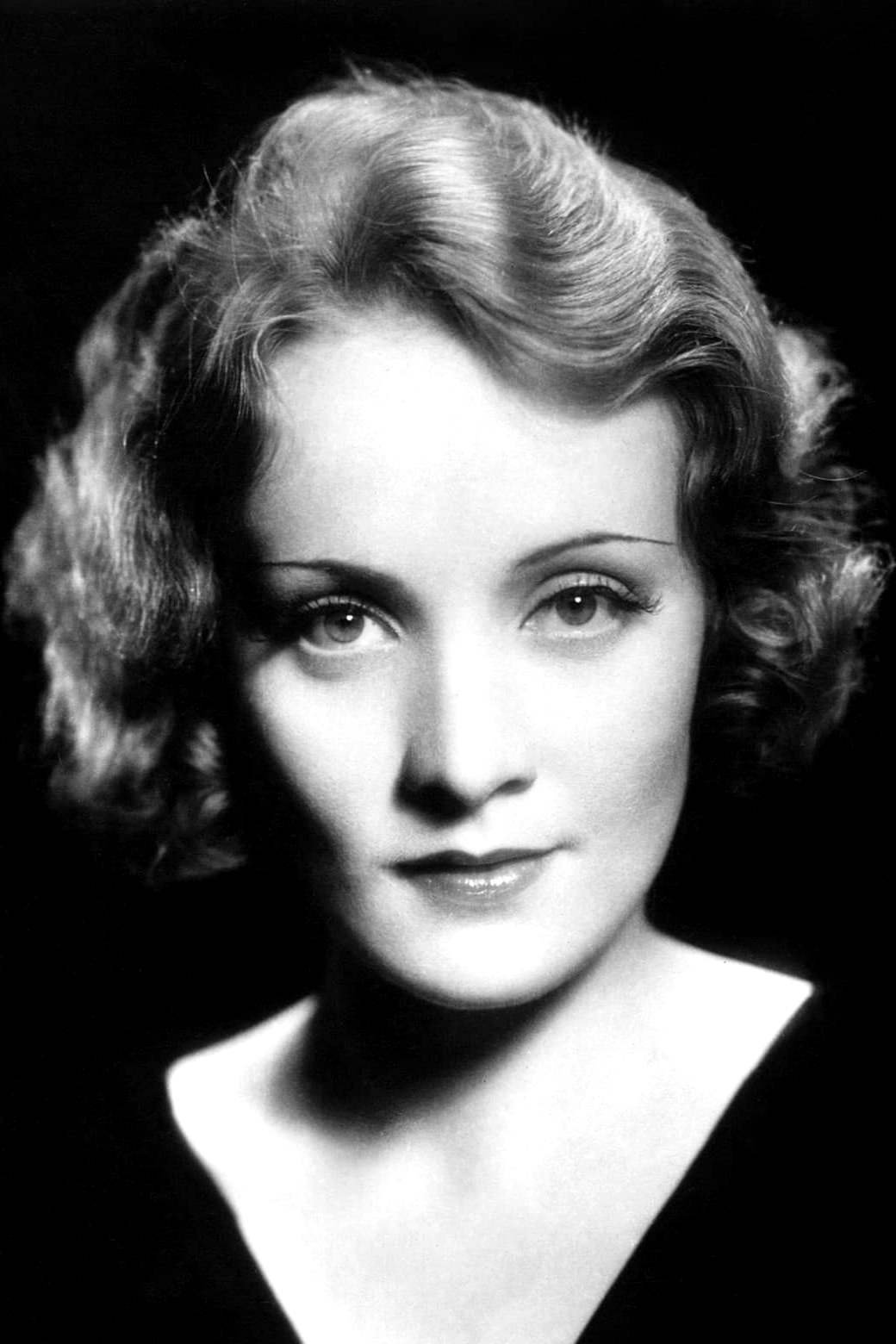
She strongly opposed the Nazi party, resulting in her films being prohibited in Germany, her home country. Choosing to become an American citizen and perform for soldiers during the war made her admired by some and considered a betrayer by others. Throughout the mid-1900s, her career faced challenges due to changing political times. As movie roles decreased, she transitioned to a thriving cabaret performance career. She remained an icon of resistance and glamorous courage until the end of her life.
Ingrid Bergman
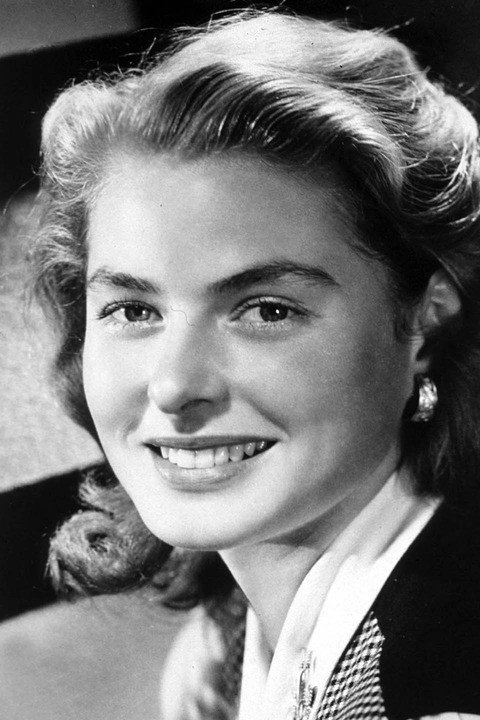
After having an affair with director Roberto Rossellini, she faced strong criticism in the U.S. Senate and a public backlash that led to Hollywood unofficially blacklisting her for several years. This forced her to live and work in Italy until attitudes in America shifted. When she finally returned to Hollywood, she won an Academy Award for ‘Anastasia,’ demonstrating how quickly the film industry’s expectations of its stars could change with their fortunes.
Greta Garbo
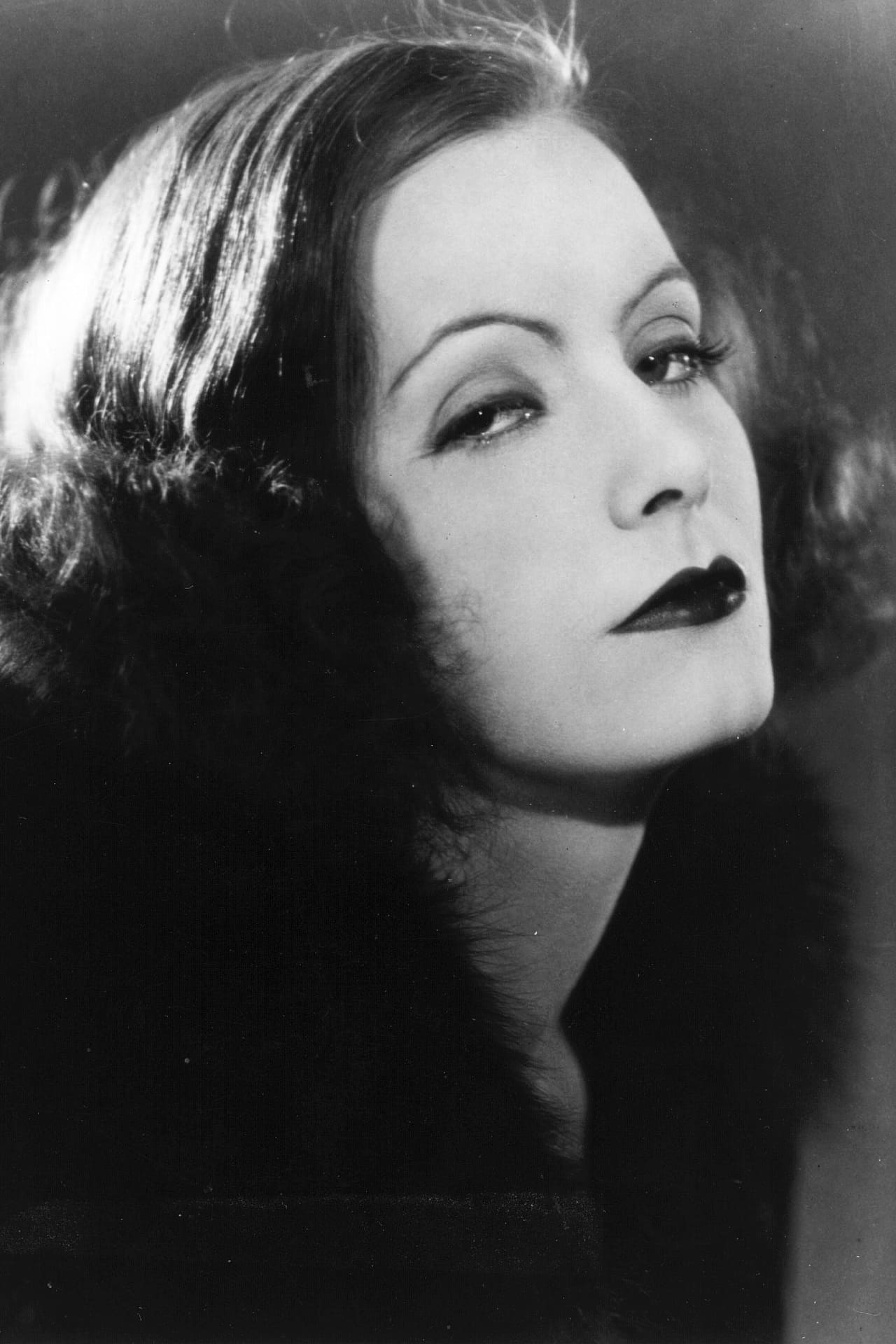
At the age of thirty-six, after her movie ‘Two-Faced Woman’ wasn’t successful, she famously withdrew from public life. The film studio tried to update her image, but it didn’t feel authentic to her or appeal to viewers. She didn’t want to participate in the usual promotional activities and became increasingly private. Although she received many offers to return to acting, she chose to live a private life for the rest of her days. Her decision to leave the screen remains a significant and unforgettable moment in film history.
Mary Pickford
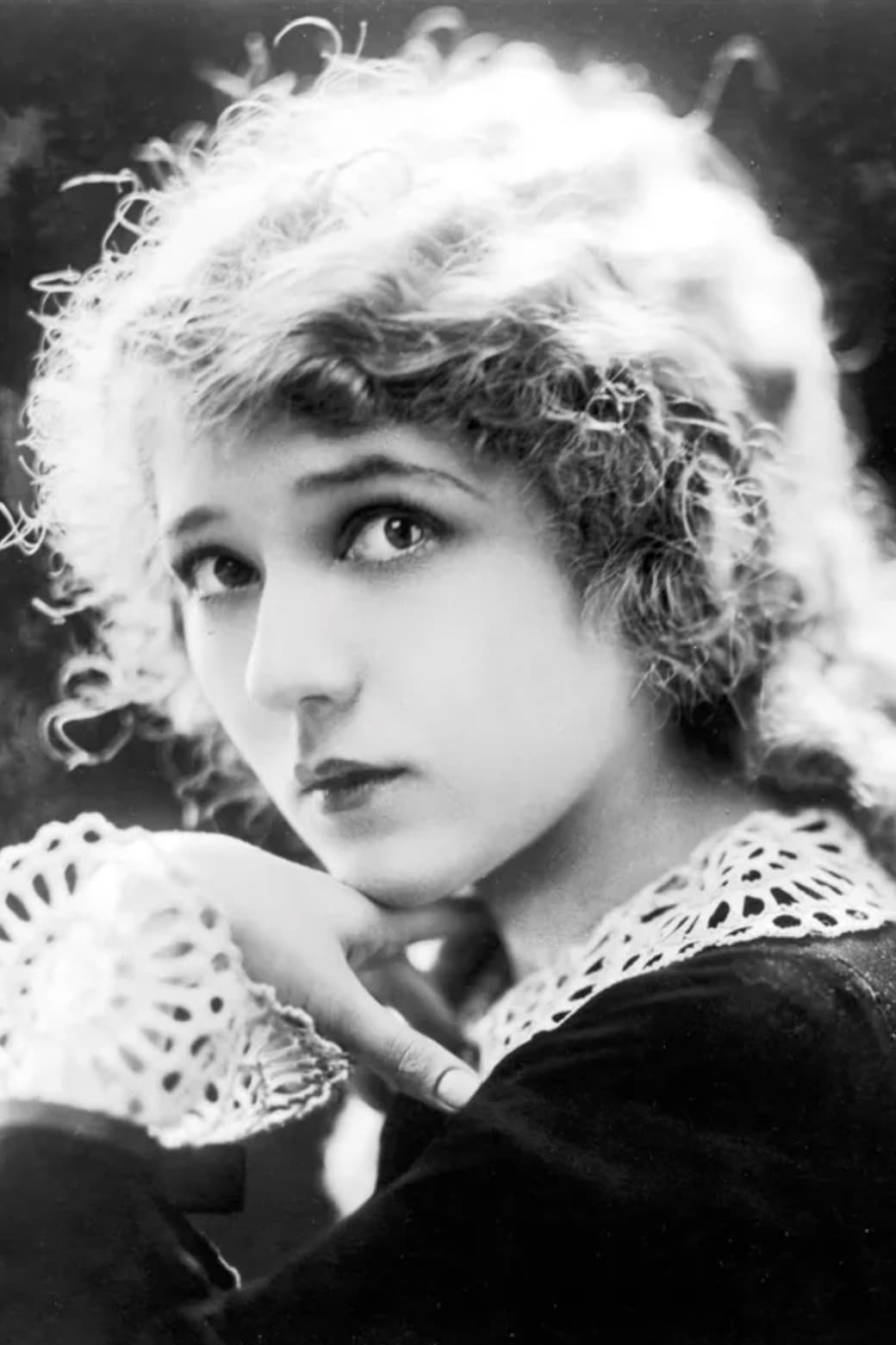
Mary Pickford was a major force in the early days of Hollywood. She even helped start United Artists to gain more control over her career, directly challenging the power of the established studios. Later in life, Hollywood struggled to offer her roles that weren’t typecast as ‘America’s Sweetheart.’ She eventually left acting to become a successful producer and leader behind the scenes. While respected, her growing influence in the business aspects of filmmaking often made male executives uneasy.
Grace Kelly
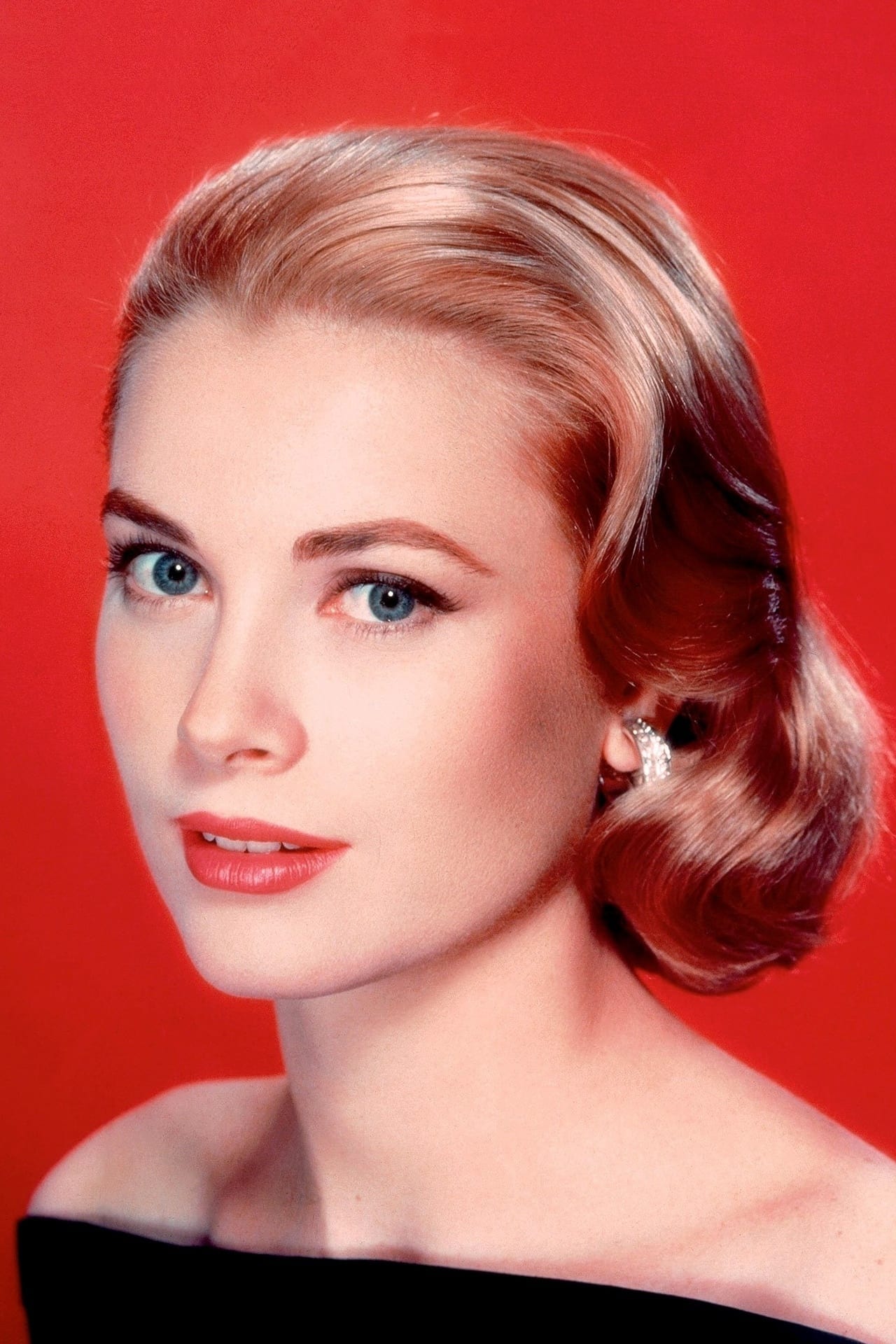
When she married into the Monaco royal family, she had to give up acting. Even after leaving Hollywood, her contract with Metro Goldwyn Mayer was so strict it wouldn’t allow her to take on new roles. They famously blocked her from starring in Alfred Hitchcock’s ‘Marnie.’ This contractual issue ended her film career, even though she wanted to act again sometimes. Her experience shows how contracts can limit what performers do with their lives, even beyond their work in movies.
Clara Bow
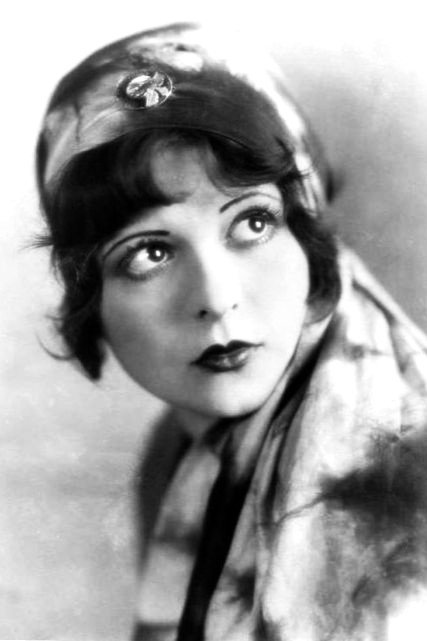
She was a major celebrity during the early days of film, but her career declined when movies started including sound. Her private life was constantly scrutinized by the media, and she was involved in several public legal disputes, which hurt her reputation. Film studios used her personal struggles and the resulting scandals as an excuse to stop casting her in leading roles. Eventually, she left Hollywood and moved to a ranch in Nevada to find peace. Her experience shows how little support was available to early film stars when they faced personal difficulties.
Anita Page
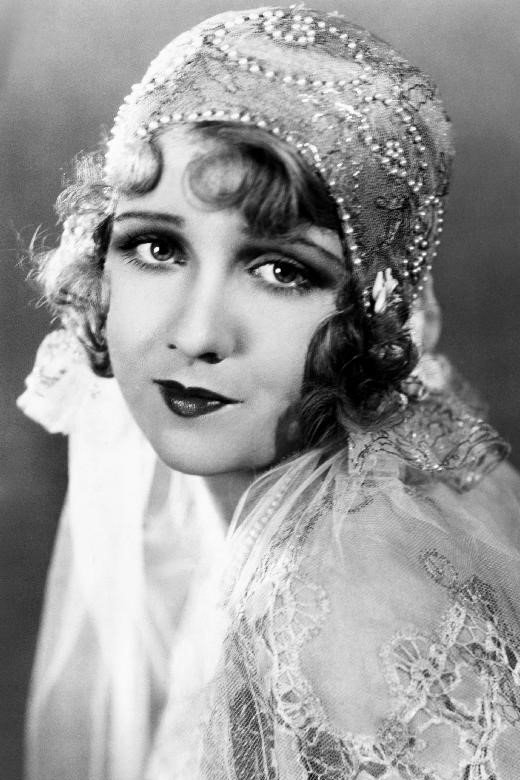
This actress was a big star during the days of silent movies, but her career suddenly stopped in the early 1930s. She later said this happened because she rejected unwanted sexual attention from a powerful studio boss. She wasn’t in films for many years, and only appeared in minor roles later in life. Her story foreshadowed the later conversations about exploitation and abuse of power in Hollywood, and she remained a rare connection to the world of silent films.
Roseanne Barr
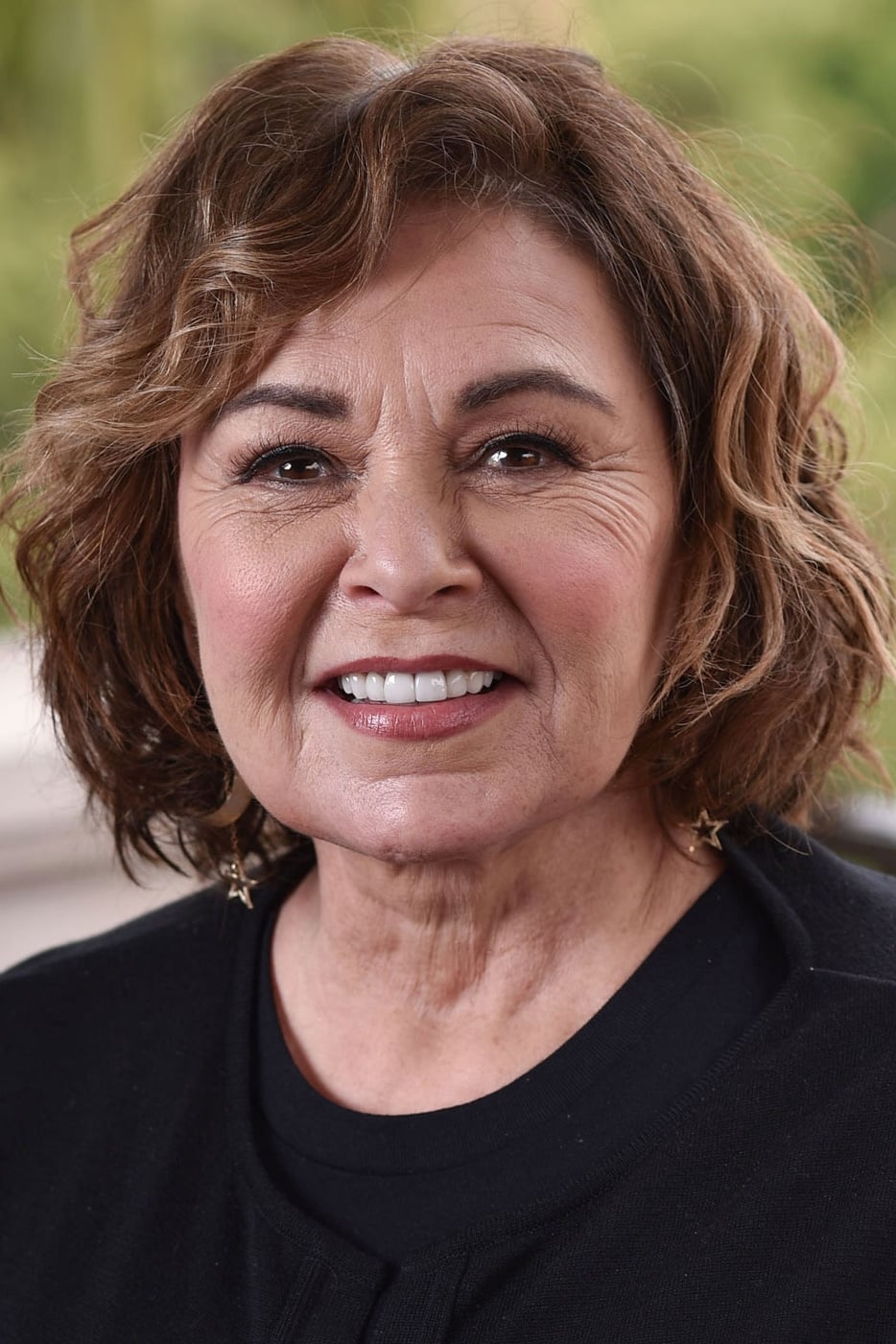
After a controversial post online, her successful TV show was canceled and she quickly found herself ostracized by the entertainment industry. The network immediately dropped her and restarted the series with a new cast. Several prominent agencies and production companies also ended their working relationships with her. This situation demonstrated how quickly consequences can come for public statements that don’t align with a brand’s values. She’s now sharing her work on different platforms, independent of major studios.
Share your thoughts on these industry stories in the comments.
Read More
- Spotting the Loops in Autonomous Systems
- Seeing Through the Lies: A New Approach to Detecting Image Forgeries
- 20 Best TV Shows Featuring All-White Casts You Should See
- Julia Roberts, 58, Turns Heads With Sexy Plunging Dress at the Golden Globes
- Staying Ahead of the Fakes: A New Approach to Detecting AI-Generated Images
- The Glitch in the Machine: Spotting AI-Generated Images Beyond the Obvious
- The Best Directors of 2025
- Palantir and Tesla: A Tale of Two Stocks
- Gold Rate Forecast
- How to rank up with Tuvalkane – Soulframe
2026-03-17 02:25