
This week, both Paramount+ and Apple TV+ are adding new shows and movies, including exciting reality competitions and programs for kids. Between March 16th and 22nd, you’ll find returning favorites and brand new dramas, giving viewers of all ages plenty of options to enjoy throughout the week and weekend. Both streaming services are constantly updating their selections with new premieres and the latest seasons of popular shows.
‘Blaze and the Monster Machines’ (2014)

Starting this Wednesday, March 18th, you can watch ‘Blaze and the Monster Machines’ on Paramount+. The show follows Blaze, an orange monster truck, and his friend AJ as they explore Axel City and learn about science, technology, engineering, and math. Each episode is designed to be both fun and educational for preschoolers, teaching important concepts while offering exciting, fast-paced adventures.
‘The Challenge’ (1998)
Fans of competitive reality TV will be happy to hear that new episodes of ‘The Challenge’ are coming to Paramount+ starting Wednesday, March 18th. The show, which first aired in 1998, challenges contestants with tough physical and mental competitions for a big cash prize. Over the years, it’s grown from a spin-off into a major hit, known for its intense gameplay, strategic teamwork, and dramatic elimination rounds.
‘Imperfect Women’ (2026)

The new drama ‘Imperfect Women’ will debut on Apple TV+ on March 18th. Starring Elisabeth Moss and Kerry Washington, the series is based on Araminta Hall’s thrilling novel. It follows three lifelong friends whose world is turned upside down when a shocking event reveals long-held secrets and betrayals. The limited series delves into the intricacies of female friendship and the hidden truths people keep from each other.
‘Wonder Pets: In the City’ (2024)
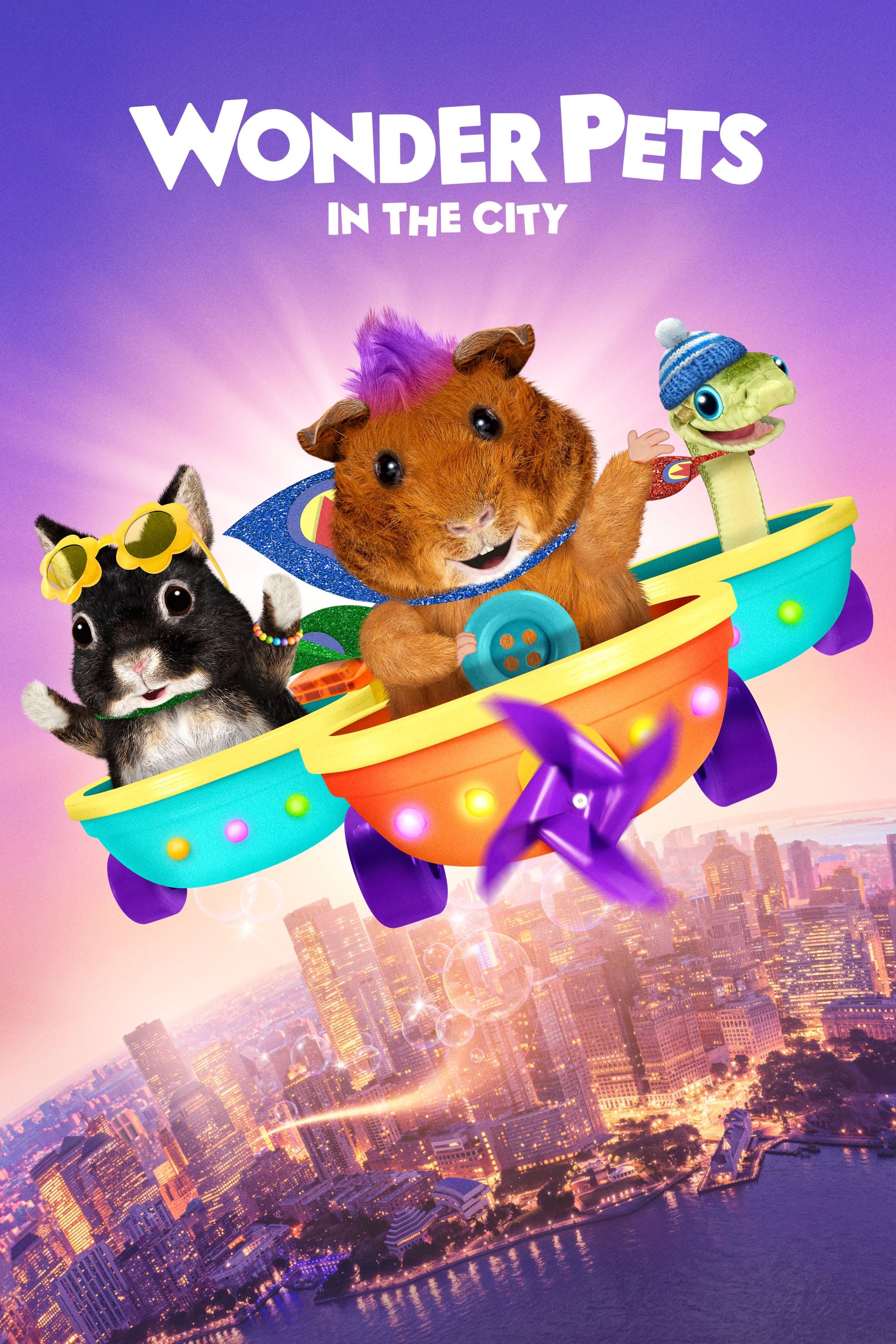
Get ready for a new adventure with Linny, Tuck, and Ming-Ming! ‘Wonder Pets: In the City’ arrives on Apple TV+ this Friday, March 20th. This updated version of the classic preschool show follows the team as they travel the world from their city classroom, rescuing animals and using teamwork and catchy songs. It keeps the fun musical style fans love, but with updated animation and new city settings for a fresh experience.
Tell us which of these streaming releases you are most excited to watch in the comments.
Read More
- Gold Rate Forecast
- Games That Faced Bans in Countries Over Political Themes
- Silver Rate Forecast
- Unveiling the Schwab U.S. Dividend Equity ETF: A Portent of Financial Growth
- 22 Films Where the White Protagonist Is Canonically the Sidekick to a Black Lead
- Superman Flops Financially: $350M Budget, Still No Profit (Scoop Confirmed)
- 20 Movies Where the Black Villain Was Secretly the Most Popular Character
- Celebs Who Narrowly Escaped The 9/11 Attacks
- 14 Movies Where the Black Character Refuses to Save the White Protagonist
- Vecna’s Ultimate Goal on STRANGER THINGS 5 and How The Party Can Defeat Him
2026-03-17 00:20