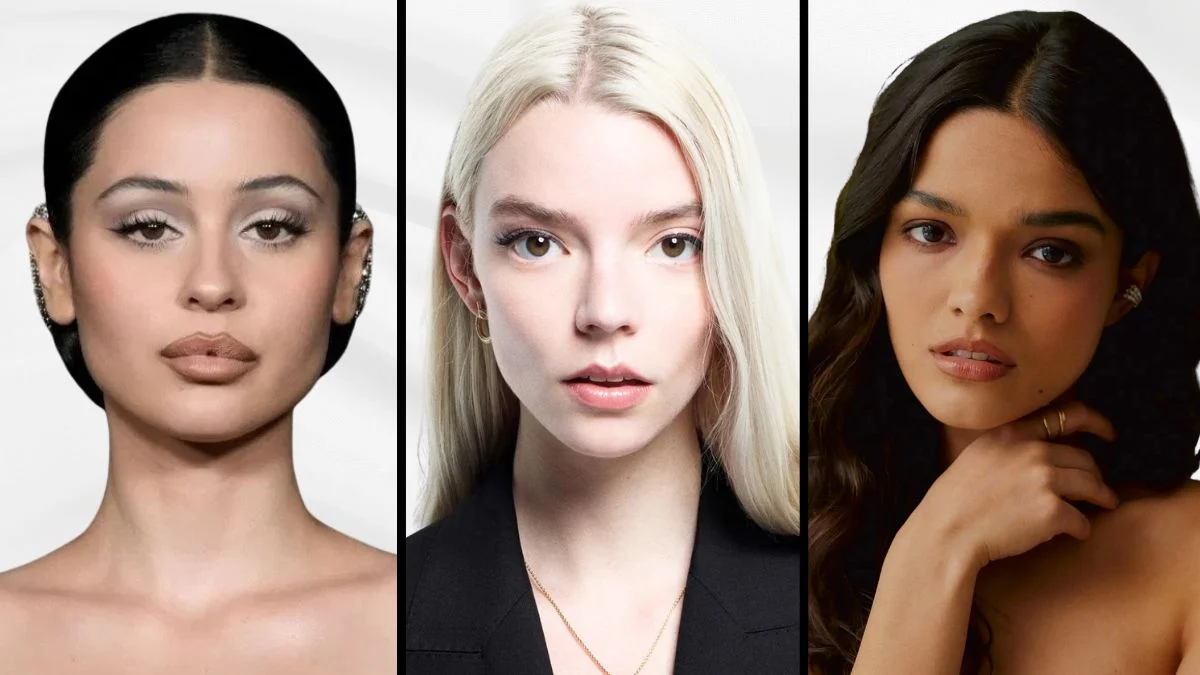
For years, the entertainment world has faced challenges with diversity, especially when it comes to Latin American actors. Many gifted actresses have had to overcome harmful stereotypes and unfair treatment as they worked to portray themselves authentically. They’ve dealt with everything from inappropriate auditions to harassment from both the public and people within the industry. By bravely speaking up about these issues, they’ve sparked important conversations about race and ethnicity in film and are inspiring a new generation of performers to pursue a more inclusive future.
Salma Hayek Pinault
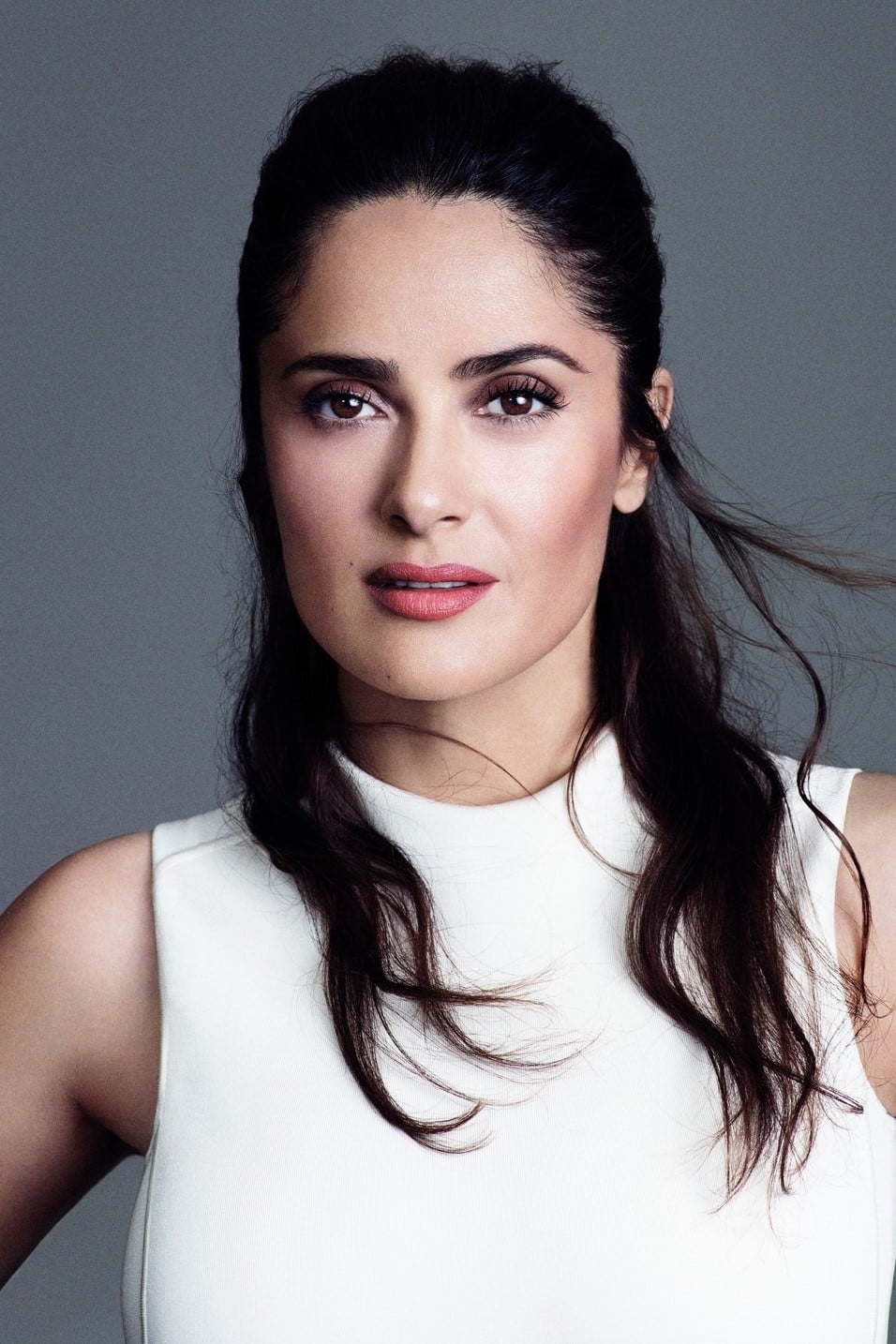
Salma Hayek has often spoken about the challenges she faced as a Mexican actress in Hollywood during the 1990s. She was repeatedly told her accent would hinder her career and prevent her from becoming a leading actress. Early in her time in Los Angeles, she frequently auditioned for roles that relied on negative stereotypes. Despite these difficulties, she successfully produced and starred in the film ‘Frida,’ demonstrating her talent to the world. Her career shows how important it is to stand up for yourself in the competitive entertainment industry.
Rita Moreno
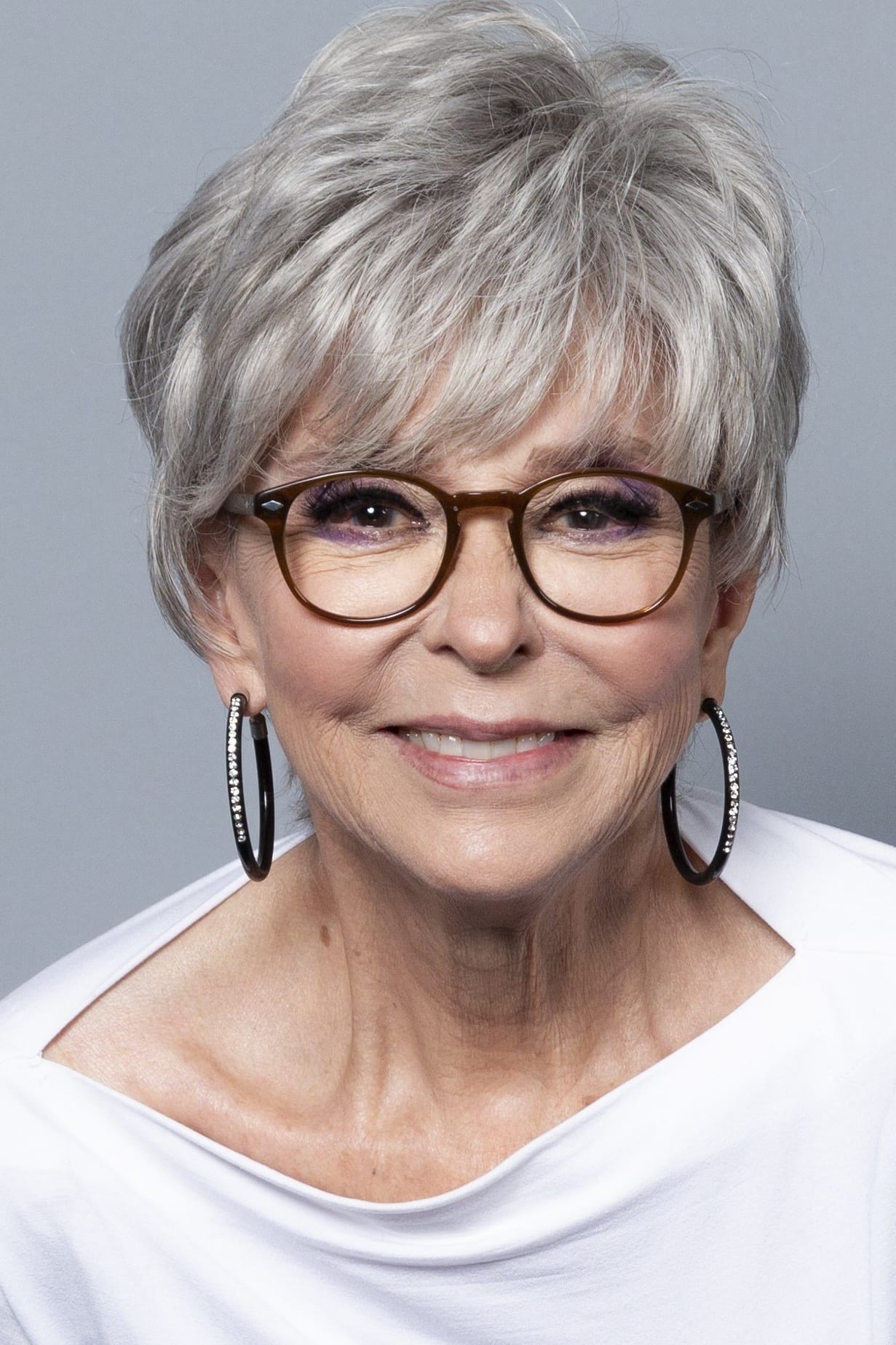
Rita Moreno is a rare EGOT winner, but her success came despite facing significant racism in the entertainment industry. Early in her career, she was often required to wear heavy makeup to appear less distinctly Latina, and she frequently found herself limited to playing fiery, stereotypical characters that didn’t showcase her full talent. Moreno has openly discussed the embarrassment of having her skin darkened for her iconic role in ‘West Side Story.’ Her strength and determination helped create opportunities for future Latina actresses to demand both respect and genuine representation.
America Ferrera
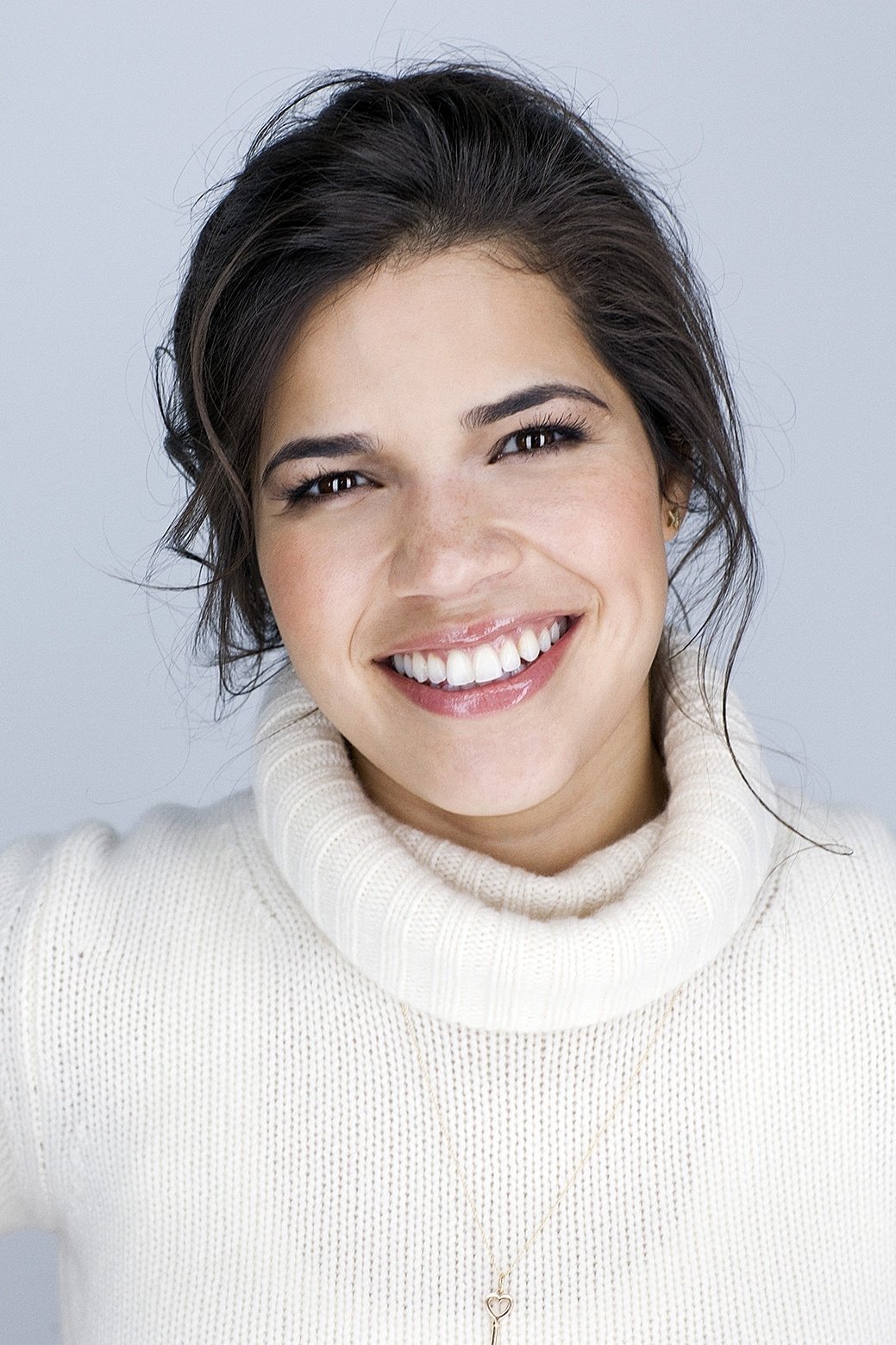
America Ferrera has consistently spoken out about the limited and often inaccurate ways Latina women are shown in movies and on TV. Early in her career, she was even told to change her appearance – like tanning or altering her hair – to fit a certain stereotype. Her popular role in ‘Ugly Betty’ helped break down those stereotypes and offered a different image of beauty and culture on American television. Ferrera continues to use her voice to push for real changes in how the stories of immigrant families are told, working to create fairer representation both on and off screen.
Eva Longoria
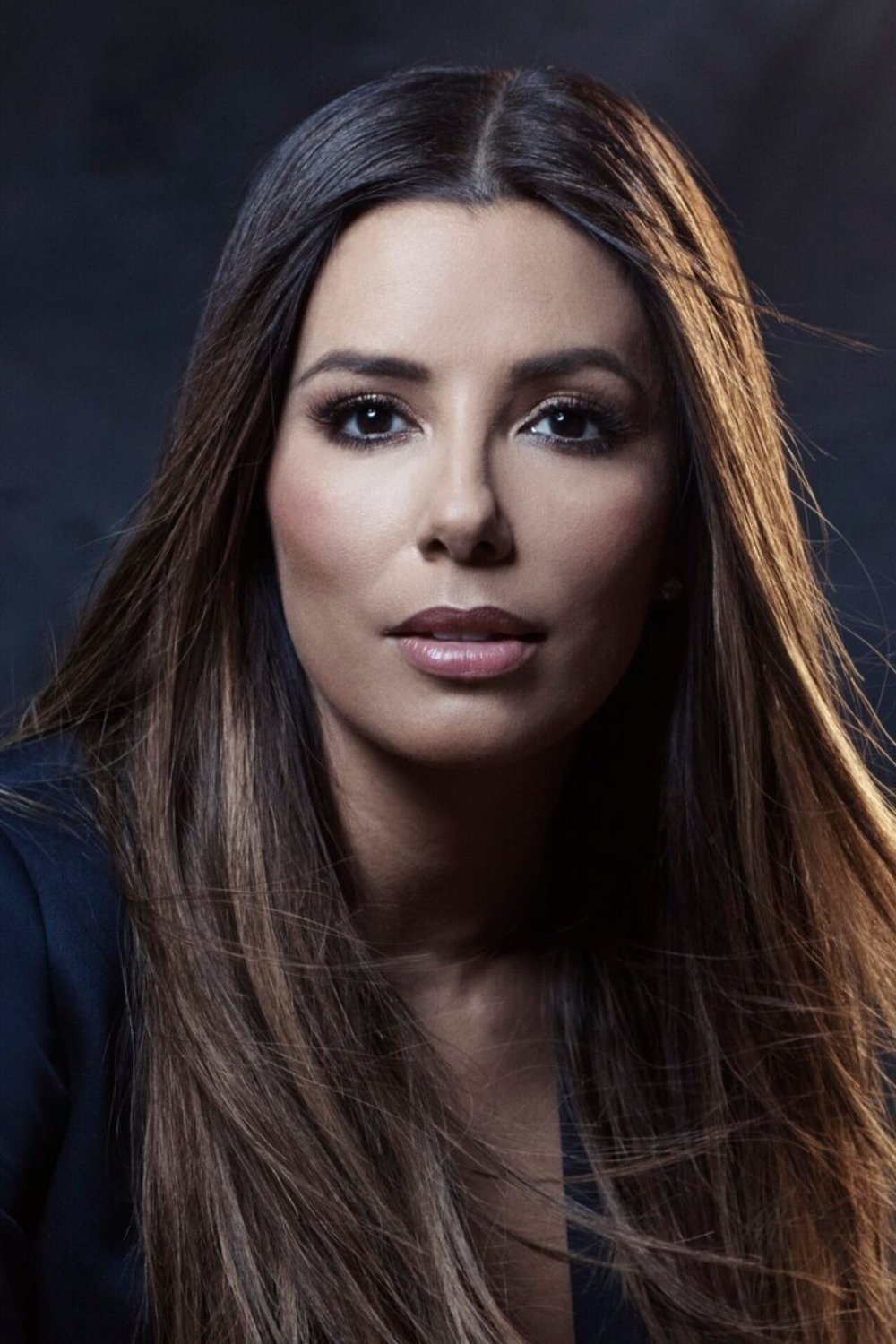
Eva Longoria has often discussed the difficulties she’s faced as a Latina actress in Hollywood, where people often see the Latino community as a single group. She found it particularly challenging to move behind the camera into producing and directing, due to ingrained biases in the industry. Longoria has said she consistently had to work extra hard to demonstrate her skills and creativity to studio executives. Now, through her production company, she’s dedicated to creating opportunities for other Latino storytellers. Her efforts are helping to remove obstacles for women of color seeking leadership positions in Hollywood.
Rosario Dawson
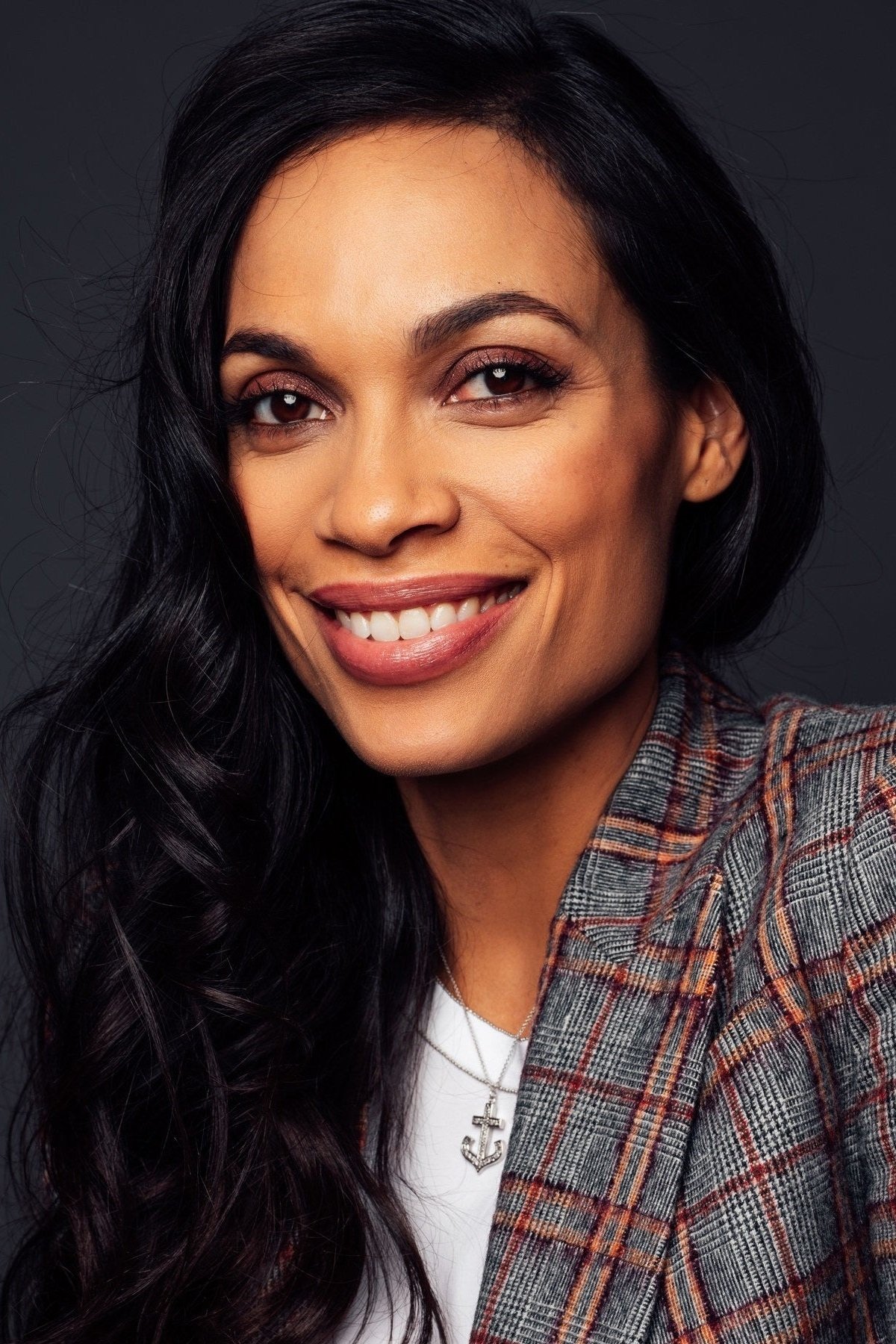
Rosario Dawson has often been under the spotlight and faced criticism due to her mixed racial background and the parts she chooses to play. As an Afro-Latina actress, she’s spoken about the difficulties of being categorized in an industry that often struggles with diversity. She’s also been subjected to online harassment when appearing in popular franchises like ‘Star Wars’ and ‘The Defenders’. Despite these obstacles, Dawson continues to be a strong voice for political action and social fairness. Her career exemplifies the unique challenges faced by women whose identities don’t easily fit into traditional ethnic labels.
Zoe Saldaña
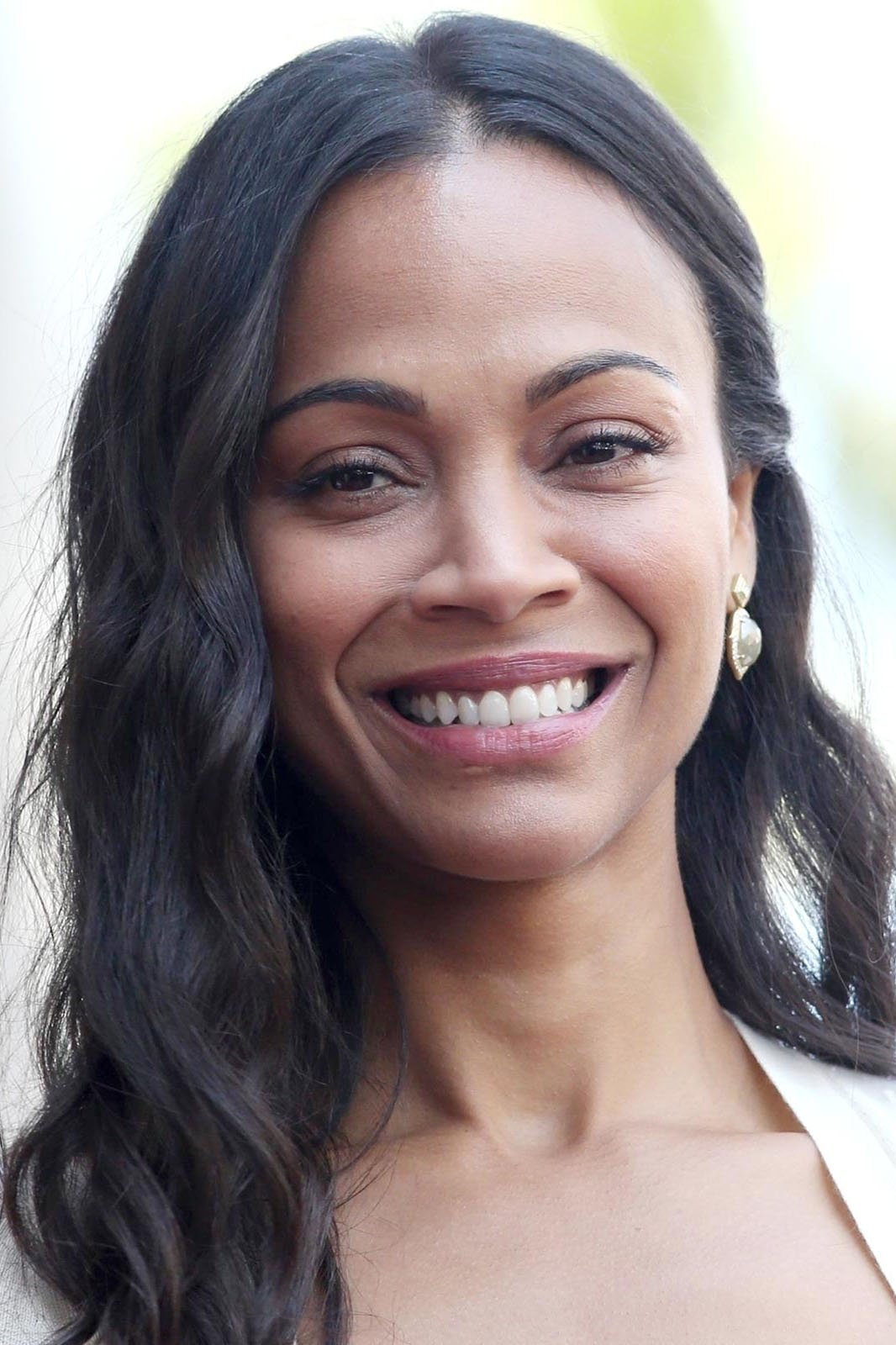
Zoe Saldaña has often discussed issues of race and identity during her successful acting career. She received criticism for her role as Nina Simone in the film ‘Nina’, which led to broader conversations about colorism and the importance of accurate representation. Saldaña has also shared the challenges of being an Afro-Latina woman in popular films like ‘Avatar’ and ‘Guardians of the Galaxy’, and uses her platform to highlight the diversity within the Latino community. Her achievements have established her as one of the most prominent and influential Latina actresses in film history.
Rachel Zegler
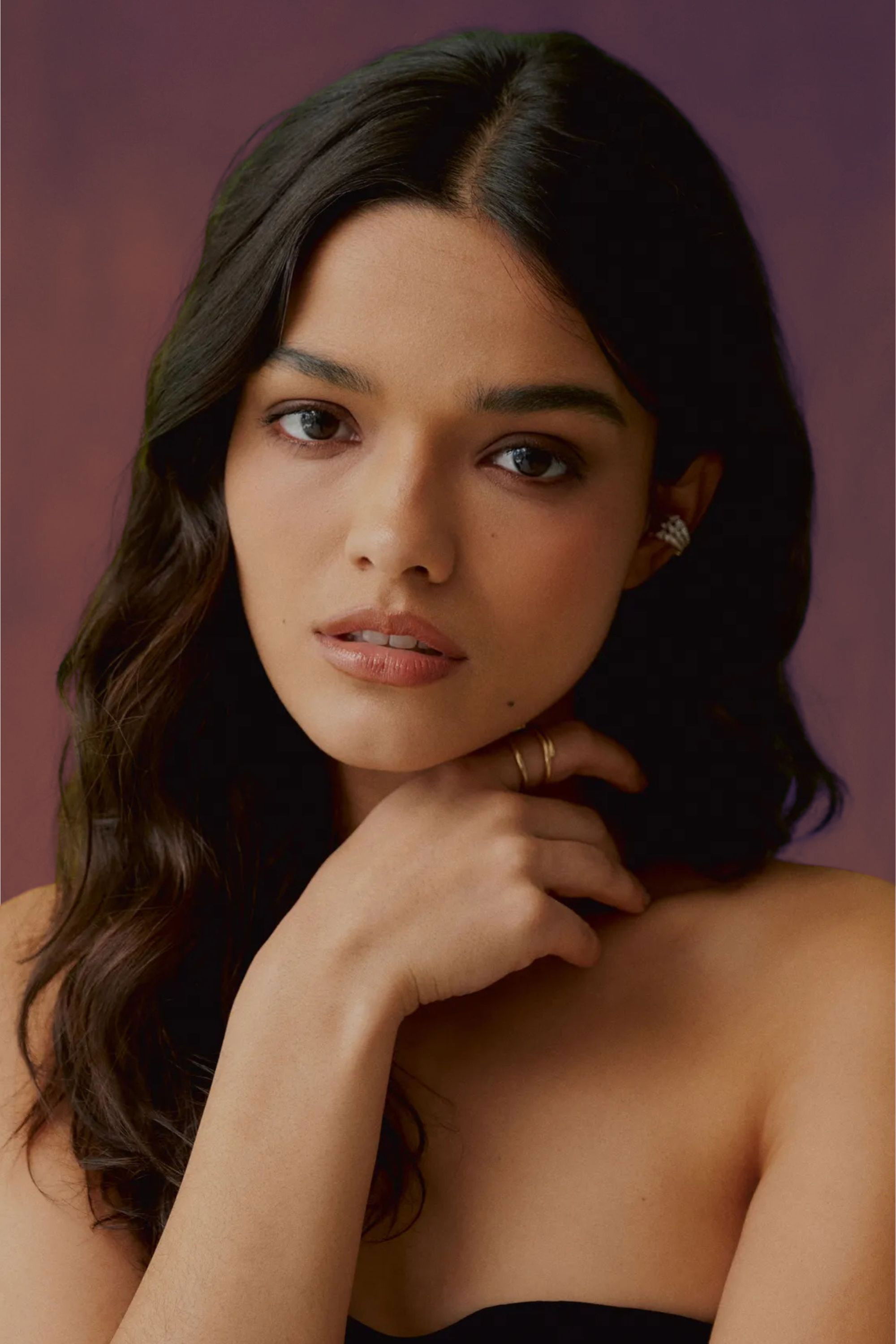
After Rachel Zegler was chosen to play Snow White in the upcoming live-action film, she received a lot of racist and hateful messages online. Critics attacked her background and said she wasn’t right for the part because of her ethnicity. Zegler responded calmly, explaining that it’s important to update classic stories for people all over the world. This wasn’t the first time she’d faced criticism – she also received negative attention when she was cast as Maria in the new ‘West Side Story’ movie. Her ability to handle this intense public pressure has made her an example of strength and perseverance in Hollywood.
Melissa Barrera
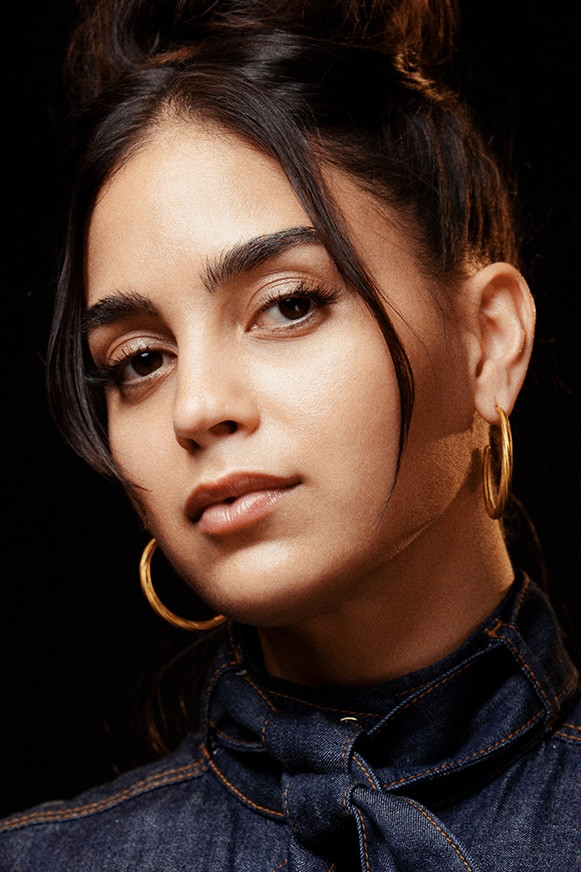
Melissa Barrera has talked openly about the challenges she’s faced as a Mexican actress pursuing a career in the U.S. She’s explained how her beliefs and strong connection to her heritage have affected her work. After publicly speaking out about important global issues while appearing in the ‘Scream’ movies, Barrera experienced professional repercussions and sparked public discussion. She remains committed to empowering Latina women to stand up for themselves and resist pressure to stay silent. This commitment to her values has gained her admiration from colleagues and fans.
Jenna Ortega
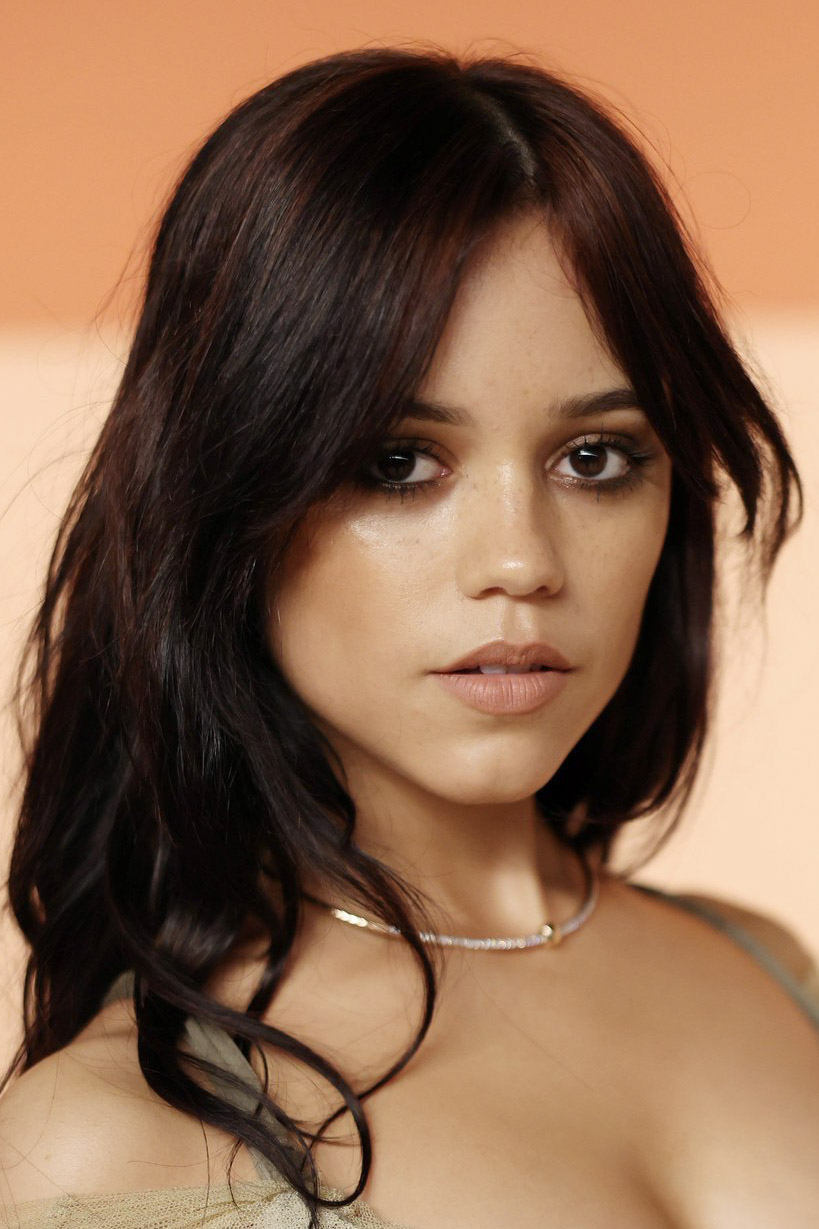
As a huge movie fan, I’ve been really impressed with Jenna Ortega. It’s awesome how she’s using her growing fame to talk about something really important – how few young Latina actresses get a chance in horror and thrillers. She’s shared how isolating it was early in her career, often being the only person of color at auditions. What I love is she’s pushing for roles that are actually complex, like her character in ‘Wednesday,’ instead of falling into tired stereotypes. She’s also great at connecting with fans online and talking about the importance of embracing your culture. Honestly, her success feels like a game-changer, showing other young Latinas what’s possible in Hollywood.
Selena Gomez
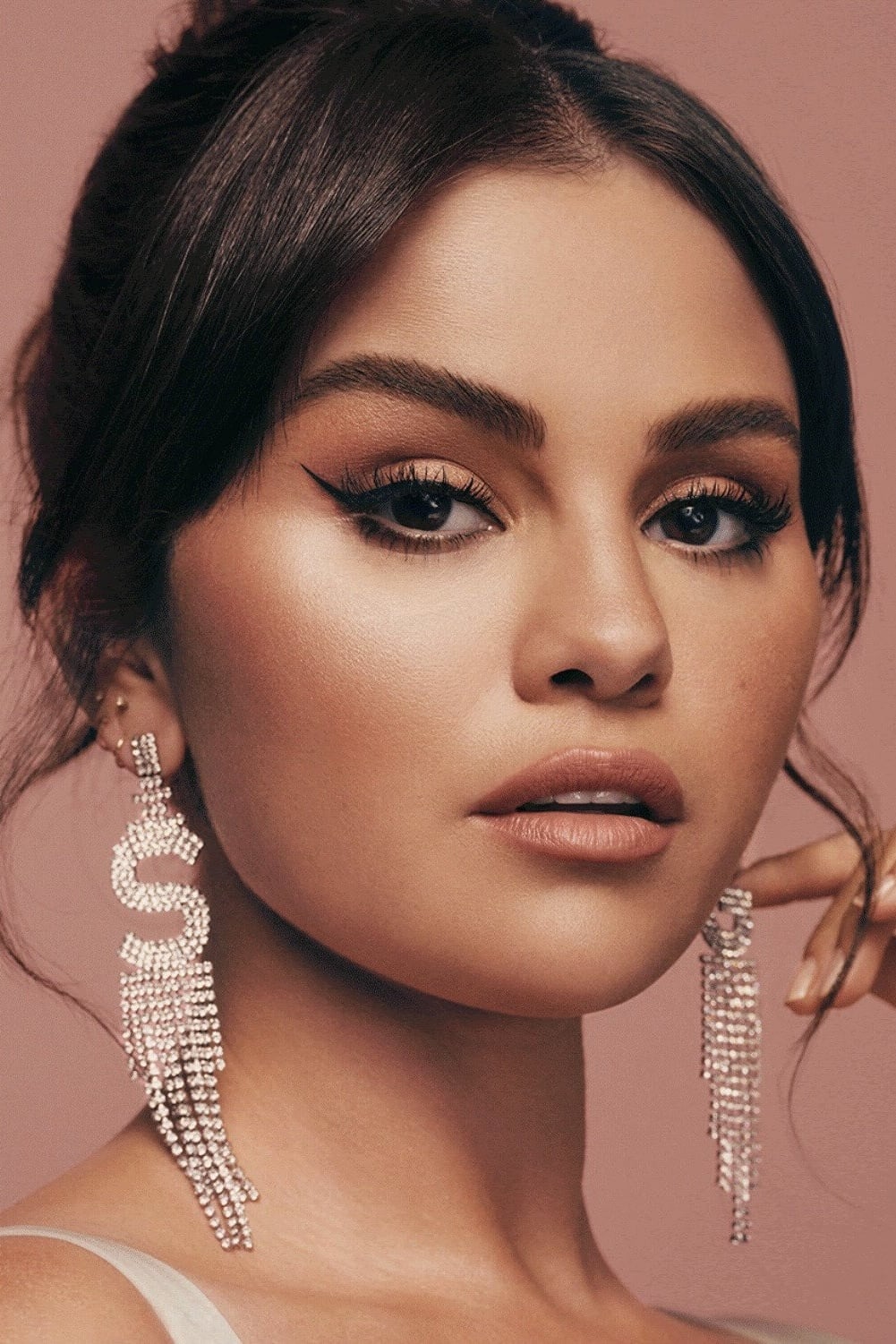
Since becoming famous as a young performer, Selena Gomez has faced criticism and prejudiced comments about her Mexican background. She’s talked about the difficulty of feeling like she constantly needs to justify who she is, both to the public and within her own community. Gomez has also been the target of online harassment, often centered around her heritage and looks. However, she consistently uses her music and acting to celebrate her roots and support Latino artists. By openly sharing her experiences, she’s helped many young fans understand and embrace their own identities.
Anya Taylor-Joy

Anya Taylor-Joy has dealt with complicated public discussions about her identity as someone with Argentine and British roots. There was controversy when some media outlets described her as a woman of color, which sparked criticism. Taylor-Joy has often talked about growing up in Buenos Aires and the cultural differences she encountered when she moved to London. She’s had to explain what it means to be a White Latina in an industry that doesn’t always understand that identity. Her experiences highlight the complexities of ethnicity in today’s interconnected world.
Xochitl Gomez
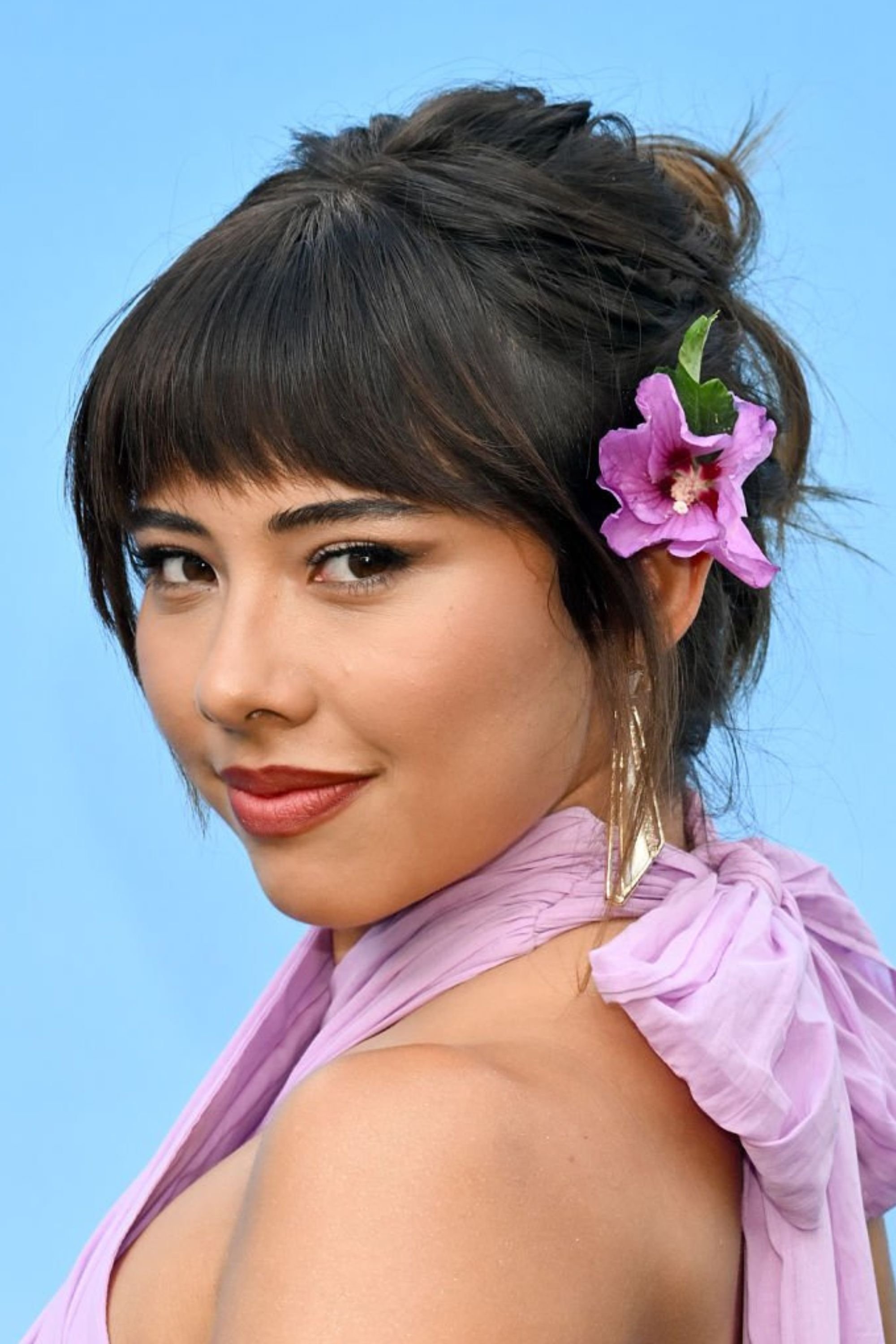
Xochitl Gomez experienced significant online harassment after appearing in ‘Doctor Strange in the Multiverse of Madness’. A lot of the negativity stemmed from the fact that her character represented both her Latina background and the LGBTQ+ community. She was very young when she had to learn how to deal with this toxic online environment while still maintaining a professional demeanor. Fortunately, she received encouragement from her more experienced co-stars, who praised her resilience and poise. Gomez continues to inspire young people who see themselves represented in her work.
Stephanie Beatriz
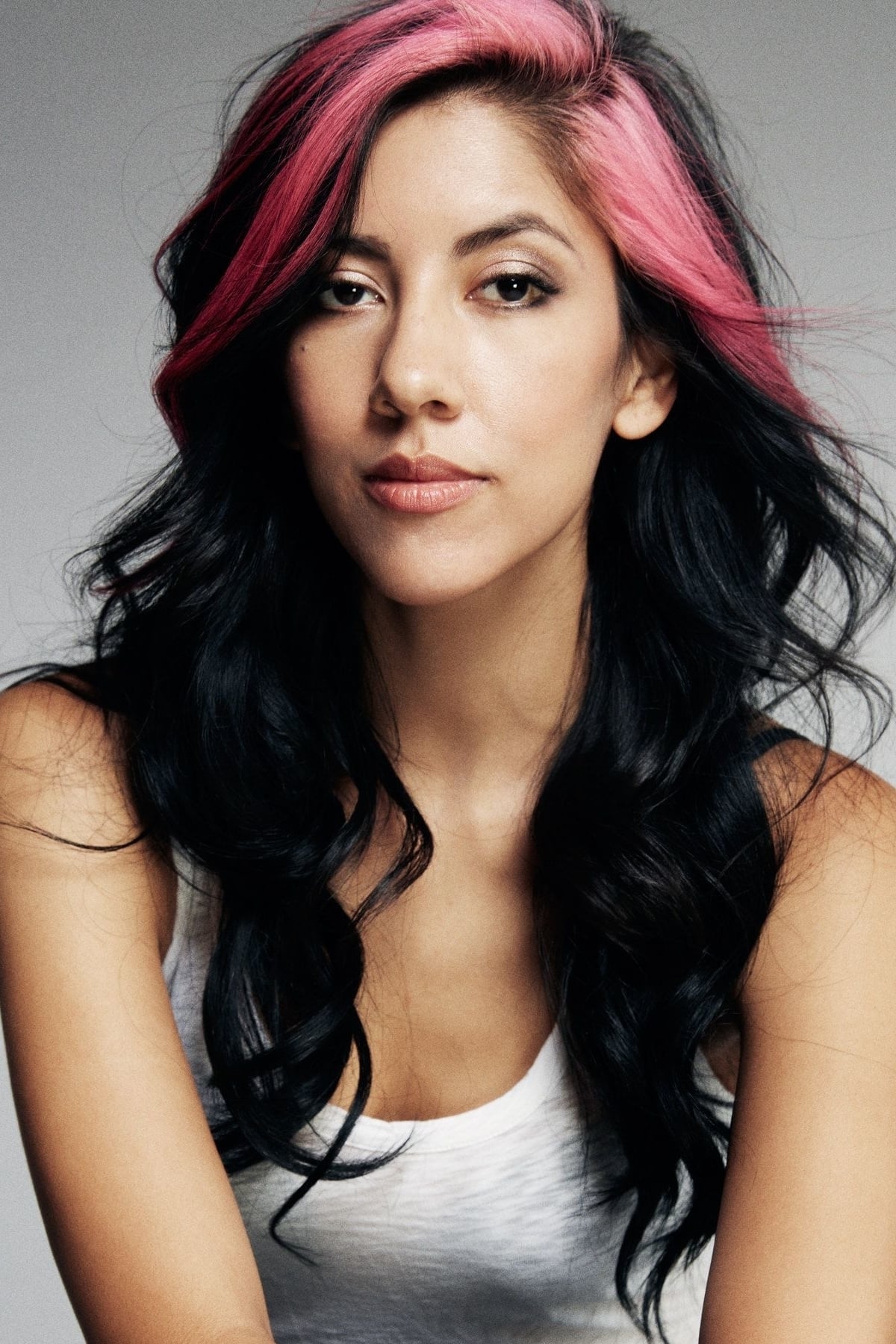
Stephanie Beatriz has openly discussed the challenges she faced early in her career, where casting directors often told her to exaggerate a Latina accent, feeling her natural voice wasn’t considered “Latina enough” for certain parts. She appreciated that her role in ‘Brooklyn Nine-Nine’ let her play a character whose background was important, but didn’t overshadow her personality. Beatriz is also a strong voice for better representation, particularly for bisexual Latinas, who are often overlooked in TV and movies. She continues to champion honest and inclusive storytelling.
Dascha Polanco
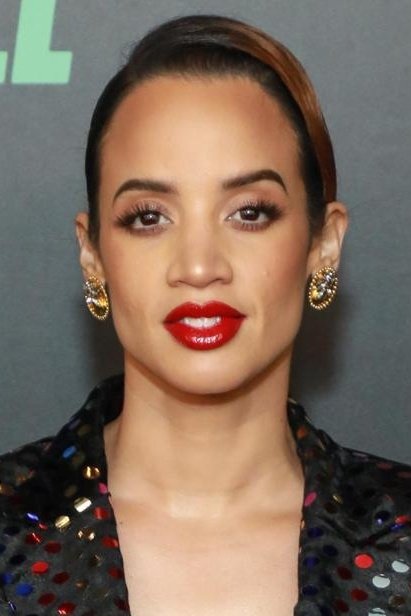
Dascha Polanco often speaks about how race and body size affect opportunities in fashion and film. She’s shared experiences of being refused clothes by well-known designers due to her body type and ethnicity. While on ‘Orange Is the New Black,’ Polanco used her visibility to shed light on the challenges faced by Dominican women in the U.S. She continues to advocate for true inclusivity in the industry, going beyond simply including diverse faces. Because of her work, Polanco has become a strong voice for women who feel ignored by traditional beauty standards.
Rosie Perez
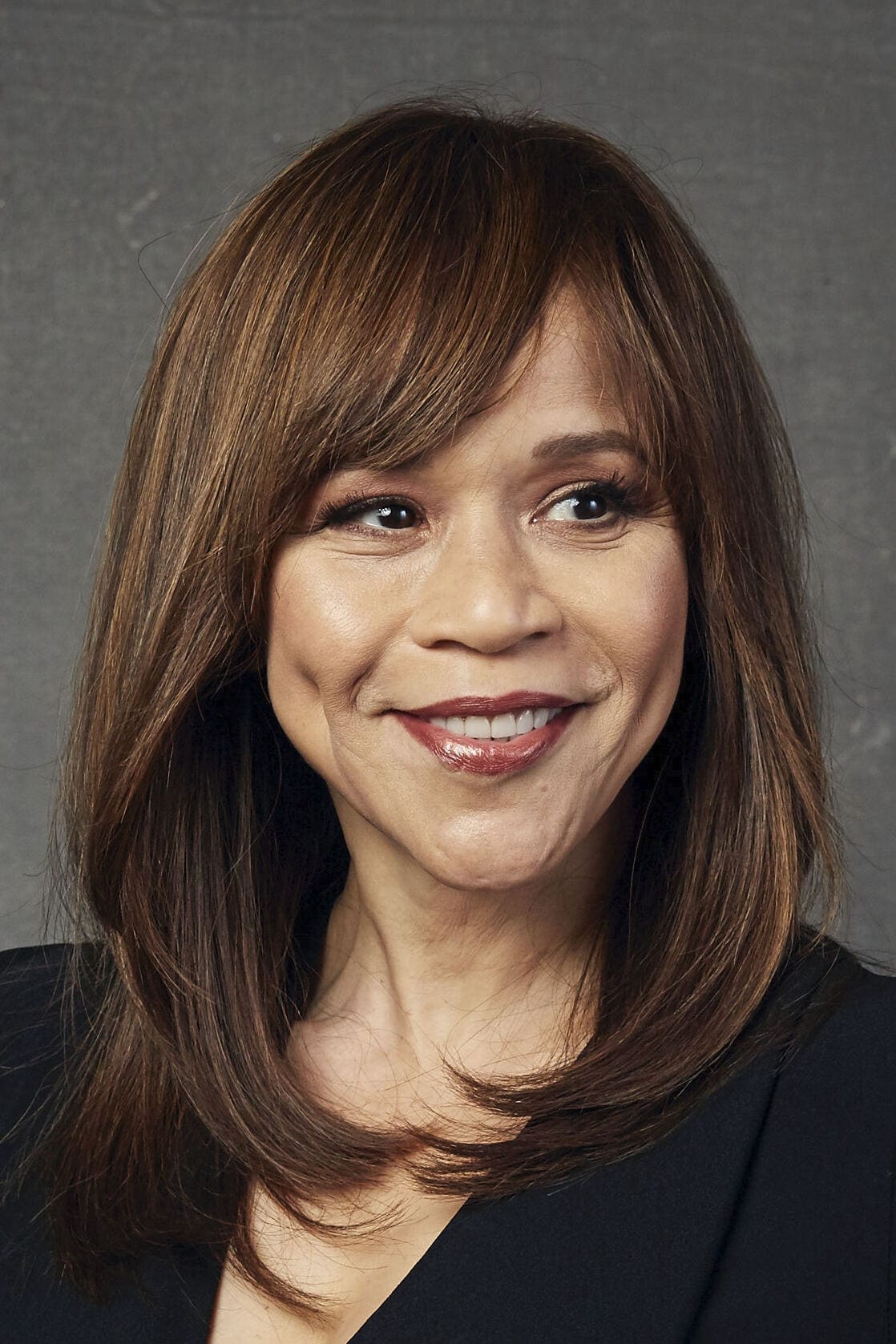
Rosie Perez broke barriers at the start of her career in the 80s and 90s, despite facing clear racism and sexism. She was often told to change her name and modify how she spoke to hide her Brooklyn roots, but she stayed true to herself. This ultimately led to an Academy Award nomination for her role in ‘Fearless.’ Throughout her career, Perez has consistently spoken out about the lack of diversity in Hollywood and the industry’s tendency to overlook Afro-Latina actresses and performers. Her successful and lasting career is a testament to overcoming the limited views of older Hollywood leaders.
Jessica Alba

Jessica Alba has spoken about the challenges she faced early in her career, where she was often seen as ‘exotic’ instead of a mainstream leading actress. She felt like studios wanted to define her based on current trends and stereotypes. Alba has shared how she was told she wasn’t ‘Latin enough’ for certain parts, yet ‘too dark’ for others. This frustrating experience motivated her to start her own businesses, giving her more control over how she was portrayed and the values she represented. She continues to be a powerful voice in discussions about how Latina identity is often used and marketed.
Jennifer Lopez
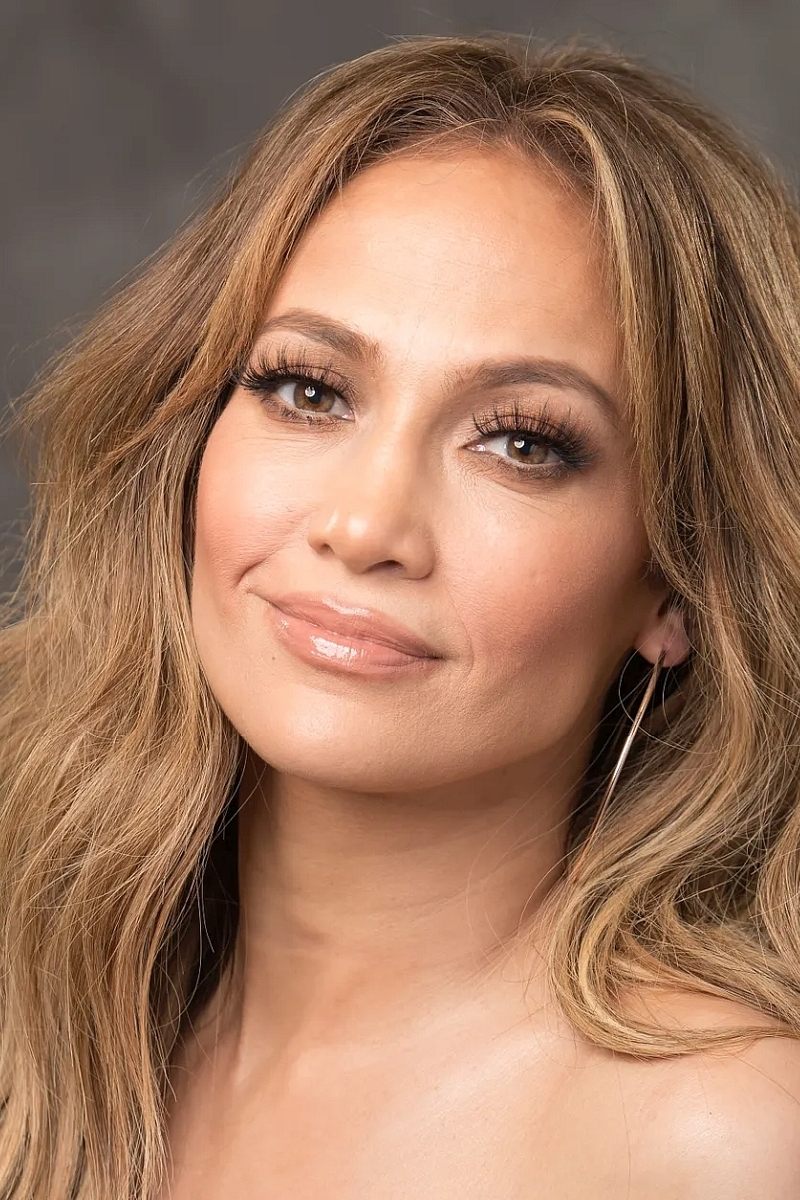
Jennifer Lopez experienced a lot of negative attention from the media as she became famous, often based on harmful stereotypes about her race and ethnicity. Early in her career, tabloids frequently focused on and criticized her appearance. Despite achieving great success, she’s talked about how difficult it was to be seen as a legitimate businesswoman and actress. Lopez has consistently used her work to help create more opportunities for Latino actors and creators. Staying relevant and successful for so many years while facing this kind of treatment is a remarkable accomplishment.
Ana de Armas
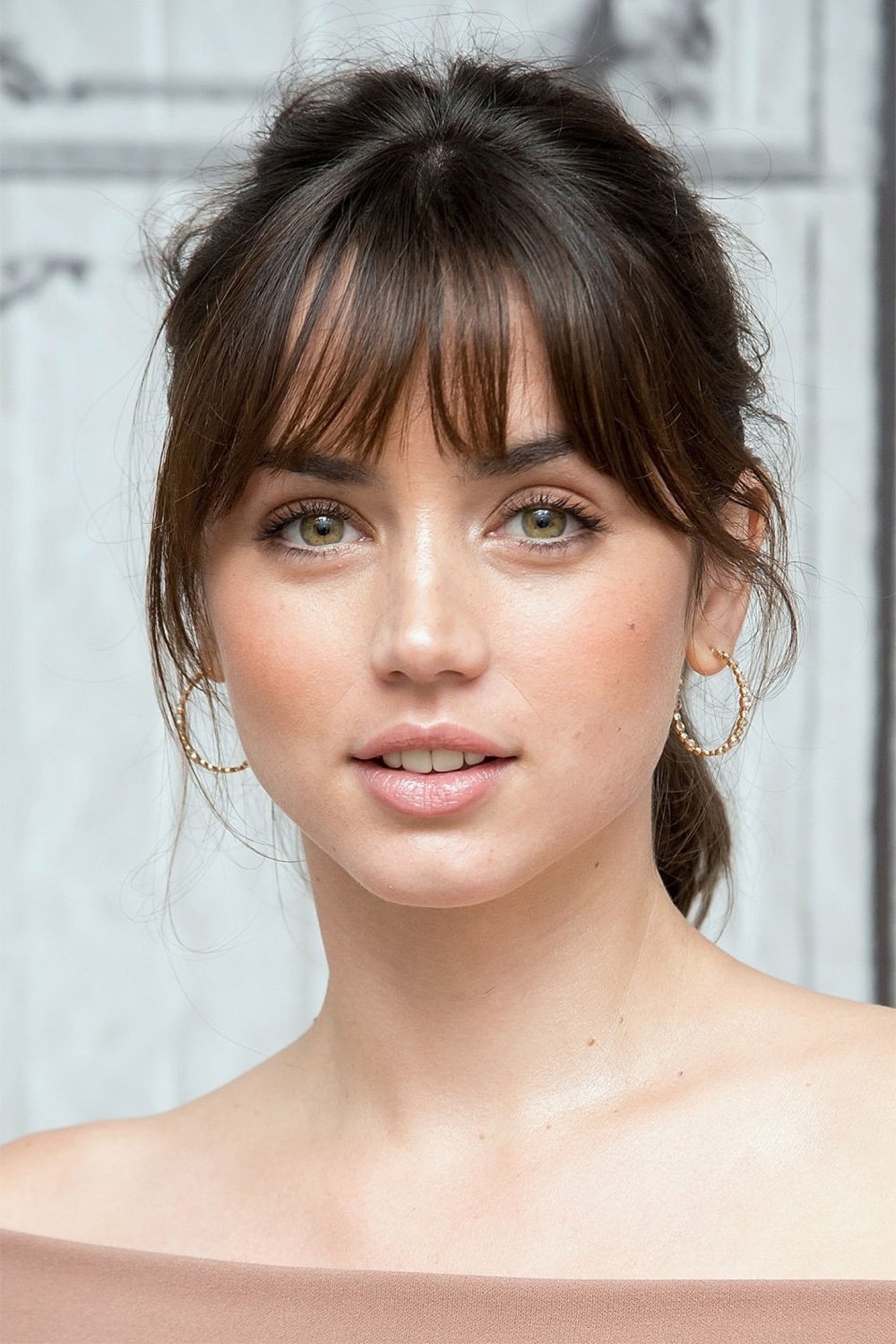
When Ana de Armas was chosen to play Marilyn Monroe in ‘Blonde’, she received criticism about her Cuban accent. Some viewers and critics wondered if she could convincingly portray an American icon due to her background. De Armas has talked about the effort she put into the role and how unfairly her heritage became a point of discussion. She’s also shared the difficulties of transitioning from the Spanish film industry to Hollywood, where she essentially had to rebuild her career. Her success in landing prominent roles is helping to break down stereotypes about Latina actresses and the idea that their native language limits their opportunities.
Adria Arjona
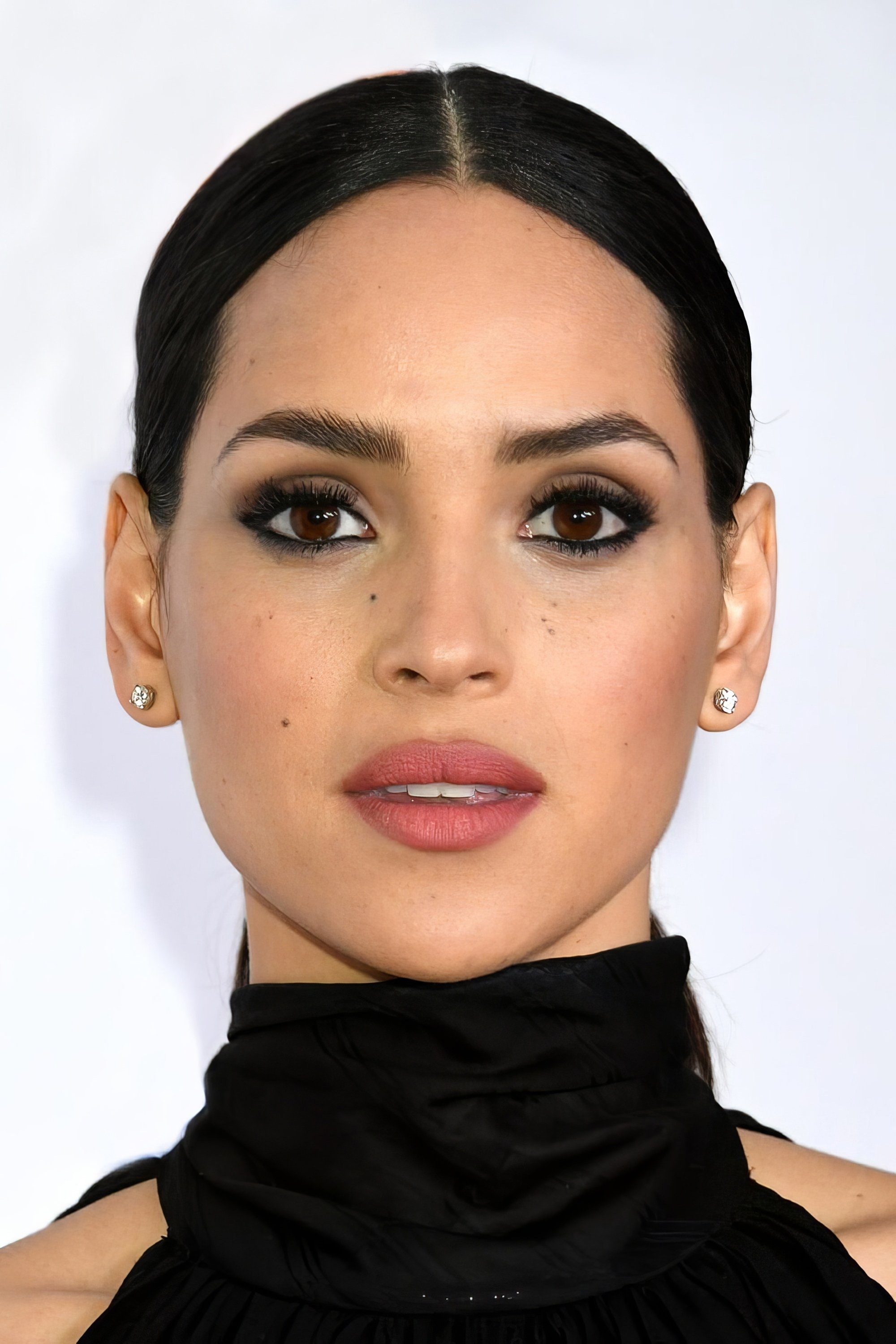
Adria Arjona has talked about how Latina actresses are often limited to roles as girlfriends or supporting characters. She’s intentionally chosen roles in genres like sci-fi and action that allow her to play more complex characters. Arjona often speaks about the importance of her Puerto Rican and Guatemalan heritage and how it shapes her work. She’s also experienced situations where her background was seen as something unusual, rather than a core part of who she is. As she continues to succeed, she’s taking on more significant and varied leading roles in major films.
Alexa Demie
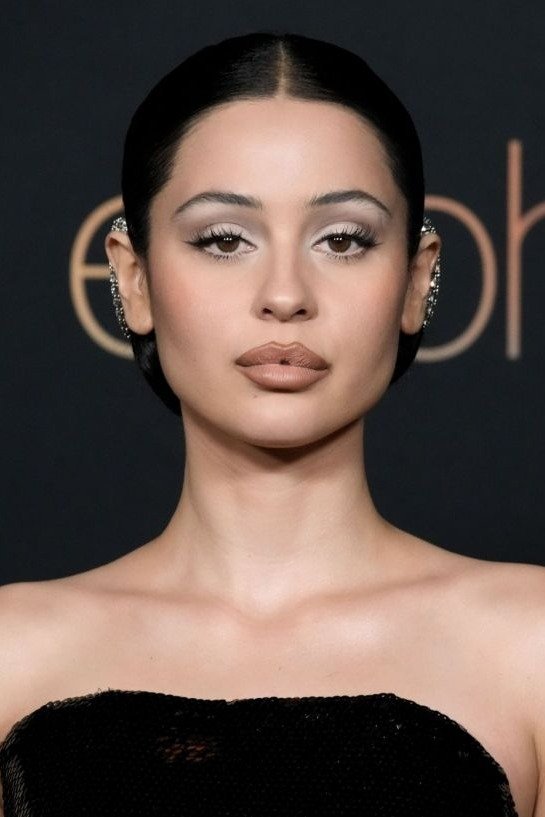
Alexa Demie has faced a lot of public interest – and sometimes harsh judgment – about her background and ethnicity. While her role in ‘Euphoria’ turned her into a style icon, it also brought intense attention on social media. Demie generally keeps her personal life private, but she has discussed how her Mexican heritage inspires her style. She’s been criticized by people who want to neatly categorize her race, but she represents a new wave of actresses who are choosing to define themselves, rather than letting others do it for them.
Isabela Merced
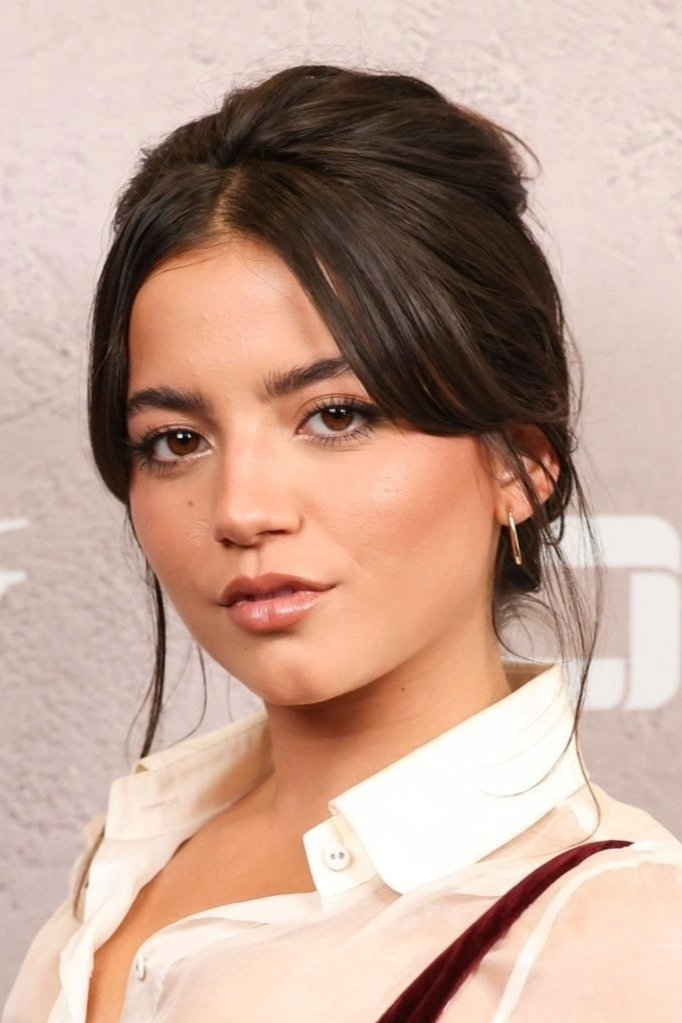
Isabela Merced has publicly shared her experiences with online racism during the early stages of her career as a teen. She’s discussed the challenge of feeling pressured to fit American beauty standards while also being expected to represent her Peruvian heritage. Through her music and acting, Merced aims to connect these parts of her identity and be a voice for young people with similar bicultural backgrounds. She’s also encountered resistance from those in the entertainment industry who didn’t know how to promote an actress fluent in both English and Spanish. Despite these obstacles, her determination has helped her achieve success in both film and music.
Sofía Vergara
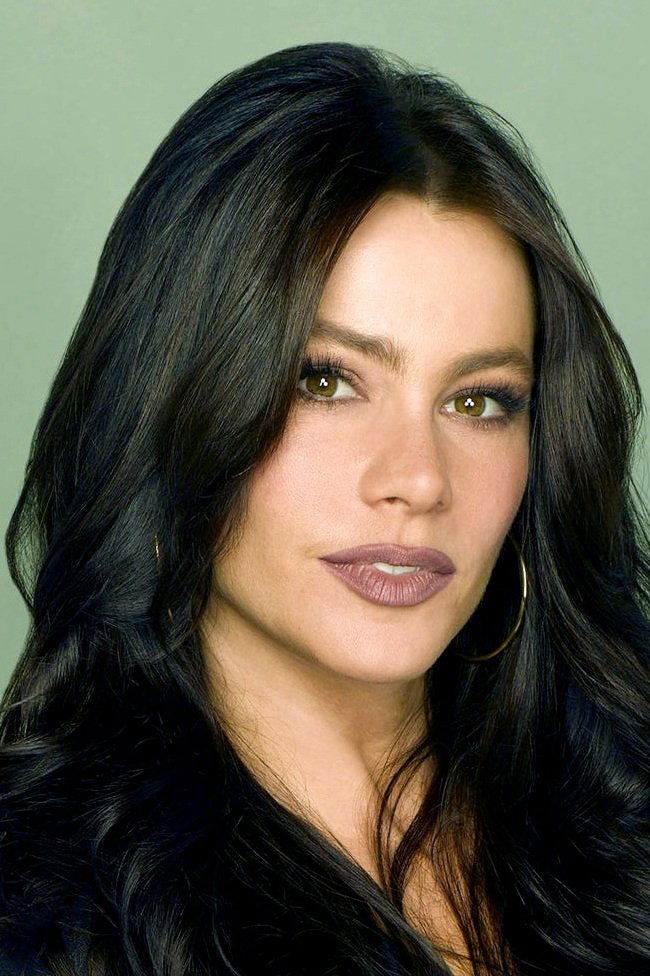
Sofia Vergara is famous for her role in ‘Modern Family,’ but her character sometimes faced criticism for being a stereotypical portrayal. Vergara has explained that her performance is actually rooted in her own life and the experiences of the women in her family. Early in her career, she struggled because she was told her natural blonde hair didn’t match the typical Hollywood image of a Latina actress, and she even changed her hair color to get more roles. Now, thanks to her sharp business skills, Vergara is a leading force in the entertainment industry.
Justina Machado
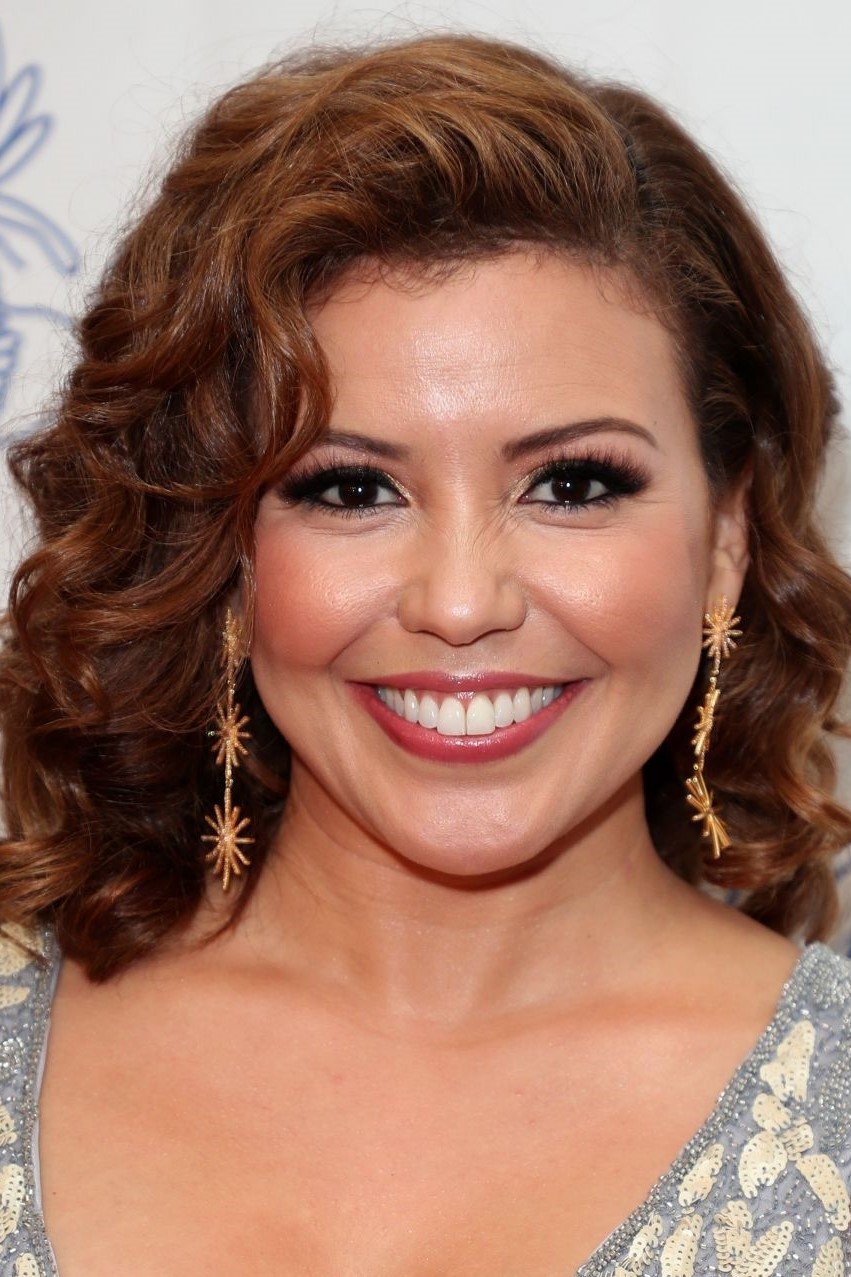
Justina Machado is a strong voice for showing realistic Latino families on TV. She’s talked about how hard it is to find leading roles that aren’t centered around negative stereotypes like crime or poverty. While her work on ‘One Day at a Time’ was celebrated for its honest depiction of a Cuban American family, it also showed how little support there is for shows like that. Machado has personally and professionally worked to increase representation of Afro-Latino people in media and remains a key advocate for better, more authentic Latina storytelling.
Sasha Calle
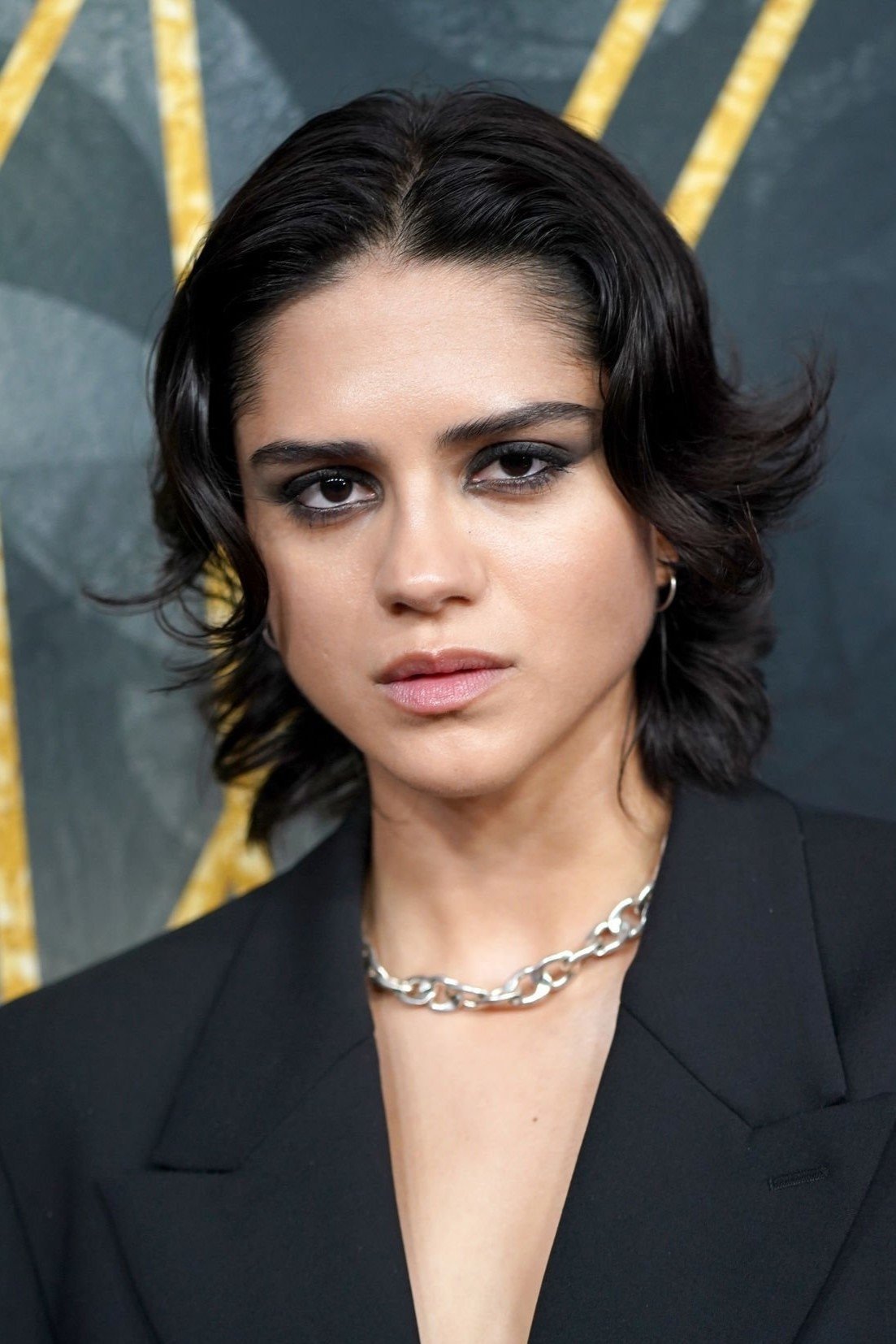
Sasha Calle broke barriers by becoming the first Latina actress to play Supergirl, but the news was unfortunately met with racist criticism. She received hateful comments online from people who believed the character should only be white. Calle responded with grace, emphasizing how important it was for young girls who share her background to see themselves represented. She’s spoken about how proud she was to bring her Colombian heritage to the role, and her performance demonstrated that anyone can be a hero, regardless of their race.
Tessa Thompson
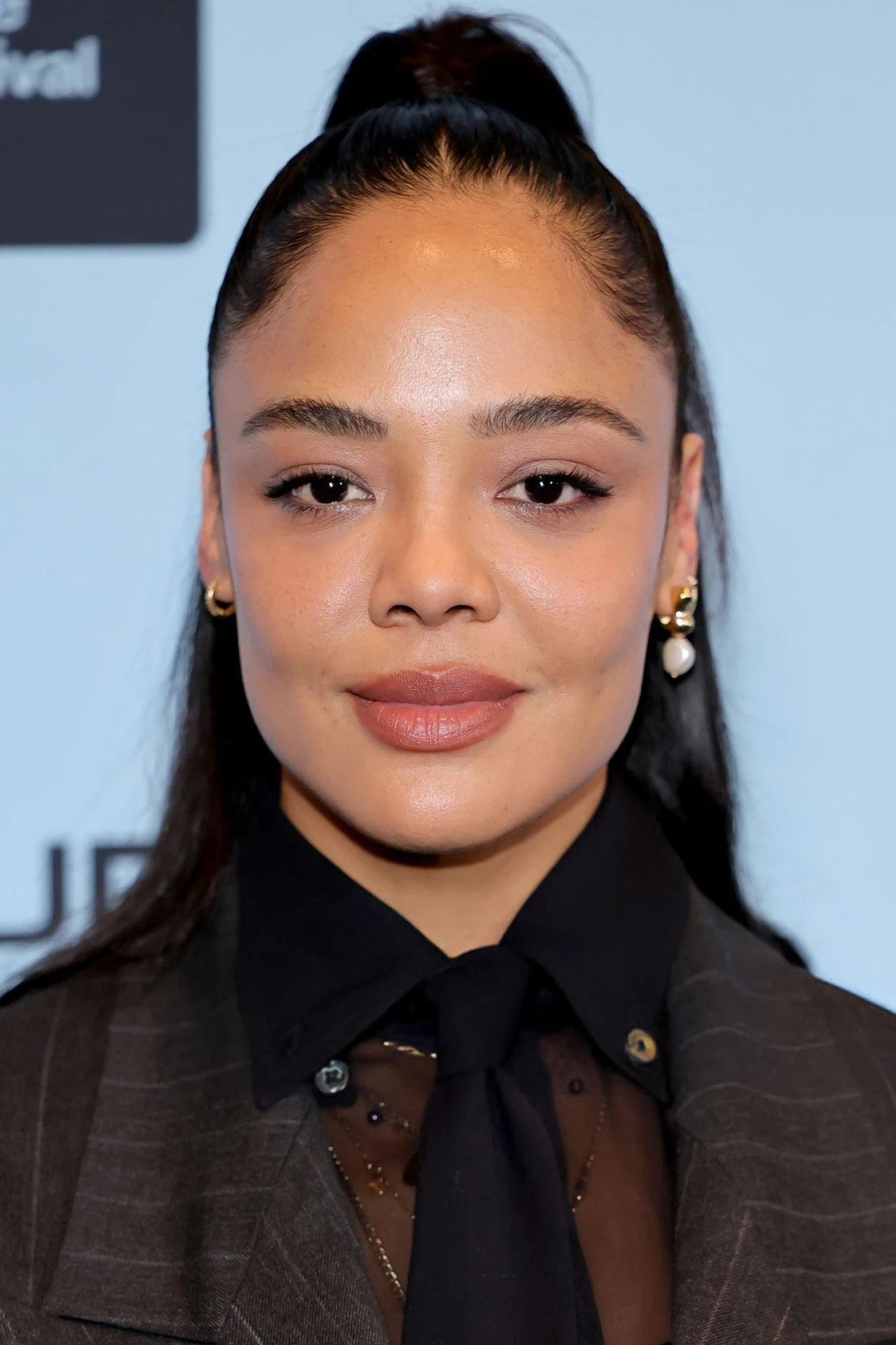
Tessa Thompson has experienced racist attacks and harassment after being cast in prominent roles in the Marvel and ‘Rocky’ universes. Some fans protested her casting as Valkyrie, objecting to a Black actress playing a character rooted in Norse mythology. Thompson has actively spoken out against this negativity and advocates for greater diversity among those working on film sets and in production. As an Afro-Latina woman, she’s shared her experiences with the difficulties of defining identity in Hollywood. Through her work, she continues to push boundaries and change how actors are traditionally cast.
Lupita Nyong’o
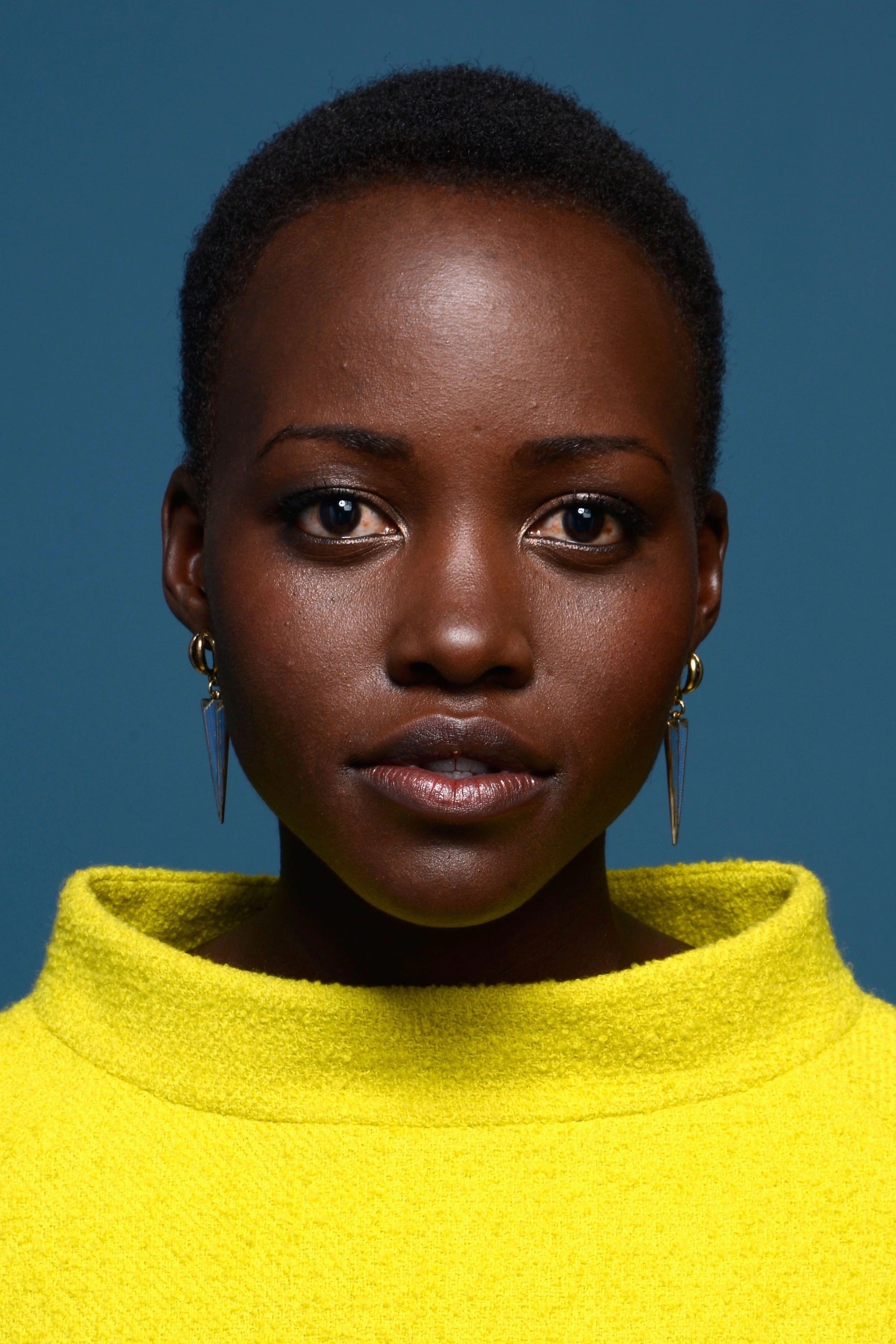
Lupita Nyong’o, born in Mexico City, identifies as both Mexican and Kenyan. Throughout her career, she’s openly discussed the challenges she’s faced with colorism – prejudice based on skin tone – both personally and professionally. Nyong’o uses her influence to champion greater representation of darker-skinned Latinas in media worldwide. She’s often had her complex heritage ignored or oversimplified by the media and the public, but her success is helping to reshape conversations about beauty and race in Hollywood.
Camila Mendes
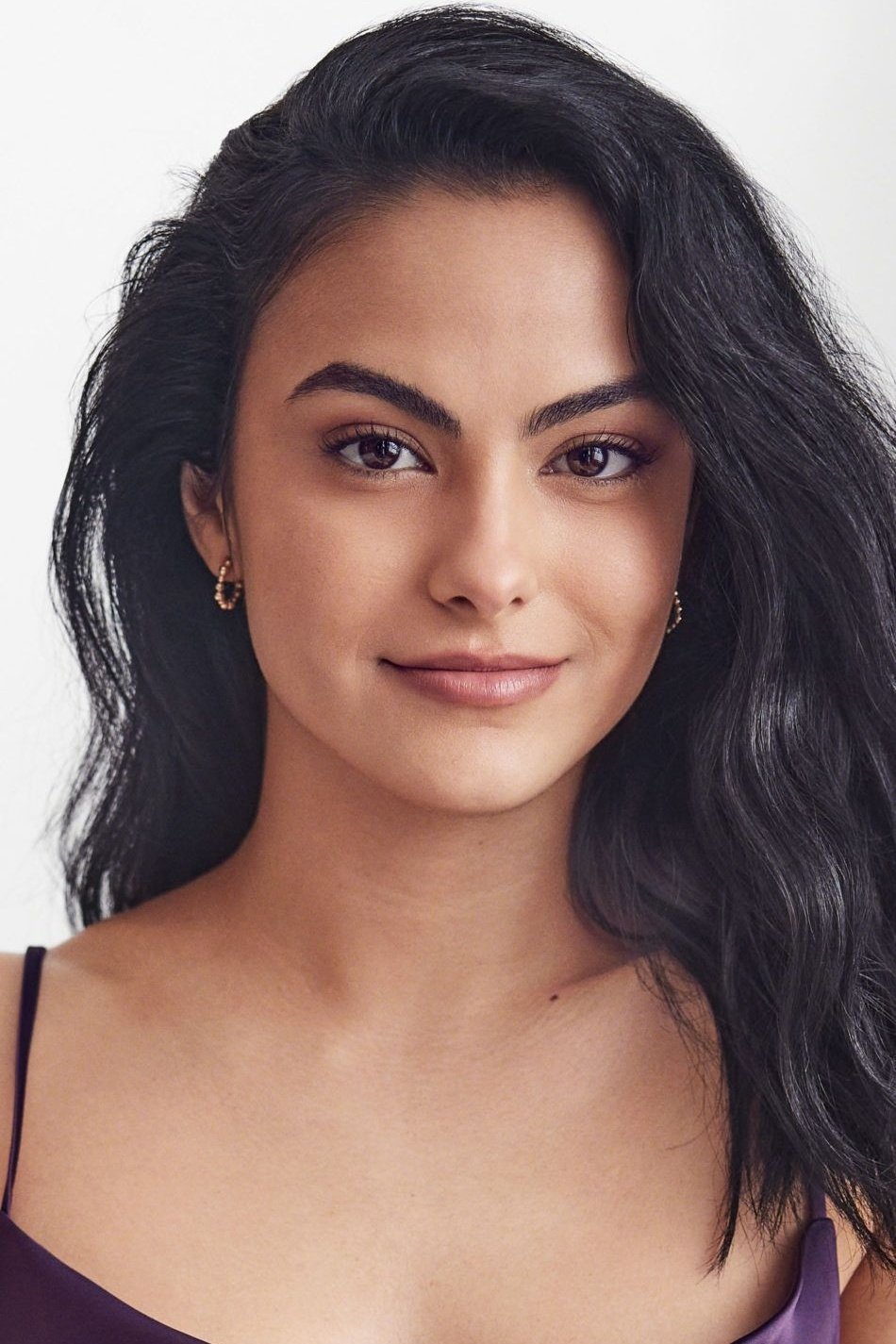
Camila Mendes has talked about the challenges of being a Brazilian American actress in Hollywood, where she often doesn’t match the typical expectations. She’s experienced pressure to appear more or less visibly Latina, depending on the part she was trying to get. Mendes was able to portray a wealthy and influential Latina family on ‘Riverdale’, which is something rarely seen on TV. She’s also received comments questioning her background because of how she looks. Her experiences highlight the incredible diversity within the Latino community in terms of appearance and life experiences.
Victoria Justice

Victoria Justice has talked about how, growing up as a young actress, aspects of her Latina background were sometimes minimized. She’s proud of her Puerto Rican heritage and feels it’s important to acknowledge it. As she moved from playing child roles to adult ones, she noticed a lack of complex parts for Latina actresses. Because of this, she’s been actively seeking projects where she can fully express herself and avoid being typecast. Her work continues to be meaningful for many fans who see themselves represented through her.
Christian Serratos

When Christian Serratos was cast as Selena Quintanilla, she received a lot of scrutiny from passionate fans who were very protective of the late singer’s memory. People often commented on her looks and background. Serratos dedicated herself to portraying Selena respectfully while dealing with these high expectations. She’s also discussed the difficulties of being a Latina actress in a genre like science fiction, as seen in her role on ‘The Walking Dead.’ Throughout her career, she’s consistently chosen memorable and demanding parts.
Aimee Garcia
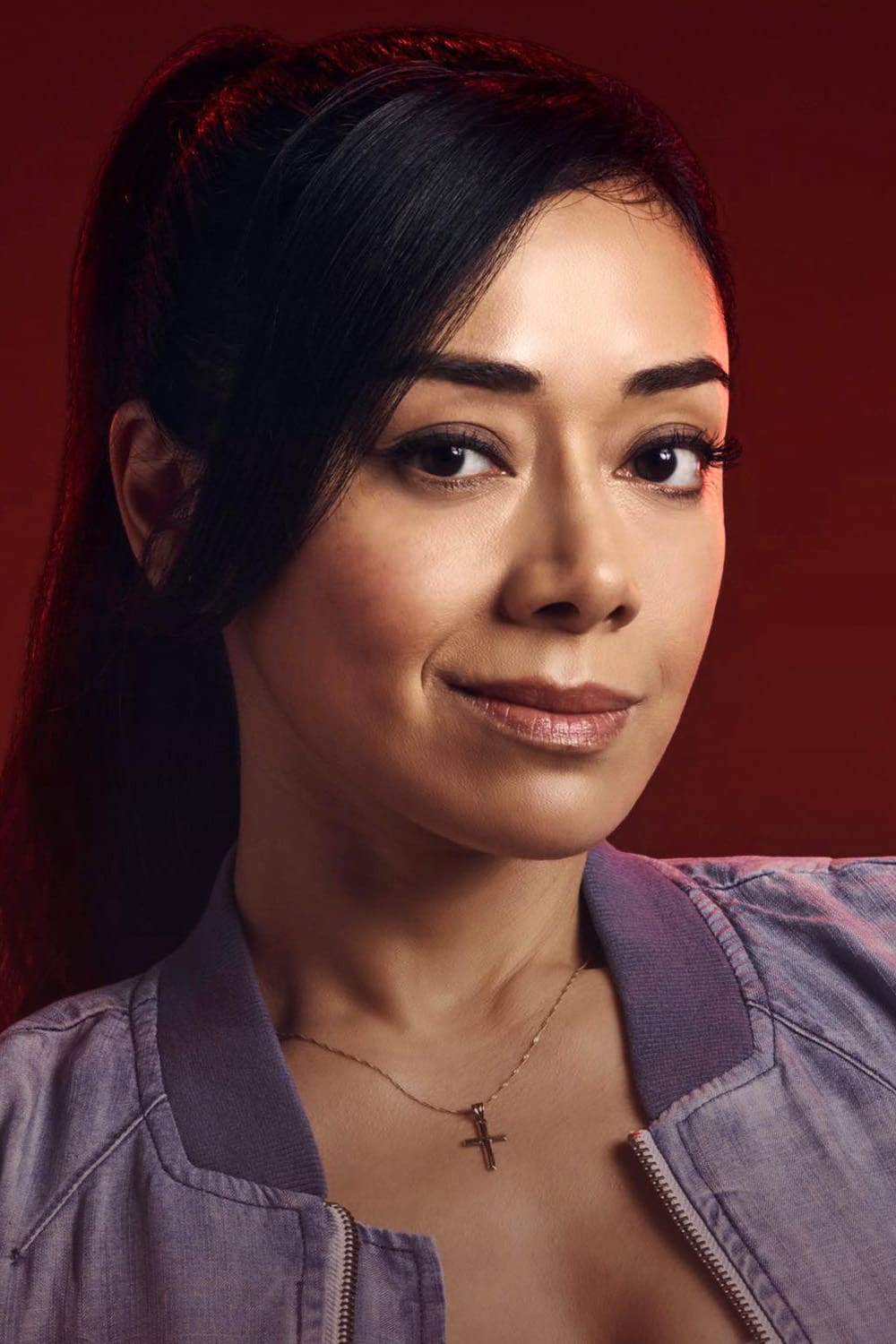
Aimee Garcia has long been a champion for greater Latino representation among television writers and executives. She’s spoken about how frustrating it is when characters of Latino heritage are written by people unfamiliar with the culture. While she’s dealt with being typecast throughout her career, Garcia has managed to take on more varied roles, like her work on ‘Lucifer.’ She’s also shared her experiences of being told she wasn’t ‘Mexican enough’ due to how she was raised. Her efforts to create change happen both on and off screen, and are equally important.
Natalie Martinez
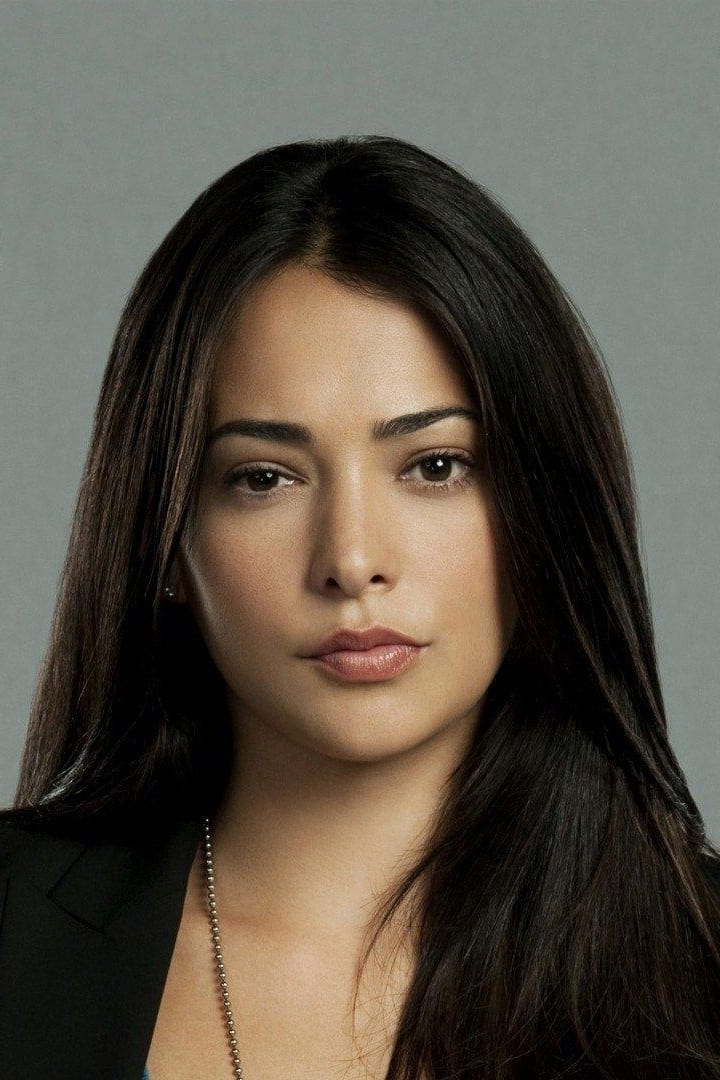
Natalie Martinez often finds herself playing strong, but stereotypical Latina characters, and she’s actively working to broaden the types of roles she takes on. She’s discussed how hard it is to find parts that let her show vulnerability and depth. The entertainment industry often sees her as best suited for roles like police officers or action heroes, but she’s determined to find scripts that offer a more realistic and diverse portrayal of Latino life. Her successful career is a testament to her talent and her unwillingness to let others define her.
Cierra Ramirez
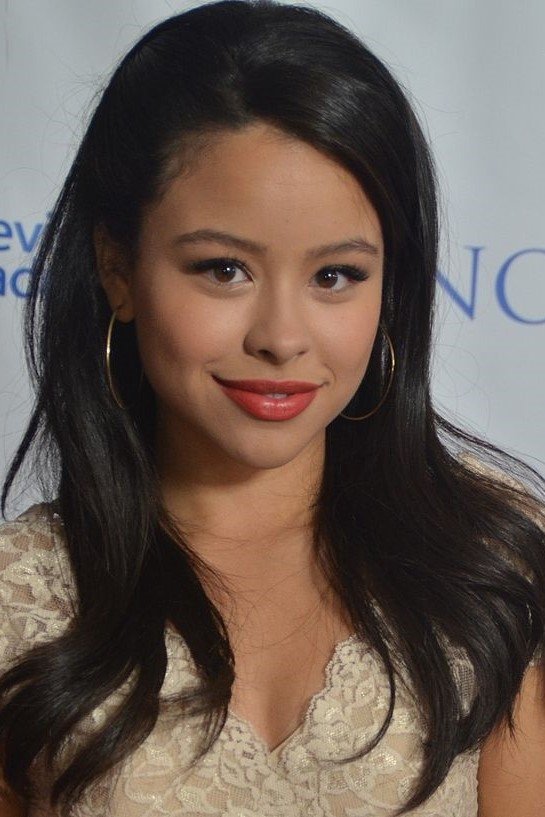
Cierra Ramirez consistently uses her acting roles in family-focused shows to bring attention to the challenges faced by Latino young people in the U.S. She’s proud of her heritage and feels a strong sense of duty to be a positive example. Despite facing online negativity related to her characters and background, Ramirez continues to create and star in projects that showcase Latina perspectives. Her work is helping to make family television more diverse and inclusive.
Diane Guerrero
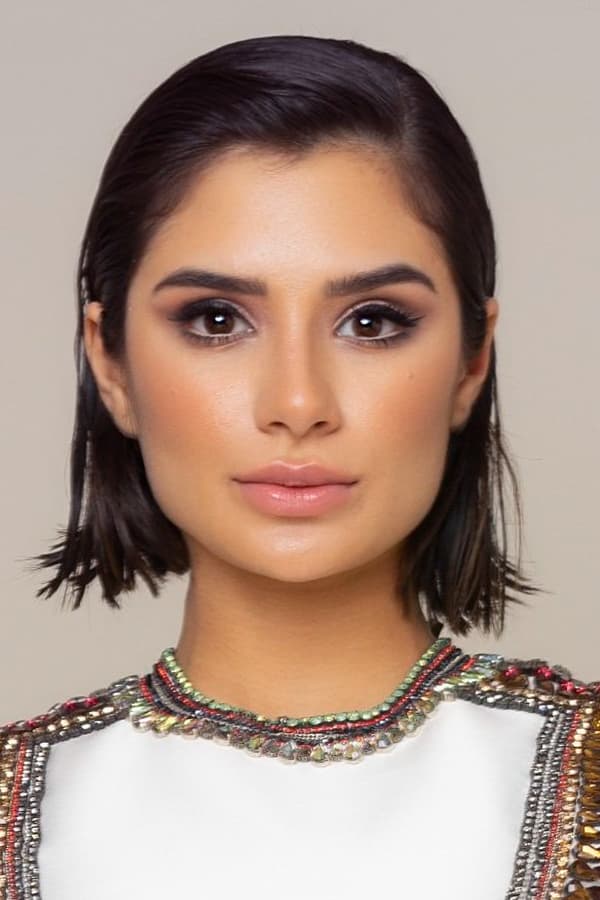
Diane Guerrero has become a strong advocate for immigrants, especially after publicly sharing her family’s experience with deportation. Her activism has unfortunately made her a target of criticism and political attacks. Guerrero connects her past trauma to both her acting and her work as an advocate, and she’s known for carefully portraying the challenges faced by immigrant families in her roles. By bravely sharing her story, she’s inspired others and encouraged the entertainment industry to address these important issues with greater sensitivity.
Eiza González
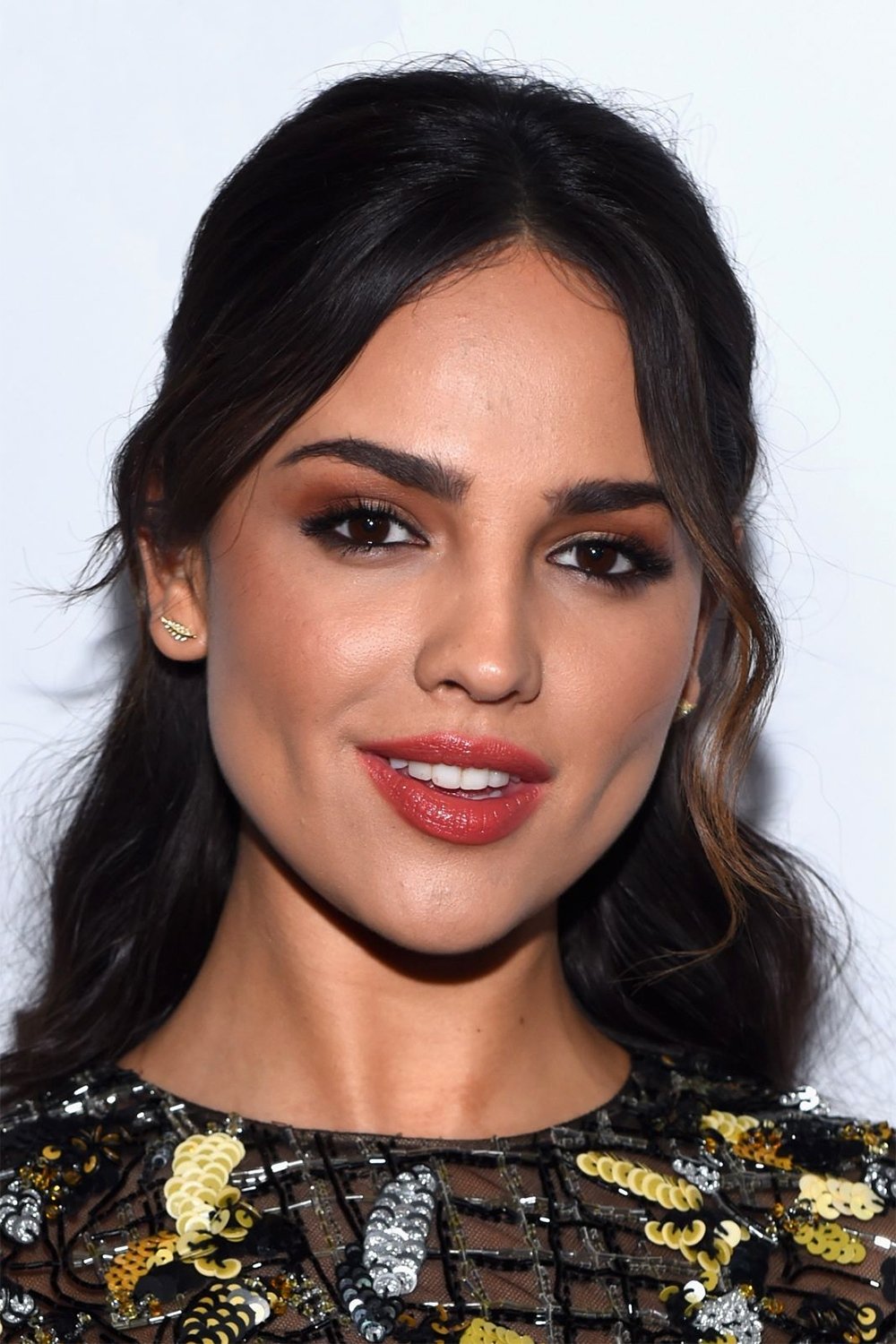
Eiza González has expressed frustration with being labeled simply as a ‘bombshell’ because of her looks. As a Mexican actress, she often finds she has to work harder to be seen as capable of playing complex or action-packed roles. González has received criticism from media in both the US and Mexico regarding her career and public image. She’s dedicated to challenging stereotypes that limit Latina actresses to roles focused solely on their appearance. Her work in films like ‘Baby Driver’ has started to open doors to a wider range of opportunities.
Michelle Rodriguez
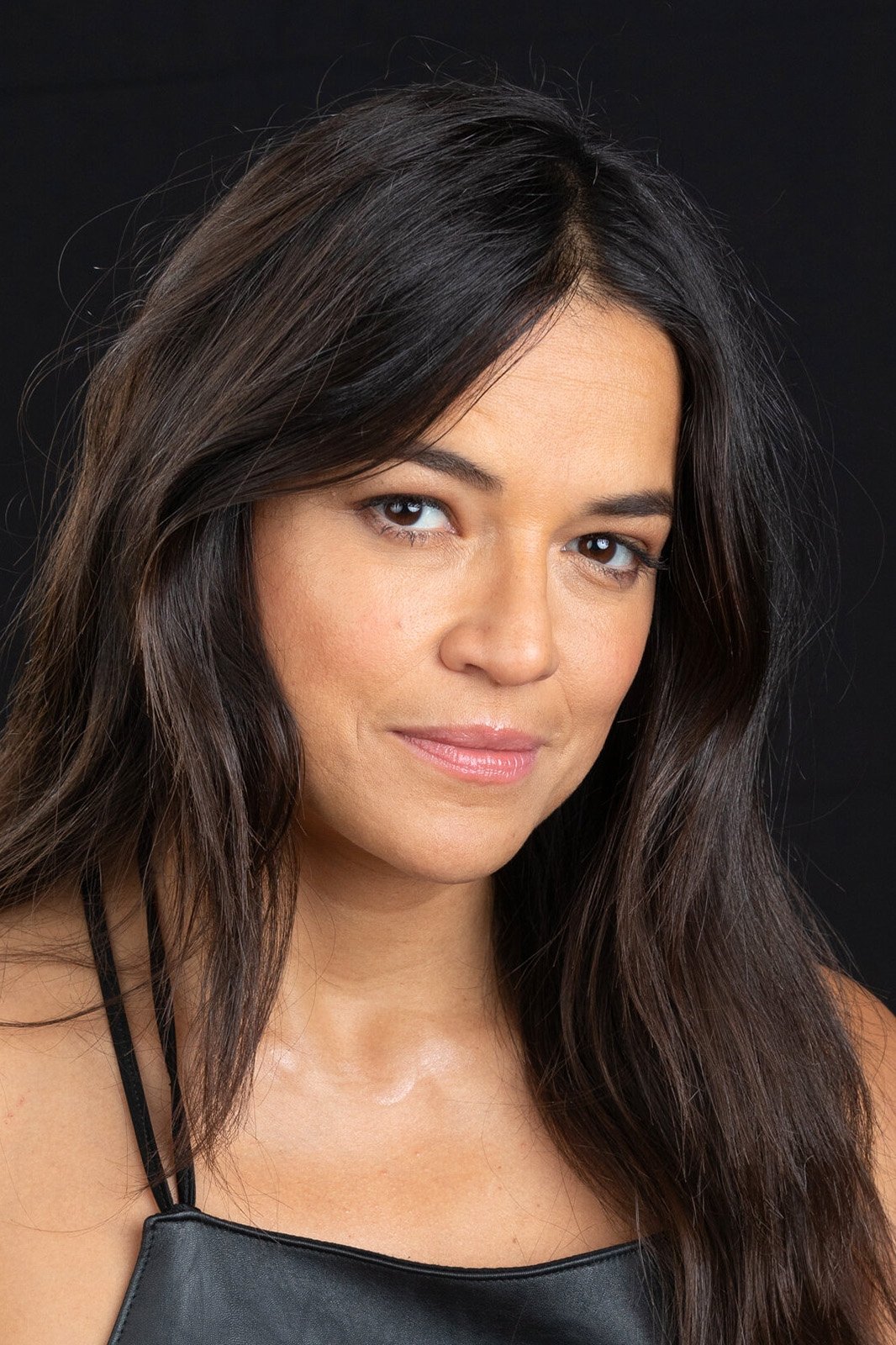
Michelle Rodriguez is known for standing up for strong and respectful portrayals of Latina characters. She’s turned down significant roles if she felt female characters were poorly written or overlooked. This commitment to better representation has sometimes caused friction within the industry, but she’s consistently fought for her characters to have more power, especially in the ‘Fast and Furious’ films. Her career demonstrates how an actor can stay true to their values even when facing challenges.
Judy Reyes
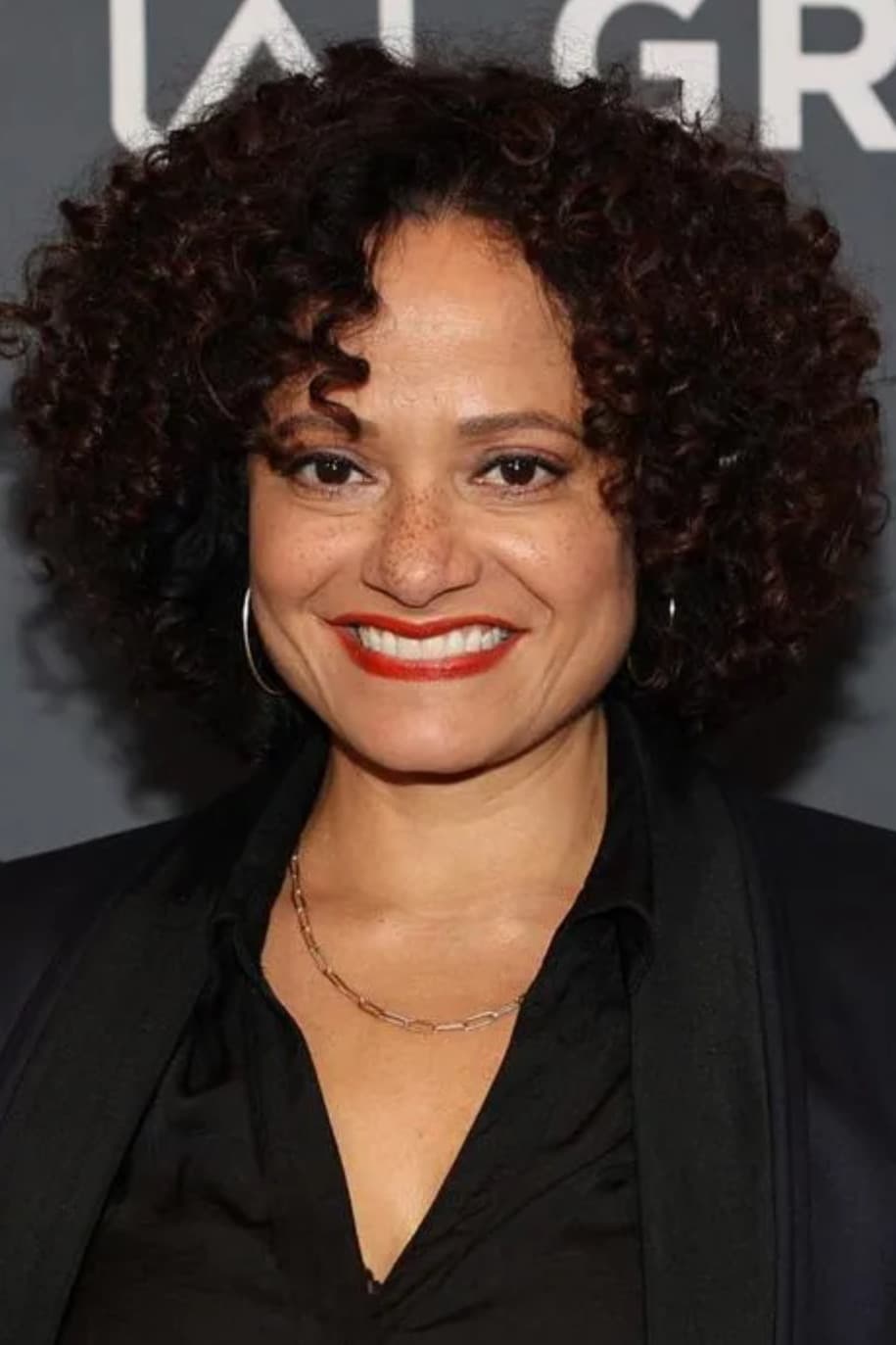
Judy Reyes has talked about the struggle to stay true to herself while working in an industry that often pressures people to conform. She’s shared how she made sure her character on ‘Scrubs’ reflected her Dominican heritage, and discussed the obstacles she faced as a woman of color playing leading roles on shows like ‘Devious Maids’. Despite facing criticism for her career choices, Reyes is dedicated to representing her community, and her work has been key in increasing Latina representation on television.
Elizabeth Rodriguez
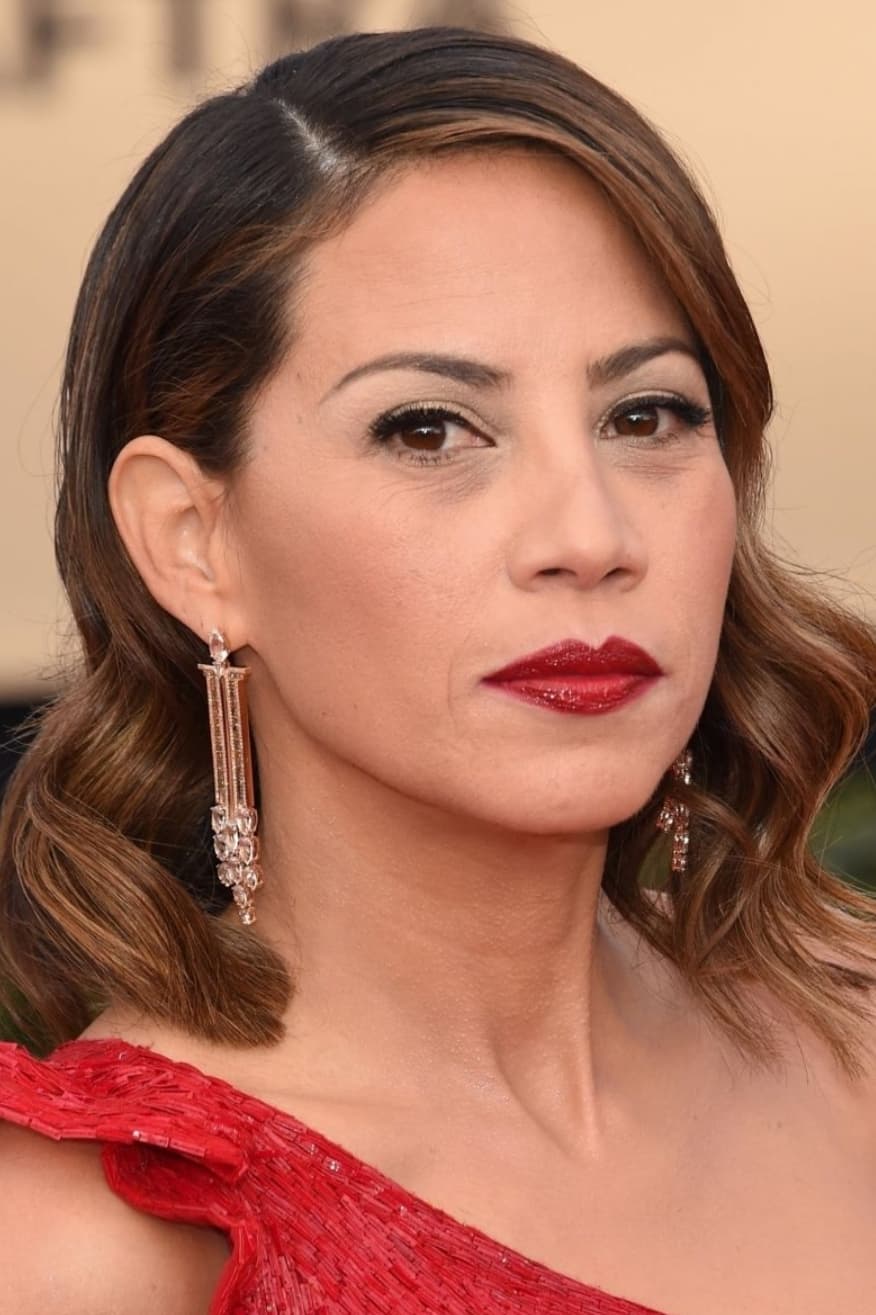
Elizabeth Rodriguez has built a successful career playing a variety of supporting roles, but she’s also worked to create more leading opportunities for Latina actresses. She’s openly discussed how frustrating it is to be limited to certain types of roles, especially in crime shows, and how actors of color often don’t get chances to expand their skills. Through her work in television and film, Rodriguez has consistently demonstrated her talent and versatility. She’s faced challenges in an industry that often favors younger actresses or those who fit traditional stereotypes. Despite these hurdles, her dedication has earned her praise from critics and a loyal fanbase.
Constance Marie

I’ve always admired Constance Marie. She’s been such a steady, welcome face in Latino-led sitcoms, and she really gets how important those shows are for seeing ourselves represented on screen. I know she’s talked about how tough it can be to play a Latina mother in Hollywood, where they so often fall back on tired stereotypes. It was heartbreaking to hear her speak about the cancellations of shows like ‘George Lopez’ – it really highlighted the constant fight to keep our stories being told. She hasn’t given up though, and continues to push for more diversity in family television, which I think is amazing. Her whole career is a testament to just how much persistence it takes to thrive in this industry.
Lupe Ontiveros
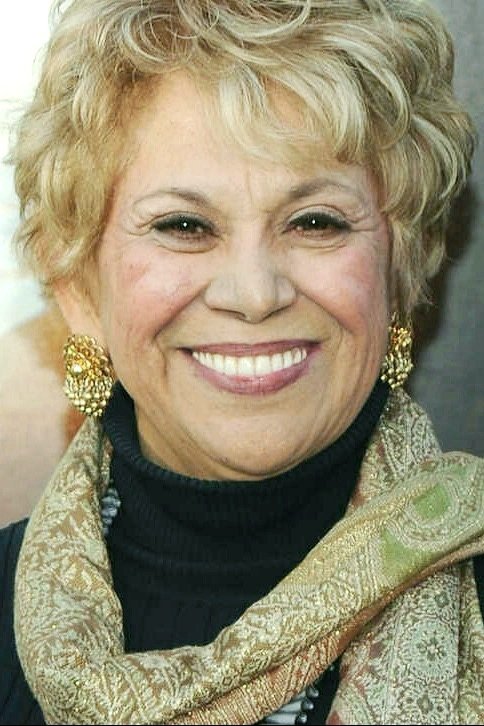
Lupe Ontiveros was a remarkably busy actress, famously saying she’d played a maid more than 150 times. She openly discussed how racism in the industry restricted her opportunities, even though she was a skilled and educated performer. Ontiveros used her platform to draw attention to the struggles of housekeepers and the lack of diverse roles for Latina actresses. Even when cast in predictable parts, she infused her characters with a sense of grace and humanity, often exceeding the limitations of the script. Her career serves as a powerful reminder of the talent that can be overlooked due to prejudice in the entertainment industry.
Katy Jurado
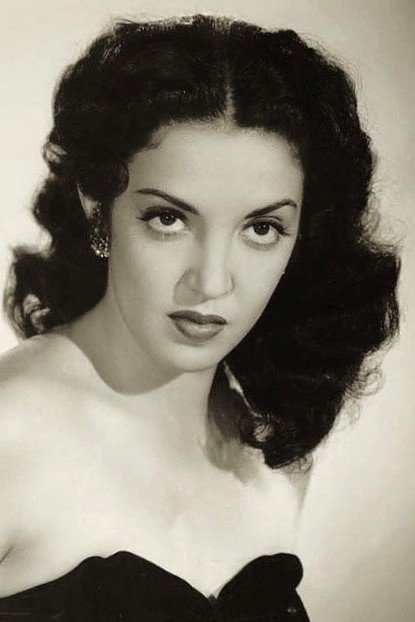
Katy Jurado was a pioneering Mexican actress who achieved fame in Hollywood, but she encountered significant discrimination in the 1950s. Because of her background, she was frequently typecast in roles as a seductive or threatening woman. Jurado often spoke about feeling alone as an outsider in a Hollywood system that didn’t appreciate her culture. Despite these obstacles, she made history as the first Latina actress to receive an Academy Award nomination. Her resilience and skill paved the way for all Latina actresses who came after her.
Dolores del Río
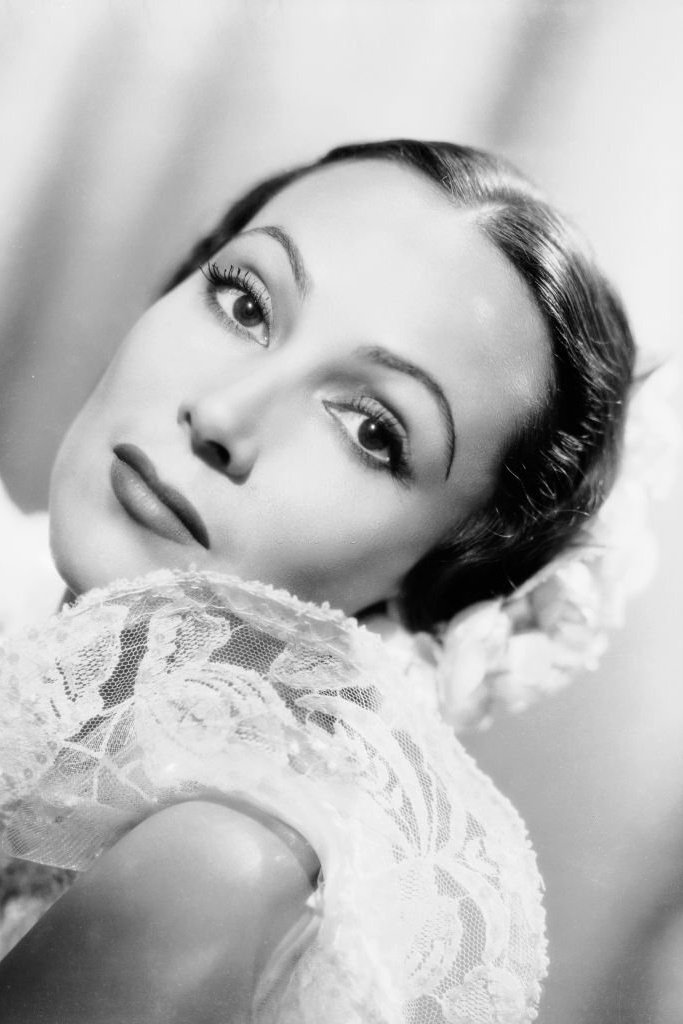
Dolores del Río was a prominent silent film star, but her career faced challenges when movies began to include sound. Studio heads worried her Mexican accent wouldn’t appeal to American audiences, so she went back to Mexico. There, she became a key figure in the flourishing Golden Age of Mexican cinema. Del Río remained an icon of beauty and grace, refusing to let Hollywood limit her potential. Her story demonstrates the historical discrimination based on language and ethnicity within the film industry.
Melissa Fumero
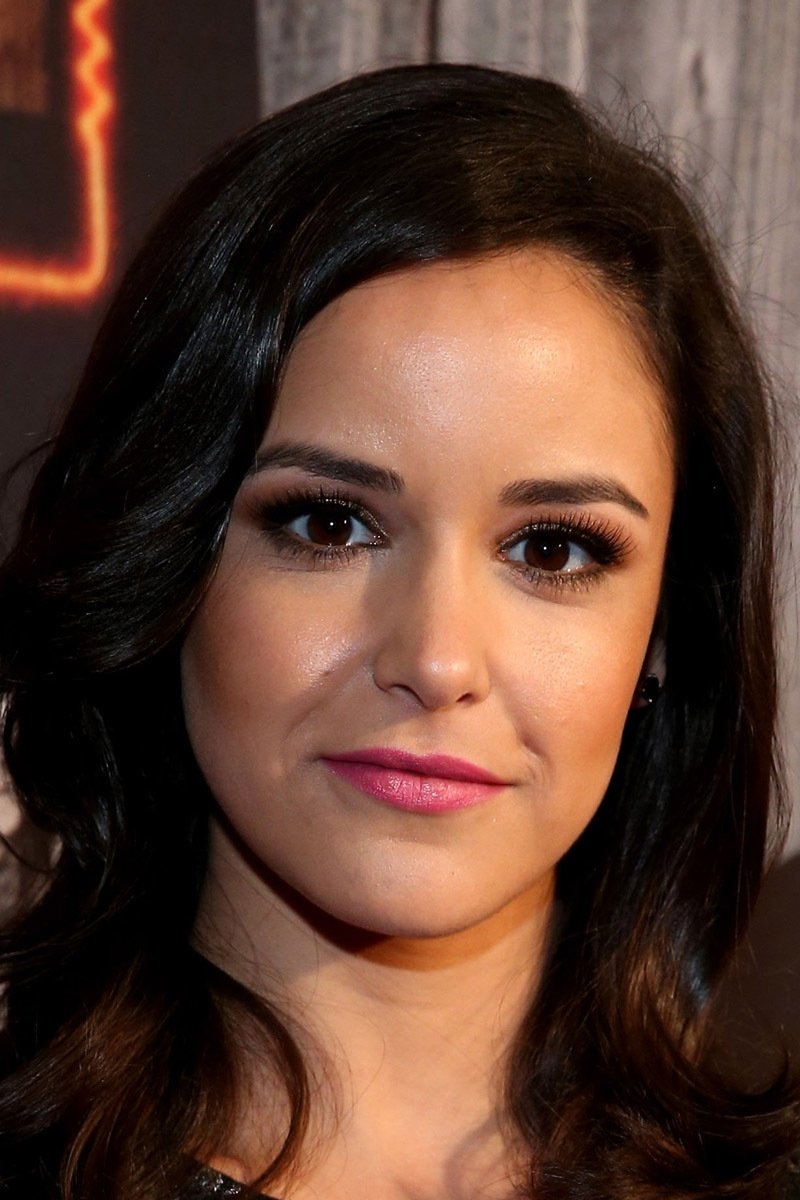
Melissa Fumero emphasizes the value of diverse representation in casting, moving beyond simply checking boxes for ethnicity. Early in her career, she felt pressure to demonstrate she was more than just a character’s background. Her time on ‘Brooklyn Nine-Nine’ was praised for showcasing two strong Latina actresses in complex roles that avoided stereotypes. Fumero has also addressed the misunderstanding of the varied experiences within the Latino community and actively seeks roles that break away from typical television tropes.
Dania Ramirez
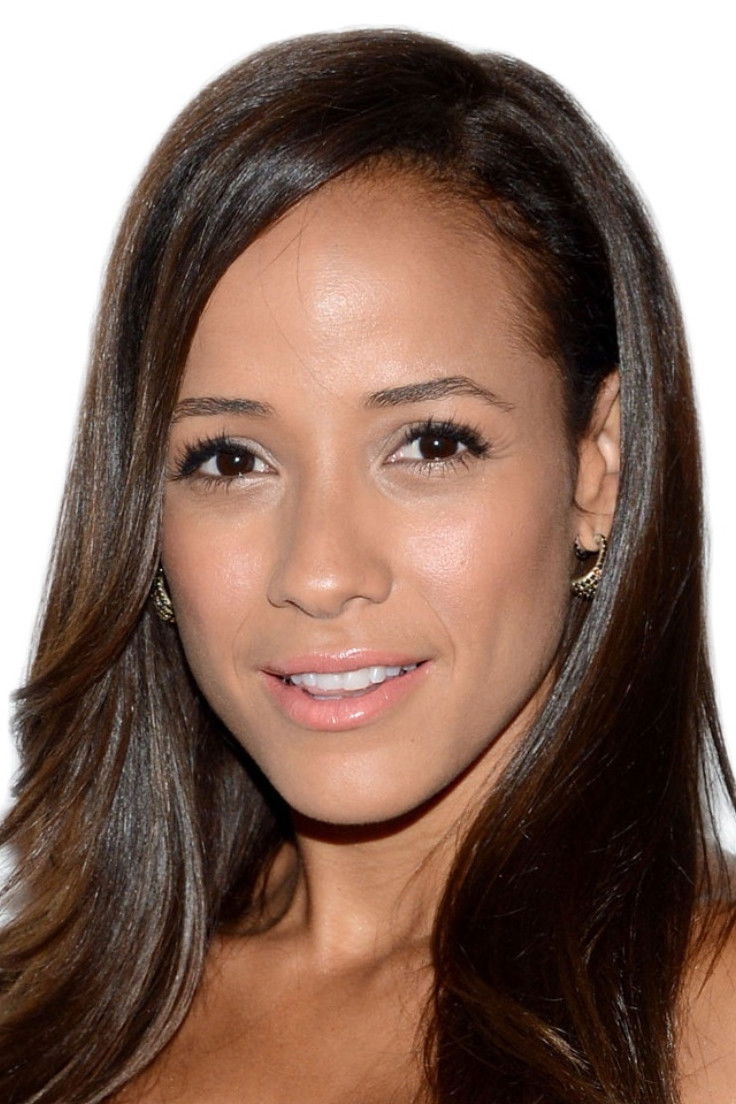
Dania Ramirez has often shared her experiences as an immigrant from the Dominican Republic, including the racism she encountered. She’s discussed the challenges of being respected in Hollywood while staying true to her accent and background. While often cast in roles emphasizing her looks, Ramirez has actively sought out more meaningful parts. She uses her visibility to champion other immigrant artists and fight against prejudice. Her success is a testament to her dedication and pride in her heritage.
Mishel Prada
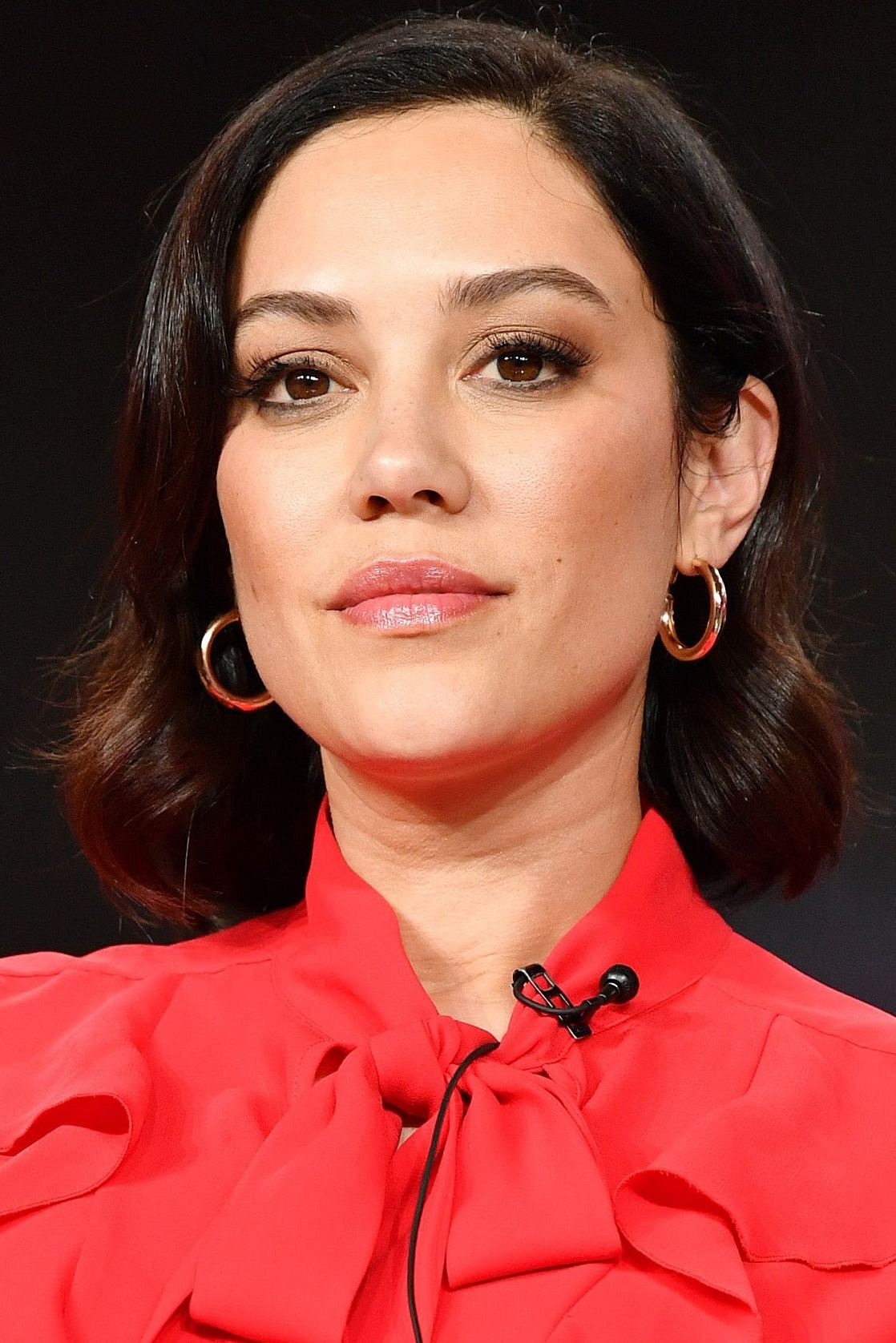
As a total movie and TV buff, I’ve been really impressed by Mishel Prada. She’s become a powerful voice speaking out about how rarely we see queer Latinas authentically represented on screen. She’s talked about how tough it is to find roles that actually reflect who she is, both ethnically and sexually. Apparently, she’s even gotten resistance from the industry when she’s tried to push for more realistic portrayals of Latino families as they are today. Her work on ‘Vida’ felt like a real turning point – it gave her a space to explore these important themes with a team that got it. And she’s not stopping there – she’s still fighting for more diverse and inclusive stories across the board, which I absolutely love.
Please share your thoughts on the impact of these incredible actresses in the comments.
Read More
- Spotting the Loops in Autonomous Systems
- Seeing Through the Lies: A New Approach to Detecting Image Forgeries
- The Best Directors of 2025
- Staying Ahead of the Fakes: A New Approach to Detecting AI-Generated Images
- The Glitch in the Machine: Spotting AI-Generated Images Beyond the Obvious
- 20 Best TV Shows Featuring All-White Casts You Should See
- Gold Rate Forecast
- Umamusume: Gold Ship build guide
- 2025 Crypto Wallets: Secure, Smart, and Surprisingly Simple!
- Mel Gibson, 69, and Rosalind Ross, 35, Call It Quits After Nearly a Decade: “It’s Sad To End This Chapter in our Lives”
2026-03-15 23:29