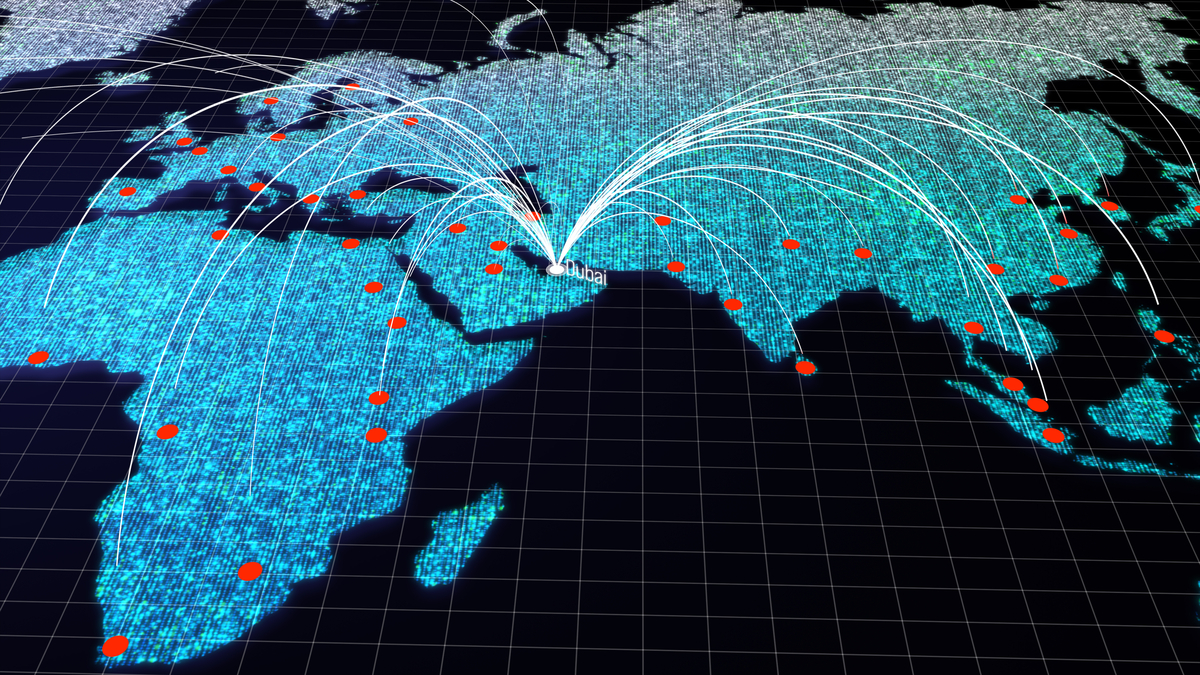
The accounts of loss emanating from the region are, of course, regrettable. Though one hesitates to apply such a sentimental descriptor to events unfolding with a grim predictability. The sheer volume of disruption – lives, infrastructure, the delicate flow of capital – is considerable, yet it is the nature of the disruption that warrants a more precise accounting. It is not merely damage, but a reconfiguration of risk, a subtle but insistent re-evaluation of asset allocation. And, as with all re-evaluations, opportunities—however obscured—inevitably present themselves.
The incident itself, the targeting of data repositories in the Gulf, is less a novelty than a logical, if unsettling, progression. One might have anticipated such a development, given the increasing reliance on these digital fortresses and the inherent vulnerability of any centralized system. It is not the destruction of servers that is concerning, but the realization that these facilities, these seemingly neutral arbiters of information, are, in fact, deeply implicated in the theater of conflict. A truth, one suspects, known to those who designed the systems, but conveniently omitted from the prospectuses.
The official reports speak of “disruptions” and “temporary outages.” These are bureaucratic euphemisms, designed to soothe investors and minimize panic. The reality is far more complex. The strikes represent a fundamental shift in the calculus of technological investment. To assume that such attacks are isolated incidents would be a grave error. They are, rather, a harbinger of a new era, where data centers are no longer seen as passive infrastructure, but as legitimate military objectives. A grim symmetry, perhaps, given the role these facilities play in modern warfare.
The Matter of Location
The inherent logic is inescapable. Data centers, with their vast energy consumption and readily identifiable thermal signatures, are remarkably easy targets. One does not require sophisticated intelligence to locate and disable such facilities. A standard drone, guided by readily available thermal imaging, is sufficient. The cost of defense, therefore, far outweighs the cost of attack. A simple equation, yet one that eludes the grasp of those preoccupied with quarterly earnings reports. The damage inflicted upon the regional economies is, of course, unfortunate, but merely a consequence of a larger, more fundamental realignment.
The construction costs, as reported, are staggering—millions, even billions, per facility. These figures, however, represent only a fraction of the true cost. The cost of security, the cost of redundancy, the cost of insurance—these are the hidden liabilities that investors consistently underestimate. And now, a new cost emerges—the cost of geopolitical risk. A risk that, until recently, was dismissed as negligible. It is a peculiar irony that these centers of digital efficiency are so demonstrably inefficient when it comes to assessing their own vulnerabilities.
Palantir and Anthropic, as mentioned, represent the vanguard of this new technological landscape. Their entanglement with defense contractors is not accidental. It is a deliberate strategy, designed to secure their position in a world increasingly defined by conflict. The public disputes between these companies and the Department of Defense are merely a performance, a carefully choreographed display of power and influence. The true negotiations occur behind closed doors, in the sterile corridors of government agencies and the opulent boardrooms of Silicon Valley.
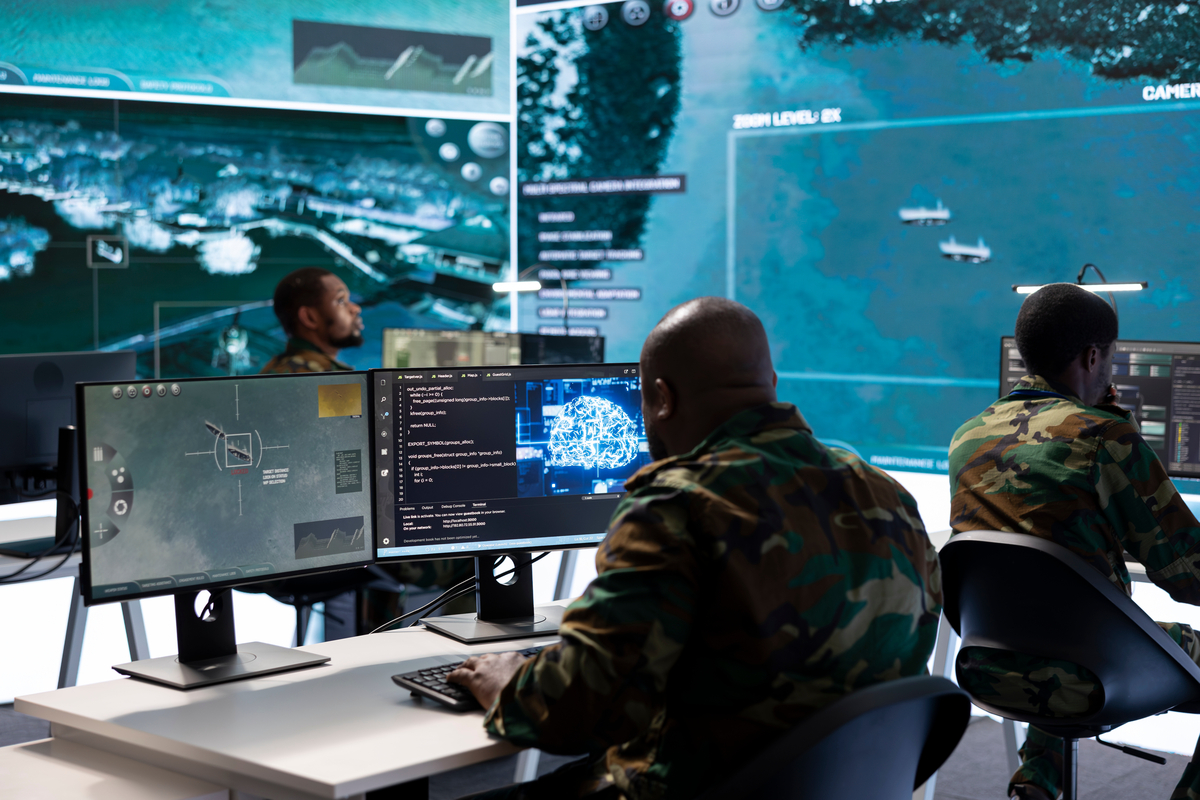
The proliferation of AI, as everyone now recognizes, is inextricably linked to the demands of warfare. The algorithms that optimize supply chains can also optimize battlefield logistics. The facial recognition software that enhances security can also be used for surveillance and control. The data centers, therefore, are not merely repositories of information; they are the engines of a new arms race. A race that, unlike its predecessors, will be fought not with bombs and bullets, but with algorithms and data.
The Inevitable Relocation
The Middle East, as the reports accurately state, is woefully underdeveloped in terms of data center infrastructure. The attempts to attract hyperscalers with cheap land and abundant energy were, in retrospect, naive. The region is simply too unstable, too prone to conflict. The legal precedents, which assign financial responsibility for service disruptions to the providers themselves, are a clear indication of the inherent risks. It is a bureaucratic absurdity, of course—to hold a private company accountable for the consequences of geopolitical events—but it is an absurdity that investors will undoubtedly take into account.
The hyperscalers, therefore, will inevitably shift their focus to more stable regions. Southeastern Europe, India, perhaps even South America—these are the areas that offer a combination of low cost, abundant energy, and relative political stability. The relocation will be gradual, of course, a carefully orchestrated process designed to minimize disruption and maintain investor confidence. But it is inevitable. The laws of economics, like the laws of physics, are immutable.
The existing facilities in the Gulf will remain operational, for a time. But they will be viewed as legacy assets, gradually depreciating in value. The new investments will flow elsewhere, to regions that offer a more predictable return. And the cycle will continue, the endless pursuit of profit in a world increasingly defined by uncertainty. It is a peculiar paradox, of course—to seek stability in a world that is inherently unstable—but it is a paradox that defines the human condition.
Read More
- Building 3D Worlds from Words: Is Reinforcement Learning the Key?
- Spotting the Loops in Autonomous Systems
- The Best Directors of 2025
- 2025 Crypto Wallets: Secure, Smart, and Surprisingly Simple!
- The Glitch in the Machine: Spotting AI-Generated Images Beyond the Obvious
- 20 Best TV Shows Featuring All-White Casts You Should See
- Gold Rate Forecast
- Umamusume: Gold Ship build guide
- Mel Gibson, 69, and Rosalind Ross, 35, Call It Quits After Nearly a Decade: “It’s Sad To End This Chapter in our Lives”
- Uncovering Hidden Signals in Finance with AI
2026-03-15 19:22