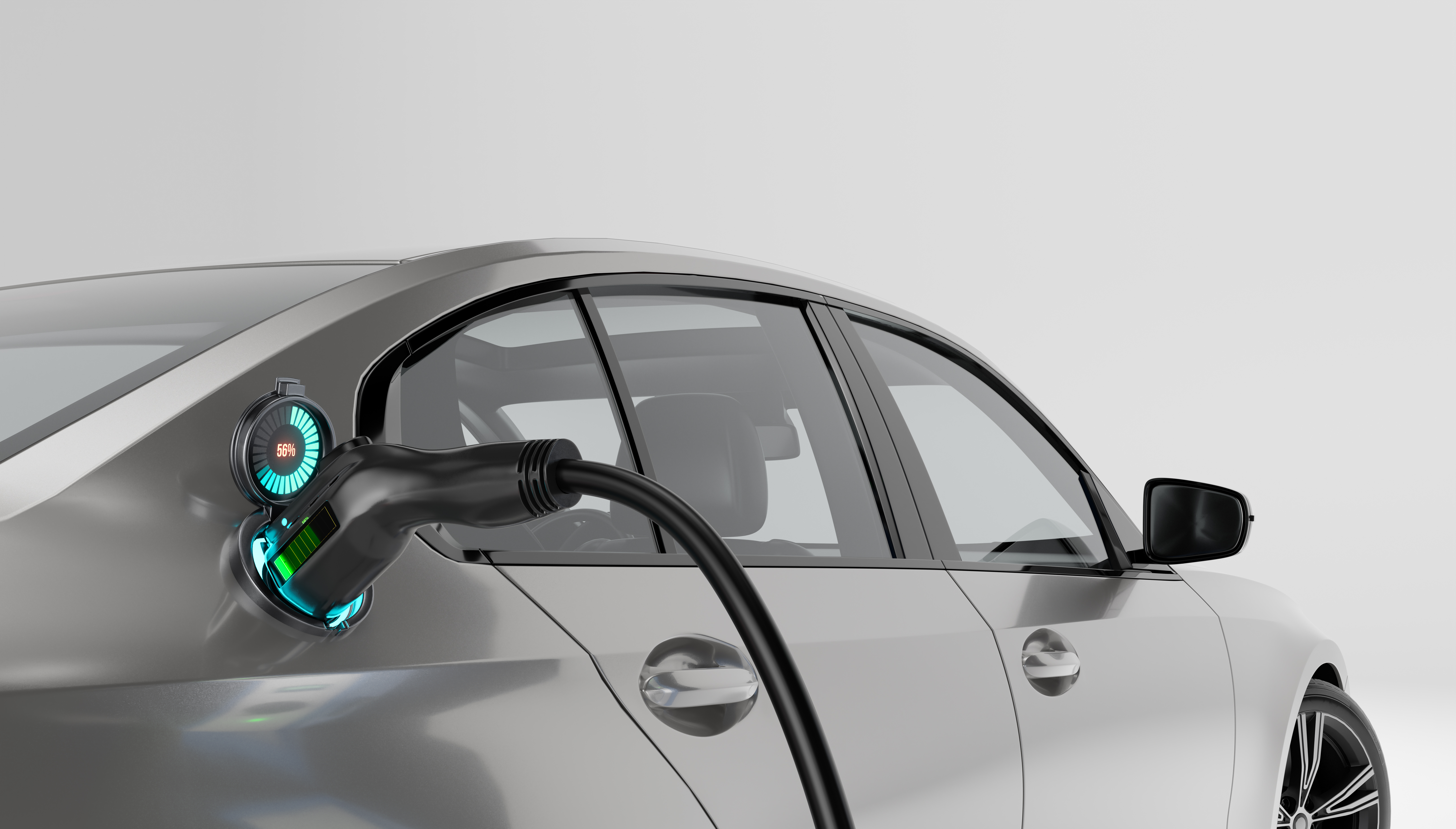
Rivian, a name whispered with the hopeful fervor usually reserved for lottery tickets and dubious investment schemes, prepares to unleash its R2 upon the unsuspecting public this April. It’s a bold maneuver, frankly, akin to selling snow to Eskimos, but with a slightly more plausible business model. The company, having already mastered the art of separating venture capitalists from their funds, now attempts a more democratic form of wealth redistribution – from early adopters to, well, hopefully, everyone.
The R2, priced to entice (starting at a mere $45,000 – a sum that, in these inflationary times, buys you approximately three decent used sofas), aims to infiltrate the fiercely competitive mid-sized SUV market. Rivian promises a full unveiling of specifications on March 12th, which will undoubtedly involve a blizzard of technical jargon designed to confuse and impress in equal measure. One suspects the true specifications will be revealed only after a sufficient number of vehicles have rolled off the assembly line, and any…minor imperfections…have been addressed.
Over 100,000 reservations have already been secured, a figure that suggests either genuine enthusiasm or a widespread misunderstanding of the concept of refundable deposits. Consumer Reports, ever the optimist, notes that over 85% of Rivian owners would purchase the brand again – a statistic that conveniently omits the percentage who might be stuck with a lemon and limited options. Reliability, it seems, remains a work in progress, though one could argue that a certain degree of mechanical unpredictability adds a touch of adventure to the daily commute.
The initial public offering, a spectacle of exuberance and questionable judgment, saw Rivian briefly flirt with valuations that defied both logic and gravity. Since then, the share price has experienced a rather…vigorous correction, plummeting by over 80%. A return to IPO glory seems improbable, but a modest rally fueled by the R2’s launch wouldn’t surprise even the most hardened cynic. After all, in the world of high finance, hope springs eternal, even in the face of overwhelming evidence to the contrary.
Rivian’s automotive segment, while currently operating at a loss, hints at a potential path to profitability. The fourth quarter of 2025 saw a consolidated gross profit of $120 million – a sum that, while respectable, is still dwarfed by the company’s overall expenditures. The software and services division, meanwhile, is churning out a healthy $179 million in operating profit – proving that sometimes, the real money isn’t in building things, but in selling access to them. A classic scheme, really.
For investors contemplating an entry point, now might be the time to roll the dice. The stock currently trades under $20, a price that, while not exactly a steal, represents a significant discount from its former heights. The electric vehicle market, admittedly, is fraught with challenges, but Rivian’s R2 launch could just provide the spark needed to reignite investor enthusiasm. Or, it could simply be another chapter in the ongoing saga of speculative bubbles and broken promises. Only time – and the whims of the market – will tell.
Read More
- Building 3D Worlds from Words: Is Reinforcement Learning the Key?
- Spotting the Loops in Autonomous Systems
- The Best Directors of 2025
- 2025 Crypto Wallets: Secure, Smart, and Surprisingly Simple!
- The Glitch in the Machine: Spotting AI-Generated Images Beyond the Obvious
- 20 Best TV Shows Featuring All-White Casts You Should See
- Umamusume: Gold Ship build guide
- Gold Rate Forecast
- Mel Gibson, 69, and Rosalind Ross, 35, Call It Quits After Nearly a Decade: “It’s Sad To End This Chapter in our Lives”
- Uncovering Hidden Signals in Finance with AI
2026-03-15 15:23