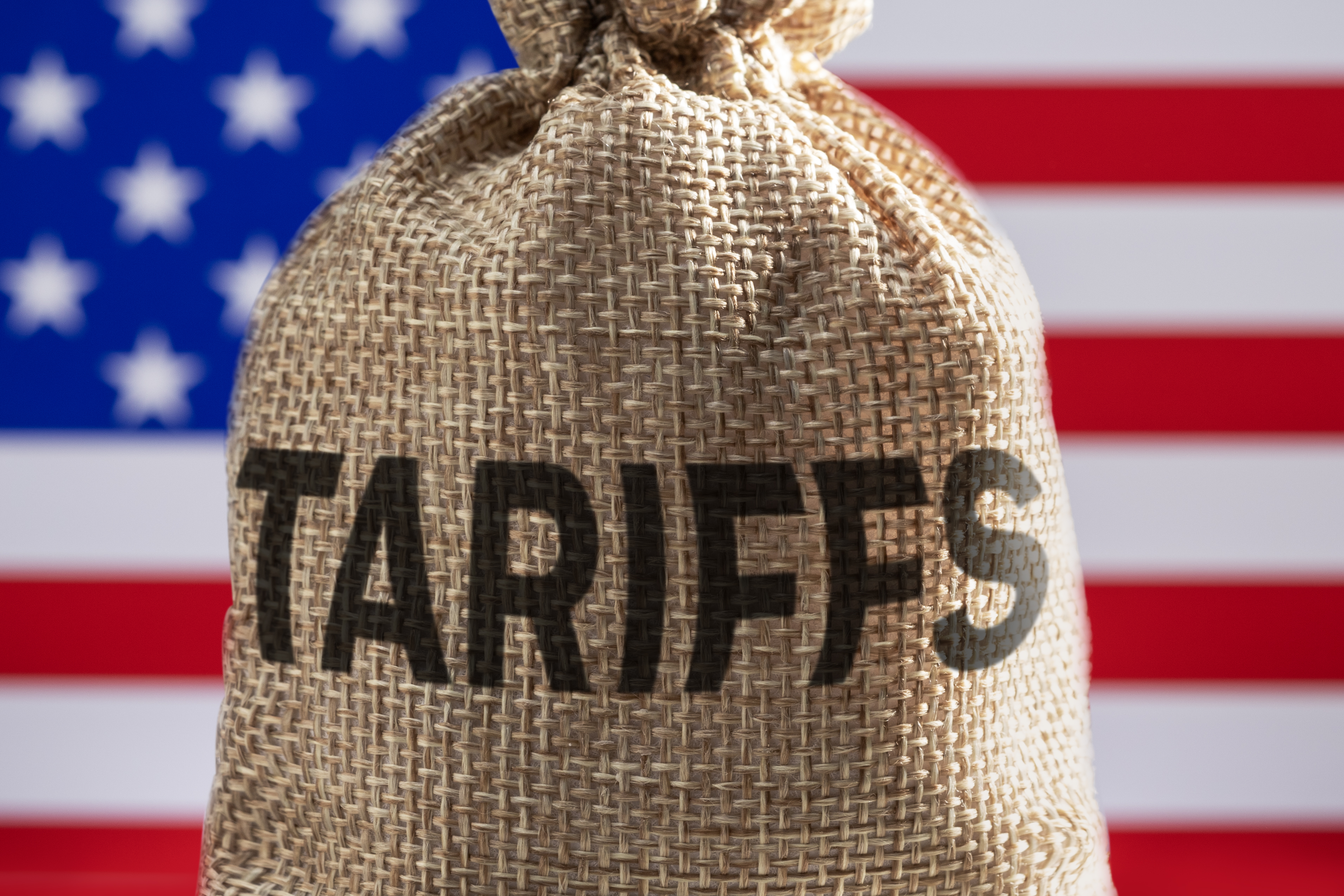
Some leaders find solace in trivialities – sugared confections, manicured lawns. Others, in the ritual of the game. Our current steward, however, displays a peculiar affinity for both the links and the imposition of levies. The recent dispatches concerning tariffs and trade, a subject we’ve been compelled to monitor with increasing apprehension, reveal a pattern of action, a flexing of economic muscle that demands sober assessment.
The Supreme Court, in a rare act of restraint, attempted to curb the more extravagant of these impositions. The response? A global tariff of ten percent, swiftly followed by the veiled threat of a fifteen percent escalation. It is a blunt instrument, this tariff, wielded with a casual disregard for the intricate web of economic interdependence.
The Mechanism of Extraction
The pronouncements from on high often claim these tariffs are borne by foreign nations. This is a convenient fiction. The truth, meticulously obscured, is that these are taxes on importation, paid not by distant exporters, but by American businesses – the importers – and ultimately, by the consumer. A quiet transfer of wealth, cloaked in the rhetoric of national strength.
Not long ago, a modest 2.5 percent tariff applied to many imported vehicles. An American importer purchasing a $25,000 car would remit $625 to the Treasury. A sum seemingly insignificant, yet a constant drain, a subtle erosion of purchasing power. Now, the levy has swelled to 25 percent, even 50 percent for certain light trucks. The cumulative effect is a constriction, a tightening of the economic noose.
A $25,000 vehicle, burdened by a 25 percent tariff, now carries a $6,250 tax. A $40,000 vehicle, a $10,000 burden. The manufacturers, faced with diminishing demand as prices ascend, are forced to make difficult choices – reductions in production, layoffs, the quiet dismantling of established supply chains. The importer does not simply absorb these costs; they are passed down, inexorably, to the consumer, a slow but steady diminishment of real wages.
It is not to say tariffs are devoid of purpose. Strategically applied, they can, in theory, bolster domestic manufacturing, nurture nascent industries, and create employment in key sectors. But this is a long game, a distant promise. In the short run, they constrict output, depress wages, and fuel the insidious creep of inflation. The escalating trade conflicts, the retaliatory tariffs, are a self-inflicted wound, a demonstration of economic shortsightedness.
Implications for the Prudent Investor
This unfolding drama demands vigilance. Investors must pay particular attention to those sectors most vulnerable to these impositions – the industrials, where manufacturers reliant on imported raw materials and components face a precipitous rise in costs. Volkswagen, for instance, is already experiencing a decline in profits, forced to implement widespread layoffs. Hershey, the purveyor of childhood indulgence, warns of rising prices due to escalating cocoa costs. Caterpillar, a titan of industry, anticipates billions in tariff-related expenses, attempting to mitigate the damage through cost-cutting measures. These are not isolated incidents; they are symptoms of a systemic malaise.
Conversely, certain sectors remain largely insulated. Realty Income, a real estate investment trust, derives its income from property ownership and leasing, largely unaffected by these trade disputes. Financial companies, processing transactions electronically, operate outside the realm of physical imports. Domestic retailers may experience limited effects, shielded by the nature of their operations. But even these sectors are not entirely immune to the broader economic headwinds.
There is a gathering shadow, a subtle but pervasive drag on the market. It is a risk that cannot be ignored. Prudent investors must remain informed, vigilant, and prepared for a period of increased volatility. The tariff, ostensibly a tool of economic strength, may yet prove to be a harbinger of something far more troubling – a slow erosion of prosperity, a quiet descent into uncertainty.
Read More
- Building 3D Worlds from Words: Is Reinforcement Learning the Key?
- Spotting the Loops in Autonomous Systems
- The Best Directors of 2025
- The Glitch in the Machine: Spotting AI-Generated Images Beyond the Obvious
- 2025 Crypto Wallets: Secure, Smart, and Surprisingly Simple!
- Umamusume: Gold Ship build guide
- 20 Best TV Shows Featuring All-White Casts You Should See
- Mel Gibson, 69, and Rosalind Ross, 35, Call It Quits After Nearly a Decade: “It’s Sad To End This Chapter in our Lives”
- Gold Rate Forecast
- Uncovering Hidden Signals in Finance with AI
2026-03-15 14:12