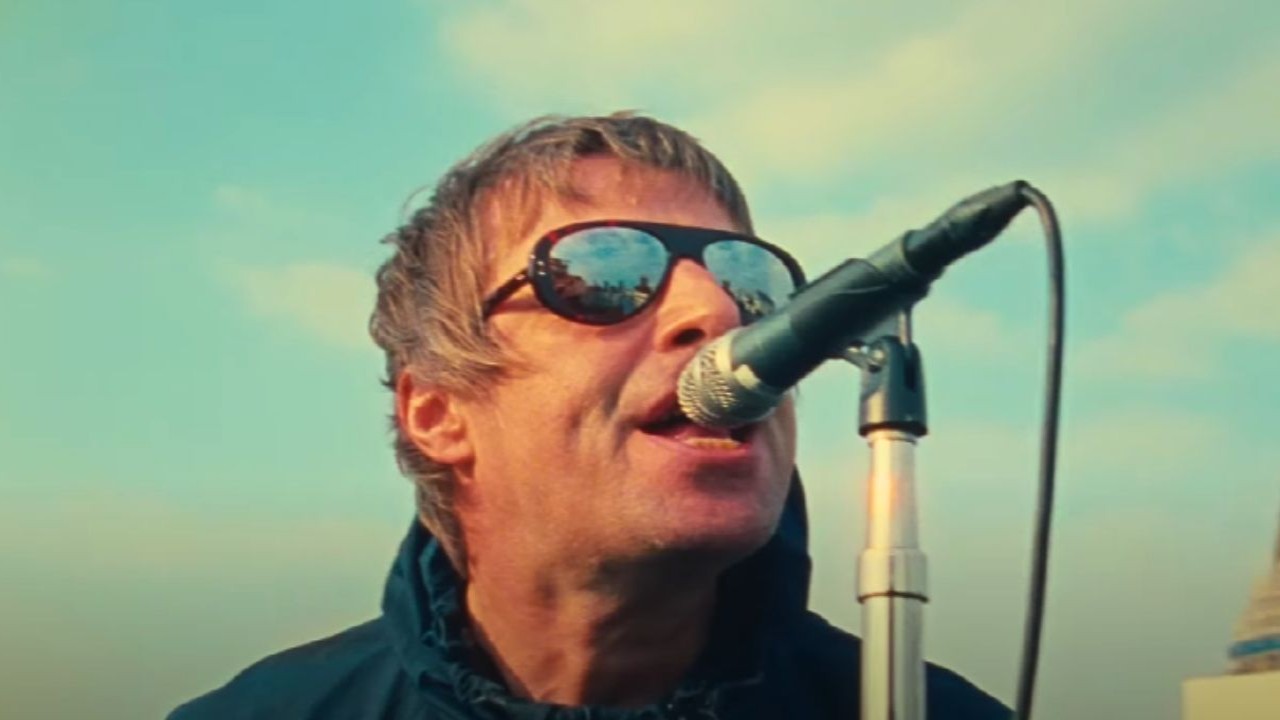
As a die-hard Oasis fan who grew up listening to their music during the 90s, I can confidently say that Liam Gallagher‘s voice is a significant part of my life soundtrack. The raw emotion, power, and vulnerability he infused into each song made every track an unforgettable experience. From his days with Oasis to his solo career, Liam has always been a rock ‘n’ roll star in my eyes.
The Gallagher brothers, Liam and Noel, were the driving force behind Oasis. Though every band member played a part in their achievement, the brothers’ magnetic stage persona ignited the passion of countless young rock enthusiasts. Most of the band’s music came from Noel’s pen, but Liam’s potent vocals were equally indispensable – he could belt out love and rock tunes with equal finesse. Liam’s voice crafted a remarkable sound that helped make Oasis one of the defining bands of the 1990s. Today, on the vocalist’s 52nd birthday, let’s take a trip down memory lane by revisiting his top 10 songs:
10. Wall of Glass
Liam Gallagher’s first solo single, titled “Wall of Glass,” was the headliner from his debut album, As You Were. As a musician, he chose to maintain a guitar and drum-centric sound to establish himself as a rock artist. The song’s lyrics articulated a powerful message: “The stone you throw / Will return in its path / One day you’ll shatter like a wall of glass / Wall of glass.” This single reached the 21st spot on the UK Singles Chart and remains his most popular solo release to date.
9. Don’t Go Away
This tune hails from Oasis’ third studio album titled “Be Here Now.” The lyrics of “Don’t Go Away” delve into the tender feelings Liam Gallagher faced when his mother departed during a crucial period in his life. The raw emotion conveyed through his singing turns this song into a profoundly emotional journey, frequently stirring tears from listeners. To this day, it stands out as one of their rock and roll classics with a distinctive flair.
8. Rock n’ Roll Star
1994 saw the U.S. radio debut of “Rock ‘n’ Roll Star,” the first track from Oasis’ debut album, Definitely Maybe. This song, driven by a strong rock rhythm and Liam’s distinctive voice, effectively captured the dreamy spirit of young adulthood it intended to convey. The lyrics drew inspiration from his experiences in Manchester. Oasis’ performance in this song was widely recognized as a significant milestone in their rise to prominence as a leading rock band.
7. Start Anew
Showcasing their talent as a group, Beady Eye’s final original album track, “Start Anew,” displayed the band’s potential and served as a swan song. Moving away from their usual loud rock ‘n’ roll sound, this song showcased Liam’s prowess as a songwriter, evoking the mellow tones of artists like Carole King or James Taylor. The upbeat tune seemed to foretell Liam’s solo career, carrying an encouraging message about beginning anew, even after the dissolution of the original band.
6. Roll It Over
“Roll It Over, a notable song from Oasis’ fourth album Standing on the Shoulder of Giants, finds Liam expressing his efforts to rekindle a friendship that had grown distant: ‘I attribute it to the shifting seasons / The feelings I expressed—does it justify everything?’ Despite some tension between the band and its fans, this track signaled Liam’s commitment to stick around.
5. Some Might Say
The first UK Singles Chart number one for Oasis, titled “Some Might Say”, served as a powerful reminder of their musical essence. Liam’s vocals were nothing short of extraordinary, with harmonies that propelled the song to unprecedented heights. The lyrics, such as “Some might say that sunshine follows thunder / Go and tell it to the man who cannot shine,” beautifully illustrated the song’s depth and storytelling ability.
4. Slide Away
As a lifestyle expert, I’d say: “One of the most captivating tracks on Oasis’ debut album is ‘Slide Away.’ This powerhouse song combines a robust rock foundation with a soothing melody, creating an enchanting love ballad. The lyrics paint a vivid picture of a man discovering his affection, and Liam’s passionate vocals truly embody the feeling of being swept away by love. Although it veered slightly from his usual raw rock style, fans could still relate deeply to this heartfelt composition.
3. Live Forever
Regardless of being penned by his sibling Noel, Liam executed the essence and sentiment of Live Forever impeccably. The words—”Maybe you’re just like me / We perceive things others can’t see / You and I will live forever”—are both potent and motivating. Liam’s strong vocals on this track shine brilliantly, making it a hit among fans at concerts. No other Oasis song holds quite the same level of influence as this one does.
2. I Hope I Think I Know
In a period of some public dissatisfaction towards the band, Liam soared to unprecedented vocal levels with the song “I Hope, I Think, I Know.” The catchy chorus – “As we beg, steal, and borrow / Life is hit and miss, and this / I hope, I think, I know / If I ever hear the names you call / And if I stumble, catch me when I fall” – combined with his awe-inspiring vocal harmonies, cemented him as a favorite among fans. Time and time again, Liam demonstrated that his popularity would endure even as Oasis’s fame waned.
1. I’m Outta Time
From the 2008 album Dig Out Your Soul, the second single “I’m Outta Time” showcases Liam’s personal battles with family troubles he faced during that time, along with his resolve to overcome them. Critics lauded the track, some even drawing parallels to The Beatles, and fans admired Liam’s emotive singing performance. Despite its positive reception, the song only reached #12 on the UK Singles Chart, narrowly missing a spot in the top 10.
Read More
- Apothecary Diaries Ch.81: Maomao vs Shenmei!
- Gold Rate Forecast
- Batman and Deadpool Unite: Epic DC/Marvel Crossover One-Shots Coming Soon!
- Who was Peter Kwong? Learn as Big Trouble in Little China and The Golden Child Actor Dies at 73
- Mobile MOBA Games Ranked 2025 – Options After the MLBB Ban
- Hunter Schafer Rumored to Play Princess Zelda in Live-Action Zelda Movie
- 30 Best Couple/Wife Swap Movies You Need to See
- Netflix’s ‘You’ Season 5 Release Update Has Fans Worried
- Gachiakuta Chapter 139: Rudo And Enjin Team Up Against Mymo—Recap, Release Date, Where To Read And More
- Every Minecraft update ranked from worst to best
2024-09-21 05:37