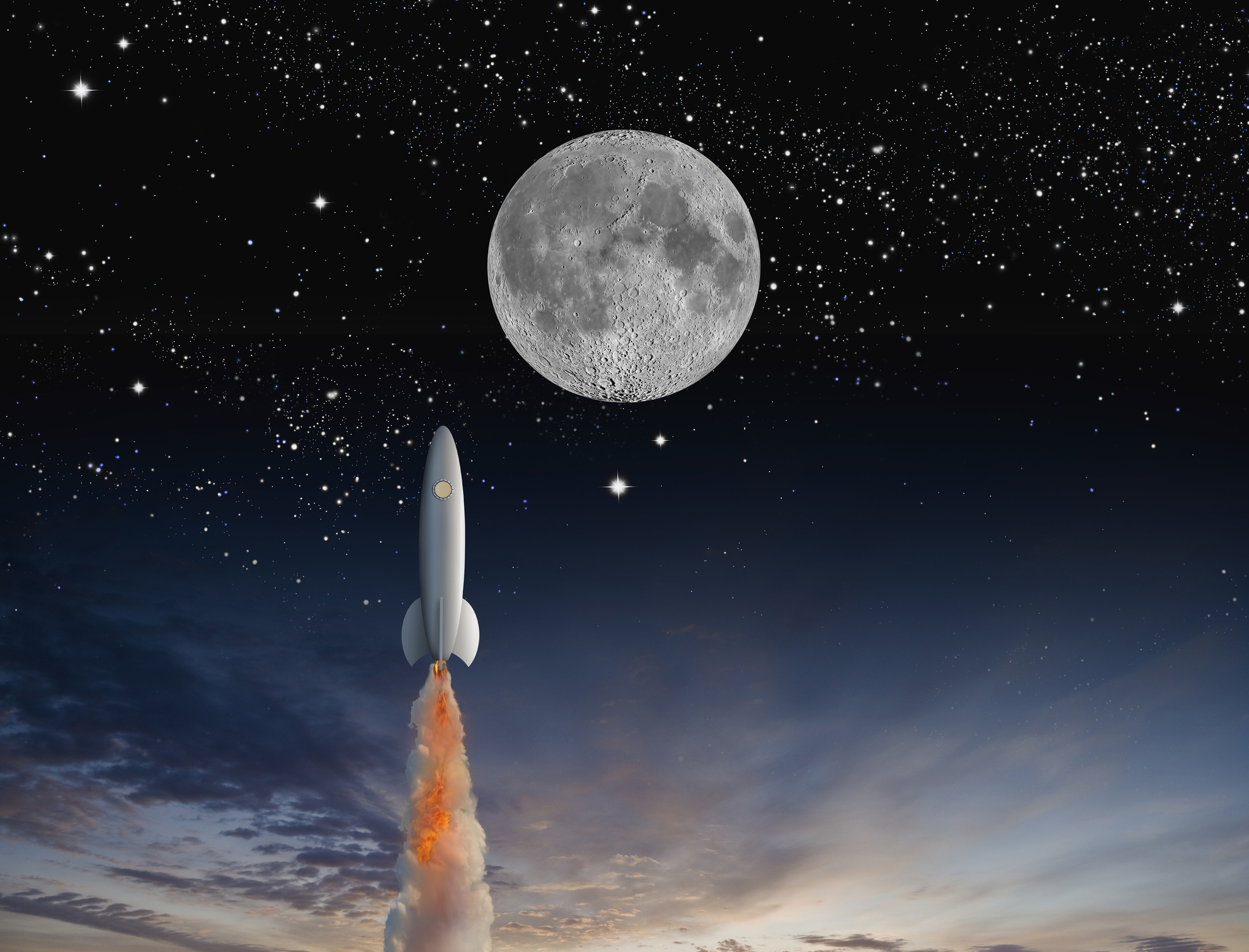
The whispers have shifted again, concerning the return to the Sea of Tranquility. NASA, that grand orchestrator of celestial ambitions, has rearranged the movements of its lunar ballet. Some perceive a stumble, a delay in the inevitable dance. Others, a necessary recalibration, a deeper inhale before the leap. I find myself leaning toward the latter, though not without a certain melancholy for the plans abandoned, like petals scattered by a sudden gust.
The Weight of Numbers: Artemis and Its Echoes
The headlines, as they often do, offer a fractured glimpse. The Artemis II mission, already burdened by expectation, now lingers a little longer on the launchpad. And Artemis III, once slated to touch down on the lunar dust in 2028, will instead orbit, a spectral prelude to the true landing. It sounds, doesn’t it, like a retreat? A yielding to the vast indifference of space? But the universe, I suspect, rewards patience, not haste.
The true landing, it appears, will fall to Artemis IV. A subtle shift in nomenclature, yet one that speaks volumes. It’s as if the program itself is acknowledging the inherent rhythm of things – a slow, deliberate unfolding, like the unfurling of a fern in the shadowed undergrowth. The intention, it seems, is to establish a cadence, a sustainable tempo for lunar exploration. A rocket launched every three years is a fleeting gesture; a launch every ten months… that begins to resemble a commitment.
Loading…
—
The lunar ambition persists, then, not as a singular, heroic sprint, but as a sustained journey. A series of steps, each building upon the last, echoing across the desolate plains of the moon.
The Machinery of Dreams: A Question of Cost
The hardware, of course, is essential. The Orion capsule, a fragile vessel carrying the hopes of a nation. The lunar lander, a delicate spider descending onto the lunar surface. But it is the rockets themselves – those colossal pillars of fire – that truly capture the imagination, and, more pertinently, the attention of the market.
NASA’s Space Launch System, the SLS, built by Boeing, bolstered by Northrop Grumman, and crowned with Lockheed Martin’s Orion, is a monument to engineering prowess. Yet, at $4.1 billion per launch, it is also a monument to cost. A price that casts a long shadow, threatening to eclipse the entire program. It’s as if the ambition itself is being weighed down by the sheer weight of its creation.
The current trajectory is unsustainable. A rocket launched so infrequently becomes a luxury, a symbol of prestige rather than a tool for exploration. The market demands efficiency, a predictable rhythm of production. The call for standardization, for a “near-Block I” version of the SLS, is therefore not merely a technical adjustment, but a pragmatic response to economic realities. It is a recognition that a sustainable future in space requires a sustainable business model.
A Delicate Equilibrium: Implications for the Market
The adoption of the Centaur second stage, a proven technology shared with United Launch Alliance’s Vulcan Centaur, represents a subtle but significant shift. It is a move toward pragmatism, a willingness to compromise on absolute power in favor of reliability and affordability. The market, I suspect, will reward this prudence.
The specter of Elon Musk and SpaceX looms large, of course. Their Starship, with its promise of drastically reduced launch costs, represents a disruptive force, a challenge to the established order. The SLS, burdened by its exorbitant price tag, has become a target for criticism, a potential casualty of the inevitable technological upheaval.
However, Isaacman’s plan – to streamline production, reduce costs, and establish a predictable launch cadence – offers a path forward. It is a strategy that could salvage the SLS, not as a symbol of extravagant ambition, but as a viable, sustainable component of the lunar ecosystem. It is a delicate equilibrium, a precarious balance between innovation and pragmatism. Boeing, Northrop, and Lockheed, if they navigate this carefully, may yet find themselves not handing a contract to a rival, but securing their place in the next chapter of lunar exploration. A thank you note from Boeing to Isaacman would, indeed, be a fitting gesture.
Read More
- Building 3D Worlds from Words: Is Reinforcement Learning the Key?
- Spotting the Loops in Autonomous Systems
- The Best Directors of 2025
- The Glitch in the Machine: Spotting AI-Generated Images Beyond the Obvious
- 2025 Crypto Wallets: Secure, Smart, and Surprisingly Simple!
- Umamusume: Gold Ship build guide
- 20 Best TV Shows Featuring All-White Casts You Should See
- Mel Gibson, 69, and Rosalind Ross, 35, Call It Quits After Nearly a Decade: “It’s Sad To End This Chapter in our Lives”
- Gold Rate Forecast
- Uncovering Hidden Signals in Finance with AI
2026-03-15 12:15