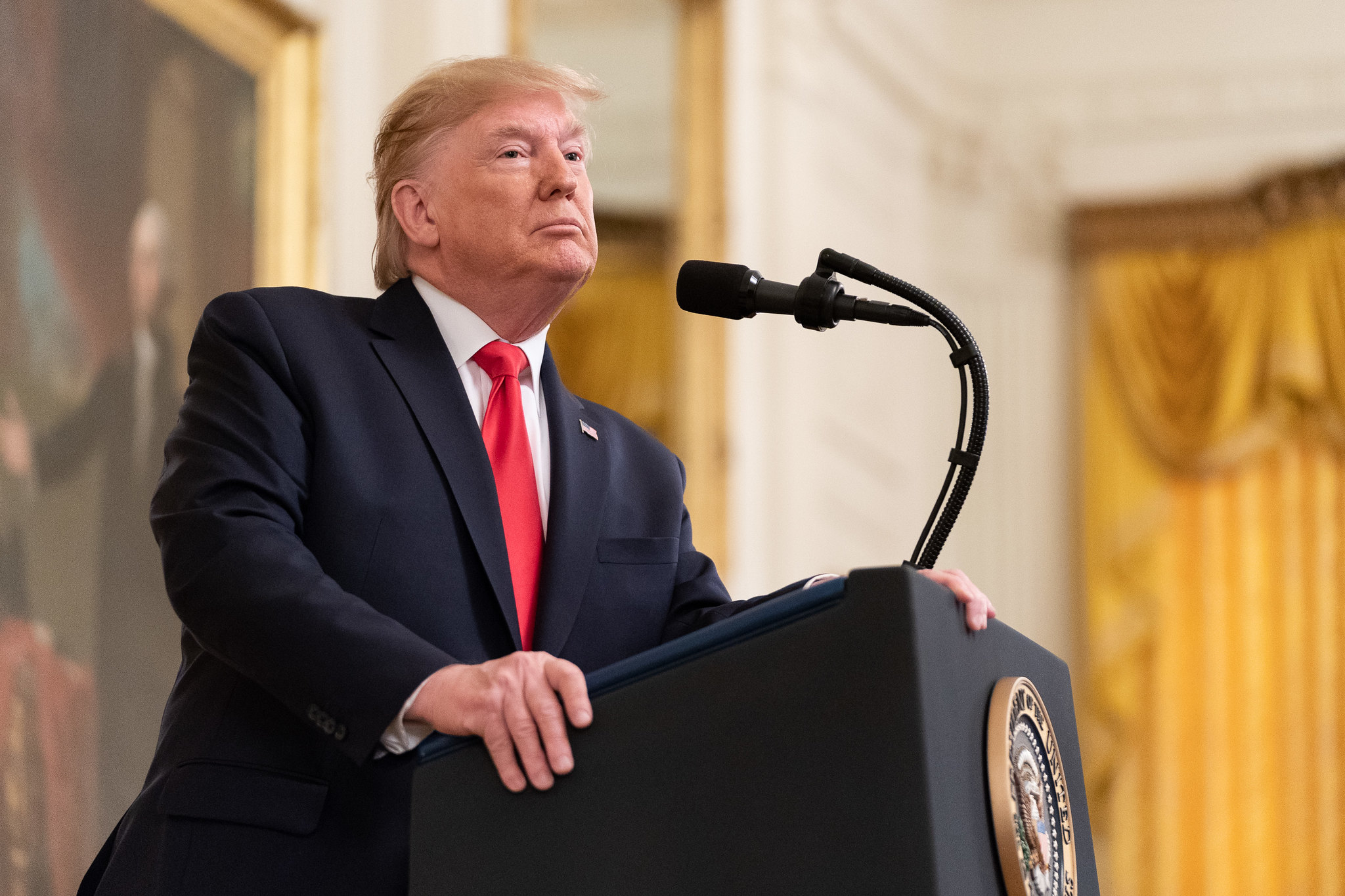
Right, let’s talk markets. Because honestly, pretending everything’s normal when the world feels like a particularly chaotic improv session just isn’t my style. We’ve had a good run, haven’t we? The Dow, S&P 500, Nasdaq… all enjoying a rather extended glow-up under the Trump administration. 57%, 70%, 142% gains during his first term? Don’t get me wrong, numbers are nice, but it always feels a bit… precarious, doesn’t it? Like a house of cards built on tax cuts and a whole lot of hope. And the party’s continued, even after the first act. Another 10%, 13%, 16% rally through March 9th, 2026. It’s almost…suspiciously good.
Look, I’m an equity researcher, so I have to acknowledge the actual drivers. AI is a thing. Quantum computing is, apparently, also a thing. But let’s be real, the Tax Cuts and Jobs Act played a role. Lowering the corporate tax rate from 35% to 21%? Businesses suddenly had more cash to play with, and they played with it… by buying back their own shares. It’s a neat trick, really. Makes the numbers look good, at least until you start digging.
But here’s the thing. Every party eventually ends, and this one’s got a rather large, rather flammable exit looming. Iran. I mean, seriously? It’s not exactly a surprise, is it? Geopolitics and market stability have a complicated relationship, like that one ex you keep running into. And this one’s escalating. As of March 9th, the attacks are ongoing, and the immediate impact? Well, let’s just say the Strait of Hormuz is effectively closed for oil exports. Roughly 20% of the world’s liquid petroleum travels through that little bottleneck. A disruption of that magnitude? It’s not a correction waiting to happen; it’s a full-blown energy crisis brewing. I’m starting to feel a little seasick just thinking about it.
Energy Supply Chain Disruptions: The Market’s Kryptonite
The oil price reaction has been… swift. From $67 a barrel to almost $119 in a matter of days? That’s not a climb; it’s a vertical ascent. Fastest increase in over four decades, they say. Which, frankly, should be a flashing red warning sign for everyone involved. Higher oil prices aren’t just about what you pay at the pump. They seep into everything. Consumer spending weakens, unemployment ticks up, inflation goes wild. It’s the trifecta of economic unpleasantness. Stagflation. The Fed’s worst nightmare. And mine, honestly. A lot of pressure to make the right calls.
And forget about any hope for interest rate cuts. Investors were counting on the Fed to ride to the rescue, lower rates, and keep the market afloat. That’s looking less likely by the minute. History tells us energy supply disruptions and market corrections are practically best friends. The S&P 500 lost 44% over 11.5 months after the 1973 oil embargo. A 13% drop followed the invasion of Kuwait in 1990. So, yeah, Iran… it has the potential to bring this bull market crashing down. It’s not a prediction, it’s just… pattern recognition. And I’m good at recognizing patterns. Especially the messy ones.
Geopolitical Theatre: A Lot of Noise, Not Much Signal?
Okay, deep breath. Let’s not panic. (I’m saying that to myself as much as to you.) Geopolitical events always cause short-term volatility. That’s just… how it works. Uncertainty is bad for markets. It’s also bad for my blood pressure. But here’s the thing: step back for a second, widen the lens, and you start to see a different picture. Most of these events are a lot of noise, not much actual signal.
Ryan Detrick at Carson Group did some digging, looked at the S&P 500’s performance after over 40 major geopolitical events since 1940. And guess what? The S&P 500 was higher a year later in 65% of those cases. Even after the messy ones. The average annual return was only 3%, which is lower than the long-term average, but still… it suggests these events are more of a blip than a fundamental problem. It’s like a really bad date. Annoying in the moment, but ultimately forgettable.
And here’s another thing: market cycles aren’t linear. Downturns happen. They’re inevitable. And they’re usually shorter than we expect. Bespoke Investment Group crunched the numbers. The average bear market has lasted around 286 days. The average bull market? Over 1,000 days. That’s a significant difference. So, yeah, volatility is scary. Elevator-down moves are unpleasant. But a little perspective and a lot of patience can go a long way. It’s like learning to surf. You’re going to wipe out a lot. But eventually, you’ll catch a wave.
Honestly, I’m just trying to navigate this mess like everyone else. It’s not about predicting the future, it’s about understanding the past, acknowledging the present, and bracing for whatever comes next. And maybe, just maybe, finding a little bit of humor in the chaos. Because if you can’t laugh at this, what can you laugh at?
Read More
- Building 3D Worlds from Words: Is Reinforcement Learning the Key?
- Spotting the Loops in Autonomous Systems
- The Best Directors of 2025
- 2025 Crypto Wallets: Secure, Smart, and Surprisingly Simple!
- The Glitch in the Machine: Spotting AI-Generated Images Beyond the Obvious
- 20 Best TV Shows Featuring All-White Casts You Should See
- Umamusume: Gold Ship build guide
- Mel Gibson, 69, and Rosalind Ross, 35, Call It Quits After Nearly a Decade: “It’s Sad To End This Chapter in our Lives”
- Gold Rate Forecast
- Uncovering Hidden Signals in Finance with AI
2026-03-15 11:12