
They say a man is judged by the vehicles he can afford. For a long time, the electric promise felt reserved for those with deep pockets, a silent boast on the polished streets. Now, Rivian, a name still whispered more than shouted, stands at a crossroads. Next month, they begin delivering the R2, a vehicle priced, finally, within reach of ordinary hands. It’s a gamble, this reaching down, a turning of the face away from the exclusive gleam. But sometimes, the greatest fortunes are built not on serving the few, but on answering the needs of many.
For too long, Rivian has offered beauty, yes, and innovation, but at a cost that kept it beyond the grasp of the working man, the teacher, the small business owner. Two models, elegant and capable, but priced as statements, not as tools. The R2 changes that. It opens a door, a wide one, to a market hungry for a decent electric vehicle that doesn’t require a second mortgage. It’s a simple equation, really. More buyers, more possibility. And possibility, in this world, is a powerful thing.
There’s a ghost in this story, a specter of success and subsequent excess. Tesla. They walked this path before, with the Model 3, and the world watched, skeptical at first, then with a growing wonder. In 2017, Tesla was a fledgling thing, a market cap of around $35 billion, shares trading for pennies compared to where they are now. They were a promise then, a hope. The Model 3 was the key, a vehicle that brought the electric dream to a wider audience. The market barely noticed at first, but the seeds were sown.
Sales trickled, then flowed, then surged. 140,000 units in 2018, 161,000 the year after. Then, in 2020, a flood: over 200,000 Model 3s finding homes. And the stock? It climbed, steadily at first, then with a ferocity that left onlookers breathless. A 1,440% rise between 2017 and 2020. The lesson is clear: a vehicle isn’t just metal and wire; it’s a conduit to a larger market, a symbol of a changing world.
The Weight of Expectation
Tesla wasn’t a sudden miracle. There were hiccups, delays, the constant struggle to scale production. But they persevered, and the market, eventually, rewarded them. Rivian faces the same challenges, the same doubts. But they also have an advantage. They’ve watched Tesla’s journey, learned from their mistakes. They’ve invested in the unseen things – artificial intelligence, self-driving technology – laying the groundwork for a future where vehicles aren’t just modes of transport, but intelligent partners.
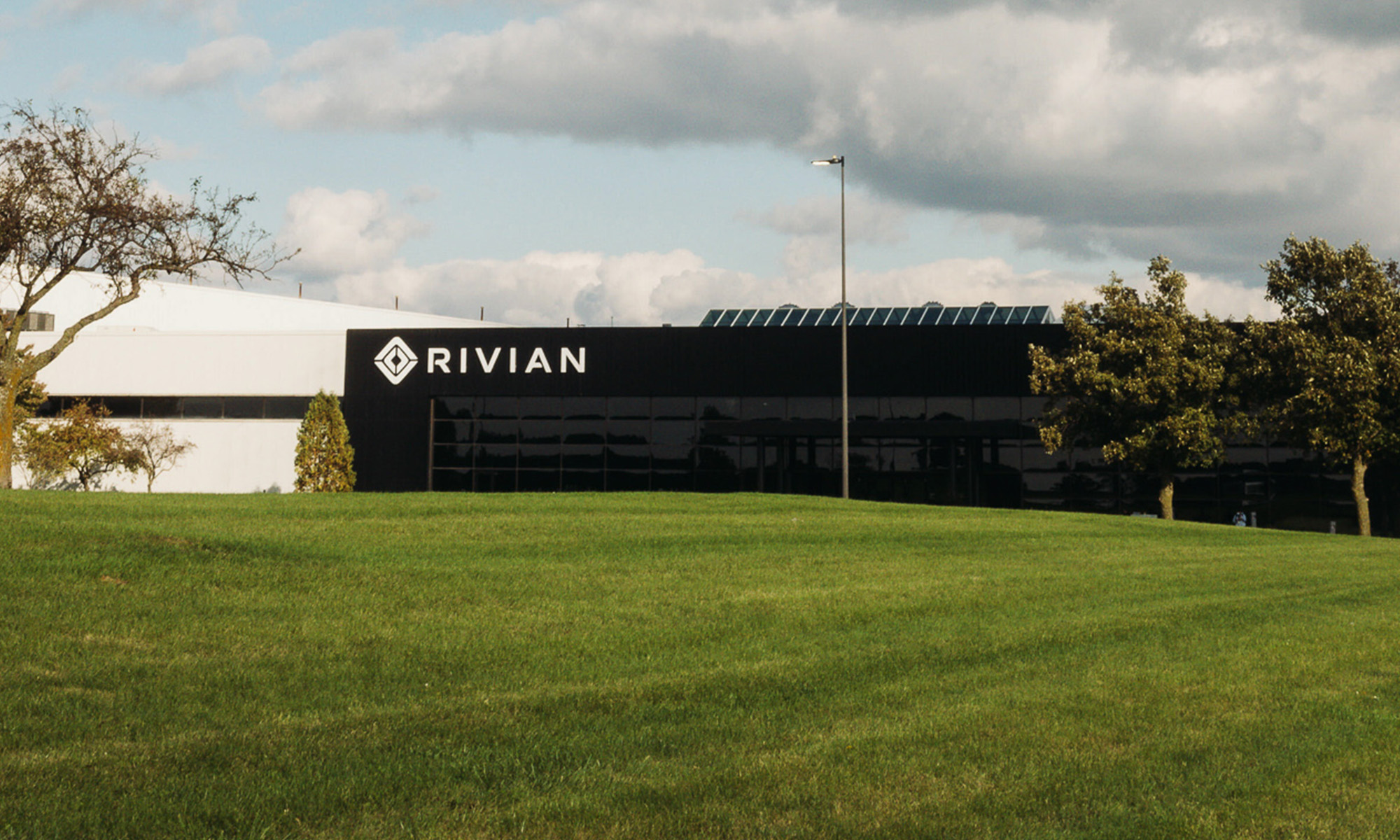
Right now, Rivian’s market cap hovers around $20 billion, a fraction of Tesla’s current behemoth. Their price-to-sales ratio is a modest 3.7, a whisper compared to Tesla’s earlier roar. They’re undervalued, overlooked, a quiet promise waiting to be unleashed. And they plan to follow up the R2 with the R3 and R3X, further expanding their reach, offering more options to a growing market.
It won’t be easy. The road ahead is paved with competition, skepticism, and the ever-present threat of unforeseen challenges. But Rivian has a chance to do something special, to build a company that isn’t just about profits, but about providing a sustainable, affordable future for everyone. It’s a gamble, yes, but it’s a gamble worth taking. Because sometimes, the greatest rewards come from serving the common man, from building a future where everyone has a seat at the table.
Read More
- Building 3D Worlds from Words: Is Reinforcement Learning the Key?
- Spotting the Loops in Autonomous Systems
- The Best Directors of 2025
- 20 Best TV Shows Featuring All-White Casts You Should See
- 2025 Crypto Wallets: Secure, Smart, and Surprisingly Simple!
- Umamusume: Gold Ship build guide
- Mel Gibson, 69, and Rosalind Ross, 35, Call It Quits After Nearly a Decade: “It’s Sad To End This Chapter in our Lives”
- Uncovering Hidden Signals in Finance with AI
- Gold Rate Forecast
- TV Shows That Race-Bent Villains and Confused Everyone
2026-03-15 04:52