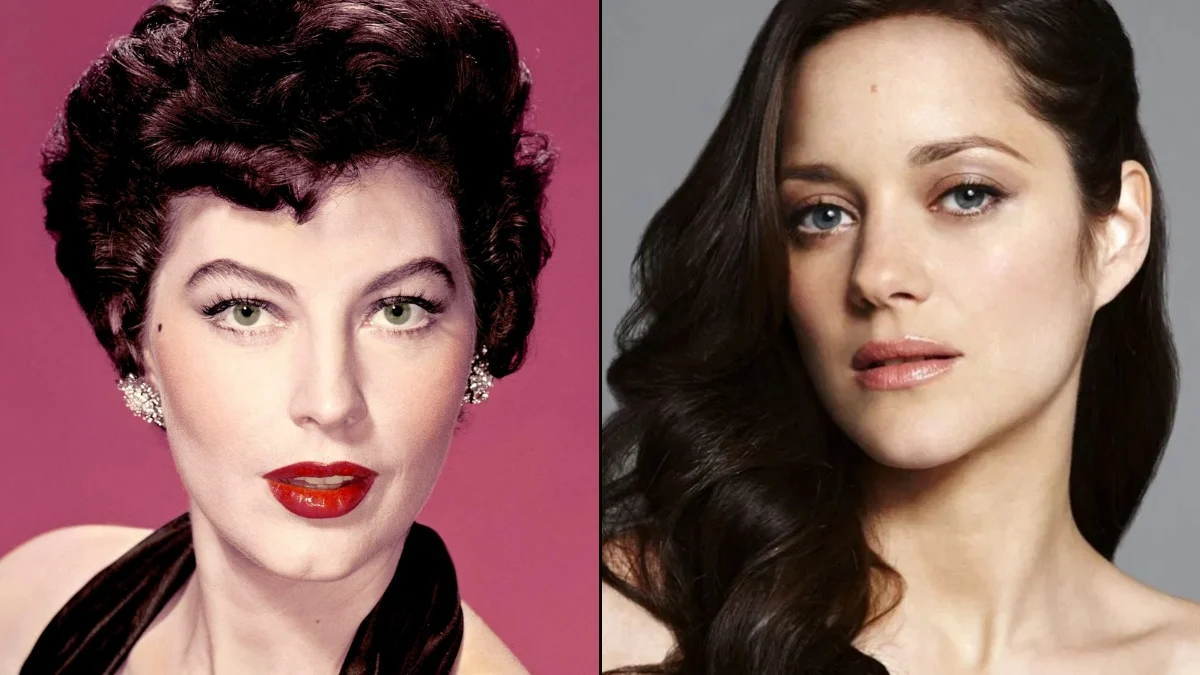
Both classic Hollywood musicals and today’s biographical films often use vocal dubbing to make sure the singing sounds perfect. Though actors are known for their acting and charisma, challenging songs – especially opera or those requiring a high vocal range – often need the skills of professional singers who aren’t credited. This allowed studios to present stars as all-around talents while still giving audiences the high-quality vocal performances they wanted. From the unacknowledged work of singers like Marni Nixon to the lip-syncing used in recent biopics, the world of movie musicals has a long history of hidden vocal contributions.
Deborah Kerr
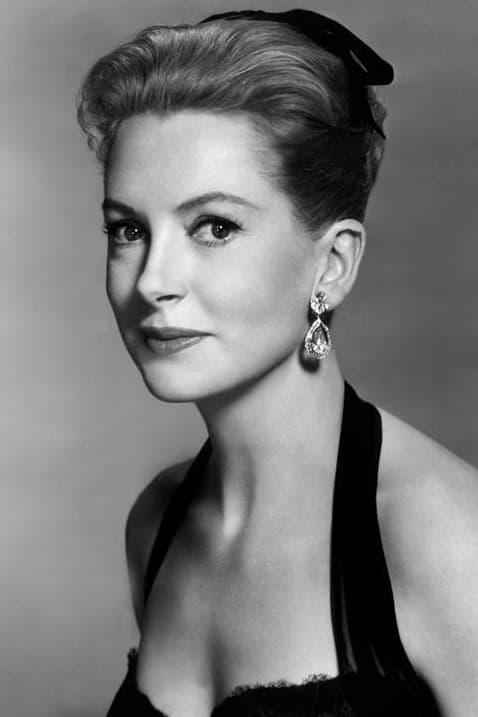
Deborah Kerr famously played Anna Leonowens in the 1956 film ‘The King and I’, a role that earned her an Oscar nomination. Despite appearing to sing well-known songs like “Getting to Know You,” her singing was actually done by another vocalist, Marni Nixon. Nixon was a skilled opera singer who frequently provided vocals for actresses in Hollywood during that era. The studio initially kept this a secret, wanting to maintain the star’s image as a talented all-around performer. Later, Kerr publicly acknowledged Nixon’s contribution and praised how well their voices blended together.
Natalie Wood
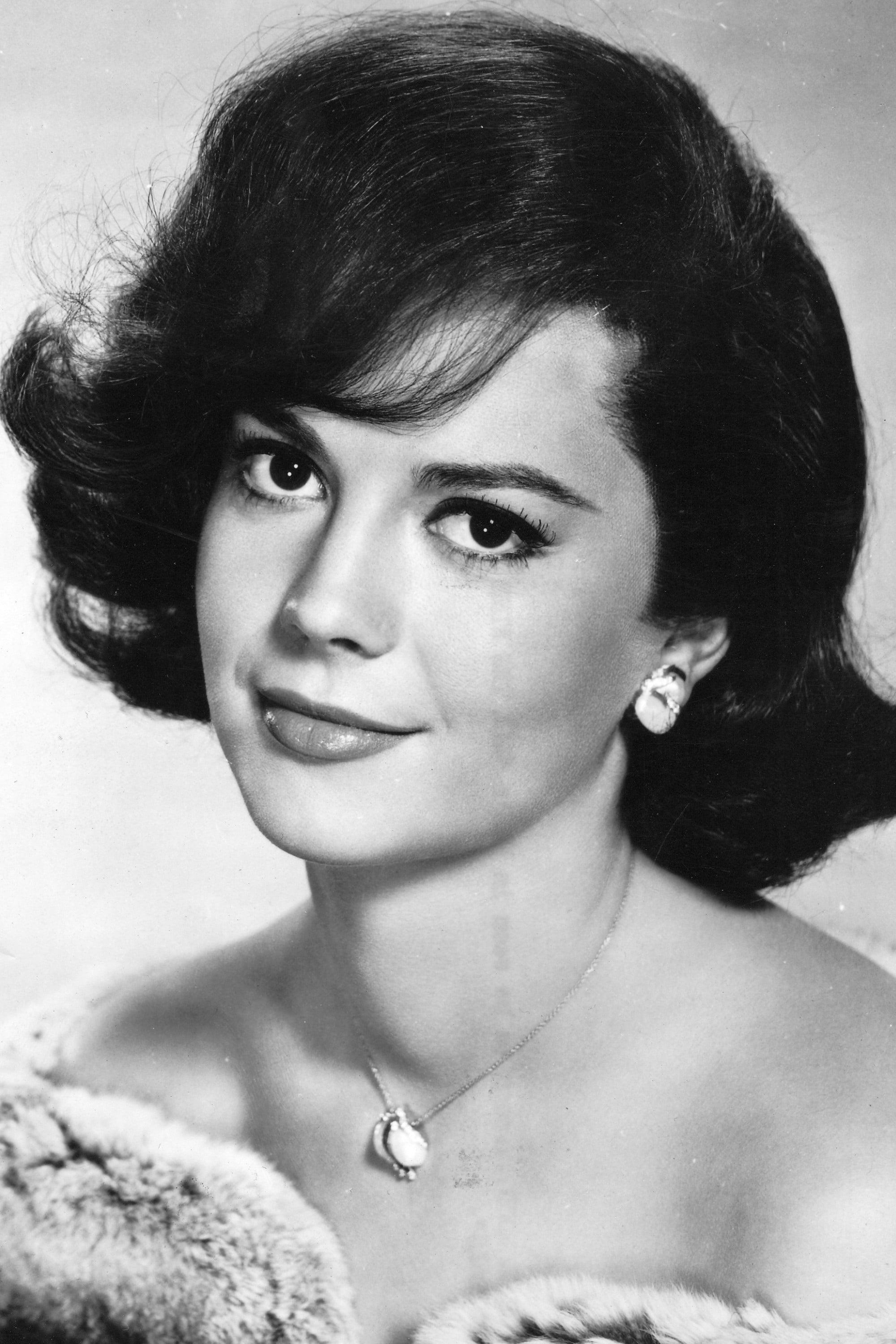
Natalie Wood, who played Maria in the 1961 film ‘West Side Story,’ didn’t have the vocal range to perform all the songs herself. Though she initially recorded them, the filmmakers ultimately used Marni Nixon’s voice in the final version. Wood didn’t find out about the complete voice replacement until the movie premiered. Despite this, her performance is still considered legendary, as Nixon’s powerful vocals perfectly complemented Wood’s acting. The voice dubbing was done so well that many viewers long believed Wood sang the songs herself.
Audrey Hepburn
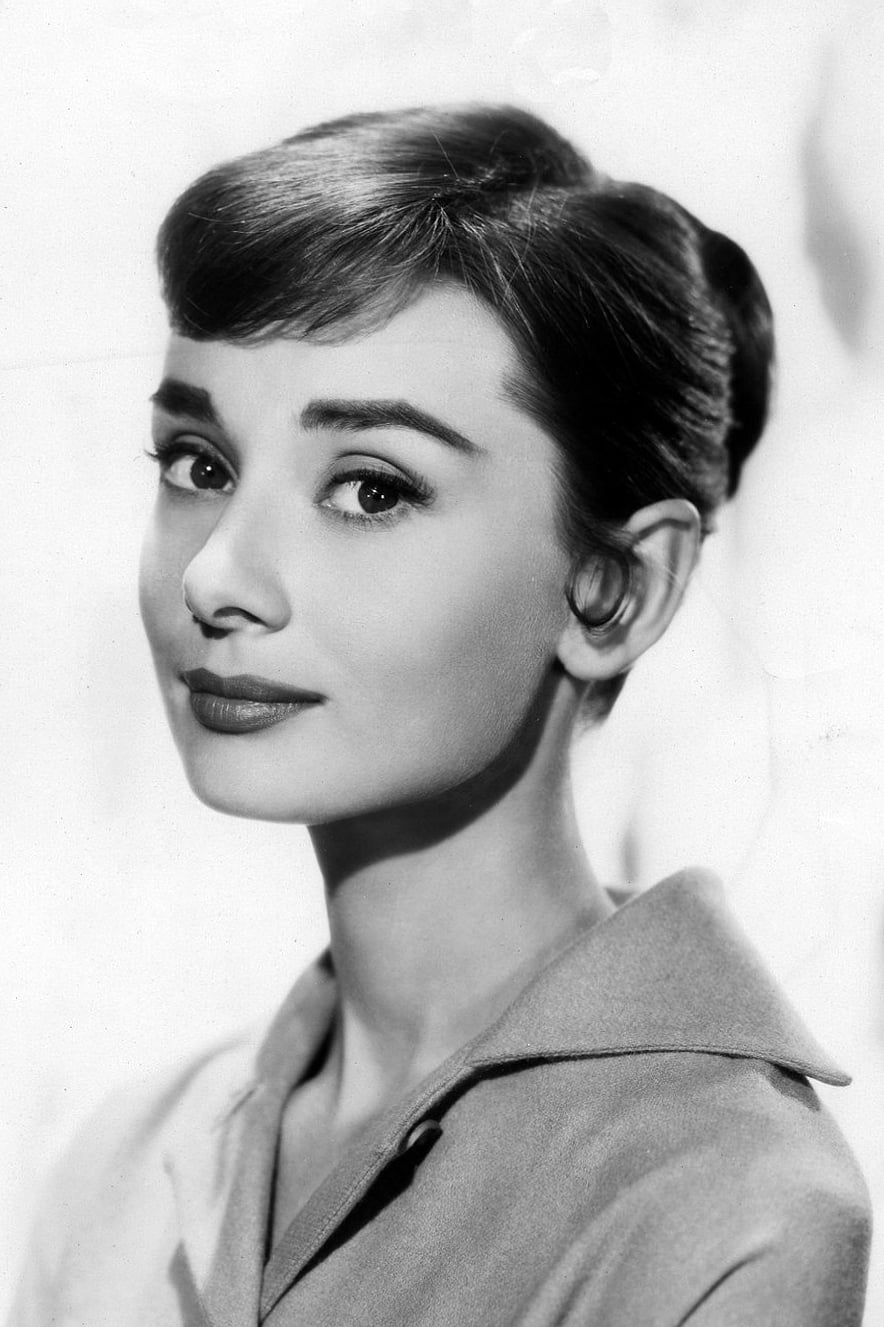
During the making of the 1964 movie ‘My Fair Lady,’ an established actress was chosen for the lead role over Julie Andrews, who had originally played the part on stage. The filmmakers worried about the actress’s singing skills, as the music by Lerner and Loewe was very challenging. As a result, Marni Nixon was brought in to sing for Audrey Hepburn’s character, Eliza Doolittle. While Hepburn did work with vocal coaches and record her own singing, most of it wasn’t used in the final cut of the film. This decision caused controversy and is believed to have been a key reason why she wasn’t nominated for an Academy Award.
Rebecca Ferguson
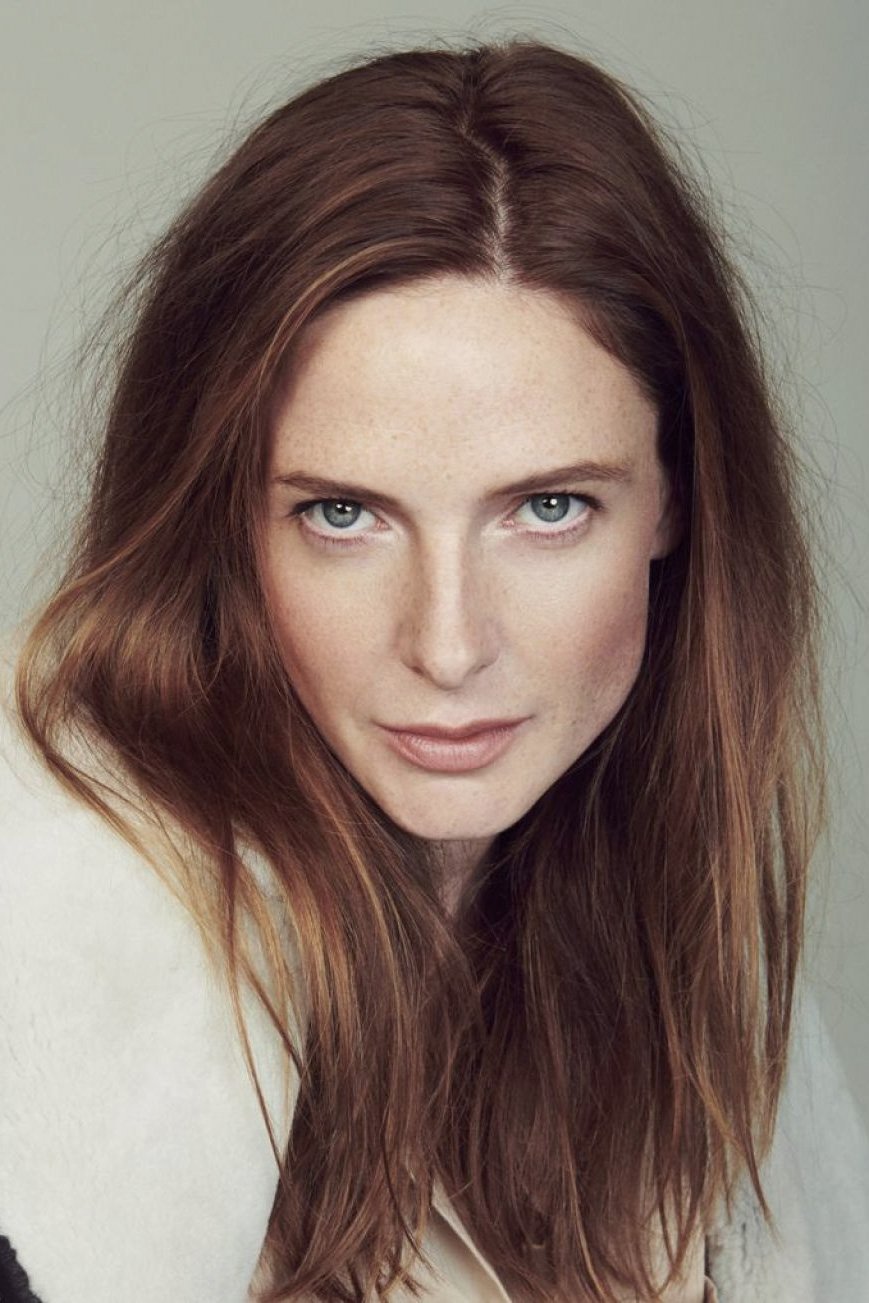
Rebecca Ferguson played the famous opera singer Jenny Lind, nicknamed the “Swedish Nightingale,” in the 2017 hit movie ‘The Greatest Showman’. While Ferguson portrayed the character, the singing voice audiences heard was actually that of Loren Allred, who had previously competed on ‘The Voice’. Ferguson has discussed this, explaining that she wanted a truly exceptional singer to perform such a key song. She carefully practiced matching her lip movements to Allred’s powerful performance of “Never Enough,” ensuring everything looked natural. Despite being open about this process, her performance was still one of the most memorable parts of the film.
Marion Cotillard
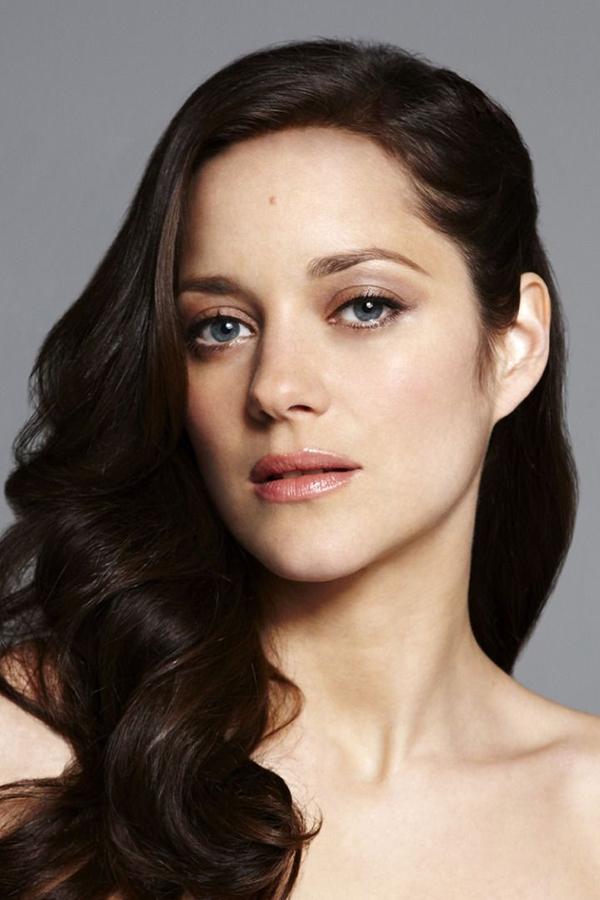
Marion Cotillard won an Academy Award for her performance as Édith Piaf in the 2007 film ‘La Vie en Rose.’ Though she spent months physically transforming and training her voice for the role, the singing audiences heard was actually performed by Jil Aigrot. To ensure accuracy, the filmmakers also used original recordings of Piaf in some scenes. Cotillard meticulously studied Piaf’s mannerisms, specifically how she moved her mouth and breathed, to create a seamless lip-sync performance. This commitment made her portrayal one of the most believable musical performances in recent film history.
Naomi Ackie
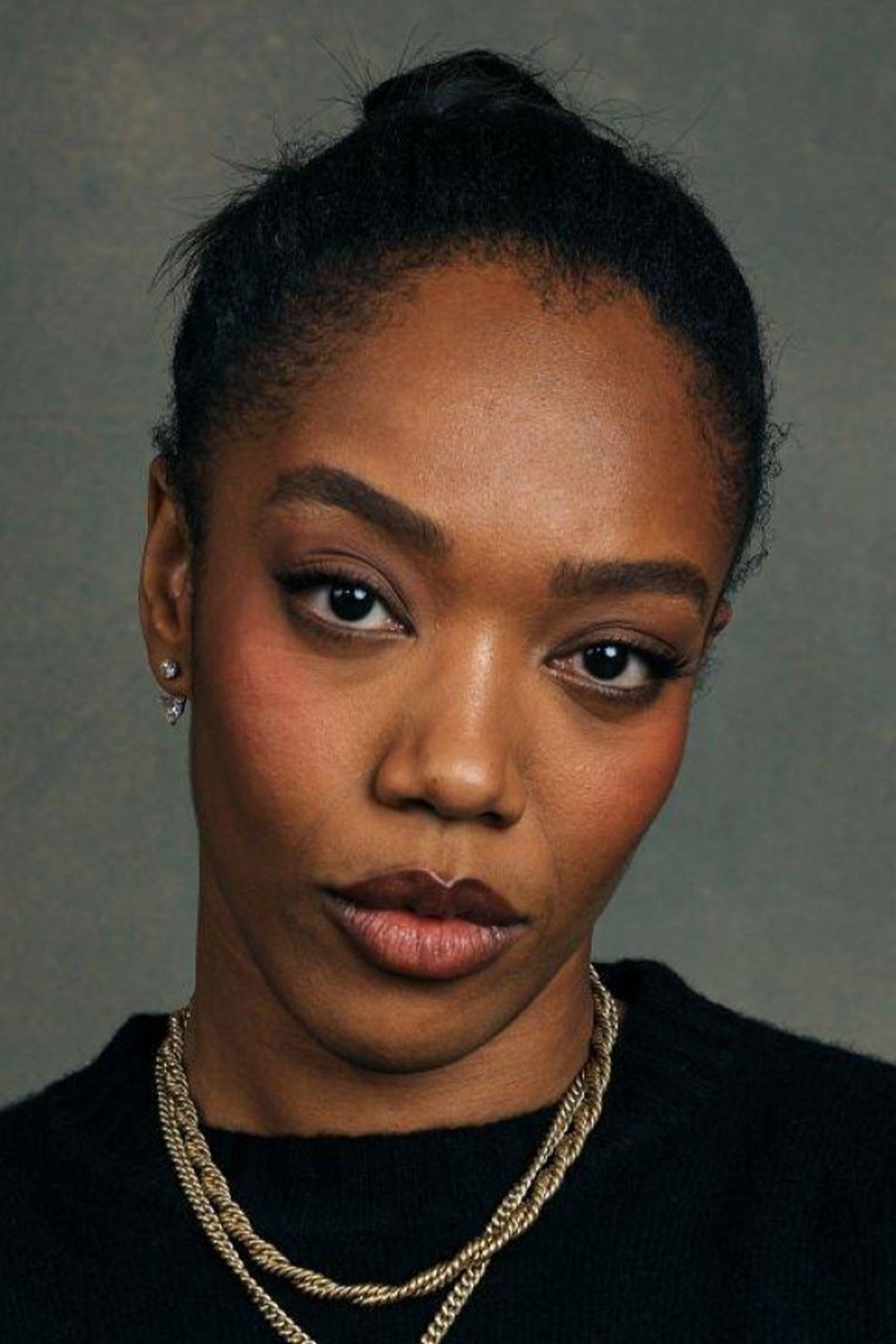
Naomi Ackie stars as Whitney Houston in the 2022 biopic, ‘I Wanna Dance with Somebody.’ Because Houston’s incredible voice was so unique, filmmakers used her original recordings for almost all of the songs in the movie. Ackie spent a year training with coaches to copy Houston’s stage presence and breathing techniques. Though we hear Ackie’s voice during softer, spoken-sung parts, all the powerful vocal performances are by the iconic singer herself. This allowed the film to truly honor Houston’s talent and still highlight Ackie’s impressive acting ability.
Jennifer Lopez
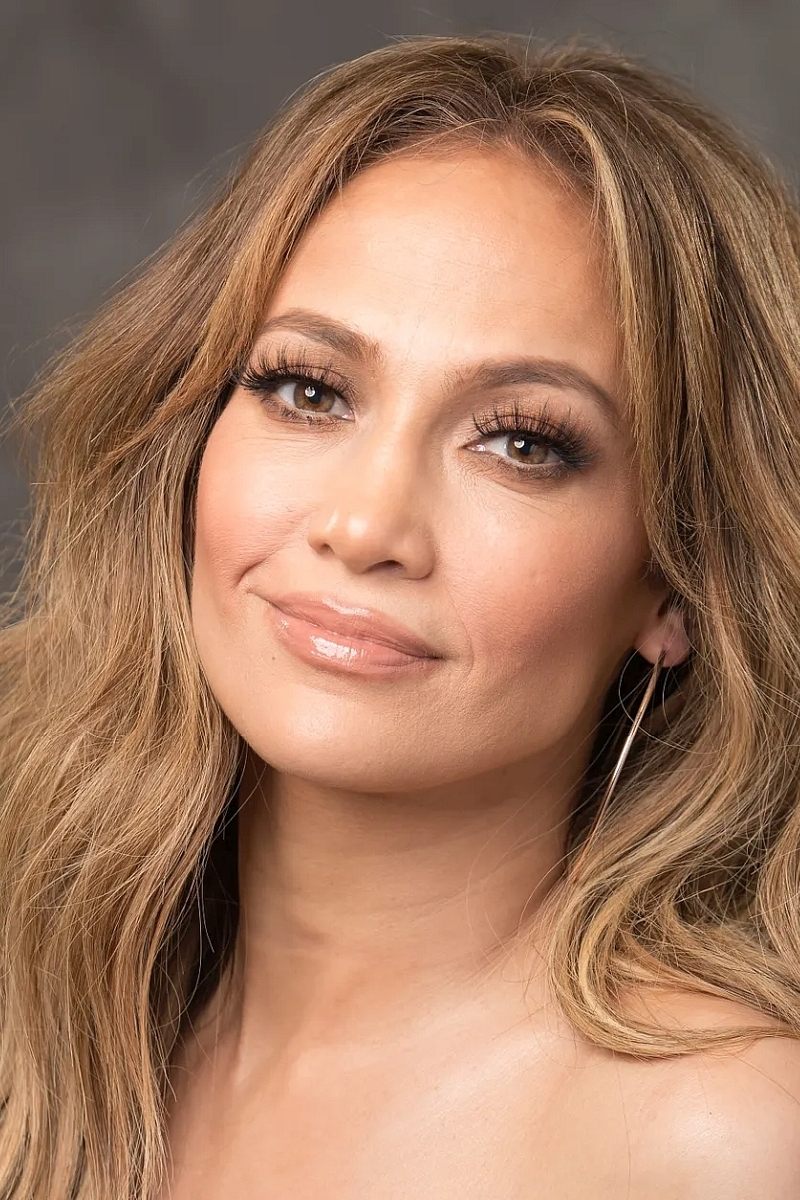
The actress gained widespread recognition in the 1997 film ‘Selena,’ where she played the iconic Tejano singer. Because the movie was made so soon after Selena’s death, filmmakers used her actual voice for all the musical performances. The actress meticulously studied Selena’s movements and breathing to make the lip-syncing realistic for fans. The only time her own voice is heard is briefly at the start of the “Como la Flor” scene, during a lighthearted moment. The film’s success ultimately helped launch her own music career later that year.
Yaya DaCosta
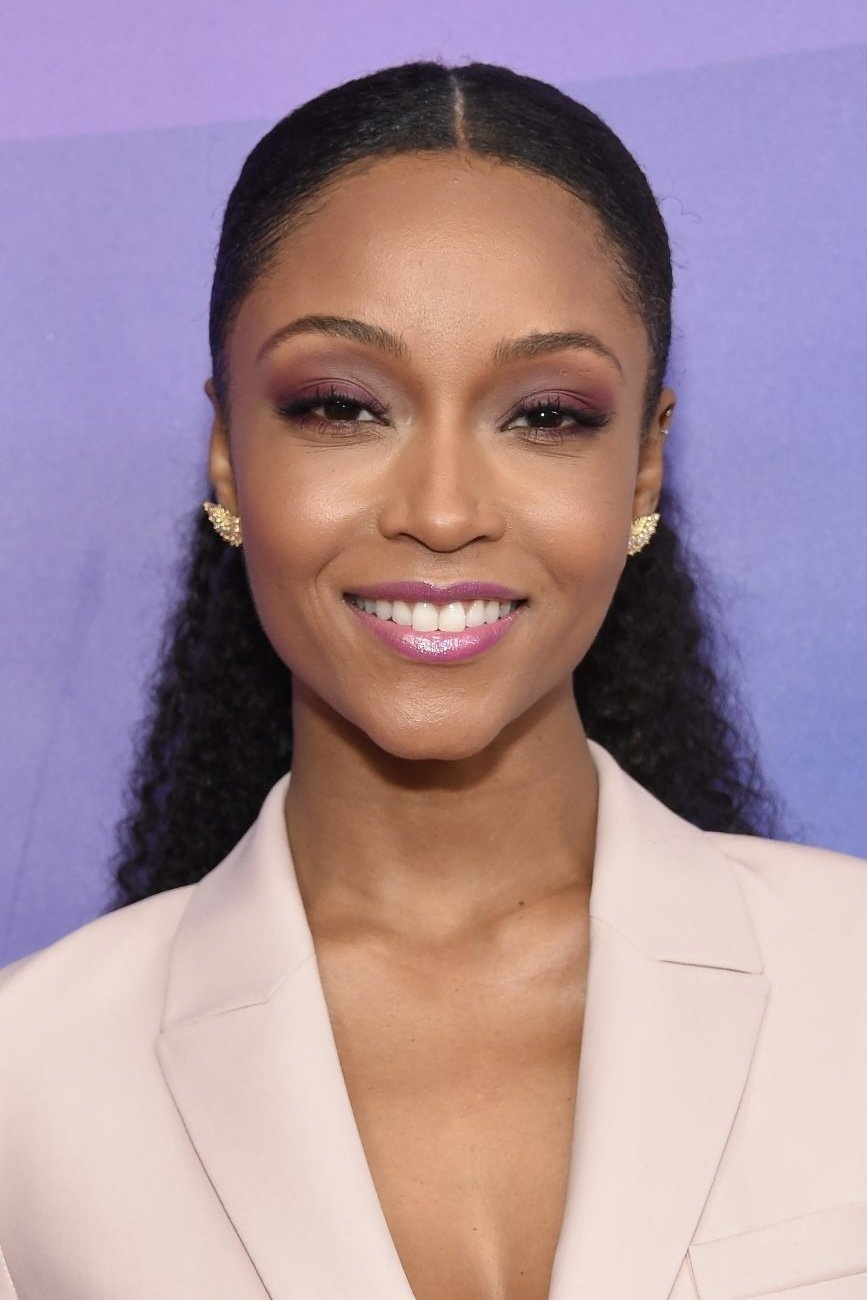
The 2015 Lifetime movie ‘Whitney’ featured an actress playing the iconic singer, focusing on her early life and relationship with Bobby Brown. Because Whitney Houston was such a phenomenal vocalist, R&B singer Deborah Cox recorded all of the songs for the film, covering hits like “I Will Always Love You” and “Greatest Love of All.” The actress concentrated on the acting side of the role, performing alongside Cox’s pre-recorded vocals. This approach ensured the film celebrated Houston’s music while acknowledging the difficulty of replicating her incredible voice.
Wendy Makkena
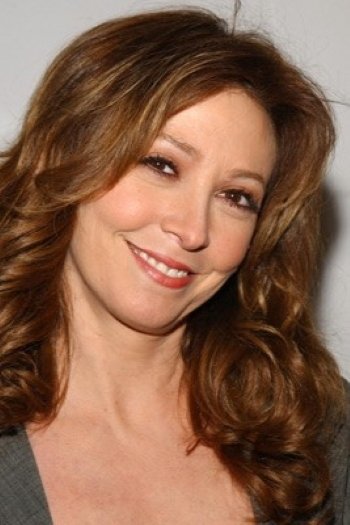
I have such a soft spot for ‘Sister Act’! I remember being completely blown away by Sister Mary Robert – the actress really sold that character’s journey from being incredibly timid to belting out amazing songs. It was a surprise to learn later that the incredible vocals we heard, especially on songs like ‘Hail Holy Queen’ and ‘My Guy (My God)’, were actually sung by Andrea Robinson! She did such a fantastic job, and the actress was so convincing with her performance and expressions during those musical numbers that I, like many others, genuinely thought it was her voice. It was great to see her return for the sequel, and Andrea Robinson was back to provide the singing voice again – a perfect pairing, really.
Rita Hayworth
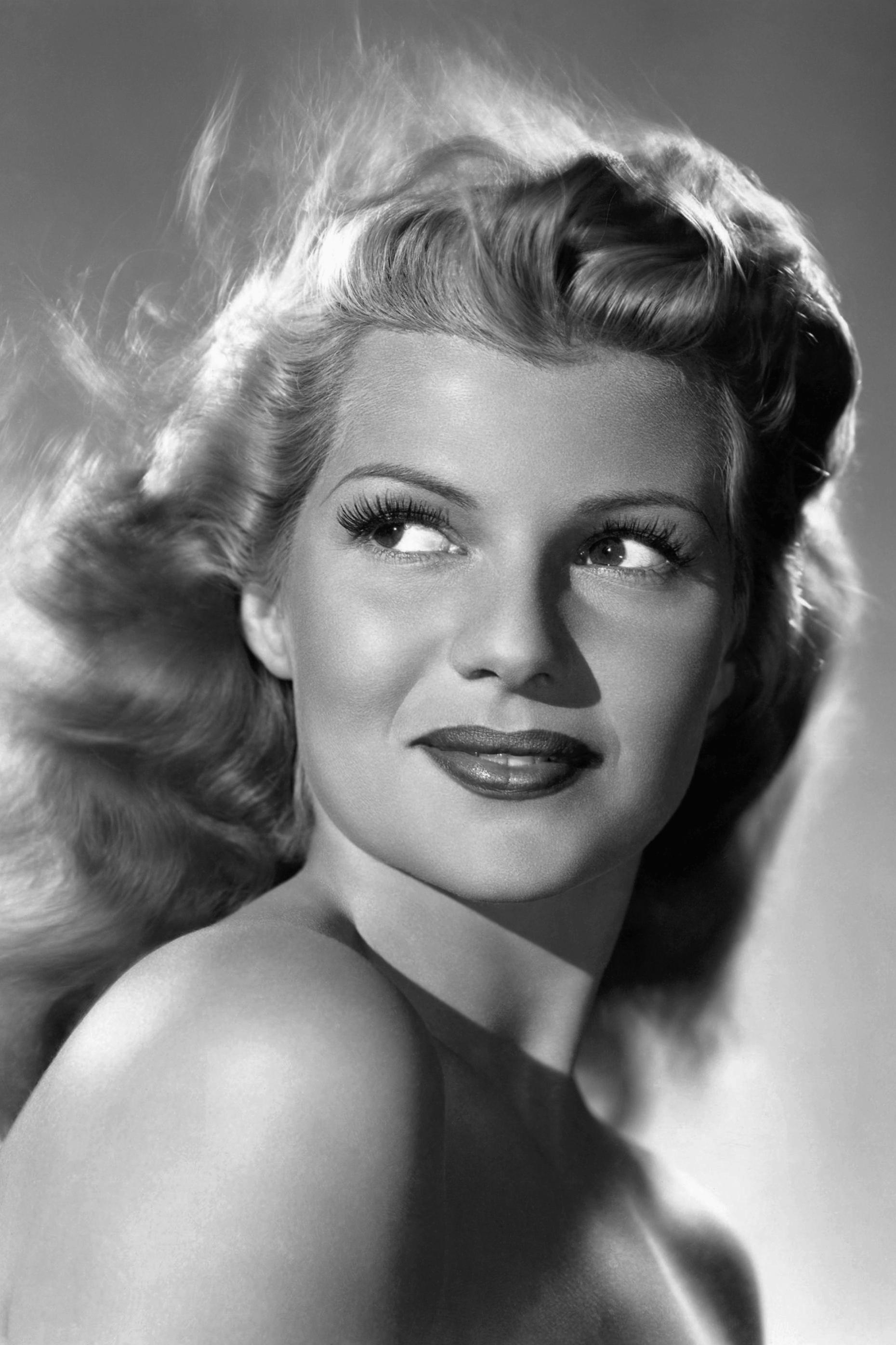
Rita Hayworth, nicknamed the “Love Goddess” in the 1940s, was a skilled dancer but didn’t have formal vocal training. For her musical films, including ‘Gilda’ (1946), her singing was actually done by other singers, like Anita Ellis, who performed the famous “Put the Blame on Mame.” Throughout her career, several different vocalists – such as Nan Wynn and Jo Ann Greer – secretly provided her singing voice, depending on the requirements of each film. The studios kept this a secret to protect her image as a talented singer, dancer, and actress. Even with the dubbing, Hayworth’s charm and impressive dance skills made her a hugely popular musical star.
Lucille Ball
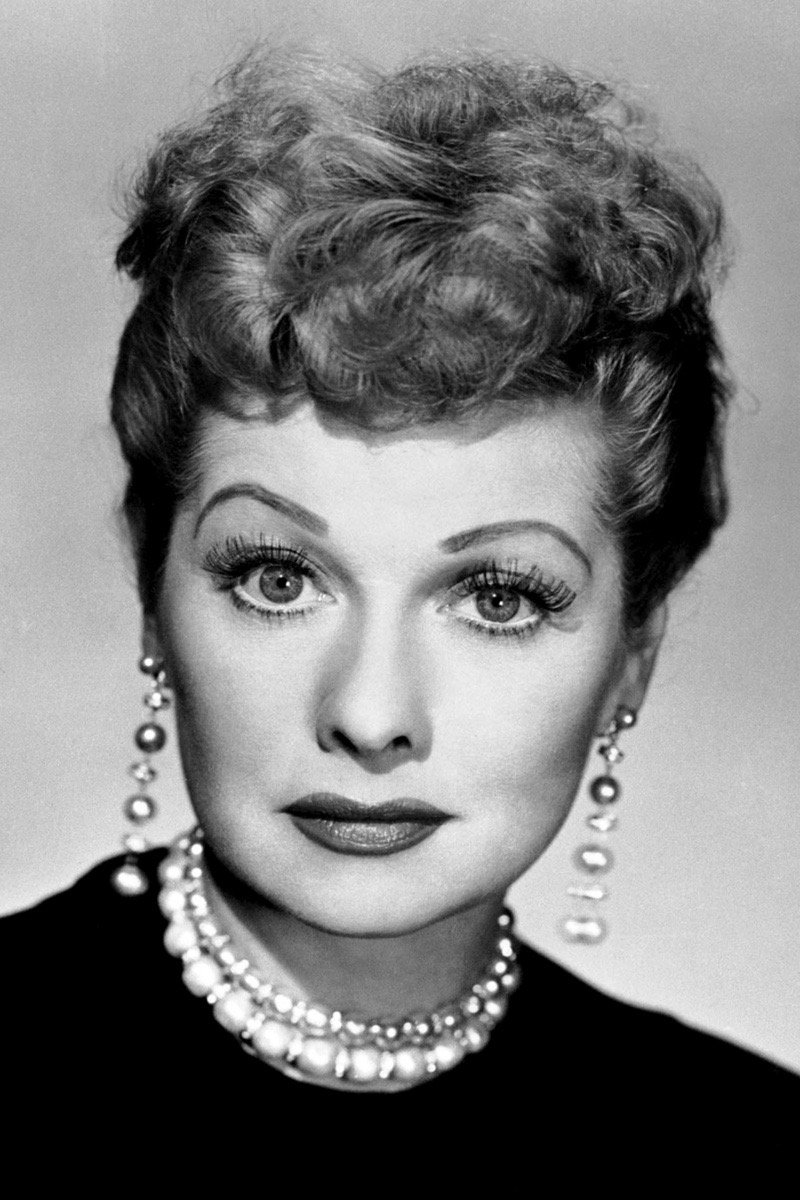
This actress achieved great fame on television, but she began her career in movie musicals in the 1940s. Interestingly, in the 1943 film ‘DuBarry Was a Lady,’ her singing wasn’t actually her voice! A popular radio singer named Martha Mears dubbed her vocals, and also sang for her in ‘The Big Street’ and other early films. Though the actress could sing, her voice was considered too low and didn’t quite fit the higher-pitched roles common at the time. This allowed her to focus on her talent for comedy and her striking looks, while still delivering songs with excellent vocals.
Marilyn Monroe
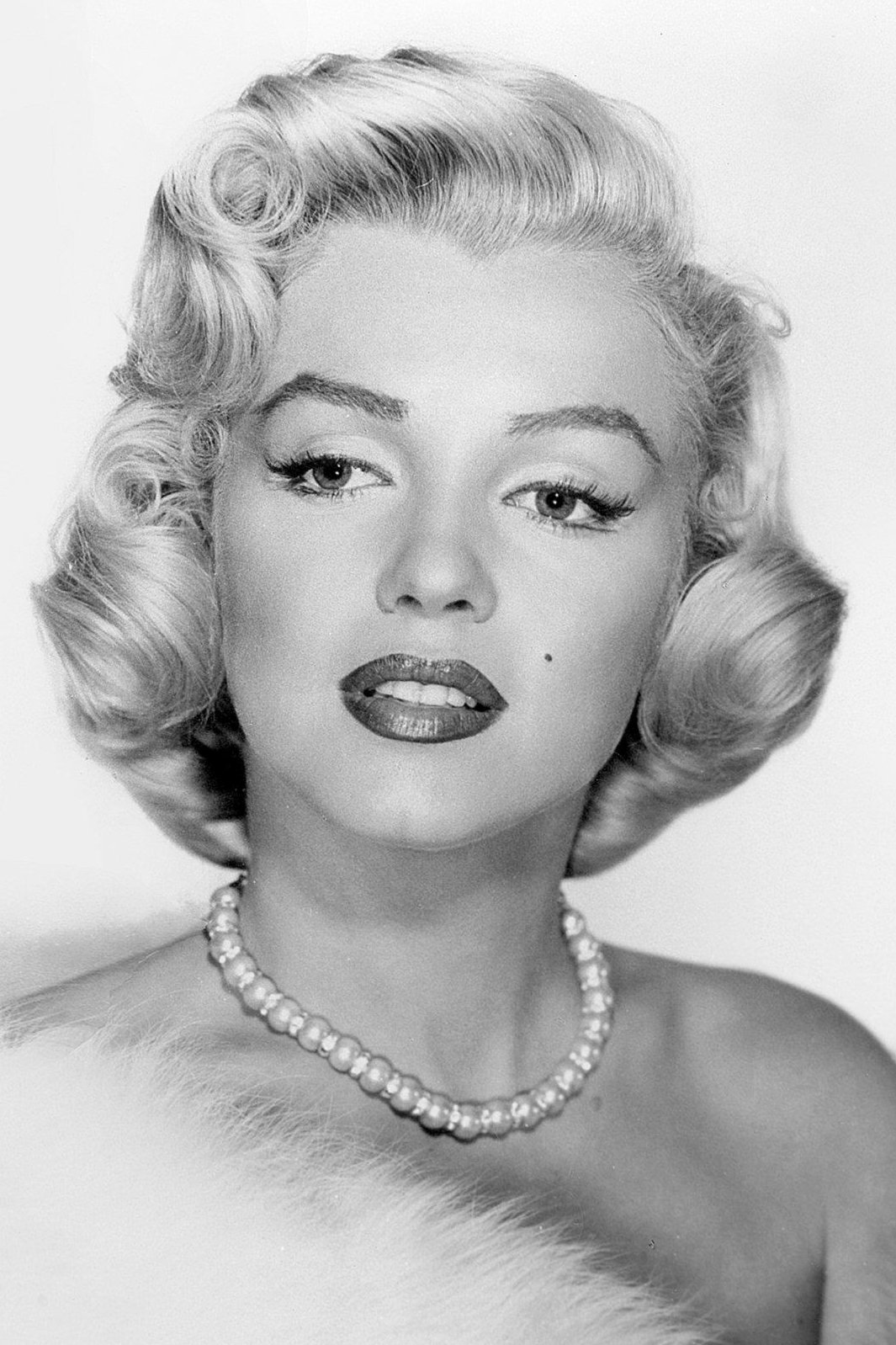
Marilyn Monroe was famous for her distinctive, breathy voice, but sometimes professional singers helped her out, especially with difficult parts. For example, in the movie ‘Gentlemen Prefer Blondes’ (1953), Marni Nixon sang the high notes in her iconic song, ‘Diamonds Are a Girl’s Best Friend,’ and also provided backing vocals for ‘Two Little Girls from Little Rock’ to create perfect harmonies. Though Monroe usually sang herself, these instances were used to enhance her most memorable musical performances. These contributions weren’t publicly acknowledged to maintain her image as a leading star.
Rita Moreno
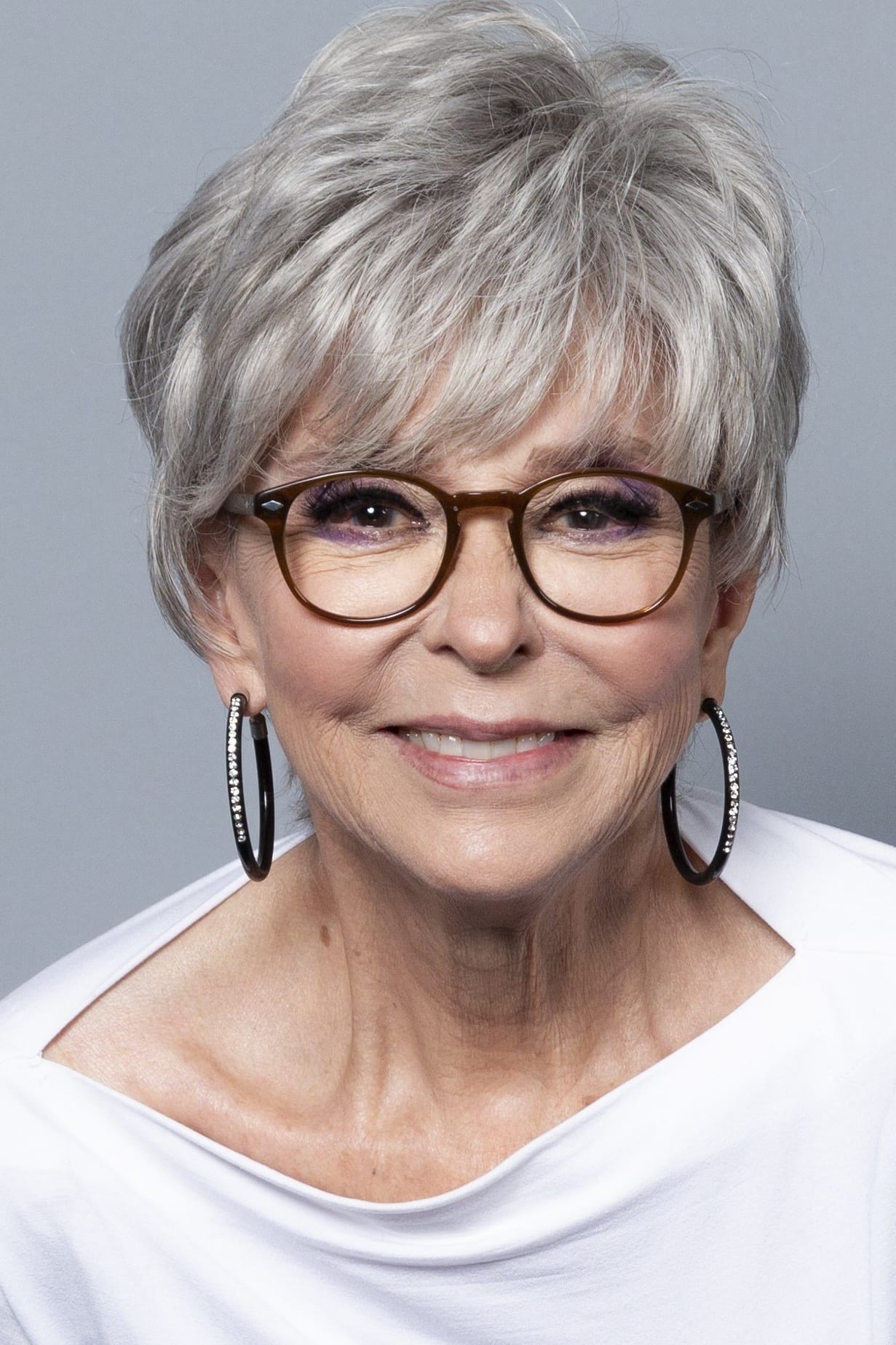
This acclaimed performer, a rare EGOT winner, is incredibly talented, but some of her singing in the 1961 film ‘West Side Story’ was actually done by other singers. She sang most of her own parts, but Betty Wand provided the vocals for the song “A Boy Like That” because it needed a lower vocal range than the actress could comfortably hit at the time. Marni Nixon also stepped in to sing some of the higher notes in the “Tonight” quintet when the actress couldn’t record. Despite these vocal adjustments, her energetic portrayal of Anita won her an Academy Award for Best Supporting Actress.
Debbie Reynolds
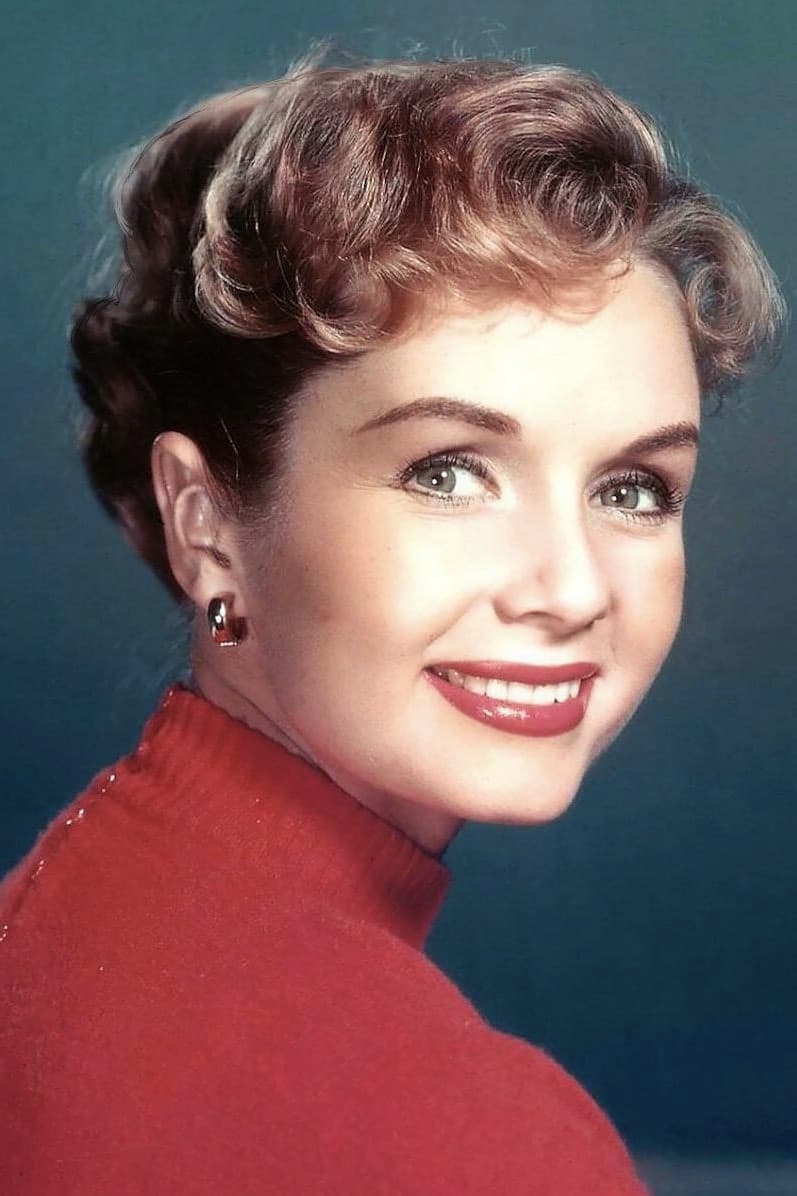
As a movie fanatic, ‘Singin’ in the Rain’ from 1952 is always a treat, and it’s funny when you realize how much of it involves dubbing! The whole plot revolves around a starlet needing someone to sing for her, which is ironic because Debbie Reynolds, who played Kathy Selden, actually was dubbed in the movie! A singer named Betty Noyes stepped in to provide the vocals for songs like “Would You” and a version of “You Are My Lucky Star.” Apparently, the filmmakers wanted a fuller, more operatic sound than Debbie’s naturally youthful voice offered. It’s become one of the most talked-about examples of Hollywood being self-aware – the movie’s story actually mirrored what was happening behind the scenes during production!
Kim Novak
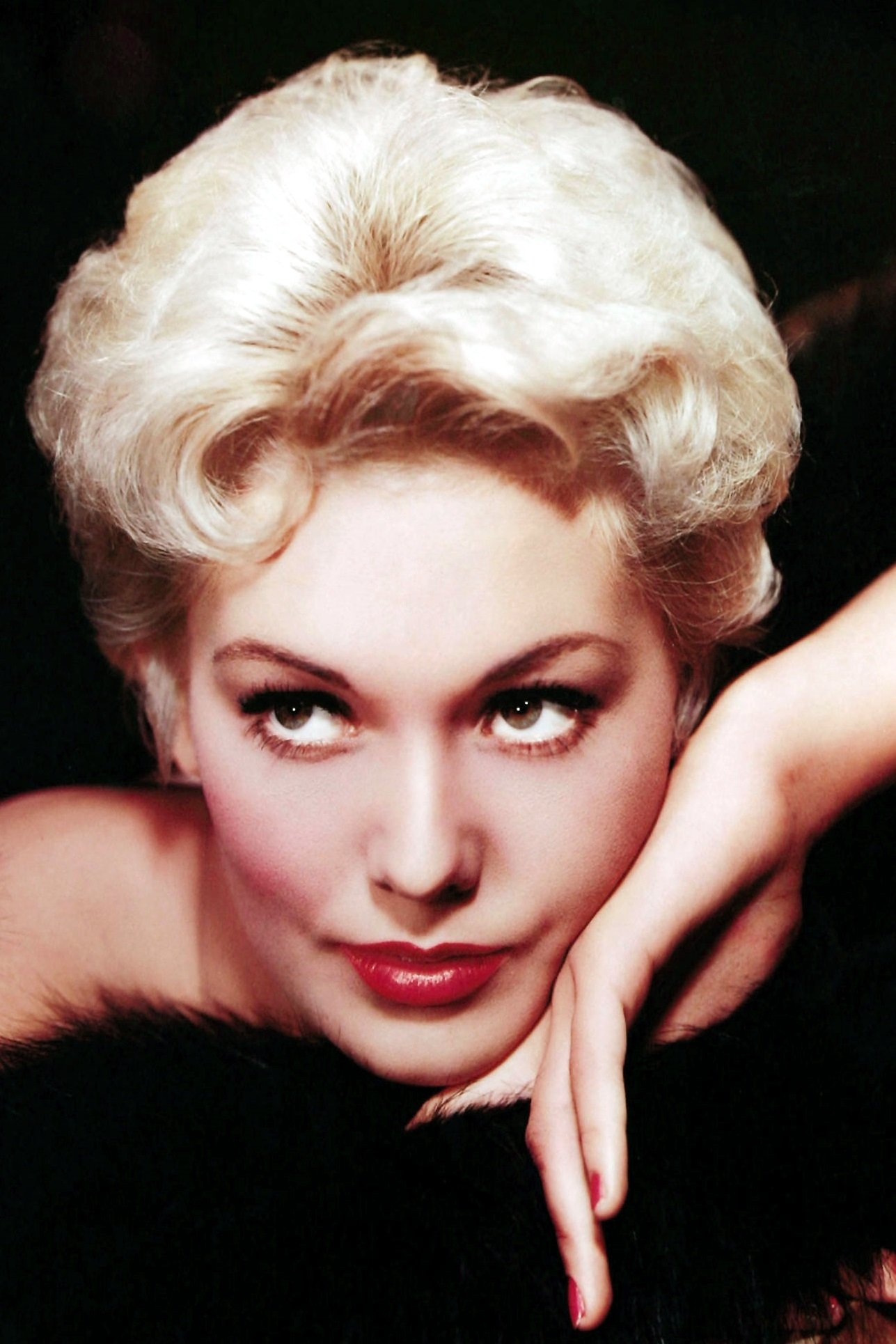
The actress appeared with Frank Sinatra and Rita Hayworth in the 1957 musical ‘Pal Joey,’ playing the character Linda English. Though Linda English sang in the film, her singing voice was actually provided by Jo Ann Greer, a professional ‘ghost singer’ who frequently dubbed vocals for other stars like Rita Hayworth and June Allyson. Because the actress was known for her quiet demeanor, the studio successfully kept Greer’s involvement a secret, wanting audiences to believe the star was the one singing and maintaining her image as a convincing romantic lead.
Hilary Duff
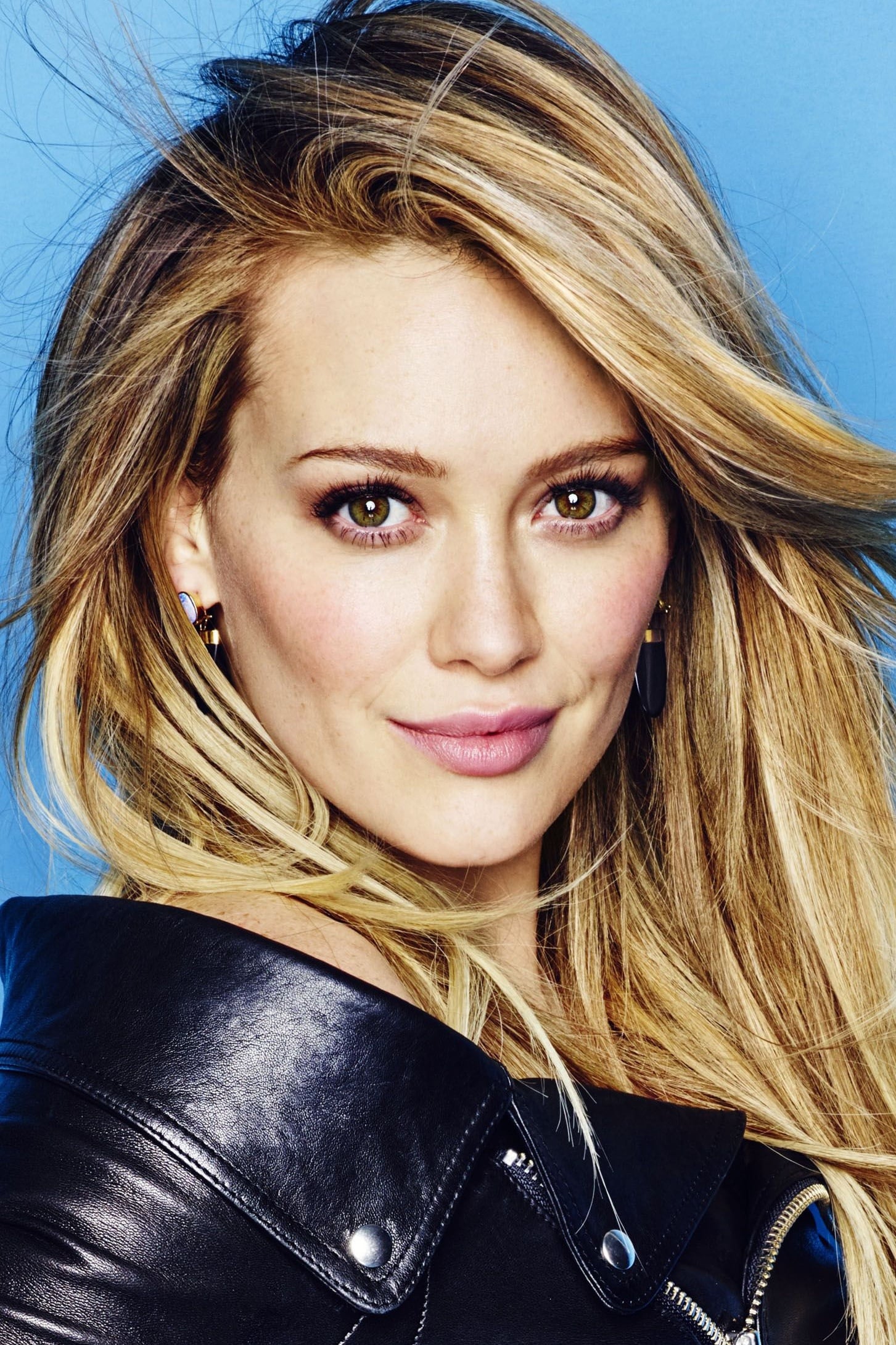
Hilary Duff starred as both Lizzie McGuire and a famous Italian pop singer, Isabella, in the 2003 movie ‘The Lizzie McGuire Movie.’ Although Hilary performed the main version of the song “What Dreams Are Made Of” as Lizzie, her sister Haylie Duff actually sang all of Isabella’s parts. The movie’s story centers around Isabella being a true singer, while her counterpart pretends to sing through lip-syncing. Using Haylie’s voice for Isabella allowed filmmakers to clearly differentiate the two characters’ singing. It was a surprise for many fans to later discover that the voice of Isabella belonged to Hilary’s sister.
Leslie Caron
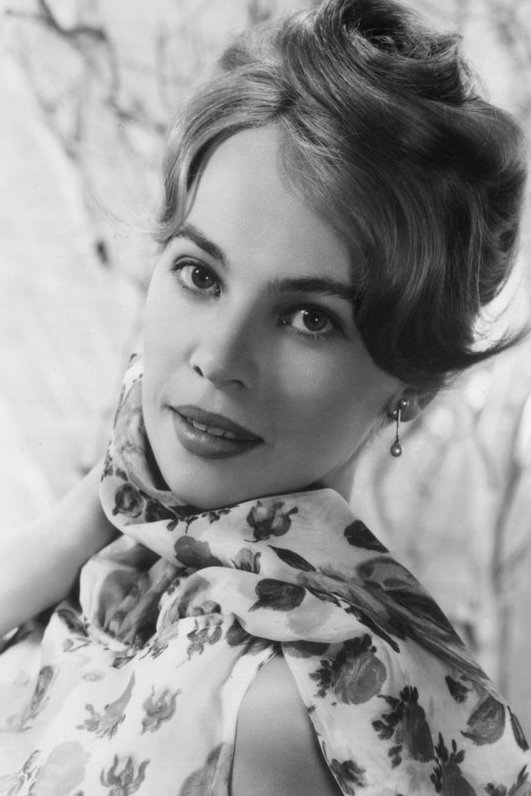
The acclaimed 1958 musical ‘Gigi’ featured a talented French actress and dancer as its star, and the film ultimately won nine Oscars. However, despite being the lead, her singing wasn’t actually heard in the movie – all of her vocals were dubbed by Betty Wand. Wand was a professional dubber, known for perfectly matching her voice to the speaking style of different actresses – she’d previously dubbed parts for Rita Moreno, among others. Though the actress was a skilled ballet dancer and could sing, the studio decided they wanted a more polished, professional voice for the musical numbers. This careful dubbing contributed to the film’s success and helped it become a beloved classic.
Cyd Charisse
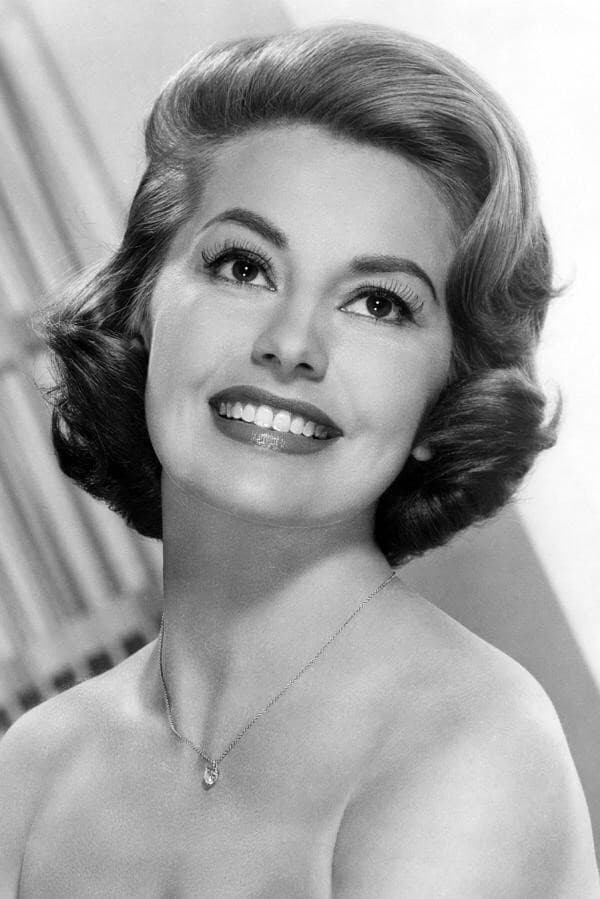
This iconic Hollywood dancer wasn’t known for her singing. In fact, she usually had professional singers provide the vocals for her movie musicals. India Adams dubbed her songs in ‘The Band Wagon’ (1953) and ‘Silk Stockings’ (1957), while Carol Richards sang for her in ‘Brigadoon’ (1954). The actress always considered herself a dancer first and preferred to leave the singing to the experts. Her stunning dance skills were so mesmerizing that viewers rarely noticed the voice wasn’t hers.
Sophia Loren
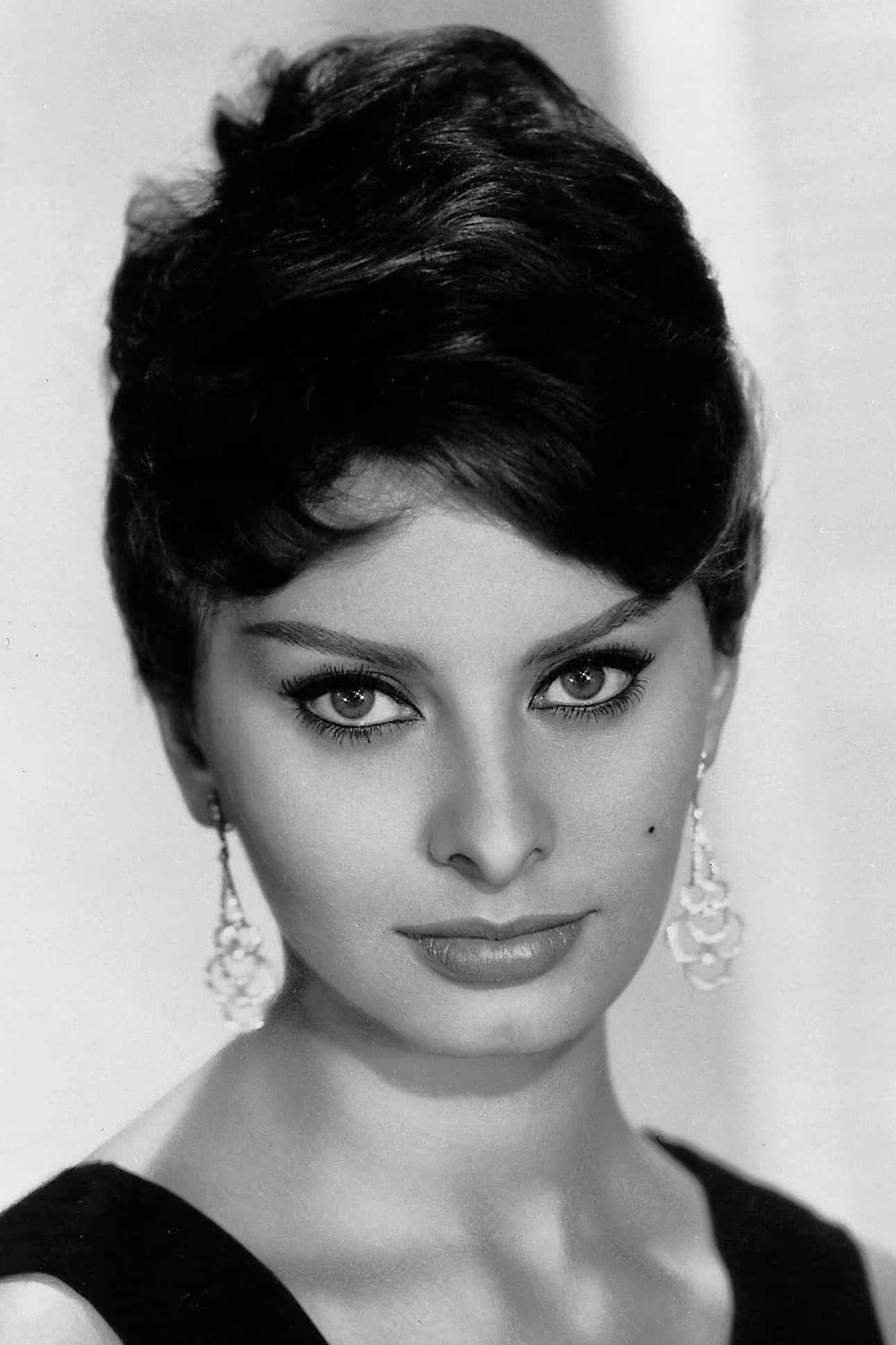
The famous actress starred in the 1957 movie ‘Boy on a Dolphin,’ where her character sings a traditional Greek song. While she could sing herself, the filmmakers hired Marni Nixon to provide the vocals for the song “S’agapo.” This was done to guarantee the song’s quality matched the rest of the film’s music. Nixon carefully imitated the actress’s unique accent and soft way of singing to make it sound like her. Because Nixon matched the actress’s voice so well, most people didn’t realize the singing wasn’t actually done by her.
Ava Gardner

The actress playing Julie LaVerne in the 1951 film ‘Show Boat’ diligently practiced her songs. She originally recorded her own versions of “Can’t Help Lovin’ Dat Man” and “Bill,” but the studio opted to use Annette Warren’s recordings instead, aiming for a more classic, refined sound in the movie. Thankfully, the actress’s initial recordings were later included on the soundtrack and in special releases, letting audiences hear both interpretations. Even though her vocals were replaced, her captivating on-screen persona powerfully conveyed the character’s heartbreaking story.
Minnie Driver
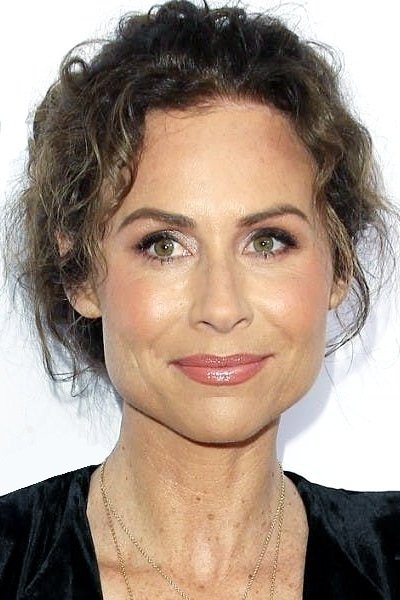
I remember when I first saw the movie ‘The Phantom of the Opera’ in 2004, I was really captivated by Carlotta! The actress who played her did a fantastic job portraying the dramatic opera singer. What I didn’t realize then was that while she could sing, the role needed a really powerful operatic soprano voice that she didn’t naturally have. So, the filmmakers brought in a professional opera singer, Margaret Preece, to actually sing all of Carlotta’s big songs. It was a smart move – it kept the opera parts authentic. But I loved that the actress got to sing the end-credits song, ‘Learn to Be Lonely’! It was written just for her voice, and it was a beautiful way for her to show off her own talent while still keeping the movie’s operatic feel.
Claudette Colbert
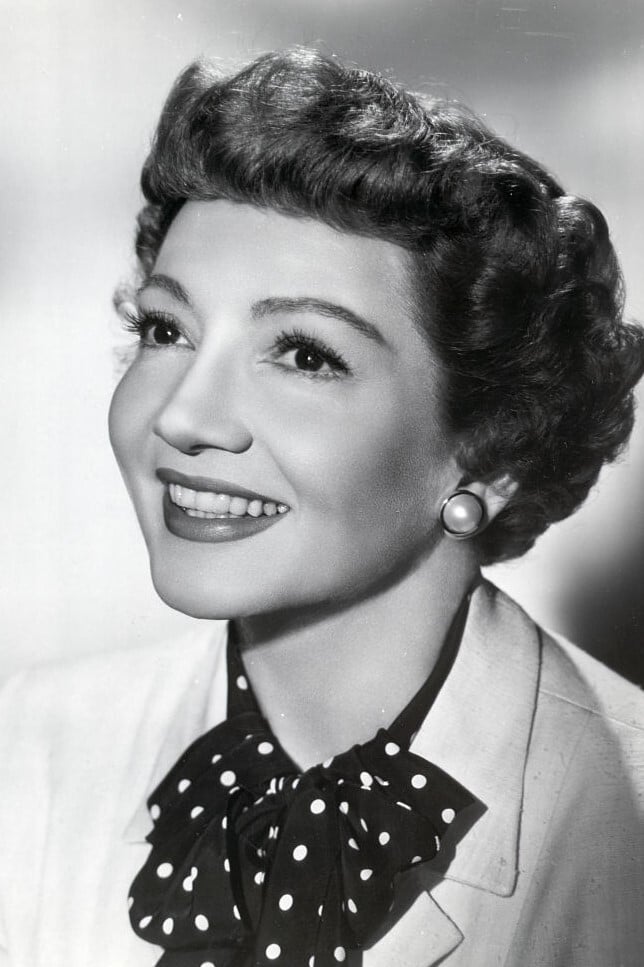
This actress was a major star in the 1930s and 40s, earning a very high salary and appearing in several musicals. In the 1938 film ‘Zaza’, her singing was actually performed and recorded by Martha Mears, a common practice at the time. Mears often provided vocals for actresses whose voices weren’t strong enough for the large orchestral scores used in movies. This ensured the actress maintained a polished and glamorous image. As was typical for stars then, the studio kept the dubbing a secret to maintain the illusion of a flawless performer.
Hedy Lamarr
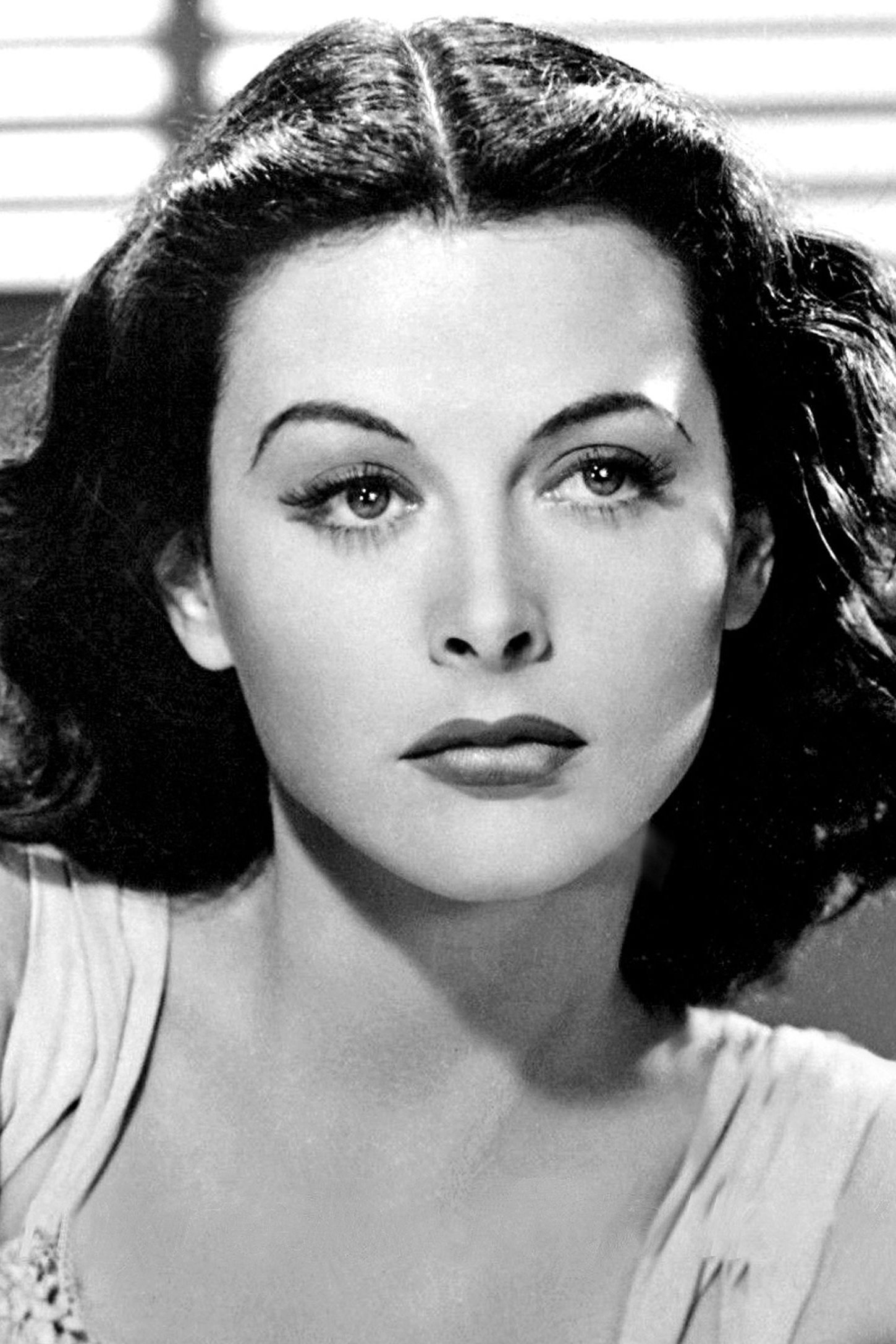
This actress was famous for both her beauty and her inventions, but she also acted in musicals during Hollywood’s Golden Age. In the 1939 film ‘Lady of the Tropics,’ another singer, Martha Mears, provided the vocals. Studio executives believed the actress’s accent and speaking voice, though ideal for spoken lines, didn’t quite fit the romantic songs. Mears skillfully adjusted her singing to match the actress’s elegant style, creating a seamless effect between her spoken dialogue and musical performances. This allowed the actress to concentrate on acting, while Mears ensured the songs sounded perfect.
Veronica Lake
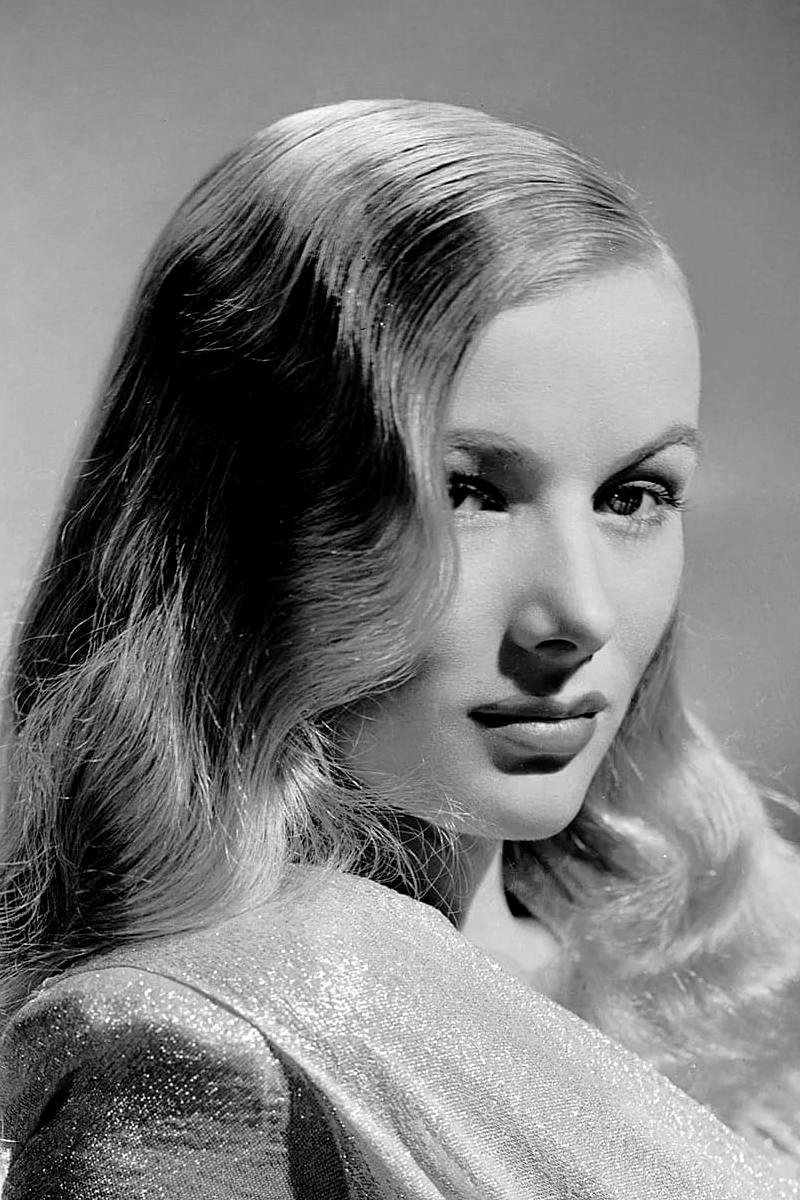
Known for her distinctive hairstyle and roles in dark, dramatic films, this actress sometimes appeared in movies that included musical numbers. In the 1942 thriller ‘This Gun for Hire,’ she portrayed a nightclub singer, though her singing voice was actually dubbed by Martha Mears. Mears had a richer, fuller voice that better suited the film’s suspenseful mood. The actress’s convincing performance led most viewers to remain unaware of the dubbing for many years. This was a common practice at Paramount Pictures, which often used Mears to provide vocals for actresses who didn’t sing themselves.
Loretta Young
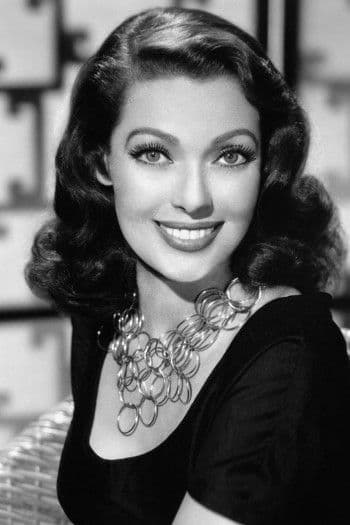
The Academy Award-winning actress starred in the 1941 drama ‘The Men in Her Life,’ which featured musical numbers. Although she acted as if she was singing, her vocals were actually provided by Martha Mears, a popular ghost singer at the time. The studio chose Mears because they wanted a sophisticated singing voice that matched the actress’s elegant on-screen persona and made her character’s musical talent convincing. This practice of using a ghost singer was common in Hollywood at the time and kept secret.
Esther Williams
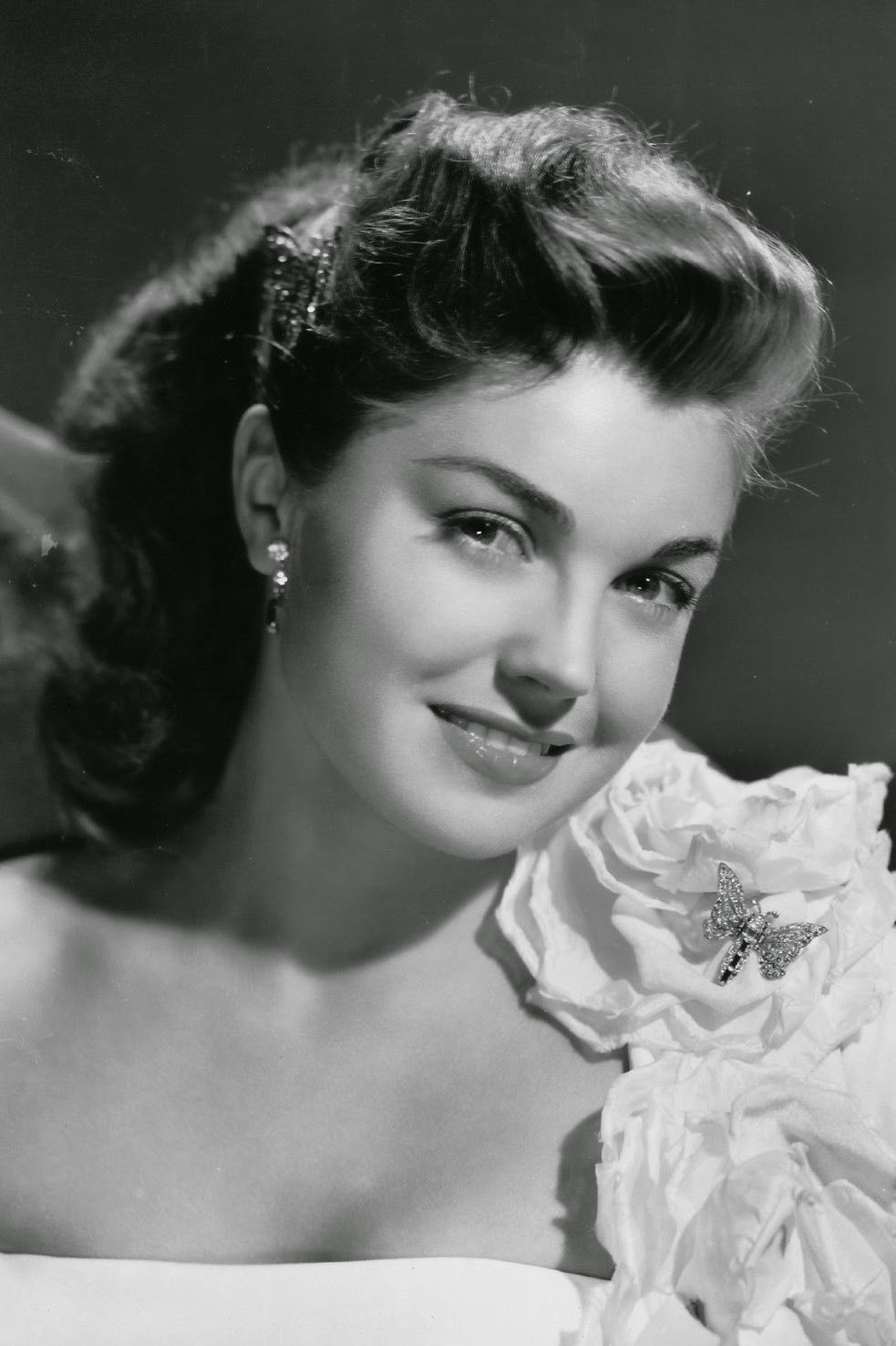
Though famous as “America’s Mermaid” for her stunning swimming scenes, this actress also starred in numerous musicals. In movies like ‘Easy to Love’ (1953), her singing voice was often provided by Jo Ann Greer, a common practice for stars celebrated for their physical skills, like dancing or swimming. Greer’s clear and cheerful voice perfectly matched the actress’s on-screen personality, allowing the studio to create lavish, large-scale productions that combined athletic performances with musical numbers.
Susan Kohner
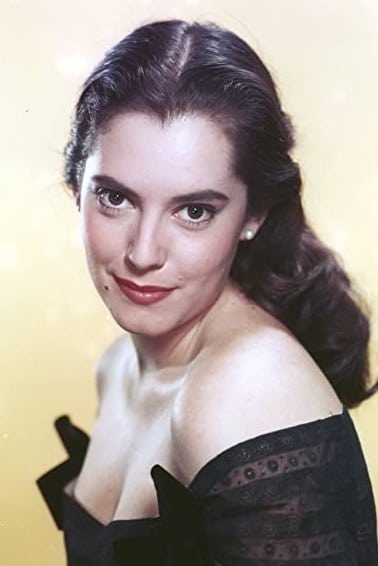
In the 1959 film ‘Imitation of Life’, the actress played Sarah Jane, a character who attempts to hide her racial identity and become a performer. Although the actress appeared to sing in a nightclub scene, the voice audiences actually heard was that of jazz vocalist Jo Ann Greer. Greer’s professional singing brought authenticity to the character’s dreams of becoming a star. The actress earned widespread praise and an Academy Award nomination for her acting, and the use of a vocal double enhanced the emotional impact of her performance. It’s considered a particularly successful example of using a ghost singer in a dramatic, non-musical film.
June Allyson
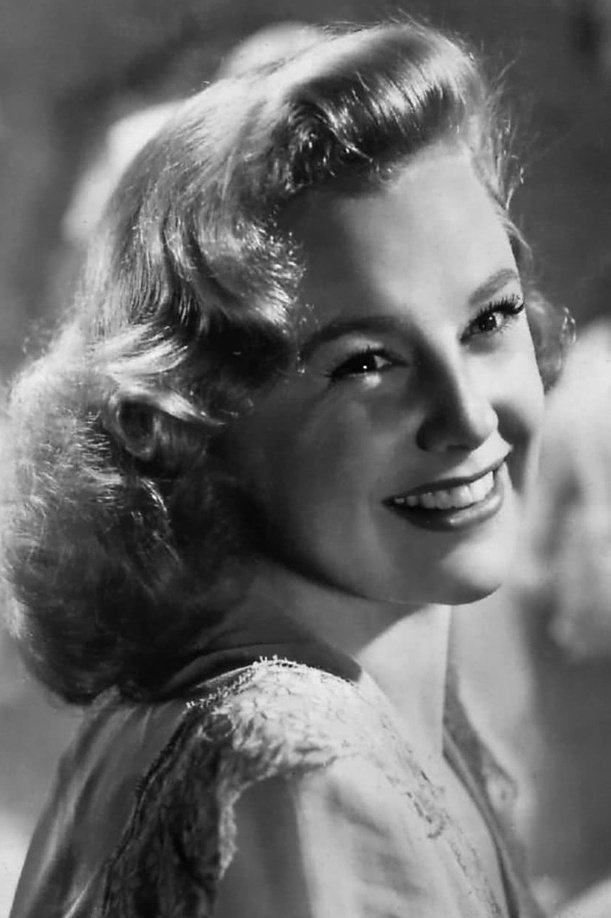
This actress was known for playing sweet, relatable characters in MGM musicals, and fans adored her unique, slightly raspy voice. However, when it came to big musical numbers, like those in ‘The Opposite Sex’ (1956), another singer, Jo Ann Greer, provided the vocals. The studio believed the actress’s singing voice wasn’t strong or versatile enough for the elaborate orchestral scores. Greer cleverly imitated the actress’s distinctive rasp while singing, making the switch less noticeable to audiences. This way, the actress remained the on-screen star, while the music still met the studio’s high expectations.
Joan Leslie
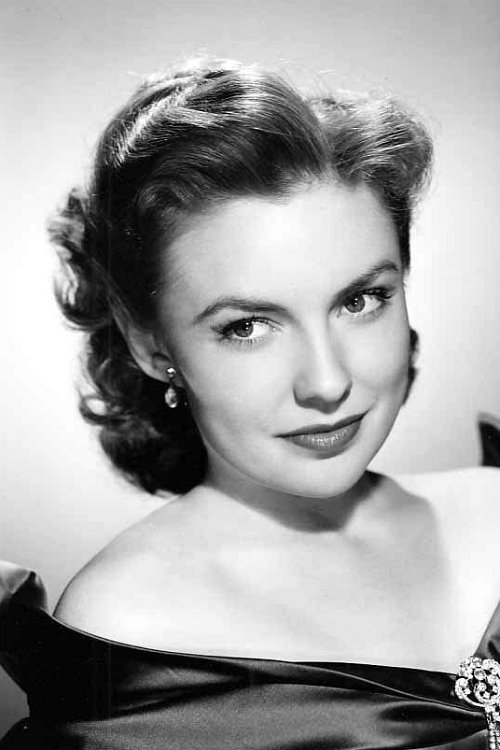
This actress is most remembered for playing George M. Cohan’s wife, Mary, in the 1942 film ‘Yankee Doodle Dandy.’ Although she could sing, a professional session vocalist named Sally Sweetland – who also worked on Disney films – provided the singing voice for her in the movie. Sweetland also dubbed her vocals in ‘Rhapsody in Blue’ (1945), establishing a strong working relationship between them. Sweetland’s contributions were key to creating the energetic and patriotic feel of biographical films popular at the time.
Margaret O’Brien
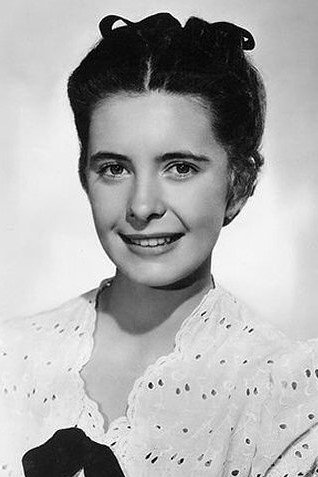
This actress was a popular child star in the 1940s, famous for her powerful and expressive acting. In the 1949 movie ‘The Secret Garden,’ a young Marni Nixon provided the singing voice for one of her musical scenes. This was one of Nixon’s first jobs as a ghost singer – someone who records vocals for another performer – and it launched her remarkable Hollywood career. The studio felt the actress’s voice didn’t quite have the clear, bright quality needed for the role, so Nixon stepped in. Their collaboration helped keep the film’s tone magical and innocent, which was perfect for this beloved children’s story.
Tell us which of these secret musical talents surprised you the most in the comments.
Read More
- Building 3D Worlds from Words: Is Reinforcement Learning the Key?
- The Best Directors of 2025
- Spotting the Loops in Autonomous Systems
- 2025 Crypto Wallets: Secure, Smart, and Surprisingly Simple!
- 20 Best TV Shows Featuring All-White Casts You Should See
- Umamusume: Gold Ship build guide
- Mel Gibson, 69, and Rosalind Ross, 35, Call It Quits After Nearly a Decade: “It’s Sad To End This Chapter in our Lives”
- Uncovering Hidden Signals in Finance with AI
- Gold Rate Forecast
- TV Shows That Race-Bent Villains and Confused Everyone
2026-03-14 16:25