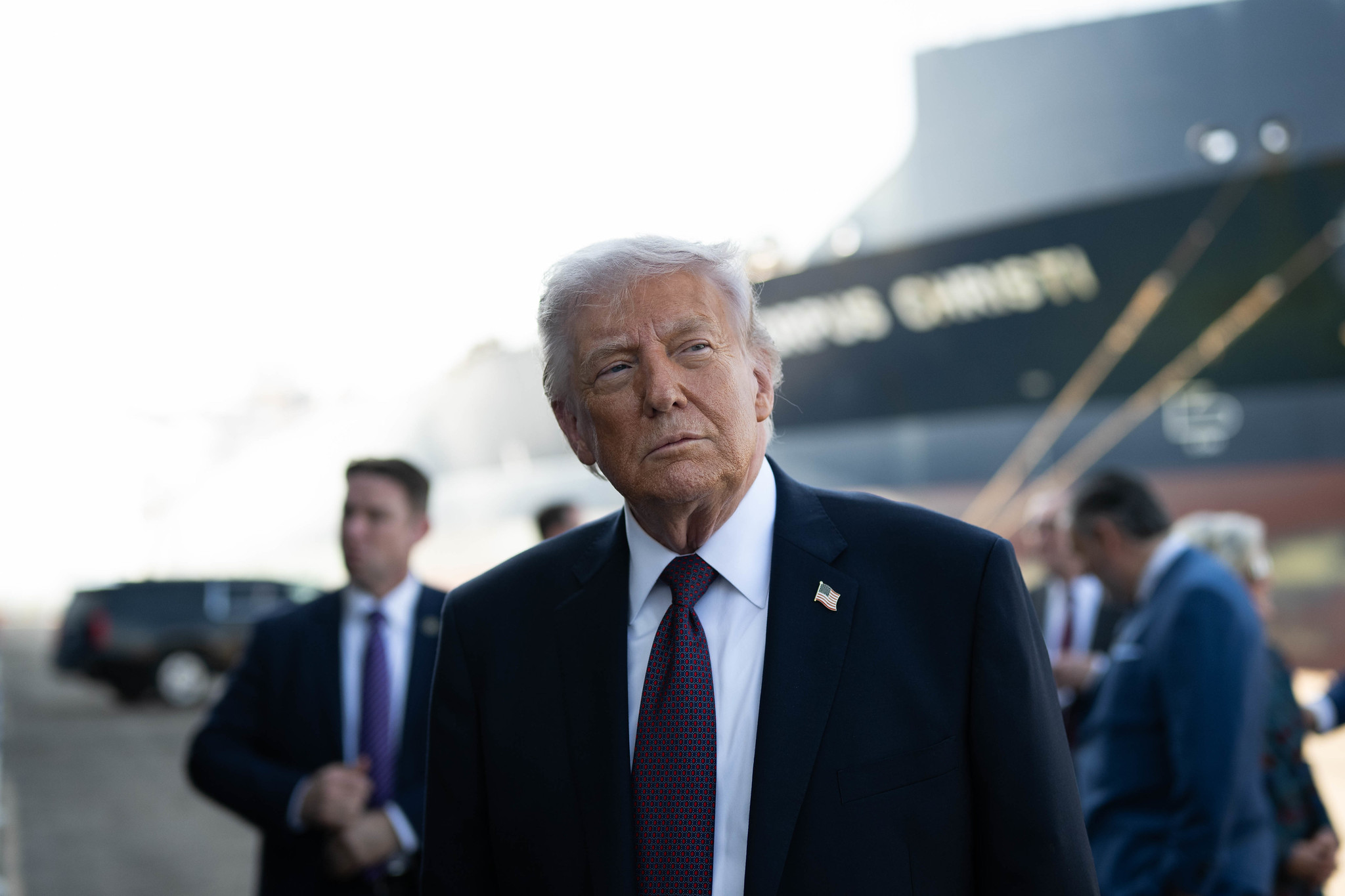
The numbers tell a story, as they always do. Under the current administration, the market has bloomed – the Dow, the S&P 500, the Nasdaq – they’ve all seen their share of sun. A rise of 57%, 70%, 142% in the years prior to this one, and a further lift of 9%, 12%, and 14% since the inauguration. History suggests a good run for a president, and these indexes have often favored those in power. But the land can turn dry quickly, and a good harvest doesn’t guarantee the next. These numbers, while comforting, feel…thin. Like a veneer over something older, something less assured.
There’s talk, of course, of tariffs and trade winds. Fussing over pennies while the foundations shift. It’s a distraction. The real dangers aren’t so easily tallied on a balance sheet. They’re woven into the fabric of the world, things that threaten not just fortunes, but the quiet lives of those who have little to lose, and everything to fear.
The Price of Smoke and Shadow
Two weeks past, the horizon seemed clear enough. Now, a shadow falls from the east. Conflict has flared, and with it, the threat of a disruption to the lifeblood of the modern world – oil. It’s a familiar story, repeated across generations. A tightening of the flow, a surge in price, and the small man feels it first, at the pump, in the grocery store, in the dwindling margins of his work.
History, when you bother to look, isn’t a neat progression of dates and victories. It’s a catalog of near misses, of disasters averted by luck or foresight. There have been forty such events since the last great war, and more often than not, the market shrugged them off. But oil…oil is different. When the flow stops, or even slows, the whole system shudders. The last time the world felt such a pinch, in ’73, the market lost nearly half its value. A similar fate befell it in ’90 when the sands shifted in Kuwait. Now, with the Strait of Hormuz threatened, the price of crude has leaped – a 36% climb in a single week. It’s a fever, and it will spread.
A spike in oil isn’t just a number on a screen. It’s a tightening of belts, a postponement of dreams, a quiet desperation in the eyes of those who struggle to make ends meet. And it puts the Federal Reserve in a bind, freezing any hope of easing the burden on working families.
The Weight of Doubt
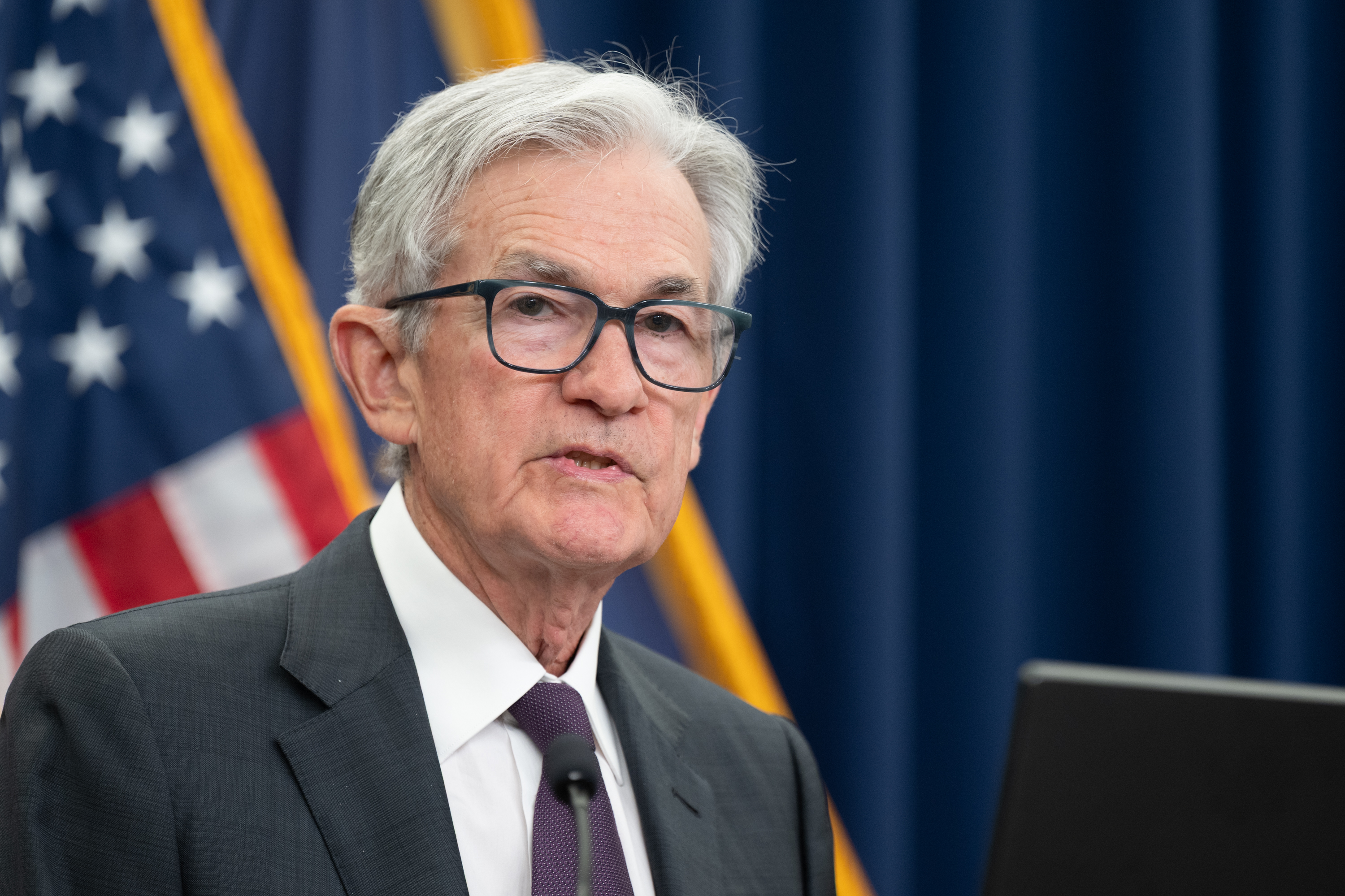
The Federal Reserve is meant to be a steady hand, a bulwark against the storms. But lately, it feels less like a lighthouse and more like a ship lost at sea. The committee, tasked with keeping the economy on track, is fractured. Disagreements, once rare, are becoming commonplace. It’s a subtle thing, a divergence of opinion, but it erodes trust. When the guardians of the system can’t agree, what hope is there for those who rely on it?
Jerome Powell has, for a time, managed to keep the committee largely united. But even now, dissenting voices are heard, pushing in opposite directions. It’s a dangerous sign, a crack in the foundation. And with a change in leadership looming, the uncertainty only deepens. A new captain, with a different vision, could steer the ship onto the rocks.
The Illusion of Plenty
But perhaps the greatest danger lies not in external shocks, but in the market itself. The numbers are seductive, but they can be deceiving. The Shiller P/E Ratio, a measure of valuation, is now at levels not seen since the depths of the Great Depression. It’s a warning sign, a flashing red light. The market is priced for perfection, and perfection rarely lasts.
This ratio, unlike many others, accounts for ten years of earnings, smoothing out the bumps and providing a more accurate picture of long-term value. And right now, that picture is…disturbing. The market is the second most expensive in its 155-year history. It’s an illusion of plenty, built on borrowed time.
History shows us what happens when valuations reach these heights. The market doesn’t correct gradually; it collapses. A plunge of 20% to 89% is the fate that has befallen it in the past. It’s a harsh lesson, but one we seem destined to repeat.
So, look beyond the tariffs, beyond the headlines. The real risks are deeper, more insidious. They’re woven into the fabric of the world, waiting for the moment to unravel it all. And when they do, it won’t be the wealthy who suffer the most. It will be those who have the least to lose, and everything to fear.
Read More
- Building 3D Worlds from Words: Is Reinforcement Learning the Key?
- The Best Directors of 2025
- 2025 Crypto Wallets: Secure, Smart, and Surprisingly Simple!
- 20 Best TV Shows Featuring All-White Casts You Should See
- Mel Gibson, 69, and Rosalind Ross, 35, Call It Quits After Nearly a Decade: “It’s Sad To End This Chapter in our Lives”
- Umamusume: Gold Ship build guide
- Uncovering Hidden Signals in Finance with AI
- Gold Rate Forecast
- TV Shows That Race-Bent Villains and Confused Everyone
- Here Are the Best TV Shows to Stream this Weekend on Hulu, Including ‘Fire Force’
2026-03-14 11:14