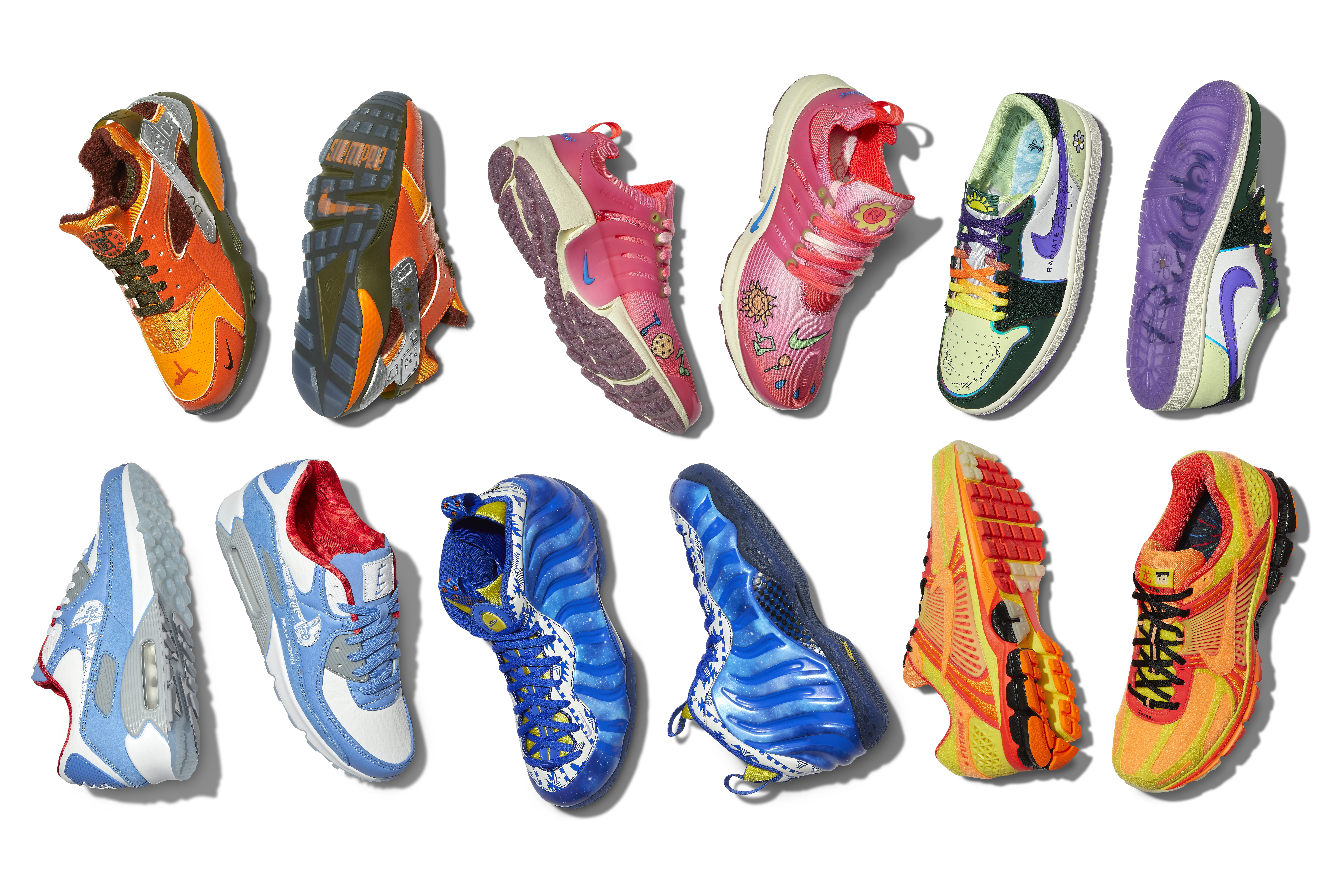
Nike [NKE 2.87%] finds itself in a familiar, if unwelcome, position: attempting to justify its existence. A year and a half ago, Elliott Hill assumed leadership, inheriting a situation bordering on crisis. The company, once a symbol of relentless growth, had begun to falter, experiencing a decline in revenue not seen in recent memory. Rivals, notably Deckers’ Hoka and On Holding, were gaining ground, a clear indication that complacency had taken root.
Hill’s response has been one of restructuring. Management teams were reshuffled, organizational layers streamlined, and a renewed emphasis placed on the core business of athletic performance. Investment in innovation increased, older product lines were quietly discarded, and attempts were made to mend relationships with wholesale partners—relationships damaged by an overzealous pursuit of direct-to-consumer sales. It is a sensible course, though whether it will be sufficient remains to be seen.
There are glimmers of improvement. Revenue has stabilized, posting a modest 1% increase to $12.4 billion in the latest fiscal quarter. The running shoe category, a crucial segment for Nike, has returned to growth. However, these gains are fragile. The share price continues to drift, hovering near an eight-year low, weighed down by shrinking profit margins—a predictable consequence of investing in a turnaround while simultaneously attempting to maintain appearances.
Wall Street’s Speculation
Unsurprisingly, Wall Street is taking notice. Barclays recently upgraded the stock, raising its rating to a buy-equivalent and increasing its price target from $64 to $73. The reasoning is straightforward: improving inventory levels suggest the possibility of margin recovery, and the resurgence in running shoes could signal broader improvement. Wells Fargo maintains a buy-equivalent rating, though it has removed Nike from its list of top picks – a subtle indication of caution. Jefferies, meanwhile, cites positive commentary from Dick’s Sporting Goods as evidence of a potential wholesale recovery.
A Cautious Investment
Nike’s stock is currently trading at a considerable discount from its pandemic-era peak. However, this does not necessarily make it a bargain. The price-to-earnings ratio of 32 suggests that the market still expects significant growth—growth that remains uncertain. A genuine turnaround requires more than just restructuring; it demands a fundamental improvement in the underlying business. Analysts anticipate a sharp decline in profits when Nike reports its third-quarter earnings, but they also foresee a return to growth thereafter.
Despite its current difficulties, Nike retains certain advantages: a globally recognized brand and a roster of high-profile athletes. Hill appears to be taking the necessary steps, but the path to recovery will be long and arduous. Patience will be required from investors. The components of a turnaround are present, but their successful assembly is far from guaranteed. The risk remains substantial, but for those willing to accept it, the potential reward may be commensurate. It is not a purchase to be made lightly, but neither is it a situation to be dismissed out of hand.
Read More
- Building 3D Worlds from Words: Is Reinforcement Learning the Key?
- The Best Directors of 2025
- 2025 Crypto Wallets: Secure, Smart, and Surprisingly Simple!
- 20 Best TV Shows Featuring All-White Casts You Should See
- Mel Gibson, 69, and Rosalind Ross, 35, Call It Quits After Nearly a Decade: “It’s Sad To End This Chapter in our Lives”
- Umamusume: Gold Ship build guide
- Gold Rate Forecast
- Most Famous Richards in the World
- TV Shows Where Asian Representation Felt Like Stereotype Checklists
- 39th Developer Notes: 2.5th Anniversary Update
2026-03-12 23:52